
Naeba Ski Resort opens December 18, 2026, with the Dragondola slated to start December 26. Compare Naeba-only passes vs. Mt. Naeba multi-area tickets, Echigo-Yuzawa shuttles, Naeba Prince Hotel, and family snow play areas.
- Region & Focus
- Echigo-Yuzawa and NaebaSkiing
- Reading Scope
- 23 min read · 12 chapters · 8 Q&As
- Official Verification
- 19 official sources checkedUpdated November 22, 2026
- Key Topics
- WinterBookingChubu & Hokuriku
Chapter Route Map (tap any stop)
- Check Naeba, Dragondola, and Kagura Dates Separately
- Breaking Down Naeba Lift Ticket Prices
- Buying Online and the Multi-Day 20-Hour Pass
- Riding the Dragondola to Tashiro: Budget Time for the Slopes
- Reading the Trail Map: Hotel Base, Hiuchi Side, and Upper Runs
- Shinkansen from Tokyo to Echigo-Yuzawa, Then East Exit Transfers
- Ikebukuro Direct Bus, Narita Highway Bus, and Driving
- Staying at Naeba Base vs. Near Echigo-Yuzawa Station
- Choosing a Day-Trip Base: Schnee, Dorf, and South Gate
- Rentals and Ski Lessons: Keep Your Base on One Side
- Family Snow Park Budgets and Spring Backup Plans
- Planning a 1- or 2-Day Itinerary and the Return to Tokyo
- Quick Q&A
Naeba Ski Resort's 2026–27 season runs from December 18 through April 4. From Tokyo, ride the Joetsu Shinkansen to Echigo-Yuzawa and transfer by bus to the mountain. First-time skiers or families bringing kids to play in the snow can easily spend a full day at Naeba's base. If you want to ride the Dragondola over to Kagura Ski Resort, aim for its scheduled December 26 to March 22 operating window and buy the Mt. Naeba pass. Plan your night-skiing return carefully: peak-season night skiing runs until 20:00, while the last hotel guest shuttle back to Echigo-Yuzawa leaves at 18:15.
Check Naeba, Dragondola, and Kagura Dates Separately
Naeba Ski Resort's published season runs from December 18, 2026 through April 4, 2027, with night skiing scheduled until March 21. The Dragondola is scheduled to run from December 26 through March 22. If you arrive right at opening between December 18 and 25, plan around Naeba alone. March 22 is the Dragondola's last scheduled day, after the published final night-skiing date. The season trail map lists closing hours at 17:00 from March 22 through April 4, so early-April trips are best reserved for daytime skiing at Naeba.
Kagura's three zones run on two separate calendars. Kagura and Mitsumata are scheduled from November 28, 2026 through May 16, 2027, while the Tashiro area runs from December 19 through May 5. Because Kagura opens earlier and closes later, it works well for early-season or spring trips. To ski between Naeba and Kagura, watch both the Dragondola and the connecting trail status. Once Dragondola season ends, enter Kagura from Mitsumata or Tashiro stations instead, checking each zone's closing date.
Before locking in time off, circle the tightest constraint in your schedule. Single-day ski groups do best on weekdays during Dragondola season, when cross-resort routing is easier to adjust. Taking lessons at Naeba or fitting in night skiing before heading to bed? One night slopeside gives you more use out of ski-in/ski-out convenience than paying extra for a multi-resort pass. Just bringing kids for snow play? The family snow park closes March 31 and opens one day after the resort, so line up both dates when booking rooms to avoid changing kids' plans on arrival.
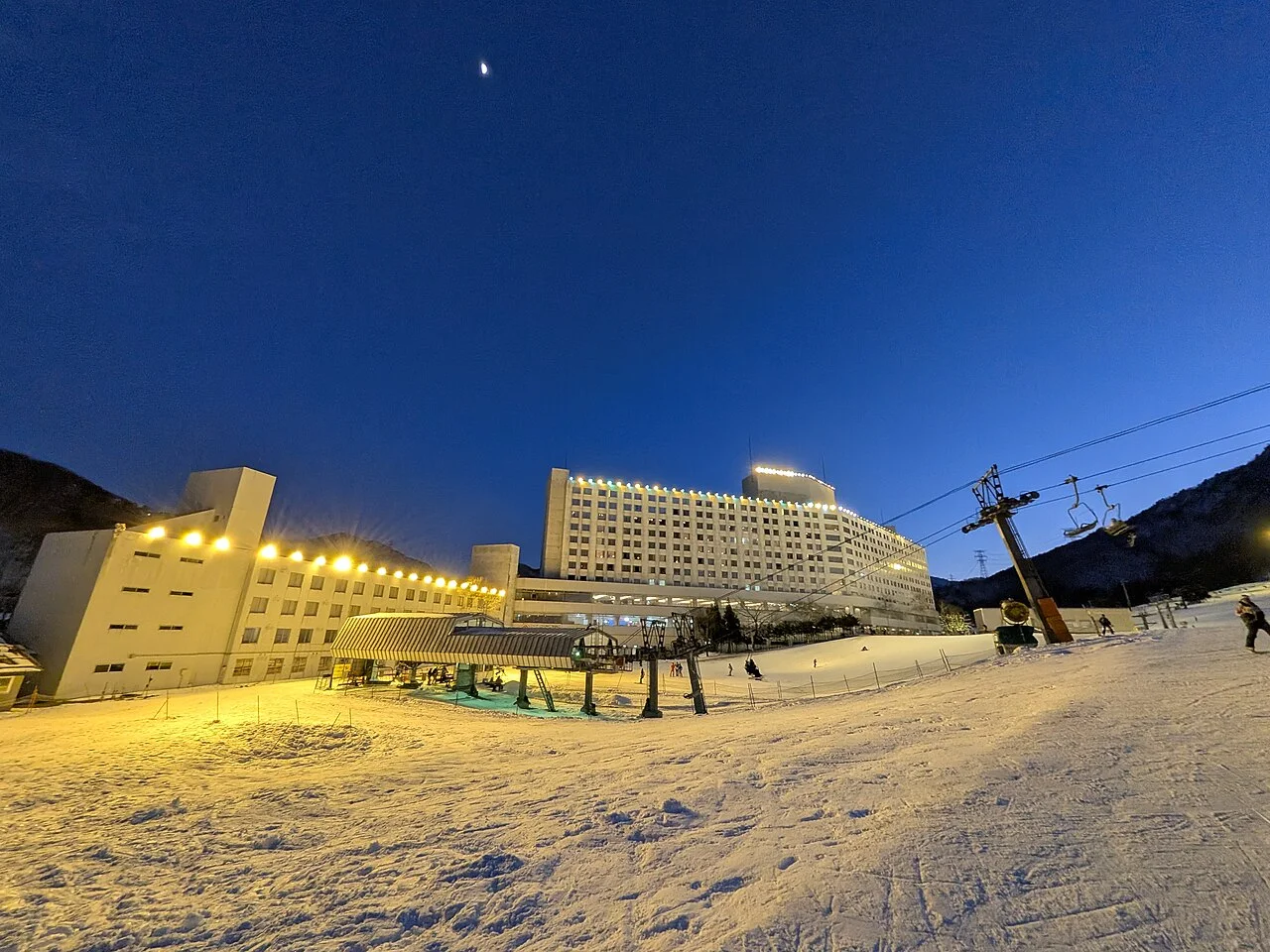
Naeba Ski Resort opens December 18, 2026, with the Dragondola slated to start December 26. Compare Naeba-only passes vs. Mt. Naeba multi-area tickets, Echigo-Yuzawa shuttles, Naeba Prince Hotel, and family snow play areas.
Breaking Down Naeba Lift Ticket Prices
Regular 2026–27 counter prices classify junior high school students and older as adults. A Naeba-only 1-day pass costs ¥9,800 and covers open runs and lifts within Naeba. A Mt. Naeba 1-day pass costs ¥11,800 and covers Naeba plus Kagura's Kagura, Mitsumata, and Tashiro areas, with cross-resort riding via the Dragondola. Joining the free Seibu Prince Global Rewards program lowers those counter 1-day rates to ¥9,000 and ¥10,800. Because member pricing is a purchase condition, have everyone's membership details ready if your group buys tickets separately.
Naeba also sells consecutive 8-hour (¥8,300) and 4-hour (¥6,300) passes—both valid at Naeba only, with no Dragondola or Kagura access. Consecutive-hour tickets work best when you want to concentrate riding into the morning or afternoon. Arriving by bus, eating lunch, and picking up rentals first makes the 4-hour pass ¥3,500 cheaper than a regular Naeba 1-day pass. Conversely, if you plan to ski all day and catch night skiing around dinner, the official site specifies that a 1-day pass remains valid until lifts close for the evening, giving you more flexibility than locking into four hours upfront.
Elementary school students and younger ride lifts free with a dedicated ticket issued at the counter. Families skiing together buy adult and junior-high passes for their chosen zones and pick up kids' passes along the departure route. Children only entering the family snow park pay park admission under park rules instead. Lessons, skiwear, and gear rentals cost extra—budget each person's activities separately so adult cross-resort pass differences and kids' lesson fees stay clear.
Group members don't have to buy identical passes. If one adult skis over to Tashiro while another stays at Naeba with the kids, only one pays the ¥2,000 regular upgrade. Agree on a pre-hotel meetup time, decide who is handling lessons or childcare, and settle who carries the room key. Groups sticking together should route around the least experienced skier—nearby Tashiro makes a straightforward turnaround point for a cross-resort day.
| Ticket Type | Regular Price | Member Counter Price | Best For |
|---|---|---|---|
| Naeba Area Consecutive 4-Hour Pass | ¥6,300 | — | Half-day practice at Naeba |
| Naeba Area Consecutive 8-Hour Pass | ¥8,300 | — | Continuous riding block within one day at Naeba |
| Naeba Area 1-Day Pass | ¥9,800 | ¥9,000 | Daytime skiing plus night skiing when open |
| Mt. Naeba 1-Day Pass | ¥11,800 | ¥10,800 | Naeba and all three Kagura areas via Dragondola |
Buying Online and the Multi-Day 20-Hour Pass
Webket online ticket purchases take Visa, Mastercard, JCB, and co-branded cards. Save your emailed QR code offline; group members can hold their own codes or bring printouts to redeem on-site. Allow extra time for fitting boots, finding rental desks, and walking—especially if a lesson starts before your group's first lift ride. If one person buys for the whole group, distribute individual QR codes on the train or bus ride up.
Official online purchase rules list an advance cutoff of 23:00 the night before use, while the FAQ notes same-day purchases are possible at least 15 minutes before issuing your ticket. Waiting until you reach Naeba to buy? Check whether your ticket type is available online before deciding between the counter or QR redemption. Online tickets cannot be modified, canceled, or refunded once paid. If your plan hinges on whether cross-resort lifts open, wait until closer to departure before committing. Member counter pricing and Webket advance sales are separate purchase paths.
Skiers returning to Naeba multiple times in a season for shorter sessions can compare the web-exclusive segmented 20-hour pass. It loads 20 one-hour units that deduct hourly from your first gate scan and can be split across different days. First-time purchase is ¥25,000 including the IC card (picked up at the ticket office), or ¥24,000 to reload an existing card. Estimate how many full-hour blocks each session needs before buying. Two half-day adult outings on consecutive 4-hour passes total ¥12,600, a much lower commitment for short trips—making the 20-hour pass better suited to riders with enough upcoming ski days to use the remaining balance.
Some skiers split morning and afternoon runs around a long lunch with kids. With a segmented pass, timing runs in one-hour blocks from gate scan, so don't treat lunch or lift-line minutes inside an active hour as time you can bank for the next day. Traveling with kids or heading to another resort tomorrow? Pick each day's ski zone first, then compare hour blocks. On the day you plan to ride the Dragondola to Tashiro, confirm your ticket explicitly covers Mt. Naeba.
Riding the Dragondola to Tashiro: Budget Time for the Slopes
The Dragondola connects Naeba's Hiuchi side to Kagura Ski Resort's Tashiro Plateau over 5,481 meters. General ride info cites about 25 minutes each way, while Kagura's winter trail map estimates around 20 minutes. Tashiro's Summit Station (Sancho Station) stands at 1,346 meters; inside Naeba, Prince Gondola No. 1 and No. 2 are separate lifts. Reaching Kagura's main area requires skiing further along Tashiro runs and connecting trails.
On your first crossing from Naeba Prince Hotel to the Hiuchi side, follow the green beginner DG1 Dragondola connecting trail, marked by blue circular numbered signs. Once you arrive at Tashiro, note the return path to the Dragondola station immediately. Kagura's trail map estimates intermediate riders take about 50 minutes along the runs from Tashiro's Dragondola station to Wada Goya and 45 minutes back, plus about 25 minutes from Wada Goya to Mitsumata Ropeway Summit Station and 30 minutes returning. Factor in that on-snow transit, and the day plays out very differently from a scenic round-trip gondola ride.
On departure morning, check operating status separately for the Dragondola, Tashiro-to-Kagura connectors, and return lifts, treating whichever closes earliest as your hard turnaround deadline. Look for arrows marked with the Dragondola logo when skiing back from Kagura. In mixed-speed groups, calculate your return start time around the slowest rider. Save Naeba's runs for the afternoon—if morning lift queues run long, turn around after skiing Tashiro.
If the Dragondola suspends operations, guests staying at Naeba can simply ski whatever trails are open at Naeba. Already stranded on the Tashiro side? Ask staff for available down-mountain lifts and ground transport, letting them know which end of Naeba your hotel or car is at. Mitsumata Station and Tashiro Station are separate stops along the national highway, so check which stop you actually exit at when looking up buses back to Echigo-Yuzawa. Calling a taxi? Give the exact station name rather than just saying Kagura Ski Resort so drivers locate you faster.
Non-skiers in your group can buy sightseeing lift tickets. Naeba's ticket page lists adult round-trip Dragondola fares at ¥4,000, and Prince Gondola No. 1 or No. 2 at ¥3,000 round-trip or ¥2,000 one-way. Sightseers stick to lift round-trips, so coordinate separate return times if skiers continue across Kagura's runs. Leave daypacks down at the base, bring only warm layers and essentials, and meet back at a set indoor spot.
Reading the Trail Map: Hotel Base, Hiuchi Side, and Upper Runs
Official trail stats list roughly 134 hectares, 24 runs, a longest descent of 4,000 meters, and a max gradient of 32 degrees. Daily trail status divides the mountain into the Hotel Base, Hiuchi & Dragondola Base, and Summit Area. Check the morning open-status board to pick which side to start on, and match practice slopes, base-return trails, and meetup points on the map. Saying "meet in front of the hotel" leaves too much room to stand at different entrances.
First time in ski boots? Start on the free netted beginner practice slope to drill braking, turning, and restarting from the side of the run. Bringing kids who want a magic carpet? Head to the kids' practice zone inside the family snow park. After a lesson, a lap or two on the beginner trails your instructor showed you is plenty. Before picking your next run, check how its exit connects to the next lift so you don't link clean turns all the way down only to unstrap and walk a flat catwalk back.
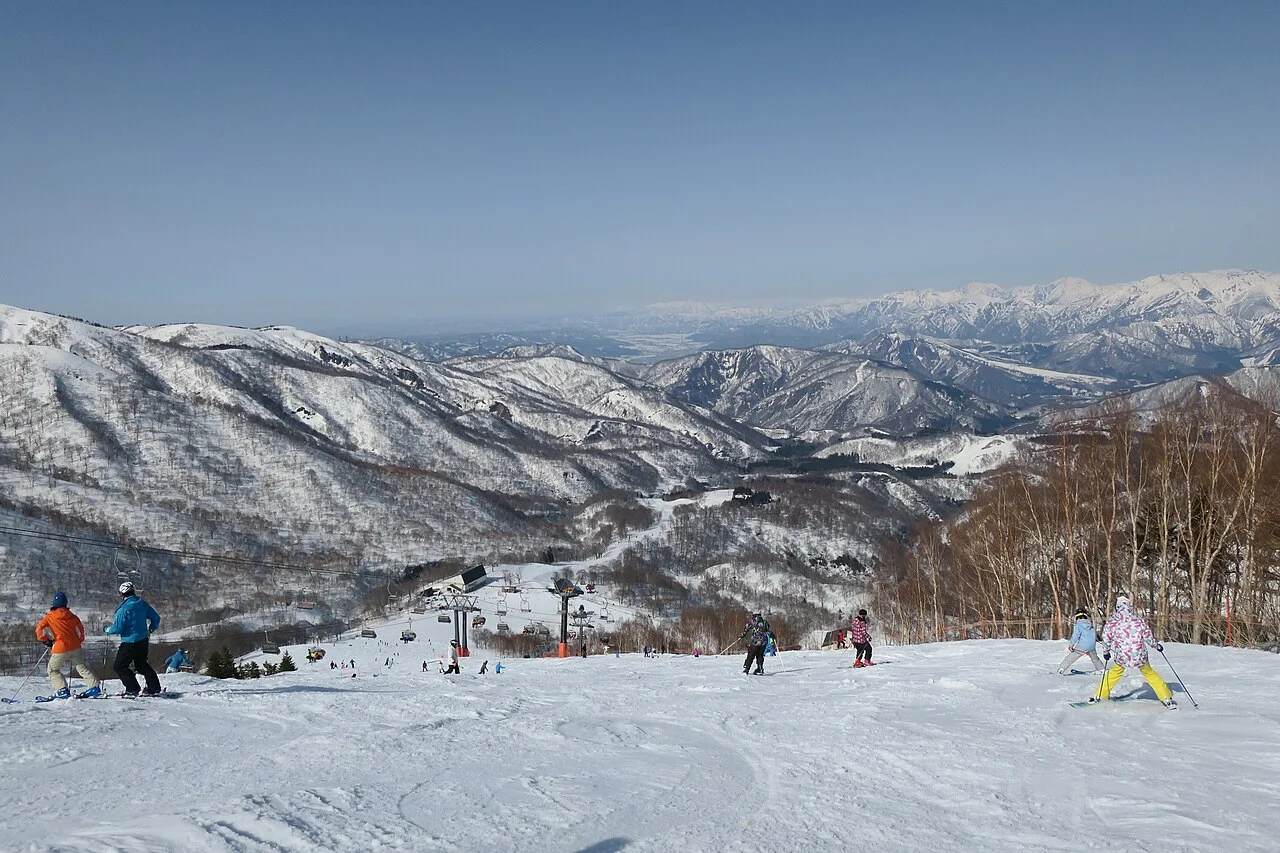
Mount Takenokoyama reaches 1,789 meters, with Prince Gondola No. 1 topping out at 1,658 meters. Near the summit, K1 Takenokoyama Skyline is rated intermediate and K2 Takenokoyama Course is advanced. Planning a full top-to-bottom run back to the hotel? Trace the mid-mountain connectors ahead of time—one green trail often covers only one section before handing off to another run down to the base. Take a warm-up lap at the bottom first; if you run into icy hardpack, poor visibility, or frequent rest stops, stay on terrain where everyone can ski back together.
Night skiing is scheduled from opening day through March 21. Official FAQs list peak-season hours until 20:00, subject to closure in high winds or severe weather, with daily open lifts and runs posted on the status page. Stick to lit areas and scope out entrances and exits from the base before riding up. When low light hides slope contours, keep laps shorter so you still have time to change boots and return rentals. Heading back to Echigo-Yuzawa or Tokyo that evening? Work backward from your departure time when calling last run.
Shinkansen from Tokyo to Echigo-Yuzawa, Then East Exit Transfers
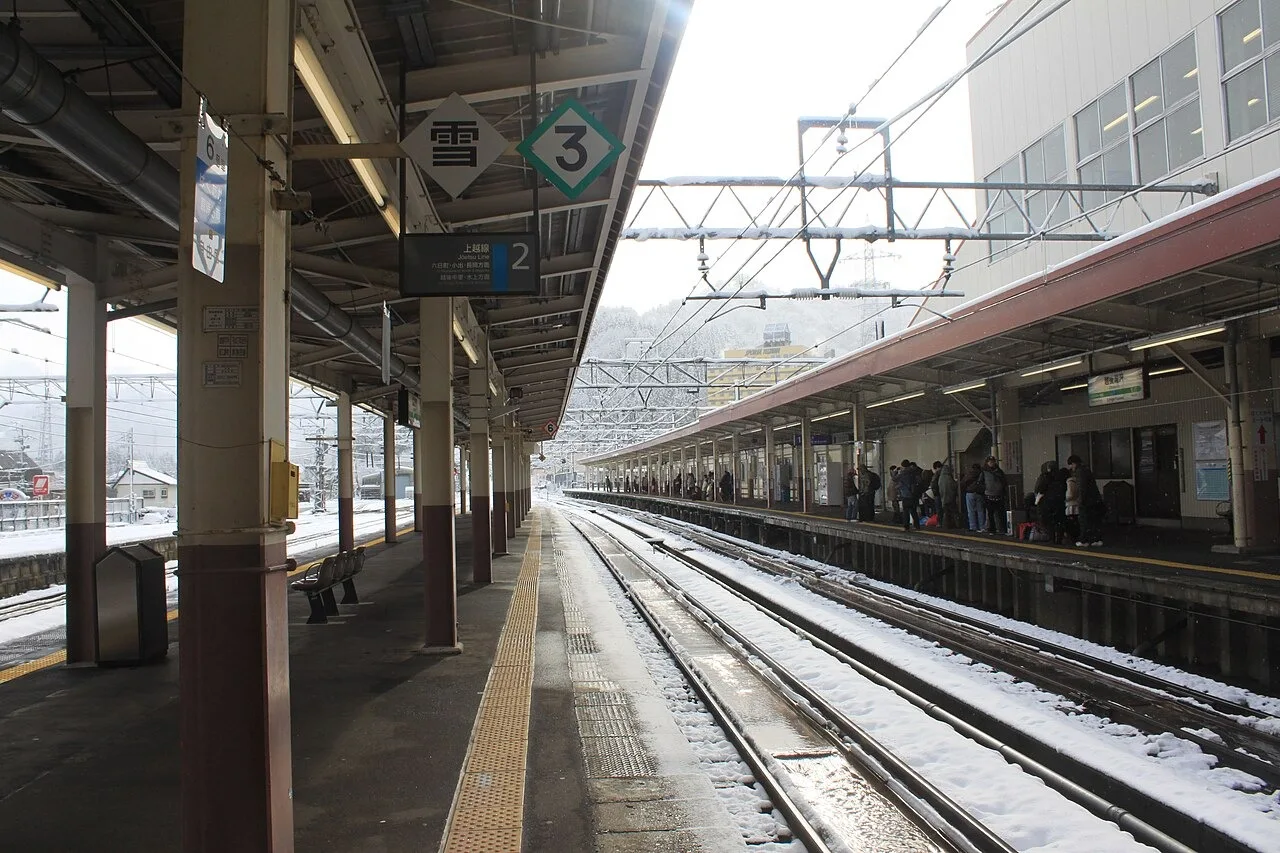
Take the Joetsu Shinkansen from Tokyo to Echigo-Yuzawa, exit the ticket gates, and follow signs for the East Exit to find your bus stop. Naeba Prince Hotel's free guest shuttle takes reservation-holding guests about 40 minutes from Echigo-Yuzawa East Exit to the hotel. The Kagura/Naeba Express Bus runs from Echigo-Yuzawa East Exit via Kagura Mitsumata and Tashiro to Naeba—Kagura's trail map estimates those three segments at 20, 15, and 20 minutes, totaling about 55 minutes. Hotel shuttles and public buses run on separate schedules; since winter express and route bus timetables may still be pending in late November, book flexible train times until mountain schedules post.
Regular free guest shuttle service runs from December 12, 2026 through April 4, 2027, with an additional single-day booking window on December 11. Departures from the station run from 9:15 (first) to 19:00 (last); hotel-to-station departures run from 7:45 (first) to 18:15 (last, scheduled into Echigo-Yuzawa at 18:55). Reserve both legs online from 1 month to 2 days ahead using the lead guest's name and a reachable phone number. Arrival and checkout transfers are separate bookings.
Trying to make a weekend morning's first ski lesson? The 9:15 guest shuttle reaches the hotel at 9:55—before ticket pickup, changing, and rentals—so it likely won't make early classes. Arrive the night before, book an afternoon lesson on day one, or arrange earlier transport. JR East regular Shinkansen reserved seats go on sale one month ahead at 10:00 JST. Lock in your mountain bus first, then pick an outbound train with plenty of time to walk to the East Exit; on the return, pad your seat booking for snowy road delays and station walking time.
Decide which hotel entrance your departure bus uses before your last runs. Catching the 18:15 guest shuttle means finishing your final run on the side where your bags are stored, leaving time to shower, return gear, and collect luggage before departure. Want to ski until 20:00? Stay slopeside or book later transport in advance. The hotel lists a reference taxi fare of roughly ¥11,000 between Echigo-Yuzawa East Exit and Naeba Prince Hotel; for groups or board bags, mention passenger and bag counts when reserving so dispatch sends an appropriate vehicle.
Ikebukuro Direct Bus, Narita Highway Bus, and Driving
Staying in Ikebukuro? Look into the Naeba White Snow Shuttle, scheduled December 19, 2026 through March 22, 2027 from Sunshine City Prince Hotel via Sarugakyo Onsen to Naeba Prince Hotel. Factor in the walk from Ikebukuro Station to Sunshine City while carrying ski or board bags. If your Tokyo lodging and airport transfers are already booked, compare getting across to Ikebukuro against riding the Shinkansen.
The hotel access page also lists the Goryo Bus between Narita International Airport and Naeba Prince Hotel, scheduled December 12 through March 22 with bookings opening one month ahead. Putting your ski days right at the start or end of your trip eliminates central Tokyo transfers. Leave buffer for immigration, ski bag collection, and walking to the bus stop on arrival, and reverse-plan departure day for airport check-in. Hoping for a morning ski before flying out? Settle rentals and baggage the night before.
Choose your parking entrance before driving in. The season trail map designates P1 and P2 for hotel guests and P3 through P5 for day-trippers, with P3 closest to Naeba South Gate. Hotel guest parking costs ¥1,000 per night; day-tripper parking is ¥1,000 on weekdays and ¥2,000 on weekends and Japanese holidays (plus December 28 through January 1 per this season's trail map). Quick drop-offs under 20 minutes are free. Enter your license plate at the payment kiosk before leaving—cash is not accepted (credit cards, e-money, and IC transit cards only). Photograph your rental plate before hitting the slopes.
When picking up a winter rental car, make sure it has snow tires and carry tire chains for mountain passes. Check NEXCO East's Niigata winter highway page for expressway restrictions, and review the Niigata and Gunma road cameras linked from the hotel parking page. Switching from Naeba to Tashiro during snowfall? Check national highway conditions before setting navigation, and input the full name of Tashiro Station or Mitsumata Station so GPS routes you to that area's lot.
Staying at Naeba Base vs. Near Echigo-Yuzawa Station
Spending two days at Naeba, needing midday kid naps, or planning night skiing? Naeba Prince Hotel's value lies in stepping straight onto the snow outside—skiers can stay on the mountain while tired companions head indoors early. Because hotel wings and slope entrances are spread out, align your room booking with your dining, rental, and ski school meeting points. Skiing half a day after checkout? Plan where you'll store bags and change so you aren't lugging ski boots from one end to the other.
On a one-night stay at Naeba, spend your first afternoon on the hotel-front slopes. Drop bags in your room before sunset, have dinner, and decide on night skiing based on what's open. Crossing over to Kagura on day two? Pack into grab-and-go bags the night before and work backward from your shuttle reservation for final packing. If day one already covered cross-resort terrain or full-day lessons, keep day two shorter to protect your shuttle and Shinkansen connection.
Staying near Echigo-Yuzawa Station makes sense if you plan to sample different resorts or dine around the station after skiing. Build in extra transit time uphill in the morning and downhill in the afternoon. If non-skiers in your group want a slower start, walkable station hotels beat syncing everyone onto a single mountain bus. Skiing Naeba two days straight and aiming for morning lessons? Compare two days of mountain bus fares and travel time against slopeside hotel rates.
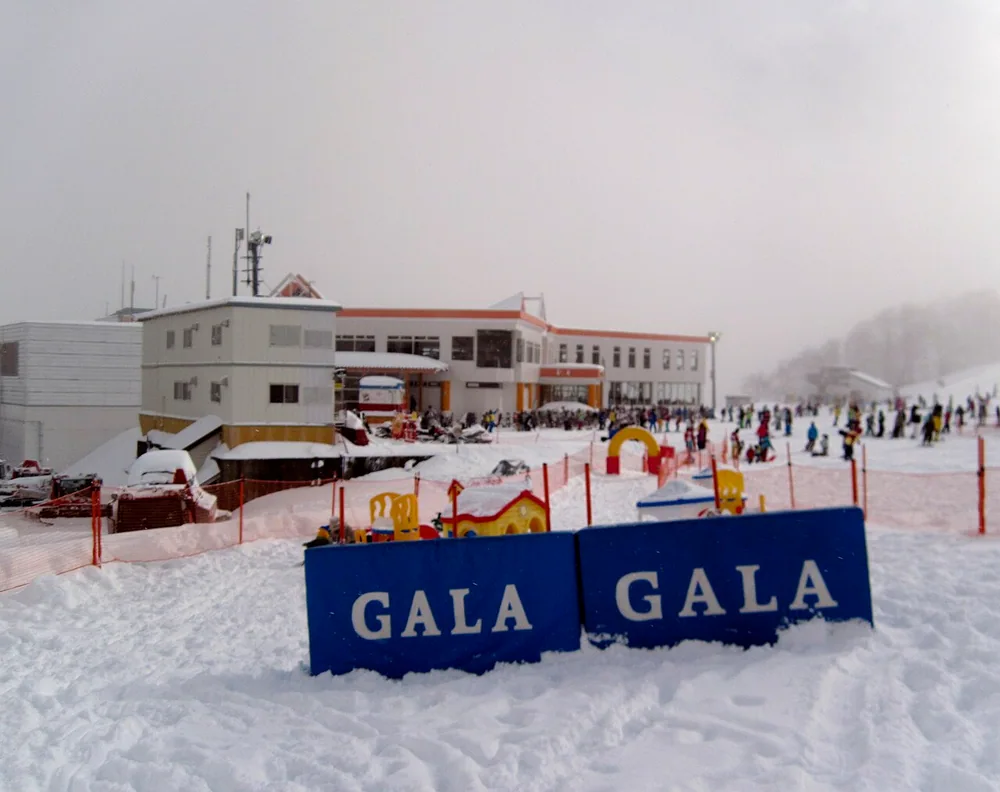
Only have a half-day round-trip from Tokyo with no lessons booked at Naeba? Look at GALA Yuzawa, where select Joetsu Shinkansen trains pull straight into the ski center. Naeba day trips are bound by mountain bus timetables plus ticket and gear pickup before your first run. To see how both mountains pair with station stays, read Tokyo Ski Day Trips and Echigo-Yuzawa Stays. Doing both Naeba and Kagura? Put your cross-resort day on the schedule with the widest return buffer, and save single-resort skiing for your heaviest luggage transit day.
Choosing a Day-Trip Base: Schnee, Dorf, and South Gate
Schnee and Dorf both appear in day-trip guides, each handling different tasks. Schnee is the arrival hall housing changing rooms, lockers, waiting lounges, and rest areas—scheduled December 26 through March 22 from 06:00 to 23:00, with its shop open 09:00 to 18:00. Before catching your bus out, change back into street shoes indoors and bag wet gloves, pads, and spare layers before moving to the boarding wait area.
Dorf sits right by slope access with ticket counters, a food court, an open-air bath, rentals, and Naeba Snow School (Naeba Yukijuku) desks. The food court is scheduled 11:00 to 17:00 from December 26 through March 22. Families splitting up in the morning can meet back at Dorf for lunch. Planning to ski over to Kagura after lunch without having ridden the Dragondola yet? Check connecting trail closing times before committing to an afternoon crossing.
Hiuchi-no-Yu welcomes both day-trippers and hotel guests, scheduled December 19 through March 28 from 15:00 to 23:00 (¥1,000 admission, ¥500 towel set), entered via the Dorf side. (Naeba-no-Yu is reserved for hotel guests.) Since Hiuchi-no-Yu stays open later into spring than Schnee's main facilities, late-March visitors wanting a soak before leaving can center gear returns, bag pickup, and bus boarding around Dorf and time last runs to match bath and bus hours.
Early or late in the season, or visiting with kids on a short trip? Use Naeba South Gate, scheduled open all season. Cross the pedestrian bridge from the lot straight to beginner runs and the family snow area. Official info lists 24-hour changing rooms and coin lockers (¥300–¥500) at South Gate. Sequence food, bathroom stops, and gear returns before suiting up kids so an early afternoon finish puts you right back beside your bags.
Groups doing a day trip can also factor in World Cup Lodge day-use rooms. Listed December 26 through March 22 from 08:00 to 18:00, each room holds up to four guests with a private toilet and shower: ¥6,000 on weekdays and ¥12,000 on weekends, holidays, and December 28–31 (reservations open November 1). For families needing a reliable indoor space to rest and change, booking ahead locks it in; waiting until after skiing depends on same-day vacancies.
Rentals and Ski Lessons: Keep Your Base on One Side
Official listings include Naeba Snow School, Naeba Ski School, Naeba Yukijuku, and Pandaruman Kids Ski School. Check each school's requirements, age limits, languages, and meeting point before booking. Families should book adult and kids' lessons in the same area—even being one building apart adds awkward walking in ski boots. The FAQ notes Pandaruman Kids School in Building 6 takes children from age 3; if checking into Naeba Yukijuku at Dorf, rent nearby or add buffer time to cross over.
Choose ski or snowboard lessons before renting gear, and note everyone's foot length (cm) and height—especially if one person handles rentals for the group. Official kids' sizing starts at 16 cm for ski and snowboard boots and 90 cm for snowsuits. If a small child's feet don't fit rental boots, pivot to sleds and snow play in the family park and switch the supervising adult's pass to park admission. Bring your own goggles, gloves, hat, and socks; helmets are available to rent in limited quantities and sizes (bring your goggles when testing a helmet fit).
Brand Viking rentals at Dorf allow gear swaps within your rental window, while South Gate houses Salomon Station. Testing different skis or boards means looping past the rental desk, so stick to runs that feed back to that side. Switching between skis and a snowboard during a single beginner session eats up time in boot swaps and getting your balance—finish your scheduled lesson first, then experiment afterward. The FAQ also notes rental counters at Dorf, South Gate, and Hotel Buildings 2, 4, and 6 all use online reservations.
Shipping gear from Tokyo? Send board bags to Naeba Prince Hotel for pickup at the Kuroneko Yamato counter in Building 4. Official shipping rules require listing your hotel building, guest name, and check-in date—or your visit date marked for day-trip use ("Higaeri Riyo") if not staying overnight. Arriving on the Ikebukuro or Narita direct bus? Time your first lesson around bus arrival and bag pickup, keeping in mind that renting at South Gate while retrieving shipped gear at Building 4 adds an inter-building walk.
Family Snow Park Budgets and Spring Backup Plans
The family snow play area, Wakuwaku Family Snowland, is scheduled December 19 through March 31, typically 09:30 to 16:00 (until 16:30 on Saturdays and holidays). Day tickets are free for under age 3, ¥3,000 for age 3 through elementary school, and ¥2,000 for junior high and older; afternoon tickets are ¥2,500 and ¥1,500. Admission covers magic carpets, snow tubing, sleds, and listed attractions. Snowmobile-pulled snow trains cost extra per rider (¥1,600 single, ¥3,800 for three) and can be purchased standalone.
For example, two adults with one 5-year-old pay ¥7,000 total for full-day park admission or ¥5,500 for afternoon admission. Doing morning ski lessons and afternoon snow play? Compare afternoon park rates against your departure bus time. If kids spend all day on the practice slope, one adult can ski the rest of the mountain while the other supervises, then regroup in the afternoon. With toddlers, staying overnight lets you split snow time into shorter bursts with indoor breaks to dry off rather than cramming every hour.
Visiting with kids in spring? Split your plans around three cutoff dates: Naeba stays open past March 22 after Dragondola closes, and Wakuwaku Family Snowland closes March 31. Coming in early April? Base your itinerary around open daytime Naeba trails and South Gate. If rain rolls in or kids get tired, head inside to swap out wet layers and organize the rest of the day around food and transit on your hotel side—guests staying at Echigo-Yuzawa can ride down early and adjust next-day plans between Kagura or town.
Planning a 1- or 2-Day Itinerary and the Return to Tokyo
For a Tokyo day trip, build backward from your bus departure: subtract bag pickup, rental return, and changing back into street shoes to pinpoint where and when your last run should finish. If your morning bus arrives close to noon, lap the hotel-front slopes, eat lunch, and stay on that side. Taking lessons? Match your tickets and rentals to your school and save the Dragondola for another day. Bringing your own gear on a tight schedule saves rental-return time for station transfers.
For a two-day, one-night trip, head into the mountains on Friday. On day one, beginners stay at Naeba with instructors while intermediates learn the routes back to the base, leaving the evening flexible for night skiing if open. On day two, ride the Dragondola first thing in the morning and set a midday turnaround based on return lift closures—unless early checkout and a morning bus force you to put your cross-resort day on day one instead. Keep checkout times, rental deadlines, and final stops in one shared place so groups who split up still find each other.
Relying on trains and buses both days? Keep Shinkansen train numbers, shuttle bookings, and rental deadlines on a single itinerary sheet. The last hotel shuttle departs at 18:15 for a scheduled 18:55 station arrival, and heavy snow can shrink your buffer for catching the next train. If only one person wants to ski until night close, split departures or add a night; if everyone takes the same bus out, pick an afternoon meeting point where the whole group can return gear together.
A few useful answers
When does Naeba Ski Resort open for the 2026–27 season?
Naeba is scheduled to operate from December 18, 2026 through April 4, 2027. Night skiing is slated to run through March 21, and the Dragondola is scheduled from December 26 through March 22.
What is the difference between a Naeba 1-day pass and a Mt. Naeba pass?
Regular adult counter prices are ¥9,800 and ¥11,800, respectively. The Mt. Naeba pass adds access to Kagura's Kagura, Mitsumata, and Tashiro areas via the Dragondola. Member counter prices are ¥9,000 and ¥10,800.
Can I ride the Dragondola with a Naeba 4-hour pass?
No—both the 4-hour and 8-hour passes are valid at Naeba only. Cross-resort skiing requires a Mt. Naeba pass, while non-skiers riding only for views can buy a round-trip Dragondola sightseeing ticket.
Which exit at Echigo-Yuzawa Station does the Naeba shuttle use?
Naeba Prince Hotel's free reservation-only guest shuttle departs from the East Exit of Echigo-Yuzawa Station and takes about 40 minutes. Online reservations open 1 month to 2 days before travel in each direction.
How late does night skiing run at Naeba?
According to the official FAQ, peak-season night skiing runs until 20:00, with daily open lifts and runs posted on the resort status page. Note that the last hotel guest shuttle back to Echigo-Yuzawa Station departs at 18:15.
Kids ski free—do they also get into the snow park for free?
Elementary school students and younger receive a free lift ticket at the resort counter. Wakuwaku Family Snowland charges separately: free for children under 3, and ¥3,000 for a day ticket for ages 3 through elementary school.
Which ticket should I buy just to ride the Dragondola for sightseeing?
Adult round-trip Dragondola sightseeing tickets cost ¥4,000, covering the ride from Naeba to Tashiro and back. If you plan to ski across both resorts, buy the Mt. Naeba pass instead.
Can day-trippers use an onsen at Naeba?
Yes—day-trippers can use Hiuchi-no-Yu at Dorf, scheduled December 19 through March 28 from 15:00 to 23:00 daily, with admission at ¥1,000.
Official information and references
Sources used in this guide.
- Naeba Ski Resort | 2026–27 Season & Gondola Dates
- Naeba Ski Resort | Lift Tickets, Member Counter Rates & Webket Terms
- Naeba Ski Resort | Segmented 20-Hour Pass
- Naeba Ski Resort | Trail Map & Lift Status
- Naeba Ski Resort | 2026–27 Official Trail Map, Day-Trip Entrances & Parking
- Kagura Ski Resort | Three-Area Dates & Trail Operations
- Kagura Ski Resort | 2026–27 Official Trail Map & Mt. Naeba Transit Times
- Naeba Ski Resort | Dragondola Route & Specifications
- Naeba Prince Hotel | Public Transit, Taxi Fares & Parking
- Naeba Prince Hotel | Hotel Guest Shuttle Timetable & Booking Deadlines
- Naeba Ski Resort | Gear Rentals & Sizing
- Naeba Ski Resort | Ski Schools & Booking Links
- Naeba Ski Resort | Frequently Asked Questions
- Naeba Ski Resort | Day-Trip Facilities, Hiuchi-no-Yu & Day-Use Rooms
- Naeba Ski Resort | Wakuwaku Family Snowland Dates, Rates & Activities
- JR East | Shinkansen Reserved Seat Release Rules
- Naeba Prince Hotel | Parking Payment & Road Information
- NEXCO East | Niigata Winter Expressway Information
- GALA Yuzawa Ski Resort | Shinkansen Station & Access


.jpg)