
Taking children to Kandatsu Snow Resort for the first time via the free shuttle from Echigo-Yuzawa Station East Exit. Covers ski and snowboard lesson ages, Chinese-speaking instructors, half-day equipment hire windows, beginner slopes, and day budgets whether the whole family skis or only the children take a lesson.
- Region & Focus
- Echigo-Yuzawa and NaebaSkiing
- Reading Scope
- 24 min read · 10 chapters · 8 Q&As
- Official Verification
- 16 official sources checkedUpdated 22 November 2026
- Key Topics
- WinterFirst tripTravel budget
Chapter Route Map (tap any stop)
- What Age Can Children Take Lessons? Choosing Ski or Snowboard First
- Chinese-Speaking Instructors and Lesson Handoffs
- Getting from Tokyo to the Ski School: Factoring In Transfers
- What to Do First at the Base: Hire, Check-In, and Gear Sizing
- How to Buy 2026–27 Lift Passes Around Lesson Times
- Which Runs for Children? From Vega and Polaris to Pollux
- Day Budgets: One Adult and One Child vs Two Adults and One Child
- Day Trip from Tokyo or Overnight Near Echigo-Yuzawa Station?
- Early Winter, Spring Snow, and Night Skiing: When to Change Plans
- Where Do Non-Skiers Wait? Lunch and Kami-no-Yu Logistics
- Quick Q&A
On your first family trip to Kandatsu Snow Resort, start by picking a lesson your child can actually handle. Ages 4 to 6 can book one-to-one ski lessons with INOUE K2, while primary-school children can join regular group ski classes. For young snowboarders of primary-school age, R-LABO runs kids' group lessons on weekends and public holidays. The free shuttle from Echigo-Yuzawa Station East Exit takes about 7 minutes, but you still need time at the base to change, fit ski boots, and check in at the school. On a day trip from Tokyo, planning around one lesson, a proper lunch, and a short practice session you can cut short leaves plenty of breathing room for everything that takes extra time on a child's first day on snow.
What Age Can Children Take Lessons? Choosing Ski or Snowboard First
First-time skiers aged 4 to 6 can book INOUE K2's kids' one-to-one lessons, scheduled in 1-hour slots between 09:00 and 16:00. When reserving, share your child's age, height, foot length, and any previous snow experience, and agree on the meeting point. If a younger child still needs an afternoon nap, an hour in the morning pairs easily with lunch afterwards. When one sibling is still at pre-school and the other is in primary school, schedule the younger child's private lesson to overlap with the older child's group session so each parent can handle one drop-off. If one adult is looking after two children alone, stagger the handoff times instead.
Primary-school children and older trying skiing for the first time can join INOUE K2's regular group lessons. Sessions run 10:00–12:00 in the morning and 13:30–15:30 in the afternoon at ¥6,000 per person. Regular group lessons are generally walk-in registration on the day, whereas private and special lessons require advance booking. If you catch a later Shinkansen, aim for the afternoon class and get equipment hire and lunch sorted before noon. For the morning slot, reach the 2F school counter by 09:30 to leave enough time for boot fitting, toilet stops, and walking out to the meeting point. Parents hand children directly to the instructor and collect them in person at the end, so keep any adult ski time close enough to make it back on schedule.
Primary-school children who want to learn snowboarding can join R-LABO's kids' group lessons on Saturdays, Sundays, and public holidays, or book a weekday kids' private lesson; both kids' options are reserved by telephone. Half-day group lessons are listed at ¥6,200, and half-day private lessons for one rider at ¥15,200. R-LABO's Basic 1 beginner group class starts from secondary-school age (junior high) and up. Even if the whole family hires snowboards, primary-school and secondary-school children may end up in different classes, so check class times, drop-off points, and skill groupings when booking. Older siblings who can already link turns can take their own class while complete beginners join theirs, then reunite for lunch.
Keep an eye on the Japanese lesson names: suki means skiing and sunobodo means snowboarding, and beginner classes may include children who can already glide on flat terrain. State clearly when booking whether your child has never worn ski boots, has taken one previous lesson, or can stop reliably but cannot turn yet so the school can place them accurately. If a child wants to stay in the same lesson as parents, ask whether a shared skill level qualifies for a single instructor. When one person still needs support just to walk on skis while another is already practising turns, separate lessons followed by a meet-up on an easy slope let everyone progress at their own pace.
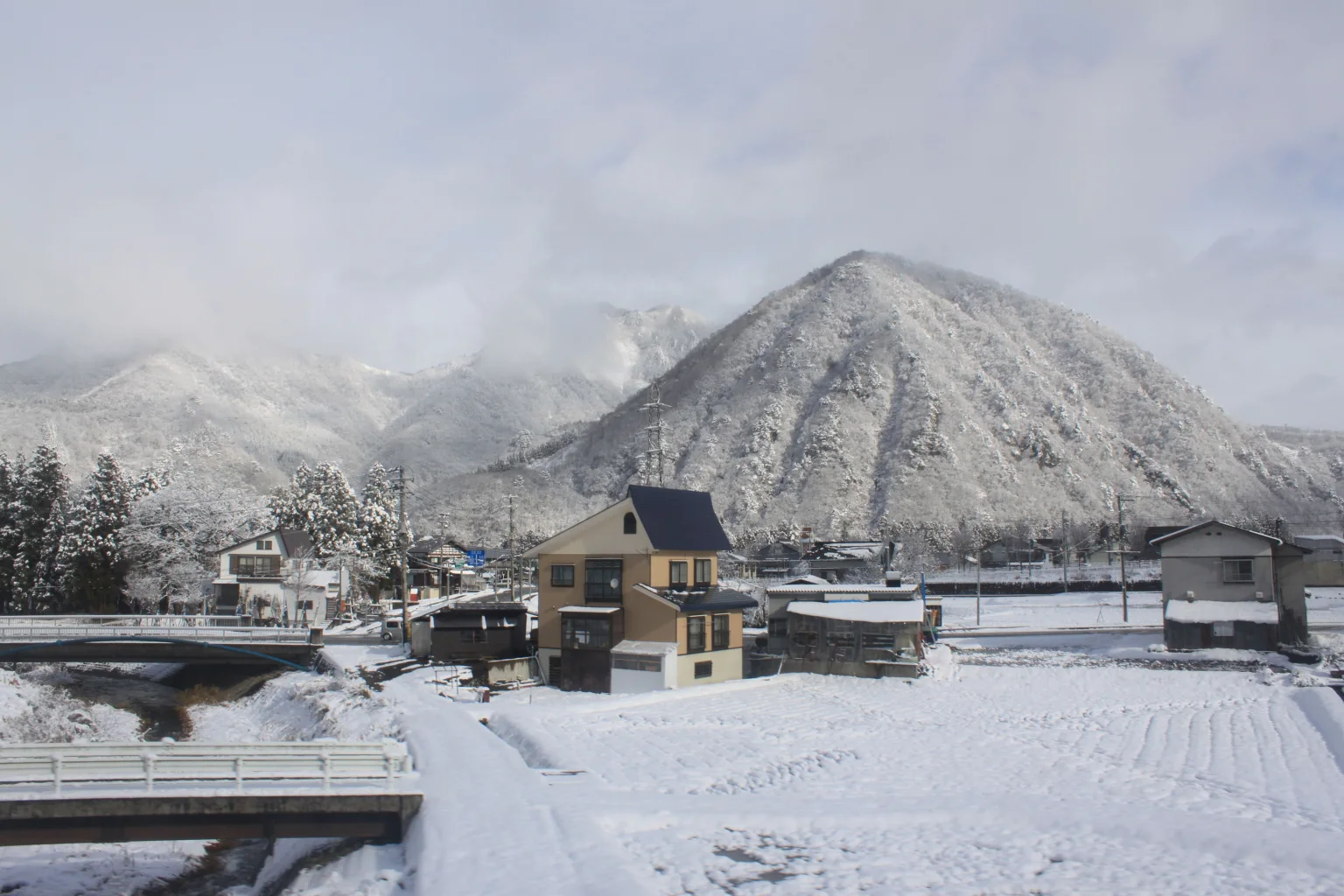
Taking children to Kandatsu Snow Resort for the first time via the free shuttle from Echigo-Yuzawa Station East Exit. Covers ski and snowboard lesson ages, Chinese-speaking instructors, half-day equipment hire windows, beginner slopes, and day budgets whether the whole family skis or only the children take a lesson.
Chinese-Speaking Instructors and Lesson Handoffs
If your children do not understand Japanese, ask INOUE K2 about their Chinese-language special private ski lessons. The school lists group rates for 1 to 4 people at ¥40,000 for 2 hours and ¥72,000 for 4 hours. A 4-hour booking splits into 2 hours in the morning and 2 hours in the afternoon with a lunch break between them. Two families of similar ability with four people total can split the 2-hour rate to ¥10,000 per person. If a 4- to 6-year-old is part of the group, mention their age and language needs together when contacting the school so staff can assign the right class format and instructor before you buy lift passes. Standard ¥6,000 group ski lessons are a separate category, so budget directly from the private-lesson rates when requesting Chinese instruction.
Confirm three details with the ski school before the day starts: whether the group will ride a chairlift, which entrance serves as the meeting point, and where parents should collect children afterwards. These answers determine which passes you buy and how you navigate the base building. Complete beginners start by getting used to boots and moving on flat snow, with lift rides added only when the instructor judges the group ready. Share a reachable mobile number, wait locations, and any helpful cues if a child takes a moment to process instructions. Get gloves and helmets properly fitted before walking with staff to the meeting point for handoff.
When only one adult in the group knows how to ski, have that person study the trail map and base-building floors the night before while the other parent handles check-in at the bottom. If the skiing adult also wants a lesson, sequence the two classes so you are not riding up a lift just as your child finishes. Before leaving your child with the instructor, point out who will come back for them and where to wait together. At pick-up, ask the instructor for a single phrase describing what the child actually mastered that morning, then repeat only that skill on the approved slope in the afternoon rather than pushing onto new runs.
Getting from Tokyo to the Ski School: Factoring In Transfers
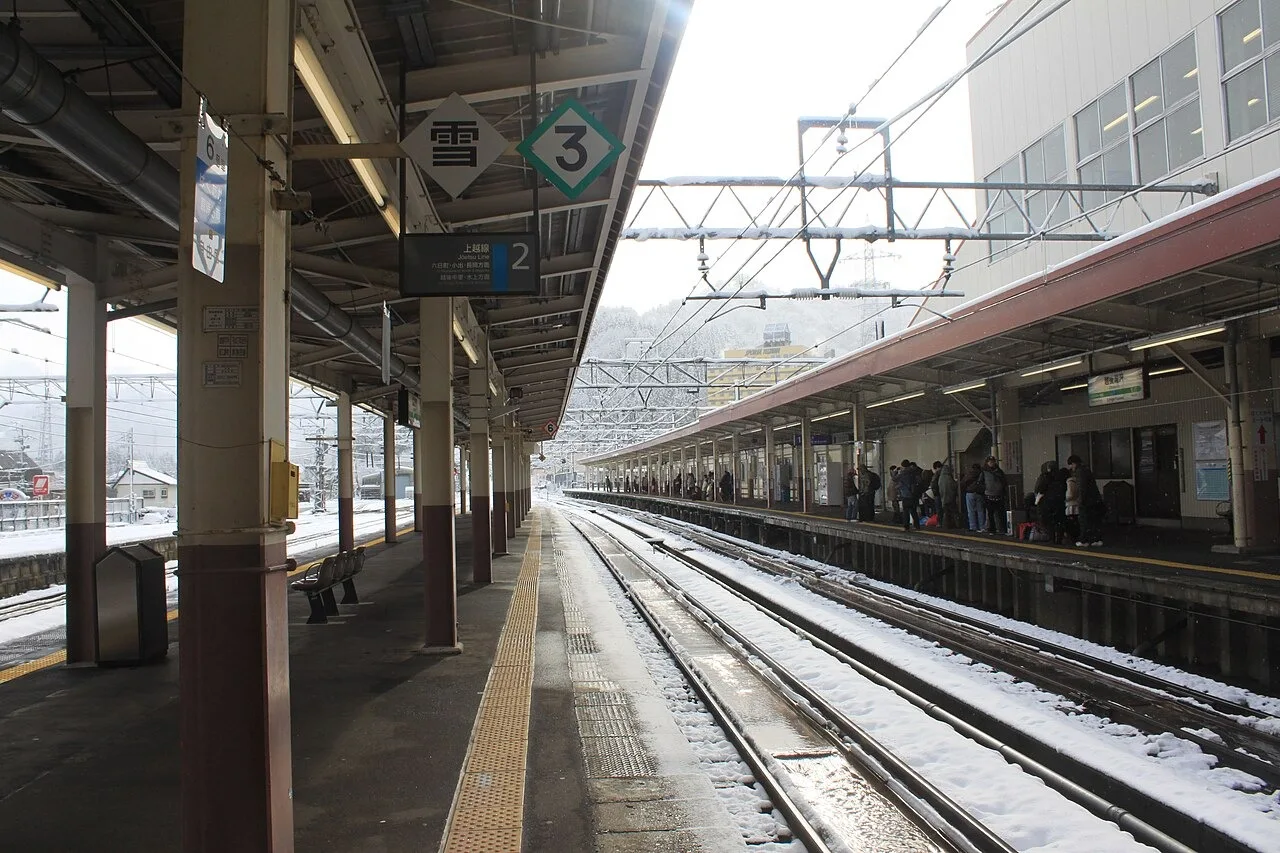
The Joetsu Shinkansen from Tokyo to Echigo-Yuzawa takes roughly 70 minutes depending on stopping patterns. After stepping off the train, follow signs for the East Exit to catch the free Kandatsu Snow Resort shuttle bus. The drive takes about 7 minutes, though you need extra margin to walk from the platforms, handle bags, and queue for the bus. Before booking train tickets, look up the outbound shuttle times that match your ski school check-in on Kandatsu's access page, then work backwards to choose your Shinkansen. Catching one train earlier is ideal for families, giving you slack for last-minute toilet trips, missing gloves, or nappy changes without rushing out of the station.
When reading the shuttle timetable, distinguish between departures from Echigo-Yuzawa Station East Exit and return departures from Kandatsu Snow Resort; the station route splits into weekday and weekend/holiday columns, alongside separate routes through the hot-spring town. Families heading straight to Kandatsu should board at the East Exit. Even if your hotel is on the West Exit side, you can walk straight through the station concourse to the East Exit stop, and if a hotel runs its own shuttle, check whether it drops at the station or directly at the slopes. Agree on an easy-to-spot landmark inside the station for the journey home, and if two adults return hired gear while one takes the children down early, make sure everyone has the next shuttle time circled in case someone misses the planned bus.
If you bring your own skis or boards, luggage racks on JR East's Joetsu Shinkansen require no reservation and are free to use whenever space is open, though some train sets do not have dedicated racks. Getting reserved seats together for the whole family and finding empty rack space are two separate hurdles. When travelling with ski bags, a pushchair, and suitcases, decide beforehand who boards first with the children and who manages the bulky gear. Keep doorways and aisles clear, and never hoist heavy or awkward items onto overhead shelves. If beginners are only skiing for one morning, hiring skis and boots at the resort saves hauling long board bags all the way from Tokyo.
Drivers coming off the Kan-etsu Expressway at the Yuzawa IC reach the resort in about 1 km, or 3 minutes. The main car park is free, while priority bays close to the slopes cost ¥2,000 per space and require online booking. On busy weekends and holidays, traffic marshals direct cars to outer car parks served by an internal resort shuttle. On a half-day morning trip, paying for a priority bay saves carrying ski boots and large bags across the car park. Follow NEXCO East winter driving rules with snow tyres and carry snow chains; when all-vehicle chain restrictions are enforced, even vehicles fitted with winter tyres must put chains on. Even though the stretch from the motorway exit is short, build winter road conditions and potential chain checks into your schedule.
What to Do First at the Base: Hire, Check-In, and Gear Sizing
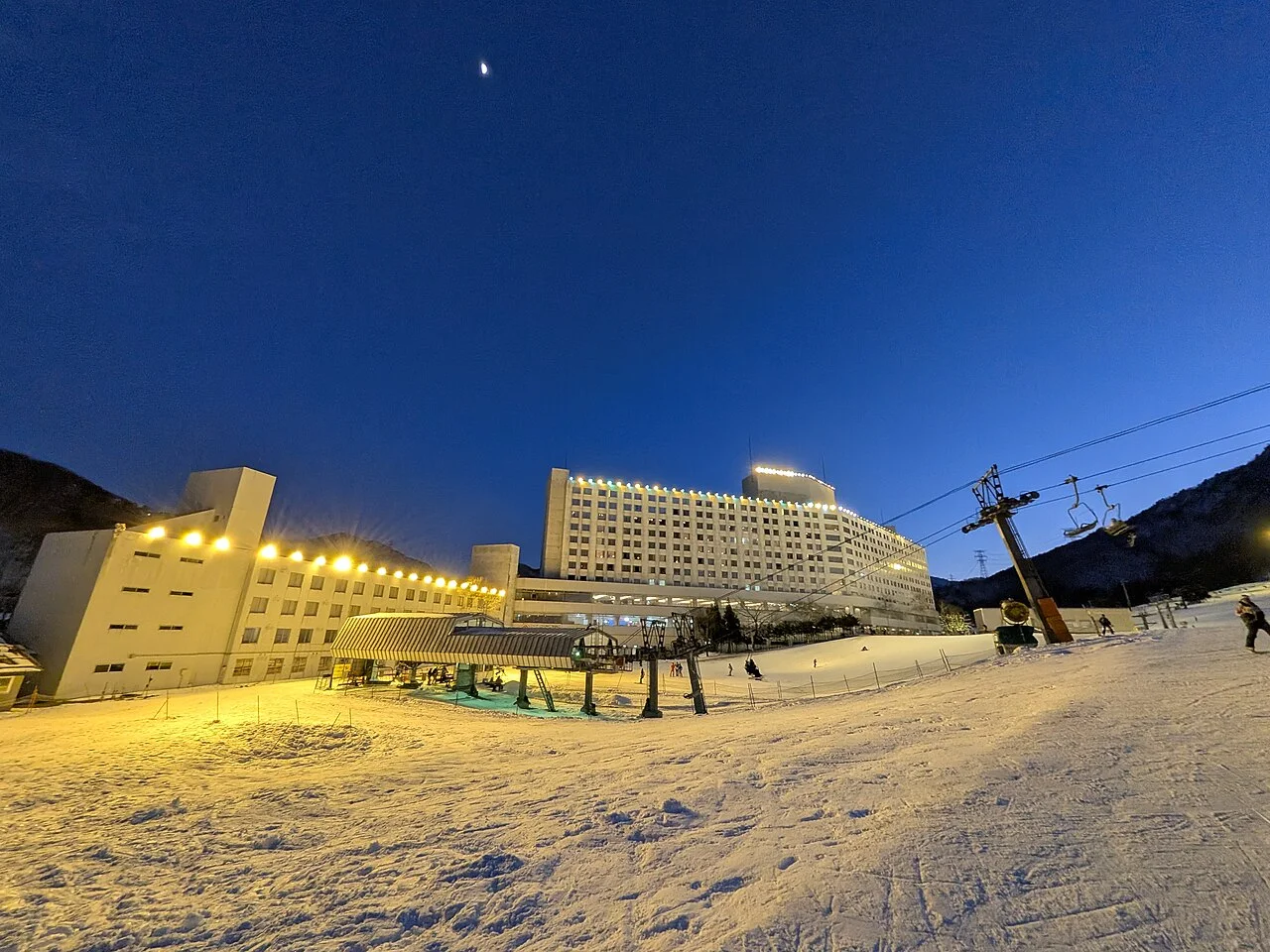
The shuttle drops you at the foot of the mountain outside GROUND BASE. On 1F you will find the lobby and lockers, 2F houses the lift ticket counter, information desk, and ski school, and 3F has equipment hire and the Pegasus restaurant. If you need full hire sets for the first time, glance at the queue on 3F first while one parent goes down to 2F to sort out lessons and lift passes. A solo parent should check in at the ski school first, confirm the meeting spot, and then head up to 3F for gear. If you bought early-bird day passes online, scan the QR code at the machines beside the 2F information desk, keeping screenshots and lesson contact details easy to open on your phone.
On-site hire at Kandatsu is walk-in only, with no advance bookings accepted. Each user completes an individual form, and ID is required at the counter (passports are accepted). Boots are sized in centimetres: kids' ski boots cover 15–24 cm, kids' snowboard boots cover 13.5–22 cm, and kids' ski jackets and trousers run from 90–150 cm. Measure younger children's feet before leaving home if they are near the lower limits so lesson dates and hire sizing line up. Staff match skis or boards to height and ability; try boots on wearing your actual ski socks and tell the fitter if toes feel pinched or heels lift inside the shell. Young children wearing rigid ski boots for the first time often just say they feel "weird", so have them stand and walk a few steps and point to exactly where it presses.
You can hire jackets, trousers, skis or snowboards, boots, and bindings, with poles included in ski sets. Goggles, gloves, and hats are retail-only (a three-piece set sells for ¥4,000 in the shop), while helmets are hired separately. Bring waterproof gloves, ski socks, and thermal base layers from home so that even if you hire outerwear and hardware on-site, your child has properly fitting layers next to their skin. Once children's gloves get soaked, zips and boot buckles become a struggle, so stash spare dry gloves in an adult's daypack to swap at lunch. Leave spare clothes in a 1F locker so you carry less onto the snow and keep your hands free to steady your child.
Half-day equipment hire splits into morning and afternoon sessions. The morning window finishes at 12:00, and the afternoon window runs from 11:45 to 17:00; both are fixed slots completely independent of the 4-hour lift pass timer. Because regular morning ski lessons finish right at 12:00 and you still have to walk back up to 3F, ask the hire desk how they handle the handover before setting off. If you want to eat lunch and ski again afterwards, take full-day hire instead. Families booked into the 13:30 afternoon class can use afternoon half-day hire, eating lunch at the station or base first, fitting gear calmly from 11:45, and saving their lift pass tap until the first chairlift ride.
Lift passes, equipment hire, and ski lessons each apply different age and school thresholds. Kandatsu's child lift pass applies to primary-school pupils, hire child pricing is based on age (up to 12 years old qualifies), and ski school eligibility follows class groupings. When a child is about to move up a school year, jot down both their exact age and school grade alongside your travel dates so you match the right rules without confusion. Half-day hire sets are registered to each individual; if ski boots pinch or bindings will not clip in, return to 3F for an adjustment rather than swapping gear between family members, which changes binding settings.
How to Buy 2026–27 Lift Passes Around Lesson Times
The daytime 4-hour lift pass starts counting down from your first tap through a lift gate. Tap in at 10:45, for instance, and the pass remains valid until 14:45, with lunch and indoor breaks running inside that window. Hold off tapping until the child has tried on boots, listened to the dry-land briefing, and the instructor leads the group onto a lift. If you plan to ski the morning, break for a leisurely lunch, and head back out, a full-day pass gives better flexibility. Non-skiing family members who stay at the base for drop-offs, waiting, and lunch can stay off the lifts while only skiers buy passes. Single-ride tickets cost ¥1,000, valid only on the day of purchase; confirm the route back down before boarding.
Weekdays, Sundays, public holidays, and the New Year period share the standard day-pass rate of ¥5,800 for adults and ¥3,500 for primary-school children. Saturdays plus two designated peak dates—10 January and 21 March 2027—are priced at ¥6,800 for adults and ¥4,000 for primary-school children. The daytime 4-hour pass is ¥4,700 for adults and ¥3,000 for primary-school children on standard days, rising to ¥4,900 and ¥3,500 on Saturdays and those two specific dates. Because both 10 January and 21 March fall on Sundays, budget using the higher Saturday tier for those dates.
Standard online adult day passes go on sale from 19 December at ¥5,300 and ¥6,300, saving ¥500 compared with the corresponding ticket-counter price. An adult early-bird day pass is priced at ¥4,500 until 10 December 2026 and remains valid until 28 March 2027, though it cannot be cancelled or refunded once paid. If you are still waiting on lesson confirmation or juggling family travel dates, paying a little more later to keep flexible options has real value. Kandatsu has also announced that 25-hour passes for the 2026–27 season are sold out, so calculate short family ski sessions directly from 4-hour and full-day passes.
Families who can travel midweek should look at the 40th anniversary dates on 12–15 January 2027 and 23–26 March 2027, when day passes drop to ¥4,400 for adults and ¥3,000 for primary-school children. On those weekdays, a child's day pass costs the same as a standard 4-hour pass, while an adult day pass is ¥300 cheaper than a standard 4-hour pass. Passes for two adults and one child come to ¥11,800 total, letting you ride a lift in the morning, take a long lunch, and decide how many runs to add afterwards based on energy levels. There is also a weekday-only Ladies' Plan at ¥3,800, bundling a day pass, a facial sheet mask, and a choice between a crepe or admission to the Kami-no-Yu bath and sauna.
| Date & Purchase Channel | Adult Day Pass | Primary Child Day Pass | Adult 4-Hour Pass | Primary Child 4-Hour Pass |
|---|---|---|---|---|
| Standard days (counter) | 5,800 | 3,500 | 4,700 | 3,000 |
| Saturdays, 10 Jan & 21 Mar (counter) | 6,800 | 4,000 | 4,900 | 3,500 |
| 40th anniversary dates | 4,400 | 3,000 | Choose day pass during period | Choose day pass during period |
Which Runs for Children? From Vega and Polaris to Pollux
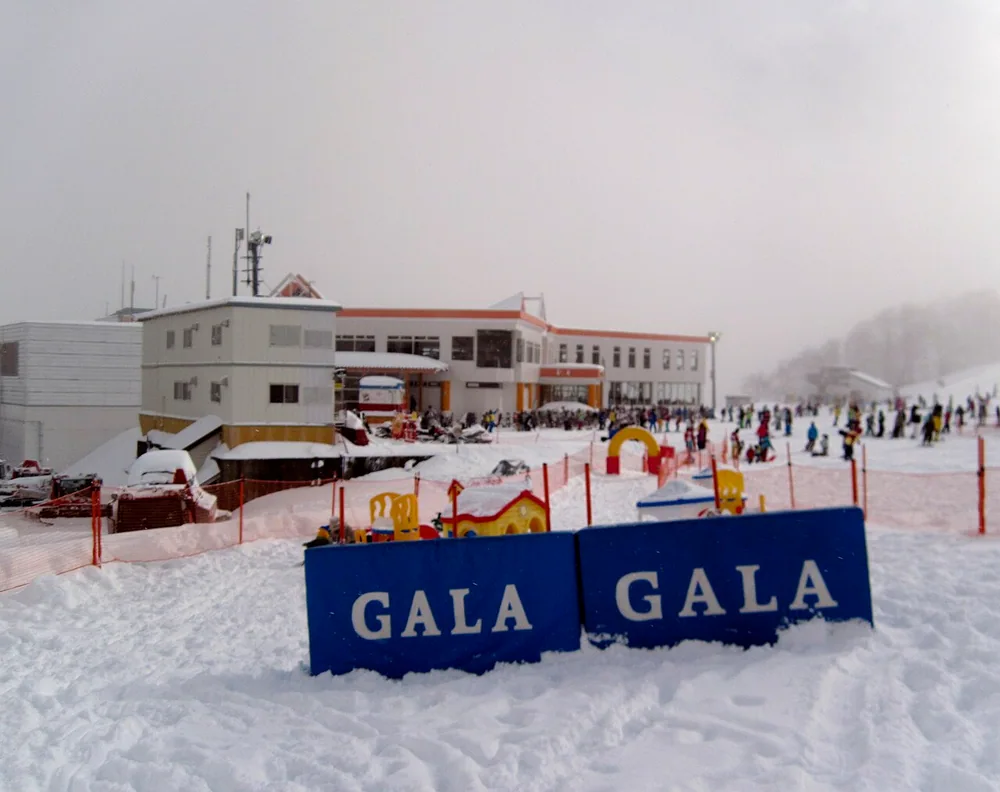
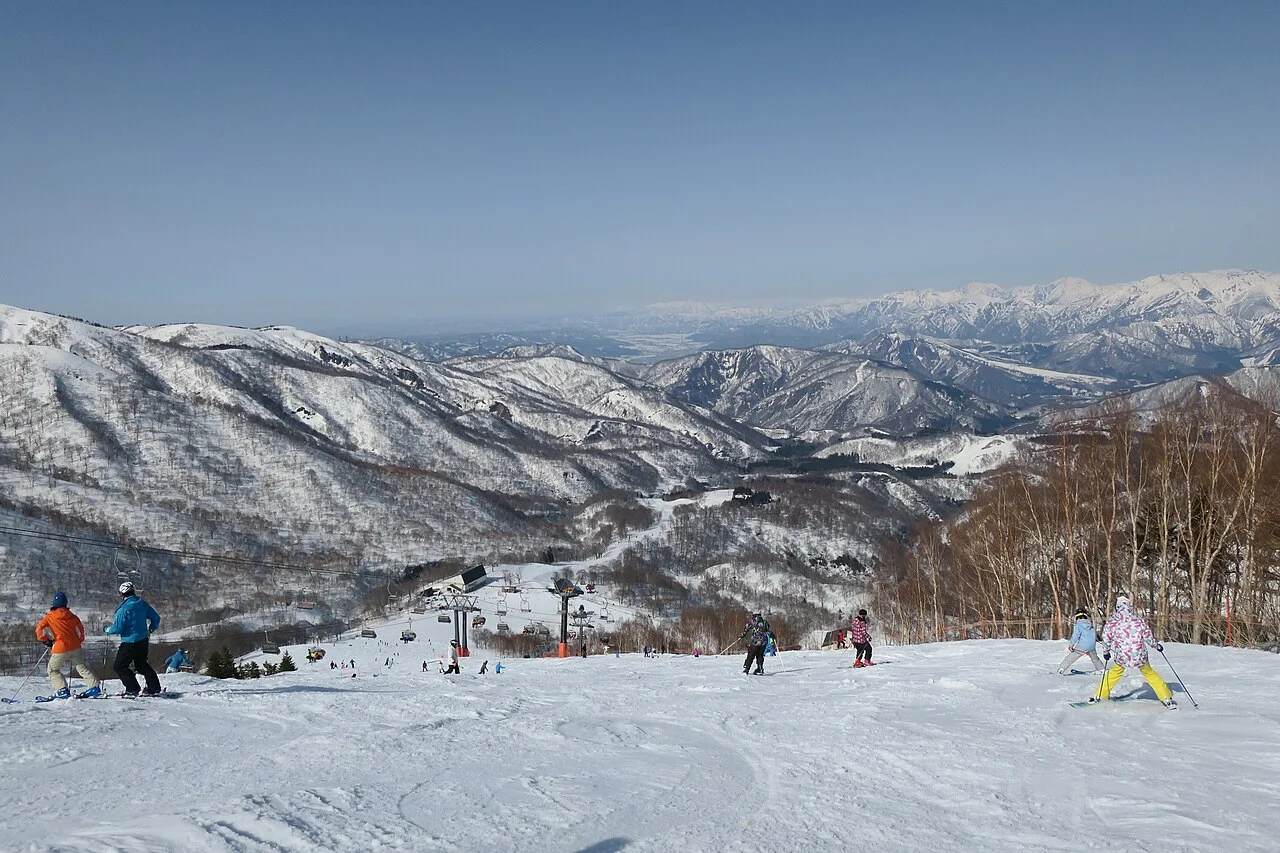
Knowing the two main base buildings makes the trail map far easier to read. GROUND BASE at the bottom handles shuttles, school check-in, and equipment returns, while MID BASE higher up the mountain offers dining and rest areas. After meeting your instructor, note which run the class uses and which route leads back to the bottom. According to official course data, Vega averages a 6-degree pitch (maximum 10 degrees) and serves as the gentle descent used in beginner lessons. Polaris is a wider beginner-friendly slope, and although both appear on night-skiing maps, check the daily opening board before heading out. For a half-day session, stick to one stretch where your child can stop cleanly; taking a wrong fork drains more energy than skiing a couple of extra laps.
Once your child can stop and turn independently and spot the exit points shown by their instructor, a confident adult can guide them onto Pollux. As Kandatsu's main run, Pollux stretches roughly 1,100 m with an average width of 50 m, an average gradient of 10 degrees, and a maximum pitch of 12 degrees. The broad width gives beginners room to manoeuvre, though faster skiers and boarders share the slope. Start on the most manageable section and always pull over to the edge to rest, staying clear of trail junctions, blind rolls where uphill riders cannot see below, and chairlift unload zones. If your child still sits down repeatedly on a single descent, step back to the slopes covered in class.
Castor runs alongside Pollux with an average pitch of just 8 degrees, yet the resort classifies it as intermediate because it houses terrain park features. Watch for Japanese course signs or double-check a downloaded map at junctions rather than blindly following riders ahead of you. Another run marked beginner, Andromeda, drops from the top of the D lift and reaches a maximum gradient of 20 degrees. Linking runs via Procyon creates a long cruise of around 2,500 m suited to riders who already handle Pollux comfortably. On a child's first day on snow, stick to routes they can navigate back to the base on their own and save multi-run linkups for a future visit.
Before clicking into bindings, check the two status tables on the official Lift and Course Status page: one lists running lifts and the other shows open trails. Pick your target slope first, then trace both the uphill lift and the return run back to the base. On days when only part of the mountain is open, favour practice areas with an uncomplicated return route. Before a child's first chairlift ride, follow the instructor or lift attendant's cues to the loading line, and make sure your child knows which station to get off at and where to glide and wait for adults. Agree beforehand that if anyone gets separated, one designated adult waits at the agreed base building so both parents do not ride up looking in different places.
Day Budgets: One Adult and One Child vs Two Adults and One Child
Using published peak-season standard weekday counter rates, if your child takes INOUE K2's ¥6,000 regular group ski lesson while one adult accompanies them and stays at the base all day, budget ¥3,000 for the child's 4-hour pass, ¥4,000 for half-day skis, boots, and skiwear, and ¥1,000 for a half-day helmet. That puts basic on-mountain ski costs at ¥14,000, excluding adult meals and Shinkansen fares. If your child will head straight back to the hotel after class, stick to this setup: the accompanying adult only needs winter-ready footwear and spare clothes, saving the cost of an entire second equipment set.
If one adult and one child both ski while only the child takes a lesson, two standard-day 4-hour lift passes come to ¥7,700 combined. Half-day wear and hardware packages cost ¥6,000 for the adult and ¥4,000 for the primary-school child, plus ¥2,000 for two half-day helmets and ¥6,000 for one lesson, bringing the total to ¥25,700. If the adult already owns a ski jacket and trousers, weekday equipment-only hire drops to ¥4,500, shaving ¥1,500 off the estimate. List any missing gloves, hats, or goggles for the family before leaving home so retail top-ups at the resort do not catch your budget off guard.
When two adults and one child all ski and only the child joins the ¥6,000 ski lesson, standard weekday 4-hour passes total ¥12,400, half-day wear and gear for the three of you come to ¥16,000, and three helmets add ¥3,000, reaching ¥37,400 overall (or ¥38,300 on Saturdays due to pass differences). All three scenarios use half-day hire and exclude meals, train tickets, and lockers. Picking an afternoon lesson pairs neatly with one afternoon half-day hire window; if you take a morning class and want to keep practising after lunch, upgrade to full-day hire. Weekday full-day wear and gear cost ¥10,000 for adults and ¥6,000 for children—an extra ¥10,000 combined for two adults and one child—while weekday helmet hire remains ¥1,000 for either half-day or full-day.
To put a family of three into a 2-hour Chinese-language private ski lesson together instead, swap the ¥6,000 lesson fee for the ¥40,000 group rate while keeping the same weekday lift passes, half-day hire, and helmets, giving a total of ¥71,400. Learning stops and turns in the same session helps parents understand the exact cues the instructor gives the child afterwards. If your child already has some experience and adults join separate regular group classes, tally both lesson fees and timings separately. Before confirming a private lesson, check whether lift passes and equipment are extra, and break down each line item clearly if sharing costs with another family.
Day Trip from Tokyo or Overnight Near Echigo-Yuzawa Station?
An afternoon lesson makes for the calmest day trip from Tokyo. Arrive at Echigo-Yuzawa, eat an early lunch or pick up food to carry with you, then join the East Exit queue for the Kandatsu shuttle. Half-day afternoon hire opens from 11:45, leaving plenty of time to change and check in on 2F before the 13:30–15:30 regular group ski class. If your child still has energy afterwards, fit in a short practice lap on the gentle slope the instructor used, then aim for an early-evening Shinkansen home with buffer time for gear return, locker retrieval, and the shuttle queue. If everyone is already worn out at 15:30, return hire gear straight away and catch an earlier bus back to the station—you have still got the core lesson done.
If you want the morning class, stay near Echigo-Yuzawa Station the night before. For the shortest morning walk with children and ski gear, pick accommodation near the East Exit with an early enough breakfast. If you prefer traditional inns along the hot-spring street, stay within walking distance of the West Exit, dine in at your ryokan, and walk through the station concourse to the East Exit the next morning. When skiing for just one day of a two-day trip, leave main suitcases at your hotel, carry only snow essentials to the mountain, and collect bags before boarding the Shinkansen. Ask your hotel ahead of booking about ski storage, left-luggage rules, and children's meals so everything needed on the slopes packs into one small bag. For neighbourhood comparisons and transport differences across nearby resorts, see our Tokyo ski day trips and Echigo-Yuzawa accommodation guide.
On a two-night stay with two children at different levels, schedule the main lessons on your first full day and keep the second morning for unhurried review. Spending one morning getting used to gear and learning to stop lets children step back onto the exact same slope the next day with far less friction, giving adults another chance to reinforce what the instructor taught without changing resorts or refitting boots. If anyone just wants to play in the snow and share a meal, browse CoCoLo Yuzawa back at the station for rice crackers, miso, and local specialities, or pick up Koshihikari rice balls for the train. Note that the Ponshukan sake-tasting room inside the station does not admit visitors under 20 or guests accompanied by children, so families should pick a visible shopfront in the concourse as their meeting point instead.
Early Winter, Spring Snow, and Night Skiing: When to Change Plans
Kandatsu lists 11–18 December 2026 as an early-season trial period operating 08:00–16:00 with a ¥3,000 trial day pass at the counter. Peak season runs from 19 December 2026 to 28 March 2027, opening at 08:00 on weekdays and usually 07:00 on weekends and public holidays, closing at 16:00. The New Year period covers 30 December 2026 to 3 January 2027, followed by spring operations from 29 March to 11 April 2027 (08:00–16:00). Because lessons and equipment hire make up the biggest share of a first-time budget, families tied to specific lesson schedules get better value and wider run choices on a peak-season weekday than chasing a ¥3,000 opening-week lift ticket.
During early-season snowfall or strong winds, check first thing whether the beginner area your instructor needs is open before heading through the gates. In spring, snow surfaces shift sharply across the day—firm and icy first thing, then heavy and slushy once temperatures climb—so follow your instructor's lead to slopes where beginners can still control their speed. Whenever a child complains of being cold, struggles with chafing boots, or keeps falling where they could stop easily earlier, wrap up and head indoors rather than pushing for one last lift ride just to squeeze value out of a 4-hour pass. If rain sets in at the base, bring lunch or a hot bath forward and take a shuttle back to the station when convenient.
If only certain lifts or gentle slopes close temporarily, you can still wait out the weather inside GROUND BASE, though never let children walk up beside a stopped lift or use sledges on ski runs. Should the whole family switch to an indoor plan, stay at Echigo-Yuzawa Station for lunch or walk from the West Exit along the hot-spring street to the Snow Country Museum (Yukigunikan) for exhibitions on Kawabata's novel Snow Country, winter daily life, and local heritage. It generally opens 09:00–17:00 (last entry 16:30), closes on Wednesdays (or the following day if Wednesday is a public holiday), and charges ¥500 for adults and ¥250 for primary and secondary schoolchildren—an easy, quiet stop before catching the train back to Tokyo.
Night skiing runs from 18 December 2026 to 27 March 2027, generally on Fridays, Saturdays, and eves of public holidays, plus five consecutive nights from 29 December to 2 January, from 18:00 until 02:00 the next morning on selected lifts and runs. Beginner families watching or trying an evening session should stick strictly to familiar runs. Night 4-hour passes cost ¥3,900 for adults and ¥3,000 for primary-school children from the first gate tap. Night half-day hire splits into an early slot ending at 22:00 and a late slot from 22:00 until hire closes, so anyone starting around 21:00 must watch the return deadline closely. Unlit trail edges, icy patches catching floodlights, and cold hands all dull judgement; children tired out from daytime lessons are better off heading back to the hotel with non-skiers. For bus connections and overnight planning, see our Kandatsu night skiing and Kami-no-Yu guide.
Where Do Non-Skiers Wait? Lunch and Kami-no-Yu Logistics
Pegasus restaurant on 3F of GROUND BASE serves set meals and noodles, making it far easier for non-skiing family members without lift passes to meet skiers for lunch than trying to coordinate at MID BASE up the mountain. For shorter breaks, the snow cafe by the 1F entrance sells hot drinks and light snacks. Before afternoon skiers head back out, confirm a return time by the stairs while the waiting parent helps children out of damp layers, leaving final gear returns until everyone meets up again. Packing a separate bag of dry clothes and socks into a locker first thing in the morning saves hunting through luggage at midday.
If you want to wash up at the resort before travelling back, GROUND BASE houses the Kami-no-Yu reception on 4F, the main baths on 5F, and a post-bath lounge on 6F. For 2026–27, the bath operates from 18 December 2026 to 28 March 2027, charging ¥1,300 on weekdays and ¥1,500 on weekends and holidays for a 2-hour adult session, and ¥600 for children. Hours run 14:00–18:00 Monday to Thursday and Sunday (last entry 17:00). Pre-school children must be accompanied by an adult, and parents must stay inside with their children rather than leaving early. If you have a train to catch afterwards, allow separate buffers for returning hire gear and using the baths before picking your shuttle departure.
On a standard day trip finishing a lesson at 15:30, the tightest bottleneck comes from trying to squeeze gear return, a bath, and a shuttle bus into the same single hour. Return hired equipment and outerwear to 3F first, pull dry clothes from your locker, and then decide calmly whether there is time for Kami-no-Yu or whether taking the next shuttle down makes more sense. When two adults split tasks, one can take the children to the station for dinner while the other finishes a final run and catches up later. Anyone staying for night skiing must arrange return transport back to the station separately—never assume shuttle buses or Shinkansen trains are still running just because lifts operate until 02:00.
A few useful answers
Does Kandatsu Snow Resort offer lessons for children aged 4 to 6?
INOUE K2 offers bookable one-to-one ski lessons for ages 4 to 6 in one-hour blocks. Primary-school children and older can join regular group ski lessons.
Can primary-school children join the same group snowboard lesson as adults at Kandatsu?
R-LABO's Basic 1 group lesson accepts secondary-school students (junior high) and older. Primary-school children have separate weekend and public holiday group lessons or weekday private lessons, all booked by telephone.
Can we book a Chinese-speaking ski instructor at Kandatsu?
Yes. INOUE K2 lists Chinese-language special private ski lessons at ¥40,000 for 2 hours for 1 to 4 people. If younger children aged 4 to 6 are joining, include their ages when booking so the school can assign the right format.
Do the 4-hour lift pass and half-day equipment hire cover the same hours?
The 4-hour lift pass starts counting from your first pass through a lift gate. Daytime half-day hire uses fixed slots: the morning session ends at 12:00, and the afternoon session runs from 11:45 to 17:00. The two timers run independently.
Where do I catch the Kandatsu shuttle bus at Echigo-Yuzawa Station?
Leave Echigo-Yuzawa Station via the East Exit and look for the free Kandatsu Snow Resort shuttle bus, which takes around 7 minutes. For the return trip, check the departure column from Kandatsu Snow Resort on the timetable.
Do we need to reserve oversized baggage seats for ski bags on the Joetsu Shinkansen?
Luggage racks on JR East's Joetsu Shinkansen do not require reservations and can be used whenever space is available. Some trains lack dedicated racks, so keep aisles and doorways clear when stowing bags.
Is the Kandatsu 25-hour pass still available for the 2026–27 season?
No, it is sold out. For shorter practice sessions on standard days, choose the daytime 4-hour pass at ¥4,700 for adults and ¥3,000 for primary-school children.
Can non-skiing parents wait at the resort while their children take a lesson?
Yes, you can wait in the dining areas inside GROUND BASE at the foot of the slopes. Confirm the collection time and meeting point with the instructor beforehand and arrive promptly to pick them up.
Official information and references
Sources used in this guide.
- Kandatsu Snow Resort 2026–27 Operating Calendar and Lift Pass Prices
- Kandatsu Early-Bird Day Passes and Post-Purchase Refund Policy
- Kandatsu 25-Hour Pass Sold-Out Notice
- INOUE K2 Official Ski Lessons, Age Eligibility, and Multilingual Private Classes
- R-LABO Official Snowboard Lessons, Kids' Bookings, and Fees
- Kandatsu On-Site Equipment Hire, Sizing, and Operating Hours
- Kandatsu Access, Echigo-Yuzawa East Exit Shuttle, and Parking
- JR East Oversized Baggage Storage Rules
- Kandatsu Official Trail Map and Course Gradient Guide
- Kandatsu Daily Lift and Course Operating Status
- Kandatsu GROUND BASE and MID BASE Floor Facilities
- Kami-no-Yu 2026–27 Bath Hours, Admission, and Children's Entry Rules
- NEXCO East Winter Driving Equipment and Snow Chain Regulations
- Ponshukan Store Information Inside Echigo-Yuzawa Station
- Yuzawa Town History and Folklore Museum (Yukigunikan) Admission and Closures
- Snow Country Museum (Yukigunikan) Floor Exhibitions

.jpg)


