
Just 69 minutes from Tokyo by Shinkansen, Kandatsu Snow Resort runs night skiing until 02:00 and houses Kami-no-Yu, a 400-capacity bathhouse with overnight nap quarters. Covers 2026-27 season dates, lift passes, 16 constellation-named trails, and overnight itineraries in Echigo-Yuzawa.
- Region & Focus
- Echigo-Yuzawa and NaebaSkiing
- Reading Scope
- 16 min read · 6 chapters · 7 Q&As
- Official Verification
- 4 official sources checkedUpdated 20 November 2026
- Key Topics
- ItinerariesWinterChubu & Hokuriku
Chapter Route Map (tap any stop)
- 2026-27 Season Calendar: 11 Dec Pre-Season, 19 Dec Main Season & 11 Apr Close
- Lift Pass Fares: ¥500 Online Discount, Early-Bird & Anniversary Weeks
- Constellation Trails: 16 Runs from Pollux to Orion
- Kami-no-Yu: Yuzawa's Largest 400-Capacity Bathhouse & Overnight Rest Area
- How to Plan an Overnight Night-Ski Trip
- Getting There & Pairing Kandatsu with Echigo-Yuzawa
- Quick Q&A
Only 69 minutes from Tokyo on the Joetsu Shinkansen, Kandatsu Snow Resort holds two trump cards rarely seen near the capital: late-night skiing running straight through to 02:00, and the option to soak and sleep on site at the Kami-no-Yu bathhouse overnight rest area. The 2026-27 season opens with a pre-season phase on 11 December before moving into the main season on 19 December. All 16 runs across the mountain are named after constellations and stars, ranging from the wide beginner-friendly Pollux piste to the 45-degree black-diamond Orion. Here is everything you need for the season calendar, lift pass fares, trail grades, and overnight night-ski logistics.
2026-27 Season Calendar: 11 Dec Pre-Season, 19 Dec Main Season & 11 Apr Close
The resort divides its 2026-27 winter into four main phases: a pre-season opener from 11 to 18 December 2026 with ¥3,000 taster day passes, the main season from 19 December to 28 March 2027, and a spring finale from 29 March to 11 April. Within those windows sit the 40th Anniversary Weeks (12-15 January and 23-26 March) and the New Year holiday peak (30 December to 3 January). Opening hours and pass rates shift between periods, so check the calendar before booking.
Daytime lifts spin from 07:00 on main-season weekends and during the New Year peak (08:00 on main-season weekdays), running until 16:00; all other periods operate 08:00 to 16:00. Getting onto freshly groomed corduroy at 07:00 is a boon for early risers—even on a day trip from Tokyo, catching the first Shinkansen delivers a full day on the snow.
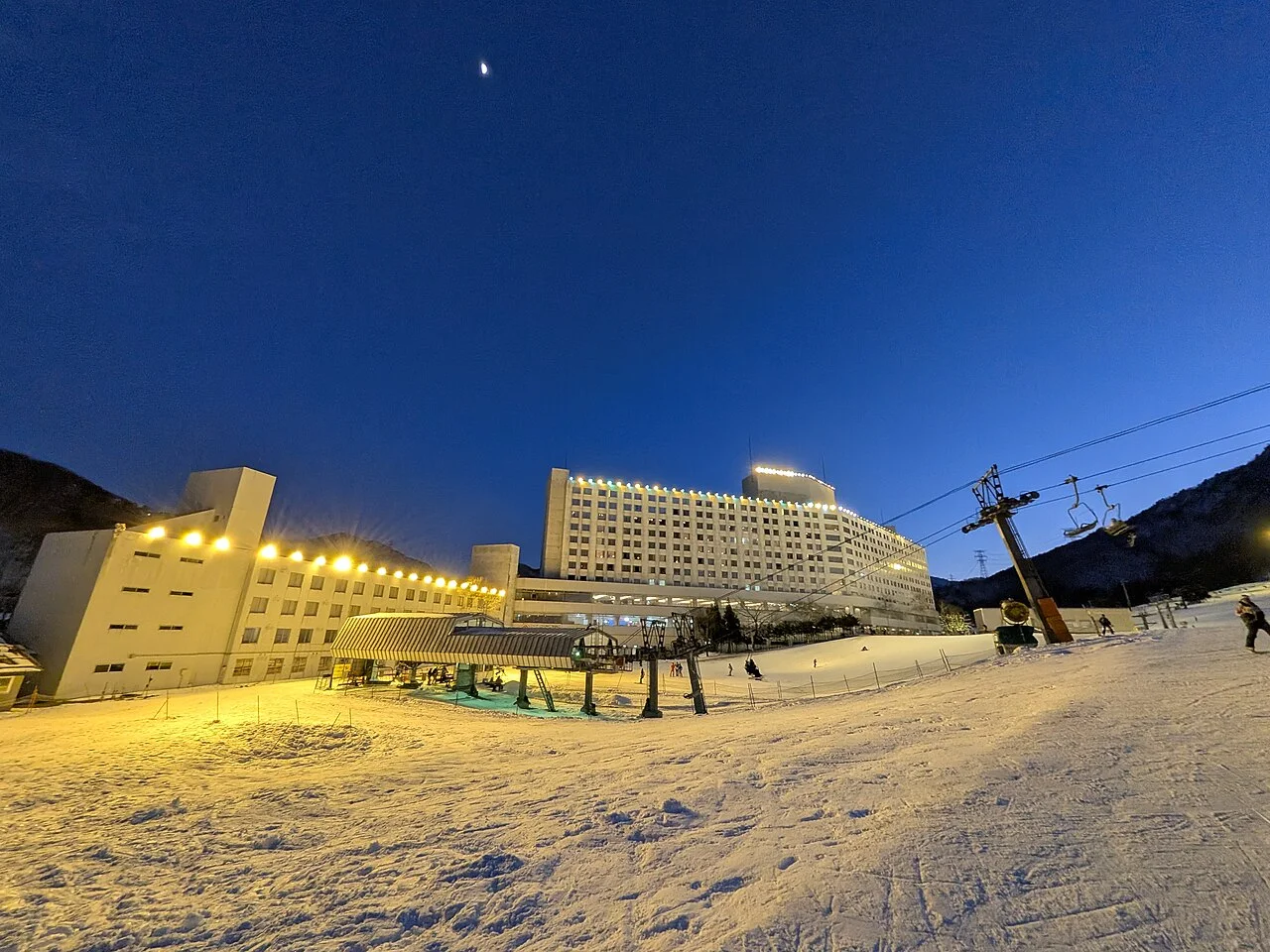
Kandatsu's standout feature in the Yuzawa area is its late-night skiing, running every Friday, Saturday, and eve of a public holiday from 18 December 2026 to 27 March 2027, from 18:00 right through to 02:00 the next morning. Over the year-end holidays from 29 December to 2 January, it operates five consecutive nights without a break. Catching an after-work Shinkansen from Tokyo on Friday, skiing past midnight, sleeping inside the resort, and catching a half-day morning session before heading home is a high-density weekend format virtually unmatched elsewhere around Kanto.
Spanning 130 hectares with 5 lifts and 16 trails, the resort markets itself as the closest 100% natural-snow ski field to the Tokyo region. That snow profile sets Kandatsu apart from Kanto-area resorts that lean heavily on snowmaking and drives much of its word-of-mouth appeal. With only 5 lifts serving the whole mountain, queues inevitably form at peak weekend hours—another reason turning up for the 07:00 first chair saves a good deal of standing around.
Compare Kandatsu side by side with neighbouring Echigo-Yuzawa resorts and its niche is unmistakable. GALA Yuzawa wins on direct Shinkansen station access and Karuizawa caters to sightseeing and gentle family skiing, whereas Kandatsu sells a three-in-one formula: 100% natural snow, 02:00 night skiing, and on-site bathing and overnight rest. Any resort works for a casual snow day, but if you want to compress a weekend into a transit-free overnight ski blitz, Kandatsu is built for that crowd. Base-town hotel choices across Yuzawa are covered in our Tokyo ski day trips and Yuzawa stays guide; this guide focuses on Kandatsu's own playbook.
While both the pre-season opener and the 40th Anniversary Weeks offer discounted tickets, snow conditions differ sharply. The 40th Anniversary Weeks fall inside the main season: 12-15 January lands in deep mid-winter powder, whereas 23-26 March sits near late-spring thaw—same ticket price, completely different snow feel. The mid-December pre-season functions more like a soft launch with limited open runs and thinner cover, so calibrate expectations if you are chasing a bargain.
Pre-season sell-outs reveal who skis here. Both the 25-Hour Pass and the Kandatsu Passport with locker package sold out well before opening day, pointing to a loyal core of Kanto regulars who treat Kandatsu as their home hill alongside day-pass and night-pass visitors. That split shapes the mountain's rhythm: weekday mornings attract focused regulars drilling technique, while Friday midnight sees the base lodge fill with Tokyoites arriving straight from work.
Relying on 100% natural snow comes with a trade-off. Because base depth depends on the weather, early-season or mild-winter cover can be thinner than at machine-made resorts; Kandatsu relies on Echigo-Yuzawa's heavy-snowfall terrain and frequent storms to deliver natural groomed snow. When early-winter falls are still building, selected beginner and intermediate pistes receive snowmaking support—always check the live trail map on the official website before setting out.
Choosing your dates comes down to priorities. Lock in the 19 December to 28 March main season for the deepest powder and full facilities; target the mid-January 40th Anniversary Week or December pre-season if budget comes first and you want wide slopes for fundamentals; and expect sunny, slower spring cruising—plus wetter snow needing proper waterproofing—from late March through 11 April.
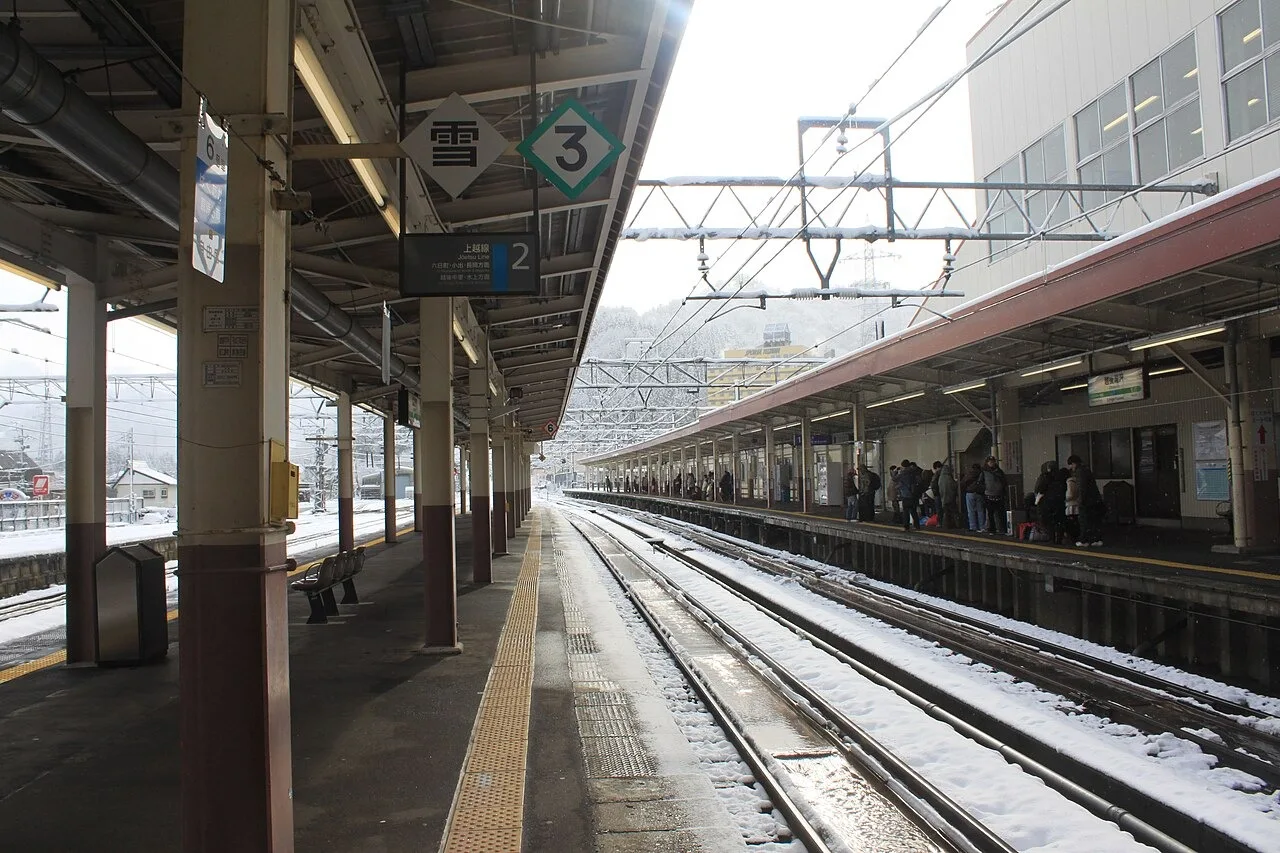
Just 69 minutes from Tokyo by Shinkansen, Kandatsu Snow Resort runs night skiing until 02:00 and houses Kami-no-Yu, a 400-capacity bathhouse with overnight nap quarters. Covers 2026-27 season dates, lift passes, 16 constellation-named trails, and overnight itineraries in Echigo-Yuzawa.
Lift Pass Fares: ¥500 Online Discount, Early-Bird & Anniversary Weeks
Lift pass pricing varies by weekday, weekend, and season tier. A main-season adult day pass costs ¥5,800 on weekdays and ¥6,800 on Saturdays and designated peak days (children ¥3,500 and ¥4,000). Buying via the official web shop knocks ¥500 off immediately (¥5,300 weekdays, ¥6,300 peak days), while early-bird passes sold until 10 December drop to ¥4,500. Night skiing is ticketed separately at ¥4,900 for adults and ¥3,500 for children for the full session, or ¥3,900 for adults and ¥3,000 for children for a 4-hour night pass.
During the 40th Anniversary Weeks (12-15 January and 23-26 March), adult day passes fall to ¥4,400 and child passes to ¥3,000—the lowest main-season rate available. The flexible 25-Hour Pass and early-bird season passes go on sale before winter begins; both the 25-Hour Pass and the locker-bundled Kandatsu Passport are already sold out for the season, so frequent visitors will need to watch the official site earlier next autumn.
The lowest entry price all winter is the 11-18 December pre-season day pass at ¥3,000 for adults. Fewer runs and lifts are open then, and rental stock plus ski-school classes are scaled down compared with peak winter, making it best suited to confident skiers and riders warming up their legs.
Do not overthink the ticket menu. If you are only visiting for one or two days, grab the ¥500-discounted web day pass online or buy at the ticket window—leave multi-hour packs and early-bird season rules to local regulars making repeated trips to Yuzawa.
A weekday-only Ladies Day package priced at ¥3,800 bundles a 1-day lift pass, a facial sheet mask, and a choice between a crêpe or admission to Kami-no-Yu & Sauna. It shows Kandatsu is not just for hardcore overnighters; pairing relaxed cruising, hot bathing, and a sweet treat in one day is an intentional part of its weekday programme.
Travellers coming from Tokyo by Shinkansen who prefer a single booking can look at two official rail-and-lift packages linked on Kandatsu's site: JR East Travel's seasonal ski day-trip bundles and Tobu Top Tours' one-day Kandatsu plan. Total prices sit close to buying rail and lift tickets separately, so on busy weekends simply pick whichever still has seats on your preferred Shinkansen departure.
| Pass Type | Adult | Child |
|---|---|---|
| 1-Day Pass (Weekday) | ¥5,800 | ¥3,500 |
| 1-Day Pass (Sat & Peak Days) | ¥6,800 | ¥4,000 |
| Web 1-Day Pass | ¥5,300 / ¥6,300 | — |
| Early-Bird Pass (until 10 Dec) | ¥4,500 | — |
| Night Pass | ¥4,900 | ¥3,500 |
| 4-Hour Night Pass | ¥3,900 | ¥3,000 |
| 40th Anniversary Week 1-Day Pass | ¥4,400 | ¥3,000 |
| Pre-Season 1-Day Pass | ¥3,000 | — |
Constellation Trails: 16 Runs from Pollux to Orion
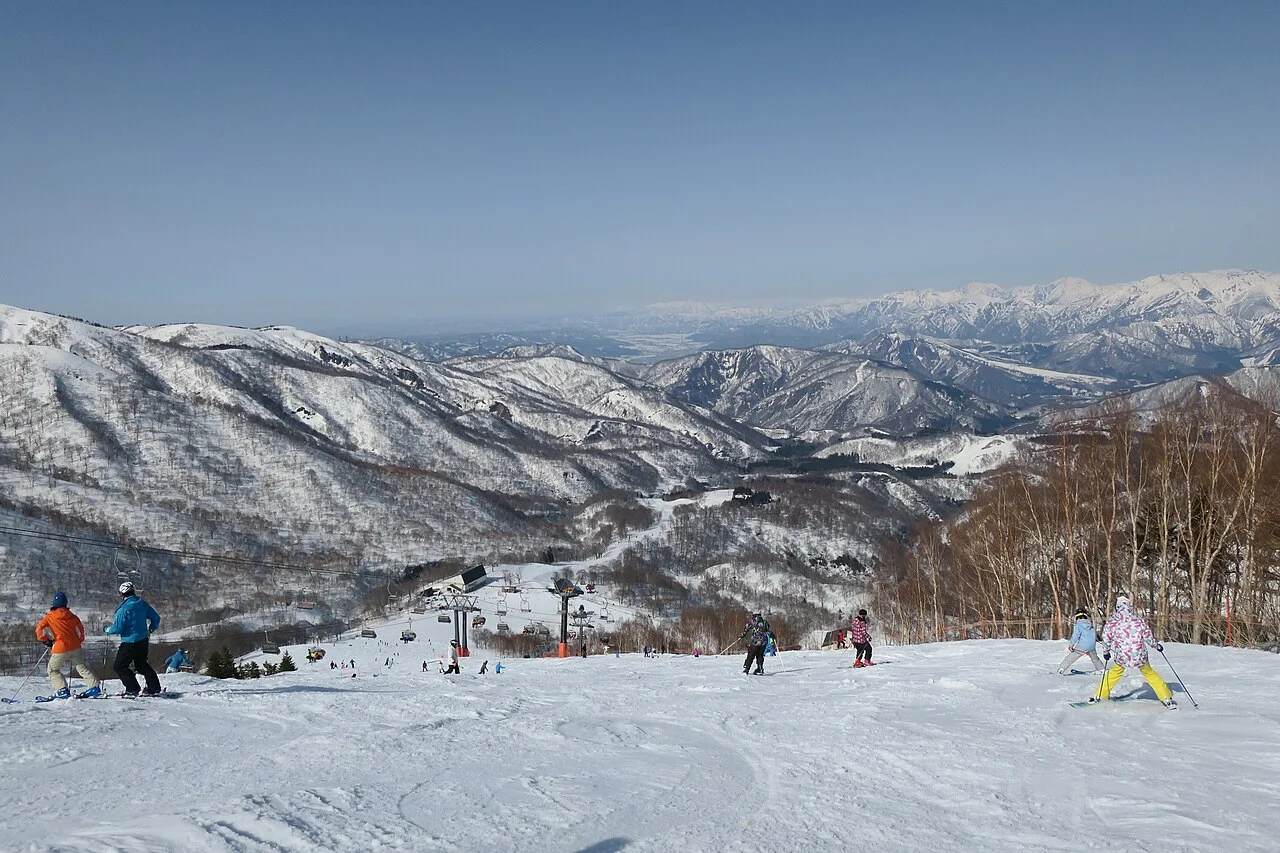
All 16 trails carry star and constellation names and split evenly across ability levels: five beginner runs (Andromeda, Procyon, Pollux, Vega, Polaris), five intermediate runs (Subaru, Pegasus, Sirius, Regulus, Castor), and six advanced runs (Milky Way, Orion, Hercules, Perseus, Super Antares, Tree Hercules). Across 130 hectares, both first-timers and steep-slope specialists have room to move.
Reading the mountain layout takes seconds. Upper lifts feed the central main face: beginners and intermediates typically use Pollux as their hub, while advanced skiers drop in from the higher Orion and Milky Way runs. Having every piste named after stars also makes the map memorable for families, turning trail-ticking into a game for children.
The flagship wide slope Pollux stretches 1,100 metres with a 50-metre average width, a maximum gradient of 12 degrees (10 degrees average), and full night lighting—making it the go-to training ground for linking turns. Beginners wanting a longer descent can connect from upper Procyon for a continuous 2,500-metre cruise, while absolute novices should start on the 6-degree Vega lesson slope or gentle, wide Polaris before moving onto the main face.
Expert skiers gravitate to two signature trails: Orion drops at up to 45 degrees (37 degrees average) as the mountain's steepest test, while Milky Way sweeps 2,900 metres along the ridgeline at up to 25 degrees (20 degrees average) for sustained high-speed carving. Park riders can head to the 1,100-metre Castor terrain park supervised by Atsushi Ishikawa, where features are reshaped weekly to match snow conditions. After dark, floodlights illuminate the main beginner and intermediate runs, delivering quiet 02:00 turns you simply cannot replicate in daylight.
Factor weather cancellations into any night-ski plan. Because night sessions only run on weekends and selected evenings, high winds or heavy rain stopping the lifts leave no backup night slot to reschedule into. Keep day-use onsen inns and sake restaurants around Echigo-Yuzawa Station in mind as a fallback if the mountain closes.
Be clear on night-ski terrain limits too. Floodlighting focuses on Pollux and the core beginner and intermediate runs; 45-degree black-diamond slopes like Orion are not lit at night. Kandatsu's night session is designed for relaxed cruising and progression, so advanced riders chasing steep pitches should ski them during daylight hours and verify the active night-trail list on the resort's daily update.
If someone in your group has never skied before, budget separately for equipment hire, ski lessons, and lift passes before comparing any official starter bundles—the same cost structure used across mid-sized Japanese resorts. Note that Kandatsu does not maintain permanent foreign-language group classes like tourist-oriented hills such as Rokko; if you require an English-speaking instructor, confirm availability and book well ahead.
Rather than forcing a checklist of all 16 trails, match each run to the time of day. Hit 45-degree Orion first thing in the morning while fresh grooming is firm; drop onto the 50-metre-wide Pollux through midday crowds to drill clean edge-to-edge turns; and finish before closing with a long 2,900-metre ridgeline cruise down Milky Way back to the base.
The official trail map colour-codes difficulty levels and night-lit zones, but not all 16 runs stay open every day from December to April—early season and spring thaw regularly trim the count. Pair the trail map with the homepage's live status board (showing open lifts out of 5 and open courses out of 16) before leaving Tokyo so you know exactly how much terrain is spinning.
For advancing beginners and intermediates, night skiing carries an unexpected bonus. Once ski-school groups and families clear out after dusk, freshly re-groomed Pollux feels wide open and uncrowded, giving you far more space to practise than midday. Temperatures plunge after 01:00 and the snow surface firms up noticeably, however, so schedule trickier drills between 18:00 and midnight.
You do not need to scour social media for daily conditions. Kandatsu's homepage operations panel displays live open counts for all 5 lifts and 16 trails alongside snowfall and snowmaking updates—checking it once in the morning and once in the afternoon before night skiing gives you the most reliable read.
If you are stacking daytime and night skiing in a single push, spend daylight hours on advanced runs and long ridgelines that close at dusk, then move onto the lit beginner and intermediate slopes once the day lifts stop. Keeping an eye on the live lift and trail counters ensures your legs go into the best snow on the hill.
Kami-no-Yu: Yuzawa's Largest 400-Capacity Bathhouse & Overnight Rest Area
Inside the resort base, Kami-no-Yu & Sauna operates alongside the winter season from 18 December 2026 to 28 March 2027. From Sunday to Thursday it opens 14:00 to 18:00 for day bathing only, while every Friday and Saturday it stays open all night until 09:00 the next morning with overnight rest quarters. Its main indoor bath measures 7 by 15 metres and holds roughly 400 people—among the largest in Echigo-Yuzawa—complete with a sauna, cold plunge pool, and a spacious panoramic open-air bath.
Day bathing costs ¥1,300 for adults on weekdays, ¥1,500 on weekends and public holidays, and ¥600 for children (for a 2-hour stay, plus ¥1,000 per extra hour). For overnight stays, the overnight rest pass—including unlimited bathing and access to the 6th-floor lounge—costs ¥6,000 for adults and ¥2,000 for children. Skiing until 02:00 and walking straight downstairs into a hot bath before sleeping eliminates late-night taxis down the mountain and early-morning buses back up.
Sleeping quarters come in two tiers: 100 neatly pitched single tents arranged across the 4th-floor hall for general overnight guests, plus 15 private Japanese-style tatami rooms ranging from S-size 4-tatami rooms (up to 4 guests) to LL-size 10-tatami rooms (up to 10 guests), charged at a ¥6,000 to ¥12,000 room supplement on top of each guest's individual overnight pass. Anyone planning to ski the next morning can buy the bundled overnight set (overnight stay, next-day 1-day lift pass, and breakfast voucher) for ¥12,000 per adult or ¥7,000 per child. Both overnight passes and private rooms require advance online booking, with only rare walk-in cancellations released on site.
Why build a 400-person bathhouse inside a ski lodge? One look at the locker rooms at 02:00 on a Friday or Saturday night—when hundreds of skiers unbuckle their boots at once—explains everything. The oversized pool, sauna, and open-air bath absorb that surge effortlessly. Just keep the schedule straight: weekday evenings close at 18:00, and all-night bathing and sleeping are strictly Friday and Saturday nights.
Set realistic expectations before booking. Whether you choose one of the 100 single tents or a private tatami compartment, Kami-no-Yu is a functional overnight nap facility rather than a traditional ryokan—soundproofing, mat thickness, and privacy cannot match a proper hot-spring inn. Treat it as a ski-in, ski-out pit stop, pack earplugs and an eye mask, get your head down promptly, and you will still wake up ready for first lifts.
Booking and cancellation terms are strict, so read them before committing. Overnight stays and private rooms are online-reservation-only with no telephone enquiries accepted. Cancellations are free up to two days before check-in, then jump to a 100% penalty from the day before arrival. If your plans are still fluid, stick to day bathing and wait until your dates are locked in before booking overnight.
Viewed alongside the ryokan around Echigo-Yuzawa Station, Kami-no-Yu serves a distinct role. It excels at door-to-bath convenience in a lively, spacious ski-base bathhouse, whereas station-front inns offer quiet, intimate traditional soaking. Use Kami-no-Yu to save time on your night-ski evening, then stop by a classic station ryokan for day bathing before your return Shinkansen to enjoy both worlds.
House rules draw clear lines for families and tattooed guests. Official policy bars visitors with tattoos from entering the baths, pre-school children may not enter unaccompanied, and solo minors staying overnight must present written parental consent. Parents travelling with toddlers can take turns watching the children in the lounge while the other bathes—knowing the rules upfront prevents awkward surprises at reception.
At its core, Kami-no-Yu is not an afterthought; it is the engine that makes the Friday night-ski, on-site sleep, Saturday morning-ski loop possible. Without a 400-person bathhouse and sleeping hall right beneath the slopes, everyone finishing at 02:00 would be stranded hunting for late-night transport down the valley.
How to Plan an Overnight Night-Ski Trip
The classic post-work Tokyo itinerary starts by hopping on a Friday evening Joetsu Shinkansen to Echigo-Yuzawa and transferring onto the 7-minute free shuttle bus straight to Kandatsu. Click into your bindings as soon as the floodlights switch on at 18:00, ski until 02:00, head downstairs to soak in Kami-no-Yu, and turn in at the overnight area. After the included breakfast on Saturday morning, get back on snow by 09:00 through to 16:00 before catching an evening train back to Tokyo—squeezing two days of riding into 48 hours with just a night pass and a ¥12,000 overnight bundle.
First-time skiers should resist the romance of starting with a night session. Evening rental counters carry a smaller selection and ski-school lessons are far more limited than during the day. Learn speed control, braking, and basic turns in daylight first and treat night skiing as a reward once you are comfortable; even experienced riders should collect rental gear during daytime hours or in Tokyo, as the resort rental desk shuts well before 02:00.
Before booking an overnight stay, double-check four non-negotiable rules: solo minors need signed parental consent, pre-schoolers cannot enter alone, guests with tattoos are barred from the baths (unlike tattoo-friendly public bathhouses in Kinosaki Onsen—tattooed travellers can only use the sleeping lounge or stay off-site), and cancellations from one day prior incur a 100% fee. Clear those four points and the logistics run like clockwork.
Mixed groups with non-skiers still work effortlessly from an Echigo-Yuzawa base. Non-skiers can spend the day exploring the station's sake museum, local rice restaurants, and town onsen while skiers lap Kandatsu, then reunite via the 7-minute shuttle whenever anyone wants a break—using the exact same Shinkansen tickets with zero need to split up.
Small gear choices make a big difference on a night-plus-morning doubleheader. Arrange a multi-day rental at the counter on day one so you skip the Saturday morning queue and re-fitting cost, and pack two complete sets of moisture-wicking base layers and ski socks. Changing into dry layers straight after your post-night-ski soak keeps you warm when you step back onto the morning snow.
The real bottleneck on back-to-back sessions is leg stamina and short sleep. Finishing at 02:00 and bathing leaves at most five or six hours before pulling heavy ski boots back on at 07:00 or 09:00, which catches out occasional skiers. On your first overnight attempt, aim for just a morning half-day on Saturday, head down before lunch for a hot bowl of ramen near Echigo-Yuzawa Station, and ride back to Tokyo feeling refreshed rather than wrung out.
Choosing between sleeping at the ski base or booking a station hotel comes down to how much you value a real bed. Kami-no-Yu wins on zero transit and transparent pricing, though you are sleeping in a tent or basic tatami bay. If deep sleep and a multi-course dinner matter more, book an onsen hotel by Echigo-Yuzawa Station, take the shuttle down after skiing, and ride back up the next morning—a few thousand yen and a short bus ride buy a totally different night's rest.
Each floor at Kami-no-Yu has a clear purpose: the 4th floor houses the 100 single tents and 15 private rooms, while the 6th-floor lounge offers manga and internet space if adrenaline keeps you awake after skiing. Note that the ¥12,000 package only includes next-morning breakfast; there is no late-night hot-food restaurant open during the night session, so stock up on snacks before 18:00 and treat the lodge like a practical mountain dorm.
Put the two overnight options side by side: the ¥12,000 Kami-no-Yu bundle (overnight rest, next-day lift pass, and breakfast) keeps you steps from the snow with zero transfers, whereas a station hotel adds two shuttle rides in exchange for an en-suite bathroom, a proper mattress, and town dining. At similar budgets, pick the lodge for pure ski-until-you-drop immersion, or the station for comfort.
Run a quick calculation before clicking buy on the Kami-no-Yu bundle. Because the ¥12,000 rate includes a next-day lift pass and breakfast, it only saves money if you actually plan to ski again the next morning. If you are skiing Friday night and just want to sleep, bathe, and stroll around Echigo-Yuzawa on Saturday, buying the ¥4,900 night pass plus the ¥6,000 room-only overnight pass totals ¥10,900—¥1,100 cheaper than the bundle.
Getting There & Pairing Kandatsu with Echigo-Yuzawa
The Joetsu Shinkansen from Tokyo reaches Echigo-Yuzawa Station in roughly 69 minutes, followed by a 7-minute free resort shuttle straight to the base lodge. Drivers exit the Kan-etsu Expressway at Yuzawa IC and reach the car park in 1 kilometre (about 3 minutes). Frequent Shinkansen departures make day trips effortless, while for night skiers the timetable flips the logic: with no trains back to Tokyo at 02:00, staying overnight at Kami-no-Yu and catching a morning train home is the natural fit.
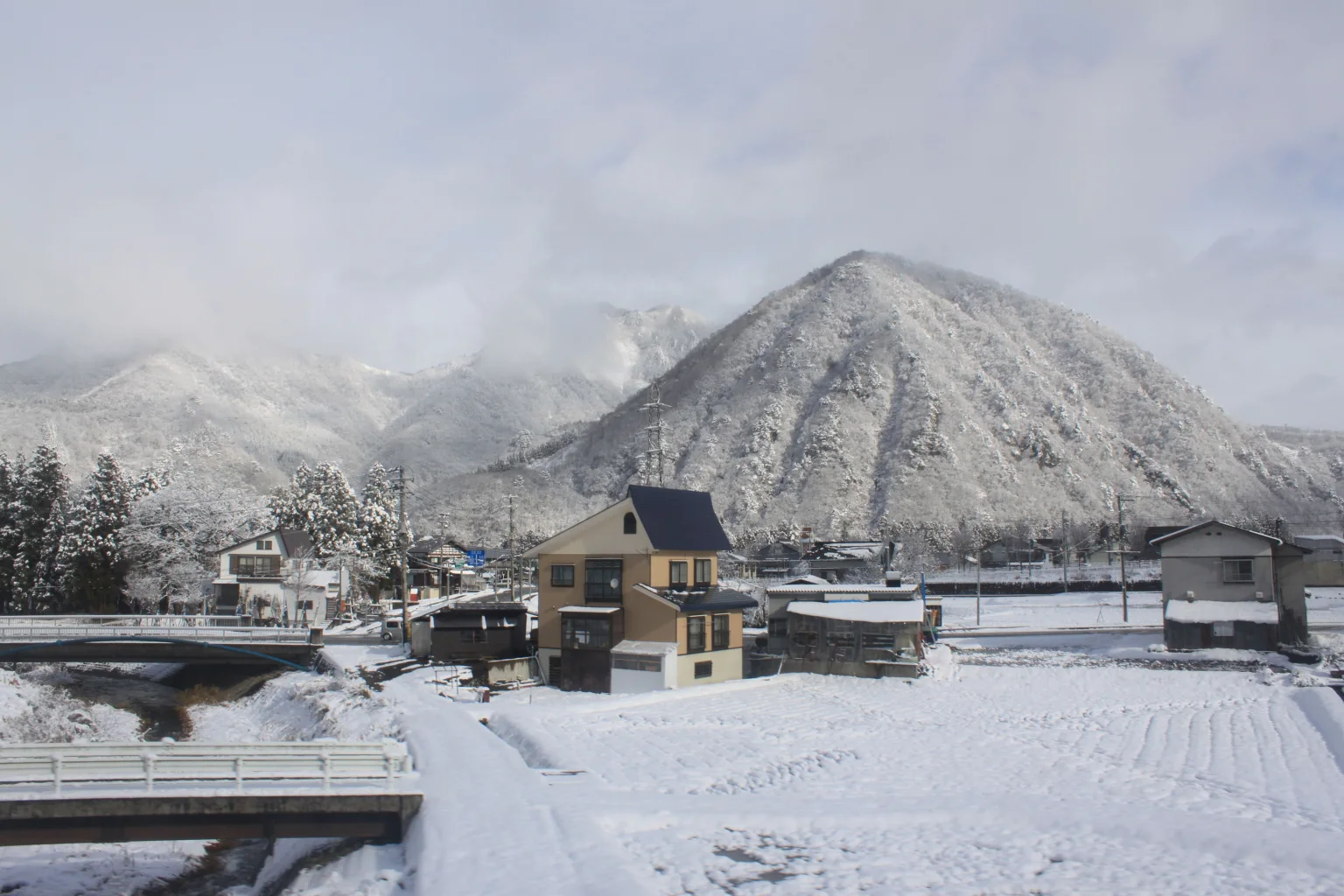
Echigo-Yuzawa Station itself is a lively hot-spring and Niigata sake hub—non-skiers can easily spend half a day browsing the station shopping arcade and bathhouses, and skiers coming off the mountain never struggle to find dinner and local pours. Pairing Kandatsu's late-night runs with a relaxed daytime stroll in town delivers exercise and downtime in one weekend; see our Tokyo ski day trips and Yuzawa stays guide for wider accommodation options, with Kandatsu serving as the area's latest-opening mountain.
Across the wider Yuzawa ski cluster, Kandatsu's irreplaceable edge is its combination of 02:00 night skiing and on-site sleeping quarters. GALA Yuzawa leads on direct station integration and Yuzawa Kogen plus Ishiuchi Maruyama win on interconnected scale, but no other resort in the valley lets you compress 48 hours after work on Friday into skiing and sleeping without leaving the base.
Do not gamble on unreserved Shinkansen carriages on peak winter weekends. Despite frequent services, aisles quickly jam with ski bags and large suitcases, and Sunday afternoon reserved seats back to Tokyo routinely sell out early—reserve outbound and return seats several days ahead. If driving the Kan-etsu Expressway, note that winter tyres are mandatory in Niigata's heavy-snow zone and carry snow chains as backup.
Although the free shuttle from Echigo-Yuzawa Station takes just 7 minutes, departures are timed tightly to Shinkansen arrivals and departures. Overnighters at Kami-no-Yu can ignore the last bus, but day-trippers must match their final run to the pre-train shuttle—save a screenshot of the current shuttle timetable on your phone before heading up so you are not left guessing in the cold.
Zoom out across Japan's winter ski map and each region holds its own lane: Kuju in Kyushu pairs skiing with volcanic hot springs, Mount Rokko near Kobe suits quick Kansai day hops, and Hakkoda in Tohoku draws powder hunters chasing snow monsters, while Kandatsu owns the late-night, sleep-at-the-hill Tokyo niche. Pick according to your departure hub and preferred pace.
International visitors flying into Narita or Haneda can slot this route in smoothly too. The least rushed approach is spending your arrival night in central Tokyo to recover, boarding an early Shinkansen from Tokyo Station (around 69 minutes) or Omiya Station, and leaving bulky suitcases at your city hotel so you travel light and hire gear on site—see our Tokyo ski day trips guide for luggage-storage and rental comparisons.
Budgeting an overnight trip is refreshingly transparent: add round-trip Joetsu Shinkansen fares to a ¥4,900 night pass and the ¥12,000 Kami-no-Yu bundle (stay, next-day pass, and breakfast), or swap in the ¥6,000 stay-only option if you are not skiing the next morning, then tack on rentals or lessons if needed. Every official fee sits cleanly on one tariff with no surprise surcharges.
When the free shuttle drops you back at Echigo-Yuzawa Station, do not rush straight onto the platform. The concourse packs in Niigata souvenirs, giant onigiri rice balls, and a walk-in sake tasting hall ideal for filling the wait before your train; if you brought your own skis or board, a Takkyubin luggage counter inside the station lets you courier gear straight back to your Tokyo hotel or the airport so you can ride home hands-free.
Run a final pack check before leaving Tokyo for a night-and-morning trip: two goggle lenses (clear or high-visibility tint for night skiing, darker lens for daytime glare), two sets of moisture-wicking base layers and socks, windproof gloves and a warm beanie, daytime snow sunscreen, and a power bank. The small base shop carries limited emergency stock, so pack everything you need in your rucksack beforehand.
A few useful answers
How late does night skiing run at Kandatsu Snow Resort?
For the 2026-27 season, night skiing operates every Friday, Saturday, and eve of a public holiday from 18 December to 27 March, running 18:00 to 02:00 the following morning, plus five straight nights from 29 December to 2 January. A full night pass is ¥4,900 for adults, with a 4-hour night pass available for ¥3,900.
How much are lift passes?
Main-season adult 1-day passes cost ¥5,800 on weekdays and ¥6,800 on Saturdays and peak days, with a ¥500 discount when bought online via the official web shop. Early-bird passes are ¥4,500 until 10 December, 40th Anniversary Week day passes (12-15 January and 23-26 March) drop to ¥4,400, and 11-18 December pre-season day passes are ¥3,000.
Are the slopes suitable for beginners?
Yes—five of the 16 trails are graded beginner. The wide 1,100-metre Pollux piste (50 metres wide, 10 degrees average) is floodlit for night skiing, while linking upper Procyon creates a 2,500-metre gentle descent; Vega (6 degrees average) and wide Polaris serve first-timers, and advanced riders have the 45-degree Orion slope.
How much is Kami-no-Yu and can you sleep there?
Two-hour day bathing costs ¥1,300 for adults on weekdays and ¥1,500 on weekends and holidays. On Friday and Saturday nights it stays open until 09:00 with overnight nap quarters at ¥6,000 for adults (¥2,000 children), including unlimited bathing and 6th-floor lounge access, or ¥12,000 bundled with a next-day lift pass and breakfast. The 400-capacity bathhouse is among the largest in Yuzawa.
How do you get there from Tokyo?
Take the Joetsu Shinkansen to Echigo-Yuzawa Station (about 69 minutes) and hop on the free 7-minute resort shuttle bus; by car, it is 1 kilometre (around 3 minutes) off the Yuzawa IC exit of the Kan-etsu Expressway. If you ski until the 02:00 night-session close, staying overnight at Kami-no-Yu and taking the Shinkansen back the next day is the smoothest option.
Are tattoos allowed in Kami-no-Yu?
No. Official Kami-no-Yu rules prohibit guests with tattoos from entering the bathing areas—unlike tattoo-welcoming public bathhouses such as Kinosaki Onsen. Tattooed visitors can still use the overnight rest area without entering the baths, or book alternative tattoo-friendly bathing elsewhere.
Should complete beginners start with night skiing?
It is best not to make night skiing your very first session. Evening rental inventory and ski-school classes are much more limited than during the day, so learn braking and controlled turns in daylight first and save night skiing for after you have the basics down. Collect rental gear during daytime hours as well, because the rental counter closes before 02:00.
Official information and references
Sources used in this guide.
.jpg)


