Itoshima's oyster huts run their winter season from early October through early May across six fishing ports: Kishi leads with 12 huts, while Fukuyoshi is the only port reachable on foot from a train station. Expect by-weight or per-tray pricing plus a table fee—not all-you-can-eat—with direct Fukuoka subway-to-Chikuhi Line trains or ¥200 buses from Maebaru Station.
- Region & Focus
- Fukuoka
- Reading Scope
- 13 min read · 8 chapters · 4 Q&As
- Official Verification
- 6 official sources checkedUpdated November 20, 2026
Chapter Route Map (tap any stop)
- Pick the Port Before the Hut: How the Six Areas Differ
- How Pricing Works: By Weight Plus a Table Fee, Not All-You-Can-Eat
- Season Dates and Opening Days: Official Windows vs. Each Hut's Call
- Without a Car: Train to Fukuyoshi, Buses to Three Other Ports
- Driving, Traffic Jams, and Zero-Tolerance Drink-Driving Laws
- Fitting an Oyster Hut into a Day Trip to Itoshima
- Inside the Hut: How a Meal Unfolds
- Tips for Visiting with Kids or Older Relatives
- Quick Q&A
Itoshima's oyster huts are not a single restaurant—they are clusters of waterside shacks scattered across six fishing ports, led by Kishi with 12 huts, Funakoshi with 7, and Fukuyoshi with 3. The official winter season runs from early October through early May, though individual opening dates are set by each hut; in 2026, openings staggered between October 3 and November 1. Before you go, know how the billing works: you buy oysters by weight or by the tray and pay a separate per-table gas or charcoal fee. For example, Kaki no Masuda in Fukuyoshi charges ¥1,300 per kg, while Senryumaru in Funakoshi charges ¥1,200 per tray plus ¥500 per table—neither is all-you-can-eat, and every hut sets its own rates. On transit, Fukuyoshi is the only fishing port reachable by train plus a 12-minute walk, taking full advantage of direct Fukuoka subway-to-JR Chikuhi Line through-trains; the other ports require a ¥200 one-way bus from Chikuzen-Maebaru Station's north exit or a rental car. Because the official hut list explicitly warns that huts may close early if live oysters sell out or suspend operations in bad weather, aiming for the first morning wave at your top pick—and building buffer around bus schedules and coastal forecasts—is the safest play.
Pick the Port Before the Hut: How the Six Areas Differ
Itoshima's official oyster hut roster is published by the JF Itoshima Oyster Aquaculture Division, and the 2026-27 list covers six fishing port areas: Fukuyoshi, Fukae, Kafuri, Funakoshi, Kishi, and Nogita. Kishi is the largest cluster with 12 huts lined up side by side along the harbor, and it is the only port with fixed weekly days off—Daieimaru closes Thursdays, Nakamiyamaru and Nisshinmaru close Tuesdays, and Noburin closes Fridays. Funakoshi's 7 huts mostly run 10:00 to 17:00, while Fukuyoshi's 3 huts open from 9:00 to 17:00. Choosing your port first and then picking a hut there is far faster than comparing dozens of spots at once.
Your two main filters when picking a port are transit and atmosphere. Fukuyoshi is the only area easily reached by train and foot—Masuda's website explicitly promotes itself as "the only oyster hut area in Itoshima accessible by train, at Fukuyoshi Fishing Port, a 12-minute walk from the station." Kishi packs its huts close together, which pushes creative side menus and suits travelers who like to browse and compare. Funakoshi keeps uniform hours and sits about a 25-minute drive from Maebaru IC. Fukae and Kafuri have just one or two grill huts each, while Nogita and the direct farm-and-fisheries market Shima no Shiki focus on live takeaway oysters with no grills on site.
Direct-sales shops and grill huts are two different formats, so check before walking in. Shops labeled "sales only" (such as Fukumaru, Yoshimura, and Hoyumaru) sell only live oysters in the shell, with no tables or grills—you take them home or bring your own setup. To sit down and grill, look for huts with grilling hours listed on the official sheet. Yoshimura opens from 7:00 to 18:00, making it the earliest direct-sales shop on the roster; early risers often buy there before heading to a nearby grill hut.
Keeping track of the official list's release cycle also saves wasted trips. The 2026-27 PDF came out ahead of the season (dated March 2026), laying out all six areas, hut names, and operating hours in one document that serves as the baseline unless updated mid-season. Because hut counts shift slightly each year and older online roundups sometimes list closed shops, rely on the current season's official PDF and save the official Google Maps links to your phone so all six port pins stay in one view.
Direct-sales shops can also anchor an early-bird itinerary. Shima no Shiki opens at 8:30, ahead of every grill hut; travelers staying in Itoshima or driving through in the morning sometimes buy live oysters there and take them to a grill hut paying only the table fee. Outside-food rules vary by hut, however, so ask staff before sitting down rather than assuming it is allowed.
Beyond what happens at the grill, the six ports share a local sustainability loop worth noting. JA Itoshima processes recovered oyster shells in bulk into an organic agricultural lime called "G-Lime," a practice highlighted in the official list. Itoshima oysters also received a regional collective trademark in 2019, so spotting the "Itoshima Kaki" label is the local aquaculture group's benchmark for quality.
Facing 12 huts in Kishi does not need to cause decision paralysis. Cross off whichever huts are closed that day using the official list, then judge by the line out front. Since the huts sit just steps apart along the pier, moving next door if one is full takes barely a minute. First-timers do best picking a hut with clear price boards outside—printed unit prices and portion sizes cut ordering friction much better than waiting in line for one specific blog favorite.
| Fishing Port | Number of Huts | Operating Hours | Key Transit Notes |
|---|---|---|---|
| Kishi | 12 (largest cluster) | Mostly 9:00-17:00; several have fixed weekly days off | Keya Line bus from Maebaru Sta. North Exit (~21 min, ¥200) |
| Funakoshi | 7 | Mostly 10:00-17:00; two close at 16:00 | Funakoshi Line bus from Maebaru Sta. North Exit (~31 min); ~25 min drive from Maebaru IC |
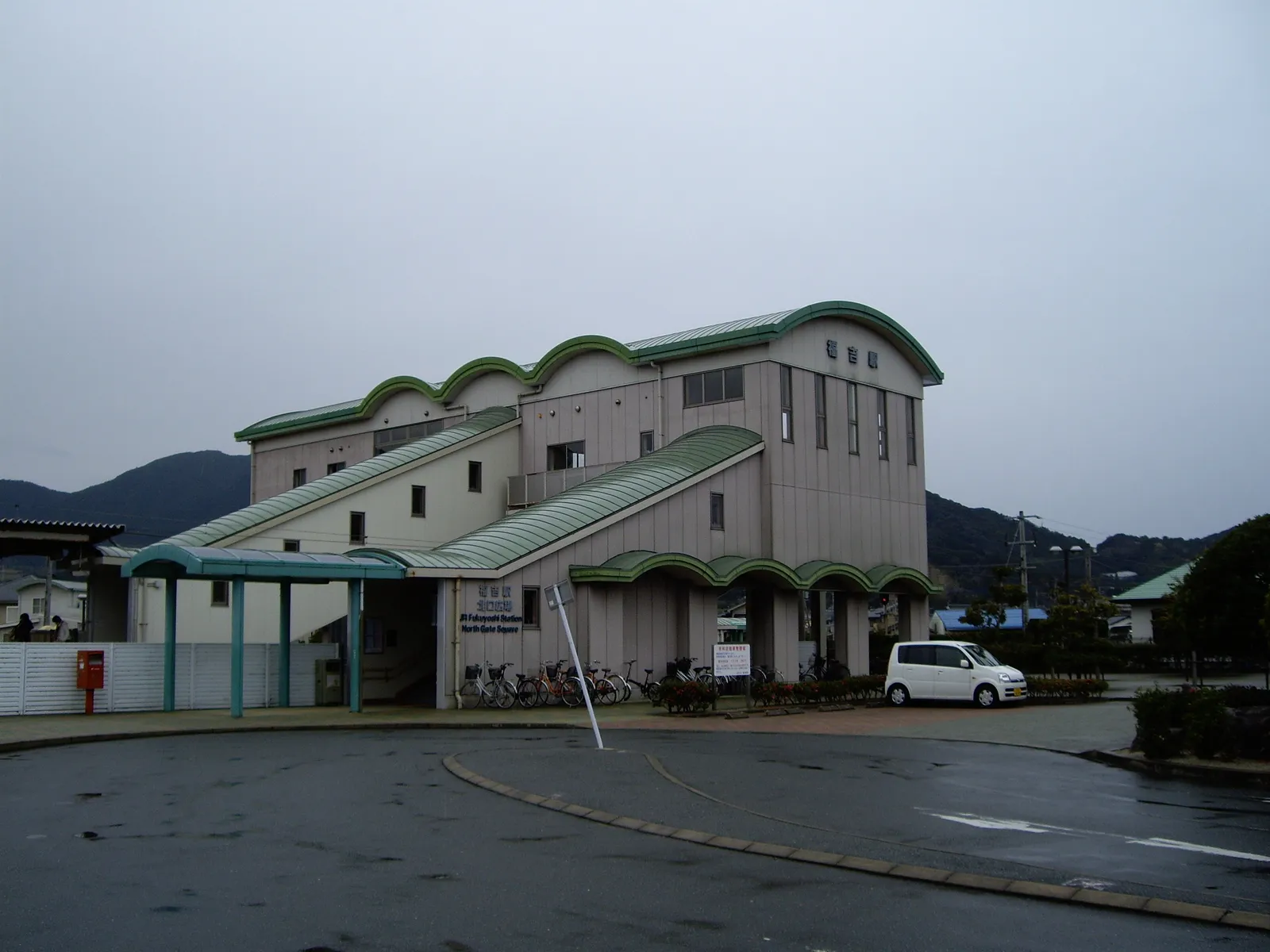
| Fukuyoshi | 3 | Open 9:00 or 10:00 to 17:00 | Only train-walk port: ~12 min on foot from Fukuyoshi Sta. |
| Kafuri | 2 | Open 9:00 or 10:00 to 17:00 | Keya Line bus from Maebaru Sta. North Exit (~9 min); ~7 min drive from Maebaru-higashi IC |
| Fukae | 1 grill hut + 1 direct-sales shop | Open 9:00 or 10:00 to 17:00 | ~17 min walk from Chikuzen-Fukae Sta. |
| Nogita + Shima no Shiki | Direct sales only | Hoyumaru 24 hours (by arrangement); Shima no Shiki 8:30-17:00 | Mainly by car; live oysters for takeaway |
Itoshima's oyster huts run their winter season from early October through early May across six fishing ports: Kishi leads with 12 huts, while Fukuyoshi is the only port reachable on foot from a train station. Expect by-weight or per-tray pricing plus a table fee—not all-you-can-eat—with direct Fukuoka subway-to-Chikuhi Line trains or ¥200 buses from Maebaru Station.
How Pricing Works: By Weight Plus a Table Fee, Not All-You-Can-Eat
The standard pricing model across Itoshima's oyster huts is oysters by weight or by the tray, plus a separate per-table gas or charcoal fee. Two benchmark huts that publish full menus online show how it works: Kaki no Masuda in Fukuyoshi sells by weight at ¥1,300 per kg, with a gas fee of ¥300 for one person or ¥500 per table for two or more, plus live turban snails at ¥1,000 per tray. Senryumaru in Funakoshi sells by the tray at ¥1,200 per full tray or ¥600 per half tray, with a ¥500 table fee that covers charcoal, cotton work gloves, and oyster knife loan. That puts two people ordering 1 kg plus a table in Fukuyoshi around ¥1,900 and up, and two trays plus a table in Funakoshi at around ¥2,900. Because weight and tray portions differ, gauge your group's appetite before comparing unit prices.
The official hut list explicitly states "Please check sales prices at each individual shop," leaving pricing completely up to each operator with no set official rate. Masuda notes the common local rate of ¥1,200 per kg across Itoshima right alongside its own ¥1,300 price, which shows why checking individual hut websites beforehand pays off. Sides and hot dishes also vary by shop: Senryumaru serves an oyster rice bento for ¥250 and sea bream chazuke for ¥700, letting lighter eaters put together a full meal without tackling an entire tray of oysters.
All-you-can-eat formats are not the norm at Itoshima's harbor huts—neither benchmark hut offers an all-you-can-eat plan, and official materials list no standardized per-person package. For groups or travelers watching their budget, estimating half to one tray per person and splitting one table fee gives a reliable ballpark. If you prefer booking a set in advance, Masuda offers limited reservation packages through Jalan, where set prices appear on the booking page rather than on its own site.
Prices can also fluctuate around peak season. Masuda notes that the gap between its ¥1,300 rate and the ¥1,200 local baseline comes down to oyster sizing and quality selection, and spreads like this tend to show up more around year-end crowds. Leave a little cushion in your budget instead of hunting down the last ¥100—what makes Itoshima worth the trip is fresh-off-the-boat sweetness and the harbor-side atmosphere, neither of which shows up on the bottom line.
Cleanup and checkout are straightforward: toss empty shells and scraps into the designated bins, and leave the table's charcoal for staff to handle when you leave. Senryumaru bundles charcoal and tool rentals into its ¥500 table fee specifically to keep post-meal cleanup simple. If you want to take shells home for gardening or planters, ask staff first, since every hut runs its own waste rules.
As a rough portion guide, one tray at Senryumaru is enough for an adult's main meal; big eaters should plan on 1.5 to 2 trays, while kids or older relatives often split one tray between two. At by-weight huts, two adults can start with 1 kg and add more if still hungry. Because the table fee is flat per table, four people pay the same table fee as two, making group trips noticeably better value.
Put the two official lines side by side and picking a hut becomes much easier: the hut list tells visitors to confirm prices at each individual shop, while the fisheries cooperative sums up the appeal—"grilling fresh oysters right on the spot while enjoying a meal overlooking the sea." Price differences usually stay within a few hundred yen per tray, so prioritize operating hours, transit convenience, and the setting over strict price hunting.
Season Dates and Opening Days: Official Windows vs. Each Hut's Call
Itoshima's oyster calendar works on two levels: the official hut list defines winter operations as early October to early May (with summer operations from mid-May to late September), while the tourism association page says roughly October through April. Those windows are just broad guardrails—each hut decides its own opening date. In 2026, openings staggered between October 3 and November 1: Funakoshi huts kicked off first between October 3 and 11 (Senryumaru on October 11, Sumiyoshimaru on October 10), Masuda waited until October 28, and Hiryumaru and Kaki no Abe opened on November 1. Anyone planning a trip in the first half of October should verify target huts on the tourism association page before heading out.
Closing dates at the end of the season are even less uniform. While the official PDF gives early May as a general cutoff, Senryumaru closed its previous season on April 5, 2026. Some blogs mention a term like "oys-close," but searching the tourism association's site returns zero results—there is no official unified closing date, so go by each hut's own notices. If you plan to visit from late March onward, put your target hut's final operating day on your pre-trip checklist rather than assuming every hut stays open into May.
Even right in the middle of peak season, two variables are written straight into the official rules. The hut list notes that "huts may close early or suspend operations depending on conditions such as live oysters selling out or bad weather," and the tourism page repeats both cautions. Weekend afternoons carry the highest risk of selling out, so lock in your main hut for the first morning wave and keep a second hut in the same port as a backup—that is where Kishi's 12-hut density really pays off.
Seeing "summer operations" from mid-May to late September on the list should not fool you into expecting plump grilled oysters in midsummer. Some huts do stay open through summer, shifting their menus to other seasonal seafood and casual meals. Treat summer visits as waterfront seafood dining; oysters reach their fullest, sweetest peak in cold fall and winter water, which is why winter season gets its own headline window.
Looking at 2026 opening dates also reveals a clear geographic rhythm: Funakoshi fired up its grills first on October 3, while Fukuyoshi did not hit full strength until November 1. Trying to visit two ports in mid-October can easily mean one bustling pier and another completely shuttered. Aim for Funakoshi and Kafuri in mid-to-late October, and save Kishi and Fukuyoshi for November onward so you do not show up to locked doors.
New Year's holidays call for an extra phone check. Official documents do not publish a unified holiday schedule for December 29 through January 3—some huts stay open while others close for several days. Anyone making a special trip over the New Year break should call their chosen hut directly before finalizing plans. Those holiday overlap days also bring the season's heaviest crowds and fastest sellouts.
Pairing the two official resources handles most day-of surprises: check the PDF list to see who operates where and daily hours, and use the tourism association page for seasonal notices and opening-day roundups. Scan the tourism page a week before your trip, jot down your top hut and hours the night before, and if you run into an unexpected closure on arrival, pull up the next rows under the same port in the PDF for an instant backup.
Without a Car: Train to Fukuyoshi, Buses to Three Other Ports
Travelers without a car have the cleanest route going to Fukuyoshi. Board the Fukuoka City Subway Kuko Line, where through-service trains run directly onto the JR Chikuhi Line all the way to Fukuyoshi Station with no transfer at Meinohama. The official list puts Fukuyoshi Fishing Port roughly a 12-minute walk away, with all three huts—Masuda, Shineimaru, and the Hiryumaru group—inside that walking radius. Strolling back the same way makes an easy half-day or full-day outing roughly an hour each way from Hakata Station.
Getting to the other ports by public transit means transferring to local buses from the north exit of JR Chikuzen-Maebaru Station. The official list covers three options, all ¥200 one way: the Keya Line reaches Kafuri in about 9 minutes and Kishi in about 21 minutes, while the Funakoshi Line reaches Funakoshi in about 31 minutes. The tourism association adds a critical caveat—"bus frequencies are low, so please check schedules in advance"—so look up both outbound and return departures before setting out, and allow at least half a day for a Kishi round-trip.
Fukae offers a second train-and-walk alternative. Official info puts Fukae Fishing Port about a 17-minute walk from Chikuzen-Fukae Station—slightly farther than Fukuyoshi, though still free of bus transfers. Kaisen Nikomaru handles grilling there, while Fukumaru is direct-sales only. Looking at all four car-free ports together, farther-out Kishi and Funakoshi suit drivers or travelers comfortable timing sparse buses, while sunny late-season days reward train-and-walk routes with relaxed coastal scenery.
Taking buses out of Maebaru Station comes with a few details that are easy to miss. While the ¥200 fare is a bargain, check outbound departures from Maebaru North Exit and return times from the port separately; the Keya and Funakoshi lines are separate routes, and waiting at the wrong stop means watching your bus drive past. Around weekend lunchtime rushes, low-frequency buses fill up quickly—target one bus earlier than your hard return deadline in case a full bus forces you to wait.
Starting from Hakata versus Tenjin mostly comes down to boarding location and train spacing. From Hakata Station, Kuko Line through-trains run straight west on the Chikuhi Line to Fukuyoshi with zero transfers, and boarding at Tenjin is just as simple. How long you linger at the harbor usually depends on the train back, since winter intervals on the outer Chikuhi Line are sparser than in central Fukuoka—check the next departure before leaving your hut so you know whether you have time for a coastal walk.
One small rail tip when heading west: alongside direct through-trains, some JR Chikuhi Line locals only run west of Meinohama. Filter transit apps for direct trains to avoid changing platforms mid-trip; if you miss one, you can still transfer across Meinohama Station (fares calculate separately for each operator, and transit IC cards work seamlessly all the way to Fukuyoshi).
Driving, Traffic Jams, and Zero-Tolerance Drink-Driving Laws
Official drive times from expressway exits make planning easy via the Fukuoka Urban Expressway and Nishikyushu Expressway: Maebaru IC is about 25 minutes from Funakoshi Fishing Port and 30 minutes from Kishi Fishing Port; Maebaru-higashi IC is about 7 minutes from Kafuri; Kamifukae IC is about 5 minutes from Fukae; and Yoshii IC is about 5 minutes from Fukuyoshi. Each port provides parking, and waterside spots fill first-come, first-served on weekends, with arrival before 10:00 offering the widest choice.
The tourism association places two sharp warnings front and center: approach roads around the ports back up every season, and "drivers must strictly refrain from drunk driving—please use public transit." Sizzling grilled oysters and cold beer are a classic pairing, and driving means giving up alcohol completely, which is why official guides favor public transit. If you want beer with an ocean view, taking the train straight to Fukuyoshi and walking in is the cleanest solution.
Traffic bottlenecks line up with weekends and year-end holidays. Public holidays and the December-to-January break bring the season's heaviest volume, with harbor roads and parking lots queuing around midday—the exact annual gridlock the tourism page flags. Drivers should arrive within 30 minutes of opening or aim for a Friday; transit skips road congestion in exchange for sparser bus schedules, so weigh group size and whether anyone plans to drink before locking in how you get there.
Parking setup differs from port to port. The official list notes parking spaces exist at each port, leaving fees and capacity up to on-site signs. Harbor access lanes run narrow, so check carefully for pedestrians when backing into spots; during peak year-end traffic when marshals direct cars—especially at Kishi and Funakoshi where controls tighten—parking slightly farther out and walking a few minutes often beats circling right in front of the huts.
Settle your designated-driver plan before leaving Fukuoka. If anyone wants a cold beer, have the whole group ride the train to Fukuyoshi or meet at Chikuzen-Maebaru North Exit for the bus; if one person is driving, they should skip alcohol completely at the table—Japan's drink-driving laws carry zero tolerance. Non-alcoholic drink menus vary by hut, and vending machines usually stand nearby along the harbor if you want more variety.
Fitting an Oyster Hut into a Day Trip to Itoshima
Placing the oyster hut in the midday lunch slot gives an Itoshima day trip its smoothest rhythm. Catch coastal views along northern Itoshima in the morning, take a seat at a hut before 11:00 for grilled oysters and oyster rice, then shift to a seaside cafe or harbor walk in the afternoon. Fukuyoshi train riders walk 12 minutes back to the station, while Kafuri and Kishi bus riders keep a close eye on return timetables; drivers have plenty of leeway for short coastal stops or grocery shopping in central Maebaru on the way back.
When traveling with older relatives or larger groups, build in backup options for anyone who skips grilled shellfish. Choose huts in Fukuyoshi or Kishi with hot cooked dishes like oyster rice or chazuke (Senryumaru's two cooked staples are easy benchmarks) so everyone eats well. Anyone hoping to buy live oysters at a direct-sales shop to cook at their lodging must confirm kitchen and stove rules beforehand—direct-sales oysters are meant for home kitchens, and cooking in standard hotel rooms generally breaks property rules.
Within a broader Fukuoka trip, an Itoshima day matches the single-direction pacing of a three-day Fukuoka itinerary and a Dazaifu day trip: give the full daytime block to one suburban corridor instead of zigzagging between Itoshima and Dazaifu on the same day. Basing yourself in Fukuoka City lets you pick a clear, calm day during oyster season and swap in city sights if rain or heavy winds roll in, since coastal winds cut comfort fast inside open harbor tents.
Arrival timing controls how long you wait for a grill. Once you pick a port, double-check opening hours: 9:00 openings give you an easy first seating, 10:00 openings often draw lines before doors open on weekends, and showing up past 11:00 usually means waiting for a table. Keep the afternoon relaxed—harbor walks in Kishi and Fukuyoshi are short, leaving unhurried time for a coastal coffee before heading back.
One simple routing rule when sorting Fukuoka day trips: driving from Itoshima across to Dazaifu or Yufuin on a winter weekend makes for exhausting transit. Keeping your seaside oyster day separate from city or hot-spring days cuts travel stress way down. Stopping at one or two viewpoints on the drive back is enough—keep the huts and sea air as the main event instead of cramming the afternoon with photo stops.
If you are staying overnight in Itoshima, do not count on oyster huts for late dinner. Most grill huts close by 17:00, leaving evening meals to town restaurants or your hotel; if you plan an early dinner before closing, watch last-order cutoffs carefully, as huts closing at 16:00 often stop taking large orders after 15:00.
Save a little time for sunset before leaving the coast. Itoshima's north shore is well known for evening views, and winter sun drops early—the sky starts turning orange-red around 16:30, right after an afternoon cafe break. Drivers can pair a sunset lookout with nearby parking, while train riders can take in the dusk colors from the open plaza in front of Fukuyoshi Station before boarding.
To bring coastal souvenirs home, stop by a direct-sales shop on your way out. Shima no Shiki stays open until 17:00 and Hoyumaru operates 24 hours; drivers should bring a cooler bag and follow storage instructions for live oysters. Train travelers should weigh bag weight against travel time—in cool winter air, two to three hours in transit is manageable, whereas longer onward journeys are better saved for another time.
Inside the Hut: How a Meal Unfolds
Once seated inside, ordering follows the hut's pricing format. Pick an open table—table or gas fees apply per group—and give staff your order by weight in kilograms or by full or half trays. First-timers do best starting with a half tray and adding more rather than over-ordering off the bat; at Senryumaru, gloves and oyster knives come included with the table fee and stay on the table when you finish.
Most tables post grilling guides built around one simple rule: once heat pops the shell slightly open, the oyster is cooked; leave tightly shut shells on the grill longer instead of prying them raw. Ordering hot sides right after the first batch hits the grate—like Senryumaru's quick ¥250 oyster rice bento and ¥700 sea bream chazuke—keeps kids and anyone skipping raw shellfish fed right away. At Masuda, a ¥1,000 tray of live turban snails adds local shellfish variety.
The bill adds up item by item: oysters, the table fee, plus any cooked dishes and drinks. Payment methods are not standardized across huts, and official docs do not list whether credit cards or mobile pay are accepted, so call ahead if you want to verify beyond cash. Masuda lists a reservation line (080-9249-4592) on its website, while phone numbers for Senryumaru and every other hut are organized by port on the official PDF list.
Solo travelers fit right in at an oyster hut without feeling out of place. A half or full tray plus one table fee is transparent, and counter seats or small corner tables work comfortably for one. If you enjoy photography, ask for a harbor-side window table to frame rising grill smoke against the water; the only limit is variety, making a half tray plus one cooked side the sweet spot.
Most huts do not have dedicated luggage lockers, so if you arrive straight with a suitcase, tuck it neatly against a wall and keep valuables with you. Most visitors leave large bags at Fukuoka City station lockers or their hotel and travel light. Fukuyoshi Station is compact, though its forecourt gives you enough space to briefly sort bags while keeping them in view.
Check the coastal weather forecast one last time before leaving town. The tourism association states clearly in writing: "In bad weather, operations may be suspended even during regular business hours." Winter gales and rough swells off the Genkai Sea can shut down harbor huts for the day. Check hut and tourism updates the morning you go—moving plans to a sunny day beats grilling through wind and blowing rain.
Tips for Visiting with Kids or Older Relatives
Families traveling with kids should pick roomier huts in Fukuyoshi or Kishi and grab seats near the entrance with wide aisles. Charcoal and gas grills get extremely hot, so seat children on the side facing away from the grill opening and let adults handle gloves and shucking knives. Fast cooked items like oyster rice and chazuke make reliable meals for kids; for children trying oysters for the first time or with any shellfish sensitivity, start them on cooked dishes and try a single bite first rather than counting on grilled oysters alone.
Two small adjustments make trips much easier for older relatives. First, ask about seating: many huts use low benches and low tables, so call ahead if someone needs chairs with backrests. Second, keep orders modest—half trays paired with hot rice dishes beat oversized batches, especially since huts do not pack leftover grilled oysters to take away. Winter winds along the pier cut sharper than in central Fukuoka, so dress for December-to-February coastal cold with scarves and windbreakers even inside covered tents.
Groups of six or more should treat advance reservations as a required step. Masuda notes on its site that weekend and holiday reservations are generally accepted for arrivals before 11:30; group policies vary across other huts, so calling the local fisheries cooperative branch is the fastest check: Kishi Main Office (092-328-2311), Funakoshi Branch (092-328-2136), or Fukuyoshi Branch (092-326-5214), all listed at the bottom of the official PDF.
A few useful answers
What months are Itoshima oyster huts open?
Officially, winter season runs from early October to early May, while the tourism association describes it as roughly October to April. Individual opening dates vary—in 2026, huts opened between October 3 and November 1—and closing dates differ too. Check the official hut list or individual hut websites before going if you want an early-season visit.
Are they all-you-can-eat, and how does pricing work?
No, they are not all-you-can-eat. Most Itoshima huts price oysters by weight or by the tray, plus a per-table gas or charcoal fee: Fukuyoshi's Masuda charges ¥1,300 per kg plus ¥300 for one person or ¥500 per table (two or more), while Funakoshi's Senryumaru charges ¥1,200 per full tray, ¥600 per half tray, and ¥500 per table (including charcoal, gloves, and oyster knife loan). The official list notes that prices must be confirmed at each individual hut.
How do you get there without a car?
Fukuyoshi is the only port reachable by train and foot: take the Fukuoka City Subway with direct through-service onto the JR Chikuhi Line to Fukuyoshi Station, then walk about 12 minutes to Fukuyoshi Fishing Port. For Kafuri, Kishi, and Funakoshi, transfer at Chikuzen-Maebaru Station's north exit to a ¥200 one-way local bus—about 9 minutes to Kafuri and 21 minutes to Kishi on the Keya Line, or 31 minutes to Funakoshi on the Funakoshi Line. Bus frequencies are low, so check timetables in advance.
Which fishing port has the most oyster huts?
Kishi has the largest cluster on the official list with 12 huts, followed by Funakoshi with 7, Fukuyoshi with 3, Kafuri with 2, Fukae with 1 grill hut and 1 direct-sales shop, and Nogita with 1 direct-sales shop. Pick Kishi for lively variety, Fukuyoshi for easy train access, or pair Fukuyoshi in the morning with Kishi for lunch.
Official information and references
Sources used in this guide.
- Itoshima City Tourism Association | Itoshima Oyster Huts Page (Season & 2026 Opening Dates)
- Itoshima Oyster Huts 2026-2027 Official List PDF (JF Itoshima Oyster Aquaculture Division)
- Itoshima Fisheries Cooperative | How to Enjoy Oyster Huts
- Senryumaru (Funakoshi) | Operating Notice & Price List
- Kaki no Masuda (Fukuyoshi) | 2026 Opening Notice, Menu & Reservations
- Itoshima City Tourism Association | Organization Info (Inquiry Tel: 092-322-2098)