Itoshima's winter oyster hut season runs from early October to early May across six fishing ports: Kishi has the largest cluster with 12 huts, while Fukuyoshi is the only port reachable on foot from a train station. Expect per-kilo or per-bucket pricing plus a table fee rather than all-you-can-eat. Direct underground trains from central Fukuoka connect onto the Chikuhi Line, or you can transfer at Chikuzen-Maebaru Station's north exit to a ¥200 flat-fare bus.
- Region & Focus
- Fukuoka
- Reading Scope
- 13 min read · 8 chapters · 4 Q&As
- Official Verification
- 6 official sources checkedUpdated 20 November 2026
Chapter Route Map (tap any stop)
- Pick the Port Before the Hut: Six Distinct Areas
- Pricing Explained: By Weight and Table Fee, Not All-You-Can-Eat
- Seasons and Opening Dates: Official Windows vs Hut Discretion
- Without a Car: Trains to Fukuyoshi, Buses to Three Ports
- Driving, Traffic Queues, and Drink-Driving Rules
- Fitting Oyster Huts Into an Itoshima Day Trip
- Inside the Hut: Ordering and Dining Flow
- Tips for Visiting with Children and Older Relatives
- Quick Q&A
Itoshima's kakigoya (oyster huts) are not a single restaurant, but clusters of waterfront sheds spread across six fishing ports: Kishi leads with 12 huts, followed by Funakoshi with 7 and Fukuyoshi with 3. Official winter operations run from early October through early May, though each hut sets its own opening date -- in 2026, openings rolled out gradually between 3 October and 1 November. Before setting off, it pays to understand the pricing system: huts charge by weight or by the bucket plus a per-table gas or charcoal fee, rather than offering all-you-can-eat deals. At Kaki no Masuda in Fukuyoshi, oysters are ¥1,300 per kg; at Senryumaru in Funakoshi, a bucket is ¥1,200 plus ¥500 per table, with each hut setting its own rates. On transport, Fukuyoshi is the only port you can reach solely by train and a 12-minute walk, making full use of the through-service linking Fukuoka's underground network with the JR Chikuhi Line; the other ports require a ¥200 flat-fare bus from the north exit of Chikuzen-Maebaru Station or a car. Because the official directory warns that huts may close early once live oysters sell out or suspend service in bad weather, targeting your top-choice hut for the first morning wave -- and leaving buffer time for sparse buses and coastal weather -- is the most reliable plan.
Pick the Port Before the Hut: Six Distinct Areas
The official Itoshima oyster hut roster is published by the JF Itoshima Oyster Farming Division, and the 2026-27 season list covers six port areas: Fukuyoshi, Fukae, Kafuri, Funakoshi, Kishi, and Nogita. Kishi is the largest hub, with 12 huts lined up along the harbourfront and the only port with fixed weekly closing days at certain venues -- Daieimaru closes on Thursdays, Chugumaru and Nisshinmaru close on Tuesdays, and Noburin closes on Fridays. Funakoshi's seven huts keep uniform hours mostly from 10:00 to 17:00, while Fukuyoshi's three huts open from 09:00 until 17:00. Choosing your port first and narrowing down a hut on arrival is far more efficient than comparing dozens of listings across the entire peninsula at once.
Two factors should drive your port choice: access and atmosphere. Fukuyoshi is the easiest area to reach without a car; even Masuda's official website highlights that it is "the only oyster hut port in the Itoshima area accessible by train, a 12-minute walk from the station". Kishi's high density spurs friendly competition and creative side dishes, making it ideal for travellers who like to browse and compare, whereas Funakoshi offers steady opening hours around 25 minutes by car from the Maebaru Interchange. Fukae and Kafuri each have only one or two grill huts, while Nogita and the agricultural-fishery market Shima no Shiki operate purely for takeaway live oysters with no grills on site.
Direct-sales counters and sit-down grill huts are separate formats, so check before stepping inside. Venues marked "sales only" in the directory (such as Fukumaru, Yoshimura, and Hoyumaru) sell live oysters in the shell with no seating or grills, meaning you take them away to cook elsewhere. If you want to grill on the spot, stick to huts that list grill dining hours on the official chart. Yoshimura opens from 07:00 to 18:00 -- the earliest of any sales counter on the list -- making it a popular morning stop for locals picking up oysters before heading elsewhere.
Keeping track of the official directory's release schedule also prevents wasted trips. The 2026-27 PDF is issued ahead of the season (dated March 2026 in the filename), compiling all six areas, hut names, and opening hours in one document that serves as the baseline unless mid-season updates appear. Since the total number of huts shifts slightly each year and older blog posts often cite places that have closed, treat the current season's official PDF as your final authority and save the official Google Maps links on your phone so all six ports are pinned in advance.
A quick stop at a direct-sales market can also work well for early risers. Shima no Shiki opens at 08:30, ahead of every grill hut, and some drivers or overnight guests buy fresh oysters there first before paying only the table fee at a grill hut. Policies on bringing outside shellfish vary strictly by hut, however, so always ask the staff before sitting down rather than assuming it is permitted.
Beyond the dining tables, Itoshima's ports have a notable recycling loop worth knowing about. JA Itoshima processes large volumes of discarded oyster shells into an organic lime soil conditioner sold under the name "G-Lime", a local initiative highlighted in the official directory. In addition, Itoshima oysters received regional collective trademark status in 2019 (Reiwa 1), so looking for the "Itoshima Kaki" label on site is the farming cooperative's own benchmark for local provenance.
Confronted with 12 huts in Kishi, there is no need to overthink the choice. Cross off whichever huts have a scheduled day off on your visit, then pick based on the queue length in front of you; the sheds sit steps apart, so moving to the hut next door takes less than a minute if one is full. First-time visitors are best served by huts displaying clear price boards outside, where per-item rates and portion sizes remove any guesswork when ordering.
| Fishing Port | Number of Huts | Opening Hours | Key Access Details |
|---|---|---|---|
| Kishi | 12 huts (largest cluster) | Mostly 09:00-17:00; several huts close on fixed weekdays | Around 21 min via Keya Line bus from Chikuzen-Maebaru Station North Exit, ¥200 |
| Funakoshi | 7 huts | Mostly 10:00-17:00; two close at 16:00 | Around 31 min via Funakoshi Line bus from Chikuzen-Maebaru North Exit; approx. 25 min drive from Maebaru IC |
| Fukuyoshi | 3 huts | From 09:00 or 10:00 until 17:00 | Only direct train access: approx. 12-min walk from Fukuyoshi Station |
| Kafuri | 2 huts | From 09:00 or 10:00 until 17:00 | Around 9 min via Keya Line bus from Chikuzen-Maebaru North Exit; approx. 7 min drive from Maebaru-Higashi IC |
| Fukae | 1 grill hut + 1 sales shop | From 09:00 or 10:00 until 17:00 | Approx. 17-min walk from Chikuzen-Fukae Station |
| Nogita + Shima no Shiki | Sales only | Hoyumaru open 24 hours; Shima no Shiki 08:30-17:00 | Car access recommended; live oysters for takeaway only |
Itoshima's winter oyster hut season runs from early October to early May across six fishing ports: Kishi has the largest cluster with 12 huts, while Fukuyoshi is the only port reachable on foot from a train station. Expect per-kilo or per-bucket pricing plus a table fee rather than all-you-can-eat. Direct underground trains from central Fukuoka connect onto the Chikuhi Line, or you can transfer at Chikuzen-Maebaru Station's north exit to a ¥200 flat-fare bus.
Pricing Explained: By Weight and Table Fee, Not All-You-Can-Eat
The standard pricing model across Itoshima's oyster huts pairs oysters sold by weight or by the bucket with a separate per-table gas or charcoal charge. Two benchmark huts that publish full price lists online illustrate how this works: Kaki no Masuda in Fukuyoshi sells by weight at ¥1,300 per kg, plus a gas fee of ¥300 for a solo diner or ¥500 per table for two or more, alongside live turban shells at ¥1,000 per plate. Senryumaru in Funakoshi sells by the bucket at ¥1,200 for a full bucket or ¥600 for a half-bucket, plus ¥500 per table which includes charcoal, cotton work gloves, and an oyster knife. In practice, two people ordering 1 kg plus a table fee in Fukuyoshi spend from around ¥1,900, while two buckets plus a table fee in Funakoshi come to ¥2,900; because bucket weights vary, compare portion sizes to your group's appetite rather than judging strictly on headline unit prices.
The official directory explicitly notes: "Please check selling prices directly with each hut", leaving pricing completely to individual operators with no fixed association rate. Masuda's website explains why its ¥1,300 tag sits slightly above the local "uniform ¥1,200 per kg in Itoshima" benchmark, a gap driven by grading and sourcing. Side dishes and cooked rice bowls also vary by hut -- Senryumaru serves oyster rice bento for ¥250 and sea bream ochazuke (tai-chazuke) for ¥700, allowing lighter eaters to enjoy a full meal without ordering an entire platter of shellfish.
All-you-can-eat plans are not the norm at Itoshima's ports; neither of the two benchmark huts above offers an unlimited option, nor does the official directory list any standard per-person set price. For groups trying to budget accurately, estimating half a bucket to one full bucket per person and splitting the single table fee gives a reliable ballpark. Those who prefer pre-booked packages can find limited reservation sets from Masuda via Jalan, with set prices shown on the booking portal rather than on the hut's own homepage.
Prices can also shift modestly around peak winter demand. Masuda states directly that the difference between its ¥1,300 rate and the ¥1,200 baseline reflects oyster size and harvest quality, and similar adjustments become more common during the year-end rush. Leave a small cushion in your budget instead of hunting down the cheapest ¥100 margin; the real draw in Itoshima is freshly landed shellfish grilled steps from the water, not shaving minor coins off the bill.
Clearing up after your meal is straightforward. Empty shells and food scraps go into designated bins provided in the hut, and staff handle the remaining charcoal or burners once you leave -- Senryumaru folds fuel and tool hire into its ¥500 table fee specifically to keep the process hassle-free. If you want to take empty shells home for gardening or crafts, ask permission first, as each hut follows its own waste disposal rules.
Portion planning is easy with a few practical benchmarks. One bucket at Senryumaru is generally enough as a main meal for an average adult; heartier appetites may want one and a half to two buckets, while a child or older relative can comfortably share a single bucket between two. At huts charging by weight, start with 1 kg for two adults and add more if needed. Because the table fee is fixed per grill, sharing among four diners costs the same table fee as two, making group outings notably economical.
Reading the two official sources side by side clarifies how to choose a hut: the directory leaves pricing to each operator ("check selling prices with each hut"), while the fisheries cooperative highlights the core experience -- "you can grill and savour fresh oysters on the spot while enjoying a meal overlooking the sea". Since price gaps between huts usually amount to only a few hundred yen per order, prioritising opening hours, transport convenience, and seating comfort is far more practical than bargain hunting.
Seasons and Opening Dates: Official Windows vs Hut Discretion
Itoshima's oyster calendar works on two levels. The official hut directory defines the winter season as early October to early May and the summer season as mid-May to late September, while the tourism association summarises the main oyster window as roughly October through April. These dates act only as a broad frame, as every hut chooses its own opening day. In 2026, openings staggered across almost a month from 3 October to 1 November: Funakoshi huts kicked off earliest between 3 and 11 October (Senryumaru on 11 October, Sumiyoshimaru on 10 October), Masuda followed on 28 October, and Hiryumaru and Kaki no Abe waited until 1 November. Travellers visiting in the first half of October should verify exact opening dates on the tourism association page before heading out.
Closing dates at the end of the season are even more staggered. While the official chart extends through early May, Senryumaru wrapped up its previous season on 5 April 2026. Although the term "oyster close" occasionally circulates online, a search of the official tourism association site turns up zero records, confirming there is no formal port-wide shutdown date. Anyone visiting from late March onwards must check each target hut's final operating day directly rather than assuming every shed stays open into May.
Even in the height of winter, two operational caveats appear in every official notice. The directory warns that "huts may close early or suspend operations depending on circumstances such as live oysters selling out or bad weather", a point echoed repeatedly by the tourism association. Weekend afternoons see the highest sell-out rates, so aim for the first sitting after opening and keep a neighbouring hut at the same port in mind as a backup -- another major advantage of Kishi's 12-hut lineup.
Do not mistake the "mid-May to late September" summer schedule on the official chart for peak oyster grilling. A handful of huts do open through summer, but their menus pivot to other seasonal seafood and casual coastal dishes. Visiting during warmer months works best if you treat the sheds as relaxed seaside seafood eateries; plump, sweet oysters depend on cold winter waters, which is why the official guide separates winter operations so clearly.
Looking at the 2026 opening schedule reveals a clear geographic rhythm across the peninsula. Funakoshi fired up its grills first on 3 October, whereas Fukuyoshi did not have all huts running until 1 November, meaning mid-October visitors hopping between two ports could easily find one bustling and the other shuttered. For trips in mid-to-late October, focus on Funakoshi and Kafuri; from November onwards, Kishi and Fukuyoshi are reliably in full swing.
Visits around the New Year holiday require a quick phone call ahead of time. Official directories do not publish individual holiday schedules for 29 December to 3 January, when some huts remain open throughout the Japanese New Year break and others close for several days. Because that holiday week coincides with peak winter demand, it also brings the longest queues and fastest sell-outs of the entire season.
Using both official resources together handles most surprises on the day: the directory PDF tells you which huts exist and their daily hours, while the tourism association page tracks seasonal announcements and opening-date summaries. Check the tourism page a week before your trip, note your first-choice hut and hours the evening before, and keep the full PDF handy -- if your top pick closes unexpectedly, the adjacent rows under the same port give you an immediate fallback list.
Without a Car: Trains to Fukuyoshi, Buses to Three Ports
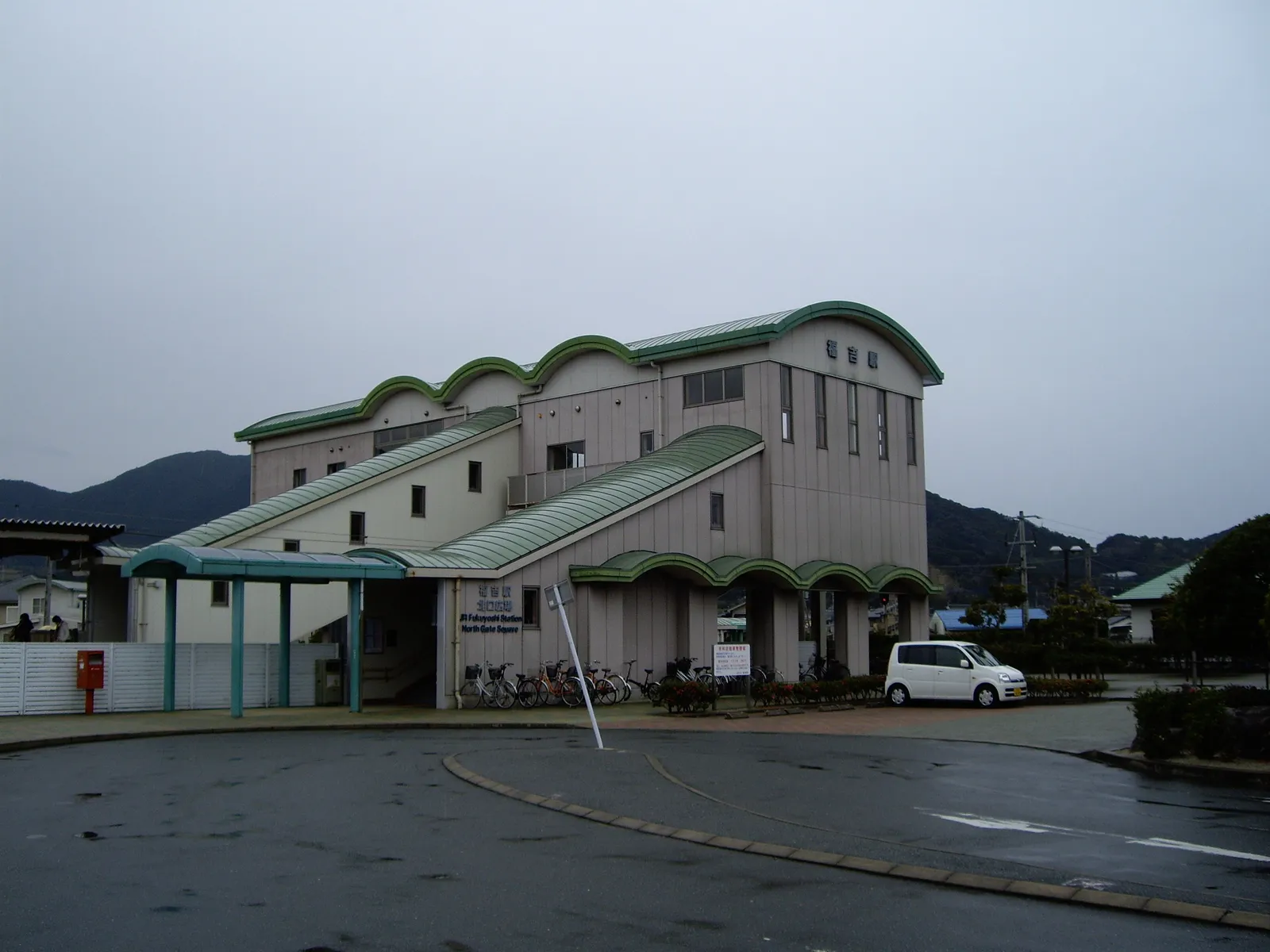
For travellers without a car, Fukuyoshi is the simplest target. Board the Fukuoka City Underground Airport Line in central Fukuoka and stay on direct through-running trains onto the JR Chikuhi Line all the way to Fukuyoshi Station without changing at Meinohama. Official listings note a 12-minute walk from the station to Fukuyoshi Fishing Port, putting all three huts -- Masuda, Shineimaru, and Hiryumaru -- within easy reach. Returning along the same route takes roughly an hour door to door from Hakata Station, making it effortless for a half-day or full-day trip.
Reaching the other major ports by public transport requires changing to a local bus at the north exit of JR Chikuzen-Maebaru Station. The official chart lists three routes, each at a ¥200 flat fare one way: the Keya Line takes around 9 minutes to Kafuri and 21 minutes to Kishi, while the Funakoshi Line reaches Funakoshi in about 31 minutes. The tourism association adds an essential warning: "Bus services are infrequent, so please check the timetable in advance." Factoring in the 21-minute ride to Kishi plus waiting gaps, allow at least half a day for a round trip.
Fukae offers a second rail-and-walk alternative. Official guidance puts the walk from Chikuzen-Fukae Station to Fukae Fishing Port at around 17 minutes -- slightly further than Fukuyoshi, though still free of bus transfers. The port hosts Kaisen Nikomaru for grilling and Fukumaru for direct takeaway sales. Viewed side by side, Kishi and Funakoshi suit drivers or travellers happy to structure their day around bus timetables, whereas a sunny late-season stroll from the station at Fukuyoshi or Fukae rewards you with quiet coastal scenery.
A few practical details matter when catching buses from Chikuzen-Maebaru. Although the ¥200 fare is inexpensive, outbound times from the north exit and return times from the port must be checked separately, as the Keya Line and Funakoshi Line operate as distinct routes from different stops. Around midday on weekends, oyster-bound crowds frequently fill these low-frequency buses; aiming for one bus earlier than your absolute latest return leaves valuable breathing room if a coach is full.
Departing from Hakata or Tenjin differs mainly in your starting station and train intervals. From Hakata, direct Airport Line trains run seamlessly onto the Chikuhi Line westbound to Fukuyoshi, and boarding at Tenjin is equally smooth. The main timing constraint is your return train, since Chikuhi Line services run less frequently along the outer coastal section in winter; check the next departure before leaving your table so you know whether you have time for a leisurely harbourfront walk.
One small tip helps when riding westbound onto the Chikuhi Line: while through-trains go straight to Fukuyoshi, some JR Chikuhi Line services operate only west of Meinohama. Filtering route planners for direct through-trains avoids an extra platform transfer, though if you miss one, changing across the platform at Meinohama is straightforward, with fares calculated across both operators and standard IC cards accepted throughout.
Driving, Traffic Queues, and Drink-Driving Rules
Driving times from expressway exits are clearly mapped in the official directory: take the Fukuoka Urban Expressway onto the Nishi-Kyushu Expressway, then allow around 25 minutes from the Maebaru Interchange to Funakoshi Port or 30 minutes to Kishi Port. From the Maebaru-Higashi Interchange it is roughly 7 minutes to Kafuri, from Kami-Fukae around 5 minutes to Fukae, and from Yoshii around 5 minutes to Fukuyoshi. Every fishing port provides parking, though bays closest to the sheds fill quickly on weekends -- arriving before 10:00 offers the widest choice.
The tourism association places two explicit warnings front and centre: surrounding roads suffer heavy seasonal congestion, and "drink-driving is strictly prohibited; drivers must not consume alcohol, so please use public transport". Freshly grilled oysters paired with cold beer are a major part of the appeal, yet driving means giving up alcohol completely. If you want to drink alongside your seafood, taking the train to Fukuyoshi and walking to the port is the cleanest solution.
Traffic peaks follow weekends and the year-end holidays closely. Saturdays, Sundays, public holidays, and the December-to-January holiday period draw the heaviest volume of the season, frequently backing up port access lanes and car parks around midday. Drivers should aim to arrive within 30 minutes of opening or schedule a Friday visit instead. While trains and buses bypass road queues entirely, they tie you to sparse timetables, so agree on transport based on group size and drinking plans before setting out.
Car park layouts vary by port. Official materials note that parking is available at each port, leaving fees and capacity to local signage on site. Access lanes along the quayside can be narrow, so watch for pedestrians when reversing into bays. During peak year-end traffic, follow marshals directing vehicles at Kishi and Funakoshi, where seasonal traffic controls tighten; parking slightly further out and walking a few minutes is often faster than circling right beside the huts.
Sort out designated-driver rules before ordering drinks. If anyone at the table wants beer or sake, have the whole group travel by train to Fukuyoshi or meet at Chikuzen-Maebaru for the bus; if one person is driving, alcohol is strictly off-limits under Japanese zero-tolerance laws. Non-alcoholic drink selections vary from hut to hut, though soft drinks are standard on menus and vending machines usually stand nearby along the harbour.
Fitting Oyster Huts Into an Itoshima Day Trip
The smoothest way to schedule Itoshima is to anchor the oyster huts as your midday meal. Spend the morning taking in coastal views along the northern shore, step into a hut before 11:00 for grilled oysters and oyster rice, and follow lunch with an unhurried harbour stroll or seaside cafe stop. Visitors on the Fukuyoshi route have a flat 12-minute walk back to the station; bus users from Kafuri or Kishi should keep an eye on afternoon departure times, while drivers can easily add a quick stop in central Maebaru on the way home.
When travelling with older relatives or larger groups, plan ahead for anyone who prefers cooked dishes over grilled shellfish. Choose huts in Fukuyoshi or Kishi that serve items like oyster rice or ochazuke -- Senryumaru's two cooked rice dishes are prime examples -- so non-oyster eaters still eat well. If you plan to buy live oysters from a direct-sales shop to cook yourself, verify beforehand that your accommodation has proper self-catering kitchen facilities, as bringing raw shellfish to cook inside standard hotel rooms usually violates property rules.
Within a broader Fukuoka stay, Itoshima works best as a dedicated suburban day alongside a three-day Fukuoka itinerary or as an alternative to a Dazaifu day trip, focusing on one direction per day rather than rushing between opposite suburbs. Keep your itinerary flexible enough to pick a clear, calm day during the oyster season; coastal winds along Itoshima can be brisk, and sitting inside a flapping tent during driving rain dampens the atmosphere considerably compared with swapping in an indoor city day.
Timing your arrival dictates how long you queue. Check your chosen port's opening time first: huts opening at 09:00 reward early birds with minimal waits, while 10:00 openings often see queues forming at the gate on weekends, and arriving after 11:00 almost guarantees a wait. Keep the afternoon relaxed -- the waterfront paths at Kishi and Fukuyoshi are compact and pleasant to wander before catching a late-afternoon coffee and heading back to the city.
A simple rule helps avoid over-scheduling Fukuoka's outskirts: combining Itoshima with Dazaifu or Yufuin on a winter weekend creates long, awkward transfers. Separate your coastal oyster day from city sightseeing or hot-spring trips, and limit scenic stops along Itoshima's north coast to one or two viewpoints so the afternoon stays unhurried.
If you are staying overnight in Itoshima, do not rely on the oyster huts for late dinner. Most grill sheds wrap up before 17:00, leaving evening meals to your inn or restaurants back in town. Those hoping for an early supper should pay close attention to last-order cut-offs: huts closing at 16:00 frequently stop taking substantial orders after 15:00, so build at least a 30-minute buffer into your schedule.
Leaving time for sunset provides a fitting finale before heading back. Itoshima's north coast is well known for evening light, and winter sunsets arrive early, turning the sky amber around 16:30 -- ideal right after an afternoon coffee. Drivers can pair a sunset lookout with nearby parking, while train travellers can take in the twilight over the sea from the open plaza outside Fukuyoshi Station before boarding.
To bring local produce home, stop by a direct-sales market on your way out. Shima no Shiki stays open until 17:00 and Hoyumaru operates 24 hours; drivers should pack an insulated cooler bag and follow storage advice carefully. Train passengers should weigh how much they want to carry -- cool winter temperatures make carrying live oysters on a two-to-three-hour journey manageable, though it is best skipped if you have onward long-distance travel.
Inside the Hut: Ordering and Dining Flow
Once inside, the routine follows the hut's pricing structure. Take a seat -- the table or gas fee applies automatically -- and place your order with staff either by the kilo or by the bucket (half-buckets are handy for smaller appetites). First-timers do well starting with a half-bucket or 1 kg and adding more once they gauge portion sizes. At huts like Senryumaru, cotton work gloves and oyster knives are already laid out or lent free as part of the table fee; simply leave them behind when you finish.
Most tables display simple grilling instructions built around one rule: wait until the shell pops slightly open from the heat before shucking, and leave tightly shut shells on the grill rather than forcing them open. Ordering hot side dishes while the first batch grills is a smart move -- Senryumaru's ¥250 oyster rice bento and ¥700 sea bream ochazuke arrive quickly, keeping children or anyone avoiding raw shellfish fed straight away. At Masuda, adding a ¥1,000 plate of live turban shells lets you sample more of Itoshima's local catch.
Your final bill is itemised by category: oysters, the table fee, plus any cooked sides and drinks. Payment methods are not standardised across the association and are not listed in the official directory, so carry sufficient cash or call ahead to confirm whether cards or mobile payments are accepted. Masuda publishes a dedicated booking number (080-9249-4592) on its website, while phone numbers for Senryumaru and every other hut are grouped by port in the official PDF.
Solo travellers need not hesitate to visit an oyster hut. A half-bucket or single bucket plus one table fee is transparent and straightforward, with counter seats or small corner tables easy to settle into. Photographers often prefer window seats facing the harbour, framing rising grill smoke against the water beyond. The only limitation when dining alone is variety, making a half-bucket paired with one rice dish the ideal balance.
Storage space for large bags is rare inside the sheds, so anyone arriving directly with suitcases will usually have to tuck them against a wall and keep valuables close. Most visitors leave bulky luggage in lockers at major Fukuoka stations or at their hotel before heading out to the coast; Fukuyoshi Station is compact, though its forecourt offers enough open space to pause and sort daypacks while keeping bags in sight.
Keep an eye on coastal weather right up to departure morning. The tourism association explicitly cautions: "In the event of bad weather, operations may be suspended even during published opening hours", as strong winter winds and rough swells off the Genkai Sea can shut down harbourfront huts for the day. Check hut and tourism updates first thing in the morning, and reschedule without hesitation if gales or squalls roll in -- grilling oysters in clear winter sunshine is worth waiting for.
Tips for Visiting with Children and Older Relatives
Families with young children should favour spacious huts in Fukuyoshi or Kishi, aiming for tables near the entrance with generous aisles. Charcoal and gas grills run very hot, so seat children on the side facing away from the burners and have adults wear the protective gloves to handle shucking. Quick cooked dishes such as oyster rice and ochazuke work well as reliable staples for younger diners; if a child has a history of shellfish sensitivity or is trying oysters for the first time, let them eat their main cooked dish first before testing a single bite.
Two small adjustments make a big difference for older relatives. First, many harbour huts use low tables with backless benches, so call ahead if anyone in your party needs chairs with proper back support. Second, order conservatively in smaller rounds rather than over-ordering, as leftover grilled oysters cannot be packed up to take away. Winter winds along the quay feel noticeably sharper than in central Fukuoka, so pack scarves and windproof jackets suited to coastal conditions from December through February -- gusts regularly sweep inside even under covered canopies.
Groups of six or more should treat advance booking as essential. Masuda specifies on its website that weekend and holiday reservations are generally accepted only for arrival slots before 11:30; policies elsewhere are not uniform across the official directory. For group enquiries or guidance on port availability, calling the relevant JF Itoshima branch office is the fastest route -- Kishi Main Office (092-328-2311), Funakoshi Branch (092-328-2136), and Fukuyoshi Branch (092-326-5214) are all listed at the bottom of the official chart.
A few useful answers
When is the best time to visit Itoshima's oyster huts?
The official winter season is defined as early October to early May, though the local tourism association frames it more broadly as around October to around April. Actual opening dates vary by hut: in 2026, openings were staggered between 3 October and 1 November, and closing dates differ just as widely. If you are aiming for the early weeks of the season, verify your target hut's opening date on the official hut directory or its own website before travelling.
Are Itoshima's oyster huts all-you-can-eat, and how does pricing work?
No, they are not all-you-can-eat. The standard system in Itoshima is buying oysters by weight or by the bucket, plus a per-table gas or charcoal charge. At Masuda in Fukuyoshi, oysters are ¥1,300 per kg with a gas fee of ¥300 for one person or ¥500 per table for two or more; at Senryumaru in Funakoshi, a bucket is ¥1,200 (half-bucket ¥600) plus ¥500 per table, which covers charcoal as well as cotton work gloves and an oyster knife. The official directory explicitly notes that prices must be confirmed with each individual hut.
How do I reach the oyster huts without a car?
Fukuyoshi is the only area accessible purely by train and on foot: take the Fukuoka City Underground directly through onto the JR Chikuhi Line to Fukuyoshi Station, from which the port is roughly a 12-minute walk according to official listings. For Kafuri, Kishi, and Funakoshi, change at the north exit of JR Chikuzen-Maebaru Station onto a local bus (¥200 one way): the Keya Line takes about 9 minutes to Kafuri and 21 minutes to Kishi, while the Funakoshi Line takes about 31 minutes to Funakoshi. Services are infrequent, so check timetables in advance.
Which fishing port has the most oyster huts?
Kishi has the largest concentration with 12 huts in the official directory, followed by Funakoshi with 7, Fukuyoshi with 3, Kafuri with 2, Fukae with 1 grill hut and 1 direct-sales shop, and Nogita with 1 direct-sales shop. Choose Kishi for lively variety or Fukuyoshi for the easiest train access; if you want both, visit Fukuyoshi in the morning and head over to Kishi for lunch.
Official information and references
Sources used in this guide.
- Itoshima City Tourism Association | Itoshima Oyster Huts Guide (Season & 2026 Opening Dates)
- Itoshima Oyster Huts 2026-2027 Official Directory PDF (JF Itoshima Oyster Farming Division)
- Itoshima Fisheries Cooperative | How to Enjoy the Oyster Huts
- Senryumaru (Funakoshi) | Operating Announcements & Price List
- Kaki no Masuda (Fukuyoshi) | 2026 Opening Notice, Menu & Reservations
- Itoshima City Tourism Association | Organisation Details (Enquiries: 092-322-2098)