Take the train from Fukuoka to Fukuyoshi or transfer at Chikuzen-Maebaru for buses to Kafuri, Funakoshi, and Kishi. Compare all five ports, Oyster Rapid schedules, booking rules, BYO policies, and per-person vs. per-table grill fees.
- Region & Focus
- Fukuoka
- Reading Scope
- 20 min read · 13 chapters · 5 Q&As
- Official Verification
- 26 official sources checkedUpdated November 22, 2026
- Key Topics
- FoodWinterRail travel
Chapter Route Map (tap any stop)
- Pick a Port Where You Can Sit Down on Time
- Trains to Fukuyoshi and the "Oyster Rapid" Timetable
- How Fukuyoshi's Three Huts Differ on Grills, Ordering, and Cutoff Times
- Kafuri for Advance Reservations and Local Clams
- Funakoshi Brunch and Kishi Lunch: Pick One Port per Trip
- Fukae Works Best as a Single-Hut Trip Paired with the Beach
- Oysters Are Sold by the Kilo, While Grill Fees Vary by Table or Person
- Have Key Reservation Details Ready Before You Call
- Keep Raw and Cooked Tongs Separate, and Keep Grilling After Shells Open
- Pack Light on BYO Items to Keep Checkout Simple
- Some Huts Run From Fall Into Spring—Re-Check Schedules by Date
- Choosing Between Return Buses and Driving Yourself
- Pair Lunch With Coastal Stops Along Your Return Route
- Quick Q&A
If you are taking transit from Hakata or Tenjin to grill oysters in Itoshima, start with Fukuyoshi. Walk about 12 minutes from JR Fukuyoshi Station's North Exit and you will reach three huts side by side. Kafuri works best if you want to book a table ahead or eat local clams, while Funakoshi and Kishi give you more menus to compare at one port. Some huts allow rice balls from outside, while others limit BYO items to drinks and condiments, and grill fees may be charged per person or per table on top of per-kilo oyster prices. Lock in your hut's rules and your return train or bus before lunch so you can grill without rushing.
Pick a Port Where You Can Sit Down on Time
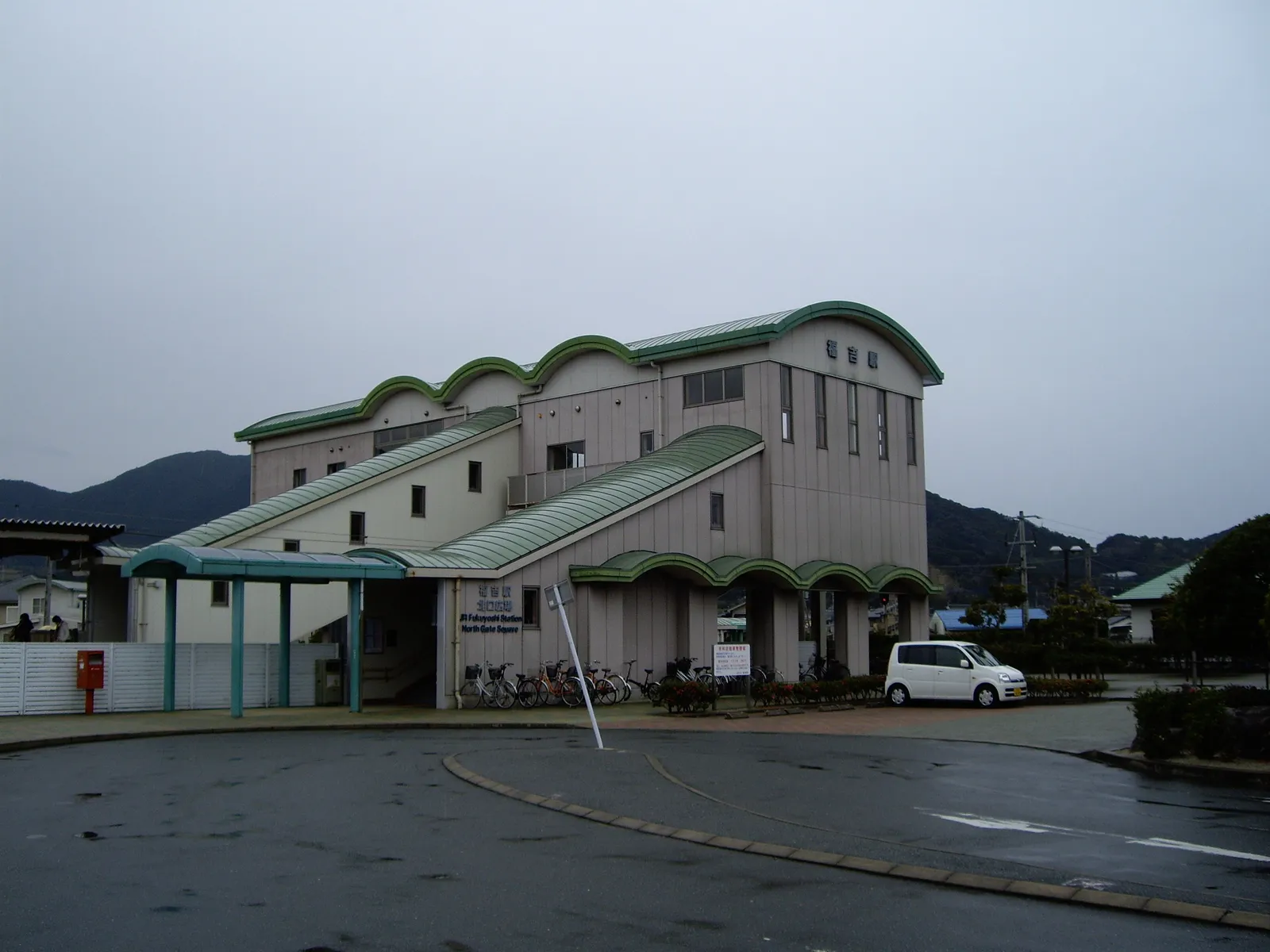
If you are coming from Hakata or Tenjin and want to skip rental cars and bus transfers, head to Fukuyoshi Fishing Port. It is roughly a 12-minute walk from the North Exit of JR Fukuyoshi Station to the harbor, where you can pick one of three huts and keep the other two as backups. If you are traveling with older relatives or kids and want a confirmed seating time, Kafuri has huts that take online reservations and sits only about a 3-minute walk from the Keya Line bus stop after transferring at Chikuzen-Maebaru Station. Funakoshi and Kishi are better if you want to compare several menus in one place: each is served by a single bus route, so choose your primary hut before boarding and keep your backup at the same port.
For the 2026–27 season, you can grill oysters tableside at Fukuyoshi, Fukae, Kafuri, Funakoshi, and Kishi. Nogita is a direct-sales stand only, so cross it off if you want a sit-down lunch. Fukae also has Fukumaru, which only sells raw shellfish to go; the sit-down dining spot within walking distance of the station is Kaisen Nikomaru. Save both the hut name and the fishing port in your navigation app so you can verify signs and harbor locations even if Japanese address formats look unfamiliar. Searching generically for "Itoshima oyster huts" often routes you to whichever hut tops the results, which may require a completely different train or bus line.
If anyone in your group has large luggage, walks slowly, or needs to eat before noon, break down the transition from station arrival to sitting at the grill. In Fukuyoshi, the 12-minute walk only gets you to the waterfront—add a few more minutes to reach your hut entrance and check in. Kafuri's walk from the bus stop is short, but your schedule is tied to bus headways, where missing one departure costs far more time than a longer walk. If you have a fixed dinner, show, or onward train back in Hakata, choose a port that lets you wrap up early: Fukuyoshi makes returning straight to the station easy, whereas Funakoshi and Kishi suit an unhurried afternoon.
| Lunch Port | Transfer and Walk | Best Reason to Choose |
|---|---|---|
| Fukuyoshi | JR Fukuyoshi Station North Exit, ~12-min walk | Round-trip by train; easy to head back to the city early |
| Fukae | JR Chikuzen-Fukae Station, ~17-min walk | Reserve Kaisen Nikomaru on weekends; pair lunch with a beach walk |
| Kafuri | Keya Line bus from Maebaru Station North Exit to Kafuri stop, ~3-min walk | Easier advance reservations and local Kafuri clams |
| Funakoshi | Funakoshi Line bus from Maebaru Station North Exit to Funakoshi stop, ~6-min walk | Compare menus, indoor facilities, and BYO rules at one port |
| Kishi | Keya Line bus from Maebaru Station North Exit to Kishi stop, ~4-min walk | Charcoal grilling or continuing down the Keya Line to the coast |
Take the train from Fukuoka to Fukuyoshi or transfer at Chikuzen-Maebaru for buses to Kafuri, Funakoshi, and Kishi. Compare all five ports, Oyster Rapid schedules, booking rules, BYO policies, and per-person vs. per-table grill fees.
Trains to Fukuyoshi and the "Oyster Rapid" Timetable
From both Hakata and Tenjin, board the Fukuoka City Subway Kuko Line bound for Meinohama. Through-service trains continue west onto the JR Chikuhi Line, so enter "Fukuyoshi" as your destination and check the full list of stops. If your train terminates at Meinohama or Chikuzen-Maebaru, transfer there to a Karatsu-bound train that stops at Fukuyoshi. Trains leaving from the same platform serve different terminals; a "Chikuhi Line through-service" label only means the train crosses from the subway onto JR tracks—the final destination and stop list determine whether you stay on board.
JR Kyushu announced that on Saturdays, Sundays, and Japanese national holidays from November 7, 2026 through February 28, 2027, select rapid trains make extra stops at Fukuyoshi. Outbound trains depart Hakata at 9:27 and 10:27, stopping at Tenjin at 9:33 and 10:33 before arriving at Fukuyoshi at 10:16 and 11:16. Return rapid trains leave Fukuyoshi for central Fukuoka at 16:21 and 17:25, reaching Hakata at 17:14 and 18:19. On weekdays—or whenever you finish lunch early and want to head back sooner—take any local train stopping at Fukuyoshi instead; riding the rapid outbound does not lock you into waiting for it on the way home.
If two of you are aiming for an 11:00 lunch, the 9:27 departure from Hakata gives you plenty of buffer to walk from the North Exit and settle in. Taking the 10:27 train shifts lunch closer to midday once you factor in walking and check-in. If you only have half a day, plan to eat between late morning and early afternoon and catch a local train back instead of lingering at the harbor until the 16:21 rapid. When taking a rapid train back, check which downtown station sits closest to your next stop—get off at Tenjin on the subway for shopping, or stay on to Hakata if your hotel is near the terminal.
JR Kyushu's seasonal campaign flyer also lists partner perks at three Fukuyoshi huts: Shineimaru Sasaki, Kaki no Masuda / Zenkomaru, and Kaki no Abe / Hiryumaru. To redeem them, show your return JR train ticket or IC card when ordering. Shineimaru Sasaki and Hiryumaru each list a ¥500 in-house voucher per group, while Kaki no Masuda lists a drink and an ingredient item subject to daily availability. Present your ticket or IC card at order time; vouchers apply only at the issuing hut.
| Direction | First Train | Second Train |
|---|---|---|
| Departs Hakata | 9:27 | 10:27 |
| Departs Tenjin | 9:33 | 10:33 |
| Arrives Fukuyoshi (Outbound) | 10:16 | 11:16 |
| Departs Fukuyoshi (Return) | 16:21 | 17:25 |
| Arrives Hakata (Return) | 17:14 | 18:19 |
How Fukuyoshi's Three Huts Differ on Grills, Ordering, and Cutoff Times
Kaki no Masuda / Zenkomaru in Fukuyoshi announced on its official site that its season opens October 28, 2026. The JR campaign flyer lists 9:00 for opening and 10:00 as the start of oyster grilling, so early train arrivals should plan around the 10:00 grill start. The hut uses gas grills and lists loaner jackets, gloves, tongs, and shucking knives. Outside drinks, rice items, and condiments are permitted along with a few exceptions such as vegetables, while meat and raw fish must stay outside per house rules. If you want rice alongside your oysters, either order rice from the menu or bring your own rice balls.
Shineimaru Sasaki is the other main option at Fukuyoshi. The Itoshima City Tourism Association lists its opening date as October 31, 2026, and JR's seasonal flyer lists hours from 10:00 to 17:00 with last order at 16:00. Its website offers free weekday shuttle pickup from JR Fukuyoshi Station if you arrange a meeting time with the hut in advance. Groups looking to cut down on walking can start by inquiring here, though you should confirm return transport to the station as well. Its site allows outside meat, but attaches a ¥1,000 minimum spend per guest junior-high age and older, a ¥500 table fee, and a ¥500 bring-in fee. Groups focused on seafood will find the standard menu much simpler to tally.
Hiryumaru announced on its own site that it opens November 1, 2026, running 10:00 to 17:00 with last entry at 16:00, last order at 16:15, and cooked kitchen items stopping at 16:00. You buy oysters and hut supply kits at the counter, and gas fees are charged per person with junior-high students and younger exempt. Outside drinks and rice balls are allowed; outside meat is accepted on weekdays only for an extra ¥500, and the hut does not swap out grill grates. The easiest mistake with BYO rules is assuming one hut's policy applies next door—always check the exact hut name before packing food.
If you have kids at the table and plan to order one batch of oysters plus cooked dishes for everyone, think through the arrival workflow before you sit down. At Hiryumaru you order at the counter, so one adult can handle payment while everyone else settles in. At Kaki no Masuda the whole table shares one gas grill, so the table fee does not scale with appetite—just add another round once the first batch finishes cooking. Because all three huts sit in Fukuyoshi, switching to a neighbor at the same port costs very little time, though if you are counting on a specific side dish or station pickup, anchor your plan to that hut's rules rather than treating nearby stalls as interchangeable.
Kafuri for Advance Reservations and Local Clams
Exit JR Chikuzen-Maebaru Station on the north side and take the Keya Line bus to the "Kafuri" stop, about a 3-minute walk from the fishing port. "JR Kafuri Station" is a separate rail stop altogether. Save the exact bus stop name on your phone before leaving, and if friends are arriving separately, meet directly at the oyster hut entrance to avoid confusion. To skip the bus wait, taxis from Chikuzen-Maebaru Station's North Exit take roughly 12 minutes according to the tourism association. If older travelers in your group struggle waiting in the cold, arrange a return taxi when you book and give the driver both the hut name and the fishing port.
Kafuri has two huts: Sumiyoshimaru and Hirochan Kaki. Sumiyoshimaru announced its winter schedule starting October 10, 2026, open 9:00 to 17:00 with closures over the year-end and New Year holidays. Hirochan Kaki takes reservations by phone and on its website; weekday hours are 10:00 to 17:00 (last order 16:00), extending on weekends and national holidays to 18:00 (last order 17:00). Its FAQ notes that on weekends and holidays it only accepts 10 priority-seating reservations, seating walk-ins as tables open. If your family has a strict lunch window or return train, that policy directly affects which bus you should aim to catch.
Hirochan Kaki allows outside rice balls, drinks, and condiments, reserving the grill grate exclusively for seafood sold by the hut. Its BYO guide sets last order at 90 minutes and maximum seating at 120 minutes. If you plan to grill at a relaxed pace after booking, count backward from your departure time and put slower-cooking shellfish on the grate early. To feature Kafuri's wild clams, pair them with your oyster order—the Itoshima City Tourism Association lists peak local clam season from roughly November through March, and asking "Kyo, Kafuri-san no hamaguri wa arimasu ka?" ("Do you have Kafuri clams today?") gets a clearer answer than asking about shellfish in general.
Funakoshi Brunch and Kishi Lunch: Pick One Port per Trip
The Funakoshi Line bus departs from "Maebaru-eki Kita-guchi" (Maebaru Station North Exit) and drops you at "Funakoshi", about a 6-minute walk from the huts. On Showa Bus's weekend and holiday schedule, the 9:35 departure reaches Funakoshi at 10:06, putting you at the port just past 10:10. The 11:50 return bus comes up quickly, so take the 14:05 bus instead (back at Maebaru North Exit at 14:37) for a relaxed meal. If you catch the 11:05 outbound bus arriving at 11:36, treat it as a midday lunch and aim for the 14:05 or 15:35 return. Remember there is a walk between the "Funakoshi" stop and the harbor huts, so never time your last plate to the bus departure minute.
Seven huts in Funakoshi are open for tableside grilling this season, including Shoei and Horyomaru. Shoei announced an October 3 opening, running 9:00 to 17:00 with last order at 16:30 and same-day reservations accepted until 11:00; it offers mobile ordering, loaner jackets and aprons, and indoor restrooms. Shoei permits outside drinks and condiments only, so groups wanting rice balls should order staples from the menu or choose another hut. When calling to reserve—especially if you are riding the 11:05 bus from town—state your realistic arrival time clearly. Set navigation to "Kaki House Shoei, Shima-Funakoshi 415-17".
To reach Kishi, ride the Keya Line. On weekends and holidays, the 11:10 bus leaves Maebaru Station North Exit and arrives at Kishi at 11:31, a 4-minute walk from the harbor. Return buses at 13:35 or 14:50 head back to Maebaru; save both the route direction and which side of the road to wait on before heading out. Although the Keya Line also stops at Kafuri, hopping between ports after booking a midday table at Kishi only burns time waiting for another bus. The tourism association directory separates Kishi's main hut row, roadside storefronts across the street, and direct-sales stalls—look for "yaki-kaki" (grilled oysters) signage, as navigating to Yoshimura takes you to a retail-only shop.
At Kishi, Noburin announced an October 1, 2026 opening using charcoal grills for winter and noted a shift to year-round operations starting in 2027. It splits its year between charcoal grilling from October to March and gas grilling from April to August, so come in winter if you specifically want charcoal. Compare menus along the same row of huts if you want other shellfish, or pick a hut with kitchen-cooked items for anyone skipping raw shellfish. Outbound Keya Line buses continue past Kishi toward Keya, so if you want a coastal walk afterward, board the Keya-bound bus at Kishi and ride the opposite direction back to Maebaru—sticking to one stop keeps the afternoon manageable.
Fukae Works Best as a Single-Hut Trip Paired with the Beach
Fukae Fishing Port is roughly a 17-minute walk from JR Chikuzen-Fukae Station. Fukuoka Prefecture's seasonal feature lists Kaisen Nikomaru as serving Saturdays and Sundays starting November 1, 2026 until sold out, with reservations available by phone or Instagram DM. District and station names overlap easily in this area, so set your navigation to "Kaisen Nikomaru, Nijo-Matsusue 1844-6". Fukae Beach is a separate stop you can walk to overland after eating, or head straight back toward Chikuzen-Fukae Station for the city.
The menu separates single-seed oysters sold individually (¥300, ¥350, or ¥400 depending on size) from Pacific oysters sold by the kilo at ¥1,500, alongside oyster rice, fried oysters, and seafood ajillo. Ordering a single grilled oyster with a hot dish makes pacing easier if you have a small appetite or want to sample cooked items. If you are coming to Fukae for beach photos and want lunch there too, confirm your seat ahead of time. Unlike Kishi, where you can walk next door to a backup, Fukae has only this one hut on the seasonal sit-down list—if it is booked out, pivot to Fukuyoshi or keep Fukae as a beach walk.
Oysters Are Sold by the Kilo, While Grill Fees Vary by Table or Person
On Japanese menus, look for "kaki" (oysters), "gasu-dai" (gas fee), and "seki-ryo" (seating fee). Checking only the per-kilo oyster price leaves out the grill charge and extras. Using Hiryumaru's published prices as an example, oysters cost ¥1,300 per kilo and the gas fee is ¥220 per paying guest (junior-high students and younger are free). Two adults sharing 1 kilo plus two ¥300 bowls of oyster rice pay ¥2,340. Two adults and two younger children ordering 1 kilo, four bowls of oyster rice, one ¥150 corn, and two ¥200 sausages pay ¥3,490. Neither example includes drinks, and individual add-ons stay separate from the grill fee.
Kaki no Masuda also uses gas, charging ¥300 for a solo diner or ¥500 per table for two or more. When a group shares a table, add the single table charge first and split the rest by what each person orders; larger parties split across two tables pay separately per grill. On menus, "hito-mori" refers to one serving basket or tray—ask staff roughly how many oysters it holds. One kilo is weighed in the shell, so larger oysters mean fewer pieces per kilo. Asking the counter for an approximate piece count helps everyone get a fair share rather than assuming a fixed number per person.
On your first hut visit, two people can start with one order of oysters, one carb or rice dish, and one extra seafood item. Finish that first round before ordering more so you can judge both your appetite and how much fits on the grate at once. If anyone in your group only eats fully cooked dishes, order their meal right away so they are not waiting on the grill. Hiryumaru's menu includes corn, sausages, and assorted fish, paid upfront before taking your seat; before going back to the counter for seconds, set down raw-seafood tongs and go empty-handed.
Payment methods vary by hut. Hiryumaru accepts cash plus d-barai, PayPay, and Merpay as listed on its website, but does not take credit cards or transit IC cards. Shoei in Funakoshi accepts major credit cards, while Kaisen Nikomaru in Fukae accepts cash, mobile payment apps, and credit cards. When splitting the bill among friends, have one person pay the initial seafood batch and keep the receipt to settle later. Tally shared costs like table or gas fees and clams separately from individual drinks, rice bowls, or fried sides so nobody holds up the register with multiple split transactions.
Have Key Reservation Details Ready Before You Call
When booking, give your date, arrival time, total headcount—including children—and name. For a quick phone booking, say "11:00 a.m. on [month/day] for four people—can I make a reservation?" ("[X]-gatsu [Y]-nichi no gozen 11-ji goro, yonin desu. Yoyaku dekimasu ka?") and repeat the date and time clearly. If a hut only reserves early time slots, take an earlier train or bus rather than assuming you can show up 30 minutes late. Groups wanting adjacent grills should ask "Can we have tables next to each other?" ("Teburu o chikaku ni dekimasu ka?"). Each table has one grate, so if your group splits across two tables, make sure at least one adult at each table can manage the grill.
When a hut replies with "yusen annai" (priority seating), factor potential wait time into your return transit—especially if missing a weekend bus leaves you stranded for an hour or more. For phone-only huts, call right after opening or outside peak lunch hours. Take a screenshot of your confirmed time and check-in spot after hanging up, and call right away if you are running late. Keep a backup hut at the same port in case a reservation falls through or a stall closes unexpectedly, and share only the booked hut's exact entrance pin with your group.
If you are bringing a stroller or wheelchair, give the dimensions and ask whether there are steps from parking to the entrance, space beside the table, and accessible restrooms. Several ports now have permanent buildings: Itoshima City records from 2025 note that two permanent structures at Kafuri were completed that year, following earlier permanent huts at Kishi and Funakoshi. Accessibility still comes down to each entrance and daily table layout—Shoei in Funakoshi, for example, specifies paved parking and indoor restrooms, giving you clear details to confirm before arrival.
Keep Raw and Cooked Tongs Separate, and Keep Grilling After Shells Open
Once seated, check where staff place the grate, tongs, and empty-shell bucket. Put on a loaner jacket if offered, and tuck away your phone or camera before turning shells so your hands stay free. Use long tongs to flip oysters with the shell opening pointed away from everyone at the table, since steam, hot liquid, and shell fragments can spit from the seam. Keep your chopsticks strictly for cooked food, and use a second pair of clean tongs—never the ones that touched raw shellfish—to transfer cooked oysters onto a clean plate. Leave ungrilled oysters on the raw tray and drop empty shells straight into the bucket to keep the table tidy.
Each hut has its own guidance on which side faces down first and when to flip; follow staff instructions and make sure the center is cooked through before eating. A shell popping open only makes it easier to grill and pry out the meat—leave it on the grate. Japan's Ministry of Health, Labour and Welfare advises heating bivalves that carry norovirus risk to a core temperature of 85–90°C for at least 90 seconds, counting from when the center reaches temperature. If you are unsure whether an oyster is done, ask staff to check or stick to cooked dishes from the kitchen. Oysters labeled "kanetsu-yo" (for cooking) must be thoroughly heated through, and any remaining raw shellfish should stay out of children's reach.
If anyone in your party has a severe shellfish allergy, ask when booking whether the hut can use separate utensils and prep space. A single tabletop grate is dedicated primarily to seafood, and condiments, plates, tongs, and neighboring tables all pose cross-contact risks. If a hut cannot accommodate safe separation, switch to a restaurant with a separate kitchen rather than improvising at the port. For children who do not eat oysters, pick a hut with corn or rice dishes, seat them farthest from the grate, and keep adults in charge of flame control and shucking knives.
Pack Light on BYO Items to Keep Checkout Simple
Across these huts, the clearest BYO differences involve rice balls and meat. Shoei only allows outside drinks and condiments. Hirochan Kaki specifically allows rice balls while restricting the grate to items bought in-house. Hiryumaru accepts outside meat only on weekdays for an extra fee, and Shineimaru Sasaki applies a minimum spend and bring-in fees. If you plan to bring sandwiches, baby food, or allergy-safe meals, write the item name in Japanese on your phone and ask staff whether it is permitted and whether any fee applies—ideally before you buy anything, so you are not stuck carrying bags you cannot open at the table.
Kaki no Masuda stocks lemon juice, ponzu, soy sauce, and chili powder, so if you bring your own condiments, pack only flavors the hut does not supply. With fresh harbor oysters, taste your first cooked batch plain before adding a drop of lemon or ponzu. Pour condiments into small dishes, pack out any empty bottles and wrappers unless sorted disposal bins are clearly marked, and designate a sober driver before anyone orders the first drink—groups planning to drink should stick to the train, bus, or pre-booked taxis.
Some Huts Run From Fall Into Spring—Re-Check Schedules by Date
The Itoshima City Tourism Association lists the overall oyster hut season from roughly October through April. Early October openings are concentrated in areas like Funakoshi and Kishi, while Fukuyoshi huts tend to start in late October or early November. If your trip falls in early October, lock in a hut with a confirmed opening date before booking transport or a rental car—you can ride the Funakoshi Line instead of the Fukuyoshi train plan. Sumiyoshimaru opens its winter season on October 10, making it an early-season option in Kafuri. Note each hut's name, operating dates, and last entry time, and rely on current official notices if search results turn up last year's tables.
Around year-end and New Year holidays, check three calendars separately: hut holiday closures, which bus timetable applies, and whether the JR rapid stops at Fukuyoshi that day. Buses often run on holiday schedules for several consecutive days even when some huts are closed. Save both a confirmed holiday-open hut and a same-port backup before riding out to the coast. If you only have your Fukuoka arrival day free—especially with a midday flight—calculate whether you will reach the port before last entry, and move lunch to another day if time is tight: Hiryumaru's 16:00 last-entry cutoff is a full hour before its 17:00 closing sign.
From March onward, the Oyster Rapid's extra Fukuyoshi stops wrap up, though you can still reach Fukuyoshi on local trains—just pick your arrival time after confirming lunch. If you are aiming for charcoal grilling in spring, pay close attention to the March–April transition, as each hut sets its own date for switching to gas or closing for the season. When rough seas or sellouts force early closures, call ahead and ask "Kyo, yaki-kaki wa nanji made desu ka?" ("What time are grilled oysters served until today?"). If multiple huts at a port are closed, travelers transferring at Maebaru can stay near the station for lunch instead of taking an unnecessary round-trip bus.
Choosing Between Return Buses and Driving Yourself
Itoshima City lists the Funakoshi Line and Keya Line fares at ¥200 per ride for adults and ¥100 for children, paid when getting off. Both routes accept cash or PayPay, while Suica, ICOCA, and other transit IC cards are supported on the separate Kyudai Line. Small community buses often lack bill changers, so prepare exact coins before leaving the city. Holiday and weekend timetables apply from December 30 through January 3; note both directions for your travel date before setting out, and if you have outbound and return PDFs open side by side, check the origin column first so you are reading the bus bound for "Maebaru-eki Kita-guchi" when heading back.
You will walk back to either the Funakoshi or Kishi bus stop after lunch. When stepping off the outbound bus, check across the road for the return stop and drop a pin right away—Itoshima City notes that some stops only have a pole on one side, with opposite-direction buses stopping across the street. If you miss your bus and have a timed connection ahead, call a taxi from the hut's street address back to Chikuzen-Maebaru Station to catch the train. Save your inbound/outbound bus details, hut address, and return stop pin in one offline screenshot in case mobile reception dips near the harbor.
If you are driving from central Fukuoka, choose your lunch hut and confirm its parking lot first. The tourism association estimates about 5 minutes from the Nishikyushu Expressway's Yoshii IC to Fukuyoshi, about 7 minutes from Maebaru-Higashi IC to Kafuri, and about 25 minutes from Maebaru IC to Funakoshi and Kishi—those are drive times after exiting the expressway, not counting rental return or refueling. Harbor roads get congested on winter weekends; if a lot fills up, follow attendants' directions and keep clear of work trucks, aquaculture gear, unloading zones, and fishing-boat access lanes.
Pair Lunch With Coastal Stops Along Your Return Route
If you ride the Keya Line to Kishi, keep any afternoon sightseeing on the same route toward Keya and check how much walking time remains before the next bus. According to the tourism association, Keya-no-Oto sightseeing boats suspend operations from December through March, so in winter walk to Keya-no-Oto Park instead and save boat rides for operating months with calm seas. Factor in coastal wind and sunset times so you are back at the bus stop comfortably, and on rainy days head straight back to Maebaru from Kishi rather than waiting through two bus transfers for a brief walk.
Drivers leaving Funakoshi or Kishi can swing by Sakurai Futamigaura to see the Meoto Iwa (Wedded Rocks) before heading back to Fukuoka. Save both the parking location and your latest departure time in your navigation app: the municipal Futamigaura lot holds roughly 47 spaces at ¥300 per hour, and vehicles over 5 m long, 2.3 m wide, 2.1 m tall, or 2 metric tons must park elsewhere. If you are visiting solely by transit for photos, make it a separate half-day trip by taking the Nishinoura Line bus from JR Kyudai-Gakkentoshi Station to "Futamigaura - Tsuki to Taiyo Itoshima Sabo-mae" and walking from there; combining Funakoshi or Fukuyoshi with Futamigaura by bus and train requires matching separate timetables from your post-lunch departure.
On rainy drives, swap coastal photo stops for indoor shopping at the Itoshima Fisheries Cooperative's direct-sales market "Shima no Shiki" (Shima-Tsuwazaki 33-1) for local fish, pickles, miso, and produce. If you buy live oysters, ask staff about cold-pack storage and shelf life, and make sure your accommodation has refrigeration and cooking gear; hotel guests without a kitchen are better off buying shelf-stable packaged goods. On a multi-day Fukuoka itinerary, schedule your coastal oyster lunch on the clearest day and save city dining for the evening—for lodging and how to structure the rest of your trip, see our three-day Fukuoka itinerary.
A few useful answers
When are Itoshima oyster huts open for the 2026–27 season?
Most huts run from roughly October through April. For 2026, announced opening dates include Noburin in Kishi on October 1, Shoei in Funakoshi on October 3, Sumiyoshimaru in Kafuri on October 10, and Hiryumaru in Fukuyoshi on November 1. Each hut announces its own year-end holiday closures and end-of-season dates.
Where should I go for Itoshima oyster huts from Hakata without renting a car?
Take the Fukuoka City Subway Kuko Line from Hakata through onto the JR Chikuhi Line to Fukuyoshi, then walk about 12 minutes from the North Exit to the fishing port. On through-service trains, check the stop list to confirm the train stops at Fukuyoshi.
Can I use Suica on the Funakoshi Line or Keya Line buses from Chikuzen-Maebaru?
Both routes accept cash or PayPay. The adult fare is ¥200 per ride, paid when getting off, so bring small change before boarding. Itoshima City lists transit IC card support on the separate Kyudai Line.
Can I bring my own rice balls or alcohol to the oyster huts?
Hirochan Kaki explicitly allows outside rice balls, drinks, and condiments while keeping the grill grate for hut-sold items only. Shoei in Funakoshi allows outside drinks and condiments only. Outside alcohol depends on each hut's policy, and designated drivers must stick to non-alcoholic drinks.
Can I eat an oyster as soon as the shell opens?
Keep grilling after the shell opens. Japan's Ministry of Health, Labour and Welfare recommends heating bivalves that carry norovirus risk to a core temperature of 85–90°C for at least 90 seconds. Ask staff to check if you are unsure, or order cooked dishes from the kitchen.
Official information and references
Sources used in this guide.
- Itoshima City Tourism Association | 2026–27 Oyster Hut Operating Areas
- Itoshima City Tourism Association | Oyster Hut Directory by Port, Walking, and Driving Access
- Fukuoka Prefecture Official Tourism Guide | 2026–27 Fukae, Kafuri, and Port Oyster Huts
- Itoshima City Tourism Association | Kafuri Wild Clam Harvest Season
- JR Kyushu | 2026–27 Oyster Rapid Schedule and Fukuyoshi Hut Partner Perks
- Showa Bus | Funakoshi Line Weekday and Weekend Timetables
- Showa Bus | Keya Line Weekday and Weekend Timetables
- Itoshima City | Municipal Bus Schedules, Payment Methods, and Boarding Guide
- Kaki no Masuda | 2026 Season Opening Announcement
- Kaki no Masuda | Gas Fees, Loaner Gear, and BYO Rules
- Shineimaru Sasaki | Weekday Station Shuttle and Outside Meat Policy
- Kaki no Abe Hiryumaru | Opening Date, Hours, and Last Entry
- Kaki no Abe Hiryumaru | Menu, Gas Fees, and Payment Methods
- Sumiyoshimaru | 2026 Winter Operating Hours
- Hirochan Kaki | Operating Hours and Online Reservation Portal
- Hirochan Kaki | Weekend Reservations, Seating Limits, and BYO Rules
- Shoei | 2026 Opening Date, Reservation Cutoff, and Facilities
- Noburin | 2026 Opening Date and Winter/Summer Grill Types
- Kaisen Nikomaru | Menu, Address, and Reservations
- Itoshima City | Kafuri Fishing Port Permanent Hut Completion Report
- Ministry of Health, Labour and Welfare | Guidance on Thoroughly Cooking Bivalve Shellfish
- Consumer Affairs Agency | Dining Out With Food Allergies and Cross-Contact Risks
- Itoshima City Tourism Association | Keya-no-Oto Sightseeing Boat Operating Months
- Itoshima City Tourism Association | Access to Sakurai Futamigaura
- Itoshima City Tourism Association | Fukae Beach Guide
- Itoshima City Tourism Association | Shima no Shiki Direct-Sales Market