Hokkaido Jingu is about a 15-minute walk from Maruyama Koen Station. Plan the main shrine, Kaitaku Shrine, goshuin service from 9:00, seasonal gate hours, Maruyama Park, and central Sapporo’s Tongu, with photographs, Google Maps, and a Visit Sapporo video.
- Region & Focus
- Sapporo
- Reading Scope
- 28 min read · 18 chapters · 7 Q&As
- Official Verification
- 15 official sources checkedUpdated October 31, 2026
- Key Topics
- ItinerariesSeasonsHokkaido
Chapter Route Map (tap any stop)
- Choose the Maruyama main shrine or central Sapporo’s Tongu
- Take the subway to Maruyama Koen, then walk about 15 minutes
- Separate gate hours from services beginning at 9:00
- Follow the torii, approach, and shrine gate to the main shrine
- Read the building’s history beyond its founding date
- Get goshuin at the prayer reception desk and bring cash
- Kaitaku Shrine: a historical extension from the main shrine
- Sapporo Korei and Hotaki shrines: one focus at each
- Add Maruyama Park on the return, with room for children to pause
- The Park Center opens at 9:00 and has only two luggage lockers
- Prepare diaper changes, drinks, and lunch separately
- Spring plum and cherry blossoms: avoid treating bloom as a fixed date
- Summer and autumn shade walks; a shorter route in winter
- Plan the June Sapporo Festival separately from Kaitaku’s August festival
- Use the special gate and service hours for New Year visits
- Keep photos beside circulation routes; commercial work needs permission
- A morning at the main shrine, then back to the city
- Visit Tongu in a separate central-city segment
- Quick Q&A
Hokkaido Jingu fits a morning in Sapporo. Walk from Maruyama Koen Station through the trees, visit the main shrine, then add Kaitaku Shrine and two other subsidiary shrines if interested. For goshuin shrine seals, reach the prayer reception desk after 9:00. For an early look at the buildings and approach, gates open at 6:00 from April through October. Plan these times separately and you can still return to Odori or Sapporo Station for afternoon food and shopping.
Choose the Maruyama main shrine or central Sapporo’s Tongu
Search first for Hokkaido Jingu at 474 Miyagaoka. This is the main shrine beside Maruyama Park, with shrine buildings and approaches surrounded by trees, and the focus of this half-day walk. Hokkaido Jingu Tongu is at Minami 2-jo Higashi 3-chome 10 in Chuo Ward, among city blocks, and fits a central Sapporo outing. Each has its own worship space. Choosing the right map landmark gives you the right journey and walking direction. On a first Sapporo visit with a park walk, prioritize the Maruyama main shrine. For a short gap between central shopping stops, choose Tongu. To visit both, put the main shrine in the morning and Tongu in a separate city segment rather than join them into one continuous walk. This also helps families who need a midday break.
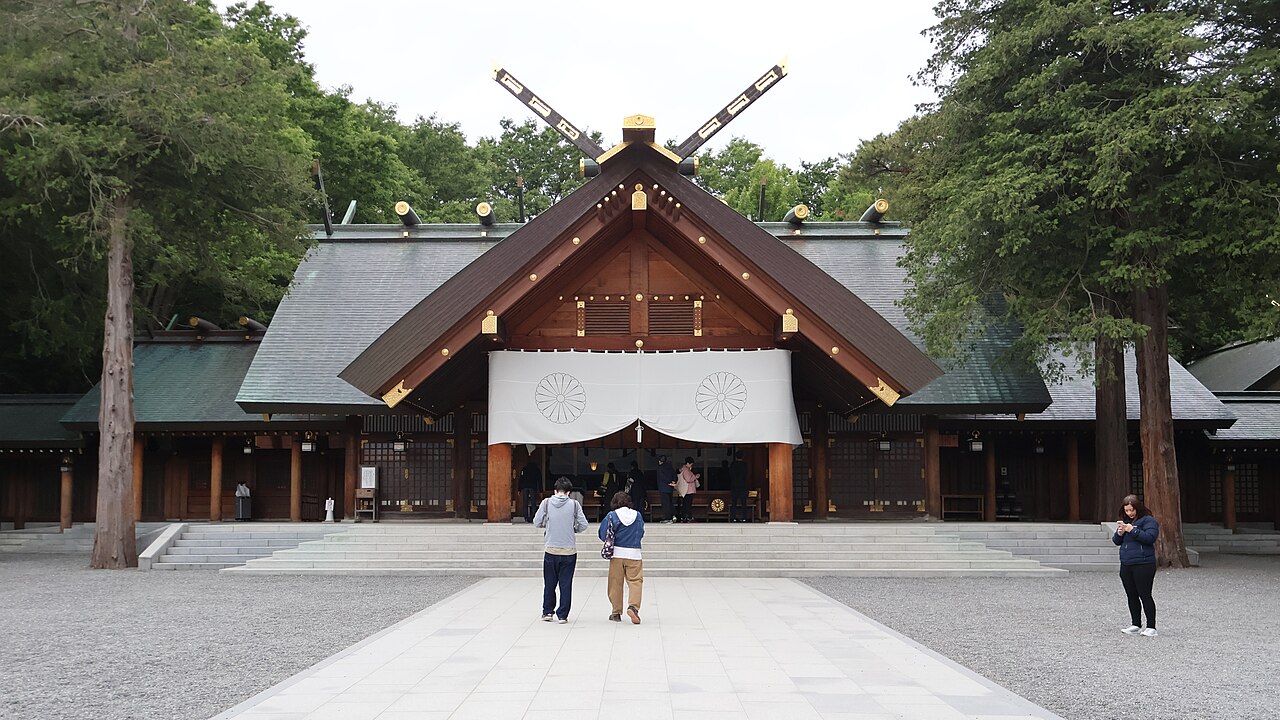
Hokkaido Jingu is about a 15-minute walk from Maruyama Koen Station. Plan the main shrine, Kaitaku Shrine, goshuin service from 9:00, seasonal gate hours, Maruyama Park, and central Sapporo’s Tongu, with photographs, Google Maps, and a Visit Sapporo video.
Take the subway to Maruyama Koen, then walk about 15 minutes
The shrine website gives about 15 minutes on foot from Maruyama Koen Station on the Tozai subway line. From Odori, take the Tozai Line directly. From the Sapporo Station area, take the Namboku Line from Sapporo subway station to Odori, then change. Use the Japanese station name 円山公園 to distinguish the station, park, and shrine. The 15 minutes is a station-to-shrine reference; drinks, photos, and park stops add time.
The Hokkaido Tourism Organization places Maruyama Park about five minutes from the station, so reaching the park before the shrine is normal. For a short route, use the park entrance as a first rest stop, visit the main shrine, then return. Add subsidiary shrines and park walking for a slower visit. Do not apply the park’s five-minute walk to the shrine buildings, particularly with an afternoon restaurant reservation.
Leave luggage at your accommodation and carry only the day’s supplies. This is easier than pulling a suitcase through paths. On checkout day, store bags first, make the subway return trip, then collect them before continuing to the station or airport. Keep your existing Sapporo base for one shrine visit rather than add packing and checkout by moving to Maruyama.
Drivers should distinguish parking names. The park manager says the park has no dedicated parking, while shared Maruyama Park Parking and nearby paid lots are available. For the shrine, park, and zoo together, choose where to park and return before choosing the entrance. Do not enter only Maruyama in navigation and leave companions waiting with bags beside a driveway. For a short city return trip, the subway usually makes it easier to start and finish at the same station.
Separate gate hours from services beginning at 9:00
Three useful ordinary schedules are April 1–October 31, 6:00–17:00; November 1–December 30, 7:00–16:00; and March, 7:00–17:00. January 8 through the end of February is 7:00–16:00. These are gate opening and closing times. Amulets, ofuda talismans, and goshuin normally become available from 9:00 until gate closing. Early visitors can walk the approach and worship first. For goshuin in the same visit, starting after 9:00 avoids a return.
For example, a 6:30 summer arrival suits buildings and trees, with goshuin requiring a wait until the desk opens. A 15:30 winter arrival leaves only half an hour before 16:00 closing. Focus on the main shrine and omit the three subsidiary shrines. Fit your actual priorities into the available hours rather than choose only the earliest subway.
Agree on shared stops when companions have different interests in worship, photography, and goshuin. Walk the main approach together, then allow waiting in open circulation areas if some only want the main shrine while others collect seals. Do not scatter into the park, subsidiary shrines, and amulet office before agreeing how to meet.
Follow the torii, approach, and shrine gate to the main shrine
For a first visit, make the main shrine the center of the return route. Follow onsite signs to the gate and buildings, then decide what to add after worship. The shrine provides a grounds map and a detailed map inside the gate. A look beforehand lets you put away the phone and follow paths and signs on arrival. Walking between trees, torii gates, and shrine buildings is part of the visit.
The official website explains that each torii marks sacred space. Choose an entrance by your direction from the station, walking ability, and next destination. For a torii photo, stop briefly beside the circulation space and clear the route afterward. Do not occupy the entrance or center of the approach for a long time to remove every person from the picture. People moving through can show the shrine’s everyday use.
After the main shrine, finish goshuin before continuing to subsidiary shrines or the park. This places desk services in the first half and avoids remembering them at the exit. If Maruyama Zoo is also planned, keep the shrine to this short main route so the zoo has its own time for exhibits.
Starting at the main approach, the video introduces worship, Jingu Chaya, and a Maruyama walk.
Read the building’s history beyond its founding date
Hokkaido Jingu’s origins reach back to the 1869 ceremony enshrining Hokkaido’s deities, held in Tokyo. It moved to the current Maruyama site as Sapporo Shrine in 1871. Emperor Meiji was added in 1964, when the name changed to Hokkaido Jingu. Keeping these dates separate shows the relocation, renaming, and rebuilding between the 1869 foundation and the buildings seen today. The shrine now enshrines Okunitama-no-Kami, Onamuchi-no-Kami, Sukunahikona-no-Kami, and Emperor Meiji. Identify the deities on signs, then look at roof lines, timber colors, and the space in front. The central roof and extending side buildings form a clear symmetry from the front. A few steps sideways show how the approach joins the buildings. These angles give a stronger sense of space than a single front photograph.
The official history also records the 1974 fire, 1978 restoration, and 1988 worship-hall renovation. Keep two timelines: the institution and worship history, and the buildings’ repairs and reconstruction. History-focused visitors can compare these with different periods of city scenery in the Sapporo and Otaru itinerary. Stay in open public areas rather than enter ceremonial or work spaces to see every building.
Get goshuin at the prayer reception desk and bring cash
The main shrine’s goshuin is handled at the prayer reception desk. Kaitaku Shrine’s seal is also handled there. Explain both requests together and wait according to onsite procedures. Keep your goshuin book accessible before leaving so you need not search a backpack beside the passage. If companions want amulets, handle both tasks in the same segment before leaving the main shrine area together.
The shrine FAQ says amulets, ofuda, and goshuin require cash. Set aside yen before reaching the desk. Offerings differ by item: the revised list effective July 1, 2026 gives a work amulet at ¥800 and some traffic-safety amulets at ¥1,000. Read the item name and choose what you need rather than buy every amulet as a set.
Focus on one or two meaningful keepsakes. Children can look at designs and purposes together before choosing one, instead of hearing too many categories at once. Submit the goshuin book in order at the desk. Include waiting time in the morning and keep lunch flexible so worship and collection are complete before leaving.
Kaitaku Shrine: a historical extension from the main shrine
Kaitaku Shrine stands within Hokkaido Jingu’s grounds. It was established in 1938 to mark 70 years of development, later expanding to 37 enshrined figures. Its subjects differ from the main shrine, and it has its own building, torii, and annual festival. Add the walk for more of Hokkaido’s modern history after reaching the main shrine. If the family only wants one worship visit, keep the main route without collecting every subsidiary name.
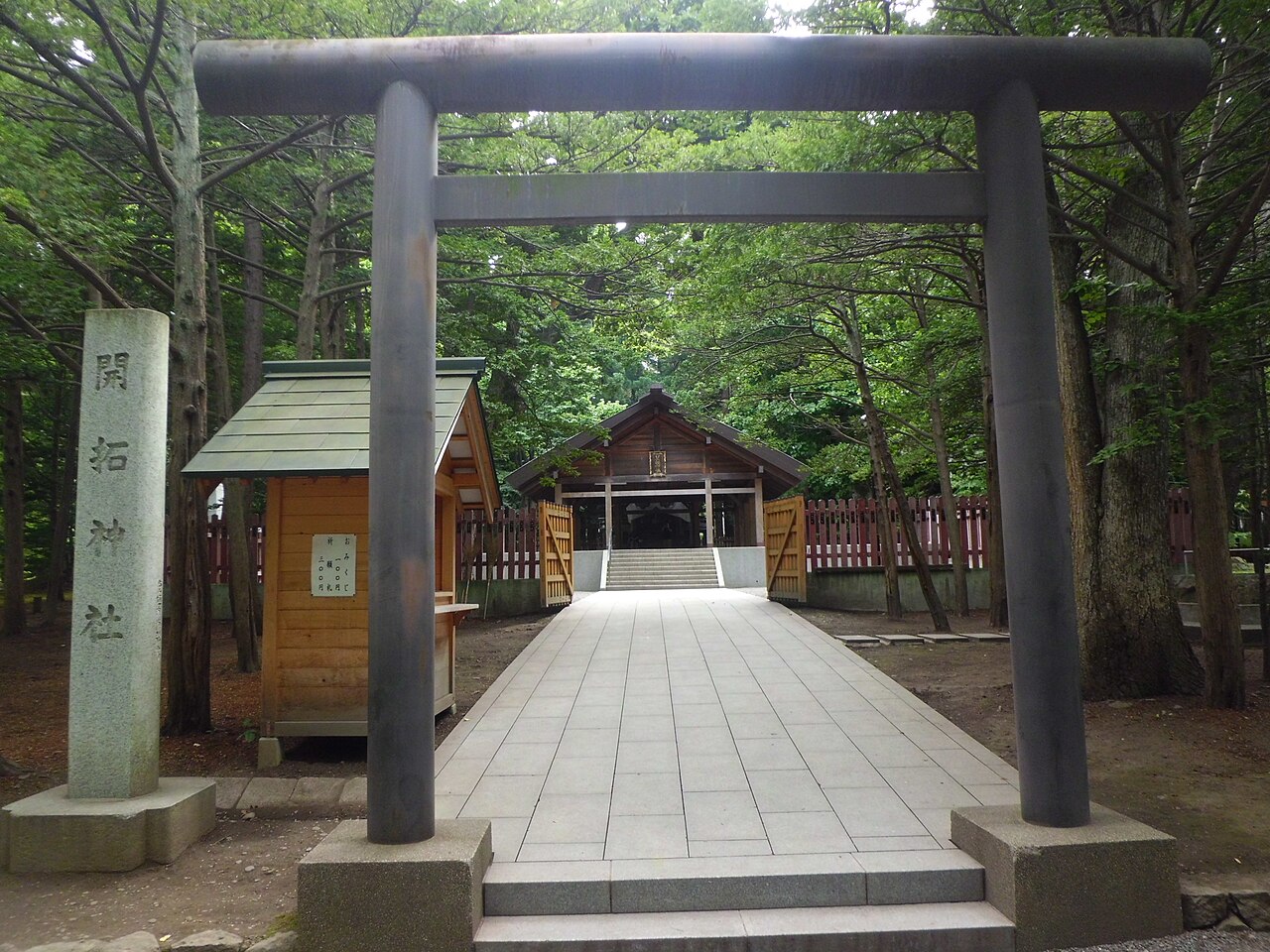
The Kaitaku Shrine photograph shows a straight approach behind the torii and steps before the building, framed by trees. When using it to plan, notice the ground and steps as well as the gate and name pillar. Companions minimizing walking can see and photograph the building from the torii and save energy for the station return. Reaching the top of the steps need not be everyone’s goal.
Kaitaku Shrine’s annual festival is August 15, with a large mikoshi procession every other year. This differs from Hokkaido Jingu’s June Sapporo Festival. On ordinary dates, plan worship and architecture. For a festival trip, choose the desired event date first, then connect transport and accommodation to the scene you want to see.
Sapporo Korei and Hotaki shrines: one focus at each
The grounds also contain Sapporo Korei Shrine and Hotaki Shrine. Sapporo Korei enshrines those who died in mining and moved here in 1949. Hotaki is associated with Hokkaido Takushoku Bank, originally on its head-office roof before moving into the grounds in 1950. Both are smaller than the main shrine and suit interests in industrial history or subsidiary shrines. Connect each name with its subjects on the signs. At Sapporo Korei, look at the small building in the trees and its name pillar. At Hotaki, compare torii, guardian dogs, and building placement. Each has a specific history, without needing abstract energy claims or mysterious legends. Read the onsite names before the introductions to keep the two small shrines distinct.
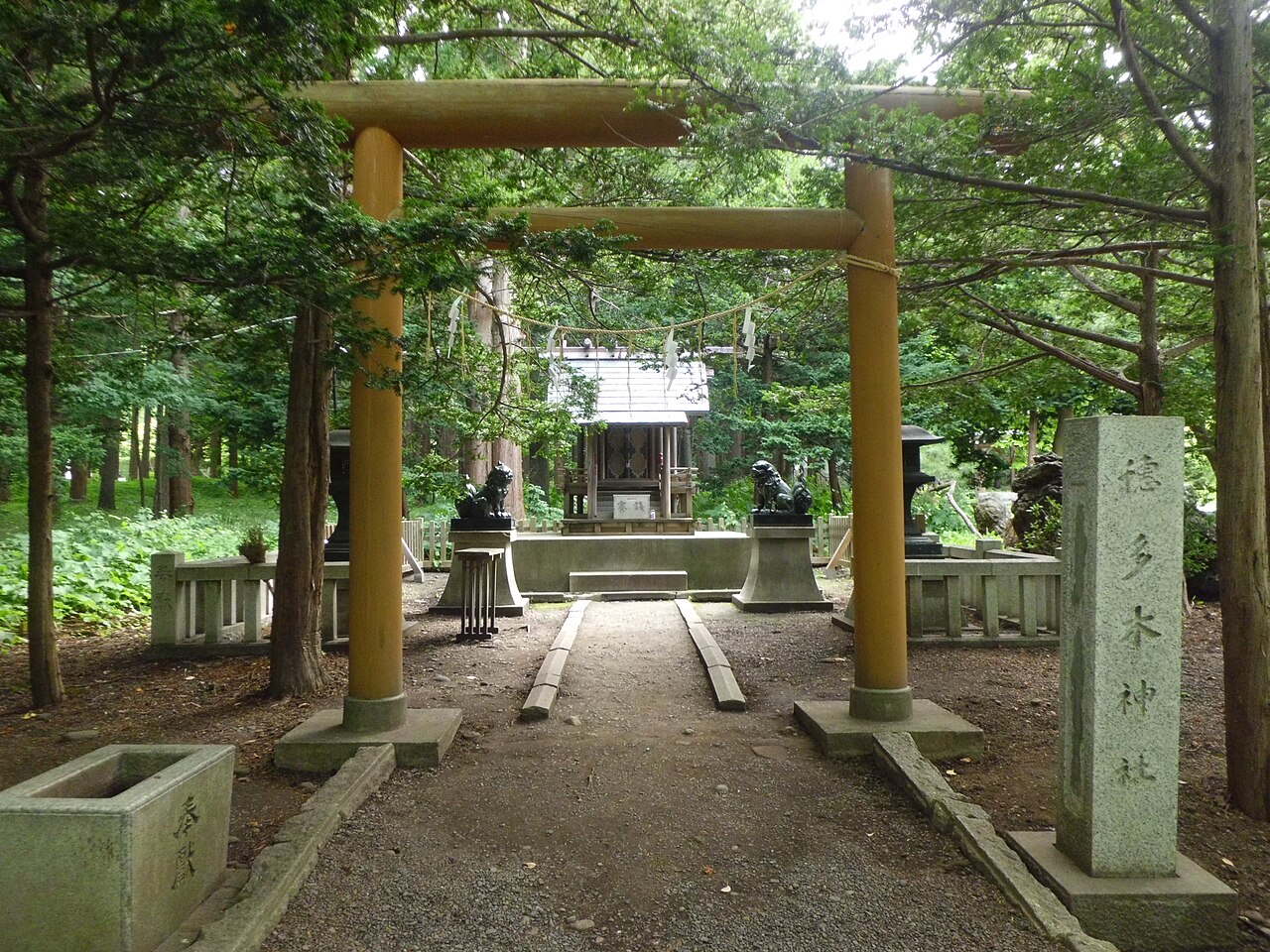
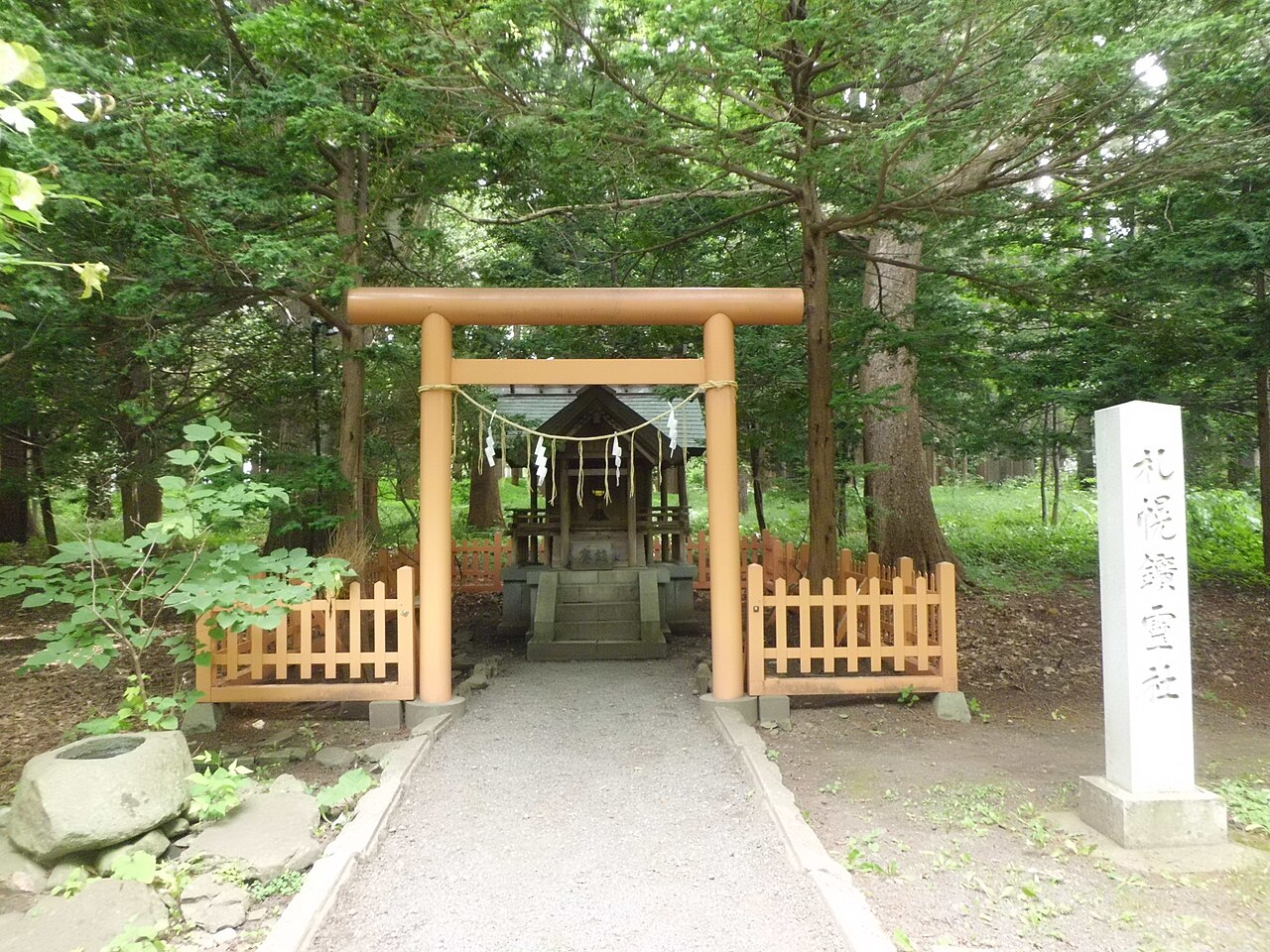
Adding both turns the short main-shrine visit into a walk with several stops. Decide after one whether to add the next. Photograph buildings from beside paths. With older relatives or a stroller, shorten gravel and stepped branches and preserve energy for the return. Travel between shrines counts within the half day, not just the few minutes spent at each front.
Add Maruyama Park on the return, with room for children to pause
Maruyama Park adjoins the shrine. The simplest connection is to walk through it after worship and return to Maruyama Koen Station. The park manager provides maps, play-space details, and Park Center information. Let children slow down here after the shrine instead of racing through every place from arrival. The adults’ shrine visit and children’s park break give the outing different rhythms.
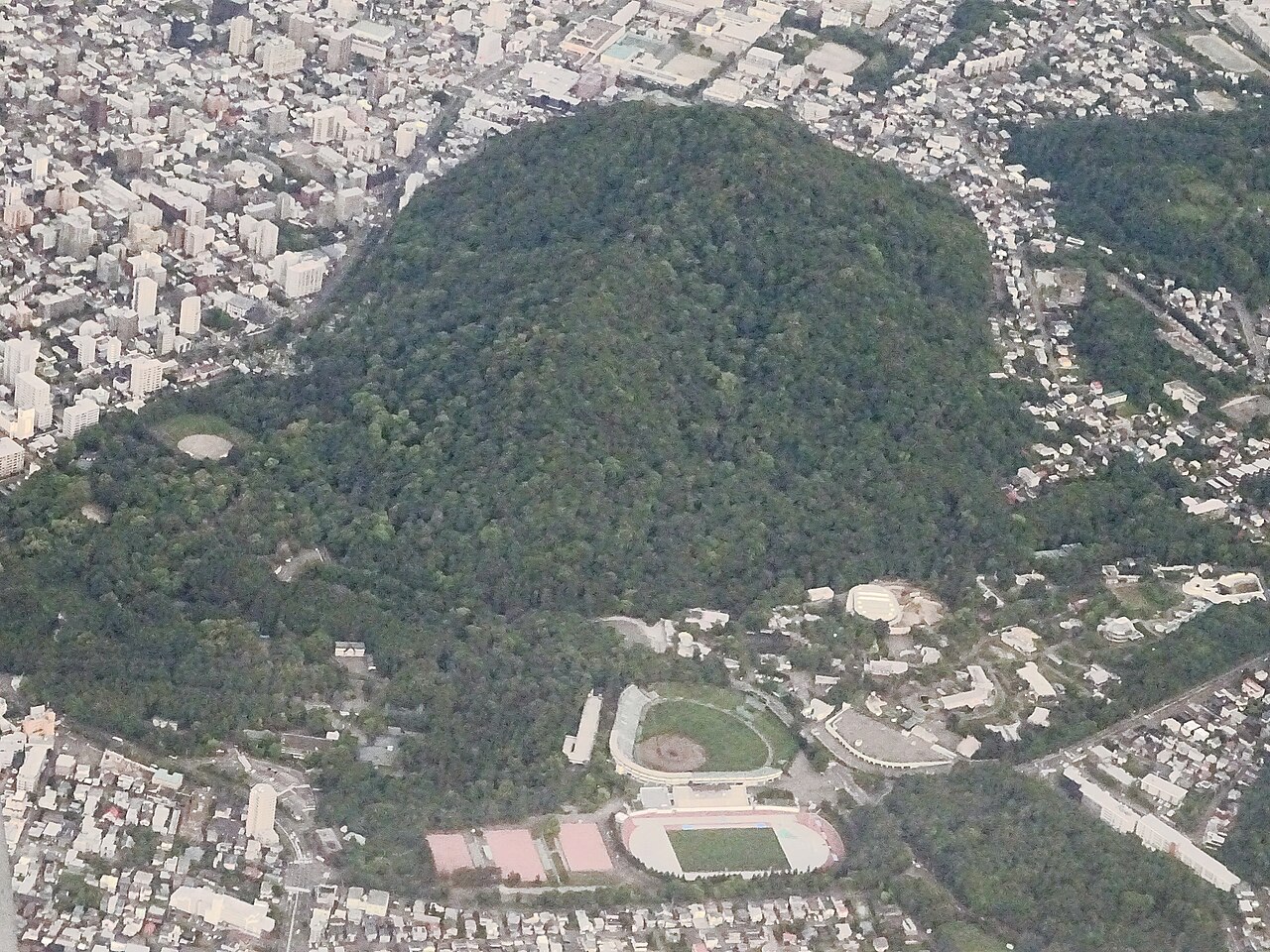
Accessibility information lists multipurpose toilets. The Park Center has ostomate facilities and one wheelchair for loan. Include these when choosing rest stops. With only one loan wheelchair, travelers already using mobility aids should bring their own. Park facilities and shrine service desks are in separate spaces. Choose required stops before walking rather than search only after tiring.
The park prohibits feeding wildlife, collecting plants, and using fire. Watch squirrels or birds from the path, keep food in bags, and take rubbish away. Separate snacks from wildlife watching. Children wanting photographs can agree to stay still and wait for animals to move naturally instead of following into the trees, keeping a comfortable distance.
The Park Center opens at 9:00 and has only two luggage lockers
Maruyama Park Center normally opens 9:00–17:00 and closes December 29–January 3. It has a shared lounge and free Wi-Fi, useful for checking routes and resting. In summer, shrine gates open at 6:00, three hours earlier. Put indoor rest later in an early walk rather than wait at the center first. The center has two coin lockers large enough for suitcases, at ¥500 per use, and no staffed luggage storage. These help if you already have bags nearby. From your accommodation, leaving luggage there still reduces movement. Two travelers each carrying a large suitcase and hurrying to worship should not make two lockers essential to the whole route. Set the storage plan before the station-to-shrine return.
If using the center’s lockers, include collection in the route. Going from park to shrine, then back through the center before the station, is easier than leaving the shrine for another attraction. In winter near gate closing, bag collection, the subway walk, and onward transport share the afternoon. Allow a later arrival in central Sapporo.
Prepare diaper changes, drinks, and lunch separately
For babies and toddlers, remember that multipurpose toilets in the Park Center and the public toilets in front have diaper-changing tables. The center has no dedicated nursing room, but staff can provide an available space on request. Fit care before or after the shrine: handling children’s needs before a walk is easier than urgently finding toilets on a subsidiary path.
The Park Center shop sells original merchandise, not food or drinks. The park has drink vending machines and occasional food trucks. Bring snacks or familiar children’s drinks before departure, and place lunch after returning toward the station or city. The center’s rest space is not a restaurant. Treat a full seated meal as a separate stop rather than rely on the park shop for the morning’s food.
With a stroller, use station, park, and main shrine as the short route, then return by the path that worked. One adult can add subsidiary shrines while another rests with the child, meeting at an agreed place near the main shrine before returning to the park. This requires adults willing to split up. If everyone wants to stay together, keep a shared main route and reduce steps and branch changes.
Spring plum and cherry blossoms: avoid treating bloom as a fixed date
Sapporo’s tourism association highlights plum and cherry blossoms together at Hokkaido Jingu. This differs from the common Honshu sequence of plum before cherry. Keep the shrine and park in the same morning for spring flowers. Worship first, then choose the area currently blooming rather than allocate all time to one flower in advance. Trees in the park and shrine can give the short route different views.
Check bloom updates on the park website before travel, then decide whether to extend the walk. If accommodation is fixed, keep the main shrine as the base plan and add park time for good flowers. If early or past peak, give time to buildings and subsidiary shrines. Other city lunch, shopping, and indoor plans can then stay in place.
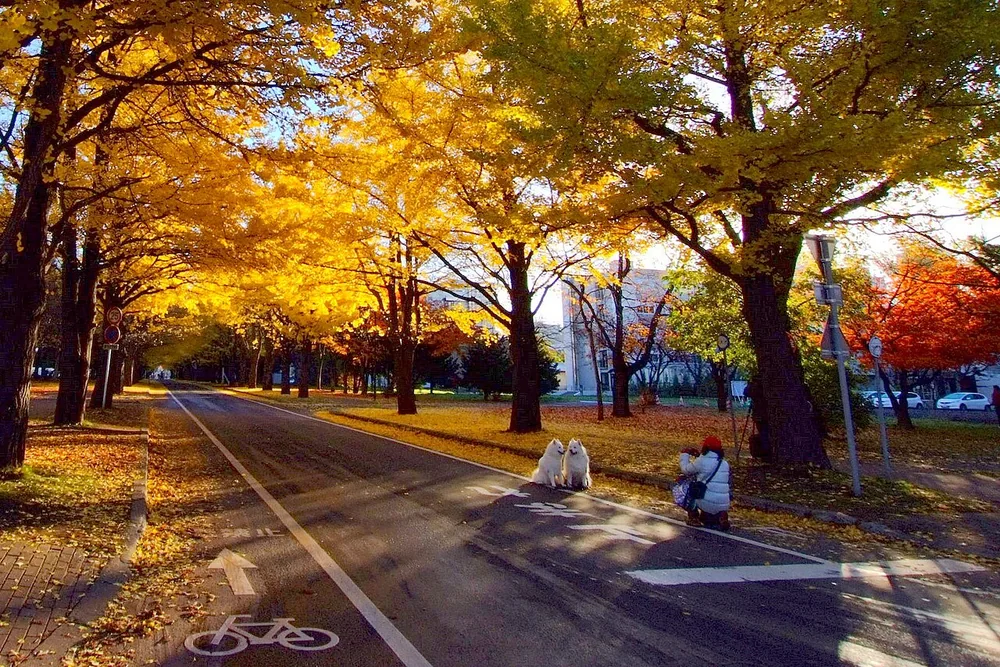
The park manager gives the usual cherry-viewing period as late April to early May and foliage as mid- to late October. Use these to choose a travel month, then use the year’s updates to adjust walking time. For Sapporo and Otaru in spring, concentrate Sapporo flowers into one Maruyama morning and leave full travel and neighborhood time for Otaru, rather than return daily for the same bloom conditions.
Flower viewers pause and move around trees for angles more than ordinary shrine visitors. Complete worship and goshuin queues first, then return to flowers at leisure. This is easier than watching flowers while worrying about desk hours. Photograph off main circulation routes and keep bags and tripods within your care so companions can move on together.
Summer and autumn shade walks; a shorter route in winter
In summer, put longer park and subsidiary-shrine walks in the morning, then sit down for lunch on the return. The woods deserve time beyond one photograph at each building. Add Kaitaku if you have energy after the main shrine. To spend longer in the park, reduce small-shrine branches. Trying a little of everything can leave the whole visit ruled by the clock.
In autumn, read park foliage updates and choose a path before connecting the shrine. Photography and worship both involve stops, so leave a flexible return to the city. With a fixed afternoon exhibition or meal, prioritize the main shrine, goshuin, and a short park walk, omitting farther circuits. Knowing the required stops makes any spare time easier to use.
In winter, shorten outdoor time, wear shoes with good grip, and slow down on snow or ice. Complete the main shrine and goshuin first, then judge warmth and stamina before continuing. The 15-minute station-to-shrine reference is unsuitable for precise winter arrival calculations for every leg. Include return walking and indoor rest in the morning, rather than count worship time alone.
Plan the June Sapporo Festival separately from Kaitaku’s August festival
Hokkaido Jingu’s annual Sapporo Festival is normally June 14–16: the evening festival on the 14th, main festival on the 15th, and mikoshi procession on the 16th. For the city procession, choose the date and that year’s route. For the main shrine, focus on grounds events and worship periods. These determine where to stand and when to move; all events need not fit one half day. On a festival morning, make the shrine the main destination. Arrive by subway, see the desired grounds activities, then follow the procession location into the city after lunch. The shrine publishes annual festival, traffic, and gate information. Use that year’s events after fixing dates rather than copy stall or procession positions from older photographs.
Kaitaku Shrine’s August 15 festival has separate arrangements, including the large procession every other year. For August travel, check Kaitaku; for June, check Hokkaido Jingu’s festival. For an ordinary walk, separate both periods from normal worship schedules to choose the atmosphere you want.
Use the special gate and service hours for New Year visits
The current gate table lists December 31 at 7:00–18:00, January 1 at 0:00–19:00, January 2–3 at 6:00–18:00, and January 4–7 at 6:00–16:00. Service starts differ: midnight on New Year’s Day, 6:30 on January 2–3, and 7:00 on January 4–7. Use these special times rather than the ordinary 9:00 desk start for hatsumode.
For trips across midnight, use that year’s New Year transport arrangements. Choose a return method before departure time. With children or companions unfamiliar with snowy walking, visit in daylight and reserve night travel for a clear transport plan. Goshuin, amulets, and grounds viewing are also easier to handle individually in daylight. Hatsumode need not mean a midnight countdown.
If other Sapporo sights follow in early January, make the shrine the main outdoor activity and return to indoor dining and rest. Reserve time to collect luggage before later transport. Queues, walking, and warming breaks determine the pace. One fewer destination gives companions time to adjust.
Keep photos beside circulation routes; commercial work needs permission
The shrine permits personal non-commercial photography that does not obstruct worship. Commercial use, profit-making posts, and advertising shoots require prior permission. Drones, livestreaming, and photography obstructing ceremonies or worshippers are prohibited. For ordinary phone photos of buildings and trees, pause briefly beside open routes. Follow onsite guidance during ceremonies and clear the shooting position.
Start building photos wide, including roof, torii, and trees, then choose details such as name pillars. Keep phones or cameras lower to avoid blocking visitors behind. Photograph companions away from the main approach and move on afterward. For video, decide which building to show before recording, avoiding backward walking or following a ceremonial procession with the camera.
A morning at the main shrine, then back to the city
First-time visitors wanting goshuin can arrive after 9:00, visit the main shrine, prayer reception desk, and Kaitaku, then return through Maruyama Park. This puts service hours first. Adjust the pace through subsidiary-shrine and park distance. Add Sapporo Korei and Hotaki for architecture and history. For an earlier lunch, return toward the station after worship.
Early photographers can visit the main shrine and woods after gates open, then get goshuin at 9:00. The wait suits those already wanting a slow walk. If the family only wants one shrine, leave later to save energy. Return to Odori or Sapporo Station after lunch, preserving city shopping and dinner within the four-day Sapporo and Otaru plan without using the whole day for the shrine.
Treat Maruyama Zoo as another main destination with its own exhibit time. Shorten the shrine to worship and goshuin and omit multiple subsidiary visits. If children are already tired in the park, rest near the station and leave the zoo for another day. Both neighboring attractions involve walking. Choose their order by what companions actually want to see.
Visit Tongu in a separate central-city segment
Hokkaido Jingu Tongu was founded in 1878 as a place to worship Sapporo Shrine from afar. It stands at Minami 2-jo Higashi 3-chome 10. Its urban scale differs from the wooded main shrine. Torii and buildings are visible from the street, making a short city-walk stop easy. Keep Tongu in the map search so the destination stays here rather than returning to Miyagaoka. Its site lists service hours of 9:00–17:00 in summer and 9:00–16:00 in winter. Visit during daytime service hours for its goshuin. Those who already collected main-shrine and Kaitaku seals can decide by their interest in collecting. Either main shrine or Tongu alone makes a clear itinerary segment. An extra landmark need not compress a desired lunch or city walk.
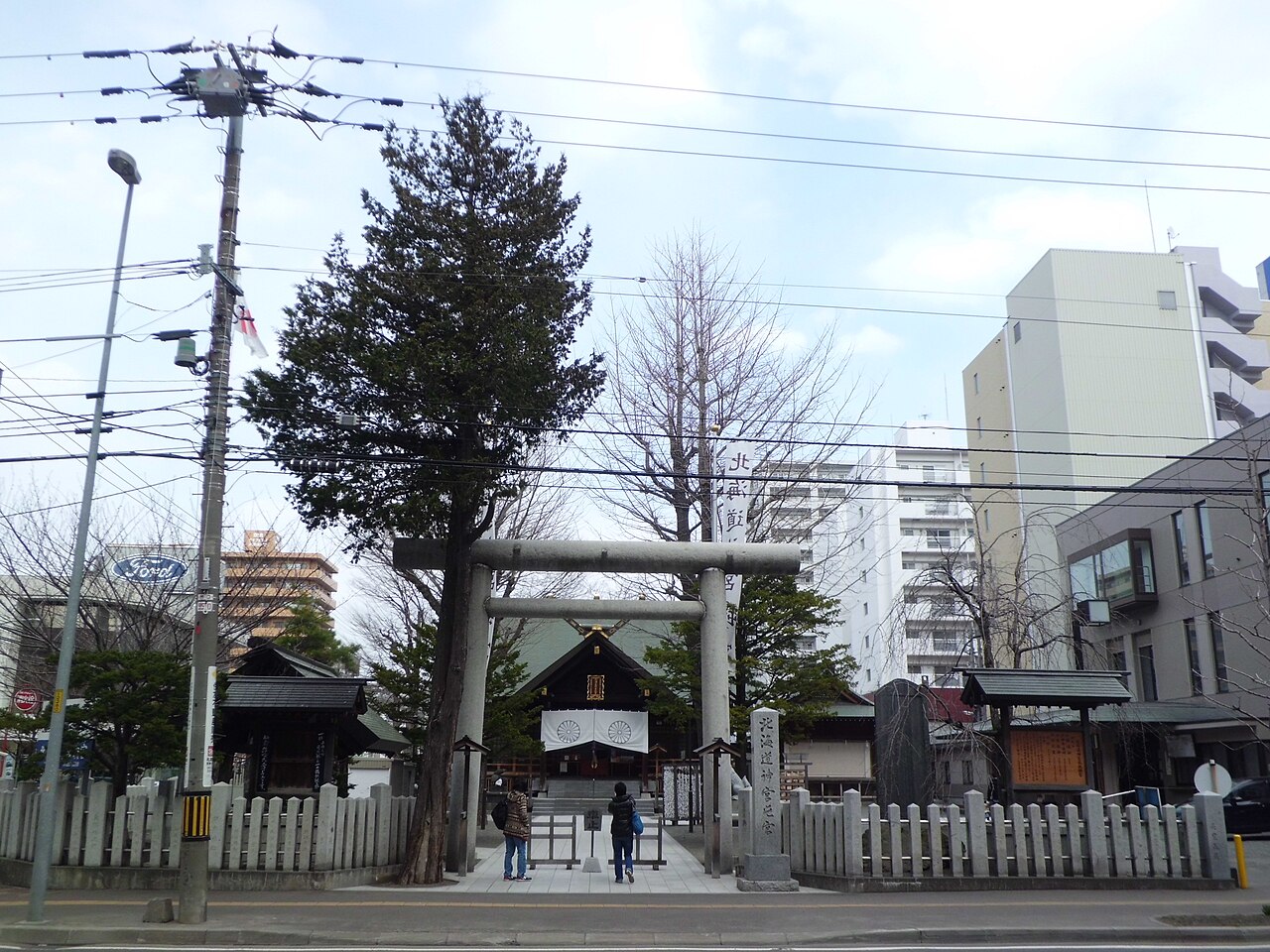
With only one day in Sapporo, visit the Maruyama main shrine and park in the morning and assess remaining time after returning downtown. Add Tongu if interested in shrines and time allows. Otherwise, leave the afternoon for streets and shops. Let your interests determine the final segment so the half-day shrine route has a clear start and an easy finish.
A few useful answers
Which station is closest for walking to Hokkaido Jingu?
Take the Sapporo subway Tozai Line to Maruyama Koen. The shrine lists about 15 minutes on foot; the park itself is about five minutes away. From Sapporo Station, take the Namboku Line to Odori and change to the Tozai Line.
Can I get goshuin at 6:00?
Goshuin normally starts at 9:00 and ends when the shrine gate closes. Gates open at 6:00 from April through October for worship and walking first. January 1–7 has special service hours.
Where do I get Kaitaku Shrine’s goshuin?
At the main Hokkaido Jingu prayer reception desk. Amulets, ofuda, and goshuin use cash. Arrange it together with the main shrine’s seal.
Are the main shrine and Tongu in the same place?
The main shrine is at 474 Miyagaoka, Chuo Ward, Sapporo, beside Maruyama Park. Tongu is at Minami 2-jo Higashi 3-chome 10 and suits a short stop during a central-city walk.
Can I store large luggage at Maruyama Park?
The Park Center has no staffed storage. It has two large-suitcase lockers at ¥500 per use. It normally opens 9:00–17:00 and closes December 29–January 3.
When are the Sapporo and Kaitaku Shrine festivals?
Hokkaido Jingu’s festival is normally June 14–16, with the mikoshi procession on the 16th. Kaitaku Shrine’s festival is August 15, with a large procession every other year.
Are Hokkaido Jingu and Maruyama Park suitable with children?
Choose main-shrine worship and a short park walk, leaving subsidiary shrines optional. Multipurpose toilets in the Park Center and the public toilets in front have changing tables. Ask Park Center staff for an available nursing space.
Official information and references
Sources used in this guide.
- Hokkaido Jingu: access, seasonal gate hours, and service hours
- Hokkaido Jingu: grounds map
- Hokkaido Jingu: foundation, relocation, deities, and building history
- Hokkaido Jingu: Kaitaku, Sapporo Korei, and Hotaki shrines
- Hokkaido Jingu: FAQ on goshuin, cash, and photography
- Hokkaido Jingu: revised offerings effective July 1, 2026
- Sapporo Tourism Association: Hokkaido Jingu, spring flowers, and Sapporo Festival
- Hokkaido Tourism Organization: Hokkaido Jingu
- Hokkaido Tourism Organization: Maruyama Park and walk from the station
- Maruyama Park: luggage, family facilities, and seasonal FAQ
- Maruyama Park: access, station exits, and buses
- Maruyama Park: accessibility facilities
- Maruyama Park: visitor rules
- Hokkaido Jingu Tongu: history, address, and service hours
- Visit Sapporo: Hokkaido Jingu and Maruyama video