Walk about 15 minutes from Maruyama Koen Station to Hokkaido Jingu. Plan the main shrine, Kaitaku Shrine, goshuin from 9:00, seasonal gate times, Maruyama Park and central Tongu, with photographs, Google Maps and a Visit Sapporo film.
- Region & Focus
- Sapporo
- Reading Scope
- 28 min read · 18 chapters · 7 Q&As
- Official Verification
- 15 official sources checkedUpdated 31 October 2026
- Key Topics
- ItinerariesSeasonsHokkaido
Chapter Route Map (tap any stop)
- Choose the main shrine at Maruyama or Tongu in the city centre
- Take the subway to Maruyama Koen, then walk about 15 minutes
- Gate opening and services from 9:00 are separate
- Follow torii, approach and shrine gate to the main building
- Read the building’s history beyond its founding year
- Collect goshuin at prayer reception and bring cash
- Kaitaku Shrine: an extension into Hokkaido history
- Sapporo Korei and Hotaki shrines: one focus at each
- Add Maruyama Park on the return, with a stop for children
- The Park Center opens at 9:00 and has only two luggage lockers
- Prepare nappy changes, drinks and lunch separately
- Spring brings plum and cherry blossom, with flexible dates
- Woodland in summer and autumn, a shorter route in winter
- Separate June’s Sapporo Festival from Kaitaku’s August festival
- New Year visits use special shrine hours
- Keep photography beside routes; commercial shoots need an application
- A half-day plan: main shrine in the morning, city centre afterwards
- Visit Tongu separately in the city centre
- Quick Q&A
Hokkaido Jingu fits a Sapporo morning. Walk from Maruyama Koen Station into the trees, visit the main shrine, then add Kaitaku Shrine and two other subsidiary shrines if interested. For goshuin, reach the prayer reception after 9:00. For early views of buildings and approaches, gates open at 6:00 from April to October. Plan these times separately and you can still return to Odori or Sapporo Station for food and shopping that afternoon.
Choose the main shrine at Maruyama or Tongu in the city centre
Search the map for Hokkaido Jingu, 474 Miyagaoka. This is the main shrine beside Maruyama Park, with buildings and approaches surrounded by woodland, and the focus of this half-day walk. Hokkaido Jingu Tongu is at 10, Minami 2-jo Higashi 3-chome, Chuo Ward, amid city blocks and suited to a central walk. Choose the correct landmark before departure so transport and walking directions match. First-time Sapporo visitors wanting the park should prioritise the Maruyama main shrine. For a short gap between central shopping stops, choose Tongu. To see both, visit the main shrine in the morning and Tongu after returning to the city centre rather than join them into one continuous walk. This also breaks up the day for families needing a midday rest.
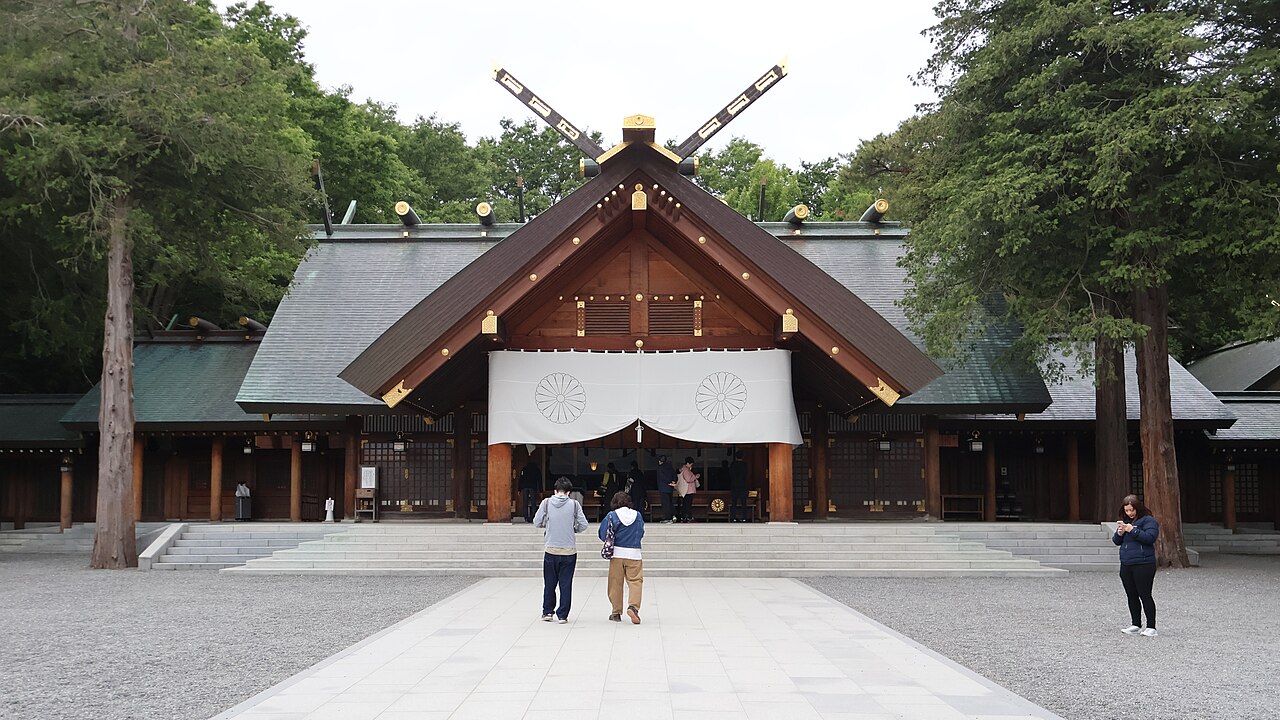
Walk about 15 minutes from Maruyama Koen Station to Hokkaido Jingu. Plan the main shrine, Kaitaku Shrine, goshuin from 9:00, seasonal gate times, Maruyama Park and central Tongu, with photographs, Google Maps and a Visit Sapporo film.
Take the subway to Maruyama Koen, then walk about 15 minutes
The shrine site gives about 15 minutes on foot from Maruyama Koen Station on the Tozai subway line. From near Odori, take the Tozai Line directly. From the Sapporo Station area, take the Namboku Line from Sapporo subway station to Odori and change. Use the Japanese name 円山公園 to distinguish the station, park and shrine. The 15 minutes is a station-to-shrine reference; drinks, photographs and park stops add time.
The Hokkaido Tourism Organization puts Maruyama Park about five minutes from the station. Reaching the park before the shrine is normal. For a short route, make the park entrance a first rest stop, visit the main shrine and return. Add subsidiary shrines and park walks for a slower outing. Do not substitute five minutes to the park for five minutes to the shrine building, especially before a lunch reservation.
Leave luggage at your accommodation and carry only daily needs rather than wheel cases along paths. On check-out day, store bags first, take the subway out and back, then collect them before continuing to the station or airport. An existing city accommodation base is enough for this visit; moving to Maruyama adds packing and check-out for one shrine.
Drivers should distinguish car park names. Park management says the park has no dedicated car park, but there is a shared Maruyama Park Car Park and nearby paid parking. For the shrine, park and zoo together, choose parking and the return point before choosing an entrance. Do not enter only “Maruyama” in navigation and leave companions waiting with bags beside a road. For a short city return trip, the subway usually connects both ends more easily at one station.
Gate opening and services from 9:00 are separate
The most useful ordinary schedules are 6:00–17:00 from 1 April to 31 October, 7:00–16:00 from 1 November to 30 December, and 7:00–17:00 in March. From 8 January through February, gates open 7:00–16:00. These are gate times. Amulets, talismans and goshuin are normally available from 9:00 until closing. Early risers can walk and worship first. Arriving after 9:00 avoids doubling back for goshuin.
For example, arriving at 6:30 in summer suits viewing architecture and woodland, with a wait until the counter opens for goshuin. A 15:30 winter arrival leaves only half an hour before 16:00 closing, so focus on the main shrine and omit the three subsidiary shrines. Match what you want to do to the available time rather than simply take the first subway.
Agree shared stops before leaving if companions have different interests in worship, photography and goshuin. Walk the main approach together, then allow waiting in open circulation areas if some only want the shrine while others collect a seal. Do not scatter into the park, subsidiary shrines and counters immediately, then discover everyone has gone in a different direction.
Follow torii, approach and shrine gate to the main building
For a first visit, use the main shrine as the centre of an out-and-back route. Follow signs towards the gate and shrine building, worship, then choose an extension. The shrine provides a grounds map and a more detailed plan inside the gate. Check locations beforehand, then put your phone away and follow paths and signs. Walking between trees, torii and buildings is part of the visit.
The site explains that each torii marks sacred space. Choose an entrance by your approach from the station, companions’ walking ability and next destination. Pause beside the route to photograph a gate, then clear the path. Do not occupy the entrance or central approach for a long time trying to exclude everyone from the frame. People moving through also show the shrine’s everyday use.
After worship, finish goshuin before continuing to subsidiary shrines or the park. This keeps counter services in the first half and avoids returning from an exit to prayer reception. If visiting Maruyama Zoo the same day, use this short main-shrine route and leave the zoo its own time for exhibits.
Starting at the main approach, the film introduces worship, Jingu Chaya and a Maruyama walk.
Read the building’s history beyond its founding year
Hokkaido Jingu’s foundation dates back to the 1869 Hokkaido enshrinement ceremony, held in Tokyo. It moved to the present Maruyama site as Sapporo Shrine in 1871. Emperor Meiji was added in 1964, when the name became Hokkaido Jingu. Keeping these dates separate shows the relocation, renaming and rebuilding between the 1869 foundation and today’s buildings. The shrine enshrines Okunitama no Kami, Onamuchi no Kami, Sukunahikona no Kami and Emperor Meiji. Identify them on signs, then look at roof lines, wood colour and the forecourt. From the front, the central roof and wings form clear symmetry. A few steps sideways show how the approach meets the buildings. These angles leave a stronger sense of space than one frontal photograph.
The site also records a fire in 1974, restoration in 1978 and worship-hall alterations in 1988. Read two timelines: the shrine and worship history, and the buildings’ repairs. History enthusiasts can connect this with cityscapes from different periods in the Sapporo and Otaru itinerary. Keep to open public areas rather than enter ritual or working spaces to see every building.
Collect goshuin at prayer reception and bring cash
The main shrine’s goshuin is handled at prayer reception. Kaitaku Shrine’s goshuin is handled at the same main-shrine desk. State both requests together, then follow the on-site process. Keep your goshuin book accessible so you need not search a bag beside the walkway. If companions want amulets, combine these tasks before leaving the main shrine area together.
The shrine FAQ says amulets, talismans and goshuin use cash. Bring yen rather than resolve payment at the counter. Offerings differ by item. The revision table effective 1 July 2026 lists a work amulet at JPY 800 and some traffic-safety amulets at JPY 1,000. Read the item name and choose for your needs; there is no need to buy every amulet as a set.
Choose one or two meaningful keepsakes. With children, look at designs and purposes together before choosing one, rather than introduce too many types at once. Submit goshuin books in the counter’s order. Leave waiting time in the morning and keep lunch flexible enough to finish worship and collection before leaving.
Kaitaku Shrine: an extension into Hokkaido history
Kaitaku Shrine stands within Hokkaido Jingu. Founded in 1938 to mark 70 years of development, it later came to enshrine 37 figures. Its deities differ from the main shrine, and it has its own building, torii and annual festival. It is a useful extension for visitors interested in modern Hokkaido history. Families wanting one shrine visit can keep the main shrine as their route rather than collect every subsidiary name.
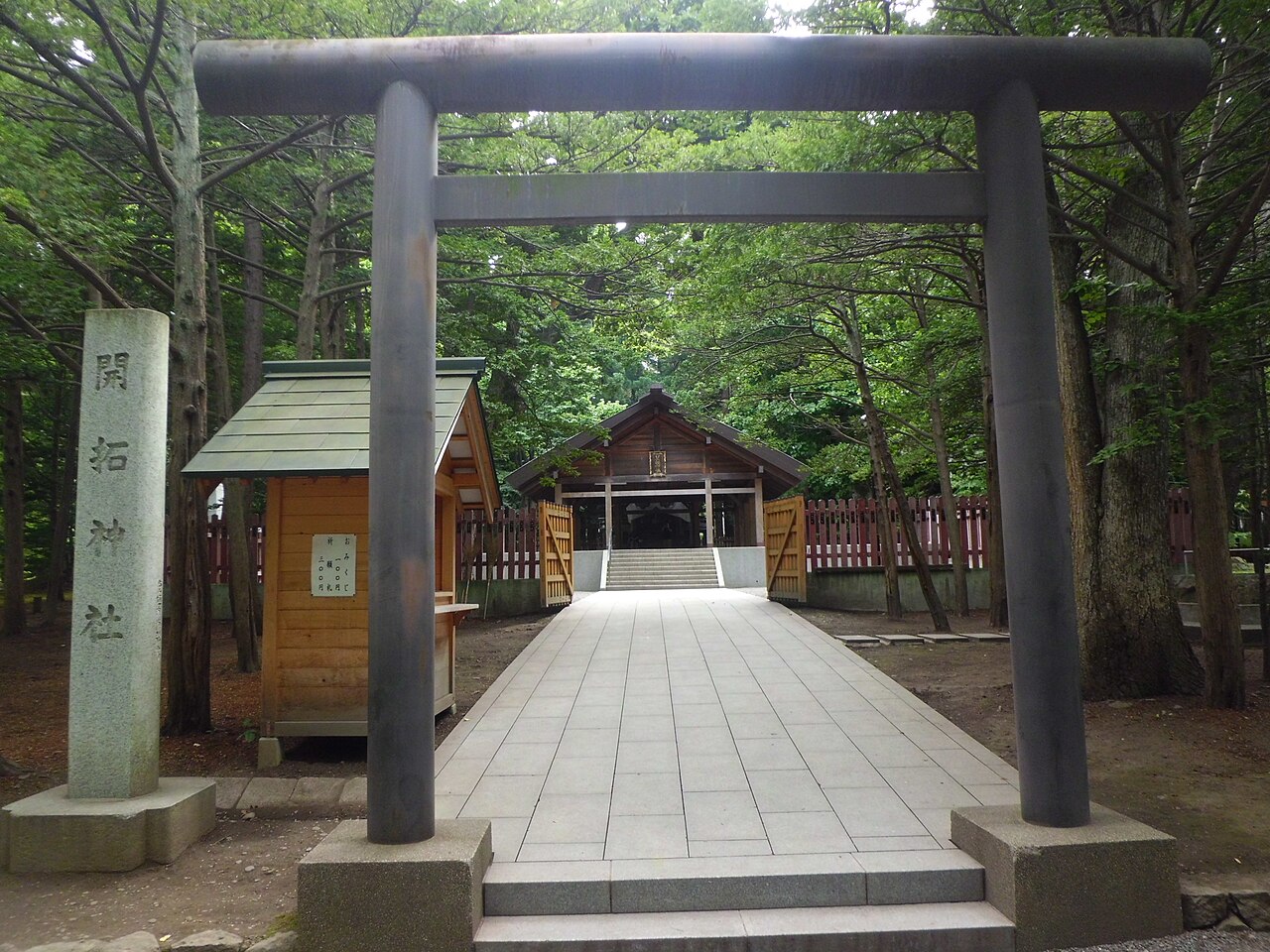
The Kaitaku photograph shows a straight approach behind the torii and steps before the building, with trees framing the view. Note the ground and steps as well as the gate and name pillar when planning. Companions needing less walking can view and photograph the building from the torii, preserving energy for the station return rather than make reaching the top of the steps a shared goal.
Kaitaku’s annual festival is on 15 August, with a large portable-shrine procession every other year. Its dates and programme differ from Hokkaido Jingu’s June Sapporo Festival. Ordinary-day visitors can plan worship and architecture. Festival visitors should choose the activity and date first, then connect travel and accommodation.
Sapporo Korei and Hotaki shrines: one focus at each
The grounds also contain Sapporo Korei Shrine and Hotaki Shrine. Korei honours people who died in mining work and moved here in 1949. Hotaki is linked to Hokkaido Takushoku Bank; it stood on the bank head office roof before moving into the shrine grounds in 1950. Both are smaller than the main shrine and suit visitors interested in industrial history or subsidiary shrines. Read signs to connect names with those commemorated. At Korei, look at the small woodland building and name pillar; at Hotaki, compare the arrangement of torii, guardian dogs and building. Their concrete histories need no added claims about mystical energy. Check names on site rather than confuse them from appearance alone.
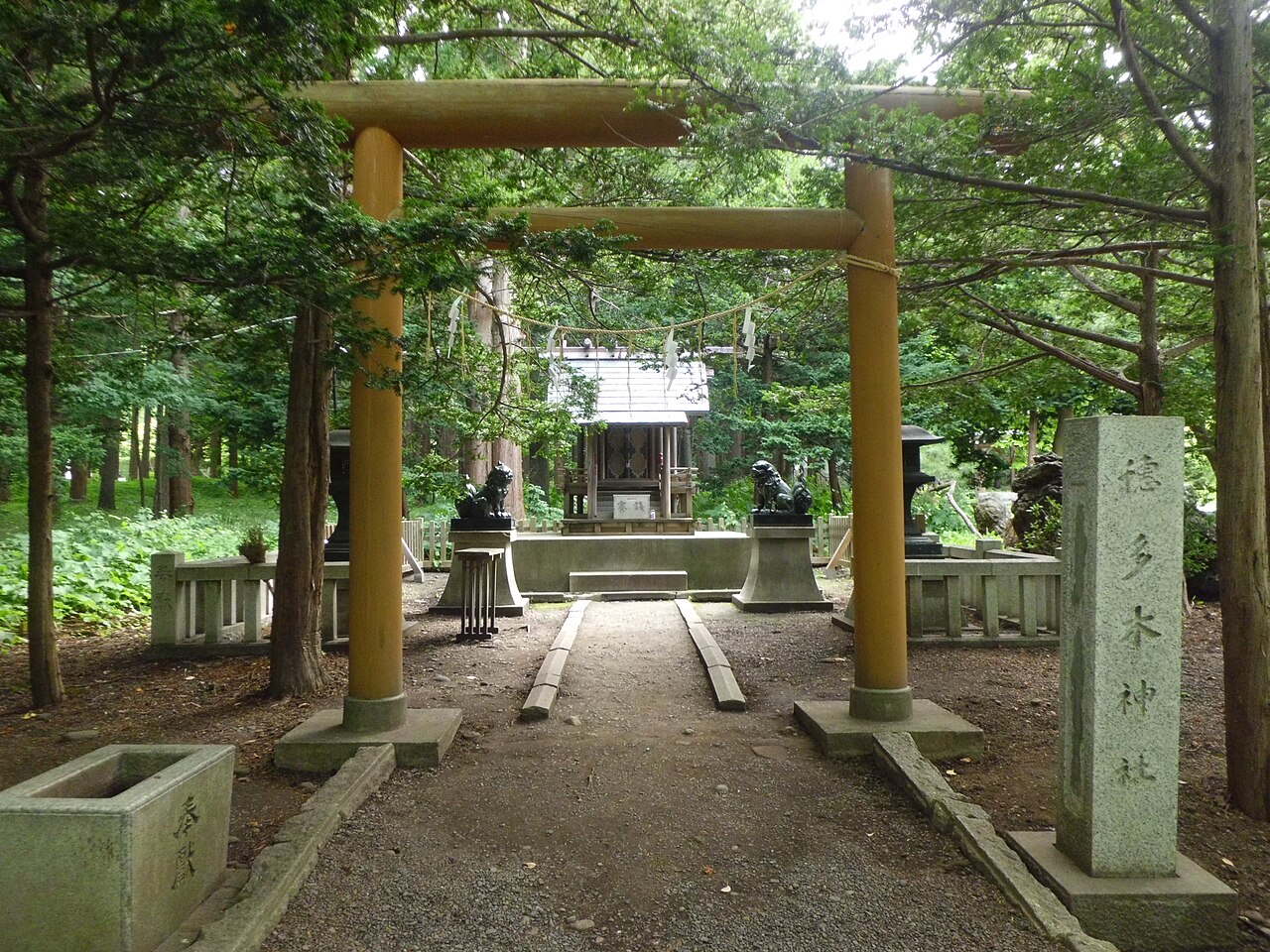
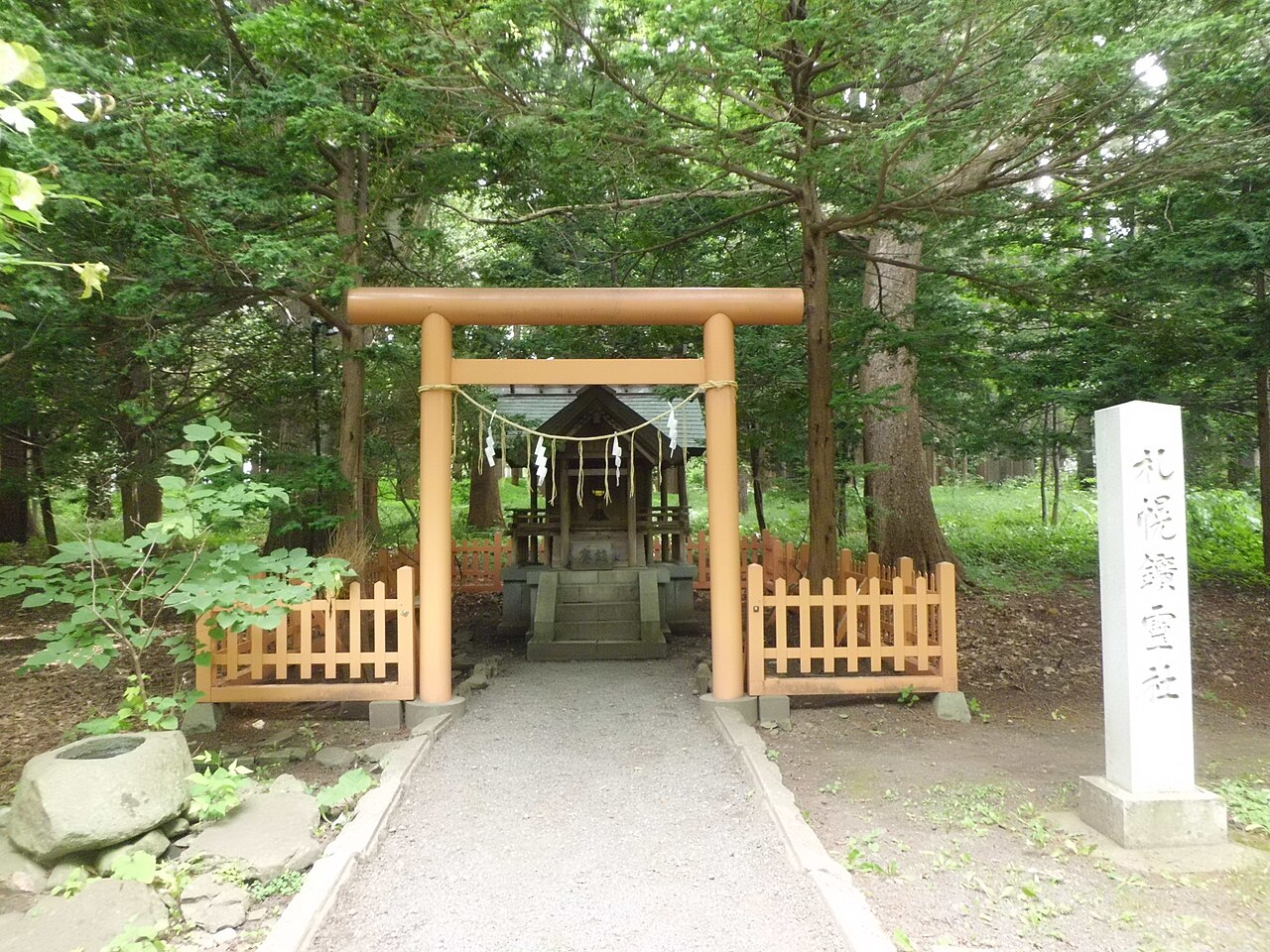
Adding both turns the short main route into a walk with repeated stops. Decide after one whether to add the next, rather than commit to all. Photograph buildings from beside paths. With older companions or pushchairs, shorten gravel or stepped branches and preserve return energy. Include travel between shrines, not just minutes spent in front of each.
Add Maruyama Park on the return, with a stop for children
Maruyama Park adjoins the shrine. The simplest connection is a park walk after worship, then Maruyama Koen Station. Park management provides a map, play-space and Park Center information. Let children slow down here after the shrine rather than rush every location from arrival. The shrine for adults and a park rest for children give the outing varied rhythms.
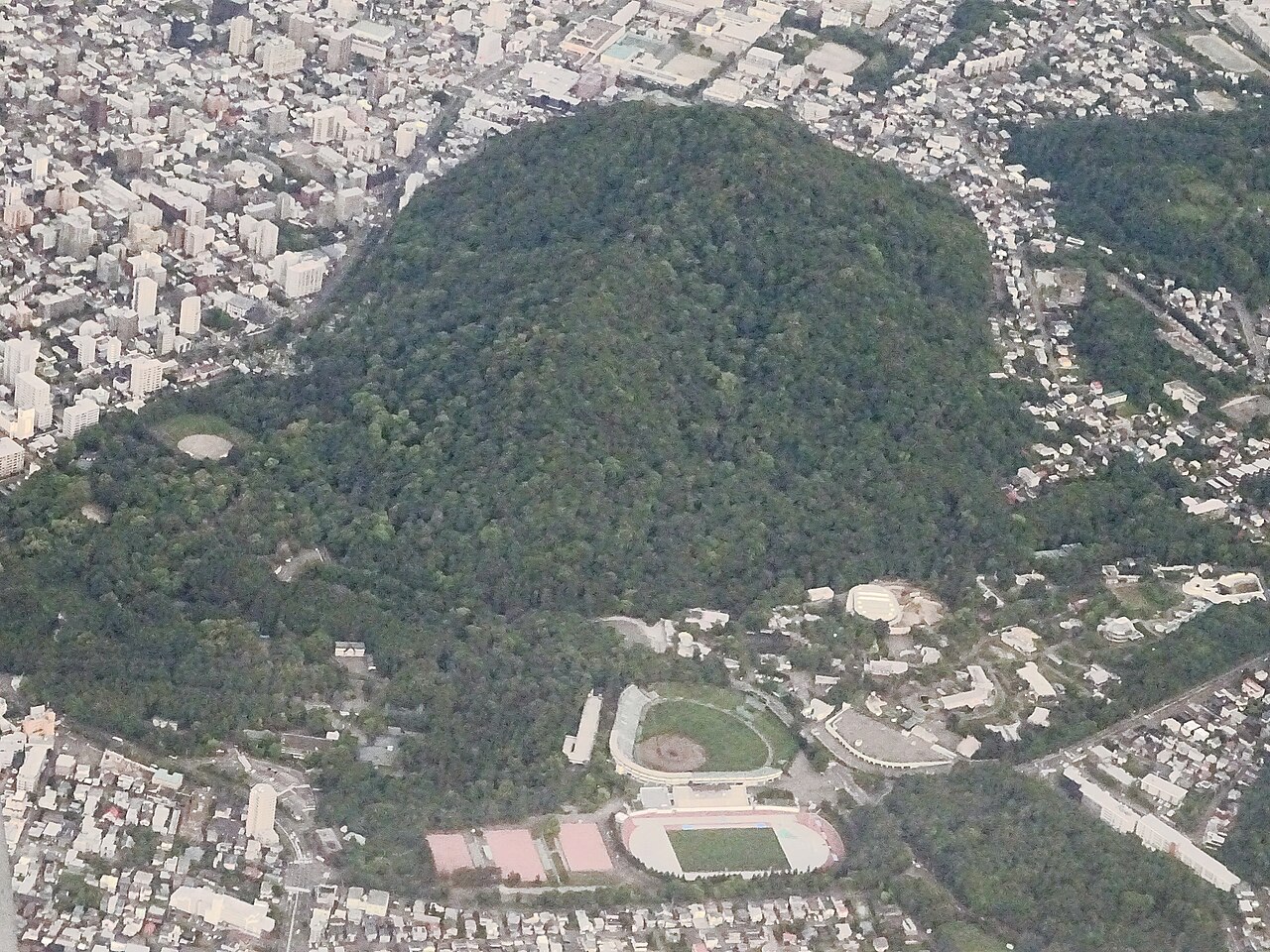
Accessibility information lists multipurpose toilets, ostomy washing facilities in the Park Center and one loan wheelchair. Include these when choosing rest points. Only one wheelchair is available, so visitors already using mobility aids should bring their own. Park facilities and shrine service desks occupy separate spaces. Choose needed stops before becoming tired and searching for them.
The park prohibits feeding wildlife, collecting plants and using fire. Watch squirrels and birds from paths, keep food bagged and take rubbish away. Separate snack breaks from wildlife watching. Children wanting photographs can agree to stay still and let animals move naturally rather than chase them into woodland.
The Park Center opens at 9:00 and has only two luggage lockers
Maruyama Park Center normally opens 9:00–17:00 and closes from 29 December to 3 January. It has a shared rest area and free Wi-Fi, useful for sitting down and reviewing the route. The shrine opens at 6:00 in summer, three hours earlier, so put indoor rest later in an early walk rather than wait for the centre. It has two coin lockers for large suitcases at JPY 500 per use, with no staffed luggage service. They help if you already have bags nearby. Leaving luggage at your accommodation still reduces carrying. Two travellers with one large case each and a tight morning should not make two lockers essential to the whole trip. Choose storage before planning the station–shrine return.
If using the centre’s lockers, include collection in the route. Walk through the park to the shrine, then return via the centre for bags and the station rather than head directly to another attraction. Near winter closing, collection, the subway walk and onward travel all share the afternoon, pushing back your city-centre arrival.
Prepare nappy changes, drinks and lunch separately
For babies and toddlers, multipurpose toilets in the Park Center and the public toilet in front have changing tables. There is no dedicated nursing room, but ask staff for an available nursing space. Use these facilities before or after worship. Meeting care needs before a walk is easier than urgently searching for toilets on a subsidiary-shrine branch.
The Park Center shop sells original goods, not food or drink. Drinks vending machines are in the park; food trucks appear irregularly. Bring morning snacks and familiar drinks before departure, and leave lunch for the station area or city centre. A rest space is not a restaurant. Plan a full meal as another stop rather than rely on the park shop for the morning’s food.
With a pushchair, use a short station–park–main-shrine route and return on the route that worked. One adult can add subsidiary shrines while another rests with the child, meeting at an agreed point near the main shrine before returning to the park. This requires adults willing to split up. If staying together, retain the shared main route and reduce stairs and branches.
Spring brings plum and cherry blossom, with flexible dates
The Sapporo tourism association highlights simultaneous plum and cherry blossom at Hokkaido Jingu. This differs from the familiar Honshu sequence of plum followed by cherry. Put the shrine and park in one morning for spring flowers. Worship first, then follow what is blooming rather than allocate all time to one type beforehand. Flowers in the park and shrine add different scenes to a short route.
Check park flowering updates before deciding on a longer walk. With fixed accommodation dates, retain the main shrine as the basic visit and add park time if flowers are good. If early or past the peak, give time to buildings and subsidiary shrines. Other city lunches, shopping and indoor attractions then need no whole-day rearrangement.
Park management gives late April to early May as the usual cherry period and mid- to late October for autumn colour. Use these to choose a month, then current-year updates to set the walk’s emphasis. For Sapporo and Otaru together, group Sapporo flowers into one Maruyama morning and retain Otaru’s travel and neighbourhood time rather than return daily for the same bloom conditions.
Flower viewers stop and move around trees more than ordinary worshippers. Finish worship and goshuin queues first, then return to flowers without counter-time concerns. Photograph away from main circulation routes and keep bags and tripods within your supervision so companions can move on together.
Woodland in summer and autumn, a shorter route in winter
In summer, put longer park and subsidiary-shrine walks in the morning and find lunch on the return. Woodland deserves time itself; the visit need not be one photograph per building. Add Kaitaku after the main shrine if energy remains. For more park time, omit smaller shrine branches. Giving each only a little can leave you watching the clock throughout.
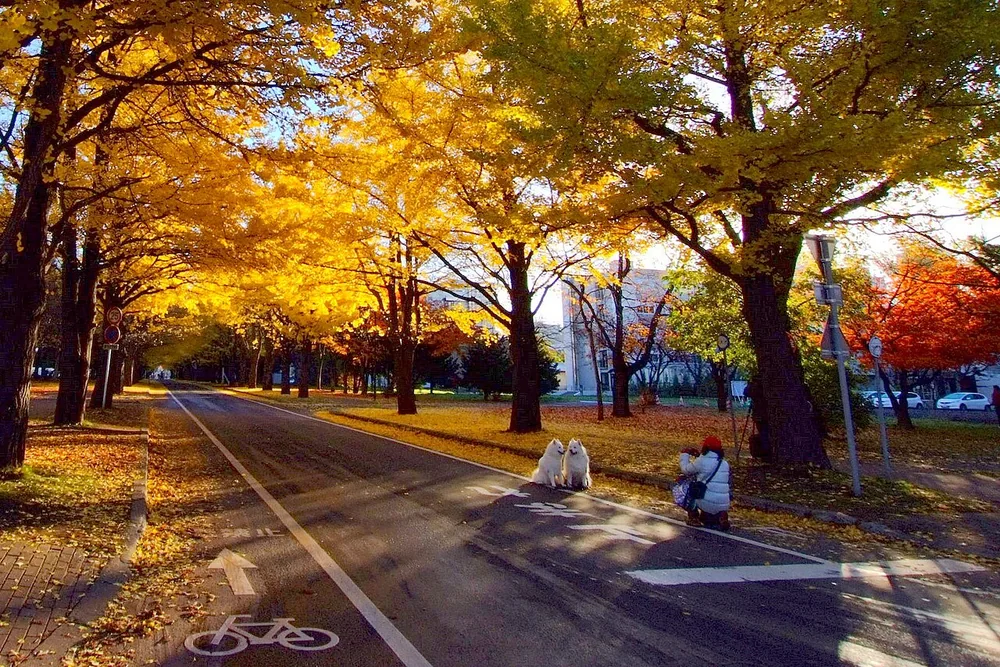
In autumn, read park colour updates, choose a path and connect it to the shrine. Both photography and worship involve stops, so keep the city return flexible. Before a fixed exhibition or restaurant, focus on the main shrine, goshuin and a short park walk, omitting farther loops. Knowing the essentials lets you use spare time freely.
In winter, shorten outdoor time, wear shoes with good grip and slow down on snow or ice. Complete the main shrine and goshuin first, then decide on extensions according to warmth and stamina. The 15-minute station reference is not a precise winter arrival estimate for every section. Include the return and indoor rest in the morning, not just worship.
Separate June’s Sapporo Festival from Kaitaku’s August festival
Hokkaido Jingu’s annual Sapporo Festival normally runs from 14 to 16 June: the eve festival on the 14th, main festival on the 15th and portable-shrine procession on the 16th. For the city procession, choose the right date and that year’s route. For the main shrine, focus on grounds activities and worship hours. These affect where to stand and when to move; all need not fit one half-day. On a festival morning, make the shrine the single main destination. Complete your chosen grounds activities from the subway, then follow the procession’s location in the city centre after lunch. The shrine publishes annual outlines, transport and gate information. Use the current programme rather than carry stall and procession positions from old photographs into a later year.
Kaitaku’s 15 August festival has separate arrangements, including its alternate-year large procession. Check Kaitaku for August travel and Hokkaido Jingu’s annual festival for June. Ordinary walkers can separate both periods from normal schedules to choose their preferred atmosphere.
New Year visits use special shrine hours
The current gate table lists 7:00–18:00 on 31 December, 0:00–19:00 on 1 January, 6:00–18:00 on 2–3 January and 6:00–16:00 on 4–7 January. Service starts differ: midnight on New Year’s Day, 6:30 on 2–3 January and 7:00 on 4–7 January. Use this special table rather than ordinary 9:00 counter hours for hatsumode.
For a visit across midnight, check that year’s New Year transport and choose the return before departure. With children or companions unused to snowy paths, visit by daylight and reserve night travel for a clear transport plan. Goshuin, amulet selection and grounds viewing can be completed step by step in daylight; hatsumode need not mean a midnight countdown.
If adding other Sapporo sights in early January, make the shrine the main outdoor activity, then return to the city centre for indoor food and rest. Leave time to collect stored bags before late transport. Queues, walking and warming breaks together determine the pace. One fewer destination gives companions room to adjust.
Keep photography beside routes; commercial shoots need an application
The shrine permits personal non-commercial photography that does not obstruct worship. Commercial use, monetised posts and advertising shoots require advance permission. Drones, livestreaming and photography obstructing rituals or worshippers are prohibited. For phone photographs of buildings and trees, pause beside open routes. Follow staff directions during ceremonies and clear the space.
Start with a wide building view including roofs, torii and trees, then details such as name pillars. Keeping the camera or phone lower helps avoid blocking people behind. Photograph companions away from the main approach and move on when finished. For video, decide which building to show rather than walk backwards continually or follow ritual processions with the camera.
A half-day plan: main shrine in the morning, city centre afterwards
First-time goshuin visitors can arrive after 9:00, visit the main shrine, prayer reception and Kaitaku, then return through Maruyama Park. This puts services first and adjusts the pace through shrine extensions and park distance. Add Korei and Hotaki for history and architecture, or return to the station after worship for an earlier lunch.
Early photographers can walk the shrine and woodland after gates open and collect goshuin at 9:00. The wait suits people who already enjoy slow walking. A family wanting one shrine can leave later and save energy. Return to Odori or Sapporo Station after lunch and retain city shopping and dinner from the four-day Sapporo and Otaru plan without giving up the whole day.
Treat Maruyama Zoo as another major destination needing its own exhibit time. Reduce the shrine to worship and goshuin, omitting multiple subsidiary loops. If children are already tired after the park, rest near the station and save the zoo for another day. Both neighbouring sights involve walking; choose by what companions most want to see.
Visit Tongu separately in the city centre
Hokkaido Jingu Tongu was established in 1878 as a place to worship Sapporo Shrine from afar, at 10, Minami 2-jo Higashi 3-chome. Unlike the wooded main shrine, its torii and building are visible from the street, suiting a short city walk. Keep Tongu in map searches to avoid returning to Miyagaoka. Its site lists summer services 9:00–17:00 and winter services 9:00–16:00. Visit during these hours for its goshuin. If you already collected main-shrine and Kaitaku seals, choose according to your collecting interests. Either the main shrine or Tongu can form a clear visit on its own. Another landmark need not squeeze a lunch or city walk you wanted.
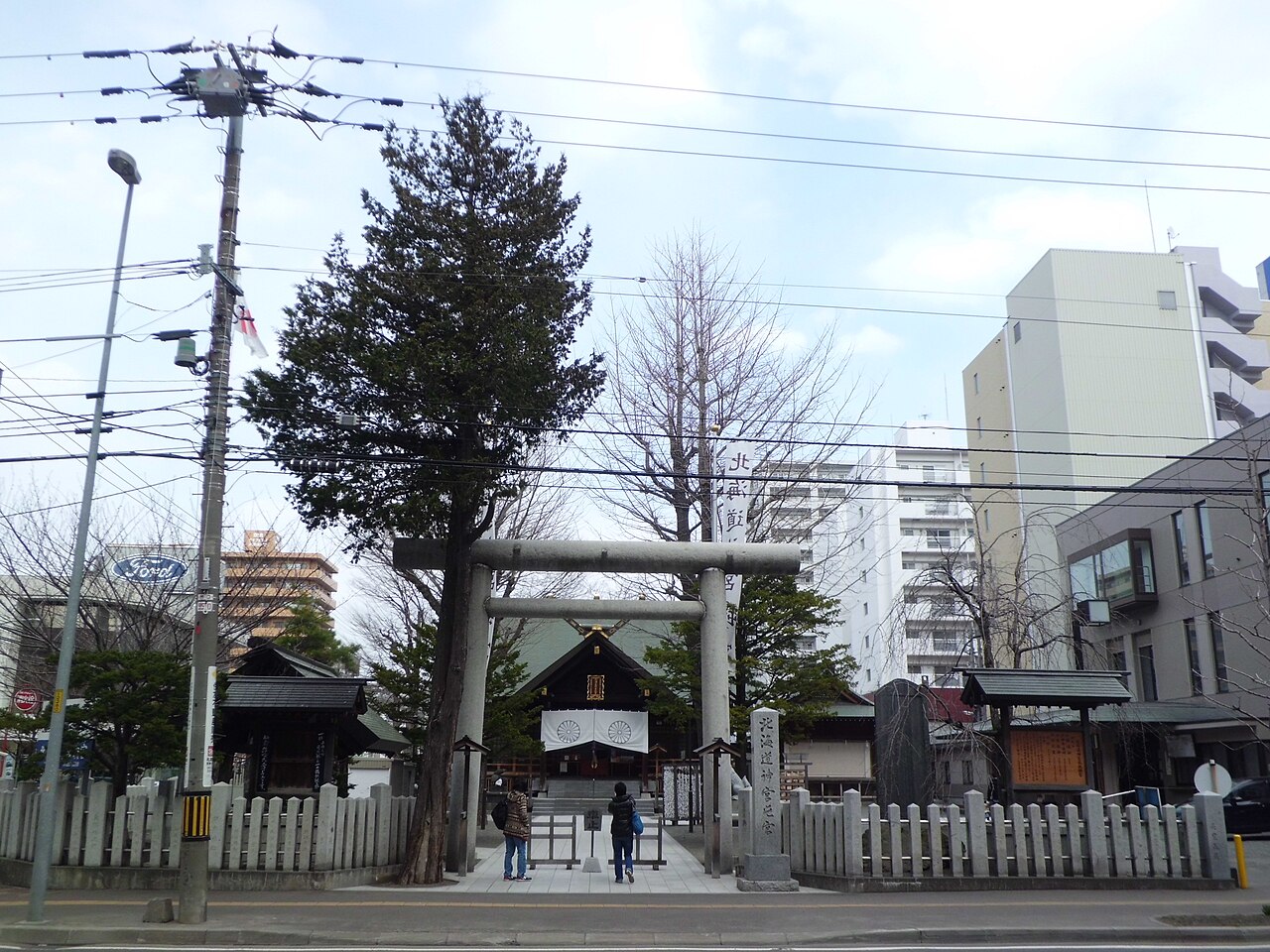
With only one Sapporo day, visit the Maruyama main shrine and park in the morning, then assess remaining time in the city centre. Add Tongu if shrines interest you and time remains; otherwise keep the afternoon for streets and shops. Let your interests determine the final stop and give the half-day a clear start and an easy departure.
A few useful answers
Which station serves Hokkaido Jingu?
Take the Tozai subway line to Maruyama Koen. The shrine lists about 15 minutes on foot; the park itself is about five minutes away. From Sapporo Station, take the Namboku Line to Odori and change.
Can I collect goshuin at 6:00?
Goshuin normally starts at 9:00 and continues until the gates close. From April to October, 6:00 gate opening suits worship and walking first. New Year’s Day through 7 January has special service hours.
Where do I collect Kaitaku Shrine’s goshuin?
At the main Hokkaido Jingu prayer reception. Amulets, talismans and goshuin use cash. Arrange it with the main shrine’s seal in one stop.
Are the main shrine and Tongu in the same place?
The main shrine is at 474 Miyagaoka, Chuo Ward, beside Maruyama Park. Tongu is at 10, Minami 2-jo Higashi 3-chome and suits a short central-city stop.
Can I store large luggage at Maruyama Park?
The Park Center has no staffed storage, but has two large-suitcase lockers at JPY 500 per use. It normally opens 9:00–17:00 and closes from 29 December to 3 January.
When are the Sapporo and Kaitaku festivals?
Hokkaido Jingu’s annual festival normally runs 14–16 June, with the procession on the 16th. Kaitaku’s annual festival is on 15 August, with a large procession every other year.
Are the shrine and park suitable with children?
Choose the main shrine and a short park walk, with subsidiary shrines optional. Multipurpose toilets at the Park Center and public toilet in front have changing tables. Ask Park Center staff for a nursing space.
Official information and references
Sources used in this guide.
- Hokkaido Jingu: access, seasonal gate and service hours
- Hokkaido Jingu: grounds map
- Hokkaido Jingu: foundation, relocation, deities and building history
- Hokkaido Jingu: Kaitaku, Sapporo Korei and Hotaki shrines
- Hokkaido Jingu: goshuin, cash and photography FAQ
- Hokkaido Jingu: offering revisions effective 1 July 2026
- Sapporo Tourism Association: Hokkaido Jingu, spring flowers and Sapporo Festival
- Hokkaido Tourism Organization: Hokkaido Jingu
- Hokkaido Tourism Organization: Maruyama Park and station walk
- Maruyama Park: luggage, family facilities and seasonal FAQ
- Maruyama Park: access, station exits and buses
- Maruyama Park: accessibility facilities
- Maruyama Park: use rules
- Hokkaido Jingu Tongu: history, address and service hours
- Visit Sapporo: Hokkaido Jingu and Maruyama film