Plan a day trip to Jozankei Onsen from Sapporo. Compare Kappa Liner stops and timetables, pick a footbath or day-use bath, and adjust for winter construction, Yukitouro, and Hoheikyo Dam shuttles.
- Region & Focus
- Sapporo
- Reading Scope
- 19 min read · 9 chapters · 6 Q&As
- Official Verification
- 34 official sources checkedUpdated November 22, 2026
- Key Topics
- ItinerariesHot springsSeasons
Chapter Route Map (tap any stop)
- Picking your Jozankei bus stop before leaving Sapporo
- Kappa Liner, local buses, and Makomanai transfers
- Navigating the riverfront via Tsukimi Bridge and two footbaths
- Walking routes when Futami Suspension Bridge is closed for construction or snow
- Choosing a day-use onsen by lunch plans, stairs, and last entry
- Unrushed half-day, full-day, and winter itineraries
- Autumn foliage timing and the 2027 Yukitouro snow event
- Why Hoheikyo Dam requires a separate shuttle plan
- Where to park if driving, and when staying overnight makes sense
- Quick Q&A
For a day trip to Jozankei from Sapporo, ride the Kappa Liner to Jozankei Yunomachi, spend the day strolling along the Toyohira River and grabbing lunch, then soak in a day-use onsen before heading back at dusk. With Phase 1 construction in Futami Park running through late March 2027 and the temporary detour to Futami Suspension Bridge closed for winter, snowy-day visitors can swap the bridge lookout for Tsukimi Bridge and warm up at the covered Futami Footbath. Adding Hoheikyo Dam requires a separate transfer via Hiyamizu Parking Lot and the dam's electric shuttle bus.
Picking your Jozankei bus stop before leaving Sapporo
Jozankei Onsen sits in Sapporo's Minami Ward, with ryokans, footbaths, and restaurants strung along both banks of the Toyohira River. Buses make several stops through the hot spring town, so first-timers heading for the gorge should save Jozankei Yunomachi. From there, it is a three-minute walk to the Futami Footbath and an easy stroll down the street to Tsukimi Bridge and Jozan Gensen Park. Getting off at the stop simply named Jozankei or the terminus, Jozankei Shako-mae, drops you at a different part of town—and you will need to board your return bus from the stop you choose.
If you would rather start from the shrine side, get off at Jozankei Jinja-mae, which puts you close to the Kappa Family Prayer Hand Bath and the Jozankei Tourist Information Center for maps. Located in Onsen Higashi 3-chome, the center is open from 9:00 AM to 5:00 PM (closed December 29 to January 3) and includes a small, free local history museum annex. When park construction or snowfall is underway, stop by on arrival to check which walking paths are open before deciding which bridge to walk to.
Travelers with lunch reservations on the west bank, plans to visit Suizantei first, or anyone looking to cut down on walking can step off at Daiichi Hotel-mae, right outside Suizantei's door. There is also a Jozankei Ohashi stop near the main bridge. When meeting companions, send the exact bus stop or shop name—Jozankei Ohashi, Tsukimi Bridge, and Futami Suspension Bridge are three separate crossings in different parts of the gorge.
You do not have to depart from the same stop where you arrived. A classic loop starts at Yunomachi, covers the riverside and footbaths in the morning, and finishes along the main highway at Jozankei Jinja-mae for the ride back. If your afternoon bath is at Shikanoyu, board at a closer stop afterward so you are not climbing uphill right out of the tub. As you step off on arrival, glance at the outbound signs for Sapporo Station or Makomanai Station—stops with the same name often sit on opposite sides of the road, so check the direction of travel before crossing.
Plan a day trip to Jozankei Onsen from Sapporo. Compare Kappa Liner stops and timetables, pick a footbath or day-use bath, and adjust for winter construction, Yukitouro, and Hoheikyo Dam shuttles.
Kappa Liner, local buses, and Makomanai transfers
The Kappa Liner takes about 60 minutes from Sapporo Station to Jozankei. Stop 27 is right outside the Hokuren Building: exit from the south side of JR Sapporo Station and follow the bus company's map to the curbside stand. Regular local buses use Stop 26 in front of the JA Hokuno Building next door; the two buildings sit close together, so verify both the stop number and the route name on the sign. If you are staying near Odori or Susukino, you can book boarding directly from Odori Nishi 1 or Susukino, while the return drop-off near Odori is called Minami 1 Nishi 3.
Kappa Liner reservations open one month ahead and close at 5:00 PM the day before travel. Choose your departure and return stops when booking, then show your mobile ticket to the driver. Seats are unreserved even with a booking, so line up early if your group wants to sit together; same-day walk-on boarding is only allowed if empty seats remain. For an adult one-way fare from Sapporo Station to Jozankei Shako-mae or Hoheikyo Onsen, the operator lists ¥1,700 at the standard rate and ¥1,460 when booked and prepaid online. You must board at the stop selected on your ticket—switching last-minute to Susukino requires modifying your reservation first.
Under the winter timetable from October 1, 2026 to March 31, 2027, there are 11 round trips daily. For a daytime walk followed by an afternoon soak, you can take the 9:10 AM departure from Sapporo Station arriving at Yunomachi at 10:06 AM, and return on the 3:30 PM bus arriving back at Sapporo Station at 4:34 PM. The last Kappa Liner out of Yunomachi during this period leaves at 5:15 PM, reaching Sapporo Station at 6:19 PM. Build a buffer into any Sapporo dinner reservations, especially on snowy days when road conditions slow traffic.
Inbound Kappa Liner buses only allow drop-offs between Shiraito Falls and Jozankei Shako-mae, and outbound buses only allow pickups in that stretch. Once inside the hot spring town, get around on foot or hop on a local bus. If you get off at Yunomachi for lunch and then want to bathe at Hoheikyo Onsen, you will need a separate transfer or a regular local route. Note also that the last three winter Kappa Liner departures from Sapporo terminate at Jozankei Shako-mae—if Hoheikyo Onsen is your main destination, look for departures that list a time in the Hoheikyo Onsen row of the timetable.
Regular local buses from Sapporo Station take roughly 80 minutes. Stop 26 serves multiple lines running down National Route 230 to destinations such as Fujino, Misumai, and Toyotaki, so check the headsign for Jozankei Onsen or Hoheikyo Onsen. Some return buses terminate at Makomanai Station instead of Sapporo. If your hotel is along the Namboku Subway Line, riding south to the Makomanai terminus (about 18 minutes from central Sapporo) and transferring to a bus is very practical; the tourist association estimates roughly 47 minutes by bus from Makomanai to Jozankei, plus wait time for the transfer.
At Makomanai Station, go to Boarding Stand 3 and catch Route Ma 12J or Ma 12H bound for Jozankei. Local buses do not require reservations and accept cash or transit IC cards. According to Jotetsu's 2026 multilingual guide, the adult fare from Makomanai to Jozankei is ¥750; paired with the ¥290 Namboku Line subway ride from Sapporo Station, one-way travel totals ¥1,040. When checking return times bound for Makomanai, make sure you are reading the right column for weekdays, weekends, or national holidays. Year-end schedules carry special footnotes—for example, Jotetsu's Jozankei stop timetable applies Sunday/holiday service from December 29 through January 3, with select runs suspended. If you plan to stay out into the evening, bookmark a late bus to Makomanai to connect back to the subway.
Flying out of New Chitose Airport the same day you leave Jozankei adds extra transfer and luggage time compared with a standard round trip. The tourist association lists public transit options via JR train from Sapporo Station or via an airport limousine bus transfer at Makomanai. If you have one more night in Sapporo, returning to a city hotel before flying is far simpler. Travelers heading straight from New Chitose Airport to stay overnight in Jozankei can use the same route map in reverse, factoring baggage claim and bus wait times into arrival before ryokan dinner check-in.
| Starting point | Boarding stop | Best option |
|---|---|---|
| Direct from Sapporo Station | Stop 27 (outside Hokuren Building) | Kappa Liner (~60 min); reserve round-trip ahead |
| Local bus from Sapporo Station | Stop 26 (outside JA Hokuno Building) | ~80 min; board buses marked Jozankei Onsen or Hoheikyo Onsen |
| Transfer via Makomanai Station | Makomanai Station Stand 3 | Namboku Line subway + Route Ma 12J/12H (~47 min bus ride) |
Navigating the riverfront via Tsukimi Bridge and two footbaths
Tsukimi Bridge spans the Toyohira River right in the center of town, with Jozan Gensen Park tucked beside the bridgehead. Walking across gives you clear views of the river and the ryokans lining both banks. To boil your own onsen eggs, pick up a mesh bag of raw eggs at Jozankei Bussankan on the far side of Tsukimi Bridge, then walk back to the park's Ontama-no-Yu boiling pool. Staff will tell you how many minutes to leave them in based on the day's water conditions; once they are in, relax in the park until they are ready, as the scalding egg pool is separate from the footbath.
Jozan Gensen Park is free year-round from 7:00 AM to 9:00 PM and features a statue of Miizumi Jozan, the monk who founded the hot spring resort. Its open-air footbath is ideal on clear days; if tour buses crowd the benches, take a stroll along Tsukimi Bridge and come back once the group clears out. Mugwort manju buns at the Bussankan shop sometimes sell out by late morning, so buy snacks at the same time you pick up your eggs. The park sits about 250 meters from the Kappa Family hand bath near the shrine along a sloped street—allow extra time for that short stretch in winter if you are not wearing slip-resistant boots.
Traveling with kids from Jozankei Jinja-mae? Make the Kappa Family Prayer Hand Bath your first stop. Built from local Sapporo soft stone, the monument features a kappa statue with a clever spout: pour hot spring water into the dish on its head and it flows out of the kappa's mouth. This free hand bath is open 24 hours a day, so even a quick stop in cold weather lets children see Jozankei's signature mascot. With the Great Kappa King statue inside the Futami Park construction zone, keep your kappa-spotting walk along the main town streets this season.
When the weather turns, head to the Futami Footbath in Onsen Nishi 4-chome across from Nono Terrace, about a three-minute walk from the Yunomachi stop. The semi-outdoor shelter has a roof overhead and an open side facing the Toyohira River, letting you watch the gorge even in rain or snow. It is free from 9:00 AM to 9:00 PM, wheelchair-accessible, and seats around 15 people, with vending machines selling single towels for ¥300. If every seat is full, grab a snack across the street or eat lunch in town and circle back.
Right next door, Nono Terrace houses a restaurant alongside takeaway pudding and drinks. The tourist association lists building hours as 9:00 AM to 5:00 PM and restaurant hours as 11:00 AM to 3:00 PM, closed Thursdays. Walking over from the west bank around midday lets you eat first and hit the footbath afterward—handy for keeping groups on schedule when some want a full soak and others just want to sit. If you visit on a Thursday, plan your sit-down meal near Tsukimi Bridge or along the main highway to avoid an unnecessary detour.
Hot spring water heats the pavement here, too. On the way to Gensen Park, Mikaerizaka Slope uses nearly 80°C source water to melt snow off the road—a system the tourist association notes was first completed in 1965. Since this slope drops from the highway down into the town center, watch your footing around meltwater channels and curbs. Groups with older travelers or strollers can start and finish at Yunomachi to skip climbing back up to the highway.
From the west end of Tsukimi Bridge, you can also detour to Iwato Kannondo Temple before looping back to Yunomachi. Established in 1936, the main hall is free to enter from 7:00 AM to 8:00 PM according to the tourist association. Behind it, a 120-meter cave lined with 33 Kannon statues charges ¥300 for adults and ¥100 for children. It is a reliable indoor stop when the suspension bridge is closed; if someone in your group only wants to stay out of the rain, they can wait at the covered Futami Footbath nearby while everyone else explores the cave.
Walking routes when Futami Suspension Bridge is closed for construction or snow
Upstream from the town center, the red Futami Suspension Bridge overlooks Futami-iwa Rock and a deep emerald pool said to be home to kappas. In dry weather when the trail is open, walking out to the bridge for a quick look leaves the rest of your morning free for footbaths and lunch. For a longer hike, the far side connects to the Futami Jozan Trail, passing Kappabuchi Park, a rest plaza, and Shinsui Park toward Akaiwa. The tourist association puts the round-trip distance at about 2.5 kilometers over dirt, gravel, and uneven grades, so time it to your group's pace and turnaround point.
Phase 1 river construction runs from September 24, 2026 through the end of March 2027. The tourist association has closed the Futami Park construction zone to all entry; during autumn 2026, posted signs directed walkers along a pedestrian detour to the bridge, and that detour closes for winter. Because the river works span the 2026 and 2027 fiscal years, spring visitors should still follow on-site signage to find the open approach to the bridge.
In a typical winter, the association's FAQ notes that Futami Suspension Bridge closes from late December through late April due to snow. Once barriers are up, stick to town streets and walk onto Tsukimi Bridge for river views, or look out over the water from the Futami Footbath. Tsukimi Bridge sits right next to Gensen Park, and stronger walkers can continue down to Jozankei Ohashi Bridge for wide views of the hotels and valley. Each vantage point works independently, so you can keep your original bus schedule even when the footbath is busy.
After rain leaves slick wet leaves on the ground, or if you are pushing a stroller in winter, stay on paved streets. Whenever you hit a closure barrier on a riverside path, turn back the way you came rather than cutting across riverbeds or construction access lanes. You can see the forested slopes from the deck of Tsukimi Bridge; for photos, stop once at the bridgehead for river-and-hotel shots and once on the far bank looking back, leaving room for passing cars and pedestrians.
Choosing a day-use onsen by lunch plans, stairs, and last entry
If you want to soak right after lunch and walk straight up to the highway bus afterward, Jozankei Manseikaku Hotel Milione sits on the east side of town near the Jozankei stop. Its third-floor day-use bath opens from 12:00 PM to 8:00 PM, with last entry at 6:00 PM. Admission is ¥1,500 for adults, ¥800 for children ages 3 through elementary school, and free for ages 0 to 2, with bath and face towel rentals at ¥300 per set. Four indoor pools complement the open-air bath, making it an easy pick for families with kids or anyone sensitive to cold air.
If you spent the morning at Futami Footbath and want an afternoon soak near the west bank, choose Shikanoyu. Regular day-use hours run 1:00 PM to 9:00 PM, shifting to 2:00 PM on Mondays and Thursdays for cleaning, with last admission at 8:00 PM. Standard afternoon admission is ¥1,500 for adults and ¥750 for elementary school students, including both bath and face towels. Note that the hotel also announced temporary 1:00 PM and 2:00 PM openings on November 23 and 24, 2026, respectively. The bathhouse interior has stairs—travelers who already found the town hills tiring may prefer sticking to Futami Footbath. Shikanoyu also caps entry at 30 people per hour during peak crowds, so if there is a wait right at opening, fill the gap with a footbath or snack.
Both Hotel Milione and Shikanoyu prohibit guests with tattoos from entering their public baths, and Milione explicitly includes tattoo stickers and body paint in that ban. Factor this in before splitting up your group. Anyone going into the public bath should budget extra time for undressing and drying off, while non-bathers can wait at Jozan Gensen Park on the east side or at cafes on the west side before meeting at the return bus stop. Groups wanting to bathe together privately should search specifically for day-use plans that include a reservable private rental bath and confirm the room's capacity.
On a half-day schedule, pairing lunch and a soak at the same hotel saves walking. Hotel Milione offers a weekend and holiday lunch buffet plus bath package for ¥4,000 for adults and ¥2,000 for children (towels extra). Lunch seating times are 11:30 AM, 12:15 PM, and 1:00 PM, ending at 2:00 PM; reservations take priority, and same-day bookings must be made by phone. Taking the 9:35 AM Kappa Liner from Sapporo leaves time to stroll Tsukimi Bridge, check in for the 12:15 PM buffet, and spend the afternoon in the baths before heading home.
For a half-day centered on a huge open-air bath and Indian curry, set your bus destination directly to Hoheikyo Onsen outside town. The bath is open 10:00 AM to 10:30 PM (last entry 9:45 PM) for ¥1,300 adults and ¥600 children, while the Indian restaurant serves from 11:00 AM to 9:00 PM—track both hours separately. On the winter Kappa Liner schedule, you can ride the 10:30 AM departure from Sapporo arriving at Hoheikyo Onsen at 11:49 AM, eat lunch, bathe, and catch the 2:15 PM or 3:15 PM bus back from the same stop. Even though the bath stays open late, the final Kappa Liner departs at 5:00 PM.
To estimate day-trip costs, a round-trip online-discounted adult Kappa Liner ticket between Sapporo and Jozankei comes to ¥2,920; adding a ¥1,500 afternoon bath brings the base total to ¥4,420 before lunch and incidentals (or ¥4,720 if you rent towels at Milione). If your group sticks to the free footbaths, your main expenses are bus fare and meals. One bathhouse is plenty for a single day—leaving generous time to change and dry your hair, especially with kids or older travelers, works far better than trying to squeeze two baths into the afternoon.
If you already know you are visiting Milione or Hoheikyo Onsen, price out Jotetsu's Jozankei Day-Trip Onsen Pack before leaving. The bundle combines a Jotetsu one-day bus pass with entry to your choice of participating bathhouses for ¥3,500 online or ¥3,700 at ticket counters (towels not included). If you plan to ride the Kappa Liner, you still need to reserve your departure time and stops by 5:00 PM the day before. Shikanoyu is not included in the pass, so pay separately if you go there. And if you are staying near Makomanai and taking regular local buses at ¥750 each way plus a ¥1,500 bath (¥3,000 total), paying a la carte beats the bundle—whether the pass saves money depends on where you start.
Unrushed half-day, full-day, and winter itineraries
With round-trip transit from central Sapporo already taking more than two hours, a half-day trip works best if you stay on one side of town. Catch an early bus to Yunomachi, soak your feet at Futami Footbath, and grab a quick lunch back near Tsukimi Bridge. If soaking in a full bathhouse is your priority, set aside at least an hour for bathing and changing and skip the riverside trails. Travelers heading back to Sapporo for theater tickets, a ballgame, or an evening train should take an early afternoon bus to leave margin for shopping.
With a full day to spare, start in the morning at Jozankei Jinja-mae to see the kappa hand bath, Jozan Gensen Park, and Tsukimi Bridge. If the suspension bridge is open, head upstream and walk a section of the Futami Jozan Trail before returning indoors for lunch around noon. If Shikanoyu is your afternoon soak, account for the 2:00 PM opening on Mondays and Thursdays. Aiming for the 3:30 PM bus back? Enter the bath right when reception opens so you can walk straight to Yunomachi afterward instead of backtracking across the bridge.
In winter, knock out Tsukimi Bridge and Jozan Gensen Park while daylight is strongest, then move indoors for lunch and a bath. Anyone hoping to shoot snow photos should pad their schedule for icy slopes around town. While the Futami Footbath roof keeps snow off your head, one wall opens toward the river, so dry your feet thoroughly before putting socks back on. Families with kids can let stronger walkers tackle bridge photo stops while others meet up at the footbath or restaurant, rather than keeping cold-sensitive travelers waiting outdoors.
During multi-day rainstorms—or if you want to swap an outdoor stretch for a museum—stop partway between Jozankei and Sapporo at Koganeyu to visit Sapporo Pirka Kotan (the Sapporo Ainu Culture Promotion Center). Get off the Ma 12 bus at Koganeyu and walk roughly six minutes. The exhibition room is open 9:00 AM to 5:00 PM (last admission 4:45 PM) for ¥350 adults, ¥150 high school and university students, and free for junior high students and younger. It normally closes on Mondays, national holidays, the last Tuesday of each month, and December 29 to January 3, though special openings appear on the city's annual calendar.
Stopping at Koganeyu on the outbound trip before your onsen soak is usually easier to time than going on the way back, thanks to the 4:45 PM last admission. If you save it for the return leg, only hop off when you know another bus to Sapporo or Makomanai is following behind. Keep in mind that if you booked a direct Kappa Liner seat from Jozankei to Sapporo, stepping off mid-route means arranging separate transit for the final leg back to town.
Autumn foliage timing and the 2027 Yukitouro snow event
The Jozankei Tourist Association places peak autumn foliage in the hot spring town around mid-October. Regular local buses bring you straight to the town center, where Tsukimi Bridge and Futami Suspension Bridge are easy walks. To explore deeper into the valley, check the association's seasonal transit breakdowns: in autumn 2026, a Momiji Kappa Sightseeing Bus departed from the tourist center on a roughly 70-minute loop past Lake Sapporo and Pirka Kotan, with same-day tickets sold at the center separately from the Sapporo Kappa Liner. For 2027, target mid-October as a baseline and check current foliage updates and area shuttle announcements closer to your trip to decide whether to stick to town or add the dam and Sapporo Kokusai Ski Resort.
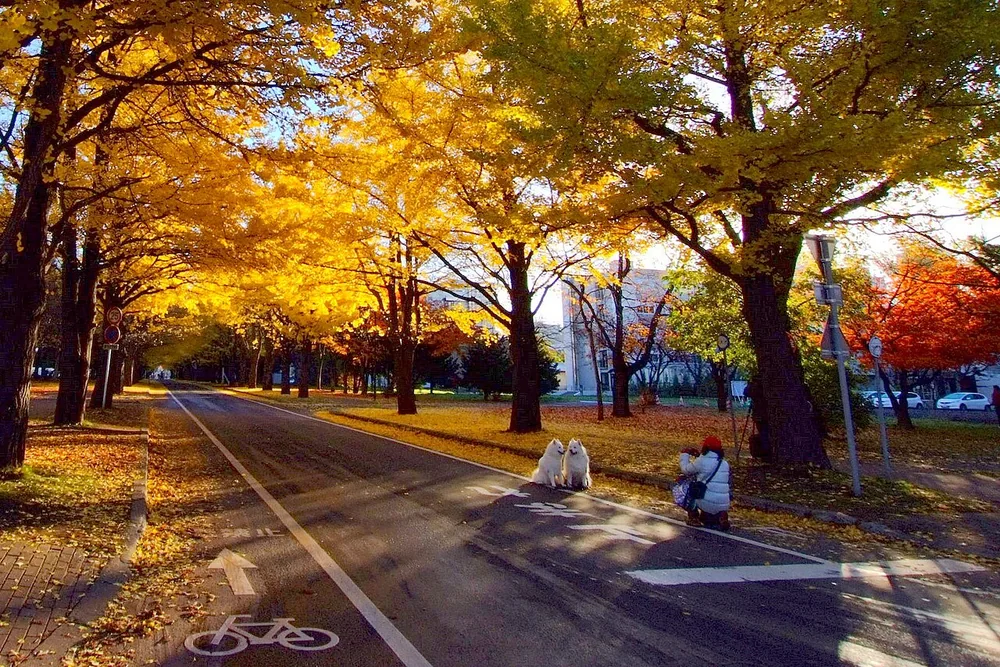
If you are based in Sapporo for several nights with flexible days, pick a dry autumn morning to bus out to Jozankei and save Hokkaido University's ginkgo avenue or city parks for another half-day. Higher elevation and different tree species turn color on their own clock compared with central Sapporo, so when leaves around the gorge peak, shift more time to river views before lunch and a bath. For seasonal foliage spots back in the city, see our Sapporo autumn foliage guide and split the two areas across separate days.
For 2027, the revamped Shin-Yukitouro (Snow Candle Way) runs from January 20 to February 28, from 6:00 PM to 9:30 PM with last entry at 9:15 PM. Admission is free. However, the special evening walk inside Jozankei Shrine is restricted to overnight ryokan guests who receive an invitation ticket from their inn, though the tourist association also lists illuminated spots elsewhere in town. This new production replaces the classic handmade snow-candle format that wrapped up in February 2026. Note that the shrine closes to general visitors at 5:00 PM to clear the grounds, and snowy sloped paths make nighttime access difficult for wheelchairs and strollers.
If seeing the shrine illumination is your main reason to go, book a night in Jozankei. The last winter Kappa Liner departs Yunomachi at 5:15 PM—before the event even starts. Day-trippers sticking to the public street installations can still catch a late local bus back to Makomanai, as long as you verify the evening bus-to-subway connection beforehand. The association expects to post weather cancellation updates on its website and social channels around 2:00 PM on event days.
Why Hoheikyo Dam requires a separate shuttle plan
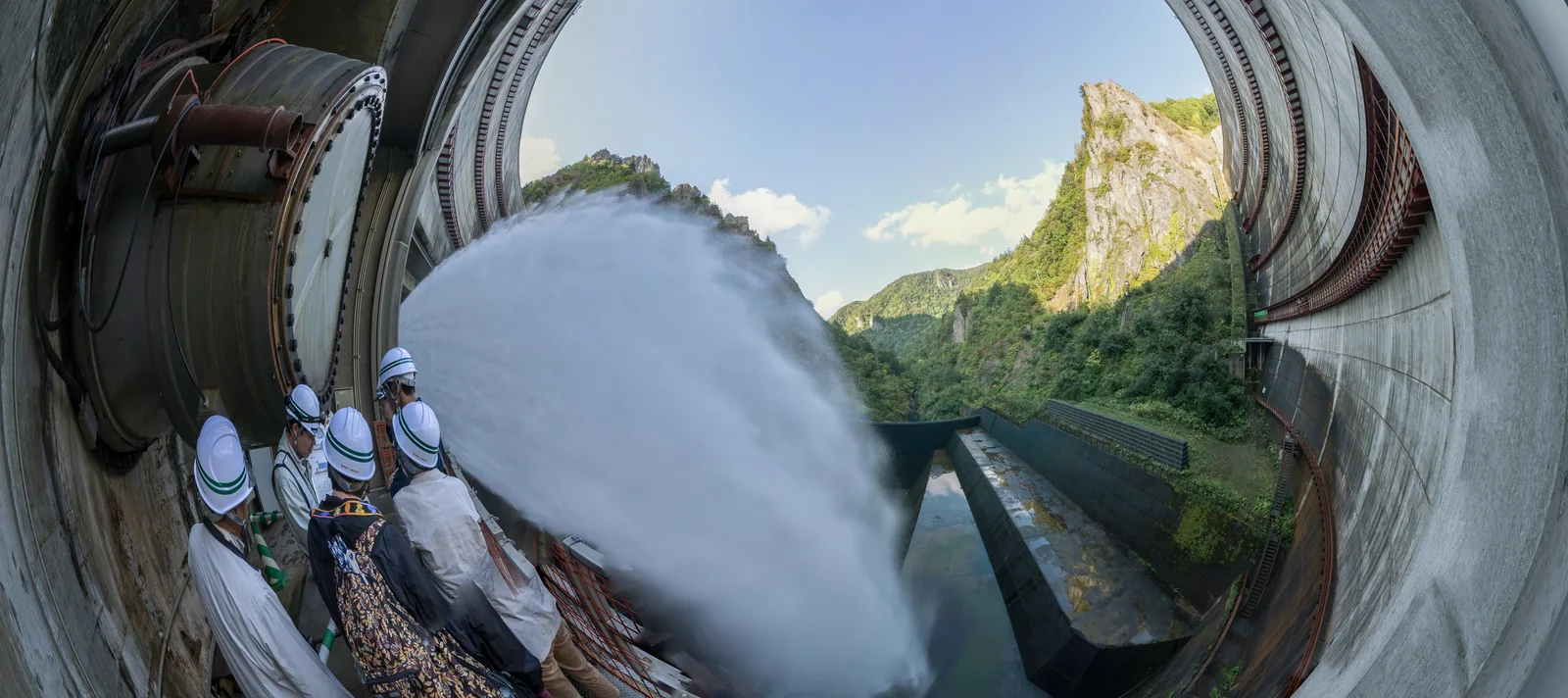
On the map, Hoheikyo Dam and Hoheikyo Onsen are two separate places: one is a concrete arch dam, the other an independent bathhouse and curry restaurant. Ride the Kappa Liner to Hoheikyo Onsen and you can step straight from the bus stop into the bath; reaching the dam requires going to Hiyamizu Parking Lot and switching to the park's electric shuttle bus or walking the access path. For a first-time day trip centered on strolling and soaking, pick one or the other—ride straight to the bathhouse if you want a big outdoor tub, or spend the afternoon at town footbaths if you visit the dam.
Drivers heading to Hoheikyo Dam stop at the free entrance lot, which holds roughly 250 cars, and transfer to the electric bus—private vehicles are not allowed up to the dam crest. In 2026, the electric shuttle operated from May 2 to November 3 (weekends and holidays only in May), with the final outbound bus at 3:30 PM and the final return bus at 4:00 PM. Leave enough cushion at the top to see both the dam wall and the observation deck before the last downhill ride, and factor in queue waits during October foliage weekends.
From October 3 to 25, 2026, a seasonal Hoheikyo Dam Liner also connected Jozankei Onsen Street to Hiyamizu Parking Lot, where riders transferred to the electric bus. Peak October fares on the electric shuttle were ¥1,200 round-trip for adults and ¥600 for elementary school students, separate from the city-to-Jozankei bus and the town-to-dam shuttle. Dam-bound visitors should confirm both shuttle legs and the return connection first, leaving the remaining afternoon for the hot spring town. Outside the seasonal shuttle dates, you will need a rental car or a prearranged round-trip taxi—a bus ticket to Hoheikyo Onsen will not drop you at the dam.
By late November (the 2026 electric bus season ended November 22), the dam road shuts down for winter. Cold-weather travelers can focus the whole day on Jozankei Onsen Street or the Hoheikyo Onsen bathhouse instead. If the dam is your top priority in warmer months, check parking details, viewpoints, and seasonal schedules in our Hoheikyo Dam access guide.
Where to park if driving, and when staying overnight makes sense
If you are driving just to see the hot spring town, the tourist association estimates roughly 50 minutes from Sapporo Station via National Route 230. Park at the Times Jozankei Kanko Parking Lot next to Hotel Milione: it operates 24 hours a day, charges ¥500 per 24 hours, has 54 spaces, and accepts cashless payment only (credit cards and compatible electronic payment). From the lot, it is a three-minute walk to Jozan Gensen Park. A handful of free spaces sit right outside Futami Footbath for footbath users, but if you are touring multiple sights, use the main Times lot to keep construction lanes around Futami Park clear.
Trying to hit both the dam and the hot spring town on a busy autumn weekend? Visit the dam first and save town for the afternoon. The dam's electric shuttle stops running in late afternoon, whereas restaurants and day-use baths in Jozankei stay open into the evening. If highway congestion backs up Route 230 when you arrive, stay put wherever you already have a parking spot and drop the second stop. When a group splits up on foot, agree to meet at the parking lot exit beside Milione rather than waiting by the curb outside Futami Footbath.
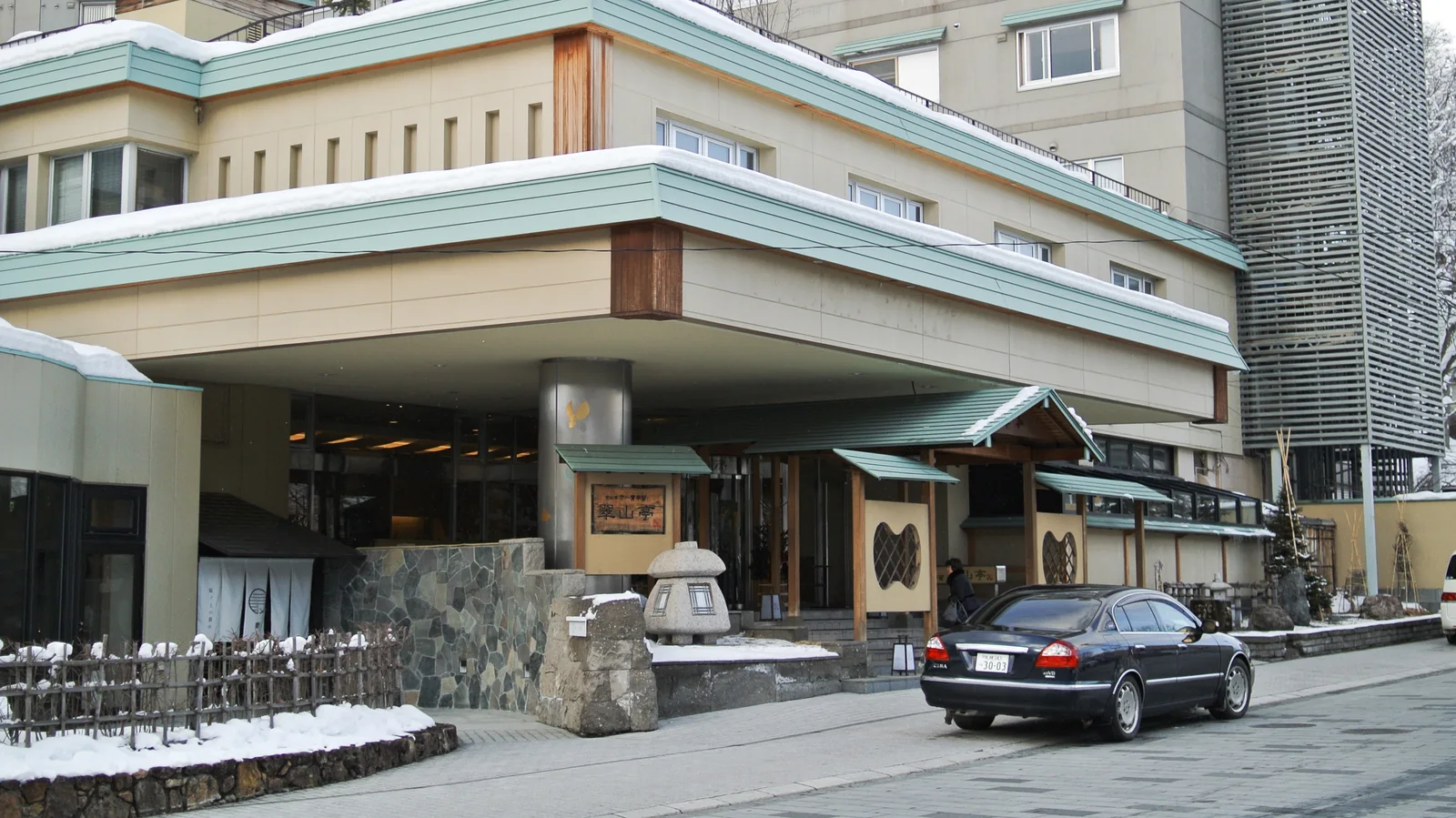
Spending the night pays off once evening arrives. A day trip covers the gorge, footbaths, and an afternoon soak, while staying overnight lets you attend the Yukitouro shrine night walk, linger over kaiseki dinner, and take a quiet dawn bath without racing the last bus. Check the walking distance from your bus stop separately from the distance to evening events. Suizantei runs its own guest shuttle from Odori Nishi 5-chome outside the Showa Building on the Odori Park side (near Odori Station Exit 1); reservations close at 7:00 PM the night before or earlier if full. On public transit, step off at Daiichi Hotel-mae right outside its entrance.
Arriving from Sapporo with large suitcases? If you are staying overnight, drop bags at your ryokan before heading into the gorge. Day-trippers will find it much easier to leave heavy luggage at a Sapporo hotel or station locker rather than hauling rollers down Mikaerizaka Slope, though the Jozankei Tourist Information Center also offers bag storage for non-valuables if you want to drop daypacks on arrival. To compare ryokans by shuttle access, dining, and bath setups, continue to our Jozankei onsen ryokan guide.
A few useful answers
Do I need to rent a car for a day trip to Jozankei?
No, not if you are only visiting the hot spring town. Take the Kappa Liner or a local Jotetsu bus; from Jozankei Yunomachi, both footbaths and Tsukimi Bridge are an easy walk. If you want to add Hoheikyo Dam outside the autumn shuttle season, plan your own transit to Hiyamizu Parking Lot.
Which bus stop at Sapporo Station goes to Jozankei?
Board the reservation-only Kappa Liner at Stop 27 outside the Hokuren Building. Regular local buses depart from Stop 26 outside the JA Hokuno Building—check the display board for buses bound for Jozankei Onsen.
Can I still walk to Futami Suspension Bridge during the park construction?
Phase 1 construction in Futami Park runs through late March 2027, and the park itself is closed to entry. In autumn, follow the posted pedestrian detour signs to reach the suspension bridge; in winter, the detour closes, so head to Tsukimi Bridge and the Futami Footbath instead.
Where can I soak my feet for free in Jozankei?
Jozan Gensen Park next to Tsukimi Bridge is free from 7:00 AM to 9:00 PM. In rain or snow, head to the covered, semi-open Futami Footbath in Onsen Nishi 4-chome, which is free from 9:00 AM to 9:00 PM and sells towels on-site.
When is peak autumn foliage season in Jozankei?
The Jozankei Tourist Association places peak autumn color in the hot spring town around mid-October. Hoheikyo Dam, the town center, and Sapporo Kokusai Ski Resort sit in different valleys at varying elevations, so time your visit using each area's current foliage report.
Can I attend the 2027 Yukitouro shrine night event on a day trip?
Special evening admission to Jozankei Shrine requires an invitation ticket distributed by participating inns to overnight guests. Other illuminated spots around town are open to the public, but since the last winter Kappa Liner leaves Yunomachi at 5:15 PM, day-trippers will need to take a late local bus back.
Official information and references
Sources used in this guide.
- Jotetsu: Kappa Liner Standard & Online Fares, Reservations, and Boarding Rules
- Jotetsu: Kappa Liner Timetable (October 2026–March 2027)
- Jotetsu: Sapporo & Makomanai Station Boarding Stops and Timetables
- Jotetsu: Jozankei Bus Stop Timetable and Year-End Holiday Schedule Notes
- Jotetsu: 2026 Multilingual Transit Guide (Makomanai Boarding & Adult Fares)
- Jotetsu: Jozankei Day-Trip Onsen Pack Fares and Participating Baths
- Jozankei Tourist Association: Access Guide and Route Travel Times
- Jozankei Tourist Association: Town Attractions and Walking Map
- Jozankei Tourist Association: Visitor FAQ (Winter Suspension Bridge Closure & Luggage Storage)
- Jozankei Tourist Association: Futami Park Construction Notice
- Jozankei Tourist Association: Jozan Gensen Park and Onsen Eggs
- Jozankei Tourist Association: Jozankei Bussankan (Local Goods Shop)
- Jozankei Tourist Association: Futami Footbath Hours and Visitor Information
- Jozankei Tourist Association: Nono Terrace Hours and Visitor Information
- Jozankei Tourist Association: Futami Jozan Trail Walking Distance
- Jozankei Tourist Association: Futami Suspension Bridge History and Location
- Jozankei Manseikaku Hotel Milione: Day-Use Onsen and Lunch Plans
- Hotel Shikanoyu: Day-Use Onsen Rules, Hours, and Admission
- Hotel Shikanoyu: Day-Use Bath Hours and November 2026 Schedule Changes
- Hoheikyo Onsen: Bathhouse and Restaurant Operating Hours
- Sapporo Pirka Kotan (Ainu Culture Promotion Center): Exhibition Hours and Admission
- City of Sapporo Minami Ward: Sightseeing Access (Koganeyu Stop to Pirka Kotan)
- Jozankei Tourist Association: Five Autumn Foliage Areas and Seasonal Transit
- Jozankei Tourist Association: 2027 Shin-Yukitouro (Snow Candle Way) Event Notice
- Hoheikyo Dam: Electric Bus Schedule and Parking Information
- Hoheikyo Dam: Electric Bus Fares
- Hoheikyo Dam: Autumn 2026 Shuttle Bus Notice
- Jozankei Tourist Association: Times Jozankei Kanko Parking Lot
- Jozankei Tourist Association: Kappa Family Prayer Hand Bath
- Jozankei Tourist Association: Mikaerizaka Slope
- Jozankei Tourist Association: Jozankei Tourist Information Center
- Jozankei Tourist Association: Iwato Kannondo Temple Hours and Cave Admission
- Jozankei Daiichi Hotel Suizantei: Official Access and Guest Shuttle Details
- Jozankei Tourist Association: Autumn Gorge Sightseeing Guide