How to time a Hokkaido cherry blossom trip around Hakodate Goryokaku, Matsumae Park, and Sapporo Maruyama, with 2026 bloom logs, 2027 Goryokaku Tower fares, Golden Week booking tips, and Kikonai transfers.
- Region & Focus
- Hokkaido
- Reading Scope
- 17 min read · 10 chapters · 6 Q&As
- Official Verification
- 31 official sources checkedUpdated November 22, 2026
- Key Topics
- SeasonsItinerariesRail travel
Chapter Route Map (tap any stop)
- When to Time Your Hokkaido Cherry Blossom Trip
- Goryokaku: Walk the Moat First or Ride Up the Tower?
- Petal Rafts, Rowboats, and Picnics
- Getting from Downtown Hakodate to Goryokaku: Watch the Station Names
- Which Areas of Matsumae to See—and Mapping Your Return First
- Where to Stay in Hakodate for Three Days to Save Time
- Booking Golden Week 2027 Hotels and Train Tickets
- Only Add Sapporo If You Have Five Days
- What to Do in Wind, Rain, or With Only Half a Day
- An Extra Half-Day in Hakodate Beyond Goryokaku
- Quick Q&A
If you only have three days for cherry blossoms in Hokkaido, book two nights in Hakodate and give Goryokaku and Matsumae a full, swappable day each. At Goryokaku, Somei-Yoshino trees burst into bloom all at once along a star-shaped moat; around Matsumae Castle, early, mid-, and late-season cultivars bloom in relays. Leaving room in your booking to flip those two days beats gambling on a single Golden Week peak-bloom prediction. Flying in and out of New Chitose on a tight schedule? Make Sapporo's Maruyama Park your main stop and save half a day of train travel.
When to Time Your Hokkaido Cherry Blossom Trip
When sketching out dates and budgets, penciling in Hakodate's Goryokaku from mid-to-late April into early May works well, while Matsumae's cultivar calendar stretches from mid-April through late May. In 2026, the Hakodate Local Meteorological Observatory recorded first bloom on Goryokaku's official Somei-Yoshino sample tree on April 18 and full bloom on April 20; by April 30, Hakodate's city tourism site showed leaves clearly emerging. By the second half of Golden Week that year, peak canopy at Goryokaku had already passed. Travelers who can arrive in late April should lock in daytime hours for Hakodate first, then slot in a Matsumae day from the same hotel base.
Matsumae plays by a different clock. On April 10, 2026, the town forecast early Somei-Yoshino peaking in mid-to-late April, with late-blooming Kanzan and Fugenzo pushing into early May. Park photos released by the town on April 26 (shot April 25) still showed Naden, Beniyutaka, and Amayadori in form. When reading Matsumae bloom updates, track the photo date, location, and cultivar together. Town figures put the park at roughly 10,000 trees across 250 cultivars—one variety hitting its stride is enough to dictate which section you walk first, with no need to follow a fixed loop.
Local meteorological offices monitor official sample trees: five or six open blossoms mark first bloom, and 80 percent open marks full bloom. Hakodate's 1991-2020 average for full bloom is May 2, making 2026 twelve days early. Use historical averages to pick your hotel dates, then let real-time reports steer your daily route. If local photos only show a few close-up branches, plan a quick stop there the next morning. If consecutive frames along the same embankment show full canopies, keep the afternoon open to watch reflections off the water from the bridge. Once petals start blanketing the ground, walk the moat to see which leeward corner the wind pushes them into—or pivot to a later-blooming park if you still want full trees.
If Golden Week is your only window off work, book a consecutive multi-night stay at one hotel and map out one loop inside Hakodate and another for Matsumae. If you can shift your rental-car dates forward, move the Matsumae drive to whichever day brings clearer skies. Open-jaw flights work the same way: lock in your direction of travel first, then decide which stop anchors the front half of the trip. One fewer mid-trip checkout buys you extra margin to wait out rain.
| Arrival Window | Best First Stops | How to Plan |
|---|---|---|
| Mid-to-late April | Hakodate Goryokaku, early-blooming Matsumae cultivars | Check Goryokaku sample-tree updates and Matsumae cultivar photos first |
| Late April to early May | Sapporo Maruyama, mid- and late-blooming Matsumae cultivars | If Goryokaku is already dropping petals, shift city time to moat walks or later cultivars |
| Mid-May | Late-blooming Matsumae cultivars, Ishizaki in Hakodate, Nemuro in eastern Hokkaido | Pick one direction from your booked hotel base and match it against that week's local bloom reports |
How to time a Hokkaido cherry blossom trip around Hakodate Goryokaku, Matsumae Park, and Sapporo Maruyama, with 2026 bloom logs, 2027 Goryokaku Tower fares, Golden Week booking tips, and Kikonai transfers.
Goryokaku: Walk the Moat First or Ride Up the Tower?
On a first visit to Goryokaku, walk from the front plaza beside the tower to the bridge to see the trees lining the water. Hakodate's tourism site specifically highlights the path behind Rokkatei's Goryokaku store and the right-hand embankment just across Ichinohashi Bridge as spots with good sun for early blossoms. Park management lists around 1,500 cherry trees on site. The outer ring is always open for a stroll, while crossing the bridge into the inner fort follows gate hours: 5:00 AM to 7:00 PM from April to October, and 5:00 AM to 6:00 PM from November to March. If you're pushing a stroller or walking with older relatives, covering just the front plaza, bridge entrance, and Magistrate's Office area gives you both eye-level branches and the view inside the ramparts. Add an outer-moat stretch if energy allows, keeping bridges and narrow paths clear for foot traffic.
If you arrive early in the morning, the park opens before the tower, so photograph the blossoms up close first and wait for the observation deck. On clear days, the tower view is sharp—if getting the full five-pointed star is your priority, time your ascent for the clearest window of the day. If low clouds or rain sit on the glass, walk the moat to the bridge or step inside the Hakodate Magistrate's Office, then circle back to the tower once the sky brightens. It's easy to lose track of time along the outer moat, so if you have an afternoon train or flight, turn back right from the bridge.
Goryokaku Tower generally operates from 9:00 AM to 6:00 PM, with observation-deck ticket sales ending at 5:50 PM. Starting April 1, 2027, standard admission is ¥1,500 for adults, ¥1,130 for middle and high school students, and ¥750 for elementary students; preschool children enter free with an accompanying adult. Prior to that increase, rates are ¥1,200, ¥900, and ¥600. Each ticket allows a single entry. If you came for the star-shaped panorama, go up during the best weather—coming back for a second look later that same afternoon requires another ticket.
If you only have an hour, pair a short outer-ring walk with the tower overlook—save wide shots for the star and surrounding streets, and keep your close-up bankside viewing near the main entrance. If you went up the tower before sunset, save night viewing for outside the moat and budget those two visits separately. In 2026, the city lit up planted sections along the south side outside the fort from April 21 to May 6 between 7:00 PM and 9:00 PM, while the inner fort closed at 7:00 PM. Walk the outer paths beside the tower after dark, and check Hakodate's current seasonal announcement for 2027 illumination details.
The Hakodate Magistrate's Office sits inside the fort walls, just past the bridge. Completed alongside Goryokaku in 1864 and later a focal point of the Battle of Hakodate, the current building is a 2010 reconstruction. Inside the halls, exhibits explain the fort's purpose, its administrative role, and the restoration process; stepping back out to the canals, earthen ramparts, and bridge connects the star outline you saw from the tower to the layout on the ground. Regular April-to-October hours are 9:00 AM to 6:00 PM (last entry 5:45 PM), with individual admission at ¥500 for adults, ¥250 for students and children, and free entry for preschoolers. If afternoon rain picks up, start here—it saves a detour all the way down to the waterfront and back.
Petal Rafts, Rowboats, and Picnics
Once petals drop into the moat, the wind herds them into corners along the banks. Check from the bridge first for ribbons of pink on the water, then follow safe walkways toward the downwind side—if glare washes out the surface, cross to the opposite bank. When the previous day's reports show thick petal rafts, it's still worth spending time on the outer moat the next morning before deciding on the tower. Fallen petals, water reflections, and the bird's-eye star are three distinct perspectives, and staying longer at one stop pays off better than splitting your schedule across too many sites.
If you want to row on the moat, treat Noda Boat Rental near Ninohashi Bridge as a drop-in stop along your walk. Hakodate's tourism guide notes the water circuit runs about 1.5 km, and even experienced rowers should budget extra time for boarding and disembarking. Plan your walk and lunch first on a blossom day, then rent a boat if it's open and one is free. In wind or rain, or if anyone in your group struggles getting in and out of small boats, stick to the outer path and bridges—you'll still spot pooled petals without waiting around on the bank for gusts to die down. With young kids in tow, locate the restrooms near the front plaza before heading slowly toward the bridge.
For lunch under the trees, pick up bento boxes around Hakodate Station or near the park and pack out your trash before boarding your afternoon ride. Hakodate sets specific dates, zones, and rules for open flames and cooking; in 2026, fire use was limited to designated areas with separate hours for the inner fort and outer grounds, and city notices listed hanami food stalls only at Hakodate Park. If you want a hot meal without sitting in a cold breeze beside the moat, eat around Honcho by the Goryokaku tram stop, then walk back into the park for an evening loop.
When half your group wants an hour under the trees and the other half is ready to rest after a few photos, set a meetup point at the front plaza or the base of the tower. Since the tower sits on the outer ring, nobody has to cross the inner bridge just to rejoin the group. Stop for a hot drink while resting along the outer moat and wait until your hands warm up before shooting again. When paths turn slick, taking the paved route around to the intersection is easier than scrambling down damp slopes toward the water's edge.
Getting from Downtown Hakodate to Goryokaku: Watch the Station Names
On the city tram from Hakodate-Ekimae, ride toward Yunokawa and get off at Goryokaku-Koen-Mae, about a 10-minute walk from the tower—and a bit farther across the bridge to the Magistrate's Office. Entering just "Goryokaku" into transit apps pulls up a completely different JR station, so search directly for the tower or park entrance when departing from Hakodate Station. In heavy rain, take Hakodate Bus Route 19 from Bay 1 outside Hakodate Station to Goryokaku-Koen-Iriguchi; the operator lists roughly a 17-minute ride for ¥280 adult fare, leaving a 5-minute walk to the tower.
Hakodate City Tram fares run by distance, currently ¥250-¥300 for adults and ¥130-¥150 for children per ride, while a 1-day tram pass costs ¥800 for adults and ¥400 for children. For a simple round-trip between Hakodate-Ekimae and Goryokaku, tapping an IC card each way is cheaper. Add Motomachi or Hakodate Park for four or more rides and the 1-day pass pulls ahead; for three rides, add the segments up first (Jujigai to Goryokaku-Koen-Mae alone is ¥290). If you plan to mix in buses to cut down on walking, test the single-ride math first—there is also a combined 1-day pass for trams and designated Hakodate Bus zones at ¥1,600 for adults if you'll ride city buses multiple times.
Driving works completely differently for Matsumae than for Goryokaku, and the difference hits right at the last mile. A car makes it easy to link Matsumae's coastal road and castle town in one day, whereas waiting for parking around Goryokaku during blossom season can eat up your viewing window. In 2026, Hakodate enforced daytime traffic restrictions around the park entrance, and the city tourism site urged peak-weekend visitors to use public transit. If you already have a rental car and are staying near the station, save the keys for your Matsumae day. For travelers who tire quickly on foot, staying near the park or taking the bus right to Goryokaku-Koen-Iriguchi beats walking in from a distant tram stop just to dodge crowds.
Which Areas of Matsumae to See—and Mapping Your Return First
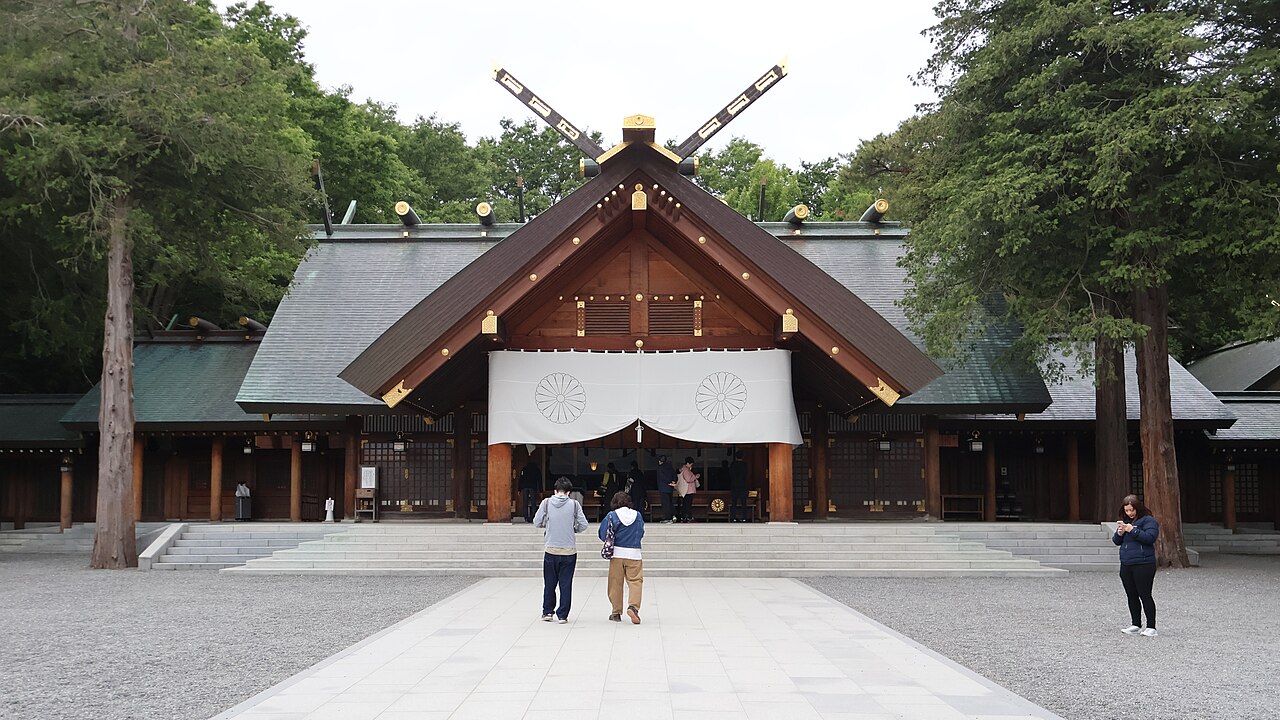
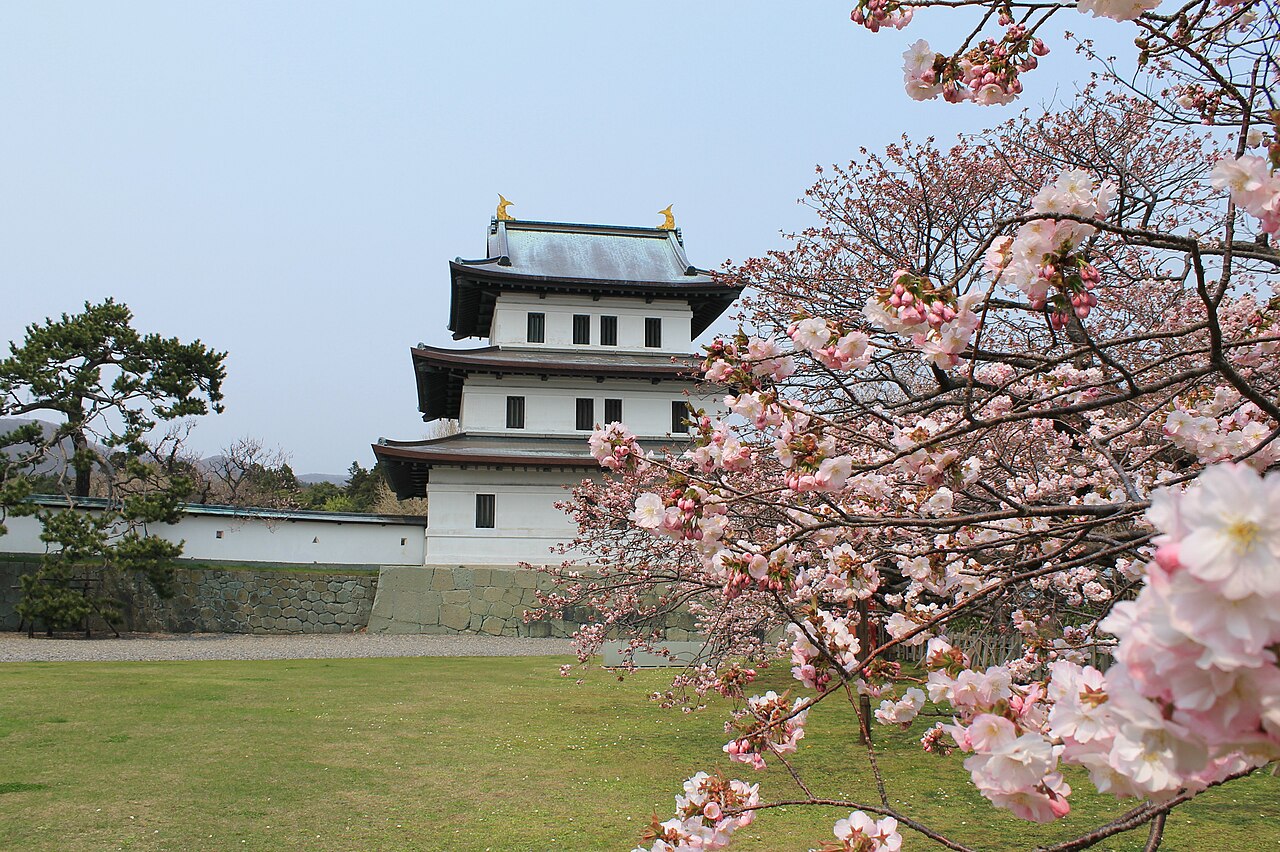
Matsumae Park stretches from Matsumae Castle across Teramachi and on to Matsumae Han Yashiki. On a first visit with less than half a day in town, stick to the castle grounds and Kozen-ji Temple. Naden is a signature cultivar here, and Kozen-ji's famed Kechimyaku-zakura is also a Naden tree. To track down late bloomers, open the Matsumae Walking Map linked on the town's site and use cultivar updates to decide whether to stay near the castle or climb through Teramachi. Several adjacent castle-town spots sit on slopes, so if anyone in your group wants to save their legs, one area at peak bloom is plenty.
The castle keep standing today is a reconstruction, and the Matsumae Castle Museum keeps regular hours from April 10 to December 10, 9:00 AM to 5:00 PM (last entry 4:30 PM), at ¥360 for high schoolers and adults and ¥240 for elementary and middle school students. When cherry blossoms are your main focus, check your return bus departure first and tuck the museum into a slower bloom stretch or a passing shower. Matsumae Han Yashiki is mostly open-air streets—save those samurai residences and castle-town lanes for clearer weather. A combo ticket with the museum is ¥620 for high schoolers and adults and ¥420 for elementary and middle schoolers. If you only have time for the castle and one lane in Teramachi, note the return bus stop as soon as you step off. Planning to walk all the way from the castle to the samurai village? Check our one-day Matsumae Castle and Matsumae Park route to choose which end makes for an easier downhill finish.
If you're coming from Hakodate by public transit, Kikonai is your transfer hub. Take the South Hokkaido Railway from Hakodate to Kikonai, then catch Hakodate Bus Route 521 toward Matsumae and get off at Matsushiro—Hokkaido prefectural park listings put the bus ride at about 1 hour 30 minutes, followed by a 7-minute walk. Travelers arriving from Honshu on the Hokkaido Shinkansen can also board directly from Kikonai on trains that stop there. For a day trip, line up the Matsushiro-to-Kikonai return bus with your connecting train back to Hakodate first, then pick your outbound departure—tight transfer gaps affect how long you actually get in the park more than total riding time.
You can resupply right outside Kikonai Station at Michi-no-Eki Misogi-no-Sato Kikonai, which has food and travel staples. If your return connection leaves almost no buffer, don't gamble on eating during the transfer. Eat a solid meal in Hakodate beforehand or save dinner for the trip back, and let the blossoms you want to see set your time in Matsumae. If you're hauling big suitcases and catching a Shinkansen the same day, factor in locker retrieval and platform walks; keeping one hotel base in Hakodate lets you leave bags behind and skip dragging luggage mid-day.
By car, follow National Route 228 from Hakodate to Matsumae, or pick up a rental in Kikonai—Matsumae's tourism site lists roughly an hour's drive from Kikonai. Check the festival traffic map for lot locations before deciding whether to walk in from below the castle or start at the outer Matsumae Han Yashiki end. During the 2026 Matsumae Cherry Blossom Festival (April 18 to May 10), the town enforced vehicle restrictions around the park and central district and set up temporary lots. Factor in the walk from parking to wherever you're meeting your group; if you have an evening rental return deadline, enter the park in daylight and save a short coastal stretch for after lunch.
Driving out from Hakodate toward Matsumae also puts two very different Hokuto City stops along the corridor: Hoki-ji Temple features a single massive weeping cherry tree, while the Former Matsumae Clan Hekirichi Encampment lines the approach road to the historic site with blossoms. If you want one quick stop on your arrival day in southern Hokkaido, pair either one with Shin-Hakodate-Hokuto Station. On a Matsumae day where you plan to tour Teramachi, visit the castle museum, and still make a fixed car-return cutoff, save Hokuto for another day—Matsumae's official site notes the drive between Hokuto and Matsumae alone takes about 1 hour 30 minutes.
Night illuminations work best if you're staying overnight in Matsumae or have your own wheels for the ride back. On a transit day trip, setting out after noon may leave time for only a single loop around the castle walls. Decide upfront whether you're chasing daytime blossoms or evening lights—when daytime bloom is strong, seeing the keep from along the moat is worth the trip on its own. Check Matsumae's current-year event schedule for night hours. If your group wants a relaxed sit-down dinner together, anchor dinner back in Hakodate so you can call it a day in Matsumae whenever you finish the best-blooming zone.
Where to Stay in Hakodate for Three Days to Save Time
Stay near Hakodate Station if you're arriving and leaving by rail and heading to Kikonai the next morning. Drop your bags at the hotel on arrival, and even a late check-in leaves time for dinner near the morning market edge or down by the bay. When both long-distance departures leave from Hakodate Station, early-morning transit boils down to walking out of your lobby to the platforms. If you want both dawn light and night blossoms in the same trip, staying near Goryokaku Park is handier and lets you pop back in whenever the sky clears. When booking around Honcho, check the walking path from your hotel to the Goryokaku-Koen-Mae tram stop and on to the tower—they sit a few blocks apart.
Pick Yunokawa if hot springs are a priority. Hakodate Teisan Bus airport shuttles charge ¥300 for adults to Yunokawa Onsen versus ¥700 to Hakodate-Ekimae. Catching the earliest Kikonai transfer the next morning from Yunokawa adds an extra cross-town leg, so save the station-area stay for nights before early trains. If you're traveling with older family members and sticking to onsen soaking, Goryokaku, and Hakodate Park, hotels along the tram line make it easy to split mornings into a half-day stroll and a half-day rest. For a closer breakdown, see our comparison of Hakodate hotel areas, room types, and onsen before locking in your morning commute and evening plans.
On a two-night stay, an afternoon Day 1 arrival leaves time for Hakodate Park, Motomachi, or the bayfront, keeping Day 2 completely clear for the Matsumae bus schedule. If you land early on Day 1 and Goryokaku is in full bloom, head straight there, run Matsumae on Day 2, and save downtown Hakodate for after checkout on Day 3. If your return from Matsumae requires two transfers, don't schedule a flight or Shinkansen right behind it. Arriving late and leaving early? Protect that single full middle day for whichever park matters most to you.
Arriving from Honshu by Shinkansen means transferring at Shin-Hakodate-Hokuto to the Hakodate Liner into JR Hakodate Station—JR Hokkaido lists a 15-to-22-minute ride, plus walking time from the Shinkansen platform, so check the destination printed on your ticket. If you fly in, buses pull up right outside the terminal for Hakodate Station, the bay area, and Yunokawa (note that the tram's Yunokawa stop sits in the town's hot-spring district). Spending your arrival night near Hakodate Station and heading to Matsumae the next morning is far smoother than hauling suitcases between southern Hokkaido transfers right off the plane.
Booking Golden Week 2027 Hotels and Train Tickets
Japan's Cabinet Office lists April 29 and May 3-5 among the 2027 national holidays; combined with the May 1-2 weekend, any trip crossing those dates should start with whichever long-distance leg is hardest to change. Two or three nights based in Hakodate let real-time bloom reports dictate which day of the week you go to Matsumae. If you enter Hakodate on April 29 and leave by May 2, pick an early morning without a long train connection for Goryokaku so departure day stays unhurried for luggage. If late-blooming double-flowered sakura are your real target, push Matsumae to a later May stop and watch which cultivar and park zone are peaking that week.
Split your budget into fixed transit and day-of admission tickets. Under the 2027 rates, two adults and one elementary-age child going up Goryokaku Tower pay ¥3,750 combined. If you're paying solely for the aerial view, walk the park first and only buy tower tickets if visibility holds. If part of your group would rather sit nearby, set a time at the tower base so everyone still shares the outing. For simple station-to-Goryokaku tram runs, paying by IC card makes more sense—save the 1-day pass for days spanning three or four zones, and tally the segments first. Budget Matsumae separately for the South Hokkaido Railway and suburban bus; drivers should compare full-day rental, fuel, and parking costs instead of using city tram passes as a baseline.
When a cheap hotel rate pops up on booking sites, put both its free-cancellation cutoff and your train ticket release date on the same calendar. A family of four that might adjust its arrival time should look for station-area hotels offering a quad room or adjacent rooms, then lock in check-in timing once train seats are confirmed. Staying near Goryokaku? Build in transit time from your hotel to Hakodate Station on Matsumae morning and grab portable meals ahead of time. Once your base hotel and long-distance hub are set, most weather adjustments just mean swapping two days rather than repacking rooms.
Only Add Sapporo If You Have Five Days
If your flights already go through Sapporo or New Chitose, carve out half a day for Maruyama Park and Hokkaido Jingu. Take the Tozai Subway Line to Maruyama-Koen Station and walk about 5 minutes from Exit 3. Park management lists typical peak bloom from late April to early May; in 2026, eating and drinking were permitted in the park while open fires were prohibited. Pick up food before arriving, transition naturally from the park paths into a shrine walk, then take the subway back downtown for a hot meal. Pair the two using our half-day Hokkaido Jingu and Maruyama walking route.
Crossing between central and southern Hokkaido takes a bite out of the schedule: JR Hokkaido's spring transit map lists roughly 3 hours 50 minutes for the Limited Express Hokuto between Sapporo and Hakodate. Factor in hotel checkout, getting to the station, and storing bags on arrival, and a transfer day eats half a day. A clean five-day split gives two nights to Sapporo and two to Hakodate, keeping at most one optional stop on transit day. Anyone adding Onuma en route needs a Hokuto departure that stops at Onuma-Koen Station and a clear plan for luggage storage—that way your final morning in Hakodate stays free for whichever flowers look best.
JR Hokkaido limited express trains run with all-reserved seating, and tickets typically go on sale one month before the travel date at 10:00 AM JST. If you plan to ride the Hokuto during Golden Week 2027, lock in those long-distance seats in April and keep your flexibility in half-day city blocks and your Matsumae day. Groups wanting seats together should pick departures by seat availability and shift low-stakes lunch plans earlier or later around the train. Round-trip Hokuto travel costs nearly two half-days on the rails, so only string intermediate cities along the line when your vacation length supports it.
If you stay purely in central Hokkaido, swap Maruyama's half-day and an Otaru port walk based on the forecast, keeping the clearest bloom morning for Sapporo. Save Shizunai Nijukken-doro in Shinhidaka as a main outing only if you're renting a car and heading toward Hidaka. Hokkaido's official tourism site lists typical peak bloom from early to mid-May along a straight road corridor—a very different experience from strolling a city park. Pull in from the parking zone to pick the best-blooming stretch, allow buffer for festival traffic, and you can still make it back to Sapporo for dinner.
Traveling late in May with an itinerary already anchored in eastern Hokkaido? Add the Chishima-zakura at Seiryu-ji Temple in Nemuro. Nemuro City lists a traditional mid-to-late May window, yet the Nemuro Tourism Association declared first bloom as early as May 6 in 2026—a reminder that even late-season outposts can run ahead of schedule. Nemuro fits naturally with eastern Hokkaido overnights; if your time is centered in the south, stick with Matsumae's late cultivars or pivot to castle-town walks.
What to Do in Wind, Rain, or With Only Half a Day
If steady rain settles over Hakodate, cluster Goryokaku's indoor stops within one neighborhood. Under heavy skies, start with fort history at the Hakodate Magistrate's Office or visit the Hokkaido Hakodate Museum of Art, open 9:30 AM to 5:00 PM (last admission 4:30 PM). The museum generally closes on Mondays with adjustments for national holidays, so check its operating calendar against your rain-day plan before heading over. It's roughly a 7-minute walk from the Goryokaku-Koen-Mae tram stop or 3 minutes from the Goryokaku-Koen-Iriguchi bus stop. If the rain lets up, walk past the tower to check the closer banks without burning another cross-town ride.
When blossoms across Hakodate are holding steady on the same day, families with kids can split Goryokaku and Hakodate Park across separate days—Hakodate Park is a 3-minute walk from the Aoyagi-cho tram stop. Combine Hakodate Park with Motomachi and the waterfront if you want hills and bay views, and save lunch until you're back down near the tram line. If an early bloom catches you off guard, Goryokaku still delivers fort architecture from the tower and history inside the grounds, while an evening originally meant for lit-up blossoms shifts easily to dinner and browsing at Kanemori Red Brick Warehouse. Save dedicated photo walks for another trip, or stroll down from Motomachi to the tram line with plenty of margin for your next ride.
On windy mornings, throw a windproof, light-rain shell over long sleeves—you can peel it off once walking the moat warms you up. Building seated breaks into the day helps more than overpacking gear. If some adults want to go up the tower while others would rather grab a snack, set a return time at the base instead of keeping everyone waiting in line together. Chasing petal rafts? Shoot from the bridges rather than slipping along wet earthen banks. If coastal gusts hit hard in Matsumae, lean into the castle museum and short castle-town lanes, take damp stone steps slowly, and head down to the bus stop early enough to eat before boarding.
With only half a day and limited energy, pick a single park. If you're staying by Goryokaku, cross the bridge to the Magistrate's Office first, then walk back out for lunch under the tower. Leaving from Hakodate Station, take the tram out and back to one stop and save north- or west-side spots for next time. When you only have a short layover before your next train, stick near the station to eat and pick up your bags—getting to Goryokaku takes a tram ride plus walking, on top of elevator queues at the tower. On short trips, booking a hotel closer to the one walk you care about most saves more real time than squeezing in another park.
An Extra Half-Day in Hakodate Beyond Goryokaku
To add a nearby cherry blossom street near Goryokaku, Sakuragaoka-dori straddling Kashiwagi-cho and Shoin-cho offers a quiet residential canopy. Hakodate's tourism site describes an 800-meter stretch lined with about 100 cherry trees; ride the tram or bus to Kashiwagi-cho and walk in from there. Stroll a short section at whichever end looks fullest and turn back, keeping to the side of the road so schoolkids and commuter traffic can pass freely. Because its Somei-Yoshino often track Goryokaku's schedule, check current bloom status if Goryokaku has already started shedding. If you want blossoms without towers or tourist buildings in the frame, slot this street in between Yunokawa and downtown.
Still in Hakodate in mid-May? The double-flowered yaezakura at Ishizaki Jinushiumi Shrine bloom later than downtown's Somei-Yoshino. City tourism notes say the approach trees came from Matsumae, lining the uphill path to the torii gate with typical peak bloom around mid-May. Driving from Yunokawa along National Route 278 past the airport toward Toi and Esan, watch for the turnoff toward the mountain side; by bus, get off at Ishizaki and walk about 25 minutes. With an uphill walk out and back, budget nearly an hour on foot. Compared to Matsumae, it gives you late-blooming double blossoms without the long southwestern run—especially handy if you're already staying in Yunokawa with half a day open.
Starting from Motomachi also lets you weave spring blossoms into a port-town walk. Hakodate's cherry blossom guide features the Motomachi Water Distribution Reservoir, pairing aged Somei-Yoshino trees with sloped neighborhood streets. If pavement is still wet after rain, stick to main roads near indoor stops and focus on easy-to-reach trees and corners where you can turn back cleanly. If you want Hakodate Park on the same day, get off at Aoyagi-cho and let the tram bridge the gap between zones—saving your legs for the park and Motomachi slopes, and keeping the day easy to wrap up with kids.
A few useful answers
When is the best month to see cherry blossoms in Hokkaido?
Aim for mid-to-late April for Hakodate's Goryokaku and early-blooming cultivars in Matsumae, late April to early May for Sapporo's Maruyama Park, and mid-May for Matsumae's late cultivars, Ishizaki outside Hakodate, or Nemuro in eastern Hokkaido. Check that week's local bloom updates before locking in your days.
How much are Goryokaku Tower tickets in 2027?
Starting April 1, 2027, admission is ¥1,500 for adults, ¥1,130 for middle and high school students, and ¥750 for elementary students, with preschool children free alongside an adult. Regular hours run 9:00 AM to 6:00 PM, with ticket sales closing at 5:50 PM.
Which Hakodate City Tram stop goes to Goryokaku?
Get off at Goryokaku-Koen-Mae and walk about 10 minutes to the tower. From Bay 1 at Hakodate Station, you can also ride Hakodate Bus Route 19 to Goryokaku-Koen-Iriguchi, about a 5-minute walk away.
Can I visit Matsumae Park without a rental car?
Yes. Take the South Hokkaido Railway from Hakodate to Kikonai, transfer outside the station to Hakodate Bus Route 521 toward Matsumae, and get off at Matsushiro. The bus takes about 1 hour 30 minutes, plus a 7-minute walk to the park—book your day around the return bus schedule first, then pick your train from Hakodate.
Do you have to rent a rowboat to see Goryokaku's petal rafts?
No. You can look down at petals collecting along the moat edges from both the bridges and the outer-moat walkways. After wind or rain, check from a bridge first to see where petals have drifted—with a stroller, a short walk near the bridge entrance is plenty.
Where in Hakodate can you still see cherry blossoms after Goryokaku's Somei-Yoshino drop?
Head to Ishizaki Jinushiumi Shrine on the outskirts of Hakodate, where double-flowered yaezakura along the shrine approach typically peak around mid-May, or take the bus to Matsumae for late-blooming cultivars still in peak form.
Official information and references
Sources used in this guide.
- Hakodate City Tourism | Historical Cherry Blossom Observations and Bloom Status
- Hakodate Local Meteorological Observatory | 2026 Full Bloom Observation and Climate Normals
- Goryokaku Park Management | Fort Gate Hours, Facilities, and Cherry Trees
- Goryokaku Tower | Regular Observation Deck Hours and Admission
- Goryokaku Tower | New Observation Deck Admission Rates from April 1, 2027
- City of Hakodate | 2026 Night Cherry Blossom Illuminations, Traffic Rules, and Hanami Fire Regulations
- Hakodate Magistrate's Office | Visitor Guide and Historical Overview
- Hakodate City Tourism | Moat Rowboat Rentals
- City of Hakodate | City Tram Distance-Based Fares
- City of Hakodate | 1-Day Tram Pass and Combined Tram-Bus Passes
- Hakodate Bus | JR Hakodate Station Bus Bays, Routes, and Fares
- Hakodate Bus | Suburban Route Maps and Operating Zones
- Matsumae Town Tourism | Matsumae Park Cherry Blossom Cultivars and Viewing Periods
- Matsumae Town Tourism | April 10, 2026 Cultivar Bloom Forecast
- Matsumae Town Tourism | April 25, 2026 Park Cherry Blossom Photo Report
- Matsumae Town Tourism | 2026 Cherry Blossom Festival Dates, Access, and Bloom Map
- Matsumae Town Tourism | Kikonai-to-Matsumae Access and Southern Hokkaido Highlights
- Matsumae Town | Matsumae Castle Museum Hours and Admission
- Hokkaido Prefectural Government | Matsumae Park Bus Stop and Walking Access
- South Hokkaido Railway | Hakodate-Kikonai Train Timetables
- Hakodate Teisan Bus | Hakodate Airport Shuttle Bus
- JR Hokkaido | Hokkaido Shinkansen and Hakodate Liner Connections
- JR Hokkaido | 2026 Southern and Central Hokkaido Transit Access Map
- JR Hokkaido | All-Reserved Express Seating and Ticket Release Times
- Maruyama Park | Cherry Blossom Season and Park Rules
- Hokkaido Tourism Organization | Shizunai Nijukken-doro Cherry Blossom Viewing
- Nemuro City Tourism Association | 2026 Chishima-zakura Bloom Observation
- Hokkaido Hakodate Museum of Art | Opening Hours and Closed Days
- Hakodate City Tourism | Cherry Blossom Spots Around Hakodate, Aoyagi-cho, and Motomachi Water Distribution Reservoir
- Cabinet Office of Japan | 2027 National Holidays
- Hakodate City Tourism | Ishizaki Jinushiumi Shrine Double-Flowered Cherry Blossoms and Access