Take the direct bus from Shin-Yamaguchi to Hagi Meirin Center. Plan a day or overnight around Kikuya and the Former Kubota Residence, with October 2026 sample buses, pottery shopping, rain adjustments and transport costs.
- Region & Focus
- Hagi
- Reading Scope
- 30 min read · 13 chapters · 4 Q&As
- Official Verification
- 11 official sources checkedUpdated October 29, 2026
Chapter Route Map (tap any stop)
- Get off at Hagi Meirin Center; use Higashi-Hagi Station when it suits your plans
- An October 30, 2026 day trip arriving at 11:15
- Arrange luggage and the return stop before walking into town
- Allow 50 minutes at Kikuya to see how merchants received domain guests
- Across the road, the Former Kubota Residence offers a different comparison
- Walk Kikuya Yokocho slowly and respect the homes along it
- Shop for Hagi ware: the Joyama workshop ended in June 2026
- See walls and moats at the castle ruins; leave extra time for the mountain
- Day route: houses first, then turn back toward Meirin at 16:15
- With only four hours, return on the 15:47 bus
- Stay near Hagi Bus Center and leave the western walk for morning
- In rain, stay around the houses and lanes; pay local buses per ride
- With children or older companions, finish one house properly
- Quick Q&A
Hagi castle town works as a day trip from Shin-Yamaguchi. Get off at Hagi Meirin Center, visit Kikuya and the Former Kubota Residence opposite, then walk the lanes after lunch and head toward the castle for Hagi ware if energy allows. Stay near Hagi Bus Center for slower pottery shopping or Mount Shizuki. Senshunraku Joyama’s workshops ended in June 2026, so this route covers kiln viewing and shopping. Adult admission to both houses totals ¥750. The October 2026 example uses the 10:15 outbound bus and 17:17 return from Meirin.
Get off at Hagi Meirin Center; use Higashi-Hagi Station when it suits your plans
The direct Super Hagi-go from Shin-Yamaguchi first stops in central Hagi at Hagi Meirin Center, then Hagi Bus Center and Higashi-Hagi Station. For the castle town, two merchant houses and castle-side walk, get off at Meirin. It puts you southeast of the old town for a walk toward Gofukumachi. Staying on to Higashi-Hagi and returning adds local travel.
At Shin-Yamaguchi, use bus stop 2 at the North Exit, also called the conventional-line exit. Shinkansen passengers should follow North Exit signs, then find the stop outside. Aim to arrive 20 minutes before departure for the station crossing, toilet and queue, with more time for large cases or a group. For the 10:15 bus, look for a Shinkansen arriving by 9:55. Go directly to the stop, then organize belongings in the time left.
Hagi and Higashi-Hagi are different stations on the Sanin Main Line. The tourism association identifies Higashi-Hagi as a main gateway with a tourist information office. Hagi Station has no information office, lockers or waiting taxis. Enter the full station name in maps. Searching only “Hagi” and following a rail symbol can take you away from the intended direct bus.
Higashi-Hagi suits arrivals on the Sanin Main Line, accommodation beside the station or use of its information office. The office opens 9:00–17:00 and lists free hand-luggage storage. There are no coin lockers inside the station. JR travel from Higashi-Hagi does not use transport IC cards, so do not assume the bus payment method applies to rail.
Take the direct bus from Shin-Yamaguchi to Hagi Meirin Center. Plan a day or overnight around Kikuya and the Former Kubota Residence, with October 2026 sample buses, pottery shopping, rain adjustments and transport costs.
An October 30, 2026 day trip arriving at 11:15
This Friday, October 30, 2026 example uses the Bocho Kotsu timetable shown on October 29: depart Shin-Yamaguchi at 10:15 and reach Hagi Meirin Center at 11:15. Return from the opposite-direction stop with the same name at 17:17, reaching Shin-Yamaguchi at 18:20. About six hours suits two houses, lunch and pottery shopping. A lengthy workshop fits better with an overnight stay.
If you miss 10:15, another direct bus leaves at 10:50 and reaches Meirin at 11:50. The next leaves at 12:50 and arrives at 13:50, leaving much less daylight. Keep one house and the castle town rather than squeezing every original stop. Cut visits first; lunch and the return walk still need time.
Other returns from Meirin leave at 14:47 and 15:47, reaching Shin-Yamaguchi at 15:50 and 16:50. The 15:47 gives more margin for a long Shinkansen journey that evening. Arrival at 18:20 works for a night based in Shin-Yamaguchi. Allow time to leave the bus, enter the station and find your platform; 18:20 is not also the time you can board a Shinkansen.
This service takes no reservations, and you may be unable to board when full. Queue on arrival outbound and allow 15 minutes at the return stop. Take an earlier bus if onward transport is essential. Wear a seat belt and pay cash or IC card on alighting. Same-day one-way paper tickets are also sold at machines at the Shin-Yamaguchi information office and Hagi Bus Center. For a paper-ticket refund, return to the information office responsible for the machine used.
Arrange luggage and the return stop before walking into town
The Hagi tourist information office outside Meirin opens 9:00–17:30. Get a map and locate the Kikuya Residence, Former Kubota Residence and return boarding point for Shin-Yamaguchi. Identify the correct side on arrival and save its position in your phone rather than searching after shopping.
Meirin has small ¥100 lockers available 24 hours. The information office also stores bags at ¥200 each. Explain suitcase size and collection time to staff and put collection before the return bus. Carry only water, rain gear, a wallet and essentials for easier visits to houses and pottery shops.
Hagi Bus Center has accommodation, restaurants, supermarkets and gift shops nearby, but no coin lockers. Overnight guests can include luggage storage and evening food when choosing accommodation. Day visitors without another storage arrangement can leave bags at Meirin and start walking. Riding to the bus center just to seek lockers creates an extra detour.
This itinerary allows 20 minutes from Meirin to the two houses in Gofukumachi, including navigation and crossings. Allow 30 with older companions and rest before the first house. Junctions, photographs and townhouses add stops even on a short map distance. Treat the link as part of the walk rather than trying to catch up with an overloaded schedule.
Allow 50 minutes at Kikuya to see how merchants received domain guests
Choose Kikuya if you enter only one house. This merchant family served the Hagi domain, and its residence hosted shogunal inspectors as a headquarters and received domain guests. Look at the relationship between daily life and reception rooms. Five buildings—the main house, main storehouse, valuables storehouse, rice storehouse and kitchen—are nationally designated Important Cultural Properties. Usually about a third of the grounds opens, displaying art, household objects and old books.
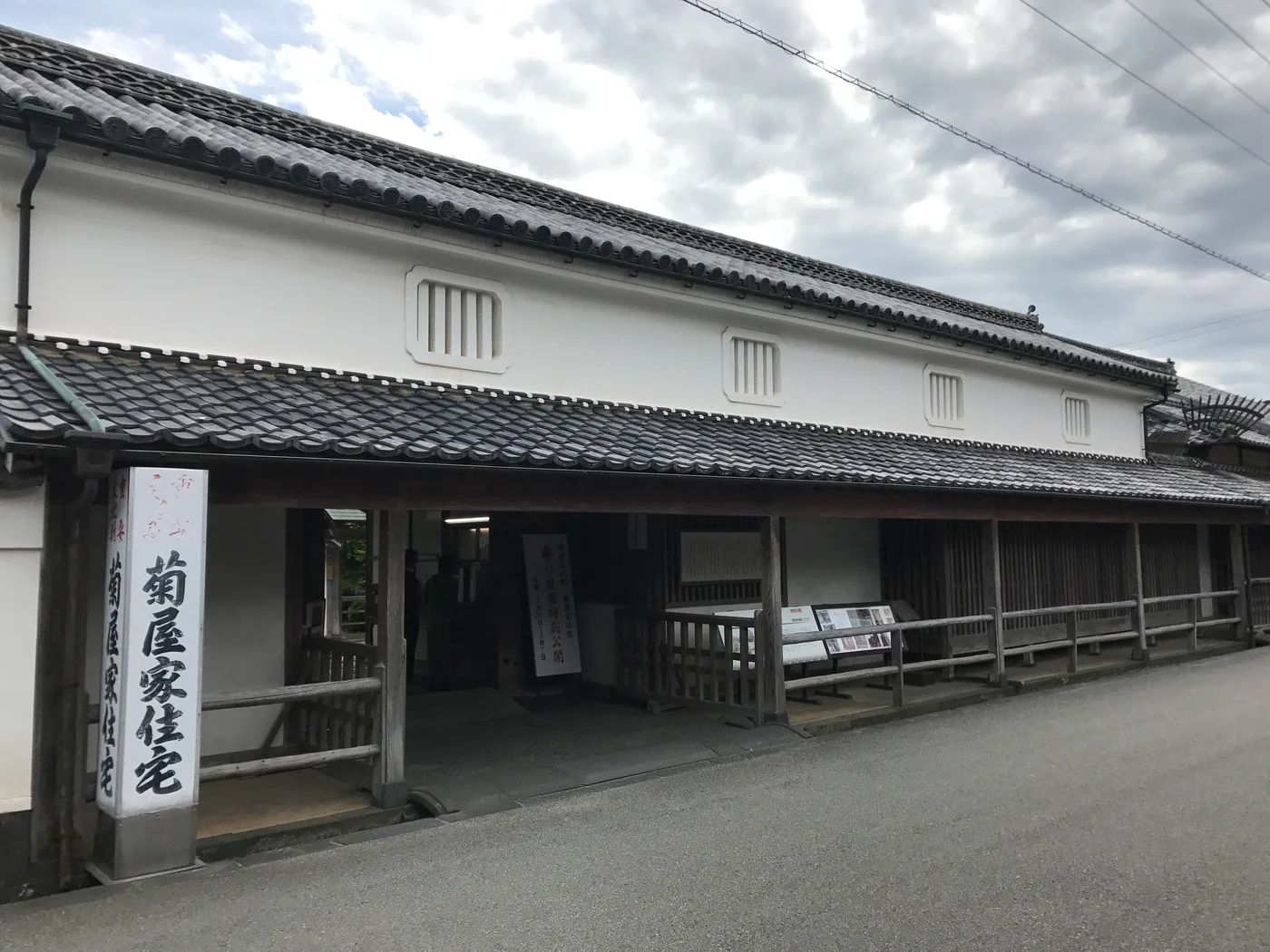
Inside, compare rooms and gardens and how the household stored goods and received guests. Start with the main house, then follow the open route through displays and garden views. Allow about 50 minutes, or an hour to read labels closely. Give it a full indoor stretch rather than photographing the entrance sign and leaving. Companions less interested in architecture can enjoy the garden without following every panel.
Individual admission is ¥650 for adults, ¥350 for junior and senior high school students, and ¥250 for elementary-school children. Hours are 9:00–17:00, last entry 16:45, closed December 31 with additional temporary closures. This example visits around midday. Arriving at last entry leaves only 15 minutes, far short of the planned 50.
The new garden opens seasonally in spring and autumn, separately from ordinary garden views. The 2026 spring announcement listed March 28 to late June, now past. This October 30 route uses the normal open area. If the autumn new garden is your main goal, choose an announced open date before booking accommodation. Ordinary daytime admission and separately reserved night events have their own ticket arrangements.
Across the road, the Former Kubota Residence offers a different comparison
The Former Kubota Residence faces Kikuya across Onarimichi. Compare their heights from the street before entering rather than treating them as two successive gardens. The Kubota family moved from textiles to sake brewing. The surviving buildings date from the late Edo to early Meiji period, with main house, gate, walls and detached reception room along the street. The main house has a low attic level, tsushi-nikai, used for storage and servants’ sleeping quarters.
Allow about 30 minutes to examine the main house’s height and the links between domestic and shop space. Different work and reception needs explain differences in scale. You need not memorize a family chronology: step back onto Onarimichi afterward and connect the rooms with the buildings outside. These neighboring houses show how different merchant households used their premises.
Kubota opens 9:00–17:00, with the official website listing year-round opening. Admission is ¥100; children below elementary-school age enter free. It accepts the ¥310 Hagi cultural-property facilities day ticket, but this route visits only one eligible facility, so buy the ¥100 single admission. Kikuya charges separately, making the adult total ¥750.
For an afternoon arrival, enter Kikuya and view Kubota’s facade outside. If sake merchants are your particular interest, reverse the choice and spend longer inside Kubota. The houses are only a road apart. Choose the one you want rather than rushing it to collect both admissions.
Walk Kikuya Yokocho slowly and respect the homes along it
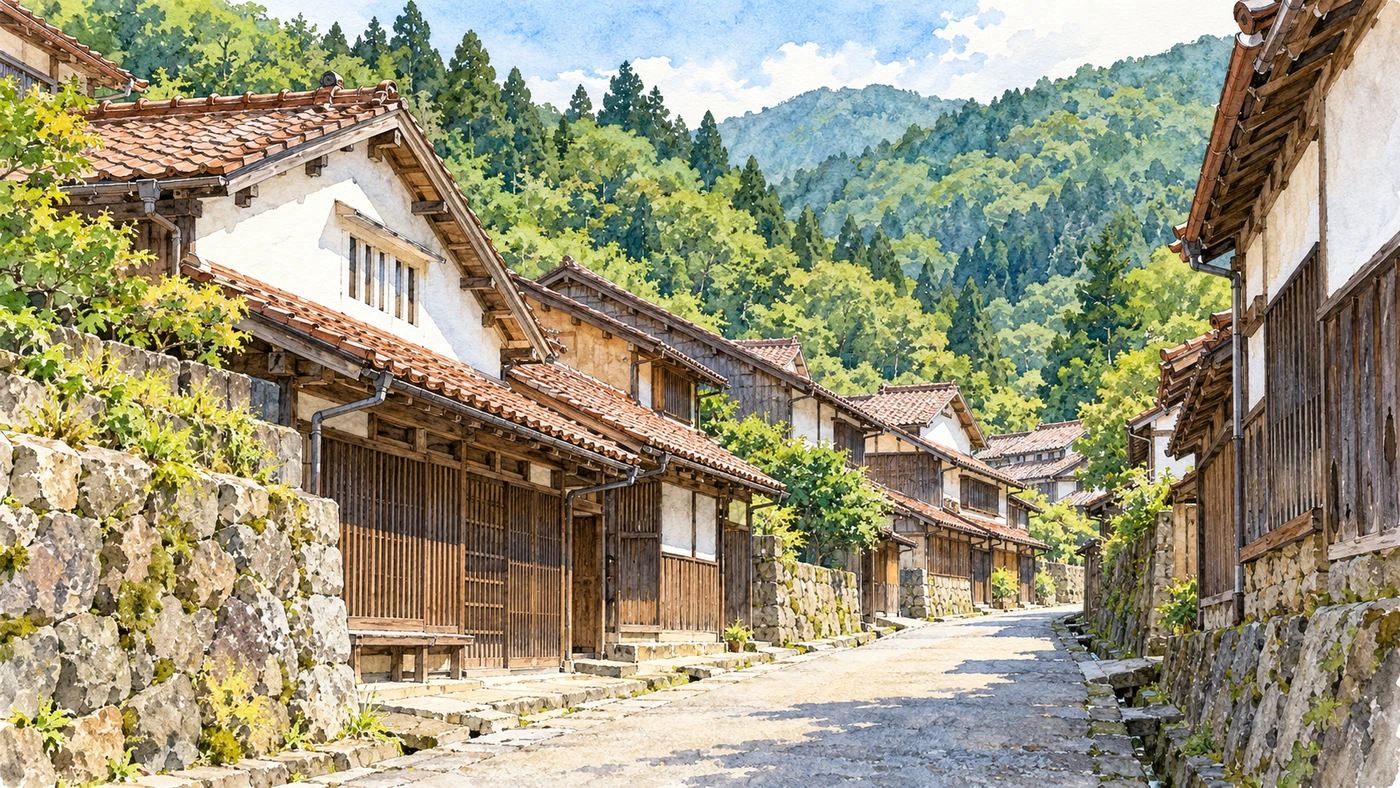
Kikuya, Edoya and Iseya Yokocho take their names from merchants on Onarimichi. Their lanes preserve the castle-town street plan where middle- and lower-ranking samurai plots met commercial streets. After the houses, make a short loop through Kikuya Yokocho to look at white walls, entrances and corners. A gate and adjoining wall can reward a pause without another attraction list.
Allow 20–30 minutes after lunch before heading toward the castle. Add no third museum here: photograph the gates, walls and streets you like, then return to a recognizable main road. Stay in publicly passable places, leave closed gates shut and keep tripods and bags off vehicle routes. Let residents pass before taking a photograph.
Agree on a shared visit length before entering the houses if interests differ. Architecture enthusiasts can study layouts while photographers look at exterior walls and roofs, meeting at the same junction half an hour later. Save a photograph of the meeting point and its full name. “Wait in the castle town” is too broad and can send people into different lanes.
Allow about an hour for lunch after the houses and before the castle-side walk. Choose somewhere with seats and enough time to finish within that window. If the only option has a long queue, eat nearby first, then view pottery. Eat and drink before heading west, rather than discovering low energy near the castle.
This 30-second Yamaguchi Tourism Federation film introduces Hagi’s earthen walls, stone walls, right-angled kagimagari turns and samurai residences as a preview of a lane walk.
Shop for Hagi ware: the Joyama workshop ended in June 2026
On the way toward Mount Shizuki, stop at Senshunraku Joyama for Hagi ware. The tourism association’s current listing describes a climbing kiln, artisans at work, displayed pieces and a gift shop at 31-15 Horiuchi. Hours are 8:00–17:00, with irregular closing days. Its position toward the castle suits a continuation from townhouses to kiln viewing and pottery shopping.
The same official page says pottery experiences and bicycle rental ended in June 2026. This October route therefore uses shopping and viewing areas open on the day. Remove wheel-throwing, hand-building or painting classes from plans if they appear in an old leaflet. Do not delay your return to the last bus while waiting for a class.
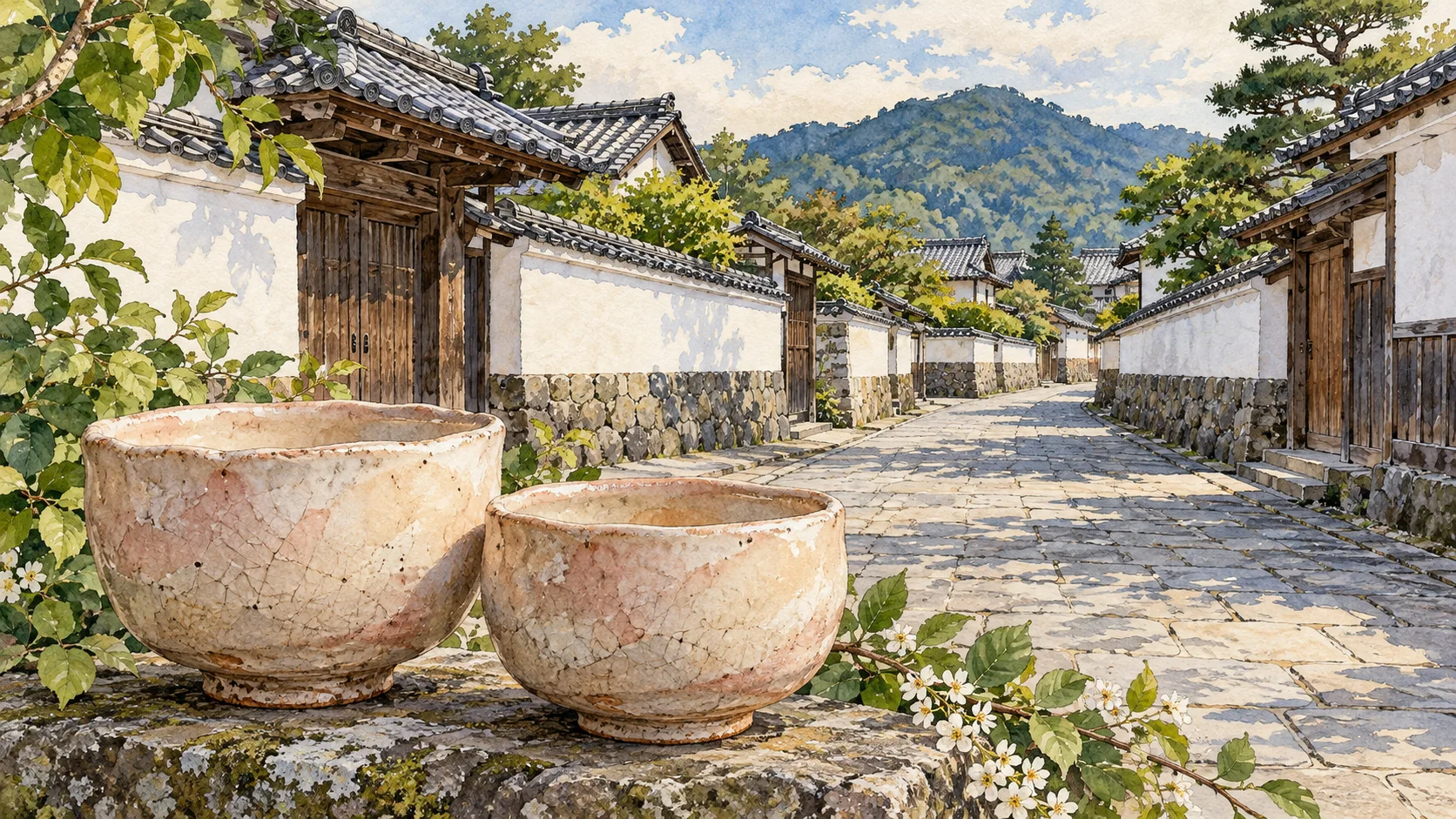
The fine lines in Hagi glaze are called crackle. The tourism association explains that tea gradually enters the absorbent body and lines, changing the color through use: Hagi’s “seven transformations.” Look at color and texture, then ask staff how to begin using the specific piece. Give care instructions with a gift so its recipient understands the changes.
Allow 40 minutes, starting with displays and selecting a form only if you find something to take home. A tea drinker might start with one cup. Its weight, rim and capacity in your hand can make choosing easier than a whole set on a shelf. Ask before handling, put umbrellas and large bags aside, and compare pieces near a safe tabletop.
Explain whether you want hot tea, coffee or a gift for a particular relative, then ask about everyday cleaning and use of that piece. For international shipping, ask whether the shop serves your destination and the full shipping price before choosing how to buy. For hand carriage, have pieces wrapped separately in a stable bag and shorten the remaining walk to reduce repeated handling.
The shopping route focuses on displays and finished work you can take away, without a later collection after firing. If making your own Hagi ware is the goal, first secure a workshop with a booking time, child-age rules, teaching language, firing wait and total shipping cost, then place it on the second day of an overnight trip. The confirmation should specify date and party size, including children.
See walls and moats at the castle ruins; leave extra time for the mountain
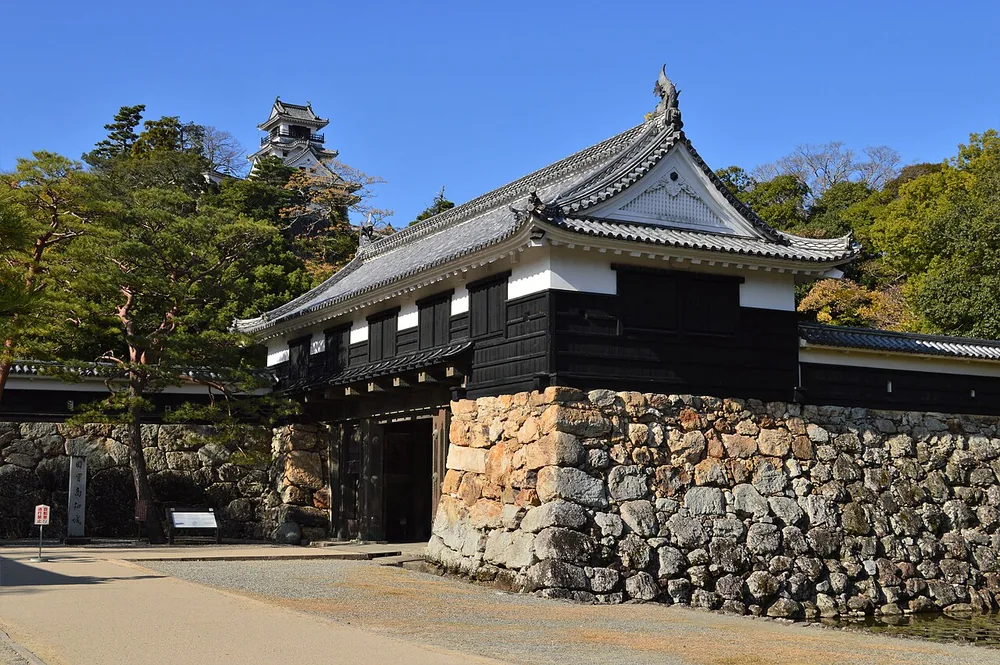
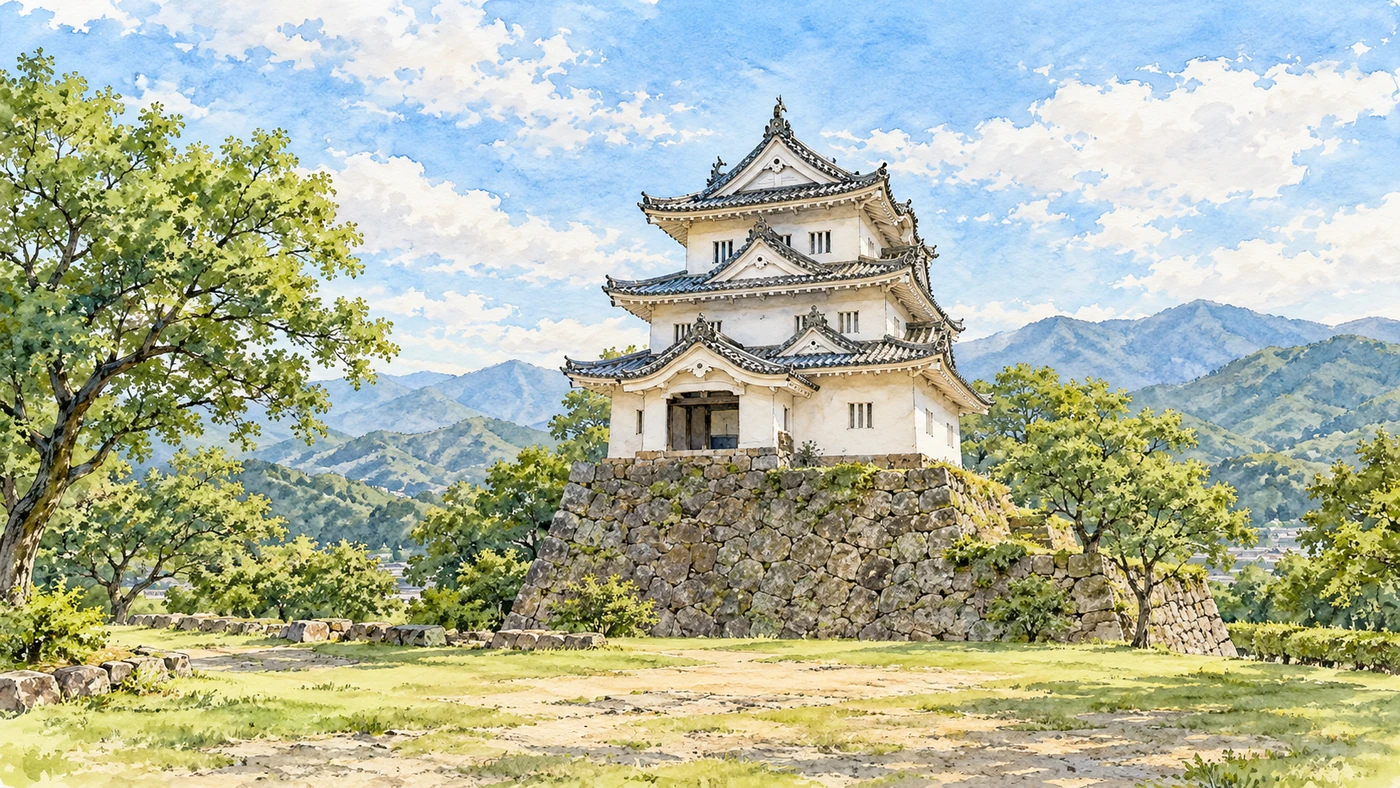
Hagi Castle’s keep, turrets and gates were dismantled in 1874. Today you see ruins, stone walls and parts of the moat. At Mount Shizuki’s foot, consider the castle’s relationship with the coast and use the keep platform to locate the former building. Plan to study remains rather than enter a multistory keep.
The day route covers the entrance area and outer walk only; its budget excludes Shizuki Park admission. If time remains and you want to enter, shorten pottery shopping and pay the day’s admission separately. Set a departure time before extending the visit. The entrance and mountain foot still make a useful western turnaround without entering the park.
The summit has an inner stronghold, with an official climbing estimate of about 30 minutes one way uphill. Allow a full additional block for descent, the summit and return to town. Arriving near noon, then adding a climb after shopping, can consume your return margin. Castle-terrain enthusiasts can climb the next morning on an overnight trip and leave Hagi after lunch.
Rain can make stone steps, earth paths and soles slippery. Turn back once the mountain-foot walk has explained the setting. With children, stop before photographing near moats and walls; do not walk backward while framing a shot. A family photograph can mark the end before returning to town for water, without covering every wall.
Day route: houses first, then turn back toward Meirin at 16:15
From the 11:15 arrival, aim to enter Kikuya around 11:40, leave at 12:30, visit Kubota opposite and eat at 13:00. Both interiors fall earlier in the day, leaving afternoon flexible for weather and shopping. If the first house takes longer, choose pottery after lunch and drop the castle perimeter.
After lunch, stroll the lanes, then allow 30–40 minutes toward the Joyama kiln and castle. This is a planning estimate; add photo stops. After about an hour for pottery and the outer ruins, turn toward Meirin at 16:15. Leave 45 minutes to walk, collect bags and find the stop. Change your phone destination to the return stop once turning back, rather than following another shop.
Be back by 17:00, collect luggage and wait for the 17:17 bus. If still near Kikuya at 15:30 or lunch ran late, cancel the western section and shop or rest in town. You retain the two houses and streets with room for rain, children’s toilet stops or an older companion’s rest.
Budget ¥3,200 for the adult return direct bus and ¥750 for both houses: ¥3,950 before lunch, pottery, storage and extra local travel. Bocho Kotsu’s ¥1,600 one-way discount announcement runs through March 31, 2027, covering this October example. Recalculate both bus journeys from new operator fares for trips after that period.
| Time | Plan |
|---|---|
| 10:15–11:15 | Shin-Yamaguchi North Exit stop 2 → Hagi Meirin Center |
| 11:15–11:40 | Store luggage, locate return stop and walk to Gofukumachi |
| 11:40–13:00 | Kikuya about 50 minutes; Former Kubota about 30 minutes |
| 13:00–14:00 | Lunch |
| 14:00–16:15 | Lanes, western walk, Joyama kiln shopping and castle entrance perimeter; drop west if short of time |
| 16:15–17:00 | Return to Meirin, collect bags and queue |
| 17:17–18:20 | Hagi Meirin Center → Shin-Yamaguchi |
With only four hours, return on the 15:47 bus
For an 11:50 arrival and 15:47 return, choose one house. Store bags, enter Kikuya around 12:15, eat around 13:10, walk Kikuya Yokocho at 14:10, then shop or sit in town. Return to Meirin at 15:20 for bags and reach the stop around 15:32. Do not extend toward Mount Shizuki.
Arrival at 13:50 with a 15:47 return leaves less than two hours. Choose about 30 minutes at Kubota, Kikuya’s facade outside and a short walk, eating before arrival or back in Shin-Yamaguchi. If Kikuya is the sole purpose, give it the indoor time and go directly back. One complete visit works better than rushing to the western edge.
If leaving earlier, cut stops from your current position. Still in Gofukumachi: cancel castle and kiln. Already at Joyama: stop shopping and arrange the return. Hagi has no cruising taxis to hail; call a company. The tourism association lists Hagi Kintetsu Taxi at 0838-22-0924 and Daiichi Kotsu Hagi at 0838-25-5050. Give a shop name or precise entrance, not just “Hagi Castle.”
If you keep both houses in a half day, stay in their adjoining neighborhood. Both interiors, lunch and a short street walk make a coherent afternoon. Choose pottery another day. Cancel a whole segment so the remaining schedule is easy to explain to the group.
Stay near Hagi Bus Center and leave the western walk for morning
For slower house visits and pottery shopping, base yourself near Hagi Bus Center. Super Hagi-go stops there, with accommodation, restaurants, supermarkets and gift shops nearby. Leave from the same hub next day. Use the walking route from the actual address to Hagi Bus Center to keep luggage-carrying distance manageable.
Choose a plan clearly stating breakfast or no meals. For dinner at the property, book a meal plan and return at its specified time. With room only, ask at afternoon check-in which nearby restaurants open that evening, then eat before returning to your room. This is an area recommendation: choose a property for your party and meals without needing to move to a seaside inn.
On October 30, visit only the houses and lanes and have lunch, then return to store bags or check in. Rest and shop nearby before dinner. Moving the castle and pottery to October 31 removes the first afternoon’s pressure of counting down to the intercity bus. The overnight stay adds daylight uninterrupted by that departure.
On day two, eat breakfast, leave around 9:00 and allow an hour to walk west. See the mountain foot and Joyama kiln, then start back around 11:30. Agree on luggage storage and collection at checkout. Collect by 12:40, reach the stop around 12:57, and take the 13:12 bus to arrive at 14:20. This Saturday example uses the timetable saved October 29, which does not distinguish weekdays and weekends. The bus leaves Higashi-Hagi at 13:05, passes the bus center and reaches Meirin at 13:17. Overnight guests board at the bus center; day visitors use Meirin. Keep the stops distinct.
For Shizuki Park or a mountain climb, choose the 14:42 bus from Hagi Bus Center, arriving at 15:50, with lunch and return travel between. Climb in the morning and shorten shopping. Non-climbers can wait near the foot at an agreed place and time. Return to your chosen accommodation base to collect luggage before leaving Hagi.
In rain, stay around the houses and lanes; pay local buses per ride
In light rain, keep the house order, shorten the lane walk and choose a seated stop after lunch. Cancel the west if rain gets heavy. The houses face each other, keeping umbrella walks short. Shake water off before entering, use the designated umbrella storage and walk carefully with wet soles around wood floors and tatami.
To reduce walking, check Hagi’s Maaru loop bus. The westbound “Shinsaku-kun” and eastbound “Shoin-sensei” each run about every 45 minutes and take about 80 minutes per circuit. First and last departures from City Hall are 7:00 and 17:30. Use the timetable for your intermediate stop, not the origin times. Do not assume both loops reach the same stop directly.
One ride costs ¥100 from junior high school age and ¥50 for elementary-school age and below. Under-ones ride free; one companion can bring up to three children aged one to under six free. ICOCA and nationally interoperable transport IC cards work. For cash, carry coins or ¥1,000 notes; the bus cannot change notes of ¥2,000 or more. Pay per ride for one or two trips.
A day pass costs ¥500 and a two-day pass ¥700. At ¥100 per adult ride, five rides equal the day pass and seven across two days equal the two-day pass. This walking route does not need extra rides to justify a pass. Super Hagi-go cannot be used solely between Meirin and Higashi-Hagi; use the loop, another eligible local route or a taxi.
With children or older companions, finish one house properly
Let children compare height, windows and gates outside, then find those positions inside. When attention fades at the first house, switch to lunch and walking. Kubota’s low ¥100 price does not require adding it for everyone. One adult can take children to an agreed public waiting point while others finish.
Include removing shoes, putting them back on and seated rests in older travelers’ visit time. Choose supportive shoes easy to remove and carry essentials in a light bag. Use a toilet before the house and follow staff directions. For wheelchairs or step-free access, ask about each specific entrance before choosing a house. Meirin’s information office offers wheelchair rental.
Budget energy separately for walking and shopping. Once carrying fragile pottery, shorten the western visit or call a taxi for a long return. Secure ceramics on strollers rather than hanging heavy bags that can upset balance on paving or at crossings.
Before Shin-Yamaguchi, organize everyone’s tickets, bags and seating. Children under six occupying a seat on Super Hagi-go need a child ticket; the applicable one-way child fare here is ¥800. Arrange boarding order while waiting, buckle up and stow pottery and luggage safely, then take out onward rail tickets after arrival.
A few useful answers
Should I get off at Higashi-Hagi or Meirin from Shin-Yamaguchi?
For the castle town and two houses, Meirin is more convenient. Higashi-Hagi suits the Sanin Main Line, accommodation nearby or its information office. Hagi Station is a different station.
Do Kikuya and Kubota share a ticket?
Buy separately: ¥650 plus ¥100 per adult, totaling ¥750. Buy Kubota’s single admission when visiting only these two.
Can I make Hagi ware at Senshunraku Joyama?
The tourism association says its experiences ended in June 2026. This route uses displays, kiln viewing and shopping. For making pottery, choose a workshop accepting bookings and explaining firing and shipping conditions.
Can I climb a keep at Hagi Castle?
The keep, turrets and gates were dismantled in 1874. Visit ruins, stone walls and moats. The summit of Mount Shizuki has inner-stronghold remains, with a reference climb of about 30 minutes one way.
Official information and references
Sources used in this guide.
- Bocho Kotsu | Super Hagi-go timetable, fares and boarding conditions
- Hagi Tourism Association | Gateways, luggage and local transport
- Hagi Tourism Association | Kikuya Residence
- Hagi Tourism Association | Former Kubota Residence
- Hagi Tourism Association | Castle-town streets
- Hagi Tourism Association | Senshunraku Joyama and end of workshops
- Hagi Tourism Association | Hagi Castle ruins
- Hagi City | Loop buses and fares
- Hagi Tourism Association | Crackle and Hagi’s seven transformations
- Hagi City | Video list and castle-town film
- Yamaguchi Tourism Federation | Hagi castle town, Yamaguchi Video Encyclopedia No. 017