Use the completed 73rd festival in 2026 to compare Otesuji bench seats, wheelchair areas, four-person tables and roadside viewing in Obiyamachi. Plan an early dinner, a room break before entry and a walk back.
- Region & Focus
- Kochi City
- Reading Scope
- 27 min read · 17 chapters · 4 Q&As
- Official Verification
- 9 official sources checkedUpdated November 22, 2026
- Key Topics
- ItinerariesBookingSeasons
Chapter Route Map (tap any stop)
- Give your one evening to the main festival
- Choose the venue by where you want to watch
- Otesuji lets you sit, but shade netting is not a roof
- Watch one team in Obiyamachi before deciding how far east to go
- Listen for the naruko, then watch the wrists
- Follow the music truck through to the rear rows
- Why teams sound different despite a shared musical base
- What a 2026 standard evening ticket covered
- Four-person tables and group areas: single parts versus passes
- Count the companion in wheelchair-area tickets
- Choose a sales channel that lets you complete ticket collection
- The seated plan: eat early, then stay on Otesuji
- Plan arcade viewing and reserved-seat entrances separately
- Take the room break before entering reserved seating
- Choose one main meal; check the Sunday Market’s day and date separately
- Bring a raincoat; refunds depend on official cancellation
- Reach the outer streets before returning to Kochi Station or your room
- Quick Q&A
If you have one night in Kochi and want to watch a complete Yosakoi team performance, first choose between a fixed spot on Otesuji and a stretch of roadside viewing in Obiyamachi. Then set dinner and room-break times. Reserved viewing seats are a useful first choice with children or anyone who needs to sit. The shopping arcade suits people who want a close view of the naruko clappers and advancing formations. The 73rd festival has already taken place, on August 9–12, 2026. Its full schedule and ticket system provide the examples below. Read the viewing methods, neighborhood layout and that year’s arrangements separately to decide whether you need a seat, freedom to move or an evening in one place.
Give your one evening to the main festival
Kochi City Tourism Association’s schedule for the 73rd festival clearly separates the four days: August 9, 2026 was the opening eve; August 10 and 11 were the main festival; August 12 had the national competition and closing festival. For continuous street performances in central Kochi, the main festival days are the simplest basis for planning. Choose your viewing venue before choosing your train or bus into Kochi. Even with an evening arrival, you can leave your bags, eat and go straight to one venue for an uninterrupted viewing period.
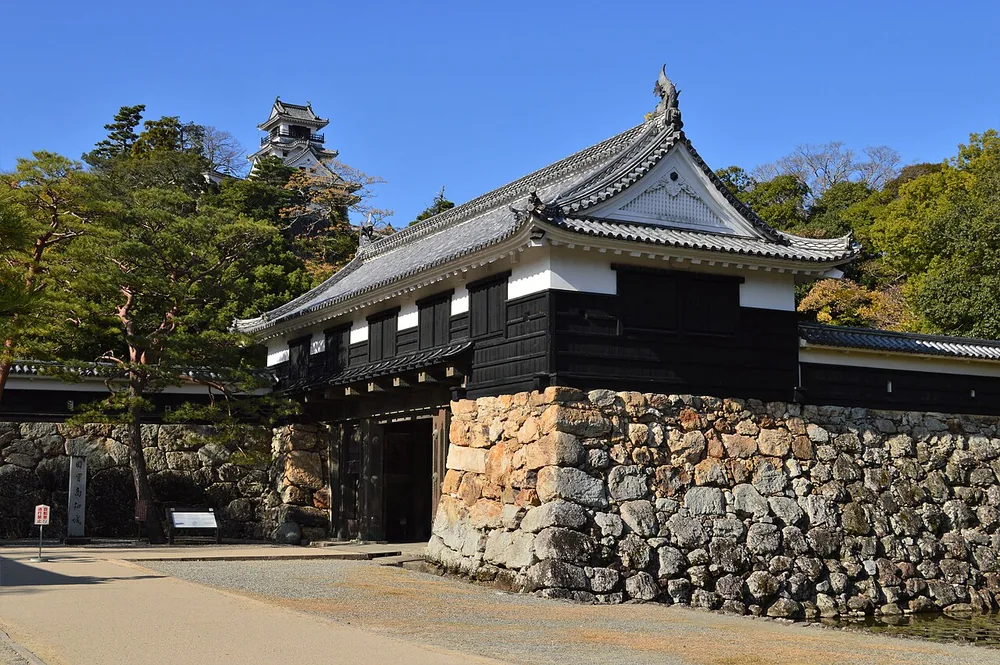
The August 9 opening eve took place at Toyo Denka Central Park from 18:00 to 21:30, with award-winning teams from the previous main festival. Kochi’s summer fireworks took place along the Kagami River that same evening, from 19:45 to 21:00. The locations differ and the times overlap. If dancing is your priority, plan dinner around it rather than fitting riverside fireworks between teams. If fireworks come first, use a separate main festival day for street dancing.
The national competition on August 12 also had its own teams and venue times. In 2026, Central Park ran from 13:00 to 18:00; Otesuji, Obiyamachi and Kochi Castle ran from 13:15 to 22:00. At 18:30, Central Park moved on to the main festival awards and closing festival. This day suits people who want to compare award-winning teams with teams from across Japan. Applying an August 10 evening plan unchanged to August 12 mixes two programs. Decide which you want to see before choosing the date.
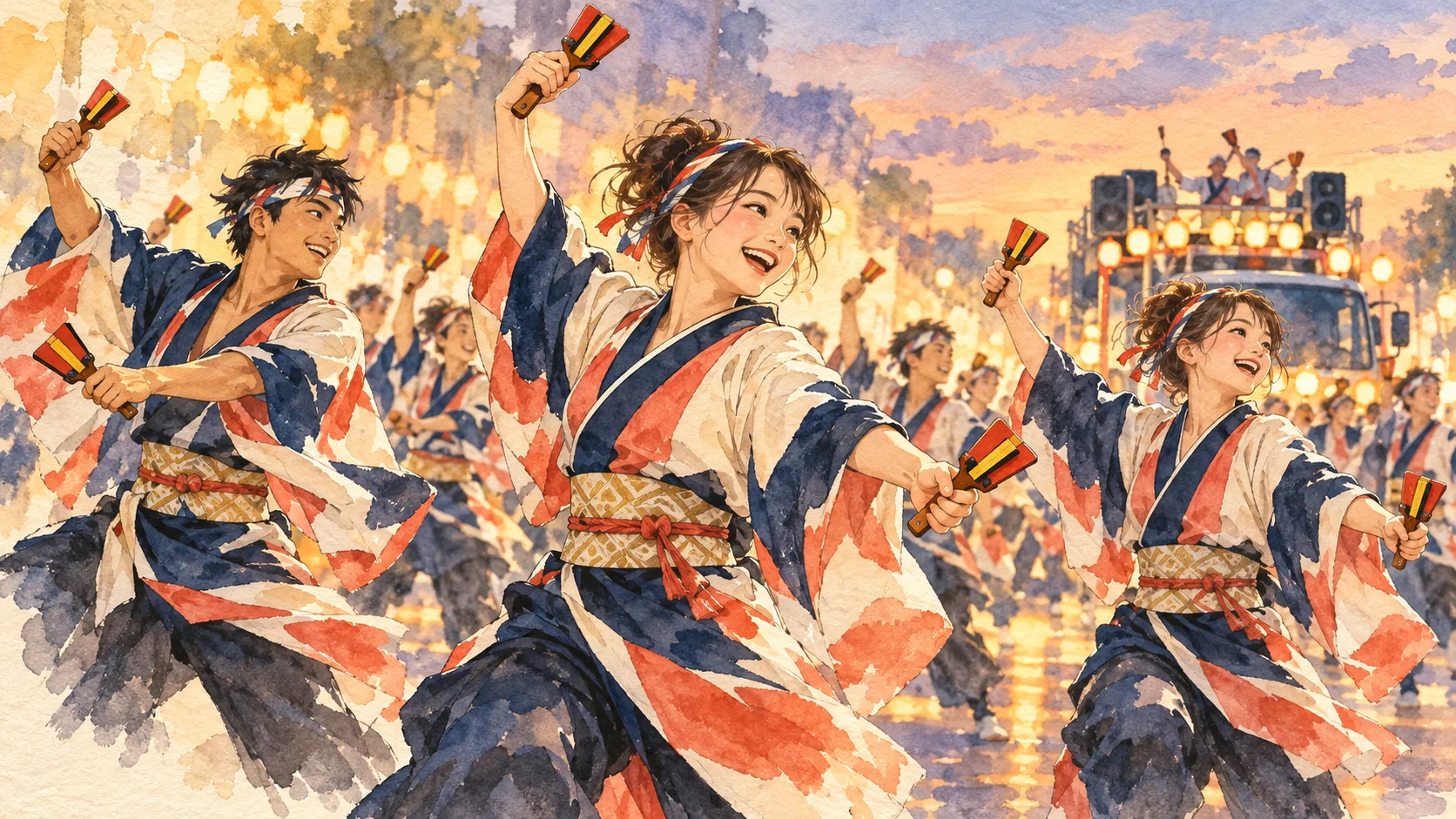
Use the completed 73rd festival in 2026 to compare Otesuji bench seats, wheelchair areas, four-person tables and roadside viewing in Obiyamachi. Plan an early dinner, a room break before entry and a walk back.
Choose the venue by where you want to watch
The official 2026 venue information lists Otesuji as the headquarters competition venue and Obiyamachi as a performance venue. For a first visit, the key planning difference is that Otesuji offers paid grandstand seating with an assigned position, while Obiyamachi centers on teams moving through the shopping arcade. A fixed position saves you from repeatedly finding space when comparing several teams. Roadside viewing is easier to shorten if you want dinner or a room break after one performance.
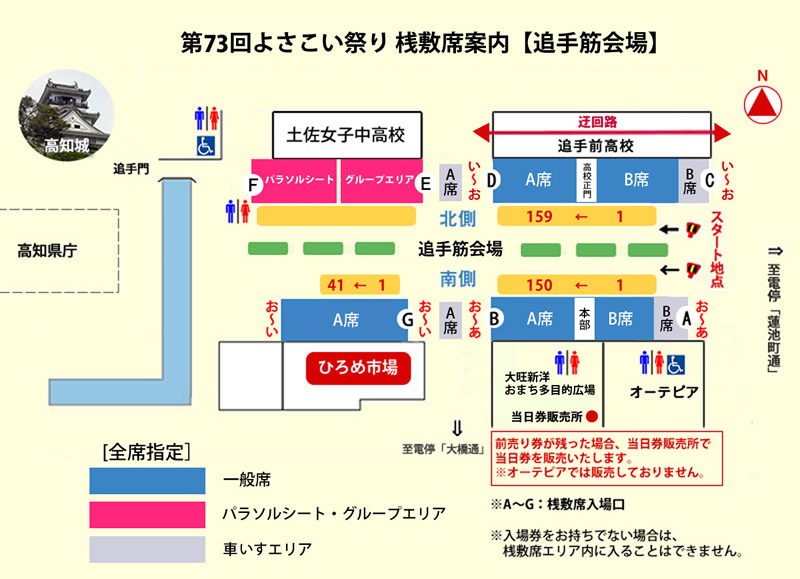
For Otesuji, first identify the north and south sides on the official seating plan for the 73rd festival. The north side is by Otemae High School; the south side is by Hirome Market and Otepia. Both lines of dancers on the plan have arrows pointing east to west, with “start” at the eastern end and “finish” at the western end. Once seated, look east for the approaching jikatasha music truck, then follow the team west. You can then see the truck, front rows and rear rows as one performance.
The official plan labels grandstand entrances A–G and states that only ticket holders may enter the seating area. Performance space, team access points, spectator routes and seating each serve a different purpose. Match your ticket block to the entrance letter and use the spectator entrance. To change your viewing direction, walk around the outer pedestrian route. Leave the road used by trucks and dancers clear, and take photographs from a side where viewing is permitted.
Otesuji lets you sit, but shade netting is not a roof
Fixed seats on Otesuji suit an evening centered on dance. From the same position, you can compare how each team uses the same road: formation width, turns, and the movement of costumes and clappers are easier to follow. Companions with different interests in photography can watch what interests them without arranging a new meeting point every few minutes.
The 2026 grandstand guide describes standard seating as fully reserved benches, with about 60 cm of width per person. A seat removes the need to stand for long periods, but consider your sitting position, bag and children when booking. These are not theater seats with backs and armrests. Leave large bags at your accommodation and bring a small bag that fits within your space, so your belongings do not obstruct you when you stand to leave.
That year’s rules stated that the grandstands had no roof. Standard seats on the Otemae High School side did not even have overhead shade netting. To reduce daytime heat, compare the side and session as well as the seat category. Evening removes direct sun, but you still need rain gear. If reliable rain shelter is essential, this condition directly affects whether fixed seating suits you.
Watch one team in Obiyamachi before deciding how far east to go
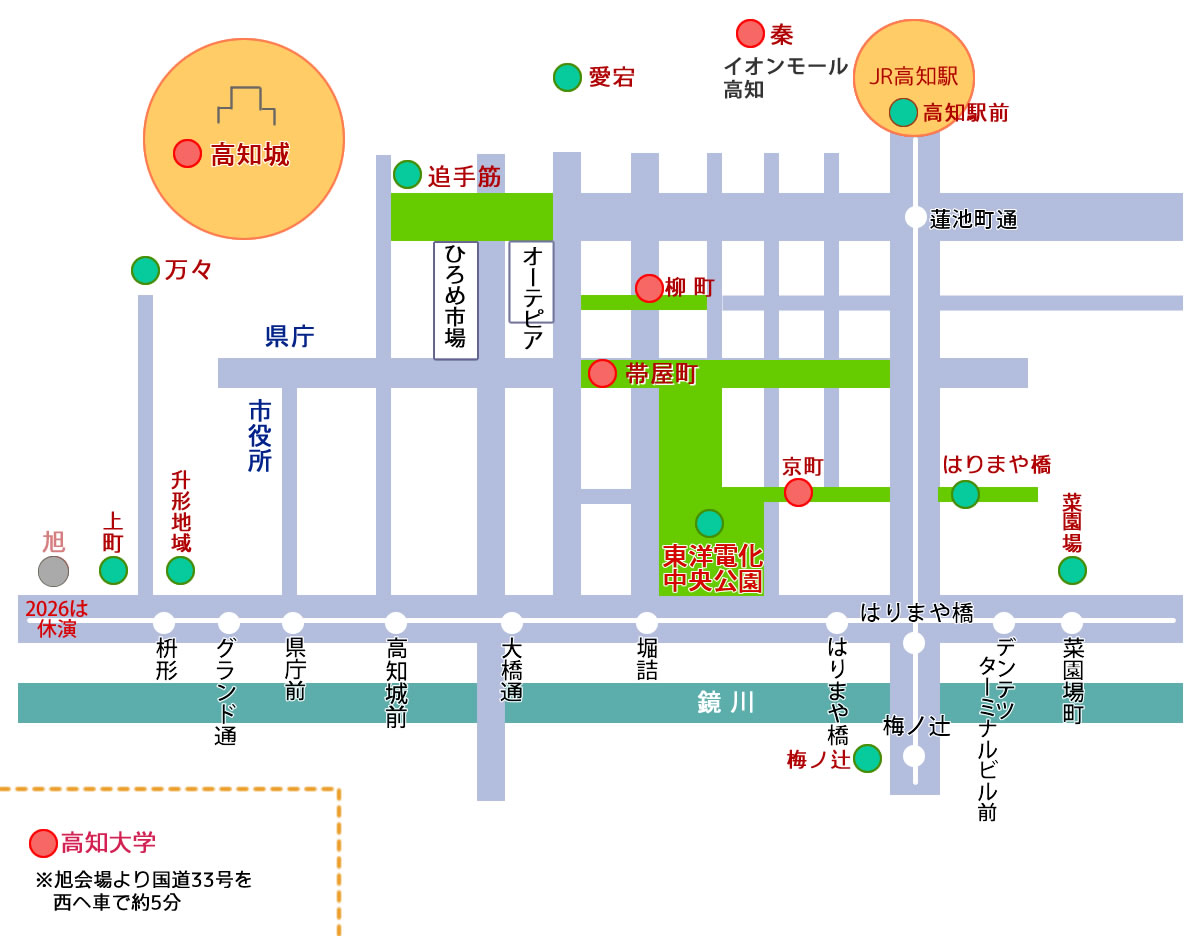
Obiyamachi is the shopping arcade area south of Otesuji. Use Hirome Market, Otepia and Horizume tram stop to orient yourself on the 2026 venue map. Official performance hours on both main festival days were 11:00–22:00, starting well before Otesuji’s evening session. Choose the arcade for an afternoon viewing stretch followed by an early dinner. If sitting is the priority, use the afternoon to check in and rest, then go straight to Otesuji after dinner.
For roadside viewing, choose a place where stopping is allowed and a passage remains clear behind you. Wait for one team to pass. Do not begin with a plan to follow dancers through the entire arcade. Standing in one place makes it easier to see the team from front to rear. Then decide whether to wait for the next team or step back into the passage and leave. Move out of the spectator line before checking phone navigation; do not stop at the narrowest point to find your way.
The arcade works well for two viewing periods with a meal or room break between them. If two or more people split up to shop, photograph one shop sign as your meeting point and agree which side of the passage to wait on. A named shop is easier to find than “somewhere in Obiyamachi,” but keep its entrance clear for customers. When a team approaches, do not cut through spectators to chase a photograph from the other side.
Kochi Sun Sun TV reports on Obiyamachi performances on the first main festival day in 2026. Look at performances along the shopping arcade before deciding whether to watch one stretch or split viewing around meals and breaks.
Listen for the naruko, then watch the wrists
The tourism association’s naruko guide explains that dancers use handheld clappers to create rhythm. Dancing with naruko is one of the festival’s few explicit rules. On a first viewing, focus on the hands: how do sound and movement connect when wrists turn or arms rise and draw back? Even when the music is dense, visible clapper movements help you follow the team’s beat.
You do not need to film wide shots throughout. Watch one row’s clappers, then look up to see its relationship with the rows behind. This reveals more about the whole team than continually zooming in on one dancer. With children, ask which hand holds the clapper or which movement makes everyone turn together. You can observe all of this from one spot, and it gives you something to discuss while waiting for the next team.
To compare two teams, use the same wrist turn or raised-arm movement as a reference. One team may sound its clappers continuously through a fast passage; the next may place the sound at a more distinct pause. Listen to the row in front of you, then see whether the rear rows move at the same time. It becomes easier to distinguish unison from deliberately staggered choreography. If you want clappers to take home, buy them from a sales stall and remain in the spectator area while watching.
Follow the music truck through to the rear rows
The jikatasha is a decorated truck at the head of a team. The tourism association describes its platform as a live stage, which may carry guitar or taiko performances. Teams also put effort into the truck’s decoration and design. As it approaches, look at what is happening on board, then follow your gaze to the dancers behind. This shows how sound leads the team forward more clearly than photographing only the front of the truck.
To see a complete team, start with the truck and front dancers and remain in place until the rear rows pass. The lead from the front, synchronized turns and passage past your viewing point are all worth allowing time for in a moving street performance. Team lengths and progress vary. Plan around a complete passage rather than assuming every team takes exactly the same number of minutes.
Photograph the truck from the spectator side and wait for it to enter your view. Do not approach its body for a shot or step backward into the road to photograph people on board. Vehicles, performers and spectators are close together. Holding your position makes continuous shots easier and leaves you ready to watch the next row. For another angle, wait until the team has passed, then move around the outside.
Why teams sound different despite a shared musical base
The official music guide says Eisaku Takemasa composed “Yosakoi Naruko Odori” before the first festival, drawing on the folk song “Yosakoi Bushi.” Teams later developed arrangements using samba, rock, jazz, reggae, taiko and other styles. Sudden changes of style are normal at the festival and offer a useful way to compare teams.
After the first team, listen to the next team’s opening before looking at its movements and costumes. Do arms rise together on the strong beat? Are movements tightly packed or separated by pauses? What is being played on the truck? The answers are in front of you. Watching only familiar musical styles can make you leave too soon. Stay for one more team in the same place and the previous team’s character often becomes clearer.
Kochi’s Yosakoi and Tokushima’s Awa Odori are separate festivals. Awa Odori Kaikan has its own system of indoor shows, combined tickets and participation sessions. This Kochi evening depends on the venue, that year’s performances and grandstand tickets. To add Tokushima, read the half-day guide to Awa Odori Kaikan and Mount Bizan and choose what you want to see in each city separately.
What a 2026 standard evening ticket covered
On August 10, 11 and 12, 2026, Otesuji standard seating and wheelchair areas had a 13:15–17:15 daytime session and a 17:45–21:30 evening session. Standard daytime seats cost ¥1,000 for B and ¥2,000 for A; evening seats cost ¥2,000 for B and ¥3,000 for A. For two people that evening, two B tickets totaled ¥4,000 and two A tickets ¥6,000, plus ticket-agent fees.
For a one-night stay, the evening session lets you eat early and then watch continuously from one place. If you have already visited the castle or traveled between cities, you do not need a daytime ticket merely to fill the day. Use the afternoon to check in and rest so you can focus in the evening. You can also finish before 21:30 and return directly to your accommodation; there is no need to stay until the printed end time.
Standard seating and wheelchair areas require one ticket per person. The 2026 rules admitted children aged three and under free, but charged for a separate seat even at that age. Decide whether each child needs a seat before counting tickets for the group. Consider the roughly 60 cm of bench space per person alongside whether a child can remain on an adult’s lap. Buy the actual number of seats needed if everyone should have a defined place.
Four-person tables and group areas: single parts versus passes
In 2026, parasol seats provided a four-person table with a sun umbrella. Daytime parts were 13:15–15:05 and 15:25–17:15; evening parts were 17:45–19:30 and 19:45–21:30. One area cost ¥15,000 for one part. A pass for both daytime parts or both evening parts cost ¥25,000. Four people sharing the first evening part paid ¥3,750 each; four sharing the evening pass paid ¥6,250 each.
A single part suits four people who want to sit for the first half of the evening and then return to their room. A pass suits those who intend to remain in that area all evening. Both prices are per area. If three people use a ¥15,000 area, the cost is ¥5,000 each. Calculate the space the whole group needs before the per-person price, rather than assuming a four-person table always produces the lowest quoted share.
The same festival also listed a group area at ¥30,000 per part or ¥50,000 for the corresponding two-part pass. Equipment and layout appear on the official group-area page. Couples and small families can first compare the four-person parasol option with individually priced standard seats. For example, two adult evening A tickets totaled ¥6,000, which was ¥9,000 less than using a ¥15,000 parasol area alone for one part. The viewing periods also differ.
Parasol seats and group areas are purchased as one ticket per area. Tickets for the corresponding number of people are then handed out at the entrance, and seat numbers are given on entry that day. Standard ticket sales allow a block choice but not an exact seat within it. If companions buy separately, match the date, daytime or evening session and block first. To sit together, handling the group in one transaction within its allowed capacity is easier to manage.
Count the companion in wheelchair-area tickets
The 2026 wheelchair area was an unassigned space inside a tent. Daytime prices were ¥500 for B and ¥1,000 for A; evening prices were ¥1,000 for B and ¥1,500 for A. The official rules required both the wheelchair user and one accompanying person to buy wheelchair-area tickets. The companion used a folding chair. One wheelchair user and one companion paid ¥2,000 in total for evening B or ¥3,000 for evening A.
If other family members join, arrange the area each person actually needs. One companion ticket does not cover everyone. At the entrance, explain your group size and mobility equipment together so staff can direct you to the correct space. Watching inside the wheelchair area and reaching your accommodation afterward are separate needs. Allow a return route with enough pedestrian space rather than leading the whole group into a narrow alley at departure.
The 73rd festival seating plan marks wheelchair areas in pale purple. Both north and south sides have A and B areas, with A west of B on each side. South B is near Otepia; north B is near entrance C on the plan. Match the ticket’s A or B area with the plan’s north or south side. Once on the correct side, approach staff for guidance. The plan also shows an accessible toilet by Otepia. Identify the toilet direction on your side before entry to reduce movement during performances.
Choose a sales channel that lets you complete ticket collection
General sales in 2026 began at 10:00 on June 29. Official information listed Japanese convenience stores and websites as purchase options. Standard seats were sold through Ticket Pia, Lawson Ticket, eplus and other channels. Wheelchair areas, parasol seats and group areas were limited to the dedicated Pia page or Seven-Eleven. Online Pia purchases required membership. Read the account, payment and collection requirements together; finding a ticket button does not complete the purchase.
For travelers arriving from abroad, the useful check is whether you can complete registration, payment and collection through your chosen channel. Pia’s 2026 online sales required membership, so complete that account and payment process first. If collection is required in Japan, schedule it before entry and retain the order and collection details. For a travel-agency package, ask exactly which date, part and seat category it includes.
Same-day tickets were available only from advance-sale leftovers that year, and lost tickets were not reissued. Save the order after payment. Once collected, keep paper tickets in a waterproof pouch until entry. A payment screen on your phone does not replace the channel’s required collection procedure. If you need seats, do not treat buying on arrival as a fixed plan. Use roadside arcade viewing if no suitable tickets remain. Each transaction allowed up to 10 standard tickets, six wheelchair-area tickets, or one area each for parasol seats and group areas. Two families buying together should separate the required ticket types before checkout to avoid exceeding a limit.
The seated plan: eat early, then stay on Otesuji
Using the August 10, 2026 evening session as an example, allow 16:00–17:00 for an early dinner. After 17:00, walk toward your Otesuji entrance, have tickets checked, find your seats and use the toilet before the 17:45 start. Dinner at 16:00 and early arrival are this guide’s suggested timing; 17:45–21:30 was the official evening session that year. If dinner takes longer, drop extra shopping and go straight to the entrance.
Watch one complete team, then compare the next team’s music, clapper movements and formations. A break need not turn into a rush to another venue. Drink water or put the camera away briefly while continuing to watch. Agree on a finish time the family can accept, such as 20:30, and prepare to leave after the current passage. That suggested early finish suits an early start the next day or children who need sleep.
Use the spectator exit, then open navigation on the outer sidewalk. If you chose accommodation near Obiyamachi or the station, save its address, entrance photograph and contact details before leaving. Use the phone to identify the neighborhood, and follow open pedestrian routes at intersections. With your main meal already finished, the evening can stay focused on dancing rather than searching for dinner after the event.
Plan arcade viewing and reserved-seat entrances separately
For Obiyamachi, a suggested afternoon on a 2026 main festival day is to find a roadside spot around 15:30 and leave the spectator line around 16:15 for an early dinner. These two times are itinerary suggestions. Stay for the next team if you want longer viewing, or return to your accommodation after eating if you want to finish early.
For reserved Otesuji seats, identify your ticket’s north or south side before leaving. The 73rd festival plan places south entrances A, B and G between Otepia and Hirome Market. North entrances are C, D, E and F, with an east–west detour north of Otemae High School. Once near the correct entrance, allow a suggested 30 minutes to find it, wait and have tickets checked. Match the letter and signs as you approach. Use spectator entrances and leave performance roads and dancer access points clear.
If you have no reserved ticket and want flexible arcade viewing, make Obiyamachi your main venue that evening. With an Otesuji ticket, schedule dinner and entrance arrival before the evening session and reduce afternoon activities. Each plan centers on one venue. Agree how long you want to sit, or which roadside passage will mark your finish, and choose according to your energy.
Take the room break before entering reserved seating
For a child’s nap, reserve the afternoon for a room break, then eat early before going to your chosen venue. With Otesuji evening tickets, complete the round trip to your room before the first ticket check. For arcade viewing, leave according to waking and meal times. The Kochi Station and castle-town accommodation guide compares station and arcade bases. First choose how far you are willing to walk that evening.
Bring all tickets and room keys when you leave after resting. Standard-seat tickets are individual. For parasol seats and group areas, first use the area ticket at the entrance to collect the corresponding number of tickets, then distribute them. Complete this as a group. Anyone leaving early can then take their own ticket and room key without returning to someone who stays for their belongings.
If two adults bring children and one may leave early, divide tickets, room keys and children’s supplies before entry, and save the accommodation address on both phones. Both the early-departure group and those staying should carry their own belongings and remain reachable. Tell each other which side you are on where entrances are split north and south. Organizing belongings and contact details before leaving is easier than arranging a handover at an intersection during a performance.
Choose one main meal; check the Sunday Market’s day and date separately
For a fixed evening session, finish the main meal before entry. If eating early at Hirome Market, include finding seats and ordering from individual stalls in your meal time. If it is crowded, choose a meal you can finish before entry. For roadside Obiyamachi viewing, leave the spectator line after a team passes and let dinner follow your viewing finish. For ordinary-day market dining and shops, see the Kochi Castle and Hirome Market day guide.
The Sunday Market is a separate activity. Kochi City’s information updated May 26, 2026 gives Sunday hours of about 06:00–14:00, including setup and packing, with closures on January 1–2 and August 10–12. There are no replacement openings on other weekdays. The 2026 main festival dates, August 10 and 11, were Monday and Tuesday, so they cannot include a Sunday Market morning. August 12 was Wednesday and the same applies.
If visiting on Sunday, August 9, separate the morning market and evening opening festival with a room break. Do not assume the street arrangement during the morning market will be the evening dance-viewing layout. For a one-night visitor still traveling between cities during the day, dropping the market is the simplest way to protect baggage storage, dinner and entry time. The castle and exhibition venues also have daytime opening hours; an evening festival does not require completing every city sight at once.
Bring a raincoat; refunds depend on official cancellation
The 2026 viewing rules stated that light rain would not stop the event. Grandstands had no roof; spectators were asked to bring raincoats and not use umbrellas while watching. Keep a raincoat accessible before leaving and waterproof your phone and tickets separately. You can put it on while seated without searching a large bag after rain starts. If you use an umbrella while walking, close and secure it before seated viewing so it does not block people behind you.
Tickets could not be changed or canceled by the buyer after purchase. Refunds applied only when a performance was canceled because of heavy rain or similar causes. Kochi City Tourism Association would announce details, and the ticket was required. Choosing to return to your room early differs from official cancellation. If a stoppage is announced, keep the ticket and follow the notice. Retain train, accommodation and restaurant orders separately and contact each original booking channel.
In heavy rain or under disaster instructions, follow staff out of the viewing area to the designated safe place. Do not wait at the entrance to photograph one last team. A raincoat helps with light-rain viewing but does not replace evacuation. Before returning to your accommodation, gather the group and use open pedestrian routes. End the evening by reaching the property safely and handle administrative steps indoors.
Reach the outer streets before returning to Kochi Station or your room
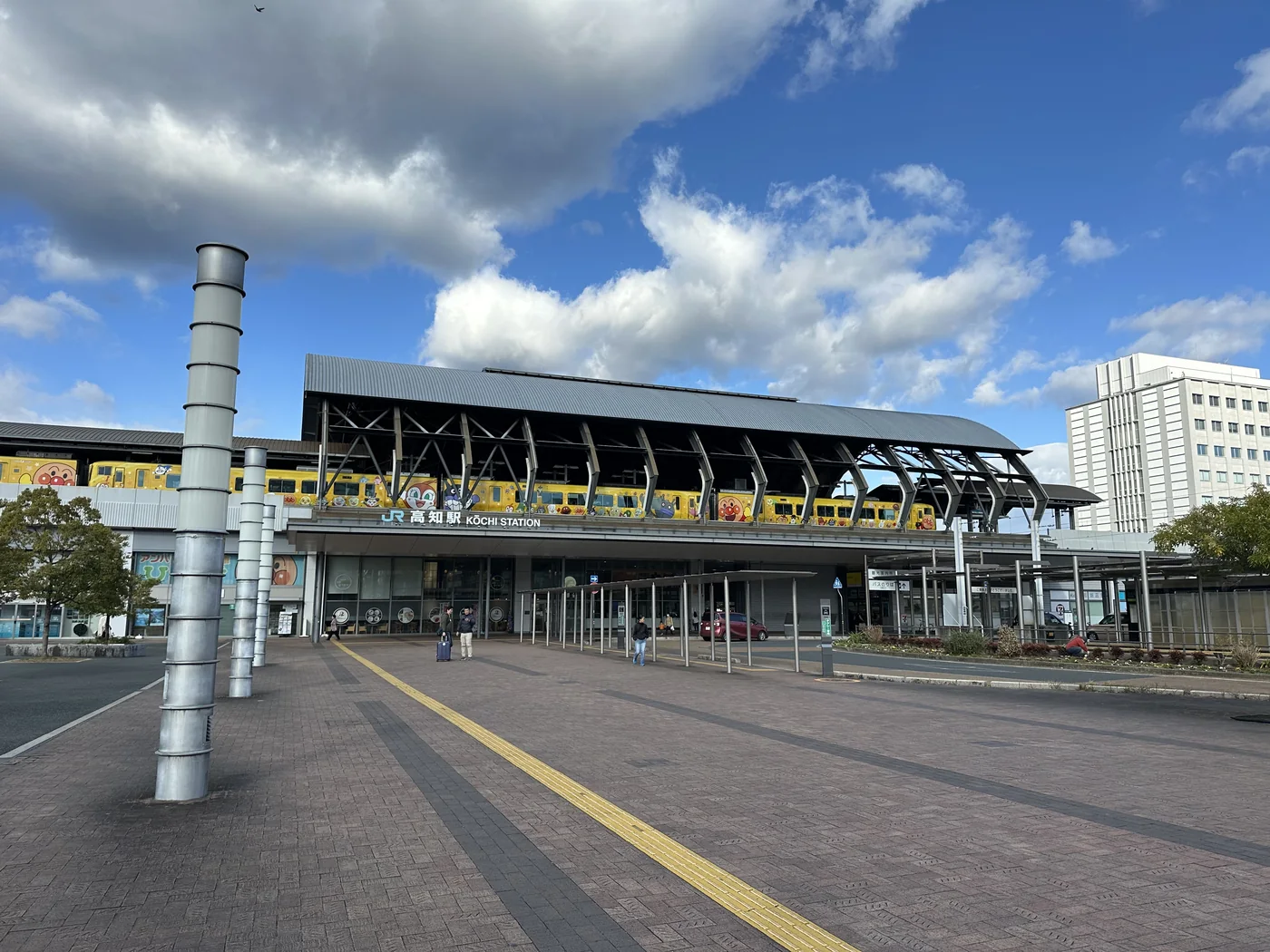
The 2026 venue map places JR Kochi Station northeast of Otesuji, with Obiyamachi to its south. The north–south tram line connects Kochi Station, Hasuikemachi-dori and Harimayabashi. If staying near the station, use these relative positions to orient yourself. From Otesuji, the general return direction is northeast toward JR Kochi Station’s south exit. Allow a suggested walking budget of 30–40 minutes, including leaving crowds, waiting at crossings and finding the route. Add time for children, mobility equipment or baggage collection.
After Obiyamachi, step away from the performance road into a public passage, then identify the station neighborhood to the northeast. Detour along open sidewalks at closed junctions; do not cross performance roads. To take a tram, use that day’s operating information and stop signs to find the boarding point and direction. For city buses, use festival notices to find actual stops. Choose the next day’s intercity service before departure.
Drivers staying overnight can park and leave bags during the day, then walk to the dancing. Festival road restrictions affect central-city access. Arrange vehicle collection and departure according to your parking facility and on-site instructions. If driving to another city immediately afterward, ask when you can exit the garage first. If you plan to drink alcohol, leave the car in your accommodation parking arrangement and do not retrieve it after returning.
Otesuji grandstands prohibit smoking, pets, drones, and obstructive activities such as placing selfie sticks or tripods or photographing from passageways. To stay another day in Kochi, continue with Shikoku itinerary and transport choices for your next daytime plan.
A few useful answers
Where should I watch Kochi’s Yosakoi Festival if I’m staying just one night?
Book a reserved seat at Otesuji if you want to sit through several performances, and have dinner before you go in. Pick Obiyamachi if you’d rather watch one group pass along the shopping street, then head to dinner or back to your hotel.
What time was the Otesuji evening session in 2026, and how much were regular seats?
From August 10 to 12, 2026, the Otesuji evening session was scheduled from 5:45 to 9:30 p.m. each day. Regular reserved seats cost ¥2,000 in section B or ¥3,000 in section A per person, plus ticketing fees.
How did wheelchair users and companions get Otesuji tickets in 2026?
The wheelchair user and one companion each needed a ticket for the wheelchair area, with a folding chair for the companion. Evening tickets cost ¥1,000 per person in section B and ¥1,500 in section A. They were sold only through Pia’s dedicated page or at 7-Eleven.
What was the rain policy at Kochi’s 2026 Yosakoi Festival?
Performances were scheduled to go ahead in light rain. The Otesuji stands had no roof, so spectators were asked to bring raincoats and put umbrellas away while watching. Refunds were available only if organizers canceled the performance, and you needed your ticket to claim one.
Official information and references
Sources used in this guide.
- Kochi City Tourism Association | 73rd festival Otesuji grandstands
- Tourism association venue guide
- Kochi City Tourism Association | 73rd festival 2026 schedule
- Kochi City Tourism Association | Naruko clappers
- Kochi City Tourism Association | Jikatasha music trucks
- Kochi City Tourism Association | Music
- Kochi City Tourism Association | 2026 venue map
- Kochi City | Sunday Market
- Kochi City Tourism Association | 73rd festival grandstand seating and entrance plan