Compare Awa Odori Kaikan shows, museum admission and Bizan Ropeway combination tickets. Calculate costs for adults, junior high and elementary school students, and plan a winter visit with the mountain before dinner and the evening show.
- Region & Focus
- Tokushima City
- Reading Scope
- 25 min read · 14 chapters · 4 Q&As
- Official Verification
- 6 official sources checkedUpdated November 22, 2026
- Key Topics
- ItinerariesBookingSeasons
Chapter Route Map (tap any stop)
- Choose the focus of your half-day visit
- Buy tickets on the first floor
- Use the museum to connect objects with the dance
- Daytime and evening shows have different performers
- Calculate combination tickets by school level
- Family budgets depend on each child’s category
- Board on the fifth floor and allow separate summit time
- April–October: see the night view before the evening show
- November–March: descend first, even on 19:30 extended-performance days
- Three workable half-day sequences
- Handle closures, canceled shows and weather separately
- Small groups, wheelchair access and shared plans
- Fit the free fifth-floor gallery and first-floor shopping into spare time
- Return to Tokushima Station or keep the evening show for an overnight stay
- Quick Q&A
In winter, visit Mount Bizan first, come down for dinner, then return to Awa Odori Kaikan for the 8 p.m. show. The ropeway normally closes at 5:30 p.m. from November through March. The daytime three-attraction ticket includes the museum, daytime show and return ropeway ride, at ¥2,640 for adults. Choose your performance first, then buy tickets, rather than trying to fit every floor into the day after arrival.
Choose the focus of your half-day visit
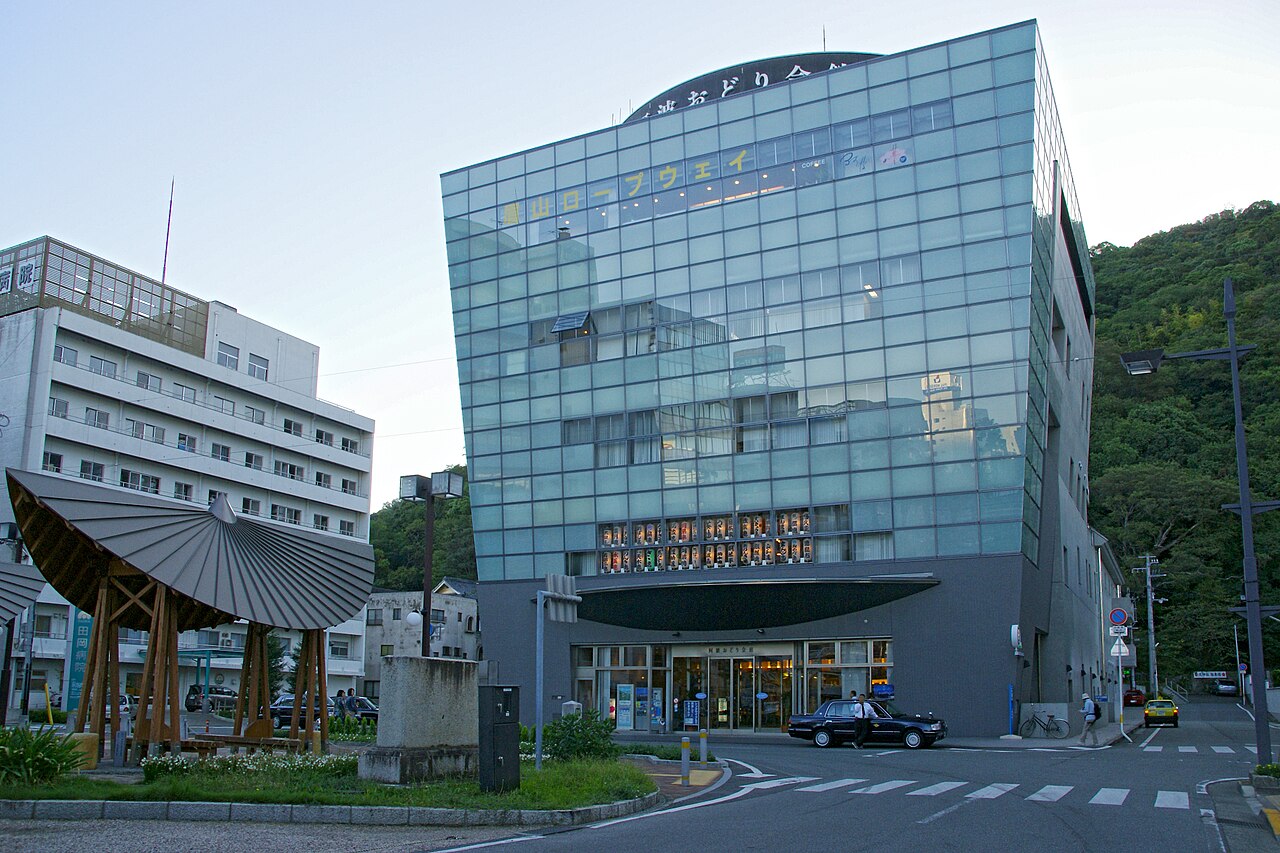
Awa Odori Kaikan combines performances, exhibitions and the lower station of the Bizan Ropeway in one building. It suits a city half-day after storing luggage. To learn about Awa Odori, start at the third-floor museum, then see a daytime show on the second floor. In good weather, add the ropeway from the fifth floor for a view over the city. Evening shows feature a different well-known dance troupe each day. They suit visitors staying in Tokushima who can eat before the performance.
These options need different amounts of time. One show does not require the whole afternoon. For the museum, show and ropeway together, allow separately for exhibitions, waiting and a summit walk. The six-minute ropeway ride is travel time in one direction; 12 minutes is not the full mountain visit. If you have an essential intercity departure, plan backward from the station return and remove either the mountain or one indoor activity.
For a first visit without a preferred troupe, a daytime show and museum give a connected experience and allow departure the same day. If the evening performance matters most, center the visit on it and buy other facilities separately. The combination ticket saves money when you use all three attractions. Adding an unwanted performance to justify it costs both time and money.
Compare Awa Odori Kaikan shows, museum admission and Bizan Ropeway combination tickets. Calculate costs for adults, junior high and elementary school students, and plan a winter visit with the mountain before dinner and the evening show.
Buy tickets on the first floor
The official floor guide lists tourist information on the first floor, with event and facility information and tickets for shows, the museum and Bizan Ropeway. The address is 2-20 Shinmachibashi, Tokushima City. Navigate from the station or hotel to Awa Odori Kaikan. Ropeway passengers also start here; the summit is not the destination for your city walk.
Store luggage near the station first to make the journey after the show easier. At the hall, state the performance you want, whether each person is in high school or older, junior high or elementary school, and whether you need return ropeway tickets. “Two adults and a child” misses the different fare rules for junior high students. Ask for assistance with floors or seating while buying tickets so staff can arrange a suitable route.
Ask on the first floor about that day’s shows and ropeway operation before choosing the three-attraction ticket, especially in strong wind, low cloud or when someone is unsure about the mountain. Note the show start and museum last admission separately. Sharing a building reduces travel between attractions, but choosing tickets, changing floors and entering each space still takes time.
Use the museum to connect objects with the dance
The third-floor Awa Odori Museum normally opens 9 a.m.–5 p.m., with last admission at 4:45 p.m. General admission is ¥500; elementary and junior high students pay ¥300. Exhibits cover clothing, props, musical instruments past and present, and the development of Awa Odori, with interactive areas too. Allow about 45–60 minutes as your own planning estimate, more for detailed reading or costumes, or select a few exhibits before a show.
Find an object you can recognize on stage later. For costumes, look at how clothing and accessories form the dancer’s outline. For rhythm, spend time with the instrument displays, then listen to how sound matches steps during the show. Children less interested in text can start with interactive exhibits while adults take turns reading. Bring one question into the theater together.
The museum need not be a test before the performance. Watching first and returning to compare costumes and props also works, especially if the dance is unfamiliar. Timing matters: the 2 p.m. show leaves much of the afternoon, while the 4 p.m. show finishes around 4:40 p.m., only five minutes before last museum admission. Put the museum before that show for a detailed visit.
Evening-show visitors also need to finish the museum during the day. It closes at 5 p.m., so it cannot be added after dinner. If you arrive only at night, buy the evening performance and leave the museum for another daytime visit. Groups splitting between exhibits and rest can agree on a meeting time at the second-floor performance entrance.
Daytime and evening shows have different performers
The daytime Odoranas onson (おどらなそんそん) Awa Odori show is performed by the hall’s resident Awa no Kaze troupe. Usual starts are 11 a.m., 2 p.m., 3 p.m. and 4 p.m., with each show lasting 40 minutes. Tickets cost ¥1,300 for high school students and older, and ¥700 for elementary and junior high students. Lunch can follow the morning show; afternoon shows fit after arrival and luggage storage. Choose one for a first visit and leave the remaining time for the museum or mountain. Prices and normal hours were checked on October 28, 2026.
The evening Mainichi Odoru Awa Odori normally runs 8–8:50 p.m., with one well-known troupe performing each day on rotation. Tickets cost ¥1,600 for high school students and older, and ¥800 for elementary and junior high students. Check your travel date on the official evening schedule for a particular troupe. Staying overnight means you can return to your accommodation after the show without fitting those 50 minutes before a final intercity journey.
Both shows include audience participation. The dedicated second-floor hall has 250 seats. A daytime show gives beginners both observation and a chance to try the dance, so participation alone does not require another evening ticket. To compare troupes, treat the evening show as an extra and decide what you want to see before paying for a second admission.
Performance participation and the third-floor interactive exhibits take place in different spaces. One is part of the live show; the other belongs to the museum. A museum ticket alone does not include the complete second-floor performance. Describe the museum, daytime show and evening show separately when planning with companions.
An introduction to the hall exterior, local products area and audience dance participation.
Calculate combination tickets by school level
The official fare table gives a three-attraction ticket for the museum, daytime show and return Bizan Ropeway ride. It costs ¥2,640 for high school students and older, ¥2,000 for junior high students and ¥1,440 for elementary students. Evening shows require a separate ticket. Choose it when you want all three and can fit their opening hours. Select the daytime performance first, then put the museum before it or the summit afterward.
For adults, separate tickets total ¥500 + ¥1,300 + ¥1,500 = ¥3,300, saving ¥660 with the combination ticket. For junior high students, ¥300 + ¥700 + ¥1,500 = ¥2,500, saving ¥500. For elementary students, ¥300 + ¥700 + ¥800 = ¥1,800, saving ¥360. Each combination is 80% of its listed separate total. School level determines the category; do not simply halve the adult fare.
Junior high students are the easiest category to miscalculate. They use the schoolchild price at the museum and shows but the general ropeway price for junior high and older: ¥1,500 return. A junior high combination ticket therefore costs ¥560 more than an elementary ticket. The difference comes from the ropeway category. High school students use the adult column for all three.
For only the daytime show and museum, adult tickets total ¥1,800, ¥840 less than the combination; elementary and junior high students both pay ¥1,000. For only the daytime show and return ropeway, adults pay ¥2,800 separately, making the combination ¥160 cheaper. Junior high students pay ¥2,200, a ¥200 difference; elementary students pay ¥1,500, a ¥60 difference. Use this comparison for price decisions without missing your intended return just to enter an extra exhibition.
Evening plans use a different calculation. An adult evening show at ¥1,600 plus the ¥1,500 return ropeway totals ¥3,100; adding the museum makes ¥3,600. An adult daytime combination plus the evening show costs ¥4,240, ¥640 more than that evening-based three-attraction visit, with an extra daytime performance. If you want only the evening show, buy the needed items separately.
Family budgets depend on each child’s category
Two adults and an elementary student pay ¥2,640 × 2 + ¥1,440 = ¥6,720 for combinations. Separate tickets total ¥3,300 × 2 + ¥1,800 = ¥8,400, a saving of ¥1,680. With a junior high student, the combination total is ¥7,280 versus ¥9,100 separately, saving ¥1,820. Add each person’s category first, then meals and transport.
For the same two adults and one child, just the daytime show and museum cost ¥1,800 × 2 + ¥1,000 = ¥4,600. Elementary and junior high students cost the same here. That is ¥2,120 below the elementary-family combination total or ¥2,680 below the junior-high-family total. If weather or tiredness rules out the mountain, this comparison is more useful than the 20% discount: the actual ropeway decision determines spending.
Family members can buy different tickets. For example, two adults using all three attractions and one elementary student visiting only the museum and daytime show pay ¥2,640 × 2 + ¥1,000 = ¥6,280. Agree who will ride and who will stay in town, then set a meeting point after descent. These totals cover facility admission, excluding meals, parking and local transport.
For preschool children or visitors seeking concessions, state ages and documents at the first-floor desk. The official FAQ lists discounts on performances and museum admission for a disabled visitor and one companion with an original disability handbook or a specified electronic version. Visitors with overseas documents can ask about acceptance before paying. Establish each eligibility condition before calculating the family total.
Board on the fifth floor and allow separate summit time
The lower Bizan Ropeway station is on the fifth floor. The ride takes about six minutes one way. The official fare chart lists a normal 15-minute interval, adjusted during busy periods. Junior high students and older pay ¥900 one way or ¥1,500 return; elementary students pay ¥500 or ¥800. For a ropeway return, buying the return ticket saves ¥300 for adults and ¥200 for elementary students compared with two singles.
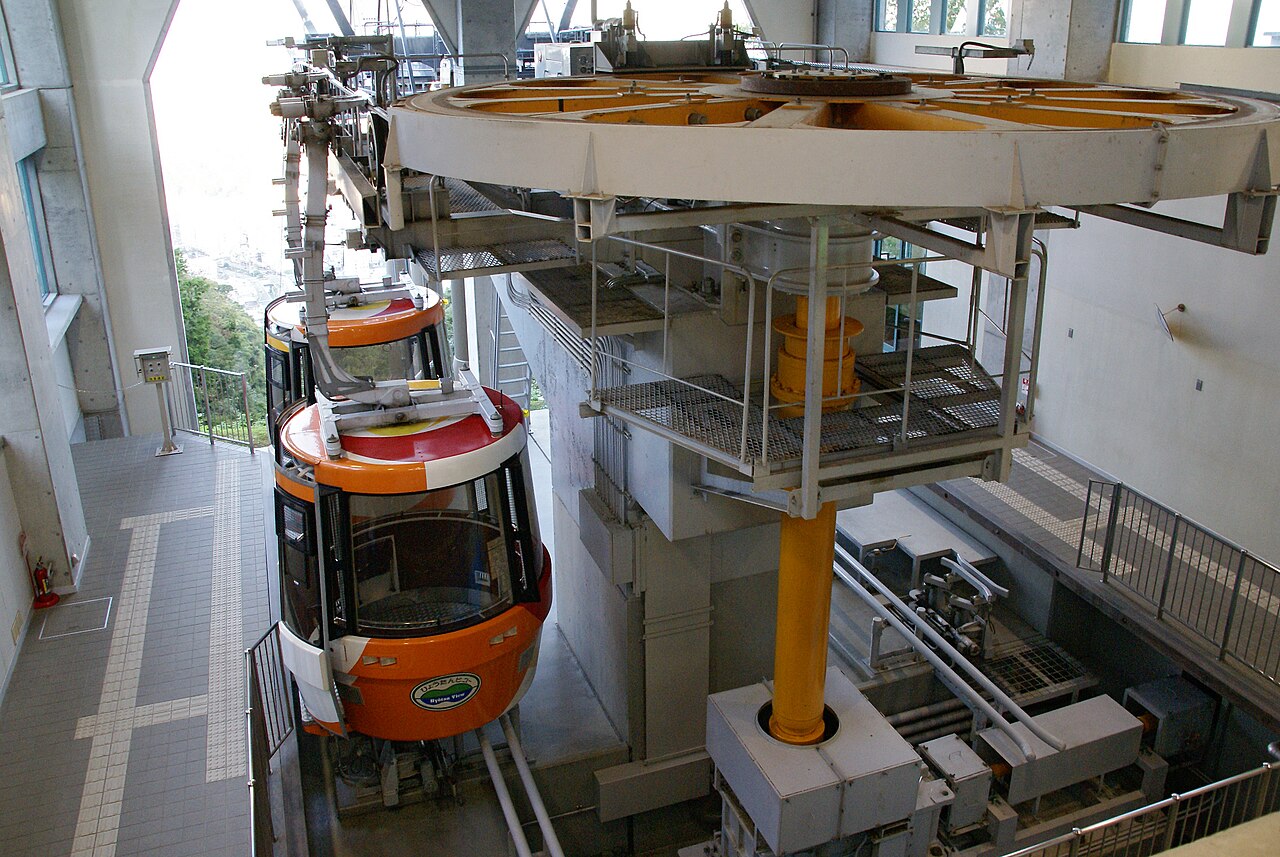
A single ticket suits a planned alternative route up or down. For a normal city half-day returning to the hall, use a return or combination ticket. The lower single fare does not remove the cost of coming down. If walking down, plan the trail, surface and required time separately; the six-minute ride is not the whole journey between summit and city.
At the summit, look across the Tokushima Plain, Yoshino River and toward the Kii Channel. The official introduction names the distant Onaruto Bridge and Awaji Island, with the Kii Peninsula visible in good weather. Nearby rivers and the city layout also deserve time. Allow your own 30–45 minutes at the summit, plus getting off, waiting and returning to the fifth floor. Add time for slower photography or a seated rest.
Adjust viewing time to visibility. On a clear day, find the direction of places you have walked. If low cloud hides distant views, shorten the outdoor stay and return time to the hall or dinner. Ask about the day’s return arrangements before boarding and aim for an earlier descent rather than leaving the viewpoint just before closing.
April–October: see the night view before the evening show
Normal ropeway hours from April 1 to October 31 are 9 a.m.–9 p.m. For the night view and 8 p.m. performance, visit Bizan first and return to the second floor before the show. Watching the show first leaves only ten minutes from its 8:50 p.m. finish to closing, including leaving seats, reaching the fifth floor, boarding procedures and waiting, with no useful time for summit viewing and descent.
Set a comfortable return target, such as completing descent before 7 p.m., then use the time for tickets, the restroom and reaching the hall. For a full dinner, eat before the mountain or descend earlier. Avoid squeezing sunset, a restaurant reservation and the show into the final hour.
Add the sunset time for your actual date. Daylight varies greatly between April and October, so an evening ascent does not offer daylight, sunset and darkness in every month. For a city panorama, a daytime ride fits the daytime combination more easily. For night views, visit the museum in daylight and the mountain before the evening show, omitting the daytime performance if necessary.
November–March: descend first, even on 19:30 extended-performance days
Normal hours from November 1 to March 31 are 9 a.m.–5:30 p.m. In winter, complete the mountain return during the afternoon, leave for dinner, then come back for the 8 p.m. show. The ropeway closes at 5:30 p.m. and the museum at 5 p.m.; neither fits after the evening show. Plan an earlier afternoon and a separate evening.
The website also lists extended hours until 7:30 p.m. on Saturdays, Sundays, national holidays and November 2 during November 1–December 31. This adds early-evening mountain time, but still precedes the 8 p.m. show. Finishing descent at 7:30 p.m. leaves a move from the fifth to second floor and requires dinner earlier. Descend sooner for a relaxed connection.
Weekdays and weekends can have different closing times even within November and December. If arriving Friday and leaving Saturday, use the actual afternoon available; do not apply Saturday’s 7:30 p.m. closing to Friday. Plan January–March around the usual 5:30 p.m. closing. The official New Year’s Day opening is separately listed as 6 a.m., a different timetable from an afternoon visit.
A 4 p.m. daytime show followed by Bizan is tight in winter. After the roughly 4:40 p.m. finish, you still need the fifth floor, waiting and the six-minute ascent, then a completed return before 5:30 p.m. Choose the 2 or 3 p.m. show to retain viewing time. If only the 4 p.m. show works, visit the mountain first and put the museum earlier too.
Three workable half-day sequences
A culture-focused example starts at 1 p.m. with the museum, takes the 2–2:40 p.m. show, then the ropeway. An hour in the museum is your allocation; the show follows the normal official schedule, and the mountain needs waiting and walking time. This sequence connects clothing and instruments with their stage use, then looks back over the city. It suits visitors who have eaten and have no immediate long-distance departure.
For children who prefer not to begin with exhibits, choose the 11 a.m. show, visit the museum after its roughly 11:40 a.m. finish, then eat lunch before deciding on the mountain. Lunch need not be forced between two fixed events. Assess the children’s interest before buying ropeway tickets. With an established combination-ticket plan, allow a proper lunch break before reaching the fifth floor tired.
A winter evening example starts at 2:30 p.m. with the museum, completes the mountain return, leaves around 5 p.m. for dinner, then takes the 8–8:50 p.m. show. Museum, return ropeway and evening admission cost an adult ¥3,600. The meal and rest gap suits an overnight stay. If arrival is only in the early evening, omit the museum and mountain and keep the evening show.
Replace these example times with your own arrival and departure. Protect any restaurant or transport booking first, then arrange exhibitions and mountain time. A complete half-day fits the show start, museum last admission and ropeway closing. A comfortable walk back to your accommodation after the dance can serve an overnight stay better than a fourth attraction.
Handle closures, canceled shows and weather separately
The hall lists closure on the second Wednesday of February, June, September and December, moved to the following day if it is a holiday. The official fare and closure chart also lists no daytime shows December 28–January 3, no evening shows December 21–January 11, and museum closure December 28–January 1. Regular shows also pause August 11–15. The ropeway has a winter inspection closure around February. Check the homepage operation status and closure notices when choosing dates. At New Year, plan a ropeway-only visit from its own information and mark museum and performance opening days separately.
In poor weather, adjust the mountain first. The official operation panel reports ropeway status; inquiries are available at 088-652-3617. For hall performances and facilities, call 088-611-1611. If the ropeway stops but the hall opens, keep the museum and one show. Select individual tickets for the facilities available that day before paying.
If it rains but the ropeway operates, decide whether the group wants the mountain with that visibility. For distant city views, move the time to exhibits. For the ride itself, use the operation status and everyone’s preference. Since the hall is central, dropping Bizan does not require another suburban attraction. An earlier dinner or longer museum visit can reconnect the original plan.
Handle the August festival separately. For street festivities and hall performances, continue with the Shikoku travel and Tokushima accommodation guide. On hall closure dates, choose that year’s officially announced events or visit the hall another day. In winter, the evening hall show remains a separate option even without a night ropeway.
Small groups, wheelchair access and shared plans
The official FAQ says reservations are accepted for groups of 20 or more. Individuals and smaller groups come according to show times. Choose a show and buy on arrival; the group reservation process does not reserve seats for a small family. Arrive earlier if a particular performance is central to the trip. If it is too late, compare the next show with your return schedule.
Wheelchair users can watch from their own wheelchair with staff guidance. Three dedicated wheelchairs are available to borrow. Ask on the first floor before tickets and the move upstairs. Museum, theater and ropeway are separate parts of the visit; explain which ones you will use so assistance matches the actual route.
Agree before entry if some want to participate and others want to watch seated. Discuss favorite movements or rhythms together afterward rather than leaving separately during the show. Before the ropeway, use the restroom and get water, then go to the fifth floor. Those staying in the hall can agree on a meeting point with a clear floor number.
Fit the free fifth-floor gallery and first-floor shopping into spare time
The free Moraes gallery SAUDADE stands beside the fifth-floor lower ropeway station. Its permanent display covers the Portuguese writer closely associated with Tokushima, with a timeline, photographs and books. Normal hours are 9 a.m.–5 p.m., with closures following the ropeway schedule. Allow your own 15–20 minutes if interested in local personal histories, or read a selected part while waiting.
This is a different subject from the third-floor Awa Odori Museum. The gallery fits naturally around a ropeway ride; give the third floor longer for dance, costumes and instruments. Both close at 5 p.m. If you arrive afterward for the evening show, use the time for dinner and performance preparation.
The first-floor Arudeyo Tokushima shop sells local products including indigo-dyed goods and sweets with sudachi citrus or Naruto Kintoki sweet potato. Normal hours are 9 a.m.–8 p.m., shortened to 9 a.m.–6 p.m. on December 21–27 and January 2–11. It closes December 28–January 1 and on regular closure days. Shop after a daytime show or descent; the 8:50 p.m. evening finish is after normal shop closing. Ask companions whether they want snacks or crafts before allocating shopping time.
The shop lists one free hour at designated parking lots with purchases of ¥3,000 or more, including the hall lot, Bizan lot and Shinmachi underground parking. If you already intend to shop, ask staff to process the benefit for your parking lot. Avoid extra purchases just to save an hour’s parking. A mountain ride, show and museum usually exceed an hour, so calculate parking for the actual full stay.
Return to Tokushima Station or keep the evening show for an overnight stay
On an eastern Shikoku trip linking Takamatsu and Tokushima, place this half-day after arrival or before departure. If check-in is needed on arrival day, the 2 p.m. show usually fits more easily than 11 a.m. For an afternoon arrival, compare the 3 and 4 p.m. shows and whether winter Bizan needs to come first. On departure day, check out and store luggage, then allow time to collect it and reach the station after activities. Show finishing time is not platform arrival time.
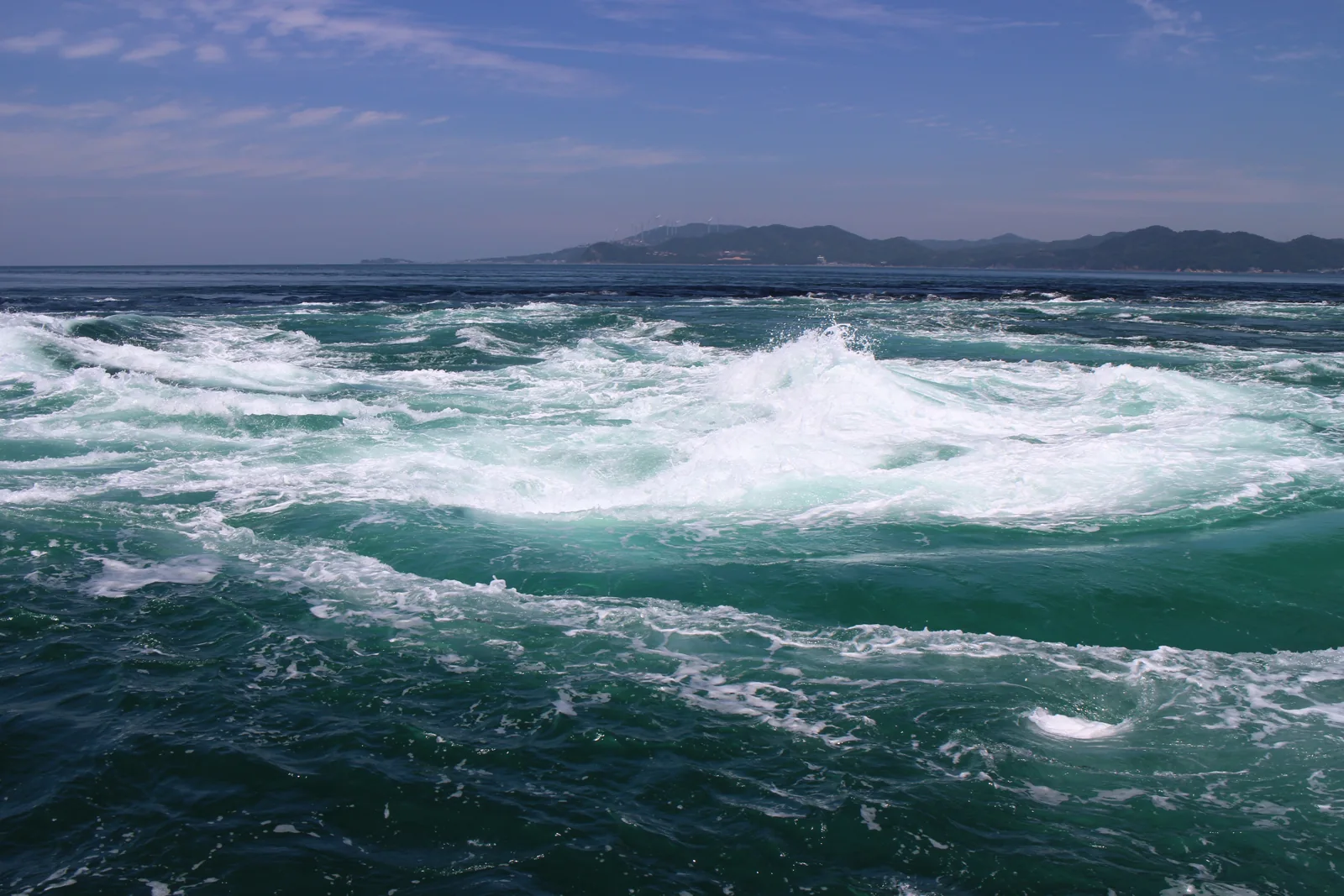
If Naruto is also planned that day, work from the selected whirlpool viewing time and return to the city. Add the museum and mountain only with a full afternoon remaining. If only evening remains, overnight visitors can keep the 8 p.m. show and move daytime facilities elsewhere. This preserves two activities with fixed conditions and identifies what to remove if transport is missed.
For the evening show, choose accommodation within a distance you are willing to travel afterward. Station-area visitors should include the hall return in dinner planning. Near the Shinmachi River or hall, use the actual hotel address to choose the route after dinner. With a hotel dinner included, check its service time before choosing the show. Before an early intercity departure next day, finish shopping and exhibitions in the afternoon and return to your room after the show.
Pack unused tickets and purchases before leaving, then navigate to your accommodation or Tokushima Station. Those finishing museum and mountain activities in daylight can eat in town; evening-show visitors can follow the planned return route. Let accommodation and onward transport determine the endpoint when choosing tickets, avoiding a later detour back to use another facility.
A few useful answers
What are the showtimes and ticket prices at Awa Odori Kaikan?
Daytime shows usually start at 11 a.m., 2 p.m., 3 p.m., and 4 p.m. and run for 40 minutes. The evening show usually runs from 8 to 8:50 p.m. High school students and older visitors pay ¥1,300 by day and ¥1,600 in the evening, while elementary and middle school students pay ¥700 and ¥800, respectively.
What's included in the Awa Odori Kaikan and Bizan Ropeway combo ticket?
The ticket covers the Awa Odori Museum, one daytime show, and a round trip on the Bizan Ropeway. It costs ¥2,640 for high school students and older, ¥2,000 for middle school students, and ¥1,440 for elementary school students. Evening show tickets are sold separately.
How can I fit in the Bizan Ropeway and the evening Awa Odori show in winter?
Ride the Bizan Ropeway in the afternoon from the fifth floor of Awa Odori Kaikan. The ride takes about six minutes each way, and the ropeway usually closes at 5:30 p.m. from November through March. Go down for dinner, then return for the 8 p.m. show.
Do I need to book Awa Odori Kaikan show tickets in advance?
Solo travelers and small groups buy tickets on the ground floor (1F) before the show. Reservations are open to groups of 20 or more. The performance hall is on level 2 (2F), so arrive early if you have a particular show in mind.
Official information and references
Sources used in this guide.
- Awa Odori Kaikan: official floors, performances and Bizan Ropeway information
- Awa Odori Kaikan: three-attraction ticket fares
- Awa Odori Kaikan: official fares and facility closure chart
- Awa Odori Kaikan: individual tickets, participation and wheelchair FAQ
- Awa Odori Kaikan: evening performance schedule
- Awa Odori Kaikan: official access information