Compare daytime and evening Awa Odori performances, the museum and Bizan Ropeway packages. Calculate costs for adults and schoolchildren, and plan a winter visit with the mountain before dinner and the evening show.
- Region & Focus
- Tokushima City
- Reading Scope
- 25 min read · 14 chapters · 4 Q&As
- Official Verification
- 6 official sources checkedUpdated 22 November 2026
- Key Topics
- ItinerariesBookingSeasons
Chapter Route Map (tap any stop)
- Choose the focus of your half-day: dance, mountain views or an evening show
- Start with tickets on the first floor
- What to look for in the museum before seeing the dance
- Daytime and evening performances differ in performers and timing
- Calculate the three-attraction package by school stage
- Family budgets with primary or junior secondary pupils
- Bizan Ropeway: board on the fifth floor and allow separate summit time
- April to October: see the night view before the evening performance
- November to March: descend first, including on 19:30 extension days
- Three practical orders for a half-day
- Closures, cancelled performances and weather affect different parts
- Before the show: small groups, wheelchairs and different interests
- Fit the free fifth-floor gallery and first-floor shopping around the main plan
- Return to Tokushima Station, or put the evening show on an overnight day
- Quick Q&A
In winter, visit Mount Bizan first, come down for dinner, then return to Awa Odori Kaikan for the 20:00 performance. The ropeway normally closes at 17:30 from November to March. The three-attraction daytime package includes the museum, daytime show and return ropeway journey for ¥2,640 per adult. Decide which performance you want before buying tickets, rather than trying to fit every floor into the visit on arrival.
Choose the focus of your half-day: dance, mountain views or an evening show
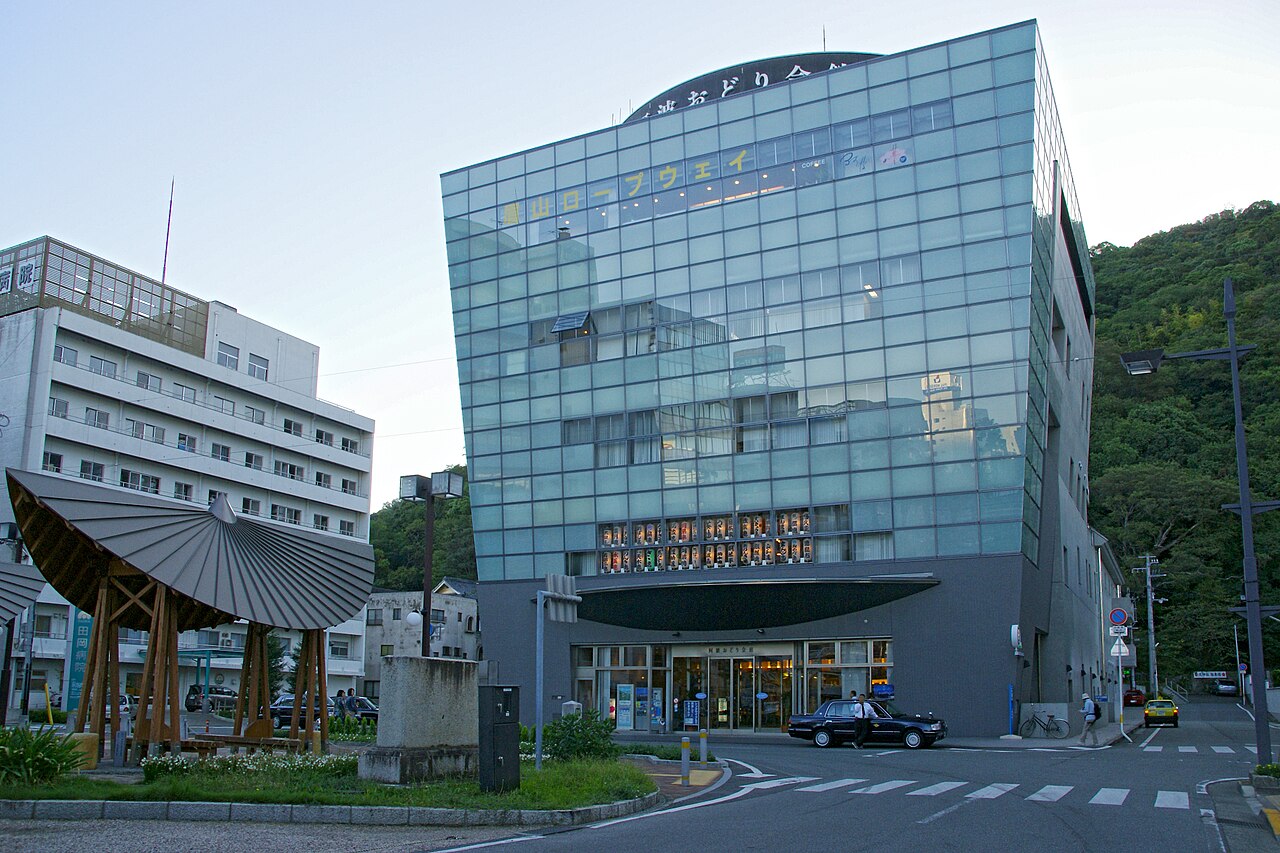
Awa Odori Kaikan combines performances, exhibitions and the lower Bizan Ropeway station in one building. It suits a city half-day after leaving your luggage. To understand Awa Odori, start with the museum on the third floor, then see a daytime performance on the second. In good weather, add the ropeway from the fifth floor for a view over the city. Evening shows feature a different renowned dance troupe each day and suit visitors staying in Tokushima who can eat before the performance.
These options need different amounts of time. One dance performance need not occupy your whole afternoon. The museum, show and ropeway together require separate time for exhibits, queues and a summit walk. The six-minute one-way ride is only time in the cabin: 12 minutes is not the whole mountain outing. If you have an essential intercity departure that afternoon, work backwards from the time you must return to the station and remove either the mountain or part of the Kaikan visit.
For a first visit without a preferred troupe, the daytime show and museum make an accessible combination and allow you to leave Tokushima that day. If the evening show matters most, build the day around it and buy other attractions separately as needed. The daytime package saves money through using its three components. Adding an unwanted show just to buy the package turns a saving into extra cost and time.
Compare daytime and evening Awa Odori performances, the museum and Bizan Ropeway packages. Calculate costs for adults and schoolchildren, and plan a winter visit with the mountain before dinner and the evening show.
Start with tickets on the first floor
The official floor guide lists tourist information on the first floor, with event and facility information and tickets for performances, the museum and Bizan Ropeway. The address is 2-20 Shinmachibashi, Tokushima. From the station or your accommodation, navigate to 阿波おどり会館. Ropeway passengers also start at this building; do not use the mountain summit as the destination for a city walk.
Leaving luggage near the station first makes the next part after the performance easier. At the Kaikan, state the performance you want, whether each visitor is at senior secondary school or above, junior secondary school or primary school, and whether you want a return ropeway ride. “Two adults and one child” misses the fact that junior secondary pupils use different fare categories at different facilities. Ask for help with floors or seating when buying tickets so staff can arrange a suitable route.
Ask on the first floor about that day’s performances and ropeway operation before choosing the three-attraction package. This is especially useful in strong wind, low cloud or when companions are unsure about the mountain. After purchase, note the show start and museum last-entry times separately. Sharing a building saves travel between attractions, but ticket selection, changing floors and entry still take time.
What to look for in the museum before seeing the dance
The Awa Odori Museum on the third floor normally opens 09:00–17:00, with last admission at 16:45. Standard admission is ¥500, or ¥300 for primary and junior secondary pupils. Displays cover costumes, props, instruments past and present, and the development of Awa Odori, with interactive exhibits. Allow yourself 45–60 minutes for a fuller visit. Spend longer if interested in text or costume, or study a few selected items before a show.
Choose something you can recognise on stage afterwards. Costume enthusiasts can look at how clothing and accessories form the dancer’s silhouette. To follow the rhythm, spend time with the instrument displays and listen later to how their sounds accompany the steps. Children less interested in text panels can start with interactive displays while adults read separately, then bring one shared question into the theatre.
The museum need not be a test before the performance. Seeing the dance first and returning to compare costumes and props is another useful route, especially for visitors who want a concrete first impression. Timing is the difference: the 14:00 show leaves more afternoon afterwards. The 16:00 show ends around 16:40, only five minutes before last museum admission at 16:45. Put the museum first if you want time to study its displays.
Visitors choosing the 20:00 show must also finish the museum during the day. It closes at 17:00, so cannot be added after dinner. Arriving only in the evening suits a separate evening ticket, with exhibits saved for another daytime visit. If companions split between exhibits and rest, agree when to meet at the second-floor performance entrance so nobody misses their own interests while waiting.
Daytime and evening performances differ in performers and timing
The daytime “Odorana Sonson Awa Odori” is performed by the Kaikan’s resident Awa no Kaze troupe. It normally starts at 11:00, 14:00, 15:00 and 16:00 and lasts 40 minutes. Tickets cost ¥1,300 for senior secondary pupils and above, or ¥700 for primary and junior secondary pupils. Lunch fits after the morning show; an afternoon show fits after arriving and storing bags. These four performances offer a choice of time. One is enough for a first viewing, leaving time for exhibits or Bizan. Fares and normal hours were checked on 28 October 2026.
The evening “Mainichi Odoru Awa Odori” normally runs 20:00–20:50, with one renowned troupe appearing each day in rotation. It costs ¥1,600 for senior secondary pupils and above, or ¥800 for primary and junior secondary pupils. For a particular troupe, check your travel date on the official evening schedule. Staying in Tokushima lets you return to your accommodation afterwards instead of fitting those 50 minutes before the day’s final intercity journey.
Both performances include an opportunity for audience members to try Awa Odori. The dedicated second-floor hall has 250 seats. Beginners can watch and participate at a daytime show without buying another ticket for the evening merely to try dancing. To compare troupes, treat the evening show as an extra, identify what you want to see and then budget for a second admission.
The performance participation and third-floor interactive displays occupy different spaces. One takes place during the show; the other belongs to the museum visit. A museum ticket alone does not include the full second-floor performance. Discuss “museum”, “daytime show” and “evening show” separately with companions to make the plan clear.
An introduction to the Kaikan exterior, local-products area and audience participation in dancing.
Calculate the three-attraction package by school stage
The official fare table gives a package covering the Awa Odori Museum, daytime performance and return Bizan Ropeway ride. It costs ¥2,640 for senior secondary pupils and above, ¥2,000 for junior secondary pupils and ¥1,440 for primary pupils. The evening show is separate. Choose it when you intend to use all three within their opening hours. Select a daytime performance first, then put the museum before it or summit time afterwards.
Bought separately, the adult components total ¥500 + ¥1,300 + ¥1,500 = ¥3,300, so the package saves ¥660. For junior secondary pupils, ¥300 + ¥700 + ¥1,500 = ¥2,500, saving ¥500. For primary pupils, ¥300 + ¥700 + ¥800 = ¥1,800, saving ¥360. Each package is 80% of the listed separate total. The category depends on school stage rather than simply halving an adult amount.
Junior secondary pupils are the easiest category to miscalculate. They use the child school fare at the museum and performance but the standard junior-secondary-and-above ropeway fare of ¥1,500 return. A junior secondary package therefore costs ¥560 more than a primary package. This difference comes from the ropeway category. Do not budget for both children as primary pupils. Senior secondary pupils use the adult column for all three.
For only dance and museum, separate adult tickets total ¥1,800, which is ¥840 below the package; primary and junior secondary pupils both pay ¥1,000. For only daytime dance and return ropeway, separate adult tickets total ¥2,800, so the package is ¥160 cheaper. Junior secondary tickets total ¥2,200, a ¥200 package saving; primary tickets total ¥1,500, a ¥60 saving. Use this comparison for price, but do not miss your intended return journey to add another gallery.
Evening plans need a different calculation. An adult evening show at ¥1,600 plus return ropeway at ¥1,500 totals ¥3,100; adding the museum makes ¥3,600. An adult daytime package plus evening show costs ¥4,240, or ¥640 more than those three evening-plan attractions, and adds a daytime performance. If you want only the evening dance, buy the components for that plan.
Family budgets with primary or junior secondary pupils
Two adults and one primary pupil pay ¥2,640 × 2 + ¥1,440 = ¥6,720 for packages. Separate tickets for all three attractions total ¥3,300 × 2 + ¥1,800 = ¥8,400, a difference of ¥1,680. With a junior secondary pupil, the package total is ¥7,280 against ¥9,100 separately, saving ¥1,820. Add each person’s category before meals and transport to avoid treating one adult fare as a family budget.
For the same two adults and one child visiting only the daytime show and museum, the total is ¥1,800 × 2 + ¥1,000 = ¥4,600. Primary and junior secondary pupils cost the same here. This is ¥2,120 below the primary-pupil family package total and ¥2,680 below the junior-secondary family total. When weather or tiredness removes the mountain, this comparison is more useful than the package’s 20% discount: taking the ropeway determines the actual spend.
Family members can choose different tickets. If two adults use all three attractions but a primary pupil visits only the museum and daytime show, the total is ¥2,640 × 2 + ¥1,000 = ¥6,280. Decide who takes the ropeway and who stays in town, then agree a meeting place after the descent. Everyone need not buy identical contents. These amounts cover facilities, excluding meals, parking and city transport.
For preschool children or companions eligible for concessions, explain ages and documents on the first floor. The official FAQ lists performance and museum discounts for a disabled visitor and one companion using an original disability handbook or specified electronic handbook. Overseas document holders can ask how their documents apply before paying. Establish each condition before adding the family total rather than multiplying everyone by one fare.
Bizan Ropeway: board on the fifth floor and allow separate summit time
The lower station is on the Kaikan’s fifth floor. The one-way ride takes about six minutes. The official fare diagram gives a normal 15-minute interval, adjusted in busy periods. Junior secondary pupils and above pay ¥900 one way or ¥1,500 return; primary pupils pay ¥500 or ¥800. For travel up and down by ropeway, a return ticket saves ¥300 for adults or ¥200 for primary pupils compared with two singles.
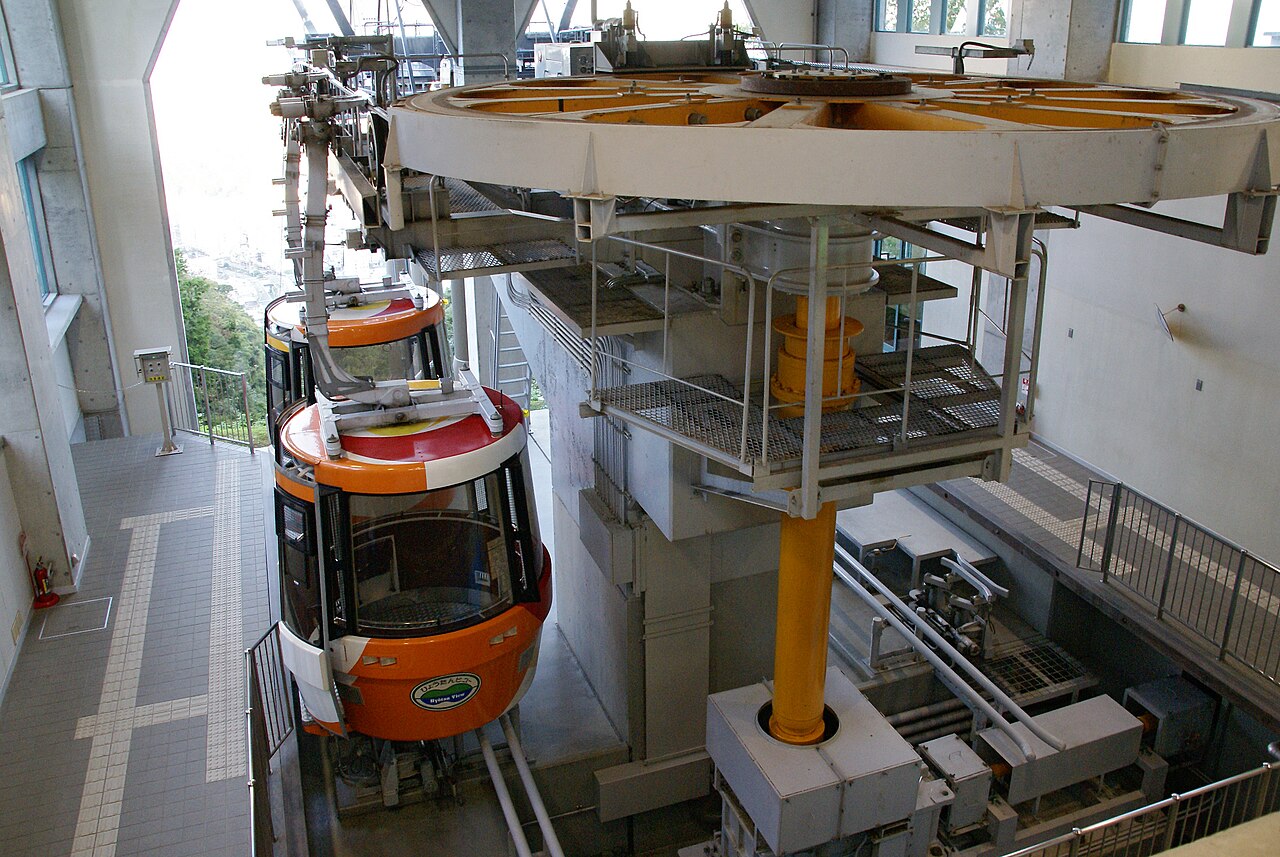
A single suits people with another means of ascent or descent already planned. For a city half-day ending back at the Kaikan, use a return ticket or three-attraction package. A lower single fare does not remove the descent from the budget. Walking down requires a separately planned route, surface assessment and time. Do not treat the six-minute ascent as all travel between summit and city.
At the summit, look towards the Tokushima Plain, Yoshino River and Kii Channel. The official introduction lists distant Onaruto Bridge and Awaji Island, with the Kii Peninsula visible in good weather. Nearby rivers and the city layout also reward attention. To enjoy the view rather than merely ride, allow yourself 30–45 minutes on top, plus alighting, waiting and returning to the fifth floor. Extend this for slow photography or seated rests.
Adjust viewing time to visibility. In clear weather, find directions you have just walked in the city. If low cloud hides distant views, shorten outdoor time and use it at the Kaikan or dinner. Ask about that day’s descent arrangements before going up. Aim for an earlier service down rather than leaving the viewpoint only just before closing.
April to October: see the night view before the evening performance
Normal official hours are 09:00–21:00 from 1 April to 31 October. For both the night view and 20:00 show, go up Bizan first and return to the second floor before the performance. Seeing the show first leaves only ten minutes between its 20:50 finish and 21:00 closure, including leaving, reaching the fifth floor, boarding formalities and waiting. There is no full margin for summit viewing and descent. Put the night view before the show to give it usable time.
Set a return target you find comfortable, for example completing the descent by 19:00. Use the remaining time for tickets, toilets and the hall. For a full dinner, eat before going up or descend earlier. Avoid squeezing sunset, a restaurant booking and the performance into the final hour.
For sunset, add the travel date’s sunset time separately. Daylight varies greatly from April to October, so an evening ascent will not offer daylight, sunset and night views in every month. For a city panorama alone, a daytime ride fits the daytime package more easily. For night views, visit the museum by day and the mountain before the evening show, dropping the daytime performance if necessary.
November to March: descend first, including on 19:30 extension days
Normal hours from 1 November to 31 March are 09:00–17:30. In winter, complete the return mountain trip in the afternoon, leave for dinner and come back for the 20:00 dance. The ropeway closes at 17:30 and museum at 17:00, so neither belongs after the evening show. You need an earlier afternoon visit and a separate evening.
The website also lists extended hours until 19:30 on Saturdays, Sundays, Japanese public holidays and 2 November from 1 November to 31 December. These days add evening mountain-viewing time; the 20:00 performance still follows it. Completing the descent only at 19:30 leaves a move from the fifth to second floor, while dinner must be earlier. Descend sooner for a relaxed connection to the show.
Weekdays and weekends in November and December may close at different times. If arriving Friday and leaving Saturday, choose according to the afternoon actually available; do not apply Saturday’s 19:30 to Friday. Plan January to March around the normal 17:30 closing time. The official schedule separately lists a 06:00 opening on New Year’s Day, so an early-morning visit uses a different timetable from an afternoon half-day.
A winter 16:00 show followed by Bizan is tight. After the approximate 16:40 finish, you must reach the fifth floor, wait, ride six minutes up and return before 17:30, reducing viewing time. Prefer the 14:00 or 15:00 performance to keep both activities. If only 16:00 works, visit the mountain first, then the show, and move the museum earlier too.
Three practical orders for a half-day
For a culture-focused afternoon, an example is arrival at 13:00, museum first, the 14:00–14:40 show and then the ropeway. The museum hour is your own allocation; the show follows the normal official schedule. Include queues and walking in the mountain outing. Costumes and instruments come first, their use on stage follows, then the city view from above. This suits visitors who have eaten lunch and have no immediate long-distance departure.
With children who would rather not start by reading, choose the 11:00 show, visit the museum after it ends around 11:40, then eat lunch and decide about the mountain. Lunch need not be forced between two fixed events. The ropeway is a separate outing: assess children’s interest before buying. If planning the package, allow enough lunch rest so the family is not exhausted on reaching the fifth floor.
For a winter evening plan, an example is arrival at 14:30, the museum, a return Bizan trip, dinner after leaving around 17:00, then the 20:00–20:50 evening show. Separate museum, return ropeway and evening tickets cost ¥3,600 per adult. The break between afternoon and evening suits an overnight stay. If arriving only towards evening, drop the museum and mountain and keep the show.
Replace the example times with your own arrival and departure. Preserve fixed restaurant or transport bookings first, then move the museum and mountain around them. A workable half-day accommodates the performance start, museum last admission and ropeway closing time. A relaxed walk back to accommodation after the dance often serves an overnight stay better than a fourth attraction.
Closures, cancelled performances and weather affect different parts
The Kaikan lists closure on the second Wednesday of February, June, September and December, postponed if it is a holiday. The formal fare and closure table separately lists no daytime shows from 28 December to 3 January, no evening shows from 21 December to 11 January, and museum closure from 28 December to 1 January. Regular performances also stop from 11 to 15 August. The ropeway has a winter inspection closure around February. Before choosing a date, read the homepage performance and ropeway status and closure notices. At New Year, plan a ropeway-only visit from its own information; mark museum and performance operating dates separately if using them.
In worsening weather, adjust the mountain first. Official operating status gives ropeway information, also available on 088-652-3617. For Kaikan performances and facilities, call 088-611-1611. If the ropeway stops but the Kaikan opens, keep the museum and one dance for the city half-day. Choose individual tickets from available facilities before purchase rather than buying everything and then deciding.
If it is merely raining and the ropeway runs, decide whether the family wants to go up in that visibility. For distant city views, move the time to exhibits. For the transport experience itself, choose according to operation and companions’ wishes. The Kaikan is central, so dropping Bizan does not require another out-of-town attraction. Earlier dinner or more time inside can reconnect with the original plan.
Treat the August festival period separately. For street festivities and Kaikan shows, continue with the Shikoku independent travel and Tokushima accommodation guide. On Kaikan non-performance dates, choose officially announced events for that year or visit another day. In winter without a night ropeway, the evening Kaikan show remains a separate option; summer festival hours do not fill that gap.
Before the show: small groups, wheelchairs and different interests
The official FAQ says reservations are accepted for groups of 20 or more. Individuals and smaller parties come according to performance times. Families should choose a show and buy on arrival; the group reservation process does not reserve their seats. For an essential show, arrive early enough for tickets and finding the entrance. If you arrive too late, compare the next show with your return schedule.
Wheelchair users can remain in their wheelchairs for performances, with staff guidance. Three dedicated wheelchairs are also available to borrow. Ask on the first floor on arrival before arranging tickets and moving upstairs. Museum, hall and ropeway are three separate parts of the visit. Explain which facilities you will actually use so assistance matches the day’s route.
Agree before entering if some people want to participate while others prefer to sit and watch. Discuss favourite movements or rhythms together afterwards rather than leaving separately during the show. For the ropeway next, use toilets and get water before going to the fifth floor. Those staying in the Kaikan should choose a meeting point with a clearly identified floor.
Fit the free fifth-floor gallery and first-floor shopping around the main plan
Beside the fifth-floor lower ropeway station, the free SAUDADE Moraes Gallery has a permanent display about the Portuguese writer closely connected with Tokushima, including a chronology, photographs and books. Normal hours are 09:00–17:00, with closure following the ropeway schedule. Allow yourself 15–20 minutes before or after the mountain if city biographies interest you, or read a few items while waiting.
This differs from the third-floor Awa Odori Museum. Reading about the writer while going up to the ropeway is convenient; keep more time on the third floor for dance, costume and instruments. Both close at 17:00. If you arrive early for the evening show but after exhibition hours, use the time for dinner and performance preparations.
First-floor Arudeyo Tokushima sells local products including indigo-dyed goods and sweets associated with sudachi citrus and Naruto Kintoki sweet potatoes. Normal hours are 09:00–20:00, shortened to 09:00–18:00 from 21–27 December and 2–11 January. It closes from 28 December to 1 January and on regular closure days. Shop after a daytime show or descent: the evening show ends at 20:50, after normal shop closure. Ask companions whether they want sweets or crafts before allocating shopping time.
The shop also lists one hour’s free parking at designated car parks with purchases of ¥3,000 or more. These include the Kaikan, Bizan and Shinmachi underground car parks. If already planning purchases, ask staff to process the benefit for your car park. Avoid buying unneeded goods just to save one hour’s parking. Mountain, show and museum together usually exceed an hour, so calculate parking for the actual stay.
Return to Tokushima Station, or put the evening show on an overnight day
On an eastern Shikoku itinerary with Takamatsu and Tokushima, put this half-day after arrival or before departure. If checking in on arrival day, 14:00 is usually easier than 11:00. For a known afternoon arrival, compare 15:00 and 16:00 and whether winter Bizan should come first. On departure day, check out and store bags first, then collect them after activities. Allow separate collection and station journeys; the show’s finish is not your platform arrival.
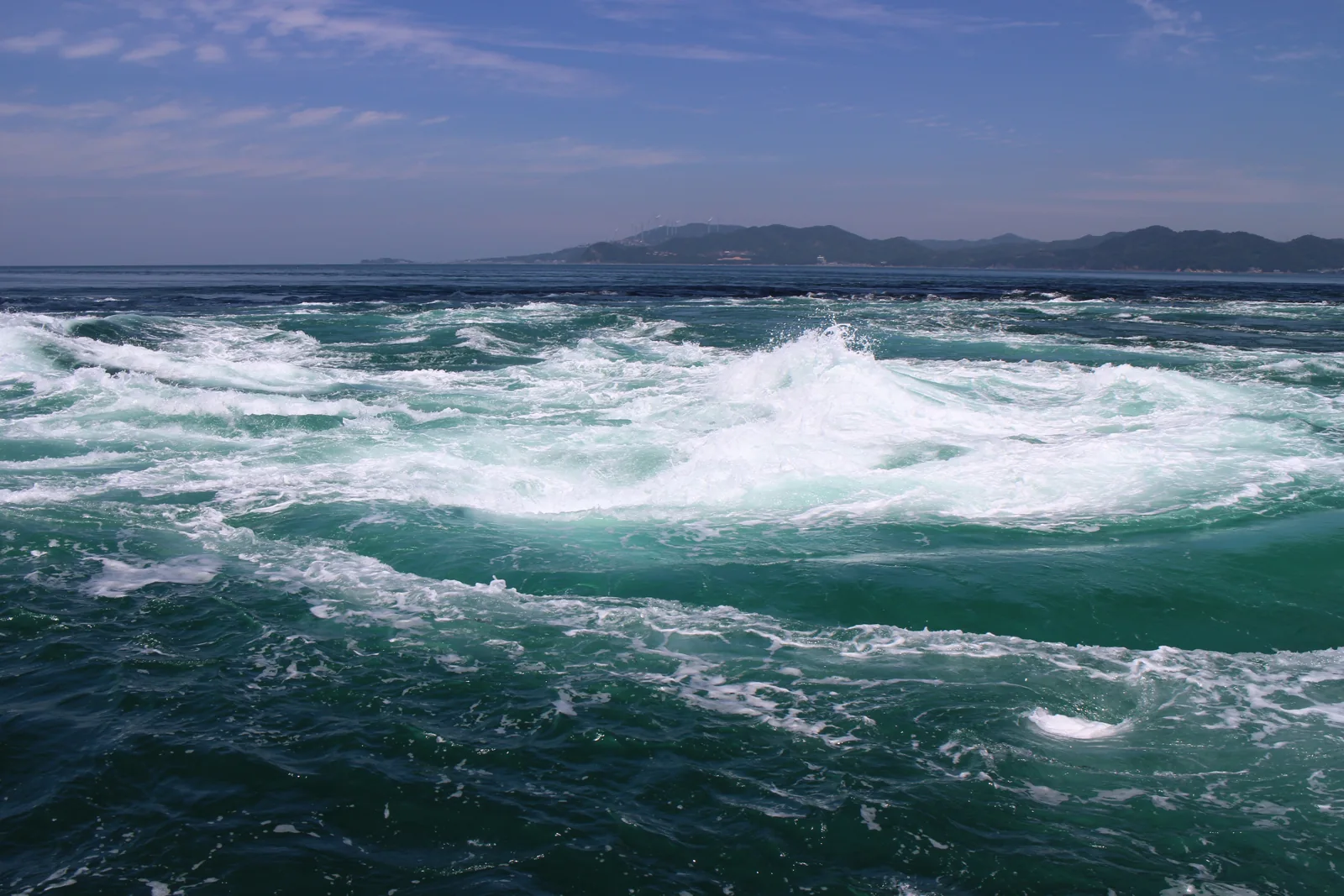
If also visiting Naruto that day, start with your chosen whirlpool-viewing time and return to the city. Add museum and Bizan only with a full afternoon left. With just evening remaining, overnight visitors can keep the 20:00 show and move daytime exhibits and ropeway elsewhere. This preserves two activities with fixed conditions and gives you a clear item to remove after a missed connection.
For an evening show, choose accommodation within a return journey you are happy to make afterwards. Near the station, include the walk to and from the Kaikan in dinner planning. Near the Shinmachi River or Kaikan, use the actual hotel address to choose the route after eating. If accommodation includes dinner, check serving times before deciding to go out for dance. With an early intercity departure next morning, return to the room after the show and finish souvenirs and exhibitions that afternoon.
Put away remaining tickets and purchases before leaving, then navigate to tonight’s accommodation or Tokushima Station. After daytime exhibits and mountain views, dinner can stay in the city. After a dedicated evening-show visit, follow your planned route back. Accommodation and onward transport determine the half-day’s end. Plan them when choosing tickets so you need not return to the Kaikan merely to use another facility.
A few useful answers
What time are the shows at Awa Odori Kaikan, and how much are tickets?
Daytime shows usually start at 11am, 2pm, 3pm and 4pm, with each show lasting 40 minutes. The evening show usually runs from 8pm to 8.50pm. Tickets cost ¥1,300 by day and ¥1,600 in the evening for upper secondary pupils and older visitors, or ¥700 by day and ¥800 in the evening for primary and lower secondary pupils.
What does the Awa Odori Kaikan and Bizan Ropeway combined ticket cover?
It covers the Awa Odori Museum, a daytime show and a return trip on the Bizan Ropeway. The price is ¥2,640 for upper secondary pupils and older visitors, ¥2,000 for lower secondary pupils and ¥1,440 for primary pupils. Buy a separate ticket for the evening show.
Can I take the Bizan Ropeway and see the evening Awa Odori show in winter?
Take the ropeway in the afternoon from level 5 of Awa Odori Kaikan. It takes about six minutes each way and usually closes at 5.30pm from November to March. Come down for dinner, then head back to the hall for the 8pm show.
Do I need to book tickets for an Awa Odori Kaikan show?
If you’re visiting alone or in a small group, buy your ticket on the ground floor (1F) before the show. Reservations are open to groups of 20 or more. The hall is on level 2 (2F), so get there early if you want to catch a particular show.
Official information and references
Sources used in this guide.
- Awa Odori Kaikan: official floors, performances and Bizan Ropeway information
- Awa Odori Kaikan: three-attraction package fares
- Awa Odori Kaikan: formal fares and facility closure table
- Awa Odori Kaikan: individual tickets, participation and wheelchair FAQ
- Awa Odori Kaikan: evening performance schedule
- Awa Odori Kaikan: official access information