Take MY Yu Bus to Godaisan in the morning, walk the main and exhibition buildings, South Garden and conservatory, then return for lunch at Hirome Market. Covers 2026 fares, sample buses, temporary stops, rain and wheelchair routes.
- Region & Focus
- Kochi City
- Reading Scope
- 29 min read · 14 chapters · 7 Q&As
- Official Verification
- 15 official sources checkedUpdated November 9, 2026
- Key Topics
- ItinerariesSeasonsFood
Chapter Route Map (tap any stop)
- Make the garden the morning’s main activity and eat lunch back in town
- Hours and admission: normally ¥850, with a separate orchid-show rate
- Take MY Yu Bus from town and check the pass area and boarding point
- A sample trip: leave at 09:00 and finish around 13:00
- From the main gate, use Tosa plants to choose a few seasonal targets
- The memorial buildings: architecture in the main building, research in the exhibition building
- Between North and South Gardens, use the connecting path; valley steps are optional
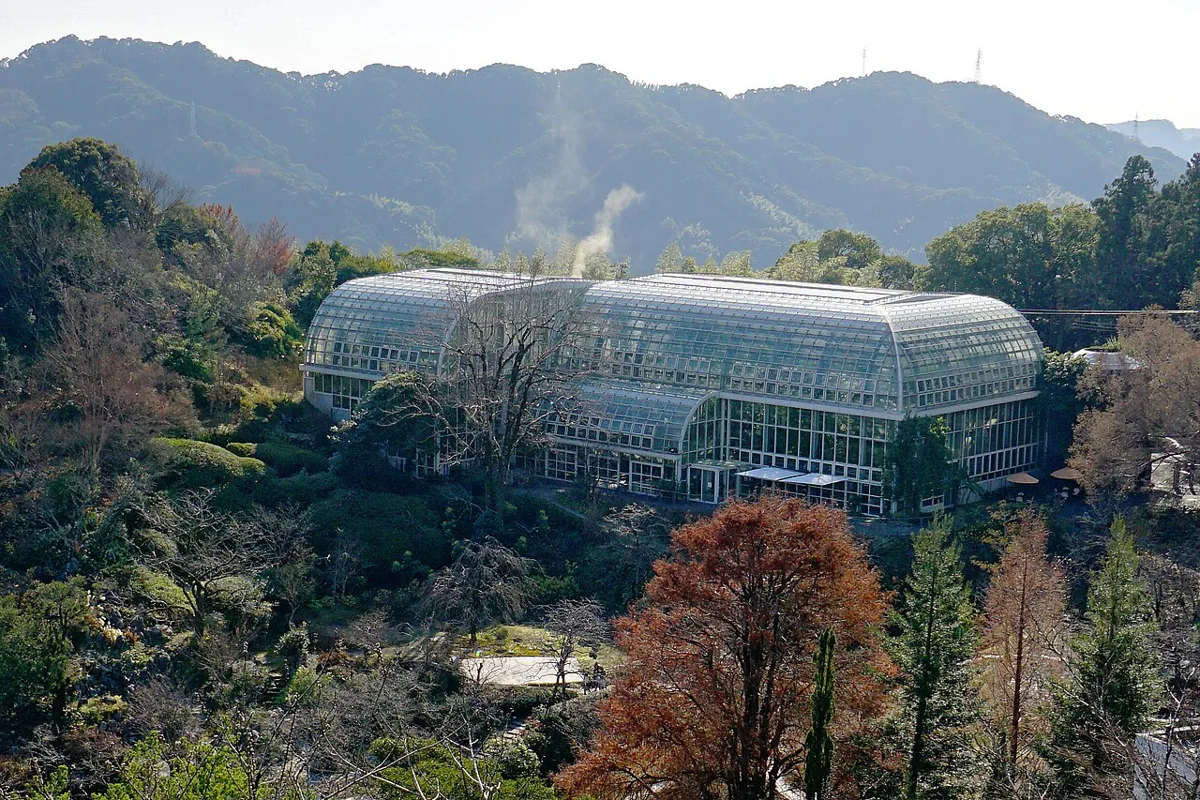
- Allow half an hour in the conservatory, from the green tower to water habitats
- Choose the central or south exit and check the bus direction for Kochi Station
- In rain, the North Garden building route is complete; the conservatory needs an outdoor link
- Strollers, wheelchairs and families: use the connecting path and seated rest stops
- Choose a seasonal theme rather than scattering the half-day around one flower
- Driving, taxis and luggage: agree on the return exit first
- After descending, stop only at Hirome Market: find seats before buying food
- Quick Q&A
For half a day of plants and architecture in Kochi, take MY Yu Bus up Godaisan in the morning. Walk from Makino Botanical Garden’s main gate to the exhibition building and South Garden conservatory, then return to town for food in the afternoon. The main sights take about two hours; with rides, waiting and rests, allow four to five hours from Kochi Station. Choose your return bus and exit first. You can enter at the main or central gate; the south gate is exit-only, and each leads to a different route.
Make the garden the morning’s main activity and eat lunch back in town
Makino Botanical Garden occupies about eight hectares on Godaisan in Kochi City. Its displays use slopes, valleys and existing trees. Part of the pleasure is watching how plants grow along the way, then connecting botanical drawings and specimen stories in the exhibition building with living plants. Going up only for a conservatory exterior photo misses the spaces beneath the main building’s roof, Tomitaro Makino’s research material and the changing terrain between the North and South Gardens.
For a first visit, allow two and a half to three hours inside. The official first-visit route is about 1.5 kilometers and two hours, covering the main garden areas. Use the extra time for panels, rests and the conservatory. If someone enjoys botanical sketching, leaf-vein photography or detailed exhibition reading, a half-day fills easily. Still finish around the return bus: “two hours in the garden” is not “two hours from town and back.”
A morning entry also lets you decide after the North Garden whether you have energy for South Garden paths. Starting with only an hour tends to force a choice between the exhibition building and conservatory, or a rush to the exit. The garden offers a separate one-hour condensed route for visitors with a clear focus. Add time for a full exhibition visit, a seated meal and bus waits.
This half-day adds only one city dining stop: Hirome Market. The Kochi Castle and Hirome Market day guide already provides a full plan for the castle and Sunday Market. Here, save energy for the garden. For Kochi within a multi-prefecture trip, see Shikoku transport and accommodation bases. A morning above town and afternoon meal below give you a seated bus break and flexibility for weather. View Makino Botanical Garden on Google Maps.
Take MY Yu Bus to Godaisan in the morning, walk the main and exhibition buildings, South Garden and conservatory, then return for lunch at Hirome Market. Covers 2026 fares, sample buses, temporary stops, rain and wheelchair routes.
Hours and admission: normally ¥850, with a separate orchid-show rate
According to the official visitor guide read on October 27, 2026, hours are 09:00–17:00, with last admission at 16:30. Standard admission is ¥850; high school students and younger enter free. Groups of 20 or more pay ¥750 each, and an annual pass costs ¥2,500. Individual visitors need no reservation and can buy at the main building or central-gate counter. Free garden admission for high school students and younger differs from the bus child-fare boundary, so calculate them separately.
During the announced February 6–28, 2027 orchid exhibition, general admission rises to ¥1,700, or ¥1,500 for groups of 20 or more. High school students and younger remain free. Include this rate in a winter orchid-focused visit; ordinary days and special-exhibition days do not have the same admission price. The annual pass remains ¥2,500 and its holders can enter this orchid show directly, a condition also stated in Kochi Prefecture’s garden introduction.
The garden closes December 27–January 1 and on maintenance days. Announced upcoming closures include November 30, 2026, and January 25, 2027. Do not judge opening by the weekday alone. After booking accommodation in Kochi, avoid maintenance dates before choosing buses. For typhoon risk or recovery after a disaster, the garden announces temporary closures; remove the whole mountain visit in that case.
Counters accept several credit cards and electronic payments, including VISA, Mastercard, JCB, Suica and PASMO. You may reenter on the same day with that day’s admission ticket, so retain it. For MY Yu Bus’s garden group-rate discount, show a valid bus ticket when buying and pay the discounted price immediately; you do not need a group of 20. During the 2027 orchid show, that period’s admission applies even if you skip the conservatory. Ordinary advance tickets and complimentary tickets cannot be used, topped up or refunded.
Take MY Yu Bus from town and check the pass area and boarding point
MY Yu Bus is the direct public-transport option from JR Kochi Station to the garden. Normally it boards within the Kochi Tabi Hiroba parking area at the south exit. The ride is about 30 minutes to Makino Shokubutsuen Seimon-mae. It is a sightseeing loop bus, not any ordinary city bus outside the station. Find the travel plaza on the south side first, then the MY Yu signs.
From April 2026, the one-day Godaisan pass costs ¥1,000 for adults and ¥500 for elementary school children, covering travel as far as Chikurinji-mae. It is enough for a garden return trip. The Katsurahama day pass costs ¥1,500 and ¥750 respectively and suits those who will actually continue to Katsurahama that day. Bus adult fares apply from junior high school, while garden admission is free through high school. Junior and senior high students therefore need adult bus tickets even though they enter the garden free.
The Godaisan pass includes the flat-fare tram zone in Kochi City. The Katsurahama pass also includes one-way use of the designated Katsurahama local-bus route. With only the Godaisan pass, return to town on MY Yu and do not include the Katsurahama Line benefit. If you decide to add Katsurahama after boarding, pay the difference on MY Yu to upgrade. This half-day uses the Godaisan pass, saving the cost of unused travel. There is no need to rush to the seaside just to maximize the pass.
Buy paper tickets in advance at officially listed outlets such as Tosaterasu in Kochi Tabi Hiroba, or use a mobile ticket in Jorudan’s Japan Transit Planner app. Some benefits differ between paper and mobile tickets. Seats are not reserved; if a popular bus is full, you wait for the next one. Do not leave buying, reaching the stop and boarding to the same minute. Paper-ticket refunds are available at the original seller only while valid and before scratching off the usage date. Expired tickets cannot be refunded or exchanged.
One temporary change applies November 9–16, 2026: MY Yu boarding and drop-off at Kochi Station move to bay 5 of the bus terminal on the station’s north side. The official notice takes precedence over the normal south-exit directions. Save the station name and bay 5 for these dates and use the correct exit rather than walking around from south to north. 11月19日至24日公告.
A sample trip: leave at 09:00 and finish around 13:00
The current official April 2026–March 2027 timetable has a 09:00 departure from Kochi Station arriving at the garden’s main-gate stop at 09:27 on both weekdays and weekends/holidays. With this bus, start walking around 09:30, see the exhibition building, South Garden and conservatory, then rest before a return around 13:00. This leaves a more complete visit.
From the main-gate stop, weekday returns include 12:59 and 14:09. Weekends and holidays include 13:59 and more frequent afternoon services. If leaving through the south gate beside the conservatory, use Chikurinji-mae instead: corresponding weekday departures are 13:01 or 14:11, and weekend/holiday departures are 13:01 or 14:01. These minutes reflect successive mountain stops, so the two stop times are not interchangeable. Once you choose an exit, save the Kochi-bound departure for that stop.
Arriving at 09:27 and leaving Chikurinji-mae at 13:01 gives about three and a half hours on the mountain, including admission, visiting and waiting. Eat lunch after returning to town. For an earlier meal, the 11:51 return from Chikurinji-mae after a 09:27 entry requires a focused visit. You cannot add the exhibition film, shopping and every rest stop. If you enjoy a slow look, eat a snack in an allowed area and use the 13:00-hour plan.
MY Yu runs daily, but weekdays and weekends/holidays have different timetables. Spring break, Golden Week and Obon follow the official operating calendar’s categories. Near departure, open the current official timetable to identify your day’s column, then check notices for stop changes. For an onward limited express or flight, descend on an earlier bus and allow luggage collection and transfer time. Reaching town is only the start of the next journey.
| Route / stop | Weekdays | Weekends and holidays | How to choose |
|---|---|---|---|
| Kochi Station → garden main gate | 09:00 → 09:27 | 09:00 → 09:27 | For a full morning visit |
| Main gate → Kochi Station direction | 12:59, 14:09 | 12:59, 13:59 | Collect items at the main building or use the North Garden rain route |
| Chikurinji-mae → Kochi Station direction | 13:01, 14:11 | 13:01, 14:01 | After leaving the south gate beside the conservatory |
| Godaisan pass | Adult ¥1,000; elementary school child ¥500 | Same | Garden return trip and flat-fare city tram zone |
| Katsurahama pass | Adult ¥1,500; elementary school child ¥750 | Same | Only if continuing to Katsurahama that day |
From the main gate, use Tosa plants to choose a few seasonal targets
After entering the main gate, you pass through the Tosa Plants Ecology Garden before reaching the main-building ticket counter. This entrance planting brings together representative species from Kochi’s mountains, hills, inhabited countryside and coast, showing links between plants and terrain over a short distance. Start with a familiar plant and see which habitat it occupies here. A concrete observation is easier to remember than photos of every name along the route.
Pick up the current plants-at-their-best map at the ticket counter. Choose two or three points close to the main route and fit them around the main building, exhibition building and conservatory. If your desired plant lies deep along a side path, exchange another detour for it. Seasonal plants then become part of the walk without every sign prompting an extra stop and a final South Garden rush for the bus.
The same map can help companions divide their interests. A photographer can stay at a flowering spot while exhibition enthusiasts enter the building, meeting in its rest area. If walking speeds differ, use a named building entrance rather than “beside those flowers we saw.” Before leaving the main building, use the toilet and organize rainwear before continuing deeper into the North Garden.
The Makino QR Guide provides plant and exhibition explanations on a phone in Japanese, English, Chinese and Korean, plus a map. For unfamiliar Japanese plant names, compare the Latin name and QR content rather than translating every label on a slope. Save some battery for your return ticket and timetable, especially if using a mobile pass.
The memorial buildings: architecture in the main building, research in the exhibition building
The Tomitaro Makino Memorial Hall comprises a main building and exhibition building joined by a covered corridor. Designed by Hiroshi Naito and completed in 1999, the main building’s roof, timberwork and courtyard keep it low among surrounding trees. Architecture enthusiasts can look at how the eaves extend toward the paths and how courtyard plants relate to views from inside, without a long detour for a full exterior panorama.
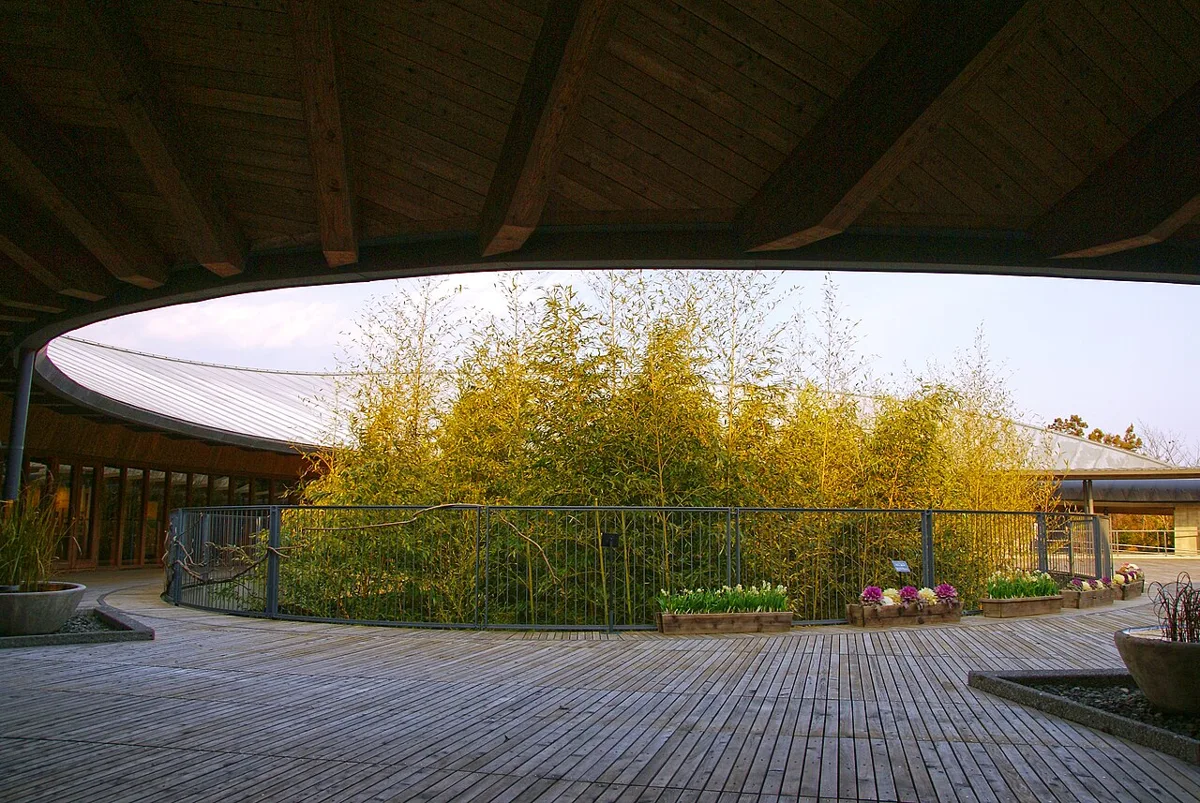
The corridor also offers plants to observe. Follow its gentle downward route and look for ferns and seasonal flowers beside the stone walls and path. The roof lets you linger here in rain. At the exhibition building, the pace changes from identifying living plants to seeing how research leaves records. Notebooks, diaries, reproductions of botanical drawings and biographical displays offer another way to understand the garden’s plants.
The permanent exhibition recreates Makino’s late-life study, Yōjō Shooku. First look at how the study held its many books and documents, then read the research stories nearby; this is easier to grasp than memorizing a full chronology. For botanical drawings, examine how one image arranges leaf, flower and fruit details, then compare a living courtyard plant afterward. A view of the whole plant and close study of its structure reveal different information.
The exhibition courtyard grows plants associated with Makino, linking names you have just read with living examples. A courtyard library in one corner lets you sit with botanical books and take an air-conditioned rest. Each theater film is about 13 minutes. Check the day’s schedule before deciding to watch. Include both waiting and screening time and omit one garden side path later if needed.
Between North and South Gardens, use the connecting path; valley steps are optional
A 335-meter path connects the exhibition building to the South Garden. Recheck the time here. With over an hour before departure, visit the South Garden landscape before the conservatory. With only half an hour, follow the main route toward the conservatory and exit. The official first-visit route generally descends from main to central gate, but has forks and local steps. Adjacent map areas may be at different heights.
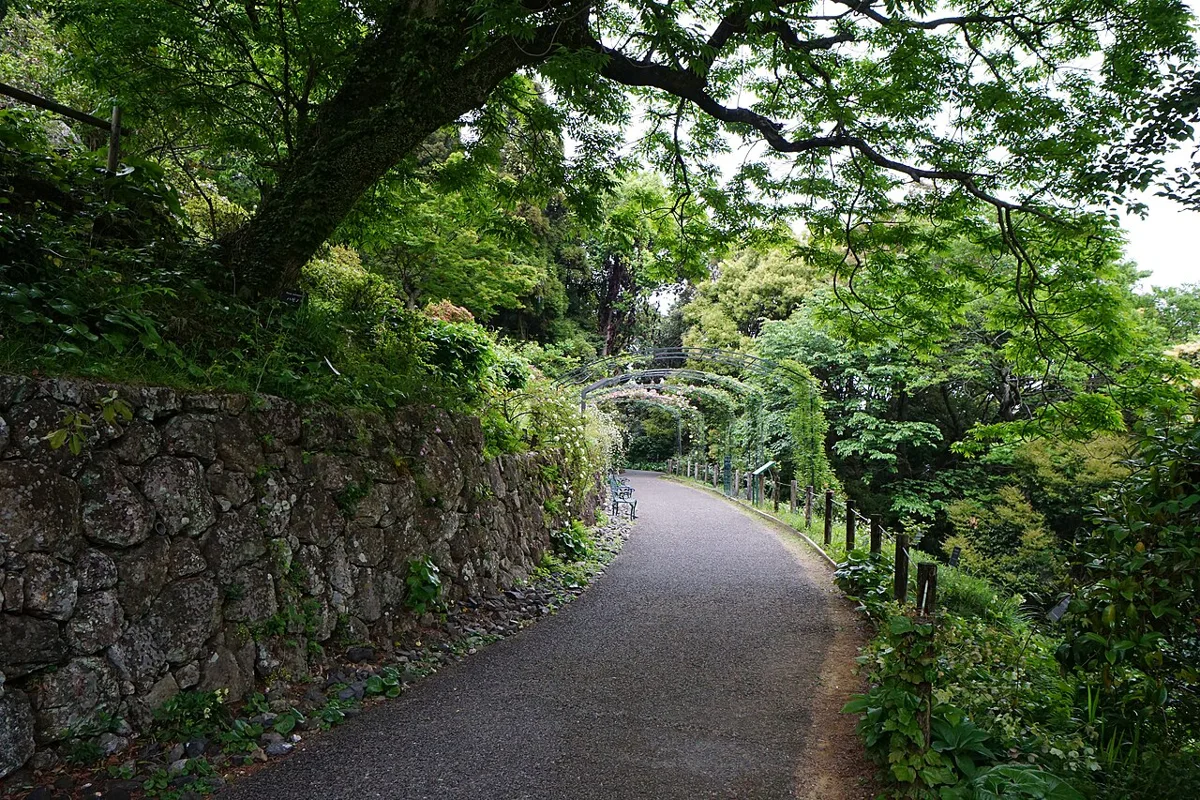
The Tomitaro Makino statue and 50th Anniversary Garden require detours from the connecting path, including stone steps on some sections. Include them if you want water features and terrain. For fewer steps, strollers or limited time, continue toward the conservatory and Plant Research and Exchange Center. The energy-saving choice comes at the fork: choose the main path before descending into the valley and then needing to climb back.
The 50th Anniversary Garden uses a pond and stream, with the valley and mountain backdrop, for a different viewing experience from the North Garden’s ecological displays. Start with layers of water and planting, then take a slow stretch beside the pond. Plants change through spring, early summer and autumn. Use the counter’s seasonal map for what is visible that day while keeping the conservatory as your next clear landmark.
If some want the garden and others a rest, agree on a time to meet near the conservatory entrance. “Go south and we’ll meet” is unclear among valley paths, trees and bends. Stay on garden paths for photos. Use phone zoom for angles into flowerbeds, leaving the planted areas for growth.
Allow half an hour in the conservatory, from the green tower to water habitats
The conservatory entrance’s Green Tower is about nine meters high, inspired by a hollow in a large tree, with banyan aerial roots and ferns on its walls. Look up at how plants occupy vertical surfaces before entering the main displays to understand the scale. This entrance is a popular photo stop. Move forward afterward so visitors behind can pass.
View the conservatory by habitat. In the dry-land area, look at thick stems and leaves, spines and water-storage structures. In the water area, compare pond and waterside plants. In the jungle area, notice leaf sizes, epiphytes and different heights. Comparing just two plants with very different forms shows how tropical plants survive in different ways. Ask children to find the thickest stem or a plant growing on another plant rather than requiring names.
The garden lists familiar food-source plants such as banana, cacao and vanilla. When you see them, compare the living plant with the part you normally eat. Slow down for leaf arrangement, roots and branches, and use everyday experience to read the labels. Flowers and fruit depend on the plant and season. Look at the visible parts first and then read, without circling repeatedly to find every edible plant.
The observation platform gives a higher view of canopies and leaves, and the conservatory has an elevator route. For a gentler visit, follow the main paths and elevator signs. With energy left, use the platform for another angle on the same planting. Reserve about 30 minutes for the conservatory in this half-day plan. Toilets, collecting belongings and reaching the bus stop afterward are also part of completing the mountain visit.
The garden filmed an aquatic plant flowering, with petals gradually opening within the same frame. At the conservatory’s water area, take time to look at leaf and flower shapes too.
Choose the central or south exit and check the bus direction for Kochi Station
The official general first-visit route finishes at the central gate. From the conservatory, walk about five minutes to the Plant Research and Exchange Center and take the elevator to the third floor, where the central gate has a shop, toilets and rest space nearby. The official one-hour route gives another five minutes from that gate to the parking lot, with a gentle uphill stretch and vehicles. This route is easier for drivers, collecting stored items or returning to the main-gate bus stop.
If no bags remain at the main building and no borrowed items need returning, the exit-only south gate beside the conservatory connects to Chikurinji-mae. The south and central gates are separate exits on the map; do not confuse them simply because you are in the South Garden. Chikurinji-mae is outside the south gate. Boarding a Kochi-bound bus there saves retracing the garden to the north.
MY Yu calls at the viewpoint, garden main gate and Chikurinji-mae in sequence around Godaisan. Even if the next movement appears to be farther around the mountain, confirm the destination display and stop timetable to identify a bus returning to JR Kochi Station. For lunch in town, use the JR Kochi Station direction. Do not board just because the bus says MY Yu and mistake a Katsurahama-bound service for a return to town.
According to the garden FAQ, borrowed umbrellas, wheelchairs and strollers can be returned at either the main-building or central-gate counter. This affects the final exit: with items still to return, pass the central gate rather than leaving directly through the south gate. Collect locker bags from their original location too. Decide where bags stay and where you exit before walking, instead of doubling back just before departure.
In rain, the North Garden building route is complete; the conservatory needs an outdoor link
In light rain, use the garden’s approximately 90-minute rainy-day route through the main building, corridor, exhibition building and courtyard library. The roof between buildings gives shelter for plants and architecture, but the corridor’s sides remain open. Shoes and bags need to cope with damp when wind drives rain sideways. Rainwear is also needed from the stop or parking lot to the counter.
This plan covers the North Garden, returns to the main building and uses the main-gate bus stop. It suits those who do not want to cross the whole garden under an umbrella. The exhibition building has permanent displays and a theater, while the courtyard can be viewed from under the eaves, enough for a morning block. If rain increases, finish the indoor exhibits before moving, rather than continually heading farther into the valley while watching the weather.
The South Garden conservatory requires the outdoor connecting path from the North Garden. Bring an umbrella and follow the main route if it is your priority, omitting slippery stone steps and garden detours. For indoor-only viewing, remain in the North Garden. The practical difference is the amount of outdoor walking. Change the exit bus stop with your chosen version to keep the return straightforward.
Counters lend rain umbrellas and parasols free, in limited numbers without reservations. Bring a folding umbrella to reduce arrival waits. The first-floor exchange space in the Plant Research and Exchange Center also has air-conditioned seating for a South Garden rest. If a typhoon or strong wind causes temporary closure, eat in town that day and plan the mountain visit after reopening.
Strollers, wheelchairs and families: use the connecting path and seated rest stops
The garden’s main paths and conservatory can accommodate wheelchairs and strollers. The main building, conservatory and Plant Research and Exchange Center have elevators. The terrain still includes slopes, steps, narrow points and steeper stretches. Collect a map at the counter and plan along main paths, initially skipping the stone-step branches to the statue and garden. Elevator access within a building and the effort of crossing a hillside garden are separate considerations.
Free loan wheelchairs, strollers, walkers and canes cannot be reserved and are available only when stock remains. Bring your own essential daily aid so you can plan around familiar dimensions and handling. A companion can check the next bend or slope before helping push. Agree on the return stop and required assistance before ascending.
For a wheelchair on MY Yu, reserve by 17:00 on the previous day by calling 0120-013-017, with calls accepted 09:00–17:00. Official information lists unavailable dates and some unsuitable bus types and wheelchair shapes. Give the date, service, stops and wheelchair details when booking. Garden facilities and the uphill bus are separate arrangements. Confirm the ride first, then choose a route with fewer steps inside.
With young children, use the exhibition rest area and exchange center’s first floor as fixed breaks. Nursing rooms are in the main building’s second-floor Godaisan Hall and the Plant Research and Exchange Center. Use changing facilities at the multifunction toilets. A complete visit need not cover the entire outdoor garden: take a short ecological section, one exhibit and the conservatory. Return to a seat for a snack when children tire to preserve energy for the later part.
Eat brought food in marked picnic areas, benches where eating is permitted and designated rest spaces. Ordinary indoor exhibition areas prohibit food and drink. Use areas marked with a rice-ball symbol on the map for picnic mats, and take rubbish away. If children want fallen fruit or seeds, photograph colors and shapes instead. Collecting plants, branches, leaves or insects is prohibited. Follow local guidance in areas specifically marked for touch experiences.
Choose a seasonal theme rather than scattering the half-day around one flower
Use the garden’s annual plant calendar for spring cherry blossoms and azaleas, then early-summer hydrangeas near the corridor, garden waterscapes and current blooms. For a specific flower, read the latest plants-at-their-best update before departure and mark it along the main route. Wild plants, horticultural planting and the tropical conservatory offer different scales to observe on the same day. One theme is more practical than searching everywhere for one species.
In autumn, focus on chrysanthemums, fruit and changing leaf color along the connecting path. In winter, outdoor plant forms, the exhibition building and conservatory suit a shorter walk. For the orchid show, plan directly around the announced February 6–28, 2027 dates and special admission. Choose other events from the current official notices rather than moving last year’s evening-opening dates into next year’s calendar.
In hot weather, put outdoor stretches first and use air-conditioned seating in the exhibition building or exchange center around midday. A hat, water and comfortable shoes help more than an extra sight. Drink vending machines and shops let you replenish at planned stops. If descending around 13:00, eat breakfast first and bring a little food for designated areas, avoiding a hungry rush through the last hour.
Photographers can alternate broad scenes and plant details: roof and courtyard at the main building, water and terrain in the South Garden, aerial roots and canopies in the conservatory. Some displays prohibit photography or flash; follow signs. Commercial photography requires a separate application and fees. For ordinary travel photos, avoid blocking paths, stop before looking at the screen and watch the ground while walking on slopes.
Driving, taxis and luggage: agree on the return exit first
The garden’s driving references are about 20 minutes from Harimayabashi, 20 minutes from near Kochi IC and 25 minutes from Kochi Ryoma Airport. The free parking lot has 225 car spaces and is shared with Chikurin-ji. The garden recommends setting navigation to Chikurin-ji because some directions to the garden end too early. Follow local garden and parking signs on approach.
With the car at the start, a group can enter through the main gate, exit at the central gate and walk back to parking. Do not discover outside the south gate that the car is on the other side, or retrace every display to reach it. For shorter walking, start with the South Garden and conservatory around the central gate, reducing the long North–South crossing. Start at the main gate for a fuller visit.
A city taxi operator can collect you at the garden. Specify main gate or central gate when calling; the FAQ names these two pickup points. There may be a wait, so plan the desired pickup time after leaving rather than calling only when closing time arrives. If someone cannot stand and wait for long, rest inside with seating and approach the agreed exit near pickup time.
Lockers take a refundable ¥100 coin. The listed dimensions are about 75 centimeters high, 30 wide and 45 deep, with limited availability. Leave large bags at accommodation or your planned city storage and carry only the day’s needs uphill. If using lockers beside the main-building counter, plan the return at the main-gate stop or allow time from the central gate to collect bags. Matching storage and exit preserves the benefit of a one-way walk.
After descending, stop only at Hirome Market: find seats before buying food
On the return into town, get off MY Yu at Harimayabashi Sightseeing Bus Terminal and head toward Ohashidori. To use the Godaisan pass’s city-tram benefit, take an Ino-bound tram from Harimayabashi to Ohashidori, then walk about two minutes according to the Hirome Market access guide. The return sightseeing-bus terminal is different from the outbound Harimayabashi boarding point. Do not treat the outbound stop as a required point on your return.
Hirome Market generally opens 10:00–23:00 Monday–Saturday and 09:00–23:00 on Sunday; individual vendors vary. About three hours in the garden brings you back for a later lunch. Check shared tables and appealing dishes near the entrance, secure seats, then split up to buy food. Carrying hot food through crowds is harder. Slow down ordering if no one has a seat yet.
Food from different vendors can be eaten at shared tables, letting companions choose their own portions. If someone wants seared bonito tataki, order it as the main dish and add hot food and rice from other stalls rather than buying an identical set for everyone. Make this meal a chance to sit and recover and order enough to eat. Outside food is prohibited, so put away leftover mountain snacks and buy food and drinks from market vendors.
If leaving Kochi that day, save the final block for the station and collecting luggage. If staying in Kochi, return to your hotel at an easier pace. Use the castle-area guide to give the market’s shops and castle another full city day. This day’s main walk is already complete above town. Resting your feet in the afternoon leaves energy for the next journey. View Hirome Market on Google Maps.
A few useful answers
Do I need a reservation for Makino Botanical Garden?
Individual visitors do not need reservations and can buy tickets at the main-building or central-gate counter. Ordinary MY Yu seats are unreserved, but wheelchair travel requires a telephone reservation by 17:00 on the previous day.
Is half a day enough from Kochi Station and back?
Allow four to five hours from town, with two and a half to three hours inside. Leaving Kochi Station at 09:00, reaching the main gate at 09:27 and returning from Chikurinji-mae at 13:01 is one option in the current timetable.
Can I enter through the south gate?
The south gate is exit-only. Entry counters are at the main building on the main-gate side and at the central gate. Use the central gate to enter near the conservatory.
Do I need the Katsurahama pass for the garden alone?
The Godaisan pass is enough: ¥1,000 per adult or ¥500 per elementary school child, covering as far as Chikurinji-mae and the flat-fare city tram zone. It does not include the Katsurahama local-bus line.
Is the garden suitable in rain?
In light rain, take the main building, covered corridor, exhibition building and courtyard library route, about 90 minutes. The South Garden conservatory still requires an outdoor connecting path. To reduce rain exposure, stay in the North Garden and leave through the main building.
What is admission for the 2027 orchid show?
The garden has announced ¥1,700 general admission or ¥1,500 for groups of 20 or more for February 6–28, 2027. High school students and younger enter free. Ordinary admission is ¥850; an annual pass is ¥2,500 and permits direct entry to this orchid show.
Can I leave by the south gate after borrowing a stroller at the main gate?
Return borrowed items at the main-building or central-gate counter first. A useful route is to return them at the central gate on the exchange center’s third floor, then exit. Bags in a main-building locker still need collection there.
Official information and references
Sources used in this guide.
- Makino Botanical Garden: hours, admission, transport and accessibility
- Makino Botanical Garden: entrances, loans, luggage and reentry FAQ
- Makino Botanical Garden: official garden map
- Makino Botanical Garden: two-hour first-visit route
- Makino Botanical Garden: one-hour route and central-gate connection to parking
- Makino Botanical Garden: rainy-day architecture and exhibition route
- Makino Botanical Garden: conservatory habitats and observation platform
- Kochi Visitors & Convention Association: MY Yu passes, wheelchair reservations and refunds
- Kochi Visitors & Convention Association: MY Yu timetable, April 2026–March 2027
- Kochi Visitors & Convention Association: Kochi Station stop change, November 9–16, 2026
- Hirome Market: food and shared-seating rules
- Hirome Market: walk from Ohashidori and opening hours
- Makino Botanical Garden: 2027 orchid-show admission and advance-ticket restrictions
- Kochi Prefecture: annual-pass eligibility for the orchid show
- Kochi Visitors & Convention Association | Kochi Station bus stop change (Nov 19–24, 2026)