Plan a first two-day trip to Obihiro and Tokachi around race days, ryokan dinners and bus timetables. Covers Tokachigawa Onsen day-use bathing, Shichiku Garden, driving to Kofuku Station, winter 2026–27 schedules and onward travel to Kushiro.
- Region & Focus
- HokkaidoAttractions
- Reading Scope
- 19 min read · 12 chapters · 6 Q&As
- Official Verification
- 42 official sources checkedUpdated 22 November 2026
- Key Topics
- ItinerariesHot springsWinter
Chapter Route Map (tap any stop)
- Getting your bearings: Obihiro, Tokachigawa Onsen and Kofuku Station
- Getting to Obihiro
- Ban'ei horse racing: pick your race, then pick your spot
- Non-race days: the Horse Museum and central Obihiro
- Tokachigawa Onsen: day-use bathing versus an overnight stay
- Taking Tokachi Bus Route 45 from Obihiro Station
- Around the baths: Tokachigaoka Park and Tokachi Ecology Park
- Southern gardens: choosing between Shichiku Garden and Rokka no Mori
- Visiting Kofuku Station by bus: check the return stop first
- Four two-day itineraries by timetable and base
- Checking the right year for winter events
- Continuing to Kushiro or Lake Akan: pick your next bed first
- Quick Q&A
Two days is a comfortable first visit to Obihiro and the wider Tokachi region. Travelling by public transport, base yourself at JR Obihiro Station: spend one day watching Ban'ei draught horse racing at Obihiro Racecourse and the other riding a Tokachi Bus out to Tokachigawa Onsen. If you are driving during the garden season, group Shichiku Garden and Kofuku Station into a single daytime loop. Guests staying overnight at the hot spring with dinner included should work backwards from the latest seating time when planning transport. If you want to catch the evening races, stay near Obihiro Station so you still have time for dinner after the last race.
Getting your bearings: Obihiro, Tokachigawa Onsen and Kofuku Station
Obihiro sits in the middle of the Tokachi Plain, with the JR station, patisseries and Obihiro Racecourse all in town. Tokachigawa Onsen lies northeast of the city across the river in Otofuke. Kofuku Station, Shichiku Garden and Tokachi-Obihiro Airport are all south of Obihiro Station, with Rokka no Mori further south still in Nakasatsunai. Everything falls under "Tokachi" on a map, yet linking these compass points requires very different transport. On a first trip, string daytime stops along the same direction and pick dinner near where you are sleeping.
Lock in time-sensitive bookings before choosing a hotel. If you are coming for the horses, check the race days and post times first, then book somewhere nearby. For a half-board ryokan stay, note the latest dinner seating straight away. For the gardens, verify opening dates and entry hours, then set aside a full daytime block for the southern countryside. Once those anchors are fixed, pork rice bowls (butadon), sweets shopping and town strolls can slot into the gaps. When you only have an afternoon on arrival day, staying in central Obihiro leaves far more breathing room than rushing south.
Splitting two nights—one by the station, one at the hot spring—keeps evening race finishes separate from fixed ryokan dinner hours. For a one-night stay with minimal luggage hassle, book near the station, leave bags with the hotel and visit the onsen as a day-tripper. If you only have a single daytime window, pick one focus—onsen, racing or the southern plain—and pair it with a meal in town.
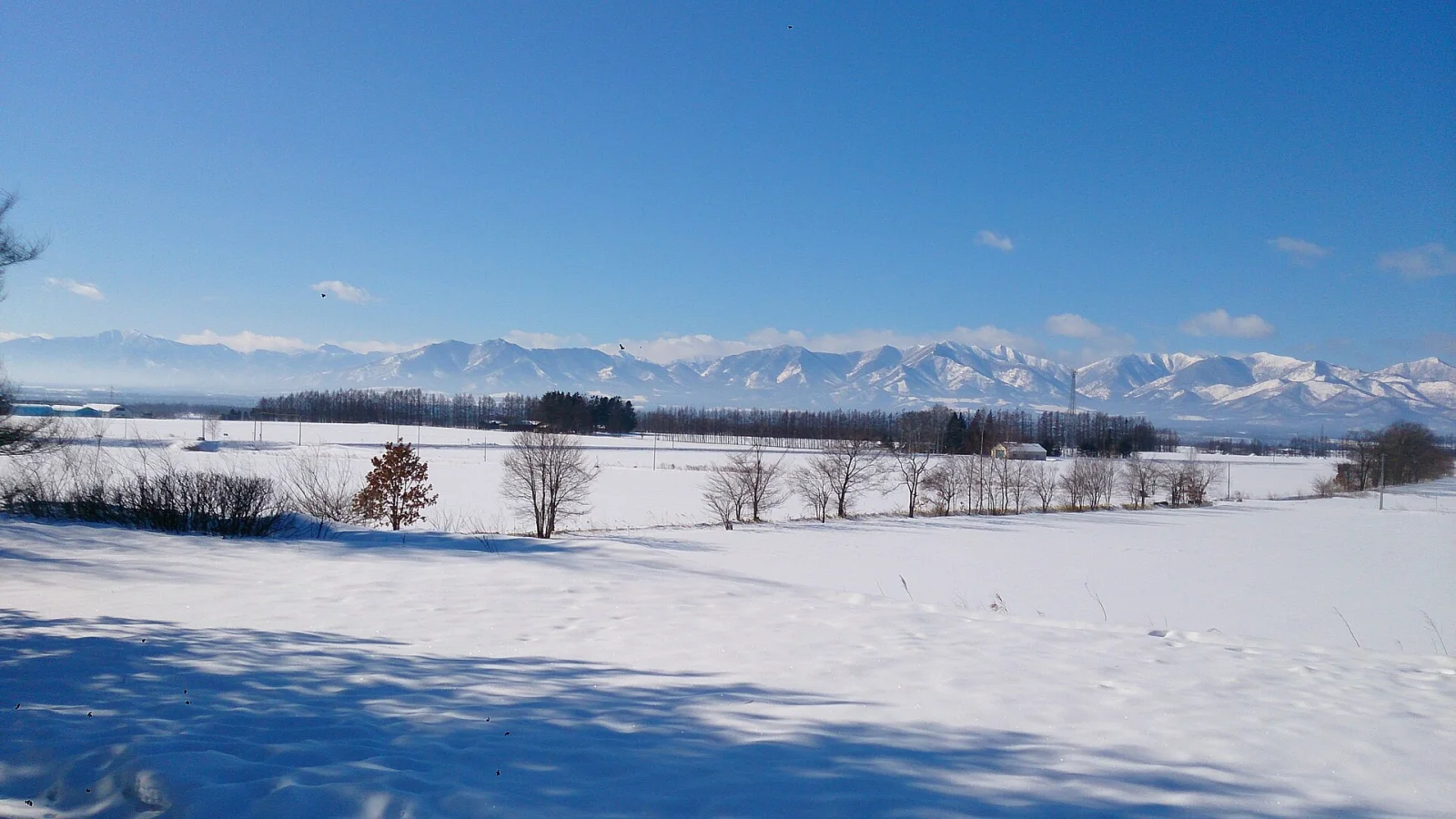
Plan a first two-day trip to Obihiro and Tokachi around race days, ryokan dinners and bus timetables. Covers Tokachigawa Onsen day-use bathing, Shichiku Garden, driving to Kofuku Station, winter 2026–27 schedules and onward travel to Kushiro.
Getting to Obihiro
From Sapporo by JR, take either the Limited Express Tokachi, which terminates at Obihiro, or the Limited Express Ozora, which continues to Kushiro. Both trains have reserved seating only, requiring a base fare ticket plus a limited express reserved-seat ticket. The journey from Sapporo to Obihiro takes around two and a half hours depending on the service. Flying into New Chitose Airport, take a JR train one stop to Minami-Chitose and transfer there to an Obihiro-bound limited express that calls at the station. Factor the airport-to-Minami-Chitose leg into your ticket purchase, and leave buffer time on arrival day for immigration, baggage reclaim and platform changes.
Flights from Tokyo Haneda land south of the city at Tokachi-Obihiro Airport. The airport-listed city shuttle bus reaches Obihiro Station Bus Terminal in about 38 minutes for ¥1,000 adult single, alongside a separate shuttle calling at selected hotels. Step into the first-floor arrivals hall to buy a ticket from the machine, then wait outside the terminal. Travellers heading straight to the racecourse without heavy luggage can stay on the same city shuttle to the Obihiro Keibajo-mae stop, listed at roughly 55 minutes from the airport.
If you are flying in and hiring a car during the warmer months, tackle the southern sights on whichever end of the trip gives you an early arrival or late departure. The drive from the airport to Kofuku Station takes around 10 minutes, and Shichiku Garden estimates about 28 minutes from the airport. Touring this area straight off the plane saves an extra round trip between town and the south. Leaving it for departure day means working backwards from refuelling, car return, shuttle transfer and check-in—with Kofuku Station, closer to the terminal, as the logical final stop. Before booking online, check whether your pick-up desk is at the airport or outside Obihiro Station, as each sets a different starting route.
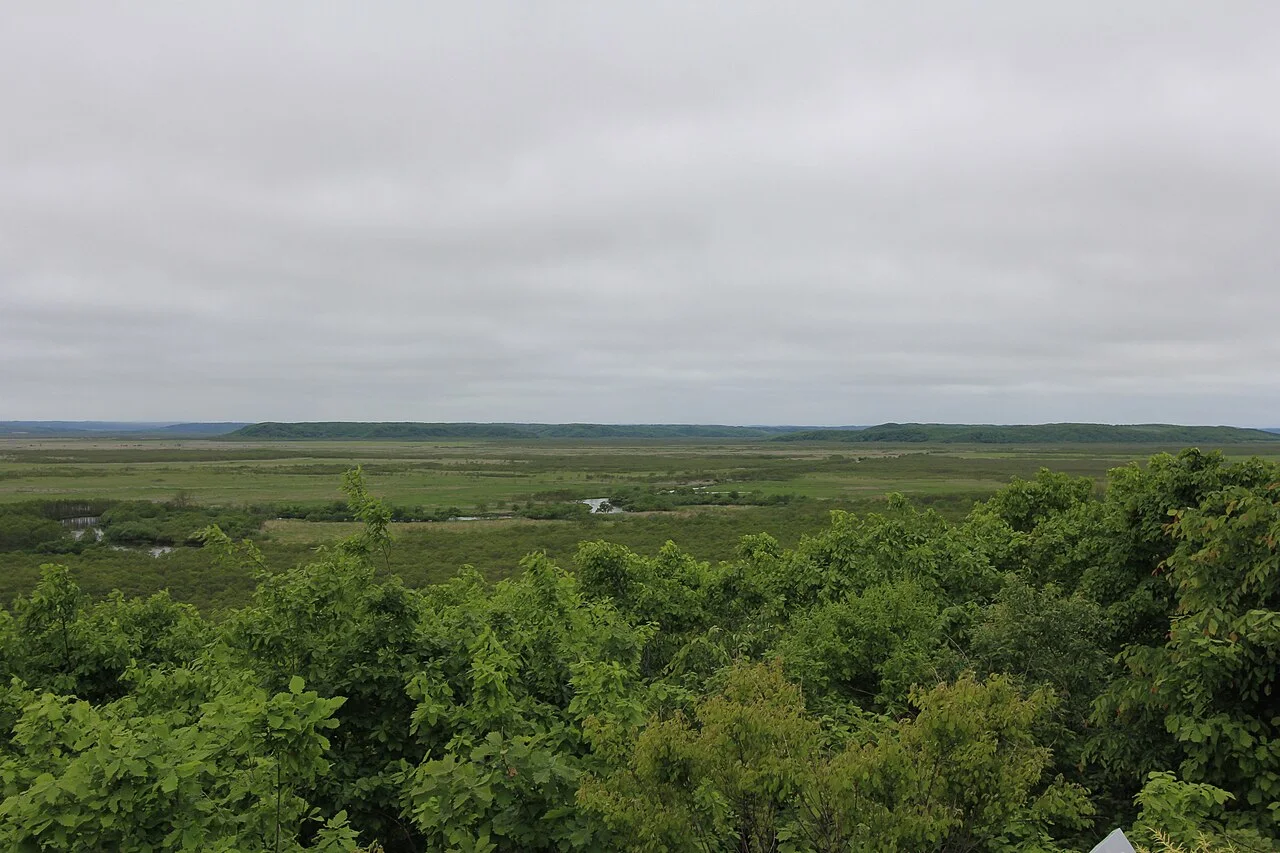
Drivers heading straight from Sapporo along the Doto Expressway pass Tokachi Heigen Service Area between the Tokachi-Shimizu and Memuro interchanges. It is a worthwhile pause if you are already on the motorway, offering views across foreground fields towards the Hidaka Mountains. NEXCO East lists the upbound and downbound service areas separately, with vending machines available on both sides. Pick up a proper meal before joining the expressway or wait until you reach Obihiro.
Ban'ei horse racing: pick your race, then pick your spot
Ban'ei horse racing (ban'ei keiba) is unique to Obihiro Racecourse, where heavy draught horses pull weighted sledges down a 200-metre straight track over two humps, the steeper second obstacle rising 1.6 metres. On a first visit, stand near the second obstacle to watch how jockeys pause their horses briefly before urging them up the slope. Even after cresting the hump, a leading horse may stop again; a finish only counts once the rear of the sledge crosses the line. Watching a single race from the obstacle shows the tactical shifts before the climb and before the wire, which feels completely different from standing at the finish line waiting for the result.
Buying a betting ticket and entering the racecourse are separate matters. The racecourse's admission and access page currently lists entry as free, so casual spectators can walk straight through the gates. Catch a Tokachi Bus bound for Obihiro Keibajo-mae from bay 12 at Obihiro Station Bus Terminal, or take a taxi from the station's South Exit—the racecourse quotes roughly 7 minutes. Families visiting with children should locate the toilets and indoor rest areas on arrival before choosing which race to watch outdoors. When taking photos along the rail, stay in designated public viewing zones and keep walkways clear for moving crowds.
The 2026 racing season runs from 17 April 2026 to 21 March 2027, rotating between full night meets, semi-night meets and twilight cards. Over New Year, the Obihiro Kinen takes place on 2 January 2027, while the flagship Ban'ei Kinen closes the season on 21 March. The racecourse also announced irregular race days for certain weeks starting 4 December 2026, so winter planners should verify active dates directly on the calendar. The official race schedule lists daily gate times, first post and individual race start times. If you plan to arrive late, simply check the start time of the race you want to see rather than blocking out the whole evening.
An early race pairs cleanly with dinner at a hot-spring ryokan, whereas a late card suits staying in central Obihiro. When sketching your timetable, build in walking out of the grandstand, waiting for buses and city transfers—especially if you need to catch Route 45 back out at night. Remember that the city shuttle loops back to Obihiro Station while Otofuke's hot-spring buses run on a separate route, so check your return before staying for the final race. If you plan to eat at Kita no Yatai afterwards, check which stalls are open that evening and keep dinner and your hotel within walking distance.
Non-race days: the Horse Museum and central Obihiro
Next to the racecourse, Tokachimura houses farm produce shops and eateries, and near the entrance sits the free Horse Museum. To understand Tokachi's farm-horse heritage, browse the ploughs, harnesses and scale models first to see where the racing sledges came from. The museum normally stays open until 16:00, extends hours during the busy summer season, and closes every Wednesday from early December to early March. Note that the market and museum keep separate hours. Families hoping to meet horses up close can visit the on-site petting area, open from gate opening until 17:00 and closed on Tuesdays; on days with late gate openings, stop by to see the animals before racing begins.
Walk out of Obihiro Station's North Exit into town and spend a spare afternoon calling at Rokkatei's Obihiro Main Store. It stands at Nishi 2-jo Minami 9-chome, just around the corner from Kita no Yatai at Nishi 1-jo Minami 10-chome, making an easy transition from afternoon pastries to evening food stalls. Save pork rice bowls for lunch on arrival so your appetite is free for yatai stalls or a ryokan dinner later. If you arrive rolling a suitcase, leave it at the station before walking north, then take only a light jacket and essentials out to the racecourse.
If rain arrives or you have a long wait between connections, the Hokkaido Obihiro Museum of Art in Midorigaoka Park easily fills a couple of hours. Take a bus to the Midorigaoka 6-chome / Bijutsukan Iriguchi stop, listed by the museum as a 4-minute walk away. It generally closes on Mondays—staying open on public holidays and substitute holidays and closing on the following weekday instead—as well as during exhibition changeovers. During the year-end closure from 29 December to 3 January, swap the museum for dining around the station or confirmed-open facilities at the racecourse.
Tokachigawa Onsen: day-use bathing versus an overnight stay
Tokachigawa Onsen is famous for its amber-brown plant-derived moor hot spring water. The local tourist association links this water to ancient strata of accumulated plant matter and highlights its designation as a Hokkaido Heritage site. Travellers who like bathing after dinner and slipping in for another soak the next morning gain an extra session by staying overnight. Those aiming to pair a soak with city dining, night racing or an evening train will find a day-use visit far easier to time.
Inside the roadside station Garden Spa Tokachigawa Onsen, Spa Kohaku is a mixed-gender bathing area where guests wear swimsuits or the facility's bathing wraps, allowing families and couples to soak together. Standard admission is ¥1,500 for ages 13 and over, ¥600 for ages 4 to 12, and free for ages 3 and under. The spa notes that children's bathing wraps are only stocked in a 100 cm size, so bring properly fitting swimwear for kids. Changing rooms include showers for rinsing beforehand and space to change back into street clothes before browsing the shops or dining outside.
Keep track of three separate cut-offs: roadside station opening hours, last spa entry and restaurant last orders. During the evening event window from 1 November to 6 December 2026, the spa runs special hours from 09:00 to 18:00 with last admission at 17:00. If you leave Obihiro late in the afternoon, that one-hour buffer decides whether you get in. Across the main winter season from November to April, the spa closes on Tuesdays, so weekday visitors should check the monthly calendar in advance. Bathe first, pick up evening snacks afterwards, and leave yourself time to sit and wait for the return bus.
For a traditional communal bathhouse experience, the Tokachigawa Onsen Tourist Association's annual day-use bathing chart lists reception windows, last entry times and children's rates across participating hotels. Pick a property close to your return bus stop so you are not rushing across the bridge or dragging bags afterwards. Companions preferring privacy can look up private chartered bath (kashikiri buro) plans, checking rental slots and fees in advance. If you want moor water directly in your guestroom, check the water source and opening arrangements for that exact room category.
At Kangetsuen, for instance, day-use rates from April 2026 are ¥2,000 for junior high school students and adults, and ¥700 for ages 1 through primary school. On Saturdays and designated dates, afternoon entry is split into two windows: 13:00 to 15:00 and 18:00 to 21:00. Bus passengers targeting this bath can arrive straight after lunch or stroll the nearby park first and plan around an evening bus back. Note that Kangetsuen prices children's tickets by school stage rather than the exact age brackets used at Spa Kohaku.
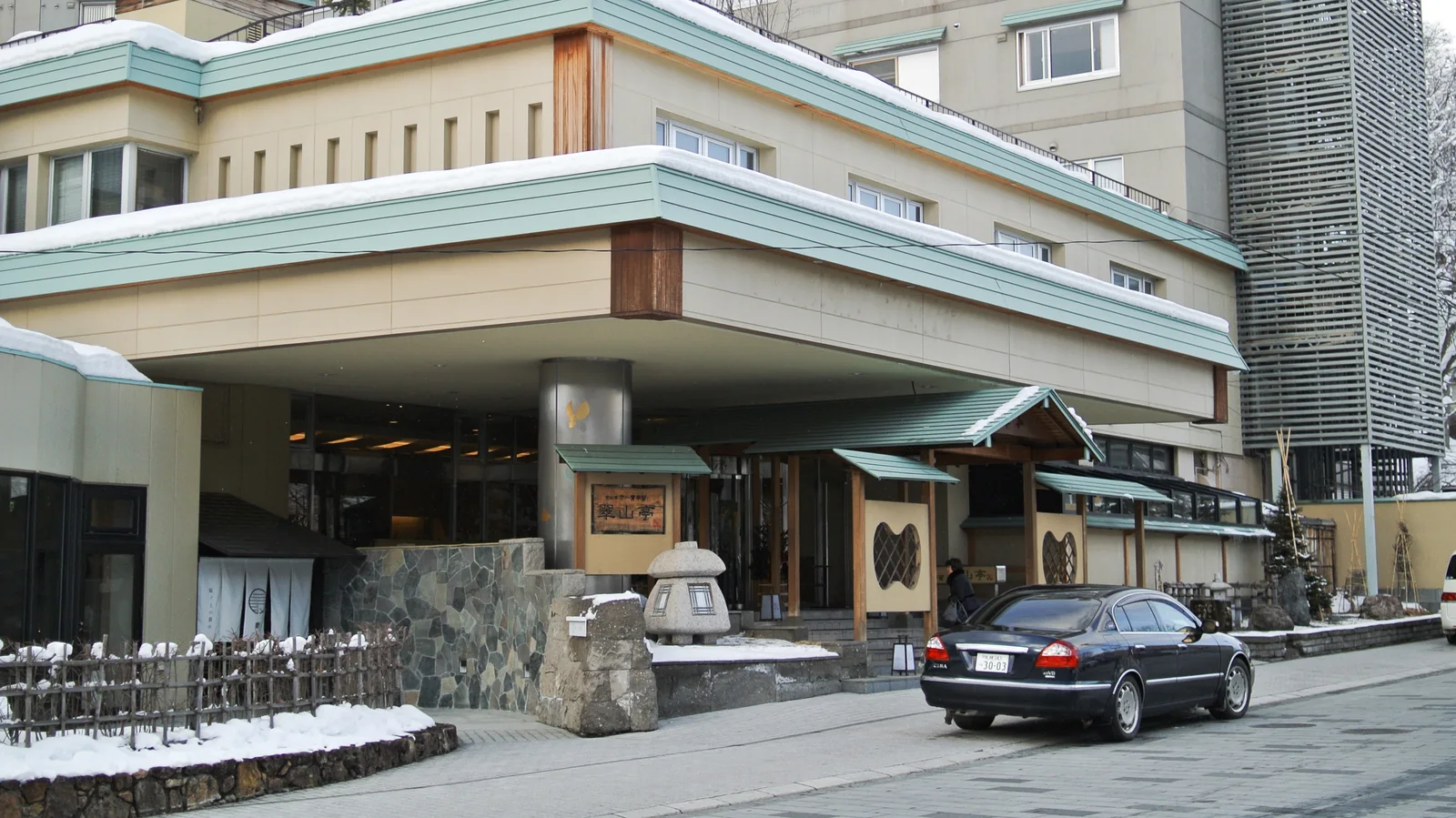
If an in-room bath is your priority for an overnight stay, compare the two wings of Tokachigawa Onsen Daiichi Hotel. Every room in the Hosyutei wing features an open-air moor spring bath, whereas Toyotei offers a choice between rooms with hot-spring observation baths and standard rooms. Families should filter room availability by exact child ages and headcount before booking. Guests happy to use the communal baths can book a standard room and put the budget towards an upgraded dinner plan instead—each wing sells both bed-and-breakfast and half-board packages, so double-check the meal tier once you select a room.
When reserving a half-board stay, check both the dinner start windows and the latest check-in time, then count backwards to set your hire car pick-up or bus departure. Compare total package quotes for your actual party size, including meals, children's menus and any paid private bath bookings. If you have an early train the next morning, confirm when breakfast opens and when the first bus leaves after check-out; an early departure usually means sacrificing either a morning soak or a full breakfast. Travellers leaving early may get better value by staying near Obihiro Station and visiting the hot spring the afternoon before.
Taking Tokachi Bus Route 45 from Obihiro Station
At Obihiro Station Bus Terminal, look for Tokachi Bus Route 45 (Tokachigawa Onsen Line), which mostly departs from bay 6 with occasional services from bay 7. Alight at Garden Spa Tokachigawa Onsen for the roadside station, or match hotel stays to stops on the timetable such as Daiichi Hotel, Kangetsuen and Sasai Hotel. Outbound rides from the station to the roadside station take around 28 minutes, while the return trip needs roughly 35 minutes back to Obihiro Station. Leaving large suitcases in town and collecting them before boarding a later JR train keeps both legs effortless.
Tokachi Bus revised select weekday departures from 13 October 2026. Check your exact travel date and return stop against Tokachi Bus Route 45's current weekday and weekend/holiday timetables, and consult separate holiday notices over New Year. On a typical weekend, a bus leaving Obihiro Station at 11:20 arrives at the roadside station at 11:48, and a 17:40 return gets you back at 18:15—ample time for lunch, a soak and a walk to the flower clock. If you plan to stay past 18:00 for an evening event, check the last bus of the night first and either book a taxi ahead or be prepared to call one.
From 1 April 2026 to 31 March 2027, Otofuke Town offers free return bus travel between Obihiro Station and the hot spring for guests staying at seven participating hotels. Before boarding the outbound bus, present your booking confirmation (digital or printed) at the Obihiro Station Bus Terminal counter to collect a dedicated voucher; your hotel reception issues the return ticket. The list of eligible properties and ticket instructions appear in the Tokachigawa Onsen Tourist Association's guest bus announcement; day-trippers pay standard fares.
To combine the hot spring with Tokachi Ecology Park by bus, use the Ecology Park stop serving the main visitor facilities on the Otofuke side. Departures marked with a telephone symbol on the timetable require advance reservation—ring Tokachi Bus before each service's cut-off time. If you are connecting to a reserved-seat JR train, jot down both your planned bus and one earlier backup service. Anyone relying on the final viable bus should leave the baths early to preserve a comfortable transfer margin at Obihiro Station.
Around the baths: Tokachigaoka Park and Tokachi Ecology Park
Tokachigaoka Park is home to Hanakku, a giant flower clock measuring roughly 18 metres across. Just a 5-minute walk from the roadside station bus stop, the clock plaza makes an easy stroll before or after bathing. To take in views of the Tokachi River winding across the plain towards the Hidaka Mountains, continue uphill to the Tokachigaoka Observatory. Visitors with limited mobility or pushchairs can simply walk as far as the flower clock plaza and turn back—also a sensible cut-off at dusk, saving the uphill climb for daylight.
Tokachi Ecology Park spans Otofuke, Makubetsu and Ikeda. Families looking for the visitor centre, broad lawns and play equipment should navigate to the Otofuke entrance. For the fishway and underwater viewing windows, head to Totorodo on the Makubetsu side, listed as open from 29 April to late November with salmon running upstream in autumn. Each section has its own entrance and hours, so pick one side for the day. At the Otofuke entrance, the outdoor bouncing dome closed for the season in November 2026, and the park itself closes from 29 December to 3 January; in winter, check official event notices for active snow activities and stick to indoor hot-spring facilities over the year-end break.
Otofuke also has a second roadside station near the Otofuke-Obihiro Interchange: Roadside Station Otofuke Natsuzora no Furusato. Use that full name in your satnav if you are stopping for local wheat baked goods or lunch before joining the motorway, and choose the riverside Garden Spa Tokachigawa Onsen when you want to bathe—the two sit in completely different parts of town. The Otofuke roadside station market generally stays open until 18:00 in winter, while the outdoor Natsuzora drama farm sets close for the cold season; save the TV set buildings for warmer months and treat winter visits purely as an indoor dining and shopping stop.
Southern gardens: choosing between Shichiku Garden and Rokka no Mori
Shichiku Garden sits amid farmland in Biei-cho, where wide horizons and distant windbreak trees are built into the walk. Inside, paths wind through woodland borders, herb beds and wildflower meadows. Pause along the edges to take in the layered planting, walk out towards the perimeter for views across surrounding fields, and linger wherever the blooms catch your eye. The garden estimates a 35-minute drive from Obihiro Station and around 53 minutes from Tokachigawa Onsen, so hot-spring guests hoping for an early visit should budget extra time to cross south of the city.
Shichiku Garden's official site lists its typical season from the third Saturday in April to late October, open 08:00 to 17:00. The Hokkaido Garden Path schedule for 2026 lists 18 April to 31 October, with admission at ¥1,000 for high school students and adults, ¥200 for primary and junior high pupils, and free for younger children. Use the Garden Path's monthly bloom chart to target particular flowers, then check the garden's current photos before picking your date. Early spring brings bulbs and low perennials along the paths, while autumn showcases dahlias and Japanese anemones—though pinning an autumn trip to the final week of the season leaves little margin for peak colour.
Located in Nakasatsunai Village, Rokka no Mori was created by confectioner Rokkatei around the wildflowers featured on its famous wrapping paper. Follow the streamside trails past native flora and small gallery buildings displaying botanical paintings by Naoyuki Sakamoto. Art-minded visitors will enjoy seeing the original illustrations inside the Wrapping Paper Gallery and then spotting those exact flowers along the path. Because Rokkatei's Obihiro Main Store sits in central Obihiro, always include "Nakasatsunai" when searching maps or entering the destination into a car satnav. Rokka no Mori has already closed for its 2026 season, so winter travellers should stick to the city shop or other year-round venues.
The drive between the two gardens takes around 31 minutes according to garden estimates. With half a day, pick Shichiku Garden for sweeping flowerbeds or Rokka no Mori for native mountain flora and galleries. Given a full day by car when both are open, visit Shichiku Garden in the morning, stop for lunch in Nakasatsunai, and explore Rokka no Mori in the afternoon—using last-entry times to decide whether Kofuku Station fits in between or on the drive back. The Hokkaido Garden Path links gardens across central and eastern Hokkaido; continuing on to Furano and Biei is far better saved for a separate day.
Visiting Kofuku Station by bus: check the return stop first
Kofuku Station is a preserved transport park on the former JNR Hiroo Line, featuring a wooden station building, timber platform and two diesel railcars. Since the Hiroo Line closed in 1987, reaching it from Obihiro requires a bus or a car. Tokachi Bus Route 60 (Hiroo Line) departs from Obihiro Station Bus Terminal; the city quotes a 40-to-50-minute ride to the Kofuku stop, followed by a 5-minute walk. On arrival, locate the Obihiro-bound bus stop across the highway straight away. Between buses you have time to see the station house, platform and carriages; if time is tight, leave buying souvenir tickets until last.
Driving south from central Obihiro along National Route 236 takes around 30 minutes according to municipal estimates. Aikoku Station, another stop from the old Hiroo Line, sits halfway between Obihiro and Kofuku. For a complete railway theme, stop at Aikoku on the way out to see its steam locomotive before continuing to Kofuku's preserved diesel cars. If you are heading straight from the airport and also visiting gardens on the same day, Kofuku Station alone is enough. Drivers can pull straight into the site car parks, while bus passengers should watch for traffic when crossing between the highway stop and the park.
The pairing of the two stations dates back to the "Aikoku to Kofuku" ticket craze sparked by an NHK television feature in 1973. Today Aikoku's station building operates as a free transport memorial hall displaying vintage tickets and railway memorabilia. It normally opens daily from 09:00 to 17:00 between March and November, drops to Sundays only from December to February, and closes access to the steam locomotive from November through March. On a winter weekday when you only want one stop, visiting Kofuku Station in daylight to see the preserved carriages connects much more cleanly with return buses.
Travellers without a hire car who want to combine gardens and the old station in one day should arrange taxis for the garden hops or ask a local cab firm about fixed-rate countryside tour plans. Specify the number of stops, how long you want at each, and whether you need luggage space or a child seat when booking. If relying solely on buses, treat Kofuku Station as your single southern excursion and return to Obihiro Station for lunch. Even when an outbound airport shuttle can drop you along the route, continuing onwards afterwards means catching a different bus from the correct stop—use Route 60 out and back, matching the highway-side Kofuku stop to that day's weekday or holiday timetable.
Four two-day itineraries by timetable and base
Public transport with night racing: stay near Obihiro Station. Drop bags at midday on day one, eat pork rice bowls in town, visit the Horse Museum and watch a race or two—staying later if you want the evening feature race. On day two, ride Route 45 to the roadside station, walk to the flower clock, soak and head back to Obihiro for dinner or your train. If your departure train leaves in the morning or early afternoon, shrink day two to breakfast and shopping near the station, move your day-use onsen visit to day one afternoon, and fit evening racing around the schedule.
Public transport with an overnight onsen stay: catch a bus out to Tokachigawa after lunch on day one, stroll the park or check in early, and structure the evening around your ryokan dinner time. Return to central Obihiro on day two for afternoon racing if the calendar aligns. When racing only falls on day one, catch the opening race before heading to the hot spring—provided bus connections and your dinner check-in window leave enough slack. Guests taking suitcases out to the onsen can re-stash them at Obihiro Station on day two so they can visit the racecourse hands-free.
Self-drive garden-season route: cover Shichiku Garden and Kofuku Station on day one, working backwards from your hot-spring hotel's latest dinner seating to set your departure from the south. Enjoy the Tokachigawa scenery after breakfast on day two, then drive back into Obihiro for lunch and an early race before returning the car or continuing east towards Kushiro. If racing only runs on day one, catch an early race in town first and save the southern loop for departure day—limiting the afternoon to your single favourite garden if you have an evening drive to Kushiro.
Public transport in winter: with the gardens closed, swap the southern half-day for Otofuke or central Obihiro. Stay at Tokachigawa Onsen if you want to step outside for evening events right after dinner, leaving time afterwards to change out of damp clothes or rest with children; station-based travellers should plan their return ride before heading out. When weather cuts cross-town travel short, fill the gap in Obihiro using Rokkatei's main store, the art museum on open days and the racecourse's Horse Museum, choosing whichever combination is open that day.
- Day trip from Sapporo: pair lunch near the station with an early race, or dedicate the whole afternoon to a day-use soak at Tokachigawa. Choose your return JR train first and work backwards from its departure time.
- One-day fly-drive: put the southern sights in the longer daytime gap between flights. If you also want Tokachigawa Onsen, stay nearby or leave it for another day so airport check-in and driving remain stress-free.
- Three days and two nights: spend night one in Obihiro for the evening races, and night two at the onsen for dinner. Head towards Kushiro on day three, deciding whether to carry luggage onwards or store it near the station the night before.
Checking the right year for winter events
Tokachigawa Onsen hosts different evening events depending on the month. Otofuke Town's fiscal 2026 tourism brochure schedules the Tokachigawa Swan Festival Sairinka at Tokachigaoka Park from late January to mid-February 2027, running 19:00 to 21:00; the specific dates 24 January to 15 February shown on the tourist association's event page refer to the 2026 edition. Use Otofuke's broad seasonal window when booking winter rooms, then confirm exact 2027 dates before locking in tickets, dinners and transfers. For late-November visits, look instead for Kohaku Night & Marche at the roadside station, which operates on its own schedule and venue.
Families hoping for snow play can check Otofuke's annual event map, which lists winter activities and equipment hire at Tokachi Ecology Park—including snow tubes, snowshoes and cross-country skis. Pick one activity that suits snow conditions and everyone's ages, then plan your soak afterwards. If hiring gear, factor kit return, changing into dry socks and bus waits into your schedule, especially if you have town races or a limited express train later in the afternoon. During the year-end park closure, build your day around a hot-spring soak and lunch by the station.
Central Obihiro and the countryside feel noticeably different in winter. At the racecourse, step indoors between races to warm up before heading back out to the second obstacle. Driving up to Tokachigaoka Observatory, watch for icy gradients and car park surfaces, and postpone scenic viewpoints until morning if visibility drops. Once parked, stick to public viewing areas rather than wandering down farm tracks for photos. Before driving into eastern Hokkaido, check expressway and road closures; if restrictions are in force, switch to JR services rather than treating mountain backroads as shortcuts.
Continuing to Kushiro or Lake Akan: pick your next bed first
Direct JR Limited Express Ozora services from Obihiro to Kushiro currently take between 1 hour 32 minutes and 1 hour 43 minutes. Budget roughly 90 to 105 minutes for the train itself, plus the bus ride back from the onsen and transfer time at Obihiro. Sample November 2026 departures include 14:17 from Obihiro arriving in Kushiro at 15:50, and 16:19 arriving at 17:51. Take the later train if you only need to check in and dine, or catch an earlier departure to reach Nusamai Bridge by sunset—in winter, hand the afternoon over to the transfer from midday onwards.
If you plan to explore Kushiro's harbourfront and markets upon arrival, staying in central Kushiro makes it easy to walk from the station to dinner. For Kushiro Shitsugen Wetland the next day, choose one focus—an observatory or a wetland sightseeing train—and build a half-day route around seasonal transport. Lake Akan sits inland: if your next night is booked by the lake, check the Kushiro Station connection to the lakeside bus first, then select an Obihiro train that leaves plenty of transfer slack.
Drivers bound for central Kushiro can follow the E38 Doto Expressway, following the completion of the Akan IC to Kushiro-Nishi IC section in December 2024. If Lake Akan is your destination, set your lakeside hotel as the satnav endpoint so you approach directly rather than driving all the way to Kushiro Station and doubling back inland. Picking up a car in Obihiro and dropping it off in Kushiro requires checking one-way fees, opening hours and the exact return branch with your rental agency: airport branches suit outbound flyers, while Kushiro Station offices suit train travellers, each requiring different buffer times. To expand the trip over several days of lakes and wildlife, follow our eastern Hokkaido lakes and wildlife route.
A few useful answers
What is the smoothest two-day Obihiro and Tokachi itinerary without a car?
Spend day one eating around Obihiro Station and visiting Obihiro Racecourse, then ride Tokachi Bus Route 45 to Tokachigawa Onsen on day two. To include Kofuku Station, swap one half-day for a Route 60 bus trip.
Should I stay overnight at Tokachigawa Onsen or visit for a day soak?
Stay overnight if you want a ryokan dinner plus both evening and morning baths. If you are attending night racing or catching a late train out of Obihiro, a day-use visit to Spa Kohaku or an open-access hotel bathhouse is much easier to fit in.
Do I need to book ahead or place a bet to watch Ban'ei horse racing?
General spectators can walk straight in; the official access page currently lists admission as free. You can stand beside the second obstacle to watch the horses haul their sledges over the slope without buying a betting ticket—just check that day's gate and post times.
Can I visit Shichiku Garden and Rokka no Mori during a two-day winter trip?
Shichiku Garden's outdoor season ends in late October, and Rokka no Mori has also closed for its 2026 season. In winter, focus on Tokachigawa Onsen, Obihiro Racecourse or the Hokkaido Obihiro Museum of Art in Midorigaoka Park.
Do trains still stop at Kofuku Station?
No—Kofuku Station is preserved as a transport park along the former Hiroo Line. From JR Obihiro Station, take Tokachi Bus Route 60 (Hiroo Line) to the Kofuku stop and walk roughly 5 minutes.
Can day-trippers use the free Tokachigawa Onsen bus?
From 1 April 2026 to 31 March 2027, free bus travel applies only to guests staying overnight at seven designated hotels. Day-use visitors pay standard bus fares.
Official information and references
Sources used in this guide.
- JR Hokkaido: Limited express trains and reserved seating for Obihiro and Kushiro
- JR Hokkaido: Downbound limited express timetable for Sapporo, Obihiro and Kushiro
- Tokachi-Obihiro Airport: Shuttle buses and fares
- Obihiro Racecourse: Admission and access
- Obihiro Racecourse: Daily and seasonal race calendar
- Ban'ei Tokachi: Fiscal 2026 race schedule and major race dates
- Ban'ei Tokachi: Irregular race schedule from December 2026
- Ban'ei Tokachi: Track layout, obstacles and finish rules
- Obihiro Racecourse: Horse Museum opening information
- Obihiro Racecourse: Animal petting area
- Obihiro Tourist Association: Rokkatei Obihiro Main Store
- Obihiro Tourist Association: Kita no Yatai
- Hokkaido Obihiro Museum of Art: Access and closures
- Hokkaido Obihiro Museum of Art: Year-end and exhibition changeover closures
- Tokachigawa Onsen Tourist Association: About the moor hot spring
- Tokachigawa Onsen Tourist Association: Fiscal 2026 hotel day-use bathing guide
- Garden Spa Tokachigawa Onsen: Spa Kohaku admission and closures
- Spa Kohaku: Swimwear, bathing wraps and children's sizes
- Garden Spa Tokachigawa Onsen: Adjusted hours from November to early December 2026
- Tokachi Bus: Weekday and weekend timetables for Routes 45 and 60
- Tokachi Bus: Weekday frequency reductions from 13 October 2026
- Tokachigawa Onsen Tourist Association: Eligible hotels and vouchers for the free bus
- Otofuke Town: Fiscal 2026–27 free bus campaign period
- Tokachigawa Onsen Tourist Association: Tokachigaoka Park and Observatory
- Tokachi Ecology Park: Otofuke, Makubetsu and Ikeda entrances and hours
- Tokachi Ecology Park: Seasonal facility operating notices
- Shichiku Garden: Opening season and inter-garden driving times
- Hokkaido Garden Path: 2026 opening dates, monthly bloom calendar and admission fees
- Rokkatei: Rokka no Mori grounds, galleries and opening schedule
- City of Obihiro: Kofuku Station, Aikoku Station and bus access
- Otofuke Town: Fiscal 2026–27 event map and Sairinka preview
- Tokachigawa Onsen Tourist Association: Sairinka event details
- NEXCO East: Tokachi Heigen Service Area on the Doto Expressway
- Hokkaido Regional Development Bureau (MLIT): Doto Expressway Obihiro–Kushiro corridor
- City of Obihiro: Kofuku Station history, Aikoku Memorial Hall and steam locomotive
- Tokachigawa Onsen Kangetsuen: Day-use baths and entry windows
- Tokachigawa Onsen Kangetsuen: Day-use admission rates from April 2026
- Tokachigawa Onsen Daiichi Hotel: Hosyutei rooms and moor hot spring
- Tokachigawa Onsen Daiichi Hotel: Toyotei room types and baths
- Roadside Station Otofuke: Facility address and summer/winter hours
- NEXCO East: Tokachi Heigen Service Area downbound facilities
- Hokkaido Heritage: Tokachi's plant-derived moor hot spring