Plan a meal at Washo Market, a riverside walk and dinner at MOO from Kushiro Station. Includes Sunday closures, the end of the 2026 robata season, non-refundable food tickets, and choices for three hours, half a day or an overnight stay.
- Reading Scope
- 32 min read · 12 chapters · 6 Q&As
- Official Verification
- 24 official sources checkedUpdated 9 November 2026
- Key Topics
- FoodItinerariesTravel budget
Chapter Route Map (tap any stop)
- Check the day before choosing a market breakfast or riverside dinner
- Allow separate walking time for the market and MOO
- Buy rice first, then carry your bowl round the topping stalls
- Choose cooked food straight away for anyone who avoids raw seafood
- Buy seafood gifts after eating, and ask separately about chilled and frozen goods
- MOO in the afternoon: shops, lunch and EGG have different hours
- Choose indoor yatai for November dinner, or go upstairs for lamb
- Check robata seating first; reserved guests must arrive before 18:00
- Buy a small amount of food tickets first, then top up in ¥50 units
- Use clear weather for a walk from MOO to Nusamai Bridge
- Choose the meal to keep in three hours or half a day
- For one night, choose the station or riverside by your first stop next morning
- Quick Q&A
Check Washo Market’s calendar for a Sunday visit, and choose an indoor dinner in November. From a bowl of seafood by the station to an afternoon beside MOO, let your arrival time decide which meal you can enjoy at ease.
Check the day before choosing a market breakfast or riverside dinner
With half a day in Kushiro, first decide whether you most want a katte-don seafood bowl with toppings you choose yourself, or a sit-down dinner by the river. Washo Market is near the station and suits a meal before or after a train. MOO stands beside the Kushiro River, where shopping, a walk to Nusamai Bridge and dinner fit into one part of the day. Treat them as two destinations with separate opening conditions, and the plan becomes clearer than simply looking for a seafood market.
Washo Market’s official FAQ gives opening hours of 08:00–17:00 from Monday to Saturday. It normally closes on Sundays, with special opening days listed separately. The calendar embedded on its website listed a special opening of 08:00–16:00 on Sunday 11 October 2026, but marked Sunday 1 November as a regular closing day. If you arrive on 1 November, go straight to MOO for lunch, the riverside and an indoor dinner. Save katte-don for Monday morning, 2 November.
Ganpeki Robata, the quayside charcoal grill, has a separate season. MOO’s 2026 notice gives Friday 15 May to Saturday 31 October as the operating season. Dinner on 31 October falls within that period; on 1 November, choose an indoor restaurant or Minato no Yatai. MOO still works for shopping and meals in winter: replace the outdoor charcoal grill with another dinner option.
Take Thursday 29 October and Sunday 1 November 2026 as two versions. On the former, visit the market in the morning, the riverside in the afternoon and Ganpeki Robata in the evening. On the latter, start at a MOO restaurant around lunchtime, then choose the yatai food stalls on the first floor (2F) or the lamb restaurant on the second floor (3F) for dinner. If you have only three hours between trains, keep one full meal and add the other destination only if time allows.
| When you visit | Main plan | Time limits |
|---|---|---|
| Monday–Saturday morning | Katte-don or cooked food at Washo Market | Market 08:00–17:00; individual stalls set their own hours and ordering times |
| Sunday 1 November 2026 | Lunch, shopping and riverside at MOO | Washo calendar lists a closure; ground-floor shops 10:00–18:00 |
| Dinner, 15 May–31 October 2026 | Ganpeki Robata or indoor dining | Robata 17:00–21:00; last orders 20:40 |
| Dinner, November–April | Minato no Yatai or Kiri no Beer-en | Last orders: yatai 23:30; beer hall 20:00 |
Plan a meal at Washo Market, a riverside walk and dinner at MOO from Kushiro Station. Includes Sunday closures, the end of the 2026 robata season, non-refundable food tickets, and choices for three hours, half a day or an overnight stay.
Allow separate walking time for the market and MOO
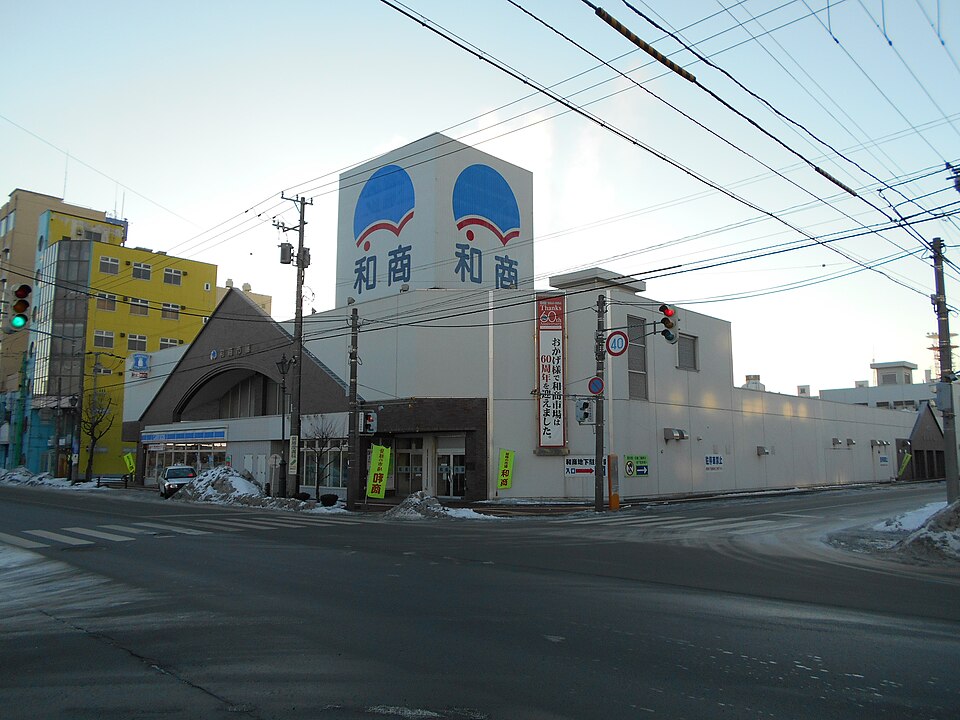
Washo Market is at 13-25 Kuroganecho, Kushiro. Its access page gives a walk of about five minutes from JR Kushiro Station and the bus terminal outside it. This makes it an easy return trip if you want to eat on arrival or have a short gap before departure. Leave your luggage with your accommodation or at storage you have found before choosing toppings. Keep your hands free to carry a bowl, pay and take your food to a seat.
MOO is at 2-4 Nishikicho. Google Maps walking routes read on 28 October 2026 showed about 1.1 km and 15 minutes from Kushiro Station to MOO, and about 1.0 km and 14 minutes from Washo Market to MOO. These were the route estimates shown at that time. Add time for crossings, finding entrances, stopping at shops and your companions’ pace. With luggage, rain or snow, shorten the walking and spend proper time at one destination.
With half a day, eat at the market beside the station, then move to MOO and the river before returning to your accommodation after dinner. If you are staying by the river, drop off your luggage or check in before exploring. If you must return to Kushiro Station that day, write the return time at the end of your plan. The 15-minute one-way route estimate excludes leaving the restaurant, collecting stored luggage and finding the platform.
Drivers can park separately for the market and MOO. The market website directs visitors to its underground car park or Kushiro Station West Shopping Street car park. MOO has its own surface car park and the nearby Nishikicho and Kahan car parks. Finish each meal and shopping stop before moving the car. Avoid leaving chilled food in the car while you walk along the river until dinner just to save a parking stop.
For large bags, start with the lockers at Kushiro Station. The facilities FAQ from the Kushiro Shitsugen National Park Liaison Council lists lockers at Kushiro Station, but none at Kushiro-Shitsugen, Hosooka or Toro stations. If you are eating in town today and heading to the wetlands tomorrow morning, keep large luggage at your accommodation or near Kushiro Station. This is easier to arrange than taking it to a small station to look for lockers. Store your bags and note their location before counting your free time in town.
Your storage location also determines where your visit ends. For a same-day train, treat “store at Kushiro Station → market or MOO → collect at Kushiro Station” as a return journey. If you are staying by the river with no early train next day, leave bags at your accommodation and return directly after dinner. If shopping at MOO leaves you with large extra bags, its official floor plan marks lockers on the ground floor near Takahashi Shoten and Kawashima Shoten, and near MOO Guide. Check whether a locker fits your bags before buying more, and schedule collection before leaving the building.
Buy rice first, then carry your bowl round the topping stalls
Katte-don involves buying your meal in stages. The market’s official instructions start with a bowl of white rice from a prepared-food shop. Take it to the seafood and fish-roe stalls to choose toppings. The illustrated instructions price rice at ¥100–400 according to portion size; some shops also offer vinegared rice. Choose the rice portion for your appetite before deciding which toppings to add.
The website lists rice sellers including Ouchi Shoten, Rofuan/Kuniki and Joypack Chicken, and seafood topping sellers including Satomura, Maruichi Sato Shoten and Kaneshime Seno Shoten. Find the rice shops on the market map first. There are several entrances, so arriving from the station does not mean buying everything at the first fish stall. The katte-don map uses different colours for rice shops and topping stalls; save it to compare with shop signs.
Toppings are sold by weight or by the slice. When it is your turn, say which item and how many slices or portions you want, then ask the price. To keep your bowl within budget, keep a running total including the rice and toppings already bought. Divide the portions of salmon roe, sea urchin, shellfish and sliced fish to suit your taste. Stop before the bowl becomes more than you can eat.
Each stall puts your chosen toppings on the rice and takes payment. You can ask for soy sauce at the end; crab soup and pickles cost extra. Budget separately for soup, drinks and additional toppings. Let each companion choose their own rice portion and toppings so that everyone gets the meal they want. Leave shopping that needs careful selection or packing until after eating, and handle the meal and souvenirs in two stages.
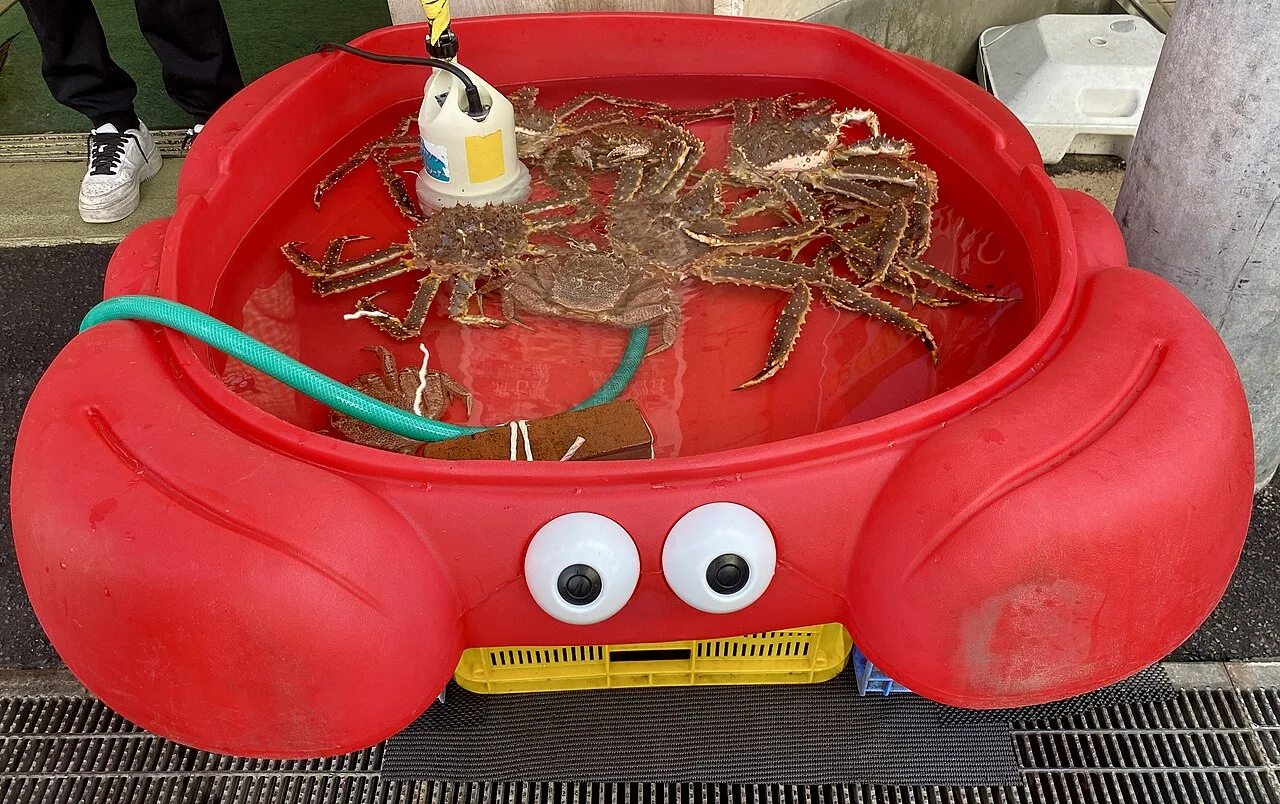
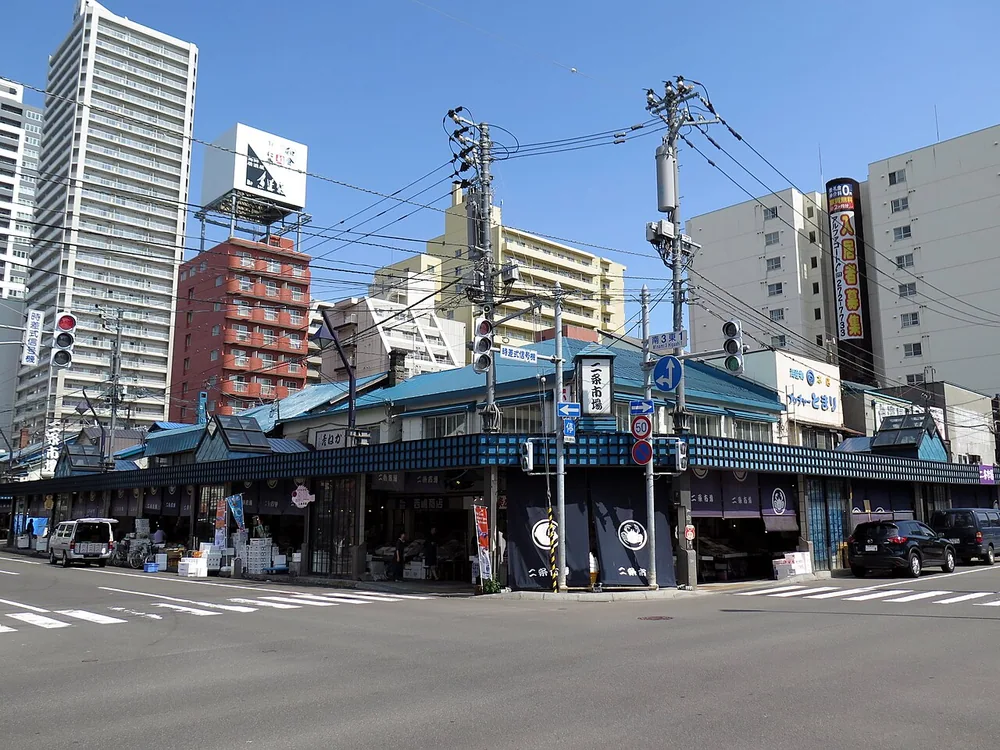
From the market exterior into the seafood stalls, then a close look at katte-don toppings.
Choose cooked food straight away for anyone who avoids raw seafood
The market recommends grilled-fish set meals at Ichibatei for people who do not eat raw food. It also lists a venison burger at Kissa Polaris. If some of you want katte-don and others cooked food, agree where to meet before ordering separately. Cooked dishes take time. Place both sets of orders before meeting up, instead of finishing one seafood bowl and then joining another queue for everyone else.
For freshly opened raw oysters to eat inside the market, its FAQ names Marusui Kawamura Suisan. Oysters sold at other stalls are not offered for eating inside the market. When you see a box of oysters, establish whether it is a product to take away or a dish to eat there. That also determines refrigeration and how you carry it.
Payment methods vary by stall. The market FAQ says some shops take cashless payments, with different systems accepted. Bring yen cash suitable for several small payments and ask each stall what it accepts before choosing toppings. You pay for katte-don toppings separately; there is no single fixed set-meal price used across the market.
Buy seafood gifts after eating, and ask separately about chilled and frozen goods
Two people do not have to buy a whole tray. The market FAQ says small quantities are available, even when goods are displayed as a full tray. Tell the seller when you intend to eat them and how many portions you need before choosing roe, dried goods or fresh fish. Fishmongers can also cut a whole fish as requested. Arrange that there rather than looking for a knife back at the hotel.
If you buy from several shops, the final shop can help combine purchases for delivery, but chilled and frozen goods may need separate boxes. Ask at your first purchase about combined packing, storage temperatures and delivery arrangements. At the last shop, hand over the goods by category. Allow a proper block of time for shipping instead of looking for someone to pack several bags of seafood just before your train.
If you plan to walk by the river all afternoon and return to the hotel after dinner, limit fresh purchases to what you can store correctly. For goods you carry yourself, tell the seller your next stop, arrival time at your accommodation and whether you have refrigeration. Follow the product packaging and the seller’s storage directions. Check the labels on dried goods kept at room temperature too; different seafood gifts may need different storage.
MOO in the afternoon: shops, lunch and EGG have different hours
MOO’s ground-floor shopping area opens 10:00–19:00 from May to October and 10:00–18:00 from November to April. On 31 December and 2–3 January it opens 10:00–17:00; the whole building closes on 1 January. The opening-hours page lists shopping, restaurants and EGG separately. On a November afternoon, finish ground-floor shopping before moving upstairs for dinner.
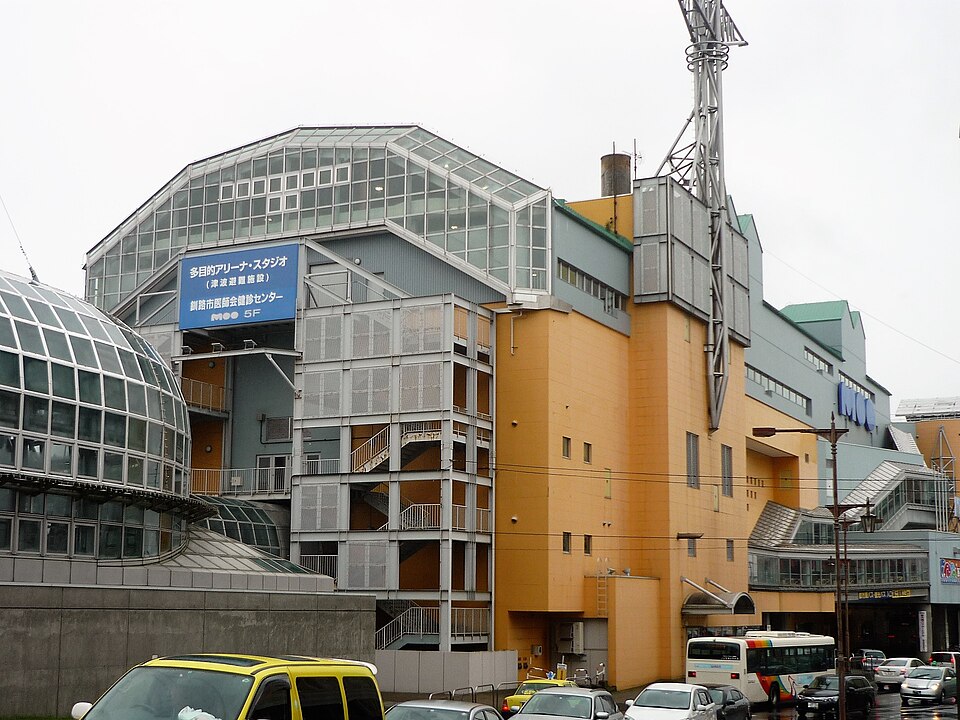
For a hot lunch, Shitsugen in the centre of the ground floor serves handmade soba, Kushiro ramen, udon and set meals. Hours are 10:00–16:00, with last orders at 15:30 and irregular closing days. It suits a Sunday when the market is closed, or anyone who wants a cooked lunch. The shop lists seven seats, and you can also eat at the rest-area tables. With a group, find seats before ordering.
On the west side of the ground floor, Takatsuna opens 12:00–15:00 from May to October and 12:00–16:00 from November to April. Another shop, Oni no Inu Ma ni, lists 11:00–16:00 and serves ramen, set meals and seafood bowls. Schedule both as lunch options. If you shop until near closing time, plan dinner on the first or second floor instead of searching the ground floor for a restaurant still open.
The neighbouring EGG glass building opens 06:00–22:00 from April to October and 07:00–22:00 from November to March. If you reach the river early, visit it before the shops open at 10:00. It can also help you adjust outdoor time before dinner. The café has its own ordering and seating hours; EGG staying open until 22:00 does not mean café food is served until then.
If you enter MOO at 14:00, lunch service at the yatai and beer hall has ended. Start with ground-floor restaurants still serving lunch. For Shitsugen, make its 15:30 last orders your next deadline. If you arrive at 16:00 and intend to wait for dinner at 17:00, use the hour for shopping, storing bags or sitting down. Plan the wait so you can judge whether children can manage it and whether companions have energy left for the river.
For an indoor place to sit and organise your route, the tourist exchange area in the centre of the first floor faces the Kushiro River and has tables, chairs, tourist leaflets and free Wi-Fi. It opens 10:00–19:00 from May to October and 10:00–18:00 from November to April. Use it to divide the afternoon between walking and shopping. If you need to meet someone after 18:00 in winter, use your chosen restaurant instead. The yatai on the same floor stays open later, but the exchange area has its own closing time.
With older relatives or young children, start at MOO Guide in the centre of the ground floor. It offers building and Kushiro tourism information, plus one wheelchair and one pushchair to borrow. With only one of each, arrange the loan on arrival before deciding whether to walk by the river or go upstairs. The floor plan marks lifts at both ends of the ground floor and an accessible toilet near the EGG-side entrance. Locate your dining floor, toilet and exit early to reduce trips back and forth with a pushchair or wheelchair.
For cooked fish in the afternoon without waiting for the yatai dinner service, try Sanmanma Uomasa in the centre of the ground floor. Sanmanma combines sauce-marinated Pacific saury and glutinous rice, then grills them over charcoal. The shop can cut it into pieces for sharing and offers hot takeaway food. From November to April, eat-in service ends at 17:15, sales and takeaway at 17:45, and the shop at 17:50. From May to October, the corresponding times are 18:15, 18:45 and 18:50. Closing days are irregular. Arriving around 16:00, you can eat before returning to the station. The shop also sells a vacuum-packed frozen version as a gift; heat it after thawing before eating. Specify whether you want hot food now or frozen goods to store at your accommodation.
Choose indoor yatai for November dinner, or go upstairs for lamb
Kushiro Minato no Yatai on the first floor is an indoor dining area with several businesses serving seafood, zangi fried chicken, chicken skewers, Chinese dishes and set meals. Dinner hours are 17:00–24:00, with last orders at 23:30. Only some shops serve lunch, from 11:30–14:00, with last orders at 13:45. It closes on 31 December and 1 January, and individual shops have their own closing days. If you arrive late, choose from shops still open. Sit down first and ask which dishes can be ordered.
Eat at a shop counter or a shared table. Businesses in the area can bring food to your seat. If one person wants fried chicken and another fish, tell the shops where you are sitting, order separately and follow each business’s payment process. This works for companions who want cooked food or have different tastes. At Ganpeki Robata, you buy ingredients with food tickets and grill them at your seat. The ordering system and seasonal closure differ.
For lamb, Kiri no Beer-en on the west side of the second floor specialises in jingisukan grilled lamb and also introduces lamb shabu-shabu. Lunch is 11:30–14:00, with last orders at 13:30. Dinner is 17:00–21:00, with last orders at 20:00. Reservations are accepted only by telephone on 0154-23-5251. If you arrive at 19:30, choose promptly and complete your order and additions before 20:00. Later arrivals can use yatai shops still taking orders.
If strong winds close Ganpeki Robata, go indoors and choose the yatai or beer hall according to their opening hours. With children, the dinner period starting at 17:00 can avoid a late wait. After a lunchtime katte-don, cooked food or lamb gives you a different evening meal.
Check robata seating first; reserved guests must arrive before 18:00
The 2026 Ganpeki Robata season runs from 15 May to 31 October, 17:00–21:00, with last orders for both food and drinks at 20:40. It operates on MOO’s quayside, with views towards Nusamai Bridge while you eat. If this meal is the focus of your visit, shop and walk by the river earlier, then return near opening time instead of waiting until sunset to look for seats.
The official visiting instructions say to check seats with staff first, then buy food tickets at the ticket counter. Walk-ins are accepted when seats are available. If it is full, arrange your place in the queue before buying tickets. Tell staff early if your group has a pushchair or someone who cannot stand for long, and decide together whether indoor dining is a better choice.
Telephone enquiries are accepted 10:00–19:00. Same-day reservations close at 15:00, and bookings are accepted only for guests who can arrive before 18:00. Daily reservation numbers are limited. The 2026 notice also excludes reservations on 13–16 August and 12–13 September, and the website explicitly rejects bookings through AutoReserve. To reserve Ganpeki Robata, call MOO directly on 0154-23-0600 with your date, party size and arrival time.
The operator lists winds of 17.2 metres per second or more, high-tide warnings and similar conditions as possible reasons for temporary closure or an early finish. Follow staff directions and the actual opening status, and eat indoors if needed. Keep an indoor alternative ready before dinner, especially before buying a large quantity of tickets and waiting for the weather to improve.
Buy a small amount of food tickets first, then top up in ¥50 units
Ganpeki Robata sells a ¥1,000 booklet containing one ¥500 ticket, one ¥200 ticket, two ¥100 tickets and two ¥50 tickets, totalling ¥1,000. Choose food and drinks at the stalls and pay with tickets. If you use a ¥500 ticket for a ¥200 item, the stall gives ¥300 in food tickets as change. Keep cash and tickets apart so that ticket change is not mistaken for a cash refund.
Tickets cannot be refunded or exchanged for cash, but remain usable during that operating season. If you are visiting briefly and leaving the same day, follow the website’s advice to buy a small amount first, then top up the difference. The ticket counter offers top-ups below ¥1,000 in ¥50 units. Whether you can return during the season directly affects the usefulness of leftover tickets.
For example, if you have bought ¥1,000 in tickets and need another ¥300 for the food you have chosen, top up ¥300 rather than buying a second ¥1,000 booklet. A second full booklet would leave ¥700 after paying that ¥300 difference. Add up the displayed prices before deciding your top-up amount. This is particularly helpful when two people share several seafood dishes.
Take ingredients and drinks back to your seat and grill beside the charcoal fire. Ask staff for help with ingredients that are difficult or time-consuming to cook. Start with an amount you can finish and add more later. This keeps ticket spending flexible and leaves more room around the table and grill. Adults should accompany children near the hot grill. Share the jobs of carrying hot food and visiting stalls so that one person is not carrying every bag as well.
Use clear weather for a walk from MOO to Nusamai Bridge
MOO’s surrounding scenery page lists the Kushiro riverside, Nusamai Riverside Square and Nusamai Bridge, and shows sunset towards Kushiro Harbour from the bridge. For a short harbour-town walk, start outside MOO, follow the river towards the bridge and return indoors for a rest. With limited time, this is enough for a walk before or after a meal.
For sunset, finish lunch and shopping first, then go out according to that day’s sunset time and sky. Late October evenings differ from midsummer. Once you choose a viewing spot, allow time to return to the restaurant; a robata reservation takes priority with its arrival-before-18:00 condition. In river fog, rain or strong wind, shorten the outdoor section and return to EGG and MOO.
For bridge and riverside lights after dinner, start with a short section near MOO, then decide whether to return to your accommodation or the station. Even on a route you walked by day, allow extra time to find your way and stop for photographs at night. Save your accommodation name and return map on your phone. For a train departure, set an earlier time to leave the river. If you continue drinking, leave driving to someone who has not drunk alcohol or arrange another way back.
Choose the meal to keep in three hours or half a day
If your three hours start and end at Kushiro Station during market hours, prioritise a full meal at Washo Market. Using the official five-minute walk in each direction and another 30 minutes back at the station for luggage and waiting, 180−10−30 = 140 minutes remain for toppings, eating and shopping. The 30 minutes is a planning allowance in this example; work backwards from your own train departure. If you want to choose seafood slowly, give all the available time to the market.
For three hours at MOO instead, use the route estimate of 15 minutes each way, or 30 minutes in total, and another 30 minutes for tasks back at the station. That leaves 180−30−30 = 120 minutes for lunch, shopping and a short riverside walk. Plan around Shitsugen’s 15:30 last orders. If you arrive after 15:30, shop first; subtract return time again before deciding whether you can wait for dinner at 17:00. The waiting period takes part of those two hours.
Use the half-day version to visit both. As an unhurried example for Thursday 29 October 2026, arrive at Washo Market at 10:00, eat katte-don or cooked food, shop and leave around 12:00. Walk to MOO and spend the afternoon inside and beside the river. An early lunch leaves room for Ganpeki Robata when it opens at 17:00. If you feel full or tired, return to your accommodation and come out again before dinner.
On Sunday 1 November, use a MOO half-day plan: ground-floor shopping after 10:00, lunch around 11:30 as shops open, then the riverside and EGG before indoor dinner from 17:00. At Kiri no Beer-en on the second floor, lunch last orders are 13:30 and dinner last orders 20:00. At the first-floor yatai, only some businesses serve lunch. Skipping the market return trip leaves time to sit down over a meal and take purchases back to your accommodation.
If you return from the wetlands in the afternoon, choose the market or MOO according to your actual arrival time at Kushiro Station. The market closes at 17:00. If you cannot choose toppings and eat properly by then, save it for breakfast next day and keep dinner and the riverside around MOO. For wetland entrances, return transport and travel to Lake Akan, see eastern Hokkaido bases and Kushiro wetlands planning. Schedule the longer outing separately from this city meal.
For example, if your train leaves at 18:30 and you use the 30-minute luggage and waiting allowance above, return to Kushiro Station by 18:00. With a 15-minute walk from MOO, leave MOO at 17:45. A dinner service opening at 17:00 then gives you only 45 minutes to sit down, order, wait, eat and pay. An earlier lunch followed by an afternoon riverside visit is more relaxed. If Ganpeki Robata is the main purpose, choose later transport out of town or an overnight stay while planning.
Some half-day visitors want to eat early and leave; others want to wait for dinner at 17:00. The first group can eat at the market, walk a short section of river near MOO and return to the station. The second can have a full market lunch, take gifts back to their accommodation and return for dinner. This avoids filling the entire 12:00–17:00 period with shopping and gets fresh food into suitable storage sooner. If you stay in the building until dinner, rest at the first-floor exchange area and save your outdoor walk for the part you most want to see.
For one night, choose the station or riverside by your first stop next morning
If you leave by train next morning or want to eat at the market at 08:00, staying near the station makes breakfast, luggage and departure easier to combine. Check when your accommodation can store bags, then fit the market before or after checkout. If children eat slowly, decide the night before whether breakfast will be cooked food or katte-don, rather than leaving every choice until just before the train.
For a stay centred on dinner and the river, compare accommodation near MOO and Nusamai Bridge. You can keep the evening walk and return to your room in the same area, then allow time to reach the station next day. If you stay by the station but want a late night at the yatai, decide before going out whether you will walk back or arrange a ride. Include the return in both the evening budget and your energy allowance.
Drivers staying overnight can compare MOO parking charges separately. MOO’s surface car park is free for the first 30 minutes, with a one-hour charge of ¥220 and ¥110 per additional 30 minutes, capped at ¥1,650 per 24 hours. Nishikicho and Kahan car parks charge ¥110 per 30 minutes from 08:00–22:00 and ¥110 per 60 minutes at night, with the same ¥1,650 daily maximum. Read the rate for the car park you use and compare it with your accommodation’s parking plan.
After spending at least ¥1,000 at MOO, take that day’s receipts and your parking ticket to MOO Guide on the ground floor for 90 minutes’ free parking. Obtain the stamp after eating and shopping before collecting your car. Include any extra time for a long robata meal or riverside walk in your parking plan. If you drink, leave the car in the legal parking place you arranged, walk or use other transport to your accommodation, and collect it next day.
MOO Guide follows ground-floor shopping hours, closing at 19:00 from May to October and 18:00 from November to April. If you go upstairs for dinner at 17:00 in November and expect to leave after 19:00, arrange the parking service before 18:00. If earlier ground-floor shopping already qualifies, do it before going upstairs. If you intend to qualify only through dinner spending, ask the service desk on arrival how and when to arrange it that day, so you do not return with a dinner receipt after the desk has closed.
A few useful answers
Can I eat katte-don at Washo Market on a Sunday?
The market normally closes on Sundays, with special openings listed on its official calendar. It opened 08:00–16:00 on 11 October 2026, but lists 1 November as closed. Choose MOO for lunch on 1 November and save katte-don for Monday morning.
How much does a bowl of katte-don cost?
Buy rice first, then seafood by the slice or by weight. The official illustrated instructions list rice at ¥100–400. The total depends on rice size and toppings. Ask each price and keep a running total; soup and extras cost separately.
What can someone who avoids sashimi eat at the market?
The market lists grilled-fish set meals at Ichibatei and a venison burger at Kissa Polaris. Companions can order cooked food and katte-don separately, then meet at an agreed spot.
Is MOO’s Ganpeki Robata open in November?
The 2026 Ganpeki Robata season ends on 31 October. For November dinner, choose Minato no Yatai on the first floor, 17:00–24:00 with last orders at 23:30, or Kiri no Beer-en on the second floor, 17:00–21:00 with last orders at 20:00. Individual businesses set their own closing days.
Can I refund unused robata food tickets?
Tickets cannot be refunded or exchanged for cash, but can be used again during that operating season. Buy a small amount first. At the counter, you can then buy top-ups below ¥1,000 in ¥50 units.
With only three hours in Kushiro, should I visit both the market and MOO?
Prioritise one place and a full meal. The market’s official walk from Kushiro Station is about five minutes; the route estimate to MOO is about 15 minutes. For three hours starting and ending at the station, allow time to collect luggage and wait for your train. Choose the market to select toppings slowly, or MOO for a meal and riverside walk.
Official information and references
Sources used in this guide.
- Washo Market: access
- Scenery around Kushiro Fisherman’s Wharf MOO
- Washo Market: frequently asked questions
- Washo Market: embedded opening calendar on homepage
- MOO: 2026 operating information
- Kushiro Minato no Yatai at MOO
- MOO: Kiri no Beer-en restaurant
- MOO: opening hours
- Google Maps: walk from Kushiro Station to MOO
- Google Maps: walk from Washo Market to MOO
- MOO: access and nearby parking
- Washo Market: katte-don
- MOO: Shitsugen restaurant
- MOO: Takatsuna restaurant
- MOO: Oni no Inu Ma ni restaurant
- MOO: Ganpeki Robata
- MOO Sanmanma Uomasa: eat-in, takeaway and frozen products
- Kushiro Shitsugen National Park Liaison Council: facilities and luggage storage
- MOO: official floor guide
- MOO: first-floor tourist exchange area
- MOO: ground-floor information desk, MOO Guide
- MOO: parking service and same-day receipts
- Hokkaido tourism: Washo Market and katte-don (released 2011)
- Washo Market | visitHokkaidoJp