About a 1-minute walk from JR Hakodate Station, Hakodate Morning Market offers seasonal hours, live squid fishing at Ekini Market, seafood rice bowls, luggage lockers, New Year notes and harbourside walks.
- Region & Focus
- Hakodate
- Reading Scope
- 20 min read · 10 chapters · 7 Q&As
- Official Verification
- 25 official sources checkedUpdated 22 November 2026
- Key Topics
- FoodItinerariesFirst trip
Chapter Route Map (tap any stop)
- Stepping Out of Hakodate Station: Three Signs to Spot First
- Opening Hours and When to Arrive for Breakfast
- Squid Fishing at Ekini Market: Check the Board Price First
- Choosing a Kaisendon Diner: Compare Posted Menus Outside
- Reading Price Tags: Eat In or Take Away?
- Kelp, Farm Produce and Souvenirs at Asaichi Hiroba
- Trains, Luggage Lockers and Driving: Set Your Departure Time First
- Walking From Breakfast to the Harbour, Then Up to Motomachi
- Rain, Snow, New Year Holidays and Visiting With Family
- Let Your Breakfast Choice Decide Which Market to Visit
- Quick Q&A
Hakodate Morning Market is roughly a 1-minute walk from JR Hakodate Station. For a first visit, aim to arrive around 08:00 and head straight to Ekini Market to check the live squid fishing sign, or go to Donburi Yokocho for breakfast. Market stalls begin opening from 05:00 between May and December and from 06:00 between January and April. Squid fishing runs on its own schedule and stops whenever boats cannot land a catch or the day's supply runs out; treat a seafood rice bowl as your main meal here, then stroll towards the waterfront or head back to the station for your train.
Stepping Out of Hakodate Station: Three Signs to Spot First
The station-front morning market spreads across several market halls and surrounding streets in Wakamatsu-cho. Along the way you will pass shops selling seafood, fruit and vegetables, and dried goods, alongside sit-down diners tucked into the blocks. Donburi Yokocho Market, right beside the station, is the go-to spot for breakfast; signs reading Ekini Market or Asaichi Ekini point to the live squid fishing pool; and Hakodate Asaichi Hiroba brings farmers' direct-sales stalls and a food court under one roof. Even if you walk into the wrong hall, the others are only steps away. Save the Japanese building names on your phone so you can point to them if you need to ask for directions.
When you have a single goal, set your map straight to that hall. Use 9-15 Wakamatsu-cho for Donburi Yokocho, 9-19 Wakamatsu-cho for Ekini Market, and 9-22 Wakamatsu-cho for Hakodate Asaichi Hiroba. These official building names also make reliable meeting points. Some people in your group may pause outside the station for photos while others start browsing diners, so agreeing only on the 'market entrance' often leaves everyone wandering between corners. If you need to stay together, meet at the first hall you plan to browse or wait just outside the JR ticket gates.
Following the cooperative's map in a loop lets you scan the menus lined up outside Donburi Yokocho, step into Ekini for the squid pool and fishmongers, and finish at the farmers' market inside Asaichi Hiroba. Retail shops also line the outer streets of Asaichi Odori and Asaichi Nakadori. If you are short on time, tick off your priority first before wandering further afield. A common misstep is sampling prices at a dozen street stalls first, only to realise your companions are already hungry by the time you pick a diner. Stepping straight into a place with space for everyone to sit down for breakfast is perfectly sensible.
Today's layout reflects how the market grew. According to the Hakodate Morning Market Cooperative Association's history, local farmers began selling vegetables outside Hakodate Station after the Second World War before the market moved to its current site. Now one end is lined with seafood diners beside the tracks, while growers still bring fresh produce into the farmers' hall at the other. Hokkaido's official tourism site describes the district as roughly 250 shops, counting both street-facing stores and indoor stalls. To see daily local life, leave a little time for greengrocers, soup-stock ingredients and farm produce—a different pace from simply finishing a rice bowl and turning back.
About a 1-minute walk from JR Hakodate Station, Hakodate Morning Market offers seasonal hours, live squid fishing at Ekini Market, seafood rice bowls, luggage lockers, New Year notes and harbourside walks.
Opening Hours and When to Arrive for Breakfast
According to the Hakodate Morning Market Cooperative Association, general district hours run from 05:00 until past 14:00 from May to December, shifting to 06:00 until past 14:00 from January to April. The market quarter operates year-round, though individual shops set their own opening times, last orders and days off. For instance, the Ekini Market Association lists the hall itself as open 06:00 to 14:00, while Nibankan diner inside lists 08:00 to 14:00. Early birds arriving at 05:00 can browse street-front stalls that are already trading, whereas if you have a specific sit-down diner in mind, check that shop's own opening hour by name.
Around 08:00 is a practical starting point when planning your morning. If you are staying near the station and do not mind an early alarm, you can comfortably allow time slots for both the squid pool and breakfast. When some of your group want an early meal and others prefer a lie-in, meeting after 09:00 still leaves ample time for a meal and one market hall. At weekends or holidays, if a queue has already formed outside a diner, read the waiting-list instructions by the door first. Join together if everyone must be present, or write your name down and keep someone within earshot for your call. When time is tight, switching to a neighbouring diner with free tables usually saves hassle compared with splitting up and regrouping later.
Arriving close to midday, look first for diners that are still open and taking orders, then browse for souvenirs if time permits. If you are after a particular sea urchin or fish species, the daily specials board outside the shop is far more reliable than online photos. A sign saying urikire means sold out, while honjitsu shuryo may mean either that dish is gone or the diner has closed for the day. To check what is still available, open the menu at the counter, point to a photo and ask, "Kore wa mada arimasu ka?" If you arrive late hoping to fish for live squid, swing by the tank to see whether they are still admitting guests before deciding whether to wait.
The association's note of 'past 14:00' is only a district-wide guideline. Several diners stop taking orders earlier, while Hakodate City's tourism site lists Asaichi Hiroba as open until around 15:00, and individual stalls keep their own closing times. If your train pulls into Hakodate in the afternoon, it is far more practical to sort your luggage and explore the bay area, saving market breakfast for the next morning. Travellers who try to squeeze the market into their arrival afternoon often end up wheeling suitcases past shutters coming down, only to wake up near the station the next day with a packed schedule elsewhere. Plan your train times so breakfast sits on the morning after your stay.
Squid Fishing at Ekini Market: Check the Board Price First
Step inside Ekini Market and look for Ganso Katsu-ika Tsuribori, the original live squid fishing pool. Staff hand you a rod at the tank edge, and once you hook a squid they prepare it on the spot as sashimi. This is an eat-what-you-catch activity, though the person holding the rod does not have to be the one eating it at the table. If a family only wants one child to try, ask first about the price per squid and where you can sit to share it. Keep handbags and scarves tucked away while waiting, follow staff instructions on where to stand, and leave room for the next group when handing back the rod. Water splashes around the pool, so one adult can accompany a child at the tank while others wait out in the aisle.
The Ekini Market Association lists regular fishing hours as 07:00 to 14:00, a window echoed by Hakodate City's tourism site with the note that hours vary by season and close early once the day's squid run out. Pricing follows the day's catch, and the operator posts updates through its official social channels. The Japanese term jika means market price; if you want to keep breakfast and squid fishing within one budget, ask before your turn: "Kyo wa ippai ikura desu ka?" Here ippai refers to one whole squid, so confirm the total price before deciding how many people will fish. If you receive an Ekini Market discount voucher at checkout, note the operator's rule that it is valid only inside the hall on the same day. Check its value and participating stalls before you leave if you plan to pick up dried seafood.
The operator's website divides the squid season into two main periods: yari-ika (spear squid) is typically stocked from January to May, and ma-ika or surume-ika (Japanese flying squid) from June to December. This is only a seasonal guide—whether the tank has squid depends on each morning's landing. After rough seas overnight, Hakodate City's attraction page notes that bad weather halting the boats counts as a closure day. Once you are already near the station, check the notice posted at the entrance or by the tank. Anyone travelling specifically for a certain variety can call Ekini Market on 0138-22-5330 beforehand and adjust morning plans to match supply.
If the pool displays honjitsu kyugyo (closed today) or kanbai (sold out) and you still fancy squid, head to Donburi Yokocho for ika-sashi or ika-somen. The former is sliced squid sashimi, while the latter is cut into fine noodle-like ribbons. If you only eat cooked food, scan menus for yaki or ika-yaki (grilled squid). Bear in mind that shiokara is raw squid cured in salt and viscera; for a fully cooked breakfast, look instead for grilled fish, hot soup or ramen. When the family is already hungry, sit down at an open diner first and save dried-goods shopping for afterwards.
No reservation is normally required for the fishing pool. Scheduled closures fall on the third Wednesday of January to June, October and November, as well as 31 December through 4 January. Visitors in Hakodate over New Year can cross those dates off immediately and plan around open diners or move squid fishing to another morning on the trip. Beyond the fishing tank, Hakodate City's tourism site also highlights a mini aquarium in the same quarter; check its separate opening hours and closed days if you are bringing children, and pair it with a compatible breakfast morning.
Choosing a Kaisendon Diner: Compare Posted Menus Outside
The Donburi Yokocho cooperative website publishes a full directory covering seafood diners, sushi counters, ramen shops and retail stalls. Independent travellers dropping by before a train can narrow down options straight from the menus displayed out front. Check first for the toppings you want, then see whether smaller bowl sizes are offered and whether there are cooked dishes for anyone avoiding raw fish. When a queue forms outside, read the price board from the side before deciding whether to join.
Inside this single hall you can easily compare opening hours, menus and payment methods side by side. Donburi Yokocho's directory (updated June 2026) lists Ikkatei Tabiji as opening at 06:00 and accepting cash only; if you want its dancing live-squid bowl, ordering depends on the day's catch and market price. Ikura-tei opens at 06:00 in summer and 07:00 in winter with irregular closures, takes credit cards and PayPay, and serves tempura bowls and black-cod set meals alongside seafood bowls. When two people eat together—one craving salmon roe and the other preferring cooked food—look for menus that pair rice bowls with hot set meals. If you are carrying only a bank card, you can rule out cash-only spots right at the doorway.
On Japanese menus, uni is sea urchin, ikura is salmon roe, hotate is scallop and kani is crab. A sanshoku-don is a three-topping bowl, either fixed by the kitchen or chosen by the diner. When you see okonomi, ask which toppings you can combine; omakase generally means the chef picks for you, so speak up if there is one item you definitely want. Sea urchin fans should compare a single-topping uni bowl against a two-topping version. If you want to know which species of crab is used, asking "Nan no kani desu ka?" is far more reliable than guessing from the colour in a menu photograph.
If someone in your group has their heart set on sea urchin or crab, put your budget towards that specific topping. Two people sharing breakfast can each order the main dish they care most about—for example, one ikura and scallop bowl and one grilled-fish set meal—and check whether the diner allows sharing or offers side plates of sashimi. If you are with young children, check whether plain steamed rice, cooked dishes or hot soup can be ordered individually; you can snap a photo of the Japanese menu outside to show family members resting inside.
When comparing prices, match portion sizes first and check whether miso soup and small pickles are included. Notice boards with mini next to a bowl indicate a smaller serving. Compare mini bowls, standard bowls and set meals with soup separately across neighbouring shops. You can preview house styles via the Donburi Yokocho directory or the cooperative association's guide booklet before you go, though the daily menu posted at the entrance is always the final word—and ask how many portions remain on specials or limited-quantity items.
Freshness and provenance are worth checking separately. The market brings in catches from southern Hokkaido and further afield, so if you specifically want fish landed near Hakodate or within Hokkaido, look for labels such as Hakodate-san or Hokkaido-san, or place names written by the shop. Start by asking, "Sanchi wa doko desu ka?" (Where is this from?). If different toppings come from different waters, focus on the origin of the ingredient you care about most. When a particular catch is scarce, letting the day's recommended fish slices or shellfish anchor your breakfast often beats waiting in line at another diner.
Reading Price Tags: Eat In or Take Away?
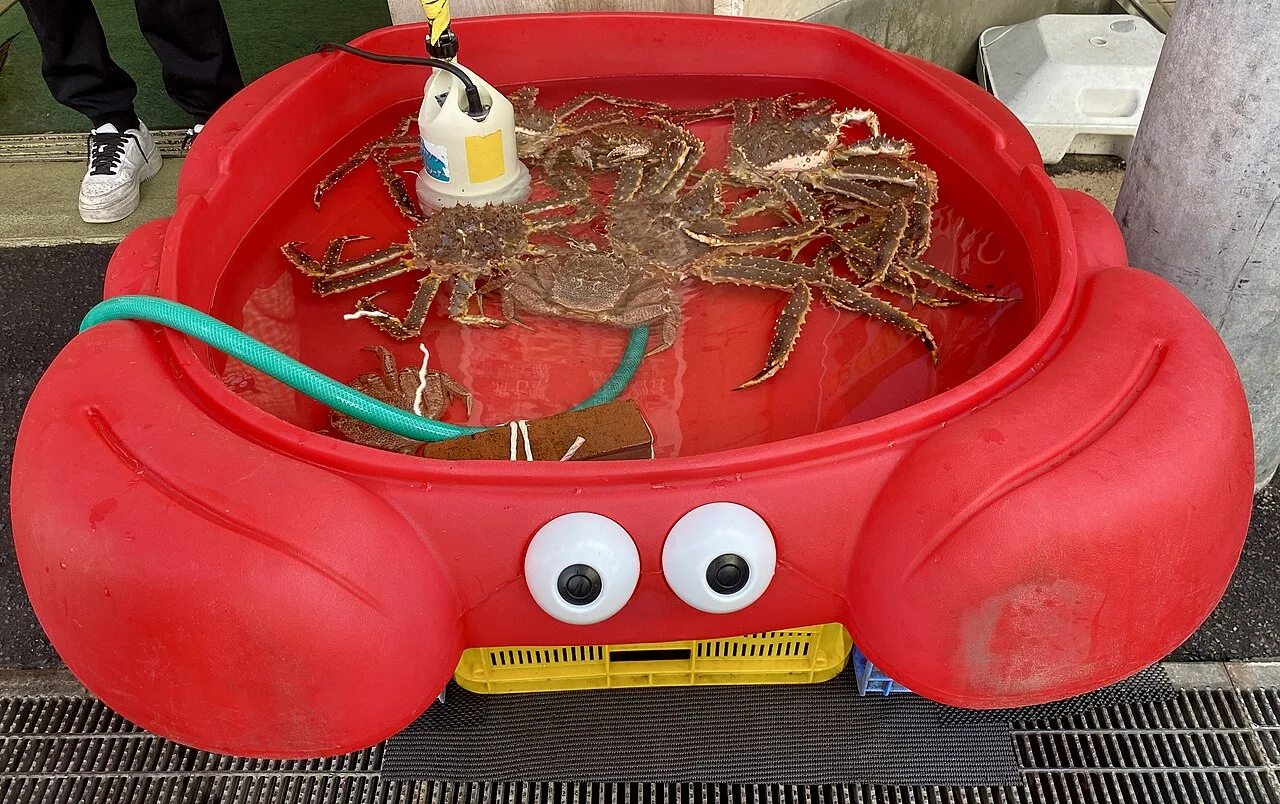
Before buying fresh fish or crab, read the unit on the price sign carefully. Ichi-bi or ippai usually means one whole fish, squid or crab, while other items are priced per 100 g or by total weight. For whole crabs and shellfish, which parts are weighed directly affects the bill. Ask the vendor to point to the exact crab you are buying, state the tax-included total, and confirm any extra charges for shelling, cooking or ice packs. If two signs both say kani, ask which species each is and whether either has already been boiled—knowing how it is prepared makes handling it back at your accommodation much simpler.
After looking at the live tanks, make clear whether you want a single cooked portion or a whole crab to take away. When buying whole, "Ippai ikura desu ka?" asks the price for one crab, and "Chori-dai wa betsu desu ka?" checks whether preparation is charged separately. If you only want a taste, order grilled crab legs, a crab rice bowl or crab miso soup at a diner instead, where the menu price settles the bill upfront. Fans of crab tomalley should look for kanimiso, sometimes served back inside the crab shell with shredded meat. If you plan to share, ask how many people a portion feeds and whether crab picks or scissors are provided, rather than discovering you only have chopsticks.
In a diner, sashimi is prepared to eat at the table. At retail stalls, check the packaging label: seafood ready to eat raw is marked sashimi-yo or namashoku-yo, whereas kanetsu-yo must be cooked thoroughly. If you still have several sightseeing stops ahead and no fridge to hand, eating a cooked dish or small grilled skewer on the spot beats carrying a box of raw fish around all day. Guests staying in self-catering apartments who plan to cook dinner can specify the portion size they need and ask for pre-cut fillets or a pan-ready pack.
When two of you compare price tags across stalls, one can note the item and origin while the other asks about cooking options. To eat on site, look for stalls with seating and ask, "Koko de taberaremasu ka?" In diners, follow the staff's seating rules. If you buy street food from a stall and look for somewhere to sit, check the area's rules first, as tables outside a neighbouring restaurant are usually reserved for its own customers. Adjusting how much you buy or arranging a later collection time is easier than hunting for an impromptu picnic spot in the aisles.
Keep some Japanese yen in notes and coins ready. The Ekini Market Association notes that selected stalls accept credit cards—check the door stickers and confirm before ordering. If you buy dried goods and chilled items at the same stall, ask for separate bags so damp packaging stays away from paper bags and clothing. Note down the shop name once you pay so you can match receipts to items or find your way back easily. If street-front vendors are still unloading crates, step to the side of the display to read labels and take photos, keeping the lane clear for handcarts.
Kelp, Farm Produce and Souvenirs at Asaichi Hiroba
Walk in from the street under the morning market sign to Hakodate Asaichi Hiroba, which combines a farmers' direct-sales hall, souvenir shops and a food court in one building. Head to Sanchoku-ichi first for local farm produce, then browse the speciality counters if you want to compare packaging sizes for dried goods. Hakodate City's tourism site notes that in its earlier Oshima Dome days, farmers turned wooden apple crates upside down to serve as stalls—and the direct-sales hall still follows that tradition of growers bringing in their own harvest. Exploring here feels very different from choosing seafood by the tanks, with seasonal fruit, house-made preserves and hot food-court bowls along the way.
For a southern Hokkaido ingredient you can easily cook at home, start with Hakodate makombu kelp. Hakodate City notes that the coast between the Tsugaru Strait and Funka Bay produces broad, thick blades prized for making soup stock. Pre-cut packs labelled dashi kombu slip neatly into a suitcase for broths back home. If you enjoy sprinkling kelp onto rice balls, noodles or soup, look for finely shaved tororo kombu. You will also see gagome kombu; ask whether they stock finely shredded packs ready to stir straight into hot rice. When buying as gifts, snap a photo of the Japanese usage and recipe notes on the back so the recipient knows how to prepare it.
Some packets display 'Hokkaido' or 'Hakodate' prominently on the front, so turn to the ingredients and raw-material origin lines on the back; the manufacturer's address only tells you where it was processed. To find kelp from Minamikayabe, ask using both the product type and place name. Say "Dashi ni tsukaitai desu" if you want kelp for stock, or "Sono mama taberaremasu ka?" to check whether a snack can be eaten straight from the packet. When comparing two prices, check the net weight first, then see whether one is unseasoned, flavoured or individually wrapped inside.
Choose souvenirs according to your itinerary's storage conditions. If you are taking a train to another city and changing hotels that night, stick to ambient-temperature items with clear ingredient and origin labels on the outer pack. Chilled fish roe, pickled seafood and fresh packs are better left until you are heading back to a hotel with a fridge, or simply eaten on the spot. Asking a stall to hold an order only delays collection; if you will be out all day, confirm your pick-up time and onward travel first so the staff can pack it appropriately.
Before shipping a chilled or frozen parcel to another hotel in Japan, ask the hotel if they accept temperature-controlled deliveries and have the shop write your check-in date on the dispatch slip. If you hope to post goods abroad, ask the shop which destinations they ship to, what postage and delivery options cost, and verify import restrictions for that specific item. For anything carried in checked or cabin luggage, check your home country's customs and biosecurity rules on agricultural, livestock, fishery and food products according to the full ingredient list and how the food has been processed. Keep original packaging intact if you need to declare items at customs—and for gifts, intact labels also let the recipient see ingredients and best-before dates.
Trains, Luggage Lockers and Driving: Set Your Departure Time First
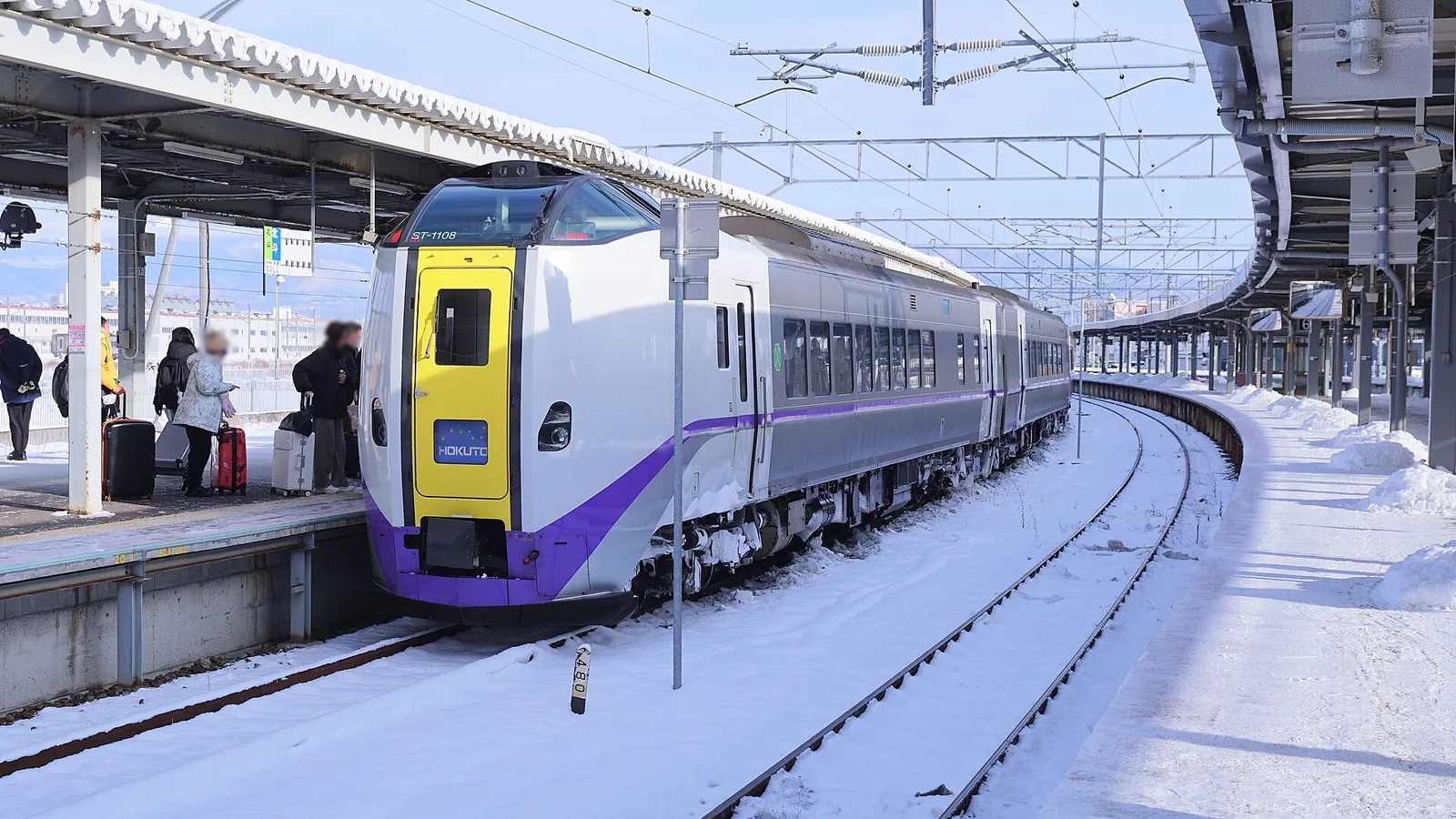
The cooperative association's access page puts the walk from JR Hakodate Station at about 1 minute. By tram, get off at Hakodate-ekimae stop and walk roughly 2 minutes. From Hakodate Airport, the shuttle bus drops you at Hakodate Station Bus Terminal, around 2 minutes on foot from the market. If you are arriving via the Hokkaido Shinkansen, check your ticket carefully to distinguish Shin-Hakodate-Hokuto from central Hakodate Station: the morning market sits beside central Hakodate Station, so you will need a local connecting train after alighting at Shin-Hakodate-Hokuto—see our Sapporo and Hakodate rail route guide for transfer details.
If you check out with luggage before catching a train from Hakodate Station, build a loop by storing bags at the station first. According to the Hakodate International Tourism and Convention Association (checked June 2026), station coin lockers sit on the second floor (2F), operate from 06:00 to 22:00, and accept both cash and transport IC cards. Donburi Yokocho also has lockers; its official site listed large lockers at ¥500 and small ones at ¥300 in April 2026. Measure your suitcase including wheels against the locker door, and allow extra minutes on the way back to take the stairs or lift and locate your bank of lockers. Small groups do best keeping bags on the same side so nobody scatters across the concourse before departure.
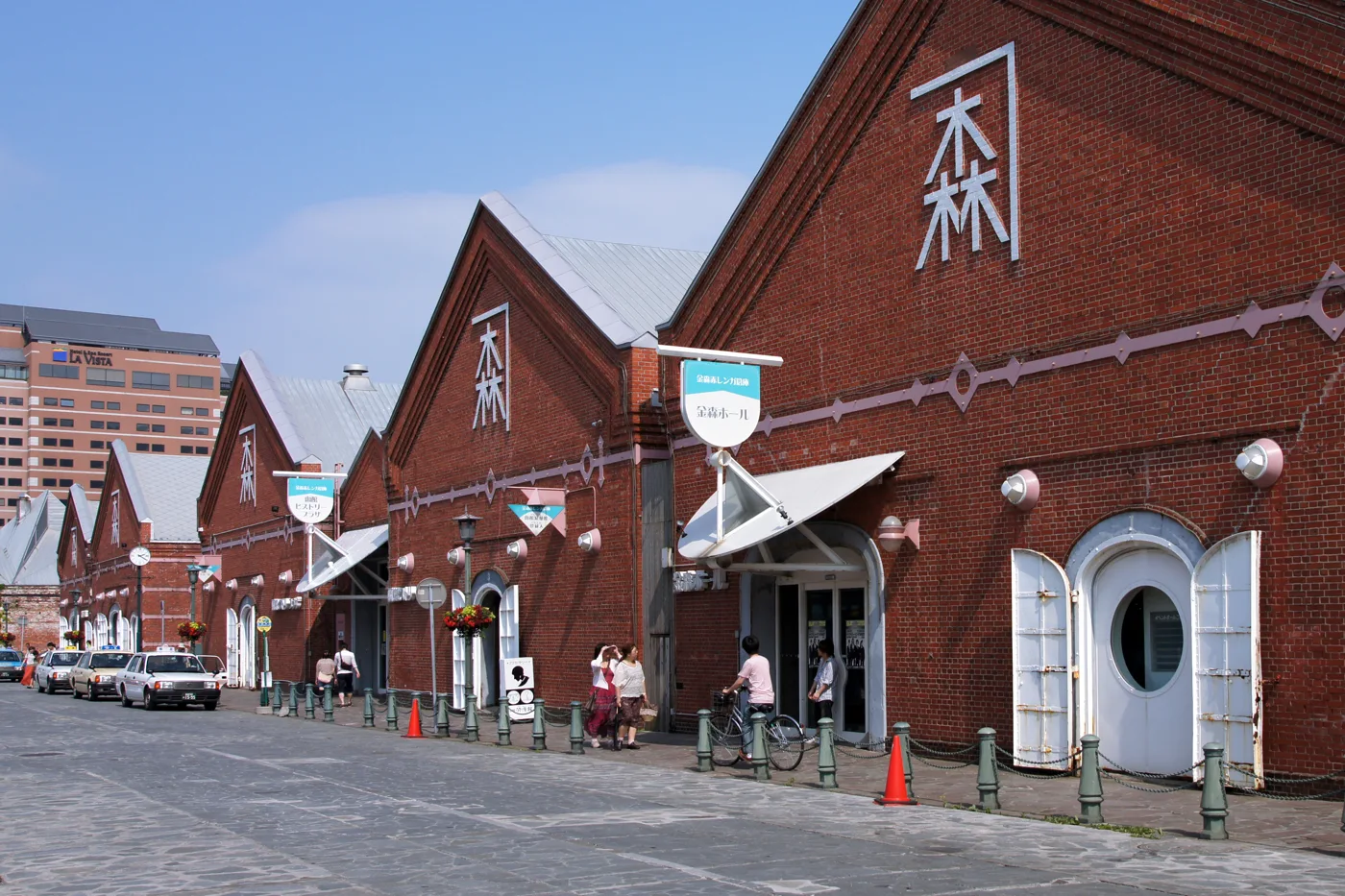
If large lockers inside the station are full and you are leaving by bus, check the waiting room at the Hakodate Station Bus Information Centre. Association records list same-day baggage storage there from 07:00 to 23:00, cash only. Donburi Yokocho's lockers are likewise cash-only, with association hours listed as 04:00 to 22:00—opening two hours earlier than the JR station's 2F lockers. If you are flying out of Hakodate Airport and finishing your sightseeing at the waterfront, check locker availability and collection cut-offs at Kanemori Red Brick Warehouse so you do not have to double back to the station first. Keep passports, tickets and warm layers on you before locking bags away.
With only about 45 minutes until departure and bags in hand, subtract the time needed inside the station and trim your market stop to a quick breakfast or one pre-selected bag of dried goods. With around 90 minutes to spare, drop luggage first, sit down for a meal, and then judge from the queues whether to visit Ekini or Asaichi Hiroba. If breakfast takes longer than expected, consolidate your shopping at a single stall near the station exit. Work backwards from your train or bus departure time, leaving buffer minutes for retrieving bags or waiting for family members to pay.
Drivers should distinguish Hakodate Asaichi Ekimae Car Park from Hakodate Asaichi Car Park in their satnav. Per the cooperative association's access page, both charge a standard rate of ¥100 per 20 minutes, and spending ¥2,200 or more at a single participating shop earns 60 minutes of free parking—receipts from different shops cannot be combined. Keep your parking ticket with you and present it at checkout in an eligible store. If you plan to stroll around the harbour for several hours after eating, compare car park locations around the market and bay; moving the car after breakfast often saves a long walk back at the end.
Walking From Breakfast to the Harbour, Then Up to Motomachi
If you arrived in Hakodate the evening before, make the morning market your first stop after waking up, then walk towards Kanemori Red Brick Warehouse once you have eaten. Kanemori's official site lists the walk from JR Hakodate Station as roughly 15 minutes, a useful baseline from the adjacent market—though snowy pavements, side alleys and photo stops will stretch the timing. If you finish breakfast early, take a gentle walk along the harbourfront past the brick warehouse facades and water's edge before the shops open. If you bought chilled items, drop them in your nearby hotel fridge first so you can stroll the bay hands-free.
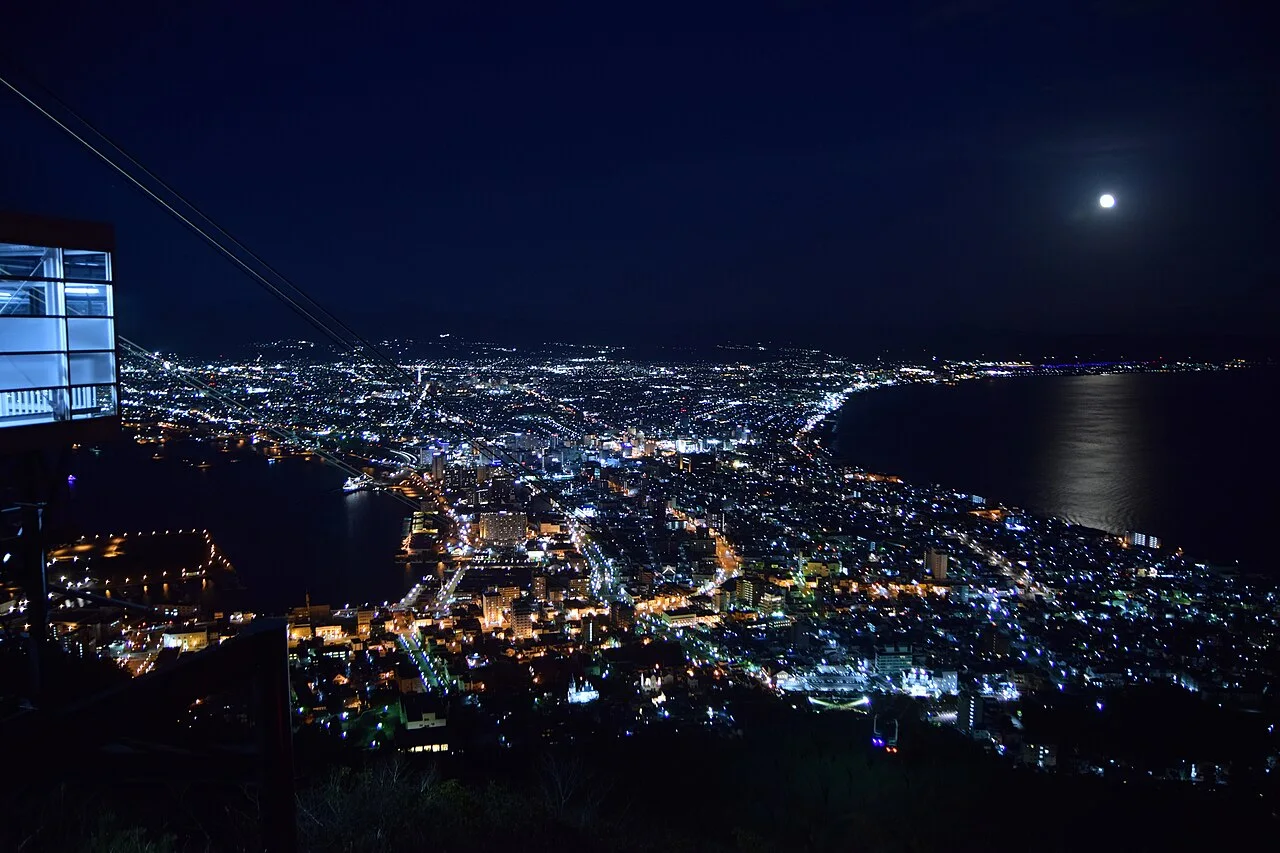
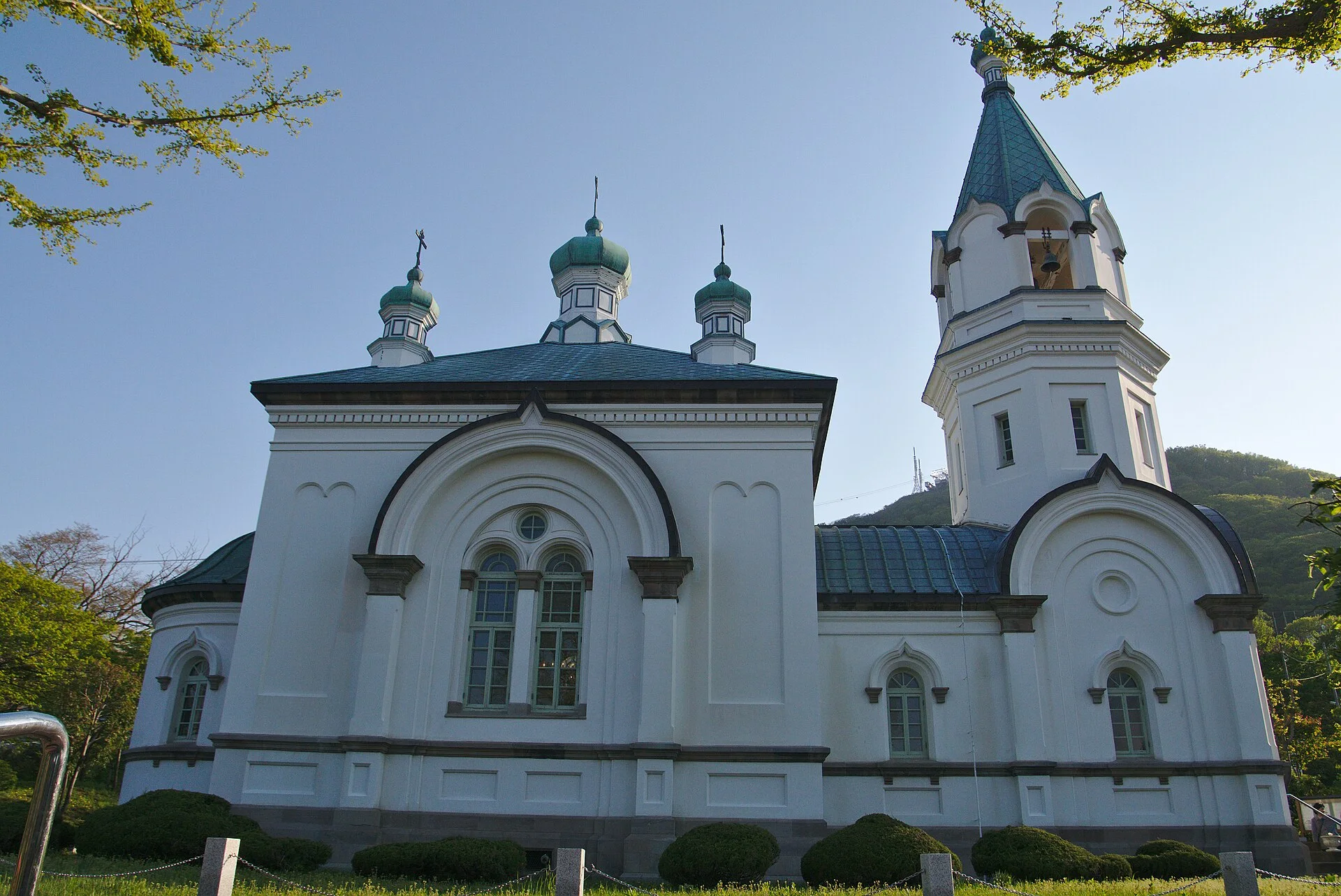
With energy left after the warehouses, continue towards Jujigai and climb the sloped streets into Motomachi. Plan flat harbourfront walking and uphill slopes separately; if travelling with older relatives, ride the tram to Jujigai and choose either the waterfront or Motomachi for a slower pace with café breaks. For historic churches and hillside views, follow our Hakodate Motomachi churches guide. Check summit visibility and transport connections before heading up in the evening—and if you are riding the ropeway, use our Mount Hakodate night view guide to count backwards for when to leave Motomachi.
Two-day stays work cleanly in two ways. If you arrive in the afternoon on Day 1, visit the waterfront or night view first, then eat at the market before catching your train the next day—ideal if you stay by the station or continue towards Sapporo. Staying both days in Hakodate, pair a morning at the market with half a day around Jujigai and the bay, saving the other half-day for Goryokaku. If you are coming into town from a Yunokawa hot-spring ryokan and already have breakfast included there, eat at the ryokan first, then browse one market hall and pick seasonal seafood for lunch. Compare bases in our Hakodate hotel areas and onsen comparison.
If waterfront shops are not yet open after breakfast, wander from the station side towards the pier to view the hull of the Seikan Ferry Memorial Ship Mashumaru before continuing along the water to the warehouses. Mashumaru preserves an original passenger ferry from the Seikan Ferry era; check its opening hours separately if you want to tour onboard. On bitter mornings when someone in your group needs to warm up indoors, pause at a station-front café for a hot drink until bayfront stores open. On a tight day trip arriving near midday, combining two market halls, Motomachi and the night view can feel rushed—eat at the market, walk to the bay, and decide at Jujigai whether to climb the slopes or head straight for the ropeway.
Rain, Snow, New Year Holidays and Visiting With Family
In heavy winter wind or snow, enter at Donburi Yokocho closest to the station, eat breakfast first, and then pick between Ekini Market and Asaichi Hiroba. Each hall keeps stalls and eateries under cover, though walking between buildings still takes you outside onto the street. Wear boots with solid grip and watch for icy patches and delivery zones. In pouring rain, hop on the tram towards the bay or head back to your hotel to change wet socks before setting out again; staying between the station and market lets you split morning walks into two shorter outings with a midday rest.
When pushing a buggy or travelling with anyone who tires easily, make a sit-down meal your group's anchor point. Ask staff for step-free guidance if an entrance has a threshold, and if group members want different stalls, split up to buy snacks and regroup after eating. Hakodate City's attraction page notes that Asaichi Hiroba provides accessible toilets and baby-changing facilities. Let children's appetites dictate the order: eat when hungry, and only join the squid pool at Ekini if live squid happens to be in stock. Park buggies where staff indicate while queuing or collecting food so indoor aisles stay clear for deliveries.
For late 2026 into early 2027, plan the district, individual diners and the squid pool separately. Public announcements from the Hakodate Morning Market Cooperative Association checked on 22 November 2026 did not list individual shop schedules for this New Year period. If your trip falls between 31 December and 4 January, plan breakfast and harbour walks around the squid pool's fixed holiday closure. To target a specific diner over New Year, show the shop its Japanese name, your date and arrival time and ask, "Ichigatsu futsuka no asa wa eigyo shite imasu ka?" (Are you open on the morning of 2 January?), and keep a walkable backup on your list.
If you are booking a station-front hotel over New Year, consider including the hotel's breakfast and keeping the market for flexible browsing before departure. Those staying near the station or bay on foot should lock in an open breakfast spot first, then fill the afternoon with accessible sights by tram or on foot. If you need an alternative fish market, Hakodate Jiyu Ichiba (Hakodate Free Market) in Shinkawa-cho typically closes on Sundays. The Hakodate City Fisheries Local Wholesale Market in Toyokawa-cho runs to its own trading calendar, listed by Hakodate City as closed from 31 December to 4 January; over the New Year holiday, look to the Wakamatsu-cho morning market quarter for open diners.
Let Your Breakfast Choice Decide Which Market to Visit
If you are staying near the JR station, need luggage lockers before leaving, or want to try squid fishing, make Hakodate Morning Market your first pick. Whether you have 30 minutes or two hours, breakfast stays in the same compact district, and you can simply add the squid pool or the farmers' hall if time allows. If you are taking the tram towards Yunokawa and want to see where local chefs and residents shop for fresh fish, add a separate stop at Hakodate Jiyu Ichiba (1-2 Shinkawa-cho); it sits in the opposite direction from the waterfront walk, so you will not pass it on the way to the bay.
When fitting both Hakodate and Sapporo markets into one Hokkaido trip, let what you want to eat guide your stops. In Hakodate, stay close to the station for live squid and kaisendon, buying raw ingredients only if you plan to cook. In Sapporo, breakfast plans often work backwards from your hotel area and sightseeing route, since city-centre markets and the Curb Market require different transport—see our Sapporo markets and food routes guide. If you only want one market breakfast on the trip, pick whichever city gives you an unhurried morning with an easy onward connection.
Both the morning market and the wholesale market sit near the harbour, so check the exact street address in your navigation app. Morning market stalls sell retail portions, whereas the Toyokawa-cho wholesale market centres on trade auctions, with Hakodate City separately listing information for the on-site diner Uoichitei. Save the morning market or Hakodate Jiyu Ichiba for fish and kelp to take away; if you want to eat at the wholesale market, plan around Uoichitei's opening hours and closed days. Pairing one market breakfast with either Kanemori Red Brick Warehouse or the slopes of Motomachi makes for a much easier morning than hopping between multiple fish markets back to back.
A few useful answers
What time does Hakodate Morning Market open?
The market quarter generally opens from around 05:00 between May and December, and from around 06:00 between January and April, winding down past 14:00. Individual shops set their own opening and last-order times; for a first visit, arriving around 08:00 works well.
Where is the live squid fishing, and how is it priced?
Head to Ganso Katsu-ika Tsuribori inside Ekini Market. Squid fishing is priced at market rate (jika), and the operator directs visitors to its official social channels for daily updates. Once you catch a squid, staff prepare it straight away as sashimi.
Is the live squid fishing pool open over New Year?
Hakodate City's official tourism site lists 31 December to 4 January as closed days for the squid fishing pool. It also closes on the third Wednesday of January to June, October and November.
How do you walk to the market from JR Hakodate Station?
The morning market sits just west of the station, roughly a 1-minute walk according to official guidance. Head to Donburi Yokocho Market for breakfast, or set your navigation to Ekini Market for squid fishing.
What can someone eat at Hakodate Morning Market if they do not eat raw fish?
Look around Donburi Yokocho or the Asaichi Hiroba food court for grilled fish set meals, ramen and other hot cooked dishes. On Japanese menus, look for yakizakana (grilled fish), teishoku (set meal) or ramen.
Is it worth visiting in rain or snow?
Yes—you can browse indoors inside Donburi Yokocho, Ekini Market and Asaichi Hiroba, though moving between halls requires stepping outside. In heavy rain or snow, pick a hall close to the station to eat, and bear in mind the squid pool may close if boats cannot fish.
Are there luggage lockers so we can explore hands-free?
Coin lockers are available on the second floor (2F) of JR Hakodate Station and inside Donburi Yokocho. If you are departing by JR train, using the station lockers first lets you collect your bags and head straight through the ticket gates.
Official information and references
Sources used in this guide.
- Hakodate Morning Market Cooperative Association - Seasonal Opening Hours
- Hakodate Morning Market Cooperative Association - Operational Notices
- Hakodate Morning Market Cooperative Association - District Map
- Hakodate Morning Market Cooperative Association - Access and Parking
- Hakodate Morning Market Cooperative Association - Market History
- Hakodate City Official Travel Guide - Hakodate Morning Market
- Hokkaido Tourism Organization - Scale of Hakodate Morning Market
- Ekini Market Association - Market, Squid Pool and Diner Hours
- Ekini Market Association - Live Squid Fishing Market Pricing and Seasonal Varieties
- Hakodate City Official Travel Guide - Live Squid Fishing Pool and Closed Days
- Hakodate City Official Travel Guide - Morning Market Mini Aquarium
- Hakodate City Official Travel Guide - Hakodate Asaichi Hiroba and Facilities
- Donburi Yokocho Market - Shop Directory
- Donburi Yokocho Market - Ikkatei Tabiji Hours, Menu and Payment Methods
- Donburi Yokocho Market - Ikura-tei Hours, Menu and Payment Methods
- Donburi Yokocho Market - 2026 Coin Locker Notice
- Hakodate International Tourism and Convention Association - 2026 Luggage Locker Information
- Kanemori Red Brick Warehouse - Access and Walking Times
- Kanemori Red Brick Warehouse - On-Site Services and Lockers
- Hakodate International Tourism and Convention Association - Harbour Walking Map
- City of Hakodate - Seikan Ferry Memorial Ship Mashumaru
- City of Hakodate - Hakodate Makombu Kelp
- Hakodate International Tourism and Convention Association - Hakodate Jiyu Ichiba
- City of Hakodate - Fisheries Local Wholesale Market Trading Calendar
- Taipei Customs, Ministry of Finance - Entry Regulations for Agricultural, Livestock, Fishery and Food Products Carried by Travellers