Plan Washo Market kattedon, a MOO riverside walk and dinner from Kushiro Station. Compare Sunday opening, the end of the 2026 robata season, nonrefundable food tickets and three-hour, half-day or overnight visits.
- Reading Scope
- 32 min read · 12 chapters · 6 Q&As
- Official Verification
- 24 official sources checkedUpdated November 9, 2026
- Key Topics
- FoodItinerariesTravel budget
Chapter Route Map (tap any stop)
- Check the day of the week before choosing market breakfast or riverside dinner
- From Kushiro Station: calculate the market and MOO walks separately
- Buy rice first, then carry your bowl to choose kattedon toppings
- Let people who avoid raw food order cooked dishes separately
- Buy seafood gifts after eating, and ask separately about chilled and frozen goods
- An afternoon at MOO: shopping, lunch and EGG have different hours
- November dinner: Yatai, or the third floor for lamb
- Check robata seating first; reserved guests must arrive before 18:00
- Start with a few food tickets, then top up in ¥50 units
- Save the river walk for good weather: MOO to Nusamai Bridge
- Three hours or half a day: which meal to keep
- Stay overnight: choose the station or river according to tomorrow's first stop
- Quick Q&A
Check Washo Market's calendar for Sunday visits, and choose an indoor dinner instead of waterfront robata in November. From a kattedon bowl near the station to an afternoon beside MOO, choose a meal you can finish comfortably within your arrival schedule.
Check the day of the week before choosing market breakfast or riverside dinner
With half a day in Kushiro, first choose between a kattedon bowl with your own toppings and a seated riverside dinner. Washo Market is close to the station and suits a meal before or after a train. MOO stands beside the Kushiro River and combines shopping, a Nusamai Bridge walk and dinner. Treat them as two destinations with separate opening conditions, rather than simply searching for a seafood market along the way.
Washo Market's official FAQ lists Monday–Saturday hours of 8:00–17:00. Sundays are normally closed, with special opening dates. Its embedded calendar listed Sunday, October 11, 2026 as a special 8:00–16:00 opening, and Sunday, November 1 as a regular closing day. If you arrive November 1, go straight to MOO for lunch, the riverside and an indoor dinner. Save kattedon for Monday morning, November 2.
Ganpeki Robata has a separate seasonal limit. MOO's 2026 announcement gives the season as Friday, May 15 to Saturday, October 31. Dinner on October 31 falls within that period; on November 1, switch to a restaurant inside MOO or Minato no Yatai. MOO still offers shopping and dining in winter: replace the outdoor charcoal-grill meal.
Compare Thursday, October 29, 2026 with Sunday, November 1. On the former, visit the market in the morning, the river in the afternoon and Ganpeki Robata at night. On the latter, start with a MOO lunch and choose the second-floor food stalls or third-floor lamb restaurant for dinner. With only a three-hour train connection, protect time for one full meal and add the second place only if time remains.
| Visit conditions | Main plan | Time limits |
|---|---|---|
| Monday–Saturday morning | Washo Market kattedon or cooked food | Market 8:00–17:00; individual stalls set their own ordering and opening hours |
| Sunday, November 1, 2026 | MOO lunch, shopping and riverside | Washo calendar lists closure; first-floor shopping 10:00–18:00 |
| Dinner, May 15–October 31, 2026 | Ganpeki Robata or indoor dining | Robata 17:00–21:00; last orders 20:40 |
| Dinner, November–April | Minato no Yatai or Kiri no Beer Garden | Last orders: Yatai 23:30; beer garden 20:00 |
Plan Washo Market kattedon, a MOO riverside walk and dinner from Kushiro Station. Compare Sunday opening, the end of the 2026 robata season, nonrefundable food tickets and three-hour, half-day or overnight visits.
From Kushiro Station: calculate the market and MOO walks separately
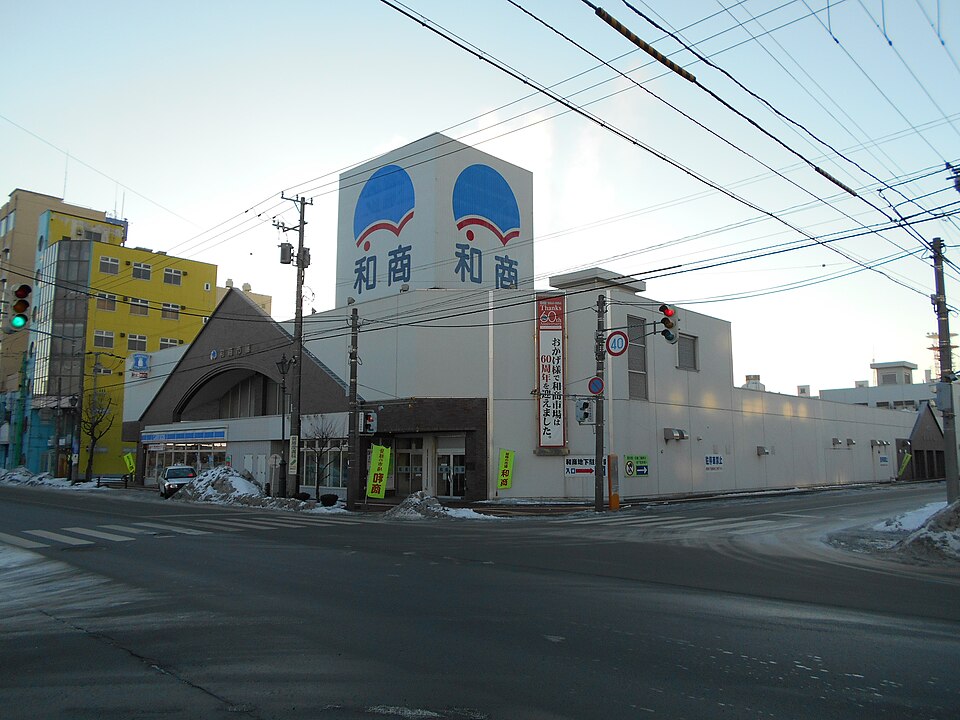
Washo Market is at 13-25 Kuroganecho, Kushiro. The market access page gives a walk of about five minutes from JR Kushiro Station and the station bus terminal. It is an easy return trip if you want to eat after arrival or have a short gap before departure. Store luggage at your accommodation or another storage place you have found before choosing toppings. Keep your hands free to hold the bowl, pay and carry food.
MOO is at 2-4 Nishikicho. Google Maps walking routes read on October 28, 2026 showed about 1.1 km and 15 minutes from Kushiro Station to MOO, and about 1.0 km and 14 minutes from Washo Market to MOO. These were the route estimates at that time. Add time for crossings, entrances, shop stops and your group's walking pace. With wheeled luggage, rain or snow, shorten the walk and spend your time at one place.
With half a day, eat at the market near the station first, continue to MOO and the river, then return to your accommodation after dinner. If you are staying by the river, dropping bags or checking in before exploring saves effort. If you must return to Kushiro Station that day, put that return time at the end of your plan. The 15-minute one-way navigation estimate excludes leaving the restaurant, collecting stored luggage and finding your platform.
Drivers can park separately for the market and MOO. The market website directs visitors to its underground parking or the Kushiro Station West Shopping Street parking lot. MOO has its own surface lot and the nearby Nishikicho and Riverside lots. Finish each meal and shopping stop before moving the car. Avoid leaving chilled food in it while you walk along the river until dinner just to save a second parking stop.
For large bags, start with the lockers at Kushiro Station. The Kushiro-shitsugen National Park Liaison Council's facilities FAQ lists lockers at Kushiro Station, but none at Kushiro-shitsugen, Hosooka or Toro stations. If you eat in town today and visit the wetlands tomorrow morning, leave large luggage at your accommodation or near Kushiro Station rather than taking it to a small station to look for lockers. Store it and note the location before calculating your free time in town.
Your storage location also determines where your visit ends. If you take a train that day, plan a round trip: store bags at Kushiro Station, visit the market or MOO, then collect them at the station. If you stay by the river without an early train tomorrow, leave bags at your accommodation and return straight to your room after dinner. If shopping leaves you with large bags at MOO, the official floor plan marks first-floor lockers beside Takahashi Shoten and Kawashima Shoten, and near MOO Guide. Check the compartment size before buying more, and schedule collection before leaving.
Buy rice first, then carry your bowl to choose kattedon toppings
Kattedon is bought in stages. The market's official instructions start with buying a bowl of white rice from a prepared-food shop, then taking it to seafood and fish-roe stalls for toppings. The illustration lists rice at ¥100–400 according to portion size; some shops also offer vinegared rice. Choose a rice portion for your appetite before deciding what to put on it.
The website lists rice suppliers including Ouchi Shoten, Rofuan Kuniki and Joypack Chicken, and topping stalls including Satomura, Maruichi Sato Shoten and Kaneshime Seno Shoten. Find a rice shop on the market map first. There are several entrances, and entering from the station side does not mean you need to buy everything at the first fish stall. Save the official kattedon map: its different colors for rice shops and topping stalls help you match shop signs.
Toppings are sold by weight or by the slice. When your turn comes, say which item and how many slices or portions you want, then ask the price. To control the bowl's total, remember the rice cost and toppings already bought. Divide your portions among salmon roe, sea urchin, shellfish and fish slices as you prefer. Do not buy more than you can eat merely to fill the bowl.
Stall staff place the selected toppings on your rice and take payment. You can ask for soy sauce at the end; crab soup and pickles are sold separately. Budget separately for soup, drinks and extra toppings. Each person can choose their own rice portion and toppings so orders stay clear. Leave shopping that needs selection or packaging until after the meal; handle your bowl and souvenirs in separate rounds.
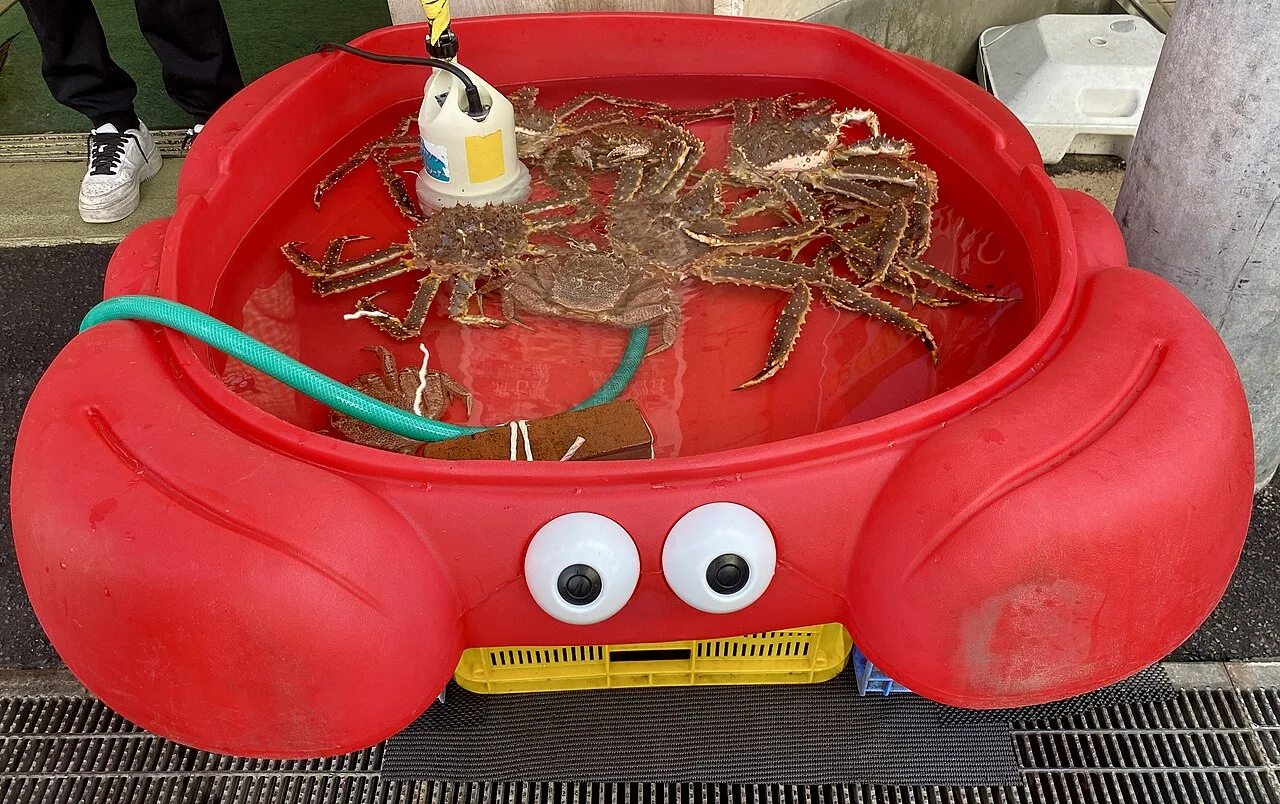
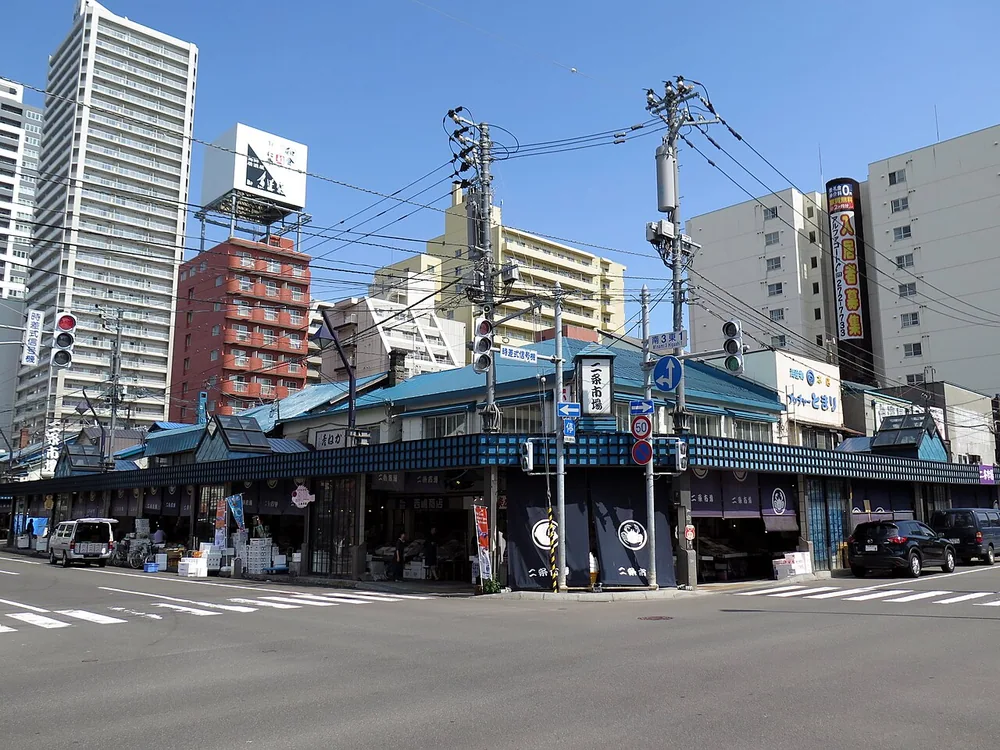
From the market exterior to the seafood stalls, followed by close views of kattedon toppings.
Let people who avoid raw food order cooked dishes separately
The market recommends Ichibatei's grilled-fish set meal for those who do not eat raw food, and lists venison burgers at Cafe Polaris. Agree on a meeting place before some people order kattedon and others cooked food. Cooked dishes need preparation time. Place both sets of orders before meeting again, rather than finishing one seafood bowl purchase and then having the whole group join another line.
For freshly opened oysters to eat on site, the market FAQ names Marusui Kawamura Suisan. Oysters sold by other stalls are not offered for eating inside the market. When you see a box of oysters, distinguish between a product to take away and a dish available to eat there. This affects refrigeration and how you carry it.
Payment methods differ by stall. The market FAQ says some shops accept cashless payment, with different systems. Carry yen cash suitable for several small payments, and ask what each stall accepts before selecting toppings. This lets you buy within your budget. Kattedon toppings are paid for separately; there is no single fixed set-meal price across the market.
Buy seafood gifts after eating, and ask separately about chilled and frozen goods
For two people, you do not need to buy a whole tray. The market FAQ allows small purchases: even if goods are displayed on a tray, you can ask to buy part of it. Explain when you will eat it and how many people it is for before choosing roe, dried goods or fresh fish. Fishmongers can also cut a whole fish as requested. This is more practical than looking for a knife back at your hotel.
If you buy from several shops, the last shop can help combine purchases for shipping, but chilled and frozen goods may need separate boxes. At your first purchase, ask about combining parcels, storage temperature and delivery arrangements. Hand over the goods at the last shop according to their storage needs. Allow enough time for shipping; do not arrive with several bags of fish to pack just before your train leaves.
If you will walk by the river all afternoon and return to your hotel after dinner, limit fresh purchases to what you can keep properly. For goods you carry yourself, tell the seller your next stop, arrival time at your accommodation and available refrigeration. Follow the product packaging and the shop's storage instructions. Read the labels on shelf-stable dried goods too. Seafood souvenirs do not all belong together in one bag.
An afternoon at MOO: shopping, lunch and EGG have different hours
MOO's first-floor shopping area opens 10:00–19:00 from May to October and 10:00–18:00 from November to April; hours are 10:00–17:00 on December 31 and January 2–3. The entire building closes January 1. The hours page separates shopping, dining and EGG. On a November afternoon, finish your first-floor purchases before moving upstairs for dinner.
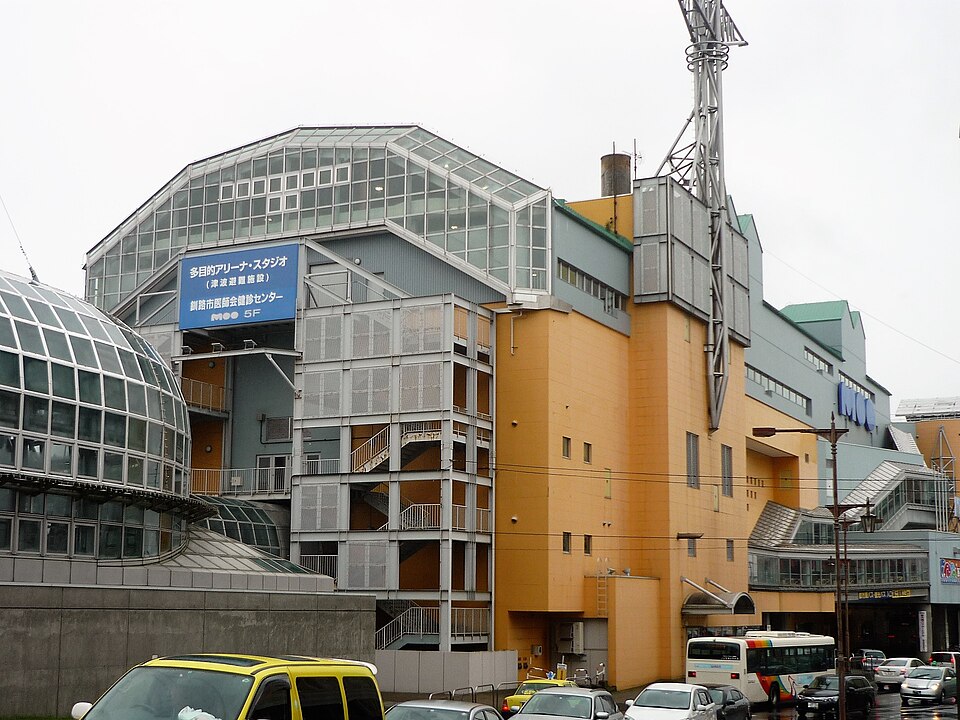
For a hot lunch, Shokujidokoro Shitsugen in the center of the first floor serves handmade soba, Kushiro ramen, udon and set meals, 10:00–16:00 with last orders at 15:30 and irregular closing days. It suits Sundays when the market closes, or anyone avoiding raw food. It lists seven seats, with meals also allowed at the rest tables. For a group, check seating before ordering.
On the west side of the first floor, Shokujidokoro Takatsuna opens 12:00–15:00 from May to October and 12:00–16:00 from November to April. Oni no Inu Ma ni lists 11:00–16:00 and serves ramen, set meals and seafood bowls. Plan both as lunch options. If shopping takes you close to closing time, go to the second or third floor for dinner instead of checking each first-floor restaurant for lights.
The neighboring glass EGG building opens 6:00–22:00 from April to October and 7:00–22:00 from November to March. If you reach the river early, visit it before shopping opens at 10:00. It also helps you adjust outdoor time before dinner. Cafe service and seating follow the cafe's hours; EGG's 22:00 closing time does not mean coffee is served until then.
If you enter MOO at 14:00, lunch at Yatai and the beer garden has ended, so look at first-floor restaurants still serving. For Shitsugen, use its 15:30 last order as your next deadline. If you arrive at 16:00 and plan to wait for dinner at 17:00, use the hour for shopping, storing bags or sitting down. Plan the wait so you can judge whether children can manage it and whether the group has energy left for the river.
For an indoor place to sit and plan, the tourism exchange area in the center of the second floor faces the Kushiro River and has tables, chairs, tourist leaflets and free Wi-Fi. It opens 10:00–19:00 from May to October and 10:00–18:00 from November to April. Use it in the afternoon to divide your remaining walking and shopping time. After 18:00 in winter, meet at your chosen restaurant instead. The second-floor Yatai area remains open, but this area closes on a different schedule.
With older relatives or small children, start at MOO Guide in the center of the first floor. It offers building and Kushiro visitor information, plus one wheelchair and one stroller for loan. With only one of each, arrange the loan on arrival before choosing the river or upper floors. The floor plan marks elevators at both ends of the first floor and a multipurpose toilet near the EGG-side entrance. Identify your dining floor, toilets and exit first to reduce unnecessary trips with a stroller or wheelchair.
For cooked fish in the afternoon without waiting for Yatai dinner, try Sanmanma Uomasa in the center of the first floor. Sanmanma combines sauce-marinated Pacific saury and glutinous rice, then grills them over charcoal. The shop can cut it for sharing and sells it hot to take away. From November to April, eat-in service ends at 17:15, sales and takeout at 17:45, and the shop closes at 17:50. From May to October these times are 18:15, 18:45 and 18:50. Closing days are irregular. Arriving around 16:00 gives you a meal before returning to the station. For gifts, it also sells a vacuum-packed frozen version that must be heated after thawing. Separate hot food to eat now from frozen goods to store at your accommodation.
November dinner: Yatai, or the third floor for lamb
The second-floor Kushiro Minato no Yatai is an indoor dining area with several shops serving seafood, zangi fried chicken, grilled chicken skewers, Chinese food and set meals. Dinner runs 17:00–24:00, last orders 23:30. Only some shops serve lunch, 11:30–14:00 with last orders at 13:45. The area closes December 31 and January 1; shops also have their own closing days. If you arrive late, choose a shop still open, sit down and ask what is available.
Eat at a shop counter or a shared table; shops in the area offer delivery to your seat. If one person wants fried chicken and another fish, tell the shops where you are seated, order separately and follow each shop's payment process. This suits people who want cooked food or have different preferences. At Ganpeki Robata, you buy ingredients with tickets and grill them at your seat. Ordering methods and seasonal closure differ.
For lamb, Kiri no Beer Garden on the west side of the third floor specializes in jingisukan grilled lamb and also lists lamb shabu-shabu. Lunch is 11:30–14:00, last orders 13:30; dinner is 17:00–21:00, last orders 20:00. Reservations are by phone only at 0154-23-5251. Arriving at 19:30 means choosing promptly and finishing initial and extra orders before 20:00. Later arrivals should choose a Yatai shop still taking orders.
If strong wind closes Ganpeki Robata, go inside and choose Yatai or the beer garden according to the time. With children who cannot wait late, plan dinner from 17:00. After a kattedon lunch, cooked food or lamb also gives you a different evening meal.
Check robata seating first; reserved guests must arrive before 18:00
The 2026 Ganpeki Robata season runs May 15–October 31, 17:00–21:00, with last orders for both food and drinks at 20:40. It operates on MOO's riverfront quay, facing toward Nusamai Bridge. If this meal is your priority, shop and walk by the river beforehand, then return near opening time. There is no need to wait until sunset to start looking for seats.
The official sequence is to confirm seats with on-site staff, then buy food tickets at the counter. Walk-ins are accepted when seats are available. If full, arrange the wait first and buy tickets only once you can be seated. Tell staff if your group has a stroller or someone who cannot stand for long, and decide together whether to eat inside instead.
Phone service is 10:00–19:00. Same-day reservations close at 15:00, and reservations are accepted only for guests who can arrive before 18:00, subject to a daily limit. The 2026 announcement excludes reservations on August 13–16 and September 12–13. The website also refuses AutoReserve bookings. To book Ganpeki Robata, call MOO directly at 0154-23-0600 with your date, party size and arrival time.
The operator lists strong winds of 17.2 m/s or more and storm-surge warnings among conditions that may cause temporary closure or an early finish. Follow the site's opening status and staff instructions, and eat inside. Keep an indoor alternative ready before dinner rather than buying many tickets and waiting for the weather to improve.
Start with a few food tickets, then top up in ¥50 units
Ganpeki Robata sells a ¥1,000 ticket booklet containing one ¥500 ticket, one ¥200 ticket, two ¥100 tickets and two ¥50 tickets: ¥1,000 total. Choose food and drinks at the stalls and pay with tickets. A ¥500 ticket used for a ¥200 item returns ¥300 in tickets. Keep tickets separate from cash so you do not mistake ticket change for refunded money.
Tickets cannot be refunded or exchanged for cash, but remain usable during that operating season. If your stay is short and you leave that day, follow the website's advice to buy a small amount and top up. The counter sells top-ups below ¥1,000 in ¥50 units. Whether you can return affects the usefulness of unused tickets.
For example, if you have bought ¥1,000 in tickets and need another ¥300 for your selected food, buy a ¥300 top-up rather than another ¥1,000 booklet. Another full booklet would leave ¥700 after that ¥300 purchase. Add the displayed prices before deciding your top-up amount. This is especially useful when two people share several seafood items.
Take ingredients and drinks back to your seat and grill over charcoal. Ask staff to help with difficult or time-consuming items. Start with what you can finish, then order more. This keeps tickets flexible and the table and grill easier to manage. Adults should accompany children near the hot grill. Divide hot-food carrying and stall trips so one person is not also carrying every bag.
Save the river walk for good weather: MOO to Nusamai Bridge
MOO's surrounding scenery page lists the Kushiro River, Nusamai riverside plaza and Nusamai Bridge, and shows sunset toward Kushiro Port from the bridge. For a short port-town walk, start on the riverbank outside MOO, look toward the bridge along the water, then return inside to rest. With limited time, this is enough for a walk before or after your meal.
For sunset, finish lunch and shopping first, then go out according to that day's sunset time and sky. Late October and midsummer give you different evening light. After choosing a viewpoint, allow time to return to the restaurant. With a Ganpeki Robata reservation, prioritize arrival before 18:00. In fog, rain or strong wind, shorten the outdoor section and return to EGG and MOO.
After dinner, choose a short stretch near MOO for bridge and river lights, then return to your accommodation or the station. Even a route walked by day takes extra time at night for directions and photos. Save your accommodation name and return map on your phone. If catching a train, set an earlier deadline to leave the river. If you keep drinking, leave driving to someone who has not drunk, or arrange other transport first.
Three hours or half a day: which meal to keep
For three hours starting and ending at Kushiro Station during market hours, prioritize a meal at Washo Market. Count the official five-minute walk each way, plus 30 minutes back at the station for luggage and waiting: 180−10−30 = 140 minutes for toppings, eating and shopping. The 30 minutes is this example's planning allowance; work backward from your own train. If you like selecting seafood slowly, spend all the remaining time at the market.
For three hours at MOO, use the navigation estimate of 15 minutes each way, or 30 minutes total, plus another 30 minutes for tasks back at the station: 180−30−30 = 120 minutes for lunch, shopping and a short riverside walk. Plan lunch around Shitsugen's 15:30 last order. If you arrive after 15:30, shop first. To wait for dinner at 17:00, recalculate the station return time instead of hiding the wait within your two-hour meal window.
To visit both, use the half-day plan. For a relaxed example on Thursday, October 29, 2026, reach Washo Market at 10:00, eat kattedon or cooked food, shop, and leave around 12:00. Walk to MOO and spend the afternoon inside and by the river. This gives you an early lunch before Ganpeki Robata opens at 17:00. If full or tired, return to your accommodation to rest and come out again for dinner.
For Sunday, November 1, use a MOO half-day plan: shop on the first floor after 10:00, choose lunch around 11:30 as shops open, visit the river and EGG in the afternoon, and eat indoors from 17:00. Kiri no Beer Garden on the third floor takes last lunch orders at 13:30 and dinner orders at 20:00. Only some second-floor Yatai shops serve lunch. Skip the market return trip and use the time for a seated meal or dropping bags at your accommodation.
If returning from the wetlands in the afternoon, use your actual arrival time at Kushiro Station to choose the market or MOO. Washo closes at 17:00; if there is not enough time to choose toppings and eat, save it for breakfast tomorrow. Keep dinner and the river walk around MOO. See eastern Hokkaido bases and Kushiro wetlands planning for wetland entrances, return transport and Lake Akan connections. Plan the long-distance outing separately from this city meal.
For example, with a train booked for 18:30 and the earlier 30-minute allowance for luggage and waiting, return to Kushiro Station by 18:00. Working back another 15 minutes for the walk means leaving MOO at 17:45. Dinner opening at 17:00 then leaves only 45 minutes for seating, ordering, waiting, eating and paying. An early lunch and afternoon river walk are more relaxed. If Ganpeki Robata is your priority, choose a later departure or an overnight stay while planning.
A half-day visit can mean eating early and leaving, or waiting for dinner at 17:00. For the former, eat at the market, take a short river walk at MOO and return to the station. For the latter, after a full market lunch, drop souvenirs at your accommodation and return for dinner. Separating these paces avoids filling 12:00–17:00 entirely with shopping and gets fresh food into suitable storage sooner. If waiting inside, rest at the second-floor exchange area's tables and chairs, and save walking for the view you most want.
Stay overnight: choose the station or river according to tomorrow's first stop
If you leave by train tomorrow morning or want the market at 8:00, the station area makes breakfast, luggage and departure easier to combine. Check when your accommodation accepts stored bags, then fit the market before or after checkout. If children eat slowly, decide the previous evening between cooked breakfast and kattedon so fewer choices remain just before the train.
For dinner and the waterfront, compare accommodation near MOO and Nusamai Bridge. You can finish your walk and return to your room in the same area, allowing time to walk to the station tomorrow. If staying near the station but eating at Yatai late, decide before dinner whether to walk back or arrange transport. Include the return in your budget and energy plan.
For an overnight driving trip, compare MOO's parking rules separately. Its surface lot is free for the first 30 minutes, ¥220 for one hour and ¥110 for each subsequent 30 minutes, capped at ¥1,650 per 24 hours. Nishikicho and Riverside parking cost ¥110 per 30 minutes from 8:00–22:00 and ¥110 per 60 minutes overnight, also capped at ¥1,650 per day. Read the rate for your actual lot, then compare your accommodation's parking plan.
Spend ¥1,000 or more at MOO and take that day's receipts and parking ticket to first-floor MOO Guide for 90 minutes of free parking. Get the validation before collecting your car after eating and shopping. Include extra time for a long robata meal or river walk. If drinking, leave the car in your arranged legal parking space, walk or use other transport to your accommodation, and collect it tomorrow.
MOO Guide follows first-floor shopping hours: until 19:00 from May to October and 18:00 from November to April. For a November dinner upstairs at 17:00 followed by departure after 19:00, arrange parking validation before 18:00. If first-floor shopping already meets the spending requirement, validate before going upstairs. If you plan to qualify through dinner alone, ask the desk on arrival how and when to apply that day, rather than returning with your receipt after the counter has closed.
A few useful answers
Can I eat kattedon at Kushiro Washo Market on Sunday?
The market normally closes on Sundays; special opening dates appear on its official calendar. It opened 8:00–16:00 on October 11, 2026, but November 1 was listed as closed. Choose lunch at MOO on November 1 and save kattedon for Monday morning.
How much does a kattedon bowl at Washo Market cost?
Buy rice first, then seafood by the slice or by weight. The official illustrated guide lists rice at ¥100–400. Rice size and toppings determine the total. Ask each price and keep a running total; soup and extras cost more.
What can someone who does not eat sashimi have at the market?
The market lists grilled-fish set meals at Ichibatei and venison burgers at Cafe Polaris. Your group can order cooked food and kattedon separately, then meet at an agreed spot.
Is MOO's Ganpeki Robata open in November?
The 2026 Ganpeki Robata season ends October 31. For November dinner, choose Minato no Yatai on the second floor, 17:00–24:00 with last orders at 23:30, or Kiri no Beer Garden on the third floor, 17:00–21:00 with last orders at 20:00. Individual shops have their own closing days.
Can I refund unused Ganpeki Robata food tickets?
Tickets cannot be refunded or exchanged for cash. They can be used again during the same operating season. Buy a small amount first; the ticket counter sells top-ups below ¥1,000 in ¥50 units.
With only three hours in Kushiro, should I visit both the market and MOO?
Focus on one place and a full meal. The market's official walking estimate from Kushiro Station is about five minutes; navigation gives about 15 minutes to MOO. For a three-hour visit starting and ending at the station, allow time to collect luggage and wait for your train. Stay at the market to choose toppings slowly, or choose MOO for a meal and riverside walk.
Official information and references
Sources used in this guide.
- Kushiro Washo Market: access
- Surrounding scenery | Kushiro Fisherman's Wharf MOO
- Kushiro Washo Market: FAQ
- Washo Market: opening calendar embedded on the homepage
- 2026 season announcement | Kushiro Fisherman's Wharf MOO
- Kushiro Minato no Yatai | Kushiro Fisherman's Wharf MOO
- Kiri no Beer Garden shop information | MOO
- Opening hours | Kushiro Fisherman's Wharf MOO
- Google Maps
- Kushiro Washo Market to Kushiro Fisherman's Wharf MOO — Google Maps
- Access and nearby parking | Kushiro Fisherman's Wharf MOO
- Kushiro Washo Market: kattedon
- Shitsugen shop information | MOO
- Takatsuna shop information | MOO
- Oni no Inu Ma ni shop information | MOO
- Ganpeki Robata | Kushiro Fisherman's Wharf MOO
- MOO Sanmanma Uomasa: eat-in, takeout and frozen products
- Kushiro-shitsugen National Park Liaison Council: facilities and luggage storage
- MOO official floor guide
- MOO second-floor tourism exchange area
- MOO first-floor information desk: MOO Guide
- MOO parking validation and same-day receipts
- Hokkaido tourism: Washo Market and kattedon (released in 2011)
- Washo Market | visitHokkaidoJp