First time in Obihiro and Tokachi? Plan two days around Ban'ei horse racing, ryokan dinners, and bus schedules, including Tokachigawa Onsen day-use soaking, a Shichiku Garden and Kofuku Station drive, 2026–27 winter hours, and onward transit to Kushiro.
- Region & Focus
- HokkaidoAttractions
- Reading Scope
- 19 min read · 12 chapters · 6 Q&As
- Official Verification
- 42 official sources checkedUpdated November 22, 2026
- Key Topics
- ItinerariesHot springsWinter
Chapter Route Map (tap any stop)
- Get Your Bearings: Obihiro, Tokachigawa Onsen, and Kofuku Station
- Getting to Obihiro: Trains, Flights, and Driving from Sapporo
- Ban'ei Horse Racing: Pick One Race First, Then Choose Your Spot
- Non-Race Days: The Horse Museum and Downtown Obihiro
- Tokachigawa Onsen: Day-Use Soaking vs. Staying Overnight
- Taking Tokachi Bus Route 45 from Obihiro Station to the Onsen
- Tokachigaoka Park and Ecology Park Before or After Your Soak
- Southern Suburbs: Choosing Between Shichiku Garden and Rokka no Mori
- Riding the Bus to Kofuku Station: Check the Return Stop First
- Four Two-Day Itineraries Built Around Transit and Lodging
- Winter Events: Check Which Year's Calendar You Are Reading
- Continuing to Kushiro or Lake Akan: Pick Where You Sleep Next
- Quick Q&A
Give your first visit to Obihiro and Tokachi two full days. Without a car, base yourself at JR Obihiro Station: spend one day watching Ban'ei draft horse racing at Obihiro Racecourse and the other riding a Tokachi Bus to Tokachigawa Onsen. If you are driving during garden season, pair Shichiku Garden with Kofuku Station on the same day. Staying overnight at the hot spring resort with dinner included? Work backward from the latest seating time when planning your transit. If you want to catch the night races, stay near Obihiro Station so you still have time to eat after the final race.
Get Your Bearings: Obihiro, Tokachigawa Onsen, and Kofuku Station
Obihiro sits on the Tokachi Plain, with the JR station, famous sweet shops, and Obihiro Racecourse all in town. Tokachigawa Onsen lies northeast of the city across the river in Otofuke. Kofuku Station, Shichiku Garden, and Obihiro Airport are south of Obihiro Station, with Rokka no Mori farther south in Nakasatsunai Village. Everything falls under "Tokachi" on a map, yet each direction runs on a different transit pattern. For a first trip, group your daytime stops by direction and pick dinner spots around where you sleep.
Before booking rooms, lock in anything tied to a strict clock. Coming for the horses? Check the race calendar and post times first, then book lodging nearby. Reserving a half-board ryokan stay? Note the latest dinner seating time right away. Aiming for the gardens? Verify open dates and admission hours, and set aside one full day for the southern suburbs. Once those anchors are fixed, pork rice bowls (butadon), sweets, and downtown strolls fit easily into the gaps. If you only have an afternoon on arrival day, a short in-town loop gives you far more breathing room than rushing south.
Splitting two nights between a station hotel and an onsen ryokan lets you keep race nights separate from fixed ryokan dinners. On a two-day, one-night trip with minimal luggage shuffling, stay near the station, leave bags at your hotel, and visit Tokachigawa Onsen for a day soak. If you only have one full day, pick a single main direction—hot springs, the racetrack, or the southern suburbs—and leave time for one solid meal in town.
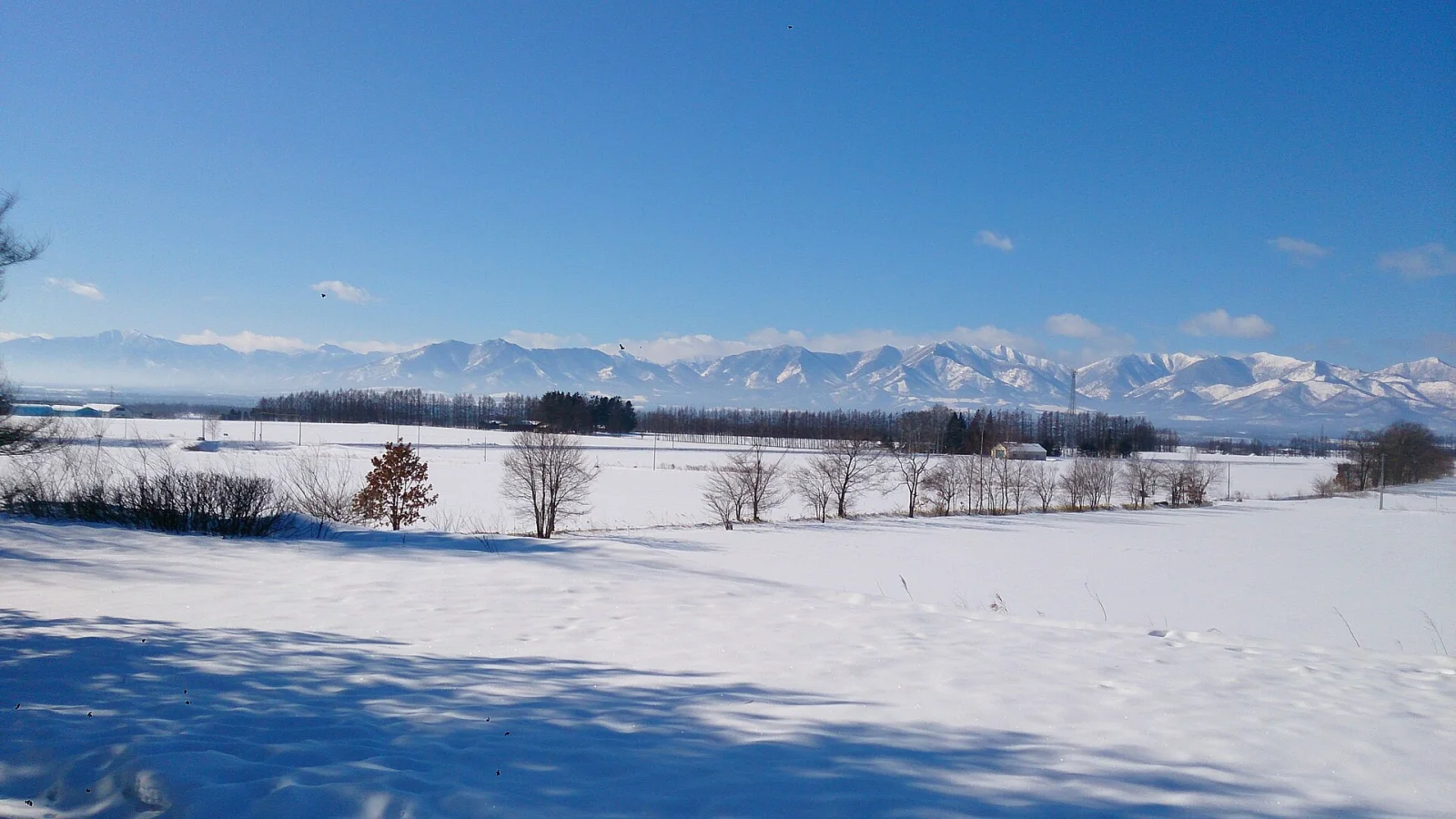
First time in Obihiro and Tokachi? Plan two days around Ban'ei horse racing, ryokan dinners, and bus schedules, including Tokachigawa Onsen day-use soaking, a Shichiku Garden and Kofuku Station drive, 2026–27 winter hours, and onward transit to Kushiro.
Getting to Obihiro: Trains, Flights, and Driving from Sapporo
From Sapporo, ride the JR Limited Express Tokachi (terminating at Obihiro) or Ozora (continuing to Kushiro). Both trains are all-reserved seating, so you need both a base fare ticket and a reserved-seat limited express ticket. The ride takes about two and a half hours depending on the departure. Flying into New Chitose Airport? Take JR one stop to Minami-Chitose and transfer to an Obihiro-bound limited express that stops there. Include the airport-to-Minami-Chitose leg when buying tickets, and leave buffer time on arrival day for immigration, baggage claim, and platform transfers.
Flights from Tokyo Haneda land south of the city at Tokachi-Obihiro Airport. The airport-listed city shuttle bus reaches Obihiro Station Bus Terminal in about 38 minutes for ¥1,000 one-way (adult), and separate buses serve specific hotels. Step out to the first-floor arrival lobby to buy tickets from the vending machine, then board outside the terminal. Heading straight to the races with no bulky luggage? You can stay on that same city line to the "Obihiro-keibajo-mae" stop, listed by the airport at roughly 55 minutes.
If you are flying in and renting a car during the warmer months, use either an early arrival or a late departure to cover the southern suburbs. Kofuku Station is about a 10-minute drive from the airport, and Shichiku Garden estimates a 28-minute drive. Doing this loop straight from the airport saves an extra round trip between downtown and the south. Saving it for departure day? Count backward from refueling, car return, shuttle drop-off, and check-in, leaving Kofuku Station as your last stop near the terminal. Double-check your pickup branch before booking online—the airport counter and the Obihiro Station counter put you on completely different starting routes.
Driving straight from Sapporo via the Doto Expressway brings you past Tokachi Heigen Service Area between the Tokachi-Shimizu and Memuro interchanges. If you are already on the highway, it makes an easy pull-off to look out over the foreground fields toward the Hidaka Mountains. NEXCO East lists facilities separately by travel direction, with vending machines on both the inbound and outbound sides. For a full sit-down meal, eat before getting on the expressway or wait until you reach Obihiro.
Ban'ei Horse Racing: Pick One Race First, Then Choose Your Spot
Known in Japanese as ban'ei keiba, Obihiro Racecourse's signature event pits heavy draft horses pulling weighted iron sleds along a straight 200-meter dirt track over two hills, with the taller second obstacle rising 1.6 meters. On your first visit, stand along the rail near that second hill to watch jockeys hold the horses briefly to catch their breath before driving them up and over. Even after clearing the crest, a leading horse can stall before the line—a horse only finishes when the rear edge of the sled crosses completely. Watching just one race from trackside reveals tactical shifts you would miss waiting at the finish line.
Betting and spectating are separate. Obihiro Racecourse's access page currently lists admission as free, so if you only want to watch the horses, walk straight through the gates. Catch a Tokachi Bus bound for "Obihiro-keibajo-mae" from Platform 12 at Obihiro Station Bus Terminal, or take a taxi from the station's South Exit (listed by the track at about 7 minutes). Visiting with kids? Locate restrooms and indoor rest areas first before deciding which races to wait outside for. Along the rail, keep photography within designated open viewing areas and leave walkways clear for moving crowds.
The 2026 racing season runs from April 17, 2026 to March 21, 2027, rotating between full night races, twilight cards, and early evening schedules. Major holiday fixtures include the Obihiro Kinen on January 2, 2027 and the season-ending Ban'ei Kinen on March 21. The track also adjusted race days on select weeks starting December 4, 2026, so check the calendar markings carefully for winter dates. The official race schedule posts daily gate times, first post, and individual race start times. If you plan to arrive late, target the specific post time you want rather than blocking off your entire evening.
Daytime cards pair easily with an onsen ryokan dinner, while night cards suit staying in central Obihiro. On paper, factor in the walk out of the track, bus wait times, and downtown transfers—especially if you still need to catch Route 45 back toward Otofuke at night. The city shuttle bus returns to Obihiro Station, whereas buses to Tokachigawa Onsen run on a separate route. Lock in your ride back before the finale. Planning to eat at Kita no Yatai afterward? Check whether your target stalls are open and keep dinner and your walk back to the hotel in the same neighborhood.
Non-Race Days: The Horse Museum and Downtown Obihiro
Next to the racecourse, Tokachi Mura offers local produce and dining, while the free Horse Museum sits near the entrance. To understand Tokachi's farm-horse heritage, browse the plows, harnesses, and scale models before seeing how those sleds evolved onto the racetrack. The museum typically stays open until 16:00 (extended during busy summer weeks) and closes every Wednesday from early December through early March; verify market and museum hours separately. For kids eager to meet horses up close, the on-site petting zoo opens at gate time and closes at 17:00 (closed Tuesdays). On late-opening race days, visit the animals before the first race starts.
Head out Obihiro Station's North Exit into downtown to hit the Rokkatei Obihiro Main Store in the afternoon. It sits at Nishi 2-jo Minami 9-chome, right next to Kita no Yatai at Nishi 1-jo Minami 10-chome, making an easy walkable transition from daytime pastry shopping to dinner. Have butadon for lunch when you arrive so you save room for food stalls or ryokan courses at night. If you arrive rolling suitcases, stash them in a station locker or at your hotel before walking north—you will only need a light jacket or evening essentials for the racetrack.
On a rainy afternoon or during a long transit gap, duck into an exhibition at the Hokkaido Obihiro Museum of Art in Midorigaoka Park. Take a bus to "Midorigaoka 6-chome / Bijutsukan Iriguchi" (about a 4-minute walk from the stop per the museum). It generally closes Mondays—staying open on national holidays and substitute holidays and closing the following weekday instead—as well as during exhibition changeovers. Over the New Year closure from December 29 to January 3, skip the park and spend that time dining near the station or visiting open facilities at the racecourse complex.
Tokachigawa Onsen: Day-Use Soaking vs. Staying Overnight
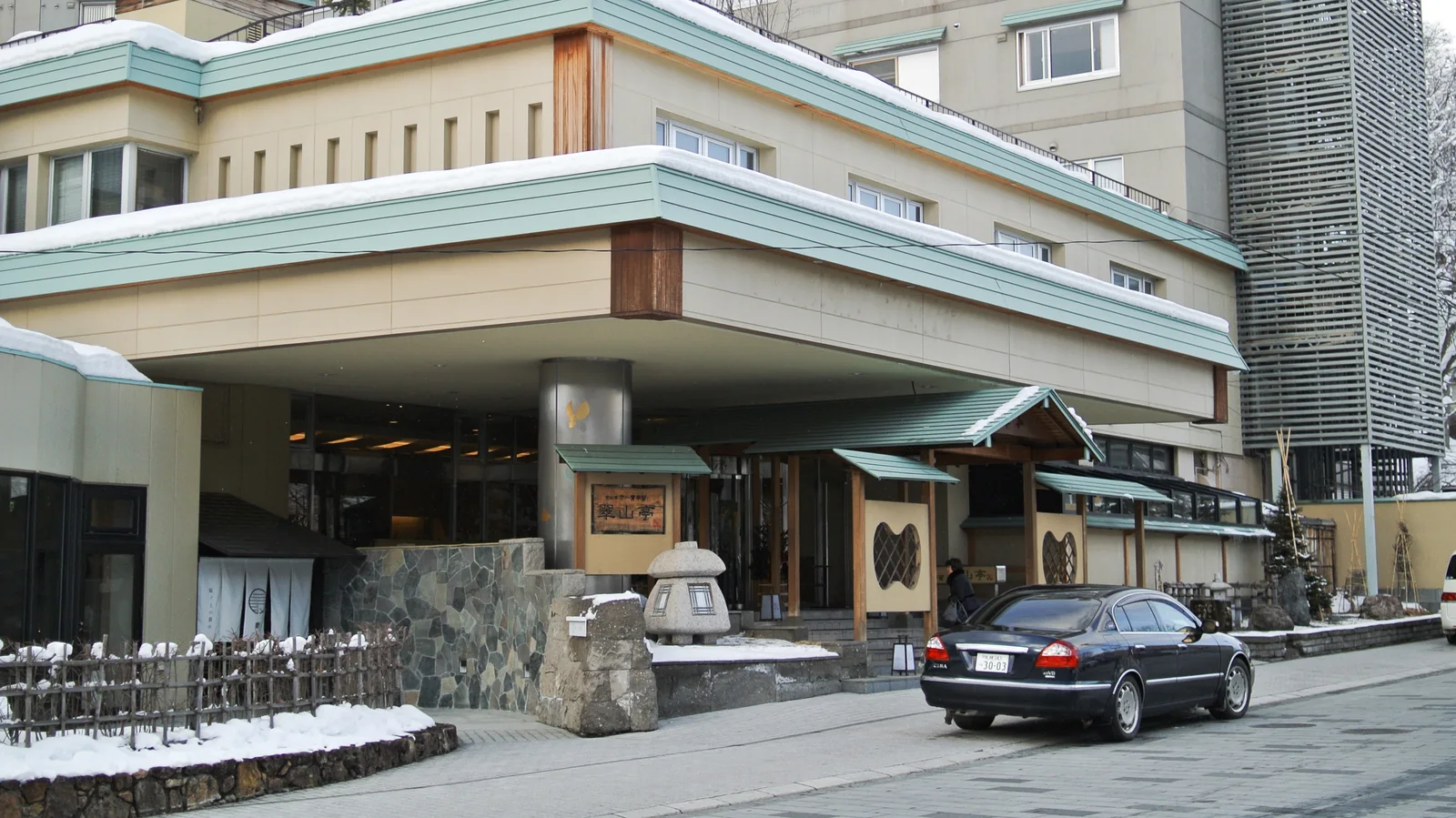
Tokachigawa Onsen is defined by its amber-brown botanical "moor onsen" waters. The local tourist association traces the mineral-rich spring to ancient plant deposits layered underground, and it is recognized as a Hokkaido Heritage site. Stay overnight if you want an after-dinner soak plus another dip the next morning. If your evening involves downtown restaurants, night races, or catching a JR train, a day-use soak keeps your schedule much tighter and easier to manage.
Inside Michi-no-Eki Garden Spa Tokachigawa Onsen, SPA KOHAKU is a co-ed bathing zone requiring swimsuits or facility-provided spa wear, so families and couples can soak together. Admission is ¥1,500 for ages 13 and up, ¥600 for ages 4 to 12, and free for ages 3 and under. Note that the facility only stocks children's spa wear in a 100 cm size, so bring fitted swimsuits for kids. Locker rooms include showers to rinse off beforehand and space to change afterward before browsing the shops and eateries outside.
Keep track of three separate cutoffs at the roadside station: building hours, last spa entry, and restaurant last order. During the nighttime event window from November 1 to December 6, 2026, SPA KOHAKU operates on special hours from 09:00 to 18:00, with final admission at 17:00—one hour that makes all the difference if you leave Obihiro at dusk. In regular winter months from November through April, the spa closes on Tuesdays, so check its monthly calendar before planning a weekday trip. Soak first, grab snacks for later, and leave yourself a comfortable seat before your return bus.
If you prefer classic single-sex large communal baths, the Tokachigawa Onsen Tourist Association's annual day-use bathing guide lists each ryokan's drop-in hours, final admission, and child pricing. Pick a hotel near your return bus stop so you are not rushing across bridges or hauling bags afterward. Prefer privacy with your travel companions? Look for ryokan offering private reservable baths (kashikiri-buro) and compare time slots and surcharges. Want moor onsen water straight in your room? Check the exact water source and hours for that specific room tier.
Take Kangetsuen as a concrete example: starting April 2026, day-use entry is ¥2,000 for junior high school students and adults, and ¥700 for ages 1 through elementary school. On Saturdays and designated dates, afternoon entry splits into two windows: 13:00 to 15:00 and 18:00 to 21:00. Bus riders choosing this property can arrive right after lunch, or stroll the nearby park first and soak ahead of an evening bus back. Notice too that Kangetsuen prices child tickets by school grade rather than exact age as SPA KOHAKU does.
If an in-room bath is your priority for an overnight stay, compare the two wings at Tokachigawa Onsen Daiichi Hotel. Every room in Hosyutei includes an open-air moor onsen bath, whereas Toyotei mixes rooms featuring private hot spring observation baths with standard rooms. Families should filter rooms by exact child ages and headcount before booking. Happy using the large communal baths? Choose a standard room and put that budget toward a higher-tier dinner plan. Both wings offer bed-and-breakfast as well as half-board packages, so verify your meal selection after picking a room type.
When booking a half-board stay, check both the dinner seating window and the latest check-in time, then count backward for your rental car drive or bus ride. Compare total package prices using your exact party size, including meals for both adults, kids' menus, and any paid private-bath reservations. Catching an early train or flight the next morning? Check when breakfast opens and when the first buses depart after checkout. Leaving early usually means trading off a morning soak or a full breakfast—if you have a dawn departure, consider staying by Obihiro Station and doing a day soak the afternoon before.
Taking Tokachi Bus Route 45 from Obihiro Station to the Onsen
At Obihiro Station Bus Terminal, look for Tokachi Bus Route 45 (Tokachigawa Onsen Line), which mostly departs from Platform 6 with select departures from Platform 7. Get off at "Garden Spa Tokachigawa Onsen" for the roadside station, or match your ryokan to stops on the timetable such as "Daiichi Hotel," "Kangetsuen," or "Sasai Hotel." Outbound buses from the station take about 28 minutes to the roadside station, while the return trip needs roughly 35 minutes back to Obihiro Station. Leaving large suitcases in town lets you travel light to the baths, pick up your bags at the station later, and board JR smoothly.
Tokachi Bus adjusted select weekday departures starting October 13, 2026. Check your exact travel date and return stop against the Tokachi Bus Route 45 weekday and weekend/holiday timetables, and look up separate special schedules around New Year's. On a typical weekend, for example, the 11:20 bus from Obihiro Station reaches the roadside station at 11:48, and a 17:40 departure returns you to Obihiro Station by 18:15—plenty of time for lunch, a soak, and the flower clock. Staying for events past 18:00? Confirm the last bus of the night first, and plan on hailing or pre-booking a taxi afterward.
From April 1, 2026 through March 31, 2027, Otofuke Town offers free round-trip bus rides between Obihiro Station and the onsen area for guests staying at seven participating properties. Before boarding outbound, show your booking confirmation (digital or printed) at the Obihiro Station Bus Terminal counter to pick up your voucher; your hotel front desk issues the return voucher. Participating properties and pickup details appear on the Tokachigawa Onsen Tourist Association's lodging bus notice. Day-use visitors ride on standard fares.
Adding Tokachi Ecology Park by bus? Use the "Ecology Park" stop for the main Otofuke-side visitor facilities. Departures marked with a telephone icon on the timetable require advance reservation—call Tokachi Bus before each trip's cutoff time. If you are connecting to a reserved-seat train, write down both your target bus and the earlier backup departure. When only one bus left can make your train, cut your soak short and give yourself extra margin getting back to Obihiro Station.
Tokachigaoka Park and Ecology Park Before or After Your Soak
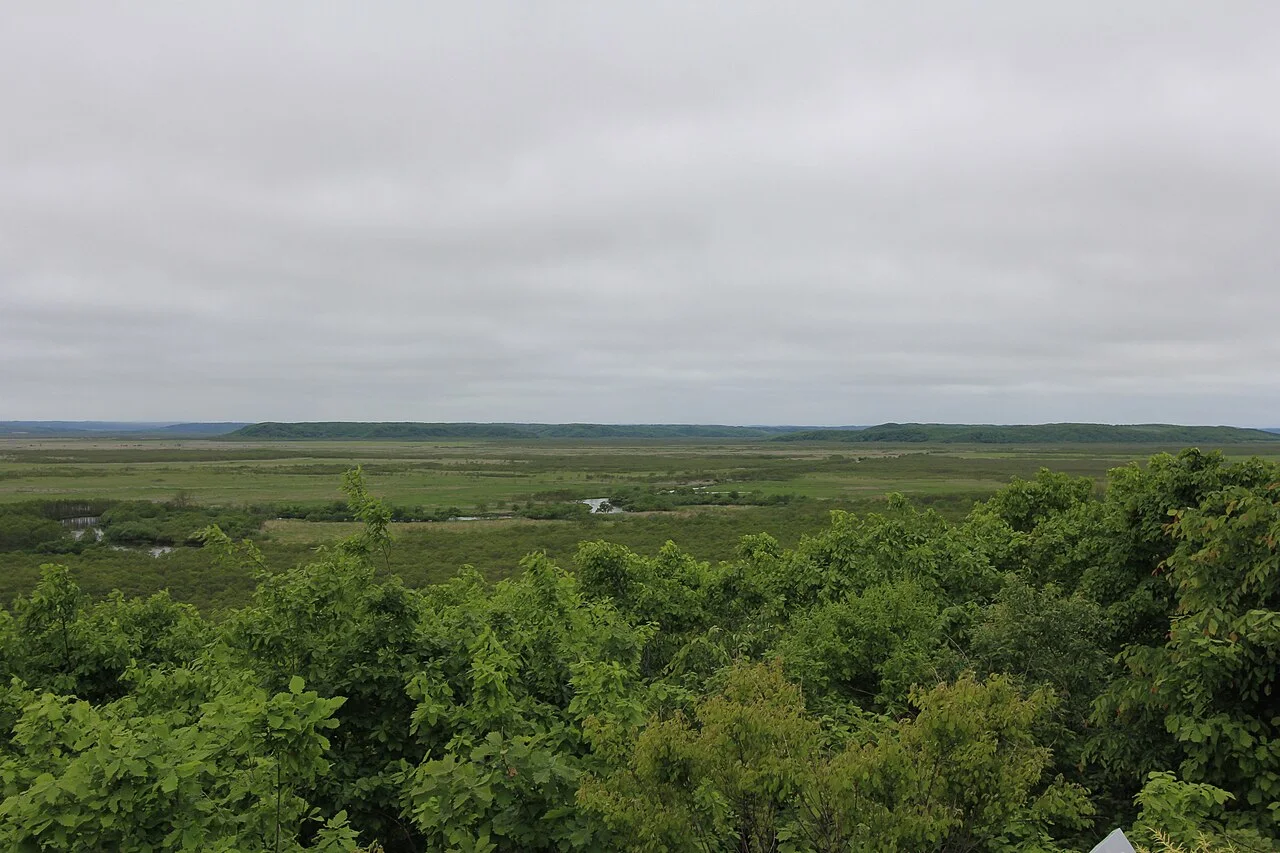
Tokachigaoka Park's signature floral clock, Hanakku, spans about 18 meters across. It sits roughly a 5-minute walk from the roadside station bus stop, making an easy pre- or post-bath stroll. Want sweeping views of the Tokachi River winding across the plain toward the Hidaka Mountains? Climb higher up the slope to Tokachigaoka Observatory. Moving at a slower pace or pushing a stroller? You can turn back right from the floral clock plaza—and if dusk is settling in, save the uphill walk for the next morning.
Tokachi Ecology Park stretches across Otofuke, Makubetsu, and Ikeda. Families heading for the visitor center, wide lawns, and playground equipment should navigate to the Otofuke entrance. To see the salmon fishway and underwater viewing windows, head instead to Totoroad on the Makubetsu side, which park managers list as open from April 29 through late November, featuring autumn salmon runs. Since the two sides have distinct entrances and hours, pick one zone for the day. The Otofuke side's outdoor jumping pillow closed for the season in November 2026, and the whole park closes December 29 through January 3. In winter, check management notices for open snow activities, or swap the park for indoor bathing facilities during the year-end closure.
Otofuke also has a second roadside station near the Otofuke-Obihiro Interchange: Michi-no-Eki Otofuke Natsuzora no Furusato. Enter that full name into your GPS if you want local wheat-based foods or lunch before hitting the expressway, and select "Garden Spa Tokachigawa Onsen" when you want hot springs by the river—they sit in different parts of town. In winter, the Otofuke roadside station market generally stays open until 18:00, while the outdoor Natsuzora drama set area closes for the season; save the farm buildings for warmer months and treat winter visits as an indoor dining and shopping stop.
Southern Suburbs: Choosing Between Shichiku Garden and Rokka no Mori
Set amid open farmland in Bieicho, Shichiku Garden folds wide sky and distant shelterbelts right into the walk. Inside, wander through shaded woodland borders, herb beds, and wildflower meadows, pausing along side paths to see the layered plantings and stepping out toward the garden's outer edge for farm views. The garden estimates a 35-minute drive from Obihiro Station and about 53 minutes from Tokachigawa Onsen—so onsen guests aiming for an early-morning visit should factor in that cross-town drive south.
Shichiku Garden's official site notes a standard season from the third Saturday of April through late October, open 08:00 to 17:00. Hokkaido Garden Path lists the 2026 season as April 18 to October 31, with admission at ¥1,000 for high schoolers and adults, ¥200 for elementary and junior high students, and free for preschoolers. Targeting specific blooms? Use the Hokkaido Garden Path monthly bloom chart to narrow down the window, then check the garden's current photos before picking your date. Spring brings woodland perennials and bulbs along the paths, while autumn highlights dahlias and Japanese anemones—though if peak autumn color is your sole goal, putting all your transit and lodging eggs in the final week leaves little weather margin.
Rokka no Mori lies in Nakasatsunai Village, landscaped by confectioner Rokkatei around the wildflowers featured on its iconic wrapping paper. Walk among streamside flora, original botanical paintings by Naoyuki Sakamoto, and small gallery buildings tucked into the woods. Art lovers especially appreciate viewing the original paintings in the Wrapping Paper Museum before spotting the real blossoms back along the trails. Because Rokkatei's Obihiro Main Store downtown shares a similar name, include "Nakasatsunai Village" when searching maps or entering a car GPS destination. Its 2026 season has ended, so winter visitors should head to the downtown shop or other indoor galleries instead.
The gardens estimate about 31 minutes of driving between them. With only half a day, pick Shichiku Garden for wide-open flower borders or Rokka no Mori for native mountain wildflowers and art galleries. With a full day, a rental car, and both open, tour Shichiku Garden in the morning, eat lunch in Nakasatsunai Village, and stroll Rokka no Mori in the afternoon. Use each garden's last-entry cutoff to decide whether to slot Kofuku Station in between or on the way back. Hokkaido Garden Path links gardens scattered across the region, so save the push toward Furano and Biei for its own relaxed travel day.
Riding the Bus to Kofuku Station: Check the Return Stop First
Kofuku Station survives as a transport park along the former JNR Hiroo Line, complete with its wooden station house, planked platform, and two diesel railcars. Passenger service ended in 1987, so reaching it from Obihiro now means driving or riding the bus. Tokachi Bus Route 60 (Hiroo Line) departs from Obihiro Station Bus Terminal; the city estimates a 40- to 50-minute ride to the "Kofuku" stop, followed by about a 5-minute walk. Your return bus stop sits across the highway, so spot the Obihiro-bound signpost as soon as you arrive. Between buses, inspect the station house, platform, and railcars, leaving souvenir ticket shopping for the end if time is tight.
Driving south from downtown Obihiro takes roughly 30 minutes along National Route 236, according to city estimates. Aikoku Station—also on the old Hiroo Line—sits right between downtown and Kofuku. For a complete railway nostalgia loop, stop at Aikoku outbound to see its steam locomotive, then continue to Kofuku for the preserved diesel cars. Starting straight from the airport with gardens on the same itinerary? You can visit Kofuku alone. Drivers can pull straight into the site parking lot, watching highway traffic carefully if walking near the roadside bus stops.
To see why the two stations are always paired, look back at the "Aikoku to Kofuku" ("From Love Country to Happiness") ticket craze sparked by a 1973 NHK broadcast. Aikoku's station building now serves as a free railway memorial hall displaying vintage tickets and local rail artifacts. It typically opens daily from 09:00 to 17:00 from March through November, drops to Sundays only from December through February, and closes access to the steam locomotive from November through March. On a winter weekday when you only want one stop, Kofuku's open-air railcars pair much more cleanly with your return schedule.
Visiting both gardens and the old station without a rental car? Arrange a taxi for the garden hops or ask local cab companies about flat-rate countryside sightseeing charters, specifying your stops, dwell times, luggage, and child-seat needs when booking. Relying strictly on buses? Make Kofuku Station your sole southern highlight and return to Obihiro Station for lunch. While airport shuttle riders can hop off along the route on arrival, resuming onward travel afterward requires catching a separate bus from the right roadside stop. When riding Route 60 both ways, check the highway-side "Kofuku" stop and verify weekday versus weekend schedules.
Four Two-Day Itineraries Built Around Transit and Lodging
All by transit, here for the night races: stay right by Obihiro Station. Drop your luggage around noon on Day 1, eat butadon downtown, tour the Horse Museum, and stay for a couple of Ban'ei races—or linger for the nighttime feature. On Day 2, take Route 45 to Michi-no-Eki Garden Spa, walk to the floral clock, soak, and return to Obihiro for dinner or your train. Riding an early-afternoon express train home? Condense Day 2 to breakfast and souvenir shopping by the station, and move your day soak to Day 1 afternoon while keeping part of the evening open for the track.
All by transit, staying overnight at the onsen: take the bus out to Tokachigawa after lunch on Day 1, stroll the park or check in early, and anchor your evening around ryokan dinner hours. Return to Obihiro on Day 2 and catch afternoon racing if the calendar lines up. If races only run on Day 1, watch the opener before heading to the hot springs—just make sure your bus connections leave clear padding before dinner. Brought all your luggage out to the ryokan? Re-check bags at Obihiro Station on Day 2 so you can visit the racetrack hands-free.
Driving in garden season: hit Shichiku Garden and Kofuku Station on Day 1, working backward from your ryokan's latest dinner check-in time if eating at the onsen. Take in the Tokachigawa views after breakfast on Day 2, drive back into Obihiro for lunch and an early race, then drop off the car or drive on toward Kushiro. If racing falls on Day 1, catch the early races downtown first and save the southern suburbs for departure day—picking just one top-priority garden if you are driving to Kushiro that evening.
Winter by transit: with the gardens closed, swap the southern half-day for Otofuke or central Obihiro. Staying in Tokachigawa Onsen makes stepping outside for evening events and walking back to a warm room effortless—just build in buffer time after outdoor winter activities to change out of damp layers or rest kids, whereas downtown guests need to lock in return transport first. When snow slows cross-town buses, fill Obihiro hours with Rokkatei Main Store, open dates at the Obihiro Museum of Art, and the racetrack's Horse Museum, picking whichever venues open on the same day.
- Only have one day as a round trip from Sapporo? Pair a station-area lunch with early horse races, or dedicate the entire afternoon to a Tokachigawa day soak. Buy your return JR ticket first and work backward from its departure time.
- Flying in and out the same day with a rental car? Put the longer gap between flights toward the southern suburbs. If you want to add Tokachigawa Onsen, book a room nearby or push it to a second day so airport check-in and driving do not collide.
- Staying three days and two nights? Sleep in Obihiro on Night 1 for the night races, then move to the onsen on Night 2 for dinner. Head onward to Kushiro on Day 3, deciding beforehand whether to haul bags with you or leave them near the station overnight.
Winter Events: Check Which Year's Calendar You Are Reading
Tokachigawa Onsen hosts different evening events depending on the month. Otofuke Town's fiscal 2026 tourism materials schedule the Tokachigawa Swan Festival "Sairinka" at Tokachigaoka Park from late January to mid-February 2027, running 19:00 to 21:00. Note that the January 24 to February 15 dates shown on the tourist association's event page are for the 2026 edition. Use the town's rough late-January/mid-February window when booking winter rooms, then wait for official 2027 dates before locking in tickets, dinner times, or transfers. Visiting in late November instead? Look for "Kohaku Night & Marche" at the roadside station—two separate venues with their own schedules.
Bringing kids to play in the snow? Otofuke Town's annual event map highlights winter activities and gear rentals at Tokachi Ecology Park, including snow tubing, snowshoes, and cross-country skis. Pick one activity that suits snow conditions and your family's ages before scheduling your soak. Factor gear return, changing into dry socks, and bus wait times into your timetable—especially if you have afternoon races or a limited express train afterward. Over the park's year-end closure, trade snow play for an afternoon soak and lunch by the station.
Town and countryside feel sharply different in winter. At the racetrack, step indoors to warm up between races before heading back out to the second obstacle. Driving up to Tokachigaoka Observatory? Watch for slick inclines and parking surfaces, and postpone scenic stops until the next morning if visibility drops. Once parked, stay within designated public viewpoints rather than walking onto farm roads for photos. Before driving into eastern Hokkaido, check both expressway and local road closure notices—and if routes close, switch to JR status updates instead of taking mountain backroads as shortcuts.
Continuing to Kushiro or Lake Akan: Pick Where You Sleep Next
JR's direct Limited Express Ozora runs from Obihiro to Kushiro in roughly 1 hour 32 minutes to 1 hour 43 minutes on current timetables. Budget 1.5 to 1.75 hours for the rail leg, plus your bus ride and transfer from Tokachigawa Onsen back to Obihiro. Sample November 2026 departures leave Obihiro at 14:17 (arriving Kushiro 15:50) and 16:19 (arriving 17:51). Only checking into a hotel and having dinner? The later train works fine. Want sunset views from Nusamai Bridge? Catch the earlier train—and in winter, clear your Obihiro afternoon starting at midday for the transfer.
Heading to Kushiro's waterfront and markets on arrival? Book downtown Kushiro so you can walk straight to dinner after stepping off the train. For Kushiro Shitsugen Wetland the next day, pick either an observatory loop or the sightseeing train as your anchor, then build a half-day plan around seasonal transit. Lake Akan sits inland: if your next night is by the lake, check when the lakeside bus departs Kushiro Station and work backward to choose your Obihiro express train with comfortable transfer padding.
Driving to central Kushiro follows the E38 Doto Expressway, where the Akan IC to Kushiro-Nishi IC section opened in December 2024. Bound for Lake Akan? Set your lakeside hotel as the GPS destination directly rather than driving all the way to Kushiro Station and doubling back inland. Picking up a rental car in Obihiro and dropping it off in Kushiro? Verify one-way drop fees, branch hours, and exact return locations within the same agency. Airport counters and Kushiro Station branches require very different transfer buffers depending on whether you fly out or board a train. If you have several days for lakes and wetlands, pair this leg with the Eastern Hokkaido lakes and wildlife route.
A few useful answers
What is the smoothest two-day Obihiro and Tokachi itinerary without a car?
Focus Day 1 on food near Obihiro Station and Obihiro Racecourse, then take Tokachi Bus Route 45 to Tokachigawa Onsen on Day 2. If you want to visit Kofuku Station, swap one half-day for Route 60.
Should I stay overnight at Tokachigawa Onsen or just go for a day soak?
Book an overnight stay if you want a ryokan dinner plus both evening and morning soaks. If you are watching night races or catching a limited express train back the same evening, choose day-use bathing at SPA KOHAKU or a hotel bath open to drop-in guests.
Do I need a reservation or betting ticket to watch Ban'ei horse racing?
No. General spectators can walk right in; the official access page currently lists admission as free. You can stand near the second obstacle to watch the draft horses haul sleds over the slope without placing a bet. Just check gate opening and post times for your date.
Can I fit Shichiku Garden and Rokka no Mori into a two-day winter trip?
No. Shichiku Garden's season runs through late October, and Rokka no Mori has already closed for its 2026 season. In winter, build your two days around Tokachigawa Onsen, Obihiro Racecourse, or the Hokkaido Obihiro Museum of Art in Midorigaoka Park.
Do trains still stop at Kofuku Station?
No. Kofuku Station is preserved as a traffic park on the former Hiroo Line. From JR Obihiro Station, take Tokachi Bus Route 60 (Hiroo Line), get off at the Kofuku stop, and walk about 5 minutes.
Can day-trip visitors ride the free Tokachigawa Onsen bus?
No. From April 1, 2026 through March 31, 2027, the free shuttle bus applies only to overnight guests staying at seven designated ryokan and hotels. Day-use bathers pay standard bus fares.
Official information and references
Sources used in this guide.
- JR Hokkaido: Limited Express Trains and Reserved Seating for Obihiro and Kushiro
- JR Hokkaido: Westbound/Eastbound Limited Express Timetables (Sapporo, Obihiro, Kushiro)
- Tokachi-Obihiro Airport: Airport Shuttle Bus Routes and Fares
- Obihiro Racecourse: Admission and Access Guide
- Obihiro Racecourse: Daily and Annual Race Calendar
- Ban'ei Tokachi: FY2026 Race Schedule and Major Feature Dates
- Ban'ei Tokachi: Adjusted Race Days Starting December 2026
- Ban'ei Tokachi: Track Layout, Obstacles, and Finish Rules
- Obihiro Racecourse: Horse Museum Hours and Visitor Info
- Obihiro Racecourse: Petting Zoo Facility Guide
- Obihiro Tourism & Convention Association: Rokkatei Obihiro Main Store
- Obihiro Tourism & Convention Association: Kita no Yatai Food Stalls
- Hokkaido Obihiro Museum of Art: Access and Closed Days
- Hokkaido Obihiro Museum of Art: Year-End and Exhibition Closures
- Tokachigawa Onsen Tourist Association: About Moor Onsen
- Tokachigawa Onsen Tourist Association: FY2026 Day-Use Bathing Guide
- Michi-no-Eki Garden Spa Tokachigawa Onsen: SPA KOHAKU Rates and Closures
- SPA KOHAKU: Swimwear, Spa Wear, and Children's Sizing Notice
- Michi-no-Eki Garden Spa Tokachigawa Onsen: Nov–Early Dec 2026 Schedule Adjustments
- Tokachi Bus: Route 45 and Route 60 Weekday/Holiday Timetables
- Tokachi Bus: Weekday Service Reduction Notice (Effective Oct 13, 2026)
- Tokachi Bus & Tokachigawa Onsen Tourist Association: Free Lodging Bus Hotels and Vouchers
- Otofuke Town: FY2026–27 Free Onsen Shuttle Bus Campaign Dates
- Tokachigawa Onsen Tourist Association: Tokachigaoka Park and Observatory
- Tokachi Ecology Park: Otofuke, Makubetsu, and Ikeda Entrances & Hours
- Tokachi Ecology Park: Seasonal Facility Operating Notices
- Shichiku Garden: Opening Season and Driving Times Between Gardens
- Hokkaido Garden Path: 2026 Opening Dates, Monthly Bloom Chart, and Admission
- Rokkatei: Rokka no Mori Grounds, Galleries, and Season Info
- City of Obihiro: Kofuku Station, Aikoku Station, and Bus Access
- Otofuke Town: FY2026–27 Event Map and Sairinka Preview
- Tokachigawa Onsen Tourist Association: Sairinka Event Information
- NEXCO East: Doto Expressway Tokachi Heigen Service Area (Inbound)
- MLIT Hokkaido Regional Development Bureau: Doto Expressway Obihiro–Kushiro Network
- City of Obihiro: Kofuku Station History, Aikoku Memorial Hall, and Steam Locomotive
- Tokachigawa Onsen Kangetsuen: Day-Use Baths and Entry Windows
- Tokachigawa Onsen Kangetsuen: Day-Use Fee Revision (April 2026)
- Tokachigawa Onsen Daiichi Hotel: Hosyutei Rooms and Moor Onsen Baths
- Tokachigawa Onsen Daiichi Hotel: Toyotei Room Types and Baths
- Michi-no-Eki Otofuke: Facility Address and Summer/Winter Hours
- NEXCO East: Tokachi Heigen Service Area (Outbound Facilities)
- Hokkaido Heritage: Tokachi Botanical Moor Onsen