Visiting Kushiro Marsh without a car? Compare Hosooka Observatory, Kushiro City Marsh Observatory, and the Onnenai Boardwalk, plus 2027 SL Fuyu-no-Shitsugen schedules, Tsurui red-crowned cranes, and driving routes.
- Region & Focus
- Eastern Hokkaido
- Reading Scope
- 22 min read · 13 chapters · 10 Q&As
- Official Verification
- 21 official sources checkedUpdated November 22, 2026
- Key Topics
- ItinerariesRail travelSeasons
Chapter Route Map (tap any stop)
- Pick Your Entrance First on a First Visit
- Which Station to Get Off at for Hosooka Observatory
- Local Trains for a Half-Day: Check Your Return Ride First
- Kushiro City Marsh Observatory: Indoor Exhibits or a Short Loop
- Onnenai Boardwalk: 2026–27 Construction & Open Visitor Center
- How to Link Two Stops on the Akan Bus Tsurui Line
- 2027 SL Fuyu-no-Shitsugen Operating Dates, Fares & Stops
- Ride All the Way to Shibecha or Hop Off Partway?
- What Replaces the Norokko Train After 2026?
- Red-Crowned Cranes in Tsurui: Tsurumidai vs. Otowa Bridge
- Lake Toro, Lake Takkobu & Kushiro River Canoeing
- Driving the North Side: Plug In the Exact Parking Lot
- Fitting Kushiro Marsh into an Eastern Hokkaido Itinerary
- Quick Q&A
For a first trip to Kushiro Marsh, take the JR train to Hosooka Observatory on the east side if you want to see the Kushiro River meander. If you want boardwalk trails, stroller-friendly paths, or winter red-crowned cranes, board the Akan Bus Tsurui Line from Kushiro Station for the west side. There is no direct public transit connecting the two sides, so pick one side for a car-free half-day or give each side a full day over a two-day stay. In winter, the SL Fuyu-no-Shitsugen steam train lets you hop off at Kushiro-Shitsugen Station for Hosooka or ride all the way to Shibecha. The train has scheduled operating dates in January, February, and March 2027, during the same winter season when part of the Onnenai Boardwalk is closed for construction.
Pick Your Entrance First on a First Visit
Kushiro Marsh sits just north of downtown Kushiro, with viewpoints scattered along the wetland perimeter. Plot Kushiro Station and the marsh on a map: the east edge follows the JR Senmo Main Line past Hosooka Observatory and Lake Toro, while the west edge follows Prefectural Route 53 past Kushiro City Marsh Observatory, Onnenai, and Tsurumidai. On the north side, Kottaro Marsh Observatory in Shibecha Town overlooks spring-fed streams and river channels. Because these spots lie on separate roads and rail lines, searching simply for "Kushiro Marsh" drops a pin in the center that only helps with orientation—enter the specific observatory, visitor center, or station you plan to visit into your navigation app.
The wetlands below Hosooka and the lakes to the east preserve signs that the Kushiro Plain was once under the sea. As seawater retreated, the low-lying basin trapped water and sediment to form today's marsh, leaving behind lagoon lakes such as Lake Toro, Lake Shirarutoro, and Lake Takkobu. In 1980, Kushiro Marsh became Japan's first wetland registered under the Ramsar Convention, and it was designated a national park in 1987. To grasp how the rivers, peatlands, and lakes fit together, start at a high overlook and follow up with the maps and aquatic exhibits at a visitor center.
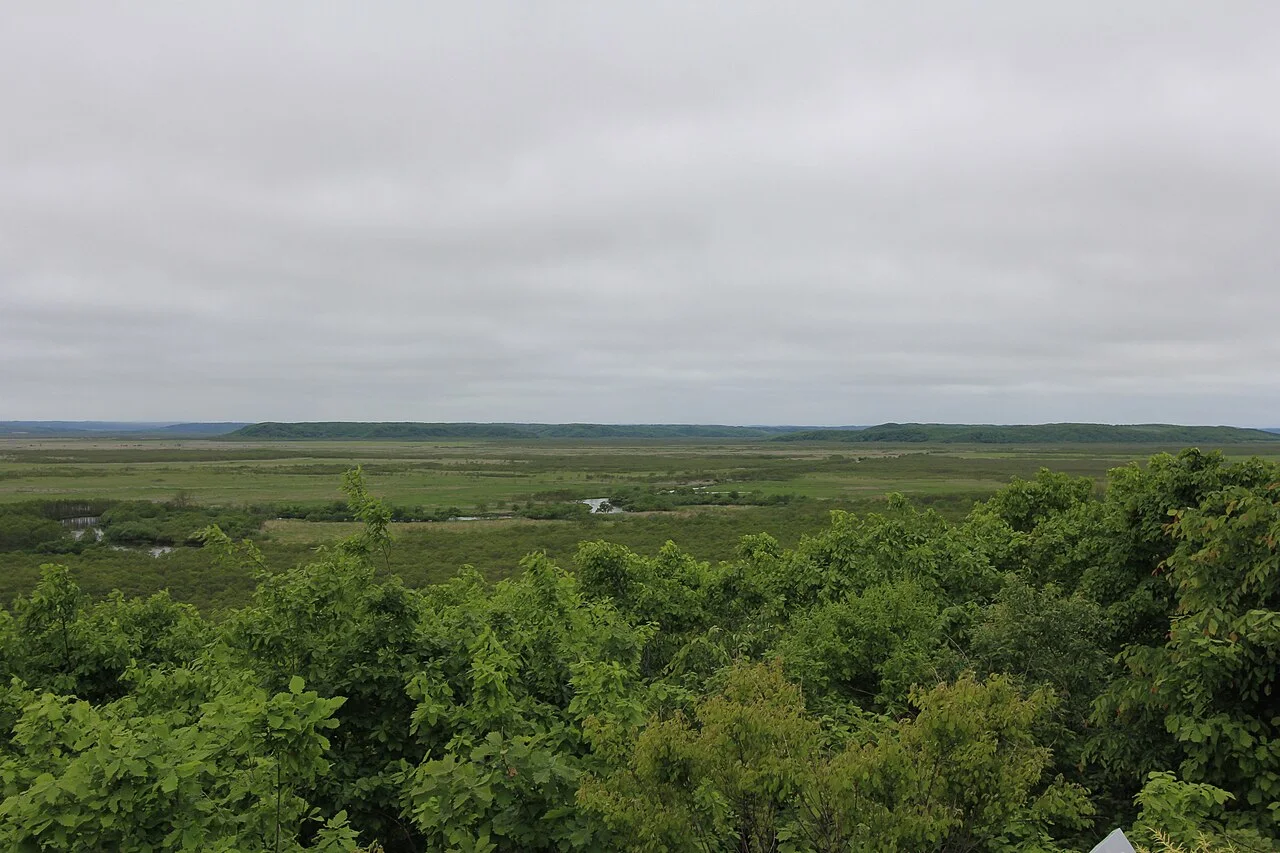
Hosooka Observatory sits on an eastern bluff with sightlines stretching across the Kushiro River to a distant horizon. On the west side, the City Observatory pairs indoor exhibits with a walking loop, while Onnenai drops your perspective down to grass and boardwalk level. If you only have half a day and want to feel the sheer scale of the marsh, choose Hosooka. If anyone in your group chills easily and wants to alternate between indoor warmth and short walks outside, Kushiro City Marsh Observatory makes pacing much simpler. In winter, when spotting red-crowned cranes tops your list, Tsurumidai alone justifies a west-side trip.
Kushiro Station serves as the shared hub for both the rail line and the Tsurui bus line. Staying near the station without a car lets you adjust days, switch sides, or trim a walk while returning to the same base for meals and supplies. With only one afternoon, check usable return departures first, then choose a single anchor stop from the table below. See the Kushiro & Lake Akan Tourism Association marsh transit map for route lines and each entrance's location.
| What You Want to Do | Where to Go | How to Get There Without a Car |
|---|---|---|
| See the Kushiro River meander | Hosooka Observatory (east side) | JR Senmo Main Line to Kushiro-Shitsugen Station, then walk uphill |
| Visit indoor exhibits and a short trail | Kushiro City Marsh Observatory (west side) | Akan Bus Tsurui Line to Shitsugen Tenbodai |
| Walk close to wetland plants | Onnenai Boardwalk (west side) | Akan Bus Tsurui Line to Onnenai, walk to the visitor center |
| Watch wild red-crowned cranes in winter | Tsurumidai (west side) | Akan Bus Tsurui Line to Tsurumidai |
| Explore lakes and aquatic exhibits | Lake Toro (east side) | JR Senmo Main Line to Toro Station |
| View northern channels and spring-fed wetlands | Kottaro Marsh Observatory | Reserved sightseeing taxi or rental car |
Visiting Kushiro Marsh without a car? Compare Hosooka Observatory, Kushiro City Marsh Observatory, and the Onnenai Boardwalk, plus 2027 SL Fuyu-no-Shitsugen schedules, Tsurui red-crowned cranes, and driving routes.
Which Station to Get Off at for Hosooka Observatory
When riding a local train from Kushiro to Hosooka Observatory, look for Kushiro-Shitsugen Station. There is also a Hosooka Station on the same line, one stop farther toward Toro. If a map or transit search sends you to Hosooka Station, re-enter the station name and verify that your train stops at Kushiro-Shitsugen Station that day. Heading north out of Kushiro, the correct sequence is Toya, Kushiro-Shitsugen, Hosooka, and then Toro.
From Kushiro-Shitsugen Station, walk uphill past the Hosooka Visitors' Lounge to reach the observatory. The Kushiro & Lake Akan Tourism Association estimates the full walk at about 20 minutes, with the station-to-lounge leg making up part of that climb. If you are traveling with kids, walking in snow, or stopping for photos, budget the same walking time for the return leg plus extra buffer to reach the platform. Drivers park at the observatory lot first and take the slope beside the lounge. In icy conditions on the way down, take the slopes and steps slowly, especially under shaded trees.
Start scanning the view by locating the river. Sections of the Kushiro River hide behind tall grass and tree shadows, so trace the exposed patches of water left and right to see how the channel snakes across the plain. On clear days, look across the marsh for Mount Oakan and Mount Meakan. Dusk brings reflections on the water and shifting horizon color, while even overcast skies highlight the contrast between dark channels and paler sedge beds. If you are shooting on a phone, push the horizon above the center of the frame to leave room for the foreground and river bends.
The outdoor observatory is free. The Hosooka Visitors' Lounge keeps separate hours—open 10:00–16:00 from December through March, and closed over the year-end and New Year holidays. If you want to wait for a train or warm up with children, stop at the lounge before walking back down. Anyone staying for sunset should check departure times against sunset before committing; after the lounge closes, the descent from the observatory back to the platform is entirely outdoors, so move your walk and photos earlier in the day when paths are icy. Check trailhead details and addresses on the Hosooka Observatory and Visitors' Lounge guide.
Local Trains for a Half-Day: Check Your Return Ride First
The Senmo Main Line runs from Kushiro toward Shibecha, Mashu, and Abashiri. Check both your outbound and return legs in the JR Hokkaido timetable and read the Kushiro-Shitsugen Station column carefully. Even trains running through the marsh from Kushiro sometimes skip the station in winter. Save a screenshot of the exact column showing a stop, including the direction, seasonal footnotes, and dates. Before climbing up from the station, set a phone alarm for your return train so you are not glued to your screen while taking in the river view.
If there is a generous gap between trains, treat Hosooka as an unhurried stroll. The route itself is short, leaving plenty of time to shift angles around the observatory and browse the marsh photography inside the lounge. When the turnaround window is tight, calculate how long the slowest walker in your group needs to climb up, take in the view, and get back to the platform. If the timing feels razor-thin, wait for the next pair of trains that leaves comfortable margin or switch to Lake Toro. In winter, slick paths between the station and viewpoint easily eat up a five-minute cushion.
Riding on to Toro suits a quieter lakeside walk. Compare the Toro Station and Kushiro-Shitsugen Station rows on the same day's timetable to decide whether to stick to the lakeshore or pair it with a marsh overlook. If you are continuing north to Mashu or Abashiri that day, confirm that the next train stops at both stations and reaches your overnight base. When local train gaps do not line up with your schedule, pick one stop now and save the other for your pass back through Kushiro.
If you are catching a long-distance train toward Abashiri or Sapporo later the same day, leave ample buffer between the marsh and your onward departure. Weigh the cost of an extra night in Kushiro against the hassle of rebuilding an entire itinerary if heavy snow delays or cancels trains. On winter travel days, check live delays and suspensions on JR Hokkaido Eastern Hokkaido Service Status, and verify station stops ahead of time with the JR Hokkaido Senmo Main Line timetable.
Kushiro City Marsh Observatory: Indoor Exhibits or a Short Loop
On the west side, Kushiro City Marsh Observatory stands at 6-11 Hokuto, Kushiro City. Admission to the first floor is free, while the second floor and up require a ticket: ¥480 for adults, ¥250 for high school students, and ¥120 for elementary and junior high students. The second floor covers wetland ecology and local fish species, and the third-floor observatory room and rooftop offer higher vantage points. Standard hours are 8:30–18:00 from April to September and 9:00–17:00 from October to March, closed over the year-end and New Year holidays. With kids or bad weather, you can tour the exhibits first and then decide how far to walk outside. See admission rates, exhibition floors, and free areas in the Kushiro City Marsh Observatory guide.
The full outdoor loop trail measures roughly 2.5 kilometers. Starting from the main building and heading clockwise toward Satellite Observatory, about 1 kilometer is marked barrier-free. Visitors with strollers or wheelchairs can walk out to the viewpoint along that section and return the same way for a roughly 2-kilometer round trip. Even if a group splits up, everyone can easily regroup outside the main building or at the same trailhead. When winter boardwalks are wet, snowy, or icy, judge footing and slope conditions on the spot and keep the indoor overlook as your backup.
One look from both the main building and Satellite Observatory makes the difference clear. The main building lets you match what you read in the exhibits against the landscape from an elevated perch. Out at Satellite Observatory, the forest opens suddenly onto the marsh, restoring the sense of scale you lose beneath the trees along the boardwalk. If you are tight on time before a bus, ask your group whether they prefer indoor displays or outdoor trails and put your window into one or the other. On a first full-loop walk, leave time for trail maps and junctions; an out-and-back walk is far easier to pace than rushing the unfamiliar second half of the loop.
If you are pairing this stop with Tsurumidai, catch a northbound bus toward Tsurui. When heading back downtown in the afternoon, do not mistake the building's 17:00 closing time for the last bus departure. Handle restrooms and quick snacks before waiting outside, and factor in snowy walks and crossing the road in front of the building—especially if anyone in your party walks slowly.
Onnenai Boardwalk: 2026–27 Construction & Open Visitor Center
Onnenai pairs a low-lying boardwalk with a visitor center, ideal for seeing reeds, sedges, sphagnum moss, and alder groves up close. Because moisture levels and plant communities shift along the ground, even a short stroll contrasts open meadows with wooded patches—making those dark-and-light textures far easier to read later from Hosooka. Grab a map inside the visitor center first to see which sections stay flat and which way the path meets the old Tsurui light-rail bed.
Japan's Ministry of the Environment announced construction starting September 28, 2026, with partial boardwalk closures scheduled through February 12, 2027. The map attached to the Ministry of the Environment notice separates the stairs down from the parking lot, the visitor center, open sections, and the work zone. The outer loop leading to the viewing deck is closed, while parts of the path between the center and the old Tsurui railbed remain open, including stretches shared with work crews. During this window, stick to the open paths and turn back at posted barriers. Travelers hoping to walk the entire outer loop should wait until reopening or substitute the out-and-back walk to Satellite Observatory at the City Observatory.
The visitor center typically opens 9:00–16:00 from November to March and 9:00–17:00 from April to October, closing Tuesdays and December 29 through January 3. Bus riders use the stop serving Onnenai Visitor Center, where northbound and southbound stops sit on opposite sides—spot your return stop when you get off. Drivers can park beside Prefectural Route 53 and walk down the stairs to the center. Wheelchair users can call the center ahead (0154-65-2323) to arrange accessible parking behind the building. Free loaner wheelchairs are available, though winter routes depend on the open segments marked on the construction map.
The wetland boardwalk is narrow, so step aside where there is space before stopping for birds or ground-level plants. Leaning far out with a camera or stepping off the planks stresses both visitors and delicate vegetation. Damp grass and frost also make the wood slick—waterproof boots or grippy soles matter more than trying to cover extra distance early in the morning. To see what blooms or stands out each month, check the Onnenai Boardwalk Nature Guide Map co-produced by the visitor center and the Ministry of the Environment.
How to Link Two Stops on the Akan Bus Tsurui Line
Look for the Tsurui Line at the Kushiro Station bus terminal; most buses serving the marsh carry Route 20 signage. Double-check the destination and stop list in the outbound column before boarding. Heading north, the stops run Shitsugen Tenbodai (City Observatory), the Onnenai area, and then Tsurumidai. Not every bus runs the full length, and a later departure heading toward Tsurui does not guarantee a convenient bus back to Kushiro. Tsurumidai is roughly a 50-minute ride from Kushiro Station, followed by a 1-minute walk from the bus stop to the viewing area.
To combine two west-side stops, lock in how long you want at your primary stop first, then look for a connecting bus to the second. In winter, anchor Tsurumidai during daylight for crane viewing and slot the City Observatory before or after depending on bus spacing. Although Onnenai and the City Observatory sit near opposite ends of the same corridor, long waits mean walking along a highway shoulder banked with snow—with kids or a stroller, sticking to one well-timed stop saves energy. If you do plan two stops, pin both drop-off points and your final return stop on your map app.
Full stop-by-stop timetables, zone fares, and mobile tickets are posted under the Tsurui Line section of the Akan Bus official regular routes page. Match your travel date to the weekday, Saturday/Sunday, or national holiday legend before reading departure times down that stop's column. If you plan to hop off partway and re-board, check the boarding and alighting fare zones before buying digital tickets so every segment is covered. If someone in your group decides they want more time at one place, staying at a single stop saves an extra roadside wait.
Akan Bus's master PDF timetable labels the stop "Onnenai Visitor Center," while the full-stop timetable lists "Onnenai." Cross-reference both sheets so you know where you are stepping off, and be sure to get off at "Tsurumidai" for the crane site. If you visit Tsurumidai first and ride southbound toward Kushiro to stop at the City Observatory, switch to the inbound-to-Kushiro timetable to check your final bus downtown—an easy detail to miss when planning.
Using the Akan Bus master timetable valid through November 30, 2026 as an example: depart Kushiro Station at 8:45 to reach the City Observatory at 9:24, catch the 11:04 northbound bus toward Tsurui to reach Tsurumidai at 11:21, and take the 12:09 southbound bus back to arrive at Kushiro Station at 13:10. This sequence works well if you want the observatory first and a brief crane stop. For longer crane watching in January or February, look up return buses for your exact travel date rather than relying on the schedule ending November 30.
2027 SL Fuyu-no-Shitsugen Operating Dates, Fares & Stops
JR Hokkaido's operating calendar lists runs on January 16, 17, 22–24, and 29–31; February 5–7, 11–14, 19–21, 23, and 26–28; and March 6, 7, 13, and 14, 2027. That totals 26 operating days, with one round trip daily between Kushiro and Shibecha. JR Hokkaido's October winter seasonal train press release lists only January and February dates, so use the dedicated page's full calendar when planning a March trip.
A one-way adult ticket between Kushiro and Shibecha costs ¥3,060 (¥1,380 base fare plus ¥1,680 reserved-seat supplement), or ¥6,120 round-trip. All seats are reserved, and outbound and return legs are booked separately—search from Kushiro for the northbound run, and from Shibecha or your intended intermediate boarding station for the return. Tickets go on sale one month before the travel date via Ekinet or JR Midori-no-Madoguchi ticket counters. If you buy a ticketless reserved-seat supplement for conventional lines, you still need a valid base-fare ticket. JR Hokkaido notes that transit IC cards cannot be used as base-fare tickets at intermediate stops along this route, so anyone boarding partway should sort out paper tickets in Kushiro beforehand.
Once reservations open, align your exact segments and travel dates before booking if your group wants seats together. Decide which direction matters most first; if only one leg is available, pair it with a local train for the other half, making sure to verify that the local train serves the same station and leaves enough connection time. Full stop times and ticketing rules are on the JR Hokkaido SL Fuyu-no-Shitsugen guide.
| Station | To Shibecha | To Kushiro |
|---|---|---|
| Kushiro | 11:05 dep. | 15:42 arr. |
| Higashi-Kushiro | 11:12 dep. | 15:35 dep. |
| Kushiro-Shitsugen | 11:38 dep. | 15:09 dep. |
| Toro | 11:58 dep. | 14:50 dep. |
| Kayanuma | 12:12 dep. | 14:25 dep. |
| Shibecha | 12:35 arr. | 14:00 dep. |
Ride All the Way to Shibecha or Hop Off Partway?
To photograph the steam locomotive, enjoy the vintage coaches, and watch the winter landscape roll by, ride all the way from Kushiro to Shibecha. The 85-minute layover between arriving at 12:35 and departing at 14:00 gives you time for a meal or short stroll near Shibecha Station. Keeping lunch and waiting close to the station makes winter timing far easier to manage. If you want a sit-down lunch, check midday hours and walking distance ahead of time, or pick up an ekiben bento before boarding in Kushiro—and leave extra minutes to walk back through snow before departure.
To dedicate the day to the marsh itself, step off at Kushiro-Shitsugen Station on the outbound run, hike up the Hosooka trail to the observatory, and catch a reserved afternoon train back to Kushiro. Taking the SL round-trip as an example, the 11:38 arrival and 15:09 return give you roughly three and a half hours on the ground. Subtracting the uphill walk and platform buffer, it is smart to pack lunch from downtown Kushiro. Knowing in advance which train you will exit and re-board beats trying to squeeze a Hosooka visit into a quick return after reaching Shibecha.
For Lake Toro, disembark at Toro Station—using the 11:58 outbound stop and 14:50 return stop to split time between the lakeshore and indoor exhibits. Book Toro as your turnaround point by locking in the return reserved seat first, then plan your lakeside walk around it. If popular dates sell out on the segment you want, ride a local train round-trip to either Kushiro-Shitsugen or Toro and put that budget toward wildlife viewing or a guided tour.
The train consists of Red-Crowned Crane cars and Daruma Stove cars, so check the official seating chart before picking seats. For motion shots, photographing the river and snow-dusted gaps in the trees from inside the train is relaxed and comfortable. If you prefer trackside photography, stick to public, safe vantage points outside fences and clear of the tracks. Either way, allow plenty of time for boarding—some station stops only open select doors, so follow station and onboard announcements.
What Replaces the Norokko Train After 2026?
Online posts still recommend taking the summer Kushiro Shitsugen Norokko sightseeing train to Hosooka, but JR Hokkaido announced that October 10, 2026 was the Norokko's final operating day, running between Kushiro and Toro. From 2027 onward, regular Senmo Main Line local trains continue serving Kushiro-Shitsugen and Toro stations. If you want to compare new sightseeing rail options, weigh your travel dates against your next destination.
JR Hokkaido has also announced the Akai Hoshi luxury sightseeing train, scheduled to run between Kushiro and Shiretoko-Shari from late April through mid-July 2027—branded Shitsugen no Ibuki outbound and Sanroku no Mebuki on the return. The Shiretoko-bound service plans a roughly 60-minute stop at Kushiro-Shitsugen Station so passengers can step out for a walk. A seat-only one-way adult fare is ¥14,350, with meal-inclusive packages also offered to link scenic rail segments with off-train stops. If you simply want the Hosooka river overlook, standard local trains remain the straightforward choice; both directions are listed separately on JR Hokkaido's Akai Hoshi routes and fares page.
Red-Crowned Cranes in Tsurui: Tsurumidai vs. Otowa Bridge
If you are coming from Kushiro by bus, start at Tsurumidai. The bus stop sits right next to the viewing area, so you can raise binoculars or a telephoto lens within minutes of stepping off. On a first winter trip to Tsurui, spend a relaxed block of daylight here and add the City Observatory only if schedules line up. Nearby, the Tsurui-Ito Tancho Sanctuary—run by the Wild Bird Society of Japan—features a nature center and observation space. Visitors hoping to ask about leg bands, crane behavior, or conservation work can schedule it separately from Tsurumidai.
According to Tsurui Village's October 23, 2026 update, seasonal feeding at both sites begins in December and is planned through the end of February, possibly extending into early March depending on snow cover. Feeding at Tsurumidai typically happens around 9:00 and between 13:00 and 14:00, though flock movement affects exact timing. Because cranes stay on the grounds throughout snowy winter days, bus travelers can simply pick a daytime round trip rather than standing out in the cold waiting for a specific feeding slot. Tsurui Village lists January and February as peak months for crane numbers, tapering off in late February with mostly juvenile birds remaining by March.
Otowa Bridge offers an entirely different scene, overlooking a winter roosting site on the Setsuri River from a designated vantage point rather than a daytime feeding ground. For river mist and silhouettes at dawn in deep winter, go by rental car or chartered taxi, park in the village-designated spaces, and walk along public access paths to the viewing zone. Keep tripods and backpacks tucked close on the bridge and walkways so local residents can pass freely. With children or if you prefer an easier morning, daytime Tsurumidai skips the pre-dawn wake-up.
Both Tsurumidai and the sanctuary are feeding stations for wild red-crowned cranes. Stay inside marked viewing zones—never enter the feeding grounds, toss food, or fly drones near the birds. The village also asks visitors not to bring pets, climb fences, or make loud noises. If cranes wander close to the road, observe from a distance without following them onto traffic lanes or neighboring private property. Seasonal hours and on-site etiquette are posted in the Tsurui Village red-crowned crane feeding notice.
Lake Toro, Lake Takkobu & Kushiro River Canoeing
From Toro Station, it is about a 10-minute walk to the Lake Toro Eco Museum Center (Arukotto) on the lake's south shore. Free water-themed exhibits showcase underwater marsh ecology alongside alder and sedge habitat models, plus indoor views out across the lake. Hours run 10:00–17:00 from April to October and 10:00–16:00 from November to March, generally closed Wednesdays and over the year-end and New Year holidays. Pair the lakeshore with the museum for an easy half-day stop; bring binoculars to scan for waterfowl along the shore before matching them to the habitat displays inside.
For higher ground, Salbo and Sarurun observatories on the north side of Lake Toro overlook multiple lakes and marshes. The hillside trail takes extra time, especially on steep pitches or leaf-strewn sections that turn slick after rain or snowmelt. If you are short on time, sticking to the lakeshore and museum is easier than rushing both hills. Farther south beside Lake Takkobu sits Yumegaoka Observatory, though Japan's Ministry of the Environment closed the access stairway on October 9, 2026 due to a wasp nest along the steps, with no reopening date announced. While that closure lasts, head to Hosooka for elevated eastern panoramas. Route details are listed on Shibecha Town's Lake Toro attractions page.
The Ministry of the Environment highlights the stretch from Lake Toro to Hosooka as a classic guided canoe route. At water level beside the reeds and riverbanks, bends that look tiny from Hosooka unfold one turn at a time, revealing shoreline vegetation and currents beneath overhanging trees. First-timers should book a guided tour that includes gear and shuttle logistics. Check the meeting point, take-out location, and whether the outfitter shuttles you back to your parked car or a JR station—drivers launching from an upstream point still need transport back to their vehicle.
Putting a canoe trip first in the morning leaves your afternoon flexible for observatories. Car-free travelers should confirm pickup boundaries in advance, since winter cold-weather gear, minimum ages for children, and pickup times vary by operator. If wind or water levels cancel your launch, pivot to the Lake Toro shore and Eco Museum Center or ride over to Hosooka. If the afternoon local train back to Kushiro leaves too early for your tour end time, arrange an alternative train or taxi before pushing off.
Driving the North Side: Plug In the Exact Parking Lot
With a rental car, you can combine two contrasting sides of the marsh in one day: walk the City Observatory trails on the west side, follow the Kushiro Marsh Road back out, and continue to Hosooka on the east side. Save the northern loop past Lake Toro for longer spring and summer days. In winter, plan conservatively around your snow-driving comfort—crosswinds sweep across open stretches and rural roads hide shaded black ice—by picking two stops you can finish comfortably before sunset with an optional short walk in between.
On the north edge, Kottaro Marsh Observatory sits off Prefectural Route 1060, with a climb up stairs from the trailhead. Roadside parking spaces are available; slow down over railroad crossings and gravel sections. From the platform, the Kottaro River winds through spring-fed wetlands below. Repairs to the stairs and handrails that began in July 2026 wrapped up on October 22, and Shibecha Town announced the observatory has reopened. However, the stairs, paths, and platform are not cleared of snow once winter arrives—if snow or ice builds up, skip the climb and head to Lake Toro instead. The drive back to Kushiro crosses rural roads, so aim to complete it in daylight during winter.
Also on the north side, Cape Kirakotan lies within a designated Natural Monument zone and requires permission from the Agency for Cultural Affairs or accompaniment by an authorized guide. To see hillside springs feed directly into marsh channels across the lowlands, book a half-day tour with a licensed local guide. Even though Kottaro and Kirakotan sit close together along the marsh's northern rim on a map, calculate drive times strictly by drivable roads and each site's separate entrance; guided entry requirements are detailed on Cape Kirakotan access guidelines.
If you stay overnight in Toro and drive north along National Route 391 toward Mashu the next day, Kottaro makes an easy daytime detour off the same corridor. On a day trip from downtown Kushiro that also includes Tsurui Village in the morning, adding the north side adds considerable driving. When requesting a quote for a chartered taxi or private driver linking two areas, specify both distinct parking spots and your planned time at each so you can compare full-route fares accurately.
Fitting Kushiro Marsh into an Eastern Hokkaido Itinerary
If you only have one full day in spring or summer, anchor it on the east side at either Hosooka or Lake Toro, then return to downtown Kushiro for dinner or a harbor walk. In winter, birdwatchers should give daylight hours to Tsurumidai and add the City Observatory along the same Tsurui Line only if bus connections fit. If riding the SL steam train is your priority, build your day around Shibecha or your reserved intermediate stop rather than trying to squeeze in the west side too. With two days, put the train-operating day on the east side and take the bus west on the other.
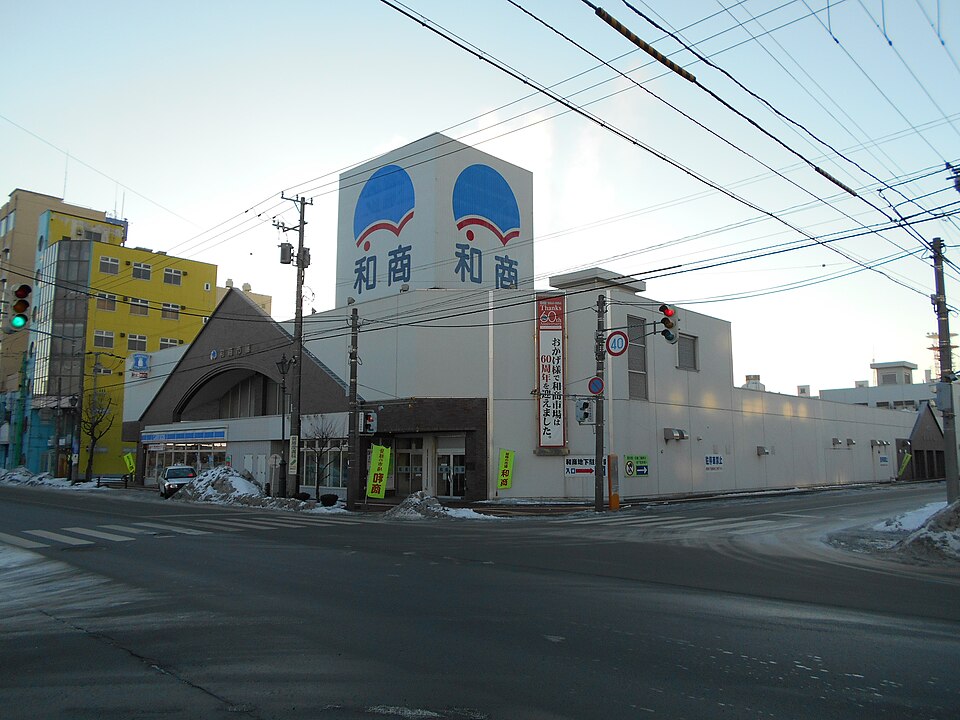
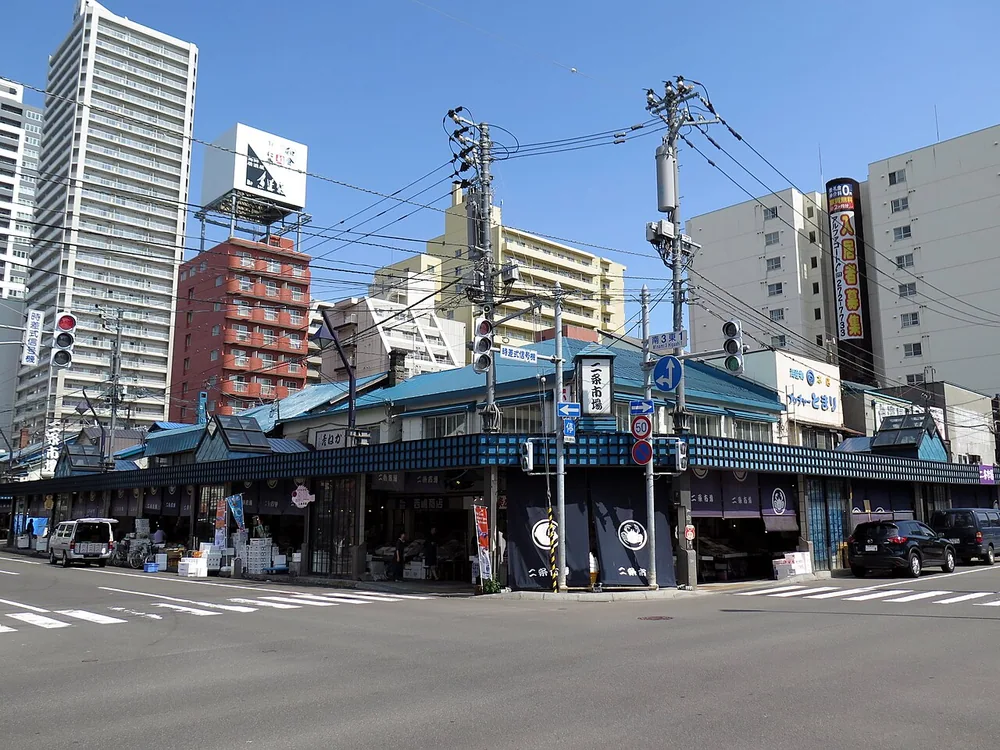
Arriving at Kushiro Airport without a rental car, take the airport shuttle bus to Kushiro Station—a roughly 45-minute ride costing ¥1,200 one way for adults. No direct public transit connects the airport to marsh trailheads, so if your flight lands with only one outbound train or bus left for the day, spend that half-day in town instead. Washo Market makes an easy breakfast or snack stop the next morning, and harborfront dining around Nusamai Bridge rounds out an evening return; see Kushiro Downtown Markets & Harbor Walk for hours and routes.
Travelers carrying bags should pick a hotel that holds luggage before check-in or use station coin lockers so transfers and trails stay light. Drivers staying near Lake Toro can link lakeside walks and canoeing seamlessly the next morning. If hotels at Lake Akan, Lake Mashu, or Abashiri are already booked, work backward from check-out and check-in times—Hosooka and Toro sit right on the rail corridor, whereas Tsurui fits best on a day trip out of Kushiro. To combine lakes, cranes, and eastern Hokkaido bases, read the Eastern Hokkaido Lakes & Wildlife Route.
When rain or thick fog rolls in, swap Hosooka on the east side for the indoor exhibits at Lake Toro, or stick to the paid upper floors at Kushiro City Marsh Observatory on the west side. If high winds or heavy snow disrupt transit across the board, Kushiro City Museum picks up the same wetland and eastern Hokkaido wildlife themes indoors. Moving a planned boardwalk lunch back downtown keeps your schedule flexible so you can slot the marsh back in when skies clear the next day.
A few useful answers
How can I visit Kushiro Marsh without a car?
For the east side, ride the JR Senmo Main Line from Kushiro Station to Kushiro-Shitsugen or Toro stations. For the west side, take the Akan Bus Tsurui Line from outside Kushiro Station to Shitsugen Tenbodai (City Observatory), Onnenai, and Tsurumidai. Because no direct public transit links the two sides, give them one day each if you have two days.
Do I get off at Kushiro-Shitsugen Station or Hosooka Station for Hosooka Observatory?
Get off at Kushiro-Shitsugen Station and walk uphill for about 20 minutes to Hosooka Observatory. Hosooka Station is the next stop on the Senmo Main Line toward Toro. In winter, check the Kushiro-Shitsugen Station column on JR timetables to make sure your train stops there.
Is there an admission fee for Kushiro Marsh?
Hosooka Observatory, the Onnenai Visitor Center and boardwalk, and Tsurumidai are all free. At Kushiro City Marsh Observatory, the first floor is free, while the second floor and up cost ¥480 for adults, ¥250 for high school students, and ¥120 for elementary and junior high students.
Where is best for visiting Kushiro Marsh with a stroller?
Kushiro City Marsh Observatory is the easiest choice. Roughly 1 kilometer clockwise from the main building to Satellite Observatory is barrier-free and can be walked out and back. Onnenai has stairs between the main parking lot and visitor center, though wheelchair users can call ahead to use accessible parking behind the building.
Does the SL Fuyu-no-Shitsugen train run into March 2027?
Yes. JR Hokkaido's calendar lists March 6, 7, 13, and 14, totaling 26 operating days across January, February, and March. The train departs Kushiro at 11:05 and starts its return from Shibecha at 14:00.
How much does SL Fuyu-no-Shitsugen cost, and can I ride just part of the route?
A one-way adult ticket from Kushiro to Shibecha costs ¥3,060, including base fare and reserved-seat fee. You can also book shorter segments such as Kushiro to Kushiro-Shitsugen or Toro. All seats require reservations, which open one month before the travel date.
Can I walk the Onnenai Boardwalk in winter 2026–27?
The visitor center remains open and selected boardwalk sections stay accessible. However, the outer loop containing the viewing deck is inside a construction closure scheduled through February 12, 2027—check the Ministry of the Environment's access map for open routes.
When is the best time to see red-crowned cranes in Tsurui Village?
The village designates January and February as peak season. For 2026–27, feeding at Tsurumidai and the Ito Sanctuary is scheduled from December through late February, potentially extending into early March depending on snow cover. By bus, Tsurumidai is about a 1-minute walk from the stop.
Will the Kushiro Shitsugen Norokko train run in 2027?
JR Hokkaido announced that the Kushiro Shitsugen Norokko train ended service on October 10, 2026. In 2027, regular Senmo Main Line local trains run throughout the year alongside the seasonal winter SL Fuyu-no-Shitsugen on select dates.
Can I take public transit straight from Kushiro Airport to the marsh?
By public transit, take the airport shuttle bus to Kushiro Station first, then transfer to a JR train or the Tsurui Line bus. If driving from the airport, enter the exact parking lot for your target entrance, as the City Observatory, Onnenai, and Hosooka have separate lots.
Official information and references
Sources used in this guide.
- Kushiro & Lake Akan Tourism Association | Kushiro Marsh East, West & North Access
- Kushiro & Lake Akan Tourism Association | Hosooka Observatory & Visitors' Lounge
- Kushiro Shitsugen National Park Liaison Council | Hosooka Visitors' Lounge Hours
- Kushiro & Lake Akan Tourism Association | Kushiro City Marsh Observatory Fares & Trails
- Akan Bus | Tsurui Line Full Stops & Zone Fares
- Akan Bus | Kushiro Airport Shuttle Bus
- JR Hokkaido | Senmo Main Line Timetable
- JR Hokkaido | SL Fuyu-no-Shitsugen Operating Dates, Stops & Reservations
- JR Hokkaido | 2026 Norokko Service Summary & Final Run
- JR Hokkaido | 2027 Akai Hoshi Kushiro to Shiretoko-Shari Operating Plan
- Tsurui Village | 2026–27 Red-Crowned Crane Feeding & Viewing Rules
- Tsurui Village | Tsurumidai, Ito Sanctuary & Otowa Bridge
- Ministry of the Environment Japan | Onnenai Boardwalk Partial Closure & Access Map
- Kushiro Shitsugen National Park Liaison Council | Onnenai Visitor Center
- Ministry of the Environment Japan | Yumegaoka Observatory Stairway Closure
- Ministry of the Environment Japan | Kushiro Shitsugen National Park Spots & Water Activities
- Ministry of the Environment Japan | Kushiro Shitsugen National Park
- Ministry of the Environment Japan | Kushiro Marsh Topography & Lagoon Lakes
- Shibecha Town | Kushiro Marsh, Lake Toro & Nearby Attractions
- Kushiro Shitsugen National Park Liaison Council | Lake Toro Eco Museum Center
- Shibecha Town | Kottaro Marsh Observatory Reopening & Winter Access