How to reach Kofuku Station from Obihiro by Tokachi Bus 60, airport shuttle, or car, plus the old platform, Aikoku Railway Museum, souvenir tickets, and Hanabatake Bokujo's 2026–2027 winter closure.
- Region & Focus
- Eastern Hokkaido
- Reading Scope
- 22 min read · 11 chapters · 5 Q&As
- Official Verification
- 20 official sources checkedUpdated 22 November 2026
- Key Topics
- ItinerariesRail travelHokkaido
Chapter Route Map (tap any stop)
- Where Does Kofuku Station Fit in an Obihiro Itinerary?
- Taking Tokachi Bus 60 from JR Obihiro: Check the Return First
- Visiting Straight from Tokachi-Obihiro Airport
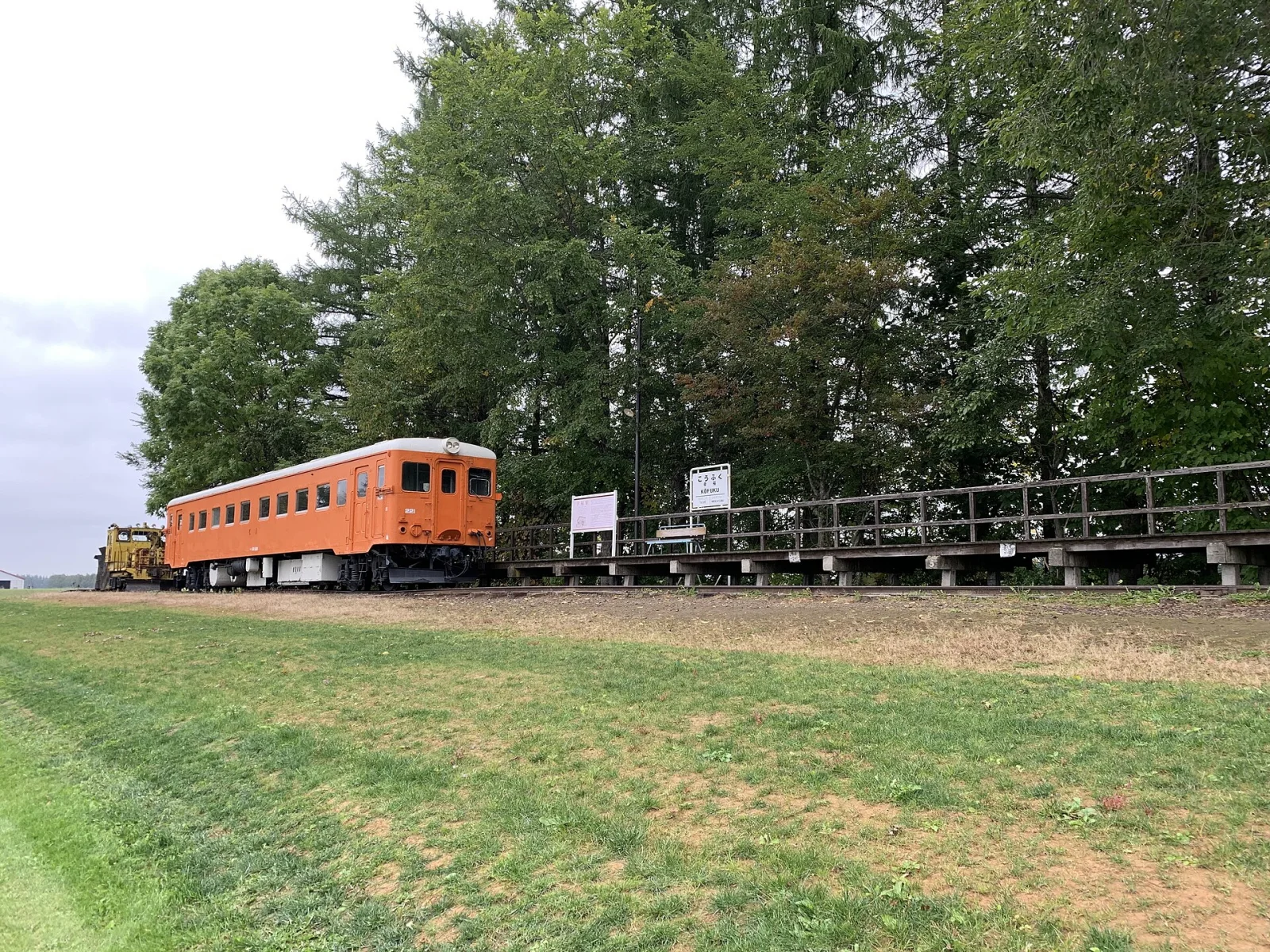
- What to See: Station Building, Wooden Platform & Two Railcars
- How 'Aikoku to Kofuku' Became Japan's Most Famous Ticket
- Aikoku Station: Vintage Tickets and a Steam Locomotive
- Dressing Up for Photos: Kofuku Station's Wedding Experience
- Driving Routes: National Route 236 or the Kofuku Interchange?
- Hanabatake Bokujo Opening Times & Winter Alternatives in Nakasatsunai
- Cutting Outdoor Time in Winter & Where to Shelter in Rain
- One Night or Two in Obihiro: Which Day to Go?
- Quick Q&A
Without a hire car, walk from JR Obihiro Station to the adjacent bus terminal and take Tokachi Bus 60 towards Hiroo, getting off at Kofuku for a five-minute walk to the site. Admission to the former station is free; allow 30 to 45 minutes on a first visit to see the timber station building, wooden platform, and orange diesel railcars, and time your visit for shop hours if you want an 'Aikoku to Kofuku' souvenir ticket. By car, it is roughly 10 minutes from Tokachi-Obihiro Airport, and you can continue south to Hanabatake Bokujo in Nakasatsunai. The ranch shop and cafe close for winter from 4 November 2026 and are scheduled to reopen in late April 2027. For an extra suburban stop in winter, substitute Aikoku Station or Roadside Station Nakasatsunai.
Where Does Kofuku Station Fit in an Obihiro Itinerary?
Kofuku Station lies south of central Obihiro, around 22 km from JR Obihiro Station. The timber station building and a short stretch of platform sit inside Kofuku Traffic Park, with preserved rolling stock parked along the original trackbed. Everything is compact, so a circuit on foot often takes less time than the bus ride out from town. If you only want photos of the station sign and railcars, half an hour is comfortable; add 45 to 60 minutes if anyone in your group wants to browse souvenir tickets or take more portraits.
Heading south from central Obihiro takes you sequentially through Aikoku-cho, Kofuku-cho, and the village of Nakasatsunai. Railway enthusiasts can easily turn the two former stations into a half-day outing. If you want a countryside lunch or fresh caramel, driving down to Hanabatake Bokujo works best on days it is open. Relying purely on buses while still seeing a slice of rural Tokachi? Make Roadside Station Nakasatsunai your southern turnaround point and cover the whole corridor on Route 60. Pick your furthest suburban stop first, then check return times to Obihiro so lunch fits neatly.
If you have a JR Limited Express train to catch the same day, work backwards from your arrival back at Obihiro Station. The two famous station names look close together on a paper ticket, yet staying on one bus past Aikoku and Nakasatsunai takes far less time than hopping off at each stop and waiting for the next departure. With only a two-hour gap between trains, two bus rides plus two walks leave little margin—staying in central Obihiro is far more relaxed. Conversely, if you are landing by air with onward transport later, Kofuku Station is ideal to tick off while you are still near the airport.
| Main priority | Transport plan | Time to allow |
|---|---|---|
| Kofuku Station & souvenir tickets | Tokachi Bus 60 return from Obihiro Station | Around 30–45 min on site, plus bus waiting time |
| Both Aikoku & Kofuku former stations | Drive sequentially, or split Route 60 into three legs | Relaxed half-day by car; factor two waits into bus plans |
| Kofuku Station & Hanabatake Bokujo | Hire car or pre-booked taxi transfer | Half-day on open days; eat lunch in Nakasatsunai |
| Kofuku Station & Roadside Station Nakasatsunai | Both served by Tokachi Bus 60 | Check southbound & return times; leave a lunch gap |
How to reach Kofuku Station from Obihiro by Tokachi Bus 60, airport shuttle, or car, plus the old platform, Aikoku Railway Museum, souvenir tickets, and Hanabatake Bokujo's 2026–2027 winter closure.
Taking Tokachi Bus 60 from JR Obihiro: Check the Return First
Walk out of JR Obihiro Station to the neighbouring Obihiro Station Bus Terminal (Obihiro Eki Bus Terminal) and board Tokachi Bus 60 (Hiroo Line) at Stand 11, looking for 'Hiroo' on the front display. The city puts the journey at roughly 40 to 50 minutes, with some services scheduled at 51 minutes. Your stop is Kofuku, sitting between Taisho 27-go and Taisho 29-go. Save the Japanese stop name on your phone after boarding, match it against the onboard screen or announcements as you approach, and press the stop button.
After alighting on National Route 236, turn towards Kofuku Traffic Park for a walk of about five minutes. Outbound and inbound bus stops sit on opposite sides of the highway. Save the return stop's location on your phone map as soon as you arrive, before walking to the station building. Buses back to town display 'Obihiro Eki Bus Terminal'; if the headsign also lists Aikoku or other intermediate stops, follow the direction of travel. Cross only where sightlines are safe, and allow extra minutes with children or older travellers.
Tokachi Bus runs separate timetables for weekdays and weekends/public holidays. From 13 October 2026, the 14:30 weekday departure from Obihiro Terminal towards Hiroo was discontinued, so relying on old screenshots can throw off an afternoon plan. The operator also notes a special timetable from 29 December to 3 January. If you are travelling over the New Year period, check the current year-end/New Year notice for both directions, and save the weekend and weekday columns of the route timetable on your phone before setting out.
On the post-13 October 2026 weekday timetable, the 10:05 departure from Obihiro Terminal reaches Kofuku at 10:56. Catching the 11:25 bus back looks brisk on paper, yet after two five-minute walks you only have 19 minutes on site before even factoring in waiting at the stop early. To see the station building and buy tickets without rushing, aim for the 12:25 weekday return, reaching Obihiro Terminal at 13:20. That 12:25 service does not run on weekends or public holidays; taking the same 10:05 outbound bus then leaves the 13:25 return, arriving back in town at 14:20.
For a weekend visit with lunch in Obihiro, eating first works well. Take the 12:20 departure, arrive at Kofuku at 13:11, and board the 14:25 return to get back to Obihiro Terminal at 15:20—giving you nearly an hour at the station. This timing puts lunch in the city centre where restaurants are plentiful and avoids a two-hour wait after a morning arrival. Set a calendar reminder for the walk back to the highway stop so photos or browsing don't run you late.
A single adult fare on Route 60 between Obihiro Terminal and Kofuku is ¥710, or ¥1,420 cash return. The municipal one-day pass, Obihiro 1-Day Norihodai Kippu, costs ¥1,200 for adults and ¥600 for children and is sold at the Obikuru counter inside Obihiro Station Bus Terminal. It already undercuts two adult single fares within Obihiro city limits and makes an extra stop at Aikoku free. Continuing to Nakasatsunai crosses outside the city boundary, where the ¥2,000 adult Visit Tokachi Pass (one-day) is sold at Obihiro Station Bus Terminal.
When paying in cash, take one numbered ticket (seiriken) per person as you board. At your stop, match that number against the onboard fare board and drop the exact fare plus ticket into the fare box. A change machine on the bus breaks ¥1,000 notes, though higher-denomination bills cannot be changed onboard. If you have bulky luggage, use a wheelchair, or want a group seated together, check vehicle type and boarding doors with Tokachi Bus in advance—wheelchair users on weekend timetables are asked to contact the operator beforehand. Counting passengers and ticket types before stepping up makes boarding with young children much smoother.
| Travel day | Outbound from Obihiro Terminal | Return from Kofuku | Back at Obihiro Terminal |
|---|---|---|---|
| Weekday | 10:05 → 10:56 | 12:25 | 13:20 |
| Weekend / public holiday (afternoon) | 12:20 → 13:11 | 14:25 | 15:20 |
| Weekend / public holiday (unhurried morning) | 10:05 → 10:56 | 13:25 | 14:20 |
Visiting Straight from Tokachi-Obihiro Airport
The city puts the drive or taxi ride from Tokachi-Obihiro Airport at around 10 minutes. You can also take Tokachi Bus's airport shuttle, which lists 'Kofuku-eki' on its timetable—a different stop from Route 60's 'Kofuku' out on the highway. Both the 25 October to 30 November 2026 and 1 December 2026 to 4 January 2027 schedules include this stop, with an adult fare of ¥400 between the airport and Kofuku Station and a scheduled journey of about nine minutes. Always open the date-specific timetable matching your flight.
Citybound shuttles from the airport stop at Kofuku-eki for alighting only. You can step off after landing, look round, and then walk over to the highway 'Kofuku' stop for Route 60 into town. In the opposite direction, airport-bound buses pick up at Kofuku-eki. If you plan to stop at Kofuku Station on your way from central Obihiro to catch a flight, the neatest two-stage move is Route 60 to 'Kofuku' followed by the airport shuttle from 'Kofuku-eki'—provided your sightseeing aligns with your flight's designated shuttle. Without enough buffer, slot the station into the first half of your trip instead.
Collect your luggage first on arrival; ticket machines stand in the arrivals hall and buses depart just outside the terminal. Airport shuttles are timed to flights, and the operator warns they may depart early if a flight lands ahead of schedule. If hauling suitcases around a rural stop feels awkward, take a taxi from the airport and arrange for the same driver to wait or pick you up at an agreed time. Telling the taxi firm both origin and destination upfront is far easier than trying to hail a cab at the park afterwards, especially in snow or with lots of bags.
If you are picking up and dropping off a hire car at the airport, save Kofuku Station for whichever leg offers better daylight and stowed luggage. If your arrival flight is delayed, skip it and head straight into town for a meal. Before a return flight, subtract refuelling, car return, and check-in time before deciding how long you have. Although the station sits close to the airport, rental queues and car-park walks eat into minutes—only stop when you can step out for a proper stroll.
What to See: Station Building, Wooden Platform & Two Railcars
Look at the station building first, then step onto the platform to read how the place once worked. Kofuku Station opened in 1956 on the former JNR Hiroo Line and closed in 1987 when the line was abandoned. The current timber building and grounds reopened in November 2013 after renovation, preserving the modest scale of a country halt. Paper tickets and notes pinned by visitors now form part of the interior display, while the boards, station sign, and two diesel railcars show how passengers used to wait.
To take in the trains properly, stand where you can see the full run of the platform. The orange carriages rest alongside the weathered planking that defines the old boarding area. Follow the visitor path to the station signboard, read the Japanese place names, and look back at how the railcar doors, windows, and steps sit relative to the platform. Long after the Hiroo Line ceased running, the signage still maps the old route and gives a tangible sense of scale. When the carriages are open, you can step inside from the platform to inspect the seats and windows; small children or anyone avoiding steps can still peer clearly through from outside.
For a crisp shot of the station sign, step back slightly along the platform side so the orange bodywork and sign sit in the same frame. The 'Kofuku-eki' plaque above the timber entrance is another classic angle. If your group wants portraits, wait clear of the doorway until others finish passing through. Save close-ups of window frames, door handles, and timber planks for a second pass rather than lingering directly in front of the sign while a queue forms. For family group shots, pick a spot further back with room for everyone before stepping onto the narrower platform edge.
The Bell of Happiness stands in the adjoining Kofuku Exchange Plaza. Obihiro City closed it for wear in July 2025 and reopened the refurbished bell on 23 July. On a short stop, loop from the station sign to the railcars, walk over to ring the bell, and finish at the shop or bus stop. If pushing a buggy or walking at a gentler pace, stay together near the station building first while anyone eager to walk the full platform length heads down on their own. Wooden boards and steps turn slick after rain, so keep to designated walkways rather than stepping onto the display tracks or crossing barrier ropes.
With young children, pointing out the carriage doors, driver's cab, and station signs keeps things engaging. Sitting down for a brief rest before walking a little further usually works better than chasing constant photo angles. For a genuinely family-friendly half-day, use lunch or a proper indoor stop as your next anchor: Roadside Station Nakasatsunai has indoor facilities and central Obihiro offers plenty of sit-down cafes, keeping Kofuku Station as a pure outdoor stroll.
How 'Aikoku to Kofuku' Became Japan's Most Famous Ticket
'Aikoku kara Kofuku-yuki'—literally bound from the Land of Love to Happiness—started as an ordinary railway journey between two small stops on the JNR Hiroo Line. Printed together on one card ticket, the pair of names read like a good-luck charm. Obihiro City traces the nationwide boom to March 1973, when NHK's documentary series Shin Nihon Kiko aired an episode on Obihiro titled 'Journey to Happiness'. City records note around 10 million tickets were sold during the peak four-year rush, and vintage specimens at Aikoku Station still show the original typography.
To take a souvenir ticket home, buy one at the kiosks in front of Kofuku Station or Aikoku Station. Commemorative tickets are sold separately from bus passes and fares. Walking into Kofuku Station itself is free, so there is no need to enter the shop before exploring the building. According to the Obihiro Convention and Visitors Bureau, the Kofuku Station shop generally opens from 09:00 to 17:30 in summer and 09:30 to 15:00 in winter. Early morning buses are great for quiet photos of the building, whereas midday arrivals suit ticket shopping; if Aikoku's kiosk is open while you visit its museum, buying there lets you head straight for the platform at Kofuku.
Photos online often show the station walls carpeted in pink tickets, depending on when they were taken. In 2024, Obihiro City cleared the accumulated tickets from the building, and the local management council dedicated them at Kofuku Shrine. If you want to leave a wish, stick to the marked boards inside and think twice before writing personal details in a public spot. Slip any ticket you plan to keep into an envelope or wallet away from wet umbrellas and drinks; if everyone in your group buys one, holding them up together in a photo captures each person's date or message.
Visitors who spot plaques mentioning Hexing will find a cross-border railway link behind them. On 22 October 2016, Obihiro City formed a sister-station partnership with Hexing Station on Taiwan's Neiwan Line, often nicknamed the 'Love Station'. Kofuku's story began with two Hokkaido place names paired on a fare card, developing separately from Hexing's own local lore before tourism ties brought the two together. As a keepsake with a warm message, a small paper ticket marks both the journey and makes an easy gift.
Aikoku Station: Vintage Tickets and a Steam Locomotive
Aikoku Station sits halfway between Obihiro Station and Kofuku Station at Kisen 39-40, Aikoku-cho, Obihiro. It is roughly a 20-minute drive from Obihiro Station and another 15 minutes on to Kofuku. By Route 60 bus, get off at 'Aikoku' and look for the station building and the giant 'Bound for Happiness' ticket monument outside. Now a free Transport Memorial Museum, Aikoku focuses on old tickets and railway exhibits—a distinct contrast to Kofuku's timber halt, bell, and orange diesel cars.
Keep two separate winter restrictions in mind. The Aikoku Memorial Museum opens daily from 09:00 to 17:00 between March and November, but only on Sundays during the same hours from December to February. Meanwhile, the preserved steam locomotive is closed to viewing from November through March. In March, the museum resumes daily opening while the locomotive remains under winter wraps. Aim for a Sunday if your main winter goal is the ticket collection, or plan for April to October if you specifically want to see the steam engine.
Combining both stations by bus is easiest if you visit Aikoku in the morning. On a standard weekday timetable, take the 10:05 Route 60 from Obihiro Terminal to reach Aikoku at 10:41, catch the 12:56 southbound bus onward to Kofuku (arriving 13:11), and return on the 14:25 service back to town. That gives just over two hours at Aikoku—plenty for a slow browse and a packed lunch—while driving eliminates the wait altogether. If you plan to visit Kofuku first and head north later, work backwards from Aikoku Museum's 17:00 closing time.
If your companions have mixed enthusiasm for railway history, decide what kind of memento matters most. For a quick photo with the station sign and a souvenir ticket, Kofuku alone is enough. Anyone curious about how the Hiroo Line operated will get much more context from Aikoku's displays and vintage tickets. Families balancing group photos with meal breaks can save Aikoku for the drive back, stopping outside for the oversized ticket monument before checking whether the museum is open.
Dressing Up for Photos: Kofuku Station's Wedding Experience
If you fancy dressing up for commemorative portraits at the old station, check the 'Kofuku-eki Happy Ceremony' organiser's site linked by the city. Bookings are open to friends and families as well as couples. Listed packages cover costume-only self-photography, staff-assisted photo sessions, and full ceremonies with music and a commemorative wooden plaque. Published prices are ¥2,000, ¥3,000, and ¥5,290 per group respectively, with reservations required for photography and ceremony packages; in winter, all three packages require advance booking. Listed operating hours are 11:00 to 16:00, closed Wednesdays.
Check-in takes place at Cafe Kofuku-mura behind the souvenir shop car park, where payment is taken upfront in cash before changing in a dedicated wooden cabin. If you want casual shots by the station sign beforehand, take them prior to checking in. Once in costume, plan your sequence across the station house, platform, and bell within your booked slot and pick angles early. The self-guided option suits travellers comfortable with a tripod and choosing outfits independently, whereas the assisted package helps with posing and camera work; bus passengers should factor changing time back into their return schedule.
Driving Routes: National Route 236 or the Kofuku Interchange?
Driving south from central Obihiro along National Route 236 takes about 30 minutes according to the city. Taking the surface highway all the way passes Aikoku, making a two-station stop effortless. If you are heading straight for Kofuku Station, join the Obihiro-Hiroo Expressway at the Obihiro-Kawanishi Interchange: the city estimates 15 minutes to the Kofuku Interchange and a further five minutes off the slip road to the station. Because those timings start at the expressway junction, add city driving time if setting off from near Obihiro Station. Enter 'Kofuku-eki' or 'Kofuku Traffic Park' in your satnav and confirm the address in Kofuku-cho Higashi 1-sen, Obihiro.
Obihiro City lists around 36 parking spaces at Kofuku Station, including five bays for coaches. When a tour coach unloads, head towards the platform end first and save the doorway sign for after the crowd clears. Once parked, check the layout of the shop and platform and pick a clear meeting point in the park. Some satnav apps pin the highway 'Kofuku' bus stop when searching by name, so select the old station grounds on the municipal map when driving directly there. If you have another stop planned afterwards, save its destination while parked so everyone isn't waiting in the car while you search.
With the two former stations only 15 minutes apart by road, linking them makes good sense. Going out via Aikoku and on to Kofuku works naturally from town, though on winter afternoons it can pay to visit Kofuku first and decide whether to add Aikoku on the drive north depending on daylight and opening hours. The surrounding roads pass farmland and private homes, so use the official car park and walk on foot if you spot a roadside field photo you want. Inside the park, stick to established paths for angles of the railcars and track.
Hanabatake Bokujo Opening Times & Winter Alternatives in Nakasatsunai
Hanabatake Bokujo sits at Motosatsunai Higashi 4-sen 311-6 in the village of Nakasatsunai. Official travel estimates are around 50 minutes by car from JR Obihiro Station and 20 minutes from Tokachi-Obihiro Airport. While Route 60 buses from Obihiro continue past Kofuku into Nakasatsunai, reaching the ranch itself requires arranging the final stretch from the highway. Note that the timetable stop 'Nakasatsunai Higashi 4-sen' sits on the main road, whereas the ranch address is 'Motosatsunai Higashi 4-sen'. On a first visit combining raw caramel shopping and a ranch meal, driving south from Kofuku Station straight to 'Hanabatake Bokujo Shop' is much simpler.
Notices on the ranch's official shop and cafe pages confirm that both close for winter from 4 November 2026 and are scheduled to reopen in late April 2027. If you still want a meal stop in Nakasatsunai during that closure, Roadside Station Nakasatsunai is the practical alternative. Rokkatei's Rokka-no-Mori garden and Nakasatsunai Art Village have also ended their 2026 season—for botanical grounds or gallery visits, plan around their seasonal openings using Rokkatei's official facility announcements.
During normal trading months, the shop's published core hours are 10:00 to 16:00, and the cafe runs from 10:00 to 16:00 with last orders at 15:30. If you want cheese dishes or a sit-down break, check seating and order at the cafe before browsing souvenirs. According to the operator's pages, the shop accepts major cards such as JCB and Visa while the cafe does not accept cards and is cash only—bring yen notes if eating. Just picking up caramel takes little time; for a full meal, check your arrival time before leaving Kofuku Station rather than mistaking 16:00 for last orders.
Families visiting primarily for animals should check the ranch's published Farm Show schedule first. The site features an animal interaction area, with special kid-goat petting and butter-making sessions previously announced for Golden Week 2026 alongside separate Obon show timings. If you want to catch a session together, align lunch around the activity schedule and allow extra minutes for parking after driving from Kofuku. Otherwise, standard shop and cafe hours are all you need to plan around; follow staff instructions once inside the animal enclosures.
Hanabatake Bokujo sells both chilled and ambient-temperature raw caramel. Check the storage label carefully before choosing if you are heading to an onsen afterwards, leaving bags in a car, or still have several days of travel ahead before flying home. Pick up chilled boxes with an insulated bag if you intend to eat them the same day so you aren't hunting for fridge space en route. Use ranch time for shop-exclusive items or specific family treats; if you only want general Hokkaido sweets without a ranch meal, picking them up back in central Obihiro saves a detour.
Roadside Station Nakasatsunai stands right alongside National Route 236, with a matching Route 60 bus stop. It suits visitors after local chicken dishes, edamame, or regional produce without a long walk from the bus. Hokkaido's Roadside Station portal lists main building hours as 09:00 to 18:00 from April to October and 09:00 to 17:00 from November to March; it opens daily from April to November, closes Mondays from December to March, and shuts from 29 December to 3 January. Individual food stalls keep their own serving hours, so treat a late-afternoon visit as a light snack stop rather than banking on a full sit-down dinner.
Even without a car, you can pair the roadside station with Kofuku on the same day. Using the revised weekday timetable, take the 10:05 Hiroo-bound bus to reach Kofuku at 10:56, then board the 12:20 service as it passes Kofuku at 13:11 to arrive at Roadside Station Nakasatsunai at 13:20. After lunch, catch the 14:15 return bus towards Obihiro, arriving back at the terminal at 15:20—or stay longer over lunch and take the 15:45 bus straight through to Obihiro Terminal. Adult single cash fares are ¥710 from Obihiro to Kofuku, ¥370 from Kofuku to the roadside station, and ¥860 back to Obihiro, totalling ¥1,940—a handy benchmark when weighing up the ¥2,000 regional one-day pass.
Cutting Outdoor Time in Winter & Where to Shelter in Rain
In snowy weather at Kofuku Station, stick to the short stretch between the station house and the platform first. Timber planks, steps, and car-park edges get slickest when ice forms, so choose cleared paths and prioritise grippy soles over carrying extra camera kit. Keep gloves on until the moment you frame your shot of the train against the snow, then duck back into the shop or your car. With older travellers, show them the station sign and railcars first rather than saving the trickiest walking surface for right before departure.
Bus travellers in winter most often underestimate standing outdoors in the cold. Pick a timetable pair that gives 30 to 40 minutes to see the trains before boarding back, rather than arriving early and filling over an hour in a freezing wind. Save the return stop direction and departure time on your phone, and cut the park walk short if snow picks up. Since Aikoku Memorial Museum opens only on Sundays in winter, keep lunch and warm dessert stops anchored around Obihiro Station where indoor seating is guaranteed.
In light rain, bring a folding umbrella to see the timber exterior and walk down towards the plaza for one shot each of the sign and railcar before heading back. Waterproof coats keep hands free and avoid blocking the narrow station doorway. In heavy rain or high winds, keep Kofuku to a quick stop and head back to central Obihiro for a bowl of butadon (pork rice bowl). Rokkatei's Obihiro Main Store opens its ground-floor shop from 10:00 to 18:00 and its second-floor tea room from 11:00 to 16:30 (last orders 16:00, closed Wednesdays); keep shopping and tea-room breaks separate so waiting for a table doesn't eat into bus schedules.
From late November 2026 through early spring 2027, both Hanabatake Bokujo's shop and cafe are closed for winter, and Rokkatei's two Nakasatsunai sites have ended their season. There is little reason to take an extra bus out purely for food when central Obihiro saves a round trip. If you want snow scenes around the vintage railcars, spend your outdoor budget at the station grounds and keep warm-up breaks and meals in Obihiro, making taxi or bus timings far cleaner. Drivers continuing long-distance should return to the main highway right after visiting in daylight.
One Night or Two in Obihiro: Which Day to Go?
Arriving by JR train from Sapporo or Kushiro for a single night, base yourself near Obihiro Station so you can drop bags at your hotel or in a locker before heading out to Kofuku either that afternoon or the next morning. If you arrive late, have dinner in town, take a morning Hiroo Line bus out to the old station, and return to the centre for lunch before moving on. Early buses offer empty platforms for photography, though think whether photos or souvenir tickets matter more: early arrivals often finish walking the platform before the shop opens, so time your ticket purchase for shop hours at either Aikoku or Kofuku.
Guests staying overnight at Tokachigawa Onsen can fit the southern stations into arrival day: leave bags at Obihiro Station, visit Kofuku, and return to the terminal to change onto Bus 45 for Tokachigawa Onsen. Because Kofuku and Tokachigawa sit on separate suburban routes radiating from Obihiro, treat the city terminal as your hub. If your ryokan serves dinner at a set hour, count backwards from check-in to pick your Bus 45 departure and work out which Route 60 return matches it. When connections look tight, settle into the onsen first and leave Kofuku for the next day back in Obihiro rather than juggling luggage between bus stands.
With a hire car and two nights, dedicate your clearest day to Aikoku, Kofuku, and Nakasatsunai. On open-season days, start at Aikoku's transport museum in the morning, continue to Kofuku for photos and tickets, and drive to Hanabatake Bokujo for lunch and shopping—adding one nearby garden or gallery if energy permits. If you need to return the car before late afternoon or have an onsen dinner booked, pick either the ranch or Rokka-no-Mori rather than both, saving city sweets and Tokachigawa for your second day instead of cramming two rural directions into one daylight window.
If Kushiro is your next stop, let your JR departure dictate how far south you push from Obihiro. Traffic back into town adds minutes, and Route 60 drops you at the bus terminal rather than inside the railway station. Keep car-only ranch visits for a day not tied directly to a train departure. For wider regional planning, see our Eastern Hokkaido lakes and wildlife route to leave longer lake-district drives for your Kushiro or eastern Hokkaido stay.
A few useful answers
Can I reach Kofuku Station directly by JR train?
No—Kofuku Station became a traffic park after the former JNR Hiroo Line closed. Take a JR train to Obihiro Station, walk to Stand 11 at the neighbouring Obihiro Station Bus Terminal, and ride Tokachi Bus 60 to Kofuku, followed by a five-minute walk.
Is there an admission fee for Kofuku Station, and where do I buy the Aikoku-to-Kofuku souvenir ticket?
Entry to Kofuku Station is free. Souvenir 'Aikoku kara Kofuku-yuki' tickets are sold at the kiosks outside Kofuku Station and Aikoku Station; the Obihiro Convention and Visitors Bureau lists winter shop hours at Kofuku as generally 09:30 to 15:00.
Can I stop at Kofuku Station straight from Obihiro Airport before heading into town?
Yes. Ride the Tokachi Bus airport shuttle and get off at 'Kofuku-eki', then walk to the highway 'Kofuku' stop for Route 60 into central Obihiro. Note that citybound airport shuttles stop at Kofuku-eki for alighting only.
If I only have time for either Kofuku Station or Aikoku Station, which should I pick?
Choose Kofuku Station on a first visit if you want the Japanese station signboard and orange diesel railcars. Pick Aikoku Station for vintage tickets and the steam locomotive—bearing in mind the museum opens only on Sundays from December to February, and the steam engine is closed to viewing from November to March.
Is Hanabatake Bokujo open in winter 2026?
Hanabatake Bokujo's Nakasatsunai shop and cafe close for winter from 4 November 2026 and are scheduled to reopen in late April 2027. In winter, eat lunch back in central Obihiro or stop at Roadside Station Nakasatsunai on its open days.
Official information and references
Sources used in this guide.
- Obihiro City | Kofuku Station Access, Parking & the Bell of Happiness
- Obihiro City | Former Hiroo Line, Souvenir Tickets, Aikoku Museum Hours & Hexing Sister Station
- Obihiro City | Driving Time to Aikoku Station & Obihiro Sightseeing Spots
- Obihiro Convention & Visitors Bureau | Kofuku Station & Shop Information
- Obihiro City | Dedication Record for Kofuku Station Souvenir Tickets
- Tokachi Bus | Route 60 Hiroo Line & Route 45 Tokachigawa Onsen Timetables
- Tokachi Bus | Timetable, Stops & Fares Effective 13 October 2026
- Tokachi Bus | How to Board and Pay on Route Buses
- Obihiro City | Municipal One-Day Bus Pass & Tokachi Regional Pass
- Tokachi Bus | Date-Specific Tokachi-Obihiro Airport Shuttle Timetables
- Hokkaido Airports | Tokachi-Obihiro Airport Bus Facilities
- Kofuku-eki Happy Ceremony | Wedding Experience Packages & Check-In
- Hanabatake Bokujo | Nakasatsunai Shop Hours & Winter Closure
- Hanabatake Bokujo | Nakasatsunai Cafe Hours & Winter Closure
- Hanabatake Bokujo | 2026 Obon Event Portal
- Hanabatake Bokujo | Golden Week 2026 Animal Interaction & Workshop Schedule
- Hanabatake Bokujo | Chilled & Ambient-Temperature Raw Caramel
- Hokkaido Michi-no-Eki | Roadside Station Nakasatsunai Opening Hours
- Rokkatei | Nakasatsunai Rokka-no-Mori & Art Village Seasonal Opening Notice
- Rokkatei | Obihiro Main Store & Tea Room