Nozawa Onsen Ski Resort's 2026–27 regular-season adult day pass is ¥7,800. Compare the Hikage, Nagasaka and Karasawa bases, Iiyama buses, beginner lessons, spring descents and public bathhouses.
- Region & Focus
- Nagano and Myoko ski resortsSkiing
- Reading Scope
- 22 min read · 9 chapters · 8 Q&As
- Official Verification
- 27 official sources checkedUpdated 22 November 2026
- Key Topics
- WinterHot springsFirst trip
Chapter Route Map (tap any stop)
- Check Descent Routes Before Picking Your Dates
- Choosing Between Hikage, Nagasaka and Karasawa
- From Hikage to Uenotaira, Plus Half a Day for the Summit
- Match Your Lift Pass to Actual Skiing Hours
- Sort Out Gear and Return Routes Before Nagasaka Night Skiing
- Keep Lessons, Equipment Hire and Snow Play on the Same Side
- Getting from Tokyo to Nozawa Onsen via Iiyama Station
- Pick Lodging by Your Morning Uphill Walk, Baths by Your Route Home
- Sample Itineraries for Day Trips, Two-Night Stays and Families
- Quick Q&A
Nozawa Onsen Ski Resort lies in northern Nagano Prefecture: take the Hokuriku Shinkansen to Iiyama Station, then transfer to the Nozawa Onsen Liner bus for around 25 minutes. For first-time lessons or children playing in the snow, ride the free Yu-Road moving walkway from the hot-spring village to Hikage. If you want early-morning summit runs or evening sessions, start from Nagasaka. For the 2026–27 regular season, an adult day pass costs ¥7,800, while the four-hour pass runs from your first gate scan. Early-season and spring passes are cheaper, with different open runs and descent routes.
Check Descent Routes Before Picking Your Dates
The 2026–27 ski season is scheduled to begin on 28 November 2026, with early-season discounts running until 18 December. Opening day celebrations fall on 19 December, which is also the first day of regular-season pricing. The regular season runs until 28 March 2027, followed by spring-season passes from 29 March through to the scheduled closing day on 5 May. If you plan to ski in late November, check the official slope and lift status page beforehand to see which lifts and runs are open. When only upper-mountain runs are operating, beginners should factor in whether they can ride a lift back down and where they will actually be able to practise.
For a one- or two-day trip where the whole family relies on public transport, picking dates in the regular season makes it far easier to line up ski school, snow play at Hikage and the village shuttle. The free village shuttle runs from 12 December 2026 to 28 March 2027, while the ski school's Japanese-language group lessons and the Hikage nursery start on 19 December. When booking accommodation for early December or spring, knowing which base entrance you can walk to matters more than whether a listing claims to be "near the slopes". If you are staying lower down in the village with young children, check whether your accommodation runs its own shuttle.
March splits into two distinct phases. Up to 28 March, you are still in the regular season, so you can slot the forest trails into your afternoon to ski back to the edge of the village when those runs are open. From 29 March onwards, even if snow is still visible at the base, the resort closes the Skyline, Beech Forest Course (Buna-bayashi) and the descent runs below Paradise. In spring, the Nagasaka Gondola serves as your transport up and down the upper mountain, with the last scheduled downward cabin at 15:30. Anyone staying on the Hikage side will disembark at Nagasaka on the way down, so allow time to walk back or arrange a pick-up.
Put visibility and your group's ability ahead of snowfall totals. When fresh snow arrives alongside fog, it becomes hard to read the terrain changes at the summit, so travellers aiming for the top may be better off starting on the open mid-mountain runs. In spring, an overnight freeze can leave early-morning pistes firm before they soften in the sun, while low-altitude return tracks can turn heavy and slushy. Pause after a few runs to assess your edge grip and tired legs, especially if narrow trails or lift queues stand between you and the bottom. Saving a second day for the zone you most want to ski is far less rushed than trying to link every section of the mountain on your first afternoon.
| Period | Adult Day Pass | Trip Planning Notes |
|---|---|---|
| Early season | Scheduled 28 Nov – 18 Dec | ¥5,600 | Decide whether to head up based on open runs; free village shuttle starts 12 Dec |
| Regular season | 19 Dec – 28 Mar | ¥7,800 | Best for trips needing Hikage lessons, childcare or Nagasaka night skiing |
| Spring season | 29 Mar – 5 May | ¥6,100 | Lower descent runs closed; ride the Nagasaka Gondola up and down |
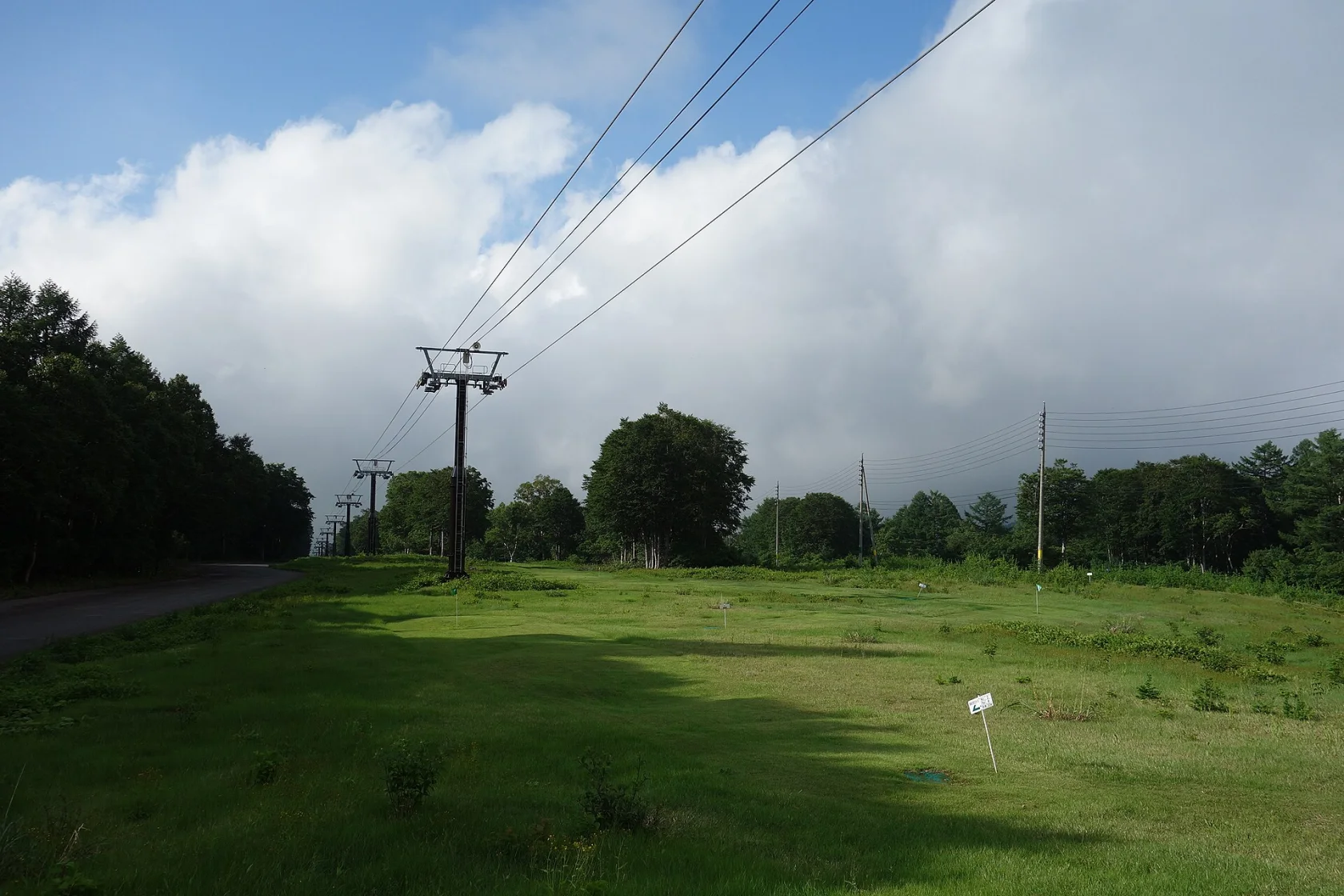
Nozawa Onsen Ski Resort's 2026–27 regular-season adult day pass is ¥7,800. Compare the Hikage, Nagasaka and Karasawa bases, Iiyama buses, beginner lessons, spring descents and public bathhouses.
Choosing Between Hikage, Nagasaka and Karasawa
Hikage suits families who want everything in one place. The main ski school base, Hikage Information Centre, nursery and Kids' Park are all here. From the hot-spring village, take the Yu-Road, a free covered moving walkway that you can ride in winter boots. It carries village-based guests to the foot of Hikage, where you can decide whether to board the Hikage Gondola. If your lesson meeting point specifies the Hikage Main School, look for the village entrance to Yu-Road on the map before setting off — walking straight towards Nagasaka will take you to a different base altogether.
Nagasaka is built for early starters, anyone picking up or returning hire gear, and night skiers. Nagasaka Centre House stands next to the Nagasaka Gondola base station, letting you buy passes, hire equipment and get changed before heading straight up the mountain. The 10-passenger gondola climbs directly to Yamabiko Station at around 1,407 metres, though you will need onward chairlifts for the summit runs. When a group splits up to collect hire gear and buy passes, agree to meet at the Nagasaka Centre House information desk or lounge before walking to the ticket gates together. Once the mountain opens out above, vague plans to meet "by the lift" easily end up at the wrong station.
Karasawa sits beside Car Park 2. The resort notes wide, gentle slopes here with an average gradient of roughly 8 degrees, making it handy for practising turns straight after arriving by car. That figure applies to the nursery slope, as higher stretches above Karasawa still vary in gradient and difficulty. To cross over towards Nagasaka when the trails are open, ride the Nagasaka Gondola Connecting Pair Lift and ski down to the Nagasaka Gondola. If you are still getting used to your boots or skis and want the group to travel together, taking the village shuttle between the two bases is much simpler.
The free village shuttle serves stops including Chuo Terminal, Shinden, Karasawa Car Park 2 and Nagasaka Car Park 1, running in both directions. Check whether the next stop is heading towards Nagasaka rather than relying on the stop name alone. Between Hikage and Nagasaka, there is also the Nasky-go over-snow shuttle, scheduled to run intermittently from 08:30 to 16:30 in the regular season at ¥750 one way with a separate ticket. If you are bringing children from Hikage to Nagasaka for night skiing, return your Hikage hire gear or buy tickets in advance so lessons, transfers and a second equipment hire do not collide at the last minute.
One practical routine is to split up in the morning and drop off gear at your respective bases in the afternoon. Learners head to Hikage while experienced skiers start at Nagasaka, then everyone meets back in the village. If adults and children share a single rucksack, separate water, phones, gloves and room keys beforehand, and keep spare socks and clothes with whoever is looking after the children. For a mountain lunch meet-up, choose a lift exit or restaurant that every ability level can reach, and agree on which base entrance each person will ski down to at the end of the day.
From Hikage to Uenotaira, Plus Half a Day for the Summit
Take your first lesson at Hikage. Once you can control your speed and link turns, consider riding the Hikage Gondola up to Uenotaira Station. Uenotaira is a broad mid-mountain plateau on Mount Kenashi served by both the Nagasaka and Hikage gondolas, though each drops you at a different spot. When children want to practise full top-to-bottom runs, stick to the main pistes. The snow park has its own features and landing zones, so check the entrance signage before following someone onto a side line. On your first visit to Uenotaira, get your bearings for the Hikage Gondola station straight away so you can ride the cabin back down if needed.
Below Uenotaira lies the Paradise course. It offers gentle, wide practice terrain too, though forks off the main slope lead onto trickier grades. Once you are turning steadily and everyone still has energy, you can link Paradise onto the forest trail back to Hikage. The resort grades this as a beginner route, roughly 5 km long and 7 to 10 metres wide. Snowboarders may need to unstrap and push along the flatter stretches. Never stop to wait for friends on blind forest bends; pull over to the side where uphill skiers can clearly see you and there is room to pass. Anyone still working on braking should save Paradise for the day they can handle the connecting trails independently.
For summit views, save the Yamabiko zone for a clear weather window. Five intermediate-to-advanced runs, A to E, fan out from the top, peaking at Mount Kenashi at 1,650 metres. The operator's stated 1,085-metre vertical drop measures from the 565-metre base right up to the summit. After stepping off the Nagasaka Gondola, warm up on one groomed run that loops straight back to the same lift to learn the signage and snow conditions before committing to a longer descent. Note down the exact lift names and top or bottom stations when arranging where to meet.
For a ridge-line descent, take Skyline. Roughly 4.5 km long, it heads towards Nagasaka and Karasawa, starting with a narrow entry and finishing with steeper pitches lower down. To return to Hikage instead, take the matching forest trail rather than blindly following the crowd just because both routes reach the valley. Factor in Nagasaka gear return deadlines, child pick-up times at Hikage or fixed dinner seatings when deciding on your final run. Two base areas that look close as the crow flies on a trail map take noticeably more effort to walk between in stiff ski boots while carrying skis.
In the afternoon, check two separate schedules: last lift times and individual trail closure times. During the regular season, summit runs A to D close at 15:20, the Nagasaka downward gondola finishes at 15:30 and the Hikage downward gondola finishes at 15:50. If you want an unhurried finish, pick your return route before lunch. Transferring back towards Nagasaka from mid-mountain depends on uphill connecting lifts that have their own cut-off times, so do not assume you can reach the final gondola from just anywhere on the hill.
If you are chasing fresh powder, check the official map legend for ungroomed fresh-snow areas and daily opening status. Yamabiko also marks natural-terrain zones where you enter at your own risk, alongside distinct signage for closed lines, no-entry zones and out-of-bounds areas. Follow ski patrol and on-slope signs, and never duck under ropes. When only part of your group has the skills for trees or deep snow, let the experienced skiers take those runs while everyone else stays on open groomed pistes. In an accident, report the trail name, lift and nearest numbered marker to Ski Patrol Headquarters on 0269-85-3456.
Match Your Lift Pass to Actual Skiing Hours
In the regular season, the difference between an adult four-hour pass and a day pass is ¥1,100. If you are dropping off bags, having lunch and getting fitted for boots on arrival day before scanning through the gate, the four-hour pass earns its keep. Note that once you scan at your first gate after a morning lesson and want to keep practising in the afternoon, lunch and rest breaks still count towards the four hours. If you have a full day and plan to ride lifts morning and afternoon, go straight for the day pass.
For two consecutive days on the snow, an adult two-day pass costs ¥14,500, saving ¥1,100 over two separate day passes. Buying a four-hour pass on the first afternoon and a day pass on day two costs ¥6,700 plus ¥7,800, which comes to the exact same ¥14,500. In practice, weigh up how tight day one's arrival is. If connections go smoothly, buy the two-day pass; if you arrive late in the afternoon, spend day one sorting gear and buy a single day pass the next morning. At ¥21,200, a three-day pass equals two full-day passes plus one four-hour pass, making consecutive multi-day passes best for fixed schedules where you will scan onto the hill every day.
If you plan to ski two days, take a rest day and ski again, use a two-day pass for the opening pair and buy a separate ticket for the final day — a three-day pass still counts the rest day. Children may only want snow play after lessons, or adults might take turns supervising. The number of nights you stay does not dictate your passes; buy tickets individually for whoever is actually riding the lifts. Child rates apply to junior high school age and under, while pre-school children ride free at a ratio of one child per fare-paying adult passing through the gate together. Seniors aged 60 and over qualify for the senior rate at ticket windows with ID.
Points tickets work well if you only plan a few chairlift rides or want to join family for a single gondola trip. At ¥750 per point for adults, standard chairlifts take 1 point, the Nagasaka Gondola takes 5 points and the Hikage Gondola takes 3 points, while downward gondola rides are listed as free. Riding up from Nagasaka and linking chairlifts burns through points faster than you might expect, so include the first lift up to the nursery slope before buying. IC cards requiring a deposit cost an extra ¥500, refundable when returned to a ticket centre within the same season of purchase.
For spring-break family trips, look at the parent-and-child packages running from 1 to 28 March 2027. One adult plus one primary or junior high school child costs ¥10,000 per day, while one adult plus two children costs ¥13,700. The first option saves ¥2,500 compared with buying separately in the same period; if your child is pre-school age and qualifies to enter free with a paying adult, simply buy a standard adult pass. Spring pricing kicks in from 29 March, so these two family packages follow different dates.
Online lift pass sales are scheduled to open on 18 December 2026. On your first online purchase of a one- to three-day pass, take the QR code to a ticket window to collect your IC card. Standard one- to three-day, four-hour and night passes require no deposit, whereas points cards and season passes use deposit cards. Online purchases cannot be cancelled, changed or refunded. If you already hold a card and want to top it up online, finish using any existing ticket first, as reloading overwrites the active pass. Have each person carry their own pass in a left-hand pocket, keeping other IC cards, phones and loose change elsewhere for smooth gate scans.
| Pass Type | Adult | Child | Senior | Validity |
|---|---|---|---|---|
| Four-hour pass | ¥6,700 | ¥4,000 | ¥5,350 | 4 consecutive hours from first gate scan; valid same day |
| Day pass | ¥7,800 | ¥4,700 | ¥6,300 | Daytime on date of use; night skiing sold separately |
| Two-day pass | ¥14,500 | ¥8,700 | ¥11,650 | Two consecutive days (daytime) |
| Three-day pass | ¥21,200 | ¥12,700 | ¥17,000 | Three consecutive days (daytime) |
| Night skiing pass | ¥2,850 | ¥1,700 | No separate senior rate listed | Scheduled Nagasaka night-skiing evenings |
Sort Out Gear and Return Routes Before Nagasaka Night Skiing
Night skiing runs exclusively on the Nagasaka Four quad lift, scheduled from 16:30 to 20:00. Holiday sessions operate nightly from 26 December 2026 to 2 January 2027, followed by every Saturday from 9 January to 20 March, plus extra evenings on 10 January and 21 March. On New Year's Eve, the resort schedules an extended session until 23:30. If you arrive in the village on a regular Friday evening, settle in for dinner and a soak, then save night skiing for Saturday.
Skiing both a full day and the evening session brings the combined adult ticket cost to ¥10,650. Anyone in your group sitting out the daytime can simply head up to Nagasaka later. Hire shops offer night-session rates, though Salomon Station at Nagasaka lists regular closing at 16:15, so check pick-up and return windows with the shop before planning a night hire. If you rented equipment in Hikage for the day and plan to ski Nagasaka at night, sort out where the gear will be returned or stored overnight first.
Even though night skiing stays near the base, pack a windproof outer shell and lenses suited to floodlit snow. If you are staying in the village centre, walk the route back to your accommodation once in daylight to spot uphill stretches and icy patches. Because night sessions end after the daytime village shuttle stops, dining beforehand, staying on the Nagasaka side or pre-arranging a lift back beats hunting for transport at 20:00. Day-trippers needing the Shinkansen from Iiyama should stick to daytime skiing, as the last winter Liner bus from Chuo Terminal leaves before regular night skiing finishes.
Keep Lessons, Equipment Hire and Snow Play on the Same Side
When booking ski school, choose between skiing and snowboarding first, then filter by ability and age. For 2026–27, the Hikage Main School operates on advance online booking and pre-payment as standard. Japanese-language group ski lessons are open to junior high school age and above, with separate programmes for younger children. Certain dates fill up with school or group bookings, so independent travellers should lock in lesson slots before buying non-refundable travel or accommodation. If you need an English- or Mandarin-speaking instructor, check which time slots offer your preferred language first. When parents pick up hire gear at different bases, send the Japanese name of the meeting point to everyone.
Hire shops that look just a street apart feel very different when you are walking back and forth in ski boots. Guests staying on the Nagasaka side can use Salomon Station on the third floor of Nagasaka Centre House: adult ski, boot and pole hire — or snowboard and boots — costs ¥5,800 per day, rising to ¥9,500 with jacket and trousers included. If you have lessons at Hikage the next morning, choose a nearby shop instead; the official directory lists Hikage Denbee beside the Japan Ski Museum, noting that multi-day renters can store hired gear overnight.
Check off every item on your hire form — boots, skis and poles or snowboard, outerwear, helmet and goggles — rather than assuming a "full set" covers the exact same kit at every shop. Leave plenty of time for children's boot fittings, since changing sizes means adjusting bindings too; if a heel lifts or a boot pinches while standing still, ask staff to swap sizes straight away. If your bus arrives after shops close, make gear fitting your first stop the next morning. Even if you bring your own boots, have the shop set the bindings to match your boots and ability, and wear ordinary walking shoes to the base before changing.
Hikage's indoor children's area and outdoor snow play zone can be used independently. For sledging only, head to the two designated sledging areas listed by the resort, where plastic sledges are free to borrow. Riding the Nasky Way moving walkway in the kids' zone costs ¥1,500 for two hours or ¥3,000 for a full day for both adults and children, though standard lift passes are accepted (points cards excluded). Note that this snow-level walkway connects to the nursery slope and is separate from the free Yu-Road linking the village to Hikage.
For childcare, Yumin on the second floor of Hikage Information Centre accepts children aged one to six during the regular season at ¥2,000 per hour, ¥4,000 per half day or ¥7,000 for a full day. It closes for lunch from 12:00 to 13:00, when parents must collect their children. If you are skiing Paradise or Uenotaira in the morning, build lift and walking buffers into your last run. Pack clearly labelled spare clothes and drinks, along with nappies, wet wipes and morning and afternoon snacks for toddlers. Families who do not need childcare can enjoy a slower morning and decide after boot fitting whether to ski a few runs or simply play in the snow.
Getting from Tokyo to Nozawa Onsen via Iiyama Station
From Tokyo or Kanazawa, board a Hokuriku Shinkansen Hakutaka service that stops at Iiyama, and set Iiyama as your destination when booking. Some route planners suggest similarly named Togari-Nozawaonsen nearby, but that is a local JR Iiyama Line stop whose connecting bus to Nozawa Onsen discontinued long ago. At Iiyama Station, exit the Shinkansen ticket gates, turn right down to the ground floor, leave via the Chikumagawa Exit (Main Exit) and head to bus stop 4 for the Nozawa Onsen Liner.
The Liner normally requires no reservation, taking around 25 minutes from Iiyama to Nozawa Onsen Chuo Terminal; the adult single fare is ¥600, with ¥300 listed for children aged seven to twelve. Groups of two or more can buy individual tickets at the departure vending machine, or tap separate Suica cards on board — one card cannot pay for multiple passengers. Keep cash handy if boarding at intermediate stops such as Nakao or Shinden. Hauling bulky suitcases and ski bags takes time, and coinciding train arrivals can form queues at the stop, so factor ticket machines, boarding waits and snowy roads into your connection time rather than just station walking times.
Up to 30 November 2026, the first direct bus leaves Iiyama at 08:45, reaching Chuo Terminal at 09:10. Under the winter timetable from 1 December to 31 March 2027, the first bus moves forward to 08:30, arriving at 08:55. If an early Tokyo Shinkansen arrives at Iiyama at 08:16, that leaves just 14 minutes to catch the 08:30 bus — manageable only if you know the layout and are travelling light. The next departure leaves at 09:55 and reaches the village at 10:20, a gap that makes a real difference to morning lesson check-ins. For early lessons, arrive the night before or book a private lesson timed to your bus.
On the return leg, pick your village bus departure first and match your Shinkansen from Iiyama afterwards. Popular winter evening departures from Chuo Terminal are 16:40, 18:15 and 19:35, scheduled to reach Iiyama at 17:05, 18:40 and 20:05. Leave extra margin beyond the scheduled transfer times if you are travelling with children, returning hire gear at Hikage or catching an onward long-distance train in Tokyo. If you are travelling in April, check the specific seasonal timetable published by the operator rather than relying on late-March winter times for spring connections.
Ask your accommodation which village bus stop is closest: Chuo Terminal serves the hot-spring centre, while Shinden and Nakao have their own stops — watch the Japanese stop names displayed inside the bus. Pack spare clothes plus day-one gloves and goggles near the top of your bag, and confirm delivery pick-up hours before shipping large ski bags to a hire shop or hotel. Reaching the slopes from Chuo Terminal still involves walking, riding the village shuttle or taking Yu-Road. Looking at the Shinkansen, Liner bus and base access as three separate legs makes it clear whether buying a day-one lift pass is worthwhile.
Day-trippers driving with children or booked lessons should park at the base they plan to use. Head to Car Park 1 for Nagasaka, or Car Park 2 for Karasawa's gentle slopes. Overnight guests should confirm parking availability and approach routes with their accommodation beforehand; navigating snowy village hills to find a full car park and turning round on narrow lanes eats into lesson time. Fit winter tyres and carry snow chains, stick to the main approach roads recommended by your host, and unload luggage at the door before parking up.
Pick Lodging by Your Morning Uphill Walk, Baths by Your Route Home
On a first visit combining dining, public bathhouses and Hikage children's lessons, look between Oyu and the village entrance to Yu-Road. Oyu sits right in the centre of town and makes an easy landmark. Before wheeling suitcases up from Chuo Terminal, check your host's walking directions and ask about luggage drop-off if there are steps or steep lanes. When you are carrying shopping home at night and trudging uphill in ski boots the next morning, the gradient between your door and Yu-Road slows you down far more than a few hundred metres on flat ground.
If you plan to ride the Nagasaka Gondola daily or go night skiing on at least one evening, staying on the Nagasaka side cuts equipment carrying to a minimum. Most dinners and public baths are still back in the village, meaning a walk uphill on the way home. Guests in Shinden or Nakao can get off at a closer Liner stop and take the winter village shuttle to Nagasaka. If dinner is included in your stay, check whether meal times clash with night skiing; room-only or bed-and-breakfast stays give more freedom if you want to eat out on different nights.
The village's 13 sotoyu (public bathhouses) are maintained by local residents and open to visitors without admission tickets — simply drop a voluntary donation into the box at the entrance. On your first night in the centre, Oyu is an easy walk, listed by the tourism association as open 06:00–23:00 from December to March. For milder water, Kumanotearayu has both a hot tub and a cooler pool. Because sotoyu water runs hotter than most hotel baths, wash thoroughly first, test the temperature and avoid pouring in large amounts of cold water. Bring a small towel and coins, leave your phone in the changing area, and note that sotoyu lack showerheads and hairdryers — washing hair or dressing young children in winter is far easier back at your accommodation.
If anyone in your group wants showers, hairdryers and a lounge area, choose a paid public facility such as Furusato no Yu or Nozawa Onsen Sparena. Sparena features a large outdoor bath requiring swimwear alongside separate indoor baths for men and women. Swap out of ski boots and drop off gear at your hire shop before heading over so you can walk light. Mixed groups can meet for lunch in the village, letting skiers head back up for the afternoon while non-skiers explore the bathhouses, cafés and streets. With older relatives, pick a bathhouse close to your lodging so there is only a gentle stroll left at the end.
Save the Japan Ski Museum for a windy day. Roughly a 10-minute walk from the Hikage top end of Yu-Road towards Isemiya, it traces ski history through vintage skis, equipment and archive photographs. Admission is ¥300 for adults and ¥150 for primary and junior high school children; it opens 09:00–16:00, closing Thursdays (or the following day when Thursday is a public holiday). To boil onsen eggs back in the village, head to the dedicated cooking basins for visitors at Kumanotearayu and Matsuba no Yu — the nearby Ogama spring is reserved for residents' daily use, with visitors viewing from outside. Stopping at Kumanotearayu to soak and cook eggs in one trip saves trudging across town in winter boots.
Sample Itineraries for Day Trips, Two-Night Stays and Families
A Tokyo day trip works best for confident skiers who can get through gear hire quickly. Catch an early Hakutaka Shinkansen to Iiyama; making the 08:30 Liner gets you into the village by 08:55 and straight up to Nagasaka. Arriving closer to midday suits a four-hour pass across one zone, returning gear and reclaiming card deposits at Nagasaka in the afternoon before a quick soak at a bathhouse near the bus terminal. If you are aiming for the 16:40 bus from Chuo Terminal, keep your final run on the Nagasaka side rather than dropping down forest trails into Hikage and scrambling back across town. First-timers needing gear fittings and morning lessons will have a much easier time arriving the evening before.
For a two-day, one-night trip arriving before noon, take an afternoon lesson or ski a single base on day one, then ride the gondola to the upper mountain on day two. Leave bags at your accommodation on the second morning, carrying only what you need for gear returns and card refunds in a small pack, and pick a single base station to regroup before collecting luggage. If you reach the village near the last lift, use evening one for boot fitting, dinner and a bath, then hit the snow right at opening time the next morning. Adjust the skiing hours you originally budgeted once you see your arrival time and energy levels on the ground.
With beginners on a three-day, two-night trip, try fitting gear and testing Yu-Road on arrival day, taking Hikage lessons on day two, and cruising familiar gentle slopes on the third morning before heading back to Iiyama. Experienced companions can spend the second morning up at Yamabiko and join mid-mountain laps on day three. To ensure you ski together for at least one day, choose a gentle piste that the beginner can comfortably reach as your meeting hub. Where abilities differ widely, meeting back in the village for lunch is far simpler than trying to ride the summit lifts together.
On windy days with lift suspensions, adjust your morning plans around whichever base is confirmed open. If lessons are still running, stay at Hikage for classes and practice. When only the upper mountain is operating, check the difficulty of the open mid-mountain runs and downward lift options — or stroll around the village until visibility improves. An extra night's stay lets you swap ski days and village days, saving the clearest weather for the summit. To compare accommodation and access across other ski areas in the prefecture, read our guide to choosing a ski and hot-spring base in Nagano. If you are hiring equipment or booking children's lessons for the first time, check our first-time Japan ski trip guide.
A few useful answers
When does Nozawa Onsen Ski Resort open for the 2026–27 season?
Early-season skiing is scheduled to start on 28 November 2026, with the regular season running from 19 December and spring-season passes taking over from 29 March 2027 until the scheduled close on 5 May. Open runs depend on snow cover early on, while spring descents rely on the Nagasaka Gondola.
Should first-time skiers start at Hikage or Nagasaka?
Take Yu-Road into Hikage if you have lessons booked at the Hikage Main School, need childcare or are bringing children for snow play. Head straight to Nagasaka Centre House if you want the Nagasaka Gondola up the mountain, Nagasaka equipment hire or night skiing.
How much is the difference between a day pass and a four-hour pass at Nozawa Onsen?
In the regular season, an adult day pass is ¥7,800 and a four-hour pass is ¥6,700. The four hours run continuously from your first gate scan, including lunch and rest breaks.
Can non-skiers ride the gondolas?
Yes, single upward tickets are available for both the Nagasaka Gondola (¥3,750 adult) and Hikage Gondola (¥2,250 adult), with downward rides listed as free. During spring, check the separate Nagasaka sightseeing gondola ticket.
Can I use a daytime lift pass for night skiing at Nagasaka?
Day passes as well as two- and three-day passes cover daytime hours only. Night skiing runs on the Nagasaka Four chairlift and requires a separate night pass at ¥2,850 for adults and ¥1,700 for children.
Which bus runs from Iiyama Station to Nozawa Onsen?
Catch the Nozawa Onsen Liner from bus stop 4 outside Iiyama Station's Chikumagawa Exit. The adult fare is ¥600 and the journey to Chuo Terminal takes about 25 minutes, switching to the winter timetable from 1 December.
Can you ski down to Hikage or Nagasaka from late March onwards?
No, the resort closes all lower descent runs from 29 March onwards. Both ascent and descent are via the Nagasaka Gondola, with the last scheduled downward cabin in spring at 15:30.
Can visitors walk straight into Nozawa Onsen's 13 sotoyu public bathhouses?
Yes, during opening hours; the tourism association asks visitors to leave a voluntary donation at the entrance. Because the water is often very hot, wash before entering and test the temperature first. Oyu in the village centre is an easy first stop, while Kumanotearayu offers a milder pool.
Official information and references
Sources used in this guide.
- Nozawa Onsen Ski Resort 2026–27 Season & Opening Events
- Nozawa Onsen Ski Resort Regular-Season Lift & Pass Prices
- Nozawa Onsen Ski Resort Early-Season, Spring & Family Discount Passes
- Nozawa Onsen Ski Resort IC Card Collection, Deposits & Online Reload Rules
- Nozawa Onsen Ski Resort Lift Hours, Night-Skiing Dates & Descent Closures
- Nozawa Onsen Ski Resort 2026 New Year's Eve Extended Night Skiing
- Nozawa Onsen Ski Resort Trail Map & Area Difficulty Ratings
- Nozawa Onsen Ski Resort Daily Snow Conditions & Facility Openings
- Nozawa Onsen Ski Resort Boundary Rules & No-Entry Zones
- Nozawa Onsen Ski Resort FAQs (Season Dates, Lockers & Ski Patrol)
- Nozawa Onsen Ski Resort Company Profile (Elevation & Terrain)
- Nozawa Onsen Ski Resort Free Village Shuttle Bus
- Nozawa Onsen Liner Bus Stops, Fares & Winter Timetable
- Nozawa Onsen Tourism Association Access & Car Park Information
- JR East Hokuriku Shinkansen Train Types & Station Stops
- Nozawa Onsen Ski School 2026–27 Reservation Notice
- Nozawa Onsen Ski School Japanese-Language Group Ski Lessons
- Nozawa Onsen Ski Resort Kids' Snow Play, Childcare & Over-Snow Shuttle
- Nagasaka Centre House Facilities, Changing Rooms & Ticket Counter
- Salomon Station Nozawa Onsen Hire Gear & Rates
- Hikage Denbee Equipment Hire & Multi-Day Overnight Storage
- Nozawa Onsen Ski Resort Competition Training & Ski Jump Facilities
- Nozawa Onsen Tourism Association 13 Sotoyu Map & Bathhouse Guide
- Nozawa Onsen Tourism Association Sotoyu Etiquette & Public Bath Facilities
- Nozawa Onsen Sparena Swimwear Outdoor Bath & Indoor Baths
- Nozawa Onsen Ski Resort Nagasaka Gondola Specifications
- Japan Ski Museum Access & Visitor Information