Adult 1-day lift passes at Nozawa Onsen Ski Resort cost ¥7,800 in the 2026–27 regular season. Compare the Hikage, Nagasaka, and Karasawa bases, plus Iiyama buses, beginner lessons, spring downloads, and sotoyu bathhouses.
- Region & Focus
- Nagano and Myoko Ski AreasSkiing
- Reading Scope
- 22 min read · 9 chapters · 8 Q&As
- Official Verification
- 27 official sources checkedUpdated November 22, 2026
- Key Topics
- WinterHot springsFirst trip
Chapter Route Map (tap any stop)
- Pick Your Season Around How You Get Down
- Choosing Between Hikage, Nagasaka, and Karasawa
- Progressing From Hikage to Uenotaira, and Saving Half a Day for the Summit
- Match Your Lift Pass to the Hours You Will Actually Ski
- Plan Gear and Your Return Walk Before Nagasaka Night Skiing
- Keep Lessons, Rentals, and Snow Play on the Same Side
- Getting From Tokyo to Nozawa Onsen via Iiyama Station
- Pick Lodging for the Morning Walk, and Bathhouses for the Walk Back
- Sample Itineraries for Day Trips, Two-Night Stays, and Families
- Quick Q&A
Nozawa Onsen Ski Resort sits in northern Nagano, about a 25-minute Nozawa Onsen Liner bus ride from Iiyama Station on the Hokuriku Shinkansen. If you are taking your first lesson or bringing kids to play in the snow, ride the free Yu Road moving walkway from the hot spring village up to Hikage. For early summit laps or night skiing, start from Nagasaka. A regular-season adult 1-day pass for 2026–27 costs ¥7,800, while 4-hour passes start counting down from your first gate scan. Early-season and spring tickets are cheaper, though available trails and the way you get back down the mountain change.
Pick Your Season Around How You Get Down
The 2026–27 season is scheduled to open on November 28, 2026, with early-season rates running through December 18. December 19 marks the official opening event and the first day of regular-season pricing. Regular season runs through March 28, 2027, before spring rates take over on March 29 through the planned closing on May 5. Anyone aiming to ski in late November should check the Slope & Lift Status page on the official website before leaving to see which lifts and runs are actually open. When only upper-mountain trails are running, beginners need to factor in downloading by gondola and where they can safely practice.
If you only have one or two days and your family relies on public transit, picking dates during the regular season makes it far easier to line up ski school, snow play at Hikage, and the village shuttle. The free village shuttle runs from December 12, 2026, through March 28, 2027, while the ski school's Japanese-language group lessons and the Hikage nursery open on December 19. When booking lodging in early December or spring, knowing which base entrance you can reach on foot matters more than whether a listing claims to be "near the slopes." If you are staying lower in the village with young kids, check first whether your accommodation runs its own shuttle.
March breaks into two distinct stretches. Through March 28, it is still regular season, so you can build an afternoon around skiing the forest trails back down to the village edge whenever those courses are open. Starting March 29, even if snow is still visible near the base, the resort closes Skyline, the Beech Forest Course, and the ski-out trails below the Paradise area. In spring, the Nagasaka Gondola serves as your round-trip transport to and from the upper half of the mountain, with the last scheduled download at 15:30. Visitors staying on the Hikage side will step off at Nagasaka on the way back, so leave time to walk to your lodging or arrange a pickup.
Put visibility and your group's ability ahead of snowfall totals. When fresh snow arrives alongside thick fog, rollovers near the summit become hard to read, and travelers hoping for the top can start on open mid-mountain runs instead. In spring, a cold overnight freeze leaves morning groomers firm before the sun softens them, while lower return routes turn heavy and slushy. Pause after a few laps to check your edge grip and leg fatigue, especially if the ride back involves narrow traverses or lift lines. Saving a second day for the terrain you really want beats rushing to link every zone on your first afternoon.
| Season | Adult 1-Day Pass | Planning Trade-offs |
|---|---|---|
| Early Season | Scheduled Nov 28 – Dec 18 | ¥5,600 | Go based on open runs; free village shuttle starts Dec 12 |
| Regular Season | Dec 19 – Mar 28 | ¥7,800 | Best for Hikage lessons, childcare, or Nagasaka night skiing |
| Spring | Mar 29 – May 5 | ¥6,100 | Ski-out runs closed; upload and download via Nagasaka Gondola |
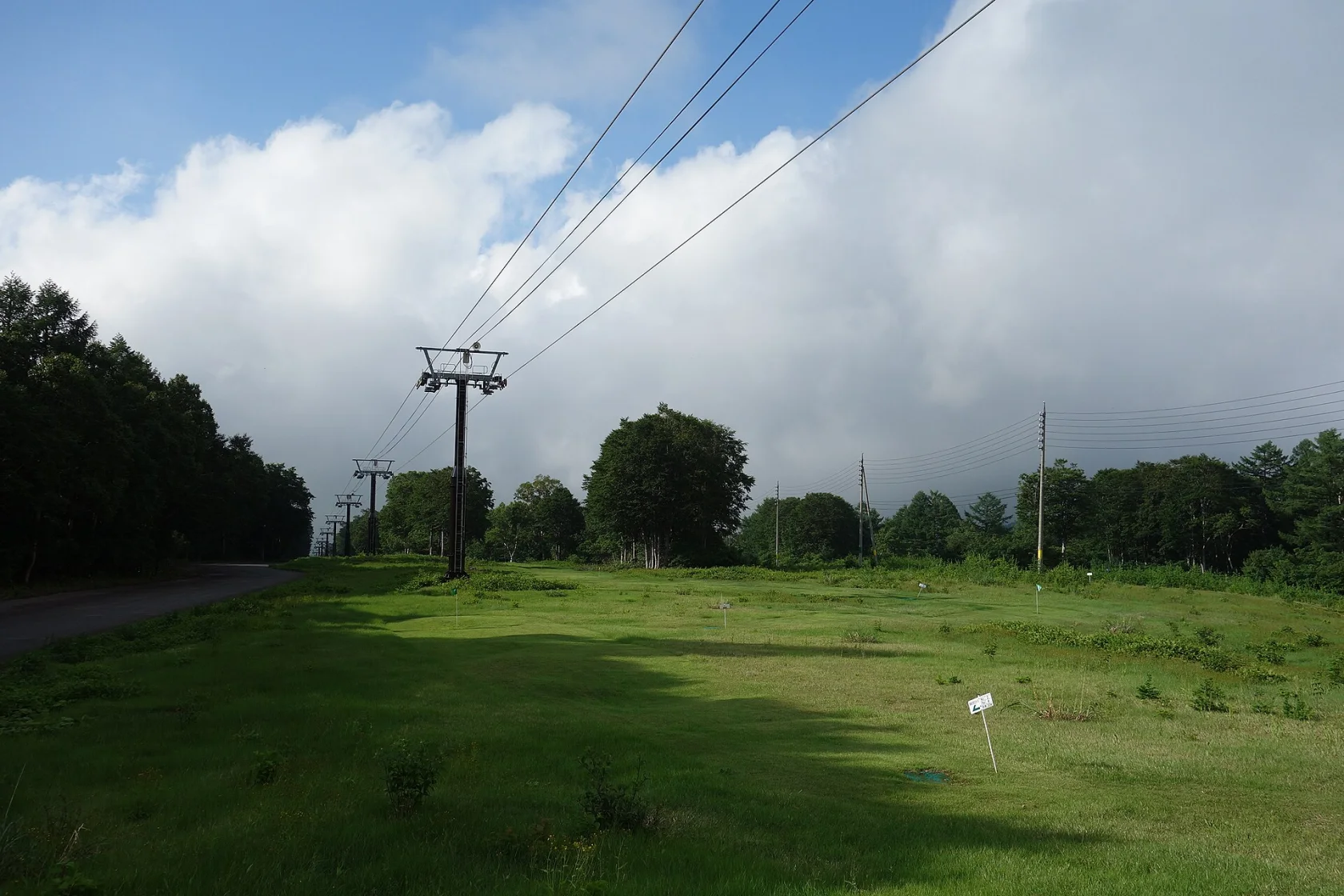
Adult 1-day lift passes at Nozawa Onsen Ski Resort cost ¥7,800 in the 2026–27 regular season. Compare the Hikage, Nagasaka, and Karasawa bases, plus Iiyama buses, beginner lessons, spring downloads, and sotoyu bathhouses.
Choosing Between Hikage, Nagasaka, and Karasawa
Hikage works best for families who want everything in one hub. The ski school headquarters, Hikage Information Center, nursery, and kids' snow-play zone are all grouped here. From the hot spring village, ride Yu Road—a free enclosed moving walkway you can use in regular snow boots. It drops village guests right at the foot of Hikage, where you can decide whether to ride the Hikage Gondola. If your lesson meeting point says Hikage Main School, look for the village-side entrance to Yu Road on your map before stepping out; walking straight toward Nagasaka leads to a different base.
Nagasaka is built for early first-chair laps, gear rentals, and night skiing. Nagasaka Center House sits next to the Nagasaka Gondola base station, letting you buy passes, rent gear, change clothes, and head straight up the mountain. The 10-passenger cabins climb directly to Yamabiko Station at roughly 1,407 meters, with summit trails accessed via connecting lifts above. If part of your group picks up rentals while others buy tickets, meet at the information counter or lounge inside Nagasaka Center House before walking to the gates together. Once the base area spreads out, saying "meet by the lift" makes it easy to end up at the wrong terminal.
Karasawa sits right beside Parking Lot No. 2. The resort's trail map marks wide, gentle slopes here with an average pitch of about 8 degrees, making it a practical place to warm up your turns after driving in. That grade describes the beginner slope; continuing higher up the Karasawa side brings steeper pitches and harder terrain. When connecting trails are open, you can ride the Nagasaka Gondola Renraku Pair lift and ski over to Nagasaka. If you are still getting used to ski boots or moving with non-skiers, taking the village shuttle between bases is far easier.
The free village shuttle serves stops including Chuo Terminal, Shinden, Karasawa Parking Lot No. 2, and Nagasaka Parking Lot No. 1, running both directions along the loop. Check whether the next stop goes toward Nagasaka before boarding instead of relying on the stop name alone. Between Hikage and Nagasaka, the Nasky-go snow shuttle runs periodically from 8:30 to 16:30 during regular season for ¥750 one way with a separate ticket. If you are bringing kids from Hikage to Nagasaka for night skiing, return Hikage rentals or buy shuttle tickets ahead of time so lessons, transit, and second-base rentals do not collide at the last minute.
One reliable routine is splitting up in the morning and wrapping up gear at your respective bases in the afternoon. Lesson-takers head to Hikage, experienced skiers start at Nagasaka, and everyone meets back in the village. If an adult and child share one daypack, keep water, phones, gloves, and room keys separate, with the child's spare socks and clothes staying with whichever adult is watching them. To meet on the mountain for lunch, pick a lift terminal or restaurant everyone can reach and agree in advance which base each person will ski down to at the end of the day.
Progressing From Hikage to Uenotaira, and Saving Half a Day for the Summit
Start your first lesson at Hikage. Once you can control your speed and link turns, ride the Hikage Gondola up to Uenotaira Station. Uenotaira is a wide mid-mountain plateau on Mt. Kenashi served by both the Nagasaka and Hikage gondolas, though each drops off in a different spot. When kids want to practice full top-to-bottom laps, stick to the main groomed run. The terrain park has its own features and landing zones, so read the entry signs before following someone in front of you onto a side line. On your first visit to Uenotaira, locate the Hikage Gondola station right away so you know where to download.
Below Uenotaira lies the Paradise slope. It offers another wide, gentle practice area, though side branches peel off onto harder terrain. Once your turns are consistent and your group still has energy, you can link Paradise into the forest trail back to Hikage. Officially rated beginner, the forest run stretches roughly 5 kilometers and narrows to about 7 to 10 meters wide. Snowboarders should be ready to unstrap and push along the flatter sections. Never stop to wait in blind forest corners; gather to the side where uphill traffic can clearly see you and has room to pass. Anyone still working on braking should save Paradise for the day they can handle the connecting trail independently.
Save Yamabiko at the top for a window with clear visibility. The summit zone spans five intermediate-to-advanced courses labeled A through E, peaking on Mt. Kenashi at 1,650 meters. The resort's listed 1,085-meter vertical drop measures from the 565-meter base to the summit. After exiting the Nagasaka Gondola, take a groomed run that loops back to the same lift to get your bearings on signage and snow conditions before committing to a longer descent. Make sure everyone knows the exact lift name and upper or lower terminal where you plan to regroup.
For a ridge-line cruise down, look to Skyline. Roughly 4.5 kilometers long, it heads toward Nagasaka and Karasawa, with a narrow entrance and steeper pitches lower down. To return to Hikage instead, take the matching forest course—do not follow the crowd down just because both routes reach the valley. If you have a rental return deadline at Nagasaka, a child waiting at Hikage, or a fixed dinner seating, let those cutoff times dictate your last chair. Two base areas that look close in a straight line on the trail map take real effort to cross in stiff ski boots while carrying gear.
Check two schedules in the afternoon: last lift times and course closure times. During regular season, summit courses Yamabiko A through D close at 15:20, Nagasaka Gondola downloads end at 15:30, and Hikage downloads end at 15:50. If you want an unhurried finish, pick your return route before lunch. Moving from mid-mountain back to Nagasaka also depends on uphill connecting lifts that have their own cutoffs—do not assume you can reach the final gondola from just anywhere on the mountain.
For powder, check the official map's "Powder Area (Ungroomed)" legend and daily open status first. Yamabiko also marks natural-terrain "Self-Responsibility Special Areas," alongside closed ropes, off-limits zones, and resort boundaries. Follow ski patrol and posted signs, and never duck under ropes. If only part of your group has the skills for trees or deep snow, let experienced riders tackle those zones while everyone else stays on open groomed runs. In case of injury, report your location using the trail name, lift, and nearest numbered trail marker, and call ski patrol dispatch inside the resort at 0269-85-3456.
Match Your Lift Pass to the Hours You Will Actually Ski
In regular season, a 4-hour pass saves ¥1,100 over a 1-day pass. If you plan to store luggage, eat lunch, and get fitted for boots on arrival day before scanning through the gate, the 4-hour pass fits cleanly. It also works when you take a morning group lesson and want extra afternoon practice—just remember that once you scan your first gate, lunch and breaks count toward those four hours. If you have a full day and plan to ride lifts both morning and afternoon, go straight for the 1-day pass.
For two consecutive days of skiing, an adult 2-day pass is ¥14,500, saving ¥1,100 compared to buying two single-day tickets. Buying one 4-hour pass for afternoon arrival plus one full-day pass the next day costs ¥6,700 plus ¥7,800—also ¥14,500. Choose based on whether you can realistically make the lifts on day one. If transit lines up smoothly, grab the 2-day pass; if you arrive late in the afternoon, handle gear fitting on day one and buy a single 1-day pass for day two. Similarly, a 3-day pass at ¥21,200 equals two full days plus one 4-hour ticket, making consecutive multi-day passes best when your schedule is locked and you will scan in every day.
If you ski two days, take a rest day, and ski again, use a 2-day pass for the opening stretch and buy a single ticket for the final day—a 3-day pass counts the rest day toward its consecutive window. Kids may want to just play in the snow after lessons, or adults might take turns watching them. Hotel nights reflect how long the family stays, while lift passes should be bought individually for each person actually riding lifts. Child rates apply to junior high school students and younger; preschoolers ride free when accompanied through the gate by a paying adult (one child per adult). Seniors aged 60 and up qualify for senior tickets at the ticket window with ID.
Point tickets suit anyone taking only a couple of chairlift rides or non-skiers accompanying family for a single gondola trip. Each point costs ¥750 for adults: standard chairlifts take 1 point, Nagasaka Gondola takes 5 points, and Hikage Gondola takes 3 points, with gondola downloads listed as free. If you ride up Nagasaka and ski multiple lifts, points burn faster than expected—include the first lift up to the practice slope when tallying your ride count. IC cards requiring a deposit add ¥500, refunded when you return the card to the ticket center during the same season.
Visiting with kids during spring break? Check the parent-child bundles offered from March 1 to March 28, 2027. One adult plus one elementary or junior high student costs ¥10,000 per day, while one adult plus two students is ¥13,700—the one-child bundle saves ¥2,500 over buying separately during the same period. If your child is preschool-aged and qualifies for free entry with a paying adult, simply buy a standard adult pass. Spring pricing starts March 29, so these bundle dates do not overlap with the spring rate period.
Online lift passes are scheduled to go on sale December 18, 2026. First-time buyers of 1- to 3-day passes bring their QR code to the ticket window to collect an IC card. Standard 1- to 3-day passes, 4-hour passes, and night passes carry no deposit, whereas point cards and season passes use a deposit card. Online purchases cannot be canceled, changed, or refunded. If you reload an existing card online, finish using your remaining ticket first because reloading overwrites the active pass. Have everyone keep their lift card alone in a left-side pocket, separate from transit IC cards, phones, and coins, so gates read cleanly.
| Pass Type | Adult | Child | Senior | How It Works |
|---|---|---|---|---|
| 4-Hour Pass | ¥6,700 | ¥4,000 | ¥5,350 | Valid for 4 consecutive hours from first gate scan on day of use |
| 1-Day Pass | ¥7,800 | ¥4,700 | ¥6,300 | Daytime hours only; night skiing requires a separate ticket |
| 2-Day Pass | ¥14,500 | ¥8,700 | ¥11,650 | Two consecutive days, daytime hours |
| 3-Day Pass | ¥21,200 | ¥12,700 | ¥17,000 | Three consecutive days, daytime hours |
| Night Pass | ¥2,850 | ¥1,700 | No separate senior rate listed | Valid on scheduled Nagasaka night-skiing evenings |
Plan Gear and Your Return Walk Before Nagasaka Night Skiing
Night skiing runs only on the Nagasaka Four Lift (quad chair), scheduled from 16:30 to 20:00. Holiday sessions run nightly from December 26, 2026, through January 2, 2027, followed by every Saturday from January 9 through March 20, plus bonus evenings on January 10 and March 21. The resort also schedules an extended New Year's Eve session running until 23:30. If you arrive in the village on a regular Friday night, plan on dinner and an onsen soak first and save night skiing for Saturday.
Skiing both a full regular day and the night session totals ¥10,650 for an adult (1-day pass plus night pass). Companions skipping daytime laps can head up to Nagasaka later in the afternoon. Rental shops offer evening rates, though Salomon Station at Nagasaka lists regular hours until 16:15, so confirm pickup and return windows before counting on night rentals. If you rented equipment at Hikage during the day and want to night-ski at Nagasaka, sort out cross-base returns or overnight storage before heading up.
Even though night skiing stays on the lower slope, bring a windproof outer shell and clear or low-light goggle lenses. If you are staying in the village center, walk your route back at least once in daylight to spot uphill stretches and icy patches. Because night sessions end after the daytime village shuttle stops running, eating an early dinner beforehand, booking lodging on the Nagasaka side, or pre-arranging a pickup beats hunting for transport after closing. Day-trippers catching the Shinkansen back from Iiyama should stick to daytime skiing, as the last winter Liner bus leaves Chuo Terminal before regular night skiing ends.
Keep Lessons, Rentals, and Snow Play on the Same Side
When booking ski school, separate skiing and snowboarding first, then choose by skill level and age. For 2026–27, Hikage Main School's reservation notice specifies advance online booking and prepayment as the standard process. Japanese-language group ski lessons start at junior high age, with separate classes for younger kids. Some dates fill up with school or tour groups, so secure lesson availability before locking in nonrefundable trains or lodging. If you need an English- or Mandarin-speaking instructor, filter for schedules offering those languages first. When adults pick up gear at a different base, share the exact Japanese meeting-point name with every parent.
Rental shops just one street apart can feel far away once you are walking in ski boots. Guests staying on the Nagasaka side can use Salomon Station on the 3rd floor of Nagasaka Center House, where adult ski/boot/pole or snowboard/boot sets run ¥5,800 per day, or ¥9,500 per day with jacket and pants. If your lessons start at Hikage the next morning, renting near Hikage is simpler—the resort directory lists Hikage Denbee beside the Japan Ski Museum, noting it stores rental gear overnight for multi-day renters.
Verify every item on your rental form—boots, skis and poles or board, outerwear, helmet, and goggles—since "full set" does not mean the exact same package at every shop. Leave extra time for kids' boot fittings, as size changes require binding adjustments; if a heel lifts or a boot hurts just standing around, ask staff to swap sizes right away. If you arrive in the evening after shops close, make fitting your first stop the next morning. Even if you bring your own boots, rental shops can still adjust bindings to your boots and ability level so you can walk to the base in street shoes.
Hikage's indoor kids' room and outdoor snow-play zone can be used independently. For sledding only, head to the two designated sledding areas, where free plastic sleds are available to borrow. Riding the kids' park magic carpet, Nasky Way, requires a separate ¥1,500 2-hour or ¥3,000 1-day ticket (same price for adults and kids), though standard lift passes also grant access except for point tickets. Note that Nasky Way sits on the snow connecting to the beginner slope, distinct from the free Yu Road walkway coming up from the village.
For childcare, Yu-min on the 2nd floor of Hikage Information Center accepts ages 1 to 6 during regular season at ¥2,000 per hour, ¥4,000 per half day, or ¥7,000 per full day. It closes from 12:00 to 13:00, when parents must pick children up. If you ski over to Paradise or Uenotaira in the morning, budget lift and walking time before taking your last run back. Pack labeled spare clothes and water, plus diapers, wipes, and morning and afternoon snacks for toddlers. Families skipping childcare can start later, get kids into boots at an unhurried pace, and then decide between a few lift laps or pure snow play.
Getting From Tokyo to Nozawa Onsen via Iiyama Station
From Tokyo or Kanazawa, board a Hokuriku Shinkansen "Hakutaka" train that stops at Iiyama, and book your ticket directly to Iiyama Station. Some route searches suggest nearby "Togari-Nozawaonsen" on the local JR Iiyama Line, but the connecting bus from that station to Nozawa Onsen was discontinued long ago. At Iiyama Station, exit the Shinkansen ticket gates, turn right, head down to the ground floor, leave via the Chikumagawa Exit (Main Exit), and board the Nozawa Onsen Liner at Bus Stop No. 4.
The Liner normally requires no reservation, takes about 25 minutes from Iiyama to Nozawa Onsen Chuo Terminal, and costs ¥600 one way for adults (¥300 listed for ages 7–12). Groups of two or more can buy individual paper tickets at the terminal vending machine, or tap Suica on board—one IC card cannot cover multiple riders. Keep cash ready if boarding at intermediate village stops like Nakao or Shinden. Hauling luggage and ski bags slows boarding down, and arriving trains often create a queue, so factor ticket buying, lines, and snowy footing into your transfer buffer rather than just station walking time.
Through November 30, 2026, the first direct bus leaves Iiyama at 8:45 and reaches Chuo Terminal at 9:10. Under the winter timetable from December 1 through March 31, 2027, the first bus moves up to 8:30, arriving at 8:55. An early Tokyo departure arriving in Iiyama at 8:16 leaves only 14 minutes to catch the 8:30 bus—manageable only if you travel light and know the layout. The next departure leaves at 9:55 and arrives at 10:20, which can make or break a morning lesson check-in. For early lessons, arrive the night before or book a private lesson timed to your arrival.
For the trip home, lock in your village bus time before booking your Shinkansen out of Iiyama. Common late-afternoon and evening winter departures from Chuo Terminal leave at 16:40, 18:15, and 19:35, reaching Iiyama at 17:05, 18:40, and 20:05. Leave extra cushion beyond the printed transfer time if you have kids, need to return rentals at Hikage, or must catch an onward long-distance train in Tokyo. In April, check the date-specific spring bus timetable instead of assuming late-March winter departures still run.
Ask your lodging which stop to get off at; Chuo Terminal puts you in the hot spring center, while stays in Shinden or Nakao use closer stops—watch the Japanese stop display inside the bus. Pack spare clothes plus day-one gloves and goggles near the top of your bag, and confirm pickup hours before shipping large ski bags ahead to a shop or hotel. From Chuo Terminal, you still have to walk, catch the village shuttle, or ride Yu Road to reach the slopes. Separating the Shinkansen leg, Liner ride, and base transfer makes it obvious whether buying a day-one lift pass makes sense.
Day-trippers driving in with kids or pre-booked lessons should park at the lot tied to their chosen base: Parking Lot No. 1 for Nagasaka, or Parking Lot No. 2 for the gentle Karasawa slopes. Overnight drivers should confirm parking availability and approach roads with their lodging beforehand; weaving through steep village lanes to a full lot in snow eats right into morning lesson time. Equip snow tires and carry tire chains in winter, stick to main approach roads recommended by your host for narrow hillside inns, and drop off luggage before parking.
Pick Lodging for the Morning Walk, and Bathhouses for the Walk Back
For a first stay focused on village dining, sotoyu hopping, and Hikage lessons with kids, look between Oyu in the center and the village entrance to Yu Road. Oyu sits right in the middle of town and makes an easy landmark. Before wheeling suitcases uphill from Chuo Terminal, check your hotel's recommended walking route and ask about temporary luggage drop-off if stairs or steep lanes are involved. If you plan to pick up snacks at night and walk uphill in ski boots the next morning, the slope between your door and Yu Road affects your pace more than raw horizontal distance.
If you plan to ride the Nagasaka Gondola every morning or night-ski at least once on a two-night trip, staying on the Nagasaka side cuts gear hauling to a minimum. Keep in mind that most sotoyu baths and restaurants remain down in the village center, meaning an uphill walk back to bed. Guests in Shinden or Nakao can step off the Liner closer to their inn and ride the winter village shuttle to Nagasaka. If your booking includes dinner, check whether meal times clash with night skiing; room-only or breakfast-only plans give you more flexibility to dine out across two evenings.
The village's 13 sotoyu are community-run bathhouses open to visitors without admission tickets—drop a voluntary donation into the box at the entrance. On a first night in the village center, Oyu is an easy stop, listed by the tourism board as open 6:00–23:00 from December through March. For a milder soak, Kumanoteara-yu has both a hot tub and a cooler tub. Sotoyu water runs hotter than most hotel baths, so wash thoroughly outside the tub first, test the temperature, and avoid pouring in lots of cold water. Bring a small towel and coins, leave your phone in the changing area, and note that sotoyu have no showerheads or hairdryers—if you want to wash hair in winter or take time dressing kids, your hotel bath is much easier.
When anyone in your group wants showers, hairdryers, and a lounge area, choose a paid facility like Furusato-no-yu or Nozawa Onsen Sparena. Sparena features a large outdoor bath requiring swimsuits alongside gender-separated indoor baths. Swap out of ski boots and drop rentals at the shop first so you can walk over lightly. Non-skiers and skiers can easily split up and meet for lunch in town—skiers head back up for afternoon runs while non-skiers visit bathhouses, cafés, and shops. If traveling with older family members, choose a bathhouse near your lodging and leave plenty of time for an unhurried uphill walk home.
On windy days when upper lifts pause, slot the Japan Ski Museum into your afternoon. About a 10-minute walk from the top of Yu Road toward Isemiya, it traces ski history through vintage boards, gear, and archival photos. Admission is ¥300 for adults and ¥150 for elementary and junior high students, open 9:00–16:00 and closed Thursdays (or the following day if Thursday is a holiday). To boil onsen eggs back in town, use the dedicated visitor cooking basins at Kumanoteara-yu or Matsuba-no-yu; nearby Ogama is a working spring used by local residents, so visitors view it from outside the fence. In winter, combining a soak and egg boiling at Kumanoteara-yu saves trekking across town in snow boots.
Sample Itineraries for Day Trips, Two-Night Stays, and Families
A Tokyo day trip works best for confident skiers who can move fast through rentals. Catch an early Hakutaka to Iiyama; making the 8:30 Liner gets you into the village by 8:55, in time to head straight up to Nagasaka. If you will not scan into the lifts until around midday, use a 4-hour pass on one zone, return gear at Nagasaka in the afternoon, and stop at a sotoyu near your bus stop before heading home. To catch the 16:40 bus from Chuo Terminal, finish your final run back to Nagasaka rather than dropping into Hikage via the forest trail and scrambling across town. First-timers who need boot fittings and morning lessons will have a much calmer trip staying the night before.
On a two-day, one-night trip, arriving before noon lets you take an afternoon lesson or warm up at one base, saving the full mountain for day two. Leave luggage at your lodging on the morning of your full ski day, carrying only what you need to return rentals and claim card deposits in your daypack, and arrange to meet at one base before retrieving bags. If you roll into town near last chair, spend evening one on gear fittings, dinner, and a soak, then hit first chair on day two. Re-evaluate how many lift hours you actually want once you factor in arrival time and energy.
For a three-day, two-night trip with beginners, use day one after arrival to fit gear and get familiar with Yu Road, take Hikage lessons on day two, and cruise comfortable beginner slopes on day three's morning before returning to Iiyama. Experienced companions can spend the second morning up in Yamabiko and rejoin for mid-mountain laps on day three. Pick a gentle slope the beginners can reach as your shared meetup spot so everyone skis together at least once. When skill gaps are wide, meeting down in the village for lunch is much simpler than coordinating a summit gondola ride together.
If high winds halt upper lifts, build your morning plan around whichever base is running. Stay at Hikage for lessons and low-angle practice when classes operate as scheduled. If only mid-mountain lifts open, check which trails and downloading gondolas are running, or explore the village until visibility improves. An extra night gives you room to swap ski days and village days so clear weather goes to the upper mountain. To compare lodging and transit across other Nagano resorts, see where to stay for Nagano ski and onsen trips. If it is your first time renting gear or booking lessons with kids, check planning your first ski trip to Japan.
A few useful answers
When does Nozawa Onsen Ski Resort open for the 2026–27 season?
Early-season skiing is scheduled to begin November 28, 2026, with regular season starting December 19 and spring pricing running from March 29 through May 5, 2027. Early-season trail openings depend on snowfall, and spring riders download via the Nagasaka Gondola.
Should first-time skiers start at Hikage or Nagasaka?
If you have booked lessons at Hikage Main School, need childcare, or are bringing kids just to play in the snow, take Yu Road up to Hikage. If you are riding the Nagasaka Gondola to the upper mountain, renting at Nagasaka, or night skiing, head straight to Nagasaka Center House.
What is the price difference between a 1-day pass and a 4-hour pass at Nozawa Onsen?
In regular season, an adult 1-day pass is ¥7,800 and a 4-hour pass is ¥6,700. The four-hour clock runs continuously from your first gate scan, including lunch and rest breaks.
Can non-skiers ride the gondolas?
Yes. You can buy single-ride upload tickets for either gondola—officially listed at ¥3,750 for adults on Nagasaka and ¥2,250 on Hikage—with downloads free. In spring, check the separate Nagasaka sightseeing gondola ticket listed for that period.
Does a daytime lift pass cover night skiing at Nagasaka?
No. One-, two-, and three-day passes cover daytime hours only. Night skiing operates on the Nagasaka Four Lift and requires a separate night pass at ¥2,850 for adults and ¥1,700 for children.
Which bus goes from Iiyama Station to Nozawa Onsen?
Board the Nozawa Onsen Liner at Bus Stop No. 4 outside Iiyama Station's Chikumagawa Exit. Adult fare is ¥600, and the ride to Chuo Terminal takes about 25 minutes; the winter timetable begins December 1.
Can you ski all the way down to Hikage or Nagasaka after late March?
No. Starting March 29, the resort closes the ski-out trails back to the base. Everyone uploads and downloads on the Nagasaka Gondola, with the final spring download scheduled at 15:30.
Can visitors just walk into Nozawa Onsen's 13 sotoyu bathhouses?
Yes, they are open to visitors during operating hours, with a voluntary donation box at the entrance requested by the tourism board. Water tends to be very hot, so wash first and test the temperature; Oyu in the village center is an easy first stop, while Kumanoteara-yu offers a milder tub.
Official information and references
Sources used in this guide.
- Nozawa Onsen Ski Resort 2026–27 Season Dates and Opening Event
- Nozawa Onsen Ski Resort Regular-Season Lift and Pass Prices
- Nozawa Onsen Ski Resort Early-Season, Spring, and Family Pass Discounts
- Nozawa Onsen Ski Resort IC Card Pickup, Deposits, and Online Reload Rules
- Nozawa Onsen Ski Resort Lift Hours, Night Skiing Dates, and Trail Closures
- Nozawa Onsen Ski Resort 2026 New Year's Eve Night Skiing Event
- Nozawa Onsen Ski Resort Trail Map and Course Difficulty Ratings
- Nozawa Onsen Ski Resort Daily Snow Conditions and Open Facilities
- Nozawa Onsen Ski Resort Area Boundaries and Off-Limits Rules
- Nozawa Onsen Ski Resort FAQ (Planned Season Dates, Lockers, Ski Patrol)
- Nozawa Onsen Ski Resort Company Overview (Elevation and Terrain)
- Nozawa Onsen Ski Resort Free Village Shuttle Bus
- Nozawa Onsen Liner Bus Stops, Fares, and Winter Timetable
- Nozawa Onsen Tourism Association Access and Parking Information
- JR East Hokuriku Shinkansen Train Types and Station Stops
- Nozawa Onsen Ski School 2026–27 Reservation Announcement
- Nozawa Onsen Ski School Japanese-Language Group Ski Lessons
- Nozawa Onsen Ski Resort Kids' Snow Park, Childcare, and Snow Shuttle
- Nagasaka Center House Facilities, Changing Rooms, and Ticketing
- Salomon Station Nozawa Onsen Rental Gear and Rates
- Hikage Denbee Ski Rental and Multi-Day Storage
- Nozawa Onsen Ski Resort Racing Training and Jump Facilities
- Nozawa Onsen Tourism Association Map of 13 Sotoyu Bathhouses
- Nozawa Onsen Tourism Association Sotoyu Etiquette and Public Bath Facilities
- Nozawa Onsen Sparena Swimsuit Outdoor Pool and Indoor Baths
- Nozawa Onsen Ski Resort Nagasaka Gondola Specifications
- Japan Ski Museum Access and Visitor Information