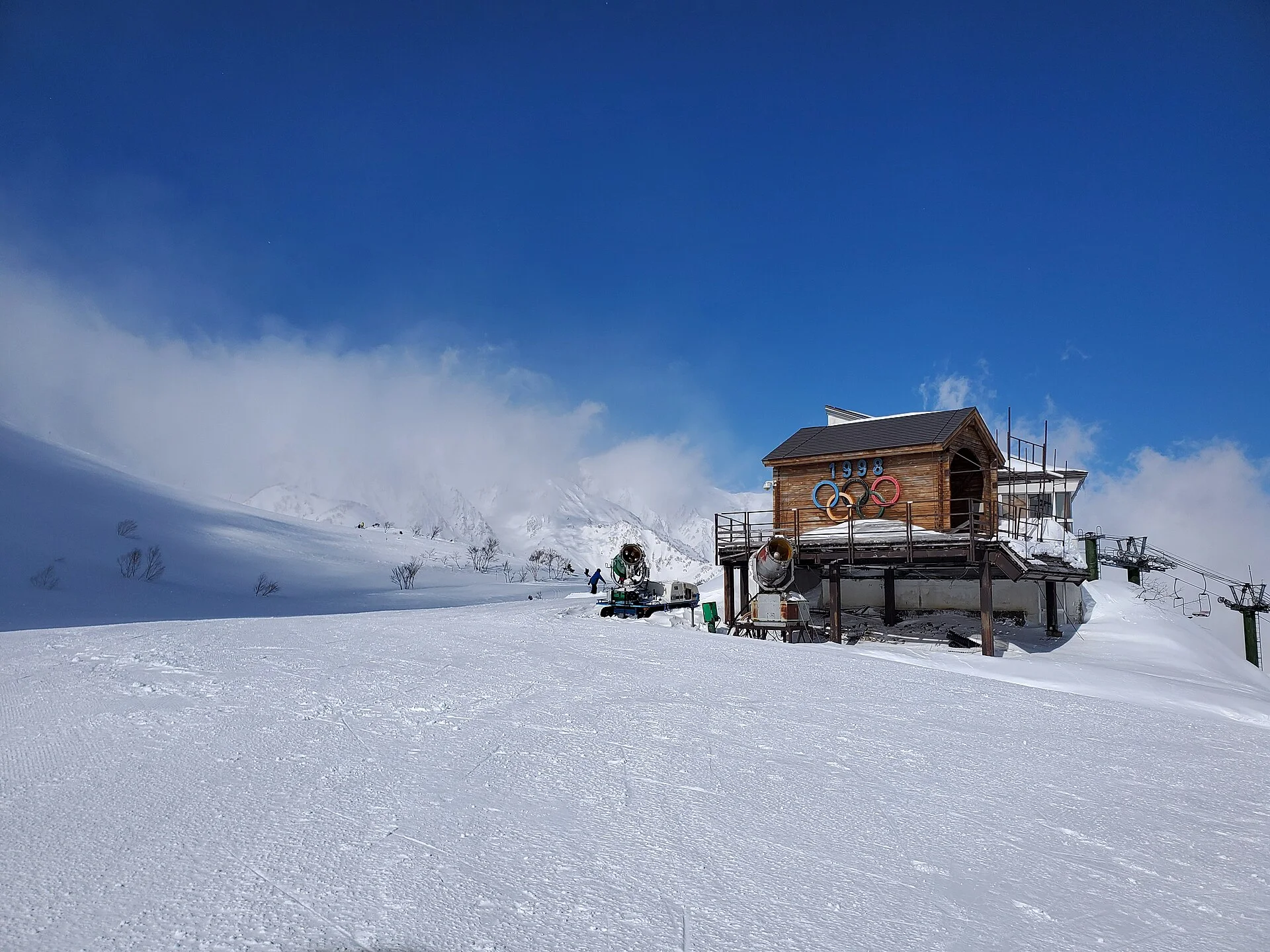
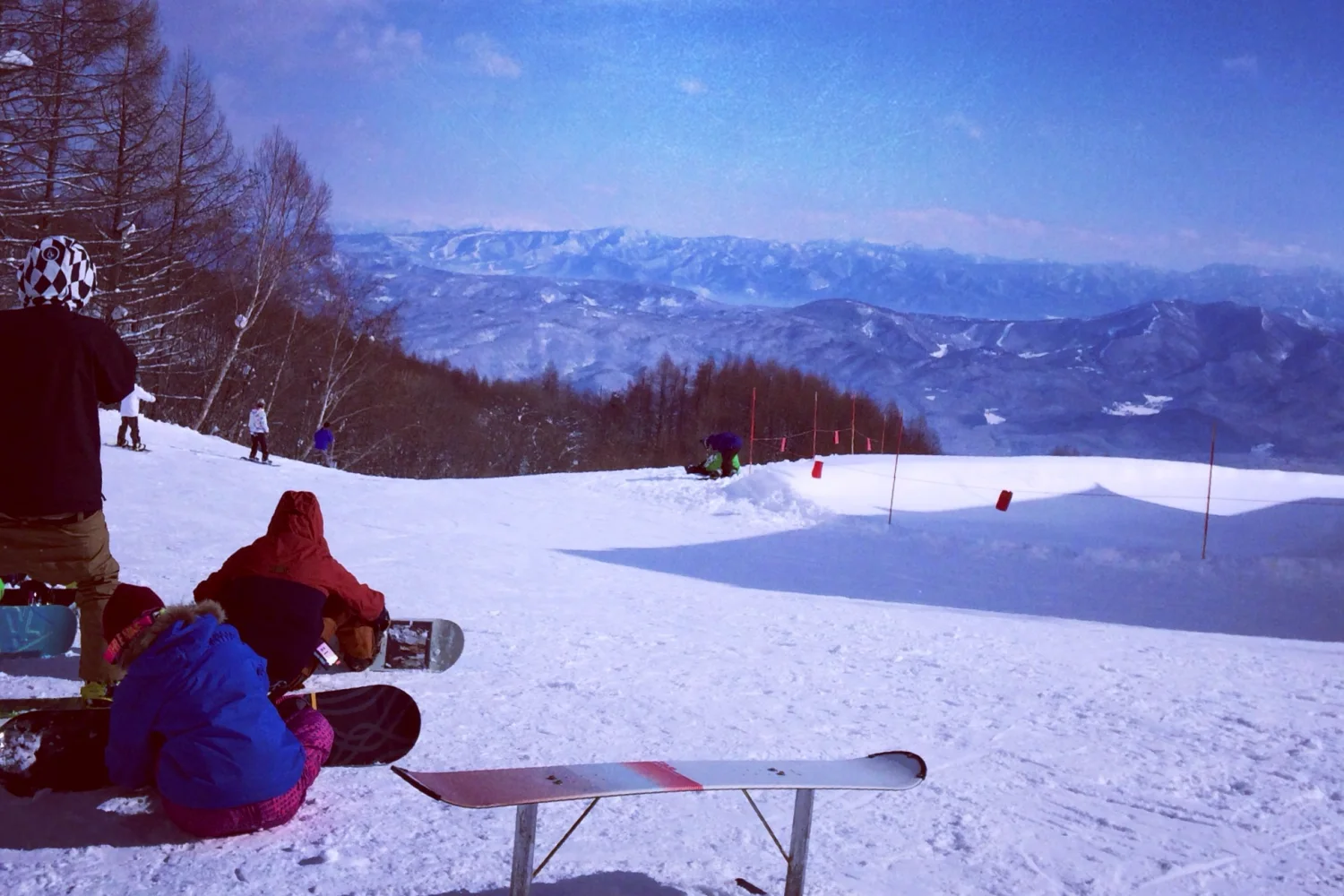
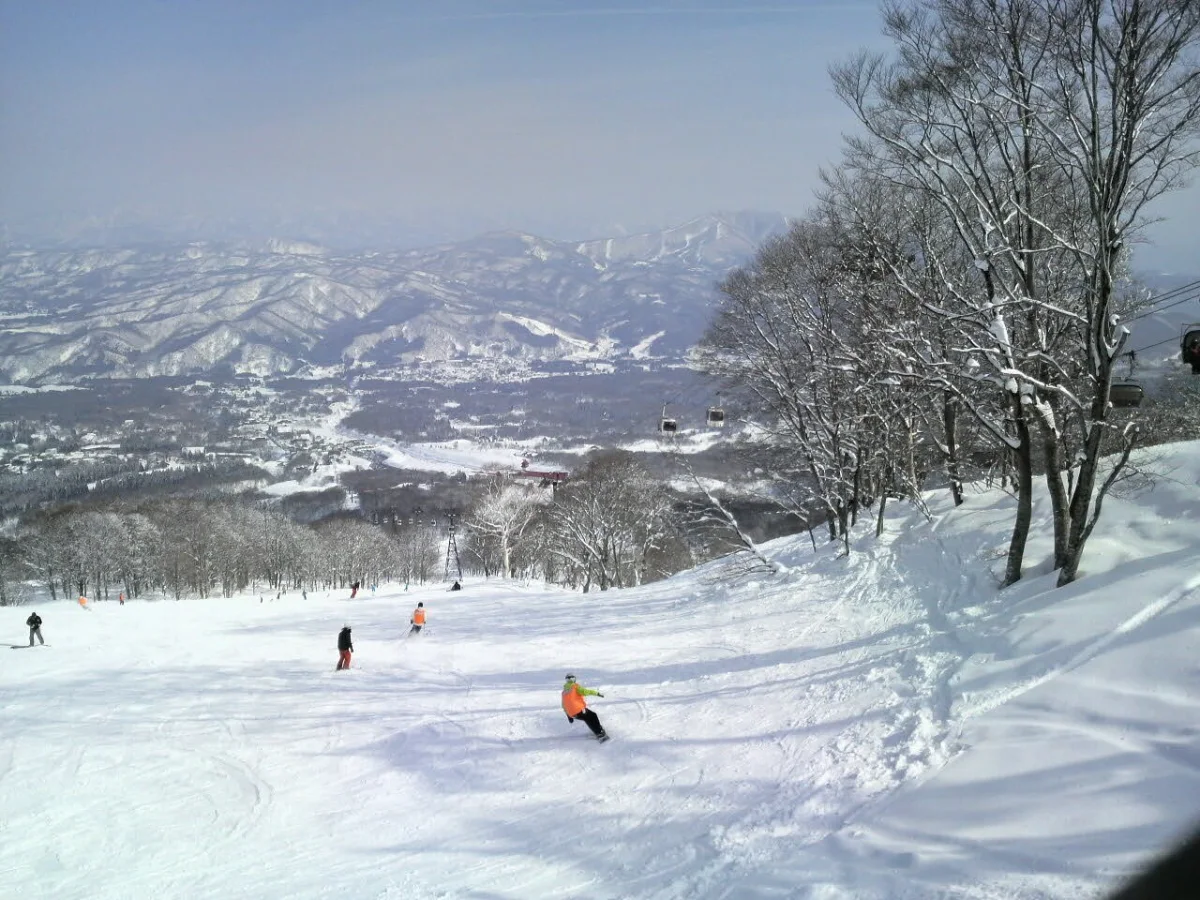
Shiga Kogen 2026–27 ski season guide comparing Ichinose, Yakebitaiyama, Okushiga, Kumanoyu, and Yokoteyama-Shibutoge, covering all-mountain and Central Area passes, Nagano Station winter buses, and one-way trail connections.
- Region & Focus
- Nagano and Myoko Ski AreasSkiing
- Reading Scope
- 25 min read · 13 chapters · 6 Q&As
- Official Verification
- 22 official sources checkedUpdated November 22, 2026
- Key Topics
- WinterItinerariesChubu & Hokuriku
Chapter Route Map (tap any stop)
- Picking Your Base for Day One in Shiga Kogen
- Navigating the Central Area Smoothly
- Yakebitaiyama and Okushiga: Dedicate a Full Day in One Direction
- Kumanoyu to Yokoteyama: Plan Your Return Stop First
- 2026–27 Season Dates and What Stays Open in April
- Choosing Between All-Mountain, Central Area, and Early/Spring Passes
- Traveling with Kids: Price Lessons and Lift Tickets Separately
- Bus Stops from Nagano Station to Ichinose and Yakebitaiyama
- Free Highland Shuttle Buses and Temporary Route Changes
- Planning 1-Day, 3-Day, and 4-Night Itineraries
- Winter Driving from the Nagano Side and April Road Checks
- Rentals, Lunch Spots, and Meeting Non-Skiers
- Use Live Trail Status Maps to Pick Your Final Run
- Quick Q&A
For a first trip to Shiga Kogen, staying in Ichinose or Takamagahara keeps logistics simple. Lessons, rentals, and your return to the hotel stay in the same base area, and you can ski across toward Yakebitaiyama whenever you have the legs for it. The 2026–27 All-Mountain Pass covers 18 ski areas at ¥8,500 online for a regular adult 1-day ticket. If you plan to stay in the Central Area all day, a peak-season adult 1-day pass costs ¥6,800 online. Heading to Kumanoyu or Yokoteyama? Check the return bus stop on the timetable first, since getting there from the Central Area relies on bus connections.
Picking Your Base for Day One in Shiga Kogen
Ichinose (marked Ichinose on bus stops) works best for groups with mixed skill levels. Beginners can practice on the lower slopes of Ichinose Family Ski Area, while stronger skiers head into Takamagahara or Ichinose Diamond. Everyone can meet at the base of Ichinose Family for lunch, and anyone calling it early can walk back to their hotel. Ichinose and Takamagahara sit close together, yet each has its own bus stops and lift bases. When booking lessons, match the Japanese meeting-point name on your confirmation with your hotel's walking directions—both areas fall under the Central Area, but walking in ski boots can mean two very different routes.
If your main goal is lapping long tree-lined runs at Yakebitaiyama, book the specific Shiga Kogen Prince Hotel wing that matches your plan. The East, South, and West Buildings each have their own express bus stop, so pick your room and rental shop based on the gondola or lift you want to ride first thing in the morning. Okushiga sits farther down the same road and suits skiers who want true ski-in, ski-out access and plan to stay mostly within Okushiga. If you are taking multi-day group lessons in the Central Area, staying right there saves two shuttle rides every day.
For hot springs and shorter ski days, base yourself in Kumanoyu or Hotaru Onsen. If you plan to ski 2,307-meter Yokoteyama every day, look for lodging near the Yosaka lift. You can split up during the day—some taking lessons at Kumanoyu while others ride up to Shibutoge—and take separate return buses back to meet for dinner. Still deciding whether a three-day trip makes sense for your first ski holiday? Compare lessons, gear rentals, and trip length for a first-time Japan ski trip.
| Area | Best Fit | First Stops to Check |
|---|---|---|
| Central Area | First-timers, mixed-ability groups, local lessons, or area-only passes | Ichinose Family, Takamagahara, Yamanoeki |
| Yakebitaiyama | Full days on long tree-lined runs; staying at the Prince Hotel | Prince Hotel building wing and daily operating lifts |
| Okushiga | Focusing on Okushiga or crossing over from Yakebitaiyama | Okushiga Gondola-mae and Okushiga Kogen Hotel stops |
| Kumanoyu | Consistent lesson base with hot springs right after skiing | Kumanoyu stop and open trails for the day |
| Yokoteyama & Shibutoge | Clear-weather days at the highest elevations | Yosaka or 1st Lift-mae stops and summit connectors |
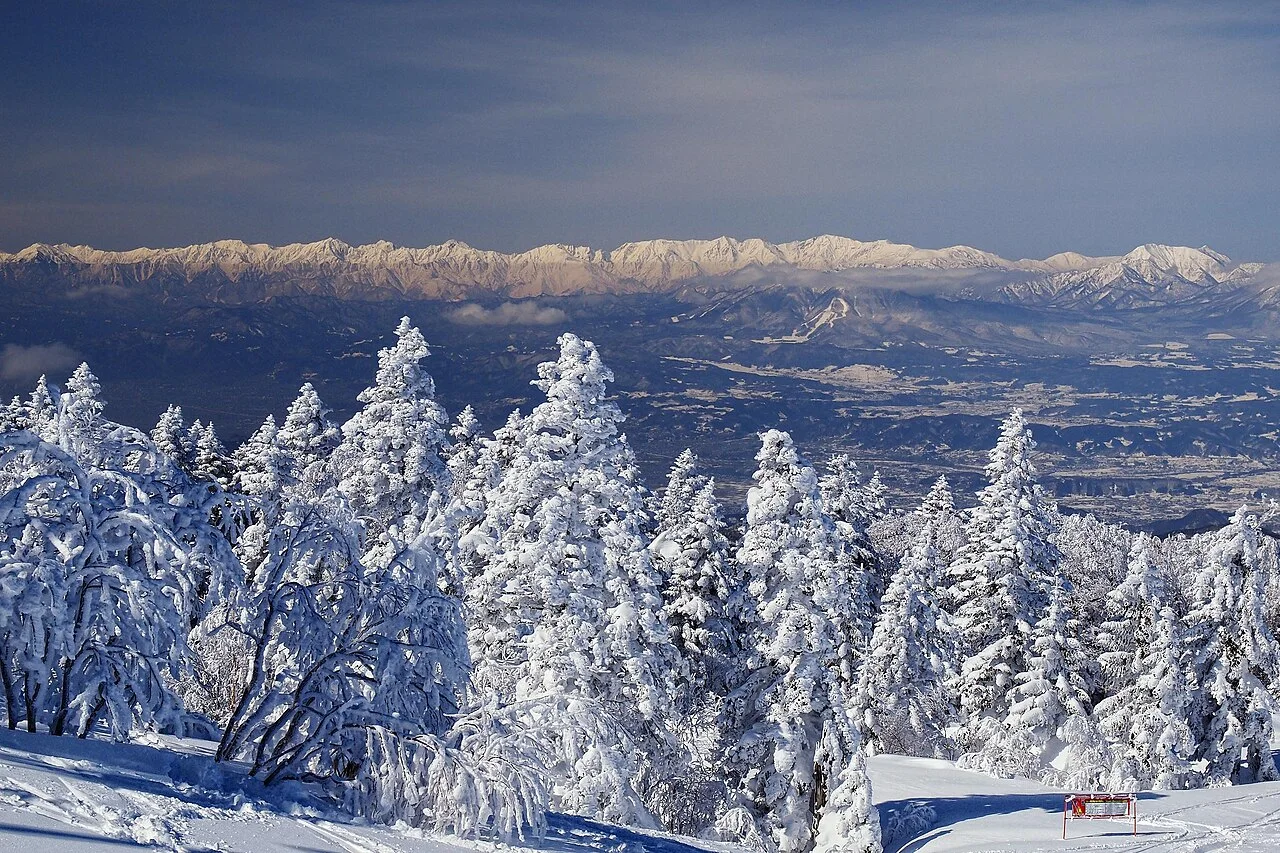
Shiga Kogen 2026–27 ski season guide comparing Ichinose, Yakebitaiyama, Okushiga, Kumanoyu, and Yokoteyama-Shibutoge, covering all-mountain and Central Area passes, Nagano Station winter buses, and one-way trail connections.
Navigating the Central Area Smoothly
The Central Area pass covers 13 interconnected ski areas. To link runs from one side to the next, learn three key names first: Ichinose Family, Diamond, and Yamanokami. Family and Diamond sit on opposite sides of the road and connect via an overpass bridge. From Diamond, you ride to the top to connect with Yamanokami, which leads toward the base of Yakebitaiyama. For a single-day warm-up, stick to the lower slopes of Ichinose Family and the wide Tengu course. Heading from Family toward Takamagahara follows the Tanne no Mori Okojo side. Spend day one getting comfortable on a run where you know how to stop and get back, then tackle the connectors on day two so your group can easily set meeting times and spots.
Takamagahara connects to Nishidateyama via a ski bridge and also has a trail from its summit down toward Higashidateyama. Because that connector to Higashidateyama is marked one-way, do not assume you can return the same way just because a lift looks close—follow the arrows on the trail map for your way back. From the top of Higashidateyama, a connector leads back to Ichinose Family. Ichinose and Terakoya also have linking trails in both directions; check each starting point on the Shiga Kogen Ski Area Association map before setting off. Terakoya sits higher up in the Central Area, making it the spot to aim for on a clear day if you want views of the Northern Alps.
If you get off the bus at Shiga Kogen Yamanoeki (stop S18), you can ride the Shiga Kogen Resort Gondola from the visitor center side down into the valley toward Giant, Nishidateyama, or Hoppo Bunadaira. Beginners with lessons booked in Ichinose will have an easier time taking a shuttle bus from Yamanoeki to their meeting point. Once you drop into the valley, each lift connects to a different network of runs. Experienced skiers looking for a longer outing can string together Terakoya, Higashidateyama, and Hoppo Bunadaira for a half-day route listed by the tourism association at roughly 6 km. Factor in lift lines along the way and make sure everyone in your group can handle long descents—if anyone tires out mid-route, drop down to a base with a bus stop.
Near the resort entrance lie Sun Valley, Maruike, and Hasuike. On the trail map, the traverse from Maruike to Hasuike is one-way, so returning to Maruike requires a different route. Getting from Hasuike to Giant involves a short walk posted at the Shiga Lakeside Hotel stop. When hauling luggage up the mountain, treat Yamanoeki (S18) and Hasuike Hiroba (S17) as distinct stops—they look close on a phone map, but bus timetables list them separately. Plan your gear return time around whichever base area you actually finish at, not where you started.
Yakebitaiyama and Okushiga: Dedicate a Full Day in One Direction
Yakebitaiyama's trails wind through dense conifer forest. Start the morning lapping a single lift, orient yourself on the trail map toward the East and South Buildings, and then decide whether to cross into Okushiga. If you want steeper pitches, strong skiers can lap the same lift while intermediate companions stay on the gentler sections. When estimating your return time to the hotel, always calculate from the base area you are standing in. Yakebitaiyama has three separate bus stops, so telling friends to meet at "the Prince Hotel base" often leaves people waiting at different wings.
The summit connector between Yakebitaiyama and Okushiga is listed by the tourism association as a roughly 100-meter flat groomed path—snowboarders may need to unstrap one foot and skate across. Another one-way route links Yakebitaiyama's A1 Giant Slalom course to Okushiga's Course 6. Both connections open and close independently. Before skiing back to Yakebitaiyama in the afternoon, check whether the summit connector and upper lifts are still running. If only the inbound side to Okushiga is open, ski through to the bottom and catch the bus from Okushiga back to Yakebitaiyama. Giving this traverse its own dedicated day avoids the rush of trying to squeeze Ichinose and southern Yokoteyama into the same itinerary.
Okushiga has two main bus stops: Okushiga Gondola-mae (S32) and Okushiga Kogen Hotel (S34). If part of your group stays around the hotel side while others ski down to the gondola side, budget extra transfer time to reunite. On a second trip where Okushiga is your main mountain for the day, save cross-area touring for another day and focus on learning which base each trail feeds into, plus where lessons and rentals are located. An Okushiga-only pass covers plenty of terrain for one day; wait until the day you cross to Yakebitaiyama to buy a multi-area pass. Think about where you will actually be riding lifts—you never need a lift pass just to take the bus to another area for lunch.
Kumanoyu to Yokoteyama: Plan Your Return Stop First
Kumanoyu and Yokoteyama sit along the road heading south from Yamanoeki. To get there after skiing the Central Area, transfer to a Yokoteyama-bound bus at any shared stop or ride directly from Yamanoeki. At Kumanoyu, it is easy to lap one compact pod of trails and quickly learn the exit back to your hotel. When both resorts are linked, the tourism association lists a one-way ski connection from the summit of Kumanoyu down to Yokoteyama. Going the opposite direction requires walking near the Yokoteyama 1st Lift—with kids or stiff ski boots, taking the bus from the base is much easier. Save your return bus stop on your phone before you ever ride the first lift.
To ski Shibutoge, ride the lifts up from the Yokoteyama side first. Yokoteyama and Shibutoge share a two-way summit connection across opposite sides of the ridge, so even in spring you rely on whichever lifts and summit links are open that day to get back. Timetables list two key Yokoteyama stops: Yokoteyama 1st Lift-mae and Yokoteyama Ski Resort (also called Yosaka). Head to whichever stop matches the lift where you finish your last run. On the Nagano Station express bus, the southern branch terminates at Hotaru Onsen; to return to Nagano from Yokoteyama, take a local highland bus to a transfer stop rather than waiting at Yosaka with your skis for a direct express coach.
If you only have one day for the southern end, save Yokoteyama for clear skies and stick to familiar Kumanoyu when visibility drops—it also makes meeting non-skiers for an onsen soak much simpler. A Yokoteyama & Shibutoge adult 1-day area pass from December 19 to March 31 costs ¥7,000. To include Kumanoyu, the 3-area Sky Bear Pass costs ¥8,500 for an adult 1-day ticket in peak season, matching the online All-Mountain 1-day rate. If you are only skiing the south side, check inter-area link status that morning before choosing between a single-resort pass and the combo ticket. Although the Shibutoge side sits near the Gunma prefectural border, winter road access and lodging run from Yamanouchi in Nagano—the mountain pass to Kusatsu Onsen on the opposite slope is closed for the season.
2026–27 Season Dates and What Stays Open in April
The All-Mountain Pass season runs from December 5, 2026 through May 5, 2027, though individual resorts open on their own schedules. Yokoteyama & Shibutoge plans to open November 21, while Kumanoyu states it will open as soon as trails are ready. Prince Hotels lists a December 4 soft opening for Yakebitaiyama, followed by Shiga Kogen's official opening festival there on December 5. In the Central Area, Ichinose Family and Takamagahara target December 5, and Okushiga targets December 12. If you arrive in November for high-altitude early turns or hit Yakebitaiyama on December 4, check single-resort ticket rates and bus schedules for the specific areas open that day—All-Mountain passes and Nagano Express winter timetables both start on December 5.
If you want Shiga Kogen's full trail network linked together on your first visit, book after all scheduled area openings have passed. In early December, Diamond and Yamanokami—the crucial links between Ichinose and Yakebitaiyama—are both scheduled by the Central Area to open on December 19. An opening-weekend stay in Ichinose still works smoothly for lessons, laps, and resting up in your room, saving inter-resort touring for a later trip. For January or February visits focused on crossing between areas, build in an extra full ski day so you can pick the one with better visibility and full lift operations.
In April, check each ski area's operating calendar before buying passes. The Central Area lists Terakoya and Takamagahara as operating mainly on Saturdays, Sundays, and from April 29 through May 5. Ichinose Family's published season also extends through May 5, whereas Diamond and Yamanokami close their regular season on March 31. If you stay in Ichinose on April weekdays, plan your first day on slopes confirmed open, and reserve a weekend night if you want to ski Terakoya. The current Nagano Express winter bus schedule runs through April 5, so anyone traveling from April 6 onward should plan mountain transfers using the spring timetable.
Choosing Between All-Mountain, Central Area, and Early/Spring Passes
The regular All-Mountain Pass covers all 18 official ski areas. Online adult rates are ¥8,500 for 1 day, ¥16,500 for 2 days, and ¥24,500 for 3 days; walk-up window prices are ¥9,500, ¥18,500, and ¥27,500 respectively. Regular 2-to-10-day passes can be used on non-consecutive days within the same season. On a four-day, three-night trip—say skiing the Central Area on day one, soaking in an onsen during high winds on day two, and hitting Yakebitaiyama on day three—a 2-day pass covers both ski days. A 1-day pass activates on the calendar day you first scan through a lift gate, so guests arriving in the afternoon can pick up rentals first and save their pass activation for the next morning.
Central Area regular season runs from December 19, 2026 to March 31, 2027, with adult 1-day passes at ¥6,800 online or ¥7,500 at the ticket window. A Central Area 4-hour pass costs ¥6,400 for adults and runs continuously from your first lift scan, including lunch and rest breaks. If you plan to ski both morning and afternoon sessions, the online 1-day pass is only ¥400 more. The Central Area pass covers 13 resorts including Ichinose, Takamagahara, and Terakoya; skiing over into Yakebitaiyama crosses into a separate pass zone. For junior high students and seniors, compare Central Area adult pricing against the discounted age-tier rates on the official All-Mountain site.
Early-season and spring All-Mountain consecutive passes follow a separate calendar. Early season covers December 5–18 and spring runs April 1–May 5, priced at ¥7,500 for 1 day and ¥14,500 for 2 days for adults. These 2-day passes must be used on consecutive days starting from the date of issue, meaning the last day to issue a 2-day early-season pass is December 17, and May 4 for spring. Opening weekend (December 5–6) also features special passes online at ¥4,500 for 1 day and ¥7,000 for 2 days (with the 2-day ticket issued only on December 5). Always match the pass name and valid dates on the Ski Area Association page, as both promos only apply during their designated operating windows.
After buying online, save your pickup QR code or confirmation to your phone and locate a SKIOSK pickup machine along your route. Machines are stationed at Yamanoeki, major resort ticket offices, and select Yakebitaiyama Prince Hotel wings. If you need to catch a connecting bus right after arriving, wait to print your pass at a machine near your hotel before heading to lessons. The All-Mountain Key Ticket carries no card deposit. Have everyone carry their own pass in a left-side pocket for easy gate scanning—handing all tickets to one person to hold forces the group to reunite every time you split onto different lifts.
| Pass Type | Adult Online | Adult Window | Child Online |
|---|---|---|---|
| 1-Day | 8,500 | 9,500 | 3,500 |
| 2-Day | 16,500 | 18,500 | 6,500 |
| 3-Day | 24,500 | 27,500 | 9,500 |
| 5-Day | 40,500 | 45,000 | 15,500 |
Traveling with Kids: Price Lessons and Lift Tickets Separately
Kids Ski Free Days for the 2026–27 season fall on December 20, 2026, and January 17, February 21, March 21, and April 18, 2027. On those Sundays, elementary school students and younger receive a free All-Mountain 1-day lift pass. Online adult-and-child bundle tickets still charge standard bundle pricing on these dates, so families skiing only on Sunday should buy individual adult passes and pick up the free child pass at the window. If you also ski Saturday, compare a standalone Saturday child ticket plus Sunday's free pass against a multi-day bundle. Rentals, ski school, and snow play parks are priced separately. Standard All-Mountain rules also allow one preschool child to ride free per paying adult.
On regular days, an online All-Mountain 1-day adult-and-child bundle costs ¥11,000, compared to ¥12,000 when bought separately. If one parent plans to ski across multiple zones while the other stays with the kids in the Central Area, price each person's pass based on the terrain they will actually use. For kids taking beginner lessons exclusively on magic carpets or lower base slopes, ask the ski school beforehand whether the class rides chairlifts and when the ticket is needed. Two families traveling together can book the same lesson slot at one resort, then decide where to meet for lunch once class wraps up.
Work backward from your first lesson's meeting point. Rental shops need time for boot fitting, size swaps, and binding adjustments—children often try on two pairs before finding a comfortable fit. Arriving the afternoon before lets you handle rentals early so you can walk straight from breakfast to the meeting spot. If you are riding the bus up from Nagano City the same morning, cross-check bus arrival times against shop opening hours before locking in a lesson slot. You can filter the tourism association's certified ski school directory by Ichinose, Okushiga, or Yokoteyama, as well as ski vs. snowboard, language, and minimum age. If someone in your group is switching from skis to a snowboard, staying in one base lets everyone take separate lessons and split onto different lifts later.
Bus Stops from Nagano Station to Ichinose and Yakebitaiyama
Take the Hokuriku Shinkansen to JR Nagano Station, then head out the East Exit to Bus Stop 23 for the Nagaden Bus Express Shiga Kogen Line (Ex23). The winter timetable runs from December 5, 2026 through April 5, 2027, with an estimated 70-minute ride to Yamanoeki per the tourism association. One-way adult fares from Nagano Station to Yamanoeki, Ichinose, or Kumanoyu are ¥3,000. Express tickets are sold at vending machines inside the Aruyo information counter on the East Exit ground floor, open 7:10–18:30. After booking your Shinkansen seats, pad your transfer for walking to the East Exit, buying tickets, and queuing at the stop. Travelers leaving Tokyo in the afternoon should find an express departure that goes directly to their hotel stop first, then choose a Shinkansen arrival to match. Some express buses turn around at Yamanoeki, requiring Ichinose-bound passengers to transfer.
Because the same bus timetable lists separate columns for Yamanoeki, Okushiga, and Hotaru Onsen terminations, trace down a single departure column to verify your exact stop. For instance, the 9:10 departure from Nagano Station East Exit reaches Yamanoeki at 10:28, Ichinose (S24) at 10:40, and Ichinose Ski Area (S25) at 10:41. The Prince Hotel West, South, and East Buildings are stops S27, S28, and S29; Takamagahara is S22, and Hoppo Onsen is S21. An arrow in a cell means that bus passes through without stopping. If your group is staying in different hotel wings, confirm each stop in advance and pick a meeting point afterward. During snowy road conditions, leaving a one-bus buffer before your return Shinkansen is far less stressful than cutting the connection tight.
To visit the Jigokudani Monkey Park, head to East Exit Bus Stop 24 for the Ex24 express directly to Snow Monkey Park, as winter Ex23 buses to Shiga Kogen bypass that stop. Seeing the monkeys the day before skiing lets you board a local route bus from the park entrance up to Shiga Kogen—just budget time for the forest trail walk and bus wait. Another option is stopping in Yudanaka Onsen first: take the Nagano Electric Railway limited express from Nagano Station (about 40 minutes to Yudanaka), then catch a Nagaden local bus for roughly 30 minutes to Yamanoeki, factoring in transfer time between trains and buses. Most travelers use this route when overnighting in Yudanaka or Shibu Onsen before heading up the mountain the next day.
From January 8 to March 19, 2027, the Friday-only Weekend Shiga express departs Nagano Station East Exit at 21:00 for Okushiga, with reservations opening December 1 on a capacity-controlled basis. Built for skiers leaving Tokyo after work or maximizing a two-day weekend, it arrives at Yamanoeki at 22:11 and Ichinose (S24) at 22:33. Before booking, arrange late check-in and key pickup with your hotel, and pre-book ski rentals so your gear is ready right at opening. Note that this bus only boards passengers at Nagano Station—mountain stops are drop-off only, so you cannot use it as a late-night inter-resort shuttle.
Free Highland Shuttle Buses and Temporary Route Changes
On the winter timetable, free highland shuttle segments are outlined in blue—operating mostly between 8:30 and 17:30—and require no lift pass to board. Local buses starting down in Yudanaka charge standard fares for the full climb, with the free zone applying strictly to the designated highland section on the schedule. To travel between Yokoteyama and Okushiga, look for a through bus or transfer at Yamanoeki. Save screenshots of both uphill and downhill timetables, keeping the stop names and the bottom footnote row showing weekday, weekend, and school-holiday exceptions.
Each morning, check the tourism association's trail-connection page for directional arrows and open/closed status, then verify active lifts on the Ski Area Association status map. Going from Ichinose to Yakebitaiyama depends first on the Diamond and Yamanokami links, and then on Yakebitaiyama's upper lifts. Even if the morning crossing is open, rising winds can shut down a mandatory connecting lift early. The bases of Nishidateyama and Giant feed into the Resort Gondola back up to Yamanoeki; if that gondola closes early, end your final run at a base area with roadside bus access.
When crossing between areas, agree on a physical fallback stop before you leave, rather than relying on text messages in spotty mountain cell coverage. Set a turnaround cutoff before leaving Ichinose—if you are still in Diamond by that hour, stay in the Central Area for the day. If you have already reached Yakebitaiyama and the return lifts close, simply ride down to your hotel wing or the matching Prince Hotel bus stop. Coming back from Okushiga, check the last bus times well ahead of hotel dinner or curfew if the free shuttles have ended. Staying on the mountain lets you keep night skiing and dinner in your home base, saving daytime shuttle rides for your dedicated cross-area touring days.
Planning 1-Day, 3-Day, and 4-Night Itineraries
On a day trip from Nagano City, your actual time on snow depends on bus transfers and rental lines. Enter the Central Area via Yamanoeki or stay on the same bus to Ichinose, and pick a finishing base with direct return bus service. If you are arriving on the morning express and still need boot fitting and lessons, pick a single base where rentals, ski school, and gear return sit within walking distance. When using a 4-hour pass, wait until your boots are buckled and you are ready to step into the lift line before scanning through the first gate. Skiers bringing their own gear can ride straight up from Nagano Station, just leave enough time at the end of the day to dry off boards and pack ski bags before boarding.
A three-day, two-night trip really gives you one full uninterrupted ski day in the middle. Use the first afternoon to pick up passes, sort out rentals, and warm up in the Central Area. On day two, if everyone in the group is confident, ski from Ichinose into Yakebitaiyama and return either via the trails or by bus. Spend day three morning lapping runs near your hotel before checking out and returning rentals in the same area. If you want a Yokoteyama day during a three-day trip, schedule it on day two when you have no checkout deadline, and check the return bus schedule to Ichinose before heading up. For mixed-ability groups, keeping the same hotel for both nights lets everyone set their own pace.
A four-night stay leaves room for two cross-area touring days. Base yourself in the Central Area, spend day one learning the Ichinose-to-Takamagahara circuit, and save Yakebitaiyama and Okushiga for a clear day when every link is open. Dedicate another day to the southern resorts so both bus rides happen in daylight. If high winds hit or kids' legs give out mid-trip, swap a ski day for an onsen rest day—non-consecutive All-Mountain multi-day passes handle gaps easily. If you only leave the Central Area on one out of five days, compare the total cost of daily Central Area passes plus a single All-Mountain pass. Weighing lodging costs and day-one access against other resorts? Read our comparison of Nagano ski and onsen bases covering Nozawa Onsen, Hakuba, and Shiga Kogen.
Winter Driving from the Nagano Side and April Road Checks
In winter, drivers reach Shiga Kogen from Yamanouchi via National Route 292—typically exiting the Joshin-etsu Expressway at Shinshu-Nakano IC. Due to snow and ice, Nagano Prefecture's Hokushin Construction Office moved up the winter closure between Yosaka and the Gunma border at Shibutoge to 7:00 JST on November 7, 2026, with reopening scheduled for 10:00 JST on April 21, 2027. Roadblocks on the Kusatsu side also close the pass, so driving from Gunma to Kusatsu will not get you across to Shiga Kogen. If you plan to visit Kusatsu after skiing Shiga, drive back down the Nagano side and loop around. When driving up in April, check Nagano Prefecture's road status page for exact daily openings.
Winter tires are mandatory on rental cars, and the visitor center recommends carrying tire chains for two-wheel-drive vehicles—verify chain sizing and which wheels take them when picking up your car. If you have morning lessons in Ichinose, park near your first lift base. If your group parks at Yamanoeki and takes shuttles into the resort, make sure your ending base connects back to your car at the end of the day—skiing back to a lift line and driving home along the road are two completely separate routes.
Prefectural Route 502 linking Okushiga toward Sakae Village and Kijimadaira also closes in sections for winter, so guests staying near Okushiga should always arrive and depart via Yamanoeki and Yamanouchi. The visitor center notes that the last gas station before the mountain climb is in the Kanbayashi Onsen area. Driving makes hauling kids' gear and extra clothes easy, and if a heavy storm or black ice hits, you can simply leave the car parked at your hotel and ride the highland buses to the slopes.
Rentals, Lunch Spots, and Meeting Non-Skiers
Choose your rental shop based on where returning gear is easiest. If you are staying in Takamagahara but plan to catch a bus straight down the mountain from Yakebitaiyama on your final afternoon, build in time to return to Takamagahara for gear drop-off and luggage pickup. Better yet, do cross-area touring on an earlier day so your final lunch, gear return, and departure bus all happen at the same base. Yamanoeki has a rental counter and is the first mountain stop for many arrivals; however, if you only plan to ski the southern end, renting at Yamanoeki means even a direct Nagano-bound bus has to let you off there to return equipment. Around Kumanoyu, pick a shop between the beginner slopes and the bus stop rather than chasing convenience for a cross-mountain loop.
When skiing high zones like Terakoya or Yokoteyama, plan lunch around whichever lodges remain reachable on your return path. If slower skiers are in the group, meet at a base-area restaurant everyone can ski down to comfortably before splitting up again, rather than promising a summit rendezvous that requires extra lift rides. Non-skiers can book guided snowshoe tours through the Shiga Kogen Visitor Center, including routes starting up the gondola from Hoppo Onsen toward Higashidateyama—check seasonal dates and guide languages when reserving, then meet the ski group at an agreed lodge for lunch.
If non-skiers want to watch stronger skiers come down, they can ride a bus to that zone's base and wait in an open rest house with slope views. Hiking up ski runs on foot crosses live ski traffic, so stick to official sightseeing lifts or guided snowshoe routes for scenery. Yokoteyama's summer open-air Sky Escalator and sightseeing lift combos do not run the same way in winter, so save those for warmer months. For hot springs, check day-use bathing hours or hotel guest policies before arrival, and set your meetup back at the lodging so skiers do not have to ski back over a ridge just to meet sightseers.
Use Live Trail Status Maps to Pick Your Final Run
In Shiga Kogen, seeing two adjacent ski areas marked open does not guarantee the trail linking them is open too. The Ski Area Association status page lists lifts, individual runs, and connecting trails separately. Before heading to Okushiga, confirm both the summit link and the return lifts on each side; before dropping into Terakoya, trace your route back to Ichinose on the map. Late in the afternoon, plan in reverse: pick a run that lands at your return bus stop first, then decide if you have enough time for one more lap. Many bases require unstrapping and walking a short distance to the roadside stop, so build that walk into your cutoff time.
When wind kills visibility, stick to open lower-mountain runs with familiar exits, and if you cannot read trail signs after a few turns, ski down to the base and wait it out. Before heading out, make sure everyone saves the trail map and your hotel's Japanese address offline; cold weather drains phone batteries fast, so keep phones inside an inner jacket pocket. When stopping to rest, pull to the side of the run in plain view from above, never below a blind rollover or trail junction. Always turn back at closed ropes or no-entry signs. If someone is hurt, report the trail name, nearest lift tower number, and clear landmarks to lift attendants or ski patrol.
During spring melt, narrow traverse trails drop off the open map well before main base slopes do. If Diamond or Yamanokami shows closed over breakfast, guests staying in Ichinose can still hop on a morning bus to Yakebitaiyama, buy a Yakebitaiyama area pass for the day, and take the bus back from the Prince Hotel stops in the afternoon. Confirming a complete round-trip path before your first lift ride saves a lot of standing around at a windy summit wondering how to get home.
A few useful answers
Do first-time skiers have to buy the Shiga Kogen All-Mountain Pass?
If you are practicing solely in Ichinose or Takamagahara, the Central Area pass already covers 13 interconnected ski areas. Save the All-Mountain Pass or resort-specific area passes for the days you ski Yakebitaiyama, Okushiga, or the southern resorts.
Can I take a rest day in the middle of a 3-day All-Mountain Pass?
Regular 2-to-10-day All-Mountain passes can be used on non-consecutive days within the same season. Early-season and spring promotional 2-day passes, however, must be used on consecutive days starting from the date of issue.
Which bus goes from Nagano Station to Shiga Kogen?
Board the Ex23 Express Shiga Kogen Line from Nagano Station East Exit Bus Stop 23, and verify that your specific destination stop is listed in that departure's column. The winter Ex24 bus serves Jigokudani Monkey Park directly, requiring a transfer to a local route bus to continue up into Shiga Kogen.
Can I ski all the way from Ichinose to Kumanoyu?
No, those two zones are connected by bus. Once at Kumanoyu, you can ski one-way from the Kumanoyu summit to Yokoteyama when open; returning from Yokoteyama to Kumanoyu requires walking near the Yokoteyama 1st Lift or taking a bus.
Where is the easiest place to stay and ski on April weekdays?
Check each resort's spring operating calendar first. In the Central Area, Ichinose Family plans to stay open through May 5, while Terakoya and Takamagahara operate primarily on weekends and from April 29 to May 5.
Can you drive from Kusatsu to Shiga Kogen in winter?
No. The mountain pass section of National Route 292 over Shibutoge closes for the winter. Drive up National Route 292 from the Yamanouchi side in Nagano Prefecture instead.
Official information and references
Sources used in this guide.
- Shiga Kogen Ski Area Association: 2026–27 All-Mountain Online Ticket Prices, Family Bundles, and Terms
- Shiga Kogen Ski Area Association: 2026–27 All-Mountain Window Prices and 4-Hour Passes
- Shiga Kogen Tourism Association: 2026–27 Opening Dates and Inter-Area Trail Connection Status
- Shiga Kogen Central Area: Lift Pass Rates and Operating Dates
- Shiga Kogen Tourism Association: Central Area Overview and Ski Routes
- Shiga Kogen Tourism Association: Winter Bus, Rail, and Free Highland Shuttle Guide
- Nagaden Bus: Ex23 Shiga Kogen Express Line Winter Timetable and Fares
- Nagaden Bus: Nagano Station East Exit Bus Stops 23 and 24 Guide
- Nagaden Bus: Ex23 and Ex24 Winter Route Split and Reservation Info
- Shiga Kogen Ski Area Association: Trail Map and Real-Time Lift Status
- Shiga Kogen Ski Area Association: 2026–27 SKIOSK Automated Ticket Machine Locations
- Prince Hotels Yakebitaiyama Ski Resort: Opening Dates and Course Map
- Kumanoyu Ski Area: Operating Status and Lift Information
- Yokoteyama & Shibutoge Ski Resort: Opening Schedule and Elevation Guide
- Shiga Kogen Tourism Association: 2026–27 Area Passes and Kids Ski Free Days
- Yokoteyama & Shibutoge: 2026–27 Area Passes and Kumanoyu 3-Area Sky Bear Pass
- Nagano Prefecture Hokushin Construction Office: Road Conditions and Winter Closures
- Nagano Prefecture: 2026–27 Winter Road Closure Schedule and Early Yosaka Closure Notice
- Shiga Kogen Visitor Center: Winter Driving and Gas Station Access Info
- Shiga Kogen Tourism Association: Certified Ski and Snowboard Schools Directory
- Shiga Kogen Central Area: Yamanoeki Rentals and Facilities FAQ
- Shiga Kogen Visitor Center: Winter Guided Snowshoe Tours