How to choose where to stay in Nikko: compare hotels and ryokan around Nikko Station and Shinkyo, Kinugawa Onsen, and Lake Chuzenji, with winter buses, room types, half-board meals, bathing tax, and booking order.
- Region & Focus
- Nikko and Kinugawa
- Reading Scope
- 20 min read · 9 chapters · 7 Q&As
- Official Verification
- 33 official sources checkedUpdated 22 November 2026
- Key Topics
- Where to stayRyokanHot springs
Chapter Route Map (tap any stop)
- Pick your morning destination before choosing where to stay
- Station convenience vs Shinkyo access to the shrines
- Kinugawa Onsen: from station convenience to gorge-side ryokan
- Lake Chuzenji: lakefront stops vs wooded shore hotels
- Overnight stay, private bath, or day-use pass for soaking
- Linking a one- or two-night itinerary around dinner and check-out
- Winter bus timetables, autumn traffic, and check-out day logistics
- Which NIKKO PASS to buy based on where you stay
- Comparing total trip cost: dinner, bathing tax, and luggage
- Quick Q&A
On a first two-day, one-night visit to Nikko focused on Toshogu, staying near Tobu-Nikko Station or Shinkyo Bridge is the simplest choice. If you want dinner and hot-spring soaking built into the evening, stay in Kinugawa Onsen. If you are coming specifically for early-morning views across Lake Chuzenji, stay right on the lakeside. When booking, zoom the map in to the hotel entrance and mark both your bus stop or station and your dinner check-in deadline. Choosing the wrong station only becomes obvious when you are dragging suitcases off a train or sprinting for the last bus.
Pick your morning destination before choosing where to stay
If you want to catch an early train or the first bus up the mountain, staying by the station works best. JR Nikko Station and Tobu-Nikko Station sit roughly a 5–7 minute walk apart, and both serve Tobu Bus routes towards the shrine area and Okunikko. When a map listing says "near Nikko Station", check whether you are arriving via JR from Utsunomiya or via Tobu from Asakusa. Walking between the two stations is easy with light bags, but if you have large suitcases or tight connections, stay on the side you will actually depart from.
Shinkyo Bridge sits between the two stations and the main shrines. If your priority is visiting Toshogu, Rinno-ji, and Futarasan Shrine, staying between Shinkyo and Nishisando saves you a bus ride each morning. Conversely, if you plan to catch an early train or bus from the station while staying here, factor in the bus or walking time back down to the platforms. If photographing Shinkyo Bridge or exploring the shrines early is your goal, a property here is far more practical than relying on a booking site's generic "distance from Nikko city centre" label.
Kinugawa Onsen sits on a separate Tobu Railway branch line. You can change trains at Shimo-Imaichi, though visiting the Nikko shrines still requires walking or catching a bus from Tobu-Nikko Station. Lake Chuzenji, by contrast, lies uphill from the stations and shrines via the Irohazaka winding road. Keep these two directions separate when browsing rooms, and look for stops within easy walking distance. Arriving in Nikko from Tokyo and departing from Kinugawa also works cleanly as a Tobu round trip, provided you book the right tickets and limited express seats for each leg.
A two-day, one-night itinerary usually needs only one base. If you just want to see Kegon Falls and stroll along the lakefront, you can stay in town and set aside half a day for a return bus trip. Choosing a lakeside or gorge-side ryokan makes sense when you plan to spend the afternoon and meal budget on site with time to enjoy the baths. On a three-day, two-night trip across two areas, make one night a dedicated stay-in ryokan evening and the other a transport hub; arriving late and leaving early on both nights means paying for dinner slots and baths you barely get to use.
| Area | Best for | Check before booking |
|---|---|---|
| JR / Tobu-Nikko Station & Shinkyo | Shrines and temples, pilgrimage approaches, early buses | Choose a base near your main ticket gates, Shinkyo Bridge, or Nishisando |
| Kinugawa Onsen | Ryokan dinners, hot-spring soaking, gorge walks | Route from Kinugawa-Onsen Station and latest dinner check-in |
| Lake Chuzenji | Kegon Falls, lakeside mornings, Okunikko | Bus stop number, winter timetable, or hotel shuttle |
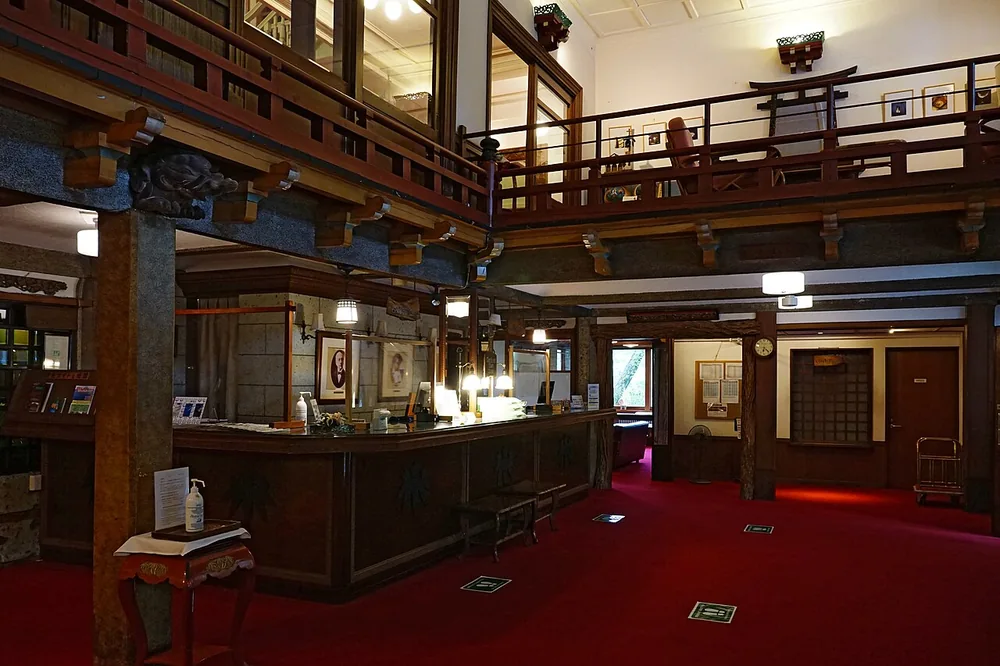
How to choose where to stay in Nikko: compare hotels and ryokan around Nikko Station and Shinkyo, Kinugawa Onsen, and Lake Chuzenji, with winter buses, room types, half-board meals, bathing tax, and booking order.
Station convenience vs Shinkyo access to the shrines
If you want to stay close to Tobu-Nikko Station and sort out dinner yourself, consider Nikko Station Hotel II. Its official site offers room-only (sudomari) plans roughly a 3-minute walk from Tobu-Nikko Station, with double and corner twin rooms typically listed for 1–2 guests. Two adults wanting separate beds should book a twin from the outset: "Double" in Japanese room listings means one shared double bed, and waiting until check-in to ask for a swap leaves far fewer options. Hotel room types and rates
Directly opposite JR Nikko Station, Nikko Station Hotel Classic features the natural hot-spring bathhouse "Eki Spa" for overnight guests. It suits travellers who want an evening soak while still catching an early bus between the two stations the next morning. If you plan to board an early departure, map out your wake-up time, breakfast hours, check-out, and walk to the bus bay in sequence before deciding whether adding breakfast to the room rate is worthwhile. Hotel baths and on-site facilities
Beside Shinkyo Bridge in Kami-Hatsuishimachi, Nikko Kanaya Hotel is a 5-minute bus ride from either Nikko station to the "Shinkyo" stop, followed by a short, steep uphill walk of about 3 minutes. Guests with heavy suitcases or mobility concerns can take the free Kanaya shuttle from Tobu-Nikko Station, or grab a taxi straight to the front porch. Once you drop your bags, Toshogu, Rinno-ji, and Futarasan Shrine are all roughly a 15-minute walk away, though stone steps inside the precincts add extra climbing.
Nikko Kanaya Hotel's heritage spans two key dates: Zenichiro Kanaya first opened Kanaya Cottage Inn in his private home in 1873 to host foreign visitors, before establishing the Western-style Kanaya Hotel at its current hillside site in 1893. To see the preserved original residence and exhibits, visit the separate Kanaya Hotel History House. Note that "Shinkyo" and "Kanaya Hotel History House" are distinct bus stops, so enter the exact destination name when booking a taxi or checking a map.
Staying at Nikko Kanaya Hotel for its heritage works best if you arrive during daylight hours. The property offers paid private family bathrooms, though there is no hot spring or communal bathhouse on site. Those keen on Western dining should check restaurant seating times before deciding between a meal-inclusive stay and visiting for lunch. If you specifically want hot-spring soaking near the shrine district, look at Fufu Nikko beside Tamozawa Imperial Villa, where every suite has a private spring-fed bath alongside a communal open-air pool, about a 10-minute taxi ride from Tobu-Nikko or JR Nikko Station. Fufu Nikko hot spring guide
Kinugawa Onsen: from station convenience to gorge-side ryokan
If you want to step off the train and walk straight to your room with luggage, focus on properties near the station. Kinugawa Park Hotels is roughly a 5–6 minute walk from Kinugawa-Onsen Station and does not run a shuttle. Its booking system covers several wings—Kishintei and Park Cottage require crossing the garden courtyard, so if you plan frequent trips to the baths or want to stay indoors during rain, check whether your room, dining hall, and bathhouse sit in the same building. Kirakukan offers universal-design rooms, and travellers needing wheelchair routes should confirm access to both that wing and the bathhouse entrance.
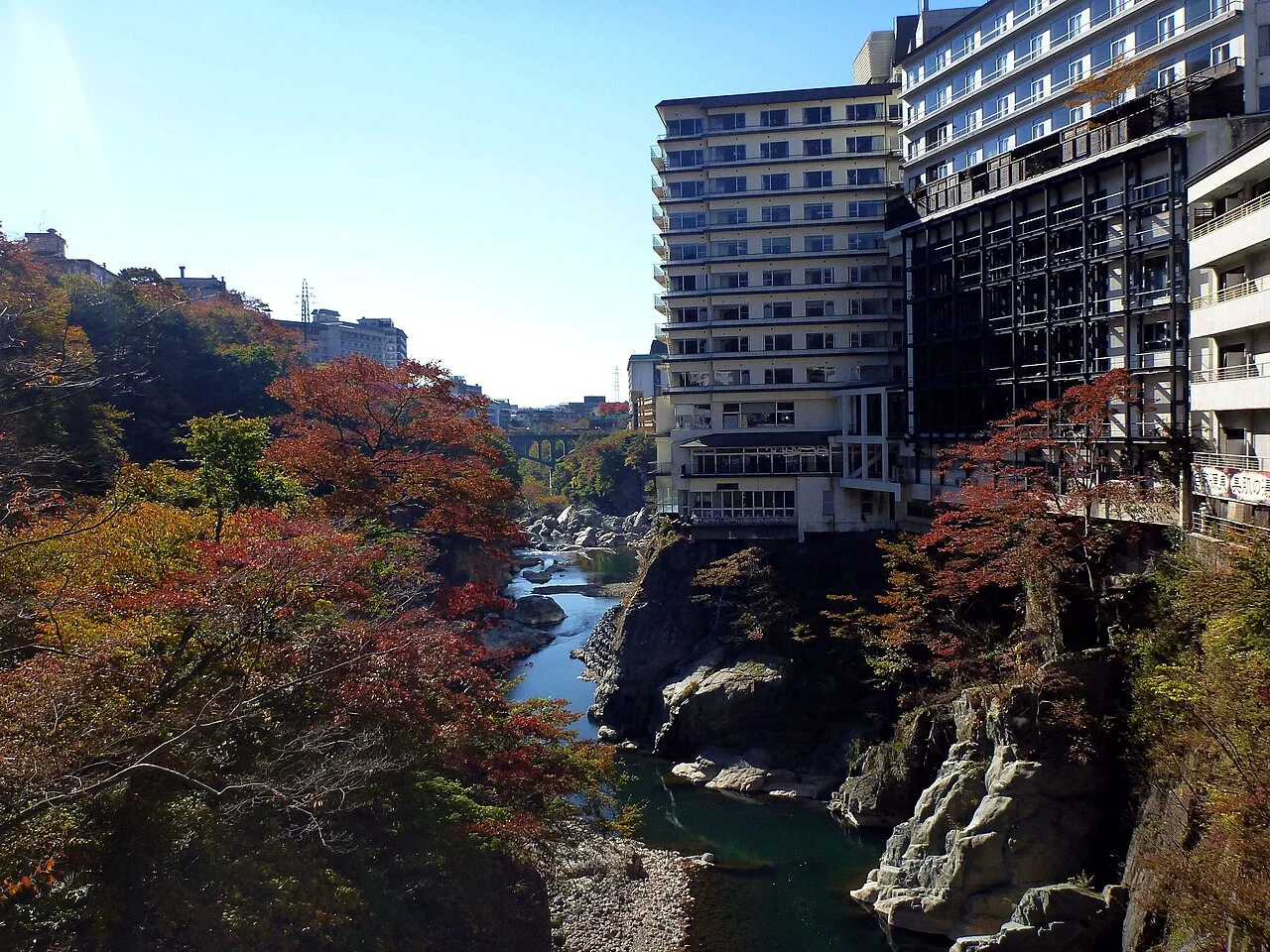
For guaranteed gorge scenery, Kinugawa Kanaya Hotel states on its room pages that every guest room features a terrace overlooking Kinugawa Gorge, with select rooms offering private open-air baths. Keep it on your shortlist if views matter most. Soaking in-room and sitting on a terrace above the river are two different experiences, so checking floor plans beats scanning homepage gallery photos—especially if you want a river view from the bath itself.
Kinugawa Onsen Hotel is built for spending the entire afternoon and evening on site. It offers wooden and stone communal bathhouses as well as paid private baths with both indoor and outdoor pools, alongside a choice of buffet or kaiseki dining plans. The hotel estimates a 20–30 minute walk from the station. Travellers with children, heavy luggage, or late-afternoon arrivals can board Nikko Kotsu's "Daiya Bus" from Bay 5 outside Kinugawa-Onsen Station (¥300 adult, ¥150 child one-way) and tell the driver the full hotel name; confirm return departure times and pick-up points with reception at check-in.
To fit in a scenic walk before dinner, slot Kinugawa Tateiwa Otsuribashi suspension bridge into an early arrival afternoon or check-out morning. The bridge is roughly a 12-minute walk from Kinugawa-Onsen Station, and walking across it alone gives sweeping views down the gorge. Trails on the far side continue to Tateiwa Observatory and Furugama Falls if you have time to spare. In winter, when paths are slick or daylight fades early, keep the walk brief and return in good time to bathe before your fixed dinner slot.
Ryokan menus are usually tied directly to your room plan. Travellers arriving late or catching an early train should compare the total cost of a nearby room-only stay plus dining out against a half-board package. Families eyeing a buffet should check child meal prices and seating windows, while kaiseki guests should verify the final serving time. If you are coming across from the Nikko shrines, count backwards from your dinner reservation—factoring in luggage pick-up, train transfers, and the last mile from the station—rather than booking a late express train and hoping to make it in time.
Kinugawa Park Hotels offers a clear example of why timing matters: guests on dinner-inclusive plans must check in before 19:00 or forfeit dinner. The property lists one specific limited express arrival eligible for a pre-arranged late dinner, so anyone expecting a delay should confirm directly with the hotel. If you are setting off from Tokyo after work, eat before boarding or book a room-only plan and sort out luggage separately; families with young children will find a walkable station-side room makes settling in far easier. Kinugawa Park Hotels dinner and day-use notices
Lake Chuzenji: lakefront stops vs wooded shore hotels
Lake Chuzenji sits at roughly 1,269 metres above sea level. Buses climb the Irohazaka road and reach Chuzenji Onsen (Stop 26) on the eastern shore first, close to the Nikko Natural Science Museum and Kegon Falls—about a 5-minute walk according to the tourist association. If you want to drop your bags before seeing the falls or strolling by the water, pick accommodation within walking distance of this hub. Staying further along the shore means leaving the lake mouth earlier, so map out meals and return buses ahead of time.
For lake views straight from your room, look at Hatago Nagomi, where all guest rooms overlook the lake and the building uses stairs rather than a lift. Take a Yumoto Onsen-bound bus to Stop 28, "Fune-no-eki Chuzenji", which is about a 1-minute walk from the door; alighting at Stop 26 Chuzenji Onsen adds roughly 10 minutes on foot. Saving both the exact bus stop and the hotel pin on your map makes it immediately clear how much extra walking a stop further back entails. Hatago Nagomi room views and stairs
Chuzenji Kanaya Hotel sits tucked into woodland along the northern shore. Take a Yumoto Onsen-bound bus and alight at Stop 34, "Chuzenji Kanaya Hotel-mae". The hotel also operates a free shuttle from Tobu-Nikko Station via Nikko Kanaya Hotel in town—check the timetable for your travel dates. A notice issued on 19 November states that from 1 December 2026, the downhill shuttle shifts from 11:20 to 11:10 departing Chuzenji Kanaya Hotel, continuing from Nikko Kanaya Hotel at 11:50 to Tobu-Nikko Station. Use the updated schedule when booking your return train, and save "Chuzenji" in your notes so you do not mix up the two Kanaya properties.
Every room at Chuzenji Kanaya Hotel has a balcony or wooden deck. If you want lake views from inside your room, inspect the window orientation and room photos closely, as some rooms look straight into surrounding trees—appealing for summer shade or autumn colour up close. Its "Soraburo" bathhouse features indoor pools and a forest-side open-air bath fed by sulphur spring water piped from Okunikko Yumoto. Check photos and descriptions of the baths separately before paying extra for a specific room tier if you expect panoramic lake views while soaking.
Chuzenji Kanaya Hotel's booking page sets latest check-in at 20:00, and half-board guests should plan arrivals around restaurant seating times. Its website notes there are no convenience stores nearby, only drink vending machines on site and no late-night shops—pick up bottled water or baby essentials before boarding at the station. If you book room-only or bed and breakfast, confirm which nearby restaurants are open that evening and how you will walk back after dark before deciding whether the savings outweigh a hotel meal.
To reach Senjogahara marshland and Lake Yunoko, stay further up the same mountain bus route in Yumoto. Nikko Yumoto Onsen sits at Stop 46 at roughly 1,500 metres, after buses pass Lake Chuzenji and Senjogahara. Properties such as Kyukamura Nikko-Yumoto sit right beside Lake Yunoko, letting you pair walking trails and hot-spring baths on one side of the mountains. Since booking sites group both areas under "Nikko", look for "Yumoto" versus "Chugushi" in the address to know which lake you will wake up beside.
Overnight stay, private bath, or day-use pass for soaking
If you only plan a single soak, base your overnight location on your daytime sightseeing rather than the bath alone. At Chuzenji Kanaya Hotel, overnight guests can use "Soraburo" from 05:30–09:30 and 13:00–24:00, while non-guests can visit for day bathing between 13:00 and 15:00 at ¥1,800 per adult. Adults staying at Nikko Kanaya Hotel in town pay a discounted ¥900 on showing their booking details at reception. Because outside visitors are turned away when the hotel is full, treat day bathing as an optional bonus if you are only spending half a day by the lake.
Kinugawa Park Hotels also opens its communal bathhouse to day visitors at ¥1,100 per adult, typically 12:00–18:00 (last entry 17:00), opening at 15:00 on Thursdays, with irregular closures—call ahead before making a special trip from central Nikko for a single afternoon. If you just want to rest your feet while waiting for a train, the free Kinuta-no-Yu footbath in the plaza outside Kinugawa-Onsen Station opens from 09:00–18:00; bring a small towel. Kinuta-no-Yu opening hours and details
Families wanting to bathe together should look for a bookable private bath (kashikiri buro), usually separate from the guest rooms and reserved for fixed time slots. Kinugawa Onsen Hotel offers two guest-only private baths, "Kihada" and "Toki", at ¥3,300 for 45 minutes by advance phone reservation. Both include indoor and outdoor tubs, and "Kihada" has ramp access to the changing area plus steps and handrails into the bath. Booking your slot after an 18:00 dinner lets everyone unwind without rushing into clothes for the next commitment. Kinugawa Onsen Hotel private bath details
If your dinner timing is unpredictable or you like soaking first thing in the morning, choose a room with its own hot-spring bath. Check where the property states its spring water source, then read the room spec sheet carefully to separate in-room baths, reserveable private baths, and communal bathhouses. When messaging a hotel, state clearly what matters—natural spring water, step-free access, a fixed time slot, or privacy for two—so staff can point you to the right room or facility. First-timers can also read our guide on how check-in and bathing work on your first Japanese ryokan stay.
Travellers staying two nights in winter can take advantage of Kyukamura Nikko-Yumoto's bath-hopping programme for overnight guests. Running from 7 December 2026 to 31 March 2027 on Mondays, Wednesdays, and Fridays (excluding New Year and Japanese public holidays), guests can collect a voucher at reception for free bathing at participating partner ryokan that day. Using the free shuttle requires booking by 19:00 the previous evening, while independent visitors simply pick up the pass. If you are only heading up from town for a Saturday night, enjoy your own hotel's baths instead of trekking through snow for another property. Kyukamura Nikko-Yumoto guest activities
Linking a one- or two-night itinerary around dinner and check-out
One night in town works best when departing Tokyo later in the day. Drop bags at the station, walk around Shinkyo Bridge and Rinno-ji (and on towards Nishisando if time permits), then save Toshogu for the next morning. If your return express train leaves early, staying by the station and leaving luggage there after check-out is much easier than hauling cases up a hotel hill after touring the shrines. Trying to fit all three main shrines and Lake Chuzenji into one afternoon invites tight downhill bus transfers, so keep the lake for a separate morning.
One night in Kinugawa pairs naturally with a direct train from Asakusa straight to the hot-spring town. Arriving earlier lets you cross the suspension bridge or drop luggage early, soak before dinner, and depart from Kinugawa-Onsen Station the next day. To add Nikko Edomura on check-out day, board the dedicated bus from Bay 3 outside Kinugawa-Onsen Station for roughly a 15-minute ride. Factor in time to store and retrieve bags at the station, and return to Tokyo directly from Kinugawa rather than doubling back.
One night at Lake Chuzenji works best by heading straight uphill on arrival at Nikko Station, storing luggage at your hotel, and spending the afternoon at Kegon Falls or along the shore. Check the return bus stop and direction on your first afternoon if lakeside mornings are your main reason for coming. The next day, head down the mountain early and eat lunch near Tobu-Nikko Station rather than queuing at lakeside restaurants before a fixed train departure.
Trying to combine the Nikko shrines and Kinugawa Onsen in a single night means arriving early at Tobu-Nikko Station, touring the shrines by day, and taking the Tobu train via Shimo-Imaichi to Kinugawa for check-in. Leave Lake Chuzenji for another trip or trim a shrine or two—heading up the mountain and back down before changing trains for Kinugawa stacks any transit delays right ahead of an inflexible ryokan dinner deadline.
Two nights allow you to pair central Nikko with either Lake Chuzenji or Kinugawa properly. Moving between the lake and Kinugawa requires descending to Nikko first before changing trains, so treat the changeover day as a transit day with just one easily shortened stop. If you want to see all three areas, keep the third as a day trip between your two stays, and arrange luggage storage or forwarding on check-out morning whenever you depart from a different station to avoid backtracking for bags at dusk.
Winter bus timetables, autumn traffic, and check-out day logistics
Tobu Bus's 2026–27 winter timetable runs from 1 December 2026 to 31 March 2027. At Tobu-Nikko Station, Yumoto Onsen-bound buses depart from Bay 2A, regular Chuzenji Onsen services from Bay 2C, and express buses from Bay 2E. If your hotel is near Stop 28 or Stop 34, board a Yumoto-bound service and check the route's stopping list—buses terminating at Stop 26 Chuzenji Onsen will leave lakefront guests short of their hotel.
The winter timetable map estimates roughly 48 minutes from Nikko Station to Chuzenji Onsen and 88 minutes to Yumoto Onsen, which is accurate enough for planning bag drops and meal slots. Pick both your target uphill bus and a backup service, and note your return stop name on arrival. Do not rely solely on the "last bus up the mountain" at the station: if it terminates at Stop 26, transferring onwards with luggage gets awkward late in the day.
The 2026–27 winter route map also notes that the Hangetsuyama line and seasonal spurs to Tachiki Kannon and the Sightseeing Boat Pier are suspended over winter. That is separate from Stop 28 "Fune-no-eki Chuzenji", which Yumoto-bound buses continue to serve. Double-check both the stop name and the bus destination display before boarding at the lake, especially if you plan to walk to Chuzenji Temple from a nearby stop. Keep warm outer layers accessible in your daypack for freezing mornings and evenings so you are not rummaging through suitcases in icy conditions.
For autumn foliage bookings, historical peak dates from the Nikko City Tourist Association offer a useful starting point: mid-to-late October at Lake Chuzenji, early-to-mid November around the Nikko shrines, and late October to late November at Kinugawa Tateiwa Otsuribashi suspension bridge, while higher-altitude Ryuzu Falls often turns first in early October. Use these windows to shortlist dates for 2027, then follow live updates on Nikko Tabi Navi before locking in an overnight mountain stay.
Peak-season congestion on the Irohazaka road can stretch downhill journeys considerably, squeezing connections to reserved trains and ryokan dinners. On busy weekends, head uphill before noon, explore the lakeside in one sweep, and catch an early bus back down on check-out day—building in slack in case the first bus fills up. If your check-out connects directly to a long-distance Shinkansen or flight, put Lake Chuzenji at the start of the trip and spend your final night back in town.
Nikko City warns winter drivers that roads around the lake can ice over even when there is no snowfall, making winter tyres essential from late autumn onwards. Confirm with your rental agency that winter equipment stays fitted, and check Tochigi Prefecture's winter road closure schedule. Hotel parking windows also differ from check-in hours: Chuzenji Kanaya Hotel allows guests to park from noon on check-in day until noon on check-out day, so plan on public parking or an early descent if you intend to stay by the lake in the afternoon.
Which NIKKO PASS to buy based on where you stay
Tobu Railway offers overseas visitors two NIKKO PASS options: World Heritage Area and All Area. The two-day World Heritage Area pass costs ¥3,000 for adults and covers one round trip between Asakusa and Shimo-Imaichi, designated Tobu trains between Shimo-Imaichi, Tobu-Nikko, and Shin-Fujiwara, plus World Heritage buses. It fits trips covering only the Nikko shrines and Kinugawa Onsen, though anyone staying at Lake Chuzenji must pay extra for uphill mountain buses.
The four-day All Area pass costs ¥8,000 for adults and adds Okunikko Tobu buses plus listed seasonal services. Neither pass covers limited express surcharges or admission to the shrines, Nikko Edomura, or Tobu World Square, and free hotel shuttles may reduce how much value you get from the All Area upgrade. Limited express seats generally go on sale one month ahead at 09:00 JST, while JR through-train limited express tickets at Tobu station counters open at 10:00 JST. Once you know where you will check out, book your return seat from that actual departure station. For a fuller comparison of Tokyo departure routes, see our Nikko transport and rail pass guide.
Travellers arriving by JR in the morning or holding separate Tokyo tickets can buy Tobu Bus's two-day passes directly: ¥2,300 for adults to Chuzenji Onsen, or ¥3,500 to Yumoto Onsen. Since a single fare between either Nikko station and Stop 26 Chuzenji Onsen is ¥1,250 (¥2,500 return), the Chuzenji two-day pass saves ¥200 on a straight round trip within the zone. If you only take the bus up and ride a free hotel shuttle down, buy a single ticket instead; guests staying past Stop 26 should verify the fare and pass zone for their exact stop.
The Nikko City Tourist Association's 2026–27 winter brochure also lists discounted two-day bus passes exclusively for guests at participating accommodation: ¥1,150 for adults to Chuzenji Onsen and ¥1,750 to Yumoto Onsen. Check when booking whether your property participates and if advance registration is required. Kyukamura Nikko-Yumoto's access page instructs guests to buy the pass at the Tobu-Nikko Station Tourist Information Centre by presenting or referencing their booking—leave extra walking time if arriving at JR Nikko Station.
When staying in Kinugawa, remember that the bus from Nikko to Kinugawa and the local loop bus from Kinugawa-Onsen Station to your hotel are separate services. Tobu Bus's SL route linking Taiyuin and Futarasan Shrine-mae, Tobu-Nikko Station, and Kinugawa-Onsen Station operates only on scheduled Saturdays, Sundays, and Japanese public holidays, while Nikko Kotsu's station loop bus handles last-mile hotel drop-offs. On weekdays, plan on transferring by rail via Shimo-Imaichi and keep room in your budget for the final bus or taxi leg.
Comparing total trip cost: dinner, bathing tax, and luggage
Start price comparisons using identical dates and guest numbers, converting per-room and per-person quotes into a total stay cost and checking whether two-night search results show a nightly average or full total. For room-only bases like Nikko Station Hotel II, add realistic dining-out costs before comparing against half-board ryokan. For lakeside hotels requiring dinner reservations, weigh the indirect schedule cost as well, such as cutting daytime sightseeing short or taking an earlier train.
Open the full meal-plan details when comparing half-board rates. On Japanese booking pages, "yushokutsuki" means dinner and breakfast included, "choshokutsuki" means breakfast only, and "sudomari" means room only. Adding a third adult may require an extra bed or push you into a different room category. Once you find a view, bed layout, and bath you like, re-run the search with three guests selected to make sure the dining venue and window orientation do not change.
Nikko City's bathing tax (nyutozei) is ¥150 per overnight guest per night and ¥50 per day-trip bather per day, with exemptions for children under 12 and specified categories. Two taxable adults staying one night at a hot-spring ryokan owe ¥300 in total. If a booking lists "nyutozei-betsu" (bathing tax excluded), set cash or a card aside to pay on site—and even when consumption tax is shown as included, check the small print to see whether bathing tax is separate.
Booking forms often split children into elementary-school pupils and younger children, further divided by whether they receive meals, bedding, or share a bed with adults. Enter exact ages and requirements so the booking total reflects accurate fees up front. Guests with pushchairs or needing step-free access should ask separately about three stretches: driveway to room door, room to dining area, and entry into the bathhouse. Even buildings with lifts can have a few steps at the entrance or leading down to an open-air pool, and staff can give concrete answers when asked about each stretch.
If travelling with large suitcases on check-out day, decide early who will look after them. The Nikko City Tourist Association notes a delivery and storage counter at Tobu-Nikko Station for short-term luggage minding or same-day delivery to partner hotels, while the Kinugawa-Kawaji Onsen Tourist Information Centre forwards bags to participating ryokan. On a one-night Lake Chuzenji stay, consider forwarding large cases straight to your next Tokyo hotel and carrying an overnight bag up the mountain; always double-check recipient details and delivery dates, and keep medication, documents, and warm clothing with you.
Track cancellation deadlines per reservation rather than treating a trip as one package. Room bookings have their own free-cancellation cut-off, while restaurants, limited express train tickets, and separately booked private baths each follow separate terms. Before switching areas for one night, compare any cancellation fees, fare differences on new train tickets, and revised arrival times—and keep full hotel names and dates side by side so the two Kanaya properties never get mixed up.
A few useful answers
Where is the most convenient area to stay on a first trip to Nikko?
For a two-day, one-night trip focused on Toshogu, Rinno-ji, and Shinkyo Bridge, stay around Tobu-Nikko Station or Shinkyo. Choose the station area to drop bags easily and catch early buses or trains; choose the stretch from Shinkyo to Nishisando if you want to walk straight into the shrines right after opening.
Is Nikko Kanaya Hotel a hot-spring hotel?
Nikko Kanaya Hotel sits beside Shinkyo Bridge and offers paid private family baths, but has no hot spring or communal bathhouse. Chuzenji Kanaya Hotel sits by Lake Chuzenji and features sulphur spring baths piped from Okunikko Yumoto. Both run shuttles from Tobu-Nikko Station, so check your booking confirmation carefully to see which property you reserved.
Do I need a car to stay at Lake Chuzenji?
No. You can ride Tobu Bus from either JR Nikko or Tobu-Nikko Station. Stay near Stop 26 Chuzenji Onsen for Kegon Falls. For Hatago Nagomi, alight at Stop 28 Fune-no-eki Chuzenji; for Chuzenji Kanaya Hotel, take a Yumoto Onsen-bound bus to Stop 34 in front of the hotel or use the hotel shuttle.
Can I visit Toshogu while staying in Kinugawa Onsen?
Yes. Most travellers take the Tobu Railway via Shimo-Imaichi to Tobu-Nikko Station and transfer to a shrine-area bus. Tobu Bus also runs a Kinugawa route on Saturdays, Sundays, and Japanese public holidays. If you only have one day for the shrines, staying in central Nikko avoids an extra cross-area transfer.
How is the bathing tax calculated at Nikko hot-spring ryokan?
Nikko City charges a bathing tax of ¥150 per overnight guest per night and ¥50 per day-trip bather per day, with exemptions for children under 12. Hotels indicate in the rate breakdown whether this is included or collected separately at check-in or check-out.
Do I need the All Area pass if I am only visiting Toshogu and skipping Lake Chuzenji?
If you travel from Tobu Asakusa and return within two days, compare the World Heritage Area pass against individual tickets first. The World Heritage pass costs ¥3,000 for adults and covers designated Tobu lines plus shrine-area buses. Both NIKKO PASS options exclude limited express surcharges and Toshogu admission.
Should I book for October or November for autumn foliage?
According to Nikko City Tourist Association averages, Lake Chuzenji peaks in mid-to-late October, the Nikko shrines in early-to-mid November, and Kinugawa Tateiwa Otsuribashi suspension bridge from late October to late November. Use these windows to pick your dates, then check live foliage reports right before your trip.
Official information and references
Sources used in this guide.
- Tobu Railway NIKKO PASS World Heritage Area
- Tobu Railway NIKKO PASS All Area
- Tobu Railway limited express ticket sales and release times
- Tobu Bus Nikko routes, fares, and winter timetable
- Tobu Bus Nikko regional bus passes
- Nikko City Tourist Association winter brochure (2026–27)
- Nikko City Tourist Association average autumn foliage dates and seasonal road info
- Nikko City Tourist Association live autumn foliage reports across Nikko
- Nikko City Tourist Association luggage storage and hotel delivery
- Nikko City bathing tax rates and exemptions
- Nikko City winter road travel advisory
- Tochigi Prefecture 2026–27 winter road closure schedule
- Nikko Kanaya Hotel access and Shinkyo bus stop
- Nikko Kanaya Hotel facilities and stay FAQs
- Kanaya Hotel History House founding timeline
- Kanaya Hotels two-property shuttle timetable
- Chuzenji Kanaya Hotel 1 December 2026 shuttle schedule revision
- Nikko Station Hotel II room types and rates
- Chuzenji Kanaya Hotel access and parking
- Chuzenji Kanaya Hotel latest check-in and guest rooms
- Chuzenji Kanaya Hotel Soraburo hot spring
- Chuzenji Kanaya Hotel nearby shops and on-site services
- Hatago Nagomi access and nearest bus stop
- Nikko City Tourist Association Kyukamura Nikko-Yumoto accommodation guide
- Kinugawa Onsen Hotel bus, taxi, and walking access
- Kinugawa Onsen Hotel communal baths and private baths
- Kinugawa Park Hotels building wings and step-free access
- Kinugawa Kanaya Hotel gorge-view room types
- Nikko City Tourist Association Kinugawa Tateiwa Otsuribashi suspension bridge
- Nikko Edomura access and Kinugawa-Onsen Station bus bay
- Kyukamura Nikko-Yumoto access and winter guest bus pass purchase guide
- Tobu Bus 2026–27 winter route and bus stop map
- Nikko City Tourist Association Kegon Falls access