A ryokan stay makes most sense when the inn is part of the day’s plan. Dinner, bathing and a quiet room can become the main experience, rather than extras squeezed around sightseeing. Start by choosing the kind of evening you want, then check the exact room and meal package. Traditional style, hot-spring water and a private bath are separate features; one photograph does not establish all three.
Choose the experience before choosing a destination
JNTO’s introduction to Japanese ryokan describes a wide range of inns, from urban properties to hot-spring resorts. Decide whether you want a garden, a particular dinner, a private bath or simply a Japanese-style room. Do not assume every ryokan has an onsen or that every room has its own bathroom. Read the room description as carefully as the property description.
For a first stay, one unhurried night can be a useful starting point. Reduce sightseeing that afternoon and the next morning. Our first-trip route framework helps you give the stay enough space without adding an awkward detour. A memorable inn does not need to be placed at the farthest point your train pass can reach.
Compare the whole meal plan and the whole party
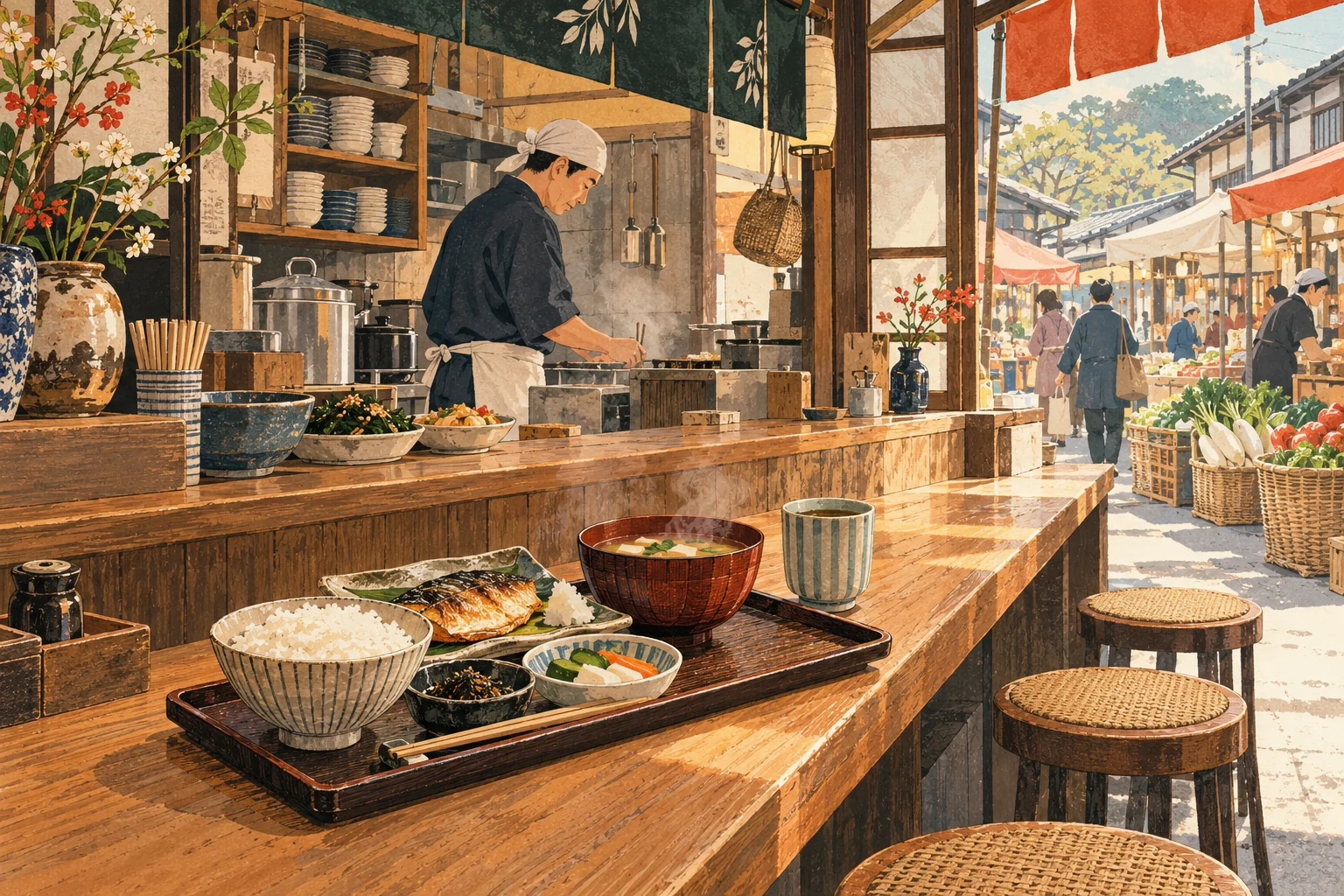
A package may include dinner and breakfast, breakfast only or no meals. Confirm whether the quote is per person or per room, then compare the final total for every guest. Children’s meal and bedding choices can change the amount. Keep extra charges and cancellation conditions visible in your Japan travel budget, rather than comparing a room-only rate with a two-meal stay.
Meals are usually arranged when booking and served within the inn’s stated window. The Japan Tourism Agency’s food and meal-time guidance also explains that dietary requests need advance discussion and cannot always be accommodated. Send the exact allergy or dietary requirement before committing, and obtain a clear answer. A general promise of vegetarian options is not confirmation of your specific meal.
Private onsen: distinguish a room bath from a reserved session
A ryokan with private onsen may mean a bath attached to your room, or a separate bath reserved for a limited session. Those experiences have different privacy, availability and pricing. The Tourism Agency’s communal and private bath explanation separates these arrangements. Confirm whether the bath uses hot-spring water, whether it is genuinely exclusive during use, and how reservations and charges work.
If you are comparing a ryokan with private onsen in Kyoto, ask these same questions rather than assuming the city name describes the bath. Tattoo policies, access for couples and children, and shared-bath rules vary by property. Confirm the facility you intend to use directly. A private option should solve your actual comfort or access need, not merely add an attractive label to the room.
Plan the arrival around dinner and the last local connection
Check the latest permitted arrival for your booked meal plan before adding an afternoon excursion. The Tourism Agency’s arrival and pick-up guidance notes that station transfers are offered by some inns and generally need prior arrangement. Ask which station, meeting point and departure time apply. A map showing an inn close to a station does not confirm a walkable route with luggage.
When you rely on several rail legs, use our guide to checking a complete train journey and leave recovery time before the final local bus or pick-up. An arrival after dinner service may mean losing the meal you paid for. If delayed, contact the inn promptly using the number on your confirmation; do not assume staff will know that an earlier train was disrupted.
Check the room and learn a few practical customs
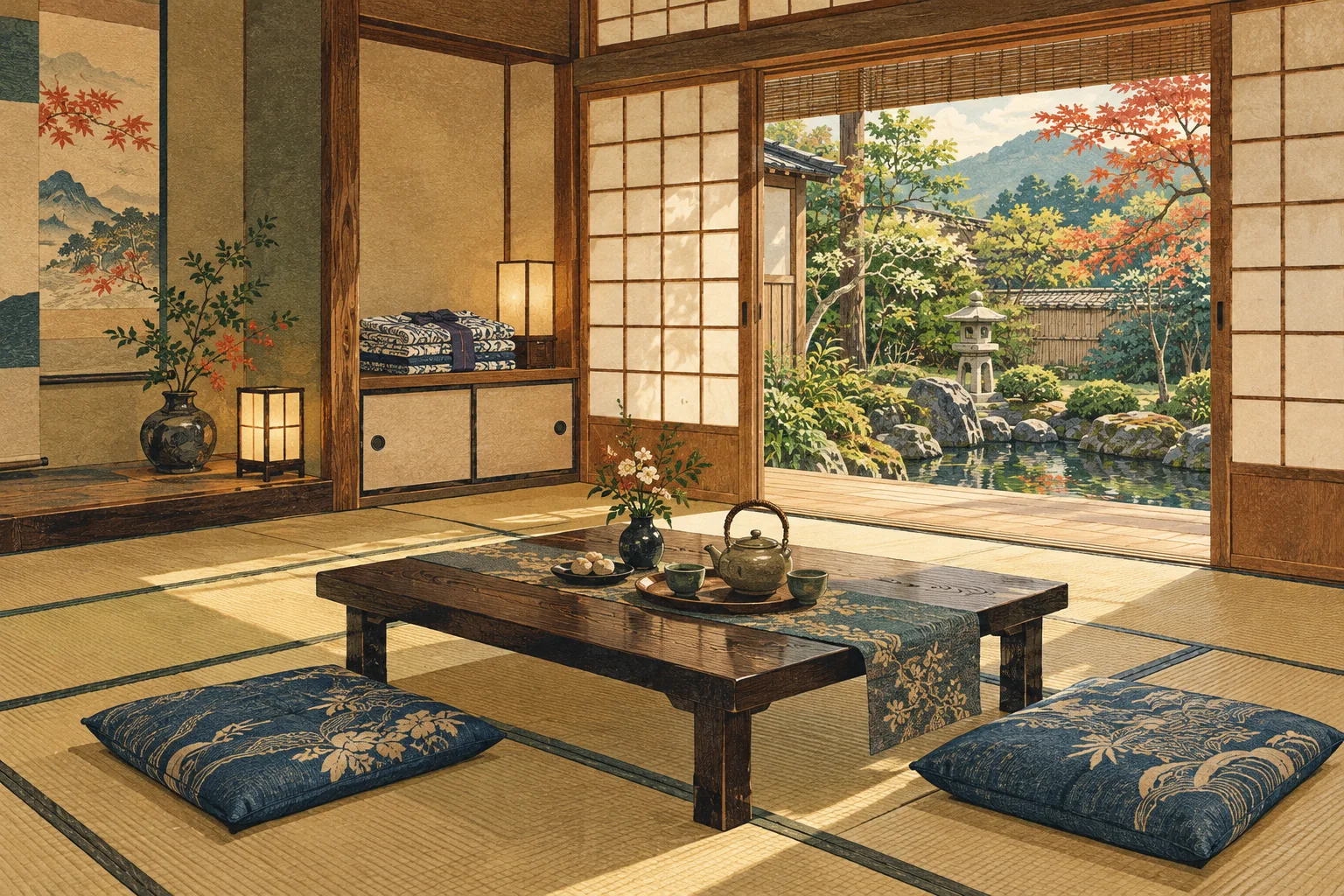
Look for the actual sleeping arrangement: futons on tatami, beds, or a mixed room. Ask about stairs, lifts, bathroom layout and seating height if these affect comfort. Confirm when bedding is laid out and whether staff need access to the room. Remove shoes where directed, keep luggage wheels off tatami and let staff explain the yukata or slippers rather than guessing.
For shared bathing, JNTO’s onsen etiquette guide explains washing and rinsing before entering, keeping towels and hair out of the water, and leaving phones outside. Follow the facility’s posted rules and protect other guests’ privacy. There is no need to photograph a bath to remember the stay. If communal bathing is uncomfortable, confirm a suitable alternative before arrival.
Reserve a stay you can actually enjoy
Make a final checklist: exact room, guest count, bedding, meals, dietary response, bathing arrangement, arrival deadline, transfer details and cancellation terms. Save the confirmations together. If an important answer is missing, ask before paying. A cheaper booking that does not meet an essential need is not equivalent to the room and plan you originally wanted.
Keep the afternoon spacious, arrive within the agreed window and ask which times suit dinner and bathing. Leave time for breakfast before the next connection rather than treating check-out as the beginning of a race. The point of the booking is to enjoy the inn’s rhythm. You have chosen well when both the itinerary and the practical arrangements let that happen.
From the official source
Japan Tourism Agency: Communal and private baths
Playing loads YouTube and may set third-party cookies.
A few useful answers
Does every ryokan have a private onsen?
No. A ryokan is an accommodation type; a private hot-spring bath is a separate feature. Confirm the water source, exact bath arrangement, reservation system and charges for the room or plan you book.
Can a ryokan accommodate a vegetarian diet or food allergy?
Some can accommodate particular requests and some cannot. Contact the inn before booking with the exact requirement and obtain confirmation for your meal plan; do not rely on a broad property label.
Should I arrive early for a ryokan stay?
Aim to arrive within the inn’s confirmed check-in and dinner arrangements, with time to settle in. Pick-up services, luggage storage and late meals are property-specific, so arrange what you need in advance.
Check with the source
Schedules, availability and rules can change. These official sources are the place to confirm details before you book.