From Tokyo, reach Atami or Hakone-Yumoto in half a day, spend a night by Kusatsu's Yubatake, or pair Kinugawa with Nikko. Compare day-use bath prices, private baths, rail access, and where to stay.
- Region & Focus
- KantoAccommodation
- Reading Scope
- 24 min read · 10 chapters · 6 Q&As
- Official Verification
- 49 official sources checkedUpdated 22 November 2026
- Key Topics
- Hot springsRyokanRail travel
Chapter Route Map (tap any stop)
- Only Half a Day? Which Tokyo Station Should You Leave From?
- For a Soak in Hakone-Yumoto Only, Standard Return Tickets Suffice
- Where to Stay Up in Hakone: Start High in Gora, Leave Yumoto for the Return
- Soak Right Outside Atami Station, or Shuttle to an Ocean-View Bath
- Stay by the Coast for Fireworks, or Near the Station for Plum Blossoms
- Buy Your Kusatsu Tickets All the Way to the Onsen Bus Terminal
- Spend One Night in Kusatsu to Split the Yubatake Evening from Public Bathhouses
- Linking Kinugawa with Nikko: Check Your Tobu Limited Express Destination
- Choosing Kinugawa Accommodation by Gorge Side and Distance from the Station
- Before Booking Half-Board, Unpack Dinner, Baths, and Cancellation Terms
- Quick Q&A
If you only have half a day to spare for an onsen from Tokyo, take the Shinkansen to Atami if you are staying around Tokyo Station or Shinagawa, or check the direct Limited Express from Shinjuku to Hakone-Yumoto. With one night to stay over, you can stroll Kusatsu's Yubatake twice at quieter hours or split Hakone's mountains and lake across two days. Kinugawa makes the most sense if you are already bound for Nikko, letting you link a riverside gorge stay with shrine sightseeing. Decide what time you can leave Tokyo and when you need to be back before picking a bathhouse or ryokan—especially if you are booking a private bath with fixed time slots.
Only Half a Day? Which Tokyo Station Should You Leave From?
Tokyo to Atami and Shinjuku to Hakone-Yumoto are the two easiest routes to manage on their own. From Tokyo Station, the Tokaido Shinkansen Kodama (which stops at Atami) takes around 50 minutes; you can also board at Shinagawa. Once at Atami Station, you can stay right by the station for a soak, or head down to the seafront only if you want ocean views. Those staying on the west side of Shinjuku can catch a direct Romancecar from Odakyu Shinjuku Station to Hakone-Yumoto in roughly 85 minutes. Comparing door-to-bath times, changing trains across central Tokyo often eats up whatever minutes a faster train saves.
If you also have to check out of a hotel that morning, factor in your luggage first. When staying at the same Tokyo hotel before and after your trip, ask reception to hold your large suitcases and travel light with a small bag and a change of clothes. If you are switching hotels mid-trip, build collecting your bags, transferring, and checking into the new place into your return journey. Arriving at Narita Airport on the same day means counting immigration, baggage claim, and the transfer into central Tokyo before you even start. If that leaves only three or four hours in Atami, soaking and eating right outside the station keeps walking to a minimum. Anyone catching an early flight the next morning is better off spending that final night back in Tokyo or closer to the airport.
Kusatsu looks straightforward to the north on a map, yet you still have to add the wait for the connecting bus at Naganohara-Kusatsuguchi. Doing it as a same-day return squeezes the bathhouses and the Yubatake—the very sight you travelled all that way to see—into a few busy afternoon hours. Staying overnight opens up both morning and evening windows, neatly avoiding the crowds who arrived on the same train. Kinugawa also involves a longer ride, and its real draw is pairing a gorge stay with Nikko's shrines and temples, so look at your surrounding two days before booking a room there.
For a half-day outing, pick two viable return trains before you set off. Treat the first as your planned departure and keep the second as a buffer for queues, finding a bus stop, or stopping for a meal. Work backwards from that return time, subtracting the walk to the station, changing clothes, and checking in at the front desk. If you have reserved a private bath, block out the full rental window in your schedule. Should you realise you would be sprinting for the platform straight out of the water, drop a second stop up the mountain or an extra coastal walk first so your paid bath slot and reserved train seats stay intact.
| Onsen Area | Departure from Tokyo | Best Way to Structure It |
|---|---|---|
| Atami | Tokaido Shinkansen from Tokyo or Shinagawa | Half-day soak near the station; stay by the coast for fireworks |
| Hakone | Romancecar from Odakyu Shinjuku Station, or transfer at Odawara into the mountains | Half-day in Yumoto; split Gora and Lake Ashi over two days |
| Kusatsu | JR Limited Express from Ueno plus bus, or direct expressway coach | One night for the Yubatake and public bathhouses |
| Kinugawa | Tobu Limited Express for Kinugawa Onsen from Asakusa or Kita-Senju | One night in the gorge paired with Nikko's shrines |
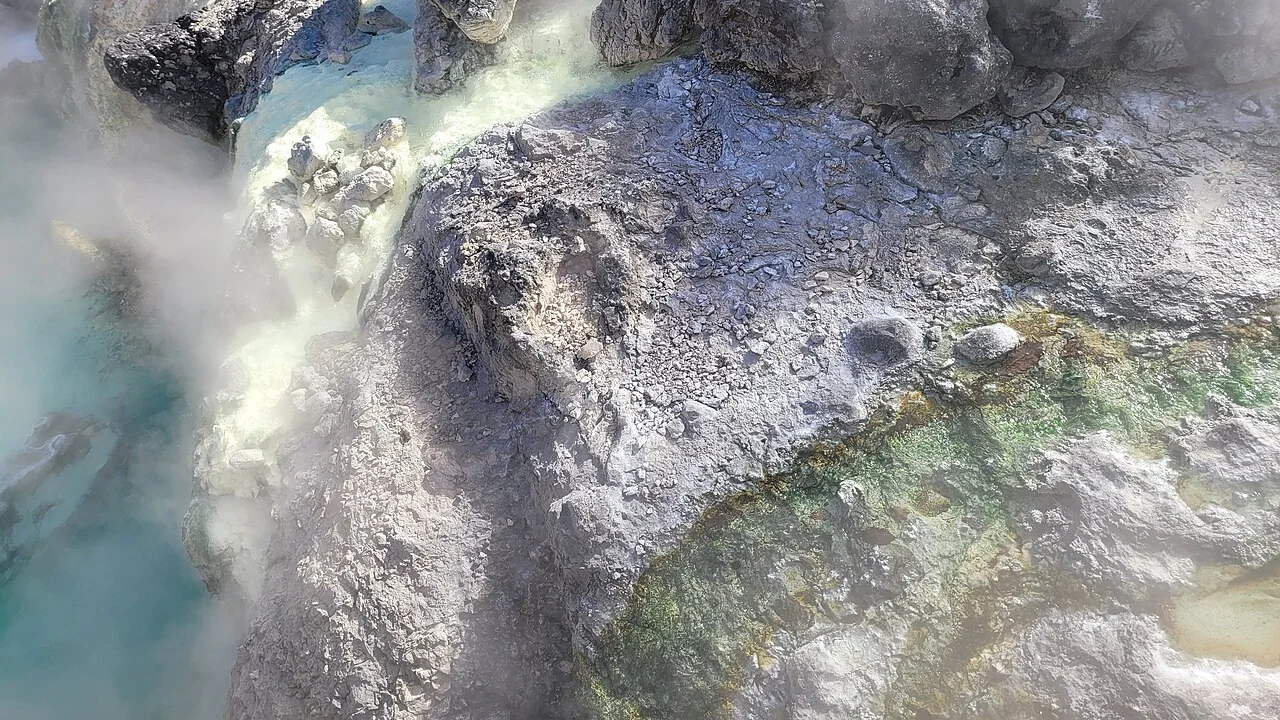
From Tokyo, reach Atami or Hakone-Yumoto in half a day, spend a night by Kusatsu's Yubatake, or pair Kinugawa with Nikko. Compare day-use bath prices, private baths, rail access, and where to stay.
For a Soak in Hakone-Yumoto Only, Standard Return Tickets Suffice
Departing from Odakyu Shinjuku Station, look for a Romancecar bound for Hakone-Yumoto. All seats are reserved; the adult Limited Express surcharge bought at the station is ¥1,200 one way, or ¥1,150 with Odakyu's digital ticket. Either way, you also need a base fare ticket or a pass covering the route. If you are only going to Yumoto for a bath, standard fares plus whichever Limited Express seats you need are enough. To skip the surcharge, ride a regular Odakyu train to Odawara and change to the Hakone Tozan Railway up to Hakone-Yumoto. Visitors staying around Tokyo Station can also connect directly from JR Odawara Station onto the mountain railway, avoiding a detour through Shinjuku.
At Hakone-Yumoto Station, the ticket gates are on the second floor; head out and follow the signs for your bathhouse shuttle. For an afternoon soak, Hakone Yuryo runs a free shuttle bus from the station taking about three minutes. Day-use entry to the main communal baths for adults is ¥1,700–¥1,800 on weekdays and ¥2,000–¥2,200 on weekends and public holidays, with primary school children at ¥1,000. Weekday hours run 10:00–20:00 (last entry 19:00), extending by one hour on weekends and holidays. Towels are sold rather than included in the main bath, so bring your own if you prefer. Anyone planning to eat first and still catch a booked return Romancecar will usually need to arrive well before last entry.
Hakone Yuryo's private baths, Kaden, are priced per room for 120 minutes. Two-person rooms cost ¥10,400 on weekdays and ¥11,400 on weekends and public holidays, while four-person rooms range from ¥12,400 to ¥15,400 depending on room type and date. Holiday rates apply from 26 December 2026 to 3 January 2027. Online bookings open one month ahead and close at 15:00 JST the day before, after which reservations are taken by phone. Preschool children are not permitted in the main communal baths and must use a private room instead, and anyone still wearing nappies is barred from bathing altogether. Confirm your party size and young children's needs before locking in a slot so you can weigh a four-person private room fairly against an overnight ryokan stay.
Hakone Yuryo has announced a maintenance closure from 1 to 3 December 2026. To keep the same rail itinerary on those days, use Tenseien in Yumoto instead. Tenseien offers day-use bathing from 10:00 until 09:00 the following morning (last entry 08:00), with an extra late-night surcharge after midnight. Staying later in the tub does not extend Tokyo-bound train services, so same-day visitors should stick to regular evening departures; if you want to linger after dinner, book a night in Yumoto. Those travelling with older relatives can check the hotel's official shuttle route from the station beforehand.
Where to Stay Up in Hakone: Start High in Gora, Leave Yumoto for the Return
The Hakone Tozan Railway climbs from Yumoto to Gora, where a cable car continues to Sounzan. Only at Sounzan do you board the ropeway over Owakudani down to Togendai on Lake Ashi, cross by sightseeing pirate ship to Moto-Hakone, and return to Yumoto by bus. You can fit all of those rides into a single day, though queues at each transfer and waiting for the boat eat up time quickly—leaving little room for an unhurried lakeside lunch without crowding your final bath slot. When hot springs are the focus, cap day one at Gora and Sounzan, and save Owakudani and Lake Ashi for the next day.
An adult Hakone Freepass from Shinjuku costs ¥7,100 for two days or ¥7,500 for three days; from Odawara, the same passes are ¥6,000 and ¥6,400. The Shinjuku version covers return Odakyu regular-train fares to Odawara plus unlimited rides on the designated mountain trains, cable car, ropeway, boats, and buses inside Hakone. Buying station Romancecar surcharges in both directions brings a two-day Shinjuku pass total to ¥9,500, before baths, lunch, or accommodation. On days when you only ride up from Yumoto to Gora and back without boarding the boat or heading to Owakudani, add up the individual point-to-point fares first. Trying to tick every sight just to make a pass pay off turns what was meant to be quiet ryokan time into a race between connections.
Hakone-Yumoto works best if you arrive towards evening and need to head back down the mountain first thing next morning. Trains back towards Odawara and mountain trains heading up both meet here, keeping hills and transfers to a single afternoon leg when travelling with older family members. Gora suits travellers who want an early start on the cable car and ropeway or plan to visit the Chokoku-no-Mori area and the Hakone Open-Air Museum. Ryokan around Gora Station can still sit on steep slopes, so note both which station their shuttle serves and its operating hours on the same itinerary sheet when checking booking pages. Sengokuhara fits those visiting the pampas grass fields, art museums, or continuing from Togendai along the lake, though you will need to allow an extra bus ride or hotel shuttle on arrival day.
If you are carrying luggage for two or more nights and heading straight up the mountain before check-in, participating ryokan accept deliveries via the Hakone Luggage Transport Service. Drop bags at the counter inside Hakone-Yumoto Station's ticket gates between 08:30 and 12:00 for delivery to your hotel from 15:00 onwards; same-day online bookings close at 11:30 JST. Standard luggage measuring up to 140 cm in combined dimensions and weighing under 15 kg costs ¥1,500 per piece each way. On checkout day, the reverse service collects bags at participating ryokan by 10:00 for pickup at Hakone-Yumoto Station between 13:30 and 18:30. That suits travellers coming down the mountain in the afternoon; if you are catching a morning Romancecar, carry your bags with you or leave heavy suitcases in Tokyo the day before.
The Hakone Ropeway operates until 16:15 at each station from December through January. From 7 to 24 December 2026, replacement buses will run between Sounzan and Owakudani while the ropeway continues operating between Togendai and Owakudani. From 12 January to 26 February 2027, that reverses: replacement buses cover Owakudani, Ubako, and Togendai, while the Sounzan side keeps running by gondola. The Hakone Freepass is valid on the replacement buses, which are scheduled roughly every 15 minutes. If you only want to see the volcanic valley, ride up from whichever side still has the ropeway running and return the same way to your ryokan; anyone aiming for the last sightseeing boat should leave extra margin for bus queues and changing at Owakudani.
High winds or thunderstorms can suspend the ropeway, and elevated volcanic gas levels also affect the Owakudani section. Hakone's official transport status page lists the mountain railway, both cable and ropeway sections, boats, and buses together. On mornings when only the lower mountain railway is running reliably, riding up from Yumoto to Gora or Chokoku-no-Mori and turning back is far simpler than waiting on uncertain connections by the lake. Guests staying in Yumoto can keep bathing local, while guests up in the mountains should prioritise reaching a station served by their ryokan shuttle in time for check-in and dinner. For a station-by-station breakdown of connections and pass coverage, see our Hakone loop and passes guide.
Soak Right Outside Atami Station, or Shuttle to an Ocean-View Bath
The Kodama Shinkansen from Tokyo Station reaches Atami in about 50 minutes, making a compact half-day out-and-back straight from the station straightforward. Local JR Tokaido Line trains take longer and suit travellers already planning an unhurried day with dinner in Atami. Keep your rail fares and bath entry separate when comparing costs. Before boarding at Tokyo or Shinagawa, check that your train actually stops at Atami—some Hikari services call there, whereas Nozomi trains do not. If booking a reserved seat home, jot down the departure time alongside your final uphill walk or shuttle ride so nothing clashes.
Right by the station, Yuyado Ichibanchi is roughly a two-minute walk from Atami Station. Its day-use private open-air bath normally costs ¥3,300 per 45 minutes, plus a ¥1,600 day-visitor facility fee per person, coming to ¥6,500 for two. Compare that per-room-plus-per-person pricing separately from Hakone Yuryo's flat two-hour room rate. The inn also opens its main communal baths to day visitors from 13:00 to 17:00 (last reception 16:00), though entry closes early when busy. When booking a private bath, specify that you are a day visitor and wait for the ryokan to confirm available slots before purchasing train tickets. If you finish with spare time, the shopping street right outside the station handles snacks and souvenirs easily.
For ocean views, head to Fuua on the south side of Atami Bay. A free shuttle runs from Atami Station to Atami Korakuen in around 10 minutes; if you miss it, take a regular route bus bound for Atami Korakuen from stop 7. Fuua is open 10:00–22:00 with last admission at 21:00. Standard adult weekday admission is ¥3,080 plus ¥150 bathing tax, including towels and loungewear. Children aged 0–3 are not admitted; children aged 4 through primary school must be accompanied by an adult guardian of the same sex and may not use the open-air standing bath. With large relaxation lounges inside, Fuua is best saved for trips where you can factor in the outbound ride and shuttle waits—though if wind and rain cut short your plans, riding straight from the station to soak and leaving coastal walks for another day works just as well.
Fuua's observation sauna is scheduled to reopen in mid-December 2026; from reopening day, adult general admission on weekends, public holidays, and designated peak dates rises from ¥3,410 to ¥3,630, while after-17:00 tickets increase from ¥2,640 to ¥2,860. Weekday rates stay unchanged, and after-17:00 tickets are suspended on fireworks evenings. The facility has announced maintenance closures for 5–6 January 2027. December visitors can weigh the observation sauna separately from the free-flowing open-air baths that already reopened in October. Note also that the signature standing infinity bath requires a minimum height of 135 cm, and guests with tattoos are not permitted to enter Fuua.
Stay by the Coast for Fireworks, or Near the Station for Plum Blossoms
Atami's winter 2026 marine fireworks are scheduled for 6 December and 25 December 2026, plus 21 February 2027, running 20:20–20:40. The city tourism association has also released the following year's calendar, with spring displays starting on 18 April 2027 and July–August shows beginning at 20:15. If you are staying in Tokyo and heading back the same night, book your return Shinkansen seat in advance, as you will face station entry queues after walking back from the seafront. Organisers flag 21:00–22:00 as peak congestion at Atami Station, and passengers heading towards Ito or Shimoda can board from Kinomiya Station instead. Anyone carrying young children or guiding older relatives uphill will find an overnight stay near the water far calmer.
Coastal stays around Shinsui Park and Sun Beach keep the walk to and from the fireworks viewing area short. To watch from your room, filter explicitly for room types or plans labelled with fireworks views. Atami Bay sits against steep hillsides, so floor level, orientation, and neighbouring buildings can all block sightlines. If you book higher up the slope or near Kinomiya Station, settle your dinner timing and route down to the shore ahead of time. When an ocean-view room is only worth it during daylight hours, look at early check-in plans so you can settle in before evening, watch the display, and return for a late soak.
Plum-blossom trips call for a different base. The 2027 Atami Plum Garden Plum Festival runs from 9 January to 3 March between 08:30 and 16:00, with early-, mid-, and late-blooming varieties staggered across the season. The garden sits about a 10-minute walk from JR Kinomiya Station. If blossoms are your main reason to come, transfer one stop from Atami Station onto the JR Ito Line to Kinomiya in the morning, explore the garden first, and return to Atami Station for lunch, a soak, or luggage pickup. On 21 February—when the festival overlaps with a fireworks night—visit the plum garden by day, check into your hotel in the afternoon, and walk down to the bay later; on a quiet weekday just for blossoms, ending at a bathhouse by the station keeps transport simple.
Buy Your Kusatsu Tickets All the Way to the Onsen Bus Terminal
From Ueno, the JR Limited Express Kusatsu/Shima takes around 2 hours 20 minutes to Naganohara-Kusatsuguchi on the operator's sample timetable, where you transfer to a JR Bus for about 25 minutes to Kusatsu Onsen Bus Terminal. The rail and bus legs are ticketed separately; the local bus fare between Naganohara-Kusatsuguchi and the terminal is ¥780 one way for adults, rising to ¥900 from 1 December 2026. On the return, match your mountain bus departure to the exact train you plan to catch. If evening trains back to Tokyo are spaced out or you have dinner plans in the city, taking one bus earlier down the mountain gives you a safer buffer at the JR station. Check the station stops carefully on any Limited Express carrying "Shima" in its name so you do not line up for a bus heading to a different town.
To avoid changing trains, take JR Bus Kanto's direct Joshu Yumeguri-go coach from the fourth floor of Busta Shinjuku, accessed via the New South Gate at JR Shinjuku Station. The roughly four-hour direct ride means you only lift your luggage once you arrive in town, though road traffic can push back arrival times. JR Bus Kanto has announced that from 1 December 2026, standard adult one-way fares between Ueno, Tokyo, or Shinjuku and Kusatsu Onsen Bus Terminal will fall into four tiers by departure and date—¥3,700, ¥3,800, ¥4,000, and ¥4,300—with online discounts listed separately and on-board tickets set at ¥4,500. Price your outbound and return journeys separately, as a single trip often pairs a weekday fare with a weekend one, and check early-bird change rules before buying.
Departing from Tokyo Station, look up the Tokyo Yumeguri-go coach, or ride the Shinkansen to Karuizawa and switch to a Kusatsu-bound bus. Anyone already overnighting in Karuizawa or continuing there next avoids doubling back through central Tokyo. If you are only using the Shinkansen in hopes of saving time, remember to add mountain bus schedules and transfer waits before deciding. Lock in your transport mode—direct from Shinjuku, Limited Express from Ueno, or via Karuizawa—before booking your first night. Because ryokan dinners run on fixed sittings, avoid relying on a long-distance coach whose scheduled arrival leaves only a narrow margin before dinner starts.
Kusatsu Onsen Bus Terminal and the Yubatake are two separate waypoints on foot. The walk down to the Yubatake follows slopes, so ask ahead whether your ryokan picks up from the bus terminal if you are arriving in rain, snow, or with large wheeled cases. Staying right beside the Yubatake makes dipping into baths, strolling the square, or stepping back out after dinner effortless. Staying on the western side suits walks into Sainokawara Park, though nightly visits to the Yubatake mean tackling the hill both ways. Properties further out of town trade walkability for larger grounds and fuller facilities, relying on shuttles to reach the centre.
Spend One Night in Kusatsu to Split the Yubatake Evening from Public Bathhouses
Drop your bags at your ryokan on the first afternoon and walk over to the Yubatake to see the wooden mineral chutes and steaming rock ledges, stopping by Netsunoyu beside the square if you want to watch the traditional yumomi water-stirring performance. Fitting this in before dinner leaves time to head back and unwind at the inn. Naraya is roughly a five-minute walk from the bus terminal and can send a pickup car if you call on arrival—let them know in advance if arriving after 17:00. For families wanting half a day on resort grounds, Kusatsu Onsen Hotel Village centralises its town shuttle at Kusatsu Onsen Bus Terminal (about five minutes by road), making the terminal the best landmark to navigate back to in the evening. The difference between the two locations stands out most after dinner: around the Yubatake you can wander out on a whim, whereas outskirts resorts run to shuttle timetables.
If you only visit one public bathhouse, choose according to where you want to be in town. Goza-no-Yu beside the Yubatake charges ¥900 for adults and opens 08:00–21:00 from December to March (last entry 20:30), handy straight after breakfast or on a rainy walk just steps from the square. Sainokawara Open-Air Bath is ¥800 for adults, open 09:00–20:00 in winter (last entry 19:30), opening earlier at 07:00 from April to November. You can walk through Sainokawara Park without bathing, so if you want an open-air soak until dusk, count backwards from 19:30 to allow for the park path and changing. In winter snow, save the park walk for daylight and leave evening soaking to your ryokan.
Otaki-no-Yu costs ¥1,200 for adults and operates 09:00–21:00 (last entry 20:00), with private reservable baths accepting final check-ins at 18:00. Note that the paid private rooms at Goza-no-Yu are tatami rest rooms without private tubs, so families seeking an enclosed bath together must look specifically for properties offering kashikiri-buro. To visit all three main public baths once each, pick up the Sanyu-meguri Tegata (Three-Bath Pass) at any of the three counters for ¥2,100 for adults, versus ¥2,900 for three single tickets. If you only plan to visit Goza-no-Yu and Sainokawara, two separate tickets at ¥1,700 total cost less. The three-bath pass has no expiry date, so overnight guests can spread visits across an evening and the next morning—or keep an unused stamp for a future trip.
To compare spring waters directly, start at Goza-no-Yu, where a single bathhouse draws from both the Yubatake and Bandai sources, alternating men's and women's access between wooden and stone baths daily. Otaki-no-Yu uses the Nikawa source; its water usually runs clear, except on the second and fourth Saturdays of each month, designated as cloudy-water days. Sainokawara Open-Air Bath is fed by the Bandai source. Pairing Goza-no-Yu with Otaki-no-Yu lets you sample all three water sources in just two stops.
The official websites for all three Kusatsu public bathhouses explicitly state that guests with tattoos are welcome. If some in your group want communal baths while others prefer privacy, share one ryokan in Kusatsu and book public bath visits and private bath slots separately. Pack a spare change of clothes in a daypack and wear shoes with good grip when walking between bathhouses. Arriving early on a weekday works well for starting at Otaki-no-Yu before heading back towards the Yubatake for dinner; if snowfall makes pavements slick, limit yourself to whichever bathhouse is closest to your inn and save the park walk for the following day.
In December 2026, the three public bathhouses close in turn for maintenance: Sainokawara Open-Air Bath from 7 to 9 December, Goza-no-Yu on 10 and 11 December, and Otaki-no-Yu from 14 to 18 December. Travellers arriving on those weekdays can rotate around whichever facilities are open—someone arriving on 7 December can head straight to Goza-no-Yu instead. Separately, Sainokawara Open-Air Bath closes early at 17:00 (last entry 16:30) on the second Wednesday of each month.
Linking Kinugawa with Nikko: Check Your Tobu Limited Express Destination
To reach a gorge ryokan directly from Asakusa, book a Tobu Limited Express bound for Kinugawa Onsen; those staying around Ueno or eastern Tokyo can also board at Kita-Senju. If you want to see Toshogu Shrine first, catch a train for Tobu-Nikko instead and transfer onto the Tobu Kinugawa Line at Shimo-Imaichi in the afternoon, or line up connecting Limited Express services via the timetable. Shimo-Imaichi is the junction where the two branches split. When reserving seats on Tobu's official site, enter your exact alighting station before choosing a departure time—even trains branded SPACIA X run separately to Tobu-Nikko and Kinugawa Onsen. Limited Express tickets go on sale one month ahead. On SPACIA X from Kita-Senju to Kinugawa Onsen, Tobu lists a standard regular-season fare of ¥1,400 plus a ¥1,940 Limited Express surcharge (¥3,340 total), with premium cabins and compartments priced separately.
Focusing solely on Nikko's World Heritage shrines and Kinugawa, Tobu's two-day NIKKO PASS World Heritage Area for overseas visitors costs ¥3,000 for adults. It includes one return journey between Asakusa and Shimo-Imaichi, unlimited local rides inside the designated zone towards Tobu-Nikko and Kinugawa Onsen, and covered buses in the World Heritage area. Extending up to Lake Chuzenji and Okunikko calls for the four-day NIKKO PASS All Area at ¥8,000 for adults. Neither pass includes Limited Express seat surcharges or shrine admission. If you are only staying one night in Kinugawa, tally the actual rail legs and seating class you intend to take: the World Heritage Area pass maps neatly onto a two-day shrine-and-onsen trip, whereas a single day up to Lake Chuzenji may be worth comparing against buying a standalone Okunikko bus ticket.
A clean two-day loop begins at Tobu-Nikko Station, covers Shinkyo Bridge and Toshogu Shrine during the day, continues to your Kinugawa ryokan before dusk, and leaves the suspension bridge for the next morning prior to returning to Asakusa. If autumn foliage at Lake Chuzenji is the priority, give the lake a full daytime block, as traffic delays on the Irohazaka Winding Road affect when you reach Kinugawa; keep your ryokan arrival flexible when coming back down to the railway. On a one-night stay with ryokan dinner and breakfast included, pick either the shrines or the lake rather than forcing both. Note that the Akechidaira Ropeway is officially listed as suspended for renovation from 16 January 2026 to 31 August 2027, so anyone hoping to view the lake by gondola should walk the Lake Chuzenji shoreline instead. For more route combinations, see our Nikko transport and passes guide.
Choosing Kinugawa Accommodation by Gorge Side and Distance from the Station
The Kinu-Tateiwa-Otsuribashi Suspension Bridge spans about 140 metres and lies roughly a 12-minute walk from Kinugawa-Onsen Station. Across the bridge, turning right leads in about 10 minutes to the Tateiwa Observation Deck, while turning left reaches Fugama Falls in five. If you have a Limited Express train to catch, walking out and back across the bridge alone keeps timing tight. Outside the station, the free Kinuta Foot Bath is open 09:00–18:00 and makes an easy stop while waiting for a train. In heavy rain or strong winds, save the bridge for the next morning and let indoor hotel baths anchor your day. On a rail day trip combining the bridge with a soak, leave luggage in station lockers first, walk the bridge, eat near the station, and pick a bathhouse whose afternoon hours have reopened.
Nikko Kinugawa Hotel Mikazuki stands around three minutes on foot from Kinugawa-Onsen Station, ideal for families with children or anyone skipping extra shuttles. Its day-use bath and day-use spa services have ended, so pool and spa access now follow overnight stay plans and facility hours. If you would rather stay along a quieter stretch of the gorge, compare Kinugawa Onsen Hotel: take the Nikko Kotsu shuttle bus from stop 5 to the right outside the station (¥300 adult one way, about 5–7 minutes), with return rides arranged at the front desk. When you only haul bags in and out once, a slightly further hotel remains straightforward; if you plan repeated trips back to the station for trains, staying by Mikazuki is handier.
Kinugawa Onsen Hotel offers two private open-air baths reserved exclusively for overnight guests at ¥3,300 for 45 minutes by advance booking—worth scheduling alongside your check-in and meal times if you want to bathe before young children go to sleep. For walk-in day-trippers, Ooedo Onsen Monogatari Premium Kinugawa Kanko Hotel opens day-use bathing from 07:00 to 10:00 and 15:00 to midnight (last evening entry 22:00), charging adults ¥2,200 on weekdays, ¥2,400 on weekends and public holidays, and ¥2,600 on peak dates. Communal baths generally need no reservation, though day-use plans including dinner must be booked ahead. Note that Kinugawa Park Iwaburo has closed permanently. If your itinerary includes Hana no Yado Matsuya, the nearest stop is Kinugawa-Koen Station—save your hotel's closest station before buying tickets so you do not overshoot or add an unnecessary transfer at Kinugawa-Onsen.
Before Booking Half-Board, Unpack Dinner, Baths, and Cancellation Terms
When weighing a day trip against an overnight stay under one budget, fix your train fares first. For a night away, compare total package prices for the exact same headcount and dates, checking whether quotes are per person or per room, whether half-board, breakfast-only, or room-only applies, and whether bathing taxes or shuttle fees are extra. At remote inns in Kusatsu or Kinugawa, including dinner saves another trip out in the dark; next to Atami Station, you can dine in town and walk back to your room. Similarly, staying high in Gora pays for early morning access to the first ropeway station, whereas for an early return to Tokyo, a station-front room in Hakone-Yumoto or Atami usually beats a room view.
If the trip is meant for quiet soaking for two, check the difference between in-room baths and separately booked private slots. In Japanese listings, kyakushitsu rotenburo means an open-air bath attached to your room—if genuine spring water matters, verify that the room specs explicitly state natural onsen or name the spring source. Kashikiri-buro refers to a separate private bathing room booked for a set slot, with fees and reservation rules varying by property; Tenseien's official site specifies that its room open-air baths and family baths use free-flowing spring water, while Kinugawa Onsen Hotel's private baths are booked exclusively by staying guests. When travelling with older relatives who value easy changing access, treat step-free dressing room entrances, pool-edge steps, and handrails as part of the room selection—Hakone Yuryo, for example, has one universal-design private bath room.
Booking order follows whichever element is hardest to replace. For a holiday weekend by Kusatsu's Yubatake, secure your room and dinner sitting first, then match train and bus times to check-in. For a private bath day trip in Hakone, reserve a bath slot that aligns with train schedules before buying rail tickets. For Atami fireworks with family, decide whether to stay overnight or return to Tokyo that evening before picking a room or a reserved train seat. On weather-sensitive routes, compare hotel cancellation deadlines, train ticket change fees, and private-bath modification cut-offs side by side; keeping indoor baths and walkable accommodation as your anchor usually avoids cancelling the whole trip.
Put payment and cancellation rules somewhere everyone in your group can check. As a reference point, Yuyado Ichibanchi's official policy charges 30% of the stay 4–5 days prior, 60% 2–3 days prior, 80% the day before, and 100% on the day of arrival, while bookings made through third-party platforms follow each order's specific terms. If anyone in your party is still waiting on leave approval, pick a free-cancellation rate until dates are firm. And if you already hold reserved Shinkansen seats for a fireworks evening, save both the booking reference and ticket collection rules ahead of time so you are not hunting for a counter late at night.
A few useful answers
If I only have half a day, should I pick Atami or Hakone?
From Tokyo Station or Shinagawa, Atami's station-side baths are the quickest fit. From Shinjuku, you can also take a direct Romancecar to Hakone-Yumoto and hop on a shuttle to a bathhouse. Save Hakone's boats and ropeways for trips with at least one full day.
Do I need a Hakone Freepass just to bathe in Hakone-Yumoto?
No—if you are only visiting a bathhouse in Hakone-Yumoto, point-to-point fares are enough. Only compare the Hakone Freepass against individual fares when your itinerary uses multiple mountain trains, cable cars, ropeways, buses, or boats. Limited Express Romancecar seats require a separate surcharge.
Can I take a train all the way into Kusatsu Onsen?
Take a JR train to Naganohara-Kusatsuguchi, then transfer to a JR Bus for about 25 minutes to Kusatsu Onsen Bus Terminal. To travel straight into town from Shinjuku without changing, book the Joshu Yumeguri-go expressway coach.
Can day-trippers buy entry-only bath tickets in Kinugawa?
Ooedo Onsen Monogatari Premium Kinugawa Kanko Hotel offers day-use bathing in the morning and from afternoon onwards. Station-side Mikazuki has ended its day-use bath and day-spa entry, reserving its spa facilities for overnight guests.
Do I have to use the Kusatsu Three-Bath Pass all on the same day?
No—it has no expiry date and grants one entry each to Goza-no-Yu, Otaki-no-Yu, and Sainokawara Open-Air Bath. It costs ¥2,100 for adults.
Can I see both the Atami Plum Garden and fireworks on the same day?
Yes—21 February 2027 falls during the Plum Festival and also has a marine fireworks display scheduled. Walk from Kinomiya Station to the plum garden by day and head to Atami Bay in the evening, noting that Atami Station hits peak entry queues between 21:00 and 22:00 afterwards.
Official information and references
Sources used in this guide.
- Odakyu Electric Railway Hakone Freepass Fare Table
- Odakyu Romancecar Digital and Station Fares
- Hakone Yuryo Rates, Reservations, and Closure Notices
- Hakone Yuryo Access and Free Shuttle Bus
- Tenseien Facilities and Bathing Guidelines
- Tenseien Bathing and Facility Operating Hours
- Hakone Mountain Transport Service Information
- Hakone Ropeway Weather and Volcanic Gas Regulations
- Hakone-Yumoto to Ryokan Luggage Transport Service
- Atami City Tourism Association Fireworks Schedule and Access
- Atami City Tourism Association Fireworks Viewing and Transport
- Atami City Tourism Association 2027 Plum Garden Festival
- Atami Yuyado Ichibanchi Communal and Private Bath Rates
- Atami Yuyado Ichibanchi Traditional Chinese Access Guide
- Atami Fuua Opening Hours, Admission, and Age Rules
- Atami Fuua Observation Sauna Renovation and Revised Pricing
- Atami Korakuen Shuttle Timetable and Bus Stop
- Access from Tokyo to Kusatsu's Three Public Baths
- JR Bus Kanto December 2026 Expressway Coach Fare Revision
- Kusatsu Three-Bath Pass (Sanyu-meguri Tegata)
- Kusatsu Goza-no-Yu Entry and Operating Information
- Kusatsu Otaki-no-Yu Entry and Operating Information
- Kusatsu Sainokawara Open-Air Bath Entry and Operating Information
- Kusatsu Three Public Baths Tattoo Admission Policy
- Kusatsu Naraya Bus Terminal Shuttle Pickup
- Kusatsu Onsen Hotel Village Bus Terminal Shuttle Service
- Tobu Railway NIKKO PASS and Limited Express Ticketing
- Tobu Railway World Heritage Area Pass and Akechidaira Suspension Notice
- Tobu Railway NIKKO PASS All Area Coverage
- Nikko City Tourism Association Kinugawa Suspension Bridge and Foot Bath
- Kinugawa Onsen Hotel Bus Boarding and Return Shuttle Booking
- Kinugawa Onsen Hotel Guest-Only Private Baths
- Nikko Kinugawa Hotel Mikazuki Bathing and Spa FAQ
- Kinugawa Kanko Hotel Day-Use Hours and Fees
- Nikko City Tourism Association Kinugawa Park Iwaburo Closure
- Nikko City Tourism Association Nearest Station for Hana no Yado Matsuya
- Hakone Ropeway Winter Staged Maintenance and Replacement Buses
- Hakone-Yumoto Station Ticket Gates and Boarding Guide
- Atami Yuyado Ichibanchi Day-Use Bath Opening Hours
- Atami Yuyado Ichibanchi Accommodation Cancellation Policy
- JR Bus Kanto Kusatsu Kogen Line December Fare Revision Notice
- JR Bus Kanto Kusatsu Kogen Line Revised Zone Fare Table
- JR Bus Kanto Kusatsu Kogen Line Timetable and Prior Fares
- Busta Shinjuku Floor Guide and Station Access
- Tobu SPACIA X Seating Classes and Limited Express Fares
- Kusatsu Three Public Baths Maintenance Closures and Sainokawara Cleaning Hours
- Kusatsu Goza-no-Yu Bathing Rooms and Two Hot Spring Sources
- Kusatsu Otaki-no-Yu Nikawa Source and Cloudy-Water Days
- Kusatsu Sainokawara Open-Air Bath Bandai Source