Compare stays in Hakone-Yumoto, Tonosawa, Miyanoshita, Gora, Sengokuhara and Lake Ashi. Weigh shuttle buses, dinner times, in-room onsen and luggage delivery for an overnight or two-night trip.
- Region & Focus
- Hakone
- Reading Scope
- 21 min read · 10 chapters · 5 Q&As
- Official Verification
- 35 official sources checkedUpdated 22 November 2026
- Key Topics
- RyokanHot springsTokyo & Kanto
Chapter Route Map (tap any stop)
- Start with Your Final Stop on Arrival Day
- Hakone-Yumoto | Best for Late Arrivals, Families and Odawara Connections
- Tonosawa | Wooden Riverside Ryokan for Slow Evenings at Fukuzumiro
- Miyanoshita | Historic Western Architecture with Natural Onsen in Your Room
- Gora | Pick the Right Station and Bath Type for an Early Owakudani Start
- Sengokuhara | Pair Milky-White Onsen with Art Museums at a Slower Pace
- Lake Ashi | Treat Moto-Hakone, Togendai and Hakone-en as Separate Bases
- Comparing Half-Board Rates, In-Room Onsen and Accessibility Together
- Coordinating Luggage Delivery with Check-In and Departure Times
- How to Pace a One-Night or Two-Night Stay
- Quick Q&A
If your first Hakone stay involves a late arrival on night one and an early train the next day, base yourself in Hakone-Yumoto. If you can check in during the afternoon and plan to head up to Owakudani the following morning, stay beside Gora Station. For travellers making bathing the centrepiece of the trip, Tonosawa offers wooden tatami rooms along the Hayakawa gorge, while Miyanoshita pairs natural springs with Meiji-era Western heritage hotels. Sengokuhara suits unhurried art museum visits, pampas grass fields and milky-white spring water, whereas Lake Ashi rewards those keen on early-morning lakeside walks. Before booking, compare dinner times, the final transport leg and the water source of any in-room bath together: both billed as open-air baths, Tokinoyu Setsugetsuka in Gora fills guest-room tubs with heated tap water, whereas Senkyoro in Sengokuhara pipes milky-white natural spring water directly into select rooms.
Start with Your Final Stop on Arrival Day
Taking the Odakyu Romancecar from Shinjuku to Hakone-Yumoto takes roughly 85 minutes, according to Fujiya Hotel Miyanoshita's access guide. Continuing uphill from Yumoto on the Hakone Tozan Railway adds about 25 minutes to Miyanoshita and 40 minutes to Gora. Those figures cover train time alone: when working backwards from your hotel's dinner start time, factor in platform transfers, buying snacks, finding bus stops and walking to reception. Catching just one train later out of Tokyo can push your uphill arrival past a ryokan's preferred check-in deadline.
If connecting from Shinagawa, Nagoya or another Tokaido Shinkansen station, make Odawara your gateway. For hotels near Hakone-Yumoto, simply transfer to the Hakone Tozan Line. If staying in Sengokuhara or by the lake, check your hotel's own access page for direct buses or hotel shuttles from Odawara and compare them against changing at Hakone-Yumoto. Odawara also has a practical split: regular route buses mostly depart from the East Exit, whereas The Prince Hakone Lake Ashinoko's shuttle picks up at the West Exit. Saving both your exit and final stop in advance avoids unnecessary detours with suitcases.
Hakone hotel addresses often group valley, hillside and lakeside locations under the same town name, so search by hotel name plus the nearest train station or bus stop. Some properties listed as Gora actually sit closer to an intermediate stop on the Hakone Tozan Cable Car. Leaving an art museum in the late afternoon, checking slopes on a map, shuttle timetables and exact drop-off points reflects reality far better than searching "kilometres from Gora". After reviewing each area, lock in one final sight for day one and one priority for day two, then fit the rest around your stay and the weather.
| Area | Best Fit For | What to Check First |
|---|---|---|
| Hakone-Yumoto | Afternoon Tokyo departures and next-day Shinkansen connections | Walking distance and slope from station platforms to the hotel |
| Tonosawa | A night in a wooden tatami room along the Hayakawa River gorge | Shuttle pick-up point, in-room bathroom, and dinner check-in deadline |
| Miyanoshita | Classic Western-style heritage buildings and on-site dining | Accommodation wing, walk from train station, and bus stop location |
| Gora | Early-morning Owakudani trips or sightseeing along the mountain railway | Whether the hotel is closer to Gora Station or a Cable Car stop |
| Sengokuhara | Art museums, pampas grass fields, and milky-white spring water | Nearest bus stop, dinner schedule, and in-room bath water source |
| Lake Ashi | Lakeside overnight stays with morning visits to shrines or piers | Which shore the hotel sits on, return exit, and shuttle timetable |
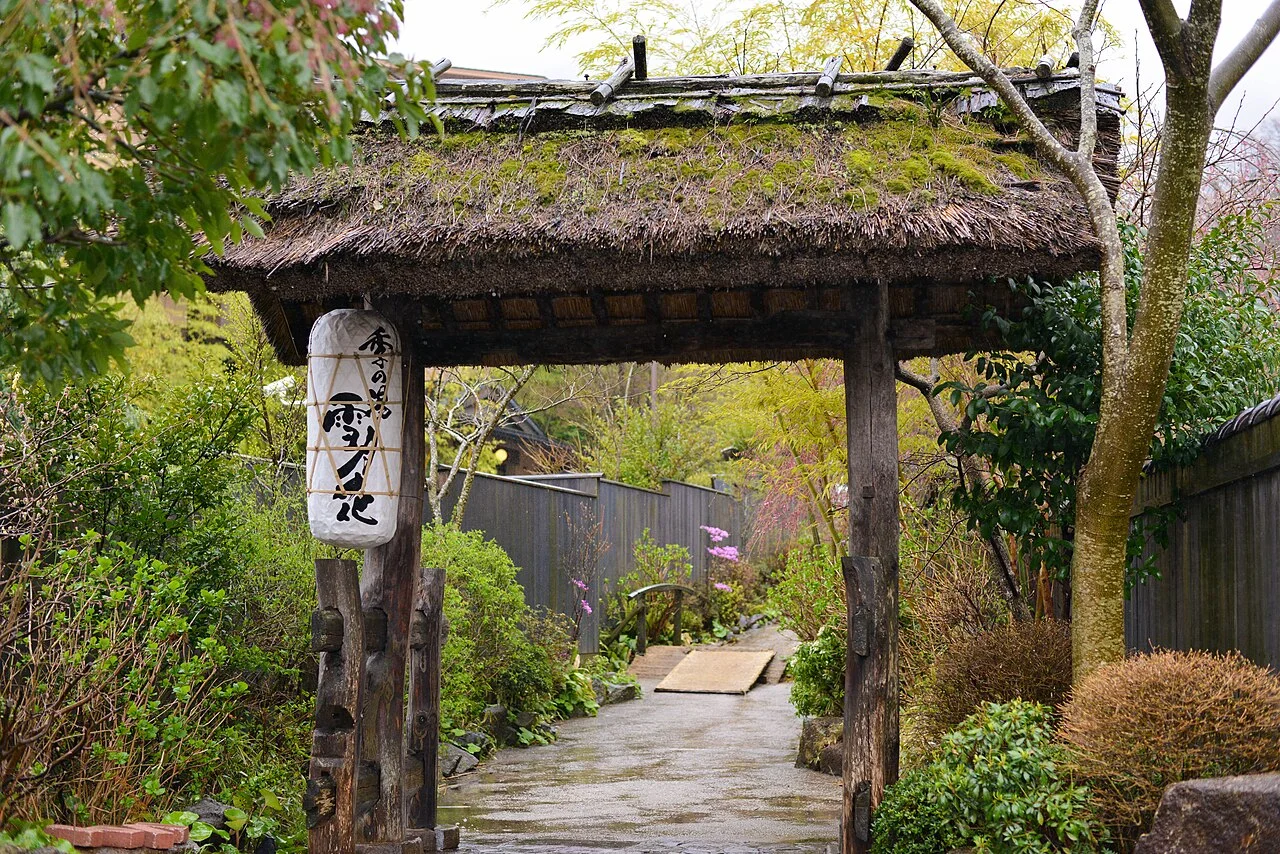
Compare stays in Hakone-Yumoto, Tonosawa, Miyanoshita, Gora, Sengokuhara and Lake Ashi. Weigh shuttle buses, dinner times, in-room onsen and luggage delivery for an overnight or two-night trip.
Hakone-Yumoto | Best for Late Arrivals, Families and Odawara Connections
Yumoto Fujiya Hotel sits roughly 3 minutes on foot from Hakone-Yumoto Station, with standard check-in at 15:00 and check-out at 11:00. Leaving the station, cross Ajisai-bashi (Hydrangea Bridge) over the Hayakawa River, where an exterior lift at the bridgehead goes straight up to the main entrance—handy for families wanting to drop bags before heading out for snacks. The location also lets groups split up easily: shoppers can stay around the station street while tired travellers return to the hotel. When catching the Shinkansen at Odawara at the end of your trip, simply walk back to Yumoto Station for the train, keeping luggage storage, meals and platform transfers uncluttered.
The hotel's Soun bathhouse includes indoor communal baths, open-air baths and private family baths. Families wanting private bathing can book a slot via the website form or by phone ahead of time, or arrange one by phone or at reception on check-in day. Yumoto Fujiya offers half-board plans featuring Japanese kaiseki, Chinese and French cuisine—check the specific restaurant and menu name when booking. If travelling with children and hoping for an early dinner, enter children's ages and numbers so quotes reflect identical conditions. Older relatives needing proper beds should check bed configurations and futon counts separately.
Groups of five or six can check the 48-square-metre Type B Japanese-Western room in the Main Building, sleeping 2 to 6 guests. For six guests, the hotel provides 3 beds and lays 3 futons on the tatami area, making it easy to reserve beds for anyone who needs them. Private bath fees run ¥3,000 for 45 minutes in the large bath (4–5 guests) and ¥2,000 for 45 minutes in the small bath (2–3 guests). Reaching the private baths requires climbing roughly 30 steps from the main bath entrance; guests with limited mobility can ask staff to operate the stairlift, though a short transfer is required along the way.
Sort out dinner alongside any late-arrival itinerary. If eating in Tokyo and checking straight in, look for room-only or breakfast-only plans. If planning to dine by Hakone-Yumoto Station before heading uphill, ensure the timing still clears your ryokan's final check-in cut-off. On days following an afternoon airport arrival with several train changes, cutting out an extra uphill leg is often far more practical than picking a photogenic hotel further into the mountains.
Yumoto Fujiya Hotel has announced a scheduled closure for statutory electrical inspections and facility works from 11:00 on 21 February 2027, reopening at 09:00 on 27 February 2027; anyone visiting that week can switch to another hotel in Hakone-Yumoto to preserve an easy morning departure from the station. When searching, verify the street address so you do not confuse it with Miyanoshita's Fujiya Hotel: Yumoto Fujiya is at 256-1 Yumoto, whereas Miyanoshita Fujiya is at 359 Miyanoshita, separated by a stretch of mountain road.
Tonosawa | Wooden Riverside Ryokan for Slow Evenings at Fukuzumiro
Walking upstream along the Hayakawa River to Tonosawa leaves the station shopping arcades behind and turns the ryokan itself into the evening's focus. Founded in 1890, Fukuzumiro is a three-storey wooden inn with 17 individually laid-out rooms, designated a Registered Tangible Cultural Property of Japan. When booking heritage ryokan like this, check the specific room name and facilities before choosing by window view or floor area. Guest rooms use Japanese futons and most share bathroom facilities; the official FAQ notes that the "Sakura 2" deluxe room has a private bath and toilet—start there if you prefer not walking down the corridor at night.
Check-in at Fukuzumiro starts at 15:00, with early luggage drop-off available. Guests on dinner-inclusive plans must arrive by 18:00, and breakfast is served from 08:00. The baths operate from 15:00 until 09:30 the next morning, alongside a private family bath available whenever vacant. Soaking after dinner and again before breakfast fits neatly into a stay here. If you need to catch a train shortly after 08:00, skip ryokan breakfast and eat elsewhere. For vegetarian or other dietary needs, the inn asks separately about meat, fish and dashi stock, so specify clearly which broths are acceptable when messaging ahead.
From Hakone-Yumoto Station, cross National Route 1 and board the orange local ryokan shuttle bus bound for Tonosawa. Both Fukuzumiro's current access page and Hakone-Yumoto Station's transit guide list the adult one-way fare at ¥200. Because this shuttle serves several inns in the area, keep Fukuzumiro's Japanese name written down before boarding. If you have heavy luggage, arrive around dusk or miss the shuttle, take a taxi from Yumoto. Drivers should contact the ryokan in advance, as Fukuzumiro lists only 6 dedicated parking spaces on its site.
The Hayakawa gorge works best as the last stop of your afternoon. Check floor levels and room facilities on the rooms page before booking, and if anyone in your party struggles with stairs, ask about the routes from the entrance to the room, baths and dining room. Larger groups booking multiple rooms who want to dine at one table should link their bookings in advance so staff can arrange seating by party size and room capacity. To compare public bathhouses and private day-use baths in other districts, see our Hakone onsen guide.
Miyanoshita | Historic Western Architecture with Natural Onsen in Your Room
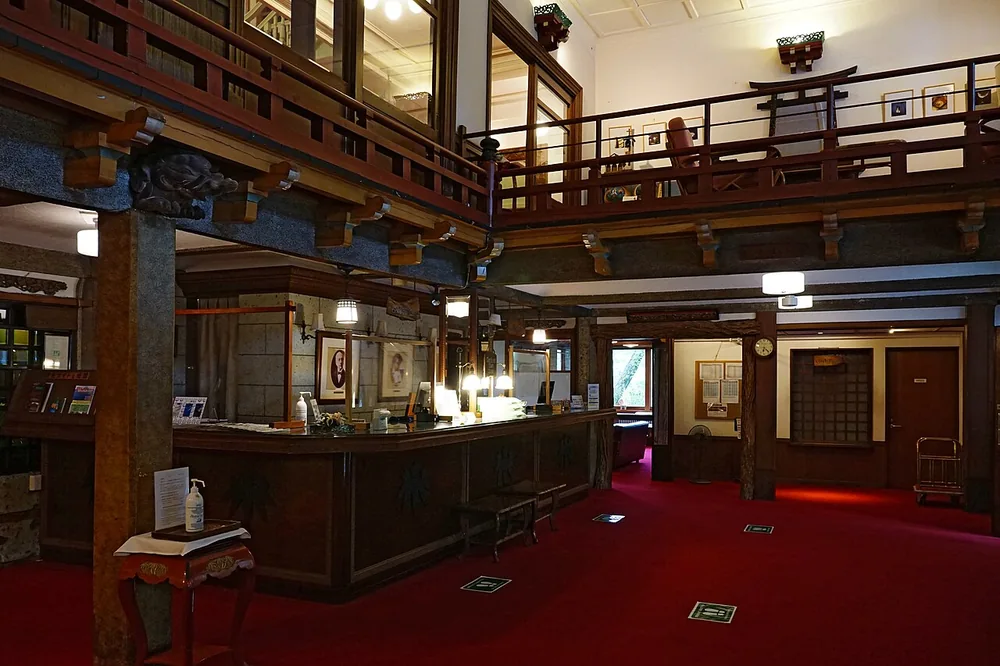
Fujiya Hotel in Miyanoshita opened in 1878 and reopened in 2020 after a major restoration. Its accommodation wings—including the 1891 Main Building and the 1906 Comfy Lodge (the Western-style wing)—are listed separately on the rooms page. Look to the Main Building for karahafu gabled porches and East-meets-West interiors, or start with the Western-style wing for Meiji-era ceilings and casement windows. Other wings from later eras are also available; compare wing and room names carefully with travel companions so showcase photos of heritage public rooms are not mistaken for the room you are booking.
Natural Miyanoshita hot spring water is piped directly into the bathroom of every guest room. Travellers wanting proper beds plus in-room natural spring water can weigh this against Senkyoro's open-air onsen rooms. Miyanoshita's draw is combining a classic grand hotel, Western architecture and private onsen in a single stay: check in at 15:00 and spend the afternoon exploring the grounds and hotel museum. If planning French dining in the main dining room or Japanese cuisine at the former Imperial villa Kikukaso, coordinate restaurant reservations alongside your room booking to judge how much time to allow in Miyanoshita.
Fujiya Hotel lists two public transport approaches: roughly 25 minutes on the Hakone Tozan Railway from Hakone-Yumoto to Miyanoshita Station followed by a 7-minute walk, or the bus to "Hotel-mae" (about 2 minutes on foot per the official site). Take the train when travelling light or when Route 1 traffic builds up; take the bus if you want to skip the uphill walk. For an early Shinkansen the next morning, allow extra time to change trains at Yumoto for Odawara. Anyone planning a late check-out and one last morning soak is better off booking a midday or afternoon Shinkansen.
Gora | Pick the Right Station and Bath Type for an Early Owakudani Start
Taking luggage up the mountain by train, Tokinoyu Setsugetsuka is an easy base beside Gora Station (1 minute on foot per the official site). Staying here lets you visit the Hakone Open-Air Museum or Gora Park on your first afternoon, then start from Gora the next morning on the Hakone Tozan Cable Car to Sounzan and transfer to the Hakone Ropeway for Owakudani. On Japanese transit pages, "cable car" refers to the funicular railway on ground tracks, while "ropeway" is the aerial gondola towards Owakudani and Togendai—keep both terms straight when checking bookings and timetables.
Guest-room baths at Setsugetsuka use heated tap water; for natural hot spring water, use the communal baths or the three private open-air baths at Mori no Yu. Those private baths accommodate 2 guests, are free with no booking required (check the vacancy lights at the entrance) and carry a 40-minute guideline. Entry involves stairs and there are no showers beside the tubs—families of three or guests using walkers should weigh facilities and room types separately. If private in-room natural spring water is essential, add Senkyoro's Main Building milky-water rooms in Sengokuhara to your shortlist.
Sleeping arrangements around Gora Station also affect price and comfort. In Setsugetsuka's 36-square-metre Japanese-Western room, a party of 3 means one guest sleeps on a self-laid futon. The 45-square-metre Japanese-Western layout has two beds, adding two futons for 4 guests. Two adults wanting proper beds each should filter specifically for twin or Japanese-Western rooms. Solo travellers can look at the 19-square-metre Western-style double room (1–2 guests), where the shower and semi-open-air bath share one space, whereas the 36-square-metre Japanese-Western room has a separate shower booth.
Standard check-in at Setsugetsuka is from 15:00 with 11:00 check-out, though individual plans may vary. Dinner venue and seating times—17:30 or 20:00—are usually chosen at check-in, subject to day-of adjustments or reallocation if full. Guests hoping for the early seating should check in first to secure dinner before exploring nearby. Returning from Lake Ashi on day one via pirate ship, ropeway and cable car, check the clock at Togendai; if dinner is getting close, switch to a pre-planned bus route and save Owakudani for the next morning.
Also based in Gora, travellers wanting basic self-catering alongside natural onsen can check Hakone Yutowa. Its FAQ lists roughly a 5-minute walk from Gora Station, with condominium rooms offering scenic baths fed by its private Ninotaira spring source. Groups of five can look at the roughly 61-square-metre Type C condominium, equipped with an induction hob, microwave, cookware and dining table, plus two beds, an extra bed and a sofa bed. If preparing a meal one evening for children or older relatives during a two-night stay, weigh kitchen space alongside bath access; for standard hotel rooms, verify bathroom details on the room facilities page.
For evening outings or late-night mountain train arrivals, check which station a "Gora" listing actually sits nearest—some inns are closer to Koenkami, Kami-Gora or Sounzan stations. If heading down to Gora Station for shops or onward trains, allow extra time to get down from the hillside first.
Sengokuhara | Pair Milky-White Onsen with Art Museums at a Slower Pace
For pampas grass fields and unhurried gallery visits, Sengokuhara suits far better than rushing the full Hakone loop. From Hakone-Yumoto, take the Line T bus towards Togendai and alight at the stop matching your address, such as Senkyoro-mae, Sengoku Annaijo-mae or Sengoku Kogen. Senkyoro estimates roughly 30 minutes from Yumoto to Senkyoro-mae, or about 50 minutes on the Togendai-bound bus from Odawara. From Gora, the Line S sightseeing shuttle runs past the Pola Museum of Art and Venetian Glass Museum into Sengokuhara. Once there, split galleries and the grass fields across the morning and afternoon, leaving time for a pre-dinner soak.
Senkyoro's Main Building (2nd and 3rd floors) features open-air bath rooms fed with free-flowing milky-white spring water. The website lists two layouts: an 8-tatami room with twin beds, and a 10-tatami room with low Japanese-style beds. Search specifically for "Main Building Open-Air Bath" rooms if you want natural spring water in-room. If happy with the communal baths, compare standard half-board totals on the same date and put the savings towards museum admission or return transfers. Standard check-in is 15:00 and check-out 10:00, depending on the plan.
Odakyu Highway Buses also run direct from Shinjuku to Senkyoro-mae. Before choosing this option, work backwards from your hotel: check which Sengokuhara stop it uses, the walk from the kerb and the last bus that connects before dinner. Weekend and holiday traffic slows this stretch of road, so aim one bus earlier than the local timetable suggests. Drivers entering Hakone from Gotemba can base themselves in Sengokuhara first, leaving heavy bags in the room or boot before touring the museums.
If weather dampens the pampas grass fields or you want less time in the rain, build a half-day around museums, your ryokan and dining along the same bus corridor. On room-only or breakfast-only plans, note exact restaurant locations and return bus stops—especially if your hotel entrance and dinner spot sit at different stops. Guests staying two nights on identical meal plans should ask ahead whether the menu rotates on night two. On days you want to stay out later, pairing a breakfast-only plan with a separate dinner booking gives more flexibility than locking both evenings to strict ryokan curfews.
Lake Ashi | Treat Moto-Hakone, Togendai and Hakone-en as Separate Bases
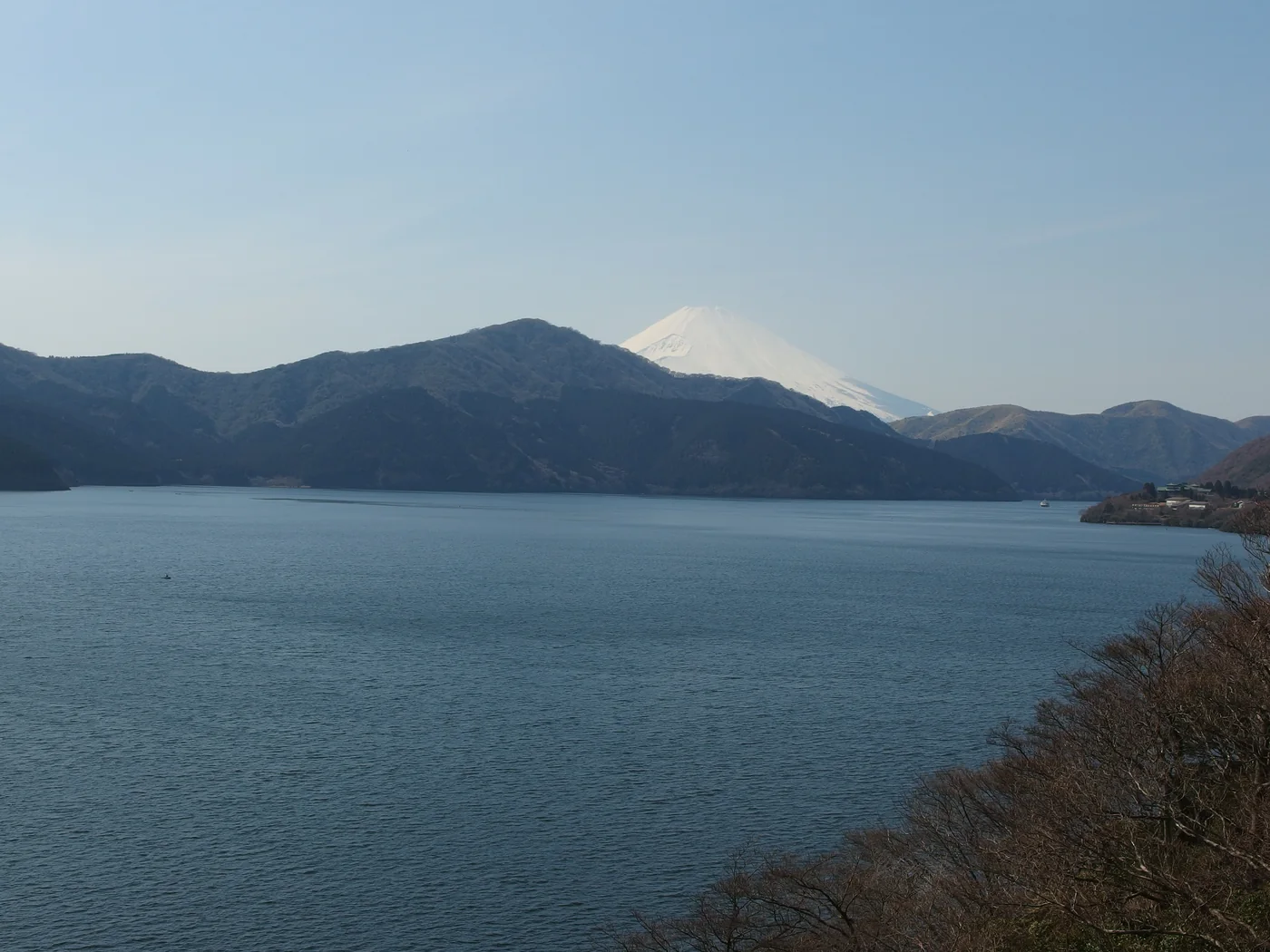
Start with the shoreline on a map when browsing lakeside hotels. Moto-Hakone sits on the southern shore, near Hakone Shrine, Narukawa Art Museum and Moto-Hakone Pier; nearby Hakone-machi Pier is close to Hakone Checkpoint. Togendai is on the northern shore, linking the ropeway, sightseeing cruise boats and Sengokuhara buses, while Hakone-en sits along the eastern shore. Searching "Lake Ashi view hotel" mixes all of them together: stay in Moto-Hakone and you must cross to Togendai for an early ropeway ride; stay near Togendai and walking to Hakone Shrine first thing requires a bus or boat trip first.
Odakyu Hotel de Yama sits near Hakone Shrine: take the Hakone Tozan Bus to Moto-Hakone Pier (roughly 35 minutes from Yumoto per the hotel), then catch the hotel shuttle from Stop 6 in front of the pirate ship pier. The free shuttle departs at 10, 30 and 50 minutes past each hour from 09:10 until the last listed run at 17:10 (winter schedules may vary). Plan buses and cruises backwards from 17:10 if relying on the shuttle; for late departures from Hakone-Yumoto, consider a taxi straight to the hotel rather than changing at the pier.
Standard twin rooms at Hotel de Yama overlook the garden and Lake Ashi from floors 2 to 4, while 1st-floor rooms open onto garden terraces. Those hoping for Mount Fuji views should compare dedicated Fuji-view rooms on the official site or take an early morning lakeside walk. Check-in is 15:00 and check-out 11:00. For direct telephone bookings, the hotel lists cancellation fees of 20% at 7 days prior, 30% at 3 days, 50% the day before and 100% on the day; if booking via third-party platforms or special plans, follow your confirmation's deadline before shifting transport dates.
The Prince Hakone Lake Ashinoko sits on the Hakone-en side. Guests can pre-book a free direct shuttle from Odawara Station West Exit, with current departures listed at 11:45, 14:00 and 16:15 (capacity limited). Online reservations under the lead guest's name open 6 months ahead and close at 12:00 two days before check-in; afterwards, contact the hotel reservations desk. Taking the Tokaido Shinkansen to Odawara and boarding here skips the Hakone-Yumoto transfer. If spending the second morning around Moto-Hakone Shrine and the Old Tokaido road, leave via Moto-Hakone Pier buses to Yumoto or Odawara and save the Odawara shuttle for arrival day. If the West Exit shuttle is full, board Izuhakone Bus Line J from Odawara East Exit Stand 5 to the hotel or Hakone-en (normally about 80 minutes per the hotel).
Heading west towards Kansai afterwards, Tokai Buses also link Moto-Hakone Pier to Mishima Station. Staying on the south shore before catching a Shinkansen towards Shizuoka or Nagoya, compare Mishima against returning to Odawara by departure times, connection waits and luggage handling. Note that using station-to-hotel luggage delivery on your return sends bags to Hakone-Yumoto Station—adding a detour—so ask your lakeside hotel to hold luggage or carry it with you upon check-out instead.
Comparing Half-Board Rates, In-Room Onsen and Accessibility Together
Enter identical dates, guest counts per room and children's ages across two or three short-listed properties, then note the total nightly price per room. Some Japanese plans quote "per adult" while others show the room total: two adults at ¥25,000 each on half board starts at ¥50,000, before adding bathing tax, drinks or paid shuttles shown at checkout. Re-run quotes once travel dates are fixed, as weekdays, long weekends, autumn foliage season and Saturdays vary sharply for the exact same room.
Decide early whether an in-room bath, a reservable private bath or communal baths are non-negotiable. Labels like "open-air" or "semi-open-air" describe placement and enclosure rather than water source: "wakashiyu" indicates heated tap water, whereas "onsen-tsuki" confirms natural hot spring water. Families avoiding shared public baths should weigh climbing stairs for private slots against paying for instant in-room access. Attach exact room descriptions and photos to your booking notes so everyone can see bath size, washing area layout and privacy screens.
Tattoo policies vary by property. Fukuzumiro's official FAQ states there are no tattoo restrictions in its baths. Setsugetsuka's three private baths offer enclosed privacy, though you must weigh party size, stairs and queue waits. Guests with limited mobility should break enquiries into two parts: first, the path from bus stop or drop-off point to reception; second, steps between the room, dining hall, public baths and in-room tub. Setsugetsuka offers a 36-square-metre accessible twin room for 2 guests—check bath entry clearances and tub dimensions against your needs.
When checking allergy accommodations, restaurants will ask about dashi stocks, seasonings and whether the whole table needs adjusted menus. Put forbidden ingredients, acceptable cooking methods and linked room numbers in one message and wait for confirmation before buying non-refundable train tickets. If anyone in your group dislikes multi-course kaiseki or arrives late, staying by Hakone-Yumoto makes separating dinner from accommodation simple. Treat half-board ryokan dinner as the day's final timed commitment so you know what sightseeing to trim before setting off. If you run into terms like "su-domari" (room-only) or "choshoku-tsuki" (breakfast included), see our guide to booking and dining at a Japanese ryokan.
Coordinating Luggage Delivery with Check-In and Departure Times
To travel uphill hands-free from Hakone-Yumoto Station, check whether your accommodation partners with the Hakone Carry Service. Outbound bags are accepted inside the ticket gates at Hakone-Yumoto Station from 08:30 to 12:00 (same-day online registration closes at 11:30), arriving at participating hotels after 15:00. Arriving past noon means heading to the hotel first or using station lockers for a short local walk. Pack any afternoon layers or essentials in a small daypack before handing over main suitcases.
On departure day, hotel receptions accept return luggage until 10:00 for collection at Hakone-Yumoto Station between 13:30 and 18:30 (arranged in person at the hotel). For example, Setsugetsuka's standard 11:00 check-out means dropping bags at reception before 10:00, and anyone booked on a 13:00 Romancecar out of Yumoto will miss the 13:30 collection window. Travellers leaving from a lakeside stay via Mishima or Odawara should keep their bags with them or use hotel storage rather than looping back to Hakone-Yumoto.
Standard luggage (up to 140 cm combined dimensions and 15 kg) costs ¥1,500 per bag each way; large items (up to 200 cm and 30 kg) cost ¥2,500 per bag each way. Valuables, IDs, power banks and pushchairs are excluded and must be carried personally. For families with two or three suitcases, compare per-bag courier fees against a taxi fare straight from Yumoto to the hotel door. Also check whether any planned stops sit along your route—travelling hands-free only saves time if you do not have to backtrack to pick up bags.
How to Pace a One-Night or Two-Night Stay
Leaving Tokyo in the afternoon, spending night one in Hakone-Yumoto works cleanest: arrive, have dinner, check in and soak. Next morning, take the Hakone Tozan Railway up through Gora, Sounzan, Owakudani and Togendai, deciding at the lake whether to cross by boat. If holding reserved evening seats back to Tokyo, work backwards from your departure at Hakone-Yumoto to set cut-off times at Moto-Hakone or Togendai. Line T buses run from Togendai via Sengokuhara back to Yumoto or Odawara, while Moto-Hakone Pier has Line H and the express Line R via the Hakone Shindo; if high winds halt the ropeway or boats, use these buses directly from wherever you are.
Overnighting in Gora lets you visit sights along the mountain railway on day one, spend day two morning at Owakudani, and have lunch by the lake. Staying lakeside flips that rhythm: stroll the shore early, then cross to Togendai by boat—or bus if weather intervenes—after check-out. If catching a timed hotel dinner across the lake on arrival day, save overland bus backups in advance: Line TG connects Togendai to Gora via Sengoku and Miyagino when the ropeway stops, or take Line T towards Yumoto if late in the day and transfer or hail a taxi at the bottom. Check Hakone transit operators' live service and crowd updates for ropeway, boat and bus status before heading out.
On a two-night trip—say one day for museums and another for Owakudani and Lake Ashi—staying both nights in Gora or Sengokuhara avoids packing and dropping bags twice. If keen to try two properties, pick an easy-access base like Hakone-Yumoto or Miyanoshita first, then move to Sengokuhara or the lake for night two before descending via your exit station. With half-board dinners on both nights, plan transfer day backwards from your second hotel's check-in deadline and limit major sightseeing to one stop. If your next room isn't ready early, schedule lunch or a museum visit instead of waiting in reception all afternoon.
If riding the mountain railway, cable car, ropeway and pirate ship over two days, weigh the 2-day Odakyu Hakone Freepass against point-to-point fares (use the 3-day pass only if spanning three full calendar days on a two-night stay). Coming from Shinjuku on the Romancecar, the Freepass covers the base fare depending on your departure station, while the limited express surcharge seat ticket is bought separately. All Romancecar seats are reserved; Odakyu generally opens sales at 10:00 JST one month prior to travel. If taking a hotel shuttle from Odawara to the lake and only riding local lakeside buses, pay-as-you-go fares usually cost less. For departure stations, included lines and loop connections, see our Hakone Freepass and loop transport guide.
Returning to Shinjuku is easiest directly via Romancecar from Hakone-Yumoto, whereas Shinkansen riders should board at Odawara. Even if you arrived from Shinjuku, staying near Tokyo Station or Shinagawa on your final night makes switching to the Tokaido Shinkansen at Odawara a cleaner return with fewer city transfers. If flying out of Narita or Haneda two days later, consider spending the night before your flight back in Tokyo rather than relying on mountain transport on departure day.
A few useful answers
Where is the best place to stay in Hakone for a first-time overnight trip?
Choose Hakone-Yumoto if you are arriving in the afternoon, travelling in and out via Yumoto, or prefer not to change trains uphill. If you can check in early on day one and plan to ride the ropeway to Owakudani first thing the next morning, staying near Gora Station saves the roughly 40-minute morning climb from Yumoto.
Do the open-air bath rooms at Tokinoyu Setsugetsuka have natural hot spring water?
No—the cypress tubs in guest rooms use heated tap water. For natural hot spring water, use the communal baths or the three free, unreserved private open-air baths. If you specifically want milky-white natural spring water in your own room, look at the open-air bath rooms in Senkyoro's Main Building.
For Lake Ashi, should I stay in Moto-Hakone or Togendai?
Stay near Moto-Hakone or Hakone-machi Pier if you want easy access to Hakone Shrine, Narukawa Art Museum and Hakone Checkpoint. Choose Togendai if boarding the Hakone Ropeway or catching buses to Sengokuhara early the next morning. Always check each hotel's exact shuttle pier and timetable to find the quickest link.
Can I reach a lakeside hotel directly after taking the Shinkansen to Odawara?
Yes, depending on the hotel. Guests at The Prince Hakone Lake Ashinoko can pre-book a free shuttle from Odawara Station West Exit (listed departures at 11:45, 14:00 and 16:15). Travellers heading to Moto-Hakone can take a bus from Odawara's East Exit and connect with their hotel's local shuttle.
Should I book my Hakone hotel or the Odakyu Romancecar first?
Book your hotel first—especially for half-board plans, private-bath rooms or family layouts—to match your expected arrival window, then work backwards from dinner and shuttle times to pick a train. Odakyu Romancecar limited express tickets generally go on sale at 10:00 JST one month before the travel date.
Official information and references
Sources used in this guide.
- Yumoto Fujiya Hotel | Check-in, Access, Dining Plans and Onsen Facilities
- Yumoto Fujiya Hotel | Exterior Lift at Hydrangea Bridge
- Yumoto Fujiya Hotel | Main Building Type B Japanese-Western Room Capacity and Bedding
- Yumoto Fujiya Hotel | Private Bath Rates, Capacity and Stairlift Access
- Yumoto Fujiya Hotel | Closure Notice (21–26 February 2027)
- Fukuzumiro | Wooden Ryokan History and Guest Rooms
- Fukuzumiro | Check-in, Bathrooms, Dinner and Breakfast FAQ
- Fukuzumiro | Tonosawa Ryokan Shuttle and Parking
- Fujiya Hotel (Miyanoshita) | Founding and Restoration History
- Fujiya Hotel (Miyanoshita) | Accommodation Wings and In-Room Onsen
- Fujiya Hotel (Miyanoshita) | Miyanoshita Station and Hotel-mae Bus Stop
- Fujiya Hotel (Miyanoshita) | Museum and Facility FAQ
- Tokinoyu Setsugetsuka | Walking Distance from Gora Station and Reservations
- Tokinoyu Setsugetsuka | Room Capacity, Bedding and Bath Water Source
- Tokinoyu Setsugetsuka | Natural Onsen and Private Open-Air Baths
- Tokinoyu Setsugetsuka | Dinner Seatings and Dining Venues
- Hakone Yutowa | Walk from Gora Station and Condominium Bath Water
- Hakone Yutowa | Type C Five-Guest Condominium Facilities
- Senkyoro | Main Building Open-Air Onsen Guest Rooms
- Senkyoro | Buses to Senkyoro-mae Stop
- Senkyoro | Check-in and Check-out Times
- Odakyu Hotel de Yama | Free Shuttle from Moto-Hakone Pier and Access
- Odakyu Hotel de Yama | Standard Twin Rooms and Views by Floor
- Odakyu Hotel de Yama | Check-in, Check-out and Telephone Cancellation Policy
- The Prince Hakone Lake Ashinoko | Odawara Station Shuttle Reservations
- The Prince Hakone Lake Ashinoko | Hakone-en Location and Izuhakone Bus Line J
- Hakone Navi | Hakone-Yumoto Station Map and Bus Stops
- Hakone Navi | Hakone Tozan Railway Travel Times to Miyanoshita and Gora
- Hakone Navi | Sengokuhara Area and Museum Bus Connections
- Hakone Navi | Moto-Hakone Pier Buses and Mishima Route
- Hakone Navi | Buses from Togendai to Gora and Hakone-Yumoto
- Hakone Navi | Live Service Status for Sightseeing Transport
- Hakone Navi | Same-Day Luggage Delivery, Partner Hotels, Cut-offs and Fares
- Hakone Navi | Hakone Freepass Validity and Covered Routes
- Odakyu Electric Railway | Romancecar Base Fares, Seat Reservations and Release Times