Compare Hakone-Yumoto, Tonosawa, Miyanoshita, Gora, Sengokuhara, and Lake Ashi. Pick the right Hakone hotel for a 2-day, 1-night trip based on station shuttles, dinner cutoffs, in-room hot springs, and checkout luggage delivery.
- Region & Focus
- Hakone
- Reading Scope
- 21 min read · 10 chapters · 5 Q&As
- Official Verification
- 35 official sources checkedUpdated November 22, 2026
- Key Topics
- RyokanHot springsTokyo & Kanto
Chapter Route Map (tap any stop)
- Pick Your Last Stop for Check-In Day First
- Hakone-Yumoto: Easiest for Late Arrivals, Families, and Odawara Connections
- Tonosawa: Save the Evening for Fukuzumi-ro in a Gorge-Side Wooden Ryokan
- Miyanoshita: Historic Western Architecture with Hot Springs in Every Room
- Gora: Best for Early Owakudani Trips, If You Match the Right Station and Bath
- Sengokuhara: Pair Milky-White Spring Water with Museums and Pampas Grass
- Lake Ashi: Treat Moto-Hakone, Togendai, and Hakone-en as Separate Stops
- How to Compare Half-Board Rates, In-Room Onsen, and Accessibility Together
- Coordinating Luggage Delivery with Check-In and Departure Windows
- Planning a 1-Night Loop vs. When to Switch Hotels on a 2-Night Stay
- Quick Q&A
For a first-time stay in Hakone, book Hakone-Yumoto if you expect a late arrival on night one or an early train out the next morning. If you can check in by mid-afternoon and want to head up to Owakudani first thing the next day, stay right by Gora Station. When soaking is the point of the trip, look to Tonosawa for wooden tatami rooms along the Hayakawa River gorge, or Miyanoshita for a Meiji-era Western-style grand hotel. Sengokuhara pairs milky-white sulfur baths with art museums and pampas grass fields, while Lake Ashi works best for early-morning walks along the shore. Before booking, compare dinner cutoffs, the last leg of transit, and the water source for any private in-room bath. Both may be listed as open-air baths, but Tokinoyu Setsugetsuka in Gora fills its in-room tubs with heated tap water, whereas Senkyoro in Sengokuhara pipes mineral-rich milky spring water directly into select guest rooms.
Pick Your Last Stop for Check-In Day First
On the Odakyu Romancecar from Shinjuku to Hakone-Yumoto, the Fujiya Hotel in Miyanoshita lists the ride at about 85 minutes. Continuing up the mountain from Yumoto on the Hakone Tozan Railway takes roughly 25 minutes to Miyanoshita and 40 minutes to Gora. Those are just the train legs. Working backward from your hotel's dinner start time, you still need to factor in platform transfers, grabbing snacks, finding the right bus stop, and walking from the drop-off point to the front desk. Leaving Tokyo just one train later than planned can easily push an uphill check-in past a ryokan's preferred arrival cutoff.
If you are connecting from Shinagawa, Nagoya, or another Tokaido Shinkansen station, make Odawara your entry point. For hotels around Hakone-Yumoto, simply transfer to the Tozan line. For Sengokuhara or the lakeside, check each property's own access page first for direct buses or hotel shuttles from Odawara, then compare that against transferring at Hakone-Yumoto. There is also a practical split at Odawara Station: local route buses mostly depart from the East Exit, while the shuttle for The Prince Hakone Lake Ashinoko picks up at the West Exit. Save both the exit and your destination in your itinerary so you do not detour with bags.
Hakone hotel addresses often group valley, hillside, and lakeside areas under the same town name, so search by pairing the property name with its nearest station or bus stop. Some ryokan listed under Gora actually sit closer to an intermediate stop on the Hakone Tozan Cable Car. Leaving a museum in the late afternoon, checking the slope on a map along with shuttle frequencies and exact drop-off spots gives a much clearer picture than searching how many kilometers a property is from Gora. Once you have surveyed the areas, lock in one final stop for day one and one top priority for day two, then fill in the rest around your lodging and the weather.
| Area | Best Fit For | What to Check First |
|---|---|---|
| Hakone-Yumoto | Afternoon departures from Tokyo or catching a Shinkansen the next day | Walk time and slope from the station platform to the hotel |
| Tonosawa | Spending a night in a wooden tatami room along the Hayakawa gorge | Shuttle pickup spot, in-room bath/toilet setup, and dinner check-in cutoff |
| Miyanoshita | Building a historic Western-style hotel and on-site dining into your stay | Building wing, walk from the train, and bus stop drop-off location |
| Gora | Heading up to Owakudani early or sightseeing along the mountain railway | Whether the hotel is closer to Gora Station or a Cable Car stop |
| Sengokuhara | Combining art museums, pampas grass fields, and milky-white spring water | Nearest bus stop, dinner schedule, and in-room bath water source |
| Lake Ashi | Staying lakeside to visit a shrine or pier early the next morning | Which shore the hotel sits on, return exit station, and shuttle hours |
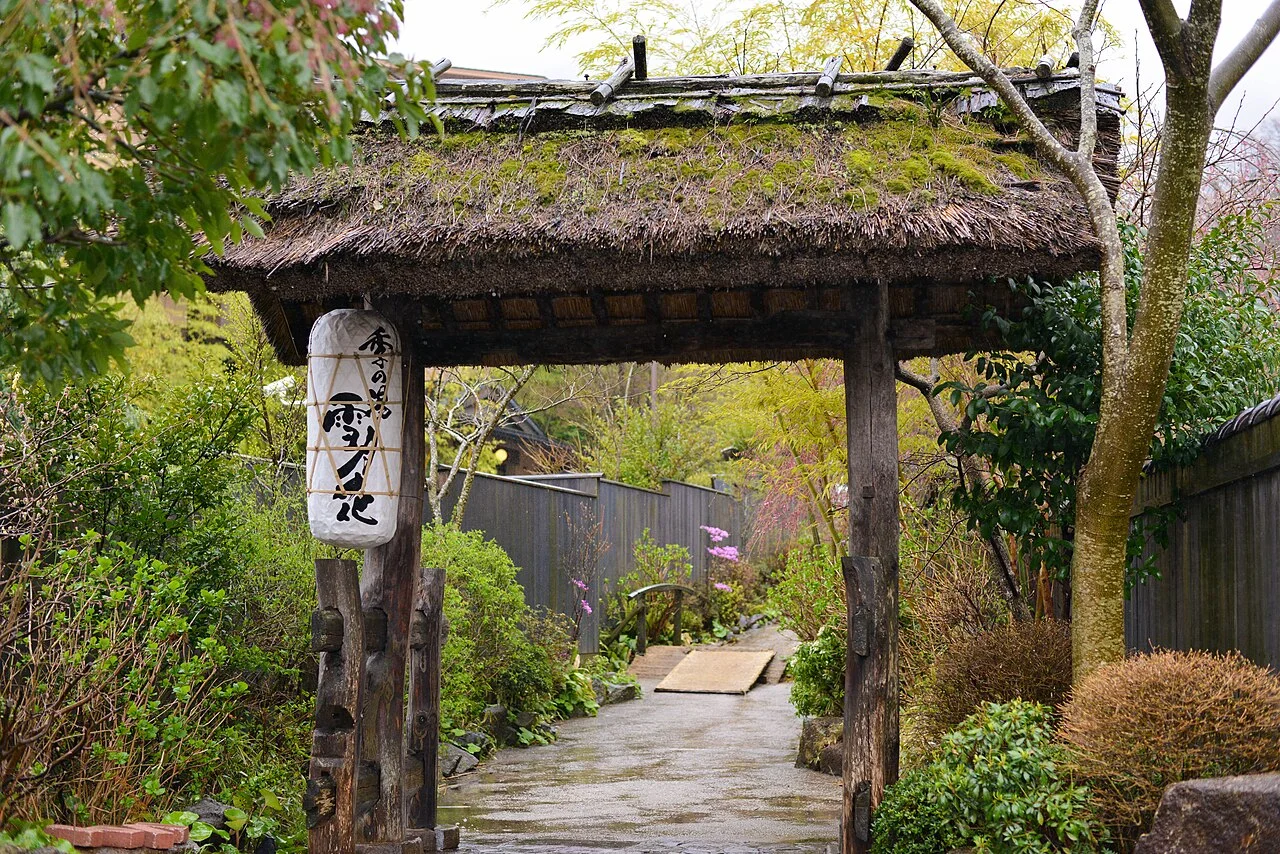
Compare Hakone-Yumoto, Tonosawa, Miyanoshita, Gora, Sengokuhara, and Lake Ashi. Pick the right Hakone hotel for a 2-day, 1-night trip based on station shuttles, dinner cutoffs, in-room hot springs, and checkout luggage delivery.
Hakone-Yumoto: Easiest for Late Arrivals, Families, and Odawara Connections
Yumoto Fujiya Hotel is roughly a 3-minute walk from Hakone-Yumoto Station, with standard check-in at 15:00 and check-out at 11:00. Leave the station and cross the Ajisai Bridge over the Hayakawa River; an exterior elevator at the end of the bridge leads straight up toward the main entrance, ideal for families who want to drop bags before heading out for snacks. Staying here also lets a group split up easily: anyone who wants to browse the hot-spring town shops can linger near the station, while tired travelers can head back to the room early. At the end of the trip, you are right back at Yumoto Station for the train to Odawara and the Shinkansen, making it simple to separate luggage storage, meals, and boarding.
The hotel's bath complex, Soun, includes large communal baths, open-air pools, and private reservable baths (kashikiri). Families who want to soak together can reserve a private slot in advance via the official website form or by phone, or book by phone or at the front desk on arrival day. Yumoto Fujiya offers dinner-inclusive plans with Japanese kaiseki, Chinese, or French cuisine—check the exact restaurant and menu listed under each rate. If you are traveling with kids and want an early dinner, enter their ages and headcount during the search so quotes reflect the exact occupancy, and check bed types and futon capacity separately if older family members prefer Western beds.
Groups of five or six can look at the 48-square-meter Type B Japanese-Western room in the Main Building, which sleeps two to six guests. At full six-person occupancy, the hotel provides three beds plus three futons laid out on the tatami area—handy when keeping beds for seniors or family members who need them. For private family soaks, Yumoto Fujiya charges ¥3,000 for 45 minutes in the large private bath (4 to 5 guests) and ¥2,000 for 45 minutes in the small bath (2 to 3 guests). Reaching the private baths requires climbing roughly 30 steps from the main bath entrance; guests with limited mobility can ask staff to operate the stair lift, which involves a short transfer along the way.
If you expect a late arrival, lock in your dinner plan alongside the room. If you plan to eat in Tokyo and head straight to your room upon arrival, look for room-only or breakfast-only plans. If you want to dine near Yumoto Station before heading farther up the mountain, put dinner ahead of transit in your schedule, while still making sure you clear the ryokan's final check-in cutoff. On days packed with an afternoon airport arrival and multiple transfers, skipping one extra uphill leg is often far more practical than booking a photogenic property deep in the hills.
Yumoto Fujiya Hotel has announced a scheduled closure for statutory electrical inspections and facility maintenance starting at 11:00 on February 21, 2027, reopening at 09:00 on February 27, 2027. If your trip falls during that week, choose another hotel in the same area to keep your departure route from Hakone-Yumoto Station intact. Also check the address when searching, as Miyanoshita also has a Fujiya Hotel: Yumoto Fujiya is at 256-1 Yumoto, while Miyanoshita Fujiya is at 359 Miyanoshita, separated by a stretch of mountain road.
Tonosawa: Save the Evening for Fukuzumi-ro in a Gorge-Side Wooden Ryokan
Head slightly upstream along the Hayakawa River to Tonosawa and the focus shifts from station-front shopping streets to the ryokan itself. Founded in 1890, Fukuzumi-ro is a three-story wooden inn registered as a Tangible Cultural Property of Japan, with 17 guest rooms each laid out differently. When booking historic ryokan like this, check the specific room name and in-room facilities first, then look at window views and floor space. Guest rooms use Japanese futons, and most rely on shared toilets and washing areas. The official FAQ notes that the Sakura 2 deluxe room includes a private bath and toilet, making it the first option to check if you want to avoid hallway trips at night.
Check-in at Fukuzumi-ro starts at 15:00, and early arrivals can leave luggage at the inn. Guests on dinner-inclusive plans must check in by 18:00, with breakfast served starting at 08:00. The baths stay open from 15:00 until 09:30 the following morning, and a family bath is available whenever unoccupied. With this schedule, you can easily fit in a soak after dinner and another before breakfast. If you need to catch a train shortly after 08:00, arrange breakfast outside the inn instead. For vegetarian or dietary restrictions, the inn asks separately about meat, fish, and dashi stock, so specify which types of broth are acceptable when messaging ahead.
From Hakone-Yumoto Station, cross National Route 1 and board the orange shared ryokan shuttle bus toward Tonosawa outside the station. Both Fukuzumi-ro's current access page and Hakone-Yumoto Station's transit guide list the one-way adult fare at ¥200. Because the shuttle serves multiple ryokan in the area, have Fukuzumi-ro's name ready to tell the driver. If you have large suitcases, arrive in the evening, or miss a shuttle departure, take a taxi from Yumoto instead. Drivers should also contact the inn early, as Fukuzumi-ro lists only six dedicated parking spaces on its official site.
The Hayakawa gorge works best when checking in is your final stop for the afternoon. Before booking, verify the floor level and room amenities on the guest-room page; if anyone in your group struggles with stairs, ask about steps from the entrance to the room, baths, and dining area. If a larger group books multiple rooms and wants to dine at one table, the inn coordinates seating based on headcount and room size—note all linked reservations together when booking. For more communal baths and private-use onsen across the area, see our Hakone Onsen Guide.
Miyanoshita: Historic Western Architecture with Hot Springs in Every Room
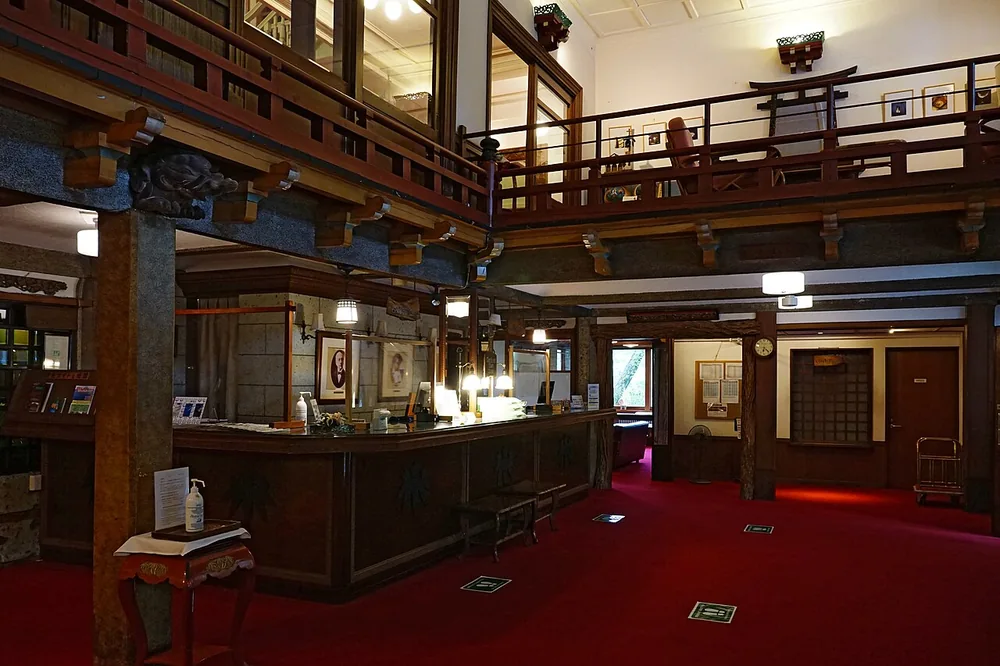
Fujiya Hotel in Miyanoshita originally opened in 1878 and reopened in 2020 following major restoration work. The property spans distinct wings—including the 1891 Main Building and the 1906 Seiyokan (Western Wing)—listed separately on the rooms page. Look at the Main Building if you want the classic karahafu gable entrance and Japanese-Western blend, or start with Seiyokan for Meiji-era Western ceilings and sash windows. Because rooms vary across several eras, compare options by exact wing and room name with your travel companions so you do not mistake archival showcase photos for your actual room.
The hotel pipes Miyanoshita's natural hot-spring water directly to the bathroom in every guest room. If you want both natural spring water in-room and Western beds, compare this property alongside Senkyoro's open-air onsen rooms. Miyanoshita's draw is pairing a classic grand hotel, period architecture, and private hot-spring bathing in a single stay: after checking in at 15:00, you can spend the afternoon touring the historic wings and hotel museum. If you plan to eat French cuisine in the Main Dining Room or Japanese fare at the former imperial villa Kikkaso, check restaurant reservations alongside room availability before deciding how much of the afternoon to spend in Miyanoshita.
Fujiya Hotel lists two public transit approaches. From Hakone-Yumoto, ride the Hakone Tozan Railway for about 25 minutes to Miyanoshita Station, then walk roughly 7 minutes. Alternatively, take a bus to the Hotel-mae stop, listed on the official site as about a 2-minute walk. Take the train when traveling light or when highway traffic backs up, and choose the bus to cut down on walking uphill. If you have an early Shinkansen the next morning, factor in the extra transfer at Yumoto to reach Odawara; if you want a late check-out and one last in-room soak, push your Shinkansen departure past noon.
Gora: Best for Early Owakudani Trips, If You Match the Right Station and Bath
If you are riding the mountain railway up with bags, Tokinoyu Setsugetsuka is one of the easiest stays to reach in Gora, listed officially as a 1-minute walk from Gora Station. Staying here lets you visit the Hakone Open-Air Museum or Gora Park on your first afternoon, then start day two from Gora on the Hakone Tozan Cable Car to Sounzan and transfer to the Hakone Ropeway for Owakudani. On Japanese transit pages, 'cable car' refers to the ground-track funicular between Gora and Sounzan, while 'ropeway' is the aerial gondola to Owakudani and Togendai—keep both terms straight when checking routes and timetables.
Setsugetsuka's in-room baths use heated tap water; for natural hot-spring water, head to the communal baths or the three private open-air baths at Mori no Yu. Those private baths are marked for two guests, free of charge, and require no reservation—check the indicator lights at the entrance and keep sessions to around 40 minutes. Note that the entrance involves stairs and there are no showers inside the private bath stalls. Families of three or travelers using mobility aids should weigh that layout separately from the guest room. If private natural spring water inside your own room is a must, put Senkyoro's Main Building milky-water rooms in Sengokuhara on the same shortlist.
Sleeping arrangements near Gora Station also shift both price and comfort. In Setsugetsuka's 36-square-meter Japanese-Western room, a party of three has one guest sleeping on a self-laid futon. The 45-square-meter Japanese-Western layout keeps two beds and adds two futons when hosting four guests. To guarantee beds for two adults, filter directly for twin rooms or Japanese-Western rooms. Solo travelers or couples can check the 19-square-meter Western double room for one to two guests, which features a semi-open-air bath sharing the same wet area as the shower, whereas the 36-square-meter Japanese-Western room separates the shower booth.
Standard check-in at Setsugetsuka is from 15:00 with check-out at 11:00, though specific rate plans may set different check-out times. Dinner seatings—at 17:30 or 20:00—and your restaurant venue are typically chosen at check-in, subject to same-day adjustments or full seatings. If your group prefers the earlier slot, arrive at check-in first to lock in dinner before deciding how long to explore nearby. If you are looping back from Lake Ashi on day one via sightseeing boat, ropeway, and cable car, check the clock when you reach Togendai; if dinner is getting tight, switch to your backup bus route and save Owakudani for the next morning.
For another Gora base that pairs kitchen facilities with natural hot springs, look at Hakone Yutowa. The hotel's FAQ puts it about a 5-minute walk from Gora Station, and its condominium-style rooms feature view baths fed by the property's own Ninotaira spring source. Groups of five can check the roughly 61-square-meter Type C condo room, equipped with an induction cooktop, microwave, cookware, and a dining table, plus two beds supplemented by an extra bed and sofa bed. If you need to prepare meals for elders or young children on one of two nights, treat kitchen access as equally important as the bath setup. For standard hotel rooms here, check the room amenities page for specific bathroom details.
If you plan to head out after dark or arrive on one of the final mountain trains, double-check the exact nearest stop when booking in Gora. Some properties sit closer to Koenkami, Kami-Gora, or Sounzan stations rather than Gora Station itself. Factor in the time needed to drop back down to Gora Station and transfer if you plan to pick up supplies or catch an early train.
Sengokuhara: Pair Milky-White Spring Water with Museums and Pampas Grass
If you want to see the Sengokuhara pampas grass fields and browse art museums at an unhurried pace, basing yourself here beats rushing through the full sightseeing loop. From Hakone-Yumoto, take the T line bus bound for Togendai and get off at Senkyoro-mae, Sengoku-Annaijo-mae, or Sengoku-Kogen depending on your hotel. Senkyoro estimates about 30 minutes from Yumoto to Senkyoro-mae, or about 50 minutes from Odawara on the Togendai-bound bus. Coming from Gora, check the S line Sightseeing Facilities Loop Bus, which connects the Pola Museum of Art and Hakone Venetian Glass Museum into Sengokuhara. Once there, you can split the museums and grasslands between the next morning and afternoon while still leaving time for a pre-dinner soak.
Senkyoro offers guest rooms with open-air baths on the second and third floors of its Main Building, supplied directly with continuous-flow, milky-white natural spring water. The official site lists two configurations in this category: an 8-tatami room with twin beds and a 10-tatami room with low Japanese-style beds. Search specifically for Main Building open-air bath room types if you want spring water in-room. If the main communal baths are enough, compare total half-board prices across standard rooms on the same dates and put the savings toward museum tickets or return transit. Standard check-in is 15:00 and check-out is 10:00, though individual packages may vary.
You can also take an Odakyu Highway Bus directly from Shinjuku and step off right at Senkyoro-mae. Before committing to that route, work backward from your hotel location to check which Sengokuhara stop it uses, how far you will walk from the curb, and which evening bus still gets you in before dinner. Highway traffic thickens on weekends and long holidays, so leaving yourself one bus of buffer is far less stressful than cutting local route timetables close. Travelers driving in from Gotemba can also make Sengokuhara their first stop, leaving bulky luggage at the hotel or in the car before touring the museums.
When rain or wind affects the pampas grass fields, keep half a day flexible for indoor museums, ryokan lounging, and lunch along the same bus line. If you book a room without dinner, save the exact restaurants you plan to visit along with their return bus stops—especially when dinner and your hotel sit at different stops. For two-night stays booked on the same meal plan, ask the property in advance whether the second night's menu rotates. On days when you want to stay out later, pairing a breakfast-only room rate with a reserved restaurant table gives you far more breathing room than locking both evenings to the same ryokan dinner hour.
Lake Ashi: Treat Moto-Hakone, Togendai, and Hakone-en as Separate Stops
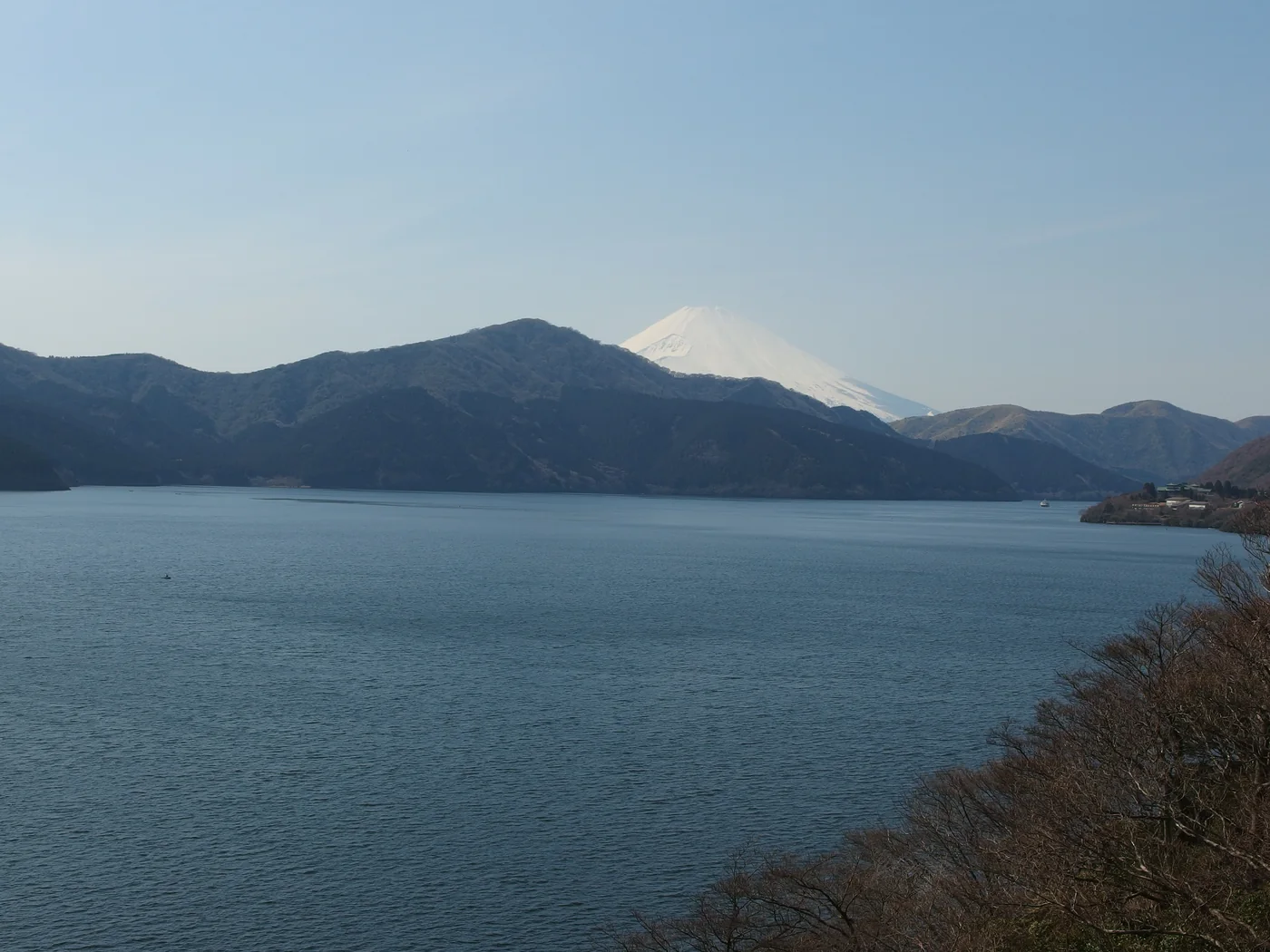
Start by checking which shore a lakeside hotel sits on. Moto-Hakone anchors the south end near Hakone Shrine, the Narukawa Art Museum, and Moto-Hakone Port; Hakonemachi Port sits close to the Hakone Checkpoint; Togendai anchors the north end with connections to the Ropeway, sightseeing pirate ships, and buses toward Sengokuhara; and Hakone-en sits along the eastern shore. Searching for lake-view hotels in Hakone pulls up properties across all of these zones. If you stay in Moto-Hakone and want the early ropeway, you first have to get up to Togendai; conversely, staying near Togendai for an early walk to Hakone Shrine requires a bus or boat crossing.
Odakyu Hotel de Yama sits near the Hakone Shrine area; ride the Hakone Tozan Bus to Moto-Hakone Port, then catch the hotel shuttle from Stop 6 in front of the pirate ship pier. The hotel estimates about 35 minutes from Yumoto to Moto-Hakone. Its free shuttle runs at :10, :30, and :50 past each hour starting at 09:10, with the last posted departure from Moto-Hakone Port at 17:10 (winter schedules may differ). Plan your afternoon bus or boat connections backward from 17:10. If you leave Hakone-Yumoto late in the day, look into taking a taxi straight to the hotel rather than transferring at the port.
Hotel de Yama lists garden and Lake Ashi views from its 2nd- to 4th-floor standard twin rooms, while 1st-floor rooms face the garden with private terraces. If seeing Mount Fuji is a priority, compare dedicated Mount Fuji-view room categories on the official site or plan an early-morning walk along the grounds. Standard check-in is 15:00 and check-out is 11:00. For direct phone bookings, the hotel lists cancellation fees of 20% at 7 days prior, 30% at 3 days prior, 50% the day before, and 100% on the day of arrival. For third-party booking platforms or special packages, check the exact deadline on your confirmation before locking in non-refundable transit.
The Prince Hakone Lake Ashinoko sits on the Hakone-en side of the lake. Overnight guests can reserve a free direct shuttle from Odawara Station's West Exit, currently scheduled at 11:45, 14:00, and 16:15 until seats fill. Online reservations—under the lead guest's booking name—open six months prior and close at 12:00 two days before check-in; after that, contact the hotel reservations desk directly. Boarding at Odawara right off the Tokaido Shinkansen skips the Hakone-Yumoto transfer altogether. If you plan to visit the shrine and Old Tokaido road in Moto-Hakone before leaving the next day, take a bus from Moto-Hakone Port back down to Hakone-Yumoto or Odawara and save the free shuttle for arrival day. If the West Exit shuttle is full, walk to Bus Stop 5 at Odawara's East Exit and catch the Izuhakone Bus Line J to the hotel stop or Hakone-en—listed at around 80 minutes under normal traffic.
If you are continuing west toward Kansai, Tokai Bus also runs from Moto-Hakone Port to Mishima Station. Guests staying on the south shore who plan to catch a Tokaido Shinkansen toward Shizuoka or Nagoya can compare going via Mishima against looping back to Odawara based on train times, transfer waits, and luggage handling. Keep in mind that sending bags back to Hakone-Yumoto via station luggage delivery adds an unnecessary detour if you are exiting via Mishima or Odawara—leave bags at the hotel the night before or carry them with you at check-out.
How to Compare Half-Board Rates, In-Room Onsen, and Accessibility Together
Start by plugging the exact same check-in date, room headcount, and children's ages into two or three candidate properties, then write down the total per-room nightly rate. Some Japanese booking plans show per-adult pricing, while others show the full room total. Two adults on a ¥25,000 half-board plan start at ¥50,000 for the room, before adding items listed on the checkout page such as hot-spring bathing tax (nyutouzei), drinks, or paid shuttles. Once your dates are firm, recalculate for those exact nights—rates for the exact same room shift sharply between weekdays, weekends, long holidays, and autumn foliage season.
For bathing, decide early whether an in-room tub, a private reservable bath (kashikiri), or a communal large bath is non-negotiable. Labels like 'open-air' or 'semi-open-air' describe only the tub's setting and enclosure, not the water source: 'wakashiyu' means heated regular water, whereas 'onsen-tsuki' confirms natural hot-spring water is piped in. If your group does not want to bathe with strangers, clarify whether everyone is fine taking stairs to a reservable family bath or needs 24-hour in-room access. Save room descriptions alongside photos on a shared booking sheet so everyone can see tub size, shower placement, and privacy screens before paying.
Tattoo policies vary by property. Fukuzumi-ro's official FAQ states that guests with tattoos have no restrictions in its baths. Setsugetsuka's three reservable baths are fully private spaces, though you will want to factor in headcount limits, entry stairs, and possible wait times. For guests with limited mobility, ask the hotel in two parts: first check the path from the bus stop or drop-off point into the lobby, then check step-free access between the room, restaurant, and baths. Setsugetsuka offers a 36-square-meter Universal Design twin room for two guests, though you should still confirm tub entry height and dimensions against your needs.
When requesting allergy accommodations, hotels will also ask about dashi broth, seasonings, and whether everyone at the table needs an adjusted menu. Combine restricted ingredients, acceptable cooking methods, and linked room numbers into one message, and wait for the property's confirmation before buying hard-to-change train tickets. If anyone in your group skips multi-course kaiseki or arrives late, staying near Hakone-Yumoto makes it easy to separate dinner from lodging. Treat a half-board ryokan dinner as the last timed event of each day so you know what to drop before heading out in the morning. If you see terms like 'sudomari' (room only) or 'choshoku-tsuki' (breakfast included) while searching, check our first-time ryokan stay meal and room plans guide.
Coordinating Luggage Delivery with Check-In and Departure Windows
To tour the mountain hands-free from Hakone-Yumoto Station, use the Hakone Carry Service, which partners with participating hotels and ryokan across the area. For outbound delivery, drop bags at the counter inside the Hakone-Yumoto Station ticket gates between 08:30 and 12:00 (online registration closes at 11:30 on the same day), and pick them up at your hotel after 15:00. If you arrive past noon, head straight to your hotel or use station coin lockers for a shorter walk. Pack any extra layers or items you might need during the afternoon in a daypack so they stay with you until your bags arrive at the room.
For the return trip, drop bags at your hotel's front desk before 10:00 and pick them up at Hakone-Yumoto Station between 13:30 and 18:30—return delivery is arranged in person at the property. Note the timing catch: check-out at places like Setsugetsuka runs until 11:00, so you must hand over your bags before 10:00 if using the service, and a 13:00 Romancecar departure from Yumoto leaves before the 13:30 pickup window opens. Guests staying by Lake Ashi and departing via Mishima or Odawara should skip the Yumoto detour altogether and either carry their bags or use hotel storage.
Hakone Carry Service charges ¥1,500 one-way per regular bag (combined length, width, and height up to 140 cm and weight under 15 kg) and ¥2,500 one-way per large bag (up to 200 cm and 30 kg). Keep passports, valuables, power banks, and strollers with you, as they are excluded from transport. Because rates are per bag, families with two or three suitcases should compare the delivery total against taking a taxi straight from Yumoto to the hotel. On the outbound leg, make sure your lunch stop sits along your transit route—traveling hands-free only saves time if you do not have to backtrack to a station for your bags.
Planning a 1-Night Loop vs. When to Switch Hotels on a 2-Night Stay
If you leave Tokyo in the afternoon, spending night one in Hakone-Yumoto keeps logistics simple: arrive, eat dinner, check in, and soak. On day two, ride the Hakone Tozan Railway up through Gora, Sounzan, Owakudani, and Togendai, then decide whether to cross the lake based on the clock. If you have reserved evening seats back to Tokyo, work backward from your Yumoto departure to set your cutoff time for leaving Moto-Hakone or Togendai. From Togendai, the T line bus runs back through Sengokuhara to Yumoto or Odawara; from Moto-Hakone Port, take the H line back to the station or the R line via the Hakone Shindo expressway. If high winds pause the ropeway or boats, use these bus lines directly from whichever side you are on.
With one night in Gora, spend day one riding the mountain railway and exploring stops along the line before settling into your ryokan, then dedicate day two morning to Owakudani and lunch by the lake. Lake Ashi guests can flip the order: stroll the shore early after breakfast, then catch the boat from Togendai or switch to buses depending on weather. Whenever you have a fixed ryokan dinner time—especially if crossing from the opposite side of the lake—save an overland bus backup in your notes. Between Togendai and Gora, the TG line runs via Sengoku and Miyagino when the ropeway is down; if late-day buses are winding down, take the T line from Togendai toward Yumoto and transfer lower down or hail a taxi. Check Hakone Navi's live transit status and crowding updates before setting out so you know how the ropeways, boats, and buses are running.
For a two-night trip split between museums on one day and Owakudani plus Lake Ashi on the other, staying both nights in Gora or Sengokuhara spares you from repacking every morning. If you want two different styles of lodging, spend night one in transit-friendly Hakone-Yumoto or Miyanoshita, then move up to Sengokuhara or Lake Ashi for night two before exiting from your chosen gateway station. When both stays include dinner, work backward from the second property's check-in cutoff on transfer day and limit yourself to one major stop in between. If your next room is not ready early, aim to arrive around lunch or a museum visit instead of waiting in the lobby.
If your two-day itinerary strings together the mountain railway, cable car, ropeway, and sightseeing boats, compare the 2-day Hakone Freepass against individual fares; if a two-night trip spans three full calendar days of transit, look at the 3-day pass. When riding the Romancecar from Shinjuku, the Freepass covers the base fare from your origin station, while the limited express seat surcharge is purchased separately. All Romancecar seats are reserved, with Odakyu generally opening sales one month ahead at 10:00 JST. On the other hand, if you take a hotel shuttle straight from Odawara to the lake and stick to one shoreline bus corridor, buying point-to-point tickets is cheaper. For departure zones, covered routes, and loop transfers, see our Hakone Freepass and loop transit guide.
Returning to Shinjuku, take the Romancecar straight back from Hakone-Yumoto; if heading elsewhere by Shinkansen, board at Odawara. Even if you arrived from Shinjuku on day one, switching to the Tokaido Shinkansen at Odawara cuts out an extra transfer inside Tokyo if your next hotel is near Tokyo Station or Shinagawa. And if you are flying out of Narita or Haneda two days later, consider spending your final night back in central Tokyo rather than cutting a mountain transit day too close to airport check-in.
A few useful answers
Where is the easiest place to stay for a first-time 2-day, 1-night trip to Hakone?
Choose Hakone-Yumoto if you are arriving in the afternoon, starting and ending at Yumoto Station, or traveling with someone who prefers to skip uphill transfers. If you can check in early on day one and definitely plan to ride the ropeway to Owakudani the next morning, staying near Gora Station saves you the roughly 40-minute uphill train ride from Yumoto the following day.
Do the open-air bath rooms at Tokinoyu Setsugetsuka use natural hot-spring water?
No—the private hinoki cypress tubs in the guest rooms use heated tap water. For natural hot-spring water, use the property's large communal baths or its three free, no-reservation private open-air baths. If you want milky-white natural spring water piped directly into your room, check the Main Building open-air bath rooms at Senkyoro.
On Lake Ashi, is it better to stay in Moto-Hakone or Togendai?
Stay near Moto-Hakone or Hakonemachi Port if your priority is visiting Hakone Shrine, the Narukawa Art Museum, or the Hakone Checkpoint. If you are heading onto the Hakone Ropeway or catching buses toward Sengokuhara first thing the next morning, Togendai puts you right at the transfer hub. Check your specific hotel's shuttle pier and timetable to find the quickest fit.
Can I go straight to a Lake Ashi hotel after taking the Shinkansen to Odawara?
Yes. Guests at The Prince Hakone Lake Ashinoko can reserve the free hotel shuttle from Odawara Station's West Exit, departing at 11:45, 14:00, and 16:15. Travelers staying in Moto-Hakone can board route buses from Odawara Station's East Exit and connect to their hotel's shuttle pickup from there.
Should I book my Hakone hotel or the Odakyu Romancecar first?
Book your hotel first—especially if you want half-board dining, specific private-bath features, or family room layouts—matching your target arrival time. Once your check-in and shuttle windows are set, work backward to pick your train. Romancecar limited express tickets generally go on sale one month prior to departure at 10:00 JST.
Official information and references
Sources used in this guide.
- Yumoto Fujiya Hotel | Check-In, Access, Dining Plans, and Onsen Facilities
- Yumoto Fujiya Hotel | Exterior Elevator by Ajisai Bridge
- Yumoto Fujiya Hotel | Main Building Type B Japanese-Western Room Capacity and Bedding
- Yumoto Fujiya Hotel | Private Bath Rates, Capacity, and Stair Lift Access
- Yumoto Fujiya Hotel | Scheduled Closure Notice for February 21–26, 2027
- Fukuzumi-ro | Wooden Ryokan Architecture, History, and Guest Rooms
- Fukuzumi-ro | Check-In, Bath Access, Dinner, and Breakfast FAQ
- Fukuzumi-ro | Tonosawa Ryokan Shuttle Bus and Parking Information
- Fujiya Hotel | Founding History and Restoration in Miyanoshita
- Fujiya Hotel | Accommodation Wings and In-Room Hot Springs
- Fujiya Hotel | Access via Miyanoshita Station and Hotel-mae Bus Stop
- Fujiya Hotel | Museum and Facility FAQ
- Tokinoyu Setsugetsuka | Walking Distance from Gora Station and Reservations
- Tokinoyu Setsugetsuka | Room Capacity, Bed Types, and In-Room Bath Water
- Tokinoyu Setsugetsuka | Natural Hot Springs and Private Open-Air Baths
- Tokinoyu Setsugetsuka | Dinner Seatings and Dining Venues
- Hakone Yutowa | Walk from Gora Station and Condominium Bath Water Source
- Hakone Yutowa | Type C Condominium Room Amenities for Five Guests
- Senkyoro | Main Building Open-Air Onsen Guest Rooms
- Senkyoro | Bus Access to Senkyoro-mae Stop
- Senkyoro | Check-In and Check-Out Times
- Hotel de Yama | Free Shuttle from Moto-Hakone Port and Nearby Stations
- Hotel de Yama | Standard Twin Rooms and Views by Floor
- Hotel de Yama | Check-In, Check-Out, and Direct Phone Cancellation Policy
- The Prince Hakone Lake Ashinoko | Odawara Station Shuttle Reservations
- The Prince Hakone Lake Ashinoko | Hakone-en Location and Izuhakone Bus Line J
- Hakone Navi | Hakone-Yumoto Station Map and Bus Platform Guide
- Hakone Navi | Hakone Tozan Railway Travel Times to Miyanoshita and Gora
- Hakone Navi | Sengokuhara Area and Museum Shuttle Buses
- Hakone Navi | Moto-Hakone Port Buses and Mishima Route
- Hakone Navi | Togendai Buses to Gora and Hakone-Yumoto
- Hakone Navi | Real-Time Sightseeing Transit Operating Status
- Hakone Navi | Same-Day Luggage Delivery, Partner Ryokan, Cutoffs, and Fares
- Hakone Navi | Hakone Freepass Validity and Covered Routes
- Odakyu Electric Railway | Romancecar Base Fares, Seat Reservations, and Sales Times