Deciding where to stay in Nikko? Compare hotels and ryokan around Nikko Station and Shinkyo Bridge, Kinugawa Onsen, and Lake Chuzenji, with winter bus schedules, room types, half-board meals, bathing tax, and booking order.
- Region & Focus
- Nikko and Kinugawa
- Reading Scope
- 20 min read · 9 chapters · 7 Q&As
- Official Verification
- 33 official sources checkedUpdated November 22, 2026
- Key Topics
- Where to stayRyokanHot springs
Chapter Route Map (tap any stop)
- Pick Your Morning Destination Before Choosing an Area
- Stay by the Stations for Transit, or Near Shinkyo Bridge for Early Shrine Walks
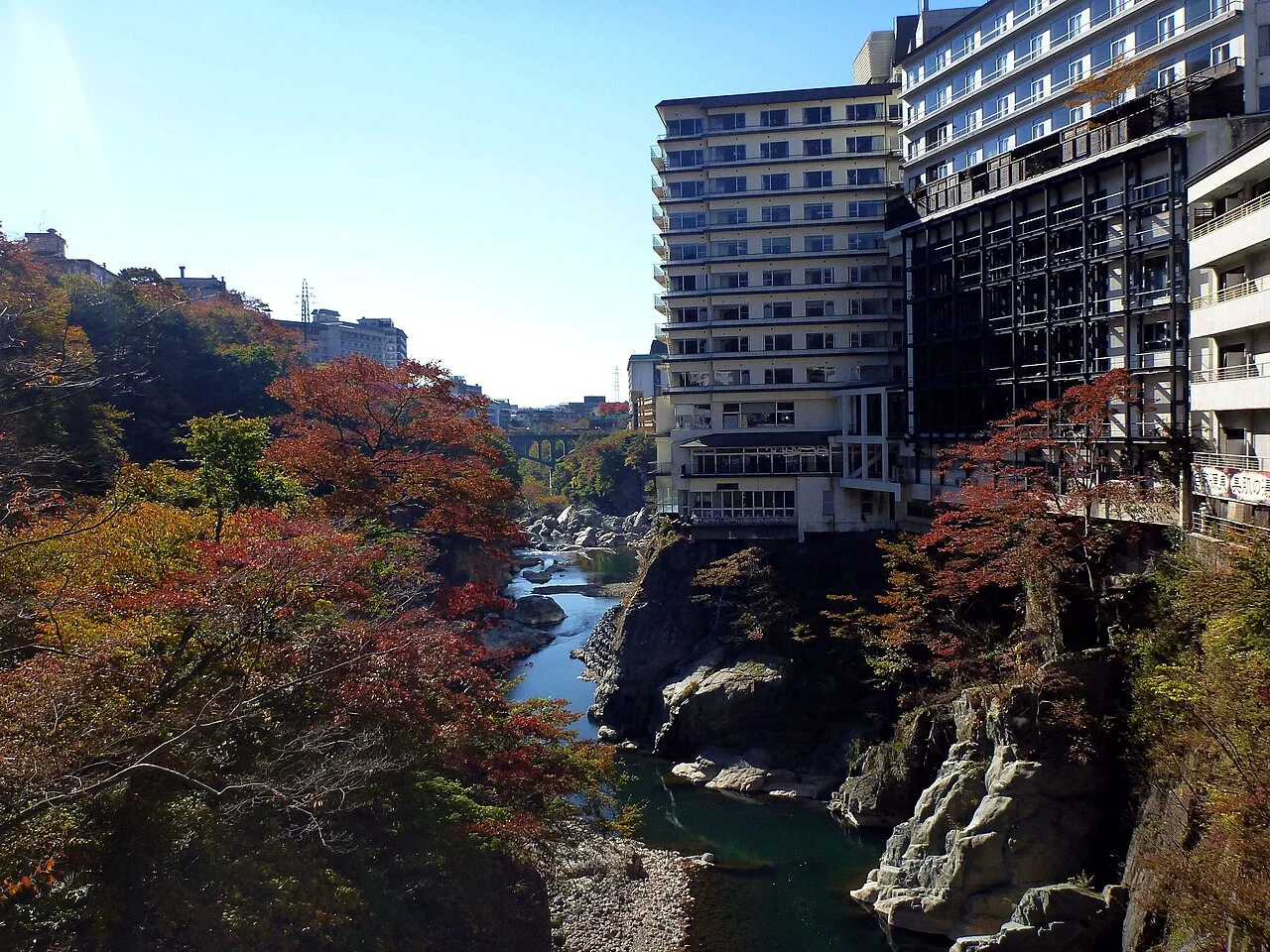
- Kinugawa Onsen: From Station-Side Convenience to Gorge-View Ryokan
- Lake Chuzenji: Different Bus Stops for the Lakeshore and Forest Hotels
- Want a Hot Spring Soak? Overnight Stay, Private Bath, or Day Pass
- Structuring a 2-Day, 1-Night Itinerary Around Dinner and Checkout
- Winter Bus Timetables, Autumn Traffic, and Checkout Day
- Which NIKKO PASS to Buy Based on Where You Stay
- How to Compare Rates: Dinner, Bathing Tax, and Luggage
- Quick Q&A
For a first-time overnight trip to Nikko focused on Toshogu Shrine, staying near Tobu-Nikko Station or Shinkyo Bridge is the easiest call. If you want a traditional ryokan dinner and long soak, stay in Kinugawa Onsen instead. If you are coming specifically for early-morning views of Lake Chuzenji, book right on the lakeshore. When booking, zoom the map all the way in to the hotel entrance and note your exact bus stop and dinner check-in cutoff. Booking in the wrong area usually only catches up with you when you are dragging suitcases off a train or sprinting for the last bus.
Pick Your Morning Destination Before Choosing an Area
If you want to catch an early train or the first bus up the mountain, stay right in front of the stations. JR Nikko Station and Tobu-Nikko Station are about a 5- to 7-minute walk apart, and Tobu Buses to the shrine-and-temple area and Oku-Nikko stop at both. When a map says "near Nikko Station," check whether you are arriving by JR from Utsunomiya or by Tobu from Asakusa. Walking between the two stations is easy with a light bag, but if you have multiple suitcases or a tight connection, staying on the side you actually ride from is much smoother.
Shinkyo Bridge sits along the route from both stations toward the shrine-and-temple district. To visit Toshogu Shrine, Rinnoji Temple, and Futarasan Shrine, you can expand your search around Shinkyo Bridge and Nishi-Sando to save a bus ride in the morning. Conversely, if you stay there and need an early train or bus from the stations, factor in the bus or walking time back to the station. If your priority is photographing Shinkyo Bridge or walking the shrines early, searching near those landmarks beats relying on generic "distance from Nikko city center" filters on booking sites.
Kinugawa Onsen sits on a separate branch line of the Tobu Railway. You can transfer between areas at Shimo-Imaichi, though getting to Nikko's shrines still means walking or catching a bus from Tobu-Nikko Station. Lake Chuzenji, on the other hand, is reached by climbing the Irohazaka winding road from the Nikko Station and shrine side. Look for properties within walking distance of a station or bus stop so you don't confuse the two corridors. Arriving at Nikko from Tokyo and departing from Kinugawa makes a clean Tobu round-trip, provided you book the right tickets and Limited Express seats on each leg.
A two-day, one-night trip usually only needs one hotel base. If you just want to see Kegon Falls and stroll the lakeshore, stay in town and set aside half a day for a bus round-trip. If you are paying for dinner and an entire afternoon at one property, pick a lakeside or gorge ryokan where you have enough time to enjoy the facilities. For three days and two nights across two areas, dedicate one night to staying in at a ryokan and the other to a transit hub. Arriving late and leaving early both nights means paying for dinner hours and public baths you will never get to use.
| Area | Best For | Check Before Booking |
|---|---|---|
| JR / Tobu-Nikko Station & Shinkyo Bridge | Shrines, temples, sando approaches, early buses | Pick the entrance you will use most: station ticket gates, Shinkyo Bridge, or Nishi-Sando |
| Kinugawa Onsen | Ryokan dinners, hot spring baths, gorge walks | Route from Kinugawa-Onsen Station to the ryokan and latest dinner check-in time |
| Lake Chuzenji | Kegon Falls, quiet lake mornings, access to Oku-Nikko | Bus stop number and winter timetable, or hotel shuttle schedule |
Deciding where to stay in Nikko? Compare hotels and ryokan around Nikko Station and Shinkyo Bridge, Kinugawa Onsen, and Lake Chuzenji, with winter bus schedules, room types, half-board meals, bathing tax, and booking order.
Stay by the Stations for Transit, or Near Shinkyo Bridge for Early Shrine Walks
If you want to stay close to Tobu-Nikko Station and handle dinner on your own, look at Nikko Station Hotel II Bangai. Its official website offers room-only (sudomari) plans, and the hotel is about a 3-minute walk from Tobu-Nikko Station. Rooms include doubles and corner twins, typically listed for 1 to 2 guests. Two adults who want separate beds should book a twin directly—"Double" (daburu) in Japanese room names means one double bed, and waiting until check-in to ask for a switch leaves far fewer options. Room types and rates
Directly across from JR Nikko Station, Nikko Station Hotel Classic has a natural hot spring bathhouse called "Eki Spa" for hotel guests. Travelers who want a soak at night and still need an early bus the next morning get both conveniences right between the two Nikko stations. If you are aiming for an early transit departure, line up your wake-up time, breakfast hours, checkout, and walk to the bus stop to decide whether adding hotel breakfast is worth it. Hotel baths and facilities
Nikko Kanaya Hotel sits beside Shinkyo Bridge in Kami-Hatsuishimachi. From either Nikko station, it is about a 5-minute bus ride to the "Shinkyo" stop, followed by a short, steep uphill walk that the hotel estimates at around 3 minutes. If you have heavy luggage or mobility concerns, take the free Kanaya shuttle from Tobu-Nikko Station, or grab a taxi from the station straight to the lobby entrance. Once your bags are dropped, Toshogu Shrine, Rinnoji Temple, and Futarasan Shrine are roughly within a 15-minute walk, not counting the stone steps inside the shrine grounds.
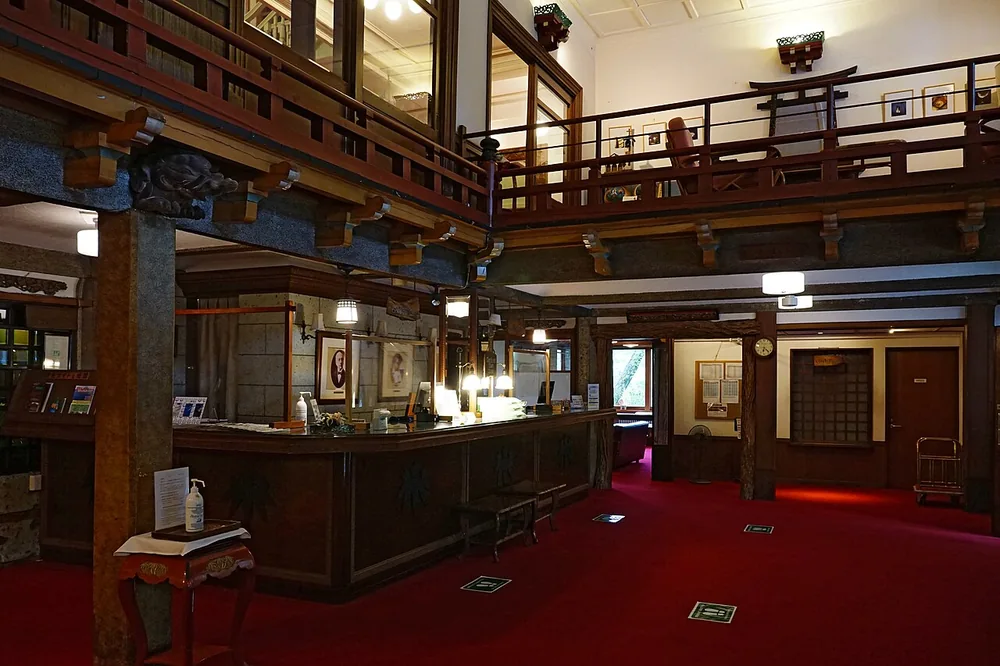
Nikko Kanaya Hotel's history has two key dates: Zenichiro Kanaya first opened Kanaya Cottage Inn at his private home in 1873 to host foreign visitors, and the Western-style Kanaya Hotel opened on its current site in 1893. To see the original preserved building and exhibits, visit the separate Kanaya Hotel History House. Note that "Shinkyo" and "Kanaya Hotel History House" are different bus stops—enter the exact full name when booking a taxi or navigating on a map.
Staying at Nikko Kanaya for its heritage is much more rewarding if you arrive while there is still daylight. The property offers paid private family baths, though it does not have hot spring (onsen) water or a large public bathhouse. If you want Western-style dining, check restaurant hours before deciding between a meal-inclusive plan and simply coming for lunch. If you specifically want a hot spring soak near the shrines, check Fufu Nikko near the Nikko Tamozawa Imperial Villa Memorial Park; every guest room has its own private source-fed onsen bath alongside a public open-air bath, about a 10-minute taxi ride from Tobu-Nikko or JR Nikko Station. Fufu Nikko hot spring overview
Kinugawa Onsen: From Station-Side Convenience to Gorge-View Ryokan
If you want to step off the train and walk straight to your room with rolling bags, compare properties right around the station first. Kinugawa Park Hotels is roughly a 5- to 6-minute walk from Kinugawa-Onsen Station and does not run its own shuttle. Its booking system lists multiple room wings—staying in Mokushintei or Park Cottage requires crossing the garden. If you plan to visit the large public bath several times or want to avoid walking outside in the rain, check whether your guest room, restaurant, and baths are in the same building. Mokurakukan offers universal-design rooms; guests needing wheelchair access should confirm both that wing and the bathhouse entrance beforehand.
For a gorge-side stay, Kinugawa Kanaya Hotel states on its room pages that all guest room terraces face the Kinugawa Gorge, and certain rooms feature private open-air baths. Travelers prioritizing river views should put it on their shortlist. Soaking in a room bath and sitting on a terrace overlooking the river are two different layouts—checking the floor plan is faster than guessing from homepage photos, especially if you want the river view directly from the tub.
Kinugawa Onsen Hotel works well when you plan to spend both afternoon and evening on-site. It features wood- and stone-lined large public baths, paid private baths (kashikiri) with indoor and outdoor tubs, and meal plans comparing buffet and kaiseki dinners. The hotel estimates a 20- to 30-minute walk from the station. Families with kids, heavy bags, or an evening arrival can board Nikko Kotsu's "Dial Bus" from Stop 5 outside Kinugawa-Onsen Station (¥300 adult, ¥150 child one-way) and tell the driver the full hotel name. Ask the front desk at check-in how and where to catch the return ride to the station.
If you want a scenic walk before dinner, fit the Kinutateiwa Otsuribashi suspension bridge into an early-arrival afternoon or checkout morning. It is about a 12-minute walk from Kinugawa-Onsen Station. Simply crossing the bridge and back gives you great views over the gorge; trails on the far side continue to Tateiwa Observatory and Kogama Falls if you have extra time. In winter, if paths are slick or sunset is closing in, shorten the walk and head back to your ryokan to change and dine on schedule.
Ryokan meal menus are usually tied directly to your room plan. Travelers arriving late or catching an early morning train should compare the total cost of staying near the station and dining out. Families eyeing a buffet should check children's pricing and seating windows, while guests opting for multi-course kaiseki should verify the last dinner seating. If you are coming over from the Nikko shrine area, count backward from your reserved dinner slot—including luggage pickup, train transfers, and getting from the station to your ryokan—rather than buying a Limited Express ticket first and scrambling afterward.
You can test your timeline against Kinugawa Park Hotels' house rules. The property requires dinner-plan guests to check in by 19:00, after which dinner is forfeited. They list one specific Limited Express arrival that may qualify for a pre-arranged late check-in, so confirm directly with the hotel if you expect to run late. If you are leaving Tokyo after work and still want to stay in Kinugawa, eat before departing or book a room-only plan and sort out luggage separately. Families with young children can also book within walking distance of the station so everyone can settle in right away. Kinugawa Park Hotels dinner and day-use notice
Lake Chuzenji: Different Bus Stops for the Lakeshore and Forest Hotels
Lake Chuzenji sits at roughly 1,269 meters above sea level. Buses climbing the Irohazaka road reach Chuzenji Onsen (Stop 26) on the lake's eastern shore first, close to the Nikko Natural Science Museum and Kegon Falls. The local tourism association estimates a 5-minute walk from that stop to the falls. If you want to drop your bags first and walk to the waterfall or lakeshore, pick a hotel within easy walking distance of Stop 26. Staying farther along the lake means leaving the lakeside hub earlier, so map out your meals and return buses ahead of time.
To wake up to lake views straight from your room, look at Hatago Nagomi. All rooms are listed as lake-view, and the property involves climbing stairs inside. Take a bus bound for Yumoto Onsen and get off at Stop 28 (Fune-no-eki Chuzenji), about a 1-minute walk away; getting off at Stop 26 (Chuzenji Onsen) adds roughly a 10-minute walk. On a first trip up here, pin both the bus stop and the hotel entrance on your map rather than relying on the hotel pin alone so you know exactly how far you will be walking. Hatago Nagomi room views and stairs
Chuzenji Kanaya Hotel sits in the woods along the lake's north shore. Take a Yumoto Onsen-bound bus to Stop 34 (Chuzenji Kanaya Hotel-mae). A free hotel shuttle also runs from Tobu-Nikko Station via the downtown Nikko Kanaya Hotel—check the calendar for your travel dates. According to a November 19 notice, starting December 1, 2026, the downhill shuttle previously departing at 11:20 shifts to 11:10 from Chuzenji Kanaya Hotel, continuing from Nikko Kanaya Hotel at 11:50 to Tobu-Nikko Station. Use the updated timetable when planning checkout and return Limited Express trains, and save the full "Chuzenji" property name on your booking and map so you don't head to the downtown hotel by mistake.
Every room at Chuzenji Kanaya has a balcony or wooden terrace. If you want a direct lake view from inside your room, check window orientation and room photos when booking—some rooms face the surrounding forest first, which works well in summer shade or close-up autumn foliage. The hotel's "Soraburo" bathhouse offers indoor baths and a forest open-air bath fed by sulfur spring water piped from Oku-Nikko Yumoto. If an open view of the lake from the bath itself matters to you, check the bathhouse photos and specs before paying extra for a specific room tier.
Chuzenji Kanaya Hotel lists 20:00 as its latest check-in time on its booking page, and dinner-inclusive plans follow set restaurant seating times. Its official FAQ also notes there are no convenience stores nearby—only drink vending machines on-site, with no late-night shops open. Pick up drinking water or baby supplies near the station before boarding the bus up. If you book room-only or breakfast-only, confirm which nearby restaurants are open that evening and how you will walk back before deciding if the room-rate savings are worth it.
To explore Senjogahara Marshland and Lake Yunoko, stay farther up the same mountain bus line in Yumoto. Nikko Yumoto Onsen is at Stop 46 (roughly 1,500 meters elevation), after the bus passes Lake Chuzenji and Senjogahara. Properties like Kyukamura Nikko Yumoto sit right beside Lake Yunoko, letting you pair trail walks and hot spring baths on the same end of the line. Booking sites often label both areas simply as "Nikko"—check the address for "Yumoto" versus "Chugushi" so you know which lake you will be starting from the next morning.
Want a Hot Spring Soak? Overnight Stay, Private Bath, or Day Pass
If one soak is all you need, you can base your overnight stay around your daytime itinerary instead. At Chuzenji Kanaya Hotel, overnight guests can use "Soraburo" from 5:30 to 9:30 and 13:00 to 24:00. For day-trip bathers, official day-use hours are 13:00 to 15:00 at ¥1,800 for non-staying adults, or ¥900 for guests staying at the downtown Nikko Kanaya Hotel upon showing proof of stay at the bath reception. Day-use entry may be suspended when the hotel is full, so treat it as an optional bonus if you only have half a day at the lake.
Kinugawa Park Hotels also opens its large public bath to day visitors, listed at ¥1,100 per adult—typically 12:00 to 18:00 (last entry 17:00), opening at 15:00 on Thursdays, with irregular closures. If you are crossing over from Nikko just for an afternoon soak, call ahead to confirm it is open before locking in your transit. If you just want to rest your feet while waiting for a train, the free Kinuta-no-Yu footbath in front of Kinugawa-Onsen Station is listed as open 9:00 to 18:00—just bring a small towel. Kinuta-no-Yu opening details
Families wanting to bathe together should look for a private reservable bath (kashikiri-buro), which is separate from guest rooms and booked for fixed time slots. Kinugawa Onsen Hotel offers two guest-only private baths, "Kihada" and "Toki," at ¥3,300 for 45 minutes by advance phone reservation. Both include indoor and outdoor tubs, and "Kihada" features ramp access to the changing area plus steps and handrails into the tub. If you book an 18:00 dinner on arrival night, schedule the private bath afterward so nobody has to rush straight from changing into dinner. Kinugawa Onsen Hotel private bath info
If your dinner schedule is unpredictable or you like soaking first thing in the morning, book a room with its own in-room hot spring bath. Check where the property states its water source, then read the room amenities carefully to distinguish between an in-room bath, a reservable private bath, and the main public bathhouse. When inquiring, tell the hotel exactly what you need—whether it is natural spring water, step-free access, a fixed time slot, or simple privacy—so staff can point you to the right room or facility. First-time ryokan guests can also check our guide to staying and bathing at a Japanese onsen ryokan.
Visitors staying two nights in winter who want to try another inn's bath can check Kyukamura Nikko Yumoto's guest bath-hopping program. Running December 7, 2026 through March 31, 2027 on Mondays, Wednesdays, and Fridays (excluding New Year holidays and Japanese national holidays), it lets guests pick up a ticket at the front desk for free entry to a participating partner ryokan on that day. Free shuttle rides require booking by 19:00 the night before, while guests making their own way just need the ticket. If you are only up from town for a Saturday night, skip the snowy trek and spend the afternoon enjoying your own hotel's baths. Kyukamura Nikko Yumoto guest activities
Structuring a 2-Day, 1-Night Itinerary Around Dinner and Checkout
One night in town works best if you are leaving Tokyo relatively late. Drop your bags at the station on arrival, stroll Shinkyo Bridge and Rinnoji Temple in the afternoon (adding Nishi-Sando if you have time), and save Toshogu Shrine for the next morning. If your return Limited Express leaves early the next day, staying by the station and storing bags there until departure beats hauling suitcases up a hotel slope after touring the shrines. If you want to see Lake Chuzenji after visiting all three main shrines and temples, save the lake for a separate morning so a delayed downhill bus won't make you miss a tight train.
For one night in Kinugawa, take a direct Tobu train from Asakusa straight into the hot spring town. Arrive early enough to cross the suspension bridge or drop your luggage ahead of check-in, soak before dinner, and depart from Kinugawa-Onsen Station the next morning. If you want to visit Edo Wonderland Nikko Edomura on checkout day, take the bus from Stop 3 outside Kinugawa-Onsen Station (about 15 minutes per the park). Factor in time to store and retrieve bags at the station—if you stay at the park until evening, returning to Tokyo directly from Kinugawa avoids backtracking.
For one night at Lake Chuzenji, head straight up the mountain after getting off at Nikko Station, store your bags at your hotel, and spend the afternoon at Kegon Falls or along the lakeshore. Walk around the hotel neighborhood the next morning, and decide whether to add another stop based on your downhill bus and train times. If morning lake views are your top priority, locate your return bus stop right after arriving on day one. When catching a tight train the next day, ride down early and eat lunch near Tobu-Nikko Station instead of waiting in line at a lakeside restaurant.
If you only have one night and want both Nikko's shrines and Kinugawa Onsen, arrive at Tobu-Nikko Station early on day one, tour the shrines during the day, and take the afternoon Tobu train via Shimo-Imaichi to check in at Kinugawa. Save Lake Chuzenji for another trip or trim a shrine or two on day one. Trying to take a dinner-inclusive ryokan booking up the mountain, back down, and across to Kinugawa stacks every possible transit delay right before an inflexible ryokan dinner cutoff.
With two nights, you can easily split your stay between Nikko town and Lake Chuzenji, or Nikko town and Kinugawa. Pairing Lake Chuzenji and Kinugawa requires descending to the Nikko side to transfer trains, so treat the hotel-switch day as a transit day with only one flexible sightseeing stop. If you want all three areas, keep the third as a day trip between your two bases. Move your luggage in the direction you are departing—if you are leaving from a different station on the final day, arrange coin lockers or baggage delivery in the morning so you don't have to double back for bags at night.
Winter Bus Timetables, Autumn Traffic, and Checkout Day
Tobu Bus's 2026–27 winter timetable runs from December 1, 2026 through March 31, 2027. At Tobu-Nikko Station, buses for Yumoto Onsen depart from Platform 2A, regular Chuzenji Onsen buses from 2C, and express services from 2E. If you are staying at Stop 28 or Stop 34, board a Yumoto-bound bus and verify the stops listed on that specific departure—buses terminating at Stop 26 (Chuzenji Onsen) stop short of hotels farther along the shore.
The winter timetable diagram lists about 48 minutes from Nikko Station to Chuzenji Onsen and roughly 88 minutes to Yumoto Onsen. Use those times to plan bag drops and meal windows. Pick both a target bus and a backup bus before heading up, and note your hotel's exact stop name for the return trip. Don't aim for the absolute last bus up the mountain—if it terminates at Stop 26, transferring and hauling luggage gets compressed into the latest hours of the evening.
The 2026–27 winter route map notes that seasonal branches—including the Hangetsuyama line and routes to Tachiki Kannon and the sightseeing boat pier—suspend service in winter. That is separate from the main Yumoto-bound buses, which still stop at Stop 28 (Fune-no-eki Chuzenji). Check both the stop name and the bus destination sign before boarding at the lake, especially if you plan to walk to Chuzenji Temple from that stop. In winter, mornings and evenings by the lake are cold—keep warm layers easy to grab in your bag so you aren't digging through suitcases on icy sidewalks.
For autumn foliage trips, match your booking week to historical peak colors. The Nikko City Tourism Association lists typical peak foliage around mid-to-late October at Lake Chuzenji, early-to-mid November at Nikko's shrines and temples, and late October to late November at Kinutateiwa Otsuribashi suspension bridge. Higher up the mountain, Ryuzu Falls often turns first in early October. Use those windows to pick your 2027 dates, then check live foliage reports on "Nikko Tabi Navi" before deciding which night to spend up on the mountain.
During peak foliage season, traffic backs up heavily on the Irohazaka road—the later you descend, the tighter your margin for reserved trains and ryokan dinners. For a weekend lake stay, head up before noon, tour the shore, and catch an early bus back to Nikko on checkout day. Factor in the next bus too in case the first one fills up. If you are connecting from the lake to a long-distance Shinkansen or flight, put Lake Chuzenji at the front of your itinerary and spend your final night back in town.
If you are driving up to the lake in winter, Nikko City warns that roads can freeze even without snowfall and advises winter tires from late autumn onward. When picking up a rental car, ask ahead whether winter equipment is included and check Tochigi Prefecture's winter road closures. Also check hotel parking hours separately from room check-in: at Chuzenji Kanaya Hotel, guest parking runs from noon on check-in day until noon on checkout day, so if you plan to keep driving around in the afternoon, use a public lot or head down earlier.
Which NIKKO PASS to Buy Based on Where You Stay
Tobu Railway offers two NIKKO PASS options for international visitors: the World Heritage Area pass and the All Area pass. The World Heritage Area pass is valid for two days at ¥3,000 per adult, covering one round-trip between Asakusa and Shimo-Imaichi, unlimited rides on designated Tobu lines between Shimo-Imaichi, Tobu-Nikko, and Shin-Fujiwara, and Tobu Buses within the World Heritage zone. If you are sticking to Nikko's shrines and the train to Kinugawa-Onsen Station, start by pricing this pass; if you stay at Lake Chuzenji, you would have to buy the mountain bus fares separately.
The All Area pass costs ¥8,000 per adult for four days and adds Tobu Buses toward Oku-Nikko along with designated seasonal transit listed by Tobu. Both passes require separate Limited Express surcharges and do not include admission to the shrines, Edo Wonderland Nikko Edomura, or Tobu World Square. Free hotel shuttles can cut out certain bus legs and change whether the All Area pass pays off. Limited Express tickets normally go on sale one month prior at 9:00 JST (10:00 JST at Tobu station counters for JR through-service trains). Once you know which area you are checking out from, book your return seat from that actual station. For a full breakdown of Tokyo departures and routes, see our Nikko transportation and rail pass guide.
Travelers taking JR to Nikko or holding separate Tokyo round-trip tickets can buy a 2-day Tobu Bus pass directly. The Chuzenji Onsen pass is ¥2,300 per adult and the Yumoto Onsen pass is ¥3,500 per adult. Since a single one-way fare from either Nikko station to Stop 26 (Chuzenji Onsen) is ¥1,250 (¥2,500 round-trip), the 2-day pass saves ¥200 on that round-trip alone. If you take the bus up one way and ride a free hotel shuttle back down, a single ticket is cheaper. Guests staying past Stop 26 should verify the point-to-point fare and pass zone for their exact stop.
The Nikko City Tourism Association's 2026–27 winter brochure also lists discounted 2-day bus passes exclusively for guests at participating accommodations: ¥1,150 for Chuzenji Onsen and ¥1,750 for Yumoto Onsen (adults). Ask your hotel when booking if they participate and whether advance registration is required. Kyukamura Nikko Yumoto's access page instructs guests to buy the pass at the Tobu-Nikko Station Tourist Information Center and show or mention their hotel reservation—if you arrive at JR Nikko Station, leave extra time to walk over to the Tobu station counter.
When pairing a trip with Kinugawa Onsen, keep in mind that buses from Nikko to Kinugawa and buses from Kinugawa-Onsen Station to individual ryokan are separate services. Tobu Bus's SL route connects Taiyuin/Futarasan Shrine-mae, Tobu-Nikko Station, and Kinugawa-Onsen Station on designated Saturdays, Sundays, and Japanese national holidays, while Nikko Kotsu's local shuttle loop handles the last mile from the station to your ryokan. On weekdays, plan on transferring trains at Shimo-Imaichi and budget separately for the local bus or taxi to your hotel.
How to Compare Rates: Dinner, Bathing Tax, and Luggage
Always compare prices using the exact same date and party size, converting room-rate versus per-person-per-night quotes into the total stay price first. On multi-night searches, check whether the displayed number is a nightly average or the stay total. For room-only deals like Nikko Station Hotel II Bangai, add estimated dinner costs back in when comparing against half-board ryokan. For lakeside hotels with sit-down restaurant reservations, also price in the hidden schedule cost of ending sightseeing earlier or catching a different train.
When comparing half-board rates, check both dinner and breakfast details. On Japanese booking pages, "yuchoshoku-tsuki" includes dinner and breakfast, "choshoku-tsuki" is breakfast only, and "sudomari" is room-only. Adding a third adult may require an extra futon or bump you into a different room category entirely. Once you find the right view, bed setup, and bath type, re-run the search for three guests so you don't inadvertently switch dining venues or room orientation.
Nikko City's bathing tax (nyutouzei) is ¥150 per adult per night for overnight guests and ¥50 per day for day-trip bathers, with exemptions for children under 12 and other city-listed cases. Two taxable adults staying one night at an onsen ryokan pay ¥300 total. If your booking says "bathing tax excluded," plan to pay it on-site at checkout; even when consumption tax is listed as included, check the fine print to see whether bathing tax is separate.
Japanese booking forms often split children into elementary schoolers and toddlers, and further divide toddlers by whether they need meals, bedding, or are bed-sharing with adults. Enter exact ages and needs upfront so the final total is accurate. If you have a stroller or need step-free access, ask specifically about three segments: driveway to room door, room to dining hall, and entry into the bathhouse. Even buildings with elevators may have a few steps at the main entrance or outdoor bath, and staff can give concrete answers when you ask about each route.
If you are traveling with large suitcases on a tight train schedule, decide beforehand who will hold them after checkout. The Nikko City Tourism Association notes a delivery counter at Tobu-Nikko Station that offers short-term storage or same-day delivery to participating hotels, and the Kinugawa/Kawaji Onsen Tourist Information Center handles luggage delivery to local inns. For a one-night side trip to the lake, you can also forward big bags ahead to your next Tokyo hotel and carry just an overnight pack. Always confirm the receiving hotel and delivery date, and keep medications, passports, and warm layers with you.
Keep track of separate cancellation deadlines for each booking. Hotel rooms have their own free-cancellation cutoff, while restaurant tables, purchased Limited Express tickets, and separately reserved private baths carry their own terms. If you decide to swap areas for one night, weigh any cancellation fee and train fare difference against your new arrival time. Keeping full property names and dates side by side for both old and new bookings is especially important if you are juggling the two Kanaya Hotels.
A few useful answers
Where is the best place to stay in Nikko for a first-time trip?
For a 2-day, 1-night trip covering Toshogu Shrine, Rinnoji Temple, and Shinkyo Bridge, stay near Tobu-Nikko Station or Shinkyo Bridge. Pick the station area if you want easy luggage drop-off and early morning trains or buses; pick the Shinkyo Bridge to Nishi-Sando corridor if you want to walk straight into the shrines right at opening time.
Does Nikko Kanaya Hotel have hot springs (onsen)?
Nikko Kanaya Hotel near Shinkyo Bridge offers paid private family baths, but does not have hot spring water or a large public bathhouse. Chuzenji Kanaya Hotel up by the lake has sulfur spring baths piped from Oku-Nikko Yumoto. Both run shuttles from Tobu-Nikko Station, so double-check the exact hotel name on your reservation.
Do I need a car to stay at Lake Chuzenji?
No—you can take a Tobu Bus from JR Nikko Station or Tobu-Nikko Station. Stay near Stop 26 (Chuzenji Onsen) to be close to Kegon Falls. For Hatago Nagomi, ride to Stop 28 (Fune-no-eki Chuzenji); for Chuzenji Kanaya Hotel, take a Yumoto Onsen-bound bus to Stop 34 directly in front of the hotel, or use the hotel shuttle.
Can I visit Toshogu Shrine while staying in Kinugawa Onsen?
Yes. Usually you take the Tobu Railway with a transfer at Shimo-Imaichi, then take a bus from Tobu-Nikko Station to the shrine district. Tobu Bus also runs a direct Kinugawa route on Saturdays, Sundays, and Japanese national holidays. If you only have one day for the shrines, staying in central Nikko avoids the extra transfer.
How much is the Nikko onsen bathing tax?
Nikko City charges a bathing tax of ¥150 per adult per night for overnight guests and ¥50 per day for day-trip bathers; children under 12 are exempt. Your booking confirmation will note whether it is already included in the room rate or collected on-site.
Should I buy the NIKKO PASS All Area if I am only visiting Toshogu Shrine and not Lake Chuzenji?
If you are traveling round-trip from Tobu Asakusa within two days, compare the World Heritage Area pass against point-to-point tickets first. The World Heritage Area pass is ¥3,000 per adult and covers designated Tobu lines and buses in the shrine district. Both NIKKO PASS options require separate Limited Express surcharges and do not include Toshogu Shrine admission.
Should I book October or November for Nikko autumn foliage?
According to the Nikko City Tourism Association's historical averages, peak color hits Lake Chuzenji in mid-to-late October, Nikko's shrines and temples in early-to-mid November, and Kinutateiwa Otsuribashi bridge from late October through late November. Use those windows to choose your dates, then check live spot-by-spot leaf reports right before your trip.
Official information and references
Sources used in this guide.
- Tobu Railway NIKKO PASS World Heritage Area
- Tobu Railway NIKKO PASS All Area
- Tobu Railway Limited Express Ticket Sales and Release Times
- Tobu Bus Nikko Routes, Fares, and Winter Timetable
- Tobu Bus Nikko Area Bus Passes
- Nikko City Tourism Association Winter Brochure (2026–27)
- Nikko City Tourism Association Historical Autumn Foliage and Road Info
- Nikko City Tourism Association Live Autumn Foliage Updates
- Nikko City Tourism Association Baggage Storage and Hotel Delivery
- Nikko City Bathing Tax Rates and Exemptions
- Nikko City Winter Road Driving Advisory
- Tochigi Prefecture 2026–27 Winter Road Closure Schedule
- Nikko Kanaya Hotel Access and Shinkyo Stop
- Nikko Kanaya Hotel Facilities and Stay FAQ
- Kanaya Hotel History House Founding Timeline
- Kanaya Hotels Shuttle Bus Timetable
- Chuzenji Kanaya Hotel December 1, 2026 Shuttle Schedule Update
- Nikko Station Hotel II Bangai Room Types and Rates
- Chuzenji Kanaya Hotel Access and Parking
- Chuzenji Kanaya Hotel Latest Check-In and Guest Rooms
- Chuzenji Kanaya Hotel Soraburo Hot Spring
- Chuzenji Kanaya Hotel Nearby Shops and On-Site Services
- Hatago Nagomi Access and Nearest Bus Stop
- Nikko City Tourism Association Kyukamura Nikko Yumoto Stay Guide
- Kinugawa Onsen Hotel Bus, Taxi, and Walking Access
- Kinugawa Onsen Hotel Public Baths and Private Kashikiri Baths
- Kinugawa Park Hotels Building Layout and Barrier-Free Access
- Kinugawa Kanaya Hotel Gorge-View Rooms
- Nikko City Tourism Association Kinutateiwa Otsuribashi Suspension Bridge
- Edo Wonderland Nikko Edomura Access and Kinugawa-Onsen Station Bus Stop
- Kyukamura Nikko Yumoto Access and Winter Guest Bus Pass Purchase
- Tobu Bus 2026–27 Winter Route and Bus Stop Map
- Nikko City Tourism Association Kegon Falls Access