Take a limited express from Asakusa or Shinjuku to Kinugawa Onsen. Compare 2-day and 4-day NIKKO PASS options, two free foot baths, day-use baths, ryokan shuttles, and side trips to Ryuokyo Gorge or Nikko Toshogu.
- Region & Focus
- Nikko and Kinugawa
- Reading Scope
- 21 min read · 12 chapters · 5 Q&As
- Official Verification
- 39 official sources checkedUpdated November 22, 2026
- Key Topics
- Hot springsRail travelRyokan
Chapter Route Map (tap any stop)
- Decide Where to Get Off on Day One
- Choosing a Limited Express from Asakusa, Kita-Senju, or Shinjuku
- 2-Day Pass for Kinugawa, 4-Day Pass for the Mountains
- How Far to Walk Across the Suspension Bridge
- Timing the Two Free Foot Baths: Station vs. Kurogane Bridge
- Day-Use Soaks: Bridgefront Public Baths vs. Private Baths in Kosagoe
- Booking Overnight: Check Evening Access Before Picking a Room
- Day-Trip Extras: River Cruise or Steam Train Turntable
- Overnight with Kids: Pick Either Edo Wonderland or Tobu World Square
- Ryuokyo Gorge: Lock In Your Return Train Before Hiking
- Linking Nikko Toshogu or Adding a Night in Kawaji or Yunishigawa
- Luggage, Budgets, and Working Back from the Last Train
- Quick Q&A
Direct limited express trains from Tobu Asakusa Station reach Kinugawa Onsen in about two hours. A free foot bath sits right outside the exit, and Kinutateiwa Suspension Bridge is roughly a 12-minute walk south. For a gorge stroll and a single soak, a day trip from Tokyo works well; if you want to add Nikko Toshogu or give kids half a day at Edo Wonderland, staying overnight keeps the pace comfortable. The 2-day NIKKO PASS World Heritage Area already covers Kinugawa-Onsen Station, so only compare the 4-day pass if you are heading up to Lake Chuzenji or Yumoto.
Decide Where to Get Off on Day One
Kinugawa-Onsen Station opens straight onto the station plaza, where the Kinuta-no-Yu foot bath, the steam locomotive turntable, and local bus stops sit side by side. A 12-minute walk south leads to Kinutateiwa Suspension Bridge, while heading north takes you to Kurogane Bridge and a second foot bath. Because the two ends lie on opposite sides of the station, slipping into a foot soak upon arrival is effortless, whereas walking both bridges with luggage adds extra backtracking.
A day trip from Tokyo gives you plenty of time for gorge scenery and a soak: arrive in the morning, cross the suspension bridge plus one side trail, stop for lunch, pick a day-use bathhouse in the afternoon, and ride a limited express back. Staying overnight is worth it for a ryokan dinner and soaking both evening and morning. If you book a dinner-inclusive plan, lock in your check-in cutoff first, then choose between Nikko's shrines and temples, Edo Wonderland, or Ryuokyo Gorge for the day. Each sits in a different direction, so picking just one leaves time to unwind at your ryokan before dusk.
Use Shimo-Imaichi Station to orient yourself on the map. Coming from Tokyo, the Tobu Nikko Line continues to Tobu-Nikko Station, while the Kinugawa Line branches toward Tobu World Square, Kinugawa-Onsen, and Shin-Fujiwara. North of Shin-Fujiwara, tracks switch to the Yagan Railway, with Ryuokyo as the next stop. Reaching Lake Chuzenji requires taking a mountain bus from the Nikko station area, so whenever your day includes a leg up to the lake, budget that road travel separately.
If you buy a direct limited express from Asakusa to Kinugawa, keep Day 1 focused on the onsen town or the parks to the south. If you visit Toshogu first, buy your initial limited express ticket to Tobu-Nikko and transfer via Shimo-Imaichi in the afternoon. Staying in Kinugawa does not stop you from heading back to Tokyo from Tobu-Nikko the next day—just enter your actual boarding station when buying tickets, especially if you are carrying luggage between areas after checkout.
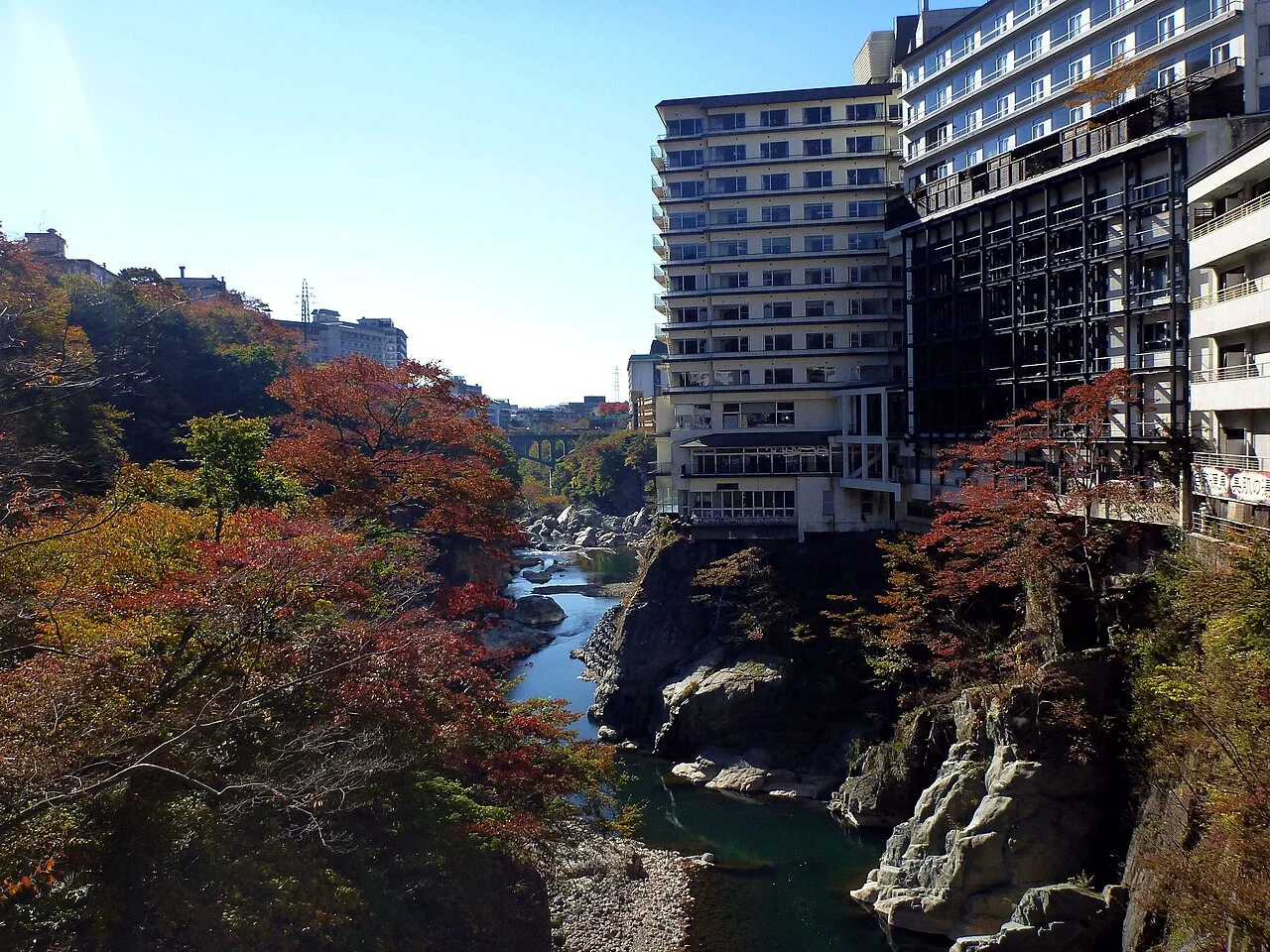
Take a limited express from Asakusa or Shinjuku to Kinugawa Onsen. Compare 2-day and 4-day NIKKO PASS options, two free foot baths, day-use baths, ryokan shuttles, and side trips to Ryuokyo Gorge or Nikko Toshogu.
Choosing a Limited Express from Asakusa, Kita-Senju, or Shinjuku
From eastern Tokyo, boarding at Tobu Asakusa Station is the most straightforward choice. The Tokyo Metro Ginza Line, Toei Asakusa Line, and Tobu Railway all share the Asakusa name, though their ticket gates are separate. Select Tobu's "Asakusa" when booking, then follow signs to your platform, train number, and car number. If you are staying near Ueno, Nippori, or northern Tokyo, check whether the same train stops at Kita-Senju so you can skip backtracking to Asakusa. Adjust your ticket origin to match—choose which side of Tokyo fits your hotel first, then meet the train there.
Asakusa to Kinugawa takes about two hours. Look for the Revaty Kinu, Kinu, a Revaty Aizu that stops at Kinugawa-Onsen, or a SPACIA X bound for Kinugawa. Some Revaty trains split at Shimo-Imaichi, with coupled cars continuing separately to Tobu-Nikko and to Kinugawa or Aizu, so board the exact car number printed on your limited express ticket. SPACIA X also runs a Tobu-Nikko route. Under current schedules, train No. 7 departing Asakusa at 12:30 reaches Kinugawa-Onsen at 14:32, and No. 9 at 14:00 arrives at 16:04; operating days for each departure are listed on Tobu's monthly calendar. For a full morning on a day trip, take an earlier Revaty.
Tobu's adult paper base fare from Asakusa to Kinugawa-Onsen is ¥1,590 one-way. Regular-season limited express surcharges are ¥1,650 on Revaty or Kinu (¥3,240 total) and ¥1,940 for a SPACIA X Standard Seat (¥3,530 total). Both services add ¥200 in peak season and drop ¥200 in off-peak season on this segment, with Tobu's seasonal fare calendar already published through September 2027. If you are traveling with kids or want to sit together, pick seats for both legs at once. Limited express tickets go on sale one month before departure, so mark that date once your room is booked.
From western Tokyo, JR East and Tobu operate direct Kinugawa limited express trains out of Shinjuku. JR East lists Kinugawa No. 3 departing Shinjuku at 10:31 and arriving at Kinugawa-Onsen at 12:36, stopping at Ikebukuro, Urawa, and Omiya along the way. It pulls into the same Tobu Kinugawa-Onsen Station right next to the Kinuta-no-Yu foot bath. Direct departures from Shinjuku are limited, so if the return timing is awkward, split your trip: leave from Shinjuku outbound, then take a Tobu limited express back to Kita-Senju to connect with Tokyo transit. You can check direct limited express availability on JR East's Ekinet portal.
Riding requires both a base fare ticket (or valid rail pass) and a train-specific limited express ticket. SPACIA X private compartments and select lounge seats carry separate seat fees—check at checkout whether the amount shown is per person or per compartment. If you just want to relax and watch the scenery, Standard Seat works fine. Even if you choose a specific train model going up, you can still pick whichever return departure best fits your sightseeing schedule, as each leg is priced separately.
2-Day Pass for Kinugawa, 4-Day Pass for the Mountains
Available to foreign visitors, the 2-day NIKKO PASS World Heritage Area costs ¥3,000 for adults and ¥1,500 for children over two consecutive days. It includes one round-trip between Asakusa and Shimo-Imaichi plus unlimited rides on designated Tobu lines from Shimo-Imaichi to Tobu-Nikko and Shin-Fujiwara, which covers Kinugawa-Onsen Station. Tobu's ticket rules list Asakusa or Tokyo Skytree as the outbound boarding station, so select your start point accordingly when purchasing. The pass also covers designated Tobu buses within the World Heritage zone, making it the first option to price out for an overnight combining Nikko's shrines with Kinugawa.
For an overnight stay in Kinugawa alone, two adults riding a regular-season Revaty pay ¥6,480 each when buying separate base fare and limited express tickets. Pairing the 2-day pass with two matching limited express tickets comes to ¥6,300 per person—a ¥180 difference. Because that savings is modest, the pass earns its keep mainly if you also ride between stations like Tobu-Nikko, Tobu World Square, or Shin-Fujiwara on Day 2. Anyone taking the JR direct train from Shinjuku should price the JR-Tobu through-fare separately, since the Asakusa round-trip math does not apply.
The 4-day All Area Pass costs ¥8,000 for adults and ¥4,000 for children over four consecutive days, adding designated transit up into Okunikko. Whether the higher price pays off depends on how much you ride. If you are only heading to the lake area for one day, add a standalone lake bus ticket to the 2-day pass first and compare that sum against the 4-day pass. Once your trip stretches to three days with multiple stops around Yumoto Onsen and Lake Chuzenji, the longer validity and wider coverage become genuinely useful. Mountain buses run on separate timetables, so keep your downhill bus time in your plan once you hold the pass.
Both NIKKO PASS versions exclude limited express reserved-seat surcharges, Toshogu admission, theme park tickets, and day-use baths. Kinugawa's ryokan loop shuttle and the Edo Wonderland bus also run on separate fares. If you are adding Ryuokyo Gorge, include the Yagan Railway fare north of Shin-Fujiwara—the official adult base fare from Shin-Fujiwara to Ryuokyo is ¥200. Mapping your ryokan, return station, and side transit onto one itinerary helps spot unnecessary hops caused purely by retrieving luggage.
| Itinerary | Tickets to Compare First | Paid Separately |
|---|---|---|
| Kinugawa day trip or overnight | Adult round-trip base fare ¥3,180 vs. World Heritage Area Pass ¥3,000 | Limited express reserved seats, day-use bath |
| Kinugawa overnight plus Toshogu | World Heritage Area Pass (adult ¥3,000) | Limited express reserved seats, shrine and temple admission |
| Kinugawa plus Lake Chuzenji or Yumoto | 2-day pass + lake bus ticket vs. All Area Pass (adult ¥8,000) | Limited express reserved seats, attraction admission |
How Far to Walk Across the Suspension Bridge
From Kinugawa-Onsen Station, walk toward Ohara and Hotel Sunshine Kinugawa; the bridgehead address is 1436 Ohara, Kinugawa Onsen, Nikko. The tourism association puts the walk from the station at about 12 minutes. Spanning roughly 140 meters for pedestrians only, the bridge hangs about 37 meters above the river at mid-span, where massive boulders split the current into channels below the sheer Tateiwa cliff jutting out upstream on the far bank. Even when the air feels calm in town, gusts can pick up midway across, so secure hats and cameras.
Two short trails branch out from the far side. Turning right reaches Tateiwa Observation Deck in about 10 minutes via a hand-carved tunnel and Tateiwa Kinu-hime Shrine, opening up high views across the onsen town and distant peaks. Turning left reaches Furugama Waterfall in about 5 minutes for a close look at water slicing through rock. Both times are one-way from the end of the bridge. Adding the station walk, bridge crossing, and photo stops, budget roughly an hour for one fork, or longer for both. If you want a goshuin stamp from the shrine, the tourism association lists sales counters at the Tourist Information Center inside the station and at Yuing PLAZA near the bridge.
Visitors with strollers, knee pain, or wheelchairs can already take in good gorge views right from the bridge entrance. Nikko City's accessibility map notes a maximum grade exceeding 10 degrees on the paved ramp up to Tateiwa Observation Deck, so save energy for that climb after crossing. Store bags before setting out, or have companions who want to hike up to the lookout meet back at the bridgehead. After rain, or when winter shade leaves thin ice on paths, keep your outing to the bridge entrance, station plaza, and indoor baths.
To stitch together a longer river walk, return from the suspension bridge to the onsen-town side and head north past Tateiwa Bridge and Fureai Bridge to Kurogane Bridge, all marked on the tourism association's walking map. Fureai Bridge features demon murals painted along its long staircase, while Kurogane Bridge has a riverside foot bath at the end. Keep your stroll under an hour by walking straight out and back across the suspension bridge; if you want to see the staircase art and river bend, treat the northern stretch as a second leg broken up with lunch or a sit-down rest.
Timing the Two Free Foot Baths: Station vs. Kurogane Bridge
Right outside the station exit is Kinuta-no-Yu, typically open 9:00–18:00 with a hand bath alongside it. If you have time when you arrive, sit and soak your feet at the plaza; if you are chasing good light on the suspension bridge, save it for the trip back. Remember to allow time to dry your feet and pull socks and shoes back on before heading to the limited express platform—if you only have ten minutes before boarding, stick to the hand bath. Packing a separate small towel for your feet and keeping dry socks handy helps in fall and winter.
For river views while you soak, walk to Kinuko-no-Yu on the right bank of Kurogane Bridge, about 19 minutes on foot from Kinugawa-Onsen Station. It is typically open 9:00–17:00, free to enter, and has no on-site parking. Because it sits on the opposite side of the station from the suspension bridge, stop by Kinuko-no-Yu before check-in if you are staying near Kurogane Bridge, or use Kinuta-no-Yu by the station if you arrive later or head south to the bridge first. A riverside walking path also begins near Kurogane Bridge—follow the trailhead signs on-site, or simply linger at the foot bath if you have walked enough for the day.
Both foot baths can be used in everyday clothes; just wear pants that roll up easily and bring a hand towel. An ankle-deep soak is enough to refresh your legs for more walking, whereas washing off trail sweat and soaking to your shoulders belongs at an afternoon day-use bathhouse with shower stations. When traveling with children right before a meal or train, set shoes and socks neatly beside your bench before helping them into the water so packing up stays smooth.
| Foot Bath | Typical Hours | From Kinugawa-Onsen Station |
|---|---|---|
| Kinuta-no-Yu | 9:00–18:00 | Station plaza, right outside the exit |
| Kinuko-no-Yu | 9:00–17:00 | Kurogane Bridge right bank, ~19-minute walk |
Day-Use Soaks: Bridgefront Public Baths vs. Private Baths in Kosagoe
Hotel Sunshine Kinugawa, right beside the suspension bridge, opens its large public bathhouse to day visitors. Its official site lists hours from 11:00–20:00 (last entry 19:00) at ¥1,000 for adults, ¥700 for elementary schoolers, and free for preschoolers. Sitting on the same bank as the bridge, you can walk across first and soak afterward without trekking back past the station. Because the hotel may shorten entry hours or suspend day use when occupancy or bath traffic runs high, check at the front desk first on busy holiday afternoons before crossing to the far side. Note that Kinugawa Park Iwaburo closed permanently on March 31, 2024, so pair a northern walk with the Kurogane Bridge foot bath instead.
If your family wants a bathhouse room to itself, reserve Shizenyoku Hanare-no-Yu Akebi, a private day-use facility run by Kinugawa Plaza Hotel about a 15-minute walk from Kosagoe Station. Its official site lists hours from 10:00–23:00 with irregular closures and possible early closing after 19:00. Rates are ¥3,900 per room for 60 minutes or ¥5,600 for 90 minutes, with each private suite featuring its own open-air bath; call 0288-76-0350 to book. Since pricing is per room, lock in your bath slot first and work backward for walking or train transit from the station. If you are returning to Tokyo right after soaking, store bags at a convenient station or leave them in your car rather than squeezing a luggage pickup into a fixed bath window.
Even at the same ryokan, overnight guest bathing hours and day-use entry windows differ. When checking in person for day entry, ask for higaeri nyuyoku; if your group wants a private bath behind a closed door, look for kashikiri-buro. Rooms listed with an in-room bathtub do not always pipe in natural hot-spring water—verify the room amenities list carefully, as that is booked differently from reserving a 45- or 60-minute private bath. Inside shared bathhouses, wash thoroughly at the seated shower area before stepping into the pool, keep small towels out of the water, and bring your own towel to skip a rental charge.
Booking Overnight: Check Evening Access Before Picking a Room
A dinner plan's check-in cutoff affects your day more than straight-line distance from the station. Staying near the station simplifies luggage storage, train connections, and daytime dining, while the south end puts you close to the suspension bridge. If you want Kurogane Bridge, Fureai Bridge, or upper-floor scenic ryokan baths, look farther north on the map. For hotels farther out, board the ryokan loop bus from Platform 5 outside the station and give yourself extra minutes to reach the stop after your Tobu limited express arrives. If you have heavy suitcases, arrive after shuttle hours, or want to meet directly near your property, grab a taxi from Stand 7 in front of the station.
On the northern end, Asaya features sky garden open-air baths, where access to the boat-shaped tub on a given side follows an odd/even-month gender rotation schedule. If you arrive right before dinner, save your preferred tub for the next morning's rotation window. Asaya's loop shuttle runs ¥300 one-way for adults and ¥150 for children: board directly at the station stop outbound, and book your return seat at the front desk at least 15 minutes before departure. If you plan to head straight to Ryuokyo Gorge after checkout, line up your hotel-to-station shuttle with a northbound train toward Aizu before deciding whether to stay for breakfast.
For multi-generational trips with seniors and young kids, compare room options and private baths at Kinugawa Onsen Hotel, which offers Japanese-Western rooms and dedicated Baby Rooms. Its two guest-only private baths, Kihada and Toki, cost ¥3,300 for 45 minutes with advance reservation, and Kihada includes barrier-free access extending into the changing room. Room thresholds, walking distance from beds to the bathroom, and distance to the main baths impact travelers differently, so review wheelchair needs, bed types, kids' meals, and arrival times directly with the hotel against each plan.
Half-board stays generally bundle dinner and next-morning breakfast as a buffet, kaiseki meal, or private dining room depending on the plan. Rates fluctuate by weekday, party size, and room category, so compare tax-included totals for the exact same date and check whether children's meals, extra bedding, or private bath rentals are billed separately. For example, with two adults and an elementary schooler, adjusting a child's age bracket or meal-and-bedding choice can shift which room tier is cheapest. If you book breakfast-only or room-only (sudomari), confirm dinner restaurant hours and your walk back beforehand, especially when staying away from the station without a car.
Day-Trip Extras: River Cruise or Steam Train Turntable
If you want to ride the river boat, build your schedule around its sailing time first. The Kinugawa River Cruise typically operates from mid-April to late November, with check-in required 20 minutes before departure. A shuttle bus brings riders back after landing, so include that transfer in your plan. Heavy rain, strong winds, or changing water levels can halt sailings; if boats are canceled when you arrive, walk south to the suspension bridge for river views from town instead, or swap that time for a day-use bath during winter.
Families hoping to catch a steam locomotive should check the "Kinugawa-Onsen Station Turntable" column on Tobu's monthly SL Taiju schedule. Watching the engine spin at the station plaza is separate from riding the train. Riding the SL Taiju between Shimo-Imaichi and Kinugawa-Onsen requires a seat reservation surcharge of ¥1,000 for adults and ¥300 for children on top of regular fare. There is a short pause between arrival and the locomotive rolling onto the turntable—just enough time to use the station restrooms or claim a viewing spot by the plaza railing.
From November 21, 2026 to February 28, 2027, Tobu and local communities stage winter illuminations at locations including Kinugawa-Onsen Station, lit daily from 16:00–21:00. Evening SL Taiju trains No. 9 and No. 10 operate on select dates, with No. 9 scheduled to arrive at 18:09 for a turntable turn around 18:30. If you are catching a limited express back to Tokyo that night, confirm a matching return departure runs that day; overnight guests should lock in dinner times and late shuttle availability back to their ryokan before walking out to see the lights.
Overnight with Kids: Pick Either Edo Wonderland or Tobu World Square
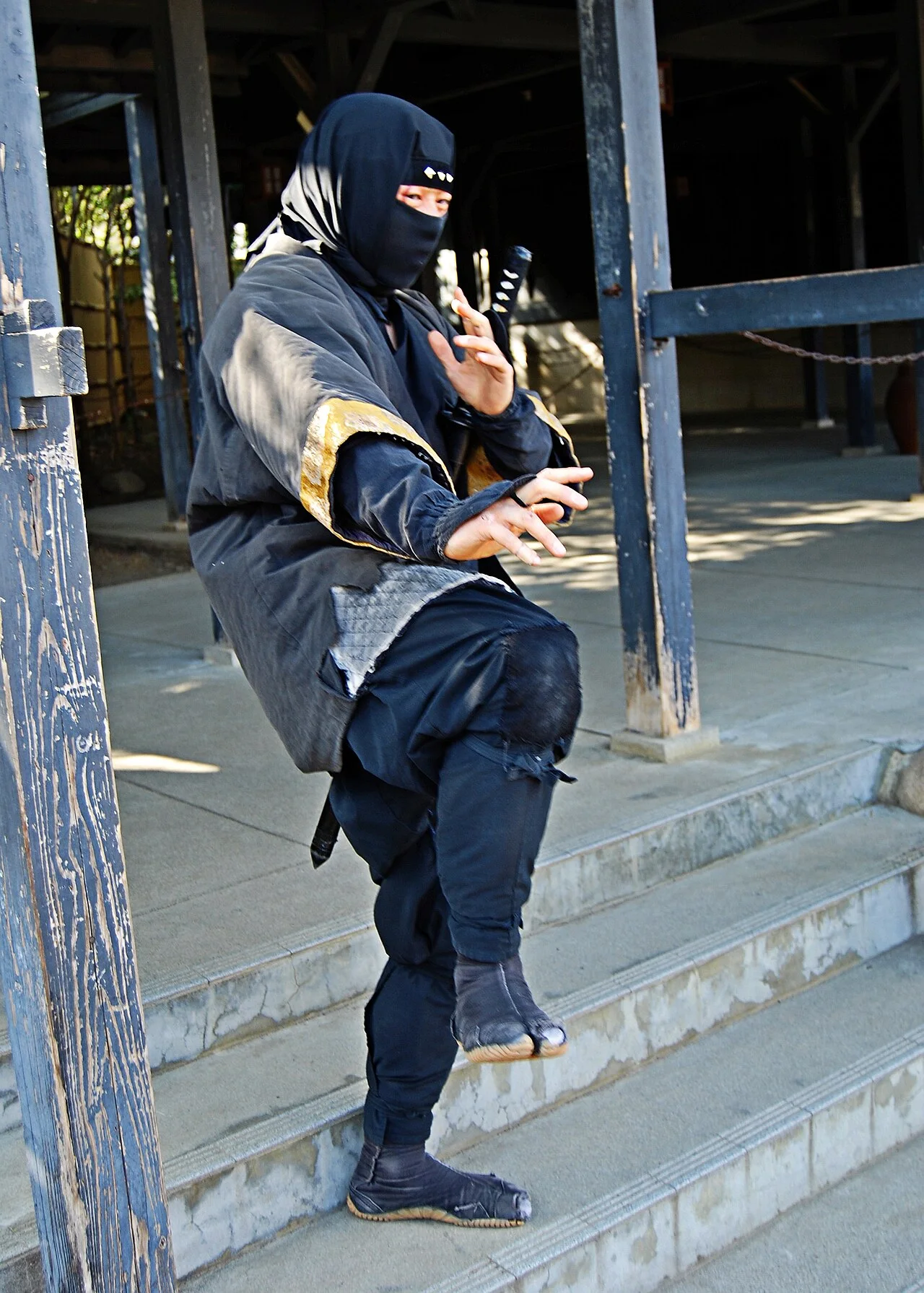
Edo Wonderland Nikko Edomura is an Edo-period streetscape where visitors step into shops and watch ninja and stage performances. Catch the Edo Wonderland bus from Platform 3 outside Kinugawa-Onsen Station for a roughly 20-minute ride to the terminus. Standard hours run 9:00–17:00 from March 20 to November 30, and 9:30–16:00 from December 1 to March 19, with closed dates posted on the official calendar. Full-day passes are ¥5,800 for ages junior high and up, ¥3,000 for elementary schoolers, and free for preschoolers; afternoon passes cost ¥5,000 for adults and ¥2,600 for elementary schoolers, starting at 14:00 in summer and 13:00 in winter. On a winter afternoon discount ticket, pick either shows or costume rental—not both—and choose your return bus to the station in advance.
If you prefer setting your own pace inside the park, head to Tobu World Square, about a one-minute walk from Tobu World Square Station, featuring 1:25 scale models of global landmarks. Coming on a direct limited express, stepping off at the park first avoids backtracking—ride one stop to Kinugawa-Onsen right before check-in. Self-propelled wheelchairs are lent free of charge, while strollers are paid rentals. Because exhibits sit mostly outdoors and winter closing times run earlier, check the official daily schedule before mapping your check-in transit. Same-day individual tickets are ¥2,800 for ages junior high and up and ¥1,400 for children ages 4 through elementary school. If rain hits and you choose Edo Wonderland instead, plan your route around indoor theater showtimes.
On a family overnight, travel straight from Tokyo to either park on Day 1, head into the onsen town after lunch, and enjoy your bath and dinner after check-in. On Day 2, leave bags at the ryokan or near the station and walk light to the suspension bridge. If you want to watch the SL turntable, use the afternoon turn as your anchor back to the station plaza. If you have a flight or Shinkansen connection out of Tokyo later that day, wrap up your checkout walk at the bridgehead to leave comfortable transfer time beyond the two-hour ride back to Tokyo.
Ryuokyo Gorge: Lock In Your Return Train Before Hiking
The Ryuokyo Gorge trailhead sits right beside Yagan Railway's Ryuokyo Station, one stop past Shin-Fujiwara heading toward Aizu from Kinugawa-Onsen. Because Yagan Railway trains run infrequently along this stretch, pick your return departure first and decide how far to hike around it. Reaching Nijimi Falls takes about 12 minutes from the station, and you can continue onto Nijimi Bridge for gorge views before turning back. To hike toward Musasabi Bridge, choose your side trail from Nikko City's hiking map. Remember the return walk climbs uphill back to the entrance, and photo stops add time, so a short-looking outbound leg often takes longer coming back.
With a full half-day, you can hike from Ryuokyo Gorge all the way to Kawaji Onsen—the tourism association estimates roughly 7 kilometers and 3 to 4 hours. Sort out your Kinugawa checkout bags beforehand so you can board directly at the far end. Yagan Railway serves both Kawaji-Onsen and Kawaji-Yumoto stations there, so check which station sits nearest your ending bridge, bathhouse, or ryokan before choosing your train. Through-hikers should carry water and wear high-traction shoes; Nikko City also warns of land leeches along the trail, so wear closed-toe shoes and long socks rather than sandals or bare ankles in wooded sections.
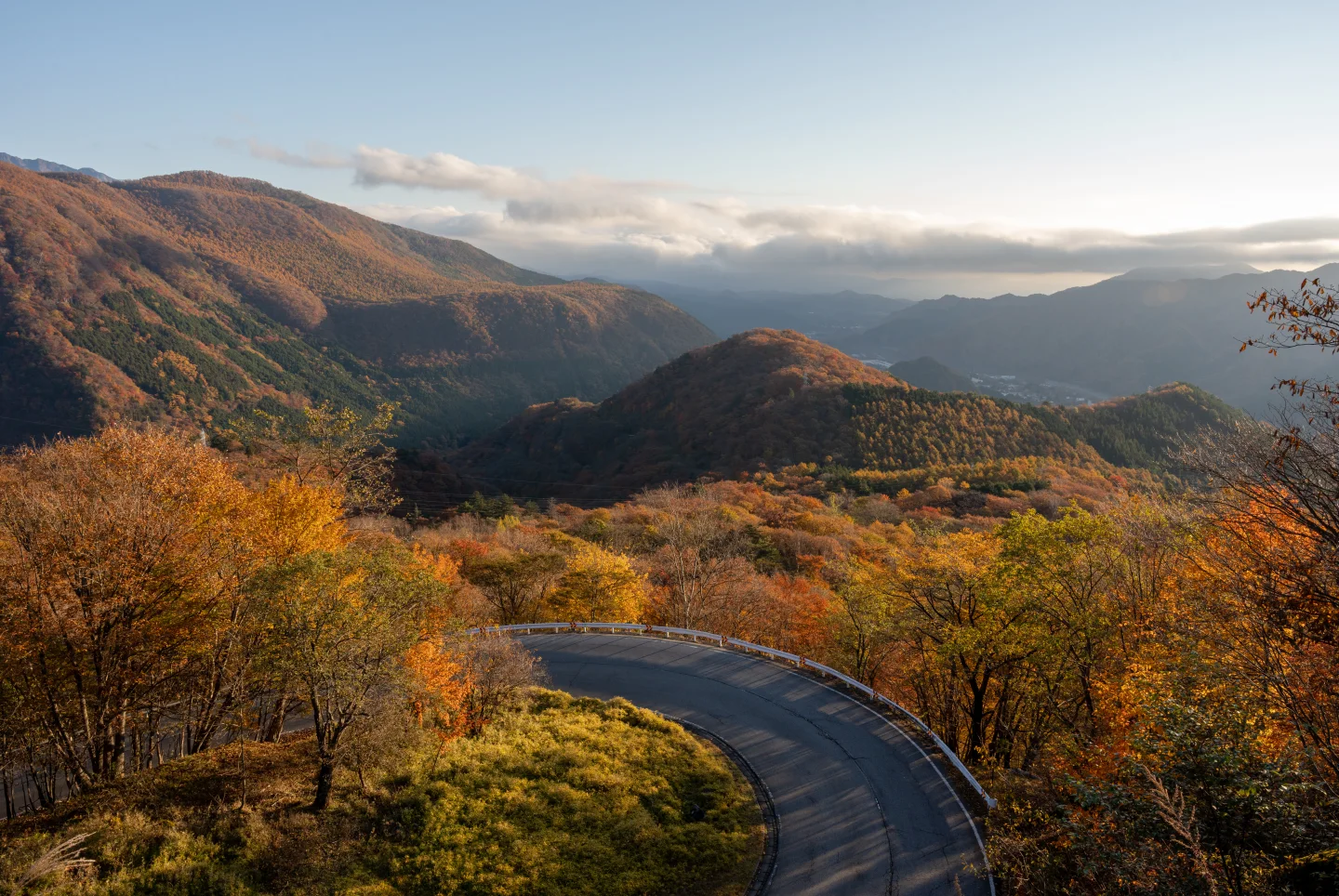
Autumn foliage is commonly planned from late October through mid-November, and you can split Kinutateiwa Suspension Bridge and Ryuokyo Gorge across two mornings. In 2026, for example, the tourism association still rated both spots at peak foliage on November 20, though some trees had started dropping leaves. If your itinerary reaches Okunikko, elevation differences mean foliage timing varies on the very same day, so check conditions separately. Travelers focused on fall color can book train tickets compatible with Kinugawa walks early, then consult the official foliage tracker closer to departure to choose which riverbank merits an extra hour.
Linking Nikko Toshogu or Adding a Night in Kawaji or Yunishigawa
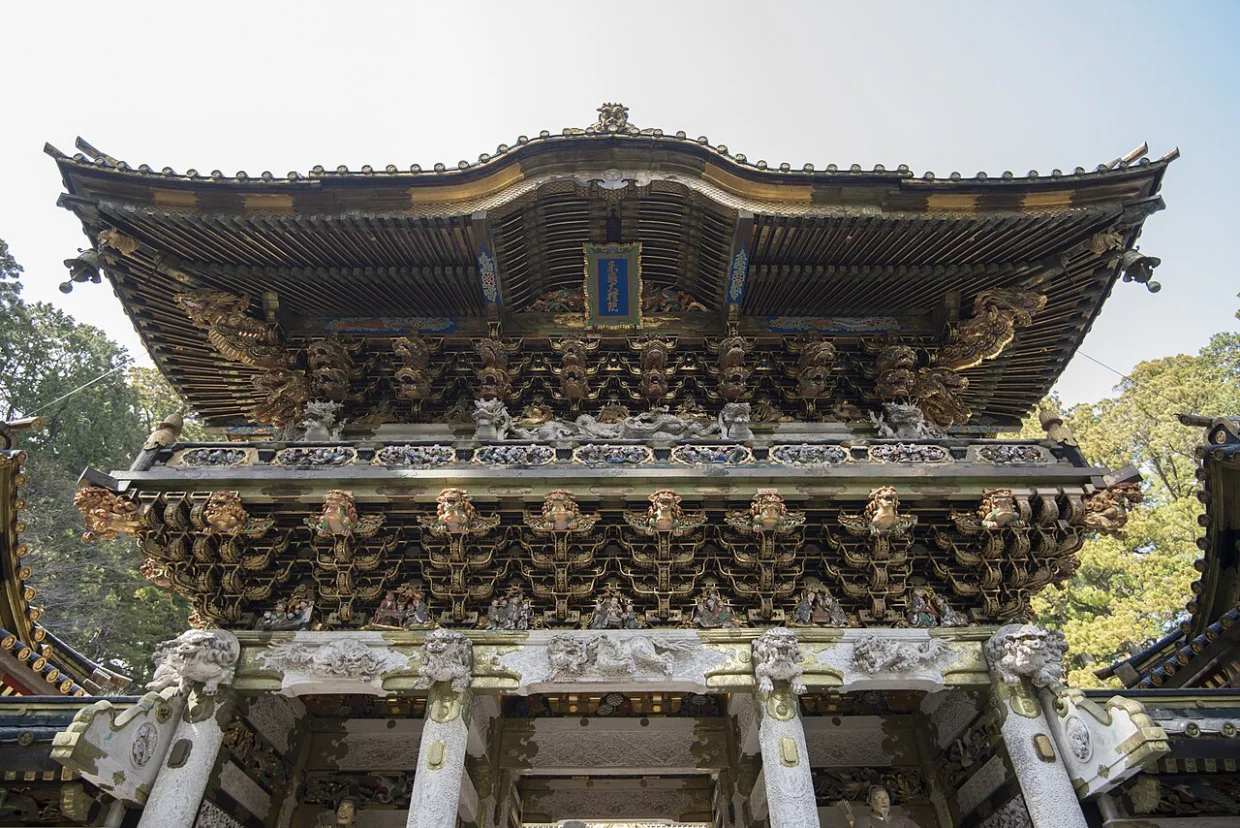
For a two-day, one-night trip including Toshogu, take an early train from Asakusa to Tobu-Nikko on Day 1 and visit the shrine-and-temple district first. General admission to Nikko Toshogu is ¥1,600 for adults and high schoolers, and ¥550 for elementary and junior high students; hours run 9:00–17:00 from April to October and 9:00–16:00 from November to March, with last entry 30 minutes before closing. In the afternoon, ride from Tobu-Nikko via Shimo-Imaichi to Kinugawa, counting backward from your ryokan's latest check-in time to pick your train. On Day 2 after checkout, stroll the suspension bridge before catching an evening limited express back to Tokyo. For shrine-area bus loops and pass options, see our Nikko transit and pass guide.
Lake Chuzenji needs its own substantial block of time. Tobu Bus's winter schedule covers December 1, 2026 through March 31, 2027 between the Nikko station area, Chuzenji Onsen, and Yumoto Onsen. Returning to Kinugawa from the lake means descending the mountain road back to the Nikko station area first, then transferring by rail. If you are already fitting Toshogu, luggage pickup, and a timed ryokan dinner into one afternoon, dropping one of those cross-area stops saves the most time. If you really want lake scenery without rushing two ryokan stays, spend the first night in Nikko or by the lake and move to Kinugawa the next day.
For a second night of hot springs, Kawaji connects directly via the Ryuokyo trail or by bus from Platform 2 at Kinugawa-Onsen Station. For Yunishigawa, ride the Yagan Railway to Yunishigawa-Onsen Station and transfer to a bus bound for the hot spring town. Because the station and the onsen village share the same name, check your ryokan's street address and exact shuttle stop when booking. If you leave Tokyo the day after, link your return bus, local train, and limited express connections together—wait times between transfers work well for breakfast or quick errands near the station. If your final stop is central Tokyo, spending Night 2 in Kinugawa lets you board a direct long-distance train from the onsen station in the morning.
The 2027 Yunishigawa Onsen Kamakura Snow Hut Festival runs from January 29 to February 28. To see the mini snow huts along the Sawaguchi riverbed, aim for a Friday, Saturday, or Sunday during the festival, when lights stay on from 17:30–21:00. Heike-no-Sato opens daily during the event and also lights up from 17:30; admission is ¥700 for adults and ¥300 for elementary and junior high students, with same-day re-entry permitted. Transit riders planning to stay after dark should either book lodging inside Yunishigawa's onsen town or lock in their return bus and rail connections back to Kinugawa before deciding how long to stay by the river. Guests based in Kinugawa for daytime outings can still fit in a daytime visit to Heike-no-Sato.
Luggage, Budgets, and Working Back from the Last Train
Kinugawa-Onsen Station has coin lockers, elevators, a waiting room, and accessible restrooms. If you are heading back to Asakusa from Kinugawa that same day, storing bags at the station is simplest. If you check out to visit Tobu-Nikko before returning to Tokyo, take your bags with you when you leave and store them at Tobu-Nikko Station instead of doubling back to Kinugawa. Similarly, if you plan to board your limited express straight from Tobu World Square, avoid leaving luggage behind at Kinugawa-Onsen Station that morning. Build locker pickup and repacking time into your walk back to the platform, especially with damp towels or kids' extra layers in hand.
On a regular-season Revaty day trip, adult round-trip train fare runs ¥6,480; adding the Hotel Sunshine day-use bath at ¥1,000 puts a baseline budget at ¥7,480 per person before lunch and local Tokyo transit. Doing the same day trip with the 2-day pass and matching limited express tickets totals ¥7,300. If two adults reserve a 60-minute private bath at Akebi instead, the room costs ¥3,900 total, plus separate rail fares and transit to Kosagoe. Because public baths charge per person while private baths charge per room, changing your group size shifts which choice makes more sense.
If you ride the Kinugawa River Cruise, budget separately for ¥3,500 per adult, ¥2,400 for ages 4 through elementary school, and ¥800 for ages 1 to 3; the Nikko City Tourism Association lists 2026 operations through November 30. When cruises are suspended or closed for winter, put that budget toward a private ryokan bath or explore the northern bridges instead. For a higher overlook above the northern town, the Kinugawa Onsen Ropeway costs ¥1,400 round-trip for adults and ¥700 for children, typically running 9:00–16:00. During cruise season, a free shuttle connects the boat landing to the ropeway station, though on the current timetable the 15:55 shuttle leaves after the ropeway's final 15:54 ascent—catch the 15:20 shuttle or earlier to make it up.
Drivers can park at the suspension bridge entrance before walking up to the lookout; the tourism association lists 26 standard first-come parking spaces. If someone in your group cannot manage long slopes, view the river from the bridgehead and drive over toward Kurogane Bridge afterward, leaving time to navigate and park. Nikko City marks Yunomachi Park parking on the north side, though reaching either bridge from there involves ramps or stairs. If you already have a hotel and dinner booked and afternoon lots are full, check in first and walk the bridges hands-free the next morning without leaving luggage in your car all day.
If rain hits while you are staying on the northern side of town, swap Ryuokyo Gorge for a morning ryokan soak and the station turntable. Protect your return train to Tokyo first, then fit in a foot bath or lunch based on how much time remains before departure. For a low-walking day trip, take the station elevator out to street level, watch the turntable, soak at the station-front foot bath, eat lunch, and catch an earlier train back—saving the suspension bridge and lookout climb for clear weather along the south bank.
A few useful answers
Where do trains to Kinugawa Onsen depart from in Tokyo?
Direct Tobu limited express trains run from Tobu Asakusa Station in about two hours, with select departures also boarding at Kita-Senju. From western Tokyo, check the JR-Tobu direct Kinugawa limited express from JR Shinjuku Station—both routes arrive at Tobu Kinugawa-Onsen Station.
Do I need the 4-day NIKKO PASS if I am only visiting Kinugawa Onsen?
No. The 2-day NIKKO PASS World Heritage Area (¥3,000 for adults, limited express tickets extra) already covers the Asakusa–Shimo-Imaichi round-trip and Tobu railway lines between Shimo-Imaichi and Kinugawa-Onsen. Compare the ¥8,000 All Area Pass against single bus fares only if you are riding buses up to Lake Chuzenji and Okunikko.
Can I visit Kinutateiwa Suspension Bridge and the foot baths in one walk?
Yes. Step out of the station to Kinuta-no-Yu foot bath, then walk about 12 minutes south to the suspension bridge and pick either the observation deck or Furugama Waterfall on the far side. If you also want Kinuko-no-Yu foot bath by Kurogane Bridge to the north, allow a separate 19-minute walk from the station.
Can I soak at Kinugawa Onsen on a day trip without staying overnight?
Yes. Hotel Sunshine Kinugawa next to the suspension bridge opens its public baths to day visitors for ¥1,000 per adult. For a private family bath, reserve a room at Akebi near Kosagoe for ¥3,900 per 60 minutes.
How should I plan a 2-day, 1-night trip combining Kinugawa Onsen and Nikko Toshogu?
Take a morning train from Tokyo straight to Tobu-Nikko on Day 1 for the shrine-and-temple precinct, then transfer via Shimo-Imaichi to Kinugawa for check-in that afternoon. Spend Day 2 at the suspension bridge, foot baths, and onsen town before catching a limited express back to Tokyo from Kinugawa-Onsen Station.
Official information and references
Sources used in this guide.
- Tobu Railway Limited Express Timetable
- Tobu Railway Base Fares and Seasonal Limited Express Surcharges
- Tobu SPACIA X Trains, Seating, and Fares
- JR East Kinugawa No. 3 Station Stops
- Tobu Railway NIKKO PASS 2-Day and 4-Day Passes
- Tobu Railway NIKKO PASS World Heritage Area Routes and Ticket Guide
- Tobu Railway Kinugawa-Onsen Station Facilities
- Nikko City Tourism Association: Kinutateiwa Suspension Bridge
- Nikko City Tourism Association: Kinugawa Day-Trip Routes, Foot Baths, and River Cruise
- Nikko City Kinugawa Barrier-Free Map
- Nikko City Tourism Association: Kurogane Bridge and Kinuko-no-Yu Foot Bath
- Nikko City Tourism Association: Kinugawa Park Iwaburo Closure Notice
- Hotel Sunshine Kinugawa Day-Use Public Baths
- Akebi Private Open-Air Baths: Rates and Reservations
- Nikko City Tourism Association: Access to Akebi
- Nikko Kotsu: Kinugawa-Onsen Station Bus Stops
- Asaya Hotel Access and Ryokan Loop Shuttle
- Asaya Hotel Sky Garden Open-Air Bath Gender Rotation Schedule
- Kinugawa Onsen Hotel: Guest Private Baths and Usage Conditions
- Kinugawa Onsen Hotel Room Types
- Kinugawa River Cruise Check-In and Cancellation Conditions
- Kinugawa Onsen Ropeway Fares and Shuttle Bus
- Tobu SL Taiju Operating Days and Turntable Schedule
- Tobu SL Taiju Reserved Seat Fares
- Tobu Railway 2026–27 Kinugawa Winter Illumination Announcement
- Edo Wonderland Nikko Edomura Operating Calendar and Hours
- Edo Wonderland Nikko Edomura Ticket Prices
- Edo Wonderland Nikko Edomura Access
- Tobu World Square Tickets and Park Facilities
- Tobu World Square Opening Hours
- Yagan Railway Base Fares
- Nikko City Ryuokyo Gorge Hiking Map
- Nikko City Tourism Association: Ryuokyo Gorge Access and Walking Times
- Nikko City Tourism Association: Autumn Foliage Status
- Nikko Toshogu Shrine Hours and Admission
- Tobu Bus 2026–27 Winter Okunikko Timetable
- Nikko City Tourism Association: 2027 Yunishigawa Onsen Kamakura Snow Hut Festival
- Tobu Railway Base and Limited Express Fares to Kinugawa
- Nikko City Tourism Association: Tobu World Square Access and Exhibits