Take a limited express from Asakusa or Shinjuku to Kinugawa Onsen. Compare 2-day and 4-day NIKKO PASS tickets, two free footbaths, day-use baths, ryokan shuttles, and trips to Ryuo Gorge or Nikko Toshogu.
- Region & Focus
- Nikko and Kinugawa
- Reading Scope
- 21 min read · 12 chapters · 5 Q&As
- Official Verification
- 39 official sources checkedUpdated 22 November 2026
- Key Topics
- Hot springsRail travelRyokan
Chapter Route Map (tap any stop)
- Decide where to alight on day one
- Choosing limited express trains from Asakusa, Kita-Senju, or Shinjuku
- The 2-day pass covers Kinugawa; save the 4-day pass for the mountains
- Where the suspension bridge leads depends on the far-side fork
- Fitting in the two free footbaths at the station and Kurogane Bridge
- Day-use bathing: big communal baths by the bridge or private tubs at Kosagoe
- Choosing an overnight ryokan: check the evening route before the room
- Day trips: pick either the river boat ride or the turntable
- Overnight with children: pick Edo Wonderland or Tobu World Square
- Ryuo Gorge: lock in your return train before deciding how far to walk
- Linking Nikko Toshogu, or adding a night in Kawaji or Yunishigawa
- Luggage, budgets, and working backwards from the last train
- Quick Q&A
Board a direct limited express from Tobu Asakusa Station and you will reach Kinugawa Onsen in around two hours. Free footbaths sit right outside the exit, with the Kinu Tateiwa Otsuribashi suspension bridge about a 12-minute walk south. If you just want a gorge walk and a single soak, a day trip from Tokyo works easily. Add Nikko Toshogu or a half-day at Edo Wonderland for the children, and an overnight stay becomes far more relaxed. The 2-day NIKKO PASS World Heritage Area already covers Kinugawa-Onsen Station; compare it with the 4-day pass only if you are heading up to Lake Chuzenji or Yumoto.
Decide where to alight on day one
Step out of Kinugawa-Onsen Station and you are straight on the station plaza, where Kinuta no Yu footbath, the steam locomotive turntable, and local bus stops all sit side by side. A 12-minute walk south brings you to Kinu Tateiwa Otsuribashi, while heading north leads to Kurogane Bridge and a second footbath. Because the two areas lie on opposite sides of the station, dipping your feet right after arriving by train is effortless, whereas walking to both bridges with luggage adds an unnecessary back-and-forth trek.
A day trip from Tokyo is plenty for gorge scenery and a soak. Arrive in the morning, cross the suspension bridge plus one side trail, stop for lunch, pick a day-use bathhouse in the afternoon, and catch a limited express back. Staying overnight is all about the ryokan dinner and soaking both evening and morning. If you book a dinner-inclusive plan, lock in your check-in deadline first, then choose between Nikko's shrines and temples, Edo Wonderland, or Ryuo Gorge for the daytime. Each lies in a different direction—pick just one so you still have time to unwind at the inn in the afternoon.
On the map, Shimo-Imaichi Station serves as the main fork. Coming from Tokyo, the Tobu Nikko Line branches towards Tobu-Nikko Station, while the Kinugawa Line heads through Tobu World Square, Kinugawa-Onsen, and Shin-Fujiwara. North of Shin-Fujiwara, tracks switch to the Yagan Railway, with Ryuokyo Station next up the line. Lake Chuzenji, by contrast, requires a mountain bus from around Nikko Station. When planning a round trip, factor in that road transfer separately if any leg goes up to the lake.
If you hold a direct limited express ticket from Asakusa to Kinugawa, anchor your first day around the hot-spring town or the theme parks to the south. Visiting Toshogu first? Book your outbound limited express to Tobu-Nikko, then transfer via Shimo-Imaichi in the afternoon. Staying in Kinugawa does not stop you from returning to Tokyo via Tobu-Nikko on day two; just enter your actual boarding station when buying tickets, particularly if you are crossing between zones with bags after check-out.
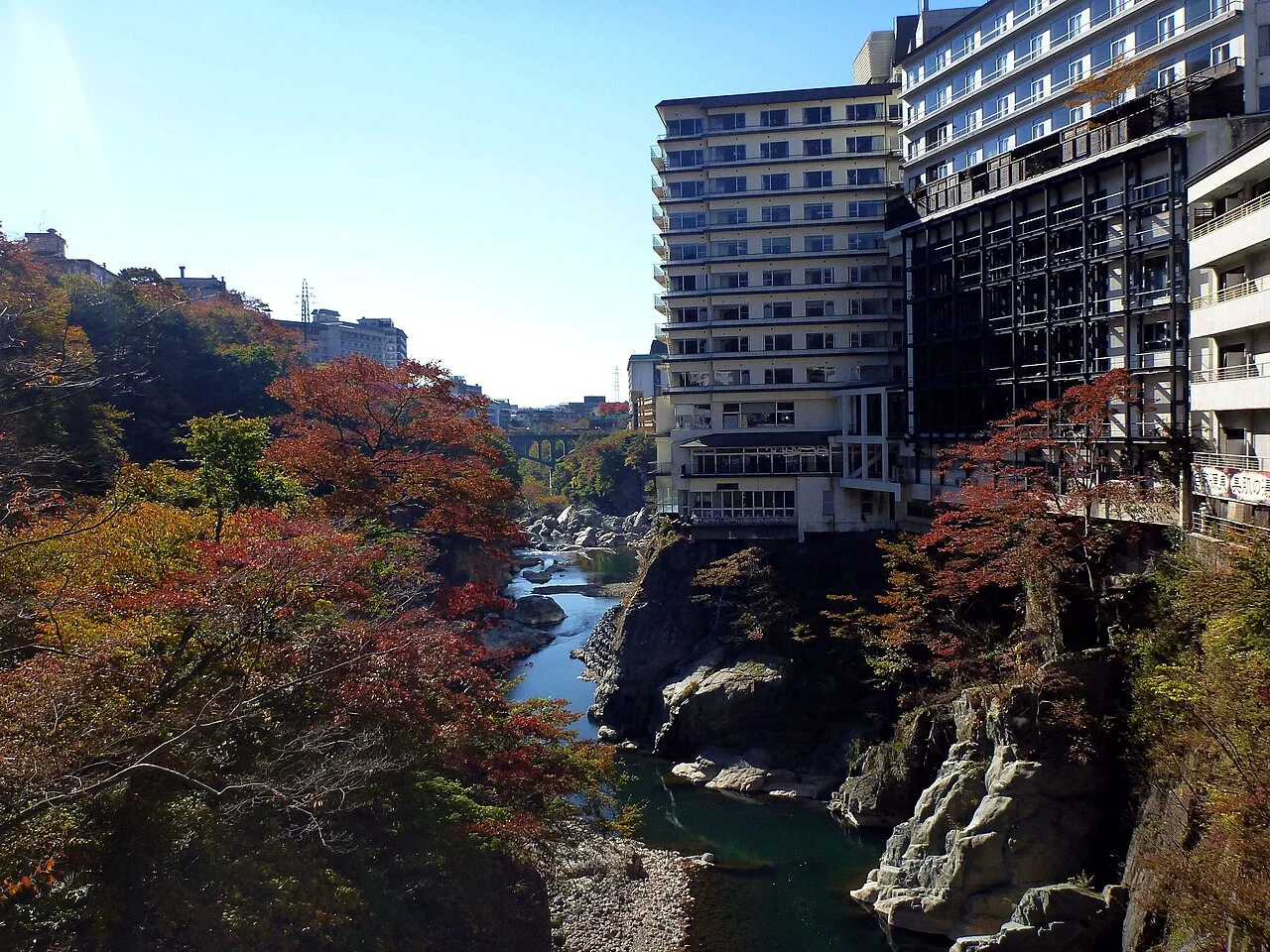
Take a limited express from Asakusa or Shinjuku to Kinugawa Onsen. Compare 2-day and 4-day NIKKO PASS tickets, two free footbaths, day-use baths, ryokan shuttles, and trips to Ryuo Gorge or Nikko Toshogu.
Choosing limited express trains from Asakusa, Kita-Senju, or Shinjuku
Departing from eastern Tokyo, boarding at Tobu Asakusa Station is the most straightforward option. The Tokyo Metro Ginza Line, Toei Asakusa Line, and Tobu Railway all share the name Asakusa, though their ticket gates are separate. On the booking screen, select Tobu's Asakusa Station, then check the platform displays for your train number and carriage. If you are staying near Ueno, Nippori, or northern Tokyo, check whether the same service stops at Kita-Senju to save backtracking to Asakusa. Your fare origin changes accordingly, so check which side of the city your hotel sits on before picking a meeting point.
The journey from Asakusa to Kinugawa takes roughly two hours on the Revaty Kinu, Kinu, Kinugawa-stopping Revaty Aizu, or Kinugawa-bound SPACIA X services. Some Revaty trains split at Shimo-Imaichi, with coupled carriages continuing separately to Tobu-Nikko and Kinugawa or Aizu, so board the exact carriage number printed on your limited express ticket. SPACIA X also operates services towards Tobu-Nikko. On current timetables, for example, train No. 7 leaves Asakusa at 12:30 and reaches Kinugawa-Onsen at 14:32, while No. 9 departs at 14:00 and arrives at 16:04; operating days are published on Tobu's calendar. For a full morning on a day trip, opt for an earlier Revaty.
Tobu's adult paper base fare from Asakusa to Kinugawa-Onsen is ¥1,590 one way. Adding the standard-season Revaty or Kinu limited express surcharge of ¥1,650 brings the total to ¥3,240. For a SPACIA X Standard Seat on the same stretch, the surcharge is ¥1,940, totalling ¥3,530. Both limited express surcharges add ¥200 in peak season and subtract ¥200 in off-peak season compared with standard rates; Tobu has already published its seasonal fare calendar through September 2027. If you are travelling with children or want seats together, select outbound and return seats at the same time. Limited express tickets go on sale one month before the travel date, so mark the release date in your calendar once your room is booked.
From western Tokyo, JR East and Tobu run direct through-services called the Kinugawa from Shinjuku. Train No. 3 listed by JR East departs Shinjuku at 10:31 and reaches Kinugawa-Onsen at 12:36, with intermediate stops at Ikebukuro, Urawa, and Omiya. It pulls into the exact same Tobu Kinugawa-Onsen Station, right beside the Kinuta footbath. Direct Shinjuku departures are fewer; if the return timing does not suit you, split the legs—ride out from Shinjuku and take a Tobu limited express back to Kita-Senju to connect with the Tokyo metro network. Tickets for the JR-Tobu through-trains can be checked via JR East's Ekinet.
Passing through the ticket gates requires a base fare ticket or a valid rail pass, plus a separate limited express ticket for your assigned train. SPACIA X compartments and certain sofa seats carry their own seat supplements—double-check at checkout whether the displayed price is per passenger or per compartment. If you simply want to sit and watch the scenery, a Standard Seat is all you need. Even if you splurge on a specific train model for the outbound leg, you can still pick whichever return departure best fits your sightseeing schedule, as fares are calculated per leg.
The 2-day pass covers Kinugawa; save the 4-day pass for the mountains
Available to international visitors, the NIKKO PASS World Heritage Area costs ¥3,000 for adults and ¥1,500 for children across two consecutive days. It includes one round trip between Asakusa and Shimo-Imaichi, plus unlimited rides within the validity period on designated lines from Shimo-Imaichi towards Tobu-Nikko and Shin-Fujiwara—covering Kinugawa-Onsen Station. Tobu's purchase guidelines specify Asakusa or Tokyo Skytree as the outbound boarding station, so select your starting station accordingly when using this pass. Designated Tobu buses within the World Heritage area are also included, making this 2-day pass the baseline calculation for combining Nikko's shrines and temples with an overnight stay in Kinugawa.
For an overnight stay in Kinugawa alone, two separate standard-season Revaty legs bought with individual base fares and surcharges come to ¥6,480 per adult. Using the 2-day pass with the same two limited express tickets totals ¥6,300—a modest ¥180 saving. The real value of the pass kicks in on day two if you also ride out to Tobu-Nikko, Tobu World Square, or Shin-Fujiwara. Anyone taking the JR through-train from Shinjuku will need to price that JR-Tobu fare separately, as the Asakusa round-trip calculation does not apply.
The NIKKO PASS All Area costs ¥8,000 for adults and ¥4,000 for children over four consecutive days, adding designated transport into Oku-Nikko. Whether the price gap pays off depends on the buses you actually ride. If you only plan one day up at the lake, add a single-day lake bus ticket to the 2-day pass and compare the sum against the 4-day pass. On a three-day itinerary covering Yumoto Onsen and multiple stops around Lake Chuzenji, the longer validity and wider coverage earn their keep. Mountain buses follow their own schedules, so note your descent bus times as soon as you collect your pass.
Neither NIKKO PASS includes reserved limited express seats, nor do they cover Toshogu admission, theme park entry, or day-use hot-spring fees. Kinugawa's ryokan loop buses and the Edo Wonderland bus route are also priced separately. Heading north past Shin-Fujiwara to Ryuo Gorge adds the Yagan Railway fare—officially ¥200 one way for adults between Shin-Fujiwara and Ryuokyo. Plotting your ryokan, return station, and add-on fares onto a single itinerary quickly reveals if you would end up taking two extra rides just to retrieve luggage.
| Itinerary | Tickets to compare first | Paid separately |
|---|---|---|
| Kinugawa day trip or 1-night stay | Adult round-trip base fare ¥3,180 vs World Heritage Area Pass ¥3,000 | Limited express seats, day-use baths |
| 1 night in Kinugawa plus Nikko Toshogu | World Heritage Area Pass (adult ¥3,000) | Limited express seats, shrine & temple admission |
| Kinugawa plus Lake Chuzenji or Yumoto | 2-day pass + lake bus ticket vs All Area Pass (adult ¥8,000) | Limited express seats, attraction entry |
Where the suspension bridge leads depends on the far-side fork
Leave Kinugawa-Onsen Station and walk towards Ohara and Hotel Sunshine Kinugawa to reach the bridgehead at 1436 Kinugawa Onsen Ohara, Nikko. The tourism association puts the walk from the station at around 12 minutes. Spanning roughly 140 metres, this pedestrian-only suspension bridge hangs about 37 metres above the river at midpoint, where huge bare boulders split the current into channels beneath the projecting Tateiwa cliff opposite. Even when the air feels calm at street level, gusts can whip across the centre of the span—secure hats and cameras beforehand.
On the far side, the path splits into two short spurs. Bear right for roughly 10 minutes—passing a hand-hewn tunnel and the Tateiwa Kinuhime Shrine—to reach Tateiwa Observatory, where elevated views take in the hot-spring town and distant peaks. Turn left instead and five minutes brings you to Kogama Falls for a close look at water slicing through rock. Both timings are one-way from the far end of the bridge. Factoring in the station walk, bridge crossing, and photos, allow about an hour for one spur, or more if you want both. Visitors hoping to collect a goshuin shrine stamp can obtain one at the tourist information centre inside the station or at Yuing Plaza near the bridge, as listed by the tourism association.
If you are pushing a buggy, managing sore knees, or using a wheelchair, the river gorge is already dramatic right from the bridgehead. Nikko City's accessibility map flags the paved ramp towards Tateiwa Observatory as exceeding a 10-degree gradient at its steepest, so save energy for that climb after crossing. Leave luggage in lockers before setting out; if companions want to climb to the observatory, you can arrange to meet back at the bridgehead. After rain, or in winter when shaded paths turn icy, keep your stroll to the bridgehead, station plaza, and indoor baths.
To follow a longer stretch of the river, return from the suspension bridge to the onsen town side, cross Tateiwa Bridge northwards towards Fureai Bridge, and finish at Kurogane Bridge. The tourism association's walking map marks each bridge along the route. Fureai Bridge features a giant demon artwork painted across its long flight of steps, while Kurogane Bridge offers a seated footbath beside the water. Keep your walk under an hour by simply doing the suspension bridge out and back; if you want the painted staircase and river bends, treat the northern bridges as a second leg broken up with lunch or a café stop.
Fitting in the two free footbaths at the station and Kurogane Bridge
Right outside the station exit sits Kinuta no Yu, normally open 9:00–18:00, with an adjacent hand bath. If you arrive with time to spare, soak your feet on the plaza before heading out; if you are chasing good light at the suspension bridge, save it for the return leg. Remember to leave time to dry your feet, put socks and shoes back on, and walk to the limited express platform. With only ten minutes to spare before boarding, the hand bath is far less rushed. Packing a separate bag for a damp foot towel and dry spare socks makes autumn and winter visits much easier.
For riverside views while you soak, head to Kinuko no Yu on the right bank of Kurogane Bridge. Roughly a 19-minute walk from Kinugawa-Onsen Station, it is normally open 9:00–17:00, free of charge, and has no on-site car park. Because it sits on the opposite side of the station from the suspension bridge, pair Kinuko no Yu with check-in if your ryokan is near Kurogane Bridge; if you arrive later or head south to the suspension bridge first, use Kinuta no Yu outside the station instead. A riverside footpath also begins near Kurogane Bridge—follow the trailheads on site, or simply linger in the footbath watching the river if your legs have already done enough miles.
Both footbaths can be enjoyed in ordinary street clothes—just wear trousers you can roll up easily and bring a small towel. Soaking up to your ankles refreshes tired feet before you carry on walking; to wash off trail sweat and immerse up to your shoulders, schedule a day-use bathhouse with full washing facilities for the afternoon. When travelling with children, especially before meals or a train departure, line up their socks and shoes neatly beside the bench before sitting them down to soak so getting ready to leave stays orderly.
| Footbath | Usual hours | Access from Kinugawa-Onsen Station |
|---|---|---|
| Kinuta no Yu | 9:00–18:00 | Station plaza, immediately outside the exit |
| Kinuko no Yu | 9:00–17:00 | Right bank of Kurogane Bridge, ~19-minute walk |
Day-use bathing: big communal baths by the bridge or private tubs at Kosagoe
Hotel Sunshine Kinugawa, right beside the suspension bridge, opens its large communal bath to day visitors. Its official site lists hours of 11:00–20:00 (last entry 19:00), at ¥1,000 for adults, ¥700 for primary school children, and free for preschoolers. Sitting on the same side as the bridge, it pairs neatly after crossing without repeating the walk back from the station. However, the hotel may shorten hours or pause day-use entry depending on guest occupancy and crowd levels—on holiday afternoons, ask at reception before you walk across the bridge. Note that Kinugawa Park Iwaburo closed permanently on 31 March 2024, so a northern stroll now pairs better with the Kurogane Bridge footbath.
Families wanting a private bathhouse together can book Shizen-yoku Hanare no Yu Akebi, a day-use private bath facility operated by Kinugawa Plaza Hotel in Kosagoe, roughly a 15-minute walk from Kosagoe Station. Its official site lists hours of 10:00–23:00 with irregular closures and possible early closing after 19:00. Rates are ¥3,900 for 60 minutes or ¥5,600 for 90 minutes per private pavilion with its own open-air tub; reservations can be made by calling 0288-76-0350. Because pricing is per room, lock in your slot first and work backwards for the walk or train from the station. If you are heading straight back to Tokyo afterwards, leave bags at a convenient station or in your car rather than squeezing a luggage detour into a timed booking.
Overnight guest hours and day-use reception differ at every ryokan. When walking in spontaneously, simply ask for 'higaeri nyuyoku' (day-use bathing); if your group wants a locked private bathroom, ask for 'kashikiri-buro'. Note that booking a room with a private tub is different from hiring a communal private bath for 45 or 60 minutes—check the room amenities list to verify whether the in-room tap actually draws hot-spring water. In shared bathhouses, wash thoroughly at the seated shower stalls before entering the pool, and keep your small modesty towel out of the bathwater. Bringing your own towel also saves a rental fee.
Choosing an overnight ryokan: check the evening route before the room
For dinner-inclusive stays, the final check-in cut-off shapes your day far more than the straight-line distance from the station. Properties near the station make storing bags, catching trains, and finding daytime meals straightforward, whereas the southern stretch suits easy access to the suspension bridge. For Kurogane Bridge, Fureai Bridge, or sweeping valley baths, look further north on the map. For outlying hotels, catch the ryokan loop bus from Stop 5 outside the station, leaving enough time to walk over after your Tobu limited express arrives. If you have bulky suitcases, miss the last shuttle, or prefer going straight to the lobby, taxis wait at Stop 7.
At Asaya in the north, for example, the rooftop Kuuchuu Teien Rotenburo swaps its men's and women's sides between odd and even months, so check the rotation chart if you want a specific boat-shaped tub. Arriving close to dinner? Save your preferred side for the morning rotation. Asaya's loop bus costs ¥300 for adults and ¥150 for children one way; outbound rides from the station require no booking, while return trips from the hotel must be booked at reception at least 15 minutes before departure. If you plan to visit Ryuo Gorge straight after check-out, align the hotel shuttle back to the station with an Aizu-bound train before deciding whether to stay for breakfast.
For multigenerational trips with elderly relatives and young children, compare the rooms and private baths at Kinugawa Onsen Hotel, which offers Japanese-Western suites alongside dedicated baby-friendly rooms. Its two guest-only private baths, Kihada and Toki, both cost ¥3,300 for 45 minutes with advance booking, and Kihada is step-free right through to the changing area. Raised room thresholds, bath access, and distance from the entrance to the beds affect each traveller differently, so confirm wheelchair access, bed configurations, children's meals, and arrival times directly with the hotel before finalising your plan.
A half-board ryokan plan normally includes dinner and the following morning's breakfast—served as a buffet, kaiseki course, or in a private dining room depending on the package. Rates fluctuate by day of the week, group size, and room category; compare tax-inclusive totals for the exact same date, and check whether children's meals, extra futons, or private bath slots are billed separately. For two adults and one primary-school child, toggling the child's age or meal-and-bedding option can easily change which room turns out cheapest. If you book breakfast-only or room-only, map out dinner opening hours and your route back beforehand, especially if you are staying away from the station without a car.
Day trips: pick either the river boat ride or the turntable
If you want to ride the river boats, anchor your schedule around a sailing time first. The Kinugawa River Boat Ride (Kinugawa Line Kudari) typically operates from mid-April to late November, and the operator requires check-in 20 minutes before departure. A shuttle bus brings passengers back after disembarking, so build that return transfer into your timeline. Sailings may be cancelled at short notice due to heavy rain, high winds, or changing water levels. Should your sailing be off when you reach the station, walking south to the suspension bridge still delivers dramatic gorge views right in town; in winter, swap the boat slot for a day-use soak instead.
Bringing children to see the steam locomotive? Check the Kinugawa-Onsen Station turntable column on Tobu's monthly SL Taiju timetable. You can watch the engine rotate right from the station plaza—watching is free and separate from riding the train itself. Riding the SL Taiju between Shimo-Imaichi and Kinugawa-Onsen requires a seat reservation surcharge of ¥1,000 for adults and ¥300 for children on top of the base fare. There is a brief gap between the locomotive pulling in and rolling onto the turntable, giving you time for a quick stop at the station facilities or to claim a viewing spot around the plaza.
From 21 November 2026 to 28 February 2027, Tobu and local community groups are staging winter illuminations across locations including Kinugawa-Onsen Station, with published lighting hours of 16:00–21:00. Evening SL Taiju services No. 9 and No. 10 operate on select dates, with No. 9 scheduled to arrive at 18:09 and turn on the turntable around 18:30. If you are returning to Tokyo that evening, verify that a late limited express runs afterwards. Overnight guests should lock in their dinner slot first and check whether hotel transport still runs after dinner before heading back down to the station lights.
Overnight with children: pick Edo Wonderland or Tobu World Square
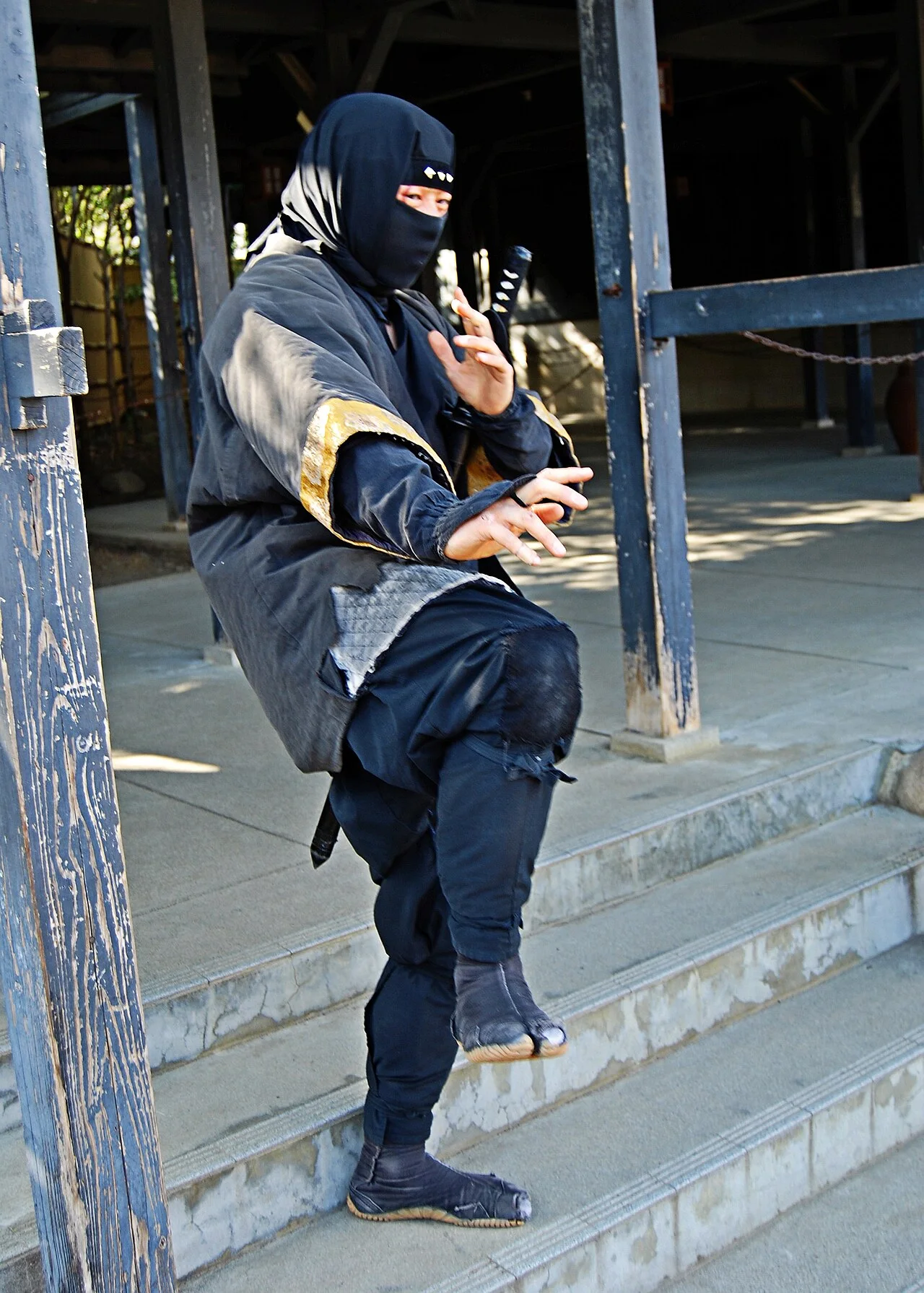
Edo Wonderland Nikko Edomura recreates an Edo-period town with walk-in shops, ninja shows, and live theatre. Buses on the Edomura line depart Stop 3 outside Kinugawa-Onsen Station and reach the park terminus in around 20 minutes. Standard hours are 9:00–17:00 from 20 March to 30 November and 9:30–16:00 from 1 December to 19 March, with closed days marked on the official calendar. One-day passes cost ¥5,800 for ages 12 and up (junior high and older), ¥3,000 for primary school children, and free for preschoolers; afternoon passes (¥5,000 adult, ¥2,600 child) start at 14:00 in summer and 13:00 in winter. If arriving on a winter afternoon ticket, pick either theatre shows or costume rental—not both—and choose your return bus time in advance.
If you prefer exploring at your own pace, head to Tobu World Square, a one-minute walk from Tobu World Square Station, showcasing 1:25 scale models of world landmarks. Arriving by direct limited express from Tokyo, alighting straight at the park station avoids backtracking; later, ride just one stop onwards to Kinugawa-Onsen for check-in. Manual wheelchairs can be borrowed free of charge, while pushchairs are available to rent. Because exhibits are mostly outdoors, winter closing times come earlier—check the day's hours online before timing your check-in transit. Same-day individual tickets are ¥2,800 for junior high and older, and ¥1,400 for children aged four and up. On rainy days, Edo Wonderland works better if you plan your route around its indoor theatre schedule.
For a family overnight stay, travel from Tokyo straight to either park on day one, shift into the hot-spring town after midday, and spend the late afternoon soaking and dining. On day two, leave bags at the ryokan or near the station and walk light to the suspension bridge. If the afternoon SL turntable rotation is on your list, use it as your anchor to return to the station plaza. Have a flight or Shinkansen connection out of Tokyo that afternoon? Turn back at the suspension bridgehead on check-out morning so you keep comfortable transfer padding beyond the two-hour train ride.
Ryuo Gorge: lock in your return train before deciding how far to walk
The trailhead for Ryuo Gorge sits right beside Ryuokyo Station on the Yagan Railway, one stop beyond Shin-Fujiwara heading towards Aizu from Kinugawa-Onsen. Trains run infrequently along this stretch, so pick your return departure first and let that dictate how far you walk. From the station, it is around 12 minutes to Nijimi Falls, where you can cross Nijimi Bridge for gorge views and turn back. To continue towards Musasabi Bridge, choose a loop from Nikko City's official trail map. Returning to the trailhead involves an uphill climb plus time for photos and rests, so a stretch that feels quick outbound often takes longer coming back.
With a full half-day, you can hike all the way through Ryuo Gorge to Kawaji Onsen—roughly 7 kilometres and 3 to 4 hours according to the tourism association. Sort out your Kinugawa check-out luggage first so you can board a train directly at the far end. Yagan Railway serves both Kawaji-Onsen and Kawaji-Yumoto stations, so check which stop sits closest to your final bridge, bathhouse, or inn before timing your return train. Anyone tackling the full route should pack water and grippy footwear; Nikko City also warns of land leeches along the forest path, so wear closed-toe shoes and long socks rather than sandals.
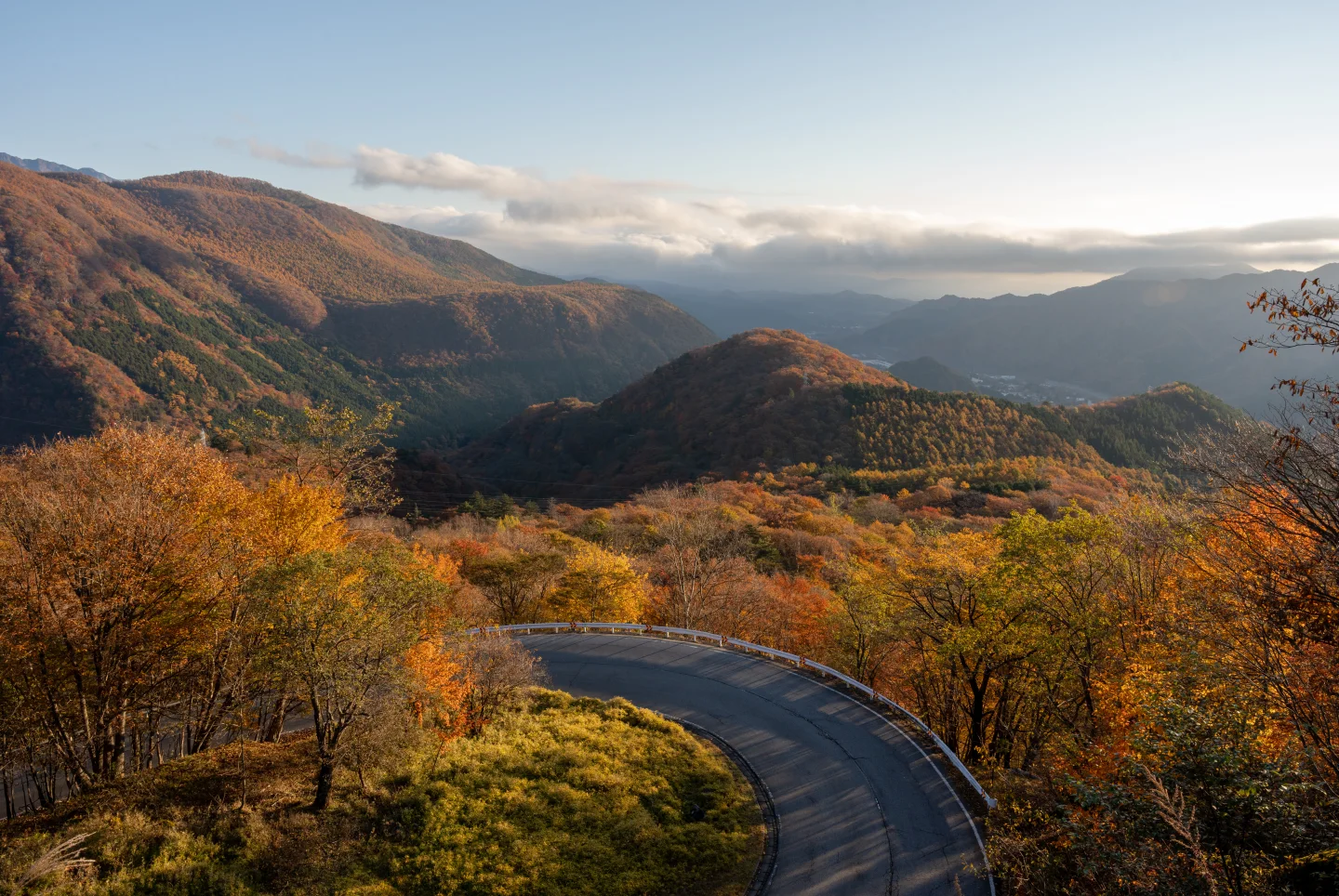
Autumn foliage typically peaks from late October to mid-November, making two separate mornings ideal for Kinu Tateiwa Otsuribashi and Ryuo Gorge. In 2026, for instance, the tourism association still listed both spots at peak colour on 20 November, even as some trees began dropping leaves. If your trip extends into Oku-Nikko, check foliage reports separately, as elevation changes the timing markedly. Photography-focused visitors can buy rail tickets that suit local Kinugawa walks first, then check the official autumn leaves tracker closer to departure to see which riverside stretch deserves an extra hour.
Linking Nikko Toshogu, or adding a night in Kawaji or Yunishigawa
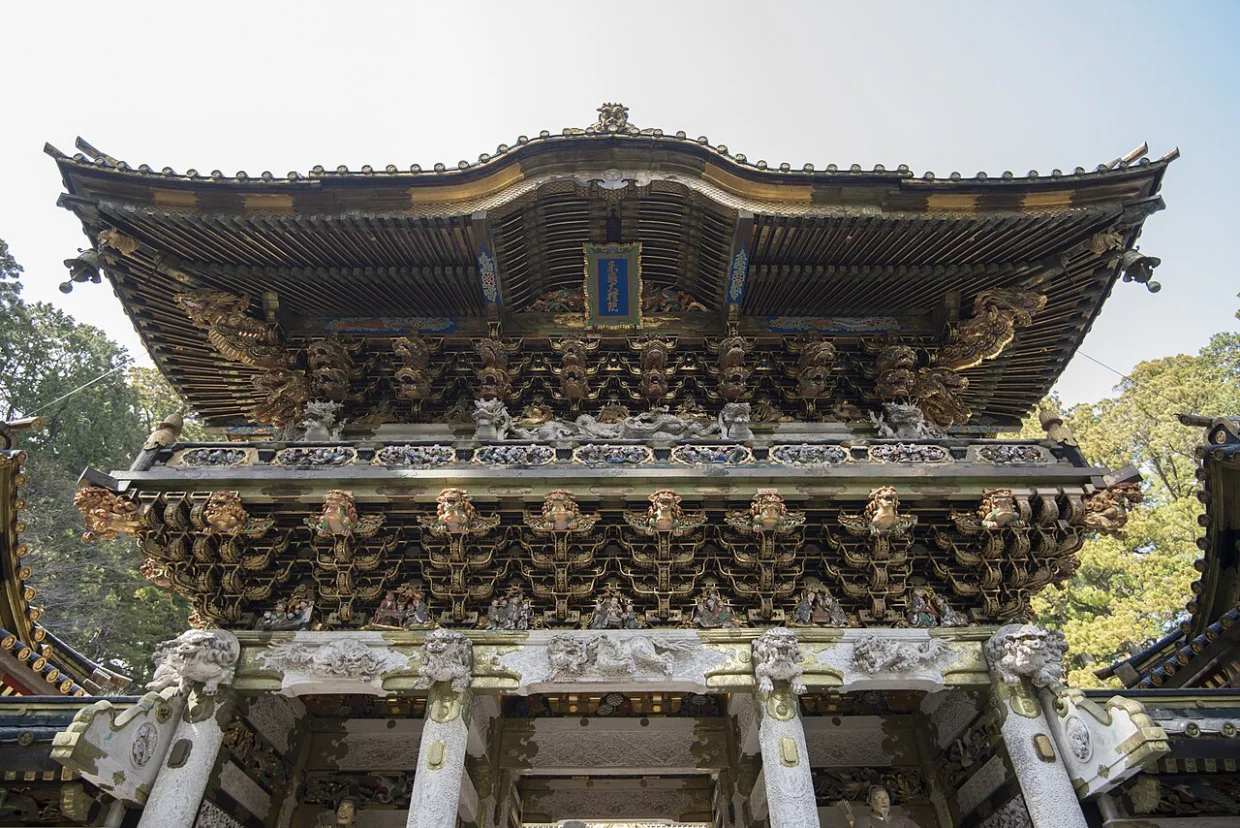
To include Toshogu on a one-night trip, travel from Asakusa straight to Tobu-Nikko on day one and visit the shrine and temple area first. Standard Toshogu entry is ¥1,600 for adults and senior high pupils, and ¥550 for primary and junior high pupils. Opening hours are 9:00–17:00 from April to October and 9:00–16:00 from November to March, with last admission 30 minutes before closing. In the afternoon, take the train from Tobu-Nikko via Shimo-Imaichi to Kinugawa, working backwards from your ryokan's latest check-in time to select your train. Check out the next morning, take an unhurried walk across the suspension bridge, and catch an evening limited express back to Tokyo. For shrine-area bus routes and pass options, see the Nikko transport and rail pass guide.
Lake Chuzenji demands another dedicated block of time. Tobu Bus's winter timetable already lists services from the Nikko station area to Chuzenji Onsen and Yumoto Onsen running from 1 December 2026 to 31 March 2027. Reaching Kinugawa from the lake means descending the mountain road back to Nikko Station before transferring by rail. If you are already squeezing Toshogu, luggage collection, and a timed ryokan dinner into one afternoon, drop one of those cross-zone stops to save hours in transit. Keen to see the lake and keep two unhurried ryokan evenings? Stay night one in Nikko or by the lake, then shift to Kinugawa the following day.
Adding a second night for deeper hot-spring quiet opens up Kawaji—accessible via the Ryuo Gorge trail or buses from Stop 2 outside Kinugawa-Onsen Station—or Yunishigawa, reached by taking the Yagan Railway to Yunishigawa-Onsen Station and transferring to a town-bound bus. Because the same place name applies to both the station and the valley village, check your ryokan's street address and shuttle drop-off point carefully when booking. Departing via Tokyo the next day? Map your return bus, local train, and limited express connections together—any wait at the junction works well for breakfast or shopping near the station. If your next stop is central Tokyo, spending night two back in Kinugawa lets you board a direct long-distance train straight from the onsen town in the morning.
In 2027, the Yunishigawa Onsen Kamakura Festival runs from 29 January to 28 February. To see the miniature snow huts lit along the Sawaguchi riverbed, aim for a Friday, Saturday, or Sunday during the festival, when illuminations run 17:30–21:00. Heike no Sato opens daily throughout the festival with evening lights from 17:30; admission is ¥700 for adults and ¥300 for primary and junior high pupils, with same-day re-entry allowed. Travellers using public transport who want to stay past dusk should book lodging inside Yunishigawa village or lock in their return bus and train to Kinugawa before deciding how long to linger by the river. Staying in Kinugawa for daytime visits only? Fit Heike no Sato into a daylight excursion instead.
Luggage, budgets, and working backwards from the last train
Kinugawa-Onsen Station provides coin lockers, lifts, a waiting room, and accessible toilets. If you are returning to Asakusa from the same station on a day trip, leaving bags at the station is simplest. Checking out to visit Tobu-Nikko before heading back to Tokyo? Take your luggage with you when you leave and store it at Tobu-Nikko instead, saving a return hop back to Kinugawa. Likewise, if you plan to board a limited express directly at Tobu World Square, avoid leaving suitcases behind at Kinugawa Station. Whenever you need to collect bags before departure, build packing time into your walk—especially if you are juggling damp bath towels or changing children's coats.
On a standard-season Revaty day trip, adult round-trip rail tickets come to ¥6,480, plus ¥1,000 for Hotel Sunshine's large bath—budget roughly ¥7,480 per person before lunch and Tokyo metro fares. Using the 2-day pass with the same limited express seats brings that baseline to ¥7,300. If two adults book a 60-minute private pavilion at Akebi instead, the bath costs ¥3,900 total, plus two separate rail tickets and transit to Kosagoe. Because public baths charge per person while private pavilions charge per room, changing your group size shifts which option makes better financial sense.
Planning the Kinugawa River Boat Ride? Budget separately for ¥3,500 per adult, ¥2,400 for ages four through primary school, and ¥800 for ages one to three; Nikko City Tourism Association notes operations run until 30 November in 2026. If sailings are suspended or closed for winter, redirect that budget towards a ryokan private bath or explore the northern bridges. To view the hot-spring town from above on the north side, the Kinugawa Onsen Ropeway costs ¥1,400 return for adults and ¥700 for children, normally running 9:00–16:00. During boat-operating days, a free shuttle links the landing pier and the ropeway station—check the timetable carefully, as the 15:55 shuttle arrives too late for the 15:54 last ascent, meaning you must catch the 15:20 shuttle or earlier.
Arriving by car? You can park right at the suspension bridge entrance before walking to the observatory—the tourism association lists 26 standard spaces on a first-come basis. If anyone in your party cannot manage long slopes, view the gorge from the bridgehead and then drive over towards Kurogane Bridge, leaving margin for navigation and parking. Nikko City lists parking at Yunomachi Park on the north side, though reaching both bridges from there involves slopes or stairs. If you already have hotel and dinner reservations, check in first should afternoon car parks be full, then visit the bridges empty-handed next morning without leaving luggage in a parked car all day.
If rain greets you on check-out morning while staying in the northern part of town, swap Ryuo Gorge for an early soak at your ryokan and the station turntable. Protect your return train to Tokyo first, then decide whether remaining time allows a footbath or lunch near the exit. For a light, minimal-walking day trip, take the station lift straight down, watch the turntable, soak at the plaza footbath, and catch an early afternoon train back after lunch—saving the suspension bridge and observatory for clear weather along the southern riverfront.
A few useful answers
Where do trains from Tokyo to Kinugawa Onsen depart?
Direct limited express trains run from Tobu Asakusa Station in around two hours, with select services also picking up at Kita-Senju. From western Tokyo, check the JR-Tobu direct Kinugawa limited express from JR Shinjuku Station. Both routes arrive at the same Tobu Kinugawa-Onsen Station.
Do I need the 4-day NIKKO PASS just to visit Kinugawa Onsen?
No. The 2-day NIKKO PASS World Heritage Area (¥3,000 for adults; limited express surcharges extra) already covers the Tobu Railway round trip between Asakusa and Shimo-Imaichi plus trains onwards to Kinugawa-Onsen. Only compare individual bus fares against the ¥8,000 All Area Pass if you plan to ride buses up to Lake Chuzenji and Oku-Nikko.
Can I visit Kinu Tateiwa Otsuribashi suspension bridge and the footbaths together?
Yes. Start at Kinuta no Yu right outside the station, then walk around 12 minutes south to the suspension bridge and pick either Tateiwa Observatory or Kogama Falls on the far side. If you also want Kinuko no Yu beside Kurogane Bridge in the north, allow a separate 19-minute walk from the station.
Can I visit Kinugawa for hot-spring bathing without staying overnight?
Yes. Hotel Sunshine Kinugawa next to the suspension bridge welcomes day visitors to its communal bath for ¥1,000 per adult. Families wanting a private bathhouse can reserve a 60-minute pavilion at Akebi in Kosagoe for ¥3,900 per room.
How should I plan a 2-day, 1-night trip combining Kinugawa Onsen and Nikko Toshogu?
On day one, ride straight from Tokyo to Tobu-Nikko to visit the shrines and temples in the morning, then take an afternoon train via Shimo-Imaichi to check into your Kinugawa ryokan. Spend day two exploring the suspension bridge, footbaths, and hot-spring town before catching a limited express from Kinugawa-Onsen Station back to Tokyo.
Official information and references
Sources used in this guide.
- Tobu Railway Limited Express Timetable
- Tobu Railway Base Fares and Seasonal Limited Express Surcharges
- Tobu SPACIA X Timetable, Seating, and Fares
- JR East Kinugawa No. 3 Calling Stations
- Tobu Railway NIKKO PASS 2-Day and 4-Day Overview
- Tobu Railway NIKKO PASS World Heritage Area Route and Purchase Guide
- Tobu Railway Kinugawa-Onsen Station Facilities
- Nikko City Tourism Association: Kinu Tateiwa Otsuribashi Suspension Bridge
- Nikko City Tourism Association: Kinugawa Day-Trip Routes, Footbaths, and River Boats
- Nikko City Kinugawa Accessibility Map
- Nikko City Tourism Association: Kurogane Bridge and Kinuko no Yu Footbath
- Nikko City Tourism Association: Kinugawa Park Iwaburo Closure Notice
- Hotel Sunshine Kinugawa Day-Use Communal Bath
- Akebi Private Open-Air Baths: Rates and Reservations
- Nikko City Tourism Association: Access to Akebi
- Nikko Kotsu Bus Stops at Kinugawa-Onsen Station
- Asaya Access and Ryokan Loop Bus
- Asaya Kuuchuu Teien Rotenburo Gender Rotation Schedule
- Kinugawa Onsen Hotel Guest Private Baths and Usage Conditions
- Kinugawa Onsen Hotel Room Types
- Kinugawa River Boat Ride Check-In and Cancellation Conditions
- Kinugawa Onsen Ropeway Fares and Shuttle Bus
- Tobu SL Taiju Operating Calendar and Turntable Times
- Tobu SL Taiju Seat Reservation Fares
- Tobu Railway 2026–27 Kinugawa Winter Illumination Announcement
- Edo Wonderland Nikko Edomura Operating Calendar and Hours
- Edo Wonderland Nikko Edomura Admission Prices
- Edo Wonderland Nikko Edomura Access
- Tobu World Square Tickets and Park Facilities
- Tobu World Square Opening Hours
- Yagan Railway Standard Fares
- Nikko City Ryuo Gorge Hiking Map
- Nikko City Tourism Association: Ryuo Gorge Access and Walking Times
- Nikko City Tourism Association: Autumn Foliage Status by Area
- Nikko Toshogu Opening Hours and Admission Fees
- Tobu Bus 2026–27 Winter Oku-Nikko Timetable
- Nikko City Tourism Association: 2027 Yunishigawa Onsen Kamakura Festival
- Tobu Railway Kinugawa Line Base Fares and Limited Express Surcharges
- Nikko City Tourism Association: Tobu World Square Access and Exhibits