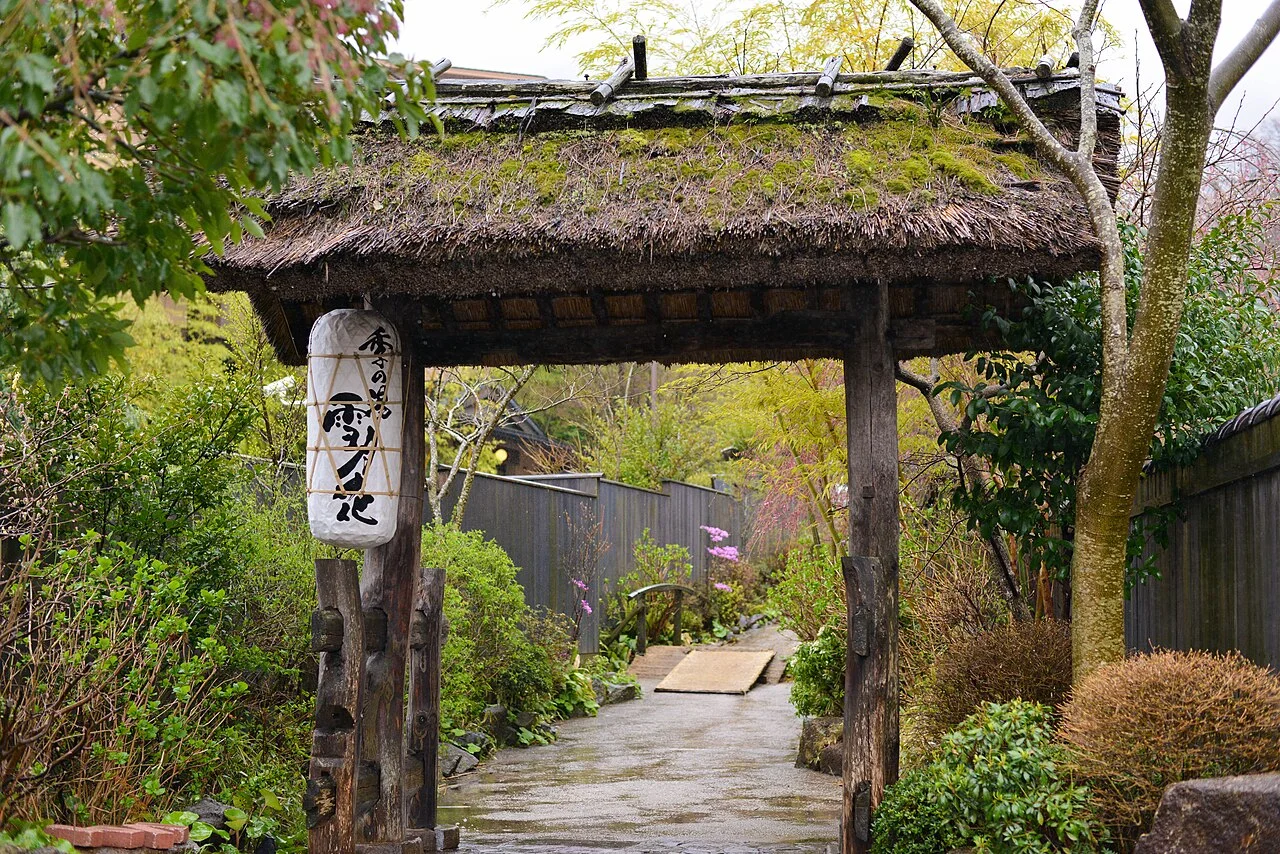
How to choose a day-trip onsen in Hakone? Compare admission prices, private bath bookings, tattoo rules and return buses for Hakone Yuryo, Tenzan Tohji-kyo, Tenseien, Sengokuhara's milky sulphur waters and Ryuguden.
- Region & Focus
- Hakone
- Reading Scope
- 22 min read · 10 chapters · 6 Q&As
- Official Verification
- 42 official sources checkedUpdated 22 November 2026
- Key Topics
- Hot springsBookingSeasons
Chapter Route Map (tap any stop)
- First time in Hakone: decide where to end your day first
- Hakone Yuryo: station shuttle and two-hour private Kaden baths
- Tenzan in Oku-Yumoto: unhurried soaking, cash ready and the K bus
- Tenseien: rooftop open-air baths and walk-in family rooms
- Staying in Yumoto for an early soak: Yunosato Okada
- Sengokuhara milky sulphur baths at midday; save Gora stays for night
- Lake Ashi views from the bath: pair Ryuguden with Hakone-en
- Build a day trip backwards from booked slots, and price tickets separately
- Rain, autumn foliage and winter 2026–27 ropeway detours
- Travelling with children or older relatives: put rules and walking distances before ticket price
- Quick Q&A
For a day trip from Tokyo and a first soak in Hakone, pick one of the three bathhouses near Hakone-Yumoto Station. Hakone Yuryo runs a free shuttle bus and offers bookable private open-air baths if you want to soak together. Tenzan Tohji-kyo requires a short bus ride into Oku-Yumoto and suits an unhurried afternoon. Tenseien has a rooftop open-air bath and works well if you are travelling light and want a riverside stroll before going in. For milky-white sulphur water, save the daytime for Sengokuhara. If you want lake views from the bath, head to Ryuguden Honkan next to Hakone-en. Both of those rely on buses for the return journey, so plan your sightseeing around the last bus back.
First time in Hakone: decide where to end your day first
If you are visiting from Tokyo with older relatives, basing your soak around Hakone-Yumoto keeps transfers to a minimum, and you can catch your return train from the same station. Tenzan in Oku-Yumoto also starts from Yumoto Station, though you will need a bus ride further up the valley and must factor headways into both legs. When you do not arrive until the afternoon and already have an evening ticket back to Shinjuku, leave Gora or the lakeside for another day. Hakone sits in steep mountain terrain: two spots that look close on the map often require looping back to a bus interchange when using public transport.
Hakone Seventeen Springs is the collective name for the area's hot-spring districts; the historic Hakone Seven Springs comprise Yumoto, Tonosawa, Dogashima, Miyanoshita, Sokokura, Kiga and Ashinoyu. Check the street address when planning transport, and check the spring source when comparing the water. Hakone Yuryo, for example, sits in Tonosawa—easiest reached on the shuttle from Hakone-Yumoto Station—and feeds its baths with Tonosawa's alkaline simple thermal water. In Sengokuhara, some ryokans pipe milky-white water from Owakudani while others draw from Ubako Onsen, meaning the same bus corridor delivers completely different waters.
Onsen websites usually split communal baths, private baths and overnight rooms across separate pages. Look for day-use bathing ('higaeri nyuyoku' or 'tachiyori-yu'), then check the last entry time ('saishu uketsuke') and billing unit. Communal baths generally charge per person, whereas private baths may charge per room or by a set headcount. If you only want to soak with your companions, do not click straight into the overnight booking pages. When a property advertises 24-hour access, check whether that line applies to staying guests or day visitors—Mount View Hakone in Sengokuhara, for instance, closes day-use admissions in the afternoon.
Travellers riding the Hakone Tozan Railway can use Gora as a daytime hub; staying up in the mountains only makes sense if you plan to bathe after an inn dinner. On a night in Gora, fit the mountain railway, Gora Park or local museums in before check-in, then grab a towel from your room before heading to the bath. See our Hakone areas and hotel comparison for where to stay and dinner cut-off times.
| Facility | Adult admission | How to fit it in |
|---|---|---|
| Hakone Yuryo | ¥1,700–¥1,800 weekdays; ¥2,000–¥2,200 weekends and holidays | Free shuttle from Yumoto Station; bookable private open-air baths |
| Tenzan at Tenzan Tohji-kyo | ¥1,450 (cash only) | Ride into Oku-Yumoto to soak, dine and linger |
| Tenseien | ¥2,730 plus ¥50 bathing tax | Stroll the Yumoto river valley first; towels and indoor wear included |
| Yunosato Okada | ¥1,650 day entry; ¥1,000 early morning | Early soak before heading up the mountain; hotel shuttle by day |
| Mount View Hakone | ¥1,200 (cash only) | Midday stop in Sengokuhara for milky-white open-air sulphur baths |
| Ryuguden Honkan | ¥2,300 weekdays; ¥2,600 weekends and holidays | Lake-view soak beside Hakone-en; pair with return bus times |
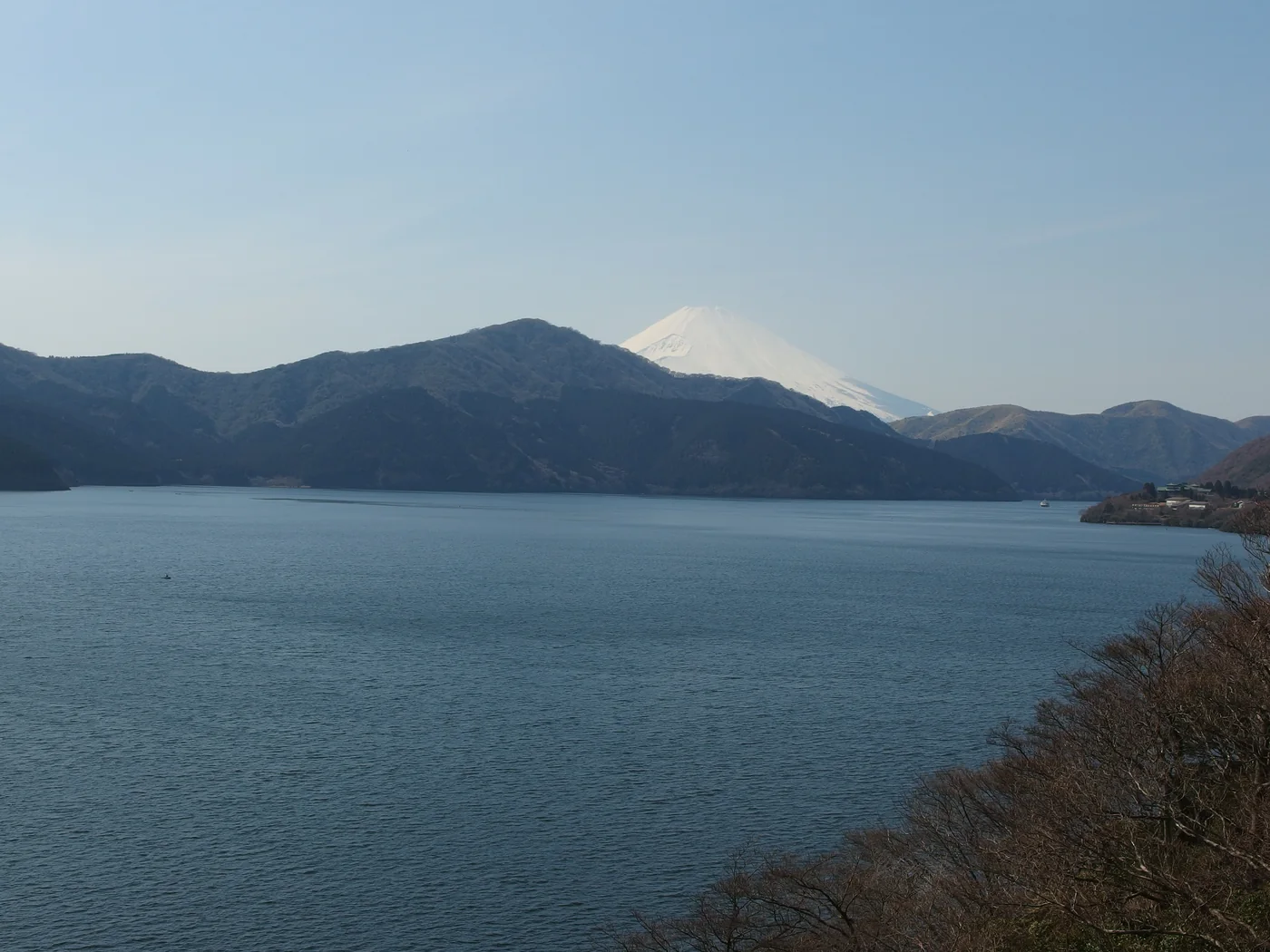
How to choose a day-trip onsen in Hakone? Compare admission prices, private bath bookings, tattoo rules and return buses for Hakone Yuryo, Tenzan Tohji-kyo, Tenseien, Sengokuhara's milky sulphur waters and Ryuguden.
Hakone Yuryo: station shuttle and two-hour private Kaden baths
Outside Hakone-Yumoto Station, walk to the 'Hakone Yuryo Shuttle Bus' stop out front, marked stop number 7 on the operator's station map; the ride takes about three minutes. Regular route buses to Oku-Yumoto and shared ryokan shuttles are separate services, so do not board another bus simply because it carries an inn's name. Coming down from Gora, take the Hakone Tozan Train to Yumoto and switch to this shuttle rather than hunting for the entrance along the hillside road.
The communal bathhouse opens 10:00–20:00 on weekdays and 10:00–21:00 at weekends and on public holidays, with last entry one hour before closing. Adult rates apply from junior high school age upwards at ¥1,700–¥1,800 on weekdays and ¥2,000–¥2,200 on weekends and holidays; primary school pupils pay ¥1,000. At the main baths, bath towels cost ¥550 and small hand towels ¥300 to buy outright. If you are travelling light from Tokyo with only a daypack, pack a quick-dry towel, which also comes in handy moving between the open-air baths and the lounge. The entire complex closes for maintenance on 1–3 December 2026; during those three days, switch to Tenseien in Yumoto or head into Oku-Yumoto for Tenzan if you prefer somewhere quieter.
The private open-air wing, Hanare Yuya Kaden, comprises 19 rooms rented in two-hour slots on weekdays at ¥10,400 for a two-person Ichi-no-maki room, ¥12,400 for a four-person Ni-no-maki room, and ¥14,400 for San-no-maki. Weekend and holiday rates add ¥1,000 per room, and holiday pricing applies from 26 December 2026 to 3 January 2027. Split four ways on a weekday, a Ni-no-maki room works out to ¥3,100 per person, with space inside to change and rest and towels provided. Private baths can be booked on their own without buying communal entry; adults who also want to use the main bathhouse pay an extra ¥1,000 on weekdays or ¥1,300 on weekends and holidays.
Online reservations open one month ahead of your visit and close at 15:00 JST the day before; after that cut-off, call 0460-85-8411 to book or amend. The last private-bath slot starts at 18:00 on weekdays and 19:00 on weekends and holidays. When anchoring your return to a reserved Romancecar Limited Express, count backwards from departure to allow for the shuttle, waiting time and station access, then pick a slot that gives you the full two hours. If you buy train tickets first and find only the late slot left, walking into Tenseien on the day gives better value than cutting short a prepaid private session.
For wheelchair users, one Ni-no-maki private room is built to accessible universal-design standards and can be requested specifically; wheelchairs cannot be used inside the communal bathhouse. Children below primary school age are welcome in Kaden, though anyone still in nappies may not enter the bathwater, and every family member counts towards the room capacity. Hakone Yuryo lifted its tattoo restrictions in April 2025, making it the straightforward choice when companions with tattoos want to use the gender-separated communal baths independently.
Tenzan in Oku-Yumoto: unhurried soaking, cash ready and the K bus
Exit the second-floor ticket barriers at Hakone-Yumoto Station, turn left across the footbridge spanning the national road and walk down to the bus stops. Take the Hakone Kyukaido Line (route K) from stand 4 and alight at Oku-Yumoto Iriguchi, a ¥260 single fare published by the operator followed by a walk of around five minutes. Alternatively, catch the B-route Soun-dori shared ryokan shuttle from outside the station, tell the driver Tenzan Tohji-kyo and pay ¥200 per adult each way; note there are no departures from Yumoto Station in the 11:00 or 12:00 hours, making route K easier to schedule around lunch.
The main day-use bathhouse at Tenzan Tohji-kyo is Higana Toji Tenzan. Admission is ¥1,450 for adults and ¥700 for children aged one through primary school, cash only at the gate. Standard hours run 09:00–23:00 with last admission at 22:00. The entire property, including Ikkyu, closes for maintenance on 7–11 December 2026; plan for Hakone Yuryo instead if visiting Yumoto then. Tenzan stays open later than most day-trip baths, suiting guests staying near Yumoto who are not racing for an express train. Day-trippers returning to Tokyo still need to time their exit by the bus timetable rather than the 22:00 entry cut-off.
A Tenzan ticket grants access to the gender-separated communal baths, where indoor and outdoor pools sit beside on-site dining and rest areas—useful if companions prefer different water temperatures and want to meet afterwards in the lounge. On weekdays, a combined pass links Tenzan with neighbouring Kayoi Toji Ikkyu. Ikkyu itself costs ¥1,200 for adults, closes on Thursdays, and opens 11:00–20:00 on weekdays (until 21:00 at weekends and holidays, last entry one hour earlier). Facilities at Ikkyu are spartan—soap and hairdryers are provided, but there are no showers, shampoo or conditioner—so choose main Tenzan if you need to wash and dry your hair before travelling.
Tenzan turns away tour groups and parties of more than six adults, and takes neither entry nor restaurant reservations. Solo visitors with tattoos may use Tenzan, whereas groups of tattooed visitors are not admitted. Families with young children should also check supervision rules: Tenzan's FAQ asks children capable of bathing independently to use the bath matching their own gender, so a bookable private bath elsewhere is far simpler if everyone wants to bathe together.
Tenseien: rooftop open-air baths and walk-in family rooms
Tenseien sits along Taki-dori in Hakone-Yumoto. To take in the hot-spring street beside the Hayakawa and Sukumo rivers, walk from the station—the property estimates about 20 minutes along the sightseeing route. You can also board the A-route Yumoto shared ryokan shuttle signed for Taki-dori at ¥200 per adult each way. With large suitcases, weigh up the bridges, slopes and shuttle waits; if you only have a rucksack and fancy lunch in town, the stroll makes a pleasant half-day prelude.
Standard day admission is ¥2,730 for adults plus a ¥50 bathing tax, covering indoor lounge wear, bath and hand towels and a locker, with no booking normally required. Day bathing runs from 10:00 until 09:00 the next morning, with last admission at 08:00 and an extra late-night surcharge after midnight. From afternoon into evening, that gives far more breathing room than the milky-bath inns. Non-bathing companions can meet you afterwards to wander the garden grounds or eat inside. On weekdays, arriving earlier lets you catch the rooftop open-air bath in daylight.
Private family baths cost ¥2,200 per hour on top of day admission and are registered at reception after you arrive. For two adults at standard rates including tax, one hour totals ¥7,760, buying an hour in a private room plus separate access to the communal baths. If your dates are fixed and your group needs a guaranteed shared slot at a set hour, online booking at Hakone Yuryo makes return trains easier to lock in; if you are happy to shuffle lunch or a walk around whatever slot is free on arrival, Tenseien's walk-in pricing works in your favour.
Tenseien's entry rules apply equally to private rooms: anyone with tattoos or faux-tattoo stickers is refused admission, and children in nappies cannot enter the communal baths. Under the official FAQ, children of primary school age or at least 120 cm tall must use the communal bath corresponding to their gender. For a lone parent travelling with a child who would have to bathe separately, check family-room availability at the desk before paying for general admission.
Staying in Yumoto for an early soak: Yunosato Okada
Yunosato Okada in Hakone-Yumoto runs an early-morning session from 06:00 to 09:00 at ¥1,000 for adults and ¥500 for children, including rental towels. Regular day bathing operates 11:00–23:00 (last entry 22:00) at ¥1,650 for adults and ¥800 for primary school pupils, with pre-schoolers free. If you stay at a Yumoto guesthouse without baths and want an early start up the mountain, soak here first so you are not waiting around after breakfast for day baths to open. Because shared ryokan shuttles start later on normal mornings, either walk from nearby accommodation or pre-book a taxi. The facility closes on 1–2 December 2026 and reopens at 11:00 on 3 December.
During the day, catch the A-route Taki-dori shuttle from Hakone-Yumoto Station to the entrance of Hotel Okada (¥200 adults, ¥100 primary pupils each way). Take the lift inside the hotel up to the eighth floor and follow the escalators and outdoor walkway to the day-use bathhouse; visitors with mobility needs can contact the bathhouse to arrange a hotel pick-up. Some shuttle departures drop off after 17:00 depending on the day of the week, so confirm your ride down before heading up the valley for dinner and a soak. To stroll back along the river, ride up by shuttle and walk down afterwards.
Separately bookable private family baths operate 11:00–23:00 at ¥1,500 for 45 minutes. Day packages combining bathing, a meal, lounge wear and a rest space are also sold; note that the 'private rest room' listed on package pages is a dining and lounging room after your soak, so book a family bath separately if you want to bathe together. General entry already includes a free lounge area—when travelling with older relatives, having somewhere comfortable to sit beats comparing entry fees purely on towels and lockers. Yunosato Okada does not admit guests with tattoos or tattoo stickers.
Sengokuhara milky sulphur baths at midday; save Gora stays for night
For cloudy white water, head straight to Kawayu no Yu Mount View Hakone in Sengokuhara, which feeds milky-white sulphur water into its outdoor communal baths and private open-air rooms. Board the T-route bus towards Togendai from stand 3 at Hakone-Yumoto Station and alight at Sengokuhara Bunka Center-mae, right beside the inn. Day bathing is accepted 11:00–15:00 at ¥1,200 for adults and ¥630 for children for a 90-minute stay, with bath and hand towels ¥200 each and cash-only payment. It closes on Tuesdays and will also close on Wednesday, 9 December 2026.
Private 60-minute open-air slots for two cost ¥3,500 or ¥4,000, accepted 11:00–14:00 on a walk-in basis only. Leaving this until mid-afternoon leaves little margin if there is a queue, so arrive by bus first to check room availability before deciding whether to have lunch in Sengokuhara or move on. Visitors using only the communal bath can walk the pampas-grass fields first and return with at least one spare bus departure in hand.
Comparing it with Hakone Sengokuhara Prince Hotel nearby shows why choosing by water source matters: the Prince draws from Ubako Onsen for its garden-facing communal baths, whereas Mount View centres on milky sulphur water outdoors. If pairing the soak with museums, guests staying in Gora can ride the S-route bus from Gora Station past the Pola Museum of Art, Hakone Glass Forest and Sengoku. Keep bath cut-off times ahead of gallery browsing; if exhibitions run long, shift the milky bath to the following lunchtime and use your Gora ryokan's bath that evening.
Tokinoyu Setsugetsuka in Gora shows how guest-room tubs differ from communal spring baths. Every room has a cypress bath—semi-open-air in Western-style twins—which the room listing specifies as heated tap water ('wakashiyu'). For continuous-flow natural spring water, head to the communal baths or the three free private open-air rooms (where water is tempered or heated as needed); private rooms take up to two people, run on a vacancy-lamp system and require stairs. If natural spring water inside your bedroom is non-negotiable, look for listings explicitly stating 'onsen in room' or 'natural spring source' and check how the tub is filled. If you simply want a quiet nightcap soak before bed, standard heated room tubs still do the job.
Lake Ashi views from the bath: pair Ryuguden with Hakone-en
Ryuguden Honkan sits on the eastern shore of Lake Ashi next to Hakone-en and draws from Takogawa Onsen. Though its street address is Moto-Hakone, the Sightseeing Cruise docks at Moto-Hakone Port, so allow a short connection between the two. From Togendai, look for buses via Hakone-en at stand 3; from Moto-Hakone, the hotel runs a free loop shuttle. A free direct shuttle also runs from Odawara, opening to day visitors only two days ahead when overnight guests leave spare seats—secure that seat before locking in your Shinkansen or JR trains.
Ryuguden Honkan opens at 09:00 on weekdays and 08:00 on weekends and holidays, closing at 20:00 with last admission at 19:00. Adult day entry is ¥2,300 on weekdays and ¥2,600 on weekends and holidays (applicable bathing tax included), with a towel set available to rent for ¥600. Children under three are not admitted, primary school age and under require an adult guardian, and anyone aged seven or over—or at least 120 cm tall—must use the bath of their own gender. For a lakeside half-day with family, walk Hakone-en first, bathe while daylight holds and catch a bus back; if you are coming purely for the scenery on a low-cloud day, swap to a Yumoto soak and lunch instead.
Plan lake crossings by boat company and pier. The Hakone Sightseeing Cruise links Togendai, Hakone-machi Port and Moto-Hakone Port, while Hakone-en uses its own pleasure-boat pier. With a Hakone Freepass for the pirate ships, finish at Ryuguden and return to Moto-Hakone Port or Togendai. Heading back to Yumoto from Moto-Hakone Port, Hakone Tozan Bus stand 1 serves route H via Kowakien and Miyanoshita, and stand 2 serves route R via the Hakone Shindo expressway; choosing the road route late in the day avoids waiting on both boat and bus timetables.
Build a day trip backwards from booked slots, and price tickets separately
With only half a day from Tokyo, board a Romancecar Limited Express from Shinjuku that stops at Hakone-Yumoto, eat lunch by the station before bathing and return from the same platform. All Romancecar seats are reserved, going on sale one month ahead at 10:00 JST; you need both a standard Odakyu fare (or pass covering the route) and a limited-express supplement. If your outward ticket terminates at Odawara, change to the Hakone Tozan Line to reach Yumoto and do not spend transfer minutes hunting for food. Visiting only Hakone Yuryo keeps things simple—the mountain shuttle is free, so add return rail fares to the bath ticket.
First-timers keen to fit in Owakudani and the lake can ride the morning mountain railway from Yumoto to Gora, switch to the cable car to Sounzan and continue by ropeway. Owakudani sits midway to Togendai, where boats cross to Moto-Hakone or Hakone-machi. Reaching Sengokuhara from Togendai means switching to the road: catch the T-route bus towards Sengokuhara for the milky baths and leave the afternoon cruise for another trip. Running the loop in reverse from Moto-Hakone down to Yumoto also works—walk the lakeside first, ride the bus down the mountain and leave generous slack before any booked private bath. See Hakone loop routes and Freepass guide for point-to-point fares versus passes.
Current two-day adult Hakone Freepass fares are ¥6,000 from Odawara or ¥7,100 from Shinjuku, and three-day passes cost ¥6,400 and ¥7,500 respectively. The Shinjuku pass covers the Odakyu round trip to Odawara plus designated mountain transport on Odakyu Hakone railways, cable cars, ropeways, sightseeing cruises and buses; Izu Hakone Buses and all onsen admissions are paid separately. Buying a two-day Shinjuku pass solely for a weekday soak at Hakone Yuryo already totals ¥8,800–¥8,900 before Romancecar supplements, meals or towels, so point-to-point tickets usually cost less when you are only travelling to Yumoto and back.
Never stack two timed reservations back to back. With a 15:00 Kaden slot booked, spend the morning around Gora and take an earlier train down—or eat lunch in Gora if Owakudani is crowded. Adding a Sengokuhara private bath with a 14:00 cut-off onto the same day risks losing one bath altogether if two mountain legs run late. Families with children are better off riding one short scenic train stretch in the morning and heading back to Yumoto after midday, leaving time for a snack between getting off and stepping into the bath.
Overnight guests can drop suitcases inside the ticket barriers at Hakone-Yumoto Station using the Hakone Luggage Transport Service to deliver bags directly to participating stays. The counter accepts bags 08:30–12:00 (online bookings cut off at 11:30 on the day, with bags still required before noon) at ¥1,500 per standard bag up to 140 cm total dimensions and 15 kg, or ¥2,500 up to 200 cm and 30 kg, ready at your inn from 15:00. On the return leg, hand bags to participating inns by 10:00 and collect them at Yumoto Station between 13:30 and 18:30—if you plan to linger in Oku-Yumoto into the evening after checking out, do not schedule bag collection after dinner.
Rain, autumn foliage and winter 2026–27 ropeway detours
In heavy rain, decide straight away whether to go up the mountain at all. With Hakone Yuryo or Tenseien already planned, stay based around Hakone-Yumoto and wait for showers to ease before strolling; Tenseien issues towels and lounge wear on entry, making it easy to step outside once the rain clears. For a morning with children, take route H from Yumoto Station stand 2 to Kowakien: Hakone Kowakien Yunessun has an indoor swimsuit zone alongside a traditional naked-bathing wing at Mori no Yu. Swimsuit-zone day passes vary by date tier at ¥2,500–¥3,000 for adults, while Mori no Yu costs ¥1,500–¥1,800, each sold on its own ticket structure. Bring a bag for wet swimwear if bringing your own kit, and allow changing time between zones or before catching a bus.
Yunessun's swimsuit zone allows rash vests and similar garments that completely cover tattoos, while Mori no Yu's communal baths allow entry only if two official paid cover stickers hide the tattoo completely; guests needing more coverage can book one of eight private rooms online. Mixed groups wanting both water play and a quiet soak can split by ticket and meet at the exit, whereas anyone just wanting a hot soak together is better off booking a private room in Yumoto and skipping swimwear altogether.
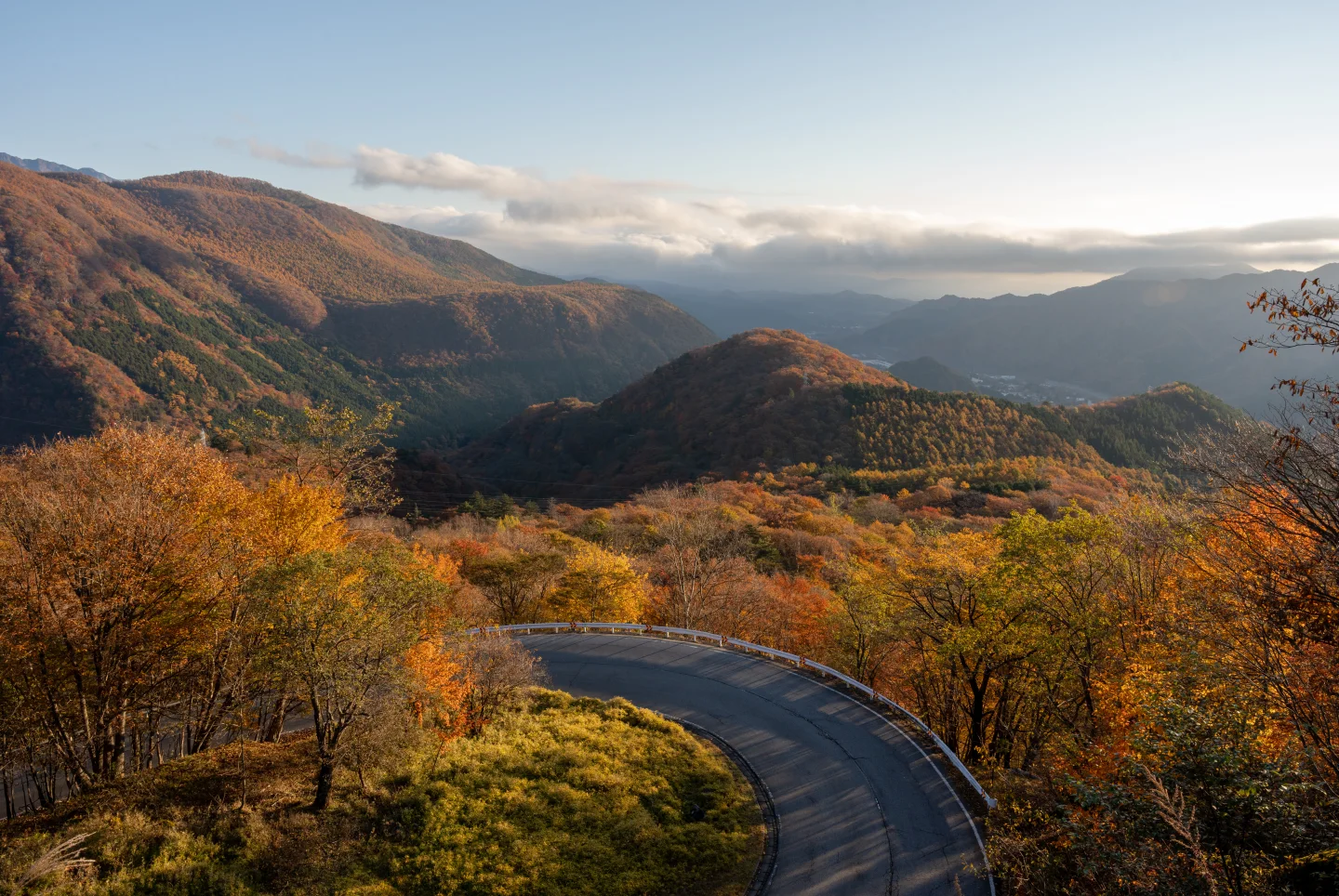
To combine autumn pampas grass with milky sulphur water, Sengokuhara's grass fields typically peak from late September to early November, though wind and mist across the exposed plateau shape how long you linger. Set off early, walk the fields first and double back to Sengokuhara Bunka Center-mae before noon for the bath. Later in the season, maples at Gora's Hakone Museum of Art usually turn mid-to-late November, followed by Hakone-Yumoto and Tonosawa in late November and early December. The Hakone Town Tourism Association updates leaf reports by area, making it easy to split ridge walks and valley strolls across two days.
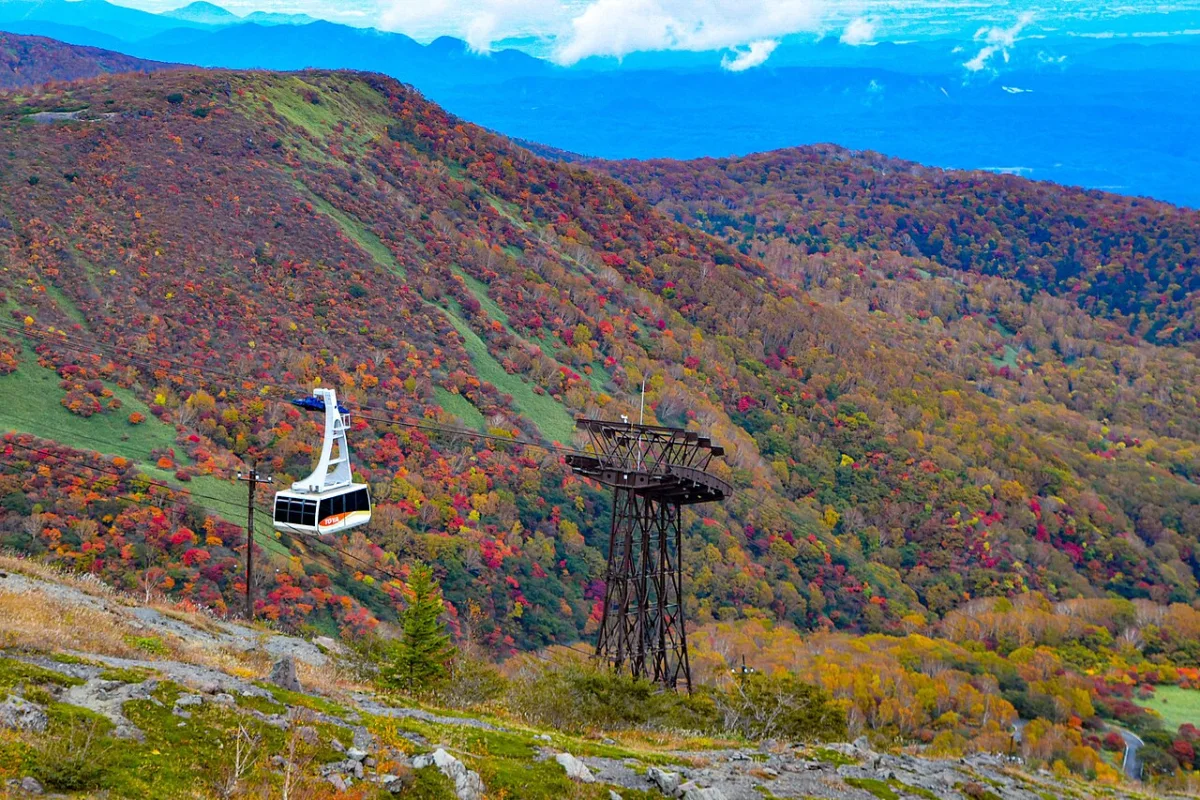
Two winter ropeway maintenance closures are scheduled: Sounzan to Owakudani closes 7–24 December 2026 (while Togendai via Ubako to Owakudani stays open), and Togendai via Ubako to Owakudani closes 12 January to 26 February 2027 (keeping the Sounzan side running). Replacement buses cover closed stretches for holders of valid ropeway tickets including the Hakone Freepass; published run times are roughly 10 minutes on the first stretch and 15 minutes on the second, plus queues. If chasing an afternoon day-bath cut-off, ride the open side or bypass Owakudani by route bus; note also that the early December dates overlap with Tenzan's closure, pointing cleanly back to Hakone Yuryo.
Strong winds, thunderstorms and volcanic gases can also prompt sudden closures around Owakudani. The Hakone Town Tourism Association posts clear restrictions advising visitors with asthma, respiratory conditions, heart disease or poor health on the day not to visit the crater area. Those travellers can take route T straight from Yumoto to Sengokuhara or Togendai and keep milky-white baths in the itinerary. If snow or ice hits the roads, retreat to Tenseien's indoor baths and dining to keep transit inside Yumoto, or stay at a Gora ryokan and bathe as soon as the pools open until roads clear.
Travelling with children or older relatives: put rules and walking distances before ticket price
When two families travel together, establish first who needs adult supervision and who can dress alone in a communal changing room. Hakone Yuryo's primary-school threshold, Tenseien's mixed-bathing rules and Ryuguden's minimum age each suit a different group. Two adults with two toilet-trained pre-schoolers fit neatly into a four-person Ni-no-maki room at Hakone Yuryo, letting everyone change, rest and supervise together. Families heading straight for a train afterwards should pack a waterproof bag for damp towels and keep IC transit cards in an outer pocket rather than repacking at the ticket gate.
If anyone in your party walks slowly, favour bathhouses whose Yumoto shuttle stops closest to reception, cutting out footbridges and steep paths, and check whether return bus stops have lifts and sheltered seating. Visiting Tenzan involves a walk from Oku-Yumoto Iriguchi; in wet weather, either stay nearby and bathe next morning or switch to Hakone Yuryo for shorter outdoor walks. When one person is not bathing, agree beforehand where to meet before and after entry and buy bath tickets only for those soaking—Tenzan's restaurant sits inside the paid area, so even non-bathers dining there must pay admission.
Compare day trips and overnight stays on an even footing. For two day-trippers, add return train fares to bath tickets and split any private-room fee; then check a hotel rate for the same date and headcount to see whether dinner, breakfast and private-bath slots are bundled in. If you need an early start via Odawara next morning, sleeping in Yumoto leaves room for a morning soak far more easily than staying by the lake. Conversely, if soaking in milky sulphur water after dark is the priority, book a Sengokuhara ryokan with its own baths and use the limited daytime hours for galleries and walks.
When planning an afternoon soak followed by dinner on site, work backwards from kitchen last orders. Hakone Yuryo's Hachiri restaurant takes last orders at 19:00 on weekdays and 20:00 at weekends and holidays—the exact moment communal bath admissions close—meaning a 17:00 weekday private slot finishes right after last orders, so eat in Yumoto before boarding the shuttle. Tenseien's second-floor Ikoidokoro takes last orders at 20:00, suiting a bathe-first schedule, whereas Yunosato Okada sells its ¥3,500 bath-and-meal set until 17:00 with dining last orders at 17:30, working better for an early dinner before your soak.
A few useful answers
Which bus goes from Hakone-Yumoto Station to Hakone Yuryo?
Take the free Hakone Yuryo Shuttle Bus from out front of the station; the ride takes about three minutes. Regular route K buses head to Oku-Yumoto, where Tenzan is located.
Which Hakone onsen allow visitors with tattoos?
Hakone Yuryo has removed its tattoo entry restrictions. Tenzan admits solo visitors with tattoos, whereas Tenseien refuses entry altogether. At Kowakien Mori no Yu, tattooed visitors may enter the communal baths if two official cover stickers conceal the tattoo completely, or book a private bath instead.
How far ahead can I book a private open-air bath at Hakone Yuryo?
Online bookings open one month ahead of your visit and close at 15:00 JST the day before; later bookings or changes must be made by calling 0460-85-8411. Each standard session lasts two hours.
Where can I try Sengokuhara's milky-white baths on a day trip?
Ride a Hakone Tozan Bus to Sengokuhara Bunka Center-mae for Mount View Hakone. Communal bath admissions run 11:00–15:00, and private baths until 14:00, with day-use fees payable in cash only.
Does the Hakone Freepass include day-trip onsen entry?
No—communal day-use admissions and private baths are paid separately at each facility. The pass covers designated Hakone Tozan trains, buses, cable cars, ropeways and sightseeing cruises.
Which bathhouses close in early December 2026?
Hakone Yuryo closes for maintenance on 1–3 December 2026, and Tenzan Tohji-kyo closes completely on 7–11 December 2026. If staying around Hakone-Yumoto during those windows, Tenseien remains open for day visitors.
Official information and references
Sources used in this guide.
- Hakone Yuryo | Communal baths, private bath rates, opening hours and closures
- Hakone Yuryo | Shuttle bus timetable
- Hakone Yuryo | Bathing FAQ
- Hakone Yuryo | Tattoo bathing policy
- Tenzan Tohji-kyo | Tenzan admission and opening hours
- Tenzan Tohji-kyo | Ikkyu admission and opening hours
- Tenzan Tohji-kyo | Access and bus routes
- Tenzan Tohji-kyo | Entry and tattoo rules
- Tenzan Tohji-kyo | December 2026 closure notice
- Tenseien | Day-use entry rules
- Tenseien | Opening hours, bathing and family bath FAQ
- Hakone Navi / Odakyu Travel | Tenseien standard day admission
- Hakone Town Tourism Association | Hakone Seventeen Springs
- Mount View Hakone | Day-use rates and private bath hours
- Mount View Hakone | Closures and access
- Hakone Sengokuhara Prince Hotel | Ubako Onsen baths
- Tokinoyu Setsugetsuka | Guest-room open-air baths
- Tokinoyu Setsugetsuka | Natural spring and private baths
- Ryuguden Honkan | Day-use rates, hours and age rules
- Ryuguden Honkan | Odawara and Moto-Hakone shuttle buses
- Hakone Navi | Hakone-Yumoto Station and bus stands
- Hakone Navi | Gora Station and sightseeing shuttle buses
- Hakone Navi | Togendai Station, cruises and buses towards Hakone-en
- Hakone Navi | Moto-Hakone Port bus stands
- Hakone Navi | Yumoto shared ryokan shuttle buses
- Odakyu Electric Railway | Romancecar bookings and limited-express tickets
- Hakone Navi | Hakone Freepass fares and valid routes
- Hakone Navi | Hakone Luggage Transport Service
- Hakone Kowakien Yunessun | Admission and opening hours
- Hakone Kowakien Yunessun | Tattoo cover rules and private baths
- Hakone Town Tourism Association | Sengokuhara pampas-grass season
- Hakone Town Tourism Association | Autumn foliage updates across Hakone
- Odakyu Hakone | Winter 2026–27 ropeway maintenance and replacement buses
- Hakone Town Tourism Association | Owakudani access and volcanic gas restrictions
- Hakone Yuryo | Tonosawa spring quality analysis
- Tenseien | Facility hours and day-bathing last admission
- Tenseien | Walking time from the station
- Tenseien | Private family bath charges
- Yunosato Okada | Early-morning soak, day tickets, meal sets and closures
- Yunosato Okada | Shuttle bus and route from lobby to bathhouse
- Yunosato Okada | Private family baths
- Hakone Kowakien Yunessun | Bus stop access