Deciding between Takayu-dori, Zao Sanroku Station, or Uwanodai in Zao Onsen? Compare baths, stairs, meal cutoffs, and shuttles at four ryokan and hotels, plus Yamagata buses, 2026–27 Snow Monster illumination hours, and one-night winter itineraries.
- Region & Focus
- Yamagata, Zao, and Ginzan
- Reading Scope
- 23 min read · 10 chapters · 5 Q&As
- Official Verification
- 26 official sources checkedUpdated November 22, 2026
- Key Topics
- Where to stayRyokanHot springs
Chapter Route Map (tap any stop)
- Pick Your Base by Tomorrow's First Stop
- Baths, Stairs, and Walking Distances at Four Properties
- Factor Dinner Cutoffs and Private Baths Into the Room Rate
- Take Bus Z90 From Yamagata Station and C2 Back Down
- Direct Winter Buses From Sendai or Driving Snowy Mountain Roads
- Riding the Daytime Ropeway and Where Priority Tickets Apply
- Timing the Nighttime Illumination and Snowcat Tours
- Lock In Your Ski Base First, Then Buy the Right Pass
- Public Bathhouses vs. Zao Dai-Rotenburo Are Two Separate Outings
- How to Fit Mountain Windows Into a One-Night Stay
- Quick Q&A
If you are going out for the evening Snow Monster illumination, staying near Zao Sanroku Station makes the walk back to your room effortless. If you want to stroll Takayu-dori and soak in public bathhouses before dinner, aim for the stretch between the bus terminal and Kami-yu. Skiers and snowboarders should lock in their lesson or rental base first, since Uwanodai, Nakamori, and Yokokura each have separate entry points. For an overnight trip, confirm your inbound bus and the hotel's final dinner seating first, then leave daylight windows on both days to head up the mountain.
Pick Your Base by Tomorrow's First Stop
Booking Zao Onsen for the first time starts with putting two pins on a map: your hotel entrance and the first place you need to reach the next morning. You will usually cover that stretch in winter boots, sometimes while carrying ski gear or rolling luggage. Booking platforms lump everything under "Zao Onsen," yet that single map covers several ropeway stations and ski resort entrances. Map your walking route using the exact station or slope name first, then check the hill grade and whether a shuttle can replace the walk in heavy snow.
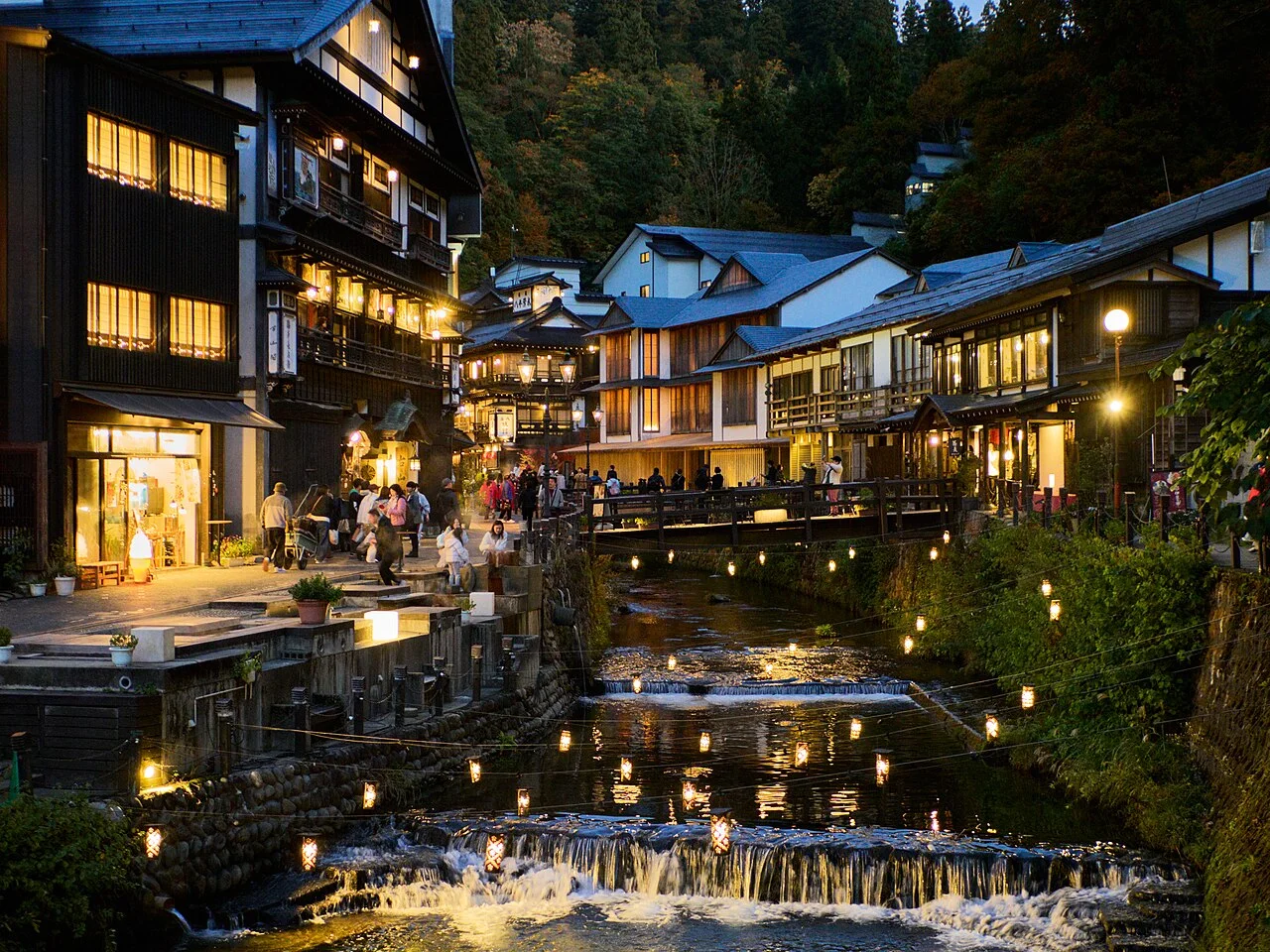
If your priority is soaking and strolling, the corridor from the bus terminal up Takayu-dori works best. Shimo-yu, Kami-yu, and Kawara-yu all sit along the hot spring street, with Sukawa Onsen Shrine further up Takayu-dori. Staying right on the street lets you drop bags in the afternoon, grab a towel for the public baths, and get back in time for dinner. Inns tucked at the far end of the street or on higher ground come with steep hills and stone steps, so straight-line distance from the terminal understates how hard it is to haul a suitcase. Between properties near Kami-yu and those beside the terminal, the real difference is that final stretch after stepping off the bus.
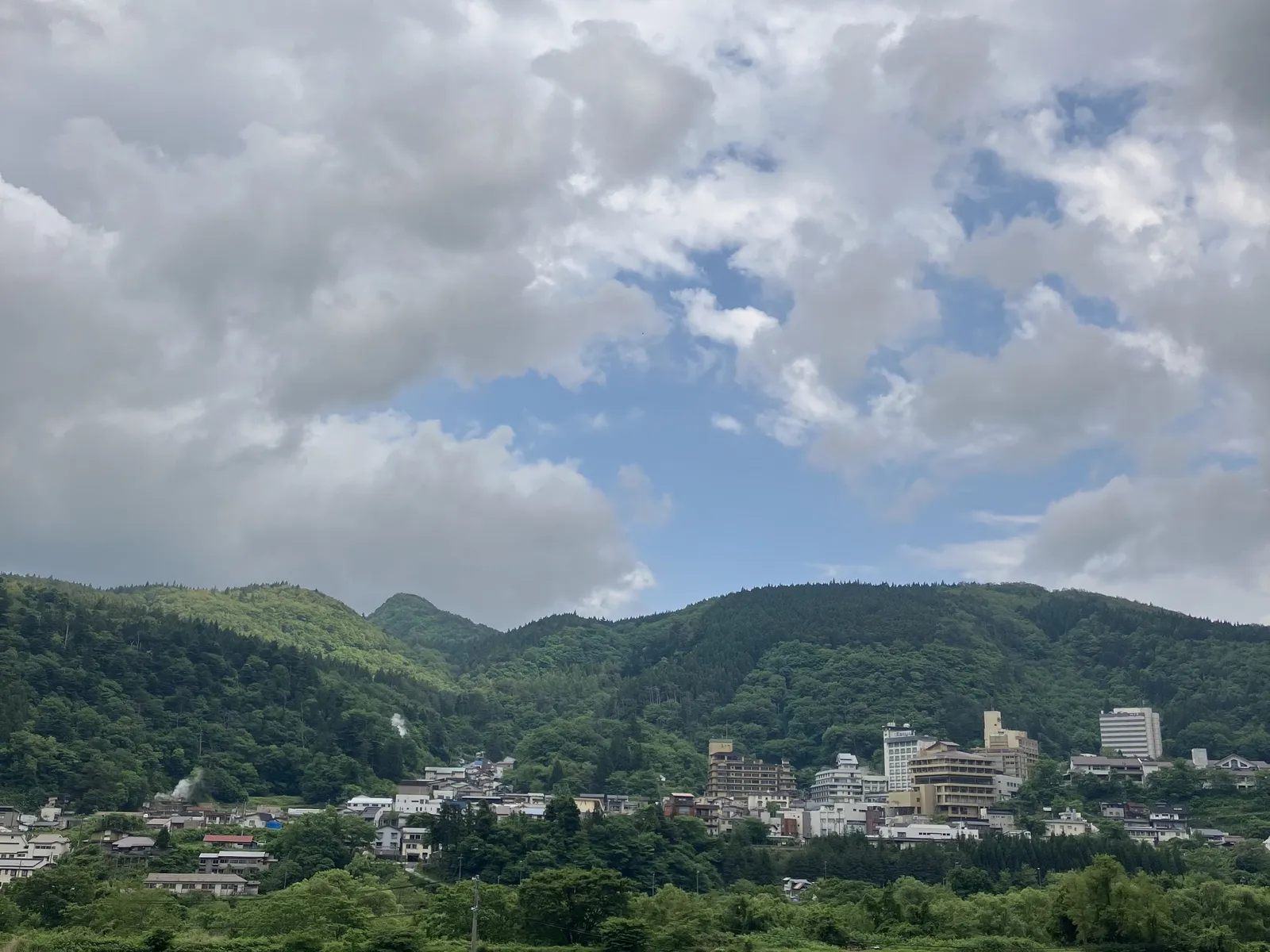
If the Snow Monsters are your main reason for visiting, save Zao Sanroku Station in your map app. This is the base for the Zao Ropeway climbing to Juhyo Kogen Station and Jizo Sancho Station, right next to the Yokokura Slope. Anyone planning to head straight back after the nighttime illumination will have a much easier time walking to a nearby hotel than tracking down a ride across town late at night. Staying on this side does not rule out Takayu-dori—just take your hot spring street walk on your arrival afternoon before returning for a soak and dinner.
If your first ski lesson starts at Uwanodai, search for lodging near the Uwanodai Slope or Zao Base Center Jupeer. Jupeer is the day lodge and meeting hub at the foot of the slopes, and Uwanodai offers gentle runs well suited for practice. Near Nakamori, anchor your search to Zao Chuo Ropeway Onsen Station, the base terminal for the Chuo Ropeway. When a ski school gives a base-area meeting point, show the address to your hotel front desk before heading out—walking across town in ski boots after going to the wrong lift base takes far more effort than walking in street shoes.
When traveling with someone who will not ski all day, and two properties cost roughly the same, pick the one where each person can easily duck back to the room midday. Near Uwanodai, skiers can make a quick trip back for spare gloves while non-skiers stroll down to the bathhouses. Around Zao Sanroku Station, both groups can meet at the ropeway entrance for Jizo Sancho and decide separately whether to ride up with a lift pass or sightseeing ticket. Agree on the exact full name of your meeting spot and a backup rendezvous point in case weather cuts the day short.
| Primary Plan | Map Anchor | Route to Check Before Booking |
|---|---|---|
| Public bathhouses and hot spring street strolls | Zao Onsen Bus Terminal, Takayu-dori | Hill grade, stone steps, and shuttle service from the terminal to your entrance |
| Daytime Snow Monsters and nighttime illuminations | Zao Sanroku Station, Yokokura Slope | The nighttime walk back from Zao Sanroku Station to your hotel |
| Ski lessons and family practice | Uwanodai Slope, Zao Base Center Jupeer | Walk from your hotel to the lesson meeting point and rental shop |
| Nakamori slopes and the Chuo Ropeway | Nakamori Slope, Zao Chuo Ropeway Onsen Station | Walking route or shuttle between the Nakamori base and your hotel |
Deciding between Takayu-dori, Zao Sanroku Station, or Uwanodai in Zao Onsen? Compare baths, stairs, meal cutoffs, and shuttles at four ryokan and hotels, plus Yamagata buses, 2026–27 Snow Monster illumination hours, and one-night winter itineraries.
Baths, Stairs, and Walking Distances at Four Properties
Miyamaso Takamiya sits on elevated ground at the upper end of the hot spring street. Fed by its own private spring source, the ryokan offers Choju no Yu and the open-air Seseragi no Yu, making it a strong pick if you check in early and want time to rotate through several baths. When you reach Zao Onsen Bus Terminal, you can call the ryokan for a complimentary pickup. However, its official access page notes that vehicles cannot pull up directly to the front door: expect roughly 20 stone steps outside the entrance and interior stairs up to guest rooms. For many guests, that vertical climb matters more than shaving a few minutes off the bus ride from Yamagata. If anyone in your party uses a stroller, carries heavy ski gear, or struggles with knees, count the stairs from your room door to the baths before booking.
For an overnight stay right on Takayu-dori, look at Omiya Ryokan. The property estimates a 5-minute walk from the bus terminal and features an oval wooden Tamago-buro alongside an indoor strong-acid sulfur bath fed by its source spring, so winter guests can still soak in natural hot spring water indoors. Its open-air bath closes for snow each year roughly from late November through early April. Guest rooms have no private bathrooms, the building has no elevator, and children must be elementary school age or older to stay. If anyone in your group cannot manage stairs or is traveling with preschool-aged kids, move on to other candidates right away.
Zao Kokusai Hotel sits near Yokokura, and its website notes that crossing the bridge from the hotel parking lot puts you right at the Yokokura Slope. It is an easy base for the ropeway side of town, with indoor and open-air baths at Hachiemon no Yu. The hotel's FAQ notes barrier-free access up to the changing rooms, while warning that bath floors inside can be slick from mineral deposits (yunohana). If someone in your group needs accessible features inside the bathing area itself, ask in advance about the hotel's accessible private bath (kashikiri-buro) to confirm handrails and entry setups fit your needs. Waiting until check-in to book a time slot risks finding it already reserved.
Zao Shiki no Hotel lists roughly a 5-minute walk to the Zao Ropeway. To soak in natural Zao hot spring water, you walk across the street from the main building to its detached bathhouse, Hanareyu Hyakuhappo, which has wooden indoor baths and stone open-air pools open from 6:00 AM to 11:00 PM. Inside the main hotel, Shirakaba no Yu uses what the property describes as a mildly alkaline mineral spring, while the natural Zao sulfur source supplies Hyakuhappo. If stepping straight into a natural hot spring without putting your coat back on at night matters to you, factor in that outdoor crossing. Comparing photos of both bath areas alongside the entrance makes the walk easy to picture.
If you want more of your budget going toward two days of skiing, simpler lodges near the lift bases are worth a look. For multi-night stays, ask where skis are stored overnight, whether boot dryers are available, and if you can drop bags and change on your arrival morning. If you only need a shower or soak after skiing on your final day, check whether post-checkout bath access is allowed and what fee applies. Whether a lower room rate translates into real value comes down to how much gear you haul each day and which lift you start from.
| Property | Why Book Here | Logistics to Plan Around |
|---|---|---|
| Miyamaso Takamiya | Upper Takayu-dori location, private hot spring source | About 20 stone steps at the entrance; stairs to guest rooms |
| Omiya Ryokan | On-street strolling, wooden indoor source bath | No elevator or en-suite bathrooms; minimum age is elementary school |
| Zao Kokusai Hotel | Steps from Yokokura Slope, Hachiemon no Yu | Slippery bath floors past the changing room; ask about accessible private baths |
| Zao Shiki no Hotel | Close to Zao Ropeway, Hanareyu Hyakuhappo | Natural hot spring bath requires walking across the street |
Factor Dinner Cutoffs and Private Baths Into the Room Rate
Half-board (ippaku nishoku) includes dinner and next-morning breakfast, so anyone taking an afternoon bus up the mountain should verify the latest check-in and final dinner seating first. At Omiya Ryokan, for example, guests on dinner-inclusive plans are asked to arrive by 7:00 PM, with dinner starting between 5:30 PM and 7:00 PM. Guests on breakfast-only or room-only plans can arrive up to 9:00 PM, and adding dinner later requires contacting the ryokan by 5:00 PM the previous day. Breakfast is served in chosen slots at 7:00 AM, 7:30 AM, or 8:00 AM. If you want to catch an early ropeway cabin, coordinate the earliest breakfast time, luggage storage, and your walk to Zao Sanroku Station ahead of time.
Travelers planning to see the nighttime Snow Monster illumination should confirm the restaurant's earliest dinner seating before deciding when to head to the ropeway. Riding a late cabin back down rarely pairs well with a fixed ryokan dinner. If you switch to a bed-and-breakfast plan instead, line up your dinner spot in advance and check last-order times and regular closing days. When traveling with picky young eaters, pick up snacks at Yamagata Station before boarding the bus so you have backup food for late evenings or morning bus waits. Matching your meal plan to your evening schedule avoids rushed dinners and closed kitchens.
For groups of three or more, enter exact bed counts, meal portions, and children's ages into your search from the start. Floor futons in Japanese-style rooms and rollaway beds in Western rooms eat into floor space you will need for snow jackets and open suitcases. When booking a Japanese-Western combo room with older relatives, check who gets the raised beds, who sleeps on futons, and how clear the path is to the restroom at night. Two small families sharing one trip—but wanting quiet downtime after soaking—should compare one large group room against two twin rooms, tallying children's meals, private bath fees, and cancellation deadlines on the same sheet.
A room with a standard bathtub, a room with a private open-air bath, and a reservable private bathhouse are three very different things. If you want genuine Zao hot spring water inside your room, inspect the room listing for the exact bath name and water source, plus whether outdoor pipes stay open in midwinter. If walking to a separate bath in the building works fine, look for a reservable private bath (kashikiri-buro), usually booked by the hour or time slot. For an anniversary trip where you just want a relaxed soak before a good dinner, compare the rate of a regular half-board room plus one private bath session against a suite with an in-room bath you may only use once.
If anyone in your group has specific bath requirements, ask about the exact facility before locking in a reservation. At Zao Kokusai Hotel, Hachiemon no Yu restricts tattoos, while the property offers several private baths you can ask about based on who is soaking and when. For drop-in day bathing elsewhere in town, check each bathhouse's posted entry rules first. Parents who cannot accompany opposite-sex children into gender-segregated public baths should include family-usable private bath availability, extra fees, and booking windows in their hotel comparison.
Once you book a room, log both the hotel cancellation deadline and your transit refund rules side by side. Spending both nights in Zao keeps the same room as a weather backup if a snowstorm hits on day two, whereas moving down to Yamagata City on night two adds luggage and bus logistics. Daytime ropeway priority tickets also carry different refund terms than hotel bookings. Lock in a hotel with flexible cancellation first, then buy timed tickets once you see how your two daytime windows and ticket releases line up.
Take Bus Z90 From Yamagata Station and C2 Back Down
From Tokyo on the Yamagata Shinkansen, or from Sendai on the JR Senzan Line, start at JR Yamagata Station. Exit the East Exit to Bus Stop No. 1 at Yamagata-eki-mae and board Yamako Bus route Z90; the ride takes about 40 minutes to Zao Onsen Bus Terminal. For the return trip to Yamagata Station, check route C2. The Yamako Bus uphill schedule and downhill schedule run separate weekday and weekend/holiday timetables, with December 29 through January 3 following the weekend/holiday schedule. Seating is capped at the bus's seated capacity—once seats fill up, boarding closes. If you have a fixed ryokan dinner or a reserved Shinkansen seat, aim for at least the second-to-last bus rather than cutting it close.
The same route map also shows stops like Chuo Ropeway-mae, Zao Ropeway-mae, and Katta Sancho. Even though Katta Sancho appears in the route header, Yamako Bus has announced the end of Katta Sancho service for the 2026 season. When staying in the hot spring village, simply read the timed stops in the column for the run you plan to catch. Traveling into the mountains in winter with suitcases, setting Zao Onsen Bus Terminal as your drop-off—then walking to your hotel or calling for a pickup—is the simplest way to keep everyone in your group together.
Hotel shuttles from Yamagata Station run separately from public buses. At Zao Kokusai Hotel, complimentary guest shuttles depart from the Yamagata Station West Exit and require reservations at least three days in advance. The hotel lists two uphill departures at 10:30 AM and 2:00 PM, with return shuttles to Yamagata Station at 9:30 AM and 1:00 PM. During the winter window from December 12 to March 15, pickups still gather at the West Exit, though the exact boarding spot shifts from the spring/autumn location—save your train arrival time, reserved shuttle slot, and pickup map in one phone note so you know which direction to walk as soon as you clear the ticket gates. Hotel shuttle pickup diagram
Local shuttles from Zao Onsen Bus Terminal are a separate service. Zao Shiki no Hotel asks guests to call once they arrive at the terminal—the shuttle ride takes about 3 minutes, versus roughly 10 minutes on foot. Miyamaso Takamiya also instructs guests to call from the terminal. If you are using an international SIM or eSIM, save the ryokan phone number before leaving home and verify that your plan—or someone in your group's phone—can place Japanese domestic calls. When it is snowing, leave family members waiting inside the terminal while bags are loaded so you are not dragging luggage together in the slush.
If you are transferring through Yamagata Station on the way down, consider scheduling dinner near the station before boarding the Shinkansen. If the bus arrives on time, you get an unhurried meal; if snow slows traffic down the mountain, you have built-in buffer for your train connection. Spending your first night in Yamagata City and heading up with a smaller overnight bag also lets you ask your Yamagata hotel about holding large suitcases overnight. On split-city itineraries, sorting out bag storage before deciding whether to head straight up the mountain saves you from backtracking between the hot spring street and the bus terminal.
Direct Winter Buses From Sendai or Driving Snowy Mountain Roads
From December 19, 2026 through March 14, 2027, a direct winter highway bus operates from Sendai Station East Exit Stop 76 to Zao Onsen Bus Terminal. Scheduled travel time is 85 minutes, with one-way fares of ¥2,800 for adults and ¥1,400 for children. Seats are reserved-only: uphill trips must be booked by the day before travel, while afternoon buses back to Sendai can be booked up to 12:00 PM JST on the day of departure. A 10:30 AM departure to Sendai is also listed on select operating days, so reserve ahead if you want the morning run. The 7:00 AM early bus from Sendai and the 10:30 AM return from Zao run only on weekends, holidays, and December 28 through January 5. Phone bookings go through Miyagi Kotsu and open at 9:00 AM JST one month prior to travel.
If you are based near Sendai Station for a ski day, book both directions together. Yamako Bus lists the final seasonal direct bus from Zao back to Sendai at 5:30 PM, which means staying for the nighttime illumination requires spending the night in Zao. If you must return to Sendai the same evening, head up early and leave generous time to ride the ropeway down and walk to the bus terminal. With a hotel room booked in Zao, put your return ticket in the following afternoon—you gain another morning on the ropeway or a relaxed lunch on the hot spring street after checkout. On dates when direct seats are sold out, take the JR Senzan Line to Yamagata and transfer to the local bus.
Driving from Sendai in winter means taking the Yamagata Expressway into the Yamagata side, then exiting at Yamagata Zao IC onto the Nishi Zao Kogen Line, or Yamagata Kaminoyama IC onto Prefectural Route 21, depending on your hotel's location. The Zao Echo Line across the Miyagi–Yamagata prefectural border closed for winter at 5:00 PM on November 4, 2026, with reopening scheduled for 11:00 AM on April 23, 2027. Save Okama Crater for open-road season. Program your GPS with the specific expressway exit and approach road recommended by your hotel rather than letting navigation route you onto closed passes on the opposite side of the mountain.
Only make driving your primary plan if you are comfortable behind the wheel in snow and ice. At pickup, confirm the car has winter snow tires fitted and an ice scraper or snow brush in the trunk, and check road advisories before climbing the mountain. Getting passengers and bags from an outdoor lot to the front desk in falling snow often takes longer to sort out than the drive from the expressway exit. Set the hotel parking lot as your GPS destination and send one person inside to check in; when booking, also ask if you can park before noon on arrival day and where to move your car if you plan to ski after checkout so you can swap into dry clothes with minimal hauling.
Riding the Daytime Ropeway and Where Priority Tickets Apply
To see the Snow Monsters, board the Sanroku Line at Zao Sanroku Station, transfer at Juhyo Kogen Station to the Sancho Line, and ride up to Jizo Sancho Station. The Yamagata City Tourism Association lists a minimum combined ride time of about 18 minutes, not counting lift queues, the transfer, putting on outer layers at the top, or walking out to the viewing area. General daytime operating guides list 4:00 PM as the last uphill departure from Zao Sanroku toward Jizo Sancho, so heading up in the morning pays off—you give yourself margin if upper-mountain conditions clear slowly, and you still have time for lunch or a soak back in town afterward.
Buying an online Sightseeing Round-Trip Priority Ticket gives you one round-trip ride on both ropeway sections, but priority boarding only applies to the first uphill leg from Zao Sanroku Station to Juhyo Kogen Station. The second uphill leg and both downhill rides use the regular queue. The time printed on the ticket is an estimated priority boarding window, and priority lanes may pause during heavy crowds or changing operating conditions. The ropeway's online ticketing terms specify no cancellations or refunds once purchased unless the ropeway suspends operations. If you are staying two nights with flexibility over which day to ride up, check the weather across both days before locking a date onto a priority ticket.
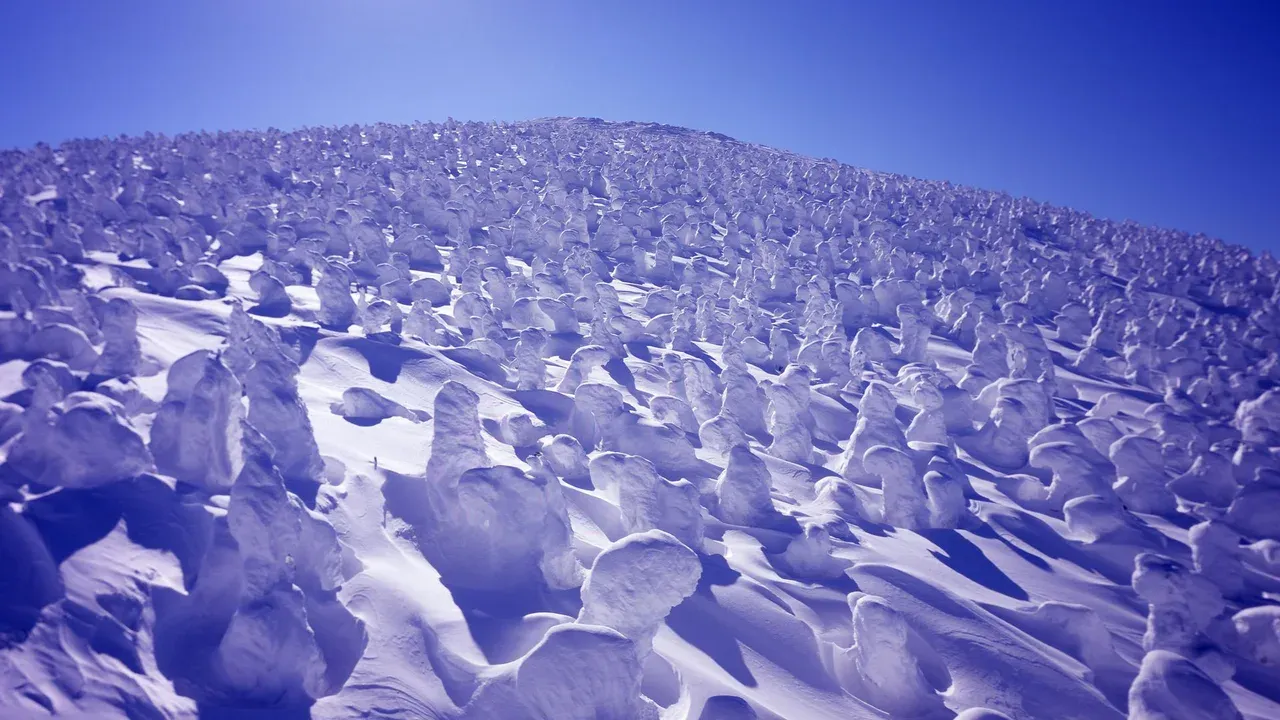
February is typically peak season for the Snow Monsters. The ropeway operator designates January as the growth period, while warming temperatures in March gradually melt the formations down. On some days the summit sits inside thick cloud while the village below enjoys sunshine. Before or during breakfast, check live summit camera feeds and operating status for both ropeway lines—if only the lower Sanroku Line is running and you want photos of the full snow-monster fields, explore the village first and refresh the status in the afternoon. During brief clearings, agree on a firm cutoff time to return to the base, and turn back early if the queue at the transfer station looks too long.
Gear up in a windproof outer shell, warm hat, insulated gloves, and high-traction boots before stepping out of Jizo Sancho Station, and stay strictly inside the marked viewing zone. If children are seeing deep snow for the first time, let them look from the cabin windows first before doing a short stop outside, and arrange an indoor station meeting spot if anyone gets cold quickly. Keep everyone inside the safety ropes for photos—framing nearby snow monsters against the distant slopes works well without stepping off the path. Because the summit viewing area borders active ski runs, watch posted signs closely and never cross onto ski trails for a better angle.
If anyone in your group uses a wheelchair, stroller, or needs frequent seated breaks, treat the trip up the mountain as a straightforward round-trip ride. Walking segments include entering the base station, transferring at Juhyo Kogen Station, and stepping onto the snow deck outside Jizo Sancho Station. On clear days, pick a single open viewpoint; in high winds or blowing snow, keep outdoor time brief. For families, an itinerary that gets everyone smoothly back to the hotel within half a day leaves far more room for hot springs, unhurried meals, and rest than trying to cover every corner of the summit.
Timing the Nighttime Illumination and Snowcat Tours
Zao Ropeway's 2026–27 winter illumination notice lists 31 operating nights between December 26, 2026 and February 23, 2027—only dates highlighted in yellow on the official calendar run. Operating hours are 5:00 PM–9:00 PM, with the last uphill departure from Zao Sanroku Station at 7:45 PM. Round-trip night fares from Zao Sanroku to Jizo Sancho are ¥4,600 for adults and ¥2,300 for children ages 6–11. If you are staying two nights in Zao, check which evening is scheduled before choosing which day gets a full ryokan dinner and which gets daytime mountain time. Zao Ropeway seasonal illumination calendar
Nighttime viewing is restricted to the gondola cabins, station interiors, and immediate station surroundings; the operator prohibits bringing skis or snowboards aboard during illumination hours and does not allow night skiing down. If you ski during the day and plan to see the lights at night, head back to your hotel first to put on dry base layers and boots and leave your boards in the drying room. Summit winds cut deeper when standing still for photos than when moving on the slopes, and you will still need grippy winter boots for the walk back to your hotel—do not ride up in dress boots you would hate walking in on icy streets.
The "Juhyo Illusion Corridor" uses heated snowcats and operates on a completely separate ticketing and meeting system from the standalone night ropeway. If only part of your group wants to ride a snowcat, you can split up and plan to meet back at Zao Sanroku Station or the hotel afterward. Travelers hoping to do both the snowcat tour and the night ropeway should split them across two evenings after checking dinner and departure times so meals and check-ins do not collide. Snowcat tour dates and reservations
For nighttime outings, staying near Zao Sanroku Station is easiest, though a farther hotel works if you have arranged a return ride. Walk the route from your room to the station once in daylight to spot unlit stretches or narrow sidewalks. If getting back to your room means crossing Takayu-dori and climbing stone steps, build that time into your evening plan. If high winds cancel the illumination, you can pivot straight into a full hotel dinner and an unhurried hot spring soak, keeping the next morning's daytime ropeway as your backup window.
Lock In Your Ski Base First, Then Buy the Right Pass
Zao Onsen Ski Resort has multiple distinct entry points across one connected mountain. Uwanodai sits near the hot spring village and makes Zao Base Center Jupeer a convenient meeting hub. Nakamori lies below the Chuo Ropeway, making the area around Zao Chuo Ropeway Onsen Station the natural search zone. Yokokura and Omori anchor the opposite flank, best pinned by Yokokura Slope and its parking areas. When listings advertise "ski-in/ski-out" or "near the slopes," verify the map distance in ski boots to the first chairlift and check which run or road brings you back. If the trail right behind your hotel is too steep for beginners in your group, factor in a shuttle or walk home.
Beginners taking a single lesson should work backward from the ski school meeting spot to plan gear rentals. Confirm your lesson time and exact school location first, then decide whether to pick up rentals the evening before or the morning of class. Ask the rental shop ahead of time about helmets, youth sizing, and bag storage. Ski boots and heavy outerwear turn staircases into a chore—if you bring your own skis and stay in an elevator-free ryokan, check whether ground-floor drying lockers are available. Keeping your hotel, rental shop, and lesson meeting point on the same side of the mountain smooths out day one far more than buying a pass that covers lifts you will never reach.
Snow coverage dictates whether inter-area connector trails and upper lifts open on any given morning. The official ski resort website tracks lift status and trail openings separately by zone, so check the specific connectors and lifts on your route before clipping in. If link trails are closed, stay and practice near your home base, or check the current seasonal shuttle schedule to switch zones. Even when a trail runs close to your hotel, thin early- or late-season cover can force a walk along cleared roads instead. Factoring your return route into lift-pass and lesson timing helps clarify whether a second night makes sense.
Mixed groups often pair skiers with companions who only ride the ropeway to see the Snow Monsters. Skiers buying the Sanroku-to-Juhyo Kogen priority ticket in its ski-pass version are required by the operator to also hold a valid same-day lift ticket, while non-skiing companions should buy the Sanroku-to-Jizo Sancho sightseeing round-trip ticket. If you plan to meet partway up at Juhyo Kogen Station, pick an obvious indoor landmark and agree on a downhill plan in case the Sancho Line closes or you run late. For full trail maps and ticket options, see our Zao Onsen ski resort guide.
Public Bathhouses vs. Zao Dai-Rotenburo Are Two Separate Outings
The three traditional public bathhouses—Kami-yu, Shimo-yu, and Kawara-yu—stay open year-round. The Zao Onsen Tourism Association currently lists hours of 6:00 AM–10:00 PM, with entry at ¥300 for adults and ¥100 for children dropped into a coin box at the door. Bring exact yen coins and a small towel, and choose the bathhouse closest to your return walk. Pack a waterproof bag for wet towels and damp socks if you plan to keep strolling or catch a bus afterward. Stepping between winter air and steamy baths creates sharp temperature swings, so hang up your coat before undressing and dry your hair and skin thoroughly before stepping back outside.
Each of the three bathhouses fits a slightly different walk. Entering Takayu-dori from the bus terminal end brings you past Shimo-yu first before the street climbs uphill; Kami-yu sits further up toward Sukawa Onsen Shrine. Kawara-yu sits just off the street down a side lane—look for the Kawara-yu Public Bathhouse sign so you do not confuse it with a similarly named day-spa facility next door. If the side alley looks icy, turn back to Takayu-dori and pick another bathhouse. Guests staying on the main street usually soak once in the afternoon and save their second soak for their ryokan's own baths before or after dinner.
Zao Onsen Dai-Rotenburo is a completely separate seasonal open-air bath set along a mountain stream. On November 21, 2026, the operator announced an early closure for the season due to snow accumulation, canceling the previously scheduled November 23 final day. If you want an outdoor soak in Zao's acidic sulfur water during winter, book a ryokan with a winter-open outdoor bath or check day-use hours at indoor-outdoor bathhouses instead. Save Dai-Rotenburo for a warmer-season trip, double-check opening hours and last entry on the operator's page, and note that entry requires walking down stairs from the gate—guests with bad knees are better off sticking to the village bathhouses.
Before entering the strong-acid sulfur pools, wash thoroughly and pour warm water over your body (kakeyu) to adjust to the heat. Omiya Ryokan's bathing guide advises removing metal jewelry beforehand, keeping bathwater out of your eyes, not drinking the spring water, and watching for slick stone rims. Dry off completely before pulling your clothes back on. For your first Zao soak, starting at your hotel's bath—where full washing stations and changing amenities are built in—is easiest, then drop into one of the wooden public bathhouses during your street stroll and save the rest of your time for the mountain.
How to Fit Mountain Windows Into a One-Night Stay
Coming from Yamagata Station, aim to reach Zao Onsen Bus Terminal by late morning or midday on day one and drop your bags at your hotel first. Omiya Ryokan's FAQ explicitly allows luggage storage both before check-in and after checkout; check with your front desk on arrival if staying elsewhere. If summit winds are calm and both ropeway lines are running, head up to see the daytime Snow Monsters that same afternoon. If you arrive later as daytime lifts are winding down, soak in a public bathhouse first, then check in and sit down for dinner—that keeps the full morning of day two open for the mountain.
If you plan to catch the nighttime illumination after dinner, spend your arrival afternoon strolling the hot spring village and save the ropeway for after dark. Remember that 7:45 PM is the final uphill departure, so budget time after eating to pull on winter boots, walk to the station, and queue. Anyone in your group who dislikes the cold can stay back for an unhurried soak at the hotel while others head out with a spare key card and a clear plan for getting back inside. When booking just one half-board night on a short trip, put that ryokan dinner on the evening you are sure to make check-in on time, and save village eateries for lunch the next day.
Check the mountain forecast before checking out on day two. If you missed the ropeway on day one, make it your top morning priority. If you already saw the Snow Monsters, use your morning for a ski session, another soak, or a walk up Takayu-dori. Travelers heading down to Yamagata for a train need to factor gear return, boot changes, and bag pickup into the buffer before bus departure—plus extra time to reach the right shuttle pickup spot if riding a hotel van. Adding Ginzan Onsen to the same Tohoku trip works best on a separate travel day; see our Sendai and Yamagata hot spring itinerary guide.
If your main goal is a full day of skiing, flip the one-night schedule around. Use your arrival afternoon to fit rental gear, settle payments or passes at your base area, and enjoy a relaxed evening soak at the hotel. Head out early the next morning with a small daypack after leaving suitcases at the front desk, and decide by lunchtime whether to keep skiing into the afternoon. If your hotel sits uphill from the slopes, keep in mind that the walk back freezes over quickly around dusk and takes longer than expected. Skipping the nighttime illumination when you have an early ski lesson the next morning is often the smarter trade for a full night's sleep.
For a day trip from Yamagata without staying overnight, focus on one main objective. Take an early morning bus up if Snow Monsters are the priority, add a public bath soak afterward if time allows, and catch a C2 bus back down. If you just want hot springs—or if the ropeway is closed for maintenance—pick a day-use bathhouse, stroll Takayu-dori for lunch, and head back down the mountain. If you want to see both the daytime Snow Monsters and the nighttime illumination without rushing, staying overnight in the village makes far more sense than trying to wedge a long bus ride onto the back of the final downhill ropeway cabin.
A few useful answers
For a one-night stay in Zao Onsen, should I stay near the bus terminal or the Zao Ropeway?
Stay between the bus terminal and Kami-yu if your focus is public bathhouses and strolling Takayu-dori. Choose the Zao Sanroku Station or Yokokura area for an easy walk back after the nighttime Snow Monster illumination. Skiers should pick lodging near the exact meeting base given by their ski school, since Uwanodai and Yokokura have separate entrances.
Can I catch a direct bus back to Sendai on the same night after the Snow Monster illumination?
For the 2026–27 season, the last scheduled direct bus from Zao back to Sendai leaves at 5:30 PM, while the illumination only starts at 5:00 PM. Stick to the daytime Snow Monsters if returning to Sendai the same day, or stay overnight in Zao and take a reserved bus down the next day.
Is Zao Onsen Dai-Rotenburo open in winter?
No. Zao Onsen Dai-Rotenburo is a seasonal facility, and on November 21, 2026 the operator announced an early closure for the season due to snow accumulation. In winter, visit the year-round Kami-yu, Shimo-yu, and Kawara-yu public bathhouses, or book a hotel with an open-air bath that stays open through winter.
Do Yamagata Station public buses and hotel shuttles use the same station exit?
No. Yamako Bus route Z90 departs from Bus Stop No. 1 outside the East Exit of Yamagata Station. Zao Kokusai Hotel's reserved shuttle picks up at the West Exit, with a different winter boarding point than in spring and autumn. Save your hotel's confirmation email with the pickup map and departure time on your phone.
What should a multi-generational family with toddlers and older relatives rule out first when searching?
Check minimum child age policies and whether stairs sit between guest rooms, dining rooms, and baths. Omiya Ryokan, for example, only accepts children elementary school age and older and has no elevator. If a property offers private reservable baths, ask in advance about capacity limits, booking slots, and step-free entry.
Official information and references
Sources used in this guide.
- Zao Onsen Tourism Association | Spring Quality & Public Bathhouses
- Zao Onsen Tourism Association | Hot Spring Village Walking Map
- Zao Onsen Tourism | Dai-Rotenburo 2026 Early Seasonal Closure Notice
- Yamagata City Tourism Association | Zao Snow Monsters & Viewing Safety
- Zao Ropeway | Jizo Sancho Station Schedule & Operating Guide
- Zao Ropeway | Snow Monster Growth Season & Night Events
- Zao Ropeway | 2026–27 Nighttime Illumination Official Calendar
- Zao Ropeway | Daytime Online Tickets & Priority Boarding Terms
- Zao Ropeway | Juhyo Illusion Corridor Snowcat Tours
- Zao Onsen Ski Resort | Trail & Lift Operating Status by Zone
- Zao Onsen Tourism | Uwanodai & Jupeer Ski Area Information
- Yamako Bus | Route Z90 Yamagata Station to Zao Onsen
- Yamako Bus | Route C2 Zao Onsen to Yamagata Station
- Yamako Bus | 2026–27 Sendai Station–Zao Onsen Reserved Direct Bus
- Miyagi Prefecture | Zao Echo Line Seasonal Road Closures
- Miyamaso Takamiya | Private Spring Source & Baths
- Miyamaso Takamiya | Entrance Steps & Bus Terminal Shuttle
- Omiya Ryokan | Check-In, Meal Times, Bath Rules & Age Policy
- Omiya Ryokan | Facilities & Elevator Information
- Omiya Ryokan | Indoor Baths, Winter Open-Air Closure & Bathing Etiquette
- Omiya Ryokan | Access From Zao Onsen Bus Terminal
- Zao Kokusai Hotel | Yokokura Slope, Bath Access & Entry Rules
- Zao Kokusai Hotel | Hachiemon no Yu & Private Baths
- Zao Kokusai Hotel | Yamagata Station Shuttle Booking & Pickup Point
- Zao Shiki no Hotel | Walking Distance & Shuttle Service
- Zao Shiki no Hotel | Hanareyu Hyakuhappo & Shirakaba no Yu