How to choose a Ginzan Onsen ryokan: compare riverside rooms, hillside stays, Obanazawa, and Oishida, plus room release times, 2026–27 winter driving rules, buses, and day-use baths.
- Region & Focus
- Yamagata, Zao, and Ginzan
- Reading Scope
- 23 min read · 9 chapters · 6 Q&As
- Official Verification
- 28 official sources checkedUpdated November 22, 2026
- Key Topics
- Where to stayBookingRyokan
Chapter Route Map (tap any stop)
- Pick Your Zone First: Riverside, Hillside, or Outside Town
- Comparing Notoya, Fujiya, Kosekiya, and the Hillside Inns
- How to Actually Book a Room: Using the Right Site Beats Guessing Lead Times
- Getting Here from JR Oishida Station or Sendai: Work Backward from Check-In
- 2026–27 Winter Driving Rules: Overnight Guest Parking vs. Day-Trip Shuttles
- Pacing a Half-Board Overnight Stay: Pre-Dinner Walks and Morning Checkout
- Ginzan as a Day Trip: Day-Use Baths or Staying Until Dusk
- Where to Stay When Ginzan Is Sold Out: Obanazawa, Oishida, or Yamagata City
- Match Room Specs and Transit to Your Group Before Booking
- Quick Q&A
Before booking Ginzan Onsen, decide how many steps you want between dinner and the gas lamps. Notoya, Fujiya, and Kosekiya sit right along the Ginzan River, while Ginzanso stands on a ridge at the edge of town for travelers who prioritize spacious public baths. International guests at Notoya must book directly through its official site, and Fujiya releases rooms daily on a rolling 150-day window. If riverside rooms are sold out, base yourself in Obanazawa or Oishida and visit by bus or car during the day. From December 19, 2026 to March 7, 2027, day-trip drivers must transfer to a shuttle at Taisho Romankan, while overnight guests follow their ryokan's designated parking and pickup instructions.
Pick Your Zone First: Riverside, Hillside, or Outside Town
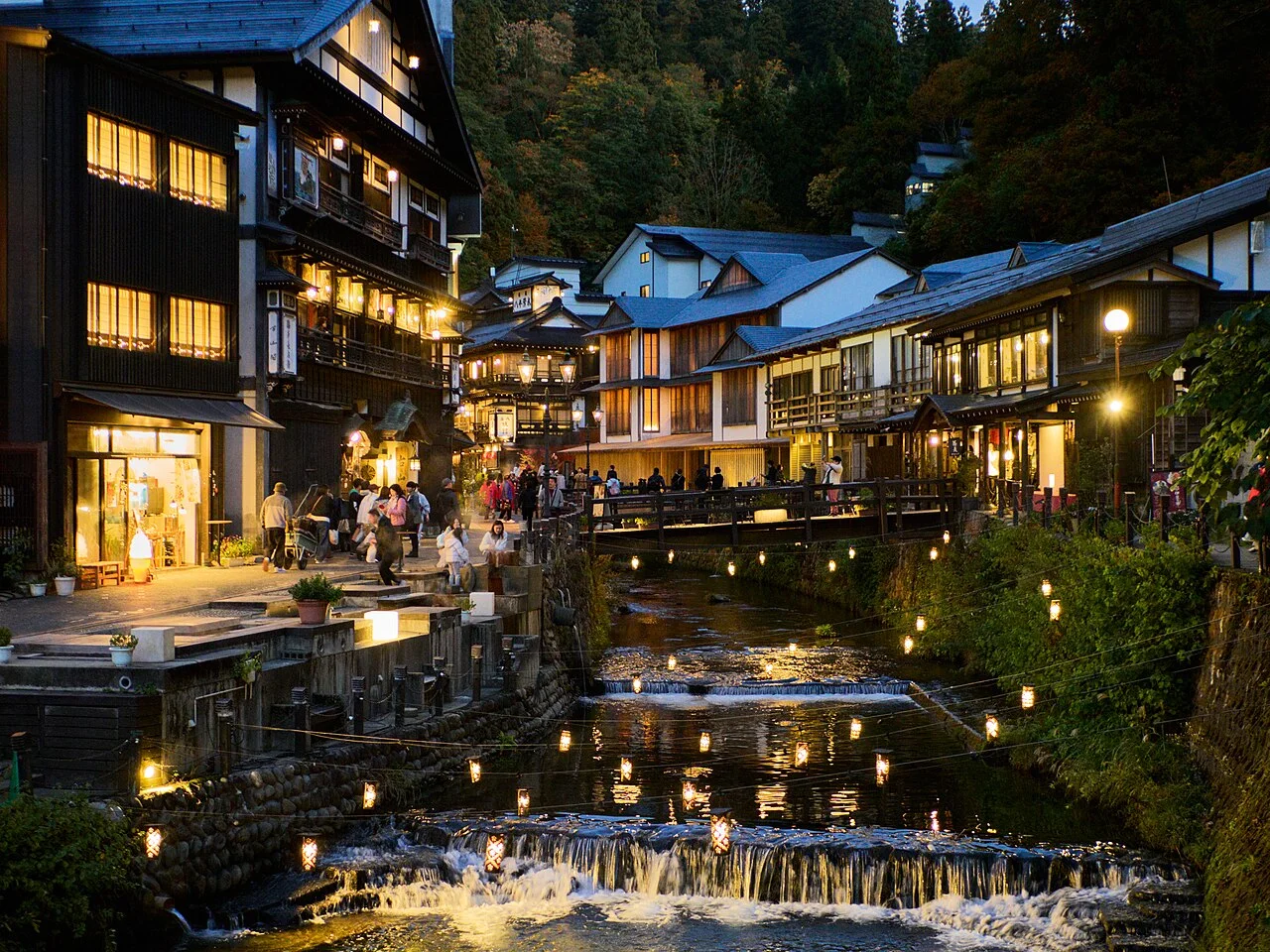
If you want an easy post-dinner stroll under the gas lamps, the riverside strip housing Notoya, Fujiya, and Kosekiya saves the most walking. You step straight out onto the riverbank, so if dusk falls early or snow starts drifting down, you can head back inside and come out again after dinner. For groups with older travelers, that proximity also lets everyone move at their own pace: some can turn in early while others walk out to the bridges for photos, meeting back inside the ryokan without waiting around in the cold for a ride.
If you would rather put your budget toward larger baths and more room space, look uphill. Ginzanso sits about a 5-to-6-minute walk from the hot-spring street entrance, or roughly 10 minutes uphill to the central stretch lined with historic wooden facades, according to the property. Takimikan occupies a separate ridge overlooking forest and the valley gorge. Both give you an overnight Ginzan stay, though your rate buys a different view. To watch the wooden ryokan across the water light up one by one from your window, compare riverside rooms in the center of town; if you prefer large public baths, open-air pools, and mountain views, put the hillside inns on your shortlist and treat the evening streetscape as an outing.
Even along the Ginzan River, floor level and orientation change what you see out the window. If you plan to spend the day outside and stay in once you finish eating, save the street view for bridge walks and book a mountain-facing room at the same ryokan, or put the extra budget toward dinner. Make a river-facing room a must-have only if someone has bad knees, young kids need afternoon naps, or part of your group won't want to go back out on a snowy night. For a party of four, compare the cost of one four-person room against two doubles and check whether sleeping arrangements and meals match under the same plan. Locking in headcount before chasing the river view gives you far more flexibility when checking availability.
When Ginzan Onsen is booked out, pick an overflow base like a second destination in its own right. Central Obanazawa works well for round-trip bus rides into Ginzan or continuing toward Sendai the next morning. Niji no Yakata near Oishida keeps you in a hot-spring stay along the Mogami River. Staying around Yamagata Station suits travelers catching trains or heading up to Zao the next day, with easy dinner options nearby. To pick the right base, check where the return bus from Ginzan drops you first, then line up your first leg of transit the next morning.
| Area | Best For | Check Before Booking |
|---|---|---|
| Central Ginzan River strip | Multiple strolls down the lantern-lit street before and after dinner | Room orientation and stairs between guestrooms and baths |
| Hillside inns (Ginzanso, Takimikan) | Large baths, valley views, and spending time inside the ryokan | Hill grade, shuttle transfers, and walking back at night in snow |
| Central Obanazawa | Connecting to the Sendai bus line or driving in | Outbound and return bus stops and evening dining options |
| Near Oishida or Yamagata Station | Alternative hot-spring stays or early JR connections | Last-mile transfers and bus-to-train connection buffers |
How to choose a Ginzan Onsen ryokan: compare riverside rooms, hillside stays, Obanazawa, and Oishida, plus room release times, 2026–27 winter driving rules, buses, and day-use baths.
Comparing Notoya, Fujiya, Kosekiya, and the Hillside Inns
Notoya Ryokan suits travelers who care most about historic architecture and on-site bathing. Its official listing counts 15 tatami rooms across the Main Building (Honkan) and Annex (Bekkan); the iconic three-story wooden Main Building was completed in 1921, and part of that heritage interior now serves as a guest lounge. Its Cave Bath is designated for private reservable use, while reaching the Observation Open-Air Bath overlooking Shirogane Falls requires climbing a long flight of stairs—and that outdoor bath typically closes for snow from around December through April. Even if you fell for a photo of Notoya's facade, check the booking page carefully for which wing and window orientation you are reserving, and weigh the room rate against which baths will actually be open in winter.
Fujiya has just eight rooms, and its official site specifies that every room faces the Ginzan River. Its five private baths are shared across the property for exclusive single-group use whenever vacant, and standard plans serve both breakfast and dinner in your room. If bathing together privately is a top priority, check Fujiya first. If having proper raised beds for everyone to get up easily at night matters more, note that Fujiya's Type A category spans both tatami rooms with futons and Western-style rooms with beds, and the ryokan assigns the specific room and bedding setup within that tier. In that case, switch to a room category with fixed bed types or choose another inn with guaranteed twin beds. When traveling with children, report their ages and bedding needs when booking so Fujiya can match them to the room layout.
Kosekiya operates under two separate booking properties. Honkan Kosekiya (the main historic building) offers river-facing Japanese-Western rooms with two semi-double beds and six-tatami river-facing Japanese rooms with a window seating alcove, each capped at two guests. Inside, guests have access to two baths—one dark-toned and one white-tiled—under designated meal-inclusive plans. An August 25, 2026 notice from the property states that Honkan Kosekiya does not accept elementary-school or younger children, so families with grade-schoolers should skip straight to properties that welcome that age group. If older travelers want beds plus a window perch for watching snow, look first at the Honkan river-facing hybrid room, then map out the stairs between the room, dining area, baths, and entrance.
Also right on the hot-spring street, Kosekiya Bekkan (the annex) preserves its wooden structure—and the property notes plainly that footsteps carry across the wooden floorboards. If you want to watch the town street from inside, pick a room explicitly labeled river-facing on the official site. Upper-floor "Roman Rooms" connect two Japanese-Western spaces with beds, an in-room toilet, and mountain views. That lets you match price tier and window direction separately: for a couple, wanting a window seat above the river is a very different priority from needing floor space to open two suitcases.
Ginzanso sits on an elevated rise at the town entrance with spacious indoor baths, open-air pools, and select plans offering rooms with a semi-open-air reclining bath. If soaking matters more than framing the street from your window—and you want to haul luggage a shorter distance—compare Ginzanso and Takimikan first. Takimikan's Main Building features an observation open-air bath facing the gorge, alongside private baths in its Bettei annex. Before booking Takimikan, double-check the distinction between the Main Building and Bettei, especially if you want private-bath access, and read the bath layout for your exact wing. Takimikan also pairs naturally with daytime soba stops, while Ginzanso leans into large-scale communal soaking.
A single "bath-included" plan photo can easily blur two very different setups. Check the room amenities list to confirm whether the guestroom itself has a tub, then check the bathing page for hot-spring water details, private-bath booking rules, and cleaning hours. If privacy for your group is essential, Fujiya's five reservable private baths beat an inn with only one. If older guests want to step straight into bed after washing, an en-suite bathroom matters more than a distant scenic bath. Honkan Kosekiya's room descriptions specifically note bidet toilets while listing communal baths on a separate page—reading both keeps you clear on what is inside your room versus down the hall.
How to Actually Book a Room: Using the Right Site Beats Guessing Lead Times
Notoya's booking path is the easiest one to get wrong if you rely on secondhand blog posts. International travelers must reserve personally through the booking link on Notoya's official website—the ryokan does not accept phone, email, or third-party proxy bookings. Have the staying guest's passport name, contact details, and credit card ready so you can book immediately when a room appears. The Obanazawa City Tourism and Products Association also states clearly that its tourist information center provides sightseeing info only; checking availability and booking rooms must be done directly with each ryokan. Once booked, contact your ryokan separately about shuttle pickup, while keeping the room reservation itself on the official channel.
Fujiya releases inventory day by day. Its official site opens reservations up to 150 days ahead, adding one new check-in date daily at midnight JST. If you are targeting a Saturday night, log on at the exact release for that Saturday; if Sunday also works, track both dates separately. Fujiya generally does not hold rooms or keep waitlists—canceled inventory simply returns online. Keep any backup reservation until your new booking is confirmed, check the backup hotel's cancellation fee first, and cancel through the original platform. Once paid, save a single screenshot showing your check-in date, check-out date, and ryokan name so you can confirm details with shuttle staff even without cell signal.
Ginzanso and the two Kosekiya properties follow a different release rhythm. Ginzanso's past scheduling notices explain that rooms normally open on the first of each month for stays five months out, though July–September 2026 inventory launched in staged batches that separated Obon and September holiday weekends. When hunting holiday dates, check each ryokan's announcements page alongside its live booking calendar for the same target month—an empty calendar at the start of the month sometimes just means a separate batch hasn't dropped yet. Mark your flexible dates in advance so on release day your only decision is river-facing versus mountain-facing.
Official ryokan engines usually ask for your party size before showing room plans. Even if two adults are bringing a young child who will share a bed and skip meals, enter the child properly in the toddler or child field. Two details swing the real total: whether dinner is included in the nightly plan, and whether the displayed rate is per person or per room. Click all the way to the checkout summary showing full stay charges and taxes before comparing prices, checking deposit rules, cancellation deadlines, included meals, and child fees side by side. The cheapest rate on one site may include breakfast only while another covers both dinner and breakfast, so price that missing meal back into your comparison.
Searching for a two-night consecutive stay returns zero results if even one night lacks the same room category. Split your search into single nights—if one night fits your budget, spend the other night in Yamagata or Sendai. Parties of three or more can also search by splitting into two rooms, though differing meal plans can affect seating times, so read both plan descriptions before reserving separately. If your rail or flight itinerary still has wiggle room, keeping a weekday date in play beats refreshing the same Saturday every day. On a packed winter Tohoku trip, put the free-cancellation deadline for your backup city hotel on your calendar while watching for Ginzan cancellations.
Getting Here from JR Oishida Station or Sendai: Work Backward from Check-In
Train travelers alight at Oishida Station, served by both the Yamagata Shinkansen Tsubasa and local Ou Main Line trains. Exit the ticket gates and head to the station-front bus stop marked for Ginzan Onsen on the Hanagasa Bus Ginzan Line. The one-way fare between Oishida and Ginzan Onsen is ¥1,000 for adults and ¥500 for children; buses are cash-only with no transit IC cards accepted, and no reservation is required. Under the October 25, 2026 to March 27, 2027 winter timetable, the 9:50 AM bus arrives at 10:26 AM and the 12:35 PM bus arrives at 1:11 PM. That second departure lines up nicely for lunch in town before afternoon check-in, while the earlier one suits day-trippers aiming for morning baths or an afternoon connection elsewhere.
Because Oishida Station is still a ride away from the hot-spring street, book your JR train by working backward from your ryokan's final check-in cutoff for dinner. On the winter schedule, the 3:55 PM bus is slated to reach Ginzan at 4:31 PM, after which you still have to walk to your inn, check in, and change—all slower in heavy snow. The next bus leaves at 5:45 PM, arriving at 6:21 PM, and does not run from December 31 to January 3. Take Fujiya's standard plan, where check-in opens at 3:00 PM and closes at 6:00 PM: the 5:45 PM bus from Oishida gets you in too late. If you are flying into Tokyo and heading straight north, where a single missed train breaks the afternoon connection, spend your first night in Yamagata and enter Ginzan relaxed the next day.
If you have a booking at Ginzanso, you can reserve its complimentary shuttle from JR Oishida Station—listed at 11:10 AM, 1:40 PM, and 3:45 PM—at least one day before arrival. Exit Oishida Station's ticket gates, turn left, and walk about 50 meters to wait at the station-front bus rotary. Once your room confirmation arrives, send the ryokan your exact date, guest count, train details, and chosen pickup time. Notoya also arranges Oishida Station transfers by reservation according to its schedule. Keep ryokan shuttle stops and departure times separate in your notes from public Hanagasa buses, as travelers often mix up the two pickup spots on the way back. If your group has extra luggage or members who board slowly, tell the inn your suitcase count ahead of time so everyone loads smoothly.
Coming by highway bus from Sendai, board a Shinjo-bound Yamako Bus at Stop 23 outside Sendai Station, then transfer at Obanazawa Machiaijo (bus waiting terminal) to the Hanagasa Bus. The Yamako leg costs ¥1,900 one-way for adults, and the second bus into Ginzan is ¥860. According to Yamako's April 1, 2026 timetable, December 29–31 and January 2–3 follow holiday schedules, with a special timetable on New Year's Day. On a regular weekday, the 10:05 AM bus from Sendai Station reaches Obanazawa at 11:51 AM, connecting to the 12:44 PM Ginzan Line bus that arrives in Ginzan at 1:11 PM. Build transfer buffer into both legs and check your return trip on the exact same day-type schedule—note that the 6:21 PM evening rapid bus from Ginzan does not stop at Obanazawa Machiaijo, so you cannot rely on it to catch a Sendai bus back.
Arriving at Yamagata Airport, you can take the airport sightseeing bus, which runs two Ginzan Onsen departures on the 2026–27 winter schedule at 9:40 AM and 3:20 PM for ¥2,000 one-way (adults), cash-only with no reservation needed. Both buses call at Oishida Station and Obanazawa City Hall, whereas the 6:45 PM airport departure terminates at Obanazawa City Hall. Late-evening arrivals are better off spending night one near Yamagata Station and catching a morning connection. Save the airport route map and bus bay diagram offline beforehand, and clearly separate "Ginzan Onsen" from "Obanazawa City Hall" in your map pins so you don't board a bus that stops short.
2026–27 Winter Driving Rules: Overnight Guest Parking vs. Day-Trip Shuttles
Obanazawa City's seasonal private-vehicle restriction trial is scheduled from December 19, 2026 to March 7, 2027, and the city may extend it depending on snowfall. Day-trip private and rental cars must park at Taisho Romankan and transfer to a shuttle bus. Overnight ryokan guests are allowed to use parking designated by their inn, and regular route buses continue operating. Because inns often assign guest parking outside the pedestrian core, enter the exact parking location supplied by your ryokan into your GPS rather than the riverside hotel address. Ginzanso and Kosekiya both map their dedicated guest lots ahead of the street entrance; park where instructed, call the front desk on arrival, and a ryokan shuttle will bring you to a walkable drop-off point.
The Taisho Romankan shuttle ticket covers a round trip. During the restriction period, shuttles start at 9:00 AM, with the final outbound departure at 6:00 PM and the last return bus from Ginzanso-mae at 7:30 PM, running roughly every 20 minutes for a 10-minute ride. Due to snow accumulation, shuttles stop at Ginzanso-mae rather than entering the hot-spring street, leaving an uphill walk of about 10 minutes per city guidance. Factor in crowds and slick bridges by aiming for one bus before the final departure so you have plenty of time to walk back up from the river. Remember that this shuttle only goes back to Taisho Romankan—JR rail travelers need to watch the last Ginzan Line bus back to Oishida instead.
Shuttle fares vary by outbound departure window. Official project round-trip rates are ¥1,300 for 9:00–10:59 AM, ¥1,000 for 11:00 AM–1:59 PM, and ¥1,500 for 2:00–6:00 PM. Booking and paying by credit card before 5:00 PM the previous day cuts ¥300 per ticket, dropping those fares to ¥1,000, ¥700, and ¥1,200. Tickets are tied to your outbound slot, and changing times after payment requires canceling and rebooking—with a 50% cancellation fee the day before and 100% on the day of travel. If your driving group hasn't locked in a meetup time yet, estimate road time carefully before buying a fixed slot.
New this season is priority return boarding 90 minutes after your outbound departure: a 10:00 AM outbound ticket gives you priority on the 11:30 AM return bus from Ginzanso-mae, though you can still join the standby line for other return times. Walking both ways and boarding eat into that window, so 90 minutes works best for a brisk riverside photo stroll and a quick break. If you plan to soak in a bath, sit down for a full meal, or wait for the gas lamps, simply line up for a later bus while making sure you leave yourself backup departures before the last bus.
Drivers coming from Sendai should heed the Ginzan Onsen Association's warning to avoid Prefectural Route 29 over Seaburi Pass from the Murayama side; National Route 347 over Nabekoshi Pass from Furukawa to Obanazawa also closes for winter. Ginzanso requires winter snow tires, and drivers approaching from Furukawa should detour via National Route 47. On snowy days when you would otherwise be navigating unfamiliar mountain roads before dinner, taking JR plus a ryokan shuttle saves you a dark winter drive. If you do rent a car, leave the city early, pack next-day coats and traction footwear in an easy-to-grab bag at the lot, and start your return walk uphill while there is still daylight.
Pacing a Half-Board Overnight Stay: Pre-Dinner Walks and Morning Checkout
Arriving on the midday bus gives you time for lunch and a full riverside walk. Take in the street view from Shirogane Bridge in front of Meiyuan, continue past the exterior plaster relief murals (kote-e) on Kozankaku and Notoya, and walk all the way to Shirogane Falls. The Obanazawa City Tourism and Products Association's sample walking route takes about 40 minutes before adding time for photos, tea, or a footbath. In warmer months, walk to Shirogane Falls at the far end of town and loop back along the opposite bank. The Ginkodo Silver Mine Cave is currently closed for safety inspections, so shift that time toward an unhurried lunch or earlier check-in while enjoying the riverbank and open sections of the waterfall path.
Anchor your afternoon schedule around dinner time rather than sunset alone. According to the tourism association, the gas lamps come on around 4:30 PM in winter and 5:00 PM in summer; if you are close to dinner after dropping your bags, stick to the riverbank between Shirogane Bridge and your ryokan, catch the lights turning on, and save the waterfall for daylight. In foul weather, a river-facing room lets you wait out dusk indoors. Mountain-facing guests can soak before dinner and stroll a short loop over the nearest bridge afterward—just step aside on narrow bridges to take your shot and clear the path for passersby.
The biggest risk with a half-board stay is arriving too late for dinner service. Whenever a booking page lists a last check-in or dinner start time, build in a cushion for train delays and the walk from the bus stop. If you do run late, call the number on your confirmation right away with your guest name, check-in date, current location, and ETA. Anyone needing vegetarian meals, allergy accommodations, or kids' menus should confirm kitchen policies before picking a plan: Honkan Kosekiya, for example, can omit specific ingredients with advance notice, though meals are prepared in a shared kitchen—if strict cross-contact avoidance is required, choose a property or plan that can guarantee it. When soaking and dinner are the point of the trip, arriving early pays off far more than squeezing in one extra stop.
On day two, the 10:35 AM Hanagasa bus reaches Oishida at 11:11 AM, giving you plenty of time to eat breakfast, check out, and bring your bags to the stop. To catch an earlier train, take the 8:25 AM bus from Ginzan (arriving at Oishida at 9:01 AM), counting backward from your ryokan's earliest breakfast seating. When reserving Shinkansen seats, never treat the bus's scheduled arrival time as your train boarding time—winter roads run slow, and you need buffer to walk from the bus bay into the station. If you are heading to Zao next, leave larger bags at Yamagata Station or travel light rather than hauling suitcases out around Ginzan before checkout.
Packing just an overnight bag saves real effort here. Tuck dry spare socks and a waterproof pouch into an outer pocket so you can swap out damp socks after walking through slush. Travelers carrying big suitcases on a longer trip should arrange luggage storage at their prior or next city hotel, or forward bags via courier, and bring only a small pack to Ginzan. With seniors or small children, test the slope from your inn to the nearest bridge in daylight first; if ice forms or snowfall picks up after dark, stay inside and take your walk in the clear morning light. Staying overnight gives you two shots at the streetscape—if weather steals one, you still have the other.
Ginzan as a Day Trip: Day-Use Baths or Staying Until Dusk
The public bathhouse Shirogane-yu sits right on the main street, with entry listed from 9:00 AM to 3:00 PM (closed Wednesdays) by the tourism association, and admission set at ¥500 for adults and ¥200 for elementary-school age and younger per Obanazawa City. Omokage-yu is currently closed. If you have already bathed or want to skip bathhouse waits, Waraku Ashiyu (Waraku Footbath) on the street is free from 6:00 AM to 10:00 PM. Bring a small towel on day trips so you can dry your feet thoroughly before stepping back out into the cold; if it rains, trim the waterfall detour or shift half your visit to an indoor lunch and soak before catching an earlier bus out.
For valley views while you soak, head uphill to Takimikan. Its official hot-spring page lists day-use admission at ¥1,000 for adults from 11:00 AM to 3:00 PM (last entry 2:30 PM, closed Mondays). Because a general Obanazawa tourism summary page lists a different closed day, plan your visit around Takimikan's own day-bathing schedule. If you ride the 12:35 PM bus from Oishida arriving at 1:11 PM, walking uphill, any wait, and bathing time leave little margin—lingering over lunch first could mean missing the 2:30 PM cutoff. Bathe first and eat afterward, or catch the morning bus instead.
Fitting a soak, stroll, meal, and twilight photos into a single day trip comes down to which direction you leave. The last weekday bus toward Sendai leaves Obanazawa Machiaijo at 5:25 PM, connecting with the 4:35 PM Ginzan Line bus (arriving at Obanazawa Machiaijo at 5:02 PM)—meaning you board just as winter gas lamps are lighting up. On Yamako's holiday schedule, the final Sendai bus moves up to 3:35 PM, leaving a tight 13-minute transfer off the 2:55 PM Ginzan departure (arriving at 3:22 PM), so take an earlier bus in snowy weather. To stay past dark, stay overnight in Obanazawa or catch JR from Oishida: the 6:21 PM rapid bus serves Obanazawa City Hall and Oishida (except December 31 to January 3), arriving at Oishida at 6:57 PM—verify your onward JR train before lingering until nightfall.
Day-trippers driving in can aim for an afternoon shuttle and queue for a later return ride. If bathing is your main goal, take a morning or midday shuttle, finish your soak before 2:00 PM, and spend the afternoon walking the river. Families with young kids on a half-day visit should use the restrooms at the outer parking lot first, stick to the riverside lane and footbath, and skip the trek to the falls or hilltop inns. Anyone staying out through snowy dusk needs slip-resistant, easy-on footwear and should factor the uphill walk back into their stamina budget—if the slope looks daunting right off the bus in wet snow, stay near Shirogane Bridge.
Where to Stay When Ginzan Is Sold Out: Obanazawa, Oishida, or Yamagata City
If you are riding the Sendai–Ginzan bus corridor and want to avoid backtracking, look at Katoya Ryokan in central Obanazawa. Located in Nakamachi and booked by phone, it sits roughly a 20-minute drive from Ginzan and can be reached via the Nakamachi stop on the Ginzan Line bus. Since the Yamako highway bus stops at Obanazawa Machiaijo, save both Obanazawa Machiaijo and the Nakamachi stop separately on your map so the walk between them is clear. Check walkable dinner spots near the inn before arriving, and enjoy the flexibility of continuing toward Shinjo, Sendai, or Oishida the next morning without rushing.
If you specifically want a hot-spring stay and riverside rooms are gone, look at Niji no Yakata in Oishida Town. Set beside the Mogami River next door to the Attamari Land Fukabori day-use bathhouse, it lies roughly 30 minutes from Ginzan by car per its website. Check-in is 3:00 PM and check-out is 10:00 AM across Japanese, Western, and hybrid rooms. The adjoining bathhouse operates 8:00 AM–9:00 PM (last entry 8:30 PM) for ¥500 adults and ¥100 children, closing the fourth Tuesday of each month (or Wednesday if Tuesday is a national holiday). Rail arrivals at Oishida Station should arrange transit to the inn ahead of time rather than rolling luggage out of the station unexpectedly; see Ginzan by day, then unwind over dinner and a soak back in Oishida.
For maximum transit options, base yourself near Yamagata Station. If heavy snow forces you to skip Ginzan, you can easily pivot to half a day of walkable sights and local buses around Yamagata—and returning to Yamagata also removes an extra transfer if you need to catch a Tokyo train the next morning. Conversely, if you are heading to Matsushima or flying out of Sendai the following day, you can connect onto the 48 Liner express bus via Obanazawa Machiaijo, provided you budget time for both buses. When evening connections back toward Sendai cut close to the last departure, pick your city hotel around whichever return corridor is easiest to catch reliably rather than straight-line distance from Ginzan.
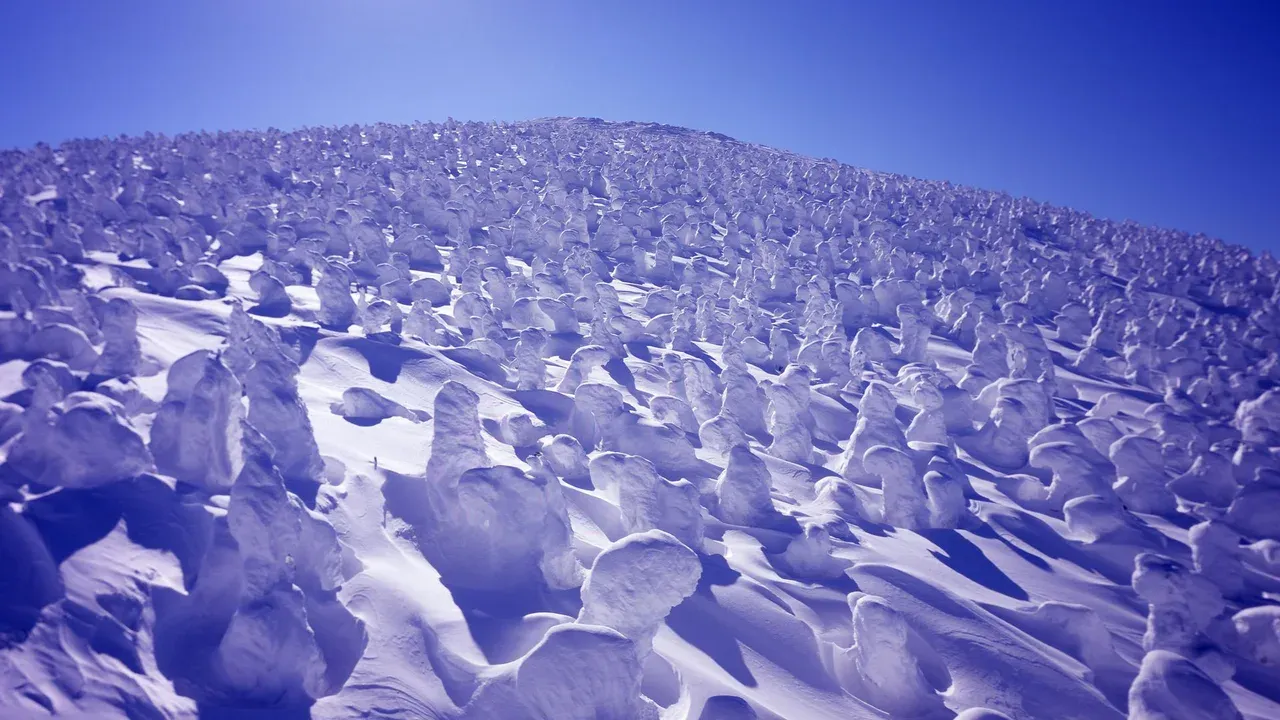
Combining Zao's snow monsters with Ginzan Onsen works best with Zao set as its own full day out of Yamagata Station and Ginzan getting its own night. Zao ropeway conditions and Ginzan's mountain roads carry separate weather risks, so splitting them across two days lets you swap their order if a storm rolls in. If your budget allows only one overnight stay, put it in Ginzan if glowing riverbank lanterns are the priority, or stay in Zao so you can ride up the moment the wind clears and visit Ginzan as a day trip. When you have multiple days to flex, see our Sendai and Yamagata hot-spring and seasonal itinerary guide—that way, even if deep snow scrubs the Ginzan leg, you still have good food, a bath, and an easy next rail departure.
Match Room Specs and Transit to Your Group Before Booking
If anyone in your party has limited mobility, inspect the trip as a chain of short walks. Check where the car or bus drops you, whether the stretch to the front door is manageable, and how many stairs stand between the lobby, your room, the baths, and the dining hall. Wooden riverside rooms deliver classic views, yet if bed height and an en-suite toilet matter most, filter for rooms that explicitly list both on the booking page—mountain-facing hybrid rooms often fit that bill, and you can still join the family at the bridges during the day. If someone uses a wheelchair or walker, send its dimensions or turning radius to the ryokan and ask for exact threshold heights and elevator access for your specific room number.
Families with kids should filter strictly by age and headcount from the start rather than grabbing a two-person room and assuming a child can co-sleep unregistered. Reserve meals together, specify how many children need children's portions, and ask whether their breakfast and dinner are served at the same time as the adults'. If family members would otherwise have to split up for gender-separated communal baths, prioritize inns with a reservable private bath. Take yukata photos in the bright lobby or just outside the entrance; after dark in snow and bridge wind, adults in fitted winter boots and kids in their regular cold-weather gear handle short outdoor walks far better.
File your room type name, final check-in cutoff, shuttle reservation, and cancellation deadline alongside your confirmation, right next to the cancel-by date for any backup hotel. Shuttle timing is the piece travelers miss most often: paying for your room doesn't automatically assign a pickup slot at inns that require separate departure selection. If you have a reserved Shinkansen seat on checkout day, confirm your return shuttle and luggage count well ahead. Once your stay is locked in, fit the bridges, Taisho-era facades, and Shirogane Falls into unhurried pockets of free time—leaving room to head downstairs the moment the light hits.
A few useful answers
When do Ginzan Onsen ryokan open bookings?
Fujiya opens check-in dates up to 150 days ahead, releasing one new day daily at midnight JST. Ginzanso and Kosekiya typically release stays five months out on the first of each month, with peak holidays sometimes split into announced batches. International guests at Notoya must book through Notoya's official website.
Which ryokan offer hot-spring street views from the room: Notoya, Fujiya, or Ginzanso?
Fujiya's official site notes that all eight of its rooms face the Ginzan River. At Notoya, views depend on the specific Main Building or Annex room type you reserve. Ginzanso stands on a ridge at the town entrance overlooking the river gorge and wooded slopes, roughly a 10-minute walk from the central street.
Do overnight guests driving in winter need a Taisho Romankan shuttle ticket?
Overnight guests can use parking lots designated by their ryokan. The Taisho Romankan shuttle applies to day-trip cars during the December 19, 2026 to March 7, 2027 restriction period. Kosekiya guests, for example, park where instructed and call the front desk on arrival for pickup.
Which train station should I use to reach Ginzan Onsen by public transit?
Get off at JR Oishida Station and take the Hanagasa Bus Ginzan Line (¥1,000 one-way for adults, cash only on board). From Sendai, catch a Yamako Bus from Stop 23 outside Sendai Station to Obanazawa Machiaijo, then transfer to the Ginzan Line.
Can day visitors bathe at Ginzan Onsen without staying overnight?
Yes. The public bathhouse Shirogane-yu right in town charges ¥500 for adults (closed Wednesdays), and Waraku Ashiyu footbath is free from 6:00 AM to 10:00 PM. Up on the ridge, Takimikan also accepts day bathers, with last entry listed at 2:30 PM on its official site.
Where is the most convenient place to stay if Ginzan Onsen is booked out?
Stay in central Obanazawa for easy Sendai bus connections and Ginzan Line access, choose Niji no Yakata in Oishida Town if you still want a hot-spring stay, or base near Yamagata Station for early Shinkansen departures and trips to Zao.
Official information and references
Sources used in this guide.
- Obanazawa City: Ginzan Onsen 2026–27 Winter Traffic Control Dates and Zone
- Obanazawa City: Eligible and Restricted Vehicles for Ginzan Onsen 2026–27 Winter
- Obanazawa City: Winter Shuttle Hours, Fares, Priority Boarding, and Refunds
- Hanagasa Bus Ginzan Line: 2026–27 Winter Timetable and Fares
- Yamako Bus Shinjo–Sendai Route: Timetable and Fares
- Ginzan Onsen Association: Access and Mountain Road Advisories
- Obanazawa City Tourism and Products Association: Ginzan Onsen Walking Route, Baths, and Gas Lamps
- Obanazawa City: Ginzan Onsen Footbath, Public Bathhouse, and Silver Mine Notices
- Notoya Ryokan: Booking Policy for International Guests
- Notoya Ryokan: Buildings and Room Inventory
- Notoya Ryokan: Baths and Winter Closure of the Observation Open-Air Bath
- Notoya Ryokan: Oishida Station Shuttle Service
- Fujiya: Booking Window and Canceled Room Release Policy
- Fujiya: Standard Stay Plans, Rooms, In-Room Dining, and Private Baths
- Honkan Kosekiya: Facilities and River-Facing Room Categories
- Honkan Kosekiya: Meal-Inclusive Plans and Baths
- Honkan Kosekiya: Child Guest Policy Notice
- Honkan Kosekiya: Food Allergy Accommodation Policy
- Kosekiya Bekkan: River-Facing, Mountain-Facing, and Roman Rooms
- Kosekiya Bekkan: Historic Wooden Building Overview
- Ginzanso: Facilities, Walking Distances, Guest Parking, and Transfers
- Ginzanso: Oishida Station Shuttle Reservations, Boarding Point, and Driving Access
- Ginzanso and Kosekiya: Standard Monthly Room Release Schedule
- Ginzanso: 2026 Summer and Holiday Staged Booking Release Notice
- Takimikan: Observation Open-Air Bath and Day-Use Bathing
- Katoya Ryokan (Obanazawa): Access and Reservations
- Niji no Yakata (Oishida): Lodging Information
- Attamari Land Fukabori: Day-Use Bath Hours, Admission, and Closed Days