How to choose a ryokan in Ginzan Onsen: compare riverside rooms, hilltop inns, Obanazawa and Oishida bases, booking release times, 2026–27 winter driving restrictions, buses and day-trip baths.
- Region & Focus
- Yamagata, Zao and Ginzan Onsen
- Reading Scope
- 23 min read · 9 chapters · 6 Q&As
- Official Verification
- 28 official sources checkedUpdated 22 November 2026
- Key Topics
- Where to stayBookingRyokan
Chapter Route Map (tap any stop)
- Choose Your Setting First: Riverside, Hilltop or Outside the Valley
- Comparing Notoya, Fujiya, Kosekiya and the Hilltop Inns
- How to Secure a Room: Knowing the Official Booking Channels Matters More Than Guessing Lead Times
- Arriving via JR Oishida Station or Sendai: Work Backwards From Check-In Cut-Offs
- 2026–27 Winter Driving Restrictions: Guest Parking Versus Day-Trip Shuttles
- Making the Most of a Half-Board Overnight Stay: Before Dinner and Before Check-Out
- Visiting Ginzan on a Day Trip: Bathing Hours Versus Staying Until Dusk
- When Ginzan Ryokan Are Full: Choosing Between Obanazawa, Oishida and Yamagata City
- Match Your Group's Practical Needs to Room and Transport Details Before Booking
- Quick Q&A
Deciding where to stay in Ginzan Onsen starts with how far you want to walk after dinner to see the gas lamps. Notoya, Fujiya and Kosekiya all sit right along the Ginzan River, while Ginzanso stands on higher ground at the town entrance and suits guests looking for larger communal baths. Guests must book Notoya directly via its official website, whereas Fujiya releases rooms daily on a rolling 150-day window. If riverside rooms are sold out, base yourself in Obanazawa or Oishida and visit by bus or train during the day. From 19 December 2026 to 7 March 2027, day-trip drivers must transfer to a shuttle at Taisho Romankan, while overnight guests follow their ryokan's designated parking and pick-up arrangements.
Choose Your Setting First: Riverside, Hilltop or Outside the Valley
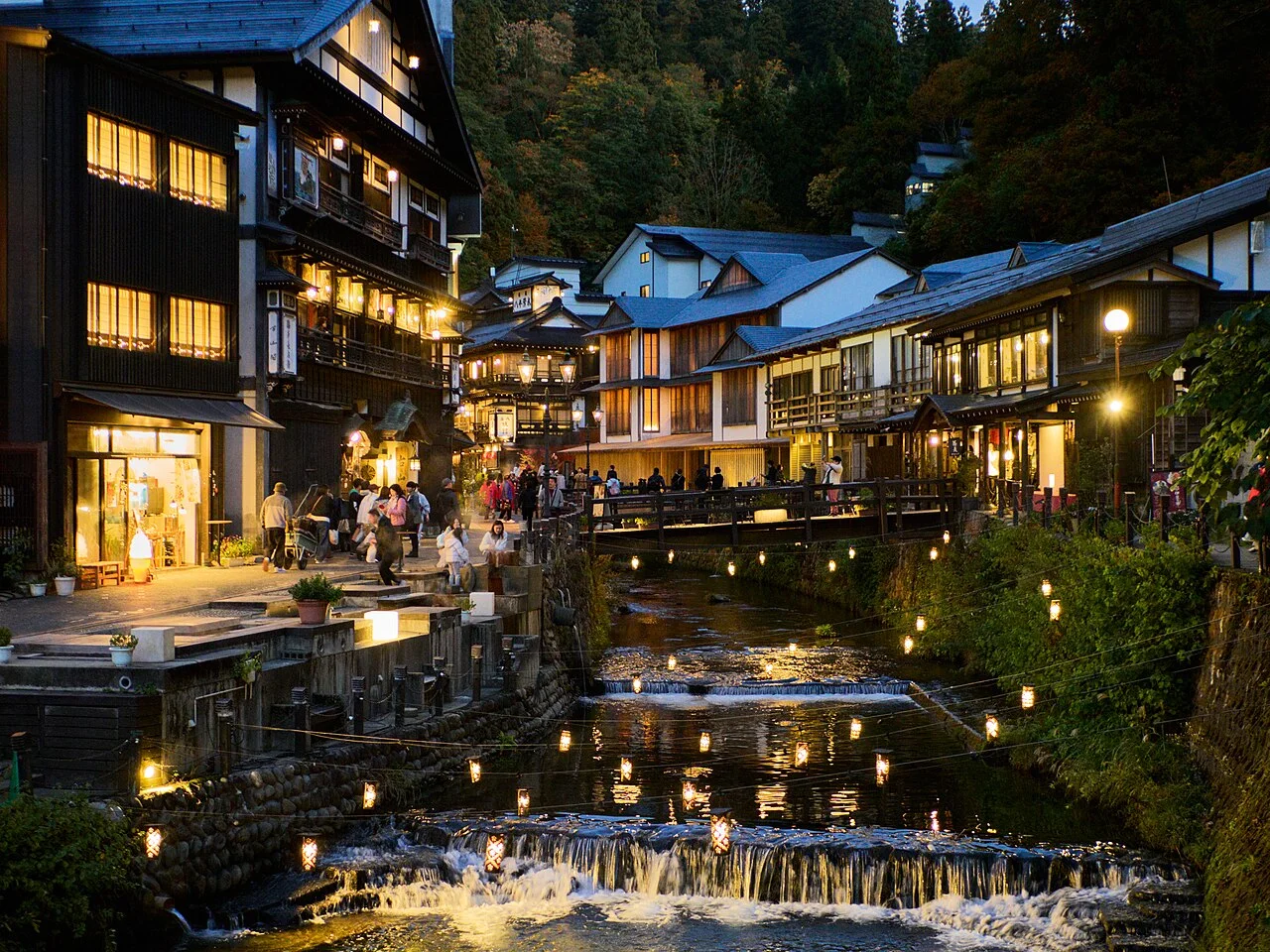
If you want an easy stroll past the gas lamps after dinner, the riverside lane where Notoya, Fujiya and Kosekiya sit saves the most walking. Stepping outside puts you straight on the riverbank: when dusk falls or snow starts drifting down, you can pop back indoors and head out again once dinner is over. Travelling with older relatives, this proximity also lets the group split up comfortably — some can turn in early while others walk out onto the bridges for photographs and regroup back at the inn, rather than waiting together in the cold for a ride.
To put more of your budget towards spacious baths and larger rooms, look uphill. Ginzanso is roughly a 5- to 6-minute walk from the entrance to the hot-spring street, and the ryokan estimates around 10 minutes on foot — with a slope along the way — to reach the heart of the lane where the timber facades cluster closely together. Takimikan sits on another hillside ridge overlooking woodland and the gorge. Both work well for an overnight stay, though the view your room rate buys is very different: if you want to watch the wooden inns across the water light up one by one, compare riverside rooms in the centre first. If large communal baths, open-air pools and mountain scenery matter more, put the hilltop inns on your shortlist and treat the evening streetscape as a dedicated walk.
Along both banks of the Ginzan River, floor level and room aspect change what you actually see from the window. Travellers who plan to stay out during the day and turn in straight after dinner can save the street views for a walk across the bridges, booking a mountain-facing room at the same ryokan or putting the difference towards dining. It becomes worth insisting on a riverside room when someone has knee trouble, a young child needs daytime naps, or part of your group would rather not venture out on a snowy night. For a party of four, compare the total cost of one four-person room against two separate rooms, and check whether bedding and meals follow the same plan. Locking down your headcount before chasing a river view gives you far more flexibility when searching availability.
When Ginzan's ryokan are full, choose an alternative base as a stop in its own right. Central Obanazawa works neatly for hopping back and forth by bus or heading towards Sendai the next morning. Niji no Yakata near Oishida keeps both hot-spring bathing and an overnight stay anchored by the Mogami River. Staying around Yamagata Station suits travellers catching early trains or heading up to Zao the following day, and makes evening dining straightforward. Before picking a base, check where the return bus from Ginzan sets you down, then trace your first leg of onward transport the next morning.
| Location | Best for | Check before booking |
|---|---|---|
| Central Ginzan Riverfront | Multiple strolls along the lane before and after dinner | Room aspect and stairs between rooms and baths |
| Hilltop inns (Ginzanso, Takimikan) | Large baths, mountain views and more time inside the ryokan | Hill gradient, shuttle transfers and walking back on snowy nights |
| Central Obanazawa | Connecting with the Sendai bus line or driving in | Outbound and return bus stops, and local dinner options |
| Around Oishida or Yamagata Station | Staying at an alternative hot spring or catching JR trains the next day | Final-leg transfers and connection times on the return journey |
How to choose a ryokan in Ginzan Onsen: compare riverside rooms, hilltop inns, Obanazawa and Oishida bases, booking release times, 2026–27 winter driving restrictions, buses and day-trip baths.
Comparing Notoya, Fujiya, Kosekiya and the Hilltop Inns
Notoya Ryokan appeals to guests who prioritise historic timber architecture and in-house bathing. Its official listing covers 15 Japanese-style rooms across the Main Building (Honkan) and Annex (Bekkan); the Main Building's iconic three-storey wooden section was completed in 1921, and part of that heritage interior now serves as a guest lounge. According to the ryokan's website, the cave bath is reserved for private use, while the panoramic open-air bath overlooking Shirogane Falls requires climbing a long flight of stairs and typically closes from roughly December to April due to snow. Even if Notoya is the building everyone photographs from the outside, verify on the booking page which wing you are reserving, which way the windows face, and which baths will actually be open during winter when weighing up the rate.
Fujiya has just eight rooms, and its website states that every one faces the Ginzan River. Its five private baths are shared across the inn and can be locked for exclusive use by one party at a time whenever free, with both breakfast and dinner served in-room under the standard plan. If bathing together privately is a top priority for your group, Fujiya should be first on your list. If getting out of bed easily during the night matters more, note that Fujiya's Type A category includes both Japanese-style rooms with futons and Western-style rooms with beds, and the specific room and bedding setup within that category are assigned by the ryokan. In that case, either book a category where bed configuration is fixed or choose another inn offering two dedicated beds. When travelling with children, declare their ages and bedding requirements at the time of booking so Fujiya can allocate bedding according to room capacity.
Kosekiya operates through two separate booking portals. At Honkan Kosekiya (the Main Building), river-facing Japanese-Western rooms come with two semi-double beds, while river-facing Japanese-style rooms offer a six-tatami-mat space plus a window alcove; both room types are capped at two guests. Inside, there are two communal baths — one black-toned and one white-toned — and stays are packaged with set meal plans. A notice issued on 25 August 2026 states that the Main Building does not accommodate primary-school or preschool-aged children, so families travelling with younger children should filter straight to properties that accept their age group. If older relatives want to sit by the window watching the snow, check Honkan's river-facing Japanese-Western rooms first, then trace the floor routes from room to dining hall, baths and entrance.
Also on the main hot-spring street, Kosekiya Bekkan (the Annex) retains its historic wooden structure, and the inn explicitly notes that footsteps carry along the timber floorboards. To look out over the street from your room, select options marked river-facing on the official site. Upper-floor Roman Rooms in the Annex pair two connected Japanese- and Western-style spaces with beds, an en-suite toilet and mountain views. Price tiers and window aspects can be weighed separately: for a couple, wanting a window perch over the river versus needing floor space to open two suitcases are two very distinct priorities.
Ginzanso occupies high ground at the edge of town and features expansive indoor and open-air communal baths, alongside select plans offering rooms with a semi-open-air reclining bath. Anyone valuing soaking time over framed street views — or hoping to haul luggage a shorter distance — should compare Ginzanso with Takimikan. Takimikan's main wing has a panoramic open-air bath facing the gorge, plus private bookable baths in its Bettei wing. Before reserving Takimikan, check the layout of the Main Building against the Bettei annex, particularly if you want private-bath access, as bath privileges depend on which wing you book. If you are also looking for soba noodles during the day, Takimikan's offering and Ginzanso's bath-focused setup each serve a distinct role.
A single promotional photo for a 'room with bath' plan can easily blur two separate things. Open the room's amenities list to verify whether there is actually a bathtub in-room, then check the ryokan's bathing page for spring water details, private-booking rules and cleaning closures. If privacy matters to your group, Fujiya's five lockable private baths are far easier to time than a property with only one bookable bath. When older travellers want to step straight back into bed after bathing, an in-room bathroom outweighs the view from a distant communal tub. Honkan Kosekiya's room descriptions specifically list bidet toilets while its baths have their own page — reading both separately tells you exactly what sits inside the room and what is shared.
How to Secure a Room: Knowing the Official Booking Channels Matters More Than Guessing Lead Times
Notoya's booking rules are easy to misread in secondhand blog posts. Overseas visitors must book in person via the reservation link on Notoya Ryokan's official website; the property does not accept bookings by telephone, email or through third parties. Have the staying guest's romanised name, contact details and payment card ready so you can complete the reservation online the moment a suitable room appears. The Obanazawa City Tourism and Products Association makes the division of duties equally clear: the tourist information centre handles visitor enquiries, while checking room availability and making reservations are handled directly by each ryokan. Arrange shuttle pick-ups directly with your confirmed inn, and keep room bookings strictly on official channels.
Fujiya releases rooms on a daily cycle. The official website accepts bookings up to 150 days in advance, releasing one new check-in date each day at 00:00 JST. If you are aiming for a Saturday night, check at the exact release moment for that Saturday — and if Sunday also works, note both release dates separately. As a rule, Fujiya neither holds provisional rooms nor runs a waitlist. Cancelled rooms return straight to live online inventory; keep any backup reservation until your new booking is confirmed, factoring in the existing inn's cancellation fee before releasing it. Once paid, save a single screenshot showing check-in date, check-out date and ryokan name so you can show shuttle staff even without mobile signal.
Ginzanso and the two Kosekiya properties release inventory differently from Fujiya. Past scheduling notices from Ginzanso state that rooms normally open on the 1st of each month for stays five months ahead, though dates from July to September 2026 were released in grouped tranches that separated Obon and September long weekends into distinct batches. When searching around public holidays, cross-check each ryokan's announcements page alongside its live booking calendar for your target month. If no rooms appear at the start of the month, read that month's updates — a staggered release may still be pending. Mark all flexible travel dates in advance so on release day you only need to choose between a river-facing or mountain-facing room.
Official ryokan booking engines usually ask for party size before displaying plans. Even if two adults are travelling with a small child sharing existing bedding without meals, enter the child properly under the infant or toddler field. Two details skew headline totals: whether dinner is included in the nightly plan, and whether displayed rates are per person or per room. Click all the way through to the screen showing the full stay total and taxes before comparing prices, checking deposit rules, cancellation deadlines, included meals and child surcharges together. The lowest rate on one site might cover breakfast only while another includes both dinner and breakfast — factor that missing meal back into your budget.
Searching for a two-night stay will show zero availability if the exact same room type is sold out on just one of those nights. Break your search into single nights first: if one night fits your budget, spend the other night in Yamagata or Sendai. Groups of three or more can also search by splitting into two rooms, though differing meal plans may affect seating times, so compare the wording of both plan descriptions before creating two separate bookings. If your rail or flight itinerary still has wiggle room, keeping a weekday option open pays off far more than refreshing the same Saturday night. On tight winter Tohoku itineraries, log the free-cancellation deadline of a refundable city hotel in your calendar while watching for ryokan cancellations.
Arriving via JR Oishida Station or Sendai: Work Backwards From Check-In Cut-Offs
Rail travellers alight at JR Oishida Station, served by both the Yamagata Shinkansen Tsubasa and local Ou Main Line trains. Exit the ticket gates and head to the station-front bus stop signed for Ginzan Onsen on the Hanagasa Bus Ginzan Line. The single fare between Oishida and Ginzan Onsen is ¥1,000 for adults and ¥500 for children; payment is cash only on board (no transport IC cards accepted), and no advance reservation is required for scheduled route buses. On the 25 October 2026 – 27 March 2027 timetable, for example, the 09:50 departure arrives at 10:26 and the 12:35 bus arrives at 13:11. The later bus suits overnight guests arriving for lunch along the lane before afternoon check-in, whereas the earlier departure works if you are aiming for morning bathing or keeping the afternoon free.
Oishida Station is still a fair bus ride from the hot-spring lane, so book JR tickets by counting backwards from your ryokan's final check-in cut-off for dinner service. The 15:55 route bus is timetabled to arrive at 16:31, leaving time to walk to your inn, register and change — all of which take longer in falling snow. The following bus at 17:45 does not reach Ginzan until 18:21 and does not run from 31 December to 3 January. Under Fujiya's standard plan, where check-in runs from 15:00 to 18:00 at the latest, that 17:45 departure from Oishida arrives too late. Travellers flying into Tokyo and heading north the same day — where missing one train means missing the afternoon bus — will find it much less rushed to spend the first night in Yamagata and enter Ginzan the next morning.
Guests with a reservation at Ginzanso can book a complimentary shuttle from JR Oishida Station — listed at 11:10, 13:40 and 15:45 — provided it is reserved at least one day before arrival. Exit the ticket gates at Oishida Station and turn left; wait roughly 50 metres away at the station-front bus turning circle. Once your room confirmation arrives, send your exact travel date, party size, train details and preferred shuttle slot to the ryokan. Notoya Ryokan also offers Oishida Station transfers by advance arrangement according to its schedule. Keep ryokan shuttle stops and departure times separate in your notes from the public route bus — on the return leg it is easy to confuse the public bus stop with your inn's pick-up point. If you have multiple suitcases or companions who need extra time boarding, report your luggage count alongside your transfer request so the whole party can load smoothly when the vehicle pulls up.
Coming overland from Sendai, board the Yamako Bus bound for Shinjo from Bus Stop 23 outside Sendai Station and change at Obanazawa Machiaijo (Obanazawa Bus Waiting Room) onto the Hanagasa Bus. Single adult fares are ¥1,900 on the Yamako Bus and ¥860 for the second leg. The Yamako timetable effective from 1 April 2026 specifies that holiday schedules apply from 29 to 31 December and 2 to 3 January, with a dedicated timetable on New Year's Day. On a standard weekday, the 10:05 departure from Sendai reaches Obanazawa at 11:51, connecting with the 12:44 Ginzan Line bus arriving in Ginzan at 13:11. Allow margin across both legs, and check the return timetable for the exact calendar day you travel: the late 18:21 express bus from Ginzan does not stop at Obanazawa Machiaijo, so it cannot serve as your link back towards Sendai.
From Yamagata Airport, airport sightseeing buses on the 2026–27 winter schedule run to Ginzan Onsen at 09:40 and 15:20 for ¥2,000 per adult single, payable in cash with no booking needed. Both departures call at Oishida Station and Obanazawa City Hall, whereas the 18:45 airport service terminates at Obanazawa City Hall. Passengers landing late can stay overnight near Yamagata Station and catch a morning connection instead. Save the airport route map and bus-bay diagram offline beforehand, clearly distinguishing buses signed for Ginzan Onsen from those terminating at Obanazawa City Hall when multiple departures show Obanazawa as their direction.
2026–27 Winter Driving Restrictions: Guest Parking Versus Day-Trip Shuttles
Obanazawa City's winter private-vehicle control trial is scheduled from 19 December 2026 to 7 March 2027, and the municipality may extend it depending on snowfall. Day-trip private cars and hire cars must park at Taisho Romankan and transfer by shuttle, while overnight guests staying in Ginzan Onsen may use ryokan-designated car parks and public route buses continue to operate. Because ryokan often place guest parking outside the main lane, enter the exact car-park coordinates supplied by your inn into satnav rather than the riverside hotel address. Both Ginzanso and Kosekiya show their dedicated car parks ahead of the street on their access pages; overnight guests park where instructed, call reception on arrival, and ride the ryokan transfer to a drop-off point within walking distance of the lane.
Shuttle tickets from Taisho Romankan cover a return trip. During the restriction period, shuttles begin at 09:00 with the final outbound departure at 18:00 and the last return bus leaving from in front of Ginzanso at 19:30; buses run roughly every 20 minutes and take around 10 minutes. Owing to snowpack, the shuttle does not operate between Ginzanso and the hot-spring street entrance, which city guidance estimates as roughly a 10-minute walk. Given pedestrian bottlenecks and snow-packed bridges, aim for at least one departure before the final return bus so you have plenty of time to climb back uphill from the river. Keep in mind that this shuttle runs solely back to Taisho Romankan — JR rail passengers must track the final Hanagasa Ginzan Line bus back to Oishida instead.
Fares depend on your outbound departure window. Published return fares under the city scheme are ¥1,300 for 09:00–10:59, ¥1,000 for 11:00–13:59 and ¥1,500 for 14:00–18:00. Booking and paying by credit card before 17:00 the previous day trims ¥300 per ticket, bringing those bands down to ¥1,000, ¥700 and ¥1,200 respectively. Tickets are anchored to your outbound slot; once paid, changing slots requires cancelling and rebooking, with a 50% cancellation charge the day before and 100% on the day of travel. Before locking in a timed ticket, estimate your driving time realistically so everyone in the car can make the chosen departure.
New for this season is priority return boarding set 90 minutes after your outbound departure: a 10:00 outbound ticket grants priority on the 11:30 return shuttle from outside Ginzanso, while you can still queue on standby for other return slots. Factoring in the uphill walk and boarding at both ends, a 90-minute window comfortably covers a riverside stroll for photographs and a brief breather. If you plan to bathe, sit down for a full meal or wait for the gas lamps, simply join the standby queue for a later shuttle — allowing at least one departure buffer before the last bus gives you breathing room.
Drivers coming from Sendai should note the Ginzan Onsen Association's warning to avoid Prefectural Route 29 via Seabi Pass from Murayama, and that National Route 347 over Nabekoshi Pass between Furukawa and Obanazawa closes for winter. Ginzanso requires winter snow tyres on all cars; approaching from Furukawa, detour via National Route 47 instead. When snow is falling and you would otherwise face unfamiliar mountain roads right before dinner, taking JR plus a ryokan shuttle saves a tense night drive. If you are travelling by hire car, set off from the city early, and once parked keep next-day coats and grippy winter footwear in an accessible bag so you can grab them straight off the inn doorstep. Walking the sloped stretch back to the car while it is still light leaves a safer margin for the drive out.
Making the Most of a Half-Board Overnight Stay: Before Dinner and Before Check-Out
Arriving on the midday bus leaves time for lunch followed by an unhurried riverside walk. Take in the street view from Shirogane Bridge outside Meiyuan, continue past the *kote-e* plaster relief murals on Kozankaku's facade and Notoya Ryokan, and carry on to Shirogane Falls. Obanazawa City Tourism and Products Association's sample walking circuit takes around 40 minutes, excluding pauses for photography, tea and the footbath. In milder months you can walk all the way to the falls at the far end of the lane and loop back along the opposite bank. With the Ginzan Silver Mine currently closed for safety inspections, put that spare time towards a sit-down lunch or earlier check-in, leaving the riverbank and open sections of the waterfall path to pace as you please.
Anchor your evening around your set dinner time rather than simply 'after dark'. The tourism association notes that the gas lamps are lit from around 16:30 in winter and 17:00 in summer; if dinner is looming soon after you drop your bags, limit your first walk to the stretch between Shirogane Bridge and your inn, snap the lamps coming on and head straight back, saving the distant waterfall for daylight. In foul weather, a river-facing room lets you wait out dusk indoors. Guests in mountain-facing rooms can soak before dinner and take a short turn onto a nearby bridge afterwards — step to the edge to take a quick shot when pedestrians pass, saving wider or longer-exposure compositions for a quieter bridge further along.
The biggest pitfall of a half-board stay is arriving on time in town only to miss the dinner seating. Whenever a booking page lists a latest arrival or dinner start time, build in a buffer for train delays and the snowy walk from the bus stop. If you run late on the day, phone the ryokan straight away using the number on your confirmation, giving your name, check-in date, current location and ETA. Anyone travelling with vegetarian preferences, food allergies or children's meal needs should check dietary policies before choosing a plan: Honkan Kosekiya, for example, can omit specific ingredients on prior notice, but prepares dishes in a shared kitchen, so severe allergies requiring zero cross-contact need an appropriate plan confirmed upfront. When hot springs and multi-course dinners are the point of the trip, arriving early beats squeezing in one extra stop.
For departure the next morning, the 10:35 route bus is scheduled back at Oishida at 11:11, leaving an easy pace for breakfast, check-out and walking to the stop with bags. If you need an earlier train, take the 08:25 bus arriving at Oishida at 09:01, counting backwards from your inn's earliest breakfast seating. When reserving Shinkansen seats, never treat the scheduled bus arrival as your boarding time — allow margin for snow-slowed roads and walking from the bus bay into the station concourse. Travellers continuing directly on to Zao the next day will find it far less hassle to leave luggage at Yamagata Station or travel back via Yamagata rather than dragging suitcases around Ginzan before heading up the mountain.
Packing just an overnight bag saves considerable effort. Tuck dry socks for the next morning and a waterproof pouch into an outer pocket before leaving so you can change out of damp socks after walking through slush. Travellers carrying large suitcases on a longer Japan itinerary should arrange left-luggage storage with their previous or next city hotel, or forward heavy bags via courier, bringing only a light pack to Ginzan. With older guests or small children, test the slope between your inn and the nearest bridge in daylight first: if ice forms or snowfall thickens after dark, stay indoors and save the stroll for morning light. Staying overnight gives you two shots at the lane — missing one window simply shifts your walk to the next.
Visiting Ginzan on a Day Trip: Bathing Hours Versus Staying Until Dusk
The public bathhouse Shirogane-yu sits right on the main lane: the tourism association lists admissions from 09:00 to 15:00 (closed Wednesdays), while Obanazawa City lists fees at ¥500 for adults and ¥200 for primary-school age and under. Omokage-yu is currently closed. Visitors who have finished soaking or prefer not to queue for a bathhouse can use the free Waraku Footbath on the street from 06:00 to 22:00. Pack a small hand towel on a day trip so you can dry your feet thoroughly before stepping back onto cold pavement. In rain, shorten the walk towards the falls or split your afternoon between an indoor lunch, a hot soak and an earlier bus out.
For a gorge-facing soak, head uphill to Takimikan. Its official hot-spring page lists day-visit bathing at ¥1,000 for adults from 11:00 to 15:00 (last entry 14:30), closed Mondays. Because the broader Obanazawa tourism summary page lists a different closing day, follow Takimikan's own day-bathing schedule when planning. Taking the 12:35 bus from Oishida puts you in Ginzan at 13:11, from which you still have to subtract the uphill walk, any queue and bathing time — a leisurely lunch beforehand risks missing last admission at reception, so bathe first and eat afterwards, or catch the morning bus instead.
Trying to pack bathing, strolling, a sit-down meal and dusk photography into a single day starts with your return direction. On weekdays, the last Yamako bus back to Sendai leaves Obanazawa Machiaijo at 17:25, connecting with the 16:35 Ginzan bus arriving at 17:02 — though leaving Ginzan at 16:35 cuts right across winter lamp-lighting time. Under Yamako's holiday schedule, the final Sendai bus departs Obanazawa earlier at 15:35, leaving just a 13-minute transfer off the 14:55 Ginzan bus (arriving 15:22), so take an earlier departure in heavy snow. If you are determined to stay until dark, sleep in Obanazawa or return via JR from Oishida: the 18:21 express bus reaches Obanazawa City Hall and Oishida (suspended 31 December – 3 January), arriving at Oishida at 18:57. Make sure you have checked onward JR connections after 18:57 before lingering past dusk.
Day-trippers arriving by car during the restriction period can take an afternoon shuttle in and queue for a later return bus. If hot-spring bathing is your main goal, take a morning or midday shuttle, finish soaking before around 14:00 and walk the riverbank afterwards. For a half-day visit with children, use the toilets at the outer car park first, stick to the riverside lane and footbath once inside town, and skip the waterfall or steep hillside climb. Anyone staying into early evening in winter should wear grippy, easy-to-slip-off footwear and count the uphill climb back to the stop as real walking effort; in wet snow, if the incline already looks daunting from the bus bay, keep your walk flat around Shirogane Bridge.
When Ginzan Ryokan Are Full: Choosing Between Obanazawa, Oishida and Yamagata City
If you are travelling on the Sendai–Ginzan bus corridor and want minimal backtracking, consider Katoya Ryokan in central Obanazawa. Located in Nakamachi, it takes reservations by phone, sits roughly a 20-minute drive from Ginzan and can be reached directly by alighting at the Nakamachi stop on the Hanagasa Ginzan Line. Note that the Sendai Yamako Bus transfer point is Obanazawa Machiaijo, so pin both Obanazawa Machiaijo and the Nakamachi stop separately on your map to see the walk between them. If you plan to eat out on returning to town in the evening, scout places within easy walking distance of the inn beforehand. The biggest advantage of an Obanazawa base is straightforward onward links to Shinjo, Sendai or Oishida the next morning without cutting your evening short.
If you specifically want an onsen inn stay after riverside rooms sell out, look at Niji no Yakata in Oishida Town. Set beside the Mogami River next to the Attamari Land Fukabori day-bath facility, it is around 30 minutes' drive from Ginzan according to its website. Check-in is at 15:00 and check-out at 10:00, with Japanese-style, Western-style and combination rooms available. The adjoining public bath operates 08:00–21:00 (last entry 20:30) at ¥500 for adults and ¥100 for children, closing on the fourth Tuesday of each month (or the following day if that falls on a public holiday). Arriving by train at Oishida, arrange your transfer between the station and the inn ahead of time so you are not caught hauling luggage from the platforms. Seeing Ginzan by day and saving dinner and a long soak for Oishida makes for an unhurried evening.
For maximum rail flexibility, stay near Yamagata Station. If heavy snow forces you to drop the Ginzan leg, half a day around Yamagata Station is easily filled on foot and by local bus, and sleeping in Yamagata City removes a transfer before catching the next morning's train to Tokyo. Conversely, if you need to be back in Sendai that evening for Matsushima or a flight the following day, you can connect onto the Route 48 Liner via Obanazawa Machiaijo, provided you leave buffer across both buses. Where return buses to Sendai risk running up against the last departure, choose your city base according to which inbound leg gives you the safest return connection rather than straight-line distance from Ginzan.
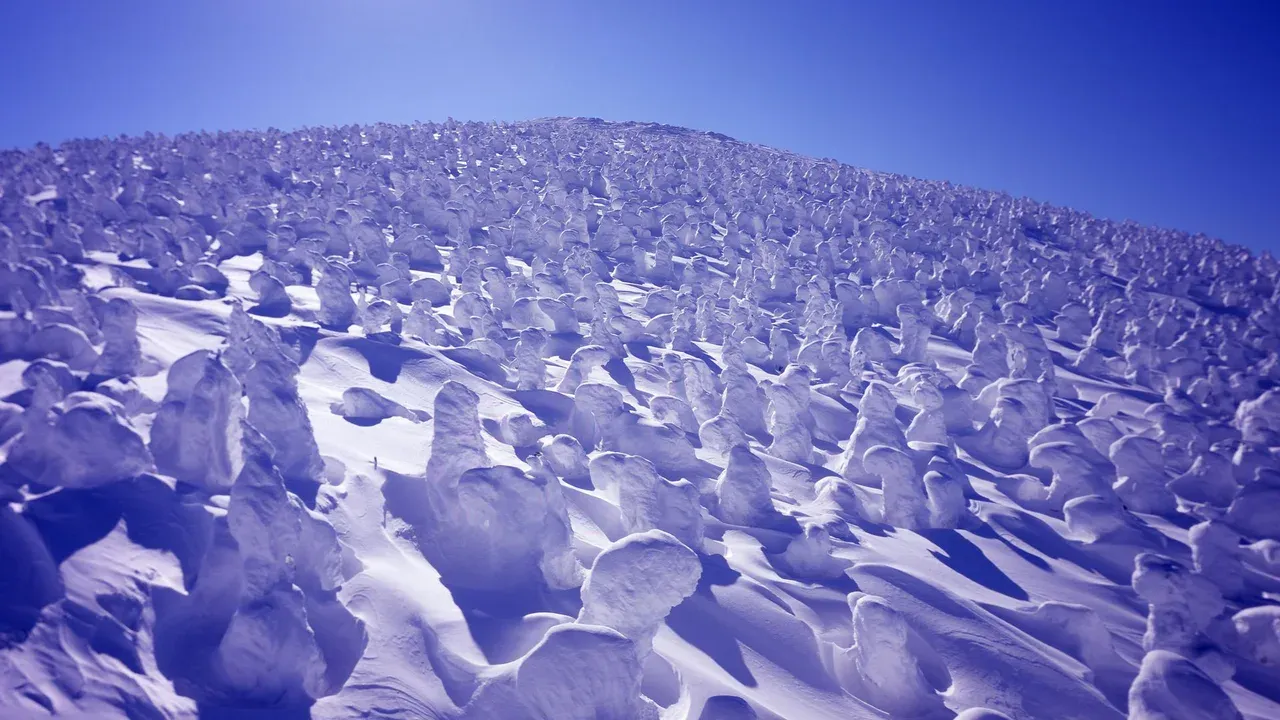
Travellers combining Zao's snow monsters with Ginzan Onsen should give Zao its own full day out of Yamagata Station and dedicate a separate overnight to Ginzan. Mountain visibility on Zao and winter road conditions into Ginzan carry independent weather risks, so splitting them across two days lets you swap their order if needed. If you only have one night to spare, stay in Ginzan if seeing the riverside lamps at dusk is the priority, or stay in Zao to wait for a clear weather window on the mountain and visit Ginzan as a day trip. When you have extra days to arrange, see hot springs and seasonal days in Sendai and Yamagata. Even if deep snow forces you to cancel Ginzan, you can still dine and soak where you are staying and depart as planned from your main rail hub.
Match Your Group's Practical Needs to Room and Transport Details Before Booking
When someone in your party moves slowly, check the whole sequence of short walks rather than just the street distance. Start with where vehicles stop and whether the approach from the car park or bus bay to the front entrance is manageable, then check stairs between the lobby, guestrooms, baths and dining room. Historic riverside wooden rooms offer evocative views, yet if bed height and an en-suite toilet are priorities, pick a room explicitly listing bed layout and private WC on the booking page — several mountain-facing Japanese-Western rooms tick both boxes, leaving daytime strolls onto the bridges for everyone together. If a wheelchair or walking frame is needed indoors, send its dimensions or turning-circle requirements to the ryokan and ask which floors are step-free or lift-accessible for your specific room number.
Families with children should always search by exact ages and headcount first so you do not fixate on a two-person room only to discover co-sleeping infants are not permitted. Book meals in the same step, tell the inn how many children will be eating, and verify whether children's breakfast and dinner are served at the same sitting as adults'. If family members would otherwise have to split up for gender-segregated communal baths, prioritise a ryokan with private bookable baths for one household at a time. For photos of children in *yukata*, shoot indoors in good light or right outside the entrance; after dark on snowy bridges with bitter winds, keep children in their proper winter outerwear and adults in well-fitting, non-slip boots for a short, predictable walk.
Keep your room name, final check-in time, shuttle reservation and cancellation cut-off alongside the free-cancellation deadline for your backup city hotel. Shuttle timing is the detail most easily overlooked: paying for a room does not automatically reserve a seat, and several ryokan require you to select a departure slot separately. If you have reserved Shinkansen seats on check-out day, confirm your return shuttle and luggage count at the same time. Only after accommodation is locked in should you slot the bridges, Taisho-era timber facades and Shirogane Falls into realistic walking windows — leave breathing room in both afternoon and morning so you can head outside the moment light and weather align.
A few useful answers
When do Ginzan Onsen ryokan release rooms for booking?
Fujiya opens stays up to 150 days in advance, releasing one new check-in date daily at 00:00 JST. Past notices from Ginzanso and Kosekiya indicate rooms normally open on the 1st of each month five months ahead, with peak holiday periods released in separate batches announced on their websites. Notoya Ryokan's sole official booking channel is its own website.
Which of Notoya, Fujiya and Ginzanso offers views of the hot-spring lane from the room?
Fujiya states on its website that all eight rooms face the Ginzan River. At Notoya, views depend on the specific room booked in either the Main Building or Annex. Ginzanso sits on higher ground at the town entrance overlooking the Ginzan valley and forested hills, roughly a 10-minute walk from the centre of the lane.
If I drive to Ginzan Onsen for an overnight stay in winter, do I need to buy a Taisho Romankan shuttle ticket?
No — overnight guests may use their ryokan's designated car park. The Taisho Romankan shuttle applies to day-trip vehicles during the 19 December 2026 – 7 March 2027 restriction period. Guests staying at Kosekiya park where instructed by the inn and call reception upon arrival for pick-up.
Which train station should I use when travelling by public transport?
Alight at JR Oishida Station and change onto the Hanagasa Bus Ginzan Line (¥1,000 adult single, cash only on board). From Sendai, take the Yamako Bus from Bus Stop 23 outside Sendai Station to Obanazawa Machiaijo, then transfer to the Ginzan Line.
Can I still use Ginzan Onsen's hot springs if I am not staying overnight on the street?
Yes. The public bathhouse Shirogane-yu on the main street costs ¥500 for adults (closed Wednesdays), and the Waraku Footbath is free from 06:00 to 22:00. Takimikan on the hillside also welcomes day-bathers, with last admission listed at 14:30 on its official website.
Where is the most convenient alternative base if Ginzan Onsen is fully booked?
Central Obanazawa works best for connecting with the Sendai bus or the Ginzan Line, Niji no Yakata in Oishida offers an alternative hot-spring stay, and staying around Yamagata Station is ideal if you are catching the Shinkansen or visiting Zao the next day.
Official information and references
Sources used in this guide.
- Obanazawa City: Ginzan Onsen 2026–27 Winter Traffic Control Dates and Zones
- Obanazawa City: Ginzan Onsen 2026–27 Regulated Vehicle Categories
- Obanazawa City: Winter Shuttle Times, Fares, Priority Boarding and Refunds
- Hanagasa Bus Ginzan Line: 2026–27 Winter Timetable and Fares
- Yamako Bus Shinjo–Sendai Line: Timetable and Fares
- Ginzan Onsen Association: Access and Mountain Road Advisories
- Obanazawa City Tourism and Products Association: Ginzan Onsen Walking Route, Baths and Gas Lamps
- Obanazawa City: Ginzan Onsen Footbath, Public Bathhouse and Silver Mine Notice
- Notoya Ryokan: Overseas Guest Booking Rules
- Notoya Ryokan: Buildings and Room Inventory
- Notoya Ryokan: Baths and Winter Closure of the Panoramic Open-Air Bath
- Notoya Ryokan: Oishida Station Shuttle Transfers
- Fujiya: Booking Window and Cancelled-Room Releases
- Fujiya: Standard Plan, Rooms, Dining and Private Baths
- Honkan Kosekiya: Facilities and River-Facing Rooms
- Honkan Kosekiya: Meal Plans and Baths
- Honkan Kosekiya: Policy Notice on Child Guests
- Honkan Kosekiya: Food Allergy Accommodation Policy
- Kosekiya Bekkan: River-Facing, Mountain-Facing and Roman Guestrooms
- Kosekiya Bekkan: Historic Wooden Building
- Ginzanso: Facilities, Walking Distances, Guest Parking and Shuttle Service
- Ginzanso: Oishida Station Shuttle Bookings, Pick-Up Point and Driving Routes
- Ginzanso and Kosekiya: Regular Monthly Booking Release Schedule
- Ginzanso: 2026 Summer and Public Holiday Staggered Release Notice
- Takimikan: Panoramic Open-Air Bath and Day-Trip Bathing
- Katoya Ryokan (Obanazawa City): Access and Bookings
- Niji no Yakata (Oishida): Accommodation Details
- Attamari Land Fukabori: Day-Bath Hours, Fees and Closed Days