Compare day trips, ryokan stays, winter transport, and itineraries across five Tohoku hot springs. Covers Ginzan's park-and-ride shuttle, Nyuto bath-hopping, Naruko rail-replacement buses, Zao frost trees, and Akiu Great Falls.
- Region & Focus
- TohokuAccommodation
- Reading Scope
- 23 min read · 11 chapters · 5 Q&As
- Official Verification
- 34 official sources checkedUpdated 22 November 2026
- Key Topics
- WinterHot springsTohoku
Chapter Route Map (tap any stop)
- How to Choose Between the Five Hot Springs
- Stay Overnight in Ginzan Onsen to Walk the Riverbank Both Morning and Night
- Understanding Ginzan's Two Winter Bus Systems and Where Each Returns
- In Nyuto Onsenkyo, Pick Your Ryokan First, Then Decide Whether to Bath-Hop
- Start Outside Naruko Station, Then Add a Second Spring Type
- Head Up Zao Mountain by Day, or Stay at the Base for Illuminated Frost Trees
- Walk Rairaikyo Gorge First on an Akiu Day Trip, and Add the Great Falls Only with Spare Time
- Matching Mineral Waters and Bath Styles by Specific Source Spring
- How to Structure One-Night and Two-Night Itineraries
- Lock In Your Mountain Timings Before Buying Intercity Rail Tickets
- Comparing Half-Board Ryokan Costs and Arrival Cut-Offs
- Quick Q&A
If you are based in Sendai and simply want a single hot-spring soak, Akiu involves the fewest transfers. For comparing different mineral spring types, head to Naruko. If you are happy to stay overnight for gas-lit wooden streetscapes, book a ryokan right on Ginzan Onsen's riverfront. For settling into the mountains and picking another bathhouse the next morning, choose Nyuto. Save Zao for travellers who want to fit frost-covered trees or skiing into the same day. The main differences for the 2026–27 winter season begin once you step off the train: private cars at Ginzan must transfer to a shuttle, Nyuto's loop bus switches to its winter route, and the line between Naruko and Shinjo runs via rail-replacement buses.
How to Choose Between the Five Hot Springs
Start with your base city, then look at what your group wants to spend the most time doing. If you are staying in Sendai and returning to the same hotel that night, Akiu and Naruko each work comfortably as standalone day trips. Yamagata Station is the bus hub for Zao, whereas Ginzan requires changing at Oishida Station—both sit in Yamagata Prefecture, yet rely on different rail stations. Nyuto is reached via Tazawako Station followed by a mountain climb, making it far easier to pair with Morioka, Kakunodate, or Akita than as a round trip from Sendai.
When planning a day-use soak, check last-admission times first. Arriving at Ginzan in the afternoon still leaves time to stroll the street, though you may miss the communal bathhouse cut-off. Taki-no-Yu outside Naruko-Onsen Station opens in the morning, and Zao's three communal baths stay open into the evening. Most day-trip baths up in the Nyuto mountains stop admitting non-guests in the afternoon, so booking an overnight stay makes it far easier to enjoy a soak before dinner, after dinner, and again early the next morning.
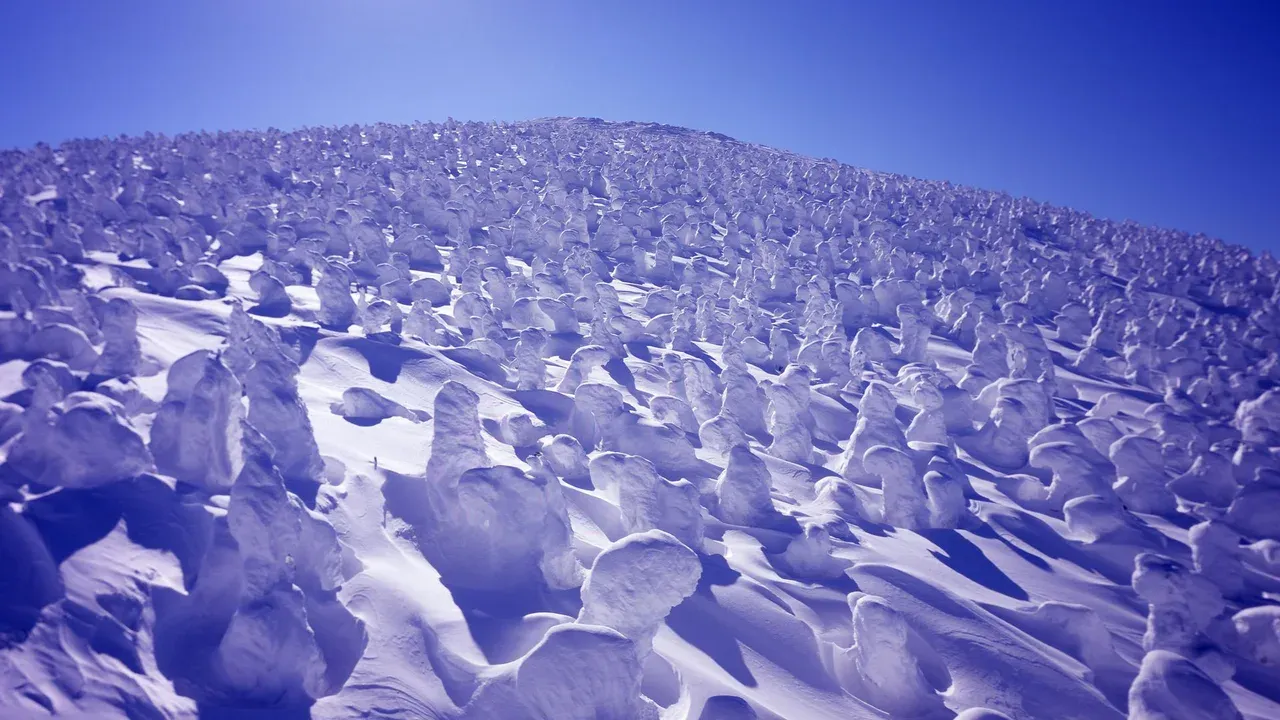
Winter snow viewing works differently across the three mountain destinations. Ginzan's inns and gas lamps line the riverbank, so simply arriving in town gives you plenty to see. In Nyuto, classic snowy scenery is tied to specific baths and ryokan grounds, making your choice of accommodation more important than hopping to an extra stop. Zao's snow monsters sit high on the mountain: reaching them depends on ropeway operations, and seeing them clearly depends on visibility. If the frost trees are a top priority, place Zao in the middle of your trip so you have the following morning as a weather backup.
- Ginzan: Transfer to a bus at Oishida Station. Staying a night on the main street lets you split daylight and after-dark strolls; if visiting on a day trip from Yamagata City, aim for a morning or midday departure.
- Nyuto: Take the Ugo Kotsu bus from Tazawako Station. For a single soak, pick Taenoyu or Kyukamura right by the bus stops; for Tsurunoyu, arrange the side-road shuttle pick-up in advance.
- Naruko: Change to the Rikuu East Line at Furukawa Station. On a first visit, pairing the bathhouse by the station with one outlying bath lets you experience contrasting water types.
- Zao: Take the local bus from Yamagata Station or the seasonal reservation-only express bus from Sendai. Daytime ropeway rides suit day-trippers, while the evening illuminations pair best with an overnight stay in town.
- Akiu: Board from Sendai Station's West Exit. Half a day covers Rairaikyo Gorge and a bath; allow a full day if you want to continue to Akiu Great Falls.
Compare day trips, ryokan stays, winter transport, and itineraries across five Tohoku hot springs. Covers Ginzan's park-and-ride shuttle, Nyuto bath-hopping, Naruko rail-replacement buses, Zao frost trees, and Akiu Great Falls.
Stay Overnight in Ginzan Onsen to Walk the Riverbank Both Morning and Night
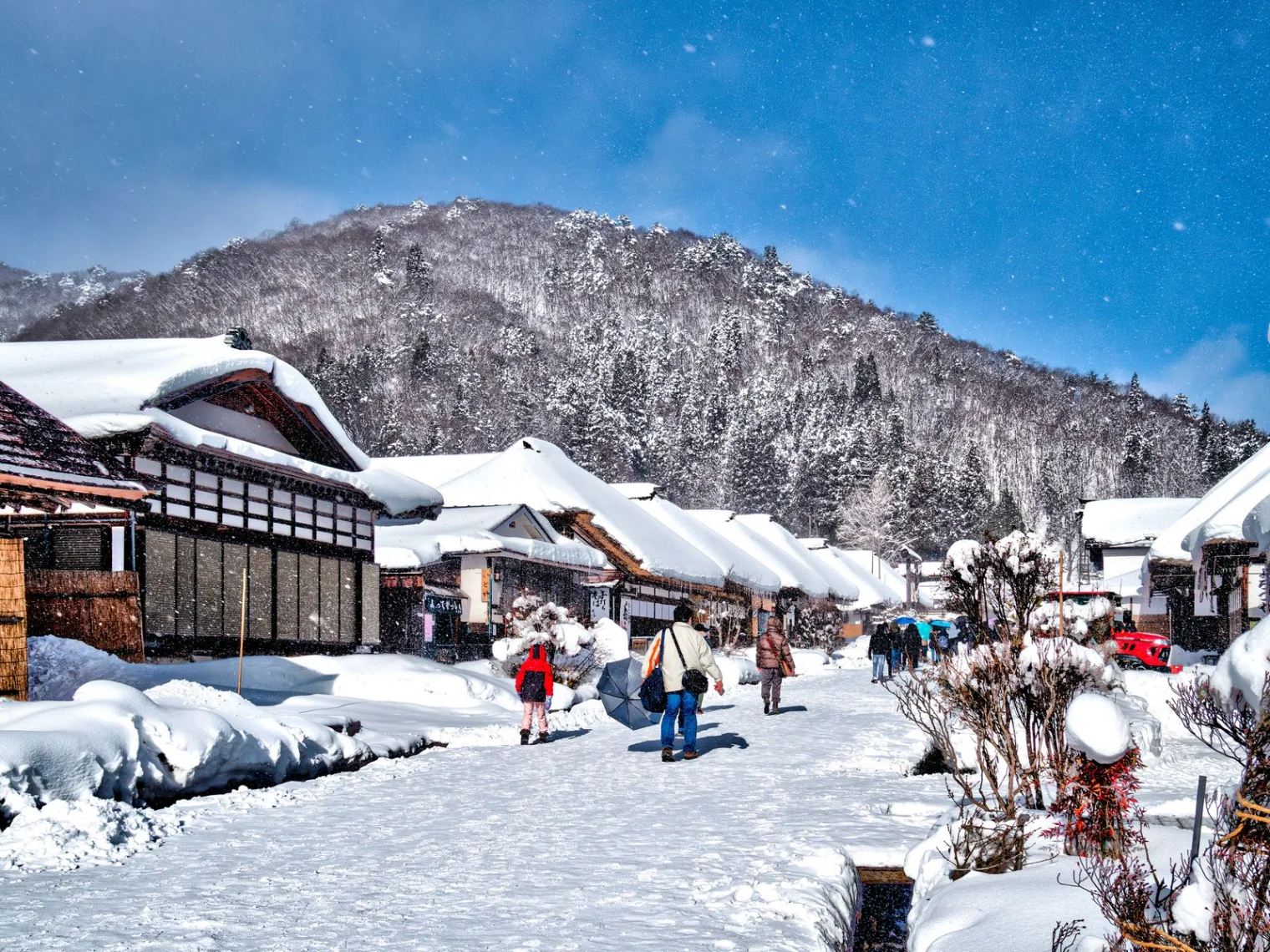
The Ginzan River splits the hot-spring street in two, flanked by three- and four-storey wooden ryokan linked by closely spaced footbridges. Walking inward from Shirogane Bridge lets you cross back and forth several times to take in both facades. Arrive while it is still light to appreciate the timber storefronts and riverside architecture, save the gas-lit twilight for an unhurried walk back to your inn, and revisit Shirogane Bridge and the Warashi Footbath after breakfast. That way, photography, check-in, and bathing are not all crammed into the narrow window before sunset.
Keep the official ryokan directory and town map open side by side when booking. Notoya, Kosekiya's main and annex wings, Ginzanso, and Takimikan sit in distinct spots—along the river, near the entrance, or towards Shirogane Park—each with very different luggage-handling and evening-walk logistics. Notoya separates its rooms into main and annex buildings, so select a river-view room explicitly if that outlook matters to you. If anyone in your party walks slowly, the distance, gradients, and steps from the drop-off point to your inn matter far more than which bridge sits outside your window.
Day-trippers can separate bathing from sightseeing. According to the Obanazawa City Tourism and Product Association, Shirogane-yu near Shirogane Bridge welcomes day visitors from 09:00 to 15:00 (closed Wednesdays) for ¥500 per adult. Ryokan day-use slots are limited, so if you plan an afternoon visit to catch the evening lights, bathe first and then look for somewhere to eat. Stick to Shirogane Bridge, the riverbanks, and the entrance to Shirogane Park on foot; the hot-spring association notes that the mountain trail to the old silver mine shafts closes from the first snowfall until spring reopening, making the mine walk a summer and autumn add-on.
If your main goal is the night view and central ryokan are sold out, stay in Yamagata City or Obanazawa and visit Ginzan for the day. Yamagata City offers easier train connections and flexible scheduling elsewhere in your itinerary, whereas Obanazawa requires checking how close your accommodation sits to the return bus stop. To keep a traditional half-board dinner-and-breakfast stay in the mix, you can spend the night at another nearby hot spring and visit Ginzan in daylight. On moving days between two ryokan, check the new property's check-in and dinner deadlines before deciding how long to linger by the river in the morning.
Understanding Ginzan's Two Winter Bus Systems and Where Each Returns
From 19 December 2026 to 7 March 2027, Obanazawa City enforces winter traffic restrictions, with the end date subject to extension depending on snow accumulation. Anyone driving a private or rental car on a day visit must park at Taisho Roman-kan and transfer to the shuttle operated by Ginzanso, while overnight guests follow their ryokan's designated parking instructions. Entry into the hot-spring street itself remains free and open; the traffic bureau regulates vehicle flow and shuttle transfers, leaving your length of stay down to your own schedule and return bus.
The shuttle takes around 10 minutes, dropping passengers outside Ginzanso in winter, followed by roughly a 10-minute walk along the slope to the historic street. The latest listed return shuttle departs from outside Ginzanso at 19:30. Return shuttle fares depend on your outbound departure slot from Taisho Roman-kan: ¥1,300 from 09:00 to 10:59, ¥1,000 from 11:00 to 13:59, and ¥1,500 from 14:00 to 18:00, with an official ¥300 discount when booked and paid by credit card before 17:00 the day prior. Priority return slots are calculated as your outbound departure plus 90 minutes; if you wish to stay longer, you can still board later departures, though you should leave time to queue.
Hanagasa Bus from Oishida Station operates on a completely separate timetable. Travellers coming from Tokyo can take the Yamagata Shinkansen Tsubasa services that call at Oishida, while those coming from Yamagata City can ride up on the Ou Main Line. The local route bus costs ¥1,000 one way for adults, boards on a first-come, first-served basis, and runs straight to Ginzan Onsen, supplemented by seasonal extra services from 1 December to 31 March. When heading back to Oishida, read Hanagasa Bus's own return column rather than confusing it with the 19:30 shuttle back to Taisho Roman-kan; note that the timetable flags certain year-end suspensions and departures that do not connect cleanly with Tokyo-bound Shinkansen trains.
Once you have checked the timetable, pick two return options: a primary departure just as dusk settles, and the following bus as a backup. If you rely on the final bus after seeing the evening lights to catch the last reserved Shinkansen, allow plenty of buffer for the walk back up the slope to the bus stop. Travellers connecting to the last bullet train can also return to Oishida before dark to avoid snow-induced queues and delays. Overnight guests should confirm their inn's exact pick-up point directly, and keep a screenshot of the Japanese ryokan name and meeting-stop sign handy in snowy weather so both driver and inn staff are looking at the same spot.
In Nyuto Onsenkyo, Pick Your Ryokan First, Then Decide Whether to Bath-Hop
Nyuto Onsenkyo's seven inns—Tsurunoyu, Taenoyu, Ogama, Ganiba, Magoroku, Kuroyu, and Kyukamura—are scattered across the mountainside, each with its own baths. Tsurunoyu's famous milky-white outdoor pool is mixed-gender, complemented by a women-only outdoor bath and separate indoor baths for men and women. Taenoyu features Gold and Silver Springs, and families or couples visiting for the day can book a one-hour private bath by phone in advance for ¥3,300. Choose the exact baths you want to soak in first, then decide between a day visit or an overnight stay—it is far more reliable than booking purely off a photo of cloudy white water.
Ugo Kotsu's Nyuto Line departs from Tazawako Station, climbing past Lake Tazawa, Mizusawa Onsen, and the highland plateau. Alight at Taenoyu Onsen-mae for Taenoyu, Kyukamura-mae for Kyukamura, and near the terminus for Ganiba. Taenoyu's access page lists a journey time of roughly 50 minutes at ¥820 one way for adults, with day bathing open from 10:30, last entry at 14:00, closing at 15:00 (closed Tuesdays). Check the next bus arrival time as soon as you reach Tazawako Station; if your window is tight, head straight up the mountain to bathe first and leave lunch for back near the station so you do not miss the afternoon cut-off.
Tsurunoyu sits off the main Nyuto bus road. Overnight guests follow Tsurunoyu's access instructions by letting the inn know from Tazawako Station which route bus they are boarding, then alighting at Arupa Komakusa to meet the inn's shuttle. Although timetables also print a stop called Tsurunoyu Onsen Iriguchi, rely on Arupa Komakusa as designated by the ryokan. Day-trippers wanting the same pick-up should telephone Tsurunoyu in advance, as noted on the Tazawako-Kakunodate Tourism Association map. In winter snow, treat this as a timed transfer and double-check your tickets, ryokan name, and stop name early so you have margin to fix a wrong stop.
Inside the valley, the Yumeguri-go loop bus links the properties. Overnight guests staying at any of the seven inns can pay ¥2,500 in cash for a Yumeguri-cho pass, valid for one year, granting one soak at each of the other inns plus loop-bus rides during open hours. Day visitors can buy the ¥1,000 Yumeguri Map for same-day loop-bus rides while paying each bath's admission separately. Kyukamura notes that the day-visitor map is sold from April to November; from December onwards, day-trippers using public transport are better off targeting baths right beside Ugo Kotsu's main bus stops rather than relying on the guests-only loop strategy.
Kyukamura has announced that Kuroyu closes for the season on 8 November 2026, and the loop bus switches to its winter timetable on 9 November. Magoroku is roughly a 20-minute walk each way along the path behind Ogama Onsen's car park, so check trail and bath conditions on the day in snowy weather. Even on a one-night stay, visiting just one outside bath is plenty: soak at your top choice before check-in, then ride the bus directly back to Tazawako after breakfast the next morning without hauling bags along snowy roadsides. If you need luggage storage after breakfast, Kyukamura explicitly offers pre-check-in and post-check-out bag keeping.
Start Outside Naruko Station, Then Add a Second Spring Type
Naruko Onsenkyo comprises five hot-spring districts—Naruko, Higashi-Naruko, Kawatabi, Nakayamadaira, and Onikobe—alongside Naruko Gorge with its walking trails. On a first trip, walking from Naruko-Onsen Station to Taki-no-Yu, a wooden bathhouse used daily by locals, is the easiest start: the tourism association lists adult entry at ¥300 for its sulphur-scented acidic spring. To taste how varied the valley's waters are in a single day, add Shintoro-no-Yu in Nakayamadaira for ¥500, classified as alkaline, leaving time between the two for lunch or a wander.
From Sendai or Tokyo, ride a Shinkansen stopping at Furukawa and change to the Rikuu East Line; the train from Furukawa to Naruko-Onsen takes about 45 minutes excluding transfer wait times. Westward from Naruko-Onsen towards Nakayamadaira and Shinjo, rail services remain suspended due to heavy rain damage from 2024, with JR East operating rail-replacement buses instead—check the replacement-bus stops and return columns when planning a soak in Nakayamadaira. Between Naruko and Sendai, Higashi-Naruko's Naruko-Gotenyu Station and Kawatabi-Onsen Station sit on the Furukawa side, so look those up separately from westbound Nakayamadaira, and check Osaki municipal buses for Onikobe.
As of November 2026, another well-known bathhouse by the station, Waseda Sajiki-yu, remains temporarily closed for source-spring maintenance, with reopening dates to be announced; Spa Onikobe-no-Yu in Onikobe also observes a winter closure. To keep transport simple on a day trip, combine Taki-no-Yu with a stroll through town. If you had pencilled in Waseda Sajiki-yu as your second bath, substitute a day-use bath in Higashi-Naruko instead, and if aiming for Kawatabi's communal bath, note the association listing shows late openings from 13:30 on Mondays and Fridays.
Naruko Gorge justifies an extra half-day primarily during autumn foliage season: Osaki City states the gorge promenade stays open until late November 2026 before closing for winter. In autumn, the Ofukazawa trail loop starting from Naruko Gorge Rest House measures roughly 2.2 km on the city map. In winter, spend the morning soaking near Naruko-Onsen Station and browsing kokeshi wooden doll workshops, saving any outlying bus-accessed baths for the afternoon. For a closer comparison of baths and stays near the station, see our Naruko Onsen transport and bathing guide.
Head Up Zao Mountain by Day, or Stay at the Base for Illuminated Frost Trees
Both Zao Onsen and the Zao Ropeway sit in the mountains of Yamagata City, reached by bus from JR Yamagata Station. Yamako Bus route Z90 serves stops across town including Zao Ropeway-mae, Chuo Ropeway-mae, and Zao Onsen Bus Terminal, taking around 40 minutes; day-trippers aiming for the frost trees alight near Zao Ropeway, while overnight guests pick the stop nearest their hotel. When buying ropeway tickets, confirm both the Sanroku base station name and 'Zao Ropeway'—walking up to the Chuo Ropeway counter puts you on a different mountain sector. Note that the Yamagata–Zao bus runs on weekend and public-holiday timetables from 29 December to 3 January.
For visitors based in Sendai, a winter direct express bus operates from 19 December 2026 to 14 March 2027, departing Sendai Station East Exit stop 76 and taking around 1 hour 25 minutes at ¥2,800 one way per adult with mandatory seat reservations. Book your return seat before committing to summit plans, because the last bus back to Sendai departs at 17:30 on the official timetable. On a day trip, decide beforehand whether the ropeway sightseeing loop or ski-slope hours come first—both compete for the same afternoon window, especially if you still want a hot-spring soak before heading back.
The official 2026–27 snow-season guide schedules nighttime frost-tree illuminations on 31 designated dates between 26 December and 23 February, with the final uphill cabin from Sanroku at 19:45, the final downhill ride from Jizo Summit at 20:30, and adult return tickets priced at ¥4,600. If you need the direct bus back to Sendai, view the frost trees in daylight. If you are staying overnight in Zao for the night lights, map your ryokan's dinner time against the uphill ropeway departures—when dinner is fixed for early evening, eat first and walk up to Sanroku afterwards. If you simply want clear summit snow views, go up whenever daytime visibility opens rather than waiting for dusk.
Zao Onsen Dai-Rotemburo, set beside a mountain stream, closed early for the season on 21 November 2026 due to snowfall, so winter visitors should head instead to Kami-no-Yu, Shimo-no-Yu, or Kawara-yu. All three communal bathhouses operate year-round from 06:00 to 22:00 at ¥300 per adult, paid into the honesty box at the entrance. If you want proper showers, shampoo, and hairdryers before travelling back to the city, choose a day-use spa facility or hotel bath; the small communal baths work best if you carry your own towel for a quick, straightforward soak.
Zao still rewards visitors who prefer minimal winter transit. In summer and autumn, visiting the Okama crater lake means aiming towards Katta Summit or Katta Parking Area—the 2026 Katta Summit bus has already ended seasonal service, leaving winter routes focused on the hot-spring town and frost trees. Non-skiers planning a winter visit can check our Zao frost-tree ropeway and short-walk guide, while anyone bundling equipment rental and lift passes should see the Zao Onsen ski resort guide.
Walk Rairaikyo Gorge First on an Akiu Day Trip, and Add the Great Falls Only with Spare Time
Akiu's proximity to central Sendai makes it ideal when fitting a soak around other plans. Two main bus stops serve the West Exit area: Miyagi Kotsu departs from stop 8 (around 50 minutes to Akiu Onsen), while Takeya Kotsu's Sendai Seibu Liner leaves from stop 63 along Aoba-dori outside the West Exit (roughly 40 minutes, ¥940 one way for adults between Sendai Station and Akiu stops). Travellers already on the Senzan Line can also transfer to a Sendai City Bus at Ayashi Station. Because return stops vary by operator, waiting blindly at the exact spot you arrived can mean watching the wrong company's bus pass by.
For a compact afternoon, get off at Akiu Sato Centre and walk the Rairaikyo Gorge trail downstream from Nozoki Bridge—roughly 650 metres of path overlooking the Natori River cutting through sheer rock formations. In rain or icy conditions, take in the view from Nozoki Bridge and step back into Akiu Sato Centre's exhibition and rest areas. For a quick, no-frills soak, the Akiu Onsen Ryokan Association lists the Akiu communal bath at ¥300 per adult, open 08:00 to 21:00; if you prefer lunch and bathing under one roof, pick a ryokan offering a day-use meal-and-bath package and align its hours with your bus home.
Visiting 55-metre Akiu Great Falls requires a separate bus leg from the gorge, so if you only have half a day, staying around Yumoto is far less rushed. On Saturdays, Sundays, and public holidays from 19 September 2026 to 28 February 2027, Sendai City's Akiu Great Falls sightseeing loop adds buses between Yumoto, the falls, and Sendai, keeping express services running that normally pause in winter, with Miyagi Kotsu continuing independent operations from 1 to 28 March 2027. Stick to Miyagi Kotsu services if you are linking to the falls, and use the Sendai Seibu Liner for straightforward round trips between central Sendai and the hot-spring street.
Overnight guests in Akiu can stick close to their ryokan before dinner and save the falls for after checkout the next morning. If you have a flight to catch the same day, calculate the transfer back to Sendai Station for the airport rail line alongside international check-in times before stepping into the bath. With an early departure, spending your final night near Sendai Station is simpler; with a late flight, keep Akiu to a half-day visit so you are not rushing bus waits and luggage pick-up. For airport rail options, check our Sendai Airport to city transport guide.
Matching Mineral Waters and Bath Styles by Specific Source Spring
Water chemistry only helps if you tie it to a named bathhouse. Zao's official guide classifies its local spring as strongly acidic sulphur water at roughly pH 1.25 to 1.6. In Naruko, you can compare two contrasting baths on the same afternoon: the Naruko Onsenkyo Tourism Association lists Taki-no-Yu as acidic (pH 2.9) and Nakayamadaira's Shintoro-no-Yu as alkaline (pH 9.3). Whenever you spot a posted spring analysis sheet at a bathhouse, check that the sampling point matches the source feeding your pool, and read source temperature separately from pool temperature—the sign beside the tub tells you how hot it actually feels.
Nyuto's waters vary sharply even inside one property. Tsurunoyu's mixed-gender outdoor bath is fed by the Shiroyu source, listed by the inn as a sulphur-bearing chloride and bicarbonate spring, whereas the Kuroyu tub at the very same inn draws from a separate source despite sharing a name with the neighbouring Kuroyu property. Taenoyu's Gold and Silver Springs come from different sources you can compare under one roof. If mountain open-air bathing is your priority, anchor your trip around one of those inns and check each property's tub guide and daily schedule—especially where alternating gender hours or cleaning windows apply.
Tsurunoyu's official site sets day bathing at ¥700 for adults, closed Mondays for cleaning (shifting to a nearby weekday when a public holiday falls on Monday). If your Nyuto day trip lands on a Monday, choose Taenoyu or Kyukamura instead, as both admit day visitors on Mondays; conversely, Taenoyu closes on Tuesdays, so filter by day of the week before locking in dates. Travellers spending two nights in Nyuto can dedicate the entire middle day to bath-hopping and keep both arrival and departure days on the straightforward Tazawako Station route bus.
Families or groups should decide upfront whether they need a private bathroom. Communal baths split strictly by gender, suiting travellers happy to bathe separately, while mixed outdoor baths carry specific towel and swimwear rules you must read before entering. If everyone wants to soak together, look for a bookable private bath and reserve your time slot when booking your room—and if only late-night slots remain, check how far the bath is from your room and whether there are stairs without a lift. Arriving in Akiu mid-afternoon with no time to spare, booking a ryokan day-use plan also saves hunting for toiletries, lockers, and hairdryers.
How to Structure One-Night and Two-Night Itineraries
For a two-day, one-night trip from Tokyo, a Ginzan stay puts day one on the Oishida transfer and hot-spring street, returning to Oishida for an uphill morning train on day two—or dropping back to Yamagata Station for lunch and a flat city walk before heading south. For Nyuto, take the Akita Shinkansen Komachi from Tokyo to Tazawako timed to meet an Ugo Kotsu bus, then pair day two with Kakunodate or a return via Morioka. Both work comfortably in one night: pick Ginzan if your group cares about streetscapes and post-dinner strolls, or Nyuto if you want unhurried morning soaking.
On a three-day, two-night itinerary flying in and out of Sendai, you can base yourself in central Sendai both nights. Day one and day three absorb airport or Shinkansen transfers, leaving the full middle day free for Zao or Naruko. If you want both Akiu and Naruko, put Akiu on your lighter arrival or departure day and give Naruko the full day to accommodate the Furukawa local-train connection. On peak dates, lock in fixed Shinkansen or express bus seats first, leaving flexible Akiu for the half-day slot. See Sendai and Yamagata hot-spring and seasonal day-trip pairings for city-stay and walking ideas.
To combine Zao and Ginzan on one trip, stay the first night in Zao, ride down from the hot-spring bus terminal to Yamagata Station the next morning, and continue north to Oishida and Ginzan. Work backwards from your Ginzan dinner time to pick the right mountain departure, keeping your final Zao morning to one quick soak. If an early flight into Sendai aligns with the direct winter express bus, going straight from Sendai up to Zao saves an extra pass through Yamagata City. When Ginzan inns are full, stay night two in Yamagata City, visit Ginzan or Yamadera by day, and return to the same hotel.
Combining Nyuto and Ginzan demands heavier rail transfers. Public-transport travellers should split them across two legs with an urban night in Morioka or Sendai in between so that one day handles city-to-city Shinkansen travel cleanly. Trying to force both into back-to-back nights shrinks your daylight hours at a time when mountain inns enforce strict shuttle and dinner cut-offs; swapping one of them for Akiu near Sendai frees up a full, relaxed stay for the distant mountain ryokan. If Nyuto is your sole goal, see our Akita onsen and winter stay guide for combining it with Lake Tazawa and Kakunodate.
Lock In Your Mountain Timings Before Buying Intercity Rail Tickets
Double-check the exact Shinkansen station before purchasing tickets: Oishida for Ginzan, Yamagata for Zao, and Furukawa for the Naruko local connection. Travellers bound for Naruko often book the fastest train to Sendai by mistake and add an unnecessary leg—search directly from Tokyo to Furukawa on trains that call there instead, and search directly to Tazawako for Nyuto. Note that coupled Hayabusa and Komachi trains split at Morioka, with only the Komachi cars continuing towards Akita, so verify your car number against platform signage before the whole family boards.
Split each day's plan into two columns: fixed reservations—reserved trains, shuttles, and ryokan dinners—and flexible stops such as street walks, lunch, and souvenir shopping. When booking a return Shinkansen from Oishida after riding the non-reservable Hanagasa Bus, never leave a tight gap between bus arrival and train departure. In Zao, pair ropeway illumination dates with your inn's dinner seating, and in Nyuto, remember that checking out for a Lake Tazawa stop means noting the separate lakeside bus departures back to Tazawako Station.
If considering a rail pass, total only the long-distance JR legs you will actually ride, then check JR East's pass coverage map. Ginzan's Hanagasa Bus, Zao's Yamako Bus, Nyuto's Ugo Kotsu line, and Akiu's private buses each charge separate single or return fares, so budget those independently. Even with a JR pass, carry plenty of cash in yen for small bathhouses and mountain buses: Hanagasa Bus notes that onboard change machines only accept ¥1,000 notes, so sorting coins and ¥1,000 bills beforehand for two people speeds up boarding far better than trying to break large notes at the door.
If you are using Sendai as a radial day-trip base, leave big suitcases at your hotel and travel light with a daypack. You only need to coordinate lockers and pick-up times on split-stay transit days—for instance, visiting Naruko in the morning before sleeping in Yamagata. On those days, stick to one bath right outside Naruko-Onsen Station, collect your bags in Sendai, and ride the Senzan Line across to Yamagata; continuing west from Naruko to Shinjo via the rail-replacement bus and station transfer makes more sense only if Shinjo is your next overnight stop.
Comparing Half-Board Ryokan Costs and Arrival Cut-Offs
Compare half-board (two-meal) ryokan plans using your exact travel dates and party size. Record the total room price in yen before checking add-ons such as children's meals, extra futons, bathing tax, or private-bath fees. Per-person starting prices quoted online almost always assume two adults sharing, so solo travellers or one adult with one child should run a search for that exact occupancy. Where dates are flexible, compare a weekday and a weekend night at the same inn to see true room-tier differences—relying solely on per-person teaser rates across all five regions rarely shows what is actually bookable.
Before paying, copy four details from the booking page straight into your itinerary: latest dinner check-in, late-arrival policy, shuttle pick-up and drop-off times, and the cancellation deadline. Missing one bus into Ginzan or Nyuto cascades through the next bus, your inn transfer, and dinner service. If you are waiting on a late flight or picking up a rental car, spend night one in Sendai, Yamagata, or Morioka and head into the mountains the next morning, when finding car parks and ryokan entrances in daylight is far easier.
Staying overnight at a ryokan pays off in saved transit before and after soaking, rather than how many baths you squeeze in to break even. Ginzan day trips spend most of their budget getting in and out of the valley, while Nyuto adds a mountain-bus round trip from Tazawako. To stretch your budget towards one memorable room and dinner, try a budget-friendly communal bath day trip in Akiu or Naruko first, and save your single half-board splurge for your favourite region. At Zao, factor ropeway tickets or ski passes on top of accommodation; for low-cost day trips overall, station-side communal baths keep transport, entry, and lunch easy to predict.
When travelling with older relatives, young children, or heavy luggage, scrutinise walking surfaces and bathing access first. Ginzan's shuttle drops you above a sloped approach, Nyuto's inns sometimes require stepping outdoors between bath wings, and Zao's walk from the ropeway to hotels crosses snowy streets at night. Review floor plans or accessibility notes before booking, and ask about stairs even over short distances. If your family needs to bathe together, verify how private baths are booked or choose a room with its own en-suite hot-spring tub—and remember posted bathhouse etiquette everywhere requires washing thoroughly before entering the water and keeping towels out of the pool.
A few useful answers
Do I need an admission ticket to enter Ginzan Onsen's main street in winter 2026–27?
No—access to the hot-spring street itself is free and open. Day visitors arriving by car face winter vehicle restrictions and must park at Taisho Roman-kan to board the shuttle, whereas passengers taking the Hanagasa Bus from Oishida Station ride directly to Ginzan Onsen.
What is the difference between Nyuto Onsenkyo's overnight and day-visitor bath-hopping passes?
Guests staying at any of the seven inns can purchase the Yumeguri-cho pass, valid for one year, which includes one soak at each inn plus loop-bus rides. According to Kyukamura, day visitors can buy the Yumeguri Map between April and November, which covers only same-day loop-bus rides while each bath admission is paid separately.
Can I still take a train from Naruko Onsen to Shinjo?
No—JR East currently operates rail-replacement buses between Naruko-Onsen and Shinjo stations, serving intermediate stops including Nakayamadaira-Onsen. Trains continue to run as scheduled along the Rikuu East Line in the opposite direction towards Furukawa.
Can I visit Zao from Sendai as a day trip and still catch the frost-tree night illuminations?
No—the 2026–27 direct express bus back to Sendai departs at 17:30, just as illuminations begin at 17:00. Day-trippers returning to Sendai should view the frost trees during daylight, and anyone wanting an unhurried evening viewing should stay overnight in Zao.
Which area works best for a first-time winter visitor who does not ski and just wants to soak?
Starting from Sendai, Akiu is the easiest half-day pick, pairing a hot-spring soak with Rairaikyo Gorge. Travellers seeking historic timber ryokan or deep mountain snow scenery should instead dedicate a full overnight stay to Ginzan or Nyuto.
Official information and references
Sources used in this guide.
- Obanazawa City Ginzan Onsen Traffic Control Office (2026–27 Dates and Vehicle Restrictions)
- Ginzan Onsen Winter Shuttle Timetable, Fares, and Reservations
- Ginzan Onsen Official Transport FAQ (Street Entry and Route Buses)
- Hanagasa Bus Oishida Station to Ginzan Onsen Timetable and Fares
- Obanazawa City Tourism and Product Association (Ginzan Day Bathing)
- Ginzan Onsen Association Ryokan Directory
- Ginzan Onsen Association Riverbank Walking Route
- Ugo Kotsu Nyuto Line 2026 Timetable
- Tsurunoyu Official Access and Shuttle Information
- Tsurunoyu Official Spring Sources and Baths
- Taenoyu Official Access and Ugo Kotsu Fares
- Taenoyu Official Day-Use and Private Bathing
- Kyukamura Nyuto Onsenkyo Bath-Hopping Pass and Bath Information
- Kyukamura Nyuto Onsenkyo Winter Timetable and Kuroyu Closure Notice
- Naruko Onsenkyo Tourism Association Communal Baths and Day Bathing
- Naruko Onsenkyo Tourism Association Access Information
- JR East Tohoku Service Information (Rikuu East Line Replacement Buses)
- Waseda Sajiki-yu Operations Notice
- Osaki City Naruko Gorge Walking Trail Opening Information
- Yamako Bus Yamagata Station to Zao Onsen Route Z90
- Yamako Bus Sendai to Zao 2026–27 Winter Express Bus
- Zao Onsen 2026–27 Snow Season and Frost-Tree Guide
- Zao Onsen Communal Bath Information
- Zao Onsen Dai-Rotemburo 2026 Seasonal Closure Notice
- Akiu Sato Centre Bus Access Guide
- Akiu Sato Centre Rairaikyo Gorge and Akiu Great Falls Guide
- Akiu Onsen Ryokan Association Access and Communal Bath Information
- Takeya Kotsu Sendai Seibu Liner Fares
- Sendai Tourism, Convention and International Association (2026–27 Akiu Great Falls Extra Buses)
- JR East December 2026 Tohoku, Yamagata, and Akita Shinkansen Timetable
- Tazawako-Kakunodate Tourism Association Nyuto Onsenkyo Map and Shuttle Notes
- JR East Akita Shinkansen Route and Rolling Stock
- JR East Sendai Station Timetable (Including Senzan Line)
- JR EAST PASS Coverage Area