See Yamagata's Zao snow monsters without skiing via two ropeway sections. Covers 2026–27 daytime return fares, night illuminations, Snow Monster Night Cruiser bookings, Yamagata Station buses, and Zao Onsen bathing and overnight options.
- Region & Focus
- Yamagata, Zao and Ginzan Onsen
- Reading Scope
- 16 min read · 11 chapters · 6 Q&As
- Official Verification
- 26 official sources checkedUpdated 22 November 2026
- Key Topics
- WinterHot springsFirst trip
Chapter Route Map (tap any stop)
- From Yamagata Station to Zao Sanroku Station
- Changing Cable Cars Between the Base and Jizo Sancho
- Daytime Return, Illumination and Night Cruiser Tickets
- Snow Monster Night Cruiser: Base Check-In and Mid-Mountain Transfer
- Night Illumination Ropeway and the Last Descent
- Back in the Onsen Town: Eat First or Bathe First?
- Staying Overnight: Near the Bus Terminal or the Base Station?
- Direct Buses from Sendai, Kaminoyama Shuttles and Driving
- Half-Day Visit: What to Trim When Short on Time
- Summit Whiteouts, Suspended Ropeways and Cold-Weather Comfort
- Backup Plan: Zao Chuo Ropeway or an Afternoon in Yamagata City
- Quick Q&A
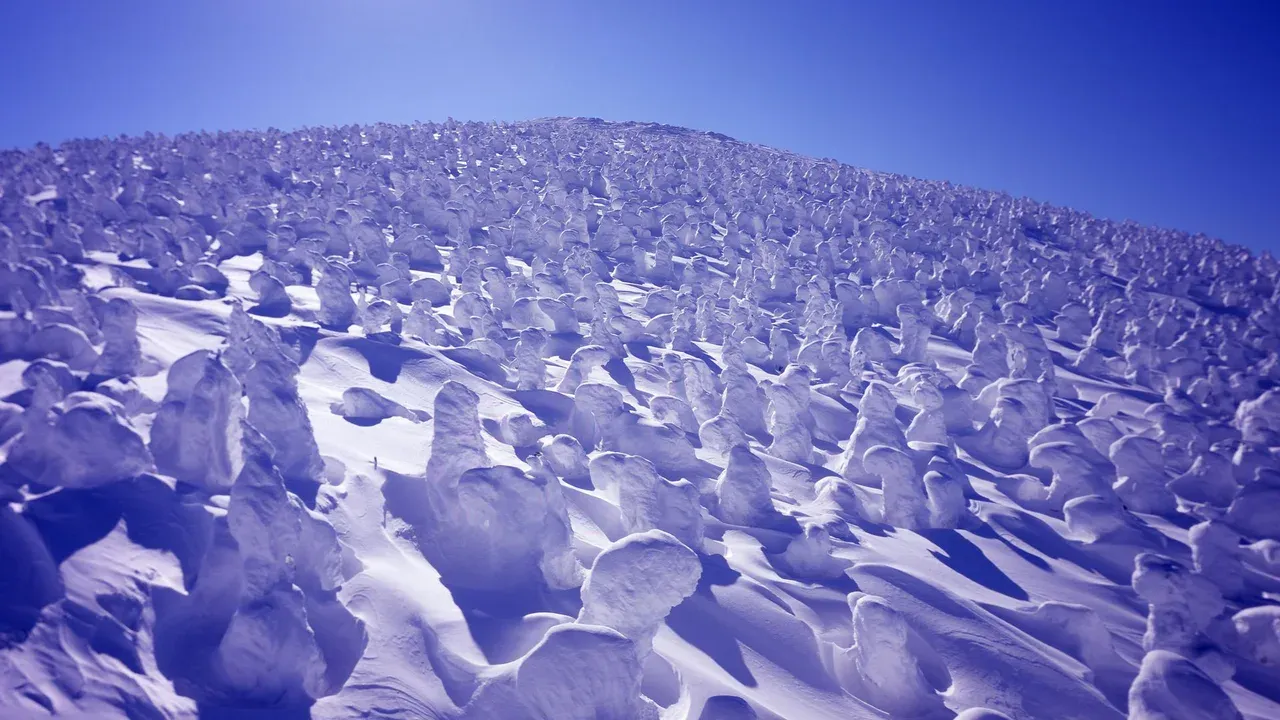
To see Yamagata's Zao snow monsters without skiing, board the Sanroku Line from Zao Sanroku Station, change at Juhyo Kogen Station to the Sancho Line, and step out at Jizo Sancho Station straight into the rime-ice plain. A day trip from Yamagata Station works smoothly: head up the mountain during the day, then come down to the hot-spring town in the afternoon for a meal and a soak. For night-time viewing, either ride the ropeway to the summit for the illuminations or transfer mid-mountain to a heated snowcat to see the trees up close. Decide first whether you are returning to Yamagata, heading to Sendai, or staying overnight in Zao, as the last buses and both evening tours run to different clocks.
From Yamagata Station to Zao Sanroku Station
Exit the ticket barriers at JR Yamagata Station via the East Exit and walk to bus stop 1 ('Yamagata Ekimae') for the Yamako Bus Z90 bound for Zao Onsen. Alight at Zao Onsen Bus Terminal; the journey takes around 40 minutes. One-way fares are ¥1,200 for adults and ¥600 for children, with capacity limited to seated passengers—if a bus fills up, take the next departure. Weekend and Japanese national holiday timetables apply on Saturdays, Sundays, public holidays, and from 29 December to 3 January. For the return trip, board at the same bus terminal using the C2 timetable towards Yamagata Station.
From the terminal, it is a 10-to-15-minute walk uphill to Zao Ropeway's Zao Sanroku Station (set your satnav to Zao Ropeway Zao Sanroku Station or 229-3 Zao Onsen, Yamagata City). Along the way you will pass a different entrance, Zao Chuo Ropeway, which runs to Torikabuto Station. To reach the snow monsters at Jizo Sancho, keep walking past it to Zao Sanroku Station beside the Yokokura piste. Although Yamako Bus timetables still list a 'Zao Ropeway-mae' stop, regular winter Z90 and C2 services turn round at Zao Onsen Bus Terminal, so do not stay seated waiting for that stop.
If you are taking the Yamagata Shinkansen 'Tsubasa' from Tokyo and connecting by bus to go up the mountain the same day, aim to arrive at Yamagata before midday—especially if anyone in your party needs lifts, lunch, or left-luggage lockers first. Between the East Exit bus departure and the ropeway's final ascent sit queue times, the mountain road climb, and a walk on snow. On weekends and holidays, catch an earlier bus to build a queue buffer. In the morning, the 8:40 Yamagata departure reaches Zao Onsen Bus Terminal at 9:17 on both weekdays and holidays, putting you at the base station once both ropeway lines are in regular operation.
Planning to return to Yamagata after seeing the night illuminations? Work backwards from the C2 departure times at the bus terminal. Under the current regular timetable, buses leave the terminal at 18:40 and 19:50 on both weekdays and holidays, with the 19:50 service scheduled to arrive at Yamagata Station at 20:27. Anyone having dinner at the base station or in the onsen street must factor in the walk back to the terminal and queuing time. If you have a late Shinkansen or intercity train to catch, target the 18:40 bus rather than hurrying down icy streets for the final departure.
See Yamagata's Zao snow monsters without skiing via two ropeway sections. Covers 2026–27 daytime return fares, night illuminations, Snow Monster Night Cruiser bookings, Yamagata Station buses, and Zao Onsen bathing and overnight options.
Changing Cable Cars Between the Base and Jizo Sancho
At the Zao Sanroku Station ticket office, buy a return ticket to Jizo Sancho Station. Ride the Sanroku Line for around 7 minutes, step off at Juhyo Kogen Station (1,331 metres above sea level), and follow the signs to the Sancho Line for another 10-minute ride. You change once in each direction, so keep your ticket until all four rides are finished. Those 17 minutes cover riding time alone—ticket purchase, queues, and the mid-station transfer all take extra time. On weekends, budgeting just an hour for the full summit round trip squeezes your viewing time; it is far easier to book lunch at a flexible hour.
Jizo Sancho Station sits at 1,661 metres. On a first visit, take in the slope views from the cabin and the rime-covered firs directly outside the station, then walk within the cordoned viewing area open that day. In clear visibility, follow the path beside the station to the seated Zao Jizo statue. When snowdrifts are deep or blowing snow blurs the edges of the trail, taking photos near the station entrance is plenty. Treating the Jizo statue as an optional side trip lets older relatives wait warmly inside the station building while the rest of the group knows exactly where to regroup.
Standard ropeway hours are 8:30–17:00 on the Sanroku Line and 8:45–16:45 on the Sancho Line, with the last daytime ascent for Jizo Sancho leaving Zao Sanroku Station at 16:00. If you head up late in the afternoon, spot the downward queue inside Jizo Sancho Station first before deciding how far to wander outside. Coming down requires riding the Sancho Line back to Juhyo Kogen and then boarding the Sanroku Line. If it is nearing 17:00 and you are still outside at the summit, you have already lost the buffer between the two sections. Going up in the morning keeps the schedule flexible; if morning operations are suspended, have an early lunch in town and walk up once services resume.
Travellers using walking sticks or wheelchairs should break down the trickier segments ahead of time. The ropeway operator notes that the Sancho Line platform and cabin floor are level, though viewing outside on the summit still means crossing real packed snow. Ask station staff when buying tickets what assistance is available from the entrance through Sanroku Line boarding and the Juhyo Kogen transfer. If anyone in your group prefers not to walk on snow at all, enjoy the slopes from inside the cabins and station building rather than forcing a group photo out by the Jizo statue. For the evening Snow Monster Night Cruiser, ask about boarding assistance onto the snowcat before purchasing tickets.
Daytime Return, Illumination and Night Cruiser Tickets
For the 2026–27 winter season, the daytime summit sightseeing return ticket costs ¥4,600 for adults and ¥2,300 for primary-school children. Pick this if you want to step outside at the summit station among the snow monsters. If you only want a shorter ride to look at the snow around Juhyo Kogen Station, ask at the base counter for a mid-station return instead. Simply point to or name Jizo Sancho Station or Juhyo Kogen Station when paying—both take you to the mid-station, while only the summit return includes the upper Sancho Line. If the Sancho Line is due to reopen around midday, eat in the onsen town first and buy the full return once both lines are running.
The official daytime snow-monster e-ticket covers one round trip on both the Sanroku and Sancho lines and is redeemed at self-service machines at Zao Sanroku Station. Priority boarding applies only to the first upward ride from the base; the transfer onto the Sancho Line at Juhyo Kogen and both downward rides use the standard queue. The priority timeslot shown on the e-ticket is an approximate queuing guide, and the operator may suspend priority lanes depending on daily conditions. Once purchased, online tickets cannot be cancelled or refunded unless services are suspended by the operator. If you have two days to try your luck, check morning conditions before buying at the ticket window; tour groups or those with fixed lunch bookings should protect extra transfer time.
The night illumination ticket is also a return between Zao Sanroku and Jizo Sancho for designated illumination evenings, priced at ¥4,600 for adults and ¥2,300 for ages 6–11. The Snow Monster Night Cruiser ticket already includes that evening's return ropeway ride between Zao Sanroku and Juhyo Kogen, so you only need the tour ticket itself. Check children's ages carefully when booking the Night Cruiser, as the child fare covers ages 1 through primary school—meaning pre-schoolers still require a paid ticket. Combining daytime summit sightseeing and the Night Cruiser totals ¥12,600 per adult before buses, meals, and bathing; daytime summit plus night illuminations is ¥9,200. On a tighter budget, put your priority on a single daytime summit ascent.
| Ticket Type | Adult | Child | Coverage |
|---|---|---|---|
| Daytime Summit Return | ¥4,600 | Primary school ¥2,300 | Zao Sanroku to Jizo Sancho (transfer mid-mountain) |
| Night Illumination Return | ¥4,600 | Ages 6–11 ¥2,300 | Zao Sanroku to Jizo Sancho on illumination nights |
| Snow Monster Night Cruiser | ¥8,000 | Age 1 to primary school ¥7,000 | Sanroku Line return plus snowcat from Juhyo Kogen |
Snow Monster Night Cruiser: Base Check-In and Mid-Mountain Transfer
Officially titled the Juhyo Gensou Kairou Tour, this excursion begins at the Zao Sanroku Station ticket counter 20 minutes before departure. Staff escort the group up the Sanroku Line to Juhyo Kogen Station, where everyone boards a heated snowcat. The vehicle climbs just above tower 4 of the Sancho Line before turning back to Juhyo Kogen for the downward ropeway ride. Its appeal lies in seeing the floodlit rime-covered trees along the mid-mountain route, as the tour stops partway up the upper section. Travellers who have already seen the summit panorama in daylight get a much closer eye-level view of the illuminated trees at night.
For 2026–27, the tour runs on 31 designated nights between 26 December 2026 and 23 February 2027. Departures from Zao Sanroku Station are at 17:00, 18:00, 19:00, and 20:00, capped at 36 passengers per departure; the full excursion lasts 70 to 80 minutes, including around 30 minutes aboard the snowcat. Bookings open 7 days before the departure date, in principle at 14:00 JST. Reserve via the button at the bottom of the Zao Ropeway Night Cruiser booking page or by scanning the QR code on the seasonal poster; telephone bookings are not accepted, and group charters may take up some slots.
On the 17:00 departure, you must check in by 16:40, so take your hot-spring bath earlier in the afternoon or save it for after dinner at your accommodation. The tour returns to Zao Sanroku around 18:10–18:20, leaving time to walk to the bus terminal for the 19:50 bus to Yamagata, while the 18:40 bus is realistic only if you arrive down early. The 18:00 departure returns around 19:10–19:20 and can still connect to the 19:50 bus, though you carry the risk of walking delays or a full bus. The 19:00 tour finishes after the last bus to Yamagata has gone, and the 20:00 slot suits travellers staying in Zao Onsen or driving. Lock down your check-in window and return transport before choosing a departure.
Illumination visitors and Night Cruiser guests all arrive at Zao Sanroku Station around dusk. Head straight to the Night Cruiser check-in counter rather than joining the general ropeway queue. Keep your booking confirmation, date, lead name, and party size ready on your phone, and gather children and older relatives together before check-in. If the Night Cruiser sells out, you can still ride the evening illumination ropeway the same night or go up the next morning. Operator cancellation grounds include severe weather or collapsed snow monsters along the route; on those evenings, settle in for dinner and a soak down in town.
Night Illumination Ropeway and the Last Descent
The 2026–27 night illuminations likewise run on 31 designated dates from 26 December to 23 February. For New Year's Eve and New Year holidays, look for 30–31 December and 1–3 January; in February, 10 and 22 February offer alternatives outside busy weekends on the official calendar. Before buying tickets, check the yellow-highlighted dates on the official seasonal illumination poster. On operating nights, illuminations run 17:00–21:00, with the final upward departure from Zao Sanroku at 19:45 and the last downward departure from Jizo Sancho at 20:30. Access is restricted to the ropeway, station interiors, and immediate station surroundings; skis and snowboards may not be brought into the viewing area.
Taking the night illumination ropeway directly is the right choice if you want to see the lit-up slopes around Jizo Sancho and the mid-station. Daytime return tickets do not cover the evening session—you must come down and buy a separate illumination ticket. Likewise, riding both the Night Cruiser and the illumination ropeway requires two separate tickets plus the Night Cruiser's 20-minute early check-in. One evening activity per night is plenty. If you want to experience both, split them across two nights rather than rushing between queues—especially with slower walkers, fixed ryokan dinner times, or two nights to compare the summit and snowcat route.
To get back to Yamagata the same night, start the illumination ride around 17:00, shorten your time at the summit if downward queues look long, and leave ample time to walk to the bus terminal. Anyone boarding the final 19:45 ascent will miss the 19:50 bus back to Yamagata. If dusk queues are already spilling outside the entrance, check which return bus remains viable; trading a few minutes on the summit for an indoor dinner down below beats waiting outside until the very last car.
Back in the Onsen Town: Eat First or Bathe First?
After coming down from the mountain during the day, walk towards the bus terminal and swap damp gloves and socks for dry ones first. If you can sit straight down for a meal, eat while kitchens are open; if lunch hours have passed and you want a soak, stop at Shinzaemon-no-Yu on the base-station side of town. It brings together day-use baths, a restaurant, souvenirs, and rest areas under one roof—handy when part of the group wants to bathe and others simply want to wait comfortably. The baths open 10:00–18:00 (last entry 17:30) at ¥1,000 for adults, ¥400 for children, and ¥200 for toddlers aged 3 and up. Its restaurant serves 11:00–15:30 (last orders 15:00), so it will already be closed if you come down after an evening session.
For Zao's historic bathhouses, head along Takayu-dori to Kamiyu, Shimoyu, or Kawarayu. All three public bathhouses open year-round from 6:00 to 22:00 at ¥300 for adults and ¥100 for children, paid into the collection box at each entrance—bring coins and your own towel. There is also a footbath next to Shimoyu, making it an easy split point if someone just wants a brief rest. Leave the Shinzaemon-no-Yu footbath for warmer months, as the operator notes it closes from December through March. The large outdoor Zao Dai-Rotemburo closes for winter too (listed open until 23 November 2026), so winter visitors swap open-air canyon bathing for the town's indoor day-use baths.
When you still have energy for a stroll, entering Takayu-dori from the bus terminal side flows better than walking down from Zao Sanroku Station and doubling back. You can see the torii gate at the approach to Sukawa Shrine or pick up steamed igamochi rice cakes from Shirakaba Shoten as a snack before your bus. In falling snow, turning back once you reach the public bathhouses or shops keeps you on the main road; avoid climbing stone steps towards the shrine hall after dark. For non-skiers travelling with young children, an afternoon pause somewhere warm with toilets and space to change into dry gloves is usually far more practical than hopping between footbaths.
If you spend a long morning up at the summit, leave both lunch and bathing for when you return to town. Eating up top works too: Restaurant Sancho sits inside Jizo Sancho Station and operates 9:00–16:00 (last orders 15:00) per the ropeway schedule. That makes a convenient spot to wait out passing cloud; if weather deteriorates and the operator announces an early closure, head down first and eat in town rather than eating into your descent margin.
If Jingisukan grilled mutton is on your list, aim for Robata for lunch. Zao Mountain Resort's official listing gives last entry at 14:00 for lunch and 20:00 for dinner—both more useful markers than final closing time. If morning summit queues run long, eat at Restaurant Sancho or Shinzaemon-no-Yu instead and pick up snacks on the street later. Anyone booked on the 19:00 Night Cruiser will not make Robata's dinner cut-off after returning to Zao Sanroku; go for lunch or have an early dinner before the 20:00 departure rather than treating last entry as time for a leisurely meal.
Staying Overnight: Near the Bus Terminal or the Base Station?
Travelling without a car and wheeling large suitcases? Start by looking near Zao Onsen Bus Terminal. Gokan-no-Yu Tsuruya sits just across the road from the terminal, letting you drop bags straight after arriving from Yamagata and simply cross the street for the bus next morning. This end of town pairs easily with Takayu-dori and the three public bathhouses. Staying here for a night tour means a longer walk back through the onsen street afterwards, so factor in footwear traction on icy paving and a torch. If you arrive late with dinner booked at your ryokan, eat first and move the night tour to an earlier day or opt for the next morning's ascent.
If your priority is catching the 8:30 first Sanroku Line car—or returning from the 19:00 or 20:00 Night Cruiser—hotels near Zao Sanroku Station cut out the late-night walk. Zao Shiki no Hotel lists a roughly 5-minute walk to Zao Ropeway and runs a free guest shuttle from JR Yamagata Station's West Exit, requiring reservation at least 3 days in advance. Keep the two sides of Yamagata Station clear: hotel shuttles pick up at the West Exit while the Z90 public bus leaves from East Exit stop 1, even when hotel pages simply say 'Yamagata Station'. Once at Zao Onsen Bus Terminal, the hotel also offers short local transfers by phone.
One overnight stay comfortably covers both daytime and night-time snow monsters. A reliable sequence is arriving in the afternoon, bathing first, walking to the 19:00 Night Cruiser, then taking the daytime ropeway after breakfast before collecting bags to depart. Arriving on day one in the morning lets you fit both daytime and evening sessions into the same day, keeping day two as a weather backup. If you plan to eat after an evening tour, check hotel dining hours against the 70-to-80-minute tour duration—the 20:00 Night Cruiser gets back to Zao Sanroku past 21:00. For half-board bookings, pick your evening tour slot around meal times first, then book rooms and Night Cruiser tickets separately.
When part of your group plans to ski the following morning while others are only sightseeing, store luggage and ski gear at agreed spots from the start. If you want to wait out morning weather after check-out, ask your hotel about post-check-out bag storage hours; day-trippers can also leave heavy cases at Yamagata Station. Zao Ropeway offers paid baggage storage at Zao Sanroku Station at ¥400 per item per day for the first five days. Carry only a small daypack up the mountain with dry layers and tickets accessible indoors, bringing phones or cameras out only once you step outside.
Direct Buses from Sendai, Kaminoyama Shuttles and Driving
Staying in Sendai and only looking for a daytime visit? Use the winter reservation-only highway bus to skip rail transfers. Operating from 19 December 2026 to 14 March 2027 between Sendai Station East Exit stop 76 and Zao Onsen Bus Terminal, one-way fares are ¥2,800 for adults and ¥1,400 for children. Bookings open one month ahead, closing the day before departure for trips to Zao and at 12:00 on the day of travel for returns to Sendai. Regular departures leave Sendai at 8:00, 9:00, and 10:00, with the latest return at 17:30 (plus a 7:00 outbound and 10:30 return on selected dates). Taking the 8:00 coach arrives at 9:25, giving you the morning on the mountain and an afternoon soak before boarding the 16:30 back—if you want a full night tour, stay overnight in Zao and return the next day.
Guests staying in Kaminoyama Onsen can use the reservation-only shuttle running from 19 December 2026 to 7 March 2027 between the Kaminoyama Onsen Tourist Information Centre in front of the JR station and Zao Onsen Bus Terminal, at ¥2,000 each way. Daytime schedules run 9:05 outbound and 15:40 return, taking roughly 40 minutes. On illumination nights an extra 18:10 return departs Zao Onsen; because illuminations begin at 17:00, two ropeway rides plus walking leave very little summit time, and the 17:00 Night Cruiser finishes right up against that departure. Anyone booked for dinner back in Kaminoyama will find a daytime trip far more relaxed.
Drivers approaching from the Yamagata side should set satnavs to P5 Zao Ropeway Car Park next to Zao Sanroku Station, sparing the walk from the Uwanodai or Omori car parks. P5 is designated as a seasonal paid car park from 19 December 2026 to 14 March 2027 on weekends, national holidays, and 28 December to 3 January at ¥1,000 per vehicle, remaining free on other weekdays. Standard cars entering snowy mountain roads need winter tyres and must stick to open Yamagata-side routes: Miyagi Prefecture announces the cross-prefectural main section of the Zao Echo Line closed for winter from 17:00 on 4 November 2026 until a scheduled reopening at 11:00 on 23 April 2027. Coming from Sendai, take the Yamagata Expressway onto the Yamagata side, and leave time after night sessions to clear snow off windscreens.
Half-Day Visit: What to Trim When Short on Time
If you are riding the bus in and out with an onward train later that afternoon, go straight for Jizo Sancho first. Take the 8:40 bus from Yamagata Station, walk directly to Zao Sanroku Station on arrival, and decide on lunch and bathing only once you are back down in town. With a tight afternoon departure, sitting at the Shimoyu footbath and eating near the bus terminal keeps your connection easy rather than hunting for a distant bathhouse. This layout also works as a weather gamble on your first afternoon in Yamagata, leaving indoor dining options back at the station—and if both lines are closed in the morning, you can pivot straight to half a day in Yamagata City.
Arriving around midday? Use the 12:20 bus from Yamagata Station (arriving at Zao Onsen Bus Terminal at 12:57) as your benchmark. If your single goal is seeing the snow monsters, walk straight to Zao Sanroku Station; if there is a queue, ask at the ticket counter which boarding timeslot is currently moving before deciding whether to switch to exploring the town. Boarding the 14:20 bus puts you at the terminal at 14:57 and the ropeway entrance around 15:10, leaving little margin before the first upward cutoff—focus on a town walk, public bath, and early dinner instead, or leave the summit until the next morning if staying overnight. If you only have one night in Yamagata, spend the afternoon in the city and keep Zao for the following morning.
The most flexible full-day plan locks in at most one timed booking. If you have a Night Cruiser reservation, wrap up bathing, coffee, and shopping early so meals finish cleanly before check-in. With a pre-booked Sendai return coach, treat that bus as your hard stop and choose between lunch at the summit restaurant or down in the onsen street. Private drivers or chartered groups have more leeway to stay into the evening: buy tickets per person, agree on a warm indoor meeting point for anyone who gets cold early, and confirm exact pick-up times, spots, and the walk back down after dark.
Summit Whiteouts, Suspended Ropeways and Cold-Weather Comfort
Check both status fields on the ropeway's operations page before queuing, as the Sanroku and Sancho lines operate independently. When the Sancho Line is suspended while the Sanroku Line runs, riding up to Juhyo Kogen Station still makes a short snowy outing. Wait until the Sancho Line reopens for the main snow-monster plateau around Jizo Sancho—sightseers must never hike up the ski pistes to reach it. If both lines are closed, switch to lunch and a public bath in town or catch an earlier bus back to Yamagata Station. Overnight guests can move the next morning's town stroll to today and save the mountain for check-out morning.
Even when both cable cars are running, the summit can be socked into a whiteout. Check the resort's live camera at Juhyo Kogen Station to gauge mid-mountain visibility, then pair that with summit weather and operating updates before climbing higher. Waiting in a café in town beats standing in the wind outside the ticket office. Once up top, if you can see only the nearest formations, take photos from safe vantage points close to the station—Yamagata City Tourism Association asks visitors to stay inside the safety ropes and never touch the rime ice. Step straight back indoors if the wind picks up and check downward departure boards inside.
Winter temperatures at the summit hover around minus 10 degrees Celsius and can drop lower, with windchill biting hard into fingers and toes while queuing. Dress with a windproof and snowproof outer shell, warm mid-layers, and a hat covering ears and neck, paired with waterproof snow-grip footwear. Pack a spare pair of dry gloves for children to swap immediately if theirs get wet, and carry removable layers for older travellers that come off easily in heated waiting rooms. Although Night Cruiser snowcats are heated, you still spend time outdoors lining up, walking from the ropeway to the snowcat, and walking back to your hotel—wear your full cold-weather kit right from the base so you are not digging through bags at night.
With a camera, capture wide slope shots through the cabin glass on the ride up, then shoot close-ups from safe viewpoints once you disembark. Tuck your lens back into your camera bag after each outdoor spell before stepping into heated rooms to cut down on condensation and wiping. Keep hands free when walking over icy patches or stairs—stop moving before checking your phone. If anyone in the group loses footing or gets too cold, head back inside together; keen photographers can set a clear regrouping spot at the downward boarding gate rather than splitting up across the Juhyo Kogen transfer.
Mixed groups of skiers and sightseers should fix a meeting place by street landmark—outside Zao Sanroku Station or at a named shop beside the bus terminal—before parting ways. Sightseers descend through two separate ropeway queues, while skiers can come down different pistes to different base areas, so 'meet at the ropeway' invites confusion. Skiers can check our Zao Onsen ski resort guide for lift passes while non-skiers buy summit return tickets; if you plan to meet up for the evening illuminations, drop skis off first before reconvening at Zao Sanroku Station.
Backup Plan: Zao Chuo Ropeway or an Afternoon in Yamagata City
If the Sancho Line is suspended and you want snow views from a different elevation in Zao, check the separate operator's Zao Chuo Ropeway. Walk to its Onsen Station and ride roughly 7.5 minutes up to Torikabuto Station. In clear weather, views open across the onsen town and Yamagata Basin, with the Torikabuto Observation Deck a 1-minute walk from the station. This line uses separate tickets—make sure your ticket reads 'Torikabuto' before paying. Late December and January closing times vary by period: 16:30 on 17–26 December and 5–31 January, extending to 17:00 from 27 December to 4 January and throughout February and March. Use it as an alternative scenic viewpoint while waiting for the Jizo Sancho snow-monster plateau to reopen.
If all you want is scenery and a hot drink, stick to the facilities right by Torikabuto Station—Zao Chuo Ropeway lists SORAMADO cafe 1387 open 9:00–16:00. When trails are buried under snow, never follow summer maps as a shortcut towards Dokko-numa pond. Should strong winds close Zao Chuo Ropeway as well, move indoors to a day-use bath or restaurant in town while keeping an eye on your return bus. If sleet or rain mixes with snow and starts soaking through shoes, keep the outing between the bus terminal and Takayu-dori rather than waiting around in wet boots.
If both Zao Ropeway lines are already suspended before you leave Yamagata Station, staying in the city saves a fruitless mountain round trip. For a half-day indoor alternative, head to Bunshokan (the former prefectural office and assembly hall) in Hatago-machi, open 9:00–16:30 with free admission. It closes on the first and third Mondays of each month (carried over to the following day if a public holiday falls on Monday) and from 29 December to 3 January. If you have an afternoon Shinkansen to catch, visiting just this single landmark leaves time for a relaxed meal back inside Yamagata Station. Keep the city option for days when the whole mountain is shut down; if you are already staying in Zao during brief mist, waiting in town gives you a better shot at catching an open window.
A few useful answers
How many days do you need to see the Zao snow monsters without skiing?
For daytime summit viewing only, a single day from Yamagata Station easily covers the ropeway plus lunch and a day-use bath in the onsen town. If you want a later Snow Monster Night Cruiser departure, staying one night lets you do the night tour on arrival day and save the daytime ascent for the following morning—or keep day two as a weather backup.
Which month is best for seeing the Zao snow monsters?
February is typically peak season. For monthly snow conditions and tips on picking dates, read our Zao snow monsters season guide.
Do both the night illuminations and the Snow Monster Night Cruiser require advance booking?
The Snow Monster Night Cruiser always requires advance online booking, opening 7 days before departure (in principle at 14:00 JST). Individual visitors ride the night illumination ropeway on designated evenings without booking, though the official poster notes reservations are required for groups of 20 or more.
Can I catch a bus back to Yamagata after the Snow Monster Night Cruiser?
The last Yamako Bus from Zao Onsen Bus Terminal to Yamagata departs at 19:50. The 17:00 tour leaves the widest margin, while the 18:00 tour is tight once you include walking back to the terminal and queuing; the 19:00 and 20:00 tours require staying overnight or arranging private transport.
Does the Snow Monster Night Cruiser snowcat go all the way to Jizo Sancho Station?
No—boarding takes place at Juhyo Kogen Station, and the snowcat turns round just above tower 4 of the Sancho Line. To reach Jizo Sancho Station itself, take the daytime Sancho Line or the night illumination ropeway.
What is still open in Zao Onsen town in winter if high winds close the mountain?
The three historic public bathhouses along Takayu-dori—Kamiyu, Shimoyu, and Kawarayu—open year-round. For bathing, dining, rest areas, and souvenir shopping under one roof, Shinzaemon-no-Yu accepts final bath entry at 17:30 (its footbath closes for winter).
Official information and references
Sources used in this guide.
- Zao Ropeway | Both Ropeway Lines, Stations, Facilities and Baggage Storage
- Zao Ropeway | Daytime Ropeway E-Tickets and Priority Boarding
- Zao Ropeway | Snow Monsters and 2026–27 Illumination Dates Poster
- Zao Ropeway | 2026–27 Juhyo Gensou Kairou Night Cruiser, Bookings and Poster
- Zao Mountain Resort | 2026–27 Winter Guide, Sightseeing Tickets and Last Night Departures
- Zao Ropeway | Summit Restaurant and Last Order Times
- Yamako Bus | Yamagata Station Stop 1 to Zao Onsen Route Z90
- Yamako Bus | Zao Onsen to Yamagata Station Route C2
- Yamako Bus | Yamagata to Zao Onsen One-Way Route Bus Fares
- Yamako Bus | 2026–27 Sendai Direct Highway Bus and Reservations
- Kaminoyama City Tourism and Products Association | 2026–27 Kaminoyama Onsen to Zao Shuttle
- Zao Mountain Resort | 2026–27 Parking Fees, Walking Routes and Access
- Miyagi Prefecture | Zao Echo Line Winter Road Closure Notice
- Zao Mountain Resort | Public Bathhouses and Footbaths
- Zao Onsen Tourism Co., Ltd. | 2026 Zao Dai-Rotemburo Closing Date Notice
- Zao Mountain Resort | Takayu-dori Walking Route and Ropeway Queue Updates
- Zao Mountain Resort | Juhyo Kogen Station Live Camera
- Shinzaemon-no-Yu | Day-Use Entry Fares, Dining and Winter Footbath Notice
- Gokan-no-Yu Tsuruya | Location and Access
- Zao Shiki no Hotel | Yamagata Station Guest Shuttle and Walking Distance
- Yamagata Prefecture Official Tourism Site | Bus Terminal Walk and Ropeway Connection
- Yamagata City Tourism Association | Snow Monster Viewing Area at Jizo Sancho
- Zao Mountain Resort | Robata and Restaurant Last Entry Times
- Zao Kanko Kaihatsu | Zao Chuo Ropeway Torikabuto Line Winter Operations
- Zao Kanko Kaihatsu | Zao Chuo Ropeway Station Dining Hours
- Yamagata Prefectural Museum Bunshokan | Opening Days and Admission