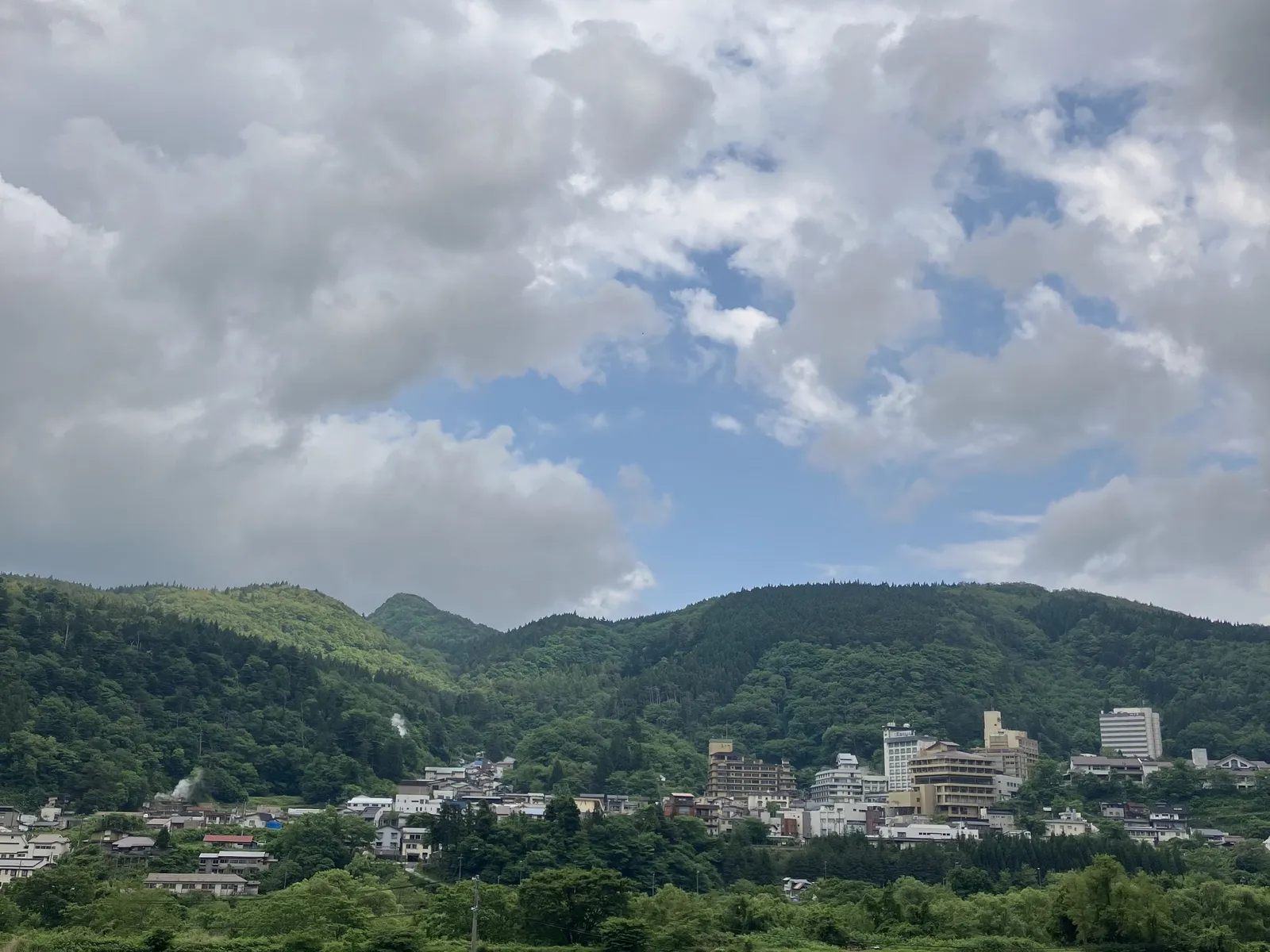
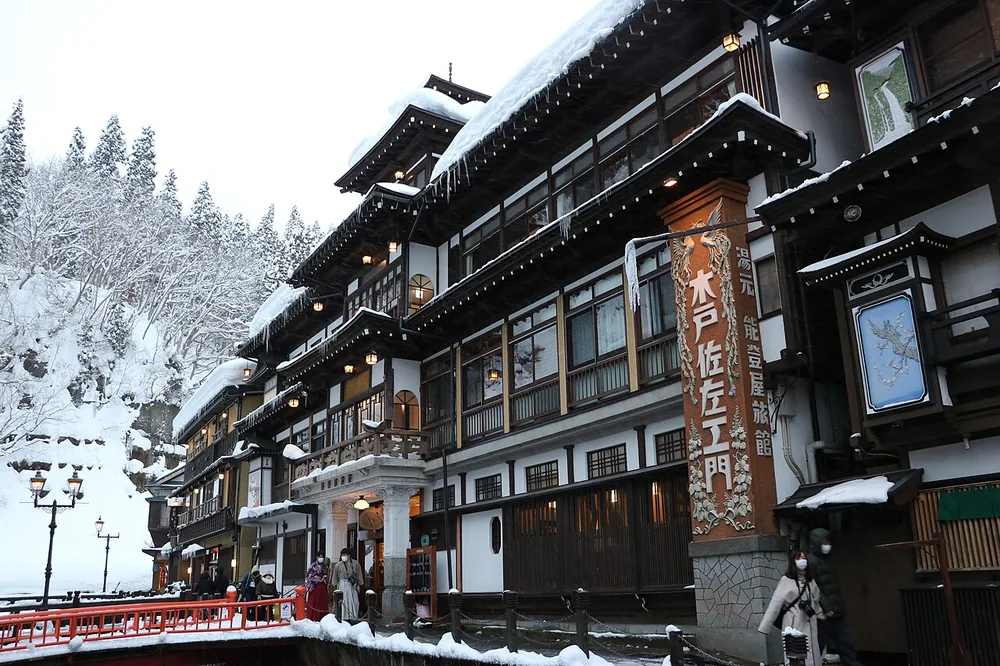
See Yamagata's Zao snow monsters without strapping on skis. A 2026–27 guide to daytime round-trip tickets, night illumination, snow-cat reservations, buses from Yamagata Station, hot springs, and where to stay.
- Region & Focus
- Yamagata, Zao, and Ginzan
- Reading Scope
- 16 min read · 11 chapters · 6 Q&As
- Official Verification
- 26 official sources checkedUpdated November 22, 2026
- Key Topics
- WinterHot springsFirst trip
Chapter Route Map (tap any stop)
- Getting from Yamagata Station to Zao Sanroku Station
- One Transfer from the Base to Jizo Summit
- Daytime Round-Trip, Illumination, and Night Cruiser Tickets
- Night Cruiser Check-In at the Base and Mid-Station Transfer
- Riding the Night Illumination Ropeway and Catching the Last Summit Descent
- Back in the Onsen Village: Lunch First or Soak First?
- Staying Overnight: Near the Bus Terminal or Near the Ropeway Base?
- Direct Buses from Sendai, Kaminoyama Shuttles, and Driving
- Only Half a Day? What to Cut First
- Summit Whiteouts, Ropeway Suspensions, or Cold-Sensitive Companions
- Backup Plans for Ropeway Closures: Zao Chuo Ropeway or Yamagata City
- Quick Q&A
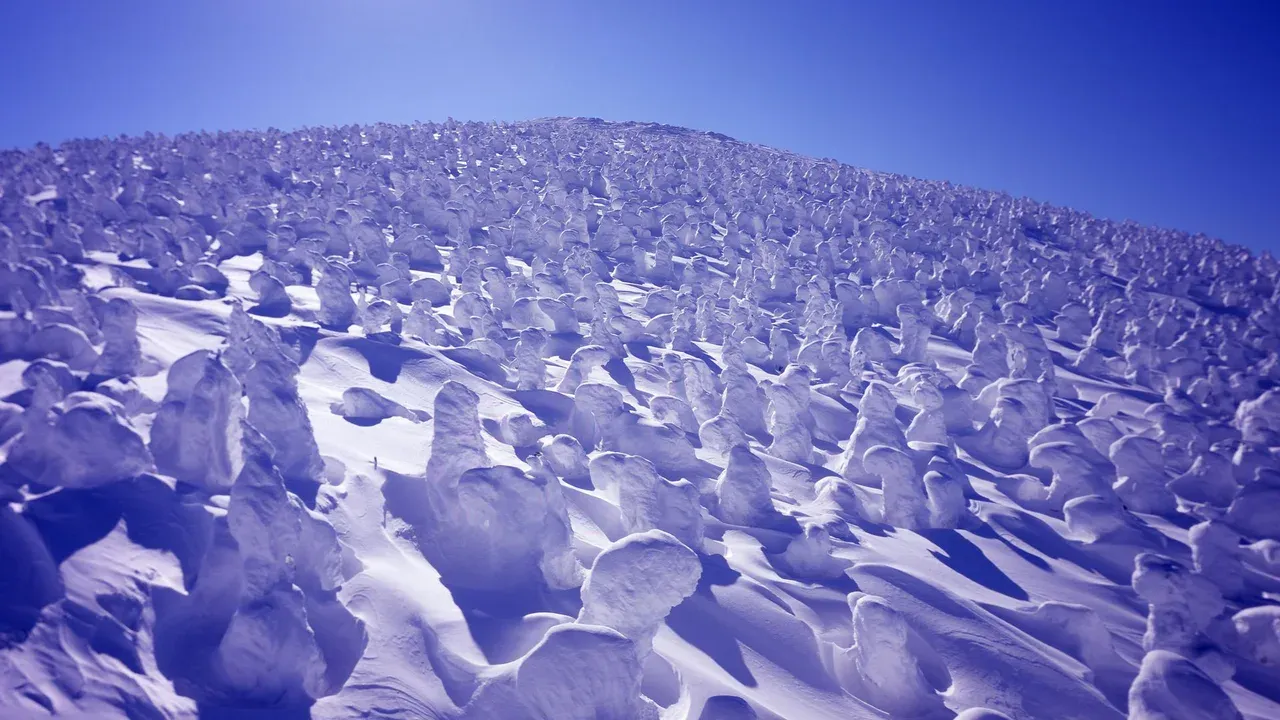
You do not need skis to see the snow monsters (juhyo) at Yamagata's Zao Onsen. Ride the Sanroku Line from Zao Sanroku Station, transfer at Juhyo Kogen Station to the Sancho Line, and step out of Jizo Sancho Station directly into the snow-monster field. From Yamagata Station, an easy day trip pairs a morning mountain ride with an afternoon lunch and hot-spring soak back down in the village. After dark, you can either take the ropeway to the summit for the night illumination or transfer partway up to a heated snow-cat for an up-close look. Decide whether you are returning to Yamagata, heading back to Sendai, or staying overnight in Zao before buying evening tickets, since the last return buses and the two nighttime tours run on different schedules.
Getting from Yamagata Station to Zao Sanroku Station
Exit the JR Yamagata Station ticket gates via the East Exit and walk to Stop 1 (Yamagata Ekimae) to board the Yamagata Kotsu Z90 bus bound for Zao Onsen. Ride to the Zao Onsen Bus Terminal, about a 40-minute trip. One-way fares are ¥1,200 for adults and ¥600 for children. Seating is capped at capacity, so if a bus fills up you will need to wait for the next departure. Weekend and Japanese national holiday timetables apply on Saturdays, Sundays, holidays, and from December 29 through January 3. For the return trip, board at the same bus terminal and check the Yamagata Kotsu C2 timetable toward Yamagata Station.
From the bus terminal, it is a 10-to-15-minute walk to Zao Sanroku Station, the base of the Zao Ropeway. Set your navigation to "Zao Ropeway Zao Sanroku Station" or 229-3 Zao Onsen, Yamagata City. Along the way you will pass a separate entrance for the Zao Chuo Ropeway, which runs up to Torikabuto Station. To reach the snow monsters at Jizo Sancho, keep walking to Zao Sanroku Station beside the Yokokura slope. Although Yamagata Kotsu timetables still list a "Zao Ropeway-mae" stop, regular winter Z90 and C2 buses turn around at the bus terminal—do not stay on the bus waiting for that stop.
If you are taking the Yamagata Shinkansen Tsubasa from Tokyo and transferring to the bus for a same-day summit trip, aim to arrive at Yamagata Station before noon, especially if anyone in your group needs elevators, wants to grab lunch, or plans to drop off large luggage first. Between the East Exit departure time and the ropeway's final uphill boarding, you have to factor in queuing, the mountain road ride, and walking on snow. On weekends and holidays, catching an earlier bus buys welcome buffer time in line. Taking the 8:40 departure from Yamagata arrives at Zao Onsen Bus Terminal at 9:17 on both weekdays and holidays, putting you at Zao Sanroku Station when both ropeway sections are already in full daytime operation.
If you plan to stay for the evening views and return to Yamagata afterward, work backward from the C2 bus departures at the terminal. On the current regular timetable, buses leave the terminal for Yamagata Station at 18:40 and 19:50 on both weekdays and holidays, with the 19:50 bus scheduled to arrive at Yamagata Station at 20:27. Anyone having dinner near Zao Sanroku Station or along the onsen street should budget extra time to walk back to the terminal and wait in line. If you have a Shinkansen or intercity train to catch later that night, treat the 18:40 bus as your primary target rather than rushing over icy streets for the last departure.
See Yamagata's Zao snow monsters without strapping on skis. A 2026–27 guide to daytime round-trip tickets, night illumination, snow-cat reservations, buses from Yamagata Station, hot springs, and where to stay.
One Transfer from the Base to Jizo Summit
At the Zao Sanroku Station ticket counter, buy a round-trip ticket to Jizo Sancho Station. You will ride the Sanroku Line for about 7 minutes to Juhyo Kogen Station at 1,331 meters elevation, then follow the signs to transfer to the Sancho Line for roughly 10 minutes to the top. You change gondolas once in each direction, so hold onto your ticket until all four legs are complete. The 17 minutes only covers uphill riding time; ticket lines, boarding queues, and the transfer take extra time. Giving yourself just one hour for the whole summit round-trip on a weekend leaves barely any time to look around, so pick a lunch spot with flexible timing.
Jizo Sancho Station sits at 1,661 meters. On a first visit, you can take in the slope views from the gondola and step outside to see the snow monsters right in front of the station along the roped-off viewing area. When visibility is clear, follow the short path beside the station to see the Zao Jizo statue. In deep snow or blowing winds that erase the horizon, taking photos right outside the station is plenty. Treating the Jizo statue as optional lets older relatives wait comfortably inside the station while the rest of the group has a clear landmark to return to.
Regular operating hours are 8:30–17:00 on the Sanroku Line and 8:45–16:45 on the Sancho Line, with the last daytime uphill departure for Jizo Summit leaving Zao Sanroku Station at 16:00. If you head up late in the afternoon, locate the Sancho Line downhill queue inside the station before deciding how far out to walk. Going back down requires riding from the summit to Juhyo Kogen and then switching to the Sanroku Line. If it is nearing 17:00 and you are still outside Jizo Sancho Station, you have already eaten up the margin needed for two separate rides. Morning entry usually preserves plenty of flexibility; if operations are paused in the morning, have an early lunch in town and walk up once service resumes.
Travelers using canes or wheelchairs can break the trip into manageable segments. According to the ropeway operator, the Sancho Line platform and gondola cabin meet flush with no step, though viewing the snow monsters outside still crosses real snow-packed ground. Ask station staff when buying tickets what assistance is available for entering the building, boarding the Sanroku Line, and transferring at Juhyo Kogen. If someone in your party only wants the scenic ride, keep their viewing inside the gondolas and station buildings rather than pushing across snowy slopes for a group photo at the Jizo statue. Night Cruiser tours also require climbing on and off a snow-cat, so confirm boarding support before choosing a ticket.
Daytime Round-Trip, Illumination, and Night Cruiser Tickets
For the 2026–27 winter season, the daytime summit sightseeing round-trip ticket costs ¥4,600 for adults and ¥2,300 for elementary school children. Choose this ticket if you want to walk outside at the summit among the snow monsters. If you only want a shorter ride to see snowy scenery around Juhyo Kogen Station, you can buy a mid-station round-trip at Zao Sanroku Station. Show the counter staff "Jizo Sancho Station" or "Juhyo Kogen Station"—both tickets take you to the mid-station, but only the summit round-trip includes the upper Sancho Line. If the Sancho Line is on hold until midday, you can have lunch in the onsen town first and buy the full ticket once both lines are running.
The official website's daytime snow-monster web ticket covers one round-trip on both the Sanroku and Sancho lines, exchanged at a self-service kiosk at Zao Sanroku Station upon arrival. Priority lane access applies only to the first uphill leg; the transfer to the Sancho Line at Juhyo Kogen and both downhill legs use the regular queues. Priority time slots listed on web tickets serve as boarding guidelines, and the operator may suspend priority access depending on daily conditions. Once purchased, web tickets are non-refundable and cannot be canceled unless the ropeway suspends operations. If your schedule allows going up on either of two days, check the morning operating status first and buy at the window; travelers on tight tour schedules or fixed lunch reservations should especially protect buffer time for both transfers.
Night illumination tickets also cover a round-trip from Zao Sanroku to Jizo Sancho at ¥4,600 for adults and ¥2,300 for children ages 6 to 11, valid for designated evening sessions. Night Cruiser tickets already include that evening's Sanroku Line round-trip to Juhyo Kogen, so you only need the tour ticket itself. Check ages carefully when booking the Night Cruiser for a family: the child rate applies from age 1 through elementary school, meaning preschoolers also require paid seats. Doing both a daytime summit ride and the Night Cruiser totals ¥12,600 per adult before buses, meals, and onsen entry, while daytime plus night illumination comes to ¥9,200. On a tighter budget, prioritize one daytime summit ride first.
| Ticket Type | Adult | Child | Coverage |
|---|---|---|---|
| Daytime Summit Round-Trip | ¥4,600 | ¥2,300 (elementary school) | Zao Sanroku to Jizo Sancho with mid-station transfer |
| Night Illumination Round-Trip | ¥4,600 | ¥2,300 (ages 6–11) | Zao Sanroku to Jizo Sancho on illumination nights |
| Night Cruiser Tour | ¥8,000 | ¥7,000 (age 1 to elementary school) | Sanroku Line round-trip plus snow-cat from Juhyo Kogen |
Night Cruiser Check-In at the Base and Mid-Station Transfer
The tour's official name is the Juhyo Illusion Corridor Tour (Night Cruiser). Once you have a reservation, check in at the Zao Sanroku Station window 20 minutes before departure. Staff escort the group up the Sanroku Line to Juhyo Kogen Station, where everyone boards a heated snow-cat. The vehicle drives up past Tower 4 on the Sancho Line before turning around and returning to Juhyo Kogen for the ropeway ride back down. The highlight is seeing lit-up snow monsters up close along the snow-cat route, though it stops partway up the upper slope—visitors who have already seen the summit panorama by day get a much closer angle on the trees at night.
The 2026–27 tour runs on 31 designated nights between December 26, 2026 and February 23, 2027. On operating nights, departures from Zao Sanroku Station are at 17:00, 18:00, 19:00, and 20:00, capped at 36 passengers per tour. The full experience lasts roughly 70 to 80 minutes, including about 30 minutes aboard the snow-cat. Reservations typically open 7 days before the tour date at 14:00 JST. Book through the button at the bottom of the ropeway company's Night Cruiser reservation page or via the QR code on the seasonal poster; phone reservations are not accepted, and private group charters may occupy certain departure slots.
For the 17:00 tour, you must be at the base counter by 16:40, so plan your hot-spring soak either earlier in the afternoon or back at your hotel after dinner. That slot returns to Zao Sanroku around 18:10–18:20, leaving time to walk to the terminal for the 19:50 bus to Yamagata, while treating the 18:40 bus as an option only if you arrive early. The 18:00 tour returns around 19:10–19:20, which can still connect to the 19:50 bus but leaves you exposed to walking delays and full buses. The 19:00 tour finishes after the last Yamagata bus has already left, and the 20:00 slot is best reserved for guests staying in Zao Onsen or traveling with pre-arranged transport. Lock in your check-in time and ride home before picking a departure slot.
Both illumination visitors and Night Cruiser guests enter Zao Sanroku Station in the early evening. Go straight to the Night Cruiser check-in counter rather than joining the general ropeway queue by mistake. Keep your booking confirmation, date, name, and party size handy on your phone, and bring all children and older relatives to check-in together. If Night Cruiser slots sell out, you can still take the night illumination ropeway the same evening or go up during the day tomorrow. Listed cancellation reasons include severe weather or collapsed snow monsters along the route making viewing impossible; on those nights, keep your hot-spring soak and dinner down in the village.
Riding the Night Illumination Ropeway and Catching the Last Summit Descent
For 2026–27, night illumination also runs on just 31 designated dates from December 26 to February 23. Around New Year's, you can catch it on December 30, December 31, or January 1 through 3; in February, February 10 and 22 appear on the official calendar as non-weekend dates if you want to skip peak crowds. Check the yellow-highlighted dates on the official seasonal illumination poster before buying tickets. On illumination nights, overall hours are 17:00–21:00, with the last uphill boarding from Zao Sanroku at 19:45 and the last downhill ride from Jizo Sancho at 20:30. Access is limited to the gondolas, station interiors, and areas immediately around the stations; skis and snowboards are not allowed in the viewing areas.
If you want to see the lit-up snow monsters around Jizo Summit and the mid-station, taking the regular night illumination ropeway is the right fit. Even if you bought a daytime round-trip earlier, you must purchase a separate ticket after coming down for the evening session. Riding both the illumination ropeway and the Night Cruiser requires two separate fares plus arriving 20 minutes early for the snow-cat check-in. Picking just one evening activity is plenty for most trips. If you genuinely want both, split them across two nights—especially if anyone in your group walks slowly, you have a set ryokan dinner time, or you want one night for the summit and another for the snow-cat corridor.
To catch a bus back to Yamagata the same night, aim to start the illumination ride around 17:00, shorten your time at the summit if downhill lines build up, and leave enough margin to walk back to the bus terminal. Anyone boarding the final 19:45 uphill gondola cannot make the 19:50 bus back to town. If the base queue is already backed up toward the entrance by early evening, check which return option still works—trading part of your viewing time for an unhurried indoor dinner beats waiting outside until the final deadline.
Back in the Onsen Village: Lunch First or Soak First?
After coming down from a daytime summit ride, walk from Zao Sanroku Station toward the bus terminal and swap out wet gloves or socks first. If you can get a table for lunch, eat right away; if it is already past the lunch rush and you want a bath, stop at Shinzaemon no Yu on the ropeway side of town. It combines day-use baths, a restaurant, souvenirs, and lounge seating under one roof, making it easy when some people want to bathe and others prefer to wait. Bath hours are 10:00–18:00 with last entry at 17:30 (¥1,000 adults, ¥400 children, ¥200 ages 3 and up). The restaurant serves 11:00–15:30 with last order at 15:00, so it will already be closed if you visit after an evening session.
For historic neighborhood bathhouses, head along Takayu-dori to Kamiyu, Shimoyu, or Kawarayu. All three public bathhouses open year-round from 6:00 to 22:00 at ¥300 for adults and ¥100 for children, paid into each bathhouse's collection box. Bring coins and your own towel, then pick whichever one is closest. Shimoyu also has a footbath outside where non-bathers can take a quick break; skip the footbath at Shinzaemon no Yu in winter, as the operator notes it closes from December through March. The large Dai-rotenburo open-air bath also closes for winter—the resort announced its 2026 season ended on November 23—so snowy-season visitors swap that outdoor bath for village day-use pools.
If you still have energy for a stroll, entering Takayu-dori from the bus terminal end flows better than walking all the way up to the ropeway base and doubling back. You can see the torii gate at the Sukawa Shrine approach and pick up igamochi rice cakes at Shirakaba Shoten as a snack while waiting for the bus. When snow is falling, walk as far as the public bathhouses or shops and turn back on the main street rather than climbing stone steps in the dark toward the main shrine hall. For non-skiers traveling with kids, an afternoon stop with heat, restrooms, and a spot to change into dry gloves usually beats hopping between multiple footbaths.
If you linger at the summit in the morning, save both lunch and bathing for after you come back down. You can also eat right at Jizo Sancho Station at Restaurant Sancho, which the ropeway company lists as open 9:00–16:00 with last order at 15:00. A summit meal works well while waiting out brief patches of fog, but if conditions keep deteriorating and the operator announces an early closure, head down immediately and save your meal for the village.
If you want Genghis Khan grilled lamb in town, Robata is a reliable lunch target. The Zao Onsen official shop directory lists last seating at 14:00 for lunch and 20:00 for dinner—two cutoffs far more useful to track than closing time. When morning ropeway lines run long, eat at the summit or Shinzaemon no Yu instead and save the village street for snacks later. Anyone booked on the 19:00 Night Cruiser will miss Robata's dinner cutoff by the time the tour returns to the base, so eat there at lunch or have an early dinner before the 20:00 tour rather than treating last seating as enough time for a full meal.
Staying Overnight: Near the Bus Terminal or Near the Ropeway Base?
If you are traveling without a car and rolling large suitcases, look near the bus terminal first. Gokan no Yu Tsuruya sits right across the street from Zao Onsen Bus Terminal, letting you drop bags upon arrival from Yamagata and simply cross the road to catch the bus the next morning. Staying on this end pairs well with Takayu-dori and the public bathhouses before or after dinner. If you go up for a night session from here, remember you will walk back down through the onsen street afterward—account for street lighting and icy patches. If you arrive late with a ryokan dinner included, eat first and move your night tour to an earlier night or wait until the next morning.
If your top priority is catching the 8:30 Sanroku Line or a 19:00 or 20:00 Night Cruiser, staying near Zao Sanroku Station saves a cold late-night walk back to town. Zao Shiki no Hotel lists itself as roughly a 5-minute walk from the Zao Ropeway and runs a free guest shuttle from the JR Yamagata Station West Exit with reservations required at least 3 days in advance. Keep in mind that the hotel shuttle at Yamagata Station West Exit and the Z90 bus at East Exit Stop 1 are in opposite directions—even when hotel directions simply say "Yamagata Station," head the right way out of the ticket gates. Once at Zao Onsen Bus Terminal, the hotel also provides a short local pickup if you call on arrival.
One overnight stay is enough to see the snow monsters both by day and at night. A smooth pacing is arriving in the afternoon, soaking in the onsen, walking to the 19:00 Night Cruiser, then riding the daytime ropeway after breakfast before collecting your luggage to depart. If you arrive by morning on day one, you can fit both the daytime and nighttime sessions into your first day and keep day two as a weather backup. Guests planning dinner after a night tour must line up hotel meal hours against the 70-to-80-minute tour duration—the 20:00 slot gets back to the base past 21:00. For half-board stays, start from your inn's dinner service window to pick a compatible tour time, and handle room and Night Cruiser bookings separately.
When part of your group plans to ski the next morning after a single night, keep luggage and ski gear sorted in designated storage ahead of time. If you want to wait out morning weather on checkout day, ask your hotel about post-checkout luggage storage hours; day-trippers can also use lockers at Yamagata Station before boarding the bus. The ropeway company offers temporary baggage storage at Zao Sanroku Station for ¥400 per item per day for the first five days. Carry a small daypack up the mountain with dry layers and tickets accessible inside the station, and only pull out your phone or camera once you are outside.
Direct Buses from Sendai, Kaminoyama Shuttles, and Driving
If you are based in Sendai and only want a daytime visit, a winter reservation-only highway bus cuts out train transfers. Running from December 19, 2026 to March 14, 2027 between Sendai Station East Exit Stop 76 and Zao Onsen Bus Terminal, one-way fares are ¥2,800 for adults and ¥1,400 for children. Bookings open one month ahead; outbound buses to Zao must be reserved by the day before travel, and return buses to Sendai by 12:00 on the day of travel. Regular departures leave Sendai at 8:00, 9:00, and 10:00, with the latest regular return at 17:30, plus a 7:00 outbound and 10:30 return on select dates. Taking the 8:00 bus puts you in Zao at 9:25, giving you the morning on the mountain, an afternoon soak, and time to catch the 16:30 bus back—if you want a full night tour, stay overnight in Zao and return the next day.
Guests staying in Kaminoyama Onsen can ride a reservation-only shuttle operating from December 19, 2026 to March 7, 2027 between the Kaminoyama Onsen Tourist Information Center in front of JR Kaminoyama-Onsen Station and Zao Onsen Bus Terminal for ¥2,000 one way. Daytime timings run 9:05 outbound and 15:40 return, taking about 40 minutes. On illumination nights, an extra return shuttle departs Zao Onsen at 18:10, which gives very little time after the 17:00 illumination start once you factor in two ropeway rides and walking, and sits right on top of the 17:00 Night Cruiser's return. Anyone eating dinner back in Kaminoyama will find a daytime trip far more relaxed.
Drivers should approach from the Yamagata side and set navigation to the P5 Zao Ropeway Parking Lot right next to Zao Sanroku Station, which saves walking compared with the Uenodai or Omori lots. The resort lists P5 among its seasonally paid lots: ¥1,000 per vehicle on weekends, national holidays, and December 28 through January 3 from December 19, 2026 to March 14, 2027, and free on other weekdays. Standard passenger cars entering snow country need winter tires and must stick to open Yamagata-side roads. Miyagi Prefecture's winter closure on the main cross-prefectural section of the Zao Echo Line begins November 4, 2026 at 17:00 and is scheduled to lift on April 23, 2027 at 11:00. Driving from Sendai means taking the Yamagata Expressway around to the Yamagata approach—after night events, allow extra time to clear snow off your windshield.
Only Half a Day? What to Cut First
When making a bus round-trip with another stop later in the afternoon, put Jizo Summit first. Catch the 8:40 bus from Yamagata Station, walk straight to Zao Sanroku Station on arrival, and wait until you are back in the village to choose between lunch and an onsen. If you have an afternoon departure, stopping at the Shimoyu footbath and eating near the bus terminal makes catching the bus back much easier than trekking to a farther open-air bath. This schedule also works well for testing weather conditions on your first day in Yamagata, leaving time for an indoor dinner back at the station—and if both lines are closed in the morning, you can pivot straight to sightseeing in Yamagata City.
Arriving around noon puts you on something like the 12:20 bus from Yamagata Station, reaching the terminal at 12:57. If your sole goal is seeing the snow monsters once, walk directly to Zao Sanroku Station; if there is a line, ask the ticket window which boarding window is currently loading before deciding whether to explore the village instead. Taking the 14:20 bus puts you at the terminal at 14:57 and the ropeway base around 15:10, squeezing your uphill margin. At that hour, focus on walking the onsen street, soaking, and dinner, saving the summit for the next morning if you are staying overnight. For travelers spending only one night in Yamagata City, spending that afternoon in town and making an early-morning round-trip to Zao the next day avoids wasted backtracking.
The most flexible full-day plan locks in only one timed reservation. If you book the Night Cruiser, wrap up your afternoon soak, coffee, and shopping early and eat during a window that cannot jeopardize check-in. If you hold round-trip Sendai highway bus tickets, treat the return bus as your hard cutoff and pick either the summit restaurant or a village lunch, not both. A rental car or private transfer gives you room for a night session; count every family member's ticket and agree on a warm indoor meeting spot for anyone who gets cold first. Whenever your group splits up, confirm the exact pickup place and time along with how long the walk back takes after dark.
Summit Whiteouts, Ropeway Suspensions, or Cold-Sensitive Companions
Before joining any queue, check both columns on the ropeway's operating status page, since the Sanroku and Sancho lines can run independently. When the Sancho Line is suspended while the Sanroku Line runs, riding to Juhyo Kogen Station gives you a shortened snow outing. The main fields of snow monsters sit near Jizo Summit and require waiting for the Sancho Line to reopen—sightseers should never walk up the ski runs to reach them. If both lines stop, pivot to lunch in the village, a public bathhouse soak, or an early bus back to Yamagata Station. Overnight guests can move the next day's village stroll to today and head up the mountain first thing on checkout morning.
Even when the ropeway is running, the summit can sit in a total whiteout. The resort's live camera feed includes a Juhyo Kogen Station view to gauge mid-mountain visibility before heading higher alongside summit weather and status updates. Wait out delays in a seated spot in town instead of standing in the wind outside the ticket booth. If you go up and can only see the nearest snow monsters, take safe side-angle shots right around the station building. The Yamagata City Tourism Association asks visitors to stay inside the safety ropes and never touch the snow monsters directly. When winds pick up, step back inside and watch the station boards for downhill boarding updates.
Winter summit temperatures hover around -10°C and can drop below -10°C according to official advisories, with windchill making hands and feet numb fast while waiting. Layer a windproof, snow-shedding outer shell over an insulating midlayer and a warm hat covering your head and neck, paired with waterproof, high-traction winter boots. Pack spare dry gloves for kids in case theirs get wet, and give older travelers layers they can unzip as soon as they step inside heated buildings. While Night Cruiser snow-cats are heated, you still spend time outdoors waiting at check-in, walking between the gondola and the vehicle, and returning to your hotel—wear your full cold-weather layers down to the village so you are not digging through suitcases at night.
Photographers can shoot panoramic views through the gondola windows and save close-up shots for safe standing zones after disembarking. Tuck your lens back into your bag before stepping inside a warm station to avoid condensation and constant wiping. Keep walking and phone use separate—keep both hands free on icy surfaces and stairs. If anyone in your group starts losing footing or gets too cold, head back inside together; anyone wanting extra photos can agree to meet at the downhill boarding entrance so nobody gets separated during the transfer at Juhyo Kogen.
When skiers and non-skiers travel together, agree beforehand whether to meet outside Zao Sanroku Station or at a specific shop near the bus terminal. Sightseers coming down from the summit go through two separate queues, while skiers can end up at different base slopes depending on the trail they take. Always pick a meeting spot with a clear street name rather than just saying "meet at the ropeway." Skiers should check the Zao Onsen Ski Resort guide for lift passes while non-skiers buy summit round-trips; if everyone wants to meet up for night illumination, stow ski gear first before heading to Zao Sanroku Station.
Backup Plans for Ropeway Closures: Zao Chuo Ropeway or Yamagata City
When the Sancho Line stops running and you still want snowy mountain views from Zao, check the separate Zao Chuo Ropeway operated by a different company. Walk to its Onsen Station and ride roughly 7.5 minutes up to Torikabuto Station. In clear weather, you get sweeping views over the onsen village and Yamagata Basin from the Torikabuto Observatory, about a 1-minute walk from the station. Tickets are sold separately—confirm the sign says "Torikabuto" before buying. Closing times shift by date: regular hours run until 16:30 from December 17 to 26 and January 5 to 31, and until 17:00 from December 27 to January 4 as well as throughout February and March. Think of this as an alternate snowy viewpoint, saving the Jizo Summit snow-monster fields for when the main line reopens.
If you just want scenery and a hot drink, stick to the facilities around Torikabuto Station—the operator lists SORAMADO cafe 1387 as open 9:00–16:00. Do not follow summer trail maps toward Dokko Pond once snow covers the paths; if strong winds also shut down the Chuo Ropeway, move indoors to a day-use bath or village restaurant and protect your bus ride back. If sleet or rain mixes with snow and starts soaking through shoes and socks, shrink your loop to the area between the bus terminal and Takayu-dori instead of waiting around in wet footwear for upper lifts to reopen.
If you are still at Yamagata Station and see that both Zao Ropeway lines are suspended, staying in the city saves a pointless round-trip up the mountain road. For a half-day indoor backup, visit Bunshokan in Hatagomachi to tour the former prefectural office and assembly hall—open 9:00–16:30 with free admission. It closes on the first and third Monday of each month (shifted to Tuesday if Monday is a holiday) and from December 29 through January 3. If you have an afternoon Shinkansen to catch, visiting just this landmark leaves plenty of time for a meal back at the station. Save this city detour for days when the whole mountain shuts down; if you are already staying in Zao during brief whiteouts, hanging around the village gives you a better shot at catching an open weather window.
A few useful answers
How many days do you need to see the Zao snow monsters without skiing?
For a daytime summit visit only, a single day trip from Yamagata Station leaves enough time for lunch and a day-use bath on the onsen street. If you want a later Night Cruiser slot, staying one night lets you put the night tour on your arrival evening and the daytime summit ride the next morning—or keep day two as a weather backup.
What is the best month to see the Zao snow monsters?
February is typically peak season. For month-by-month snow conditions and tips on picking your dates, see the Zao Snow Monsters Season Guide.
Do both the night illumination and Night Cruiser require advance reservations?
The Night Cruiser strictly requires advance online reservations, opening 7 days before your ride date at 14:00 JST. Individual visitors riding the regular night illumination ropeway do not need reservations, though official posters note that groups of 20 or more must book ahead.
Can I take a bus back to Yamagata after the Night Cruiser tour?
The last Yamagata Kotsu bus from Zao Onsen Bus Terminal to Yamagata Station departs at 19:50. The 17:00 tour leaves plenty of time afterward, while the 18:00 tour requires factoring in the walk back to the terminal and waiting in line; the 19:00 and 20:00 tours require staying overnight or arranging private transport.
Does the Night Cruiser snow-cat go all the way to Jizo Sancho Station?
No—you board at Juhyo Kogen Station and turn around just above Tower 4 on the Sancho Line. To reach Jizo Sancho Station itself, you need to ride the daytime Sancho Line or the night illumination ropeway.
What stays open in Zao Onsen village in winter if mountain winds close the lifts?
The three public bathhouses along Takayu-dori—Kamiyu, Shimoyu, and Kawarayu—stay open year-round. For dining, lounging, and souvenirs alongside bathing, Shinzaemon no Yu accepts bath guests until 17:30, though its outdoor footbath closes for winter.
Official information and references
Sources used in this guide.
- Zao Ropeway | Operating Hours, Stations, Facilities, and Luggage Storage
- Zao Ropeway | Daytime Web Tickets and Priority Boarding Lane
- Zao Ropeway | Snow Monsters and 2026–27 Night Illumination Calendar Poster
- Zao Ropeway | 2026–27 Juhyo Illusion Corridor Tour, Reservations, and Event Poster
- Zao Mountain Resort | 2026–27 Winter Guide, Sightseeing Tickets, and Last Night Departures
- Zao Ropeway | Summit Restaurant and Last Order Hours
- Yamagata Kotsu | Z90 Bus from Yamagata Station Stop 1 to Zao Onsen
- Yamagata Kotsu | C2 Bus from Zao Onsen to Yamagata Station
- Yamagata Kotsu | One-Way Bus Fare Between Yamagata and Zao Onsen
- Yamagata Kotsu | 2026–27 Direct Sendai Highway Bus and Reservations
- Kaminoyama City Tourism Association | 2026–27 Kaminoyama Onsen to Zao Shuttle
- Zao Mountain Resort | 2026–27 Parking Fees, Walking Routes, and Access
- Miyagi Prefecture | Zao Echo Line Winter Road Closure Notice
- Zao Mountain Resort | Public Bathhouses and Footbaths
- Zao Onsen Kanko Co., Ltd. | 2026 Dai-rotenburo Season Closing Notice
- Zao Mountain Resort | Takayu-dori Walking Route and Ropeway Queue Info
- Zao Mountain Resort | Juhyo Kogen Station Live Camera
- Shinzaemon no Yu | Day-Use Admission, Dining Hours, and Winter Footbath Notice
- Gokan no Yu Tsuruya | Location and Access
- Zao Shiki no Hotel | Yamagata Station Guest Shuttle and Walking Distance
- Yamagata Prefecture Official Tourism Site | Bus Terminal Walk and Ropeway Connections
- Yamagata City Tourism Association | Jizo Summit Snow Monster Viewing Area
- Zao Mountain Resort | Robata Dining and Last Seating Times
- Zao Kanko Kaihatsu | Zao Chuo Ropeway Torikabuto Line Winter Operations
- Zao Kanko Kaihatsu | Zao Chuo Ropeway Station Dining Hours
- Yamagata Prefectural Museum Bunshokan | Opening Days and Admission