How to plan a Yokohama shopping route? Compare Minato Mirai malls, Red Brick Warehouse, Motomachi, Chinatown, and Yokohama Station, with half-day and full-day routes, rainy-day backups, and Japan's 2026 tax-free changes.
- Region & Focus
- Yokohama
- Reading Scope
- 21 min read · 11 chapters · 8 Q&As
- Official Verification
- 32 official sources checkedUpdated November 22, 2026
- Key Topics
- NeighborhoodsFoodTravel budget
Chapter Route Map (tap any stop)
- Pick What You Want to Buy Before Choosing Your Station
- Taking the Train from Tokyo: Choose Your First and Last Stop
- MARK IS, Queen's Square, and World Porters Floor by Floor
- Harbor Souvenirs at Red Brick Warehouse: Watch Building 1's Closing Time
- 2026 Red Brick Warehouse Christmas Market: Ticket by Zone
- Chinatown Pastries, Tea, and Dried Goods: Separate Street Snacks from Gifts
- Motomachi from Exit 5: Head Straight to Priority Shops First
- Yokohama Station Souvenirs: Start at the East Exit
- From November 2026: Pay Tax-Included Up Front, Claim Refunds at Departure
- Adjusting Your Route for Kids, Heavy Rain, or Suitcases
- Full-Day Routes: Build Backward from Your Least Flexible Stop
- Quick Q&A
If you only have half a day in Yokohama and want clothing, family gear, or character merch, start at Minato Mirai Station. If you're after Chinese pastries, loose-leaf tea, or heritage gifts from Motomachi's longtime boutiques, ride straight to Motomachi-Chukagai Station. With a full day, you can work south from Minato Mirai through the Red Brick Warehouse, finish in Chinatown and Motomachi, and catch a train back. Heading straight to Haneda Airport afterward? Save your final shopping for Yokohama Station, stick to one exit side, and hop right onto the Keikyu Line.
Pick What You Want to Buy Before Choosing Your Station
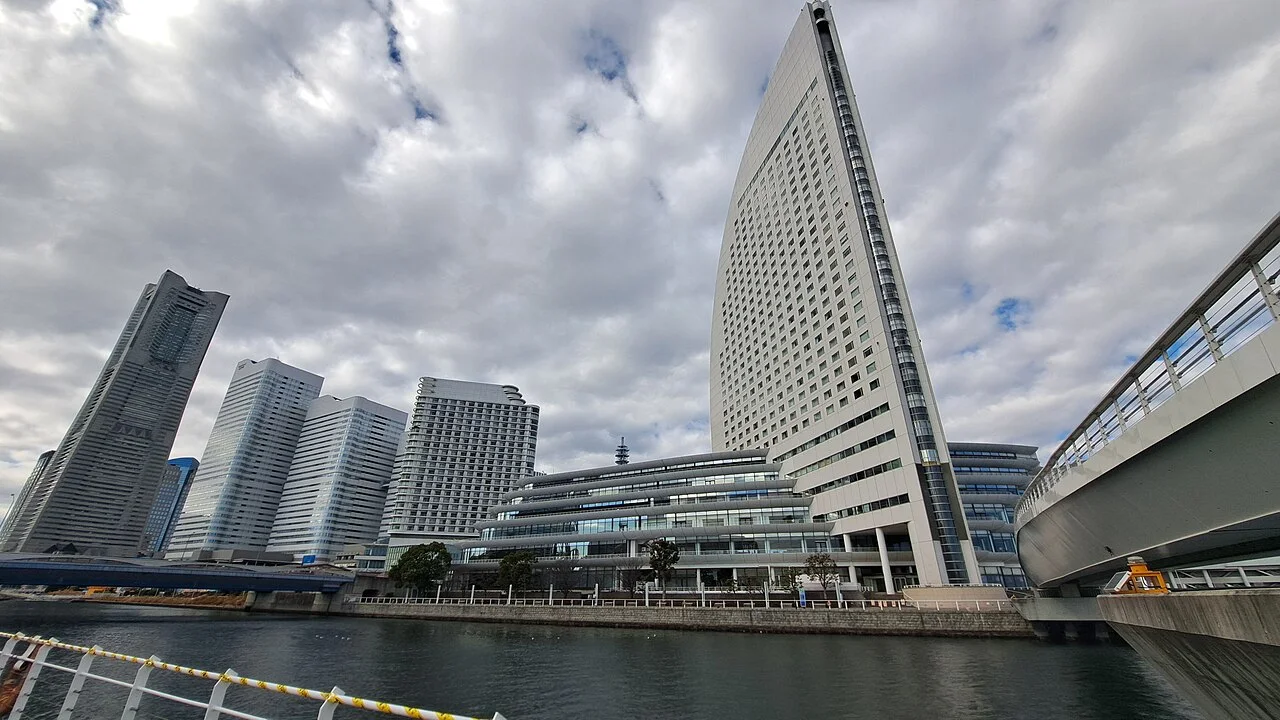
Minato Mirai 21 breaks down into two distinct shopping zones. Directly above Minato Mirai Station sit MARK IS and Queen's Square, both connected underground and built for clothing, kids' gear, everyday goods, or lunch. Step outside those station towers toward the waterfront at Shinko and you reach World Porters and the Yokohama Red Brick Warehouse. Both zones share the same bayfront district, and browsing large malls eats up time quickly, so a relaxed half-day fits one station-side mall plus one Shinko stop.
Chinatown and Motomachi share a single station, yet their shopping rhythms feel worlds apart. Chinatown works best for browsing by category—tea, cooking ingredients, and boxed Chinese pastries—paired with a sit-down meal. Motomachi is where you go for named storefronts selling leather goods, lace handkerchiefs, and Western-style patisserie treats. Linking both in one trip works best if you hit shops with fixed closing hours first and save dinner for afterward, especially when arriving from Tokyo around noon.
Yokohama Station is best reserved for department-store food halls and last-minute restocks before leaving town. On the East Exit, the PORTA underground mall leads straight into SOGO, making it easy to loop back to the Keikyu Line and JR platforms. If you'd rather browse the West Exit department stores and underground arcades, head straight to the West Exit on arrival and stay on that side. When you only have a brief transfer window, picking your exact store and floor ahead of time beats splitting time between both exits.
If you're hunting for local Yokohama flavors, split your buys into shelf-stable gift boxes for friends and chilled sweets to eat the same day. That makes it easy to decide whether to carry a bulky box from your first stop or wait, and helps you judge which Motomachi window display is worth a detour. For neighborhood stays and combining Yamashita Park with Yamate, see the Yokohama walk, food, and stay guide.
| What You Want to Buy | Best Area | First Stop |
|---|---|---|
| Clothing, kids' gear, daily goods, toddler-friendly dining | Minato Mirai station front | Minato Mirai Station direct access to MARK IS |
| Character merch and harbor-themed souvenirs | Shinko | World Porters 2F, or walk from Bashamichi Station to Red Brick Warehouse |
| Chinese pastries and tea | Chinatown | Motomachi-Chukagai Station Exit 3 |
| Leather goods, handkerchiefs, Western pastries | Motomachi | Motomachi-Chukagai Station Exit 5 |
| Kanagawa sweets in one stop before departure | Yokohama Station East Exit | PORTA underground mall into SOGO B2F |
How to plan a Yokohama shopping route? Compare Minato Mirai malls, Red Brick Warehouse, Motomachi, Chinatown, and Yokohama Station, with half-day and full-day routes, rainy-day backups, and Japan's 2026 tax-free changes.
Taking the Train from Tokyo: Choose Your First and Last Stop
From Tokyo or Shinagawa, ride the JR Tokaido Line to Yokohama Station and transfer to the Minatomirai Line. From Shibuya, look for Tokyu Toyoko Line trains that run through onto the Minatomirai Line all the way to Motomachi-Chukagai. If your first stop is the Red Brick Warehouse in the morning, local trains require the least guesswork; if you catch a Limited Express or other rapid service, check the departure board first to make sure it stops at Bashamichi or Nihon-odori.
Heading south from Yokohama, the Minatomirai Line calls at Shin-Takashima, Minatomirai, Bashamichi, Nihon-odori, and Motomachi-Chukagai—so Minatomirai is two stops from Yokohama on a local train. Because "Yokohama" on maps and booking screens can refer to the whole city rather than the station, write out the full station name when meeting friends or checking tickets. If you're staying along the JR Negishi Line, use Sakuragicho for Shinko or Ishikawacho for the west end of Motomachi. Entering at one station and exiting at another keeps your walking focused on the streets you actually want to see.
Motomachi-Chukagai Station has two ticket gates leading to opposite ends: one toward Chinatown and Yamashita Park, the other toward Motomachi and Shin-Yamashita. Take Exit 3 for Chinatown, Exit 5 for Motomachi, and Exit 1 for Yamashita Park. Memorizing your exit number before boarding saves time once you surface compared with orienting on a phone map outside. If your group plans to split up to shop, pick a storefront with a clear street-level sign as your meetup point and use the exit number to make sure everyone is on the same side.
Walking times to the Red Brick Warehouse are roughly 6 minutes from either Bashamichi Station or Nihon-odori Station, about 12 minutes from Minatomirai Station, and around 15 minutes from Sakuragicho Station along the Kishamichi Promenade. If you plan to stop for harbor views, take photos, or push a stroller, pad those estimates for station transfers, elevators, crosswalk signals, and pauses. When heading to Shinko, you can walk in from Sakuragicho along the Kishamichi Promenade and leave via Bashamichi in the evening to avoid carrying bags back the way you came.
With a transit IC card, riding from Yokohama to Minatomirai (¥193) and returning from Motomachi-Chukagai to Yokohama (¥224) costs ¥417 total for an adult. The Minatomirai Line One-Day Pass is ¥460 for adults and ¥230 for children at station ticket machines. If you also ride between Minatomirai and Motomachi-Chukagai instead of walking (another ¥193), three adult rides reach ¥610, making the day pass cheaper. Count your planned hops on the line first, and budget the train fare from Tokyo separately.
MARK IS, Queen's Square, and World Porters Floor by Floor
Follow the signs inside Minatomirai Station for MARK IS Minatomirai and you'll walk straight into B4F. Head upstairs first for fashion and home goods, stop on 3F for kids' gear and family lounges, and go up to 4F for meals. The B1F food hall works well for grabbing drinks, bakery items, or bento boxes right before you leave for the waterfront or your hotel.
Families with infants and toddlers can use the baby care rooms on B2F, 3F, and 4F inside MARK IS. The 4F food court has child-sized seating so everyone can order from different counters and still sit together. Coin-return strollers (requiring a ¥100 coin) are available for indoor use; if you want a stroller you can push out toward the waterfront, use the paid reservation stroller rental on 1F instead and leave time to return it to the same desk.
Queen's Square also connects directly to Minatomirai Station. Check your map beforehand so you match Queen's Square with its interior retail wing, Minatomirai Tokyu Square, rather than treating the two names as separate stations. This side links smoothly into Landmark Plaza as well. Arriving from JR Sakuragicho, follow the moving walkways toward Landmark Plaza; if you're leaving on the Minatomirai Line, walk back through the station-connected concourse to cut out an outdoor leg.
Out in Shinko, World Porters houses Hawaiian-themed shops and dining on 1F, while 2F holds the Bandai Namco Cross Store—the main target for toys, character goods, and gachapon capsule machines. If you're tracking down a specific franchise for someone else, save the item name or photo before heading to the matching corner on 2F. When combining everyday clothing with character merch, try on clothes at the station-front malls in the morning and pick up boxed toys at Shinko in the afternoon so you aren't hauling bulky boxes through fitting rooms.
Cross Store Yokohama lists operating hours of 10:30–21:00. In the arcade zone, guests under 16 must be accompanied by a parent or guardian after 18:00, with last entry at 20:00. If you're visiting with kids for capsule machines and games, tackle the arcade before early evening and move elsewhere for dinner. Searching for a specific Ichiban Kuji lottery series? Bandai Namco maintains a Yokohama store stock page online, and you can also ask staff directly on 2F.
If your kids care mostly about character merch and gachapon, World Porters easily anchors a full half-day on its own. If you need clothing plus nursing rooms, MARK IS is the smoother base. Because walking between the two includes open-air stretches, wait out heavy rain inside whichever mall you're already in before crossing to Shinko, or board a train from the nearest station.
Harbor Souvenirs at Red Brick Warehouse: Watch Building 1's Closing Time
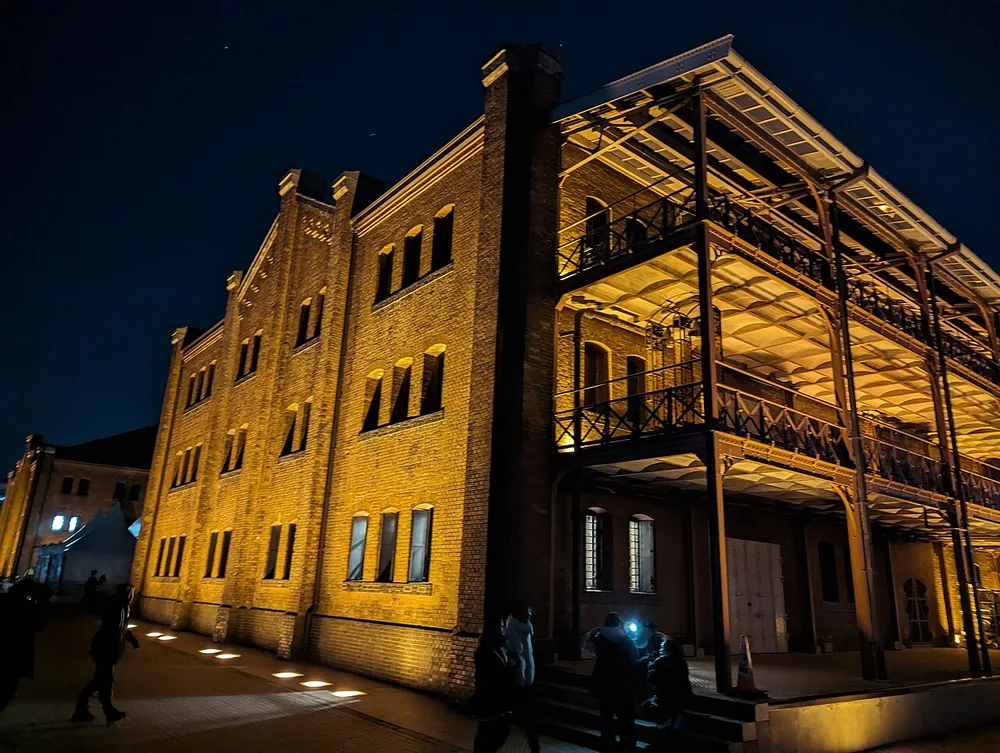
The Yokohama Red Brick Warehouse consists of two buildings flanking an open event plaza. Shops on Building 1's 1F generally run 10:00–19:00, while cafes and the 2F/3F event halls follow separate schedules. Building 2 focuses on retail and dining, with most shops open 11:00–20:00 and restaurants following individual hours. If you arrive early, start on Building 1's ground floor; if you arrive in the evening, hit Building 1 first before it closes.
For souvenirs featuring the brick buildings themselves, Akarenga Depot on Building 1's 1F carries warehouse- and Yokohama-themed keepsakes. For stationery, leather goods, and woodcraft, check Building 2's 2F shops such as Hacoa and LIBRETTO MARKET. If you just need a box of sweets for coworkers, compare box sizes and piece counts at Akai Kutsu no Onnanoko on Building 2's 2F before checking 1F food stalls; for practical gifts, tote bags and small stationery travel much better than fragile ornaments.
When shopping here around dusk, use the floor guide to grab your items first, then head out to the harbor for the lights. To walk toward Chinatown afterward, exit the plaza toward Nihon-odori. If strong bay winds pick up or legs get tired, take a local train from Nihon-odori to Motomachi-Chukagai and exit near your target street. Walking between the two buildings and the station is outdoors, so carrying paper shopping bags under a big umbrella gets awkward—pack a foldable waterproof tote if you expect to buy large boxes.
Yokohama's Port and Harbor Bureau has scheduled boardwalk repairs along the Kishamichi Promenade from mid-November through late December 2026, narrowing walkways and routing some sections to one-way foot traffic, mainly during weekday daytime hours. To skip slowdowns, enter Shinko directly from Bashamichi or Nihon-odori instead. If you're walking onward to Chinatown for waterfront views, follow the Yamashita Rinko-sen Promenade from the Red Brick Warehouse past Zou-no-hana Park to Yamashita Park, then turn inland into the neighborhood.
If you planned to cap off your shopping trip with night views from Landmark Tower, plan to finish at Akarenga Park instead. The 69th-floor Sky Garden observatory in Yokohama Landmark Tower closed temporarily on January 1, 2026 for building renovations, with reopening projected for 2028 or later. Landmark Plaza's shops remain open as part of the station-side route.
2026 Red Brick Warehouse Christmas Market: Ticket by Zone
The 2026 Yokohama Red Brick Warehouse Christmas Market runs from November 20 to December 25. Standard admission is ¥500 on regular days and ¥1,000 on designated peak dates, including December 24 and 25. Cash buyers for standard tickets purchase on-site at the main entrance. Cashless buyers book through the official Asoview ticketing page and still queue in the standard entry line. Limited priority tickets with a dedicated entry lane only make sense if your dates are tight or someone in your group can't stand in long lines.
Through December 4, junior high school students and younger enter free. From December 5 onward, free admission applies only to elementary school students and younger accompanied by a parent or guardian—meaning families with middle schoolers pay a different ticket total depending on the date. Main-area hours run until 21:00 from November 21 to December 4, then extend to 22:00 from December 5 to 25. Use those closing times to work backward for dinner and your train home, and still factor in earlier closing hours for permanent warehouse shops.
If you mainly want the holiday atmosphere, start at the free Christmas Gate 2026 zone in Shinko Central Plaza, where booths operate cashless-only. Buy a ticket into the paid main grounds only if you want the main-plaza stalls and centerpiece Christmas tree. Meet up at a plaza landmark or building entrance, since standard ticket holders and visitors staying in the free area follow different paths. For full ticket tiers and routing, check the Yokohama Red Brick Christmas Market guide and cross-check dates and prices on the official event page.
Budget tickets separately from food and gifts. On December 4, two adults and one junior high student on standard admission total ¥1,000; on December 5, a designated peak date, that same trio pays ¥3,000 before buying a single drink or ornament. Standard main-area tickets can be paid in cash at the gate, and booths inside accept both cash and supported electronic payments. Because organizers prohibit bringing outside food and drinks into the paid zone, finish any warehouse snacks or beverages before getting in line.
If you want a second winter stop later in the evening, slot the market after regular shopping. Official listings show Art Rink running from November 28, 2026 through February 14, 2027, overlapping only part of the market window. Skaters can carve out a dedicated slot for the rink, and from the day after the Christmas Market closes you can still pair skating with warehouse shopping.
Chinatown Pastries, Tea, and Dried Goods: Separate Street Snacks from Gifts
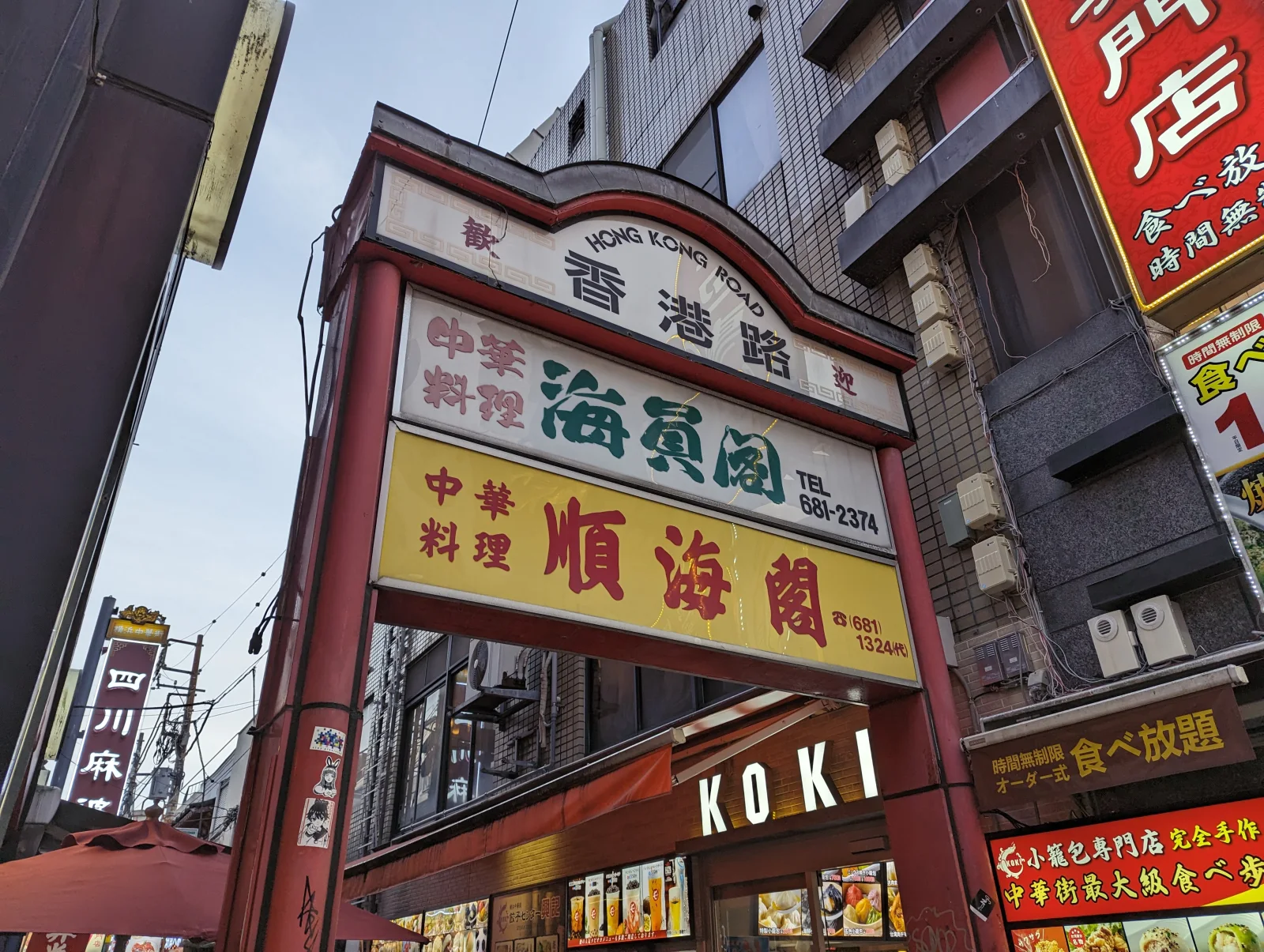
Chinatown's shops weave across main avenues and narrow side streets, so casual browsing quickly turns into bouncing between restaurant lines and retail counters. If you want boxed pastries after lunch, start at the Chungking Restaurant (Jukeihanten) Main Store gift shop on Odori, then use the Chinatown association's website to filter next stops under Chinese food and Chinese tea. For tea, walk over to Tenren Tea on Seimon-dori; 2026 directory listings show daily hours of 10:00–19:00 with loose-leaf tea sold by weight starting at 100 grams. If you only want small tasting portions, look for pre-packed mini bags first.
When grabbing skewered snacks to eat on the spot, the Yokohama Chinatown Development Association asks visitors to stop in a safe spot while eating and keep neighboring shop entrances clear. Staying nearby? Carry treats back to your hotel, or use Yamashitacho Park right inside Chinatown for a quick sit-down break. Picking up boxed pastries for gifts toward the end of your stroll also keeps your hands free when navigating crowded lanes with kids.
The Chungking Restaurant Main Store shop stocks traditional baked mooncake-style pastries (banbing), filled cakes, and dim sum items. When buying gifts to share, check the piece count per box, whether items are individually wrapped or sold as a whole loaf to slice, and the best-by date. Whole pastries suit families, while individually wrapped pieces work better at an office. Grabbing an extra box for yourself at the same counter beats hauling multiple bags across the district.
If you're buying loose tea to brew at home, decide on flavor profiles and bag weights before stepping up to the counter. Tea shops also sell small pots for gongfu brewing—just save checked-bag space for anything fragile. For dried goods, shop from a recipe list such as braising spices or soup bases, then match the exact aromatics and seasonings. With bulk bins or samples, ask for packaging that prints ingredients and storage instructions; keeping original labels intact makes customs screening on your flight home far smoother than relying on a verbal product name.
Keep hot prepared foods for that day's lunch, afternoon snack, or dinner. Biosecurity agencies in many destinations—including Taiwan's Animal and Plant Health Inspection Agency (APHIA)—ban travelers from bringing in processed meat products, including vacuum-packed jerky, sausages, and meat-filled mooncakes. Eat anything with pork floss or meat fillings while you're in Japan. For jarred sauces, account for glass weight and luggage protection and pick tightly sealed, clearly labeled jars; tea bags and cookies pack down more easily and leave room for Motomachi buys.
For Lunar New Year or Mid-Autumn specialties, check each shop's seasonal lineup ahead of time. Regular mooncakes stay on shelves year-round, while holiday weeks bring limited-edition flavors and gift tins; if you visit during a festival rush just to restock, collect your pre-picked items first and stroll afterward. Before buying an ornate gift box, ask whether the pieces inside are sealed separately so you know whether you can ditch the outer box when packing.
Motomachi from Exit 5: Head Straight to Priority Shops First
Come up from Exit 5 of Motomachi-Chukagai Station and walk the main Motomachi Shopping Street first. You can also run the street in reverse from JR Ishikawacho Station and ride the Minatomirai Line back toward Yokohama. On a first visit centered around a Chinatown meal, pick two target shops in Motomachi and turn back once you've hit them. Once your priority buys are in the bag, wander down parallel Motomachi Nakadori and cut back onto the main drag whenever a storefront catches your eye.
For long-lasting staples, look to Kitamura for leather bags, FUKUZO for classic apparel, and Chikazawa Lace Motomachi Main Store for lace goods. Test zippers and strap lengths in person, and slip your everyday water bottle into a bag to check the opening size. Handkerchiefs and small pouches make easy gifts because you can match sizes cleanly across multiple recipients; if you plan to try on clothes, check closing hours first and budget 30 minutes for fitting.
Kikuya Confectionery on Motomachi sells a wide range of Western-style cakes and baked sweets. Save whipped-cream slices and anything requiring refrigeration for a sit-down break rather than carrying them around. If you're checking out or flying home the next day, check best-by dates and storage temperatures on the box before paying—lock in shelf-stable items first, then check whether the box shape fits your suitcase.
Motomachi Shopping Street typically turns pedestrian-only on weekends and national holidays from 12:00 to 18:00, and extends pedestrian hours to 11:00–18:00 during its Charming Sale events. Aim for sale days if you want markdowns at specific stores, or avoid peak event hours if you'd rather browse quietly, try on clothes without a rush, or sit down for tea. On rainy days, duck straight into your must-visit shops instead of queuing outside along the open-air street.
Yokohama Station Souvenirs: Start at the East Exit
Walk down the central concourse of the PORTA underground mall from Yokohama Station's East Exit to reach SOGO Yokohama. The tax-free counter sits on B1F, and the Japanese and Western confectionery floor fills B2F. If you want to compare shelf-stable Yokohama gift boxes under one roof, go straight to B2F and browse counters like Mutekiro, Bashamichi Jubankan, and Motomachi Kouro-an.
When buying for a large group, calculate the per-piece cost instead of only comparing box prices. On SOGO's souvenir lineup, Bunmeido's 10-piece Castella Roll box runs ¥1,674, Bashamichi Jubankan's 9-piece Biscaut cookies cost ¥2,139, and Mutekiro's 4-piece Yokohama Renga box is ¥1,534. Splitting across 20 coworkers at one piece each, two boxes of Castella Rolls come to ¥3,348—about ¥167 per person. If you already finished shopping in Motomachi, use this floor strictly for local brands you can't find near your next stop.
On the West Exit side, Takashimaya sits about one minute from the West Exit, and is also easy to reach from JR's South Ticket Gate. Its Foodies' Port food hall spans the main basement and an underground arcade section—head to B1F for cakes, bread, and Yokohama gift boxes. Foodies' Port 2 in the underground concourse normally stays open until 21:00, making it handy for late pickups after leaving Minato Mirai. Note that Yokohama Takashimaya closes completely on January 1 and January 2, 2027; if you fly out on either day, buy by December 31, when the food hall closes early at 18:00.
Heading from Yokohama to Haneda Airport on the Keikyu Line, verify that your train's destination reads Haneda Airport and match it to your flight's terminal. Terminals 1 and 2 share one Keikyu station, while Terminal 3 has its own stop. If you step through the gates for one last box of sweets, leave extra buffer to get back through the ticket barrier and collect stored luggage—and leave even earlier from Yokohama if you need customs inspection or self-service tax-free verification at the airport.
Flying internationally out of Haneda with carry-on bags only? Check container labels before buying bottled drinks, sauces, or liquid cosmetics. Each container is capped at 100 ml or 100 g and must fit inside a single resealable clear plastic bag of up to 1 liter per passenger. Without checked baggage, stick to compliant travel sizes or solid baked goods. Any tax-free items going into checked luggage must go through customs confirmation before you drop your bags with the airline.
From November 2026: Pay Tax-Included Up Front, Claim Refunds at Departure
Starting November 1, 2026, Japan switches to a departure-based tax-free refund system. Eligible travelers pay the tax-included price at participating stores and complete the merchant's purchase registration on the spot. When departing Japan within 90 days of purchase, you present your passport—and the purchased goods if requested—for Japan Customs verification, after which the store or designated operator issues your refund. The older rule splitting general goods and consumables into separate calculation buckets no longer applies under the new system.
At SOGO Yokohama, eligible same-day purchases totaling at least ¥5,000 before tax are registered in person at the B1F tax-free counter during store hours on the day of purchase. Required items listed by the store include your original passport with an entry stamp, the eligible goods, original receipts, the credit card used for payment, and a credit card or supported e-wallet to receive the refund. Department store refunds also deduct a handling fee. If you entered Japan through automated gates and plan to register at SOGO, make sure you obtain an entry stamp through the proper arrival procedure.
Different tenants inside the same complex operate under different rules, so ask before paying whether a shop handles tax-free registration itself or consolidates purchases at a central counter. SOGO's terms exclude certain specialty boutiques and sit-down dining. If you plan to buy a coat, several pastry boxes, and then eat upstairs, verify your tax-free subtotal using just the eligible coat and boxed snacks while budgeting at full tax-included prices. Keep sweets you'll open in Japan on a separate receipt, and pack export-bound items together in an accessible bag.
If tax-free goods are going into checked luggage, the airport sequence is customs verification first, then airline bag drop. SOGO's policy notes that if even one item from a registered transaction is missing, the entire transaction loses refund eligibility. When buying gifts for a group, the purchaser must keep the full set of items from that receipt until departure; if travel companions are flying home on different flights, split the purchases at the register instead of sorting them out at the airport.
Adjusting Your Route for Kids, Heavy Rain, or Suitcases
In heavy rain, anchor your day at Minato Mirai Station. Direct indoor walkways connect MARK IS and Queen's Square, letting you knock out essential shopping first and wait out downpours in a food court or cafe. Walking between the Red Brick Warehouse, Kishamichi Promenade, and Chinatown shops puts you back outdoors. If rain drags into the evening, take the Minatomirai Line up to Yokohama Station and switch to the East Exit underground mall and department store to keep outdoor walking to a minimum.
When navigating the bayfront with a stroller, locate elevators from the station to street level first and watch aisle widths before entering historic brick shops or smaller Chinatown stores. Groups can split up briefly and meet at a specific building exit or floor. Let toddlers eat, get changed, and rest at MARK IS first, then pick only one waterfront stop afterward. Heading to Motomachi later? Take the train there and save stroller miles for the main shopping street and your priority stores.
The Red Brick Warehouse also provides an easy family pit stop. Outside the bay-facing balcony exit on Building 2's 2F, you'll find a nursing room, changing tables, and hot water for formula. Need an in-house stroller? Borrow one from the 1F information desk in Building 2 and return it to the same desk—per facility rules, they're restricted to indoor use during business hours. Rather than hoping to push a borrowed mall stroller all the way to Chinatown, plan around rental boundaries and return loops before deciding whether to stay by the harbor or ride to Motomachi.
Traveling with suitcases? Lock in a storage spot you can still reach easily at the end of the day. If you're transferring to JR or Keikyu at Yokohama Station, storing bags at Yokohama Station is cleanest. Staying locally? Ask your hotel if it holds bags into the evening; if you'll retrieve luggage after shops close, stick to your departure station or hotel. Whenever you use station coin lockers, snap photos of the locker number, floor, and nearest ticket gate—if rain forces you to leave from a different station later, factor in the backtrack to collect your bags.
Shopping for glassware, ceramics, or multiple sauce bottles? Scout them in Motomachi or the Red Brick Warehouse first, wait until the end of your visit to pay, and ask for original boxes with extra padding. If you still have to walk through Chinatown afterward, keep heavy bottles in one sturdy bag, pack pastry boxes upright in their own tote, and keep wet umbrellas away from paper bags. Before asking for hotel delivery at a checkout counter, confirm your hotel address and check-out date—and note that SOGO does not ship items that have already been registered for tax-free refund, so those must travel out of Japan with you.
Full-Day Routes: Build Backward from Your Least Flexible Stop
For a first-time bayfront day, start at Minato Mirai Station in the morning inside MARK IS or Queen's Square for clothing fittings and everyday gear. Eat lunch at the station malls, then walk out to Shinko. Spend the afternoon at either World Porters or the Red Brick Warehouse, continue via Nihon-odori into Chinatown, and depart from Motomachi-Chukagai Station at night. If specific Motomachi shops are on your list, set a hard departure time from the waterfront in the afternoon so you arrive before doors close.
If souvenirs are your main goal, flip the direction. Start at Motomachi-Chukagai Station's Motomachi exit, pick up small leather goods, handkerchiefs, or pastries on the shopping street, then cross into Chinatown for lunch and tea or boxed sweets. If your bags stay light and the weather holds, walk through Yamashita Park up to the Red Brick Warehouse afterward; if rain hits, ride to Bashamichi and use the closest street exit to the warehouse, or go straight to Yokohama Station to finish your gift boxes in one sweep.
Building your day around the Christmas Market? Spend daytime hours at one mall plus an early dinner, then head to Shinko Central Plaza and the paid market grounds after dark. Travelers holding date-specific priority tickets should follow that day's designated gate and ticket lane, then grab snacks on the walk back toward the train. Visiting with school-age kids to catch the free-admission window sets your calendar dates first; if anyone also wants permanent Red Brick Warehouse souvenirs, schedule those shops earlier the same day.
With a little shopping time left on departure day, start at Yokohama Station. Pick up your luggage from your hotel and head to the East Exit B2F brands you already know, or pick one specific floor on the West Exit side. If you've registered tax-free purchases, protect your airport buffer for customs checks. Let your remaining checked-bag space dictate your final buys—flat keepsakes and shelf-stable gift boxes pack fastest right inside the station.
A few useful answers
How should I plan a half-day shopping trip in Yokohama on my first visit?
For clothing, family gear, or character merch, start at Minato Mirai Station, pick one station-front mall, and walk out to Shinko. For tea, mooncakes, or classic Motomachi gifts, ride straight to Motomachi-Chukagai Station.
Which station is closest to the Yokohama Red Brick Warehouse?
The venue estimates a 6-minute walk from either Bashamichi Station or Nihon-odori Station, about 12 minutes from Minatomirai Station, and around 15 minutes from Sakuragicho Station via the Kishamichi Promenade. Heading to Chinatown afterward, walk out toward Nihon-odori.
Which exit should I use at Motomachi-Chukagai Station?
Take Exit 3 for Chinatown, Exit 5 for Motomachi Shopping Street, and Exit 1 if you're heading to Yamashita Park first.
Can you still go up to the Landmark Tower Sky Garden?
No—the 69th-floor Sky Garden closed temporarily on January 1, 2026 for building renovations, with reopening projected for 2028 or later. For harbor views after shopping, walk along the Kishamichi Promenade or Akarenga Park instead.
Do you need a ticket to visit the Yokohama Red Brick Warehouse?
General entry to the Red Brick Warehouse buildings is free. During the 2026 Christmas Market in the outdoor plaza, there is both a free zone and a paid zone, with standard admission priced at ¥500 or ¥1,000 depending on the date.
Do Yokohama department stores still hand out cash tax refunds on the spot?
From November 1, 2026, you pay the tax-included price at the store and complete purchase registration, then undergo Japan Customs verification on departure within 90 days before receiving your refund from the store or designated operator. Complete registration on the day of purchase.
Can I bring vacuum-packed meat products or meat mooncakes from Chinatown home on an international flight?
Meat-filled mooncakes and processed meat products are prohibited by agricultural biosecurity rules in many destinations (including Taiwan), even when vacuum-packed. For gifts to take home, stick to shelf-stable pastries with clearly printed ingredient labels.
Where is easiest to shop in heavy rain or with a stroller?
Ride to Minatomirai Station and enter MARK IS or Queen's Square directly underground. MARK IS has baby care rooms on B2F, 3F, and 4F plus a food court on 4F; in heavy rain, skip the open-air walk to Shinko and stay indoors.
Official information and references
Sources used in this guide.
- Yokohama Minatomirai Railway: Minatomirai Line Route Map and Transfers
- Yokohama Minatomirai Railway: Motomachi-Chukagai Station Map
- MARK IS Minatomirai: Station Access, Floors, and Family Facilities
- Queen's Square Yokohama: Access and Store Hours
- Yokohama World Porters: Hawaiian Town
- Bandai Namco Cross Store Yokohama: Location and Store Information
- Yokohama Red Brick Warehouse: Train Access and Walking Times
- Yokohama Red Brick Warehouse: Opening Hours and Floor Guide
- Yokohama Red Brick Warehouse: 2026 Christmas Market Dates and Tickets
- Yokohama Red Brick Warehouse: Shinko Central Plaza Christmas Gate 2026
- Yokohama Red Brick Warehouse: Event Schedule and Art Rink
- Yokohama Landmark Tower: Sky Garden Temporary Closure Notice
- Yokohama Chinatown Development Association: Chungking Restaurant Main Store Gift Shop
- Yokohama Motomachi Shopping Street: Access and Pedestrian Zone Hours
- Yokohama Motomachi Shopping Street: Shop and Brand Directory
- Seibu / SOGO Yokohama: Yokohama Station East Exit Access
- Seibu / SOGO Yokohama: Kanagawa and Yokohama Souvenirs
- Seibu / SOGO: Tax-Free Refund Procedures from November 2026
- Seibu / SOGO Yokohama: Tax-Free Counter Floor Guide
- National Tax Agency Japan: Tax-Free Shopping System from November 2026
- National Tax Agency Japan: Tax-Free Verification at Departure
- Animal and Plant Health Inspection Agency (APHIA): Meat Products Prohibited for Travelers
- Keikyu Corporation: Haneda Airport Train Access Guide
- Yokohama Minatomirai Railway: Single-Ride Fares and One-Day Pass
- Bandai Namco: Ichiban Kuji Official Shop Yokohama Stock Lookup
- Yokohama Port and Harbor Bureau: Kishamichi Promenade Boardwalk 2026 Renovation
- City of Yokohama: Waterfront Promenade and Shinko Connection
- Yokohama Chinatown Development Association: Takeout Snacks and Yamashitacho Park
- Yokohama Takashimaya: Yokohama Station West Exit and JR Access
- Yokohama Takashimaya: Food Hall Hours and New Year Closures
- Haneda Airport: Terminals and International Carry-On Liquid Rules
- Yokohama Chinatown Development Association: Tenren Tea Hours and Loose-Leaf Sales