Compare Tokyo Skytree Tembo Deck and Tembo Galleria dynamic pricing, add-ons, and refund rules, plus the 4F Oshiage entrance, sunset timing, Solamachi, Sumida Aquarium, and the walk to Asakusa.
- Region & Focus
- TokyoAttractions
- Reading Scope
- 18 min read · 12 chapters · 6 Q&As
- Official Verification
- 37 official sources checkedUpdated November 22, 2026
- Key Topics
- First tripBookingNeighborhoods
Chapter Route Map (tap any stop)
- The Deck for Skyline Views, the Galleria for the Glass Ramp
- Dynamic Pricing, On-Site Surcharges, and Upgrades
- When Tickets Go On Sale and How Changes Work
- Timing Sunset and Why Morning Is Better for Mount Fuji
- Opening Hours, New Year's Eve, and Winter Special Events
- Oshiage vs. Tokyo Skytree Station: Aim for the 4F Entrance
- Navigating Tokyo Solamachi and Where to Book Dinner
- Walking From Asakusa Along the Sumida River: Two Bridges, Two Angles
- Sumida Aquarium and Rainy-Day Alternatives
- Strollers, Wheelchairs, and Meeting Points
- Half-Day and Full-Day Routes—Plus Going in Reverse
- Where to Stay: Oshiage, Kinshicho, or Asakusa
- Quick Q&A
For a first visit to Tokyo Skytree overlooking the Sumida River and Asakusa, the 350-meter Tembo Deck has all the views you need. Buy a combo ticket with the Tembo Galleria if you want to walk the glass-walled spiral ramp up to the 451.2-meter highest point. Starting in April 2026, the observation decks use dynamic pricing, and tickets bought at the 4F counters or ticket machines carry an extra ¥500 surcharge per ticket. Book ahead if you want a specific sunset slot, or wait to check the weather if your schedule is flexible. Setting aside separate blocks for Asakusa and Tokyo Solamachi at the base lets you time your paid ascent for the exact light and skyline you want to see.
The Deck for Skyline Views, the Galleria for the Glass Ramp
Tokyo Skytree's 634-meter height reaches to the tip of its antenna, while visitors have access to two sets of observation levels. The Tembo Deck spans three floors at 350, 345, and 340 meters. Entering from the 4F gate brings you first to the 350-meter floor, where the main viewing windows sit. To orient yourself along the Sumida River, spot the water and bridges first, then trace the riverbank toward Asakusa to pick out the streets you walked earlier. On clear days you can see distant mountain ranges, and indoor direction markers and panoramic diagrams help match landmarks. If you want to locate your hotel from above, save it on your phone map alongside a nearby landmark station so it stands out quickly.
The 345-meter floor houses the Skytree Shop, a Skytree mailbox, and Sky Restaurant 634. Handle postcards or souvenir browsing here before heading down to the 340-meter floor for the glass floor panels near the exit elevators. Only a small section of the floor is transparent, so anyone uneasy with heights can stick to solid flooring while looking out the windows. A cafe area with seating on the 340-meter level is handy for a quick break before going down. Because there is another shop at the 5F ground-floor exit, souvenir shoppers can save their time upstairs for the windows.
Combo ticket holders take a second elevator from the 350-meter floor to 445 meters, then walk a gently sloping glass corridor around the tower to 450 meters and the highest viewpoint at 451.2 meters, marked as Sorakara Point. The sensation of walking along the curved ramp stands out more than the extra 100 meters of height: the windows run continuously beside you, shifting the city's angles along the same wall as you climb. The down elevator returns directly to the 345-meter level of the Tembo Deck. If you have a combo ticket and want extra west-facing photos from 350 meters, get those shots before boarding the second elevator so you do not have to climb back up a floor afterward.
If only one person in your group wants to do the Galleria, everyone else can wait on the Tembo Deck. Agree on a specific floor and landmark rather than saying "by the elevators," since separate banks serve the Galleria, the exit, and inter-deck movement. Meeting near the shop on the 345-meter floor works best because the Galleria exit elevator drops passengers right there. A fixed meeting spot is far more reliable than picking a time when everyone has spread out for photos with phones tucked into coat pockets.
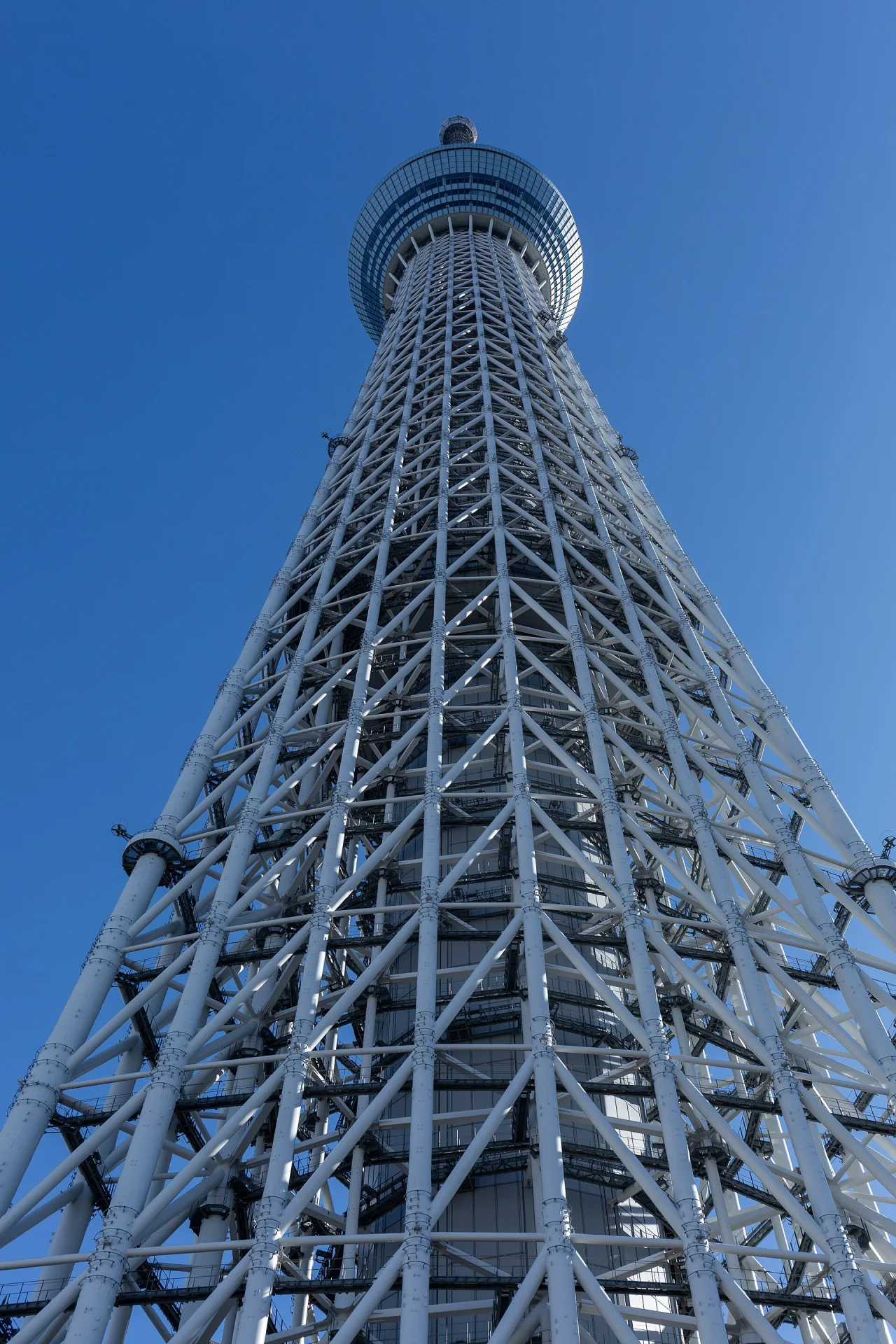
Compare Tokyo Skytree Tembo Deck and Tembo Galleria dynamic pricing, add-ons, and refund rules, plus the 4F Oshiage entrance, sunset timing, Solamachi, Sumida Aquarium, and the walk to Asakusa.
Dynamic Pricing, On-Site Surcharges, and Upgrades
Individual base tickets are priced by date starting with visits on April 1, 2026. On the official website, adult Tembo Deck tickets range from ¥1,800 to ¥3,600, and combo tickets including the Tembo Galleria run ¥3,000 to ¥4,800. Child rates are ¥900 to ¥1,800 for the deck and ¥1,500 to ¥2,400 for the combo. The booking calendar asks you to pick a visit date first, then an entry time slot. If you have two or three flexible days, click through each date to compare rates—shifting from a weekend to a weekday can lower the total, though you should always confirm the exact fare shown on the calendar.
Age brackets here differ from many other Japanese attractions. Adults are defined as 15 and older, and children as 6 to 14—meaning junior high students pay the child rate while high school students pay the adult rate. Children 5 and under enter free, as do 6-year-olds who have not yet started elementary school. If you are traveling with kids near the cutoff ages, check the age brackets for Skytree and Sumida Aquarium separately before adding up costs: the aquarium charges a toddler ticket starting at age 3 and has its own high school rate.
If you decide to go up once you are already at the base, check the official booking page on your phone first if you have internet access. Buying base tickets at the 4F ticket counters or vending machines adds a ¥500 surcharge per ticket—¥2,000 extra for a party of four. Same-day tickets are available online whenever capacity remains, whereas the 4F ticket counters may pause sales on busy days. After paying online, go straight to the pre-purchased ticket lane on 4F and open each entry QR code from your confirmation email or order page. Clear screenshots and printouts are both accepted if you worry about signal drops, and be sure to leave buffer time for ticket scanning and bag inspection.
Visitors who only bought a Tembo Deck ticket can upgrade to the Tembo Galleria at ticket machines on the 350-meter floor for ¥1,400 per adult and ¥700 per child, with no ¥500 on-site surcharge. However, Galleria upgrades pause if capacity limits are reached. Using the lowest base prices on the official site, buying a deck ticket plus an upgrade totals ¥3,200 for adults and ¥1,600 for children—¥200 and ¥100 more than the lowest combo price. Weigh that small difference on your specific date against how much you want the option to decide after reaching 350 meters.
| Ticket Type | Adult | Child | Where to Buy |
|---|---|---|---|
| Tembo Deck | ¥1,800–¥3,600 | ¥900–¥1,800 | Priced by date online; ¥500 surcharge per ticket at 4F |
| Tembo Deck + Tembo Galleria | ¥3,000–¥4,800 | ¥1,500–¥2,400 | Priced by date online; ¥500 surcharge per ticket at 4F |
| Tembo Galleria add-on (with Deck ticket) | ¥1,400 | ¥700 | 350m floor ticket machines; suspended when at capacity |
When Tickets Go On Sale and How Changes Work
Standard e-tickets on the official booking site go on sale on the 1st of the month two months before your visit. For example, February 2027 entry opens on December 1, 2026. Enjoy Pack bundles that pair Skytree with Sumida Aquarium or other attractions follow a different schedule, opening on the 1st of the previous month and closing the day before the visit. Standard tickets stay on sale online until 29 minutes after a given entry slot begins if spots remain, though that is strictly a sales cutoff—plan to arrive ahead of your printed entry window for security checks and elevators.
For tickets bought through the official LINKTIVITY system, changing the date, time slot, or base ticket type requires canceling the order and booking again. Full-order cancellations made 31 days or more before the visit date are free; cancellations from 30 days prior up until the entry start time incur a 20% fee, and no cancellations are allowed once the entry slot begins. You can also cancel free of charge within 59 minutes of payment. If one person in your group drops out on the day of the visit, go to the 4F ticket counter before ascending to refund the unused ticket for a ¥300 fee (¥150 for disability discount and companion tickets). Third-party bookings follow the original seller's rules, and certain Enjoy Pack products are non-refundable once purchased.
If you want clear skies but only have your final evening in Tokyo available, lock in a time slot and ticket tier your whole group agrees on, and leave flexible activities like Asakusa or dinner until afterward or unscheduled. If you have several interchangeable afternoons, wait until two days out to compare the cloud forecast against remaining ticket inventory. The cancellation fee makes checking the family total worthwhile: even at the lowest combo rate, two adults and two children pay ¥9,000, so canceling past the free window costs ¥1,800.
When buying for children or a large group, count out everyone's QR code before lining up. If members are arriving separately while all tickets sit on one phone, meet outside the 4F entrance first. A printed time like 16:00 marks your entry window, so build in extra minutes between ticket scanning and boarding the elevator. Once inside, there is no time limit on how long you can stay, though re-entry is not permitted after exiting. If someone knows they will be an hour late, booking separate time slots is smoother than having the whole group wait at the gate.
Timing Sunset and Why Morning Is Better for Mount Fuji
To catch daylight streets and city lights in one visit, pick an entry slot about 60 minutes before the sunset time listed on the official Skytree calendar. That gives you buffer time for security, the elevator ride, and finding a spot along the west windows. On December 1, 2026, for instance, the tower calendar lists sunset at 16:30; entering at 16:00 leaves little daylight once you factor in walking from Oshiage Station to 4F and heading upstairs. Aim for slots around 15:30 instead, enjoy the daylight view from 350 meters, and stay at your preferred level through dusk. After dark, river bridges and arterial traffic make it easy to keep your bearings.
For the best shot at seeing Mount Fuji, prioritize crisp, dry winter mornings with clear visibility. Look toward the southwest once you reach the deck: Fuji rises behind the distant mountain ridge, past the Shinjuku skyline and western Tokyo neighborhoods. When pointing out landmarks to kids, trace a bend in the Sumida River first to anchor Asakusa and the tower's base before scanning farther out—picking a random snow-capped peak without bearings is an easy mistake. Even when the afternoon sky looks clear overhead, distant haze often swallows the ridgeline. If Mount Fuji is your main goal and your itinerary has wiggle room, wait for a high-visibility forecast before buying.
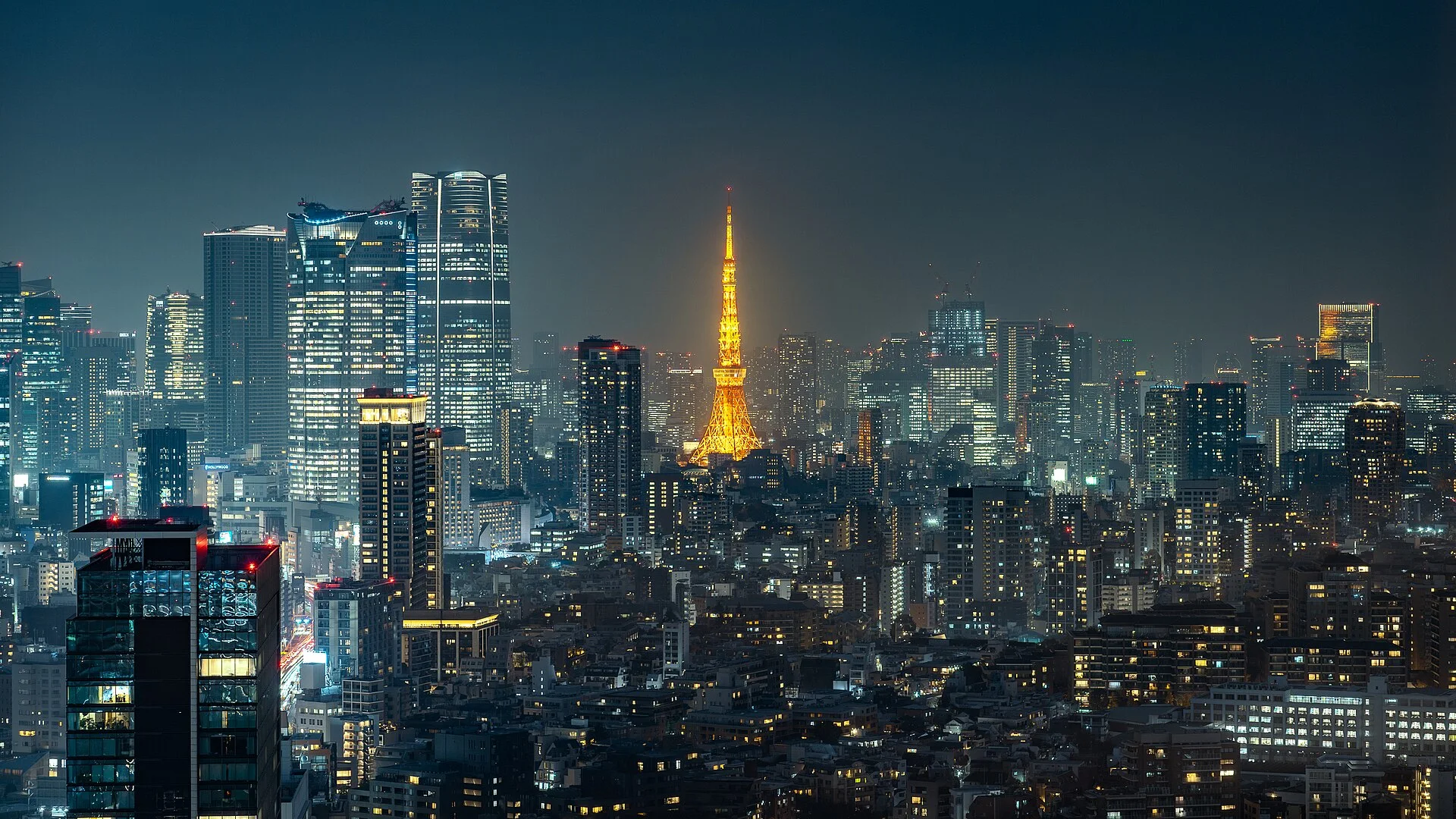
If you only care about the illuminated skyline, booking after sunset pairs easily with dinner. Daylight reveals the density of buildings, while night views highlight roads and bridges—each gives a completely different look in photos. Walking through Sumida Park before ascending lets you trace your own route from above afterward, which is more rewarding than rushing to photograph every window. For night shots through glass, turn off your phone flash and hold the lens close without touching the pane. If indoor lights or people behind you reflect in the glass, take half a step aside or switch to a darker window bay. Non-folding tripods are restricted, so shoot handheld and keep window space moving for others waiting.
Opening Hours, New Year's Eve, and Winter Special Events
Daily observation deck hours are posted on the official monthly calendar, with last admission set one hour before closing. For example, Wednesday, November 25, 2026 runs 10:00–22:00 (last entry 21:00), while Saturday, December 12, 2026 opens earlier at 09:00–22:00. When planning a late slot, check the separate facility hours for that date: the decks, gift shops, cafes, and restaurants each close at different times. If you plan to pick up a specific souvenir after dinner, check whether it is sold at the ground-floor exit shop or the 345-meter floor—once you leave the deck, you cannot go back up.
From December 29 to 31, 2026, standard observation deck hours run 09:00–22:30 with last admission at 21:30. On New Year's Eve, Tokyo Solamachi retail stores close early at 20:00 and restaurants at 21:00, so reserve dinner ahead of your deck entry window if you want to eat downstairs first. On January 1 and 2, 2027, regular hours are 08:00–22:00 (last entry 21:00), shifting to 09:00–22:00 from January 3 under the year-end holiday schedule. If you plan a New Year's Day visit to Sensoji Temple and Skytree, taking a morning tower slot and walking to Asakusa in the afternoon avoids unnecessary backtracking.
The 2027 New Year's Day First Sunrise special event runs 05:30–07:30, meeting at Solamachi Plaza with capacity capped at 800 guests. Online lottery applications cover 580 tickets (up to five per entry) at ¥11,000 each, including both observation decks and a ¥1,000 shop voucher. Applications close on November 26, 2026, at 23:59 JST, with email results scheduled for December 1. Special event tickets are non-refundable once confirmed, even if clouds obscure the sunrise. Standard timed admission on January 1 begins at 08:00.
From December 1, 2026 to March 2, 2027, the Hokusai and Sanrio collaboration exhibition centers on the 445- to 450-meter Tembo Galleria, so pick the combo ticket if you want the full display. The 350-meter floor also runs evening panoramic projections on a monthly schedule listed on the official site. If you are visiting for both sunset and the exhibition, decide beforehand whether to hold a window spot for dusk or line up for a specific screening time. Special tower lighting colors only appear on designated evenings and do not necessarily match the exhibition's full daily run.
Oshiage vs. Tokyo Skytree Station: Aim for the 4F Entrance
From Shibuya, Otemachi, or Kinshicho, take the Tokyo Metro Hanzomon Line to Oshiage (SKYTREE) Station (Z14), or ride the Toei Asakusa Line to Oshiage (A20). Follow the connecting passage signed for Tokyo Skytree Town and Tokyo Solamachi, then follow mall signs up to the 4F Observation Deck main entrance. Using the indoor walkway trims street walking down to a short outdoor stretch right before the 4F gate. Only head for Exit B3 on the Tokyo Metro station map—which has a street-level elevator—if you need taxis in front of Oshiage Station or are walking to the Keisei Richmond Hotel. Both the indoor connector and B3 are on the Oshiage side; picking the wrong one mostly just adds walking distance or requires an umbrella in the rain.
From JR Tokyo Station, ride the Sobu Line Rapid to Kinshicho and transfer one stop on the Hanzomon Line to Oshiage. If you are already in Ueno, take the Ginza Line to Asakusa and switch to the Tobu Skytree Line for one stop to Tokyo Skytree Station. That station sits on the west side of the mall, with both East and West exits serving inbound and outbound platforms—follow the signs inside and outside the station toward Solamachi and the 4F entrance. Both Tobu's Tokyo Skytree Station and the subway's Oshiage Station put you right at the base, so pick the station name that matches the rail operator in your transit app. Because Asakusa has separate complexes for the Ginza Line, Toei Asakusa Line, Tobu, and Tsukuba Express (TX), start following signs for your next line before leaving the train if you are pushing a stroller.
On the Toei Asakusa Line, trains from Asakusa toward Oshiage stop at Honjo-azumabashi before reaching Oshiage. Since that stretch is operated by Toei Subway, a valid Tokyo Subway Ticket covers the fare, whereas the one-stop Tobu Skytree Line ride from Tobu Asakusa requires a separate fare—see the Tokyo Subway Ticket guide for pass coverage. On clear mornings, walking from Asakusa gives you riverside views of the tower; when carrying bags or cutting it close to your entry slot, take the subway or Tobu train. In heavy rain, the easiest fix is staying underground and skipping extra transfers.
Tobu's Skytree Shuttle Ueno–Asakusa Line costs ¥250 for adults and ¥130 for children one-way, paid onboard via cash, Suica, or PASMO. Published travel times are roughly 30 minutes from JR Ueno Station's Park Exit to Tokyo Skytree Town and about 25 minutes on the return. Heading toward the tower, you can board behind Sensoji's Kannon Hall; returning to Asakusa, buses drop off near Kaminarimon Gate. Because buses share road traffic, switch to trains if you have a strict entry slot during peak congestion. Late-evening buses sometimes terminate at Ueno only, so anyone heading elsewhere after dinner should check rail departures from Oshiage.
Navigating Tokyo Solamachi and Where to Book Dinner
Tokyo Solamachi stretches across three zones—the Oshiage side, the tower base, and the Tobu station side—so check both the floor number and zone when hunting for restaurants or restrooms. The 2F Food Marche is best for takeout bento, pastries, and packaged gifts, while the 3F west side houses the Solamachi Tabe Terrace food court. Both shops and the observation deck gate sit on 4F; if your group is meeting with tickets, specify "Observation Deck main entrance" rather than just "4F mall." Arriving from Oshiage in the rain, pick your dining floor before heading up the tower so you do not walk end to end and double back.
General Solamachi retail hours are 10:00–21:00. Restaurants on 6F, 7F, 30F, and 31F typically operate 11:00–23:00, though individual kitchens set earlier last-order times. If you are tight on time before a dusk entry slot, grabbing a quick meal on 3F saves the most walking. To photograph the illuminated tower while dining on 30F or 31F, check seating plans and window orientation before booking: these two floors sit in the East Tower, looking straight back at Skytree itself with no observation ticket required.
Sky Restaurant 634 sits inside the tower on the 345-meter floor and uses a separate reservation flow. Book your table first, then coordinate your Tembo Deck ticket as instructed—the restaurant's policy states that all diners must hold a valid deck admission ticket. Standard dinner service welcomes children aged 10 and older on the regular menu. If your party includes younger kids, have dinner together downstairs in Solamachi first, then let the adults or older guests head up afterward. Because a dinner reservation is the one fixed anchor of the evening, avoid packing the aquarium, Galleria, and dining slots within minutes of one another.
If you buy chilled food to take back to your hotel, sections of the 2F Food Marche offer paid refrigerated lockers. Larger suitcases fit in coin lockers around the complex or at the Sagawa Express temporary baggage counter on 1F (Zone 7). Note the exact counter location and closing hour before checking bags, or you may miss pickup if you linger at a 30F restaurant after the decks close. Carrying stacked souvenir boxes through deck security is also cumbersome, so leave shopping for after you come back down.
Walking From Asakusa Along the Sumida River: Two Bridges, Two Angles
To pair riverside views of Skytree with a walk from Asakusa, head to the Sumida River first. From Tobu Asakusa Station's North Exit or Tokyo Metro Ginza Line Asakusa Station Exit 5, walk straight onto the Sumida River Walk pedestrian bridge. The footbridge runs alongside Tobu train tracks across the river and connects directly into Tokyo Mizumachi, leading past canalside shops along the Kitajukken River to the base of Skytree. Posted bridge hours are 07:00–22:00. If you walk back to Asakusa late at night after leaving Solamachi, use a standard road bridge instead and save the footbridge for daytime.
For a wider frame combining the river and the skyline behind it, step back a few paces from the west end of Azumabashi Bridge to put Tokyo Skytree and the waterfront buildings in one shot. Sumida River Walk sits closer to the rail trestle, which naturally puts trains and bridge steel in your foreground. You can easily loop both: walk over via Tokyo Mizumachi on the way out, and return west across Azumabashi toward Kaminarimon Gate. If you already booked dinner in Oshiage, walk one way in the afternoon so you do not have to cross the river again after exiting on 5F.
For water reflections, head east from Oshiage to Jukkenbashi Bridge on the opposite side of the tower. The bridge crosses the calm Kitajukken River, giving you clean mirror reflections when the wind stays down. Once an evening breeze ripples the water after dusk, focus on framing the illuminated tower against the canal banks. The bridge is narrow, so keep space clear for passersby. If you only have half an hour before heading back to Asakusa, stick to Azumabashi; if you want Jukkenbashi and still need to reach Asakusa, shoot there before going up the tower and ride the Toei Asakusa Line back from Oshiage afterward.
Sumida Aquarium and Rainy-Day Alternatives
On a rainy day, take the covered walkway up from Oshiage Station and shift your centerpiece to Sumida Aquarium. Located on 5F and 6F of Solamachi with the entrance on 5F, the aquarium usually opens 10:00–20:00 on weekdays and 09:00–21:00 on weekends, holidays, and select peak dates, with last admission one hour before closing. If you are timing activities around a child's afternoon nap, start with a relaxed indoor block at the aquarium to see the penguins and goldfish rather than waiting until after 19:00 to buy deck tickets—on weekdays, 19:00 is already the aquarium's final entry.
Standard aquarium admission is ¥2,700 for adults, ¥2,000 for high school students, ¥1,400 for elementary and junior high students, and ¥900 for children aged 3 and up. If you decide to skip the tower, a standalone aquarium ticket saves the most money. Buying an adult aquarium ticket plus the lowest-priced Tembo Deck ticket separately starts at ¥4,500, while Skytree's Enjoy Pack bundling both starts at ¥4,000—compare the exact checkout total for your date and deck tier before deciding. If you want to wait and see whether clouds clear before committing to the tower, buy the aquarium ticket alone so your money stays locked into an indoor plan you will definitely enjoy.
Another indoor backup is Konica Minolta Planetarium TENKU on 7F. Shows run on fixed screening times, so lock in your showtime first and fit meals or shopping around it. Compared with the planetarium, Sumida Aquarium is easier with restless kids who may want to pause or leave early, while the planetarium gives older travelers a comfortable seat if a show matches their schedule. Keep in mind that fog or rain reducing visibility does not qualify for deck refunds while the tower remains open. If high winds or severe weather halt the elevators, ticket holders can check the 4F counter for restart estimates and refund rules before deciding whether to visit the aquarium instead.
Strollers, Wheelchairs, and Meeting Points
Oshiage Station connects via an elevator-accessible route to the tower. Skytree's arrival guide also separates the barrier-free elevator path from standard foot traffic, letting you ride straight up from the underground concourse to 4F. Facility maps mark priority elevators for wheelchairs and strollers across the 350-, 345-, and 340-meter floors, multi-purpose restrooms on every deck level, and a baby care room right before the 4F gate. If your stroller is loaded down with coats and shopping bags, sort out what each person needs on the ground floor before joining the security line.
If older family members tire easily from standing, stick to the Tembo Deck alone. Take in the main windows upon arrival, head down to 340 meters for a seated break near the cafe, and check out the glass floor before taking the down elevator. The Galleria's sloped walkway and extra elevator transfers take noticeably more stamina than the floor diagram suggests. When splitting up so part of the group can ride to the Galleria, agree on an exact floor, landmark, and time window; for post-exit reunions—or when a large group holds tickets under two separate bookings—meet near the shop on the 5F exit floor.
With kids who are nervous around the glass floor panels, let them watch other visitors walk across from the solid floor first before stepping closer together. Save big group photos for the outdoor plazas or river bridges so you do not crowd the viewing windows upstairs. Handle diaper changes on 4F or inside Solamachi before evening elevator queues build up, giving everyone an uninterrupted stretch once you are at the top.
Half-Day and Full-Day Routes—Plus Going in Reverse
Starting from Asakusa works cleanly as a full day: visit Sensoji Temple in the morning, photograph Skytree from the riverbank, cross Sumida River Walk for lunch at Solamachi, and save the afternoon for your timed deck slot. To catch an autumn or winter sunset, plan an earlier ascent than in summer and linger around the mall after lunch rather than detouring to Ueno or Ryogoku. If you have a combo ticket, keep your post-tower schedule open so you can step outside to watch the tower light up before choosing between walking back to Asakusa for dinner or catching a train from Oshiage. For pacing the temple half of the day, check our Sensoji Temple and Asakusa walking route.
If you are chasing clear morning visibility for Mount Fuji—or only snagged an early slot—flip the order. Start from Oshiage and ride up the tower first, grab brunch once Solamachi opens, and stroll back to Asakusa along the Kitajukken River, Tokyo Mizumachi, and Sumida River Walk. Running the route in reverse puts the most weather-sensitive stop first and keeps afternoon snacks and souvenirs out of the tower security line. From Asakusa, you can hop straight onto the Ginza Line toward Ueno or Ginza without doubling back to Oshiage.
With only three or four hours free in Tokyo, entering directly from Oshiage is the simplest play. Ride up to the Tembo Deck, pick up lunch or snacks on 2F or 3F, and leave from whichever station best matches your next stop. If getting a full-height photo of the tower is a must, the base is far too close—walk a short stretch toward Asakusa along the river or frame your shot from one of the bridges. When time only allows one choice, the riverside walk captures the tower itself while riding up gives you the skyline without the tower in it; pick based on the photo your group wants most.
If you are coming strictly at night for a special illumination, time your outdoor viewing around the lighting schedule and fit dinner into the remaining gap. Skytree's regular nightly themes alternate among pale blue Iki, Edo purple Miyabi, and tangerine Nobori. For Christmas 2026 (November 5 to December 25), holiday lighting typically runs 17:30–22:00—extending until midnight on December 24 and 25—with eight excluded dates, such as December 12 and 19 when special Hokusai and Sanrio illuminations run instead. Check the official lighting calendar for that evening's colors before heading out, or grab dinner below and catch a color shift on your way out.
Where to Stay: Oshiage, Kinshicho, or Asakusa
If your priority is Tokyo Skytree Town and minimizing transfers, staying around Oshiage Station lets you split your tower visits—heading up the deck in the morning and stepping outside at night just for the lights, with sheltered indoor access from the train in bad weather. Keisei Richmond Hotel Tokyo Oshiage lists a roughly 1-minute walk from Oshiage Exit B3, ideal if you rely on the Toei Asakusa and Keisei lines across eastern Tokyo. Note that Richmond Hotel Premier Tokyo Schole sits right nearby and both appear in "Oshiage" searches; save the exact hotel name after booking so you follow the right address when rolling luggage out of Exit B3.
If JR access toward Tokyo Station matters more, Kinshicho makes logistics easier. Tobu Hotel Levant Tokyo is about a 3-minute walk from Kinshicho Station's North Exit, and its north-facing rooms look straight toward Skytree—book the official Skytree-view room plan if you want tower views from bed. That lets you save the night skyline for back at the hotel while spending the day elsewhere. From Kinshicho, Oshiage is one stop away on the Hanzomon Line, and the Sobu Line Rapid runs straight to Tokyo Station for Shinkansen connections. If part of your group wants to head back early to rest, riding one stop by train is also easier than walking back from the tower base.
Stay in Asakusa if Sensoji Temple and morning strolls along the Sumida River are the heart of your trip. Properties near Tsukuba Express (TX) Asakusa Station or Kappabashi sit a noticeable walk from both the riverfront and Tobu Asakusa Station, so check walking distances to Kaminarimon Gate and your late-night arrival station before booking. Whether you return from Oshiage via the Toei subway or Tobu train, the stretch that actually feels longest with luggage is the street walk after exiting. Hotels with tower views and hotels next to the tower entrance serve two different purposes—check the street address and specific room-view category before locking in your stay.
A few useful answers
Are Tokyo Skytree walk-up tickets always ¥500 more than online tickets?
Buying standard Tembo Deck or combo tickets at the 4F ticket counters or machines adds a ¥500 surcharge per ticket. However, upgrading from a Tembo Deck ticket to the Tembo Galleria at the 350-meter floor machines has no ¥500 surcharge.
Can I walk on the glass floor with only a Tembo Deck ticket?
Yes. The glass floor panels are on the 340-meter level of the Tembo Deck. Combo tickets add the 445- to 450-meter Tembo Galleria spiral ramp and the highest viewpoint at 451.2 meters.
Should I take Exit B3 at Oshiage Station to go up the tower?
To enter the tower, follow the underground connector from Oshiage Station into Tokyo Solamachi and take the signs up to the 4F main entrance. Use Exit B3 for street-level access, taxis, and station-front hotels on the Oshiage side.
Can I visit Asakusa and Tokyo Skytree on the same day?
Yes. In good weather, walk from Asakusa across the Sumida River Walk footbridge and through Tokyo Mizumachi to the tower, or take the Tobu Skytree Line one stop. In heavy rain, ride the Toei Asakusa Line to Oshiage and use the covered mall walkway.
Do I need a Skytree ticket just to eat or shop at Tokyo Solamachi?
No, Tokyo Solamachi is open to the public without a ticket. Sky Restaurant 634 inside the tower on the 345-meter floor requires a valid Tembo Deck ticket, while Sumida Aquarium and the planetarium sell separate admission.
Can I change the date on my Skytree e-ticket if my plans change?
Tickets bought through the official LINKTIVITY site must be canceled and rebooked. Cancellations made within 30 days of the visit date up until the entry start time carry a 20% fee, and tickets cannot be canceled once the entry window begins.
Official information and references
Sources used in this guide.
- Tokyo Skytree Observation Deck Tickets, Types, and Upgrades
- Tokyo Skytree 2026 Dynamic Pricing and Age Bracket Announcement
- Official Ticket Site Sales Windows for Standard Tickets and Enjoy Packs
- Tokyo Skytree Rescheduling, Cancellation, and Channel Policies
- Tokyo Skytree E-Ticket Purchase and Entry Guide
- Tokyo Skytree Observation Floors, Facilities, and Priority Elevators
- Tokyo Skytree Individual Admission and Elevator Routes
- Tokyo Skytree Operating Calendar and Last Admission
- Tokyo Skytree December 1, 2026 Opening Hours and Sunset Time
- Tokyo Skytree Observation Deck FAQ
- Tokyo Skytree Prohibited Items and Visitor Guidelines
- Tokyo Skytree 2027 New Year's Day First Sunrise Event and Holiday Hours
- Tokyo Skytree Christmas 2026 Events and Special Lighting
- Tokyo Skytree Hokusai x Sanrio Collaboration Exhibition
- Tokyo Skytree Tower Lighting Schedule
- Tokyo Skytree Public Transit Access Information
- Tokyo Metro Oshiage Station Exits and Elevator Map
- Tokyo Metropolitan Bureau of Transportation Oshiage Station and Asakusa Line
- Tobu Railway Tokyo Skytree Station Layout Map
- Tobu Bus Skytree Shuttle Ueno–Asakusa Stops, Timetable, and Fares
- Tokyo Mizumachi Access and Sumida River Walk Opening Hours
- Sumida Tourism Association Jukkenbashi Bridge and Riverside Walk
- Tokyo Solamachi Shopping Mall and Restaurant Hours
- Tokyo Solamachi Floor Guide
- Tokyo Solamachi Baggage Storage and Coin Lockers
- Sky Restaurant 634 Dinner Menu and Age Policy
- Sumida Aquarium Admission Prices
- Sumida Aquarium Operating Hours and Last Entry
- Keisei Richmond Hotel Tokyo Oshiage Access
- Richmond Hotel Premier Tokyo Schole Access
- Tobu Hotel Levant Tokyo Access
- Official Ticket System FAQ on Admission, Weather, and Suspension
- Tokyo Skytree November 25, 2026 Opening Hours
- Tokyo Skytree December 12, 2026 Opening Hours
- Tokyo Subway Ticket Coverage on Tokyo Metro and Toei Subway
- Konica Minolta Planetarium TENKU Access and Entrance
- Tobu Hotel Levant Tokyo Skytree-View Rooms and Transit FAQ