Tokyo Tower observatory tickets start at ¥1,500 for adults. Compare the Main Deck, Top Deck Tour, and Diamond Tour, plus gates, refunds, subway exits, light-ups, and the 2027 New Year's Day sunrise.
- Region & Focus
- TokyoAttractions
- Reading Scope
- 21 min read · 11 chapters · 10 Q&As
- Official Verification
- 25 official sources checkedUpdated November 22, 2026
- Key Topics
- First tripBookingItineraries
Chapter Route Map (tap any stop)
- How to Choose Between the Three Ticket Types
- Which Floor to Visit First on an Unreserved Main Deck Ticket
- Top Deck Tour: Head Up to 150 Meters First, Then Check In at the Gate
- What Makes the Diamond Tour Cost More
- Sunset Timing, Rain and Fog, and Cancellation Fees
- Choosing Between Akabanebashi, Kamiyacho, and Onarimon Stations
- Save the ~600-Step Open-Air Staircase for Clear Weather
- Strollers, Wheelchairs, and Luggage
- Schedule Ground-Level Tower Photos Separately from Deck Night Views
- Separate Event Tickets Are Required for the 2027 New Year's Day Sunrise
- Pairing Half a Day with Azabudai Hills, Shiba Park, and Dinner
- Quick Q&A
For your first visit to the Tokyo Tower observatory, a ¥1,500 adult Main Deck ticket gets you 150 meters up for views over Minato Ward and a walk across the glass floor. Book the Top Deck Tour only if you want the 250-meter level—online adult tickets cost ¥3,300, and your reserved time slot is your check-in window at the gate on Main Deck 2F. If you are coming to photograph the red-and-white tower lit up at night, leave time around Akabanebashi or Zojo-ji Temple first before deciding whether to go up. Picking the views you want first makes it much easier to time sunset, dinner, and your ride back.
How to Choose Between the Three Ticket Types
If you want to slot Tokyo Tower before or after dinner, the Main Deck is the easiest to fit in. It spans two floors, has no timed entry window, and lets you stay until closing once you are inside. As long as you leave enough time to ride up, walk the perimeter windows, and take the elevator back down, it slots cleanly into an evening plan. If someone in your group only wants exterior photos, you can meet at the base afterward while whoever wants to go up buys their own ticket.
The Top Deck Tour includes Main Deck access and costs ¥1,800 more online for adults, buying you the 250-meter perspective and a staff-guided tour segment. The online upcharge is ¥1,200 for elementary and junior high school students and ¥900 for children ages 4 and up, which is worth pricing out person by person for families. For two adults and one elementary schooler, the Main Deck totals ¥3,900, while the Top Deck Tour runs ¥8,700 online. If the kids mainly want the glass floor, the first ticket covers it.
The Tokyo Diamond Tour goes to the same 250-meter deck. What you pay extra for is Maple Lounge access, a dedicated route, personal escorting, and a souvenir photo. If you just want the height contrast between the lower and upper views, the standard Top Deck Tour already covers both levels. The Diamond Tour only makes a real difference if you want a seated lounge to wait for someone on a date or anniversary, or want to return to the Main Deck later that same day after dark.
If you only want to visit the Main Deck twice on the same day, buy the 1DAY Pass at the 1F ticket counter. It costs ¥2,700 for adults, ¥2,200 for high schoolers, ¥1,400 for elementary and junior high students, and ¥1,000 for children ages 4 and up. Sold from 9:00 to 19:30 with blackout dates, it uses a hand stamp from staff for same-day re-entry. Two separate adult single tickets total ¥3,000, so the pass saves ¥300 when you know you will return; if you plan to stay by the windows straight through dusk, a single ticket is enough.
The table below lists tax-included individual fares announced by Tokyo Tower as of November 2026 across the three core observatory options. Only the Top Deck Tour has a price gap between counter and online sales—¥200 across every age tier. Families with adult children, high schoolers, and younger kids should not estimate costs using a simple adult-or-child split: the Japanese booking page uses one category for elementary and junior high school students and a separate tier for high schoolers.
Groups of more than ten should check group rates first. Top Deck Tour group tickets apply to 11 to 50 people at ¥3,200 per adult. Main Deck group rates start at 20 people, dropping to ¥1,350 per adult for 20 to 49 guests and ¥1,200 for 50 or more. First-time group bookings require registration, and you will need separate headcounts for high schoolers versus elementary and junior high students before booking. If only a few people in your group want the top level, they can buy individual tickets and meet everyone else on the 150-meter deck.
| Ticket Type | Adult | High School | Elem. / Jr. High | Child (4+) |
|---|---|---|---|---|
| Main Deck | ¥1,500 | ¥1,200 | ¥900 | ¥600 |
| Top Deck Tour (Online) | ¥3,300 | ¥3,100 | ¥2,100 | ¥1,500 |
| Top Deck Tour (Counter) | ¥3,500 | ¥3,300 | ¥2,300 | ¥1,700 |
| Tokyo Diamond Tour | ¥7,000 | ¥6,500 | ¥4,700 | ¥3,300 |
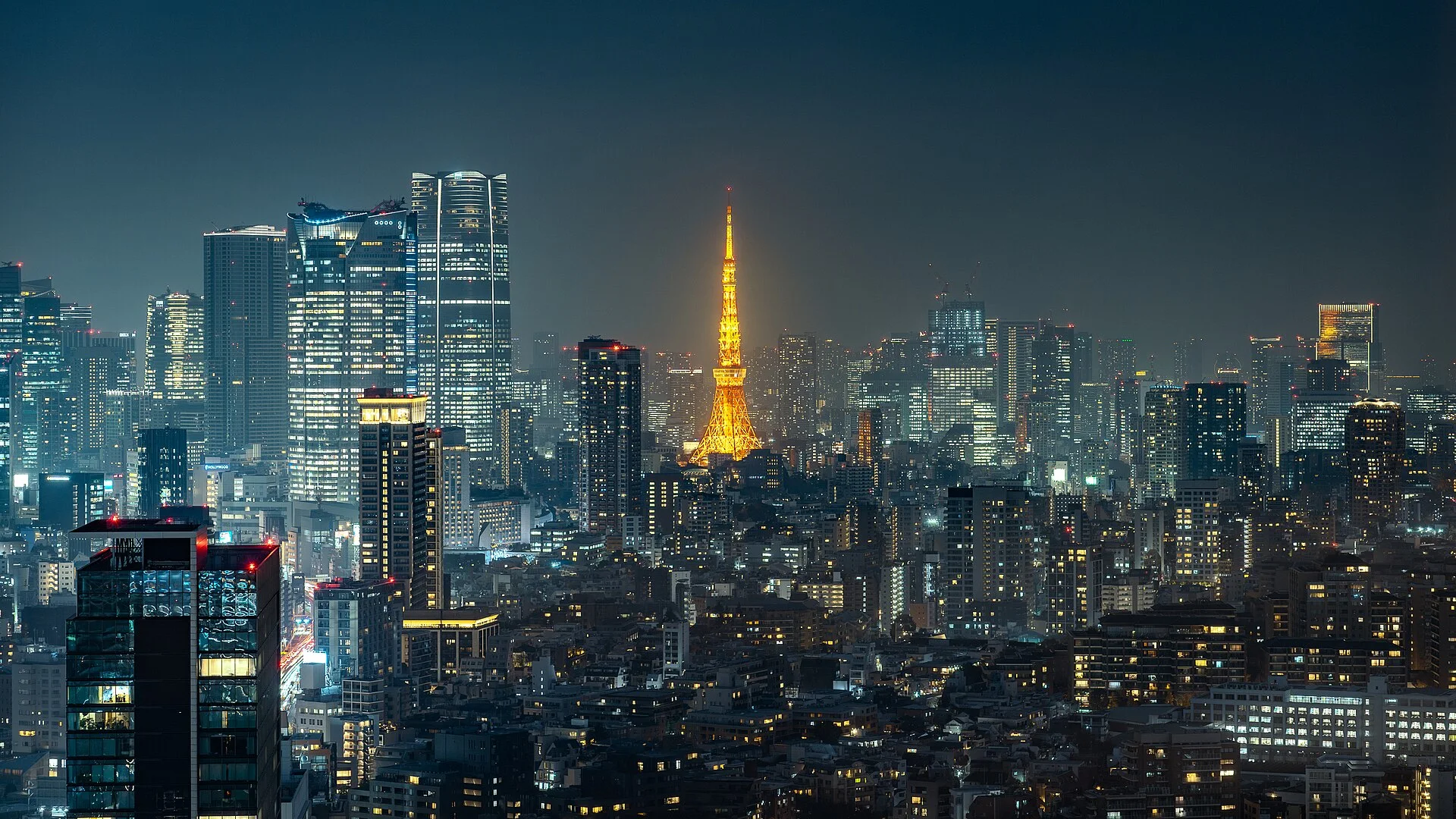
Tokyo Tower observatory tickets start at ¥1,500 for adults. Compare the Main Deck, Top Deck Tour, and Diamond Tour, plus gates, refunds, subway exits, light-ups, and the 2027 New Year's Day sunrise.
Which Floor to Visit First on an Unreserved Main Deck Ticket
Take the up elevator from Foot Town 1F at the base of the tower and you arrive first at Main Deck 2F, 150 meters up. This floor holds the Tower Daijingu Shrine and THE SKY official shop, along with full wraparound windows. Many visitors look straight out toward distant skyscrapers, but if you look down toward the base you can trace the roads and tree canopies of Shiba Park or Zojo-ji Temple that you just walked past. Drop down to 1F only when you are ready to leave, since that is where the down elevators board.
Main Deck 1F sits around 145 meters up and features the Skywalk Window, a section of see-through glass flooring. Kids who want to watch cars shrink to dots can step up carefully from the edge, while anyone afraid of heights can stay on the solid floor and still enjoy the window views. Cafe La Tour is also on this level. If you want to save room for dinner, pick either a drink or the view—and if your priority is the shrine or shop on 2F, visit those before coming down so you are not backtracking with a cup in hand.
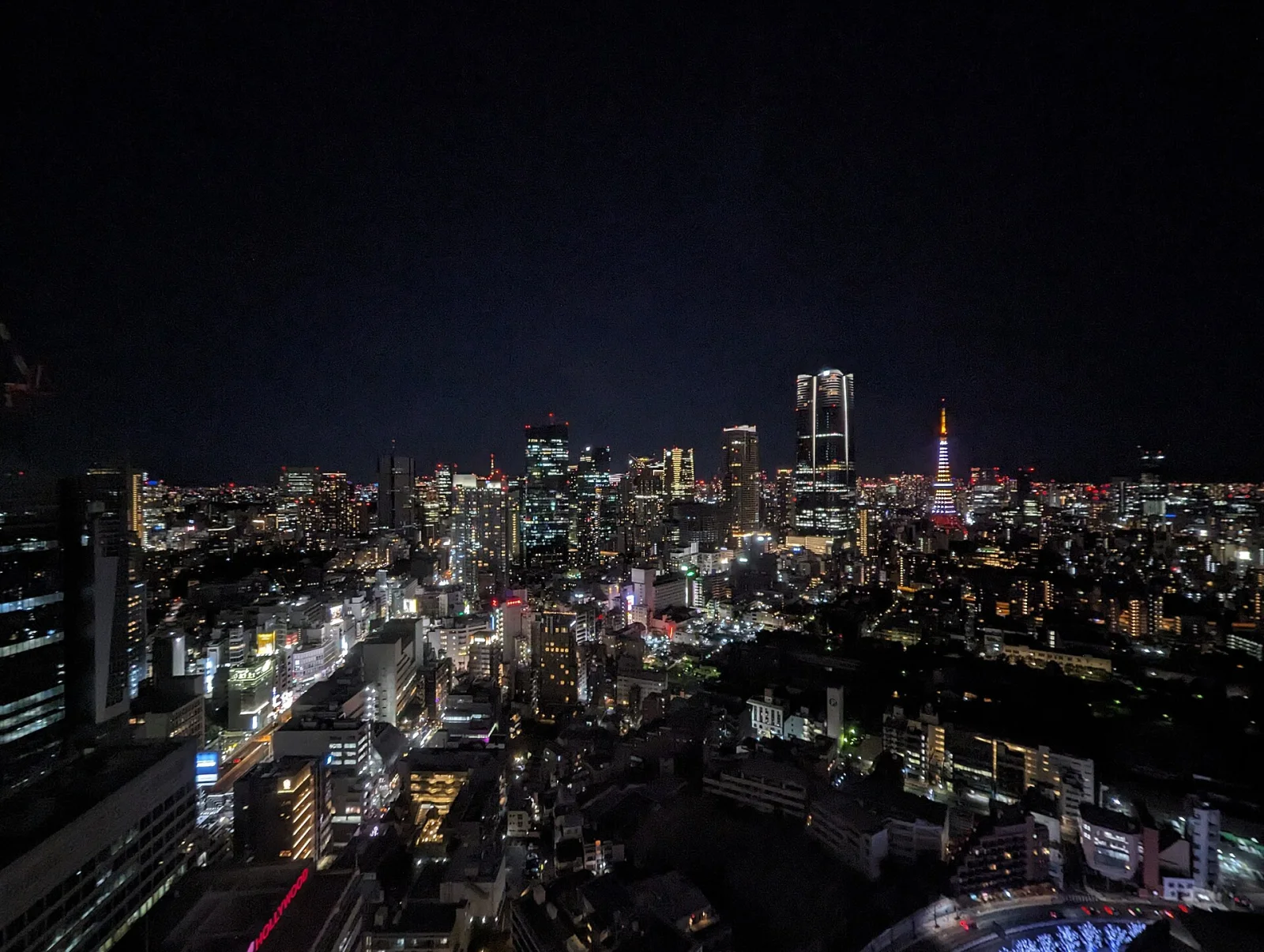
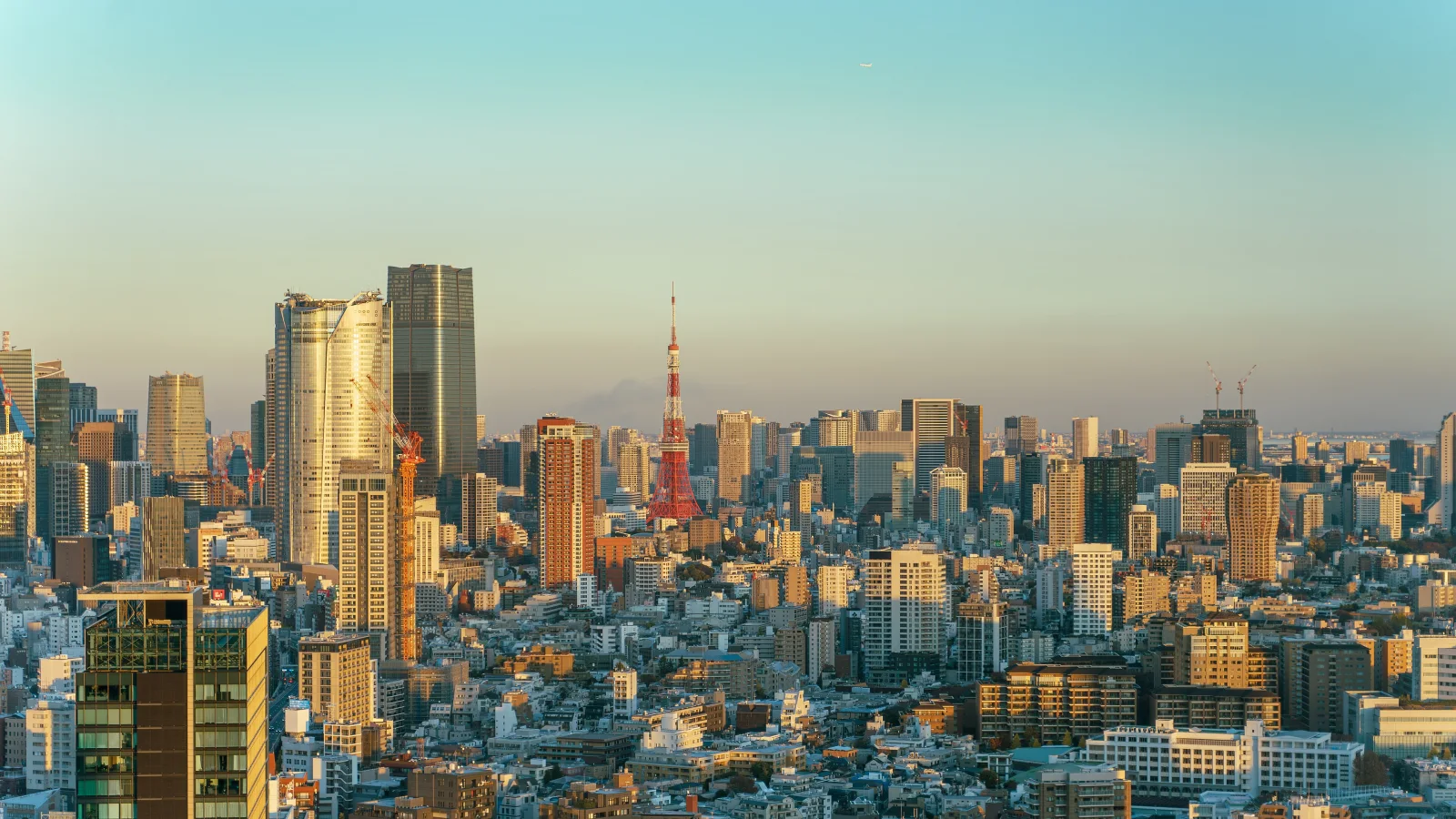
Picking out a street you walked at ground level is more rewarding than snapping a 360-degree panorama the second you step off the elevator. Looking northwest, Azabudai Hills Mori JP Tower stands nearby, with Roppongi Hills Mori Tower farther west. Swing around toward Tokyo Bay and the skyline opens up, letting you trace the lower stretch of Minato Ward out to the water. Nearby intersections are still crisp from 150 meters, giving you clear landmarks to match against headlights and street grids later after dark.
If you are waiting for someone and want a dose of tower history, browse the archival photos and scale models on Foot Town 1F, eat on 2F, or visit the GALAXY official shop on 3F. A single observatory ticket expires as soon as you exit through the gates, so keep Foot Town's ground-level shops, lockers, and restaurants separate in your mind from the cafe and shop up on the deck. If you are heading for a timed 250-meter slot, follow the elevator signs straight to the observatory and save the ground-floor shops for afterward.
The Main Deck typically opens at 9:00 and closes at 23:00, with last admission at 22:30, though entry may close earlier on peak crowd days. If you only care about night views, eat dinner nearby first to skip the sunset rush and give yourself extra cushion for boarding and the ride down. On holiday weekends when you have a fixed dinner reservation, going up during the day keeps your evening free.
Top Deck Tour: Head Up to 150 Meters First, Then Check In at the Gate
Select the Top Deck Tour from the official Tokyo Tower ticket page, which sells online tickets through Asoview. To pay in cash, go to the Foot Town 1F ticket counter and pick an available same-day slot. Tours start with the 9:00–9:15 slot and run roughly every 15 minutes until the final 22:00–22:15 departure. Check first whether a single slot has enough spots for your whole group—for parties of four or five, taking one slot later beats splitting the family across back-to-back windows.
Once you have your e-ticket ready, go straight to the elevator entrance on Foot Town 1F and ride up to the Main Deck. Your ticket's time slot applies to the Top Deck Gate on Main Deck 2F, where you scan your ticket again. The official site estimates about 5 minutes from the 1F elevator entrance to the gate, not counting entry lines, restroom stops, or the uphill walk from the station. For a 16:00 slot, aim to reach the tower base around 15:30—or earlier if you need lockers or have kids in tow.
If you arrive early, take in the closer views from Main Deck 2F and head to the gate on the same floor when your window opens. Once you take the down elevator back to the base, your ticket cannot be used to re-enter. Have snacks at Foot Town before going up or wait until afterward. If part of your group only bought Main Deck tickets, split up near the waiting area and agree to meet by the down elevators on Main Deck 1F after your 250-meter visit so everyone rides down together.
Past the gate, you walk through an exhibition space covering the history of Tokyo Tower and Shiba Park before transferring elevators. The tour includes a welcome drink and a photo card, and the 250-meter interior is lined with geometric mirrors and lighting. For clean city photos, step close to the glass and find an angle with minimal glare. To compare the two heights, drop back to the Main Deck afterward and line up the same landmarks. Guests can stay on the Top Deck until 22:45, though once you descend from the top level you cannot go back up to 250 meters on the same ticket.
If you miss your window, your Top Deck reservation becomes void—official policy states no refunds, though you can still visit the Main Deck. When someone in your party is arriving from elsewhere, specify whether you are meeting at the main entrance, the 1F elevators, or the upstairs gate. If a train delay hits, have whoever arrives on time check in at the gate rather than making the whole group miss the slot waiting at the curb.
What Makes the Diamond Tour Cost More
The Diamond Tour is capped at 70 guests per day, departing every hour on the hour from 12:00 with the last tour at 18:00. Advance booking is required, and the official FAQ notes how remaining same-day spots can be reserved. Check in at the Maple Lounge on Foot Town 1F 15 minutes before departure to join staff through a dedicated gate and elevator. For the 16:00 tour, plan to be in the lounge by 15:45, leaving extra time before that for lockers and the walk up from the station.
Top Deck entry is still single-use, but after coming down from 250 meters you can re-enter the Main Deck later that same day. On a 13:00 Diamond Tour, for example, you can view the city from the top in daylight, spend the afternoon shopping or dining in Azabudai, and come back up to 150 meters at night. The lounge is open 11:00–19:00 with unlimited same-day re-entry, drinks, and light snacks—just treat 19:00 as your cutoff if you want to make use of it.
The real value of the private lounge is having a guaranteed indoor meeting spot, especially if two people are coming from different parts of Tokyo to tour together. If you book the final 18:00 slot and want to sit in the lounge again after taking night photos, you will have to wrap up before 19:00. Anyone planning to go up to 250 meters after 20:00 is better off booking an evening Top Deck Tour directly instead of cutting dinner short to beat the lounge closing time.
Sunset Timing, Rain and Fog, and Cancellation Fees
To catch sunset, work backward from Tokyo's sunset time on your travel date. According to the National Astronomical Observatory of Japan's 2026 Tokyo ephemeris, sunset is at 16:29 on November 27, 16:35 on December 27, and around 19:00 in late June. In winter, look for a Top Deck slot around 15:45 or 16:00; in midsummer, push it into early evening while still leaving buffer for check-in, the intro walk, and the elevator transfer. Main Deck visitors can simply go up early and watch the sky darken from the same window.
Clear daytime hours give you a much better shot at spotting Mount Fuji's silhouette toward the west than after dinner. You can also go up by day for bay views, photograph the lit tower from the street at night, and only buy one observatory ticket for the whole trip. In winter, early sunsets make it easy to fit Zojo-ji Temple, the tower, and dinner in sequence; in summer, that same order pushes dinner late, so eat nearby first and head up afterward for twilight or night views.
On rainy days, focus on closer landmarks and check same-day operating status for each deck via the official ticket page. If the top of the tower is already hidden in clouds from the street, hold off on walk-up tickets and move long-range views to a clearer day. If fog only obscures the horizon while nearby intersections and skyscrapers stay sharp, the Main Deck still offers the glass floor and close-up city views. Low clouds mostly undercut the value of paying extra to compare both decks, so if you have another indoor reservation nearby—like a timed exhibition in Azabudai—use that first.
Official Top Deck Tour and Diamond Tour policies list top-deck closures for wind speeds reaching 20 m/s, snow accumulation, or safety inspections. When Tokyo Tower cancels a Top Deck online ticket, the booking platform issues a full refund. Cash counter tickets require returning with both the ticket and receipt, while card purchases also need the original card. For the Diamond Tour, online refund notices are sent via Asoview, so whoever booked should keep the confirmation email and receipt.
If your plans change, cancel through your original booking channel. Neither tour allows direct time-slot changes—within the cancellation window, you must cancel your existing order and rebook a new slot. Starting two days before the visit date, a 100% cancellation fee applies (for a Saturday booking, that cutoff hits on Thursday). The same terms apply if you decide to skip a light-rain day while tours are still running. Travelers with flexible multi-day schedules can hold off on locking in the top deck until closer to the date—if your first-choice slot sells out, grab an adjacent window or schedule exterior light-up photos around it.
Choosing Between Akabanebashi, Kamiyacho, and Onarimon Stations
For the shortest walk straight to the ticket counter, take the Toei Oedo Line to Akabanebashi Station (E21) and use the Akabanebashi Exit, listed at about 5 minutes by Tokyo Tower. Cross Akabanebashi Intersection to the gas station side and follow the sidewalk uphill toward Foot Town. You get clear tower views along this stretch—just pause to take photos where you are not blocking driveways or standing in crosswalks. Remember that official walking times start at the station exit and do not include elevator waits or photo stops on the slope.
Coming from Ginza, Hibiya, or Azabudai Hills, Kamiyacho Station (H05) on the Tokyo Metro Hibiya Line is smoother. Take Exit 1, turn left along Sakurada-dori, walk past the pedestrian overpass, and cross at the intersection where the tower comes into view—about 7 minutes on foot. If you are already inside Azabudai Hills, head out to street level and walk directly toward the tower rather than doubling back down to the Hibiya Line platform. Build in extra time for buying drinks, checking out, or finding street exits before an evening check-in.
Arriving from Hibiya or Otemachi on the Toei Mita Line, exit Onarimon Station (I06) at A1 for a roughly 6-minute walk past The Prince Park Tower Tokyo and the park-side lane before crossing near the ticket counter. To see Zojo-ji Temple first, start from Shibakoen Station (I05) Exit A4 on the Mita Line or Daimon Station (A09) Exit A6 on the Asakusa Line; both take about 10 minutes and pass the temple grounds. From JR Yamanote, Keihin-Tohoku, or Tokyo Monorail lines, walk from Hamamatsucho Station's North Exit toward Daimon in about 15 to 16 minutes.
Pay attention to which line's exit you take when orienting yourself. Daimon Station serves both the Asakusa and Oedo lines, so if you have already surfaced there and want to visit the temple first, head out toward A6. On the way back, walking down to Akabanebashi on the closer side of the tower saves repeating the Daimon stretch. Saving three pins—Foot Town, your chosen photo corner, and your return station exit—is much easier than navigating by staring up at the spire.
From Shinagawa Station's Konan Exit, you can also take Toei Bus route Hama 95 bound for Tokyo Tower and get off right at the Tokyo Tower stop; the same line also serves stops near Hamamatsucho and Daimon. Watch out for outdated guides mentioning bus route Hashi 86 from Meguro: the Tokyo Metropolitan Bureau of Transportation discontinued the Meguro-to-Tokyo-Tower branch after the last bus on March 31, 2026, though buses still run to Akabanebashi and Shimbashi stations. For timed 250-meter tours, taking the subway keeps street traffic out of the equation.
If you need an elevator to street level, follow station signs at Akabanebashi to the Nakanohashi Exit elevator and walk along the street from there (the 5-minute figure in the table applies to the Akabanebashi Exit). At Kamiyacho, use the street elevator at Exit 5 and approach from the Azabudai Hills side. If you are walking from Hamamatsucho with large suitcases before catching a longer train later, leave your bags at a transfer station or hotel rather than hauling them uphill. On late-night returns, check the last-train times to your hotel station and work backward to when you need to leave the deck.
If you take a taxi from your hotel, Tokyo Tower has a drop-off and pick-up area on the east side so anyone in your group who struggles with slopes can step out close to the base. Adjacent surface and underground parking is also available at ¥800 for the first hour and ¥400 per 30 minutes thereafter. Standard parking runs 9:00–23:00 with last entry at 22:30, so leave time to walk back to your car after an evening visit.
| Line | Station & Exit | Official Walking Time |
|---|---|---|
| Toei Oedo Line | Akabanebashi Station, Akabanebashi Exit | Approx. 5 min |
| Tokyo Metro Hibiya Line | Kamiyacho Station, Exit 1 | Approx. 7 min |
| Toei Mita Line | Onarimon Station, Exit A1 | Approx. 6 min |
| Toei Mita Line | Shibakoen Station, Exit A4 | Approx. 10 min |
| Toei Asakusa Line | Daimon Station, Exit A6 | Approx. 10 min |
| JR Yamanote / Keihin-Tohoku Lines | Hamamatsucho Station, North Exit | Approx. 15–16 min |
Save the ~600-Step Open-Air Staircase for Clear Weather
The open-air staircase links the Foot Town rooftop to the Main Deck via roughly 600 steps. Ascending is open Saturdays, Sundays, and Japanese national holidays from 9:00 to 16:00, while descending runs daily from 9:00 to 20:00 along a separate route. You still need a standard observatory ticket, so sort that out before heading up to the roof. Once you reach the Main Deck, you can ride the elevator down instead of walking all 600 steps again.
The climb's steepness and effort are on top of the uphill walk from the subway, and there is no mid-staircase elevator transfer. Anyone with a fear of heights, bad knees, or low stamina can take the elevator from the base and meet climbers by the Main Deck windows. Climbing in daylight gives you close-up angles of the steel truss and red-and-white paint at every landing—just add extra time for photo pauses instead of treating the official 12-to-13-minute estimate as your deadline buffer.
Top Deck Tour ticket holders are allowed to take the stairs first, but the staircase lets out on Main Deck 1F and you still have to get to the 2F gate. If your tour is close to sunset, ride the elevator to protect your timed entry. If you arrive on a weekend around 15:30 and want to climb, do a daytime tower visit first and save other stops for after you descend. The stairs close during rain, severe weather, or heatstroke alerts, in which case you can simply switch to the elevators and keep the rest of your plan intact.
Strollers, Wheelchairs, and Luggage
Strollers are allowed inside Foot Town and on the Main Deck, but the Top Deck Tour route includes stairs, so Tokyo Tower advises leaving strollers at the Foot Town 1F Operations Center. If a child needs to stay in a stroller the whole time, sticking to the Main Deck makes it much easier to keep the family together. When only part of the group goes up to 250 meters, whoever stays behind can take kids straight to the glass floor or a seating area rather than waiting in crowded transfer zones.
A nursing room is located on Foot Town 3F—listed as open 9:00–22:30 on the family facilities page—while there are no nursing rooms up on the observatory decks. Handle feeding and diaper changes before riding up so you do not have to exit and void a single-use ticket. Accessible restrooms are available on Foot Town 1F and 2F as well as Main Deck 2F. Because the elevators arrive on Main Deck 2F, wheelchair users who want to reach 1F can ask onsite staff to assist.
The Top Deck elevator is compact, and the official FAQ states that multiple wheelchairs cannot ride together at the same time. If two wheelchair users are traveling together and want to stay in the same group throughout, make the Main Deck your shared destination. Tokyo Tower keeps five loaner wheelchairs available by advance reservation through its sales department. Eligible disability pass holders and one companion can buy discounted tickets by presenting the original certificate; if you already bought full-price Top Deck or Diamond Tour e-tickets, visit the 1F Operations Center before your tour with the original pass to get the price difference refunded.
For the Top Deck Tour, any bag whose combined length, width, and height reaches 100 cm or more must be checked at the Foot Town 1F Operations Center. Paid coin lockers downstairs have their own size limits and operate 9:00–22:30. If you plan to stay on the Main Deck until 23:00 or take the last Top Deck Tour and leave afterward, station lockers or hotel storage are easier to work around. Carrying only a small daypack keeps you from interrupting your visit to retrieve bags.
Schedule Ground-Level Tower Photos Separately from Deck Night Views
To fit the entire tower in frame, Akabanebashi Intersection gives you street-level leading lines, while the Zojo-ji Temple grounds let you pair temple eaves in the foreground with the tower rising behind them. Once you reach the Foot Town entrance, you are too close for a full silhouette and shots shift to steel trusses and steep upward angles. Walking slowly on the approach gives you clear shots of the iconic red-and-white lattice before you realize you are already standing underneath it.
Zojo-ji's Sangedatsumon Gate is undergoing preservation repairs scheduled through June 2032. Temporary scaffolding currently covers the gate, though you can still walk underneath—the passage on the Hibiya-dori side is narrower. Visitors walking over from Daimon can pass straight through and save photos for the wider courtyard in front of the main hall. The Main Hall is generally open 6:00–17:30 and Ankokuden Hall 9:00–17:00; in summer, visit the temple before sunset, and in winter visit while the halls are open before stepping into the open grounds for blue-hour shots.
The tower's regular Landmark Light runs from sunset to midnight, shifting between warm orange in winter and crisp white in summer. A second pattern, Infinity Diamond Veil, cycles through colored LEDs on Mondays and Thursdays from 20:00 to 22:00, alongside special event illuminations. Standard Landmark Light also switches to white for two minutes at the top of each hour from sunset to midnight, though special-theme nights may skip this. Check the official illumination calendar for exact colors and dates before locking in your tickets.
If you want exterior lit shots before going up, the Main Deck makes a flexible backup—you can buy tickets after shooting or bring pre-bought general admission. With a timed Top Deck Tour, pick one photo stop beforehand or wait until after you come back down. For a skyline shot that puts Tokyo Tower itself in the frame alongside the city, consider the Roppongi Hills observatory, where distance lets you capture the whole spire across Minato Ward at night.
When photographing through observatory glass, press your lens close to the pane, block interior glare from behind you, and turn off your flash. On the Top Deck, mirrors and ambient lighting mean shifting angles to find reflection-free glass—or intentionally using the mirrored lights in your composition. Tripods are banned on the Top Deck per official rules, so if you want a tripod for night photography, leave it for ground-level tower shots rather than carrying gear you cannot use upstairs.
Separate Event Tickets Are Required for the 2027 New Year's Day Sunrise
On January 1, 2027, Tokyo Tower's Hatsuhino-kai First Sunrise event runs from 5:50 to 8:30, with sunrise from the Main Deck estimated around 6:50. Early-morning entry requires a dedicated event ticket, while regular admission opens at 9:00—so you can still combine a Tower Daijingu Shrine New Year's visit with morning views later on. The event goes ahead rain or shine, so weigh the keepsakes, early access, and deck level together before paying event pricing.
Both Main Deck floors offer ¥12,000 standing tickets, while front- and back-row seated tickets run ¥16,000–¥18,000. The Top Deck is capped at 26 guests at ¥40,000 per person. If anyone in your group wants to sit while waiting, look at Main Deck seated tickets—there is roughly an hour between doors opening at 5:50 and expected sunrise. The event page lists exact seating and standing capacities for both Main Deck floors, so confirm you are booking the same floor before buying multiple tickets.
Top Deck event tickets include lounge access until 8:30. The decks clear out at 8:30 so staff can reset before regular hours begin. If you want to visit a shrine or grab breakfast afterward, take a walk outside before re-entering on a normal daytime ticket. Reaching the tower by 5:50 means checking New Year's Day first-train schedules or walking from your hotel—this early slot is easiest if you are staying around Shibakoen, Akabanebashi, or Daimon.
Event tickets are sold first-come, first-served from November 14, 2026 at 10:00 through December 31 at 23:59 JST. Children ages 4 and up pay the full seat tier price, while ages 3 and under are free. The open-air stairs are closed that morning—everyone uses the elevators—and online tickets cannot be canceled for personal reasons. If weather forces the Top Deck to close, the backup viewing area for Top Deck ticket holders is the 160-meter elevator landing.
Pairing Half a Day with Azabudai Hills, Shiba Park, and Dinner
If you only have two hours for Tokyo Tower, enter from Akabanebashi and exit toward Kamiyacho. Snap tower photos from the Akabanebashi approach, ride up to the Main Deck, and then walk along the northern streets toward Azabudai Hills for dinner or the subway. When the observatory is your sole stop, using the same station in and out is the simplest way to avoid extra navigation. Make a mental note of which street corner frames the full tower on your way in so you are not hunting for a photo spot in the middle of the road at night.
For a temple-focused half-day, start at Daimon, walk through Zojo-ji's main hall and Shiba Park, and continue to Foot Town. Because winter afternoons darken early, have lunch around Daimon or Hamamatsucho so you have daylight for the temple, then time your ascent against that day's sunset. People in your group who only want exterior architecture shots can stay at ground level while climbers go up around dusk, meeting back near Akabanebashi afterward.
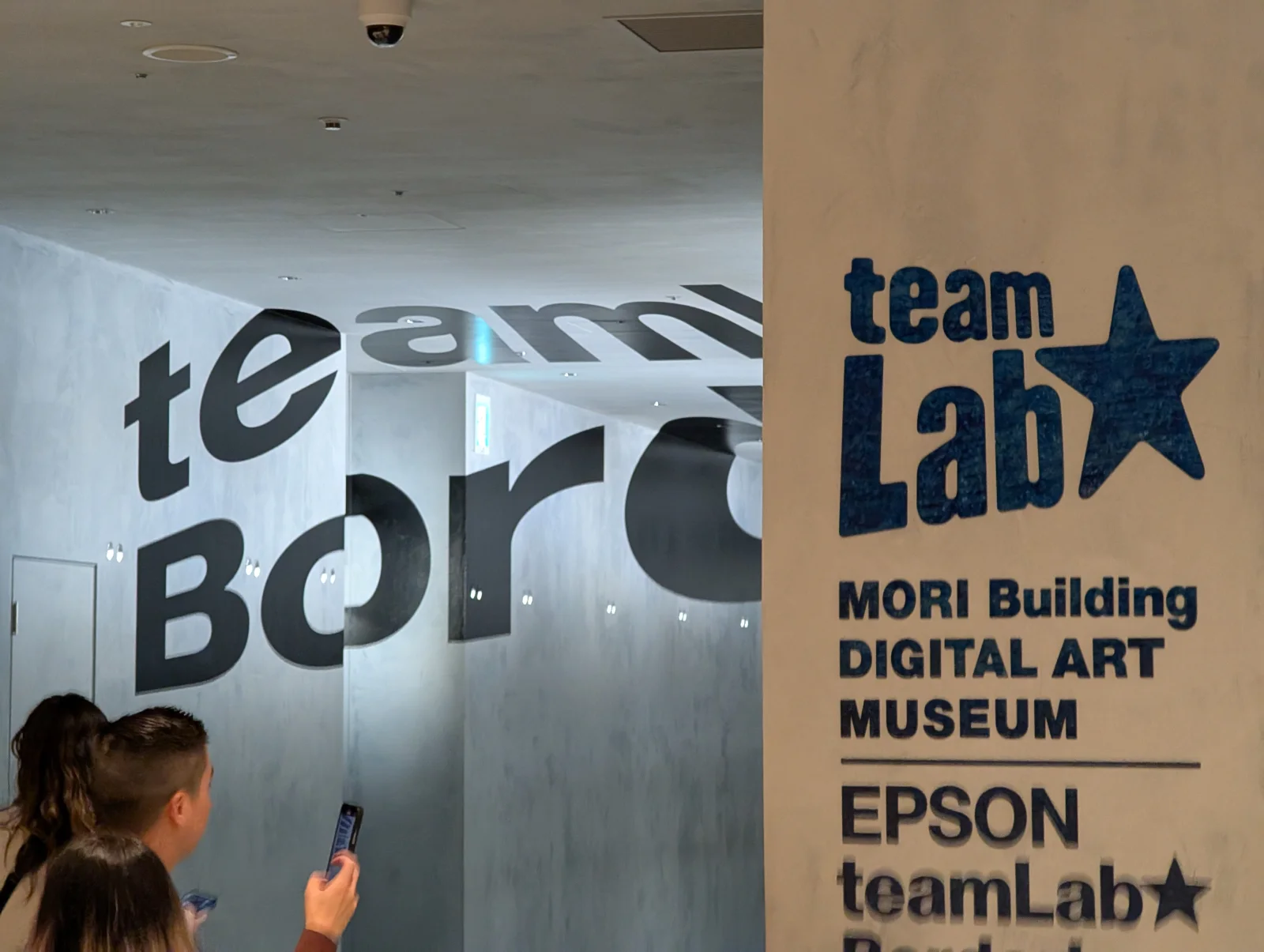
When pairing with teamLab Borderless, lock in whichever timed attraction matters most first. If you visit the museum before the tower, leave generous buffer between your entry time and a Top Deck slot for walking the exhibits, retrieving lockers, exiting, and climbing the slope. If you want to explore the digital art at your own pace, swap an evening Top Deck slot for an untimed Main Deck ticket instead—and if the weather turns, linger over food and shopping inside Azabudai Hills while checking visibility before deciding to go up.
Tokyo Tower also pairs easily with shopping in Roppongi on the same day. Whenever an exhibition or dinner reservation is on your schedule, plan backward from whichever subway line gets you home afterward. Guests staying in Roppongi can ride the Oedo Line two stops from Roppongi to Akabanebashi after dinner with minimal transfers; travelers based in Ginza have a straight shot on the Hibiya Line via Kamiyacho. If you are staying in Hamamatsucho before flying out of Haneda the next morning, slot Tokyo Tower on your final night nearby rather than crossing town earlier.
The neighborhood stroll is always the easiest piece to trim, while a 250-meter check-in window is the hardest to push back. If rain clears briefly and you want exterior shots first, stop only at Akabanebashi on your way from the station before heading to the gate. With an hour left before dinner, focus on a single Main Deck floor and exit in the direction of your restaurant—and if another observatory is already on tomorrow's itinerary, spend tonight looking up at the tower from the ground and taking in the close-up city views.
A few useful answers
Is a Main Deck-only ticket enough for Tokyo Tower?
For a first visit, night views over Minato Ward, or anyone traveling with a stroller, the ¥1,500 adult Main Deck ticket is a great fit. It spans two floors with panoramic city views and a glass floor section. Book the Top Deck Tour only if you want both decks plus the 250-meter perspective.
If I buy the Top Deck Tour, do I still need a separate Main Deck ticket?
No—one ticket covers both the Main Deck and the Top Deck. You take the elevator from Foot Town 1F to the Top Deck Gate on Main Deck 2F for your reserved time slot. After coming down from the top, you can stay and explore the Main Deck, though once you exit back to the tower base you cannot re-enter on the same ticket.
Can I leave Tokyo Tower during the day and come back up to the Main Deck at night?
A standard single ticket only allows one entry. If you plan to leave and return the same day, buy the ¥2,700 adult 1DAY Pass at the ticket counter between 9:00 and 19:30 on eligible dates. The Diamond Tour also includes same-day Main Deck re-entry.
How late are the Tokyo Tower observatories open?
The Main Deck is open 9:00–23:00 with last admission at 22:30, though entry may close earlier when crowded. The Top Deck Tour operates 9:00–22:45, with the final slot at 22:00–22:15. The last Diamond Tour departs at 18:00, requiring lounge check-in by 17:45.
Can I buy Top Deck Tour tickets on the same day?
Yes, as long as slots are still open. Same-day adult tickets cost ¥3,300 online or ¥3,500 at the Foot Town 1F counter, and both require choosing a specific date and time slot.
Can I change the time or get a refund on a Top Deck Tour ticket?
You cannot modify a time slot directly after purchase. While within the cancellation window, you must cancel through your original booking channel and buy a new slot. Official policy charges a 100% cancellation fee starting two days before your visit date, and online cancellations must be handled on the booking platform.
Which subway exit is fastest for Tokyo Tower?
The shortest official route is Akabanebashi Exit at Akabanebashi Station on the Toei Oedo Line, about 5 minutes on foot. From Azabudai Hills, Exit 1 at Kamiyacho Station on the Hibiya Line takes about 7 minutes, and Exit A1 at Onarimon Station on the Mita Line takes about 6 minutes.
Do I need a ticket to see Tokyo Tower lit up at night?
No—you can watch the tower's illumination for free from ground level around Akabanebashi Intersection or Shiba Park. Regular Landmark Light runs from sunset to midnight, with special themes listed on the official illumination calendar. You only need an observatory ticket to go inside and look out over the city.
Are Top Deck Tours canceled when it rains?
Tours may be suspended for strong winds at the top deck, snow, or safety inspections. When Tokyo Tower cancels a tour, online tickets are refunded through the original booking platform. Light rain can blur distant views, but tours that remain open still check in at their scheduled times.
Can I use a regular ticket to watch the 2027 New Year's Day sunrise?
No—January 1 from 5:50 to 8:30 is the Hatsuhino-kai First Sunrise event, which requires an event ticket. Main Deck standing tickets are ¥12,000, Main Deck seats are ¥16,000–¥18,000, and the Top Deck is limited to 26 people at ¥40,000 each. Regular observatory hours begin at 9:00.
Official information and references
Sources used in this guide.
- Tokyo Tower Operating Hours, Individual Fares, and Same-Day Status
- Tokyo Tower Official Ticket Site and Station Walking Times
- Tokyo Tower November 2026 Comparison of Three Observatory Tickets
- Tokyo Tower Main Deck 1DAY Pass Fares, Counter Sales, and Entry Rules
- Tokyo Tower Top Deck Tour Reservations, Cancellations, Late Arrivals, and Baggage
- Tokyo Tower Top Deck Tour E-Tickets and Booking Guide
- Tokyo Tower Tokyo Diamond Tour Check-In, Re-Entry, and Refund Policy
- Tokyo Tower Main Deck Floor Map
- Tokyo Tower Foot Town and Observatory Floors Guide
- Tokyo Tower Train and Subway Walking Routes
- Tokyo Tower Taxi Drop-Off Area and Parking Fees
- Toei Transportation Akabanebashi Station Map and Accessible Facilities
- Tokyo Metro Kamiyacho Station Exits and Street-Level Elevators
- Toei Transportation 2026 Bus Route Revisions
- Toei Transportation Hamamatsucho and Daimon Bus Stops
- Tokyo Tower Open-Air Exterior Staircase Hours and Rain Policy
- Tokyo Tower Accessibility, Discount Passes, and Locker Information
- Tokyo Tower Family Facilities, Nursing Room, and Stroller Guide
- National Astronomical Observatory of Japan 2026 Tokyo Sunrise and Sunset Times
- Tokyo Tower Illumination Calendar and Regular Lighting Schedule
- Zojo-ji Temple Sangedatsumon Gate Restoration Passage Notice
- Zojo-ji Temple Grounds Map and Sangedatsumon Restoration Schedule
- Zojo-ji Temple Main Hall and Ankokuden Visiting Hours
- Tokyo Tower 2027 New Year's Day First Sunrise Event and Seating
- Asoview Official 2027 New Year's Day First Sunrise Ticketing and Rules