How to buy tickets for Tokyo City View on the 52nd floor of Roppongi Hills Mori Tower: compare ¥2,200 online admission, Christmas pair deals, Mori Art Museum combos, Roppongi Station exits, winter sunset times, and rainy-day routes.
- Region & Focus
- TokyoAttractions
- Reading Scope
- 19 min read · 10 chapters · 7 Q&As
- Official Verification
- 22 official sources checkedUpdated November 22, 2026
- Key Topics
- BookingFirst tripWinter
Chapter Route Map (tap any stop)
- What Does a 52nd-Floor Ticket Include?
- Observatory-Only Tickets: Compare Online vs. Counter Prices
- Christmas Pair Tickets vs. Drink Tickets: Which Fits Your Group?
- Mori Art Museum Combo Ticket: Art First, Then the View
- Coming for Wave UFO? Save the Afternoon for 53F
- Which Window Faces Sunset—and When to Arrive in Winter
- Getting From Roppongi Station to the 3F Ticket Counter: Hibiya vs. Oedo Line
- Strollers, Wheelchairs, and Luggage: Plan Buffer Time From 3F
- Rainy-Day Swaps for Shorter Walks and Easier Dinners
- Pairing Another Timed Attraction Without Rushing Half a Day
- Quick Q&A
Roppongi Hills Observatory—officially Tokyo City View—sits indoors on the 52nd floor of Mori Tower. From November 13, 2026 through February 14, 2027, standard adult online admission is ¥2,200 and includes The Little Prince exhibition on the same floor. During the Christmas promotion, two adults can split a ¥3,000 pair ticket. Adding the 53rd-floor Mori Art Museum via a combo ticket requires visiting the art museum first at your reserved slot before entering the observatory. With winter sunset arriving early, decide whether you want to time your visit for dusk light at the glass or your museum entry slot before checking out.
What Does a 52nd-Floor Ticket Include?
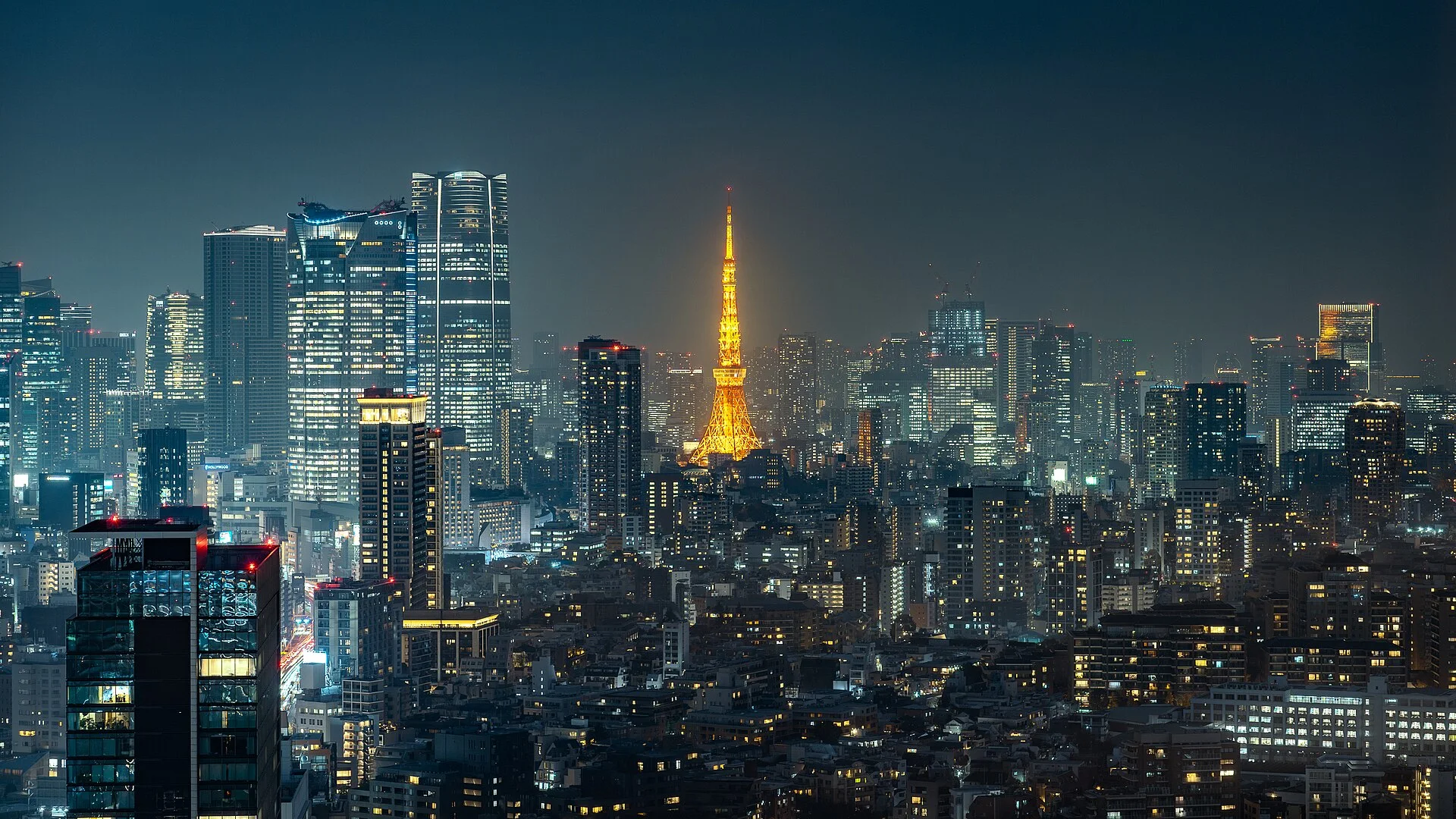
Tokyo City View wraps around the 52nd floor of Mori Tower. Tokyo Tower, Azabudai Hills, and the Shinjuku skyline sit in different directions, so you walk along the perimeter windows once inside. Since the sun sets in the west while Tokyo Tower stands on another side, give yourself time to move between windows if you want both dusk colors and the illuminated tower. The open-air rooftop Sky Deck has ended regular operations, meaning all bookings now cover the glass-enclosed indoor deck. For winter evenings with kids or older relatives, you can head up first and decide on the spot how long to linger by the windows.
From November 13, 2026 through February 14, 2027, a single ticket covers both the observatory and an exhibition marking the 80th anniversary of the French publication of The Little Prince. Exhibits are woven directly into the observation floor, so visitors focused solely on the skyline can simply pause at the windows they prefer. If you arrive just before sunset, head straight to the glass to catch the changing light and browse the exhibition afterward.
To take in the full exhibition, look first for the background on Antoine de Saint-Exupery, roughly 40 original sketches, and editions of the book in various languages, then leave time for the installations that reinterpret scenes with light and typography. Visiting with children who haven't read the book works best if you start with the prince and planet characters near the entrance and see how engaged they are at the interactive sheep display. Special family programs require separate tickets: a picture-book reading on January 16, 2027 in the 3F auditorium (14:00–15:00 JST) costs ¥5,000 per adult, who may bring up to two children aged 4 through junior high free of charge if free child tickets are claimed at booking. Elementary-age and younger children must be accompanied by an adult 18 or older.
The 52nd floor also houses the Mori Arts Center Gallery, which sells separate admission and hosts an exhibition of original Haikyu!! manuscripts and illustrations from October 30, 2026 through January 11, 2027. One floor up on 53F, the Mori Art Museum presents the contemporary art show "Mariko Mori: Sansan." If people in your group want to see different venues, share ticket links with the exact museum name, floor, and exhibition title—you can meet at the 3F ticket counter and split up from there.
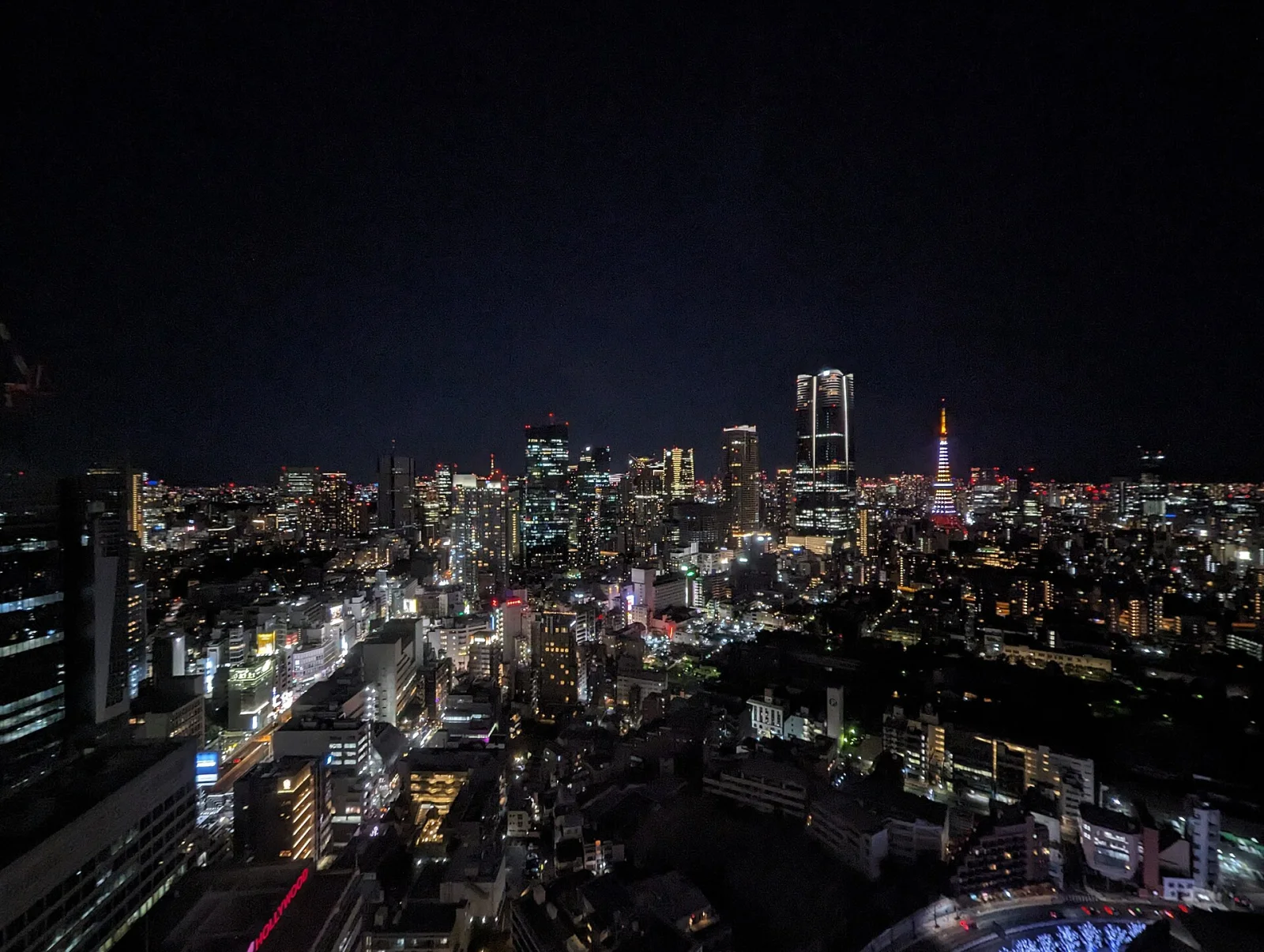
How to buy tickets for Tokyo City View on the 52nd floor of Roppongi Hills Mori Tower: compare ¥2,200 online admission, Christmas pair deals, Mori Art Museum combos, Roppongi Station exits, winter sunset times, and rainy-day routes.
Observatory-Only Tickets: Compare Online vs. Counter Prices
Current pricing applies from November 13, 2026 to February 14, 2027. Booking online saves ¥200 on adult and senior (65+) tickets and ¥100 on high school/university and child tickets. Child fares apply from age 4 through junior high, while children 3 and under enter free. High school/university students and seniors must show ID or proof of age at entry. For a group of two adults and two elementary school students, buying online totals ¥6,400 versus ¥7,000 at the counter—a ¥600 savings for the exact same visit.
To catch sunset, purchase a timed-entry online ticket for a specific date and slot. Standard admission for this exhibition run went on sale October 8, 2026 at 11:00 JST and remains available through each day's last entry, subject to remaining capacity on popular dates. If same-day slots remain open, you can book on your phone or buy at the 3F ticket counter. Booking online holds your spot, though you should still buffer time between arriving at the building and stepping out on 52F in case your ticket requires voucher exchange or elevator lines build up.
The official ticketing site organizes calendars by exhibition name, so double-check that everyone in your group can clear the same entry window before paying. Standard observatory online tickets cannot be modified, refunded, or reissued once purchased. If you are flying in that afternoon or coming from an attraction prone to delays, keep your schedule loose around your entry slot. For a strictly nighttime visit, checking the morning weather and transit times before grabbing a same-day slot makes sense; if you want daylight fading into city lights, book one realistic slot earlier rather than cutting it right to sunset.
Fares also shift by date. In late October and early November 2026, for instance, temporary discounts applied while Sky Gallery 2—facing Mt. Fuji—had restricted access for event setup. For visits from February 15, 2027 onward, check the date-by-date calendar under the observatory's visitor information page. When aiming for a specific view, review both the operating notices and current floor map; late closing hours do not guarantee every window gallery is open.
| Category | Online | Same-Day Counter |
|---|---|---|
| Adult | ¥2,200 | ¥2,400 |
| High School / University Student | ¥1,600 | ¥1,700 |
| Ages 4 – Junior High | ¥1,000 | ¥1,100 |
| Senior (65+) | ¥1,900 | ¥2,100 |
Christmas Pair Tickets vs. Drink Tickets: Which Fits Your Group?
From November 13 to December 25, 2026, the "Tenku no Christmas" event offers an online-only pair ticket for two adults at ¥3,000 total, sold until December 25 at 21:30 JST. Compared with two standard ¥2,200 online adult tickets, the pair ticket saves ¥1,400. An adult paired with an elementary school student would normally pay ¥3,200 combined, narrowing the savings to ¥200. For a family of four with two adults and two elementary schoolers, buying one pair ticket plus two child tickets totals ¥5,000—just check both ticket calendars first to confirm the same time slot is open before booking separately.
If you want a drink on 52F, look at the event's dedicated drink-inclusive tickets: ¥2,700 for adults, ¥2,100 for high school/university students, ¥1,500 for children, and ¥2,400 for seniors 65+, each ¥500 above standard online admission for one non-alcoholic beverage of your choice. The two featured Christmas drinks cost ¥820 apiece a la carte. Two adults ordering both drinks come out ahead with a ¥3,000 pair ticket plus two drinks (¥4,640 total) compared with two drink-inclusive tickets (¥5,400); solo travelers wanting a drink do better with the ¥2,700 drink ticket.
Drink tickets are timed-entry, sold exclusively online through December 25 at 21:00 JST in limited quantities. On arrival, exchange your booking for an admission voucher at the 3F information desk, ride up to 52F, and tell staff at the Sky Gallery 3 cafe stand that you hold a drink ticket before ordering. The cafe opens at 10:30, with drink service listed until 21:00; if you plan to go up after dinner, collect your drink before settling into photo spots so you allow time for lines and the walk to the stand. For skyline views without drinks, standard or pair tickets allow entry as late as 21:30.
You can easily pair the high-rise view with street-level lights on the same evening. Keyakizaka Street illuminations run November 5 through December 25, 2026 from 17:00 to 22:00, and the O-Yane Plaza Christmas Market stays open until 21:00 from November 21 to December 25. Head up around 16:00 for sunset, come down after dark, and stroll Keyakizaka afterward. With an early dinner reservation, walk Keyakizaka first and go up later for full night views; if browsing the Christmas market matters most, go before dinner while all stalls are still open.
Traveling with kids or looking to skip extra uphill walking? Head straight to 66 Plaza near the station after coming down. Illuminated from November 13 to December 25, 2026 starting at 17:00 until midnight (23:00 on December 25), it works well for quick photos right before hopping on the subway—especially if Keyakizaka lights are off or crowds are heavy. Before dinner, West Walk offers an indoor Christmas tree out of the cold, while Mohri Garden keeps its waterside reflections lit until 23:00.
On Christmas Eve and Christmas Day (December 24–25), a stargazing event runs 19:00–20:30, starting with a short indoor talk on 3F before moving to the Keyakizaka Complex rooftop garden. Tickets are ¥2,500 standard or ¥3,000 with a drink (flat rate from elementary school through adult), with first-come registration opening December 1 at 13:00 JST; rain or strong winds cancel the outdoor session. Register via the dedicated event link, and if you only have one night in Roppongi, schedule the indoor observatory earlier in the evening with separate entry buffer for both.
Mori Art Museum Combo Ticket: Art First, Then the View
With a combo ticket, your reserved time slot is for the 53F Mori Art Museum. Enter "Mariko Mori: Sansan" at your scheduled time, and step into the 52F Tokyo City View only after finishing the museum. Even though the direct elevator from 3F reaches 52F first, follow signs straight up to 53F. If you prefer seeing the skyline in daylight and visiting the gallery later, buy separate timed tickets for each floor. To catch sunset using the combo ticket, book a museum slot roughly 90 minutes before your target window time.
Adult combo tickets cost ¥4,500 online or ¥4,900 at the counter, with flat pricing on weekdays and weekends. Compared with buying standard online tickets separately, you save ¥300 on weekdays (¥4,800 separate) and ¥500 on weekends (¥5,000 separate). The maximum ¥700 discount advertised applies to weekend high school/university online tickets: ¥1,600 observatory plus ¥1,700 museum equals ¥3,300 separate versus ¥2,600 as a combo. Child combos (ages 4 through junior high) are ¥1,000 online—identical to observatory-only admission because Mori Art Museum admits junior high students and younger free.
Two adults visiting both floors on a weekday through December 17 can save even more by combining two ¥2,300 Mori Art Museum weekday pair tickets with one ¥3,000 observatory Christmas pair ticket—¥7,600 total for two people, or ¥1,400 under two ¥4,500 combos. This route requires coordinating two separate timed entries: put whichever stop you're likelier to run late for second, and leave breathing room between exits. If one venue's matching slot sells out, switch back to standard tickets or split the visits across two days.
Through December 29, 2026, students can use Mori Art Museum's online student early-bird rate of ¥1,100 on weekdays and ¥1,200 on weekends and holidays. Pairs should compare total costs against the combo, while a solo student pairing the weekday early-bird with ¥1,600 observatory admission pays ¥2,700—just ¥100 more than the ¥2,600 combo. Paying that ¥100 difference is worth it if you want to visit the view first or split across days; combo sales pause on December 18, while the student early-bird stays open through December 29.
Combo tickets run through February 14, 2027, except for a year-end sales blackout from December 18, 2026 to January 3, 2027, when both floors must be booked separately. On December 30 and 31, 2026, Mori Art Museum charges weekend/holiday rates (¥2,800 online adult), bringing combined admission with a ¥2,200 observatory ticket to ¥5,000 per person. Through December 25, two adults can still pair one Christmas observatory pair ticket with individual timed museum tickets.
"Mariko Mori: Sansan" stays on view through March 28, 2027. Standard museum hours run until 22:00 (last entry 21:30), except Tuesdays when it closes at 17:00 (last entry 16:30); note an early 17:00 closing on Friday, November 27, 2026, and an extended 22:00 closing on Tuesday, February 23, 2027. On Tuesdays when you also want night views, book an earlier museum slot and head to 52F afterward, or take a dinner break between separate tickets. If meeting friends by phone, set the meetup at the 3F ticket counter or a street-level shop rather than inside the 52F ticketed zone.
Coming for Wave UFO? Save the Afternoon for 53F
"Mariko Mori: Sansan" centers on light and perception. To enter the capsule of Wave UFO, bring a valid same-day museum ticket to the artwork on 53F and join the on-site queue; numbered admission starts at 10:00 and 14:00, first-come, first-served, in groups of three for roughly 15–20 minutes including prep. Lining up before distribution opens or booking by phone is not permitted. Even with a 14:00 museum ticket, ascending from 3F and clearing entry takes time, so visitors prioritizing the capsule should book an earlier museum slot and push observatory photo time later.
Capsule entry requires a minimum age of 6, and visitors under 16 need a guardian along. Guests must bend down and use a handrail to climb stairs unaided; visitors using canes, walkers, or wheelchairs can experience the simulated dome in the same gallery instead. Phones, electronics, and accessories must be stored in provided lockers before entering. Families hoping to ride together should tell staff when signing up—each session strictly caps at three people, so groups of four or more will be split.
Companions skipping the capsule wait can explore the simulated dome and video works in the same hall, or browse MAM Screen and MAM Project included on the same ticket. If only one person wants the art museum while the other mainly wants skyline photos, buying separate tailored tickets gives both of you more freedom—just agree on a meetup spot downstairs or link up for dinner around Keyakizaka or Azabu-Juban afterward.
Which Window Faces Sunset—and When to Arrive in Winter
Aim to reach the windows 45–60 minutes before sunset, budgeting extra time for subway exits, ticket scanning, and elevators. According to the National Astronomical Observatory of Japan, Tokyo sunset falls at 16:33 JST on December 25, 2026 and 17:21 JST on February 14, 2027. For both daylight and night views on Christmas Day, search entry slots around 15:30 JST; by mid-February, shift roughly 45 minutes later. Even when clouds block the horizon, wait as the sky deepens for Tokyo Tower and street grids to pop.
On a first visit, head straight to Sky Gallery 1 facing Tokyo Tower, where recognizable landmarks—including the nearby towers of Azabudai Hills—anchor the skyline. While daylight holds, walk over to the central Sky Gallery 2 windows to check visibility toward Mt. Fuji; crisp air separates the mountain silhouette cleanly behind the foreground high-rises, whereas hazy days favor swinging back to Tokyo Tower for layered street and building shots. Sky Gallery 3 faces Shibuya and Shinjuku and houses the Christmas cafe stand, making it the natural first stop if you hold a drink ticket.
If you care only about night views and want to skip sunset crowds, either pre- or post-dinner slots work well. Pre-sunset hours draw both daytime and evening crowds, so pick a weekday whenever possible if you want relaxed window access. Once full dark arrives, it is much easier to reverse-engineer your slot around a dinner reservation. With tired kids, a brief daytime or dusk stop works nicely since distant neighborhoods remain easy to spot; if watching the full twilight gradient, budget over an hour on 52F plus 20–30 minutes after sunset for street lights to sharpen against the sky.
Tripods and monopods are prohibited inside, and selfie sticks face restrictions during busy periods and special events. Once dusk hits, interior lights reflect off the glass: turn off your flash, hold your phone close to the pane without touching it, and angle slightly away from overhead fixtures. Avoid camping on a single pane for long stretches while waiting for color shifts, and when mist rolls in, zoom in on closer streets and Tokyo Tower rather than straining a phone lens toward distant towers.
Getting From Roppongi Station to the 3F Ticket Counter: Hibiya vs. Oedo Line
On the Tokyo Metro Hibiya Line, exit Roppongi Station at Exit 1C. Follow the underground concourse past the ticket gates and ride three escalators up to Mori Tower 2F, passing Louise Bourgeois's giant spider sculpture Maman toward the glass-walled Museum Cone. Take the escalator or elevator up to 3F for "Museum & Observatory Tickets / Information," scan in, and board the direct elevator. Official directions cite a 3-minute walk from Exit 1C, measured from the exit itself—add time for walking up from the subway platform and waiting for elevators.
On the Toei Oedo Line, use Exit 3 from Roppongi Station and follow street level to Mori Tower's Museum Cone—about a 6-minute walk per official estimates. Alternatively, Azabu-Juban Station is roughly a 9-minute walk from Oedo Line Exit 7 or 12 minutes from Namboku Line Exit 4. Coming from Shinjuku on the Oedo Line, there is no reason to transfer to the Hibiya Line just for Exit 1C; in the rain, keep your tickets and phone dry while exiting, walk under an umbrella to the glass entrance, and prep them inside.
From Shibuya, catch Toei Bus RH01 from stop 51 outside Shibuya Station East Exit straight to "Roppongi Hills" to skip transfers; routes To 01 and Shibu 88 also link Shibuya and Shimbashi via "Roppongi Ekimae" or "EX Theater Roppongi-mae." If you are already inside JR Shibuya Station, take the Yamanote Line one stop south to Ebisu and transfer to the Hibiya Line toward Kita-Senju, riding past Hiroo to Roppongi. Because streets around Keyakizaka bog down during Christmas illuminations, take the train whenever you have a timed entry. If a friend is already shopping in Shibuya, agree to meet at the "Mori Tower 3F ticket counter" with an exact ETA rather than saying "Roppongi Station," which has scattered entrances.
From Tokyo Station, ride the Marunouchi Line to Ginza and switch to the Hibiya Line for Roppongi Exit 1C. Pairing an afternoon at Azabudai Hills? Hop on the Hibiya Line at Kamiyacho for just one stop to Roppongi—handy in rain or with older travelers, though walking is pleasant in fair weather. Set your map pin specifically to Tokyo City View or Museum Cone so you don't waste time looking for observatory lifts near Mori Tower's office lobbies.
Strollers, Wheelchairs, and Luggage: Plan Buffer Time From 3F
Strollers and wheelchairs are welcome throughout, with accessible elevators connecting floors. Both 52F and 53F have multipurpose restrooms equipped with diaper-changing tables, and loaner wheelchairs can be picked up at the Roppongi Hills general information desk. Arriving with a stroller on the Hibiya Line, take the elevator at the Naka-Meguro end of the platform to the Nishi-Azabu-side gates, then use the station's direct elevator into Roppongi Hills, entering Museum Cone before riding another elevator to 3F. If someone needs step-free access all the way up, ask 52F staff about the elevator route to 53F and build sit-down breaks into both art and view stops.
Official rules ban large suitcases, umbrellas, and tripods from the observatory. Hotel-hopping travelers should leave big bags at their hotel or use paid coin lockers around Roppongi Hills outside the museum entrance. On 52F, ¥100 coin-return lockers come in small (approx. 35.7 W × 45.3 D × 31.7 H cm) for daypacks and large (approx. 37 W × 43 D × 81 H cm) for coats or taller items. Stowing big luggage and long umbrellas beforehand keeps you from backtracking at the ticket gate.
Kids aged 4 and up visiting for the Haikyu!! exhibition need separate Mori Arts Center Gallery tickets alongside any observatory admission, whereas The Little Prince exhibition is already included in standard observatory tickets. With kids of mixed ages, locate restrooms and a clear meetup point on the floor first before splitting attention between exhibits and windows. Back downstairs after 52F, kids often enjoy spotting the streets they just saw from above near the giant spider sculpture on the way back to the Hibiya Line.
Rainy-Day Swaps for Shorter Walks and Easier Dinners
Light rain usually hides Mt. Fuji first, while Tokyo Tower and traffic directly below often remain visible. If you already hold observatory tickets, enter at your slot, tour The Little Prince exhibition first, and check close-up views toward Tokyo Tower. When heavy clouds swallow the upper floors and you haven't bought tickets yet, pivot to the Mori Art Museum—or save the observatory for another clear evening and stick to indoor exhibitions, West Walk, or restaurants inside Roppongi Hills. Pairing a drink ticket lets you grab a warm beverage at Sky Gallery 3 right after entering.
For a multi-museum rainy day, The National Art Center, Tokyo connects directly to Nogizaka Station Exit 6 on the Chiyoda Line and typically closes Tuesdays and over New Year's. On a Tuesday itinerary, start early at the Mori Art Museum, have lunch in West Walk, and return to the ticket counter later for your observatory slot. Reaching The National Art Center from Mori Tower involves an outdoor street walk, so Chiyoda Line riders should visit The National Art Center first, walk over to Roppongi Hills, dine there, and depart from Hibiya Line Roppongi Station to avoid doubling back.
On crisp, dry evenings after a sunset visit, walk downhill along Keyakizaka toward Azabu-Juban for dinner, then head home via the Namboku or Oedo Line from Azabu-Juban Station. If you are staying along the Hibiya Line, pick a restaurant right inside Roppongi Hills for a quick walk back to Exit 1C. Because restaurants inside the complex sometimes share names with sister branches across Roppongi Crossing, confirm the exact branch address when booking so you don't cross the main intersection unnecessarily.
Pairing Another Timed Attraction Without Rushing Half a Day
Tokyo Tower's base around Shiba Park fits well into daytime sightseeing, while Roppongi Hills delivers the classic panoramic shot with the tower inside the frame at sunset. You can stroll and eat from Tokyo Tower or Kamiyacho through Azabudai Hills during the afternoon, then ride one Hibiya Line stop from Kamiyacho to Roppongi before dusk. Alternatively, keep the entire afternoon in Roppongi Hills—tour Mori Art Museum first and descend via Keyakizaka after dark—which gives companions more places to sit and drops a subway transfer when it is cold.
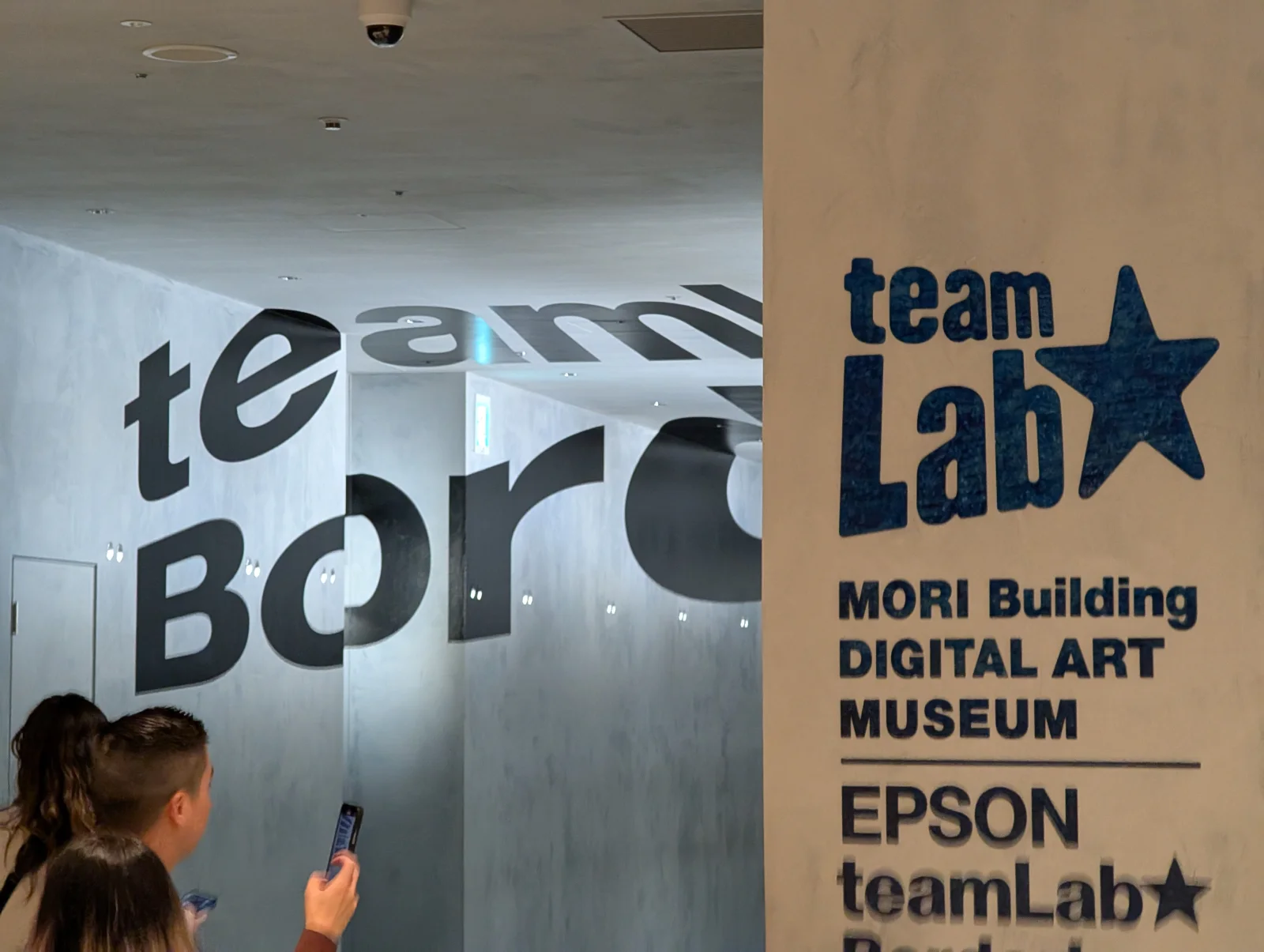
Linking up with teamLab Borderless at Azabudai Hills? Put Borderless first in the afternoon before heading to Roppongi. Both digital art and skyscraper sunsets reward unhurried pacing, and scheduling two tight timed entries one stop apart effectively caps how long you can linger inside Borderless. If Borderless is your main event, book an after-dark observatory slot afterward; if Roppongi sunset is the priority, shift Borderless to the next morning and use a combo ticket to enjoy both Roppongi floors without rushing.
On a wider Tokyo observatory itinerary, Roppongi shines when you want major art exhibitions and night views under one roof, while Shibuya's open-air rooftop fits naturally after shopping in Shibuya. Picking just one in winter comes down to feeling the open wind on a rooftop versus staying warm behind glass until nightfall. Doing both? Schedule one for daytime and one for dusk so daylight clarifies each district's layout—and frees up an extra evening for dinner elsewhere.
Repeat Tokyo visitors who return to Roppongi Hills for rotating exhibitions can look at the Tokyo City View Annual Passport at ¥6,600, valid one year from registration with auto-renewal and no student or child tiers. At the current ¥2,200 adult online rate, three solo visits break even, and the pass also grants ¥1,000 companion admission for one adult guest. One-time visitors are better off with single-day tickets—especially while the winter Christmas pair discount is running.
A few useful answers
How much are Roppongi Hills Observatory tickets?
From November 13, 2026 to February 14, 2027, adult tickets are ¥2,200 online and ¥2,400 at the counter. Online tickets are ¥1,600 for high school and university students, ¥1,000 for ages 4 through junior high, and ¥1,900 for seniors 65 and older. Children 3 and under enter free.
Do I need to book Tokyo City View in advance?
Yes, timed-entry tickets by date and slot are standard. Same-day remaining slots can be booked online or purchased at the 3F ticket counter in Mori Tower. If you want a window spot before sunset, book an earlier arrival slot; standard online tickets cannot be changed, refunded, or reissued after purchase.
What are Tokyo City View's hours, and is the rooftop open?
During The Little Prince exhibition period, the 52F indoor observatory is open 10:00–22:00 with last admission at 21:30. The open-air rooftop Sky Deck has permanently closed for regular admission.
With the Mori Art Museum combo ticket, do I visit 52F or 53F first?
Enter the 53F Mori Art Museum first at your reserved time, then head into the 52F Tokyo City View afterward. Adult combo tickets are ¥4,500 online, with sales suspended from December 18, 2026 to January 3, 2027.
Can I buy the Christmas pair or drink-inclusive ticket at the door?
No—both are online-only. The Christmas pair ticket is ¥3,000 for two adults and stays on sale until December 25, 2026 at 21:30 JST; the adult drink-inclusive ticket is ¥2,700 per person and closes at 21:00 JST the same day. Exchange your drink ticket for an admission voucher at 3F, then redeem the drink on 52F.
Which Roppongi Station exit leads to the observatory?
On the Tokyo Metro Hibiya Line, take Exit 1C through the direct concourse up to 2F, walk past the giant spider sculpture to Museum Cone, and ride up to 3F. On the Toei Oedo Line, use Exit 3 to reach street level and walk about 6 minutes to the entrance.
Is Roppongi Hills Observatory worth visiting on a rainy day?
Yes. Because 52F is completely indoors, you can focus on The Little Prince exhibition and close-up views toward Tokyo Tower. If low clouds obscure the skyline entirely, the Mori Art Museum one floor up on 53F is an indoor alternative with its own ticket.
Official information and references
Sources used in this guide.
- Roppongi Hills Museum & Observatory — Current Fares, Floors, and Access
- Tokyo City View Official Tickets — The Little Prince Exhibition and Timed-Entry Terms
- Tokyo City View — The Little Prince Exhibition Highlights and Hours
- Tenku no Christmas 2026 — Drink Tickets, Pair Tickets, and Stargazing
- Tenku no Christmas 2026 Official Tickets — Pricing, Exchange, and Drink Rules
- Mori Art Museum Official Tickets — Museum-First Entry and Combo Dates
- Mori Art Museum — "Mariko Mori: Sansan" Dates, Hour Exceptions, and Discounts
- Mori Art Museum — Wave UFO On-Site Queue Procedure
- Tokyo City View — Notice on Permanent Closure of Rooftop Sky Deck
- Tokyo City View — Autumn 2026 Gallery Access and Temporary Pricing Notice
- Roppongi Hills Christmas 2026 — Keyakizaka Illuminations and Market Hours
- Tokyo Metropolitan Bureau of Transportation — Shibuya Station Toei Bus Stops
- Tokyo Metro — Hibiya Line Route Map
- Tokyo Metro — Roppongi Station Accessible Routes and Elevators
- Roppongi Hills Museum & Observatory — Entry and Photography Rules
- Roppongi Hills Museum & Observatory — Accessibility Services and Lockers
- Mori Arts Center Gallery — Haikyu!! Exhibition Dates and Venue
- The National Art Center, Tokyo — Opening Hours and Closed Days
- Tokyo City View — Annual Passport Pricing, Companion Discount, and Renewal
- National Astronomical Observatory of Japan — Tokyo Sunset Times, December 2026
- National Astronomical Observatory of Japan — Tokyo Sunset Times, February 2027
- The National Art Center, Tokyo — Access from Nogizaka and Roppongi Stations