Planning a half-day or full-day shopping trip in Roppongi? Compare Roppongi Hills, Tokyo Midtown, and Azabudai Hills by what's on your list, plus subway exits, Mori Tower tickets, 2026 holiday markets, and rainy-day routes.
- Region & Focus
- TokyoNeighborhoods and shopping
- Reading Scope
- 16 min read · 9 chapters · 7 Q&As
- Official Verification
- 28 official sources checkedUpdated November 22, 2026
- Key Topics
- NeighborhoodsItinerariesWinter
Chapter Route Map (tap any stop)
- Which Roppongi Complex to Pick First
- Choosing Between Roppongi, Roppongi-itchome, and Kamiyacho Stations
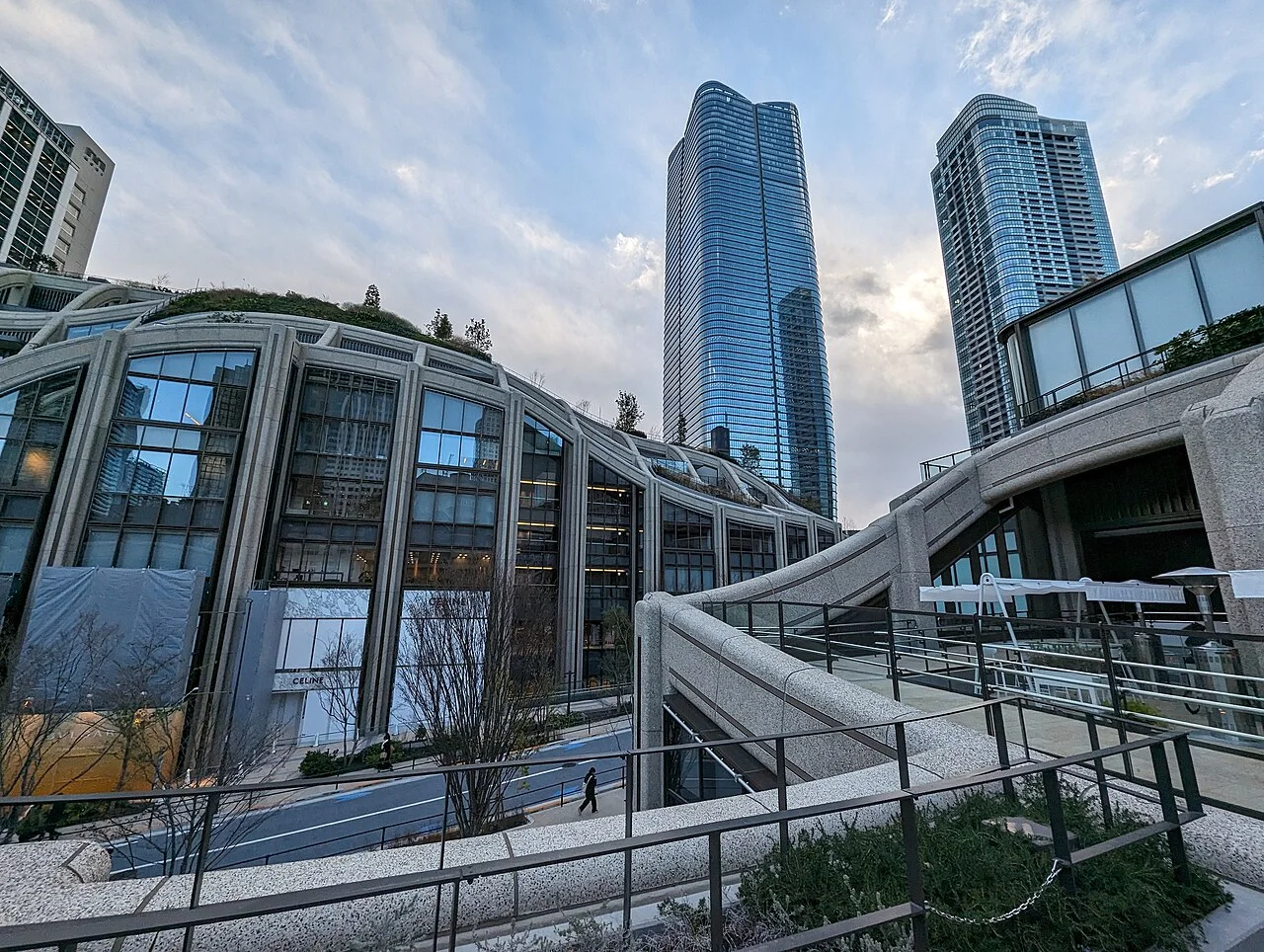
- Roppongi Hills: Walking from West Walk to Keyakizaka-dori
- Mori Tower 52F and 53F: Which Ticket to Buy First
- Tokyo Midtown: Galleria Shopping and Japanese Crafts
- Azabudai Hills: Market First or teamLab First?
- 2026 Roppongi Christmas Lights, Markets, and 2027 Ice Skating
- Fitting Rooms, Souvenirs, and Tax-Free Refunds
- Half-Day, Full-Day, and Rainy-Day Trade-Offs
- Quick Q&A
If you only have half a day in Roppongi and want to shop for clothes before seeing Tokyo Tower light up, start at Roppongi Hills. For Japanese tableware, design goods, and shelf-stable souvenirs, head to Tokyo Midtown's Galleria; for specialty food markets or teamLab, enter Azabudai Hills from Kamiyacho. Moving between these complexes means stepping outside or hopping back on the subway, so anchor your schedule around any timed museum tickets or dinner reservations first, then decide where to shop. All three districts run winter holiday events in 2026, with Keyakizaka illuminations, Christmas markets, and Tokyo Midtown's ice rink each keeping their own dates.
Which Roppongi Complex to Pick First
Start at West Walk in Roppongi Hills if you want fashion, dinner, and views of Tokyo Tower after dark. If you're hunting for things to bring home—tableware, textiles, seasonings—Tokyo Midtown's Galleria packs them under one roof, so getting from the basement food hall to third-floor lifestyle shops is just an escalator ride. For prepared foods, pastries, or dinner ingredients, go to Garden Plaza C at Azabudai Hills. You can also save that stop for the end of the night and catch the train straight from Kamiyacho so you aren't hauling groceries between buildings.
The easiest way to lose time on a half-day trip is switching floors and wings constantly. Roppongi Hills splits its shops across West Walk, Hillside, Metro Hat, and Keyakizaka-dori, while the upper floors of Mori Tower use a separate entrance. Tokyo Midtown is more compact, though walking from Galleria to a design exhibition still takes you outdoors into Midtown Garden. Save each store's name, building wing, and floor in one note—looking up the wing name on site beats searching the complex name on a map app every time.
General retail shops at Roppongi Hills and Azabudai Hills close at 20:00, and fashion, homeware, and service shops at Tokyo Midtown follow the same 20:00 cutoff. If you arrive in the evening, your shopping window is shorter than your dining window. Getting off the train after 19:00? Handle anything that requires trying on clothes, checking stock, or gift wrapping before you sit down to eat. You can reschedule an observation deck visit, not store closing hours.
From November 21 to 23, 2026, Tokyo Midtown in Roppongi is temporarily closed for disaster-prevention maintenance, and parts of its grounds and underground passages will also be shut. If you're staying nearby on those three days, shift your design and shopping plans to the stores and Mori Art Museum at Roppongi Hills, or browse the food market and Christmas market at Azabudai Hills. Tokyo Midtown returns to normal operations on November 24, though since that falls on a Tuesday, 21_21 DESIGN SIGHT remains closed for its regular weekly day off.
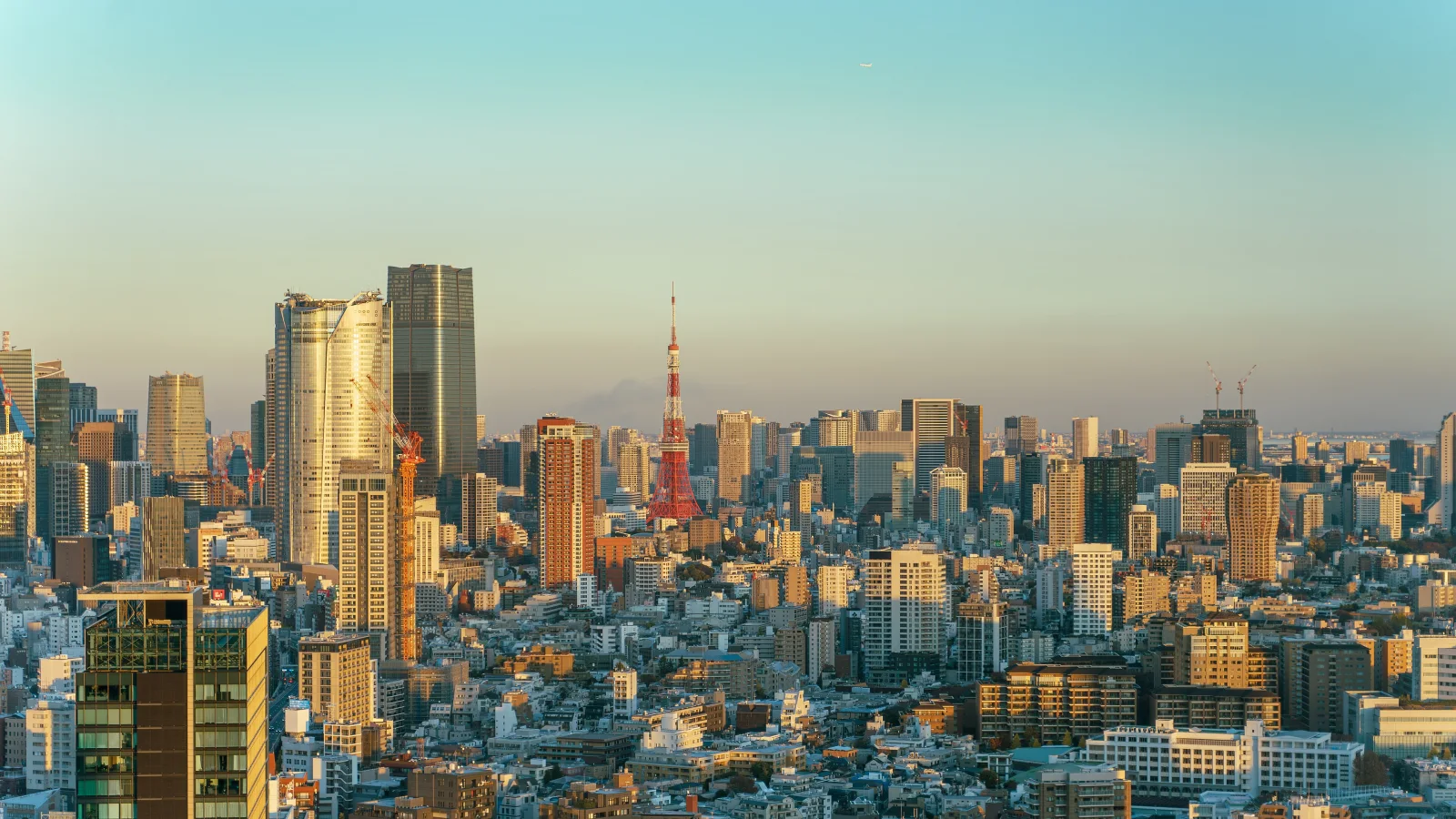
Planning a half-day or full-day shopping trip in Roppongi? Compare Roppongi Hills, Tokyo Midtown, and Azabudai Hills by what's on your list, plus subway exits, Mori Tower tickets, 2026 holiday markets, and rainy-day routes.
Choosing Between Roppongi, Roppongi-itchome, and Kamiyacho Stations
Take the Tokyo Metro Hibiya Line to Roppongi Station and use Exit 1C to go straight into Roppongi Hills via the underground passage to Metro Hat. On the Toei Oedo Line at Roppongi Station, follow signs for Roppongi Hills out of Exit 3 and walk about 4 minutes to the complex. If your reservation specifies Mori Tower 3F, remember that you still need to walk from the complex entrance to the Museum & Observatory Ticket Counter. Meeting your group directly on 3F is much simpler than waiting at the Mori Tower office entrance, which serves a different crowd.
For Tokyo Midtown first, ride the Toei Oedo Line to Roppongi Station and take Exit 8 for direct indoor access; the Hibiya Line side also has an underground link, though it involves stairs. Visitors with strollers or wheelchairs will find the Oedo Line route much easier. If you're already on the Chiyoda Line, get off at Nogizaka Station Exit 3 for a 3-minute walk to Tokyo Midtown. Because that final stretch is outdoors at street level, switching to the Oedo Line route spares you a wet walk in heavy rain.
Azabudai Hills connects directly to Kamiyacho Station Exit 5 on the Hibiya Line and Roppongi-itchome Station Exit 4 on the Namboku Line. Walking from Roppongi Station takes about 10 minutes via Hibiya Line Exit 3 or Oedo Line Exit 5, per Azabudai Hills' official access guide. Add extra walking time once you're inside the grounds, so don't treat the station-to-station estimate as door-to-door time between the malls.
Roppongi (H04) and Kamiyacho (H05) are just one stop apart on the Hibiya Line. Once your bags get heavy—or if puddles are piling up outside—hop one stop from Roppongi to Kamiyacho and enter Azabudai Hills via Exit 5, or ride back to Roppongi and take Exit 1C. Wrapping up your night in Ginza? Stay on the Hibiya Line from either station straight to Ginza (H09). Coming directly from Shibuya to Roppongi Hills, take Toei Bus RH01 to the Roppongi Hills stop, or take JR to Ebisu and transfer to the Hibiya Line if rush-hour traffic threatens a timed entry.
When walking from Tokyo Midtown to Roppongi Hills at street level, set your map pin to the mall entrance or 66 Plaza rather than "Roppongi Station," which can route you to an exit on the far side of your target. Photo spots, restaurants, and galleries often sit off different entrances; if your group is arriving on different subway lines, drop the exact building wing name in Japanese into your group chat before heading up from the platforms. And when transferring between the Oedo and Hibiya lines at Roppongi, remember to factor in the long platform-to-exit walk.
Roppongi Hills: Walking from West Walk to Keyakizaka-dori
For retail shopping right off the subway, follow the Metro Hat passage from the station and look at the directory boards for West Walk or Hillside. West Walk makes a natural starting point: browse the shops, grab a meal on 5F, then head over to the Mori Tower ticket floor, down to the garden, or out to the main avenue. If you're only coming to Roppongi for a meal, pick a restaurant by building wing first—and choose a solid backup nearby before you start shopping, so a sudden wait list doesn't leave you lugging bags across the entire complex.
For street-level storefronts, walk along Keyakizaka-dori. This tree-lined street hosts flagship fashion boutiques, specialty shops, and Roppongi Tsutaya Books, which spans 1F and 2F with 1F open 9:00-23:00 per the store listing. Since most mall shops don't open until 11:00, Tsutaya is ideal if you want to browse design books and magazines or sit down earlier in the morning—the 2F Share Lounge even opens at 8:00. After viewing the winter illuminations at night, you can also duck straight into 1F from the sidewalk for stationery or reading material.
You can spot free public art at 66 Plaza, anchored by Louise Bourgeois's giant spider sculpture, Maman. It's an easy landmark for first-timers to get their bearings at street level, and a handy waiting spot if someone in your group only wants to browse briefly. For a stroll, head past Hillside toward Mohri Garden. The garden, Mori Tower, and O-Yane Plaza are all within easy walking distance; follow the floor directories to the nearest elevators or stairs instead of backtracking up a level when you're carrying shopping bags.
Save larger purchases for the second half of your visit so you aren't babysitting bags from lunch through the observation deck. West Walk 2F has 24-hour coin lockers priced at ¥300 (small), ¥400 (medium), and ¥500 (large) for the first 3 hours, plus ¥100 for each additional 8 hours. If you're returning to the same building for dinner after Mori Tower, drop your bags when you spot an open locker; if you plan to leave later via Kamiyacho, wait until your final stop to buy bulky items instead of trekking back to Roppongi Hills after dinner.
Families with children aged 0 to 6 can use the Kids Room on Hillside B2 as a midday base. Open free from 10:00-21:00, it offers diaper changing stations, nursing rooms, hot water for formula, and a microwave (parental supervision required, with a dedicated baby area for ages 0-2). If your group wants to split up, let the parents settle into this indoor spot while the others visit an exhibition—much nicer than waiting out in a windy plaza.
Mori Tower 52F and 53F: Which Ticket to Buy First
Mori Tower houses two separate attractions on 52F—the indoor Tokyo City View observation deck and Mori Art Center Gallery—plus the Mori Art Museum on 53F. Select tickets carefully by venue or exhibition name, and confirm with your group which floor you're meeting on. The 3F Museum & Observatory Ticket Counter is the clearest common starting point if part of your group wants art and the other just wants skyline photos before meeting back downstairs for dinner. Note that the outdoor rooftop Sky Deck has permanently closed.
During The Little Prince exhibition from November 13, 2026 to February 14, 2027, Tokyo City View's official visitor page lists hours of 10:00-22:00 (last entry 21:30). General admission is ¥2,200 online or ¥2,400 at the counter, ¥1,600 online for high school and university students, and ¥1,000 online for children age 4 through junior high. To catch both twilight and the city lights turning on, book your ticket around the time you want to be at the windows, then work backward to arrive on 3F—and finish any trying on or gift wrapping before that evening slot.
Mori Art Museum presents "Mariko Mori: Radiance" from October 31, 2026 to March 28, 2027. Standard hours run until 22:00, with Tuesdays closing early at 17:00 (last entry 30 minutes before closing). Watch for two exceptions that flip the usual weekday pattern: Friday, November 27, 2026 closes early at 17:00, while Tuesday, February 23, 2027 is a Japanese national holiday and stays open until 22:00. Always verify the ticketing calendar before planning a post-dinner museum visit, as entry uses dated timed slots and same-day tickets are only sold when capacity allows.
For adults visiting Mori Tower with kids, compare single-venue pricing first. Online general admission for "Mariko Mori: Radiance" is ¥2,600 on weekdays and ¥2,800 on weekends and holidays, while junior high school students and younger enter free; December 30 and 31 carry holiday pricing. A museum-only ticket can easily fill an afternoon for art-minded families, whereas if the kids just want to spot Tokyo Tower from the windows, stick to the 52F deck and save the rest of your time for the garden and dinner.
Want both views and art? A seasonal combo ticket for Mori Art Museum and Tokyo City View costs ¥4,500 online or ¥4,900 at the counter—except from December 18, 2026 to January 3, 2027, when combo tickets are suspended and you must buy each venue separately. Combo tickets cannot be changed or refunded after purchase. If everyone in your group has different interests, skip the bundle: confirm who wants both venues, and let everyone else buy single tickets. Once tickets, shopping, and dinner are locked in, shift unreserved browsing later if anything runs behind.
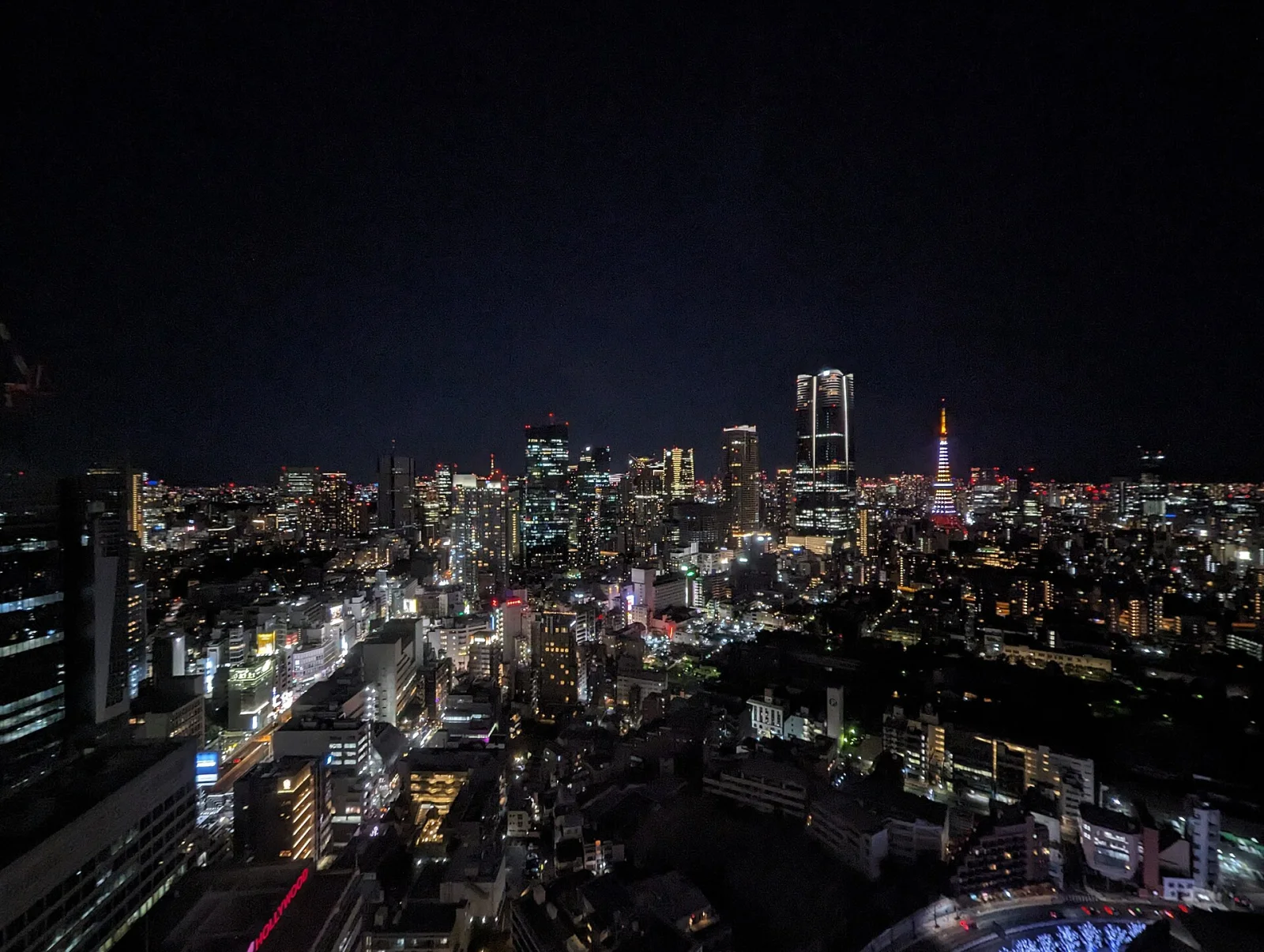
On rainy days with a high cloud ceiling, it's still worth heading up to the indoor observation deck for close-range city views. If low clouds swallow the top of Tokyo Tower, skip the deck before buying tickets and pivot to the 53F museum or the shops along Keyakizaka-dori before dinner. If your goal is actually going up Tokyo Tower itself, check our Tokyo Tower observation deck tickets and entrances guide; keep Mori Tower for skyline shots with the tower in the frame. For a full breakdown of angles and ticket tiers, see our Roppongi Hills observation deck ticket guide.
Tokyo Midtown: Galleria Shopping and Japanese Crafts
Tokyo Midtown packs its fashion, food, and lifestyle boutiques inside Galleria. Head to B1 first if you're shopping for edible gifts—Kayanoya dashi seasonings, Fukumitsuya sake, and Japanese sweets are all on this level. Anything you need to pack for a flight should be shelf-stable so it fits smoothly around dinner and gallery visits. Save fresh wagashi for the same day, and factor in your commute time and hotel fridge space before picking up chilled items. Looking for homeware instead? Start on 3F and grab heavy or refrigerated food right before you leave.
On Galleria 3F, Nihonbashi Kiya specializes in kitchen knives and cooking tools, while TIME & STYLE MIDTOWN and IDEE SHOP carry furniture, textiles, and home goods. If you're hunting for smaller housewares, bring your dining table or shelf measurements along, ask staff to wrap each ceramic piece individually, and keep your suitcase space in mind. Shoppers comparing furniture, lighting, and tableware can browse the entire 3F floor in one loop without running back downstairs to double-check options.
The Suntory Museum of Art shares this third-floor level. Focused on Japanese art and traditional crafts, it runs 10:00-18:00 (extended to 20:00 on Fridays, last entry 30 minutes before closing) and closes Tuesdays, between exhibitions, and over the New Year holidays. From December 12, 2026 to February 7, 2027, it hosts "The Art of the Lotus Sutra." Since most Galleria shops don't open until 11:00, a 10:00 museum arrival works smoothly: follow the museum's early-morning entry instructions online, then step out at 11:00 for coffee or to revisit the homeware shops.
For architecture and design exhibitions, walk out of Galleria into Midtown Garden to reach 21_21 DESIGN SIGHT. Regular hours are 10:00-19:00 (last entry 18:30), closed Tuesdays, during exhibition changeovers, and from December 27 to January 3. Its architecture-themed exhibition "Learning from Hojoki" runs through January 11, 2027—just avoid the year-end closure window. Pairing the show with a browse of 3F furniture and housewares leaves room to compare pieces; if you only have the evening free, stick to dinner at the mall and save the gallery for a half-day visit.
Visiting two museums in Roppongi? Keep your paper ticket stub or exhibition sticker for the second stop. The Suntory Museum of Art offers a ¥100 discount when you show a special-exhibition ticket from Mori Art Museum or The National Art Center, Tokyo, or an admission sticker or stub from 21_21 DESIGN SIGHT (cannot be combined with other discounts). If both museums are already on your schedule, linger longer at whichever interests you more rather than rushing just for the discount, and plan your transit around the overlap between gallery and retail hours.
Azabudai Hills: Market First or teamLab First?
Azabudai Hills Market spans 1F and B1 of Garden Plaza C from 10:00-20:00, while regular shops across the complex generally open 11:00-20:00 and restaurants run 11:00-23:00. Arriving via Kamiyacho at 10:00 gives you a clean hour to explore the market before general retail opens. Separate snacks you plan to eat right away from boxed gifts, and leave seafood, deli dishes, or chilled desserts until you're heading out. When buying food as a gift, decide upfront whether it's for tonight's hotel room or tomorrow's flight so you pick the right packaging.
teamLab Borderless sits on B1 of Garden Plaza B. Tickets are sold by date and timed entry slot; once inside, there's no time limit, though re-entry isn't permitted, strollers must be checked, and outside food is prohibited. Because neither timed museum slots nor fixed dinner reservations budge easily, put one around midday and leave breathing room before the other—and keep the market's 20:00 closing time in mind if you want to shop afterward. If part of your family prefers browsing the market or resting with toddlers, split up and regroup later over a bite at Garden Plaza C or Central Green.
Holding an early morning teamLab ticket? Have breakfast first, walk through the museum, then exit straight into the market and shops. Standard hours are 8:30-21:00 with last entry one hour before closing, and scheduled closures fall on November 24 and December 8, 2026, plus January 13 and 19, 2027. Hours extend until 22:00 from December 26 to 30; if you book a late slot on those evenings, the permanent food market will be closed by the time you come out, so pick up boxed treats before you go in—or grab dinner early if you arrive with time to spare.
Coming to Azabudai Hills purely for a meal? Write down the restaurant's exact building wing and floor when you book. Tower Plaza, Garden Plaza, and Central Green sit within the same complex, and walking in from the Kamiyacho passage still requires navigating to the right wing. When meeting people arriving separately, pick the restaurant entrance or a distinct market doorway rather than saying "the Azabudai entrance." Step outside to see the plaza once the rain lets up; if it pours all afternoon, the market, dining halls, and subway walkways easily cover an entire visit.
For market-focused shoppers, read our Azabudai Hills market and shopping guide to map out the wings first. If you already hold teamLab Borderless tickets, push the other malls to after your visit or the next day. Waiting until after the exhibition to decide on food? Ask everyone how long they want to sit, then choose between grab-and-go market stalls and a sit-down restaurant instead of rushing straight into a timed Mori Tower slot.
2026 Roppongi Christmas Lights, Markets, and 2027 Ice Skating
Keyakizaka-dori's SNOW & BLUE illumination lights up roughly 400 meters of trees nightly from 17:00-22:00, November 5 through December 25, 2026. For photos framing Tokyo Tower down the avenue, pick a spot along the sidewalk while keeping pedestrian flow clear; if a crosswalk or overpass gets packed, keep walking—the illuminated trees look great from anywhere along the street. Afternoon shoppers can grab an early dinner or finish gift shopping first, then step back outside after 17:00. If anyone in your group gets cold quickly, walk one stretch and duck back indoors.
Roppongi Hills Christmas Market runs November 21 to December 25, 2026, from 11:00-21:00 at O-Yane Plaza, with free entry. Stalls serve German sausages, mulled wine, stollen, and holiday ornaments. If seasonal market exclusives are your priority, shop the stalls at noon and return to Keyakizaka-dori after dusk. Select booths offer weekday lunch sets from 11:00-15:00; if lines look long for food, head up to West Walk for lunch and loop back to O-Yane Plaza later for gifts.
Azabudai Hills also hosts a free-entry Christmas market from November 21 to December 25, 2026, open 11:00-21:00 at Central Green. Because the outdoor market stalls sit apart from the permanent food market in Garden Plaza C, know which items you're after if you're short on time. In chilly weather, eat hot market snacks right in the plaza, step indoors for shelf-stable souvenirs, and hop on the subway at Kamiyacho. Trying to see both Keyakizaka's lights and the Azabudai market in one night? Pick one spot to eat and treat the other as a quick walk-through so you aren't stuck in food lines twice before dinner.
Tokyo Midtown's MIDWINTER LIGHTS run free in Midtown Garden from November 26 to December 25, 2026 (17:00-23:00), with soap-bubble shows running through December 20. Inside Galleria B1, the indoor Christmas market operates 11:00-21:00 over the same period—handy for browsing decorations out of the rain straight from the subway before heading outside if skies clear. Note that on November 22, while Roppongi Hills and Azabudai Hills markets are already open, Tokyo Midtown will still be closed for its maintenance shutdown.
Tokyo Midtown's outdoor ice rink follows a separate winter calendar from December 5, 2026 to February 23, 2027, generally open 11:00-21:00 (last entry 20:00) and closed January 1, 2027. Since the Christmas markets wrap up on December 25, skating makes an easy outdoor add-on after New Year's. If you're bringing kids, pad your schedule for lacing up skates, rest breaks, and retrieving checked bags inside the mall. Non-skaters in your group can set a separate meetup time using the distance between the rink and Galleria as a guide.
The ice rink applies holiday rates from December 12, 2026 to January 3, 2027: admission is ¥2,300 for high schoolers and adults and ¥1,700 for junior high students and younger, plus ¥500 for skate rentals or ¥300 for non-skating companions. For example, one adult accompanying an elementary schooler who skates with rental gear during the holidays pays ¥2,500 total. If both of you plan to skate, budget for the second admission and rental fee as well.
Fitting Rooms, Souvenirs, and Tax-Free Refunds
When making a list for clothing and shoes, jot down exact model numbers, colorways, and sizes beforehand. Save department-store comparisons across international flagships for a dedicated Ginza shopping day, and keep Roppongi focused on priority fitting rooms so you still have time for galleries, strolling, and dinner. If you need to compare coats or shoes across multiple racks, start at whichever complex has the best concentration of your target labels. Non-shopping companions can settle into a cafe in the same wing while you try things on and check out.
When buying ceramics as souvenirs, decide right away which suitcase they're going into and whether to keep the gift boxes—pack clothes around the perimeter for padding and ask clerks to wrap fragile pieces individually. In basement food halls, flip that logic: decide what you're eating tonight, and choose shelf-stable, sealed items for anything flying home the next day. Grab-and-go market meals are best eaten the same day; in particular, avoid carrying soupy or messy takeout into timed museum visits.
Starting November 1, 2026, Japan switches to a tax-free refund system. Eligible travelers pay the tax-inclusive price at participating duty-free stores—the standard threshold remains ¥5,000 or more (before tax) in a single day at the same store, calculated per shop rather than combined across stores. Within 90 days of purchase, present your passport to customs at departure to verify the goods are leaving Japan, after which the tax-free operator refunds the consumption tax equivalent. Before paying, check whether a store participates and what refund method is required, and keep receipts grouped by store with the matching items. Anything you plan to eat, use up, or gift inside Japan stays tax-inclusive in your budget.
If you place orders at two different complexes on the same day, complete the required paperwork at each store before leaving. Families sharing one credit card or suitcase should track clearly whose passport each purchase is registered under. Customs officers may ask to inspect the items at departure, so if you're putting tax-free goods into checked luggage, complete customs verification before handing bags to your airline. At Haneda and Narita international departure floors, use the tax-refund kiosks—both airports also support linking this step through Visit Japan Web. If your shopping runs high enough to dent your daily cash flow, budget off the tax-inclusive total you pay at the register and treat the post-departure refund as a separate credit.
Half-Day, Full-Day, and Rainy-Day Trade-Offs
With only an afternoon until dinner, enter Roppongi Hills around 13:00, start in West Walk, and take a break around Hillside if needed. As daylight fades, head to Mori Tower 3F and use a single ticket for the 52F Tokyo City View deck. Leaving before dinner? See the outdoor public art first, then walk Keyakizaka-dori. Because shops, skyline views, and restaurants sit tightly together along this route, it's easy for someone carrying heavy bags—or someone heading back to the hotel early—to peel off without disrupting everyone else.
If design and gift shopping matter more on your half-day trip, begin on Galleria 3F at Tokyo Midtown. Pick one exhibition that interests you, return to the mall for tableware, textiles, and compact gifts, and hit B1 for food right before catching your train. To pair that with evening city lights, arrive at Tokyo Midtown after lunch, shop indoors through the afternoon, and walk over to Roppongi Hills at dusk. Or simply stay in the same building for dinner and exit straight back to your original subway line.
With a full day to explore all three complexes, start the morning at Tokyo Midtown for its 10:00 museums or 11:00 lifestyle shops, walk to Roppongi Hills for lunch and afternoon priority shopping, then ride the Hibiya Line one stop to Kamiyacho in the early evening for Azabudai Hills' food market and dinner. Holding sunset Mori Tower deck tickets instead? Flip the order: Azabudai Hills in the morning, Tokyo Midtown midday, and Roppongi Hills last. If you want chilled treats, buy shelf-stable gifts or eat on site at Azabudai so you only carry light bags up to the observation deck at night.
On heavy rain days, anchor your route to a complex with direct subway access. For strollers and wheelchairs heading to Tokyo Midtown, Oedo Line Exit 8 is the top choice so you skip the stairs in the Hibiya Line passageway. At Roppongi Hills, enter via Exit 1C straight indoors and save Mohri Garden and Keyakizaka-dori for clear weather. Connect to Azabudai Hills via the Hibiya Line to Kamiyacho—you don't have to leave from the same station you arrived at, and cutting out wet transfers gives you more time to browse. If your group only cares about one museum and one store, finish both and hop on the nearest subway home.
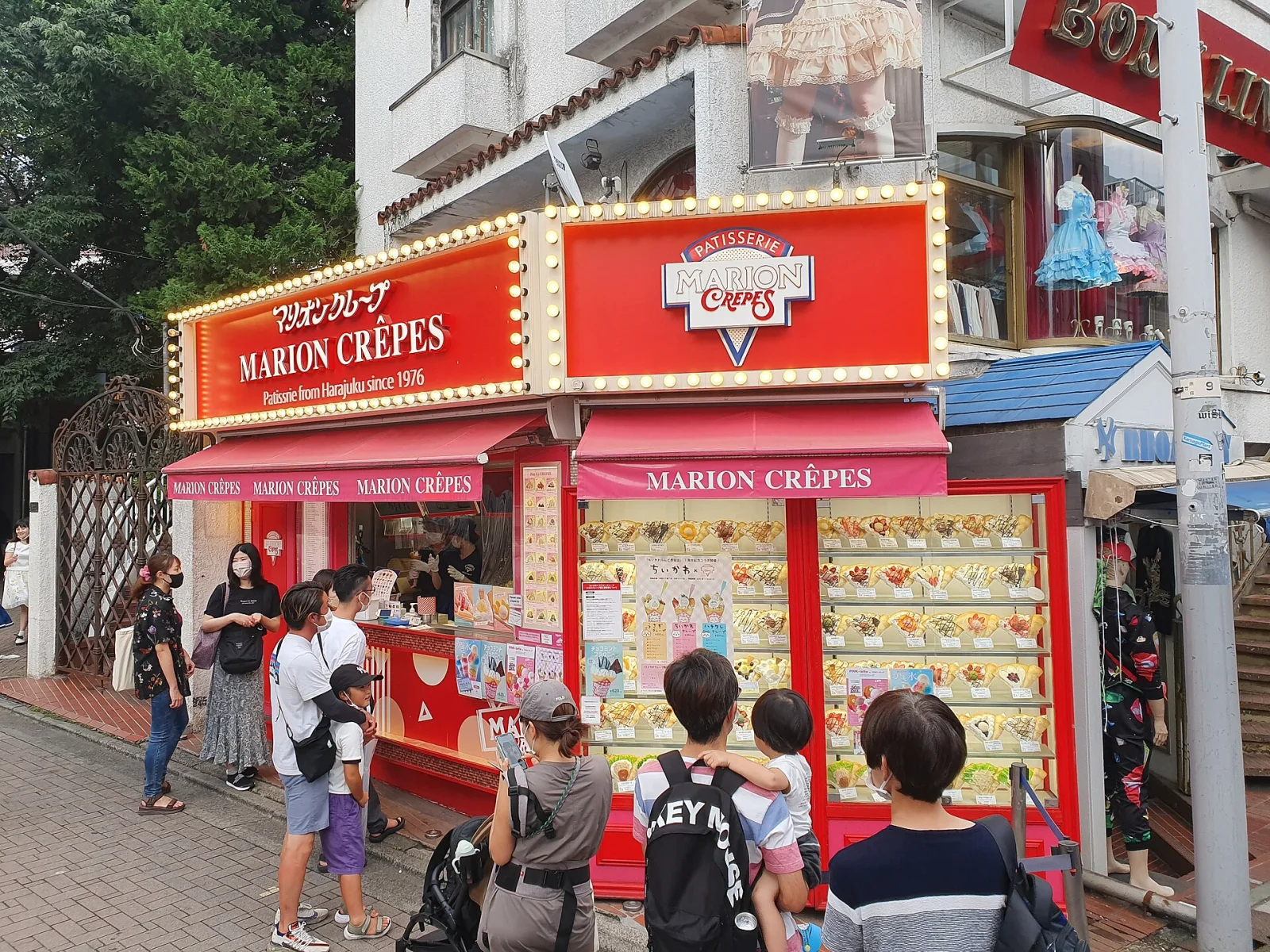
Combining Roppongi with Shibuya or Harajuku? Separate your fashion styles and target brands first. The Harajuku neighborhood works best for daytime strolling and specific streetwear stops, leaving late afternoon and evening for dinner or a museum in Roppongi; cramming full half-day shopping sprees in both Harajuku and Roppongi turns the day into a subway commute. If you're staying in Roppongi, split design, food, and the observation deck across two days—pick up shelf-stable souvenirs right after hotel check-in, and save your special exhibition or holiday dinner for another evening.
A few useful answers
Where should I go if I only have half a day to shop in Roppongi?
Choose Roppongi Hills for clothing, dinner, and night views. For Japanese homeware and gifts, work your way from Tokyo Midtown Galleria 3F down to B1. If you already have teamLab tickets, dedicate your half-day to Azabudai Hills' exhibition, food market, and dining.
Which subway exits are closest to the Roppongi shopping complexes?
Hibiya Line Roppongi Station Exit 1C connects directly to Roppongi Hills. On the Oedo Line at Roppongi Station, take Exit 3 for Roppongi Hills or Exit 8 for Tokyo Midtown. Azabudai Hills connects directly to Hibiya Line Kamiyacho Station Exit 5 and Namboku Line Roppongi-itchome Station Exit 4.
How late are Roppongi Hills and Tokyo Midtown open?
General retail at Roppongi Hills and fashion and lifestyle shops at Tokyo Midtown generally run 11:00-20:00, while food and cafe spots at Tokyo Midtown typically stay open until 21:00. Most restaurants operate until 23:00, though individual last-order times vary.
Do the 2026 Keyakizaka lights and Christmas markets start on the same day?
The Keyakizaka illumination runs nightly 17:00-22:00 from November 5 to December 25, 2026. The Christmas markets at Roppongi Hills' O-Yane Plaza and Azabudai Hills' Central Green run November 21 to December 25, 2026, from 11:00-21:00.
Can I buy a combo ticket for Tokyo City View and Mori Art Museum?
Yes, a seasonal combo ticket is offered for fall and winter 2026, except from December 18, 2026 to January 3, 2027, when you must purchase tickets separately. Tokyo City View is on 52F, Mori Art Museum is on 53F, and the ticket counter is on Mori Tower 3F.
Can I still ice skate at Tokyo Midtown around New Year's 2027?
Yes, the ice rink operates through February 23, 2027, closing only on January 1. Regular hours are 11:00-21:00 with last entry at 20:00.
Do Roppongi stores deduct tax-free savings at the register?
Starting November 1, 2026, participating duty-free stores charge the tax-inclusive price upfront. Eligible travelers have their goods verified by customs upon leaving Japan within 90 days of purchase, and the tax-free operator issues the refund afterward.
Official information and references
Sources used in this guide.
- Roppongi Hills Opening Hours & Services
- GO TOKYO Official Travel Guide: Roppongi Hills Access
- Tokyo Midtown Hall & Conference: Roppongi & Nogizaka Station Access
- Azabudai Hills Access Information
- Tokyo Metro Hibiya Line Stations & Station Numbers
- Tokyo Metropolitan Bureau of Transportation: Roppongi Hills Bus Stop
- Tokyo Midtown General Opening Hours
- Tokyo Midtown November 2026 Temporary Closure Notice
- Roppongi Tsutaya Books Floor & Opening Hours
- Roppongi Hills Public Art & Design
- Roppongi Hills Museum & Observatory: Visitor Info & Admission
- Tokyo City View Rooftop Sky Deck Closure Notice
- Tokyo Midtown Shop Directory
- Tokyo Midtown Galleria 3F Floor Map
- Suntory Museum of Art Visitor Information
- Suntory Museum of Art Exhibition Schedule
- 21_21 DESIGN SIGHT Visitor Information
- 21_21 DESIGN SIGHT Exhibition Program
- Azabudai Hills Opening Hours
- Azabudai Hills Market Floor Guide & Hours
- teamLab Borderless Entry, Lockers & Visitor Guidelines
- Roppongi Hills Keyakizaka Illumination
- Roppongi Hills Christmas Market
- Azabudai Hills Christmas 2026 Events
- Tokyo Midtown 2026 Winter Illuminations, Market & Ice Rink
- National Tax Agency Japan: Tax-Free Refund System
- Japan Customs: Departure Tax-Free Verification, Thresholds & Refunds
- Japan Customs: Airport Tax-Free Verification & Visit Japan Web