How to plan a half-day or full-day shopping trip in Roppongi: choose between Roppongi Hills, Tokyo Midtown and Azabudai Hills by shopping list, with underground exits, Mori Tower observatory and museum tickets, 2026 Christmas markets and rainy-day routes.
- Region & Focus
- TokyoNeighbourhoods and shopping
- Reading Scope
- 16 min read · 9 chapters · 7 Q&As
- Official Verification
- 28 official sources checkedUpdated 22 November 2026
- Key Topics
- NeighbourhoodsItinerariesWinter
Chapter Route Map (tap any stop)
- Which Roppongi Complex to Choose First
- Choosing Between Roppongi, Roppongi-itchome and Kamiyacho Stations
- Roppongi Hills: Walking from West Walk to Keyakizaka-dori
- Mori Tower 52F and 53F: Which Ticket to Buy First
- Tokyo Midtown: Browsing Galleria and Japanese Craft
- Azabudai Hills: Food Market or teamLab First
- 2026 Roppongi Christmas Lights, Markets and 2027 Ice Skating
- Fittings, Gifts and Tax-Free Refunds
- Half-Day, Full-Day and Rainy-Day Trade-Offs
- Quick Q&A
If you only have half a day in Roppongi and want fashion alongside evening views of Tokyo Tower, start at Roppongi Hills. For Japanese tableware, design objects and ambient gifts, head straight to Tokyo Midtown's Galleria; for a food market or teamLab Borderless, enter Azabudai Hills via Kamiyacho Station. Moving between the three complexes means walking outdoors or hopping back on the underground, so lock in any exhibition slot or dinner booking first and plan your shopping around it. In winter 2026, all three complexes host festive events, with separate dates for the Keyakizaka-dori illuminations, Christmas markets and Tokyo Midtown's ice rink.
Which Roppongi Complex to Choose First
Start in West Walk at Roppongi Hills if you want to browse fashion, stop for dinner and head upstairs to see Tokyo Tower lit up after dark. If you are shopping for items to take home—tableware, textiles and pantry condiments—Tokyo Midtown's Galleria keeps everything under one roof, from the basement food floor up to third-floor lifestyle stores. For deli counters, patisserie or dinner ingredients, head to Garden Plaza C at Azabudai Hills; it works especially well as your final stop before heading back via Kamiyacho Station, saving you from carrying food bags between buildings.
Half-day plans most often unravel when you lose time switching floors and zones. Roppongi Hills spreads its shops across West Walk, Hillside, Metro Hat and Keyakizaka-dori, with a separate entrance for the upper floors of Mori Tower. Tokyo Midtown is more compact, though leaving the Galleria for a design exhibition still takes you outdoors into Midtown Garden. Save each shop's name, building and floor in one list so you can check building signage on arrival instead of searching the complex name repeatedly on a map.
General shops at Roppongi Hills and Azabudai Hills close at 20:00, as do fashion, homeware and service stores at Tokyo Midtown. Visitors arriving in the evening have far less time for browsing than for dining. If you step off the train after 19:00, prioritise anything that requires trying on, checking stock or gift wrapping before sitting down to eat. You can shift an observatory visit to another day if needed, whereas shop closing hours rarely budge.
From 21 to 23 November 2026, Tokyo Midtown in Roppongi will close temporarily for disaster-prevention maintenance, shutting parts of its ground-level grounds and underground passages. If you are staying nearby over those three days, switch design and shopping plans to Roppongi Hills and the Mori Art Museum, or visit Azabudai Hills for its market and Christmas stalls. Normal operations resume on Tuesday 24 November, though 21_21 DESIGN SIGHT will remain closed for its regular Tuesday closure.
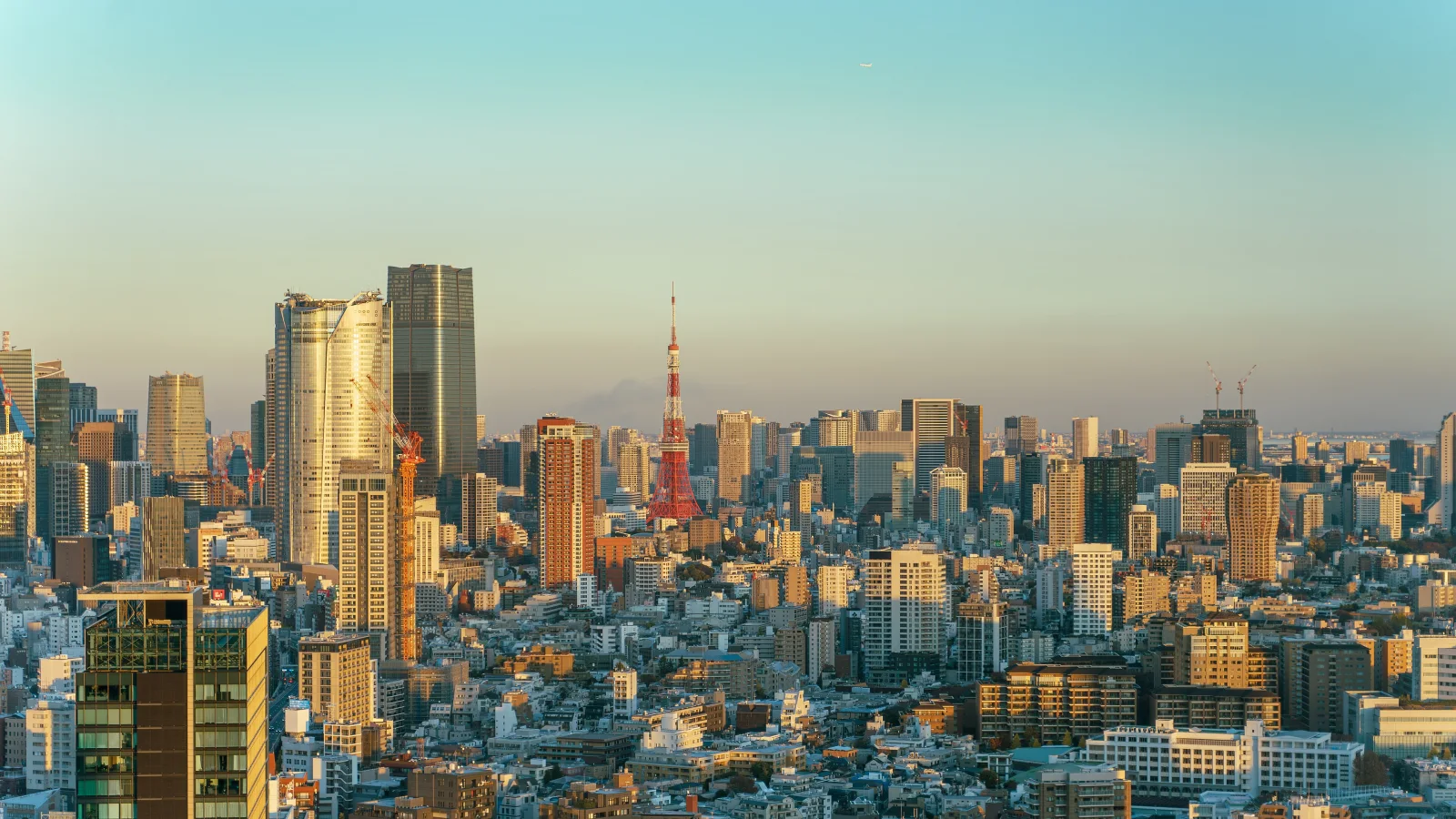
How to plan a half-day or full-day shopping trip in Roppongi: choose between Roppongi Hills, Tokyo Midtown and Azabudai Hills by shopping list, with underground exits, Mori Tower observatory and museum tickets, 2026 Christmas markets and rainy-day routes.
Choosing Between Roppongi, Roppongi-itchome and Kamiyacho Stations
On the Tokyo Metro Hibiya Line, take Exit 1C at Roppongi Station for a direct underground link into Metro Hat at Roppongi Hills. On the Toei Oedo Line at Roppongi Station, follow signs for Roppongi Hills out of Exit 3 for roughly a four-minute walk to the complex. If your booking says Mori Tower 3F, allow extra walking time from the complex entrance to the museum and observatory ticket counter, and meet your group on 3F rather than outside the separate Mori Tower office lobby.
For Tokyo Midtown, Exit 8 on the Toei Oedo Line at Roppongi Station connects directly into the building; the Hibiya Line also links via an underground passage, though it involves stairs, making the Oedo Line far easier with a pushchair or wheelchair. If you are already riding the Chiyoda Line, Nogizaka Station Exit 3 puts you roughly three minutes on foot from Tokyo Midtown along a street-level route—swap to the Oedo Line if heavy rain hits.
Azabudai Hills connects directly to Exit 5 at Kamiyacho Station on the Hibiya Line and Exit 4 at Roppongi-itchome Station on the Namboku Line. Walking from Roppongi Station takes around 10 minutes according to the official Azabudai Hills guide (via Hibiya Line Exit 3 or Oedo Line Exit 5), and you still need to add walking time inside the grounds, so do not mistake the station-to-boundary walk for door-to-door time between the two complexes.
Roppongi (H04) and Kamiyacho (H05) are just one stop apart on the Hibiya Line. If you are carrying heavy bags or pavements are waterlogged, ride one stop from Roppongi to Kamiyacho and take Exit 5 into Azabudai Hills, or ride back to Roppongi and use Exit 1C. Both stations also run straight along the Hibiya Line to Ginza (H09) at the end of the day. Coming from Shibuya straight to Roppongi Hills, Toei Bus RH01 stops at Roppongi Hills; if you have a timed entry slot during peak traffic, take JR to Ebisu and change to the Hibiya Line instead.
When walking at street level between Tokyo Midtown and Roppongi Hills, set your map destination to the specific mall entrance or 66 Plaza—searching only for Roppongi Station often sends you to an exit at the wrong end. Restaurants, photo spots and galleries sit behind different doors, so drop the exact building name into your group chat before leaving the platform if people are arriving on different lines. Changing between the Oedo and Hibiya lines inside Roppongi Station also adds a noticeable walk from platform to exit.
Roppongi Hills: Walking from West Walk to Keyakizaka-dori
Enter via the Metro Hat passage from the underground and follow floor directories towards West Walk or Hillside. West Walk makes the cleanest starting point: browse first, eat on 5F, then move on to the Mori Tower ticket floor, the garden or the street-level avenue. If you are only stopping in Roppongi for a meal, pick restaurants by building name and keep one realistic backup nearby so a sudden queue does not leave you trekking across the complex with shopping bags.
For street-front browsing, stroll down Keyakizaka-dori, lined with fashion flagships, specialist boutiques and Roppongi Tsutaya Books. Tsutaya spans 1F and 2F, with the ground floor listed as open 09:00–23:00; while most mall retailers wait until 11:00 to open, this gives you an early window for design books and magazines, and the 2F share lounge opens from 08:00. After viewing the winter illuminations in the evening, you can step straight off the pavement into 1F for stationery or periodicals.
Free public art includes Louise Bourgeois's giant spider sculpture Maman on 66 Plaza, which doubles as an unmistakable ground-level landmark—handy if someone in your party only wants a brief look before stopping. From there, continue along Hillside towards Mohri Garden, Mori Tower and O-Yane Plaza, following the nearest lift and stair signs so you do not climb extra levels unnecessarily when laden with paper bags.
Save bulky purchases for the second half of your visit rather than nursing bags through lunch and up the observatory. West Walk 2F has 24-hour coin lockers priced at ¥300 (small), ¥400 (medium) and ¥500 (large) for the first three hours, then ¥100 for each additional eight hours. They make sense if you plan to dine back in the same building after visiting Mori Tower; if you are departing from Kamiyacho later, leave heavy shopping until your final stop rather than doubling back after dinner.
Families with children aged 0 to 6 can use the Kids' Lounge on Hillside B2 as an indoor base. Open free of charge from 10:00 to 21:00 with parental supervision required, it provides nappy-changing tables, nursing rooms, hot water for formula and a microwave, plus an infant zone for ages 0 to 2. If your group splits up, leave the parent-and-child pair here while the others visit an exhibition rather than waiting outdoors in the wind.
Mori Tower 52F and 53F: Which Ticket to Buy First
Mori Tower's 52nd floor houses the Tokyo City View indoor observation deck alongside the Mori Art Center Gallery, while the Mori Art Museum sits on the 53rd floor. Check the exact exhibition or venue name when booking, and confirm which floor you are heading up to. The 3F museum and observatory ticket desk serves as an easy shared meeting point if half your group wants art and the other half only wants skyline photos before reuniting downstairs for dinner. The rooftop Sky Deck has permanently closed.
During The Little Prince programme from 13 November 2026 to 14 February 2027, the official visitor page lists Tokyo City View hours as 10:00–22:00 (last entry 21:30). Adult admission is ¥2,200 online or ¥2,400 on the door, with online tickets at ¥1,600 for university and high-school students and ¥1,000 for children aged 4 to junior-high level. To catch both twilight and city lights, pick your slot around when you want to reach the windows and count back to 3F, finishing any fitting-room visits or gift wrapping earlier in the afternoon.
At the Mori Art Museum, Mariko Mori: Sansan runs from 31 October 2026 to 28 March 2027. Standard hours run until 22:00, closing early at 17:00 on Tuesdays, with last admission 30 minutes before close. Note two exceptions that flip the usual weekday pattern: Friday 27 November 2026 closes at 17:00, whereas Tuesday 23 February 2027 is a Japanese national holiday and stays open until 22:00. Check the ticketing page before planning a post-dinner visit; timed-entry bookings apply, and same-day tickets are only sold if capacity remains.
If several adults are visiting with children, price out single-venue tickets before buying a bundle. Online adult admission for Mariko Mori: Sansan is ¥2,600 on weekdays and ¥2,800 on weekends and public holidays, with junior-high age and under entering free; 30 and 31 December follow holiday pricing. Families focused on art can fill an afternoon on museum tickets alone, whereas if younger children only want to spot Tokyo Tower, go straight to 52F and save time for the garden and dinner downstairs.
For both venues, the seasonal combined Mori Art Museum and Tokyo City View ticket costs ¥4,500 online or ¥4,900 at the counter, except between 18 December 2026 and 3 January 2027 when combo tickets are suspended and each venue must be booked separately. Combined tickets cannot be changed or refunded once purchased. Wait until everyone agrees on visiting both floors before bundling; otherwise, book individual tickets so nobody pays for a gallery they skip, and shift non-booked shops back if delays hit.
In wet weather with a high cloud base, the indoor deck still gives clear views across nearby districts; if low cloud swallows Tokyo Tower's spire, skip the observatory before buying and head to the 53F gallery or browse Keyakizaka-dori downstairs instead. If your goal is climbing Tokyo Tower itself, read Tokyo Tower observatory tickets and entrances; keep Mori Tower for framing the tower alongside surrounding skyscrapers, and check our Roppongi Hills observatory ticket guide to compare viewpoints and pass types.
Tokyo Midtown: Browsing Galleria and Japanese Craft
Tokyo Midtown gathers fashion, food and lifestyle boutiques inside the Galleria. Start in B1 if you want edible gifts—Kayanoya dashi and seasonings, Fukumitsuya sake and patisserie counters sit on this level. Prioritise ambient, sealed items if you are carrying gifts on a flight and pairing shopping with exhibitions or dinner; save fresh wagashi for eating the same day, and factor in travel time and hotel fridge space before buying chilled goods. If homeware is your priority, head straight to 3F first and leave heavy bottles or cold food until you leave.
On Galleria 3F, Nihonbashi Kiya stocks kitchen knives and cookware, while TIME & STYLE MIDTOWN and IDEE SHOP carry furniture, textiles and home accessories. Bring table measurements or cupboard heights if hunting for specific pieces, and ask staff to wrap bowls and plates individually while keeping an eye on suitcase volume. Grouping lighting, furniture and tableware stops on one floor lets you compare finishes in one loop without traipsing back down to the basement.
The Suntory Museum of Art shares this same third floor, focusing on Japanese fine art and craft. Regular hours are 10:00–18:00 (Fridays until 20:00), with last entry 30 minutes before close; it closes on Tuesdays, during exhibition changeovers and over the New Year break. From 12 December 2026 to 7 February 2027, it presents Art of the Lotus Sutra. Because most Galleria shops open at 11:00, visitors arriving for the 10:00 museum opening can follow the museum's morning entry route first, then browse homeware or grab coffee afterwards.
Architecture and design fans can walk out from the mall into Midtown Garden for 21_21 DESIGN SIGHT. Standard hours are 10:00–19:00 (last entry 18:30), closing Tuesdays, between exhibitions and from 27 December to 3 January. Its architecture exhibition Learning from Hojoki runs until 11 January 2027—avoid the year-end closure window. Visiting the gallery before comparing objects on 3F gives useful context; if you only arrive in the evening, eat in the mall and save the pavilion for a half-day visit.
Anyone visiting two Roppongi museums should hang on to paper stubs or entry stickers. The Suntory Museum of Art grants a ¥100 discount (not combinable with other offers) when you show a special-exhibition ticket from the Mori Art Museum or The National Art Center, Tokyo, or a special-exhibition entry sticker or stub from 21_21 DESIGN SIGHT. Treat the saving as a bonus rather than forcing in an extra gallery, and plan transitions during the daytime overlap between museum and shop hours.
Azabudai Hills: Food Market or teamLab First
Azabudai Hills Market spans 1F and B1 of Garden Plaza C and trades 10:00–20:00, while general shops open 11:00–20:00 and restaurants stay open 11:00–23:00. Arriving via Kamiyacho at 10:00 gives you an early market window before boutiques unlock. Separate snacks you will eat straight away from boxed gifts, leaving seafood, deli dishes and chilled pastries until you are ready to head back, and match packaging to whether you are sharing food at the hotel tonight or flying out tomorrow.
teamLab Borderless sits in Garden Plaza B B1. Tickets are sold by date and entry slot with no time limit once inside, no re-entry after leaving, mandatory pushchair storage and a ban on bringing food or drink inside. Since neither timed tickets nor restaurant bookings flex easily, leave breathing room between them and keep the market's 20:00 closing time in mind if shopping afterwards. If part of your group prefers browsing the market or resting with toddlers, split up and regroup for a bite at Garden Plaza C or Central Green.
With an early teamLab slot, grab breakfast first, tour the exhibition and emerge into the market and shops. Standard hours are 08:30–21:00 (last entry one hour before close), with closures on 24 November 2026, 8 December 2026, 13 January 2027 and 19 January 2027. Extended hours until 22:00 run from 26 to 30 December 2026; if you book a late evening slot on those dates, the permanent food market will have closed by the time you exit, so pick up edible gifts and dinner provisions before going in.
If you are visiting Azabudai Hills purely to eat, note both the building—Tower Plaza, Garden Plaza or Central Green—and the floor when booking. Even after stepping out of the Kamiyacho link passage, each zone requires a separate walk. Agree to meet outside the restaurant door or a clear market entrance rather than just saying 'the Azabudai entrance', and wait for rain to ease before touring the open plaza—in steady afternoon rain, the market, restaurants and underground walkway carry a full visit on their own.
Shoppers prioritising food stalls can check building layouts in our Azabudai Hills market and shopping guide. If you already hold teamLab Borderless tickets, schedule other shopping complexes for after your visit or the next day. Deciding where to eat only after exiting the immersive rooms? Ask everyone how long they want to sit, then choose between ready-to-eat market counters and a sit-down restaurant rather than squeezing in a tight Mori Tower slot right after.
2026 Roppongi Christmas Lights, Markets and 2027 Ice Skating
Keyakizaka-dori's SNOW & BLUE illuminations light roughly 400 metres of street trees every evening from 5 November to 25 December 2026, 17:00–22:00. Frame Tokyo Tower from the pavements without blocking foot traffic; if bridges or junctions crowd up, keep moving—the lit avenue stretches well beyond the busiest crossings. Afternoon shoppers can take an early dinner or finish gift buying before stepping outside after 17:00, and anyone feeling the cold can duck straight back indoors.
The Roppongi Hills Christmas Market runs from 21 November to 25 December 2026, 11:00–21:00, in O-Yane Plaza with free admission. Stalls serve German sausages, mulled wine, stollen and seasonal ornaments. If limited-edition market goods are your goal, browse at midday and walk Keyakizaka-dori at dusk; on weekdays from 11:00 to 15:00, selected stalls offer lunch sets. If food queues stretch too long, shift dinner to West Walk and return to O-Yane Plaza later for browsing.
Azabudai Hills hosts its own free Christmas Market from 21 November to 25 December 2026, 11:00–21:00, on Central Green. Its outdoor stalls sit apart from the permanent food market inside Garden Plaza C, so pin down what you want if time is tight. Eat hot market dishes outdoors in the cold, step indoors for ambient gifts, then depart via Kamiyacho. Pairing Keyakizaka-dori photos with the Azabudai market works best when you eat at one stop and simply stroll the other.
Tokyo Midtown's MIDWINTER LIGHTS run free in Midtown Garden from 26 November to 25 December 2026, 17:00–23:00, with soap-bubble shows continuing until 20 December, alongside a Galleria B1 Christmas market open 11:00–21:00. In heavy rain, start in Galleria B1 directly from the station for festive decorations and ornaments before stepping outside when skies clear. Note that on 22 November 2026, both the Roppongi Hills and Azabudai Hills markets are already trading while Tokyo Midtown is closed for maintenance.
Tokyo Midtown's outdoor ice rink follows a longer winter calendar from 5 December 2026 to 23 February 2027, generally open 11:00–21:00 (last entry 20:00) and closed on 1 January 2027. Once the Christmas markets pack up after 25 December, skating becomes the standout post-New Year outdoor option. Factor in boot fitting, breaks and locker retrieval if bringing children, and stagger meeting times if non-skaters prefer browsing Galleria meanwhile.
Holiday rink pricing applies from 12 December 2026 to 3 January 2027: ¥2,300 for high-school age and adults, ¥1,700 for junior-high age and below, ¥500 extra for skate hire and ¥300 for an accompanying spectator entry. For example, one adult accompanying a primary-school skater who needs hired skates pays ¥2,500 in total; if both skate, budget for the second skating admission and skate hire too.
Fittings, Gifts and Tax-Free Refunds
When listing clothes or shoes to check, jot down the exact style code, colourway and size. If you want department-store density for comparing international flagships side by side, keep that for a Ginza shopping day and focus Roppongi fittings on priority labels so you still have time for galleries, walking and dinner. Start at whichever complex clusters the brands you need most, and park companions who only want to browse briefly in an in-building cafe while you try things on.
Before buying ceramics as gifts, check which suitcase they will travel in and whether they come boxed—clothing cushions packed items well, while fragile pieces should be wrapped individually by the shop. Basement food counters work the opposite way round: pick tonight's snacks separately, and choose sealed, ambient goods for anything you are taking home on a flight the next day. Grab-and-go market meals are best kept out of timed museum visits, especially before exhibitions where liquids and food are barred.
Japan's post-departure tax-free refund system takes effect on 1 November 2026. Eligible visitors pay the tax-inclusive price upfront at participating stores, with a minimum spend of ¥5,000 before tax at the same store on the same day—purchases across different retailers cannot be combined. When departing Japan within 90 days of purchase, present your passport and items to customs to confirm export, after which the tax-free operator refunds the consumption-tax amount. Check at the till whether the shop participates and what refund details are needed, keep receipts and goods grouped by store, and budget at full tax-inclusive cost for anything you will eat, use or gift within Japan.
If you buy across two complexes on the same day, complete each store's paperwork on the spot and track whose passport and card paid for what when sharing luggage as a family. Every tax-free item must be accessible if customs asks to inspect it, so complete customs verification before handing checked bags to the airline. International departures from Haneda and Narita use departure-level tax-refund terminals and also support Visit Japan Web for this step; if spending eats into your daily cash flow, budget on the upfront tax-inclusive total and treat the refund as a post-trip credit.
Half-Day, Full-Day and Rainy-Day Trade-Offs
For an afternoon-to-dinner half-day arriving around 13:00, start in West Walk at Roppongi Hills and take a breather around Hillside. Head to Mori Tower 3F as light fades for a single-venue 52F Tokyo City View ticket, or see the outdoor sculpture and Keyakizaka-dori before leaving for dinner. Because shops, views and restaurants sit close together, anyone who buys something heavy or needs an early hotel return can peel off without derailing the rest of the group.
If design and gifting matter more than skyline views, begin on Galleria 3F at Tokyo Midtown, tour one museum, pick out tableware, textiles or small gifts, then drop to B1 for food just before heading to the station. To add evening lights, push Tokyo Midtown past lunch, shop indoors through the afternoon and walk to Roppongi Hills once dusk settles; if gifts are your only goal, dine inside the same building and ride straight back out from your arrival exit.
With a full day across all three complexes, start at Tokyo Midtown for a 10:00 museum or 11:00 lifestyle store opening, walk to Roppongi Hills for lunch and your main afternoon shopping, then take the Hibiya Line one stop to Kamiyacho at dusk for Azabudai Hills food and dinner. Hold an evening Mori Tower observatory ticket? Reverse the order: Azabudai Hills in the morning, Tokyo Midtown around midday and Roppongi Hills last. Keep to ambient gifts or eat perishables on the spot early on so you only carry light bags into the observatory.
In heavy rain, anchor your route to a direct station link: Oedo Line Exit 8 into Tokyo Midtown is step-free for pushchairs and wheelchairs, avoiding the Hibiya Line passage stairs. Enter Roppongi Hills via Exit 1C straight indoors, leaving Mohri Garden and Keyakizaka-dori for a clear day, and ride the Hibiya Line to Kamiyacho for Azabudai Hills. Leaving from a different station than the one you entered cuts backtracking and leaves more time to browse; if your group only came for one gallery and one store, head home from the nearest exit as soon as both are ticked off.
If pairing Roppongi with Shibuya or Harajuku, split your brand list cleanly: Harajuku's streets suit daytime walking and independent fashion before shifting to Roppongi for galleries or dinner, whereas cramming two full shopping half-days together turns into transit fatigue. Staying in Roppongi itself makes it easy to split design, food and observatory stops over two days—grab ambient gifts during a quick post-check-in window and save special exhibitions or festive dinners for another evening.
A few useful answers
Where is best to go in Roppongi if I only have half a day for shopping?
For fashion, dining and night views, choose Roppongi Hills. For Japanese homeware and gifts, browse Tokyo Midtown Galleria from the third floor down to B1. If you already have teamLab tickets, devote your half-day to Azabudai Hills for the exhibition, food market and dinner.
Which Tokyo underground exits are closest to the Roppongi shopping complexes?
Hibiya Line Roppongi Station Exit 1C connects directly to Roppongi Hills. From Oedo Line Roppongi Station, take Exit 3 for Roppongi Hills or Exit 8 for Tokyo Midtown. Azabudai Hills links directly to Hibiya Line Kamiyacho Station Exit 5 and Namboku Line Roppongi-itchome Station Exit 4.
What time do shops close at Roppongi Hills and Tokyo Midtown?
General shops at Roppongi Hills and fashion and lifestyle stores at Tokyo Midtown generally run 11:00–20:00, while food and cafe outlets at Tokyo Midtown usually stay open until 21:00. Restaurants across the area typically trade until 23:00, with last orders varying by venue.
Do the 2026 Keyakizaka-dori lights and Christmas markets start on the same day?
No. The Keyakizaka-dori illuminations run from 5 November to 25 December, 17:00–22:00 nightly. The Christmas markets at Roppongi Hills O-Yane Plaza and Azabudai Hills Central Green both run from 21 November to 25 December, 11:00–21:00.
Can I buy a combined ticket for Tokyo City View and the Mori Art Museum?
Yes, a combined autumn-winter ticket is available for the 2026–2027 season, except from 18 December 2026 to 3 January 2027 when you must buy tickets for each venue separately. The observatory is on 52F, the Mori Art Museum is on 53F, and the ticket counter is on Mori Tower 3F.
Is ice skating at Tokyo Midtown open around New Year's Day 2027?
Yes. The outdoor ice rink runs until 23 February 2027 and is only closed on 1 January. Standard opening hours are 11:00–21:00, with last entry at 20:00.
Is tax-free shopping in Roppongi deducted at the till?
From 1 November 2026, participating tax-free stores charge the tax-inclusive price at checkout. Eligible visitors present their purchases and passport to customs when departing Japan within 90 days of purchase, and the retailer issues the consumption-tax refund once export is confirmed.
Official information and references
Sources used in this guide.
- Roppongi Hills — Opening Hours and Visitor Services
- GO TOKYO (Official Tokyo Travel Guide) — Roppongi Hills Access
- Tokyo Midtown Hall & Conference — Access from Roppongi and Nogizaka Stations
- Azabudai Hills — Access Information
- Tokyo Metro — Hibiya Line Route and Station Numbers
- Bureau of Transportation, Tokyo Metropolitan Government — Roppongi Hills Bus Stop
- Tokyo Midtown — Regular Opening Hours
- Tokyo Midtown — November 2026 Temporary Closure Notice
- Roppongi Tsutaya Books — Floor Guide and Opening Hours
- Roppongi Hills — Public Art and Design
- Roppongi Hills Museum & Observatory — Visitor Information and Ticket Prices
- Tokyo City View — Rooftop Sky Deck Closure Notice
- Tokyo Midtown — Store Directory
- Tokyo Midtown — Galleria 3F Floor Map
- Suntory Museum of Art — Visitor Information
- Suntory Museum of Art — Exhibition Schedule
- 21_21 DESIGN SIGHT — Visitor Information
- 21_21 DESIGN SIGHT — Exhibition Programme
- Azabudai Hills — Opening Hours
- Azabudai Hills Market — Floors and Opening Hours
- teamLab Borderless — Admission, Baggage Storage and Visitor Rules
- Roppongi Hills — Keyakizaka Illuminations
- Roppongi Hills — Christmas Market
- Azabudai Hills — 2026 Christmas Events
- Tokyo Midtown — 2026 Christmas Lights, Seasonal Market and Ice Rink
- National Tax Agency of Japan — Tax-Free Refund System
- Japan Customs — Departure Tax-Free Verification, Spend Thresholds and Refunds
- Japan Customs — Airport Tax-Free Verification and Visit Japan Web