Compare Tokyo Skytree Tembo Deck and Tembo Galleria dynamic pricing, upgrades, and cancellation rules. Reach the 4F entrance from Oshiage Station and plan sunset, Solamachi, Sumida Aquarium, and an Asakusa walk.
- Region & Focus
- TokyoAttractions
- Reading Scope
- 18 min read · 12 chapters · 6 Q&As
- Official Verification
- 37 official sources checkedUpdated 22 November 2026
- Key Topics
- First tripBookingNeighbourhoods
Chapter Route Map (tap any stop)
- Tembo Deck for city views, Tembo Galleria for the sloping glass walkway
- Dynamic pricing, on-site issuing fees, and upgrades
- When tickets go on sale and whether you can change them
- Timing sunset and why mornings work best for Mount Fuji
- Opening hours, New Year dates, and winter exhibitions
- Oshiage and Tokyo Skytree stations: head for 4F either way
- Navigating Solamachi floors and booking dinner
- Walking from Asakusa along the Sumida River: two bridges, two angles
- Sumida Aquarium and wet-weather backups: buy separately or bundle
- Buggies, wheelchairs, and family meeting points
- Half-day and full-day itineraries—and when to reverse the order
- Staying in Oshiage, Kinshicho, or Asakusa to save walking
- Quick Q&A
For a first visit up Tokyo Skytree, the 350 m Tembo Deck already gives clear views over the Sumida River and Asakusa. If you want to walk the glass-walled sloping walkway up to the highest viewpoint at 451.2 m, opt for the combo ticket with the Tembo Galleria. From April 2026, observation deck tickets use dynamic pricing, and buying at the 4F ticket counter or machines adds a ¥500 fee per ticket. Book ahead if you want a specific sunset slot; if your schedule is flexible, wait to check the weather. Set aside separate time for Asakusa and Tokyo Solamachi at the base so your paid tower slot matches the view you most want on the day.
Tembo Deck for city views, Tembo Galleria for the sloping glass walkway
Tokyo Skytree's 634 m height is measured to the tip of the spire, while visitors access two sets of observation levels. The Tembo Deck spans three floors at 350 m, 345 m, and 340 m. Entering from 4F at the base brings you first to Floor 350, where the main panoramic windows are located. To spot the Sumida River, look for the water and bridges first, then trace the bank towards Asakusa to pick out the streets you walked earlier. On clear days, mountain ranges appear in the distance, and indoor directional signage and skyline diagrams help orientate you. If you want to find your own hotel, save both it and a nearby landmark station on your phone map beforehand so it is easier to locate from above.
Floor 345 houses the tower shop, a Skytree postbox, and Sky Restaurant 634. Handle postcards and souvenirs on this level before heading down to Floor 340, where the glass floor panels sit near the exit lifts. Only part of the floor is transparent, so anyone uneasy with heights can stay on solid flooring to look out the windows. There is seating at the café on Floor 340 if you want a short pause before descending. Another shop awaits at the 5F ground-level exit, so souvenir shoppers can keep their time upstairs focused on the windows.
The combo route takes a second lift from Floor 350 up to Floor 445, following a glass-walled spiral ramp to Floor 450 and the highest viewpoint at 451.2 m, signposted as Sorakara Point. The walking sensation once you are up there feels more distinctive than the extra 100 m of altitude alone, as the ramp hugs the glass and shifts the city angles along one continuous side. The return lift drops you back on the deck at Floor 345. If you hold a combo ticket and want extra west-facing photos from Floor 350, finish shooting there before boarding the second lift so you do not have to climb back up a floor later.
If only one person wants to do the Galleria, companions can wait on the Tembo Deck. Agree on a floor and landmark rather than saying 'by the lifts', because separate lift banks serve the Galleria, the exit, and deck transfers. Meeting near the Floor 345 shop works well, as anyone descending from the Galleria arrives on that exact level. A fixed meeting spot is far more reliable than a set time, especially when people scatter for photos with phones tucked into coat pockets.
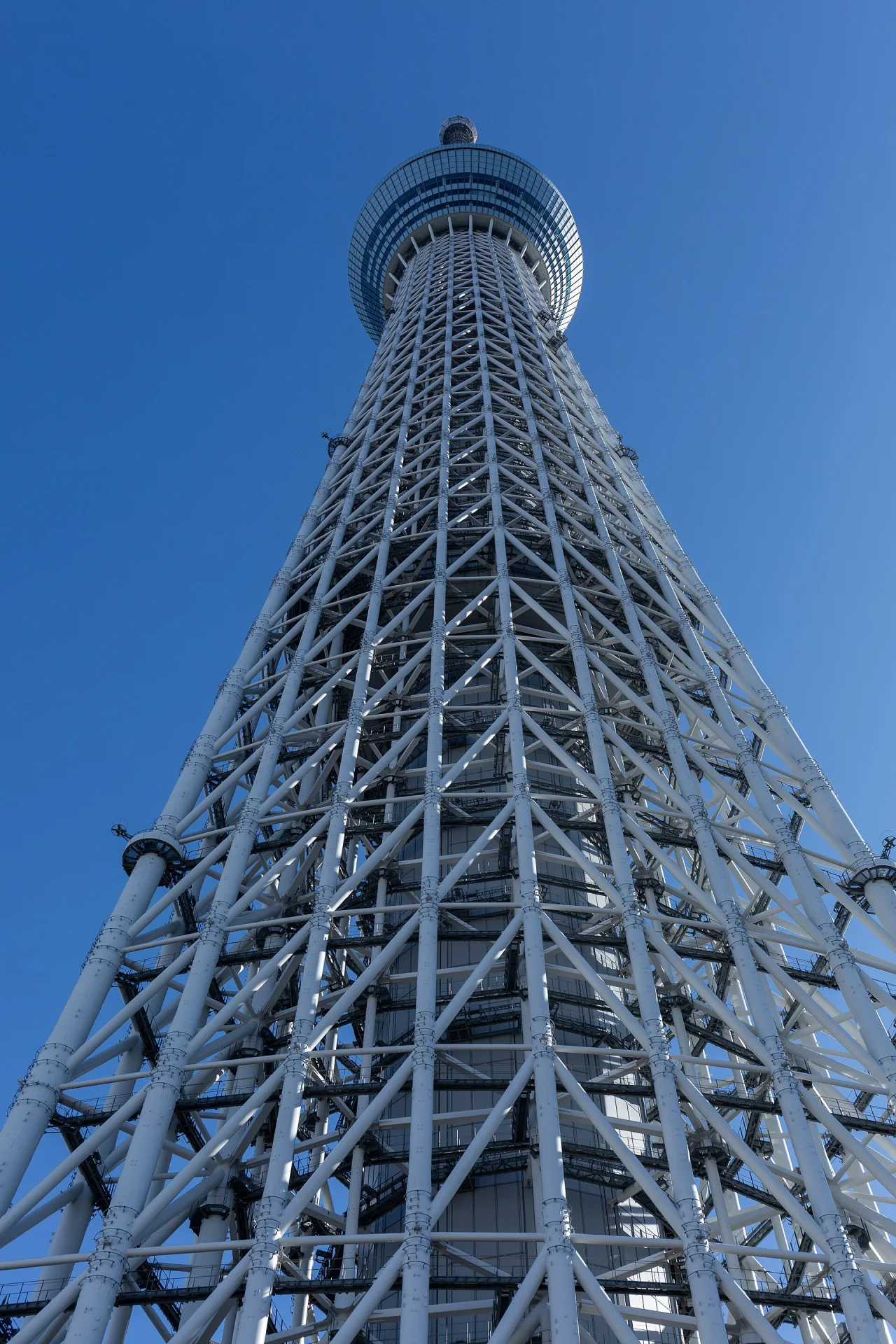
Compare Tokyo Skytree Tembo Deck and Tembo Galleria dynamic pricing, upgrades, and cancellation rules. Reach the 4F entrance from Oshiage Station and plan sunset, Solamachi, Sumida Aquarium, and an Asakusa walk.
Dynamic pricing, on-site issuing fees, and upgrades
Standard individual tickets are priced by date from 1 April 2026 onwards. Official online adult fares run from ¥1,800 to ¥3,600 for the Tembo Deck, and ¥3,000 to ¥4,800 for the Tembo Deck and Tembo Galleria combo. Child fares are ¥900 to ¥1,800 and ¥1,500 to ¥2,400 respectively. On the booking screen, choose your visit date first, then select an available entry slot. If your itinerary has two or three flexible days, click through each date to compare prices. Shifting from a weekend to a weekday can save money, though you should always check the exact figure shown on the calendar.
Age brackets differ from many other Japanese attractions. Adult tickets apply to ages 15 and over, while child tickets cover ages 6 to 14—meaning junior high school students pay the child rate and senior high school students pay the adult rate. Children aged 5 and under enter free, as do 6-year-olds who have not yet started primary school. If you are travelling with two children right on the cut-off, map out the ticket tiers for Skytree and Sumida Aquarium separately before adding up the total. The aquarium charges an infant rate from age 3 and has its own senior high school tier.
If you decide to go up only after arriving at the base, open the booking site on your phone if you have data. Both the staffed counters and ticket machines on 4F add a ¥500 on-site issuing fee per standard ticket—that is an extra ¥2,000 for a party of four. When same-day capacity remains, you can still buy online on your mobile, whereas 4F counter sales may be suspended on busy days. After paying, head to the pre-booked entrance on 4F and pull up each QR code from your confirmation email or order page. Clear screenshots and paper printouts are accepted, so save a copy offline in case signal drops, and leave time for ticket scanning and bag inspection.
Visitors holding a Tembo Deck ticket can buy a Galleria upgrade at the machines on Floor 350 for ¥1,400 per adult and ¥700 per child, with no ¥500 on-site issuing fee. Upgrade sales pause if the upper deck reaches capacity limits. Comparing the lowest online base fares, buying the deck first and upgrading upstairs totals ¥3,200 for an adult and ¥1,600 for a child—¥200 and ¥100 more than the lowest combo fare. Whether that trade-off makes sense depends on the day's price gap and how much you value waiting until Floor 350 to decide.
| Ticket Type | Adult | Child | How to Buy |
|---|---|---|---|
| Tembo Deck | ¥1,800–¥3,600 | ¥900–¥1,800 | Date-based online pricing; +¥500 per ticket on 4F |
| Tembo Deck + Tembo Galleria | ¥3,000–¥4,800 | ¥1,500–¥2,400 | Date-based online pricing; +¥500 per ticket on 4F |
| Tembo Galleria Upgrade (with Deck Ticket) | ¥1,400 | ¥700 | Floor 350 machines; suspended if capacity caps apply |
When tickets go on sale and whether you can change them
The official booking system releases standard e-tickets on the 1st of the month two months prior to the visit month—for example, February 2027 tickets go on sale on 1 December 2026. Enjoy Pack bundles pairing the tower with Sumida Aquarium or other attractions follow a different schedule, going on sale on the 1st of the preceding month and remaining available up to the day before entry. Standard tickets stay on sale online, subject to availability, until 29 minutes after the slot's start time. Treat that as a sales cut-off only, and arrive earlier than your ticket time to clear security and board the lifts.
For tickets bought through the official LINKTIVITY booking system, changing the date, time slot, or ticket type requires cancelling the order and rebooking. Full-order cancellations are free up to 31 days before the entry date, incur a 20% fee from 30 days prior up until the entry start time, and cannot be cancelled once the entry window begins; cancellations within 59 minutes of payment are also free. If one member of your party cannot make it on the day, visit the 4F ticket counter before going up—unused tickets are refunded minus a ¥300 fee per ticket (¥150 for disability discount tickets and eligible companions). Tickets bought through third-party outlets follow their own terms, and some Enjoy Pack products are non-cancellable once issued.
If you want clear weather but only have the final evening of your trip left, lock in a time slot and ticket tier everyone agrees on, and leave flexible activities like Asakusa or dinner until afterwards. When you have several interchangeable afternoons, check the two-day cloud forecast and online slot availability before choosing. It is worth running the family maths: even at the lowest combo rate, two adults and two children total ¥9,000, so cancelling the whole order inside the 30-day window costs ¥1,800.
When booking for children or a group, count off every person's QR code before joining the queue. If group members are arriving separately while all tickets sit on one phone, meet outside the 4F entrance first. A 16:00 ticket indicates your entry window, so factor in extra time from ticket check to lift boarding. There is no time limit once inside, though re-entry is not permitted after leaving the decks. If someone knows they will be an hour late, buying a separate slot for them avoids keeping everyone else waiting at the gate.
Timing sunset and why mornings work best for Mount Fuji
To catch daylight, dusk, and night lights in one visit, book an entry slot roughly 60 minutes before sunset on the official calendar. That buffer covers ticket checks, the lift ride, and claiming a spot at the west-facing windows. On 1 December 2026, the official calendar lists sunset at 16:30; entering at 16:00 after walking from Oshiage to 4F leaves very little daylight viewing. Look for slots around 15:30 instead, take in the daytime panorama from Floor 350, and if you are heading to the Galleria, aim to stay at a single level through sunset. Once dark falls, the illuminated bridges and main roads make it easy to trace your bearings.
For a chance of seeing Mount Fuji, aim for a crisp, dry morning with strong visibility. Look towards the southwest after arriving upstairs: Mount Fuji sits beyond the distant mountain ridge behind the Shinjuku skyscrapers and western Tokyo neighbourhoods. If you are helping children spot landmarks, use the curve of the river to trace back towards Asakusa and the tower base first, then scan the far horizon rather than pointing at any white peak at random. Even on a seemingly bright afternoon, distant haze often swallows the silhouette. If Fuji is your sole reason to ascend and your dates are flexible, hold off until visibility looks genuinely clear.
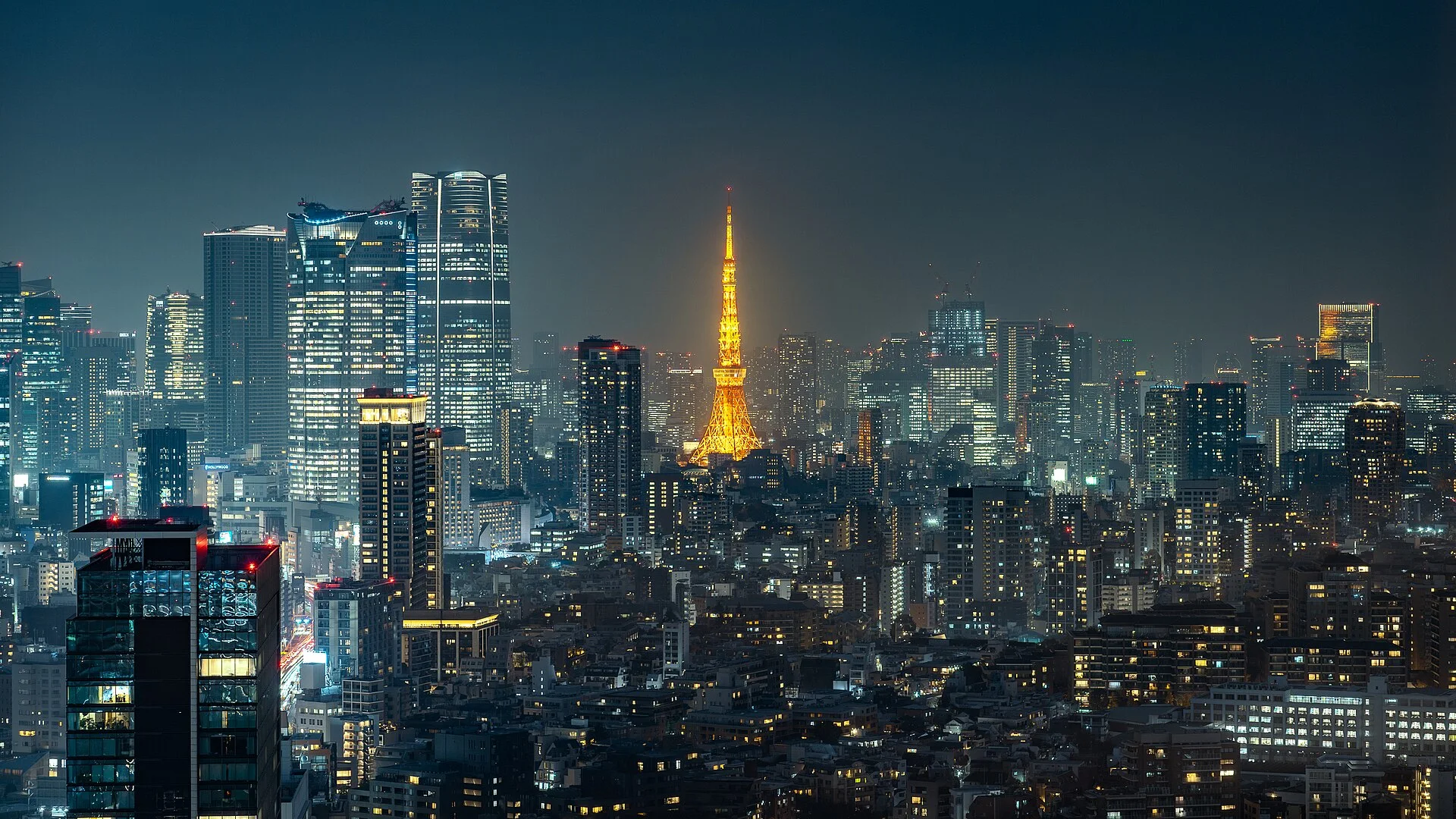
If you only care about the illuminated night skyline, entering well after sunset makes dinner scheduling much simpler. Daytime shows the density of low-rise streets, while night highlights roads and bridges, giving completely different photographs. Walking through Sumida Park before ascending lets you trace your own route from above, which feels far more rewarding than rushing to snap every window bay. To shoot night views through glass, switch off your flash and hold the lens close without touching the pane. If people behind you reflect in the window, shift half a step sideways or move to a pane away from indoor ceiling lights; non-folding tripods are prohibited, so shoot handheld and keep window space moving for others.
Opening hours, New Year dates, and winter exhibitions
Daily observation deck hours are published on the official monthly calendar, with last admission one hour before closing. For example, Wednesday 25 November 2026 runs 10:00–22:00 (last entry 21:00), while Saturday 12 December 2026 opens earlier at 09:00–22:00. When planning a late visit, open that date's facility schedule separately, because the decks, shops, cafés, and restaurants have different closing times. If you plan to pick up a specific souvenir after dinner, check whether it is stocked at the ground-floor exit shop or only on Floor 345 so you do not descend too soon.
From 29 to 31 December 2026, standard Skytree hours are 09:00–22:30 with last entry at 21:30. On New Year's Eve, Tokyo Solamachi closes earlier than usual—20:00 for retail shops and 21:00 for restaurants—so book dinner before your observation slot if eating downstairs first. On 1 and 2 January 2027, standard hours are 08:00–22:00 (last entry 21:00), and from 3 January onwards the year-end schedule lists 09:00–22:00. If you want to combine Hatsumode at Senso-ji on New Year's Day with the tower, taking an early tower slot and visiting Asakusa in the afternoon cuts down on backtracking.
The New Year's Day First Sunrise special event on 1 January 2027 runs 05:30–07:30, meeting at Solamachi Plaza with a total capacity of 800 guests. Online lottery applications cover 580 tickets (up to five per application) at ¥11,000 each, including access to both observation levels and a ¥1,000 tower shop voucher. Entries close at 23:59 JST on 26 November 2026, with results emailed on 1 December; tickets are non-refundable even if clouds obscure the sunrise. Standard ticket holders enter from 08:00 onwards according to their booked slot.
From 1 December 2026 to 2 March 2027, the Hokusai and Sanrio collaboration exhibition's main displays occupy Floors 445–450 of the Tembo Galleria, so choose the combo ticket to see the full run. Evening panoramic projections also screen on Floor 350, with showtimes listed monthly on the official site. If you want both sunset and the exhibition on the same visit, decide whether to stay by the glass for dusk or hold your spot for a scheduled screening. Special tower exterior illuminations run only on designated event evenings rather than every night of the exhibition.
Oshiage and Tokyo Skytree stations: head for 4F either way
From Shibuya, Otemachi, or Kinshicho, take the Tokyo Metro Hanzomon Line to Oshiage (Skytree) Station (Z14), or arrive on the Toei Asakusa Line at Oshiage (A20). Look for the connecting passageways signed for Tokyo Skytree Town and Tokyo Solamachi, then follow mall signs up to the 4F Observation Deck Entrance. Staying inside the underground passage avoids extra street walking, though the final stretch on 4F out to the main entrance is outdoors. Only take Tokyo Metro Exit B3—which has a street-level lift—if you need a taxi stand or Keisei Richmond Hotel outside Oshiage Station. Both routes sit on the Oshiage side, so choosing the wrong one mainly means extra walking and opening an umbrella in the rain.
From JR Tokyo Station, ride the Sobu Line Rapid to Kinshicho and change to the Hanzomon Line for one stop to Oshiage. If you are already in Ueno, take the Ginza Line to Asakusa and transfer one stop on the Tobu Skytree Line to Tokyo Skytree Station. That station sits on the west side of the complex; both the East and West gates access both platforms, and signs inside and outside lead straight towards Solamachi and the 4F entrance. Because both Tobu's Tokyo Skytree Station and the underground Oshiage Station serve the tower, match the station name to the railway operator in your route planner. Asakusa has separate stations for the Ginza Line, Toei Asakusa Line, Tobu, and Tsukuba Express, so if you are pushing a buggy, follow signs for your next line from the moment you step off the train.
Using the Toei Asakusa Line, you can ride from Asakusa towards Oshiage via Honjo-azumabashi. As a Toei Subway segment, this is covered by a valid Tokyo Subway Ticket, whereas the Tobu Asakusa–Tokyo Skytree ride is operated by Tobu Railway and requires a separate fare—compare pass coverage in our Tokyo Subway Pass guide. On a bright morning from Asakusa, walking along the river lets you photograph the tower; if you are carrying shopping or cutting it fine for your entry slot, take the underground or Tobu train. In heavy rain, fewer street blocks and one fewer transfer usually keep the day on track.
Tobu's Skytree Shuttle Ueno–Asakusa Line costs ¥250 for adults and ¥130 for children each way, paid on board with cash, Suica, or PASMO. Published journey times are around 30 minutes from JR Ueno Station's Park Exit to Tokyo Skytree Town, and about 25 minutes in reverse. Heading towards the tower, you can board behind Senso-ji's main hall, and returning to Asakusa you can alight at Kaminarimon. Because buses share road traffic, switch to rail if you have a fixed entry slot during busy traffic hours. Late-evening services terminate at Ueno only, so anyone eating dinner at the tower before heading back to Ueno may prefer checking train routes from Oshiage.
Navigating Solamachi floors and booking dinner
Tokyo Solamachi spans the Oshiage side, the tower base, and the Tobu station side, so check both the floor number and zone when hunting for restaurants or toilets. The 2F Food Marche is ideal for takeaway deli dishes, pastries, and boxed gifts, while 3F on the west side houses the Solamachi Tabe Terrace food court. Shops and the tower entrance sit on 4F, so families holding tickets should specify 'Observation Deck Main Entrance' as a meeting point rather than just '4F mall'. Arriving from Oshiage on a rainy day, pick your dining floor first before ascending so you are not crossing the whole complex back and forth.
General retail floors open 10:00–21:00, while restaurant floors on 6F, 7F, 30F, and 31F typically trade 11:00–23:00, subject to each venue's last-order cut-off. If you have an early evening tower slot, a quick meal on 3F saves walking time. For dinner with a view of the tower itself from 30F or 31F, check seat plans and window orientation before booking. Those top two dining floors sit in the East Tower, giving direct views of Skytree without needing an observation ticket.
Sky Restaurant 634 sits inside the tower on Floor 345 and follows a separate entry procedure. Book the restaurant first, then arrange your Tembo Deck ticket as instructed, since dining requires valid deck admission. Standard dinner service welcomes children aged 10 and over on the regular menu. If your group includes younger children, eat together downstairs in Solamachi first before the eligible guests head up. Because a view restaurant reservation is the one immovable slot of the evening, avoid packing the aquarium, Galleria, and dinner just minutes apart.
If you buy chilled food to take back to your hotel, paid refrigerated lockers are available in parts of the 2F Food Marche. Larger suitcases can go into mall lockers or the Sagawa Express temporary luggage counter on 1F (Zone 7). Note the collection zone and closing time before leaving bags, or you risk missing pick-up after a late dinner. Carrying stacks of gift boxes through security screening is awkward too, so leave souvenir shopping until after you come back down.
Walking from Asakusa along the Sumida River: two bridges, two angles
Starting from Asakusa for bridge views of the tower, walk down to the Sumida River first. From Tobu Asakusa Station's North Exit or Tokyo Metro Ginza Line Asakusa Station Exit 5, you can reach the Sumida River Walk pedestrian bridge. From the walkway you can watch Tobu trains cross the river before stepping into Tokyo Mizumachi and following the under-track shops and the Kitajukken River to Skytree. Posted opening hours for the walkway are 07:00–22:00. If you walk back towards Asakusa late at night after Solamachi closes, use a standard road bridge instead and save the footbridge for daytime.
To frame the river alongside the buildings on the far bank, step back a few paces from the west end of Azumabashi Bridge so Skytree sits cleanly above the riverside skyline. The Sumida River Walk sits closer to the railway, so compositions there naturally include steel bridge trusses and passing trains. Both paths link easily into a loop: walk out through Mizumachi and return west across Azumabashi towards Kaminarimon. If dinner is already booked around Oshiage, walk it one way in the afternoon so you do not have to cross back after exiting at 5F.
For water reflections, head east from Oshiage to Jukkenbashi Bridge on the far side of the tower. The calm Kitajukken River runs underneath, offering crisp reflections when there is little wind. Even when an evening breeze ripples the water after sunset, the lit tower and canal banks still make a rewarding street scene. The bridge is narrow, so step aside to let pedestrians pass. With only half an hour spare before returning to Asakusa, stick to Azumabashi; if you want Jukkenbashi and still need to get back, shoot there before going up the tower and return later on the Toei Asakusa Line from Oshiage.
Sumida Aquarium and wet-weather backups: buy separately or bundle
On a pouring wet day, follow the underground passageway up from Oshiage and make Sumida Aquarium your main stop instead. Located on 5F and 6F with its entrance on 5F, it generally opens 10:00–20:00 on weekdays and 09:00–21:00 on weekends, public holidays, and designated days, with last admission one hour before closing. Transitioning straight from a child's afternoon nap into an unhurried indoor visit to see the penguins and goldfish works much better than heading up after 19:00 when weekday last entry is already closing in.
Standard aquarium admission is ¥2,700 for adults, ¥2,000 for senior high school students, ¥1,400 for primary and junior high students, and ¥900 for children aged 3 and over. If you skip the tower altogether, buying an aquarium-only ticket is cheapest. For an adult doing both at lowest base rates, separate tickets start from ¥4,500, while Skytree's ticket page lists Enjoy Pack bundles with the aquarium starting from ¥4,000—compare the exact checkout total for your date and chosen deck tier if you know you will visit both. If you want to wait for clouds to clear before committing to the tower, buy the aquarium ticket first so your upfront spend goes towards the indoor stop.
Another indoor option is the Konica Minolta Planetarium TENKU on 7F. Shows run on fixed screening times, so lock in your showtime first and fit meals or browsing around it. Between the two, the aquarium suits children who need freedom to pause or leave whenever needed, while the planetarium works well for older travellers wanting to sit and rest if a suitable programme is playing. Rain or fog reducing visibility does not qualify for special refunds while the tower remains open. If high winds or upper-altitude weather suspend the lifts, ticket holders can go straight to 4F to check restart times and refund procedures before deciding whether to duck into the aquarium.
Buggies, wheelchairs, and family meeting points
Step-free lift routes run all the way from Oshiage Station. Skytree's admission guide separates lift access from standard queues so you can follow the route map from underground concourse level up to 4F. Official floor plans show priority lifts for wheelchairs and buggies connecting Floors 350, 345, and 340, accessible toilets on every deck level, and a baby care room before the 4F entrance. If your buggy is loaded with shopping bags and coats, sort out what each person needs on the ground before joining the security queue.
If older family members tire from standing, keep the visit to the Tembo Deck. Take in the main views upstairs, head down to Floor 340 to rest near the café seating, then decide between the glass floor and the exit lift. Walking the Galleria ramp and queuing for extra lifts takes more out of your legs than the floor map suggests. When part of the group splits off to visit the Galleria, agree on an exact floor, landmark, and time window; for post-tour meet-ups, pick the area near the 5F exit shop so even a group split across two bookings can regroup easily.
For children nervous about the glass floor, let them watch others walk across from the solid flooring first before accompanying them towards the edge. Save big group portraits for the ground plaza or bridges so you are not blocking the observation windows. Handle nappy changes on 4F or inside the mall before boarding the lifts—sorting children's essentials downstairs before evening queues build gives you an uninterrupted spell upstairs.
Half-day and full-day itineraries—and when to reverse the order
Starting in Asakusa, visit the temple in the morning, photograph the tower from the riverbank, cross the pedestrian bridge for lunch at Solamachi, and keep the afternoon for your booked tower slot. For autumn and winter sunsets, you will need to ascend earlier than in summer, so staying around the mall after lunch avoids an extra detour back from Ueno or Ryogoku. If you have a combo ticket, keep your post-tower schedule loose—head down to the base to see the illuminations first, then decide whether to walk back to Asakusa for dinner or catch a train from Oshiage. To plan the Asakusa portion first, see our Asakusa Senso-ji visit and walking route.
Reverse the order if you want morning visibility for Mount Fuji or only found an opening-hour slot. Arrive at Oshiage in the morning to go up the tower first, have an early lunch once Solamachi opens, then walk along the Kitajukken River, through Mizumachi, and across the footbridge into Asakusa. Doing it in reverse clears the most weather-sensitive part early and saves carrying afternoon snacks through tower security. From Asakusa, the Ginza Line runs straight towards Ueno or Ginza without doubling back to Oshiage.
With only three or four hours spare in Tokyo, going straight in via Oshiage is simplest. Head up the Tembo Deck, pick up lunch or snacks on 2F or 3F, and leave from whichever station aligns with your next stop. If a full shot of the tower is essential, the view from the base is too close, so walk towards Asakusa along the river or pick one bridge to frame it in the time you have. When you only have time for one or the other, the riverbank puts the tower itself in the frame while going up puts you inside the skyline looking out—let the photos you want dictate whether to queue.
If you are coming strictly for an evening illumination, plan your outdoor viewing around the lighting schedule and fit dinner into the gaps. Skytree's regular lighting themes are pale blue Iki, Edo purple Miyabi, and vibrant orange Nobori. The 2026 Christmas lighting runs from 5 November to 25 December, typically 17:30–22:00 (extended until midnight on 24 and 25 December), excluding eight specific dates—for instance, 12 and 19 December carry the Hokusai and Sanrio special lighting instead. Check the official daily lighting timetable before heading out; stepping outside after dinner at the base often catches a colour changeover.
Staying in Oshiage, Kinshicho, or Asakusa to save walking
If Tokyo Skytree Town and Oshiage are your main focus, staying around Oshiage Station lets you split tower visits into short hops—heading up the deck in the morning, stepping out for illuminations at night, and using underground links in the rain. Keisei Richmond Hotel Tokyo Oshiage lists a roughly 1-minute walk from Oshiage Exit B3, suiting travellers using the Toei Asakusa Line and Keisei links across eastern Tokyo. Richmond Hotel Premier Tokyo Schole sits nearby as well, and both appear in searches for Oshiage hotels, so save the exact property name and street address before rolling suitcases out of Exit B3.
If JR access to Tokyo Station matters more, Kinshicho saves transfers. Tobu Hotel Levant Tokyo sits roughly a 3-minute walk from Kinshicho Station's North Exit; its north-facing rooms look towards Skytree, so pick an official Skytree-view room plan if you want the skyline from bed. Leaving the night views for your room frees up your daytime for other neighbourhoods. When heading to the tower, Oshiage is one stop away on the Hanzomon Line, while the Sobu Line Rapid runs straight from Kinshicho to Tokyo Station for Shinkansen connections—and if someone in your group wants an early afternoon rest, hopping back by train beats walking the whole group back from the base.
Stay in Asakusa if Senso-ji and morning Sumida River walks are the priority. Hotels near Tsukuba Express Asakusa Station or Kappabashi sit a noticeable walk from the riverfront and Tobu Asakusa Station, so check walking routes both to Kaminarimon and from your evening station before booking. Between taking the Toei line or Tobu train back from Oshiage to Asakusa, what really counts with luggage is the street walk after exiting the station. Being able to photograph the tower from your window and sleeping steps from the entrance are two different briefs, so double-check the exact address and room-view category.
A few useful answers
Are on-site Tokyo Skytree tickets always ¥500 more than online tickets?
Standard Tembo Deck tickets and combo tickets bought at the 4F counters or ticket machines incur an extra ¥500 issuing fee per ticket. Buying a Tembo Galleria upgrade on Floor 350 with an existing deck ticket does not incur that fee.
Can I see the glass floor with just a Tembo Deck ticket?
Yes. The glass floor is on Floor 340 of the Tembo Deck. The combo ticket adds the Tembo Galleria ramp on Floors 445 to 450 and the highest viewpoint.
Should I use Exit B3 when arriving at Oshiage Station?
To go up the tower, stay in the underground passageway connecting Oshiage Station to Solamachi and follow signs to the 4F main entrance. Exit B3 leads out to Oshiage street level, the taxi stand, and nearby hotels.
Can Asakusa and Tokyo Skytree be visited on the same day?
Yes. In clear weather, walk from Asakusa across the Sumida River Walk and through Mizumachi to the tower base, or ride one stop on the Tobu Skytree Line. In heavy rain, take the Toei Asakusa Line from Asakusa to Oshiage and use the covered mall passageways.
Do I need a Skytree ticket just to shop and dine at Tokyo Solamachi?
No, Tokyo Solamachi is free to enter. Sky Restaurant 634 sits inside the tower on Floor 345 and requires a Tembo Deck ticket for dining, while Sumida Aquarium and the planetarium sell separate tickets.
If I buy a Skytree e-ticket and change my plans, can I move the date?
Tickets bought through the official LINKTIVITY system must be cancelled and rebooked for a new slot. Full-order cancellations from 30 days before the visit up to the entry start time carry a 20% fee, and cancellations are not possible once the entry window starts.
Official information and references
Sources used in this guide.
- Tokyo Skytree Observation Deck Tickets, Tiers, and Upgrades
- Tokyo Skytree 2026 Dynamic Pricing and Age Category Announcement
- Official Ticketing System Release Windows for Standard Tickets and Enjoy Packs
- Tokyo Skytree Date Changes, Cancellations, and Outlet Terms
- Tokyo Skytree E-Ticket Purchase and Gate Entry Guide
- Tokyo Skytree Observation Floors, Facilities, and Priority Lifts
- Tokyo Skytree Individual Admission and Lift Access Routes
- Tokyo Skytree Operating Calendar and Last Admission Times
- Tokyo Skytree Opening Hours and Sunset Time for 1 December 2026
- Tokyo Skytree Observation Deck Frequently Asked Questions
- Tokyo Skytree Prohibited and Restricted Items Policy
- Tokyo Skytree 2027 New Year's Day First Sunrise Special and Holiday Hours
- Tokyo Skytree Christmas 2026 Event and Illumination Schedule
- Tokyo Skytree Hokusai and Sanrio Collaboration Exhibition
- Tokyo Skytree Tower Lighting Schedule
- Tokyo Skytree Public Transport Access Information
- Tokyo Metro Oshiage Station Exits and Lift Access Map
- Toei Subway Oshiage Station Information and Asakusa Line Connections
- Tobu Railway Tokyo Skytree Station Concourse Map
- Tobu Bus Skytree Shuttle Ueno–Asakusa Line Stops, Timetable, and Fares
- Tokyo Mizumachi Access and Sumida River Walk Opening Hours
- Sumida Tourism Association: Jukkenbashi Bridge and Canal Walk
- Tokyo Solamachi Shopping and Restaurant Opening Hours
- Tokyo Solamachi Floor Guide
- Tokyo Solamachi Luggage Storage and Coin Lockers
- Sky Restaurant 634 Dinner Service and Child Age Policy
- Sumida Aquarium Admission Prices
- Sumida Aquarium Opening Hours and Last Admission FAQ
- Keisei Richmond Hotel Tokyo Oshiage Access
- Richmond Hotel Premier Tokyo Schole Access
- Tobu Hotel Levant Tokyo Access
- Official Ticketing System FAQ on Admission, Weather, and Lift Suspensions
- Tokyo Skytree Opening Hours for 25 November 2026
- Tokyo Skytree Opening Hours for 12 December 2026
- Tokyo Subway Ticket Coverage on Tokyo Metro and Toei Subway
- Konica Minolta Planetarium TENKU Access and Entrance
- Tobu Hotel Levant Tokyo Skytree-View Rooms and Access FAQ