Plan Asakusa meals from Kaminarimon tendon and Komagata eel to Nakamise ningyo-yaki, with menus, bookings, last orders, yam buffets and Skytree walks.
- Reading Scope
- 19 min read · 9 chapters · 5 Q&As
- Official Verification
- 32 official sources checkedUpdated 22 November 2026
- Key Topics
- FoodNeighbourhoodsItineraries
Chapter Route Map (tap any stop)
- Pick Your Lunch Side First, Then Choose Your Asakusa Exit
- Arrive at 9:00 for Charcoal-Grilled Toast Before Heading to Kaminarimon
- Ordering Kaminarimon Tendon: Bowls, Tempura Sets and Takeaway at Aoimarushin
- Komagata Eel at Maekawa: Should You Book Lunch or Dinner?
- Asakusa Mugitoro: Walk-In Ground Floor vs Bookable Rooftop Buffet
- Eating Up Nakamise-dori from Kaminarimon to Hozomon: Dango, Ningyo-yaki and Takeaway
- Sit-Down Kamameshi in Rokku, or a Drink Along Hoppy-dori
- Pairing a Half-Day Meal With Kappabashi or Tokyo Skytree
- Adapting Your Meal Plan for Budget, Weather and Companions
- Quick Q&A
On your first trip to Asakusa, pick one sit-down meal to anchor the day. If you want tendon, Aoimarushin sits steps from Kaminarimon, leaving an easy stroll up Nakamise-dori towards Senso-ji afterwards. If grilled eel is the draw, book Komagata Maekawa by the Sumida River and save sweets for the walk back to Kaminarimon. Nakamise's ningyo-yaki and dango are best bought during daylight hours, and if Tokyo Skytree is on your afternoon itinerary, eat dinner around Oshiage so you can head straight to a station afterwards rather than doubling back for a late kitchen.
Pick Your Lunch Side First, Then Choose Your Asakusa Exit
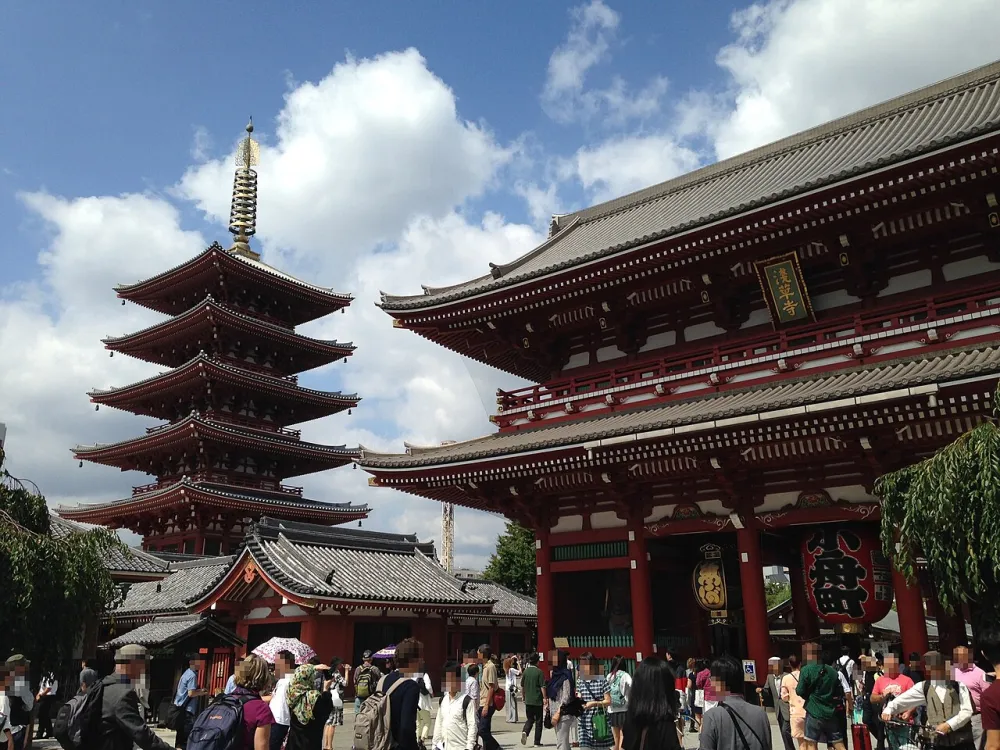
First-time visitors do well to pin Kaminarimon, their chosen sit-down restaurant and their return station before setting off. Kaminarimon marks the southern end of Nakamise-dori; walking north towards Hozomon Gate lines up ningyo-yaki, rice crackers and skewered dango. Branching west into Denboin-dori and the Rokku entertainment district leads to menchi-katsu croquettes, kamameshi rice pots and izakayas. If you have booked eel at Komagata Maekawa, the restaurant sits south-east of Kaminarimon beside Komagata Bridge—visiting on your way from the temple back towards the river avoids walking the full length of Nakamise-dori twice.
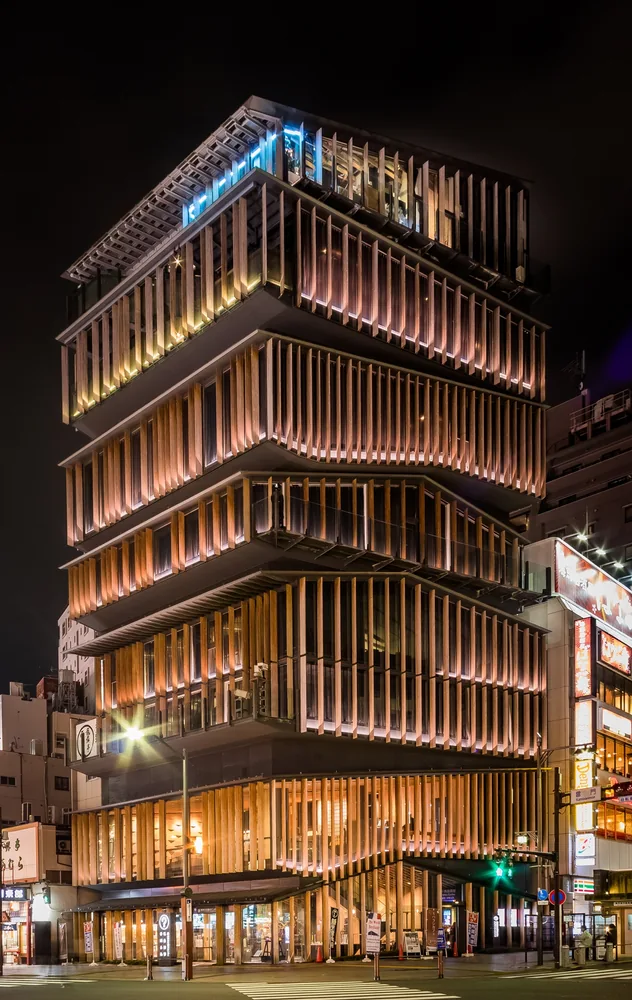
Arriving on the Tokyo Metro Ginza Line for a meal around Kaminarimon, use the Asakusa Culture Tourist Information Center as your landmark; Taito City's visitor guide notes that Ginza Line Exit 2 is the closest. Coming from Akihabara on the Tsukuba Express, Asakusa Station Exit A1 opens onto Kokusai-dori, making it straightforward to start with kamameshi around Rokku. The Toei Asakusa Line also serves an Asakusa Station with its own exit numbers. When meeting friends, texting "ground floor of the tourist centre opposite Kaminarimon" or dropping the restaurant pin is far clearer than "Asakusa Station Exit A1". See Taito City's Asakusa Culture Tourist Information Center guide and Tsukuba Express Asakusa Station information.
Early arrivals can take photos at Kaminarimon and stroll through the temple grounds first. Hold off on queuing for street snacks if part of your group is still on the train: many stalls keep queues moving briskly and expect customers to clear the counter once served, leaving latecomers hunting for another shop further along. Conversely, if everyone is carrying luggage and arriving at different times, meet near a sit-down restaurant and explore in one direction after eating. To time temple visits and goshuin stamp collecting around your meal, pair this plan with the Senso-ji half-day route.
Commit to just one main lunch spot. Once your table and main dish are decided, it becomes obvious whether sweets belong before or after. Leave room before tendon by sharing a small portion of dango; if you have booked unagi, keep afternoon sweets for the walk back towards Kaminarimon or the riverfront. Arriving around midday, check at the door whether the restaurant runs a physical queue or a sign-in sheet, and ask whether your whole party must be present before taking a table or if you can ask about the next seating. Agreeing on a wait-time cut-off and backup spot beforehand beats marching a group from junction to junction.
| Top Craving | Where to Start | Where to Go After Eating |
|---|---|---|
| Tendon | Aoimarushin on Kaminarimon-dori | Nakamise-dori and Senso-ji |
| Unagi (grilled eel) | Komagata Maekawa beside Komagata Bridge | Sweets back towards Kaminarimon, or Sumida Park |
| Kamameshi rice pot | Tsukuba Express Asakusa Station and Rokku | Denboin-dori and Senso-ji |
| Traditional sweets and gifts | Along Nakamise-dori towards Hozomon Gate | Sit down at Funawa, then exit via Kaminarimon |
Plan Asakusa meals from Kaminarimon tendon and Komagata eel to Nakamise ningyo-yaki, with menus, bookings, last orders, yam buffets and Skytree walks.
Arrive at 9:00 for Charcoal-Grilled Toast Before Heading to Kaminarimon
Travellers staying in Kuramae or arriving via Tawaramachi Station on the Ginza Line can start the morning with a proper sit-down breakfast. Pelican Café Asakusa is at 3-9-11 Kotobuki, Taito-ku, roughly a five-minute walk from Tawaramachi Station or Kuramae Station on the Oedo Line. Its sister bakery, Pan no Pelican, sits on the same Kokusai-dori stretch, one block closer to Kuramae; both signs carry the Pelican name, so look specifically for "Café" when you want table service. Check Pelican Café Asakusa's address and opening hours.
The café opens Monday to Saturday at 09:00 and closes on Sundays. Its signature charcoal-grilled toast uses roughly 3 cm-thick slices of shokupan milk bread served with butter and jam, and you can order it as a drink set if you fancy lingering over coffee. Savoury choices include ham and fried-egg toast or a fried ham cutlet sandwich. Today's Toast and Today's Sandwich are normally served from 11:00 on weekdays, though they are available from opening on Saturdays and differ from the regular charcoal-grilled toast. Browse Pelican Café's regular menu.
If you already have an 11:00 booking for the rooftop yam buffet, keep breakfast to one thick-cut toast set and stroll east towards Komagata Bridge afterwards. With lunch undecided and snacks to bring back to the hotel on your mind, walk up to Kaminarimon and follow Nakamise-dori north. Anyone hungry for something savoury first thing can eat toast at the café and save menchi-katsu for an afternoon bite. On Sundays, eat near your hotel before setting out so you reach Kaminarimon as the snack stalls begin opening after 09:00.
Spending two nights around Tawaramachi gives you room to photograph a quiet Kaminarimon before breakfast on one morning. On the other, walk north from Kuramae, eat toast, browse Kappabashi Kitchen Town, and arrive in Rokku by midday for kamameshi. Entering Asakusa from the south-west keeps breakfast, cookware shopping and lunch on the same side of the district, leaving souvenirs for your exit past Kaminarimon the next day.
Ordering Kaminarimon Tendon: Bowls, Tempura Sets and Takeaway at Aoimarushin
Aoimarushin is a reliable choice when you want a sit-down tendon rice bowl right by Kaminarimon. Tempura pieces are dipped into a sweet-savoury bonito-dashi tare sauce before resting on steamed rice, flavouring the grains underneath as well. If you prefer crisp, dry batter, turn to the assorted tempura platters instead so you can inspect the day's fish selection and keep rice and tempura separate. Knowing the difference between sauce-dipped tendon bowls and separate tempura sets helps first-timers far more than simply trading up from Jo (Superior) to Tokujo (Special).
Inside, the Nadai Tendon (Signature Tendon) costs ¥2,450 for two prawns, seasonal fish, squid and vegetables, served with soup and pickles. For a generous fillet of battered conger eel, order the O-anago Tendon, listed on the official site at ¥3,500 and capped at 30 portions a day. The Kinryu Kakiage Tendon (¥3,300) tops the rice with a large fritter of chopped small prawns and squid bound together, making it harder to share piece by piece than standard tendon. Children of primary-school age or younger can order the Kids' Tendon (¥2,000), which comes with chawanmushi, a soft drink and mango pudding. See Aoimarushin's dine-in tendon menu.
If you have your heart set on the limited O-anago Tendon, put Aoimarushin first for lunch rather than keeping it as a dinner fallback. Standard bowls offer wider flexibility: Aoimarushin lists opening hours of 11:00–21:00 with last orders at 20:00. In November 2026, it also lists extra closures on Tuesday 24 and Monday 30 November, when Komagata or Rokku make better dinner bets. Monthly closure notices are posted on a single calendar page, which is worth checking before any winter trip. Consult Aoimarushin's opening hours and monthly closure updates.
The takeaway counter offers combinations not found on the dine-in menu. Aoimarushin's takeaway sheet separates mini tendon, tendon bento boxes and large bowls, and lets you buy tempura side dishes on their own—handy if you picked up onigiri the night before and just want one hot item back in your hotel room, under the "Tempura & Okazu" section. To eat takeaway near Kaminarimon, Taito City allows visitors to dine in designated seating on the 6th floor (6F) of the Asakusa Culture Tourist Information Center, subject to restrictions during events; check the daily floor notice at the entrance first. See Aoimarushin's takeaway menu and the tourist centre's floor and dining rules.
When companions are watching portion sizes, decide upfront whether everyone wants their own bowl or prefers sharing plates of tempura alongside set meals. Two diners wanting both prawns and conger eel can order two different tendon bowls and swap toppings as soon as they arrive rather than upgrading both bowls. Fans of tencha—pouring hot dashi tea over leftover rice and tempura—can add it to a rice bowl for ¥500, giving a clearer contrast between tare sauce and broth than ordering two full platters of fried food.
Komagata Eel at Maekawa: Should You Book Lunch or Dinner?
When grilled eel is the centrepiece meal of your Tokyo stay, book Komagata Maekawa's Asakusa Main Branch at 2-1-29 Komagata, Taito-ku, right by Komagata Bridge along the riverfront. Exit A2 of Asakusa Station on the Toei Asakusa Line is roughly a one-minute walk away, saving steps if you are heading straight to a reservation. Shoes come off at the entrance for both Western-style tables and tatami rooms. If anyone in your group struggles with low floor seating, add "table seat requested" (*teburu-seki kibo*) in your booking notes along with mention of walking sticks or mobility aids; add "window seat requested" (*madogawa kibo*) if you want views of the Sumida River and Tokyo Skytree, best enjoyed in daylight at lunch. Check Komagata Maekawa Asakusa Main Branch hours, menus and reservations and the main branch address and nearest exit.
Maekawa's unaju lacquered eel-and-rice box comes with clear soup, pickles and a sweet bite. Dishes using select domestically farmed eel start at ¥6,300, rising to ¥7,600 for Jo (Superior) and ¥9,300 for Tokujo (Special). To keep rice and eel separate, kabayaki sets with rice start at ¥9,300. If just one diner wants plain-grilled shirayaki eel, an à la carte portion of domestically farmed eel starts at ¥5,700—ideal for sharing alongside individual mains. Eel fillets contain fine bones, so adults should pick through portions before serving young children.
The main branch opens 11:30–21:00 with last orders at 20:30, accepting bookings by phone or online. From 16:00 onwards, a 10% service charge applies to food and drink, bringing a ¥6,300 unaju to ¥6,930, or ¥13,860 for two standard boxes before drinks. Private rooms carry an additional room surcharge of 10% at lunch and 15% at dinner—keep that separate from the service charge when budgeting for a group. For a straightforward single eel box at a predictable price, a regular lunch table keeps the bill lean and leaves your afternoon free to cross the river.
If you are coming from Ueno and have timed tickets for Tokyo Skytree, eat lunch early so walking, entry slots and your meal sit cleanly apart. Staying in Asakusa for the night makes it easier to cross the river first, return via Komagata Bridge for dinner, and walk back along Kaminarimon-dori or hop on the Toei Asakusa Line afterwards. Two kaiseki courses on the menu—Hanakanmuri and Tsuki no Mai—explicitly require advance booking, so include the course name when you reserve.
Asakusa Mugitoro: Walk-In Ground Floor vs Bookable Rooftop Buffet
For a Japanese set-meal crowd that wants a break from deep-fried dishes, Asakusa Mugitoro—along the walk from Kaminarimon towards Komagata Bridge—pairs barley rice with seasoned grated mountain yam (tororo). Ladle the silky yam over warm barley rice and eat it with side dishes; if the texture is new to you, start with half a bowl. Note that the Mugitoro Viking and the Tenku Tororo Buffet are separate experiences on different floors, so specify which floor your group is meeting on.
On the ground floor (1F), the weekday-only buffet begins registering walk-ins at the entrance from 10:30, opens at 11:00, takes last entry at 14:00 and closes at 14:30, seating guests strictly in arrival order. Prices are ¥1,650 for adults, ¥825 for children aged 4–9, and free for ages 3 and under. Since it runs only on weekday lunchtimes, spontaneous visitors can walk past from Kaminarimon to check the queue; if last entry is closing in, switch to a nearby set-meal restaurant so afternoon bookings stay on schedule. See Asakusa Mugitoro's ground-floor buffet details.
Upstairs at the rooftop Lounge Vista, the buffet costs ¥3,300 for adults, ¥1,650 for ages 4–9 and is free for ages 3 and under. Sittings last 80 minutes, starting at 11:00, 12:30 and 14:00 on weekdays, with an extra 15:30 sitting at weekends and on public holidays. Online bookings are escorted upstairs from the ground-floor entrance roughly five minutes before each sitting. Seating splits between river-facing high stools and standard tables; families with young children or older relatives with sore knees should prioritise standard tables and flexible time slots with plenty of availability. Check rooftop buffet sittings and seating.
If you want a booked regular table without a buffet, look at Mugitoro's kaiseki and set-meal menus. Excluding drinks, the official booking page sets a minimum food spend per adult of ¥3,300 on weekdays and ¥6,050 on Saturdays, Sundays and public holidays. Checking those thresholds before locking in a weekend date avoids sticker shock compared with the ground-floor buffet; to keep weekend lunchtime costs near the rooftop rate, look for 11:00 or 14:00 sittings rather than leaving the family with only 12:30. Review Asakusa Mugitoro's booking conditions.
Families visiting over the New Year holidays need to skip the ground-floor plan altogether. The restaurant suspends its weekday ground-floor buffet from 28 December 2026 to 5 January 2027, resuming on 6 January. From 1 to 5 January 2027, regular and private-room bookings serve only New Year kaiseki and set menus, starting at ¥11,000 per adult for the Shinshun Shirasagi course. Over 1–5 January, the rooftop runs four daily sittings of a New Year buffet at ¥4,400 per adult. Check year-end and New Year hours and rooftop sittings.
Eating Up Nakamise-dori from Kaminarimon to Hozomon: Dango, Ningyo-yaki and Takeaway
Line up Nakamise-dori snacks in walking order. Just inside Kaminarimon at stall W06 on the arcade map, Asakusa Kibidango Azuma sells freshly made millet-flour dango: five skewers for ¥350, open 09:00–19:00 until sold out. Follow the marked queuing lane outside the counter and finish eating in the shop's designated standing zone before moving on. If you are sharing a bundle, step aside first and hand out the skewers rather than splitting them while weaving through the crowd. Check Azuma's Nakamise-dori listing.
Further up near Hozomon Gate at stall E53 sits Kimuraya Honten, baking ningyo-yaki sponge cakes shaped like doves, lanterns, the thunder god and the five-storey pagoda. Arcade listings start filled packs at ¥600, with unfilled cakes sold in bags of ten or more; it keeps irregular holidays and trades roughly 09:00–19:00. Watch out for another shop midway along at E42 named Hato no Mark Kimuraya Ningyo-yaki Honpo—both carry "Kimuraya" on the sign, so if a friend sends a photo of the main branch, match stall E53 on the map towards Hozomon. See Kimuraya Honten (E53) and the Nakamise-dori stall map.
For warm cakes to eat the same day, Sanhodo sells freshly baked ningyo-yaki; for office souvenirs, pick up its vacuum-packed boxes filled with either whole or smooth red bean paste, which the arcade guide notes keep for one month. If you will not open the box for several days, point directly to the sealed pack at the till and check the storage instructions and best-before date on the label. Keeping fresh snacks and boxed gifts in two separate bags saves confusion back at the hotel after dinner. View Sanhodo's freshly baked and vacuum-packed ningyo-yaki.
Ready for something savoury mid-stroll? Turn down Denboin-dori to Asakusa Menchi for deep-fried minced-meat cutlets (menchi-katsu), open 10:00–19:00 or until sold out. Let a freshly fried cutlet cool for a moment before biting in, as the juicy centre is far hotter than the crust. Split one if tendon is coming up next, or save it for the walk back in the afternoon so you do not spoil your appetite early. In wet weather, steady your paper sleeve and umbrella separately and step into the shop's designated eating spot. See Asakusa Menchi's location and hours.
Trying to squeeze dango, ningyo-yaki and menchi-katsu into a single hour leaves zero margin—one extra queue cycle will push back lunch. Sweet-toothed visitors can window-shop the cake moulds along the arcade and buy near Hozomon Gate, while savoury fans can duck into Denboin-dori early and rejoin the temple path once full. If you are pushing a buggy, stick to one side of the arcade before crossing over so your group stays together.
Need a sit-down break after shopping? Head to Funawa Asakusa Honten at 1-22-10 Asakusa. The ground floor sells sweets—including individual slices of signature sweet-potato imo-yokan—while the tea room on the 2nd and 3rd floors (2F–3F) runs 10:30–19:00 with last orders at 18:30. If you have a long day of luggage transfers tomorrow, Funawa's 2026 ambient-temperature sweet potato pudding (¥432 each, sold at the main branch and select Nakamise outlets) travels without refrigeration, letting you sit for anmitsu now and pack gifts in one stop. Check Funawa's Asakusa shops and tea room and Funawa's sweet potato pudding.
Sit-Down Kamameshi in Rokku, or a Drink Along Hoppy-dori
For individual iron-pot rice cooked to order, walk west to Ganso Kamameshi Haru at 1-14-9 Asakusa. Rice is scooped at the table from the hot pot with a wooden paddle; if dining with children, dish out their bowls straight away and keep the hot pot on the adults' side. The Gomoku Kamameshi (¥1,850) mixes prawns, chicken, bamboo shoot, shiitake mushroom and mitsuba herbs, while Chicken Kamameshi and Shimeji Mushroom Kamameshi also cost ¥1,850. A pair of diners can order two flavours and swap half-bowls; allow time to linger, or save this meal until after an afternoon show. Browse Ganso Kamameshi Haru's menu.
Haru officially trades 11:00–21:00 with food last orders at 20:00 and drinks at 20:30, closing Wednesdays and irregular days. Even though it sits close to Rokku's theatres, a show letting out at 19:50 leaves barely minutes to order—eat before the curtain instead and stroll across afterwards, or shift dinner to a later-closing complex. The restaurant accepts credit cards and PayPay, making it smart to save yen coins for cash-only Nakamise stalls earlier in the afternoon. Check Ganso Kamameshi Haru's hours and payment options.
Hoppy-dori works best as a short stop for simmered snacks and a drink. Tokyo's official tourism site pairs it with a post-temple stroll past open-fronted izakayas and pavement tables. On menus, classic Kanto stew appears as *nikomi*, beef tendon as *gyusuji* and offal stew as *motsu*, with some spots simmering both together. If a group wants proper rice and a full dinner rather than bar snacks, look by the door for *teishoku* (set meals) or *gohan* (plain rice) before sitting down and ordering plates of nibbles. See GO TOKYO's Asakusa and Hoppy-dori itinerary.
Hoppy itself is a beer-flavoured mixer: both original and black bottled Hoppy contain around 0.8% ABV and are poured over shochu. Ordering *naka* brings a shochu top-up, while *soto* brings another bottle of Hoppy; non-drinkers can ask directly for tea or soft drinks. Pavement tables sit right on the street, so check for indoor seating in cold weather or with children, and fold buggies tight while queuing. If you simply want to see the glowing lanterns, take a short walk from Senso-ji towards Rokku and wait for staff to seat you rather than pulling out a chair uninvited. See Hoppy Beverage's product range and ABV details and Chofu City's guide to Hoppy ordering terms.
Down by the Azumabashi junction sits a very different drinking institution: Kamiya Bar, highlighted by the Asakusa Tourism Federation for its house Denki Bran liqueur, poured in 30% ABV and 40% ABV strengths—call out the percentage when ordering. If half your group wants a drink while others only want dinner, share a sit-down kamameshi meal in Rokku first, then let drinkers walk to Azumabashi while everyone else heads for the Ginza Line or Kaminarimon rather than crowding a whole party outside a tiny bar doorway. Read the Asakusa Tourism Federation's Kamiya Bar profile.
Pairing a Half-Day Meal With Kappabashi or Tokyo Skytree
Heading west to Kappabashi Kitchen Town works smoothly with lunch in Asakusa and a departure from Tawaramachi Station on the Ginza Line or Tsukuba Express Asakusa Station. The Kappabashi Dougu Street Shopping Association notes that most member shops trade roughly 10:00–17:00, alongside a monthly calendar for Sunday and public-holiday openings. If you only have one shopping window, buy your knives, ceramics or food replicas first, then walk back to Rokku to eat; anyone with an 11:30 eel booking at Komagata should eat by the river first, pick up portable sweets on Nakamise-dori, and browse westwards afterwards. Check Kappabashi Kitchen Town opening information.
After buying heavy cast-iron pans or boxed tableware in Kappabashi, hop on the underground at Tawaramachi to drop bags at your hotel before deciding on an evening trip to Oshiage. Companions who buy knives or ceramics and want to head back early can meet the rest of the group near a station for dinner instead of hauling parcels back across Nakamise-dori twice.
Heading east towards Tokyo Skytree depends on whether you want a scenic riverside stroll or need to make a timed ticket. On foot from the Tobu Asakusa Station side, cross the Sumida River Walk into Tokyo Mizumachi and continue to Tokyo Skytree Town. The footbridge opens 07:00–22:00; if it turns blustery, gets too dark, or dinner runs past 22:00, ride back from Oshiage Station or walk via Azuma Bridge instead. With slow walkers in tow, never confuse the footbridge's 22:00 closing time with the hour you leave your restaurant table, as the walk across the shopping complex still takes time. Check Tokyo Mizumachi and Sumida River Walk access.
In Oshiage, Tokyo Solamachi concentrates restaurants on the 6th, 7th, 30th and 31st floors (6F, 7F, 30F, 31F), with floor hours listed as 11:00–23:00 and last orders set by each kitchen. Families looking for relaxed options can browse floors 6 and 7 first, saving floors 30 and 31 for skyline views over dinner before heading home from Oshiage or Tokyo Skytree Station. If you came mainly to photograph Asakusa and want an easy dinner afterwards, pick your restaurant floor upfront rather than touring all four levels so you still have energy for the evening view. See Tokyo Solamachi hours and station links.
Combining Kappabashi and Tokyo Skytree in one day works best by starting at Tawaramachi for kitchenware, walking back to Kaminarimon for lunch, crossing the river at dusk and returning from Oshiage. If punctuality for dinner is tight—or someone needs an afternoon hotel rest—stick to one side of Kaminarimon: Kappabashi if you have a firm shopping list, Oshiage if you want restaurants open late, or an early Skytree slot followed by an evening walk back to Komagata if you booked dinner at Maekawa.
Adapting Your Meal Plan for Budget, Weather and Companions
To keep a main meal and a street snack under ¥3,000 per person, combine set menu prices from the start. Aoimarushin's Signature Tendon (¥2,450) plus five skewers of millet dango (¥350) totals ¥2,800; swapping to Ganso Kamameshi Haru's Gomoku Kamameshi (¥1,850) and a filled pack of Kimuraya Honten ningyo-yaki (from ¥600) starts at ¥2,450 and leaves sweets to share back at the hotel. Both pairings make window menus easy to decode while leaving room for drinks—just separate shared snacks from individual mains when budgeting for a family.
When companions have different budgets, prioritise sitting together first. Pick a kamameshi or set-meal restaurant where everyone can choose an affordable main, and save unagi for another meal. If the group prefers splitting up for lunch, set a meeting time back at the tourist centre afterwards before touring Senso-ji or shopping for souvenirs.
For older relatives, meeting directly at a restaurant at 12:00 saves far more walking than gathering at Kaminarimon at noon and hunting for seats together. Book a table ahead and stroll gently from nearby streets. Parents with babies and toddlers can use the 2F nursing room and baby-changing tables inside the Asakusa Culture Tourist Information Center, reached by lift. On the top floor (8F), the free observation terrace stays open until 22:00 separately from the adjacent café, which takes last orders at 19:30—visit earlier if companions want a seated drink, or head up after dark purely for the view. Check the tourist centre's nursing room, terrace and café details.
Heavy rain calls for swapping grazing along Nakamise-dori and riverside walks for one indoor stop. Stick close to Kaminarimon—Aoimarushin, Funawa's main branch or the tourist centre—to move the group as little as possible. Families already planning an afternoon at Tokyo Skytree Town can ride straight to Oshiage early and sort out lunch and loos under one roof. In light passing showers, duck into a covered side arcade for a proper meal outside the temple precinct, then return to Nakamise-dori for sweets once the rain eases.
If anyone in your party avoids shellfish, eggs or mountain yam, write out the Japanese allergy terms on a single note before leaving the hotel and show it when ordering. At Aoimarushin, ask if vegetable tempura shares fryer oil with prawns and confirm the bonito-dashi base in the tare sauce. Even seemingly plain barley rice and grated yam may come pre-seasoned with fish stock, so ask staff before ordering; with mixed dishes like *gomoku* or *kakiage*, checking individual ingredients beats assuming a dish is simply vegetable rice or plain tempura.
For vegans who want to share tempura together, book dinner at Marugoto Vegan Dining Asakusa near the Tobu Asakusa Station North Exit. Its published evening menu includes seasonal vegetable tempura, using strictly plant-based recipes free of the five pungent roots (garlic, onion, leek, chives and scallions). Dinner runs Tuesday to Saturday 18:00–20:30 with last orders at 20:00—convenient after seeing Senso-ji lit up at dusk, with Tobu Asakusa and the Ginza Line close by for the ride home. Step-free travellers using the lift will find Ginza Line Exit 1 about a four-minute walk away. Check vegan dinner options and bookings and directions and lift access.
A few useful answers
If I only have one lunch in Asakusa on a first visit, where should I eat?
For classic dishes right by Kaminarimon, start at Aoimarushin for its Signature Tendon. If eel is your priority, book lunch at Komagata Maekawa instead, then walk back from Komagata Bridge towards Kaminarimon and Nakamise-dori.
Can I reserve the ¥1,650 buffet at Asakusa Mugitoro in advance?
No—ground-floor seating is walk-in only, with registration opening at the entrance from 10:30 on weekdays. If you want a guaranteed table, book the rooftop Tenku Tororo Buffet instead (¥3,300 per adult, 80-minute sittings).
Which end of Nakamise-dori is Kimuraya Honten on?
Kimuraya Honten is at stall E53, near the Hozomon Gate end. Further down the middle of the arcade at E42 is a separate shop, Hato no Mark Kimuraya Ningyo-yaki Honpo.
What cut-off times should I watch for if I have dinner after visiting Senso-ji?
If you plan to eat in Asakusa after visiting Senso-ji, both Ganso Kamameshi Haru and Aoimarushin currently take last orders at 20:00, whilst Komagata Maekawa takes last orders at 20:30. For a later dinner, Tokyo Solamachi's restaurant floors stay open until 23:00, though individual last-order times vary.
How late can I walk across the Sumida River Walk between Asakusa and Tokyo Skytree?
The walkway closes at 22:00. If you finish dinner near Tokyo Skytree later than that, catch a train back from Oshiage Station or walk across Azuma Bridge towards Kaminarimon instead.
Official information and references
Sources used in this guide.
- Taito City Tourism Information | Asakusa Culture Tourist Information Center Access
- Tsukuba Express | Asakusa Station and Exits
- Pelican Café Asakusa | Address and Opening Hours
- Pelican Café Asakusa | Charcoal-Grilled Toast and Sandwiches
- Aoimarushin | Tendon and Tempura Menu
- Aoimarushin | Opening Hours
- Aoimarushin | Monthly Closure Notices
- Aoimarushin | Takeaway Menu
- Komagata Maekawa | Asakusa Main Branch Menu, Bookings and Service Charge
- Komagata Maekawa | Main Branch Address and Nearest Station
- Asakusa Mugitoro | Ground-Floor Weekday Buffet
- Asakusa Mugitoro | Rooftop Buffet
- Asakusa Mugitoro | Booking Conditions and New Year Hours
- Asakusa Nakamise Shopping Street | Stall Map
- Asakusa Nakamise Shopping Street | Asakusa Kibidango Azuma
- Asakusa Nakamise Shopping Street | Kimuraya Honten
- Asakusa Nakamise Shopping Street | Sanhodo
- Asakusa Menchi | Shop Location and Opening Hours
- Funawa | Asakusa Branches and Tea Room
- Funawa | Sweet Potato Pudding Sales Information
- Ganso Kamameshi Haru | Kamameshi Menu
- Ganso Kamameshi Haru | Opening Hours and Payment Methods
- GO TOKYO | Asakusa and Hoppy-dori
- Hoppy Beverage Co. | Hoppy Product Range
- Chofu City Bulletin | Hoppy Ordering Terms
- Asakusa Tourism Federation | Kamiya Bar
- Kappabashi Dougu Street Shopping Association | Member Shop Hours
- Tokyo Mizumachi | Sumida River Walk Opening Hours
- Tokyo Solamachi | Hours, Restaurant Floors and Access
- Taito City | Asakusa Culture Tourist Information Center Floor Guide
- Marugoto Vegan Dining Asakusa | Vegan Dinner Menu and Hours
- Marugoto Vegan Dining Asakusa | Access and Lift Exit