Plan meals from Kaminarimon tendon and Komagata unagi to Nakamise ningyo-yaki, with menus, bookings, and last orders, plus tororo buffets, rainy-day options, and walks to Tokyo Skytree.
- Reading Scope
- 19 min read · 9 chapters · 5 Q&As
- Official Verification
- 32 official sources checkedUpdated November 22, 2026
- Key Topics
- FoodNeighborhoodsItineraries
Chapter Route Map (tap any stop)
- Pick Your Lunch Zone First, Then Your Asakusa Station Exit
- Arriving at 9:00 AM? Start with Charcoal-Toasted Bread Before Kaminarimon
- Ordering Kaminarimon Tendon: Aoi Marushin Bowls, Tempura, and Takeout
- Komagata Unagi: Booking Maekawa for Lunch or Dinner
- Asakusa Mugitoro: Walk-In 1F Buffet vs. Bookable Rooftop
- Eating Nakamise from Kaminarimon to Hozomon: Dango, Ningyo-Yaki, and Takeout
- Sit-Down Kamameshi in Rokku or a Quick Drink on Hoppy Street
- Pairing a Half-Day Meal with Kappabashi or Tokyo Skytree
- Adjusting Your Plan by Budget, Weather, and Group Needs
- Quick Q&A
On your first trip to Asakusa, lock in one sit-down meal first. If you are craving tendon, Aoi Marushin sits steps from Kaminarimon Gate and puts you right on Nakamise-dori heading toward Sensoji Temple. For unagi, book Komagata Maekawa by the Sumida River and save sweets for the walk back to Kaminarimon. Nakamise's ningyo-yaki and dango skewers are best as daytime snacks. If you are heading to Tokyo Skytree in the afternoon, plan dinner in Oshiage so you can catch your train straight home instead of doubling back to Asakusa looking for an open kitchen.
Pick Your Lunch Zone First, Then Your Asakusa Station Exit
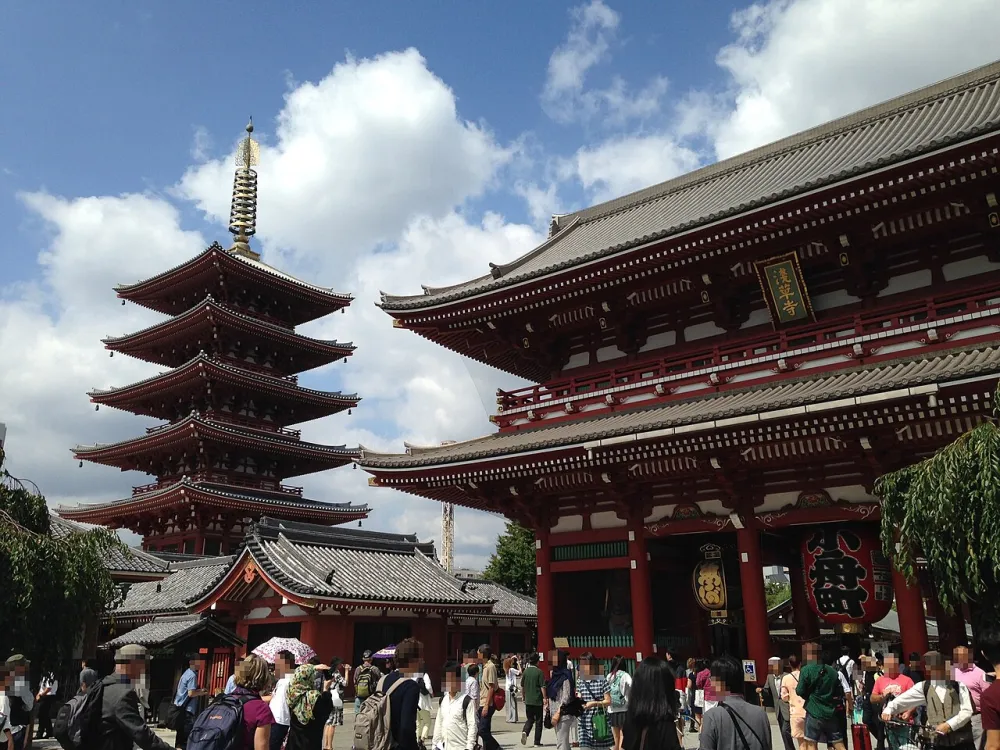
First-time visitors should mark Kaminarimon Gate, their chosen sit-down restaurant, and their return station on the map. Kaminarimon anchors the south end of Nakamise-dori; walking north toward Hozomon Gate lines up ningyo-yaki, senbei rice crackers, and dango skewers. Cutting west into Denboin-dori and the Rokku district works better for menchi-katsu, kamameshi rice pots, and izakayas. If you book unagi at Komagata Maekawa, you will be dining southeast of Kaminarimon by Komagata Bridge—pair it with the riverside walk back from the temple instead of backtracking down the entire length of Nakamise-dori.
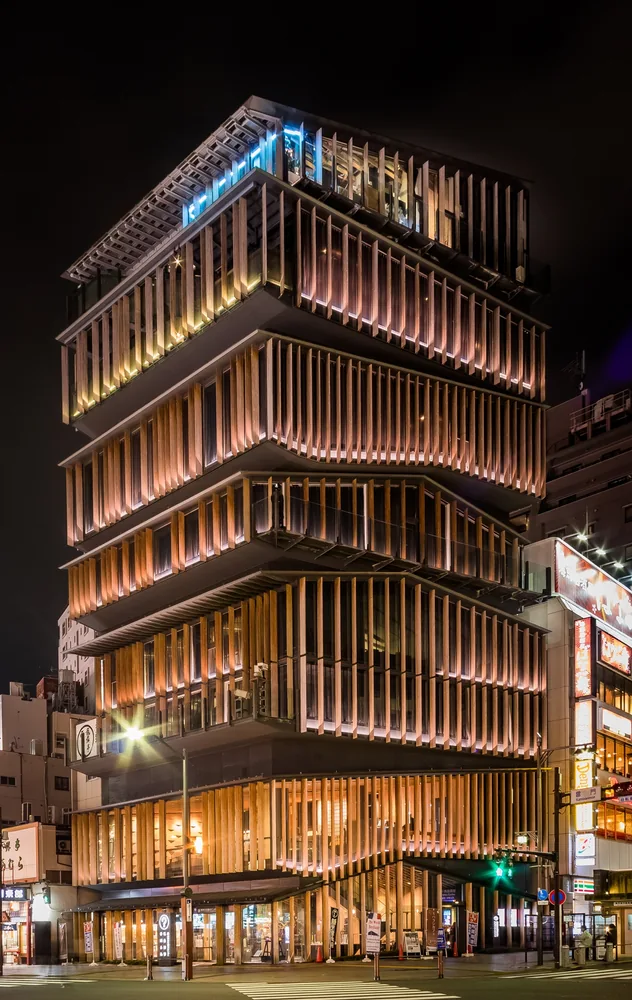
Arriving on the Tokyo Metro Ginza Line, use the Asakusa Culture Tourist Information Center as your meetup spot near Kaminarimon; Taito City lists Ginza Line Exit 2 as the closest. Coming from Akihabara on the Tsukuba Express, Asakusa Station Exit A1 lets you out on Kokusai-dori, putting Rokku kamameshi right in your path. The Toei Asakusa Line also has an Asakusa Station with its own exit numbers. When texting friends to meet up, "ground floor of the tourist center across from Kaminarimon" or a pinned restaurant map link is far clearer than "Asakusa Station A1." Taito City Asakusa Culture Tourist Information Center info and Tsukuba Express Asakusa Station info.
Early arrivals can snap photos at Kaminarimon and walk through the temple grounds first. Don't line up for street snacks for the whole group while others are still on the train; many stalls expect you to buy and move along right away, leaving latecomers to hunt down a different shop later. Conversely, if everyone is carrying luggage and arriving separately, meet directly outside a sit-down restaurant and explore together in one direction afterward. To connect temple worship, goshuin stamps, and meals smoothly, match your timing to the Sensoji half-day route.
Lock in just one must-visit sit-down spot for lunch. Once your table and main meal are set, it is easy to slot sweets before or after. Save room before tendon by splitting a small order of dango. If you have a lunch booking for unagi, save sweets for the walk back toward Kaminarimon or along the river. Arriving right at noon? Check at the door whether the restaurant uses a physical line or a waitlist sheet, and ask if the entire party must be present before seating or if you can put your names down for the next turn. Agreeing upfront on a wait-time cutoff before switching to a backup keeps the group from debating at a crowded intersection.
| Craving | Where to Start | Where to Head Next |
|---|---|---|
| Tendon | Aoi Marushin on Kaminarimon-dori | Nakamise-dori and Sensoji Temple |
| Unagi rice | Komagata Maekawa by Komagata Bridge | Back to Kaminarimon for sweets, or walk to Sumida Park |
| Kamameshi | Tsukuba Express Asakusa Station and Rokku | Denboin-dori and Sensoji Temple |
| Sweets and souvenirs | Walk Nakamise-dori up to Hozomon Gate | Stop at Funawa for a sit-down dessert, then exit via Kaminarimon |
Plan meals from Kaminarimon tendon and Komagata unagi to Nakamise ningyo-yaki, with menus, bookings, and last orders, plus tororo buffets, rainy-day options, and walks to Tokyo Skytree.
Arriving at 9:00 AM? Start with Charcoal-Toasted Bread Before Kaminarimon
Staying in Kuramae or entering Asakusa via Tawaramachi Station on the Ginza Line makes it easy to start with a sit-down breakfast. Pelican Cafe Asakusa is at 3-9-11 Kotobuki, Taito-ku, roughly a 5-minute walk from Tawaramachi Station or Kuramae Station on the Oedo Line. Its sister bakery, Pan no Pelican, sits on the same Kokusai-dori avenue, with the cafe one block closer to Kuramae. Both signs feature the Pelican name, so look specifically for "Cafe" if you want a table. Pelican Cafe Asakusa location and hours.
The cafe opens Monday through Saturday at 9:00 AM and is closed Sundays. Its signature charcoal-grilled toast uses thick 3 cm slices of shokupan served with butter and jam, and you can order a drink set if you want a slow morning coffee. For something savory, look at the ham and fried egg toast or the fried ham cutlet sandwich. "Today's Toast" and "Today's Sandwich" normally start at 11:00 AM on weekdays, though they are available right at opening on Saturdays and differ from the regular thick-toast menu. Pelican Cafe regular menu.
If you already have an 11:00 AM booking for the rooftop tororo buffet, keep breakfast to a single thick toast and drink, then walk toward Komagata Bridge. If lunch is still open and you want snacks to bring back to your hotel, head to Kaminarimon and work your way up Nakamise-dori. Anyone who wants a savory breakfast before walking can eat toast at the cafe and save menchi-katsu for an afternoon snack. On Sundays when you want to hit early sights first, eat near your hotel and save the Kaminarimon stretch for snack stalls opening after 9:00 AM.
Staying two nights around Tawaramachi? Save early-morning Kaminarimon photos for one day before breakfast. On the other morning, start in Kuramae, walk north for breakfast, swing through Kappabashi kitchen town, and finish around noon with kamameshi in Rokku. Entering from the southwest keeps breakfast, cookware shopping, and lunch on the same side of the neighborhood, leaving souvenirs for your final pass out past Kaminarimon the next day.
Ordering Kaminarimon Tendon: Aoi Marushin Bowls, Tempura, and Takeout
Aoi Marushin is an easy sit-down anchor when you want a classic tendon meal near Kaminarimon. The kitchen dips freshly fried tempura into a sweet-savory dashi-soy tare built on bonito stock before laying it over rice, so the sauce flavors every bite. If you prefer crisp, dry batter, flip to the tempura platter menu to check the day's fish selection and eat the rice and fried pieces separately. Understanding the difference between sauce-dipped bowls and separate tempura sets helps first-timers far more than blindly upgrading from "Jo" to "Tokujo."
The signature Meidai Tendon costs ¥2,450 and includes two shrimp, seasonal fish, squid, and vegetables, served with soup and pickles. For a full slab of fried sea eel, order the O-Anago Tendon, listed on the official site at ¥3,500 and capped at 30 orders per day. The Kinryu Kakiage Tendon (¥3,300) tops the bowl with a large kakiage fritter of small shrimp and squid bound together in batter, which does not split into separate pieces as easily as a standard tendon. Kids elementary-school age or younger have a ¥2,000 Kids Tendon with chawanmushi, soda, and mango pudding. Aoi Marushin dine-in tendon menu.
Because the O-Anago Tendon is limited daily, put Aoi Marushin at the top of your lunch plan rather than treating it as a late dinner backup. Regular Meidai Tendon is much easier to fit into flexible hours: Aoi Marushin's site lists 11:00 AM–9:00 PM with last order at 8:00 PM. Note that November 2026 has posted closures on Tuesday, November 24 and Monday, November 30, when you should pivot to Komagata or Rokku instead. The restaurant posts monthly closure dates on the same notice page, so check that calendar if you are visiting in winter. Aoi Marushin hours and monthly closure notices.
The takeout menu adds combinations you will not see on the dine-in sheet. Aoi Marushin's counter-pickup menu separates mini tendon, tendon bento boxes, and full-size bowls, and also sells a la carte tempura sides. If you already grabbed onigiri the night before and just want one hot dish back at the hotel, look under the "Tempura and Side Dishes" section. Want to eat takeout across from Kaminarimon? The 6th floor of the Asakusa Culture Tourist Information Center has public seating where Taito City allows visitors to eat, unless a scheduled event restricts access—check the daily floor notice at the entrance before bringing food up. Aoi Marushin takeout menu and tourist center floor and dining rules.
If anyone at the table is watching how much fried food they eat, decide early between individual bowls or sharing pieces across main orders. Two diners who both want shrimp and sea eel can order different tendon bowls and trade pieces as soon as they arrive rather than both upsizing. Fans of tencha (tea over tendon) can add ¥500 on the bowl menu, saving a bit of rice and tempura to finish with dashi broth—pouring that broth over the bowl you already wanted highlights the tare and stock contrast better than ordering two extra sides.
Komagata Unagi: Booking Maekawa for Lunch or Dinner
To make unagi your centerpiece Tokyo meal, book Komagata Maekawa's Asakusa flagship at 2-1-29 Komagata, Taito-ku, right beside Komagata Bridge and easiest to spot along the river side. Toei Asakusa Line Exit A2 puts you roughly a 1-minute walk from the door, saving steps if you are arriving straight for your reservation. Maekawa has both Western-style tables and tatami seating, and guests remove shoes at the entrance. If anyone in your group struggles with kneeling or getting up from floor seating, write "table seat preferred" (teburu-seki kibo) in the reservation notes and mention any canes or mobility aids. For Sumida River views, add "window seat preferred" (mado-gawa kibo) on the same note—daylight at lunch gives the clearest view of both the river and Tokyo Skytree. Komagata Maekawa hours, menu, and reservations and location and nearest station exits.
Maekawa's unaju (lacquered box of grilled eel over rice) comes with clear broth, pickles, and a small sweet. Farm-raised domestic eel starts at ¥6,300, with Jo at ¥7,600 and Tokujo at ¥9,300. If you want eel and rice served separately, kabayaki sets with rice start at ¥9,300. If just one person wants to try unseasoned shirayaki, an a la carte domestic shirayaki plate starts at ¥5,700—handy when everyone has their own main dish and wants one extra plate to share. Eel contains fine bones, so adults should pick through portions before serving young children.
The flagship is open 11:30 AM–9:00 PM (last order 8:30 PM) and takes phone or online bookings. From 4:00 PM onward, a 10% service charge applies to food and drinks, turning a ¥6,300 unaju into ¥6,930 (or ¥13,860 for two identical bowls before any extra drinks or sides). Private rooms carry an additional room fee listed on the official site at 10% for lunch and 15% for dinner, so keep that separate from the evening service charge when estimating a full table tab. If you just want a single unaju, booking a regular lunchtime table keeps the budget predictable and leaves the afternoon free to cross the river.
Coming from Ueno with timed Tokyo Skytree tickets later in the day? Put lunch first so walking, dining, and tower entry each have clean breathing room. If your hotel is in Asakusa, walk across the river first, loop back via Komagata Bridge for dinner, and return afterward on the Toei Asakusa Line or along Kaminarimon-dori. Two kaiseki courses on the menu—"Kakan" and "Tsuki no Mai"—explicitly require advance booking, so write the exact course name when reserving if you plan to order either.
Asakusa Mugitoro: Walk-In 1F Buffet vs. Bookable Rooftop
When your group wants a traditional Japanese meal without more deep-fried food, walk from Kaminarimon toward Komagata Bridge to Asakusa Mugitoro for barley rice topped with grated mountain yam (tororo). You spoon seasoned tororo over warm mugimeshi barley rice and pair it with side dishes; first-timers unfamiliar with the smooth texture can start with a half-bowl. The restaurant runs two distinct buffets—the 1st-floor Mugitoro Viking and the rooftop Tenku Tororo Buffet—so name the exact floor when coordinating with your group.
The 1st-floor weekday buffet begins check-in at the storefront at 10:30 AM, opens for dining at 11:00 AM, stops admitting guests at 2:00 PM, and closes at 2:30 PM, seating strictly on a walk-in basis. Pricing is ¥1,650 for adults, ¥825 for ages 4–9, and free for ages 3 and under. Because it only runs on weekday middays, spontaneous visitors can walk over from Kaminarimon to check the day's queue; if you arrive close to the 2:00 PM cutoff, switch to a nearby set-meal spot so afternoon timed plans stay on track. Asakusa Mugitoro 1F buffet.
The rooftop Lounge Vista buffet costs ¥3,300 for adults, ¥1,650 for ages 4–9, and is free for ages 3 and under. Each session lasts 80 minutes, starting at 11:00 AM, 12:30 PM, and 2:00 PM on weekdays, with an extra 3:30 PM slot on weekends and national holidays. You can book online, and staff escort guests up from the 1st-floor entrance about 5 minutes before seating starts. Rooftop seating includes river-facing high counter stools and standard tables; families with kids or older travelers with knee trouble should prioritize regular tables and look for less crowded slots if dates are flexible. Rooftop buffet times and seating.
If you want a guaranteed standard table without doing a buffet, check Asakusa Mugitoro's kaiseki and set-meal menu. The official booking page notes a minimum food spend per adult excluding drinks: ¥3,300 on weekdays and ¥6,050 on Saturdays, Sundays, and holidays. Checking the per-person minimum before picking a date prevents sticker shock compared with the walk-in 1st-floor buffet. For a weekend midday meal near rooftop pricing, check the 11:00 AM or 2:00 PM slots first instead of getting squeezed into a sold-out 12:30 PM rush. Asakusa Mugitoro reservation rules.
Families visiting over New Year's will need to adjust away from the 1st-floor plan. Asakusa Mugitoro suspends the weekday 1st-floor buffet from December 28, 2026 through January 5, 2027. From January 1 to 5, 2027, kaiseki and set meals switch to New Year special menus, with regular and private-room bookings starting at ¥11,000 per adult for the Shinshun Shirasagi course. Rooftop sessions from January 1 to 5 serve a New Year buffet at ¥4,400 per adult across four daily seatings, before the regular 1st-floor budget buffet resumes on January 6. Year-end and New Year hours and rooftop slots.
Eating Nakamise from Kaminarimon to Hozomon: Dango, Ningyo-Yaki, and Takeout
Nakamise-dori snacks work best when you eat them in walking order. Just inside Kaminarimon at stall W06 on the shopping street map, Asakusa Kibidango Azuma sells freshly made millet dango. The official directory lists a small order of 5 skewers for ¥350, open 9:00 AM–7:00 PM or until sold out. Follow the marked line if people are waiting, then step into the store's designated eating spot to finish your skewers before moving on. Sharing with friends? Stand together to divide the skewers cleanly rather than juggling them through the crowd. Azuma Nakamise directory listing.
Keep walking toward Hozomon Gate to reach Kimuraya Honten at stall E53, known for ningyo-yaki cast in four shapes: dove, lantern, Raijin, and five-story pagoda. The directory lists filled varieties starting at ¥600, with unfilled cakes sold in packs starting from 10 pieces; hours are irregular holidays, roughly 9:00 AM until around 7:00 PM. Mid-alley at E42 sits another shop with a similar name—Hato no Mark no Kimuraya Ningyo-yaki Honpo—so if a friend texts a photo of the flagship, match E53 on the map and walk up toward Hozomon. Kimuraya Honten E53 and Nakamise store map.
If you want fresh ningyo-yaki to eat the same day, Mikado sells them warm off the iron. For gifts to bring home to coworkers, check Mikado's vacuum-sealed packs in whole-bean (tsubuan) or smooth (koshian) red bean paste, which the shopping street guide lists with a one-month shelf life. When buying for a flight a few days later, point directly to the sealed pack at checkout and verify the storage instructions and best-by date printed on the wrapper. Keeping warm snacks and boxed gifts in separate bags avoids mix-ups back at the hotel. Mikado fresh and vacuum-packed ningyo-yaki.
Ready to switch from sweets to something savory? Step off into Denboin-dori for Asakusa Menchi. Their menchi-katsu is a breaded, deep-fried minced meat patty; the official site lists hours from 10:00 AM–7:00 PM, closing early if sold out. Let it cool for a moment after buying—the center and meat juices are far hotter than the crust. If you have tendon lined up next, split a single patty or save Asakusa Menchi for the return walk so you do not spoil your appetite early. On rainy days, secure both the paper sleeve and your umbrella before stepping into the shop's designated eating area. Asakusa Menchi location and hours.
Trying to hit dango, ningyo-yaki, and menchi-katsu inside one hour leaves zero buffer if even one stall has a slow line before lunch. Sweet lovers can browse the molds and storefronts up Nakamise-dori and pick their favorite ningyo-yaki near Hozomon; savory eaters can peel off early onto Denboin-dori and loop back to the temple afterward. Pushing a stroller? Work one side of the arcade first before crossing over so your group stays together.
Need a seat after shopping? Head to Funawa Asakusa Honten at 1-22-10 Asakusa. The ground floor sells sweets to go, while the 2nd- and 3rd-floor cafe runs 10:30 AM–7:00 PM (last order 6:30 PM); sweet potato yokan can also be bought by the single piece downstairs. If you are traveling onward with luggage the next day, Funawa launched a room-temperature sweet potato pudding in 2026 at ¥432 each, listed on the brand's site for the Asakusa flagship and select Nakamise branches. It is an easy one-stop finish for a sit-down anmitsu dessert plus shelf-stable gifts. Funawa Asakusa store and cafe and Funawa sweet potato pudding.
Sit-Down Kamameshi in Rokku or a Quick Drink on Hoppy Street
For individual iron pots of seasoned rice cooked to order, head west to Ganso Kamameshi Haru at 1-14-9 Asakusa. You scoop rice straight from the small pot with a paddle—if kids are along, portion theirs into bowls right away and keep the hot pot near the adults. Their Gomoku Kamameshi is ¥1,850 with shrimp, chicken, bamboo shoots, shiitake mushrooms, and mitsuba greens; chicken kamameshi and shimeji mushroom kamameshi are also ¥1,850. Two diners can order different pots, scoop half into their own bowl, and swap to sample both. Leave unhurried time for this meal, or save it for after a nearby stage show if curtain time is tight. Ganso Kamameshi Haru menu.
Ganso Kamameshi Haru lists hours from 11:00 AM–9:00 PM, with last order at 8:00 PM for food and 8:30 PM for drinks, closed Wednesdays and irregular holidays. If a performance lets out around 7:50 PM, you will barely make the kitchen cutoff even from around the corner—dine before the show and walk over from Rokku, or plan dinner at a late-opening complex instead. The restaurant accepts credit cards and PayPay, making it easy to save your yen coins and small cash for cash-only Nakamise snack stalls earlier in the day. Ganso Kamameshi Haru hours and payment methods.
Hoppy Street works best as a short stop for simmered stews and a drink. Tokyo's official tourism guide places it right after a temple visit, lined with izakayas and open-front street tables. For classic Kanto stews on the menu, look for "nikomi," "gyusuji" (beef tendon), or "motsu" (offal), with some spots simmering both together. If your group wants plain white rice and a proper dinner rather than bar snacks, scan the entrance menu for "teishoku" (set meal) or "gohan" (rice) before sitting down instead of ordering small plates first and asking later. GO TOKYO Asakusa and Hoppy Street itinerary.
Hoppy itself is a beer-flavored mixer—both regular and Black Hoppy contain roughly 0.8% alcohol in the bottle and are typically poured over shochu. On menus, "naka" orders a shochu refill, while "soto" orders another bottle of Hoppy; stick to tea or soda if you want zero alcohol. Sidewalk tables sit right on the street, so check for indoor seating if it is chilly or you have kids, and keep strollers folded beside you while waiting. If you just want a look under the lanterns, walk a short stretch from Sensoji toward Rokku and let staff seat you rather than pulling out an empty chair on your own. Hoppy Beverage Co. product lineup and ABV and Chofu City newsletter on Hoppy ordering terms.
Down near the Azumabashi intersection sits a completely different historic drink stop. The Asakusa Tourism Federation highlights Kamiya Bar for its signature Denki Bran, served in two strengths at 30% and 40% ABV—just specify the number when ordering. If part of your group wants a drink while others just want dinner, sit down together for kamameshi in Rokku first, then let drinkers walk toward Azumabashi while everyone else hops onto the Ginza Line or heads toward Kaminarimon. Splitting up after the meal beats making the whole group stand outside a tiny counter bar. Asakusa Tourism Federation on Kamiya Bar.
Pairing a Half-Day Meal with Kappabashi or Tokyo Skytree
Heading west to Kappabashi Kitchen Town pairs neatly with lunch in Asakusa, exiting afterward via Ginza Line Tawaramachi Station or Tsukuba Express Asakusa Station. The Kappabashi Shopping Street Association lists general member hours around 10:00 AM–5:00 PM alongside a monthly Sunday and holiday schedule. If you only have one shopping window, buy your pre-picked knives, tableware, or food replicas first, then walk back to Rokku for lunch. With an 11:30 AM reservation at Komagata Maekawa, eat by the river first, pick up portable sweets on Nakamise-dori, and head west to browse after lunch. Kappabashi Kitchen Town store hours.
After buying heavy cast-iron cookware or a full set of ceramics in Kappabashi, hop on the train from Tawaramachi to drop bags at your hotel before deciding on Oshiage for the evening. Anyone heading back early with fragile knives or dishes can split off there and meet the rest of the group near the station for dinner, avoiding two extra walks through crowded Nakamise-dori.
Heading east to Tokyo Skytree depends on whether you want a riverside stroll or need to make a timed reservation. On foot, cross from the Tobu Asakusa side over the Sumida River Walk footbridge into Tokyo Mizumachi and continue to Tokyo Skytree Town. The Sumida River Walk is open 7:00 AM–10:00 PM. If it is windy, dark, or past 10:00 PM after dinner, take the train from Oshiage or walk back via Azumabashi Bridge instead. Do not treat the 10:00 PM bridge closure as your restaurant departure time if anyone walks slowly—you still need time to cross the mall complex and river approaches. Tokyo Mizumachi and Sumida River Walk.
In Oshiage, Tokyo Solamachi concentrates restaurants on floors 6, 7, 30, and 31, with dining-floor hours listed 11:00 AM–11:00 PM and individual last-order times per venue. Families generally find easier casual options on floors 6 and 7, while floors 30 and 31 work best if you want skyline views with dinner. Afterward, catch your train directly from Oshiage Station or Tokyo Skytree Station. If you came to Asakusa primarily for photos and still need dinner, pick your Solamachi floor before going up instead of browsing all four levels—you will save time to enjoy the night view. Tokyo Solamachi hours and station access.
Want both Kappabashi and Skytree in one day? Start in Kappabashi from Tawaramachi, walk back toward Kaminarimon for lunch, cross the river in the late afternoon, and head home from Oshiage. If anyone needs a mid-afternoon hotel break or you are tight on dining reservations, pick just one side from Kaminarimon: choose Kappabashi if you have a specific cookware list, or Oshiage if you want late-evening restaurant flexibility. If you already booked dinner at Maekawa, put Skytree earlier in the day and walk back along the Sumida River to Komagata by evening.
Adjusting Your Plan by Budget, Weather, and Group Needs
To keep a sit-down meal plus a street snack under ¥3,000, build straight from posted menu prices. Aoi Marushin's Meidai Tendon (¥2,450) plus a ¥350 skewer order of kibidango comes to ¥2,800. Swap in Ganso Kamameshi Haru's Gomoku Kamameshi (¥1,850) and filled ningyo-yaki at Kimuraya Honten (from ¥600) to start around ¥2,450, with sweets left over to share back at the hotel. Both pairings match clear window displays and menus while leaving room for drinks; for families, tally shared snacks separately from individual mains.
When budgets vary across a group, prioritize eating at the same table first. Pick a kamameshi or set-meal spot where everyone is comfortable ordering a full dish, and save unagi for a separate meal. If you do split up for lunch, set a meetup time back at the tourist information center before touring the temple or shopping together.
Traveling with older family members? Meeting at a restaurant at noon takes far less walking than meeting at Kaminarimon at noon and hunting for open seats. Book a table first and stroll nearby until seating time. Families with babies or toddlers can use the nursing room and diaper-changing stations on the 2nd floor of the Asakusa Culture Tourist Information Center, with elevator access upstairs. The 8th-floor observation deck is free until 10:00 PM, separate from the cafe on the same floor (last order 7:30 PM)—plan daytime meetups while the cafe is open, and use late evenings strictly for the view. Asakusa Culture Tourist Information Center nursing room, deck, and cafe.
In heavy rain, trade "snack along Nakamise-dori, then walk the river" for a single sit-down anchor near Kaminarimon—Aoi Marushin, Funawa Honten, or the tourist center—so the group only moves once. Families already holding afternoon Skytree tickets can ride over to Oshiage early and keep lunch, coffee, and restrooms under one roof at Solamachi. For a passing shower, duck into a covered cross-street arcade for an early meal outside the temple and pick up Nakamise sweets once the rain eases.
If anyone avoids shellfish, eggs, or mountain yam, write the allergens down in Japanese before leaving your hotel and show the note when ordering. At Aoi Marushin, even if you order vegetable tempura, ask whether the fryer oil is shared with shrimp and confirm whether the tendon tare uses bonito stock. Mugimeshi and tororo look simple on the plate, too, so check if the grated yam is already mixed with dashi. Whenever a dish says "gomoku" or "kakiage," verify each ingredient rather than assuming "vegetable" means allergen-free.
For vegan travelers wanting tempura with the group, book dinner at Marugoto Vegan Dining Asakusa near the Tobu Asakusa Station North Exit. Their posted dinner menu features seasonal vegetable tempura made strictly plant-based and free of pungent alliums (gokun). Dinner runs Tuesday through Saturday from 6:00 PM–8:30 PM (last order 8:00 PM). After seeing Sensoji's evening illuminations, it is a short walk to Tobu Asakusa or Ginza Line Asakusa Station—the restaurant notes a roughly 4-minute walk from Ginza Line Exit 1 if you need the elevator. Vegan dinner menu and booking and station access and elevator exit.
A few useful answers
First time in Asakusa with only one sit-down lunch—what should I pick?
For a classic meal steps from Kaminarimon, head to Aoi Marushin for the Meidai Tendon. If unagi is your trip highlight, book lunch at Komagata Maekawa instead, then walk up past Kaminarimon and Nakamise-dori afterward.
Can I reserve the ¥1,650 buffet at Asakusa Mugitoro in advance?
No—the 1st-floor ¥1,650 buffet is walk-in only, with storefront check-in starting at 10:30 AM on weekdays. If you want a guaranteed seat, book the rooftop Tenku Tororo Buffet instead (¥3,300 for adults on weekdays, 80-minute sessions).
Which end of Nakamise-dori is Kimuraya Honten on?
Kimuraya Honten is at stall E53 near the Hozomon Gate end of Nakamise-dori. Mid-alley at E42 is a similarly named shop, Hato no Mark no Kimuraya Ningyo-yaki Honpo.
What cutoff times matter for dinner after touring Sensoji Temple?
Both Ganso Kamameshi Haru and Aoi Marushin currently take last orders at 8:00 PM for food, while Komagata Maekawa takes last orders at 8:30 PM. For a later meal, Tokyo Solamachi's restaurant floors stay open until 11:00 PM, though individual venues set earlier last-order times.
How late can I walk across the Sumida River Walk to Tokyo Skytree for dinner?
The Sumida River Walk footbridge is open until 10:00 PM. If you finish dinner in the Skytree area later than that, take a train back from Oshiage Station or walk across Azumabashi Bridge toward Kaminarimon.
Official information and references
Sources used in this guide.
- Taito City Tourism Info | Asakusa Culture Tourist Information Center Access
- Tsukuba Express | Asakusa Station and Exits
- Pelican Cafe Asakusa | Address and Hours
- Pelican Cafe Asakusa | Charcoal Toast and Sandwiches
- Aoi Marushin | Tendon and Tempura Menu
- Aoi Marushin | Opening Hours
- Aoi Marushin | Monthly Closure Notices
- Aoi Marushin | Takeout Counter Menu
- Komagata Maekawa | Asakusa Flagship Menu, Bookings, and Service Charge
- Komagata Maekawa | Flagship Address and Nearest Stations
- Asakusa Mugitoro | 1F Weekday Buffet
- Asakusa Mugitoro | Rooftop Buffet
- Asakusa Mugitoro | Booking Terms and Year-End/New Year Hours
- Asakusa Nakamise Shopping Street | Store Map
- Asakusa Nakamise Shopping Street | Asakusa Kibidango Azuma
- Asakusa Nakamise Shopping Street | Kimuraya Honten
- Asakusa Nakamise Shopping Street | Mikado
- Asakusa Menchi | Location and Opening Hours
- Funawa | Asakusa Stores and Cafe
- Funawa | Sweet Potato Pudding Sales Info
- Ganso Kamameshi Haru | Kamameshi Menu
- Ganso Kamameshi Haru | Hours and Payment Methods
- GO TOKYO | Asakusa and Hoppy Street
- Hoppy Beverage Co. | Hoppy Product Lineup
- Chofu City Newsletter | Hoppy Ordering Terms
- Asakusa Tourism Federation | Kamiya Bar
- Kappabashi Dougu Street Shopping Association | Member Store Hours
- Tokyo Mizumachi | Sumida River Walk Opening Hours
- Tokyo Solamachi | Hours, Restaurant Floors, and Access
- Taito City | Asakusa Culture Tourist Information Center Floor Guide
- Marugoto Vegan Dining Asakusa | Vegan Dinner Menu and Hours
- Marugoto Vegan Dining Asakusa | Access and Elevator Exit