Compare single-ride tickets against the Free Pass before taking the Keihan Line from Osaka or Kyoto to Hirakata Park. Includes ELF and Red Falcon height limits, closure dates, toddler half-day plans, rainy-day options, and 2026–2027 winter illumination and ice skating tips.
- Region & Focus
- Osaka
- Reading Scope
- 20 min read · 9 chapters · 5 Q&As
- Official Verification
- 24 official sources checkedUpdated November 22, 2026
- Key Topics
- ItinerariesBookingRail travel
Chapter Route Map (tap any stop)
- Mix and Match Tickets for Two Adults and One Child
- 110 cm and 120 cm: How to Plan Around the Two Coasters
- Take the Keihan Line and Get Off at Hirakata-koen Station
- When the Keihan Go!Go! Ticket Beats Tapping an IC Card
- Sunny-Day Plans for Elementary Kids and Half-Day Toddler Loops
- Cross Off the Coasters First When It Rains
- Rose Garden in Spring and Fall, Illuminations on Select Nights
- Winter Carnival Ice Skating and Snow Play Cost Extra
- Where Hirakata Park Fits in Your Osaka or Kyoto Itinerary
- Quick Q&A
Kids need to be at least 110 cm tall to ride ELF, Hirakata Park's wooden roller coaster, and 120 cm for the 1,300-meter Red Falcon. If you're visiting with preschoolers who will stick to the mini train, carousel, and a stroll through the rose garden, admission plus pay-per-ride tickets makes more sense. If your family plans to stay from opening until afternoon and meets the height requirements for plenty of rides, spring for the Free Pass. From Yodoyabashi or Kyobashi in Osaka, or Tambabashi in Kyoto, take the Keihan Electric Railway to Hirakata-koen Station—it's about a 3-minute walk to the main gate. If Red Falcon is your main reason for visiting in late November or December 2026, cross off its scheduled closure from November 27 to December 23.
Mix and Match Tickets for Two Adults and One Child
The park's ticket page defines Adults as junior high school students and older, Elementary Students as their own tier, and Kids as ages 2 through preschool. Advance regular daytime admission booked through the park's official Asoview! or KKday links costs ¥1,900 for Adults and ¥1,100 for both Elementary Students and Kids. At the gate, those three tiers rise to ¥2,000, ¥1,200, and ¥1,200. Children under 2 enter free, though an adult riding the carousel with them still pays for their own ride ticket. If you're bringing a one-year-old just for a stroll, budget admission for the adults first.
Via the same online channels, a daytime Admission + Free Pass bundle runs ¥5,300 for Adults, ¥4,500 for Elementary Students, and ¥3,200 for Kids—or ¥5,400, ¥4,600, and ¥3,300 at the gate. Comparing the two options from the same seller, upgrading to the Free Pass adds ¥3,400 for Adults and Elementary Students, or ¥2,100 for Kids. Add up the rides each person is certain to take before deciding. An elementary student riding both roller coasters once, plus the Ferris wheel, carousel, and mini train, spends ¥3,000 on single rides—still ¥400 shy of the Free Pass. Only after adding one 4D theater show does the single-ride total hit ¥3,500. If your child wants to loop a single ride all day, simply multiply that ride's price by the number of laps.
A child age 2 to preschool who rides the carousel (¥300), mini train (¥400), Ferris wheel (¥600), and strawberry teacups (¥400) once each spends ¥1,700 on individual tickets—¥400 less than a Free Pass. Because the carousel lets one accompanying adult ride free with that child, an adult joining on all four rides pays ¥1,400. If two adults take turns riding, tally only the rides each one pays for. Anyone staying on the sidelines to watch younger siblings only needs an admission ticket, while family members who will ride heavily can each get a Free Pass.
Visitors entering on a Keihan bundled ticket can add a standalone daytime Free Pass for ¥3,400 (Adults and Elementary Students) or ¥2,100 (Kids). If your group hasn't settled on a plan, start with basic admission and buy individual ride tickets (Norimono-ken) on-site or through the park's digital ticketing page at each ride's posted price. On weekends with two kids of very different ages, have each child pick one must-ride attraction beforehand instead of scrambling to squeeze in extra lines late in the afternoon just to break even.
The Free Pass also covers Planet Aqua Port, which is included on the park's pass list. The Winter Carnival, special events, and priority boarding require separate tickets. Start by picking your visit date on the park's operating calendar, then open that day's ticket page. Regular online tickets for November 2026 through March 2027 went on sale at 10:00 JST on September 30, 2026, while Winter Carnival tickets open at 10:00 JST on November 20. Double-check the date, headcount across all three age tiers, and entry window before paying, and split up digital tickets in advance if members of your group are arriving separately.
| Ticket Type | Where to Buy | Junior High & Up | Elementary Student | Ages 2 to Preschool |
|---|---|---|---|---|
| Admission Only | Asoview! / KKday Advance | 1,900 | 1,100 | 1,100 |
| Admission Only | At the Gate | 2,000 | 1,200 | 1,200 |
| Admission + Free Pass | Asoview! / KKday Advance | 5,300 | 4,500 | 3,200 |
| Admission + Free Pass | At the Gate | 5,400 | 4,600 | 3,300 |
| Free Pass Only | With Existing Admission | 3,400 | 3,400 | 2,100 |
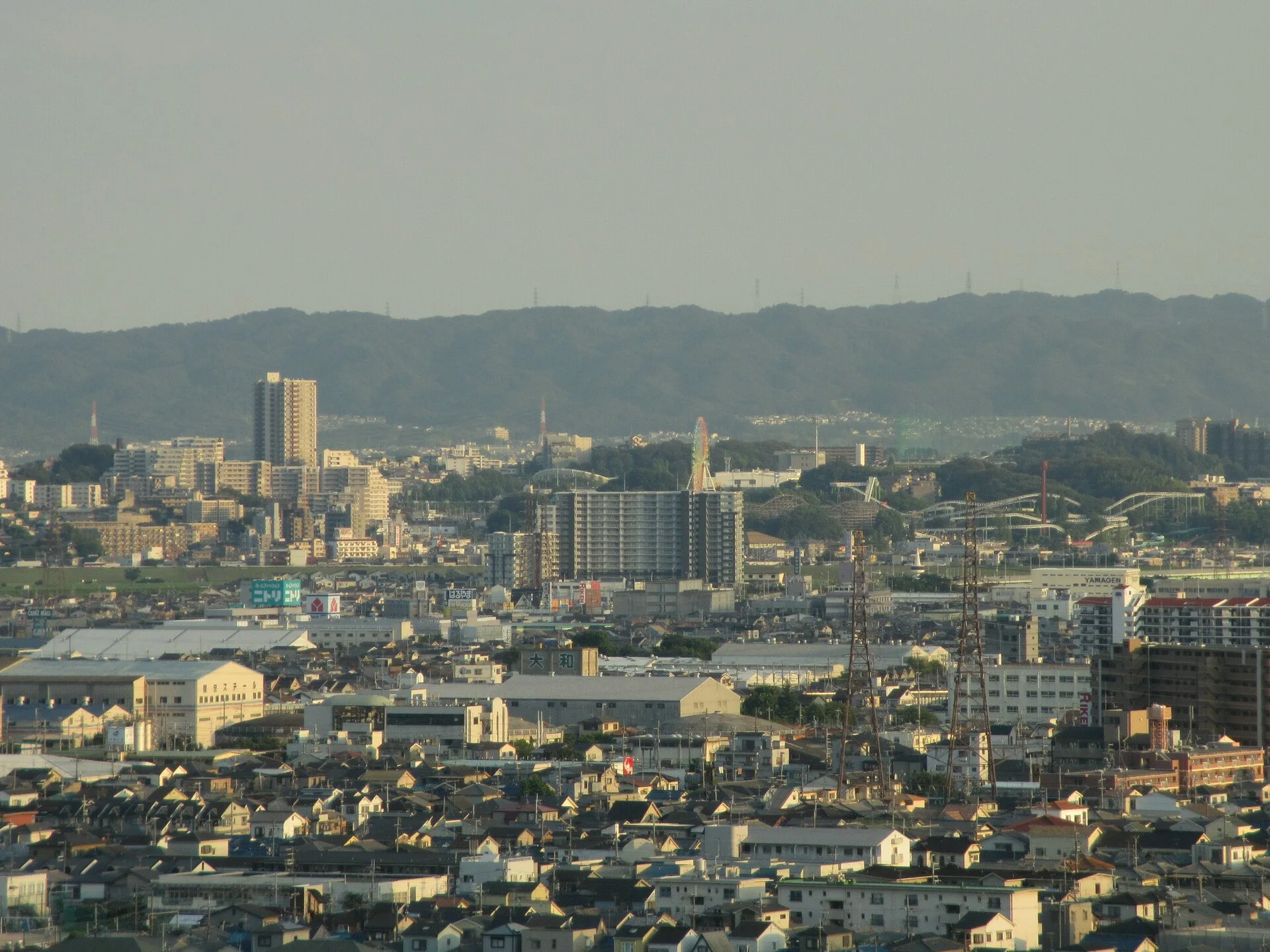
Compare single-ride tickets against the Free Pass before taking the Keihan Line from Osaka or Kyoto to Hirakata Park. Includes ELF and Red Falcon height limits, closure dates, toddler half-day plans, rainy-day options, and 2026–2027 winter illumination and ice skating tips.
110 cm and 120 cm: How to Plan Around the Two Coasters
The wooden coaster ELF is No. 3 on the park map, costs ¥800 per ride, and requires a minimum height of 110 cm. Its tight turns through the wooden structure and noticeable lateral sway are its main draw, and it can feel intense for first-time coaster riders. Red Falcon, No. 13 on the map, costs ¥900 per ride and requires 120 cm; the park lists it at 1,300 meters long with a top speed of 70 km/h. Both are covered by the Free Pass and close in the rain. If a child meets the height limit but gets nervous easily, watch one train cycle from the path first and let them decide.
For kids between 110 cm and 119 cm, build the morning around ELF. If they want more speed, check the park map for Wizard's Magical Jumpin' (105 cm minimum) and save your ride budget for attractions they can actually board. Kids under 110 cm can still get height and motion from the mini train and Ferris wheel. Measure borderline kids before leaving your hotel, and use the height gauge and staff check at the entrance before queuing so you don't have to split up at the loading platform. Neither coaster allows undersized children to ride even with an adult.
Check both the age and chaperone columns on the ride rules together. The park defines an accompanying chaperone as age 15 or older, and ride fares generally start at age 2. On the Gnome Train mini railway, children 4 and under must ride with an eligible chaperone (up to 5 children per chaperone), while kids 5 and up can ride solo. When an adult rides the double-decker carousel with a one-year-old, the toddler rides free while the adult still needs a ¥300 ticket. If an older sibling is under 15, have both kids sit together while an adult boards as the chaperone.
If you usually sprint to Red Falcon at rope drop, adjust your plan from November 27 to December 23, 2026—the park has announced it will be closed for maintenance. The hairpin-turn coaster Crazy Mouse is also scheduled to close from December 5 to December 15. For early December visits with thrill-seeking kids, prioritize ELF on a clear day and round out the itinerary with the Ferris wheel, Wizard's Magical Jumpin', or other open rides. If riding both flagship coasters is non-negotiable, shift your dates and verify the ride list on the park's Attraction Closure Information page. The operating calendar only shows whether the park gates are open; individual rides follow separate maintenance schedules.
Priority boarding for ELF and Red Falcon costs an extra ¥500 per person per ride on top of standard ride eligibility, even if you hold a Free Pass. Priority passes are sold same-day only via Asoview!—the ticket page lists sales from 9:30 until 30 minutes before each ride closes—and grant access through a dedicated lane during your chosen time slot. Wait until everyone is awake, changed, and ready to walk over before buying, rather than locking in a window while someone is napping or stuck in another line. PACHANGA also offers a per-boat priority pass at ¥1,500 per boat (up to 6 riders); factor in multiple boats if your group splits up.
Take the Keihan Line and Get Off at Hirakata-koen Station
From Umeda in Osaka, take the JR Osaka Loop Line from JR Osaka Station to Kyobashi, or ride the Osaka Metro Midosuji Line one stop from Umeda to Yodoyabashi and transfer to the Keihan Line. From Namba or Shin-Osaka, the Midosuji Line to Yodoyabashi also works well. Since Yodoyabashi is the terminus of the Keihan Main Line, boarding there gives you time to settle a stroller before the train fills up. Some trains terminate before Hirakata-koen, such as services ending at Kayashima, so check platform displays or route planners to make sure your train stops at KH20 rather than forcing an early transfer.
Keihan's station timetable clearly grays out Limited Express, Rapid Limited Express Rakuraku, Rapid Express, and Commuter Rapid Express trains—none of them stop at Hirakata-koen. Express, Sub-Express, Commuter Sub-Express, Section Express, and Local trains do stop. From Osaka, look for a direct train stopping at KH20; if a transit app puts you on a Limited Express to Hirakatashi, transfer there and ride one stop back toward Osaka. From Kyoto, if you reach Hirakatashi first, switch to an Osaka-bound train that stops at Hirakata-koen. When juggling more than one young child, waiting for a direct Sub-Express is usually easier than rushing strollers across platforms.
From Kyoto Station, the park's standard route is the Kintetsu Kyoto Line to Kintetsu Tambabashi, then a short walk to Keihan Tambabashi. If you're staying near Gion, Sanjo, or Fushimi Inari, board directly at the nearest Keihan station heading toward Yodoyabashi or the Nakanoshima Line, checking both train type and final destination before entering the gates. If you're changing hotels the same day, leave bags at your accommodation for pickup or use luggage delivery to your next hotel. Hauling two large suitcases through Tambabashi and into park rest areas makes boarding trains and nap breaks far harder.
The walk from Hirakata-koen Station to the main gate takes about 3 minutes—exit through the East Ticket Gate and head south. Trains from Kyoto arrive at Platform 2, which connects directly to the East Gate; trains from Osaka arrive at Platform 1, which links to the West Gate and uses a stepped underpass to reach the east side. With a stroller or wheelchair, exit via the ramp on whichever side your train arrives and follow street-level sidewalks to the main gate. The West Gate is unstaffed all day and the East Gate has unstaffed hours too, so use the station intercom if you hit a ticket or gate issue. For the return trip, Platform 2 serves Yodoyabashi and Nakanoshima Line trains, while Platform 1 serves Sanjo and Demachiyanagi.
From JR Takatsuki or Hankyu Takatsuki-shi, the park also lists a Keihan Bus route to the Hirakata-koen-guchi stop, roughly a 10-minute walk from the gate. Note that there is a similarly named bus stop, Hirakata-koen-eki-mae, so double-check that you select Hirakata-koen-guchi when looking up buses from Takatsuki. If you're staying in central Osaka or along the Keihan Line in Kyoto, taking the train drops you closer to the entrance. Coming from Kobe, the park recommends JR Osaka Station to the Osaka Loop Line and transferring to Keihan at Kyobashi, avoiding an extra municipal subway fare.
If you want more dining or shopping options after leaving the park, ride one extra stop to Hirakatashi Station; if everyone has already eaten inside and the kids are fading, head straight back to your hotel. Visitors staying for evening illuminations should check the weekday or weekend/holiday timetable on Keihan's Hirakata-koen Station page and confirm their return platform and transfer station. Catching the last Keihan train won't help if you miss the final Osaka Metro, JR, or Kintetsu connection, so factor in which station is closest to your hotel.
Regular-car parking at the park costs ¥2,000 on standard days and ¥3,000 on designated peak dates—including December 24–25 and 28–30, 2026, plus January 2–3, 2027. When the lots fill up, staff direct drivers to public parking near Hirakatashi Station to ride Keihan one stop back, which adds roughly 30 minutes to your arrival. The park warns that exiting the lot after closing on busy Christmas dates can take over an hour, making the train much smoother if you're staying in the city. If you do drive, bookmark backup garages around Hirakatashi Station ahead of time so you can pivot immediately if the main lot is full.
When the Keihan Go!Go! Ticket Beats Tapping an IC Card
A standard adult single fare on Keihan from Yodoyabashi, Kyobashi, or Tambabashi to Hirakata-koen is ¥400. A same-day round trip plus a ¥1,900 advance online admission ticket totals ¥2,700. By comparison, Keihan's Hirapa Go!Go! Ticket costs ¥2,200 for adults and ¥1,250 for elementary-age children, bundling park admission with unlimited one-day rides within the valid Keihan zone. On an adult round trip from Yodoyabashi, that saves ¥500 right away—just remember the Midosuji Line fare to reach Yodoyabashi is separate.
Even if every adult in your group plans to buy a Free Pass, the rail bundle still comes out ahead. An adult traveling round trip from Yodoyabashi who buys the ¥5,300 online bundle plus ¥800 in train fares spends ¥6,100. Buying the ¥2,200 Keihan Go!Go! Ticket and adding a standalone ¥3,400 Free Pass brings the total to ¥5,600. If you're unsure how many rides you'll actually take, start with the rail-plus-admission pass and pay per ride on-site to keep your options open.
The posted validity window for this digital Keihan pass runs from April 1, 2026 to March 31, 2027, for use on a single park operating day. It covers the Keihan Line and the Iwashimizu-hachimangu-sando Cable, excluding the Otsu Line. Note that the child rail pass is only for elementary school ages and does not cover the park's Kids tier (ages 2 to preschool)—buy admission for younger children separately from the park. If you're staying in Umeda or Namba and riding Osaka Metro at both ends, Keihan also lists an Osaka Metro version of the pass; check whether you already hold a city transit pass before comparing totals.
To use the Go!Go! digital ticket, register on Surutto QRtto and pay by credit card. You can buy up to 4 adult and 4 child tickets per transaction and distribute them to companions' phones. At the station, use the QR code-enabled ticket gates; at the park entrance, switch to the park tab inside the ticket screen, scan the QR code posted near the gate as instructed by Keihan, and show your screen to staff. Groups needing five or more passes should split the purchase into two orders so everyone has their own ticket. If older relatives are using paper tickets while parents scan phones for the kids, agree on a meeting spot just outside the gates beforehand.
Sunny-Day Plans for Elementary Kids and Half-Day Toddler Loops
To get the most rides in with elementary-age kids, arrive around opening and knock out your top priorities first. Because the two main coasters sit in different parts of the park, hit map No. 3 (ELF) and No. 13 (Red Falcon) in sequence during the morning, stopping at a ride along the way that siblings can enjoy together. If you arrive closer to midday, eat lunch and hit the restrooms before chasing coasters; jumping straight into a long queue hungry leaves kids remembering only the wait. Arriving early also lets you see after the first run whether anyone prefers to switch to gentler rides.
For three- and four-year-olds, a half-day loop from the mini train to the carousel works well, followed by the Ferris wheel after lunch if energy holds. The park is built on slopes, so group stroller routes around rides along the same walkway and save the rose garden for your walk back toward the exit. When an older sibling meets the wooden coaster height requirement and a younger one doesn't, have one adult ride with the older child while the other stays at a nearby toddler attraction, then swap on the next round. Pick a staffed counter or named landmark as your meetup spot instead of texting back and forth across benches.
For a sit-down family lunch inside the park, head to Gnome Dining, which also works well as a midday reset. You are allowed to bring bento lunches into the park, including the pool and winter zones, though outside food is prohibited inside restaurants and BBQ areas. Same-day re-entry is permitted—just let staff at the exit know before stepping out. While you can ride the train one stop to Hirakatashi Station for lunch and return, factoring in transfers, walking, and restaurant waits usually makes eating inside the park much simpler with toddlers.
If you're mixing daytime rides with evening lights for preschoolers, check which park restaurants are actually open for dinner rather than assuming they match closing time. For a sit-down dinner back in the city, eat after getting off at Kyobashi or Yodoyabashi. ICOCA, credit cards, and mobile payments work at select shops and counters, though accepted methods vary by stall and machine. Keep cash handy for spontaneous single-ride tickets, stroller rentals, and coin lockers so your group doesn't stall looking for a card reader.
Nursing rooms with changing tables, hot water for formula, and private feeding spaces are located at both the Main Gate Information Center and the Central Information Center near Hub Plaza. B-type strollers (for upright sitters) are rented exclusively at the Main Gate Information Center for ¥500 plus a ¥1,500 refundable deposit, with no advance reservations. If your baby needs a flat recline or only naps in their own stroller, bring yours from home. Coin lockers are right next to the Main Gate Information Center if you want to stash extra clothes upon arrival, with another bank near Dippin' Dots deeper in the park.
Leave buffer time before closing to wrap up logistics. Return rented strollers, empty lockers, and change kids near the main gate before the final rush, and schedule your last ride a bit earlier. If your group includes grandparents, expectant mothers, or wheelchair users, build in bench breaks or stroll the garden together while others ride. According to the park's FAQ, the 360-degree 4D Theater is accessible while seated in a wheelchair, while other rides have individual boarding and safety rules—making the theater, lunch, and flower areas the easiest shared stops. For a relaxed half-day, time your arrival around whichever hours your youngest child is most awake.
Cross Off the Coasters First When It Rains
In light rain, the park's rainy-day guide highlights covered attractions like the 4D Theater, the Witch's Maze, and indoor shooting rides. Because you still walk outdoors between queues, rain ponchos and a bag for wet jackets are far handier than fussing with umbrellas at every stop. Check the 4D Theater's show content first if a child dislikes dark rooms or loud audio, or opt for the Witch's Maze indoors depending on their comfort level. The carousel, mini train, and several other rides operate in light rain, though heavy rain or strong winds will narrow the lineup—check the day's closure board to trim your route immediately.
If steady wind and rain are forecast all day and your group's priority is ELF and Red Falcon, move Hirakata Park to another day. If you're staying in central Osaka and need an indoor backup for the family, swap in Osaka Aquarium Kaiyukan for a half-day indoors and keep the rest of the day flexible for transit and lunch. If your group only planned to see flowers and try a few covered rides anyway, stick to basic admission plus single-ride tickets and decide on-site whether to stay longer. With toddlers, pick just two indoor attractions they can ride together instead of trekking back and forth across hilly paths under umbrellas.
If showers clear up and outdoor rides reopen, head straight for your child's top pick first. Watch both the ride's last-boarding cutoff and the park's overall closing hour, since seasonal zones and individual queues can close earlier. If shoes or socks get soaked, stop at a rest area to change into dry spares instead of walking all the way to the far end of the park. Wait for clear visibility after the rain before paying for the Ferris wheel—or shift that ¥600 into an indoor attraction where the view doesn't matter.
Rose Garden in Spring and Fall, Illuminations on Select Nights
Dating back to 1955, the Rose Garden features around 4,000 bushes across roughly 600 varieties. Peak bloom typically runs from early to late May and mid-October to late November; the park's bloom tracker listed the garden at peak bloom on November 21, 2026. Spring showcases single-bloom heritage varieties, while autumn highlights repeat-blooming roses. During peak season, adults who want a proper look should stroll the rose arches and flower beds first, then set a meetup spot for when the kids finish their main rides. If you only have two or three hours free, a basic admission ticket plus one Ferris wheel ride is plenty.
The seasonal Hikari no Yuenchi illumination runs on select dates from October 31, 2026 through April 4, 2027. Check the event calendar first to confirm both that the lights are on and what time the park closes that evening. For instance, park hours are 10:00–20:00 on December 5, 10:00–21:00 on December 24 and 25, and 10:00–17:00 on December 31; blank dates like December 7 and December 17 have no evening illumination. If you're combining daytime rides with the lights, hit your daytime must-dos before late afternoon, as only a smaller lineup of rides operates after dark.
Standard daytime admission already includes access to the evening illuminations. If you're arriving from 16:00 onward and plan to ride after dark, the Night Admission + Free Pass online bundle costs ¥3,900 for Adults, ¥3,300 for Elementary Students, and ¥2,500 for Kids. The 16:00 timestamp on the night pass marks when entry and pass benefits start—check the calendar for actual light-up times. Families just walking through the light displays only need basic admission, and if you're adding just one ¥600 Ferris wheel ride, compare the single-ride math before upgrading, especially if younger kids will be ready for bed around 18:00.
The main Floral Fairy Castle runs a light-and-music show every hour at :00, :15, :30, and :45, while the Lantern Square show runs at :10, :25, :40, and :55. If the kids are mid-queue for a ride when a show starts, wait for the next 15-minute cycle rather than sprinting between zones. Evenings turn noticeably colder than daytime, so carry jackets when moving between the Ferris wheel and the garden, and schedule dinner or group meetups right after a show ends. With toddlers, arriving after 16:00 for one light show and one gentle ride leaves plenty of time to catch a train back to Osaka or Kyoto for dinner.
Winter Carnival Ice Skating and Snow Play Cost Extra
The 2026–2027 Winter Carnival runs from December 19, 2026 through February 28, 2027, with scheduled closure days in between. To enter the snow and skating zones, buy an online bundle combining park admission and Winter Carnival entry for ¥2,600 (Adults) or ¥1,800 (Elementary Students and Kids). If you already hold a Keihan ticket or standard park admission, you can add Winter Carnival entry separately for ¥700 per person. The amusement park's Free Pass only covers eligible theme park rides—carnival games and equipment rentals are extra. If only part of your group wants to skate, pay Carnival entry only for them and meet the rest of the family at the garden or a restaurant.
Gloves that fully cover the fingertips are mandatory for both ice skating and the snow play area. Skate rentals cost ¥700 in sizes 15–31 cm (in 0.5 cm increments), with limited double-blade skates available in sizes 15–18 cm (in 1 cm increments). First-time skaters can start in the Baby Rink, which gives priority to elementary-age children and younger and features lower handrails. Helmets are free to borrow; if rental skates don't fit comfortably or a child hesitates on the ice, switch over to the snow zone instead. Snow sled rentals cost ¥700 plus a ¥1,000 refundable deposit, and personal toys or sleds must be plastic.
Put skating earlier in the day so you can decide in the afternoon whether to stay for evening lights or head back to Osaka. Pack water-resistant outerwear, spare gloves, and extra socks, and use the changing space in the skate rental building after leaving the snow area. Re-openable coin lockers inside the rental building and beside the rink cost ¥400 (with ¥100 refunded upon return), with larger lockers available for ¥600. Non-skating companions waiting on the sidelines can warm up over food inside and rejoin at a set time. Walking from the rink out to the illumination zones takes a few minutes, so swap out wet gloves before heading back outside.
In summer, the seasonal attraction switches to The Boon outdoor water park, typically open from mid-July through early September. Separate ticket options apply for pool entry and park admission. Families prioritizing water play should plan changing, lunch, and gear cleanup within the pool schedule, leaving room in the afternoon for one favorite ride. For summer 2027, check the park's official calendar once pool dates are posted and pair it with nearby accommodations. If you're commuting from Osaka just for the water park, arrive early and pack waterproof bags for wet swimsuits so you aren't carrying dripping towels back to the train.
Where Hirakata Park Fits in Your Osaka or Kyoto Itinerary
If you're based in Osaka for family rides and seasonal events, there's no need to switch hotels. Head to Yodoyabashi from Umeda or Namba in the morning, and take the Keihan Line straight back in the afternoon when the kids run out of steam. For dinner back in the city, ride directly to Kyobashi or Yodoyabashi; only get off at Hirakatashi Station if you want a daytime shopping stop. If you're still choosing where to stay, check the JR Osaka and Midosuji Line transfers in our Osaka Umeda hotels guide to pick the most stroller-friendly base.
From Kyoto, staying around Shijo-Kawaramachi or Gion gives you direct Keihan access, while guests near Kyoto Station should plan around the Kintetsu transfer at Tambabashi. If you're doing two theme parks on consecutive days, dedicate a full day to Universal Studios Japan—where ticketing and transit demands are heavier—and use Hirakata Park for a half-day tailored to your kids' heights. With only one theme park day available, choose Universal Studios Japan if your kids are set on movie or game characters, and save Hirakata Park for a relaxed day of pay-per-ride attractions, the Ferris wheel, and gardens.
If Hirakata Park only fits on the day you transfer between Kyoto and Osaka hotels, decide first which station or hotel will hold your luggage and work backward from there. If your evening check-in has a strict cutoff or curfew, schedule your departure before dinner and the lights, saving the rose garden or Ferris wheel as your last stop. On the day you fly out of Kansai Airport, keep your schedule open for transit and bags rather than squeezing in a park visit. For travelers staying near Kyoto Station who need early departures or easy luggage storage, compare station-side access in our Kyoto Station area stays guide.
A few useful answers
How much do Hirakata Park tickets cost?
Advance online admission through Asoview! or KKday is ¥1,900 for adults (junior high and up) and ¥1,100 each for elementary students and kids ages 2 to preschool. Advance Admission + Free Pass bundles are ¥5,300, ¥4,500, and ¥3,200 respectively.
What are the height requirements for ELF and Red Falcon?
The wooden coaster ELF requires a minimum height of 110 cm, and Red Falcon requires 120 cm. Red Falcon is scheduled to be closed from November 27 to December 23, 2026.
Do Keihan Limited Express trains stop at Hirakata-koen Station?
No. Hirakata-koen Station (KH20) is skipped by Limited Express and Rapid Express trains. Take an Express, Sub-Express, or Local train, or ride a faster train to Hirakatashi and transfer one stop.
Do I need a separate ticket just to see the Hirakata Park illuminations?
No, standard same-day park admission includes the illuminations. The event runs on select dates from October 31, 2026 to April 4, 2027—check the official event calendar for operating nights.
What can we do at Hirakata Park when it rains?
Focus on indoor and covered attractions from the park's rainy-day guide, such as the 4D Theater and Witch's Maze. Both ELF and Red Falcon close in the rain, so save them for a clear day.
Official information and references
Sources used in this guide.
- Hirakata Park Operating Calendar & Regular, Night, and Winter Ticket Prices
- Hirakata Park Attraction Closure Notices
- Hirakata Park Official ELF Ride Rules & Fare
- Hirakata Park Official Red Falcon Ride Rules & Fare
- Hirakata Park Traditional Chinese Park Map & Ride Restrictions (PDF)
- Hirakata Park Train Access & Walking Directions
- Hirakata Park Keihan Bus Routes
- Keihan Hirakata-koen Station Train Types, Timetables, Platforms & Services
- Keihan Hirakata-koen Station Map (PDF)
- Keihan Hirakata-koen Station Standard Fare Table (PDF)
- Keihan Hirapa Go!Go! Digital Ticket
- Hirakata Park Nursing Rooms & Stroller Rentals
- Hirakata Park FAQ: Re-entry, Outside Food & Accessibility
- Hirakata Park Rainy-Day Guide
- Hirakata Park Rose Garden
- Hirakata Park Rose Bloom Status Updates
- Hirakata Park 2026–2027 Hikari no Yuenchi Illumination
- Hirakata Park 2026–2027 Winter Carnival
- Hirakata Park Peak-Day Parking Fees & Overflow Directions
- Hirakata Park Accepted Electronic Payment Methods by Venue (PDF)
- Hirakata Park Official Merry-Go-Round Ride Rules & Fare
- Hirakata Park Official Skywalker Ferris Wheel Rules & Fare
- Hirakata Park Official Gnome Train Ride Rules & Fare
- Hirakata Park Official Strawberry Cafe Teacups Rules & Fare